ÄGAPĒ: Inside New York's New Techno Underground
Colombia taught me that nightlife is really about people before anything else. I started very young, selling tickets and being involved in the entire process from the ground up. It taught me how important community, word of mouth, and trust really are.
You can have an amazing artist or venue, but what makes a night special is the feeling people have when they walk into the room and the people they experience it with. I carried a lot of that with me to New York.
I don't know if I would ever call it a cultural institution myself. I still look at ÄGAPĒ as something we're building every day.
There wasn't really one moment where everything changed. It was more gradual. We started with very little, reinvested everything into the next event, and kept seeing more people connect with what we were doing.
Once artists started coming back, the same faces kept returning to our parties, and we began expanding into the record label and eventually the festival, it became clear that ÄGAPĒ could be much bigger than just one night.
But I still try to approach every event with the same excitement and attention to detail we had when we first started.
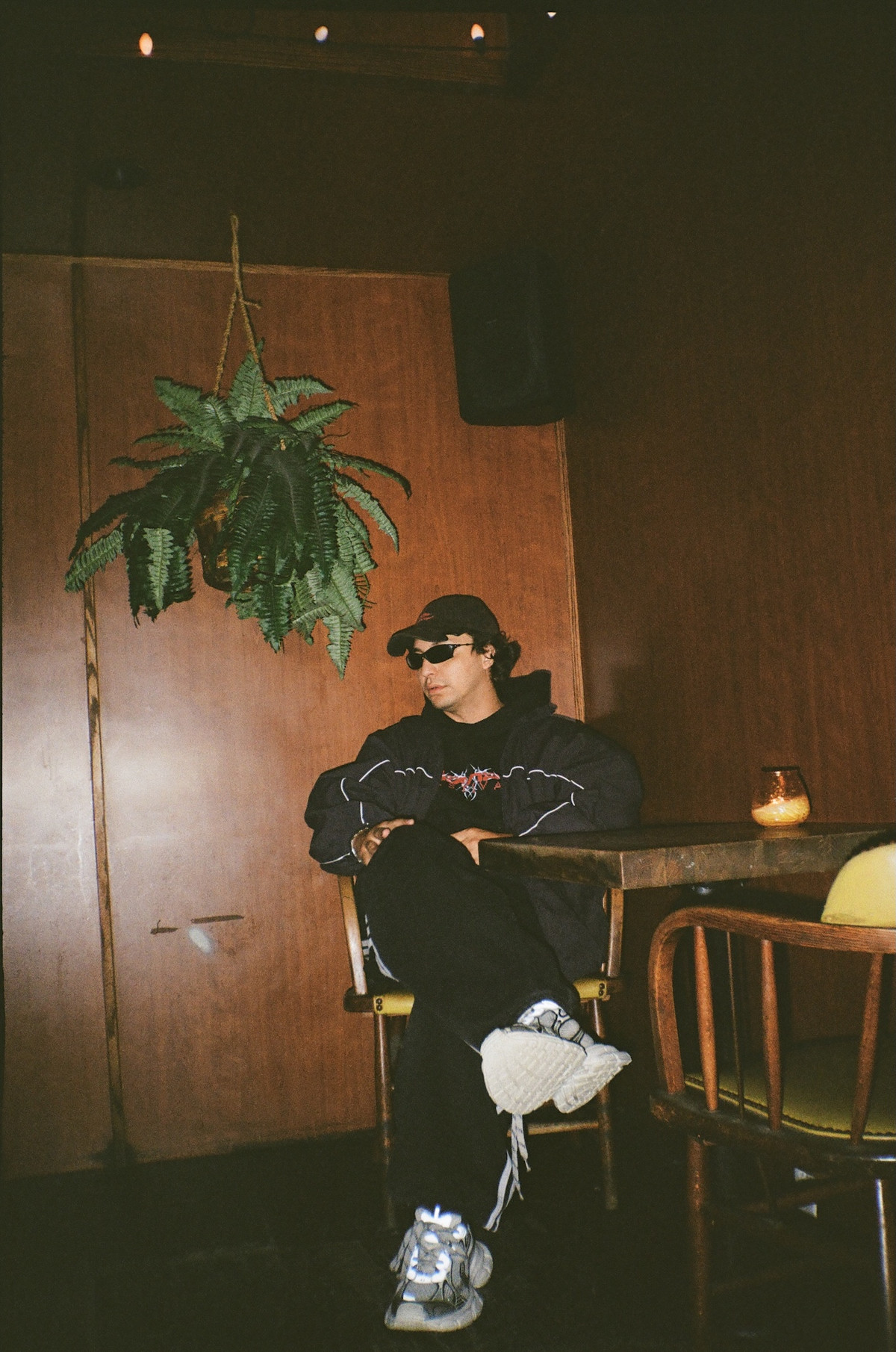

Yes, the contrast was intentional, but I also wouldn't define ÄGAPĒ solely by extremely hard music. The name comes from the idea of agapē as a kind of unconditional, transcendent love, and that has always been central to what we wanted the project to represent.
Since 2021, we've booked across different subgenres of techno, from groove and more traditional techno to faster and harder sounds. Our musical identity has always had range, and that's something we want to continue exploring. What interested me was the idea that music can be intense, physical, and powerful while the environment around it can still feel open, emotional, and connected.
For me, those things aren't opposites. That contrast between the intensity of the music and the warmth of the community is a big part of what the name represents.
NYC nightlife has historically been created by immigrants, queer, Black and Latino communities, artists and people looking for somewhere they could construct another identity after dark. As someone who came to New York from Colombia, what did the city allow you to become that perhaps wouldn't have existed elsewhere?
Coming to New York from Colombia, I was exposed to so many different communities, sounds, and perspectives all at once. But even before New York, I had already experienced what it meant to grow up around different cultures. I spent part of my childhood living in Indonesia and traveling around Asia with my parents, so from an early age I was used to being surrounded by different languages, people, and ways of living.
I think that early exposure shaped me more than I realized at the time. New York felt like a place where all of those different influences could coexist.
That diversity is a huge part of what makes the city and its nightlife so special, and I have tremendous respect for the communities that built that history long before ÄGAPĒ existed.
For me personally, New York showed me that you could come from somewhere else, carry all those different experiences with you, and channel them into creating something that genuinely belongs here. ÄGAPĒ is very much a product of that journey.
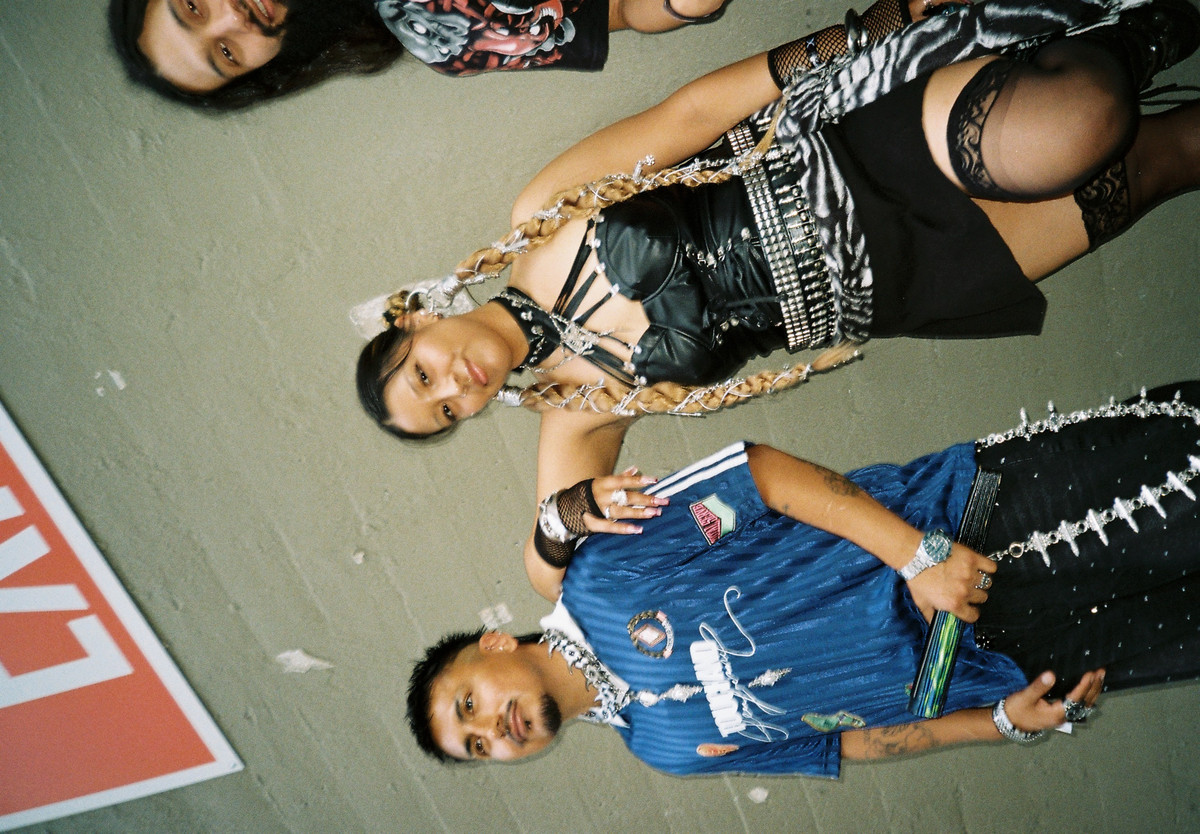
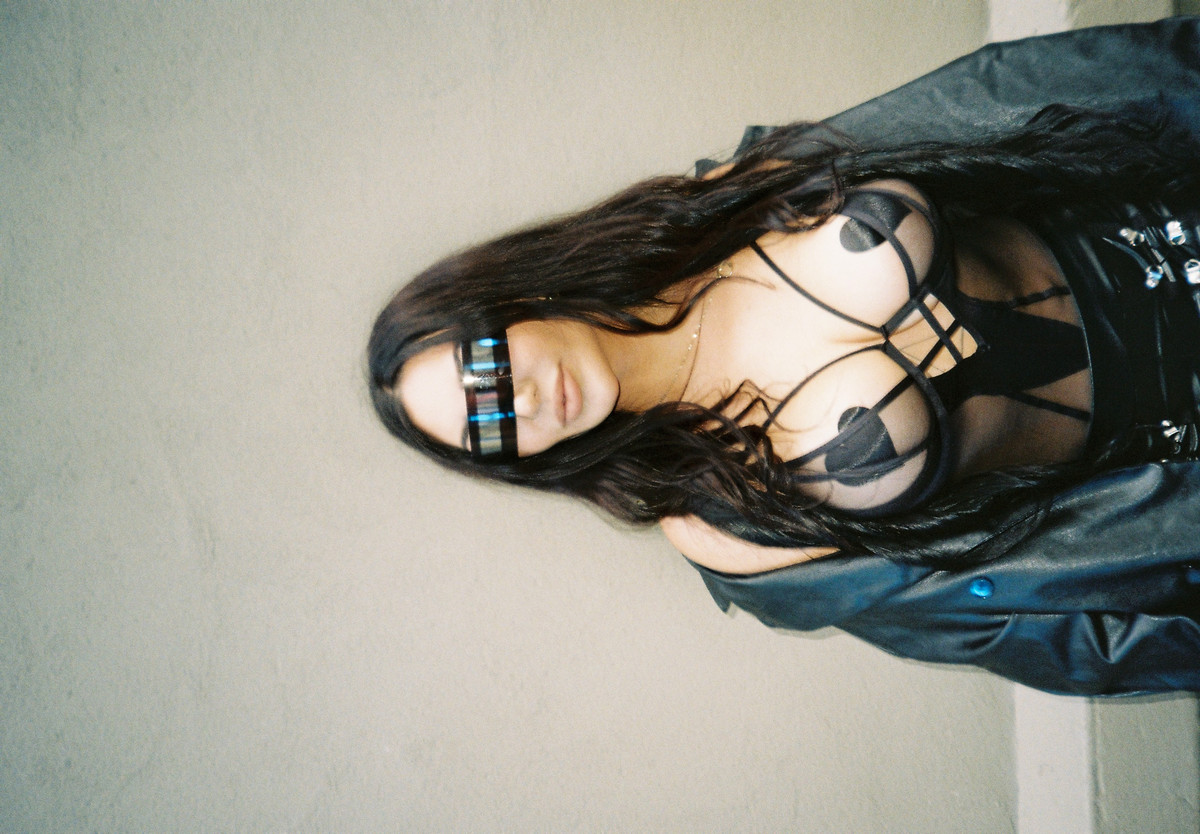
I don't think growth and intimacy necessarily have to work against each other.
A festival allows us to do things creatively that wouldn't be possible in a 500-person room, but that doesn't mean we stop doing smaller shows or taking risks on emerging artists.
For us, the goal is actually to have both. We can produce a large-scale festival at Industry City and then, a few weeks later, create something completely different in a much smaller Brooklyn warehouse.
I think it's important to continue creating spaces where people can discover new music and artists, regardless of the size of the event.
What matters to me is that people still feel there's intention behind the lineup, the production, and the overall experience. The scale can change without the identity changing.
I wanted the lineup to reflect how connected New York and Europe have become, while still showing that New York has its own identity and momentum right now.
A lot of the artists we work with have strong communities in Europe, but they also have very real audiences developing here.
At the same time, it was important for us to place U.S. and New York-based talent alongside those international names and give them exposure on a much bigger scale.
To me, that says a lot about where New York techno is culturally right now. The scene is becoming more international, but it's also building its own artists, its own communities, and its own voice.
The exciting part is seeing those worlds interact rather than feeling separate. I want ÄGAPĒ to continue contributing to that exchange while helping push the New York scene forward.
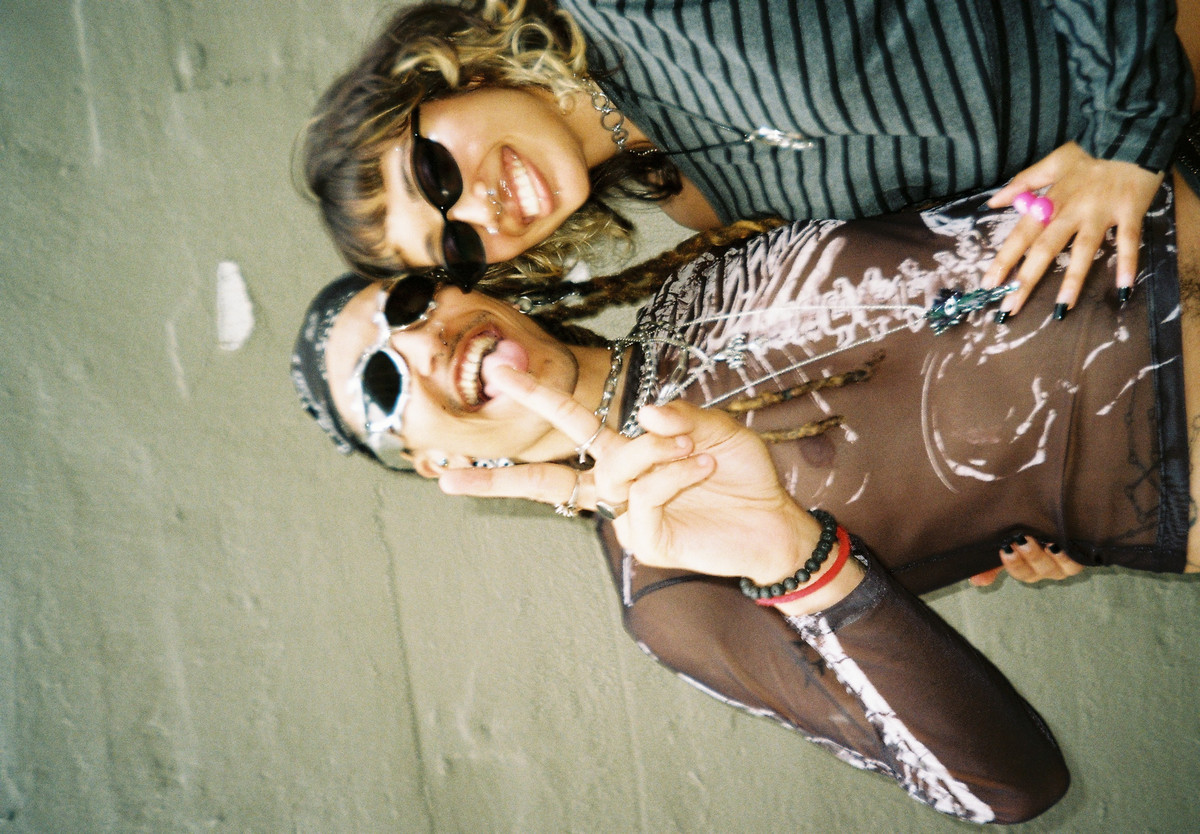

Every generation discovers electronic music differently. For some people today, that first introduction might be through Instagram, fashion, or a short video, whereas another generation discovered it through a record shop or a flyer.
I don't necessarily see that as a bad thing. More visibility can introduce the music to people who might never have discovered it otherwise.
The important part is what happens after that introduction. If somebody discovers techno online and then starts digging into artists, labels, parties, and the history behind the music, that can only strengthen the culture.
I do think it's important to respect where the music comes from and the communities that helped create it.
Trends will always come and go, but people who genuinely connect with the music tend to stay.
I don't really see those roles as opposites. There are a lot of artists who began as promoters or label owners, focused on building their own platforms, often by any means necessary. In electronic music especially, those worlds have always overlapped.
For me, ÄGAPĒ and Junkfile feed off each other. Being a DJ helps me understand what artists need from a promoter and what actually makes a room feel right. On the other side, producing events has made me hyper-aware of how much work goes into creating the environment where an artist can really have that moment.
But when it's my turn to play, I'm not thinking about permits or budgets. I'm thinking about the room, the next record, and where I want to take the set.
That part hasn't disappeared at all. If anything, building ÄGAPĒ has made me value it even more, because music is still the foundational reason I got into all of this in the first place.

We're closing out 2026 with a strong run of club shows in New York, some of which have already sold out, and we're continuing to explore different sounds and concepts across the city.
But 2027 is shaping up to be our biggest year yet.
One of the things I'm most excited about is our upcoming ÄGAPĒ Winter Festival, taking place February 19–20 at Industry City. We're bringing together some legendary names in techno alongside a new generation of artists pushing the sound forward.
I can't reveal the full lineup just yet, but I can share a few names: Len Faki, Ben Klock, FENIMORE, UBERKIKZ, and KUKO, with many more still to be announced.
The two days will have distinct musical identities. The first will focus on techno and hardgroove, while the second will explore faster sounds, hard techno, and hard bounce. We're really proud of how the lineup is coming together.
Beyond the Winter Festival, we're working on our next summer edition, expanding our larger-scale events, and developing more collaborations with artists and labels that we genuinely believe in.
We're also looking beyond New York. One of our biggest ambitions for 2027 is to take ÄGAPĒ internationally through collaborations with like-minded collectives, promoters, and artists in places like Germany, Amsterdam, Spain, and Australia. Rather than simply bringing our parties to different cities, we want to connect with the local scenes, exchange ideas, and create something that feels authentic to each place while maintaining ÄGAPĒ's identity.
Another major focus for 2027 is ÄGAPĒ Records. We're preparing our first various-artists compilation and already planning additional releases. The goal is to make the label a natural extension of what we've been building through our events, giving artists another platform to share their music.
Ultimately, I want ÄGAPĒ to continue growing beyond just a party series or a festival. We're building something that connects artists, music, and communities through events, releases, and creative collaborations, both in New York and internationally.
There's a lot coming, and I genuinely feel like we're only getting started.