AZ—Can you explain that? How?
RF—Well, you just said it in different terms, but we've been trained to be greedy in an oppressive society. And going back to, why are underserved neighborhoods underserved? It's because you don't serve them. That's the only reason. It's that simple. If you wanted something there, you would put it there. When your mind is open, you would change your thoughts, and the way you grow through life. And with that, that's freedom. Instead of your brain being shackled to the beliefs of your employer, period. You're a minority. Where? Where am I a minority? Why? What makes me a minority? That’s a racist-ass term. Oh, you're a minority. It's like, ‘No, actually, you're the minority in the world.’ But now you got people coming into the door saying, ‘I'm less than you. I'm weaker. Basically, I'm insignificant.’ It's a beautiful tactic. Beautiful...
AZ—You’ve been in this area a while, to say the least...
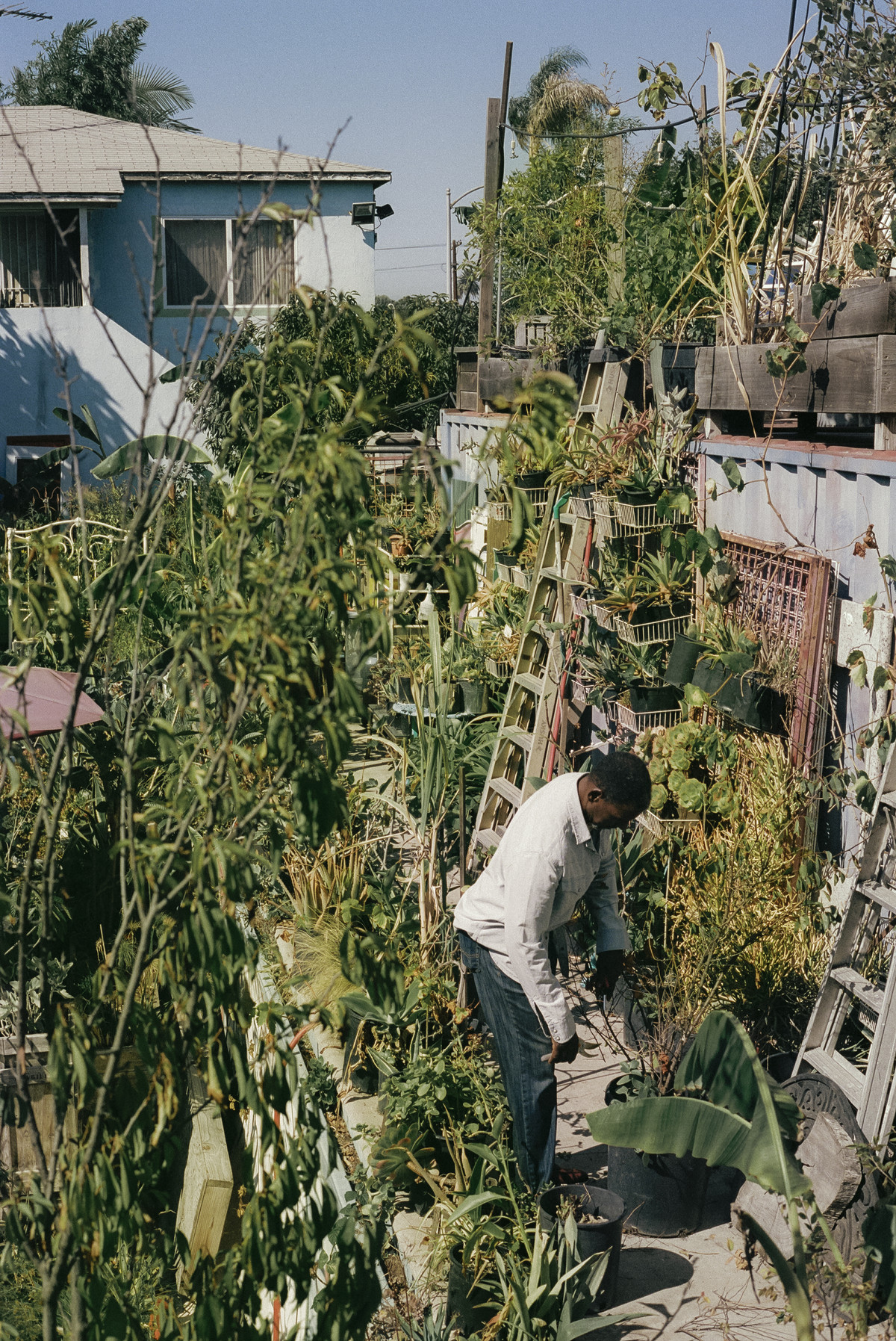
RF—Yeah, it used to be called South Central. I don't know what the fuck they call it now—they tried to rename it South LA. They changed the name, but didn't change nothing else. I think it was a Jedi mind trick.
AZ—It’s an obvious point to make, but important nonetheless—I'm sure you've seen it be affected majorly by gentrification.
RF—Period. That's what's happening, and not just here but around the world. Other people come to your so-called ‘underserved neighborhood,’ ‘unrepresented neighborhood,’ and then they're like, Ooh, we like this. I want this. It's mine.
AZ—From what I've seen and read about your work, this reminds me of the power changing vernacular—redefin- ing words, restructuring inherent meaning.
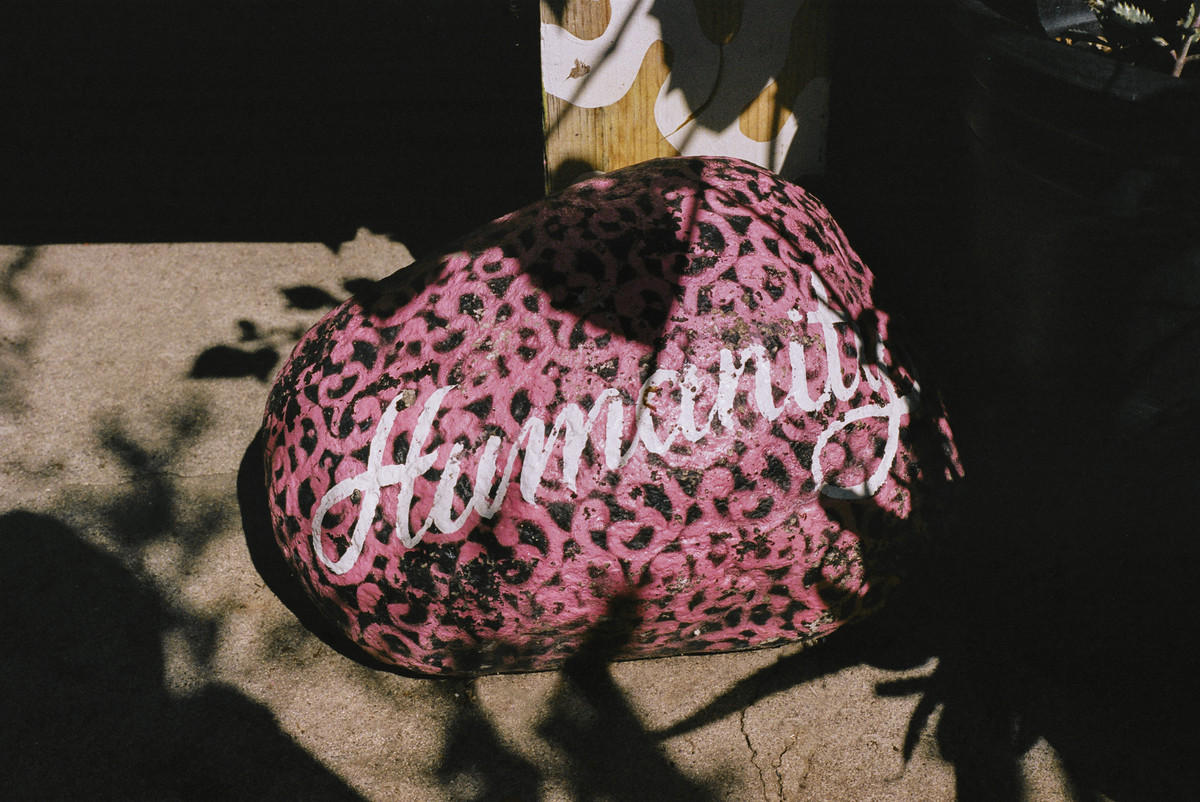
RF—You change the way somebody thinks and feels about themselves, and you teach kids that you are the most valuable, worthy thing on this planet. That's dangerous for this society because now, they won't value the dumb shit. You would be able to look at another human being and see the value in this life, in this person, because this person is neat. God, I'm breathing the same air as them, you know? You're not taught that school. And words matter to me. I think if you frame them where we change this shit, people will think differently. And that's what this is about—just to change your vision of what's been shown. Because so much of it doesn't work for us. Like something simple, I'll talk at an architects' group. ‘What are cities designed for?’ And you know, they get the... ‘No, what are cities designed for? You're in an architects' group.’ This one school, the professor goes, ‘People.’ I'm like, ‘Eh, wrong. She's going to teach you that cities are designed for people. I'm sorry, cities are not designed for people. Cities are designed for one thing: commerce.’ And I said, ‘You can change that. You can design cities that are designed for people that are more humanistic.’