Angèle Returns


Stay informed on our latest news!


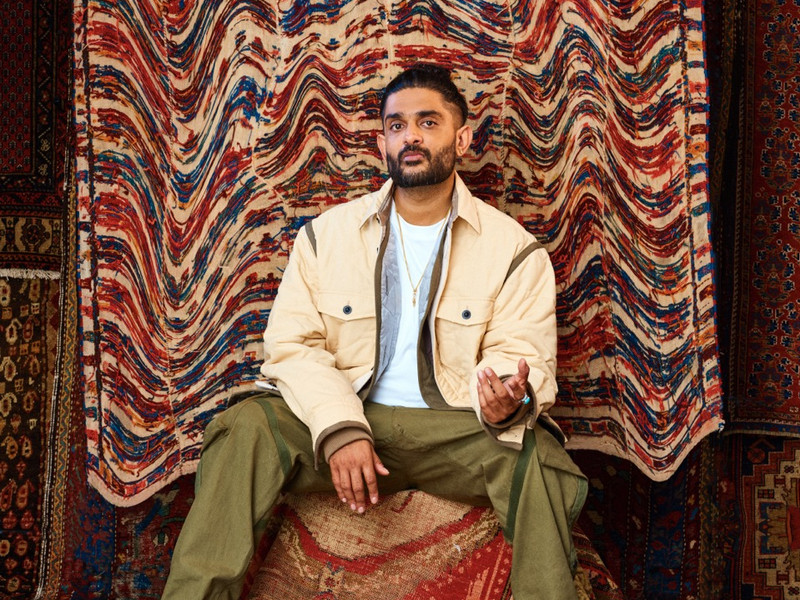
The fast-paced enigmatic track combines jazz, hip-hop, and rap to tell the story of an emotionally complex stage in a relationship. The song is described as an “auditory play,” one that occupies three chapters. The constant changes in rhythm, cadence, and energy forge an ever-changing ground that perfectly mimics the message of the music. By.Alexander, who feels drawn to creating art that represents shifts in society and culture at large, approached this song with the intention of deconstructing a modern trend he’s observed: it has become increasingly less necessary to maintain relationships. The contemporary couple is more likely to “give up” on their union than in generations prior. Rather than working through hard times, separation becomes a go-to solution. The multi-hyphenate artist’s new single explores these themes through intense emotionality and production, including everything from horns and piano to riveting vocals to do so.


“At its heart, UNITY is about bringing together worlds, dreams, and communities through music and imagination,” Prismax said. “It’s a love letter to the past and present of electronic music.” Instead of following a linear storyline, UNITY unfolded like a dream, guiding viewers through emotional states and fantastical realms drawn from both Tomorrowland and Insomniac’s legendary festival worlds.
For longtime fans, there were hidden Easter eggs tucked inside every frame: a dragon modeled after the Rose Garden stage “Rosie,” coded messages in the Orbyz language, and underwater treasures buried in the realm of Planaxis.
It was my first time inside the Sphere, and I hadn’t realized how absolutely colossal it was. A 160,000-square-foot wraparound LED screen inside with 16K x 16K resolution, the largest ever built. It was no shock that its sheer scale forced Prismax to rewrite their playbook. “You never really feel the grandeur on a monitor,” they said. “So we built a VR preview program where our designers could walk through the virtual Sphere before seeing it in person.” They also invested in a custom render farm (a 30-computer supercluster with 1.3 petabytes of storage) to handle the project’s staggering data load.

Beneath the mammoth screen and cutting through the lasers, a live orchestra reimagined iconic tracks from Zedd, Avicii, and other cornerstones of electronic music. Followed each night by a different headlining set. When the DJs took over, the show quite literally came alive. Using Unreal Engine and their proprietary xLive software, Prismax created a real-time world that reacted to each performer’s sound, tempo, and lighting cues, part game, part dreamscape, all synced to the music.
The team didn’t chase spectacle for spectacle’s sake. “Experience tells you when something is too much,” they said. “Our job is to keep the magic while making sure your eyes don’t get tired.”
After twenty years designing for the world’s biggest festivals, Prismax had finally brought their most ambitious vision to life. “The dream had been Sphere since the day it opened,” they admitted. “Now that we’ve done it, we’re asking ourselves — what could possibly be next?”
Read full interview with Prismax below ...
What’s the core idea of UNITY as a story, not just a show?
At its heart, UNITY is about bringing together worlds, dreams, and communities through music and imagination. We guide festivalgoers from all generations through an adventure of the creative realms of Insomniac and Tomorrowland, weaving together their mythologies, festival “universes,” and emotional landscapes. It is essentially a love letter to the past and present of electronic music. So the story is not literal but rather mythic and symbolic. The audience is swept through a sequence of realms, each evoking emotional states, culminating in an epic final show hosted by a different DJ every night.
How did you go about trying to keep Tomorrowland and Insomniac’s identities unique while also merging them together?
It’s called UNITY, but each brand works with the teams they are familiar with. We are long-time collaborators with Tomorrowland and we know the themes and identity inside out. The first part of the show allows each brand to truly showcase their identity and what they stand for. Whereas the closing part truly forms a unity where both brands flow into each other and become something new and unique.
Are there any “Easter eggs” for longtime Tomorrowland/Insomniac fans?
We can only speak for the Tomorrowland part of the show. But longtime fans will definitely relive past editions of Tomorrowland. (Planaxis, Ascendo). There are a lot of small intricate details that call back to those themes. But to give diehard fans something to look for…
- The dragon in the opening scene is based on “Rosie”. Better known as the Rose garden stage.
- There are literally some hidden treasures to be discovered in the realm of Planaxis.
- In the Orbyz world we used the language of the world to hide some messages throughout. This language has already been deciphered by fans. So people could have some fun finding out what we wrote.
These are just some of the million details we added but of course we want people to discover as much as they can by themselves.

How do you know when a design idea is “too much” visually? How do you maintain image “pizazz” and legibility at that brightness/scale without fatiguing the eye?
Experience and lots of testing and iterations. We have been doing live events for over 20 years now and our designers have a lot of experience knowing what works and what doesn’t. But of course the setting of Sphere is unique. You will never really feel the scale and grandeur on your monitor screen. So we developed a special preview program in VR. Here the designers could preview their work in a virtual environment closely resembling the sphere. It's not 100 percent accurate but it gave them a better sense of where to place certain objects of speed and motion etc. I think by the end of the creation all of us have watched the entire show more than a 100 times.
Do you plan for content and seating sightlines? Are there “prime” zones you compose for?
Any event that uses 3D visuals has an optimal viewpoint. The immersion and depth of the visuals will always be the best viewed from a specific angle and distance. Sphere isn’t any different, it's just on a grander scale. Because the screen is so big and curved, sitting close to the screen will give more stretching and probably a bit of neck pain too from looking all the way up… The optimal position would be in the center on one of the middle floors. We did try to make all the objects equally exciting from any viewpoint, we did not focus solely on these ‘best seats in the house’.
Do the artists have a say in what they want visually while they are performing? How do you decide on the visual languages and color systems tied to each artist’s identity?
For the artists, during the last hour of the show, we created a realtime world running at full resolution of Sphere. Basically it’s a mini computer game running live on Sphere’s system. It even runs on a game engine, Unreal Engine in particular. Together with our own proprietary software xLive, we can bring this world to life based on the style of each DJ. The lighting desk is also connected to xLive, controlling the colors of the real lights, but also the virtual ones in our world. The other way around some of the effects in our world trigger sound effects that will play over the music, creating an amazing immersive experience. So while each DJ plays in the same world created for this final part of the show, operating it live in realtime makes it very customizable to their style of music, tempo, …
Obviously this is a really unique space to design for, were there any major constraints or surprises that you had to work around on this project?
We are used to doing big resolutions, but never at this scale. … We invested in a big, new state-of-the-art render farm, just to be able to create this show. … It’s basically a supercomputer, which consists of 30 smaller computers and has several hard drives combined. It has 1.3 petabytes of storage, which means it’s 1,300 terabytes, enough to store everything that is on Netflix in 4K. Also refer to the previous answer where designing on your pc monitor is totally different to the grand scale of Sphere.

I can’t imagine how fast all the technology in your design space evolves! How do you keep up with it? Are you using AI? Did you use anything new in this event's designs that you haven’t used before?
We don’t shy away from new technologies. We encourage our designers and tech team to spend time on RnD and trying out new things. Constantly improving your skillset opens up new possibilities and allows us to come up with new and creative ideas. We also don’t shy away from using AI. But in our office it's mostly used during the concepting phase or to help solve tedious tasks that our designers rather spend being creative. Of course the earlier mentioned xLive system we created made it possible to run a show realtime in Sphere with this level of detail in 16x16k resolution.
Do you design differently based on where you are in the world? Like in this case did you design it to cater more to an “American audience”?
Since the show is called Unity, we created the show with an international crowd in mind. We always do this with Tomorrowland, the themes travel all around the world and appeal to any nationality.
Because every day is a different DJ with a different sound, vibe and tempo (not to mention a lot of it is live and unpredictable.) How do you adapt the visuals to match that?
The big difference from the show before is that [the finale] is a real-time show. So what you’re looking at is not a video file, but it’s actually a computer game using unreal engine and our custom program xLive that we created specifically for this show. Because every day has a different DJ, every day a different type of music, it’s a different tempo of music. And to be able to adapt the visuals live to what is being played, we had to create this real-time system that is now running on Sphere. With this system we can easily adjust the lights, effects and environment of the scene to cater to the music of the closing DJ.
What do you think is “next” in the realm of entertainment? Are there any technologies that are being developed or you want to be developed?
Definitely further development in realtime visuals, of which we are now at the forefront of! Although I am still hoping that some day real lifelike and big holograms would be physically possible :)
What is your dream space to design?
The dream has been Sphere since the day it opened! So after achieving this, we asked ourselves the question, what is next… but since nothing better exists than Sphere right now, we would love to make more shows there :)
What’s the last thing you google searched?
What the weather is like in Itu, Brasil, since we are doing Tomorrowland there next week!


The five-day long affair was host to a variety of events throughout the city such as an Artist talk with producer and musician A Guy Called Gerald. Celebrating the 30 year anniversary of his album titled Black Secret Technology, Gerald sat down to discuss his journey as an artist in the club scene and how technology presents opportunities as well as challenges in today’s world. Walking into the Krzysztofory Palace felt like walking into a business convention where everyone looks like they’d get into Berghain on their first try. A true sense of community, with attendees sipping beers amidst the enlightening talk. With surprise guest Leyland Kirby moderating the discussion, Gerald discussed his distaste for Spotify and how he feels it handicaps artists and their ability to monetize their contributions. He even floated the idea of blockchaining his music as a possibe solution to this.


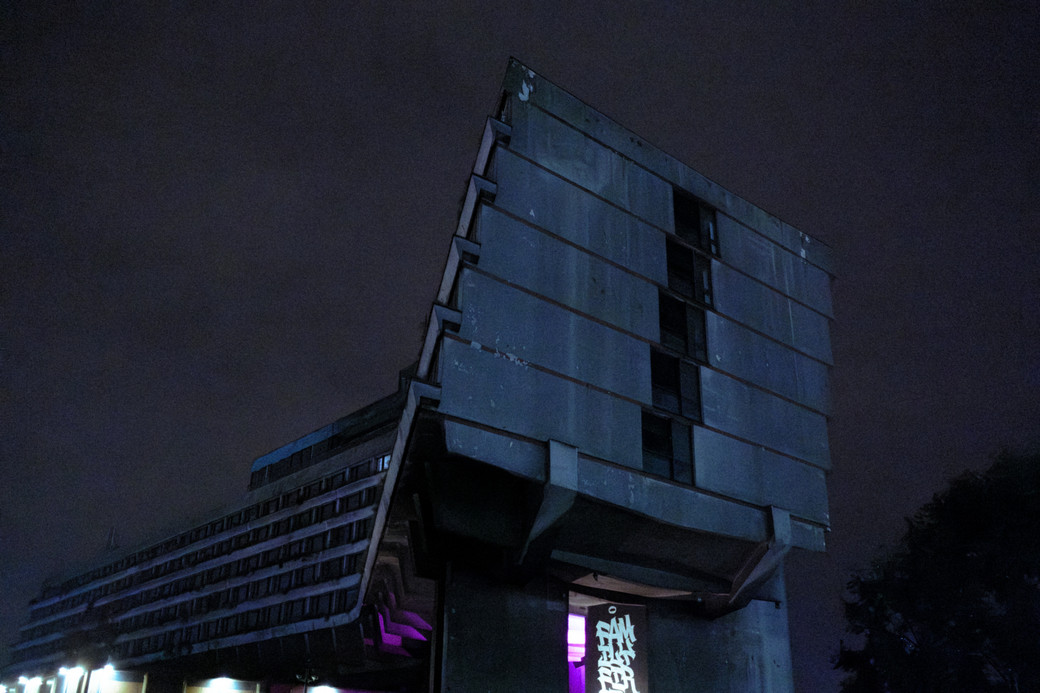
The same day saw performances by Yosuke Fujita & Ka Baird who came together as well as Actress & Suzanne Ciani. As we headed into the night at the legendary Hotel Forum, some standouts were Norwegian duo Smerz, Nick León, NEW YORK, and Warsaw based DJ k:i:o:s:k. Known for their legendary b2b’s, Unsound got Brodinski and Slikback paired up and successfully led the crowd into a trance. Fusing trap and electronic sounds, the set gave a surprising take on the blend of genres.
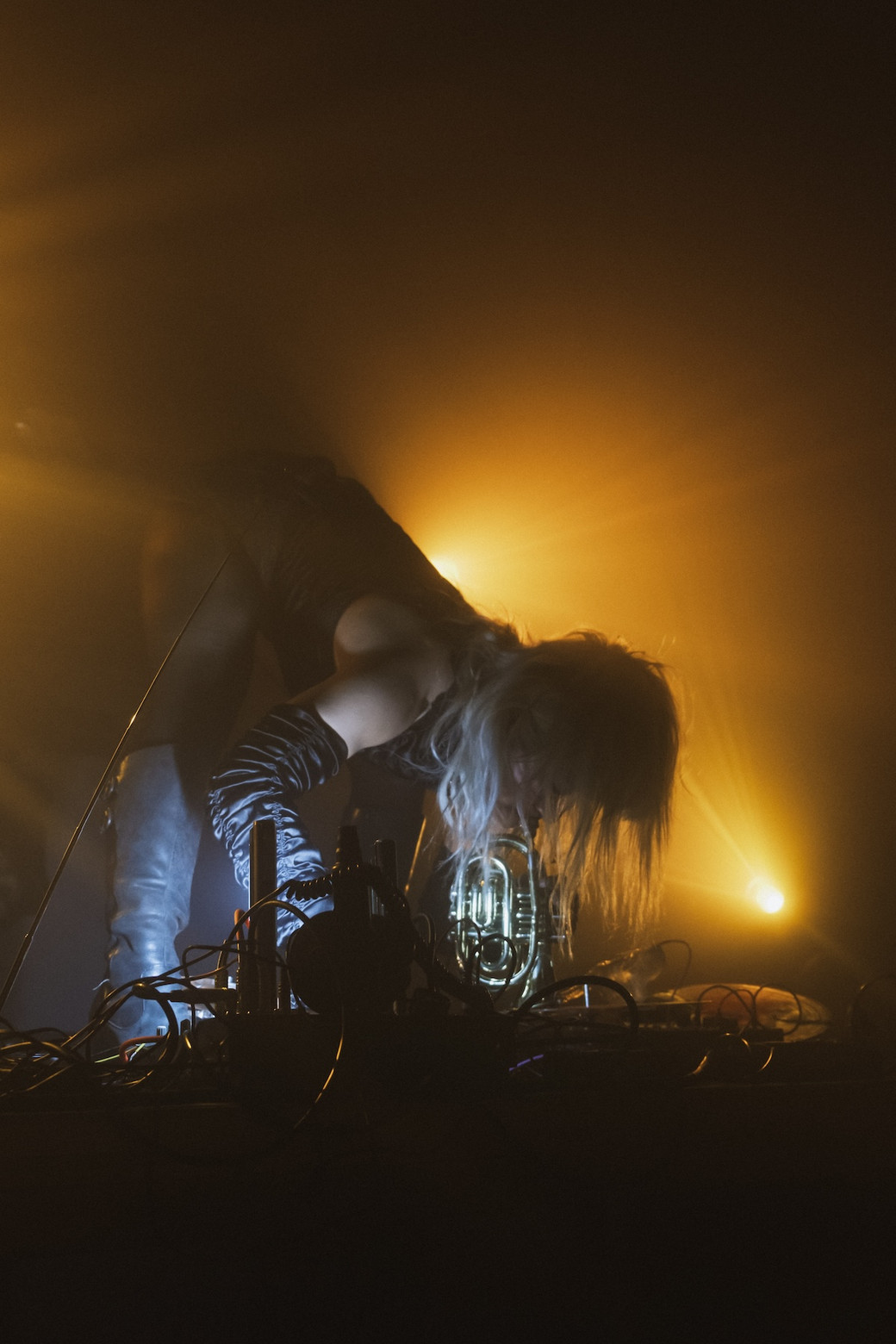
Heading into Friday, the programming brought even more variety. Artist talks with Jim O’Rourke and a bagpipe performance by Brìghde Chaimbeul in a dark steamy room were just the beginning. Outside the city center at the Łaźnia Nowa Theatre, The Providenza Ensemble, consisting of Kelman Duran, Loraine James and Puce Mary with Sinfonietta Cracovia left something truly special in the air. Commissioned by Warp and supported by Carhartt WIP, the live debut of the project was the result of a week-long excursion into the Corsican mountains. The theater was filled to the brim with half the floor consisting of guests laying down and the other half trying their best to get a glimpse at the source of the transcendent ambient sound. It seemed like it ended too quickly, as everyone we talked to was just seconds away from floating out of their bodies.
Following the Ensemble was YHWH Nailgun, a band with a sort of whispered take on heavy metal and a sickeningly good drummer. The type of sound where you might want to grab complimentary earplugs from the merch table yet still want to get closer to the stage.
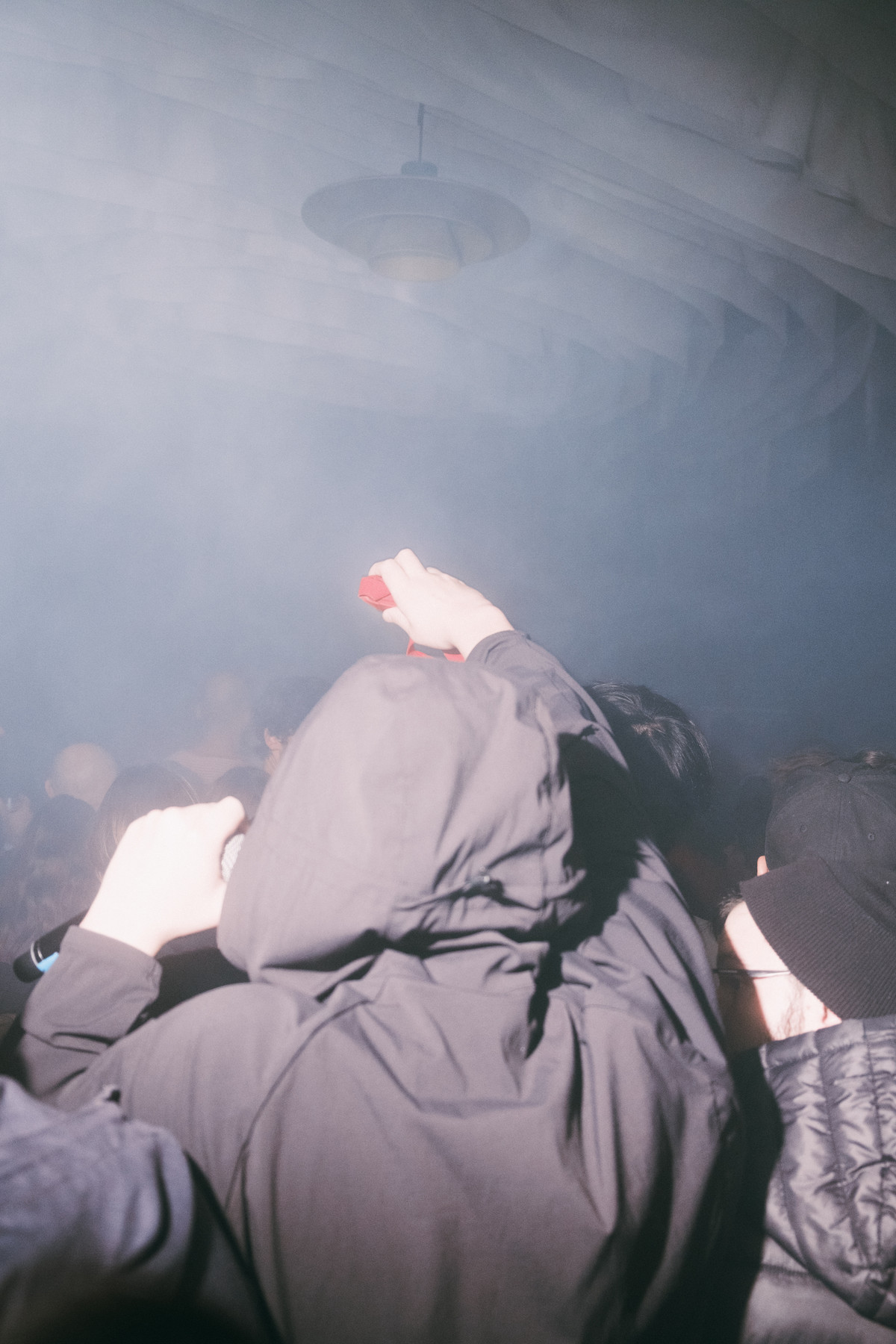
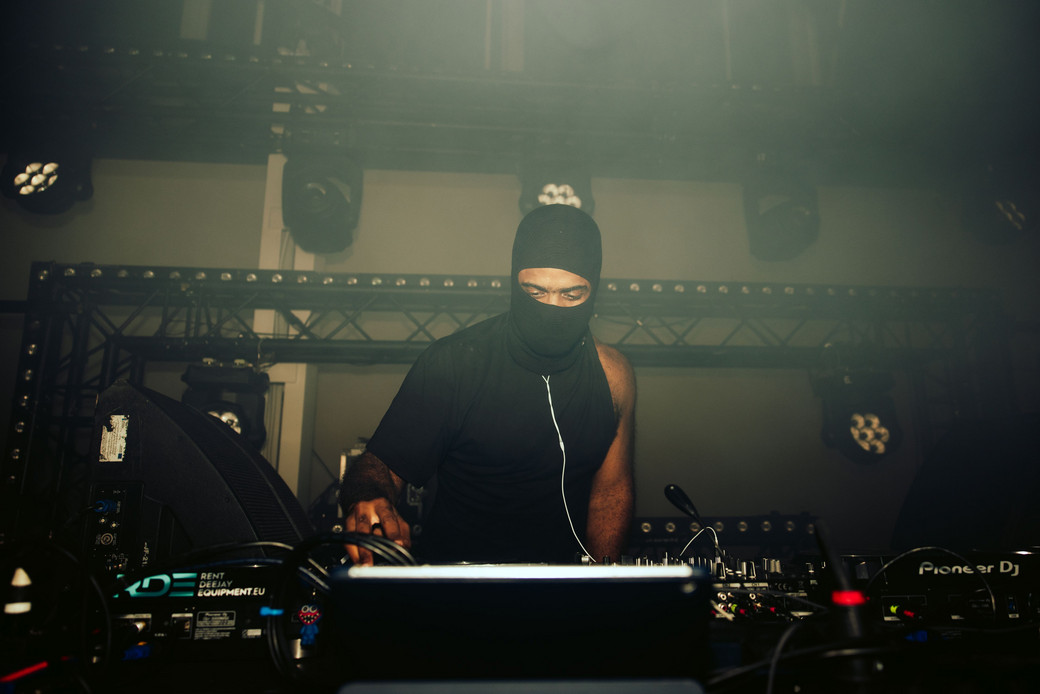
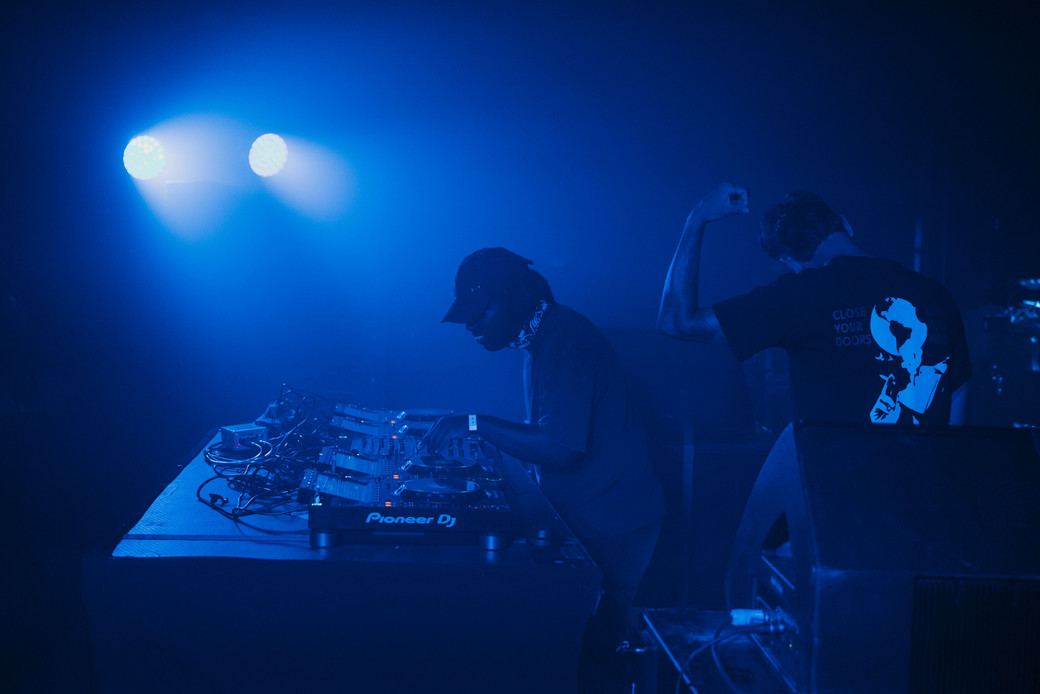
We rode the wave into Friday night and it was even wilder than the night before. It felt like we blinked and all of a sudden the sun was coming up. At the Hotel Forum, there were three stages allowing the audience to jump in and out of sonic universes within seconds. That night, Djrum performed and we met a guy who told us he was really excited because the spliff he had gifted him was now being smoked on stage.


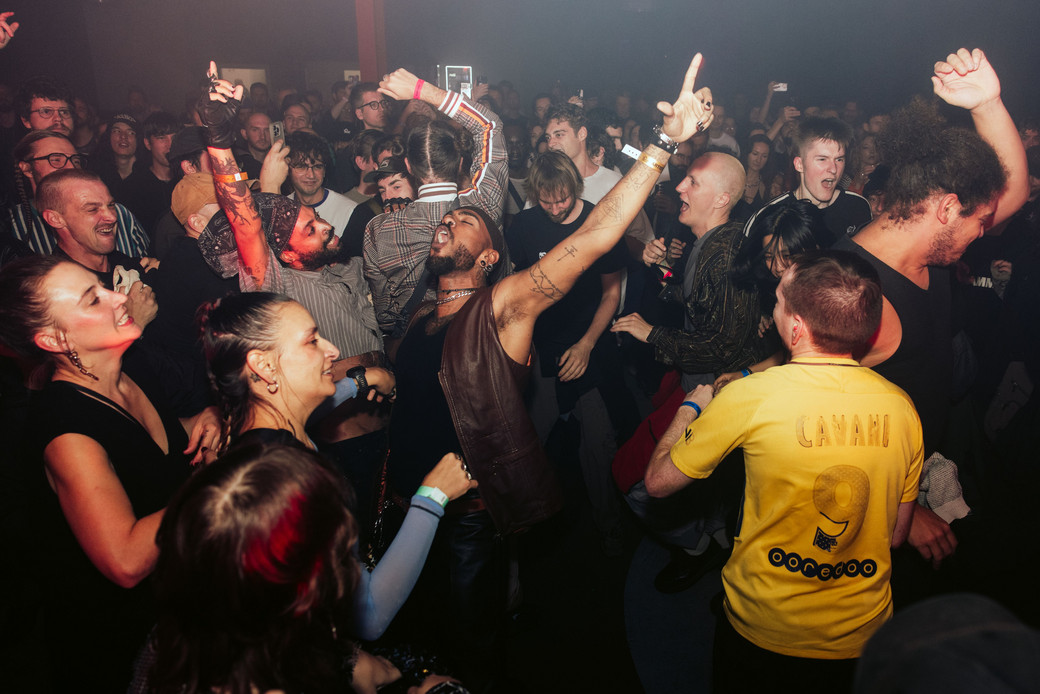
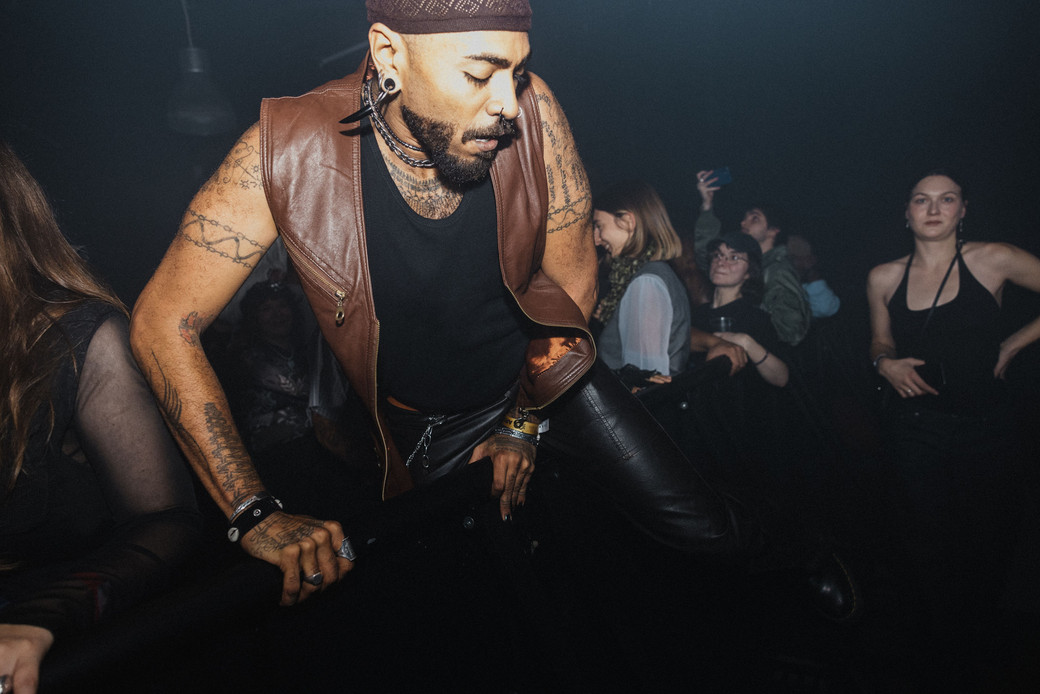
Nexus, a partnership between Senegalese Hispanic musician B4MBA and Franco Guadeloupean audiovisual artist MOOKI6, hit the club with an infectious ferocity. Members of the Barcelona-based Jokkoo Collective, the duo said screw the barrier and ended up amidst the thick of the exploding crowd. This might sound crazy but surprisingly they actually weren’t the only performers to end up on the floor.
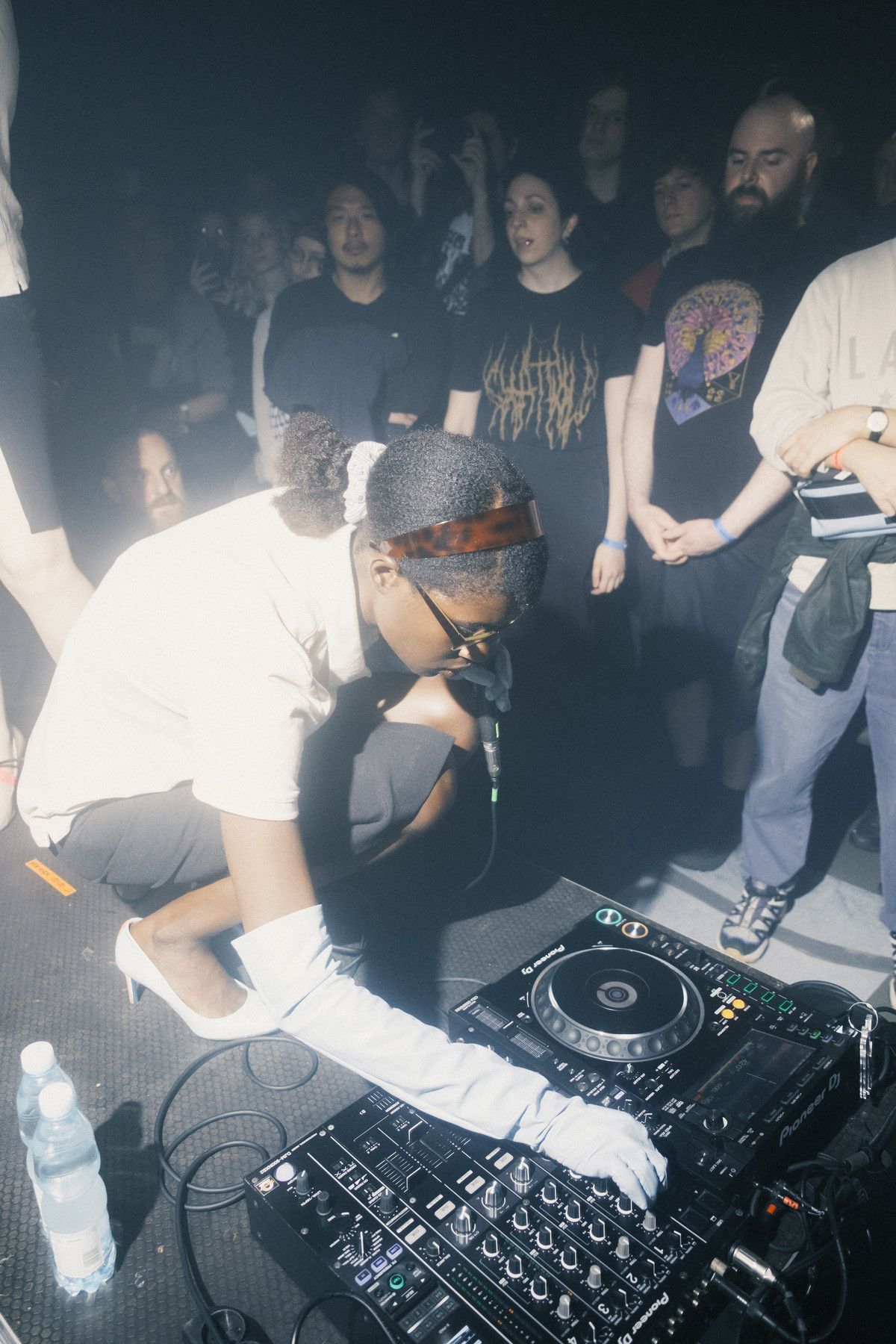
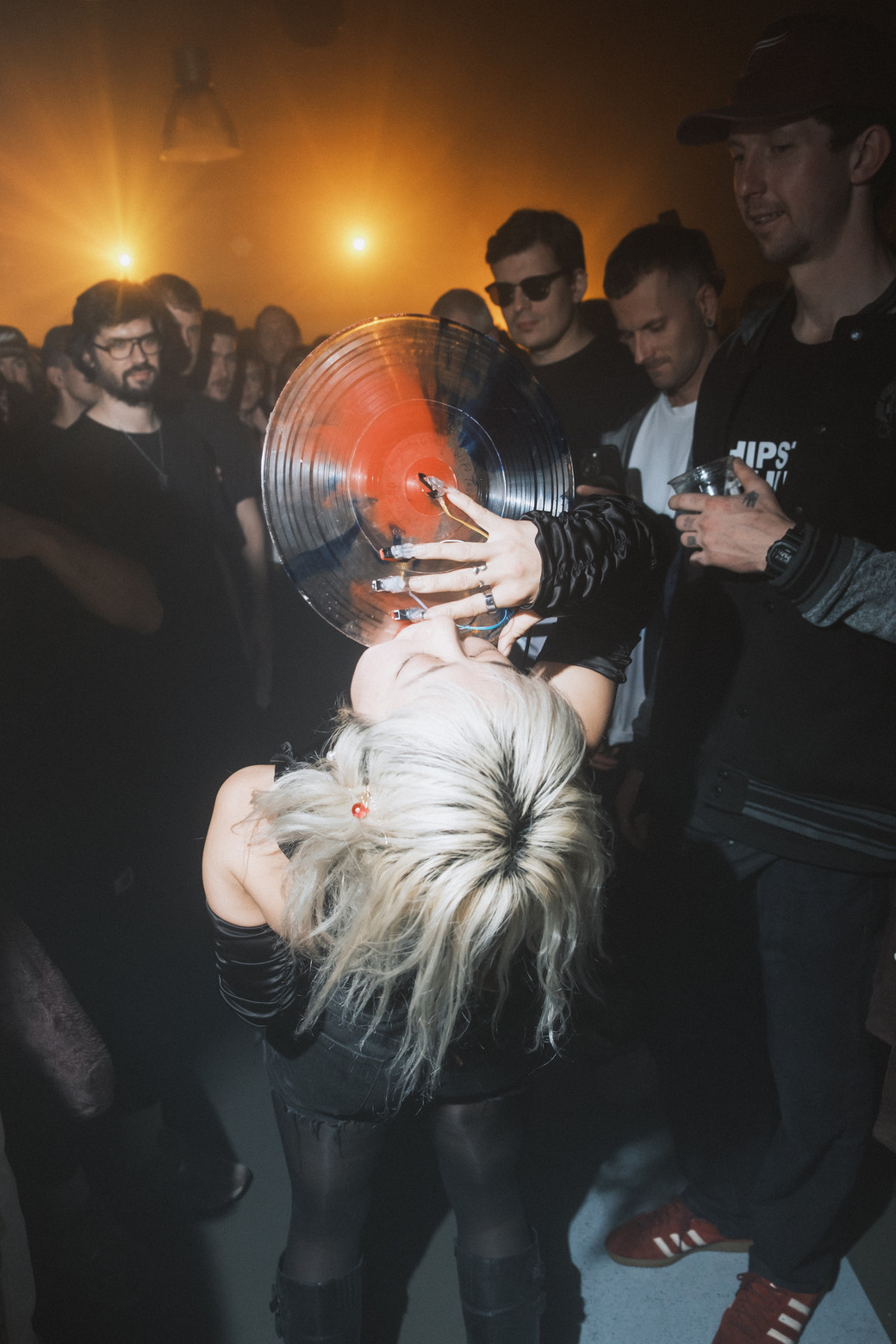
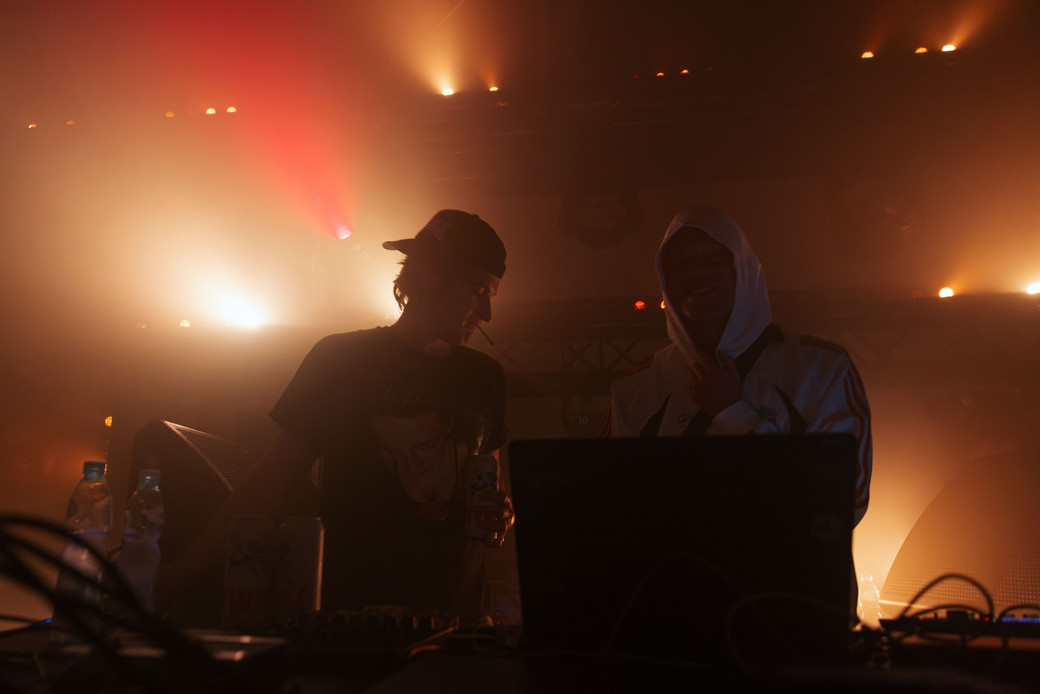
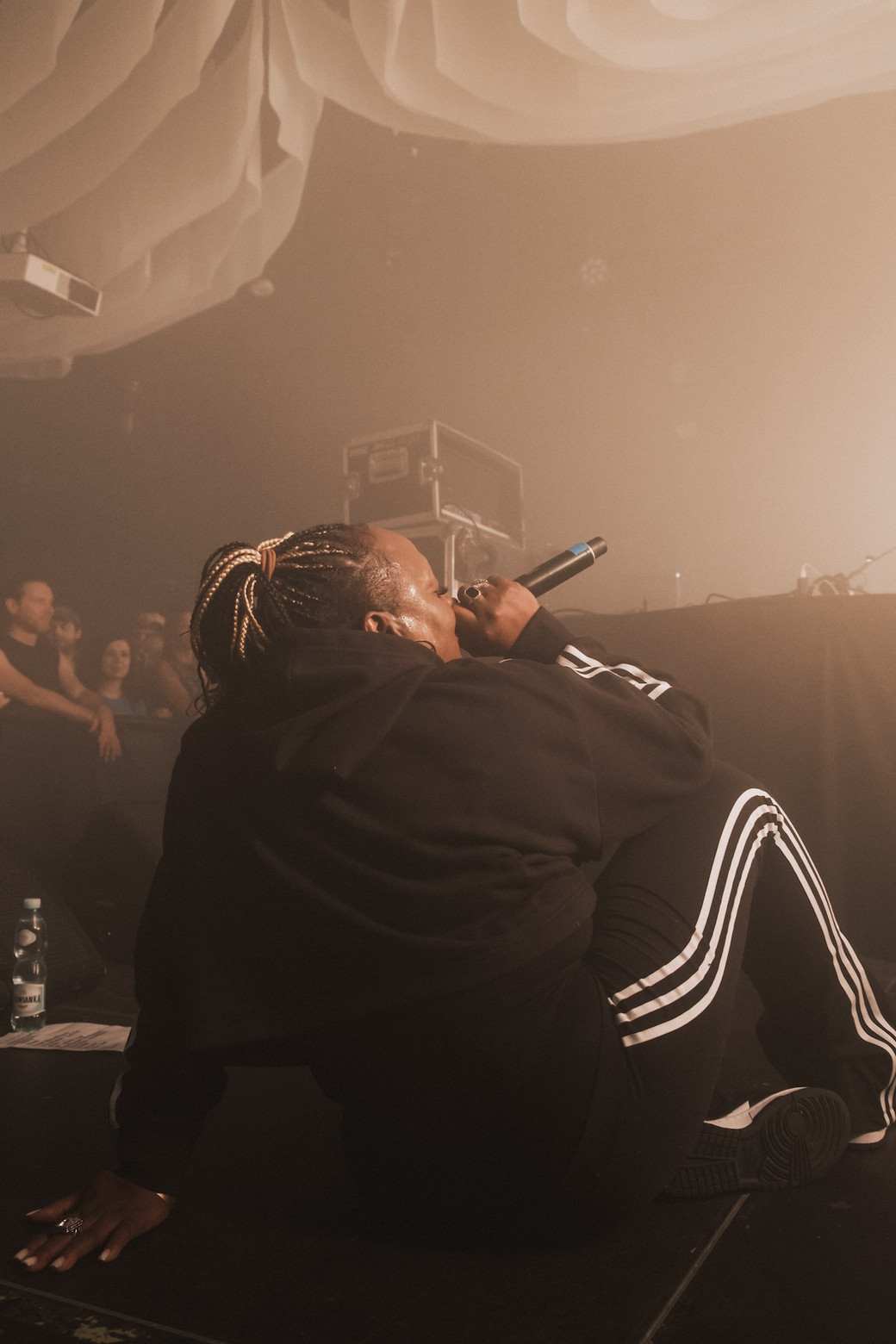
Bclip, a multifaceted powerhouse based out of Bogotá gave an unforgettable performance blending reggaeton, rap, and techno in just the right ways at the just right times. With the crowd in the palm of his hand, he finished off his set on the ground still dancing to the final beats. Adding to the ongoing list of Unsound DJs whose sets went so hard the booth just couldn't contain them, The Bug & Warrior Queen’s slot ended with Annette Henry, legs up, gyrating to the music. She concluded the iconic performance by saying, “There wouldn’t be an us if there wasn’t a you.”
That sentiment encapsulates a lot of what Unsound represents. It’s a place where you can dance to a techno sound you never knew existed and then head into a steamy basement and listen to ambient live music. No matter how experimental, the group of people Unsound attracts is one that embraces risk-taking and welcomes unapologetic artistic expression. The programming encourages festival-goers to take advantage of the daytime. A free ambient brunch was host to a performance by Whatever the Weather, allowing anyone hoping to get a glimpse of the community to come on by.


It’s definitely a festival unlike any I’ve been to before and it’s not surprising that their presence is continuing to grow. Attracting artists like IntroSpekt, Yvu and Eviction— Unsound is proving they are a hub of innovation and voices to pay attention to. We somehow never ran out of things to see even considering the fact that we only got four hours of sleep over the course of it. So if you want to go listen to a sound that you couldn’t have imagined and find a group of amazing people while you're at it, Unsound should definitely be on your calendar.
Tickets for Unsound's New York iteration are available for purchase here.