So, how do you feel like you are manipulating society?
Dorota: I don’t think we’re trying to manipulate society, I think we’re bringing things to attention—that you can look at things differently than what you’ve been told.
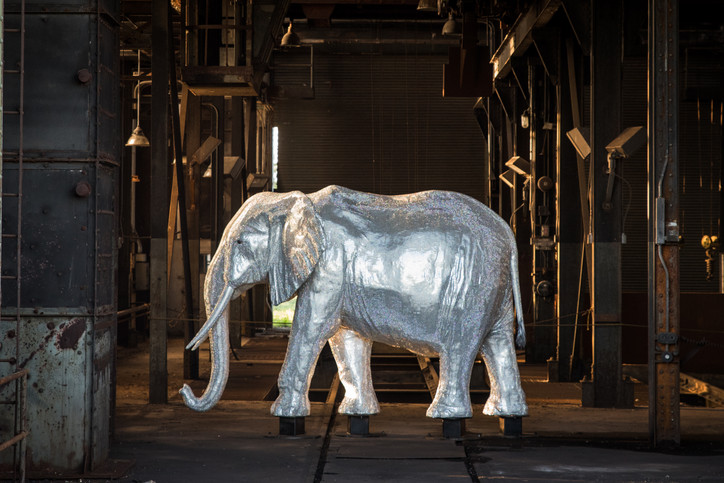
Steve: I think we’re calling out the absurdities. We’re being subversive. We’re being playful—there’s a lot of fun in this. There are these very serious undertones, and we talk about that with the elephant, but there’s also this absurdness and playfulness—like our pigeons. We find them to be these beautiful animals who have adapted to city life, but so many people view them as an ugly, filthy, stupid animal.
It seems like you have a really interesting connection to nature. I looked at your Tumblr, and most of your work uses animals in some way.
Steve: There’s a tension, I think, between profit and sustainability and the planet, and also, I think on a broader note, we’re starting to question what does it mean to be a human, what do we need, what are we doing and why are we doing it? The weird thing is, when you hear people say, ‘We need to save the planet,’ I think what they’re really talking about is saving ourselves—the planet is going to survive. Humans can die off and the planet will rebound and regrow without us. So, we need to find a balance with nature, somehow. If we use all of our resources, there will be nothing left.
Dorota: In Detroit, and post-industrial cities all over the US, they’re faced with infrastructure issues, like water, for example. Detroit public schools this year shut off all the water in all the schools because there was too much lead and other things in it. And Flint, as you know, was faced with the same issue. So, all those things are something we’re inadvertently pointing t—owe don’t directly call it out, but we’re thinking about these things. What is real value? All those things corporations are selling to us in front of children, in front of people, to get more and more things that we don’t really need in society.
Steve: And it feels too much like profit-over-people. Is there a way we can reposition everything where value is more human, instead of a form of money to corporations?
Dorota: And humans overall—we all want to live a very good, healthy life, and maybe there’s a better balance to all of that. So, I think in a playful way, maybe that’s what we’re trying to say.
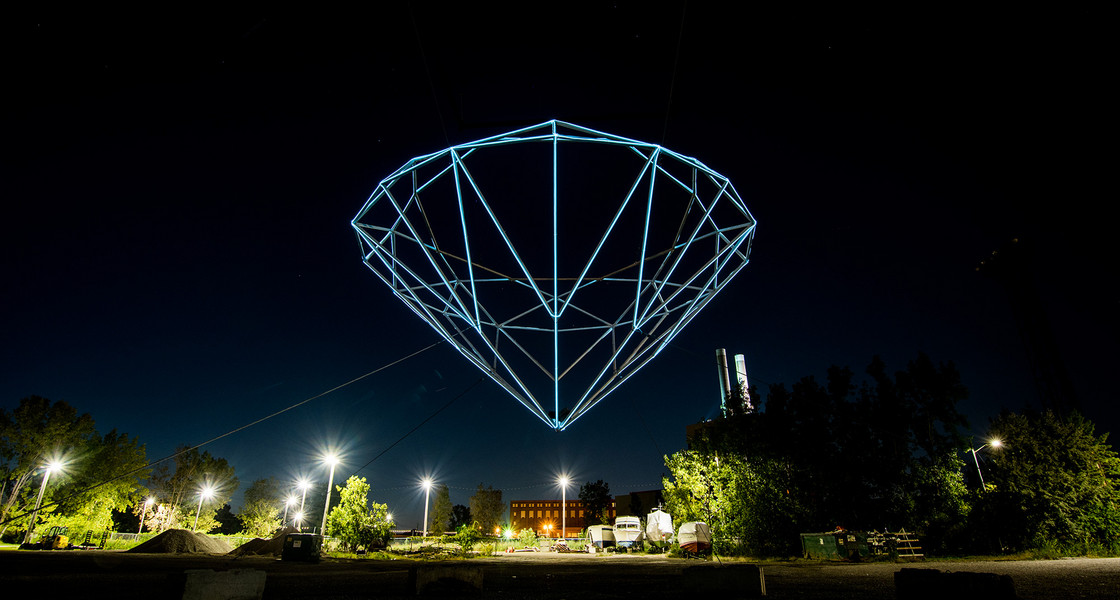
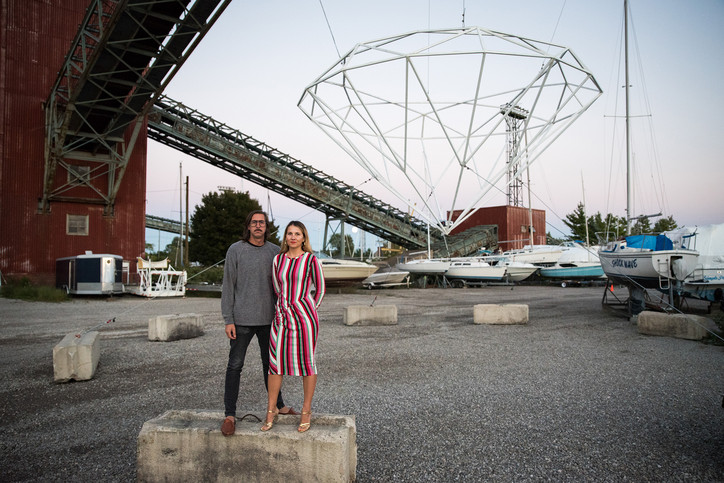
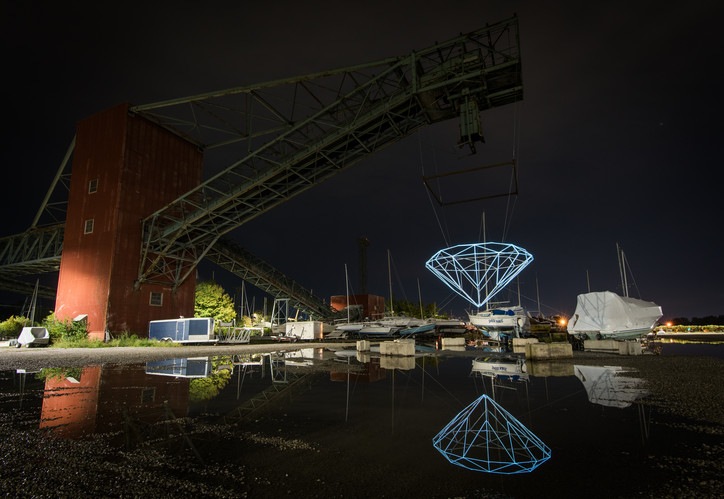
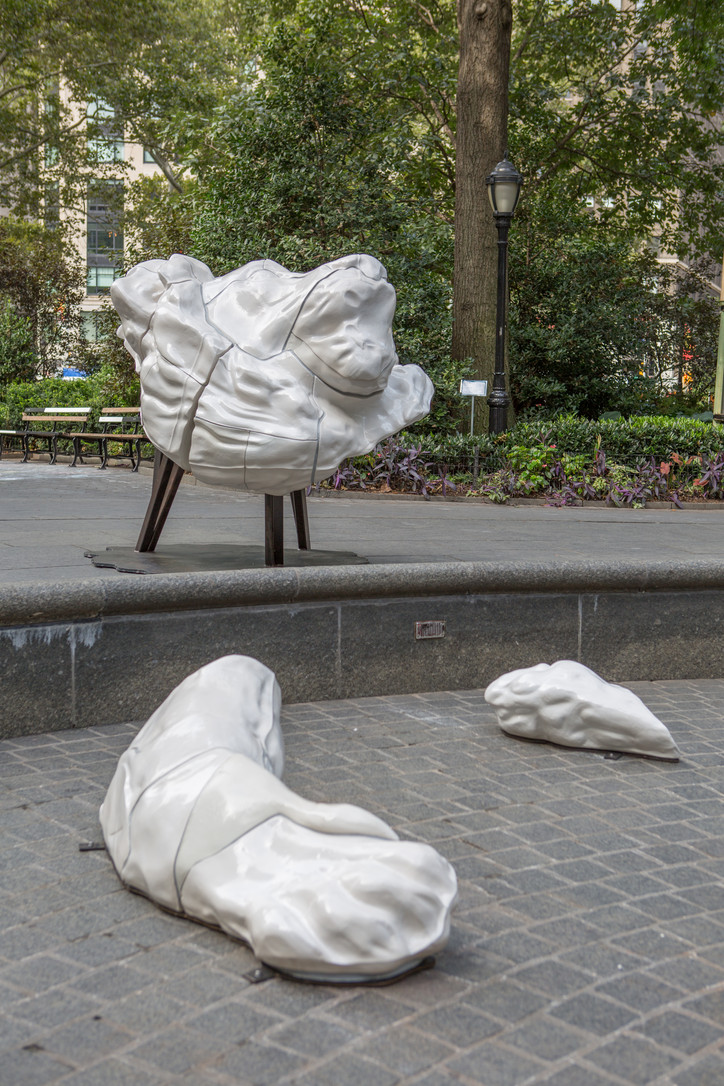
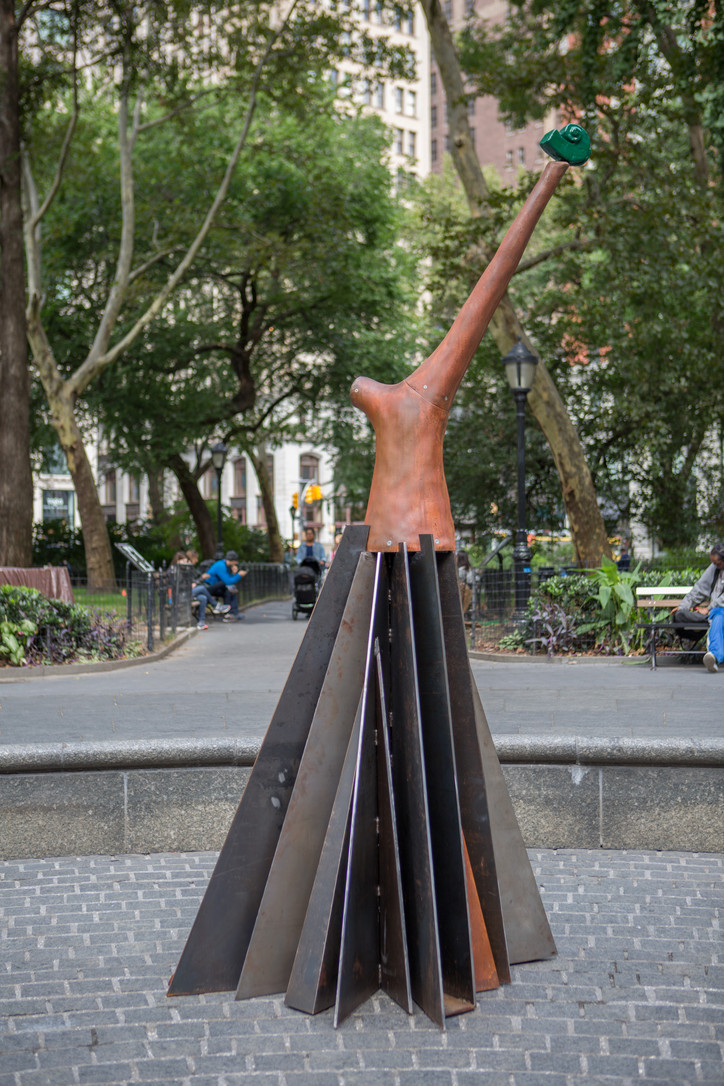
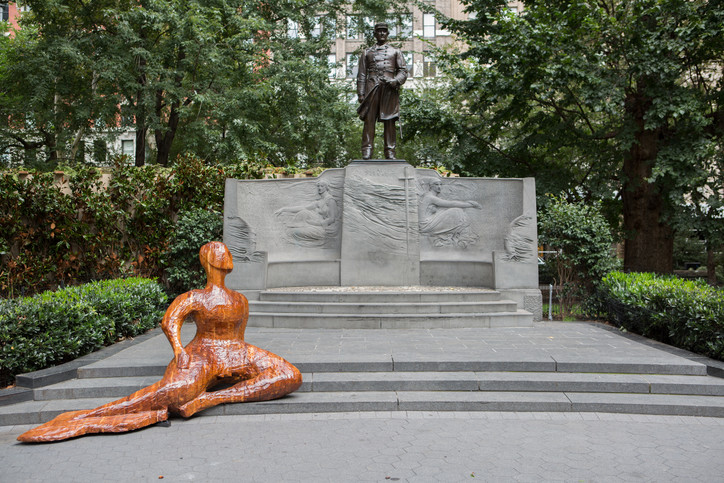
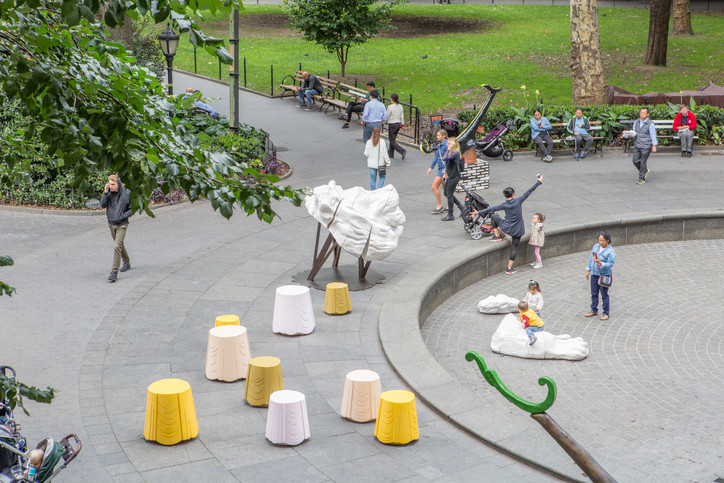
Steve: Those are the undertones, those are what are embedded. People can look at it and say, 'Oh that’s a pretty object,' or they can think about the deeper hidden meanings behind it. So, for this new project we really moved into sculptural installation and we love it, and I’ve been starting to think about it, and I feel like there’s a bit of surrealism in the work, as well. Somebody was asking what our style is, and the only thing we could really come up with was ‘dystopian glamor.’ There’s this bit of futurism that’s in the work, but it’s more of like a dystopian society.
It’s almost sci-fi.
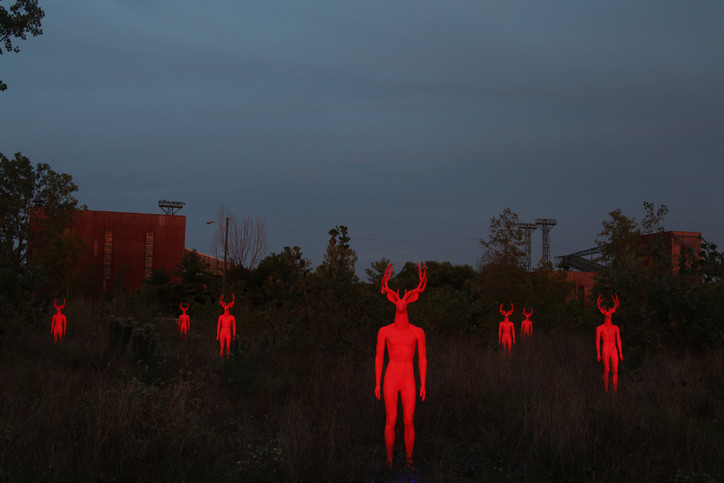
Steve: Exactly. There’s a bit of sci-fi in there—these animal people walking around. We were thinking about augmentations of reality a bit. You stumble upon the sculptures and you feel like you could be in this alternate reality. You build the tension between that glamor and this dystopia—it’s this weird thing, the layers of meaning. It’s something so beautiful, but it’s beautiful because it’s sparkly. Why do we find sparkly things beautiful? Is that an inherently human thing? Or is that something that’s been programmed by society?