Ashes to Ashes
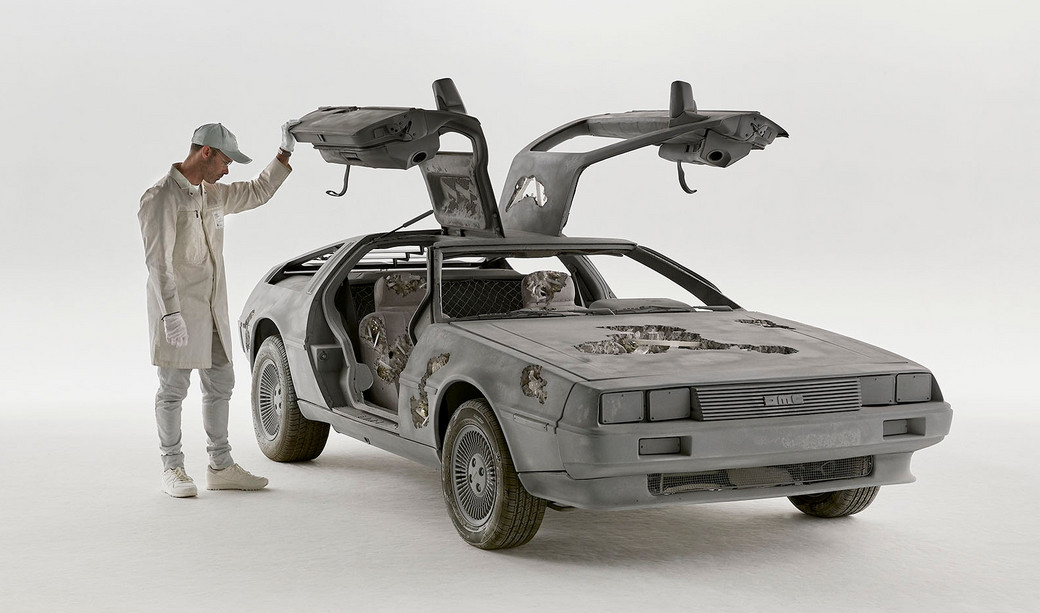
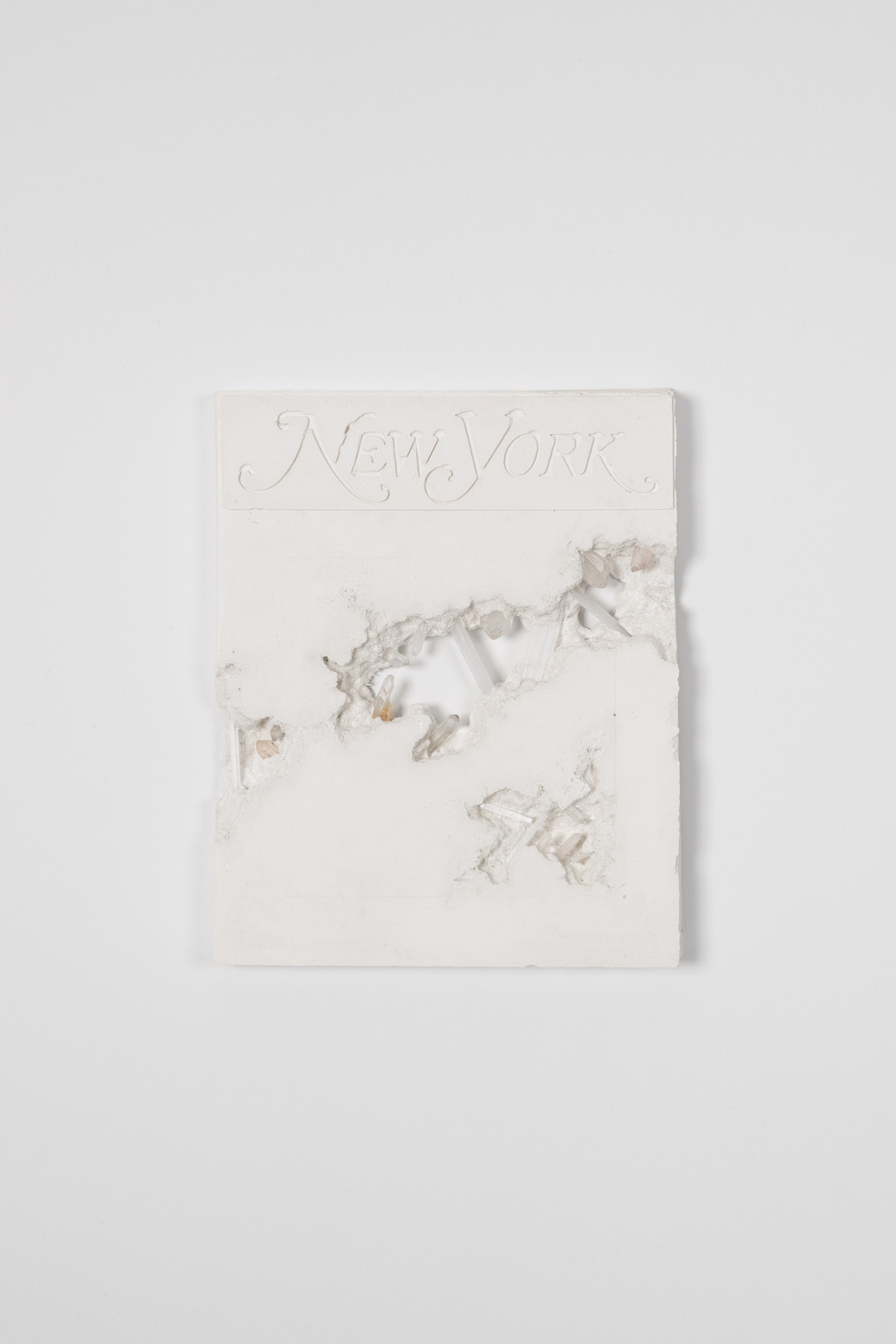
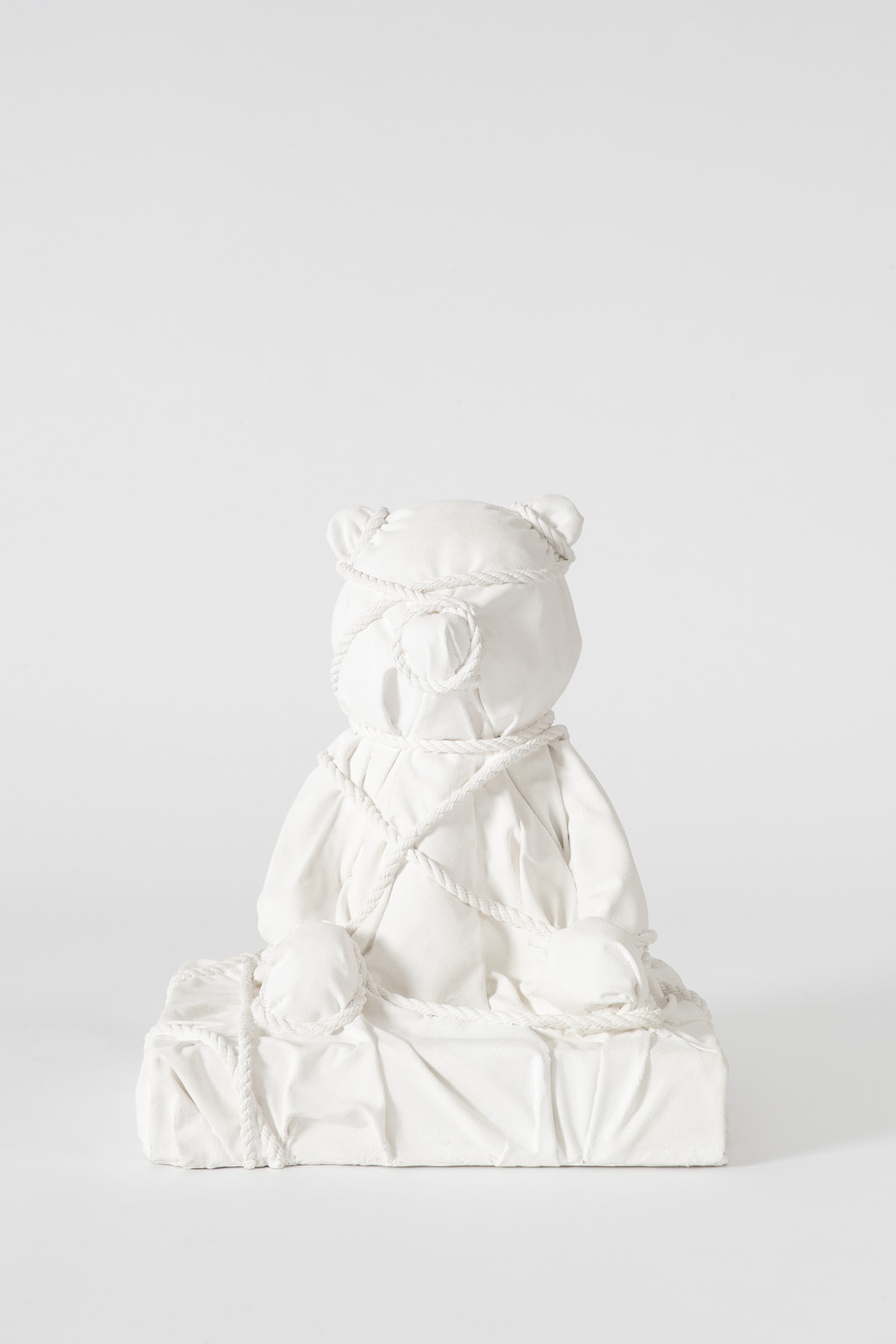
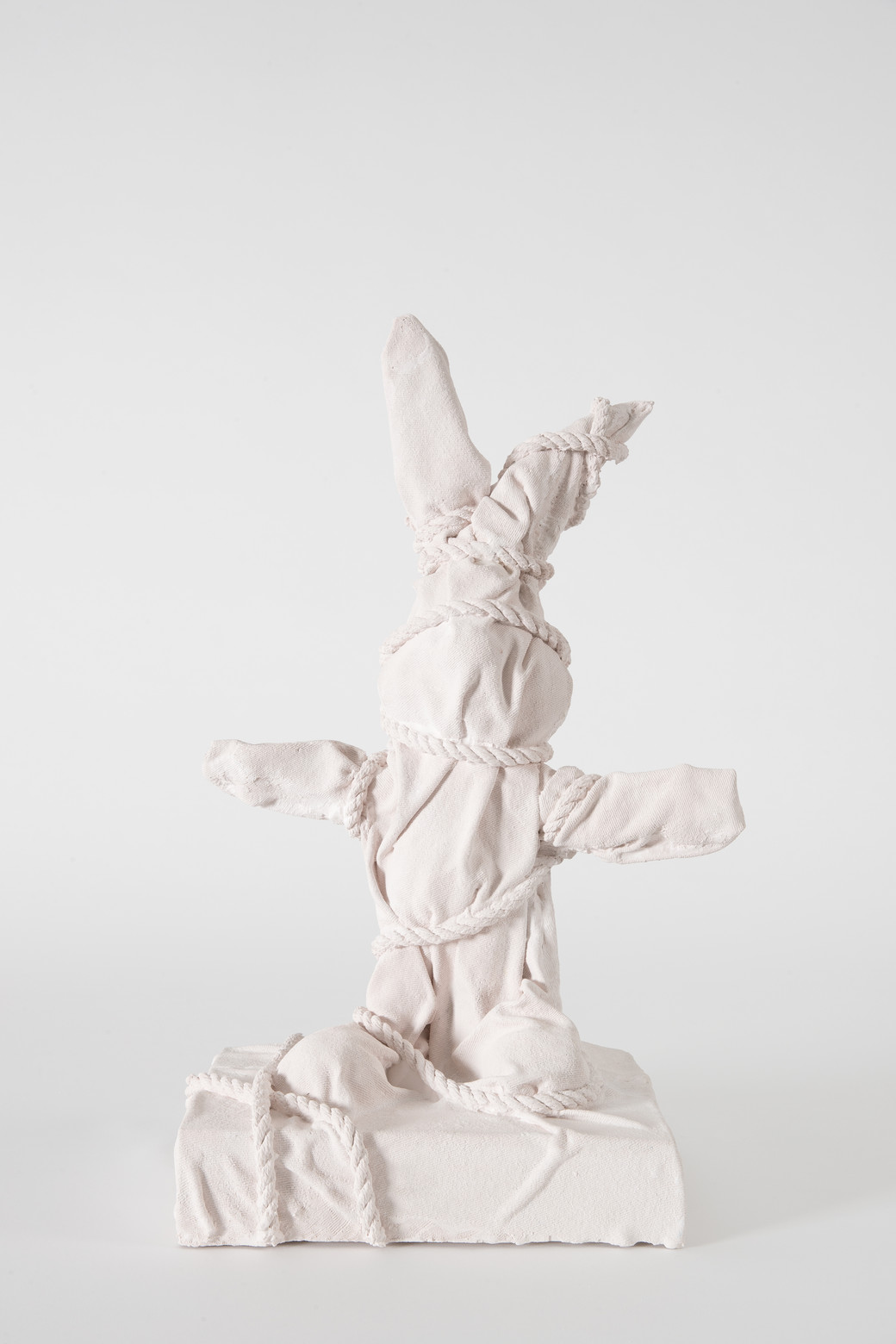
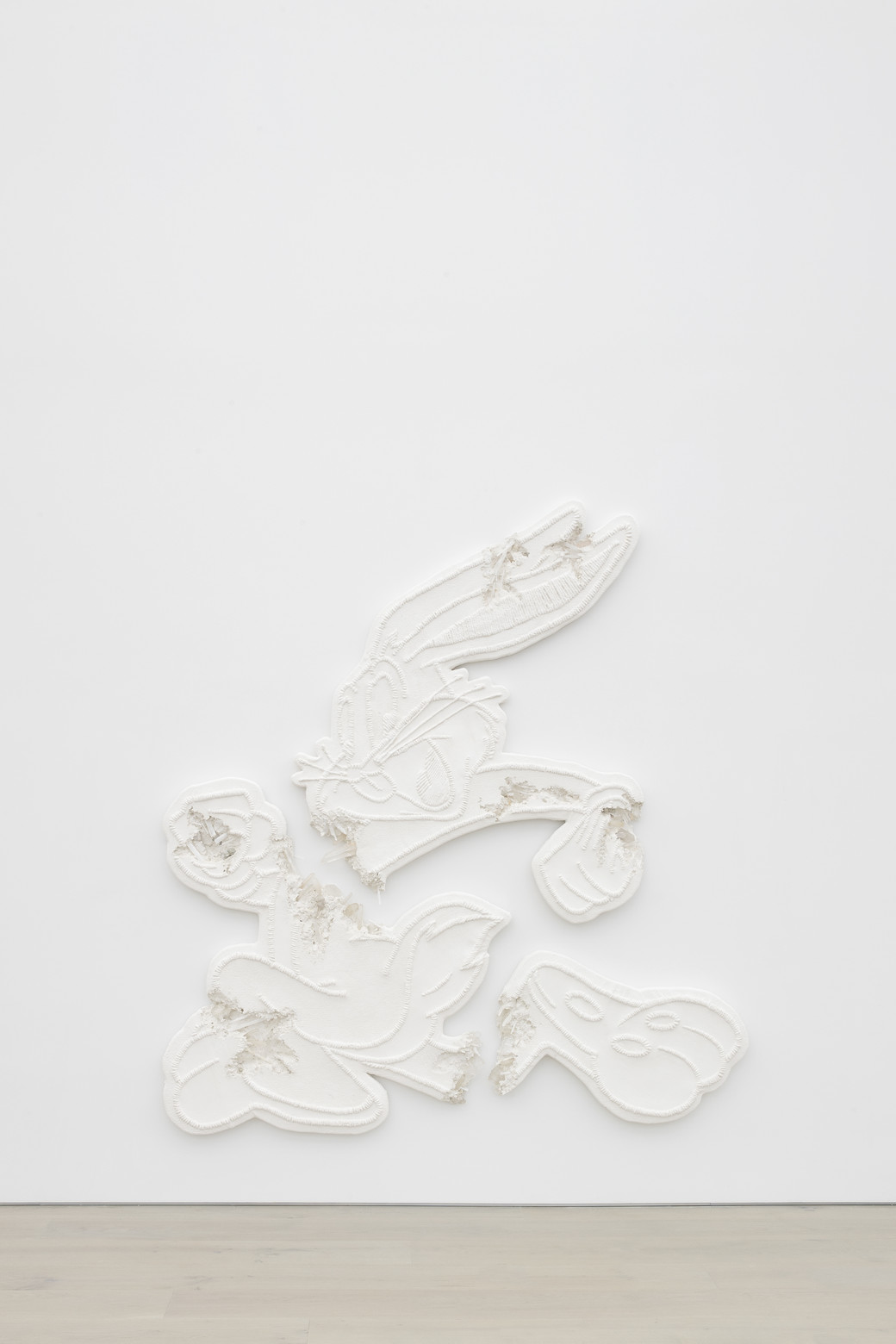
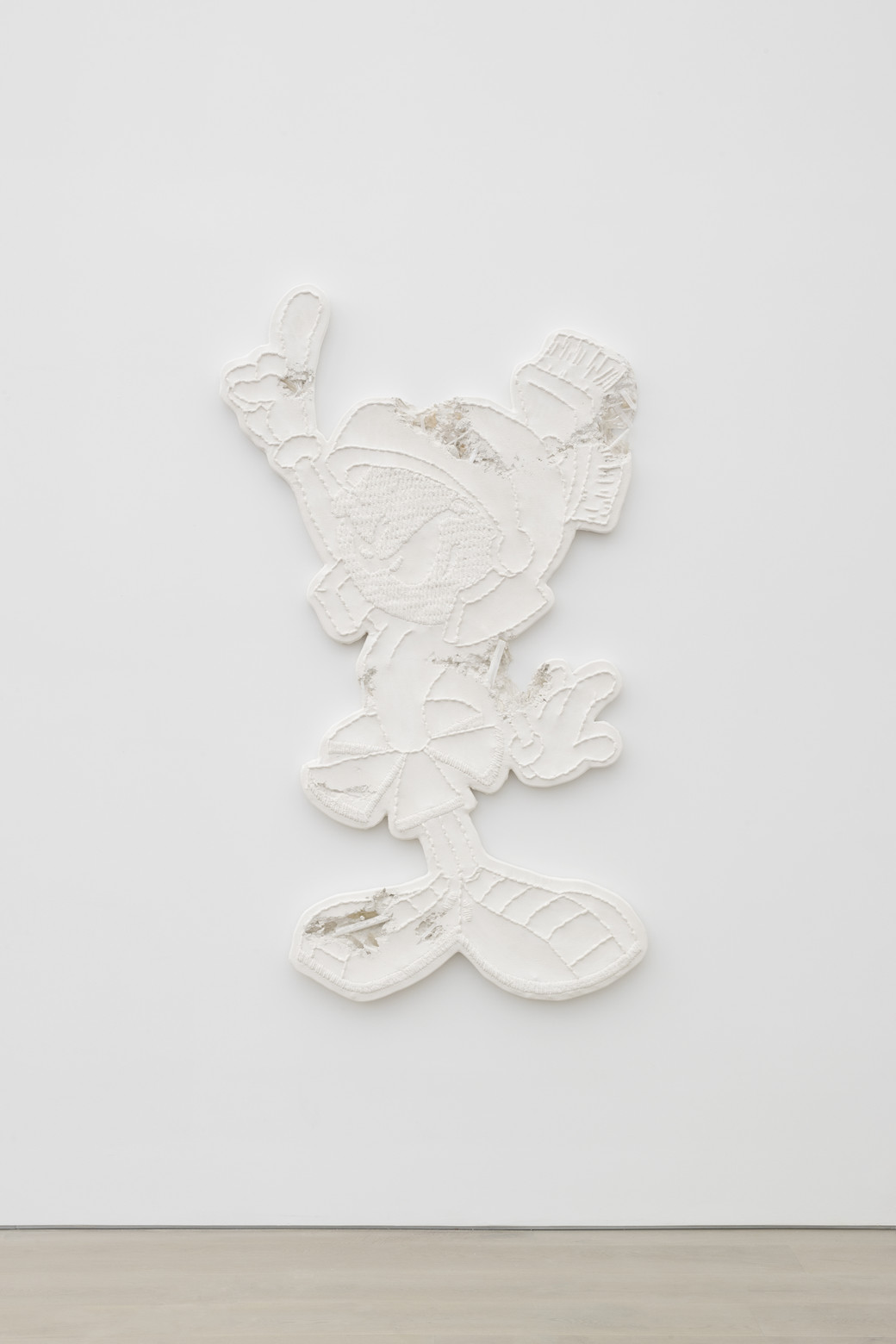
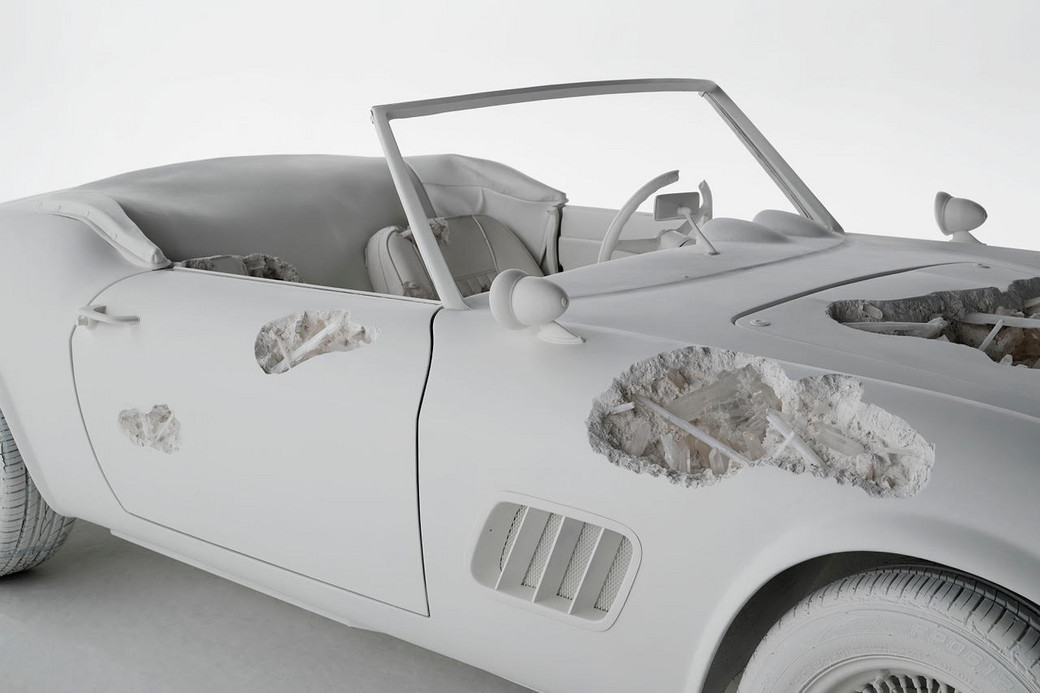
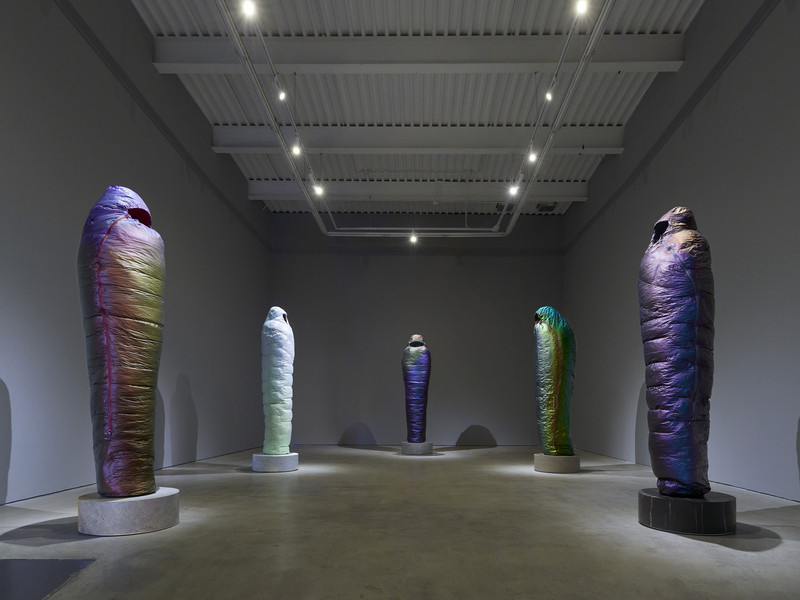
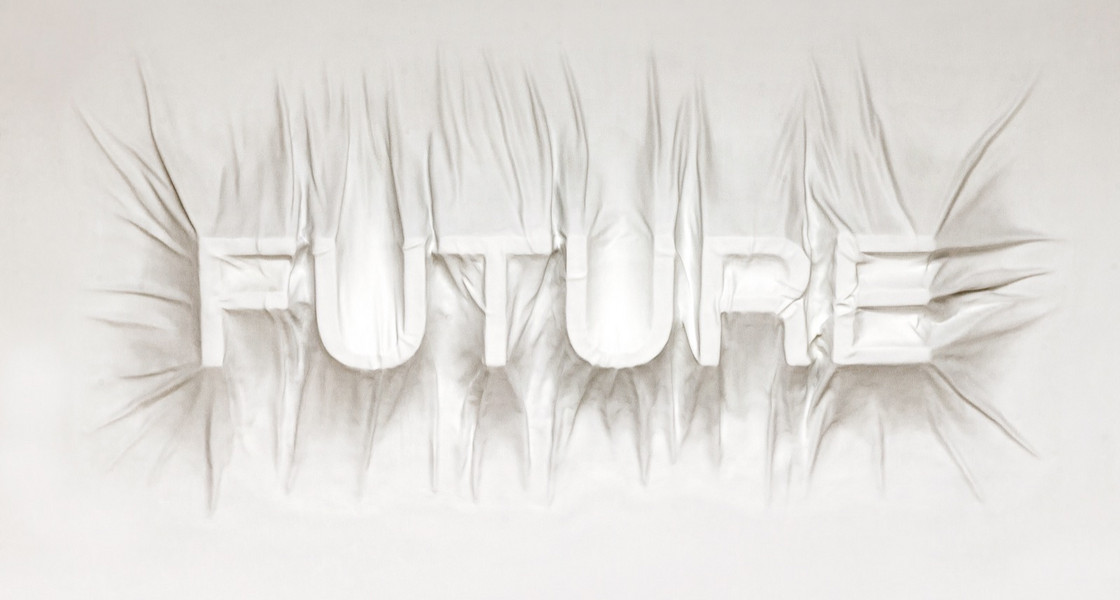
Cover image: 'FUTURE,' 2017.
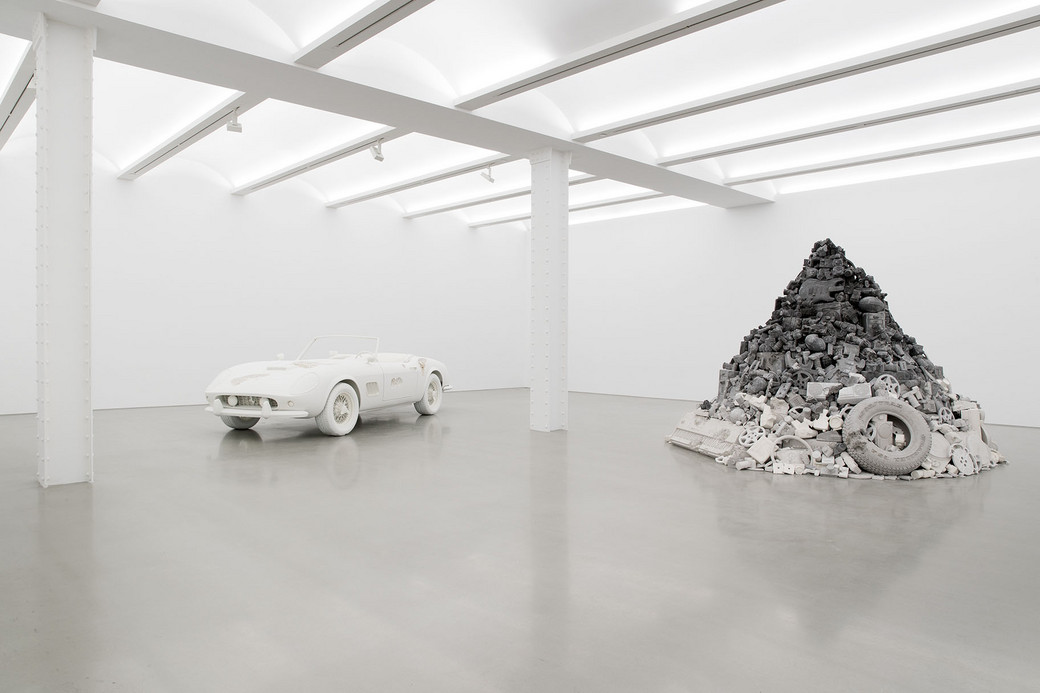
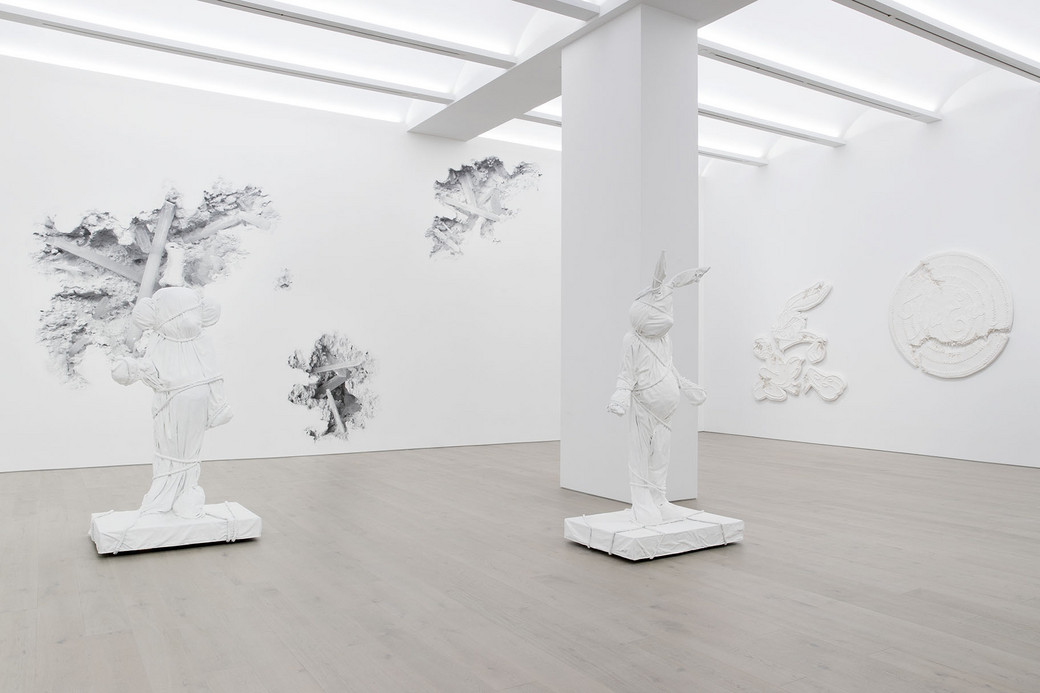
'3018' will be on view at Galerie Perrotin's Lower East Side location through October 21, 2018.
Stay informed on our latest news!

Cover image: 'FUTURE,' 2017.
'3018' will be on view at Galerie Perrotin's Lower East Side location through October 21, 2018.

The book was shot between Jamaica and her home in Brooklyn, New York. The book is Burnett's second to be published by Dashwood, and began production shortly after her first book, Cabin Fever, released.
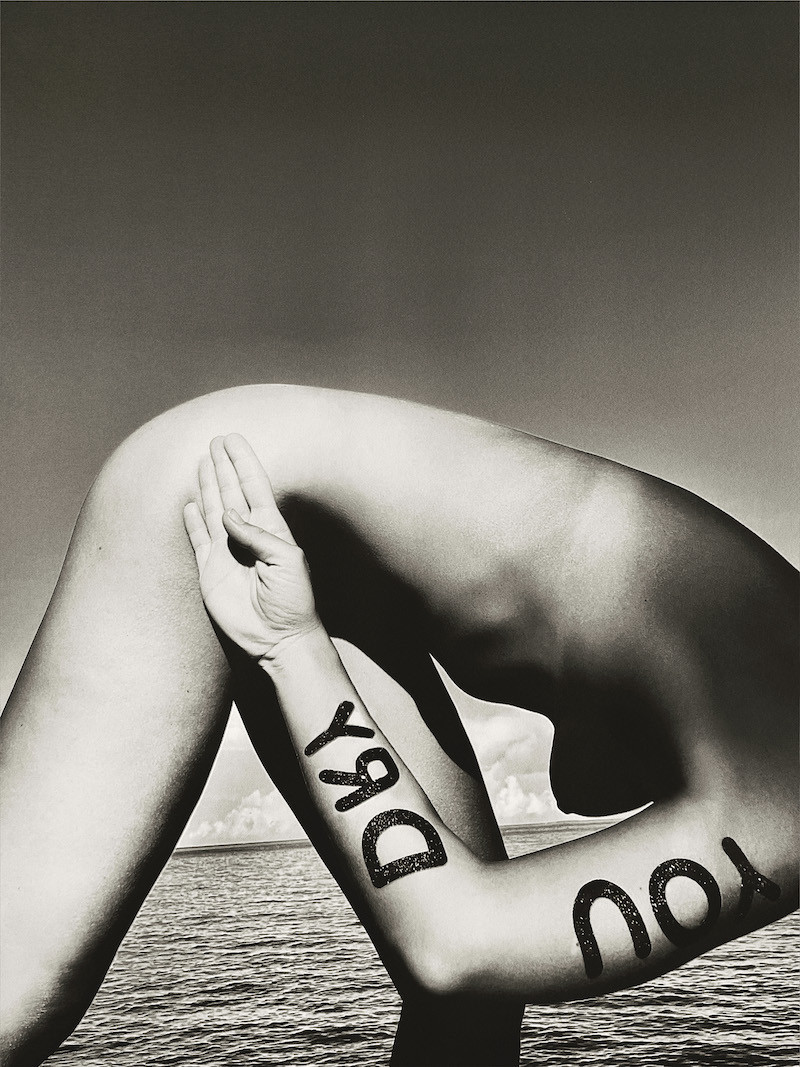
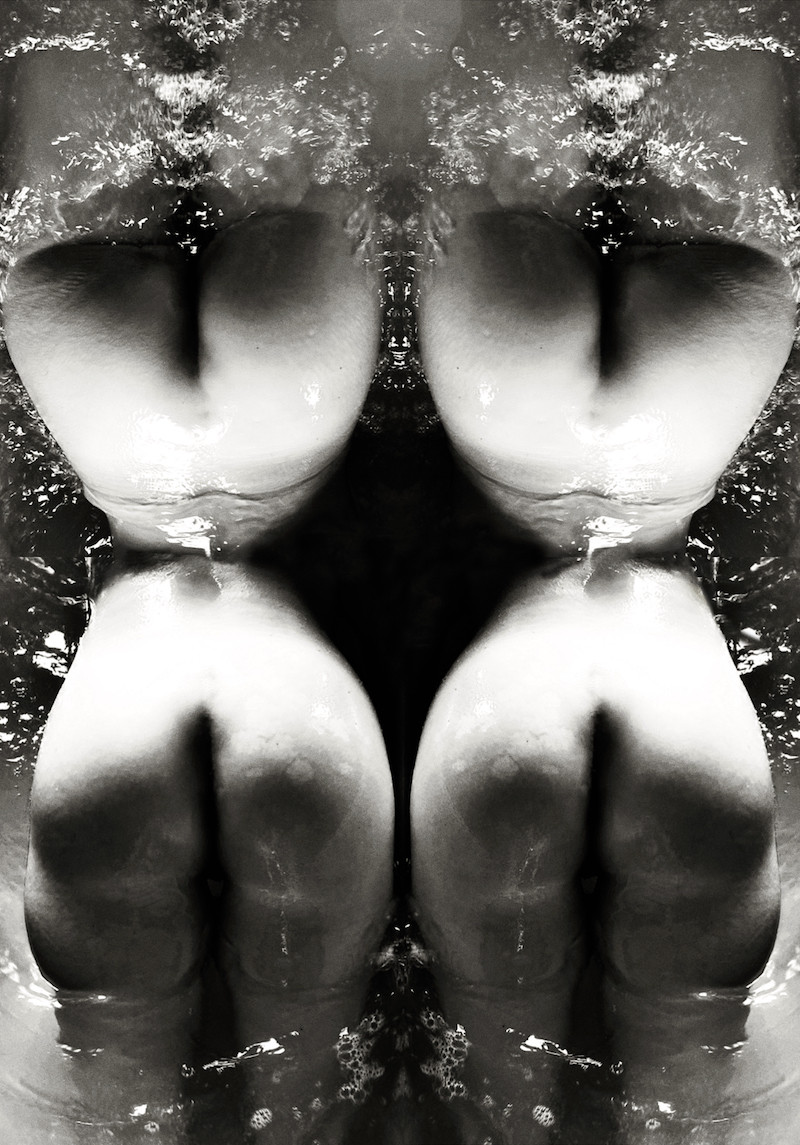
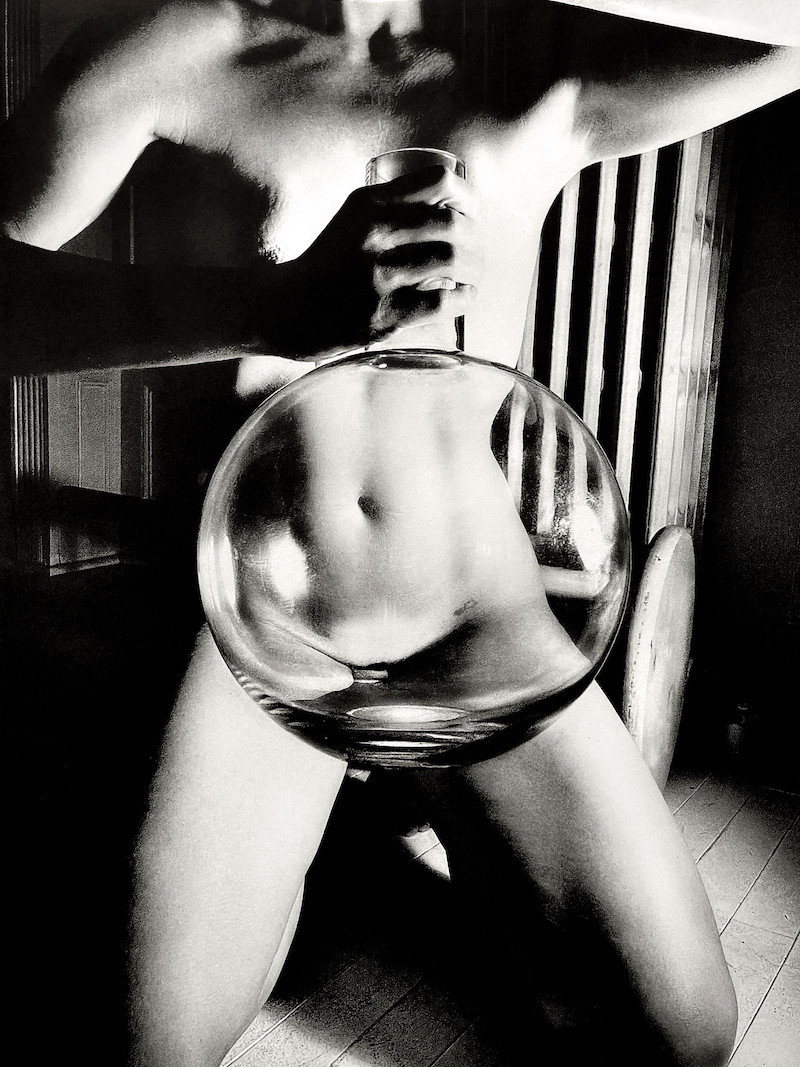
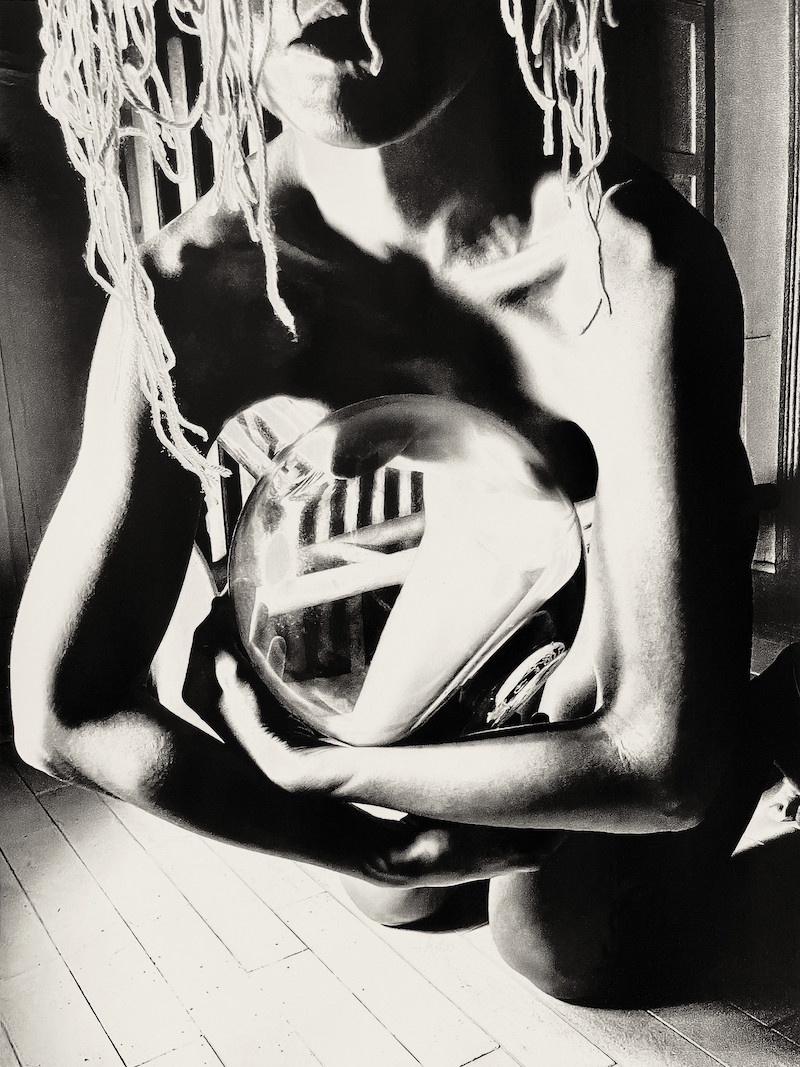
Escape in our preview of the kalediscopic imagery, nude portraits and symmetric reflections of I Wash You Dry.

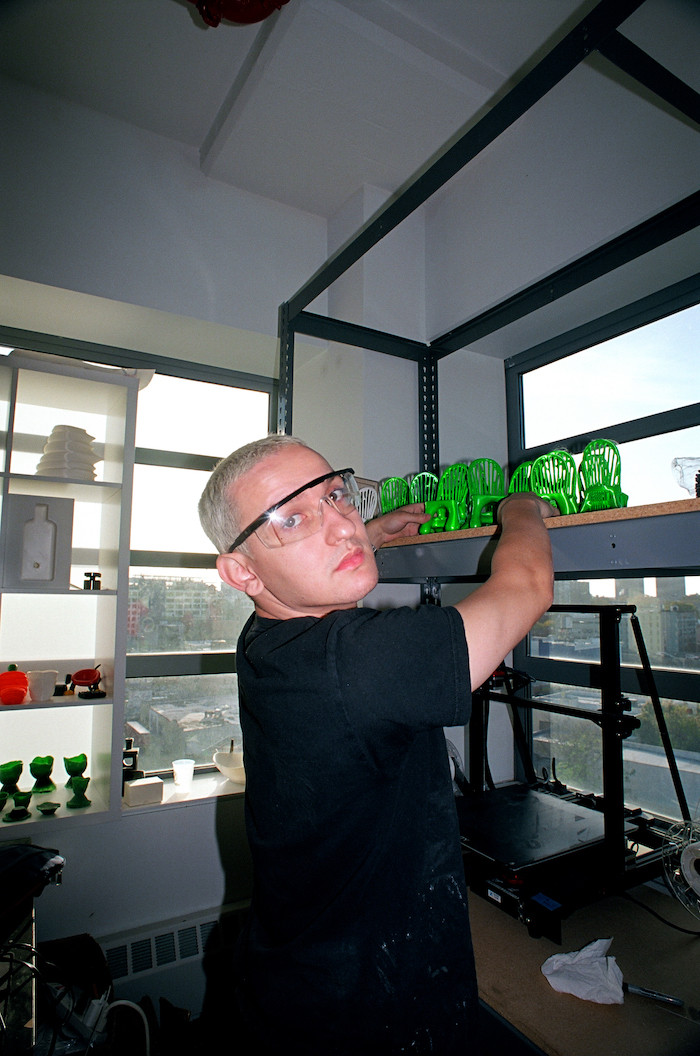
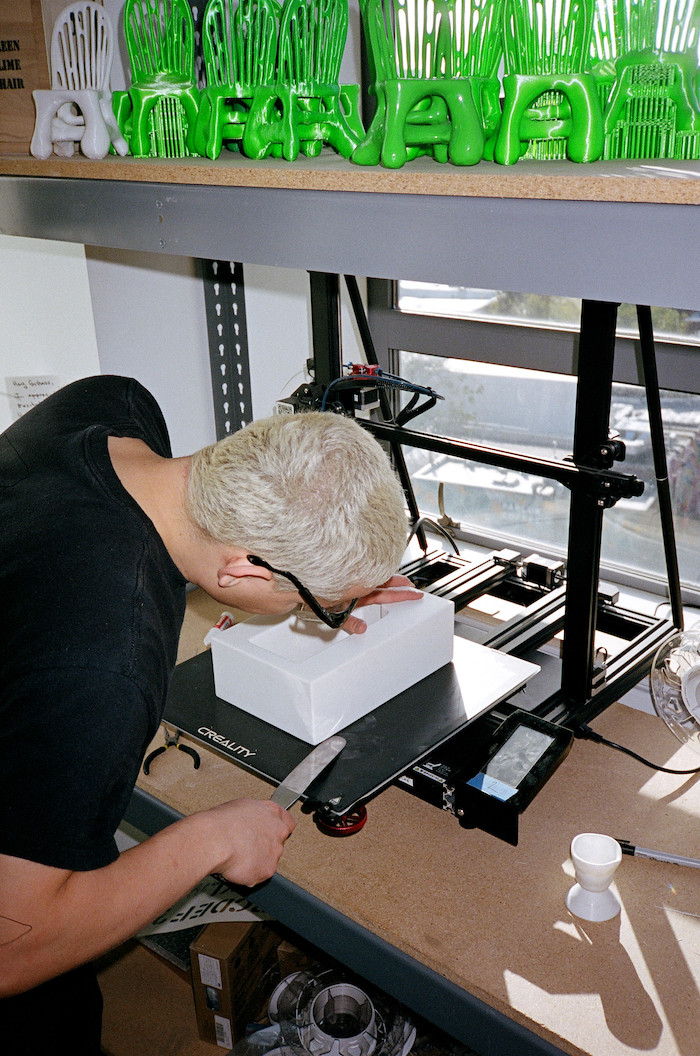
Through his latest project, the Mini Green Slime Chair (2022), Barroso provides a piece that is attainable for those who may be novice collectors while also reiterating the notion that the realm of art doesn’t have to be elusive or stuffy. For Barroso, it is all about connecting to his inner child and keeping that sense of wonder alive, one unconventional piece at a time.
office spoke with Barroso about the new project, his nostalgic inspirations, and more, below.
How did your artistic journey begin and do you feel it has been enlightened by your ability to move between different mediums, such as furniture, fashion, and sculpture?
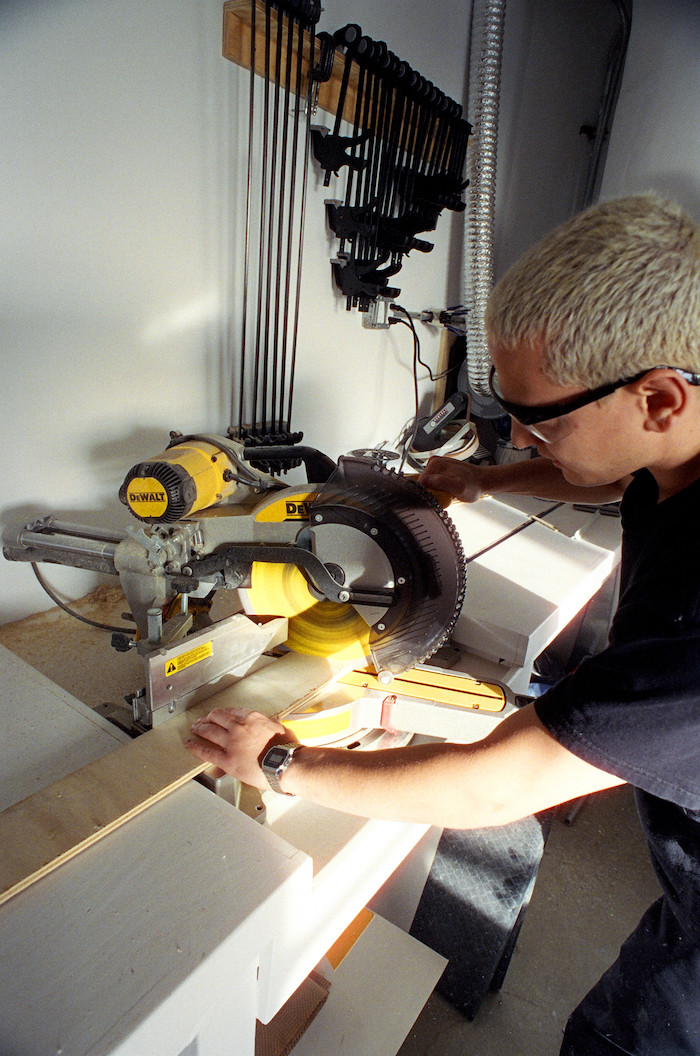
I’ve enjoyed drawing since I was a little kid. I would spend summers in my room filling up sketchbooks. In high school, I discovered graphic tees and the world of street culture. The combination of T-shirts, hip-hop, and sneakers inspired me to learn about industrial design. I was intrigued by industrial design because it felt like it was a framework for thinking rather than a medium-focused discipline. Learning about industrial design and sculpture simultaneously has given me the freedom to experiment with materials and fabrication methods. It’s empowering to know that by leveraging digital fabrication tools in tandem with production methods, such as casting, I can independently fabricate most of my ideas in studio. This sense of limitlessness and exploration, allows me to cross into any space, whether it be shoes, chairs, sculpture, or whatever I choose to try next. Sticking to one medium, material or process feels unnecessarily limiting to me.
Your choice of material also varies from piece to piece, ranging from 3D printing to papier-mâché. How do you decide what materials to employ for each project?
All my projects are rooted in conceptual thinking. Once I feel like I have a concept I’m excited about, then I explore different materials and fabrication methods to best tell the story.
How did spending time in cities like Boston, and now your home base of New York, influence your perception of pop culture and the arts?
The first time I ever went to an art museum I was 19 years old and visited the MFA in Boston. Then, I visited New York for a project and fell in love with the chaos and the boldness of the people. Visiting museums with friends became something I’ve enjoyed doing and it’s always so interesting to hear the connections to different references, ideas, and memories that my friends have between art and their personal life. Even with all the technological advancements and cultural shifts, we still share so much with people 5,000 years ago and all of that can be expressed and studied through objects and artifacts.


Your work aims to embody the human experience — which is multifaceted and quite subjective. How do you attempt to encapsulate all of the multiplicities of what the human experience looks and feels like in your work?
I want people to be able to explore my body of work and have a broad range of reactions and responses to it. Some pieces will be playful and fun while others may be somber. I just try to make work that captures emotions from my day-to-day life and I hope that it resonates with other people too.
Why are you drawn to absurdism?
Absurdism is a tool for self-reflection.
Many of your pieces of art subvert the mundane, ushering in whimsical and outlandish touches. Do you feel that you are like a child at heart? What draws you to this playful aesthetic?
Picasso said, “Every child is an artist. The problem is how to remain an artist once we grow up.” Our imaginations were so vivid before we got beaten down by the everyday pressures of life. Life can be so serious and depressing. I hope to inspire people through my work to live their life with a playful energy. I want to feel like a child at heart forever.
You take inspiration from contemporary pop culture and playful forms — can you give some direct examples of cartoons, media, or even old childhood toys that may have inspired some of your works?
Some of my favorites are Transformers, Legos, Barbies, Runescape, World Of Warcraft, Disney, Pixar, Lil Wayne, Pharrell, Eminem, Spongebob, Neopets, Nickelodeon, Haro Bikes, Tom & Jerry, Codename: Kid’s Next Door, and Halo 3.


Can you tell the story of how the Mini Green Slime Chair came to be?
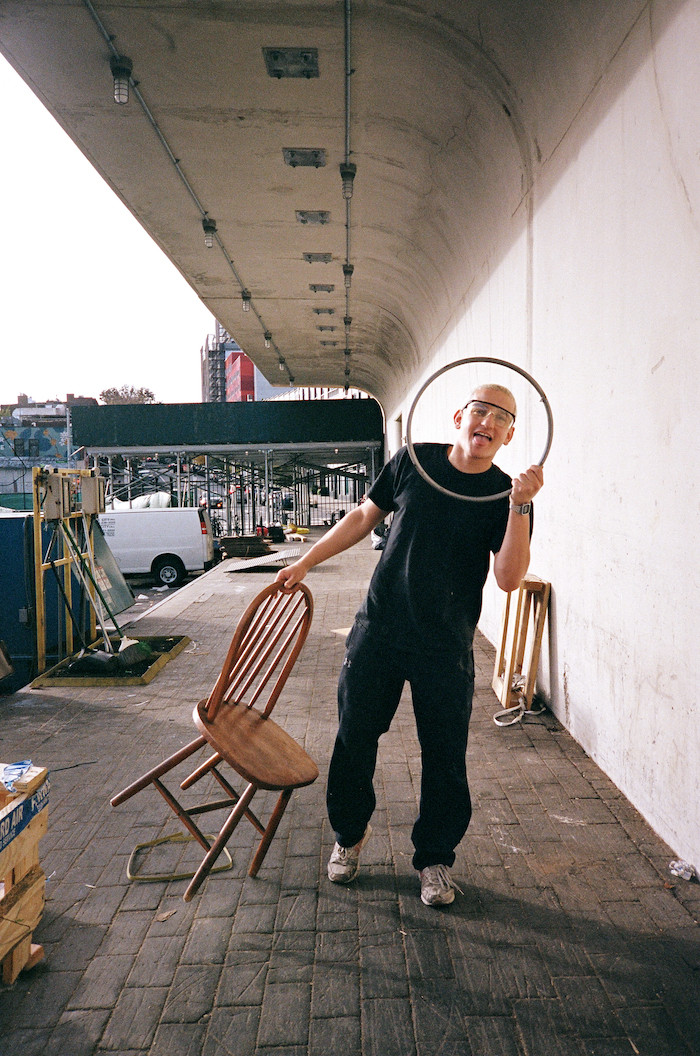
The Green Slime Chair was the first piece I made after graduating college. My new studio was in an industrial area so I would always walk past a bunch of trash and recycling on my way in. I couldn't afford to pay a fabricator to make any of my ideas and I had no power tools in my studio so I made the chair from a found Windsor chair, discarded cardboard boxes, and paper trash. After a few months of working nights and weekends, I finally finished the piece and it got a lot of love from my friends and peers on the internet but it was so time-consuming to make that the retail cost priced out most of my peers. I created the mini version because I wanted to make something that my friends could collect without breaking the bank.
How does the notion of accessibility inform your work?
I want my work to be enjoyed and collected by the widest range of people as possible. Pop culture is something that is intellectually accessible because we share a spectrum of collective childhood memories through various shows, movies, and characters that inform our day-to-day life. In terms of being financially accessible, I am currently trying to figure out how I can produce a body of work with various scales, edition sizes, and price points that cater both to established high-end collectors and those who are at the beginning of their art-collecting journey.
You’ve stated that the creation of miniature furniture iterations is often only reserved for design icons. By creating your own, you are challenging that norm. What do you think makes your work iconic in its own right?
Good question. I don’t know. I guess only time will tell.

In Farsi, we have many ways to express love, none of which directly translate to “I love you” — the most direct translation being دوستت دارم , “I have your friendship.” It’s a statement of partnership and an assurance of care built on a foundation of joy. When I think of the artist Sable Elyse-Smith and her fiancé, photographer Naima Green, I see such a statement, with the ecstasy of all its implications. Two minds, archiving moments and reflecting for the benefit of our world, coming together to support and celebrate the adventure of artistry with one another.
I asked Green to reflect on what it means to love as creatives, each of whom deals with significantly heavy and vulnerable subject matters. “Our love keeps me alive,” she says. “The way we observe each other, and make space for difference, and hold each other no matter what; it looks like choosing to do the work individually and collectively every day, and fortunately, working together feels effortless – even when it’s difficult. We’re committed to resolution. We’re committed to making space for what the other needs. We’re committed to pleasure and touch and play and sensuality.”
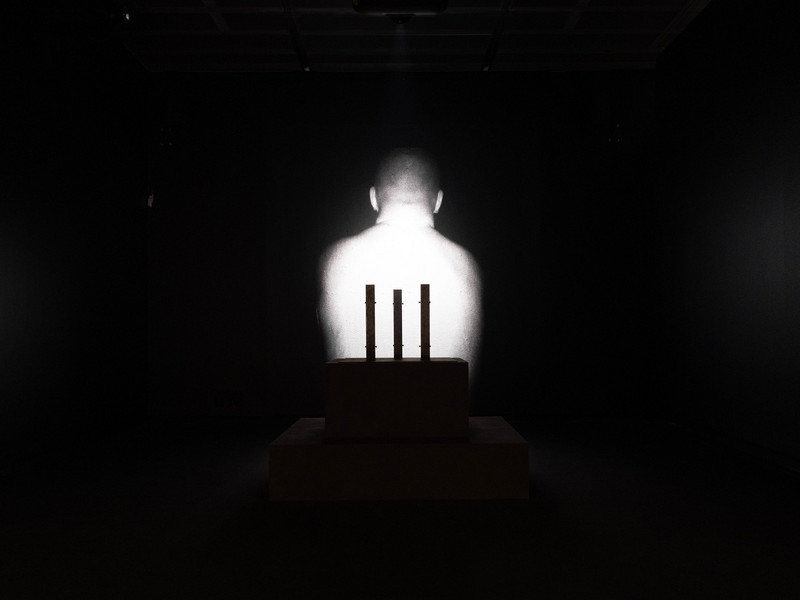
Elyse-Smith’s latest installation, Quiet as It’s Kept was included in this year’s Whitney Biennial. The installation involves a rotating, black, ferris wheel-like structure, paired with a film that involves edits from the reality television show, Live PD, which documents live moments in policing, a confrontation with the viewer on the entertainment of violence. I sat back and listened as Green and her partner unpacked the topics touched on in this particular work, and those that make up Elyse-Smith’s practice.
Naima Green – Tell me more about your piece in the Whitney, and why a Ferris wheel, and what your fascination with carnivals is.
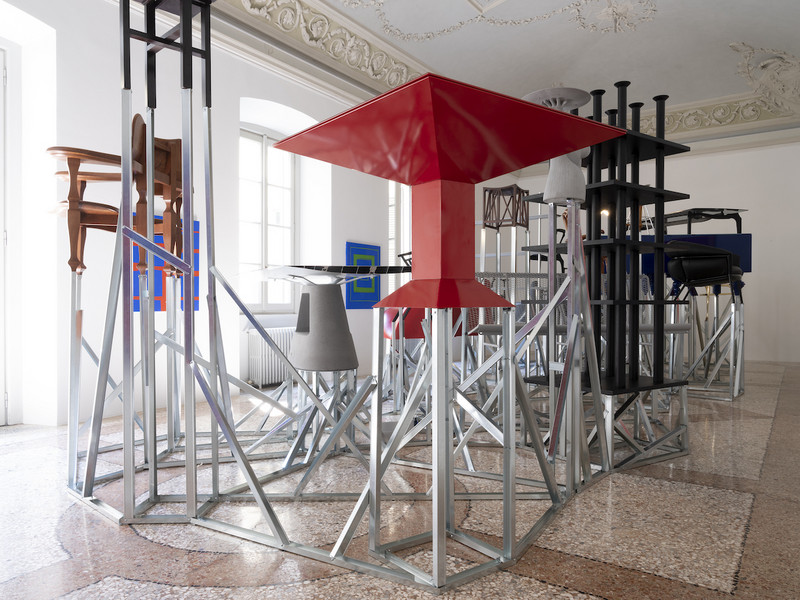
Sable-Elyse Smith – So the piece for the Whitney is a work in a series of sculptures that are basically objects built from one-to-one replicas of prison visiting room tables and chairs. The chair-table configuration is [also] a building block to make potentially exponential things,because they exponentially exist, and are fabricated, and being produced, probably as we speak. Because there's a billion-dollar industry based off of them. People say the word prison, and you think of one specific kind of image and one thing. But I'm more interested in, if you hear the word prison, then you'll maybe think, “Okay, how am I conditioned to walk down the street?” Or, “How do I think about certain neighborhoods?” Or, ‘How do I think about the way that I'm allowed to, move through certain spaces?" Because it has a direct linkage or impact into what our society [is], or what the network of things that create a carceral existence in, which is what the U.S. is.
I wanted to focus a different type of attention on violence and entertainment, and where the edges of that is, or where the boundaries of those things are, and also how entertainment creates a condition. It creates, and it sort of implants the image, and the idea, that the prison has to exist. Or a criminal does exist, and this is what a criminal looks like. And therefore, if there's [the] criminal, then we need prison.
Those things mutually reinforce each other. And also, our society’s lust and thirst for violence and where that could be performed, and where it can't be performed, and where it's permissible, and the edge of where it can't exist, based on morality. All these constructions that our world and society is built on, and then governed by, and how all these things trickle into those systems. But what are interesting examples that are legible to people about that? I start to think about the carnival space.
And because it has a context, it has a frame drawn around it. And that frame is, this is a space of fun, amusement, pleasure, entertainment. You pay to go here. And what happens is you are entertained and you experience pleasure. And that is fine. Back in the day, pay your quarter, and then stand behind a little fence and watch people deemed ‘freaks.’ People who are othered in various ways just be on display, dance, entertain, or engage in real physical violence.
And so, a carnival is a space to be able to tease out that example with a bit more legibility, and recognizability, and then I can go in and do all kinds of fucked-up shit with that.
Because it's also not like, "Oh, I'm making a grotesque, or a disturbing, image." I'm putting on display something that is real; something that it is, obviously, a symbol, or metaphor, or kind of a footnote of a larger system. I think when people sort of encounter these objects, or these things that are put in the world, there’s this seduction, there's this interest in like, "Oh, it's beautiful." But then, there is a confrontation with that subject matter. And I think that is the thing that is disturbing. And then, that is the thing – for what it's saying and what it's talking about is disturbing, but it also is real life. It is a caricature or an exaggeration of the U.S. and the world that we live in, and the world that I move around in as a Black person. But there is, I think, there is a confrontation, an individual confrontation, with the viewer. If they have a different subject position than a person who is entangled or oppressed by all of these kinds of systems and operations. And their desire to just want to have visual pleasure and have a kind of entertainment also. Right?
And so depending on the viewer's positionality to any one of these things, there are moments where certain viewers do have to wrestle with that kind of confrontation. That could be silent and not visible at all. Some people look at a work, and once they realize what it's about, they have to decide to continue to engage. Or they walk away, because they don't want to engage with that subject matter. Or they refuse to talk about that subject matter. And I think when those things come out, whether that ever is visible in the exhibition or not, that's what's interesting. And that's what's important to me. And sometimes I'm able to witness that, or that information comes back to me. But regardless, it's there. It's an energy, it lingers in the room. And some people have to leave with it, and it leaves the room with them, too.
NG – There's something very specific and special about the black pieces, too. And how there is something so sexy about them. But it's also like, you can't stop there. I mean, some people can try and stop there. But there's also, there's this seduction, and there's also this heaviness of feeling a sense of the weight of not only the material, but also the system, and also the oppression that exists within these spaces, and within what these kinds of seats are typically used for. And the ability to imagine and transform them into other systems that do the same thing, you know? But that are understood so differently. And I think that that is really energizing. Because you’re not giving people an easy out. You are creating an entry point that feels different than the oppressive system. So I can look at your work, and people can look at your work, and have to reckon with what it means to have prisons and have people living in prisons. And there's also an entry point that is different from just showing a jail cell, or what bodies are forced to do in that space – the lack of access to light, or freedom, or movement, or any of that. And so I think it creates an opening for people who might not want to reckon with that directly. But then there's this almost a tweaking that happens, where it's like, “Oh, you see this, and you can't unsee it.” And then, you have to actually start thinking about what does it mean? And I think what's also really special is that, I mean, so much of your work is about violence. Right?
And it's about violence enacted in deeply systemic ways. It's about violence enacted by people who think that they're doing something on behalf of a system that they want to uphold. But none of that, that violence never enters our space. You know? And I feel like it never enters our home, and I feel like you never – not never – but you don't carry that with you. Right?

SES – I think new bodies of works, or new sculptures juxtaposed with each other, just in the world together, create also a more complicated sort of meaning. Violence is such a heavy and charged word. And it's important. Because there are so many things that are violent in the world. And there are things that we recognize, and we can name it. And there are things that we find difficult to name as violent, but that doesn't mean that [they aren’t]. Right? Or it's unrecognizable, in a way. And that could be because we're socialized to just accept that condition. Or we're taught that this is supposed to happen, or that we’re comparing things, or we're not looking at the larger network of how all these accumulation of experiences lead to this larger thing that feels more obvious. And I feel like there's also an ethic to how I want to address and think through violence across all the ways that I make. I'm not trying to reproduce it.
NG – How does that come through in your video work? And we can think specifically about the video piece that's at the Whitney.
SES – In this idea of invisibility, or the things that are imperceptible, or the things that are sort of hard to name and label. And that's the language that I use, because it helps point the audience in a specific direction and on a specific sort of path on things that I'm trying to do with my work. But also, I actually don't think that the things that I'm pointing to are hard to name, or unrecognizable, or invisible. Right?
The bulk of the video is using footage from reality police pursuit shows as a concrete example of the intersection of entertainment, violence, and carcerality.
So there is also an appetite in [the] general TV watching population, for whatever reason, that wants to consume this thing. And so what does the consumption of this type of image mean? And also, what does it mean that it's okay that these are real people?
What does the existence of this mean in relationship to everything else that I'm talking about or putting in juxtaposition with it? Why do we have a desire? Where does the desire to watch this come from? Where does the desire to be able to suspend certain moral or ethical thoughts or positions to say, "This thing is entertainment, this is fine. These aren't people, these aren't lives. Let's see what happens at the end. Let's laugh about it.”
NG – This feels like a good place to stop. I love you.
SES – I love you, too. Naima wanted that to be on the end of the interview.
NG – No, I didn't.
SES – She's like, "Please, print that’"
NG – Fuck you.