Ashes to Ashes
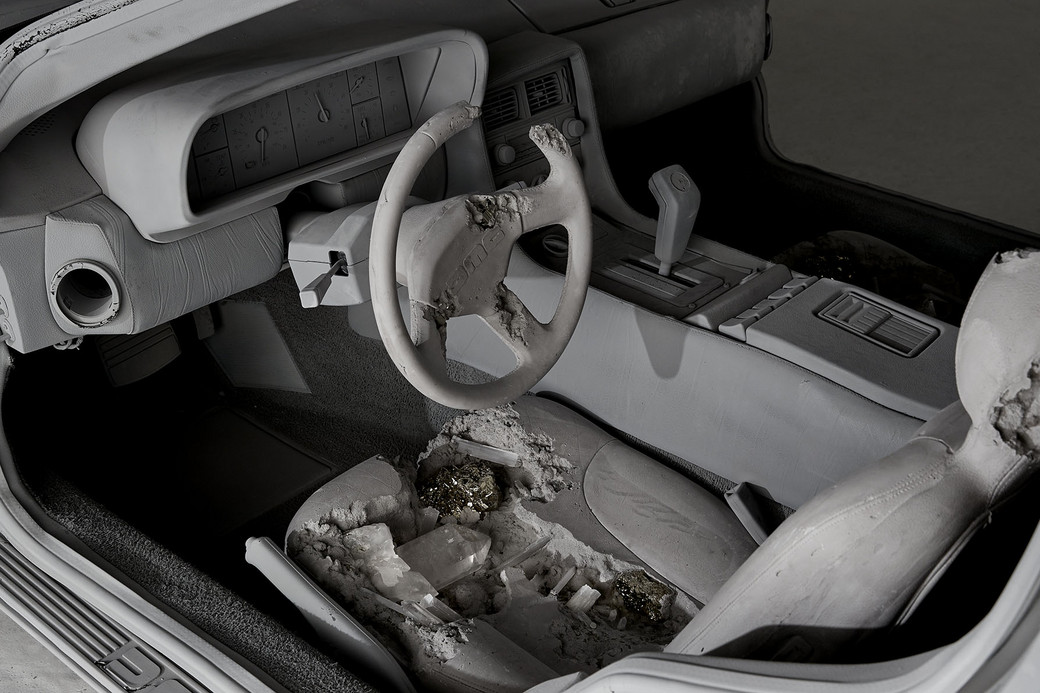
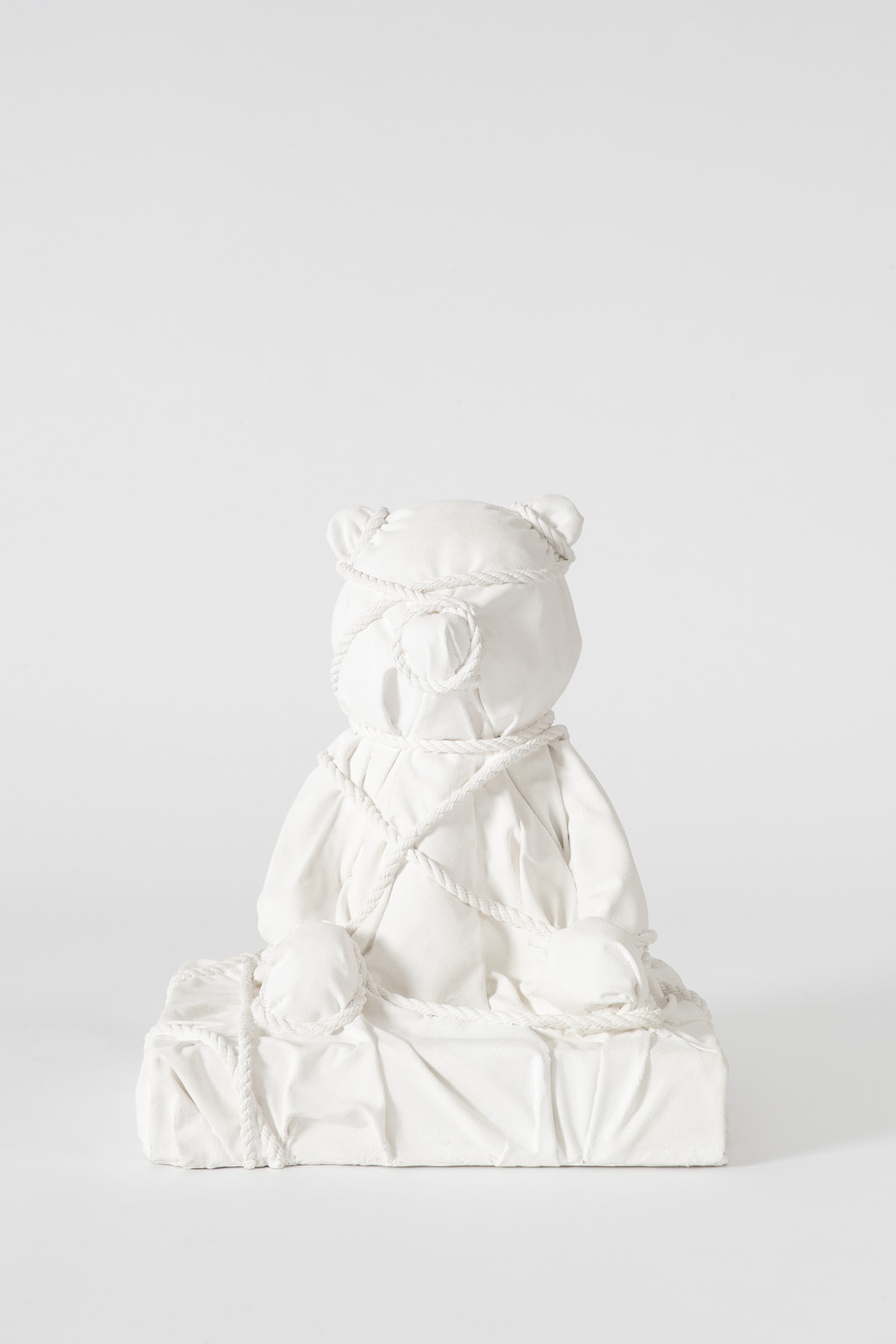
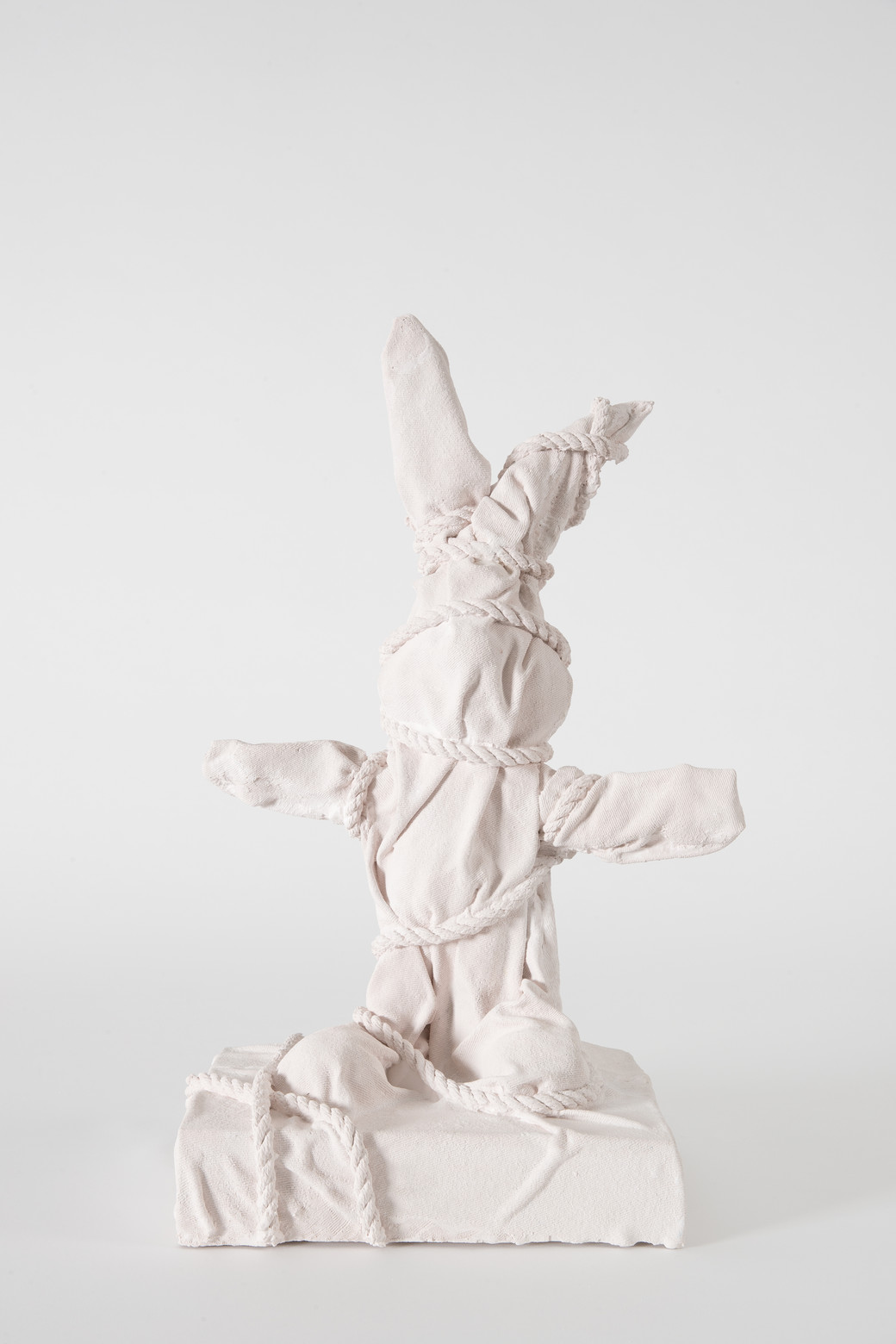
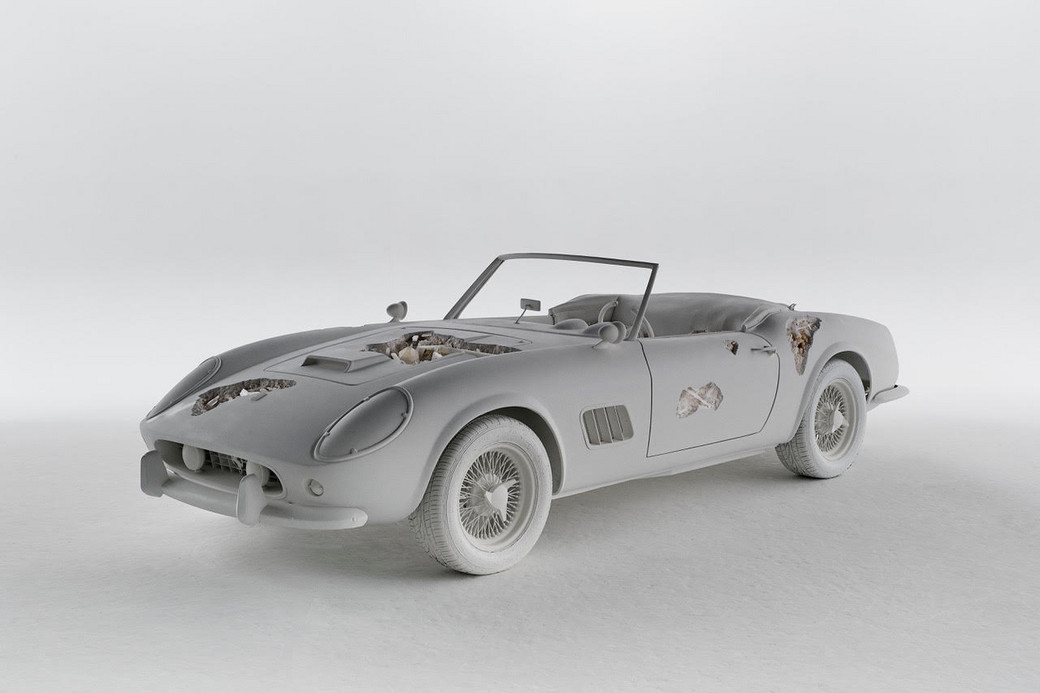
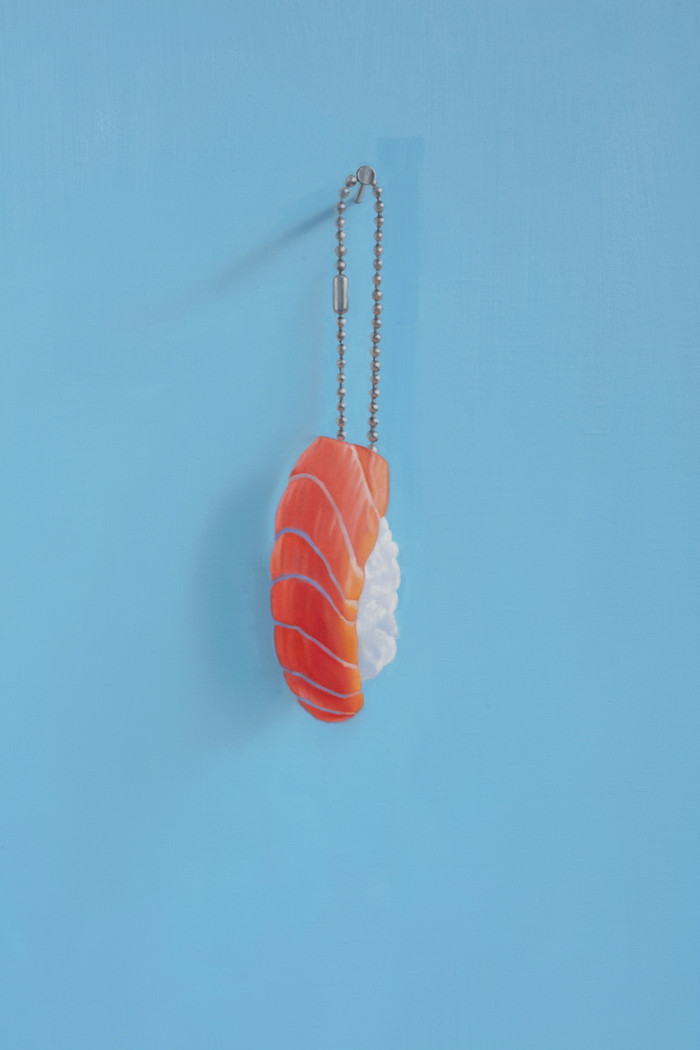
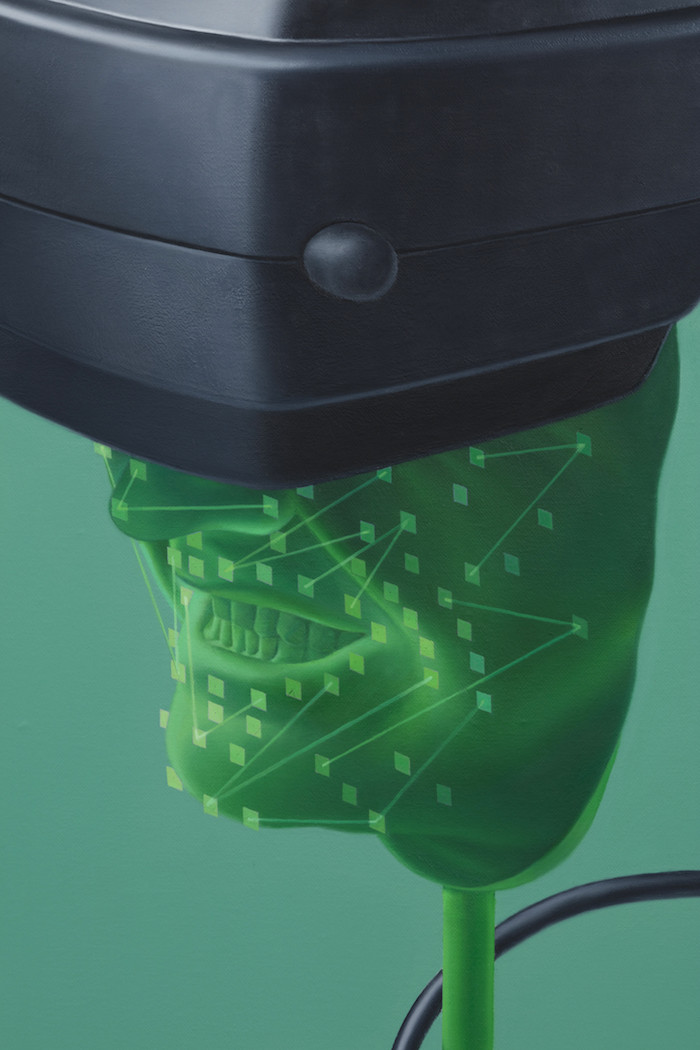
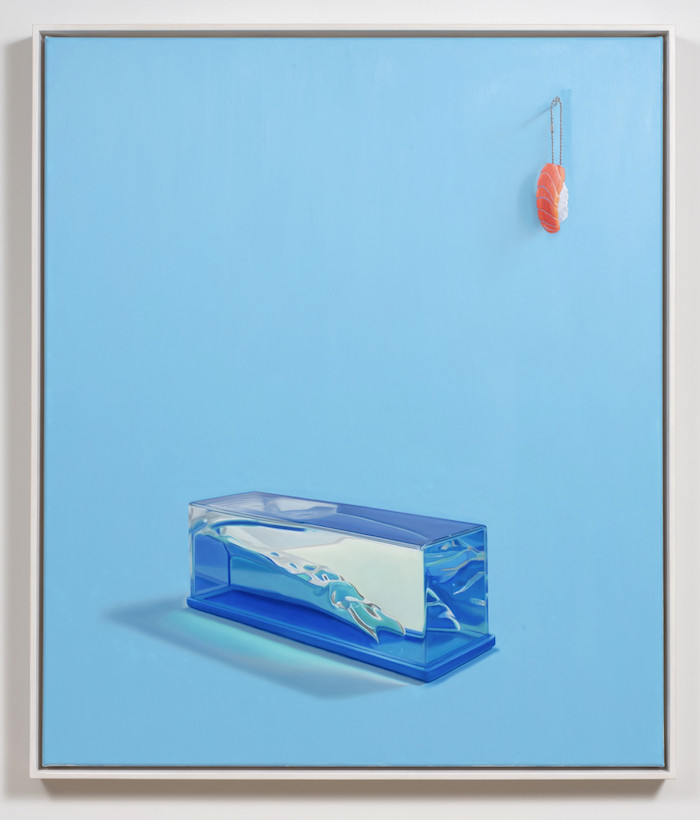
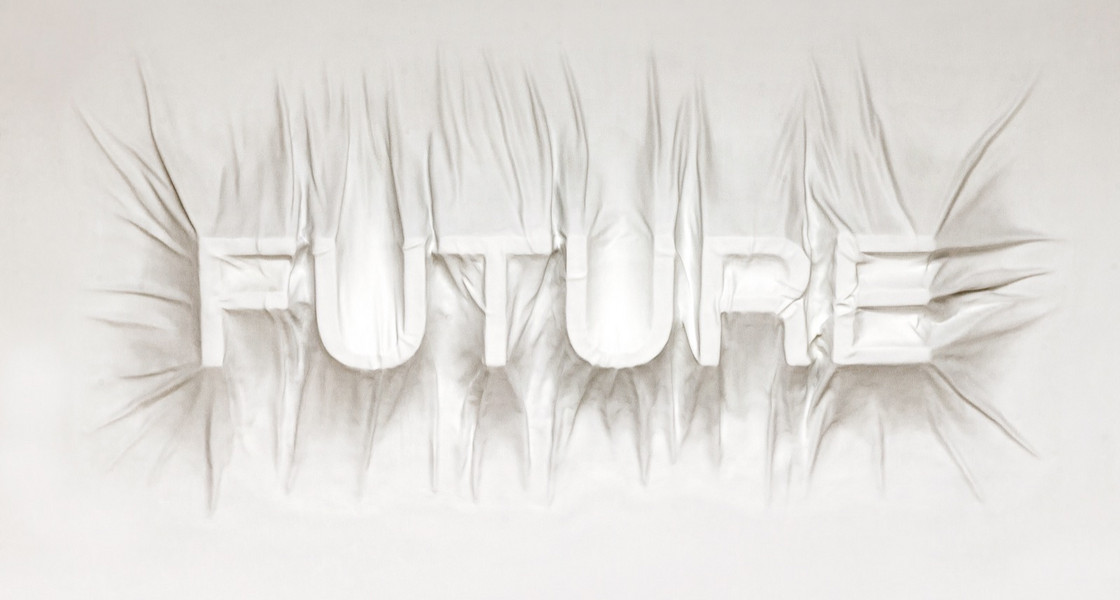
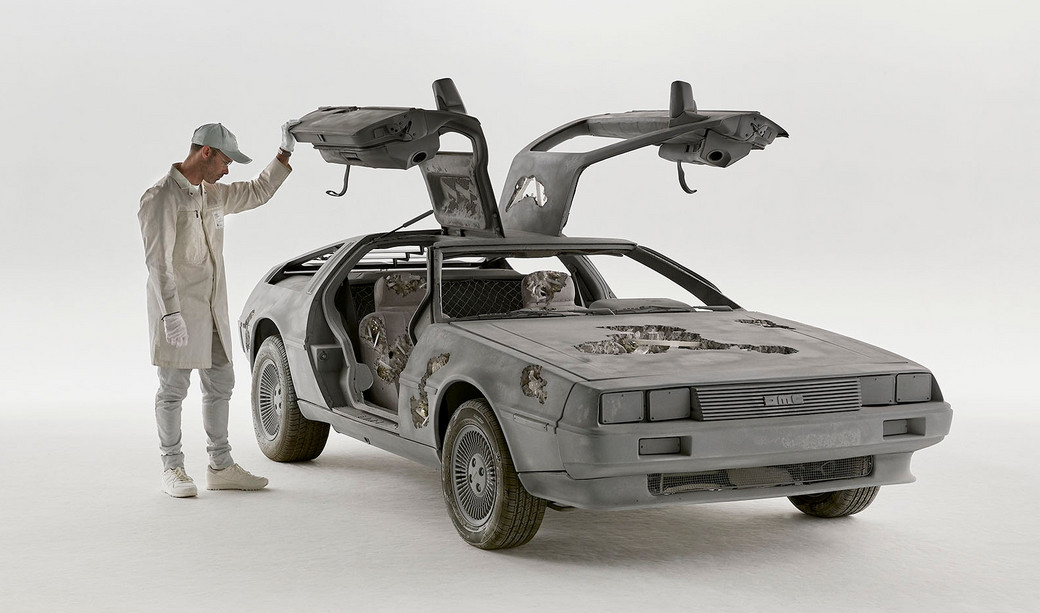
Cover image: 'FUTURE,' 2017.
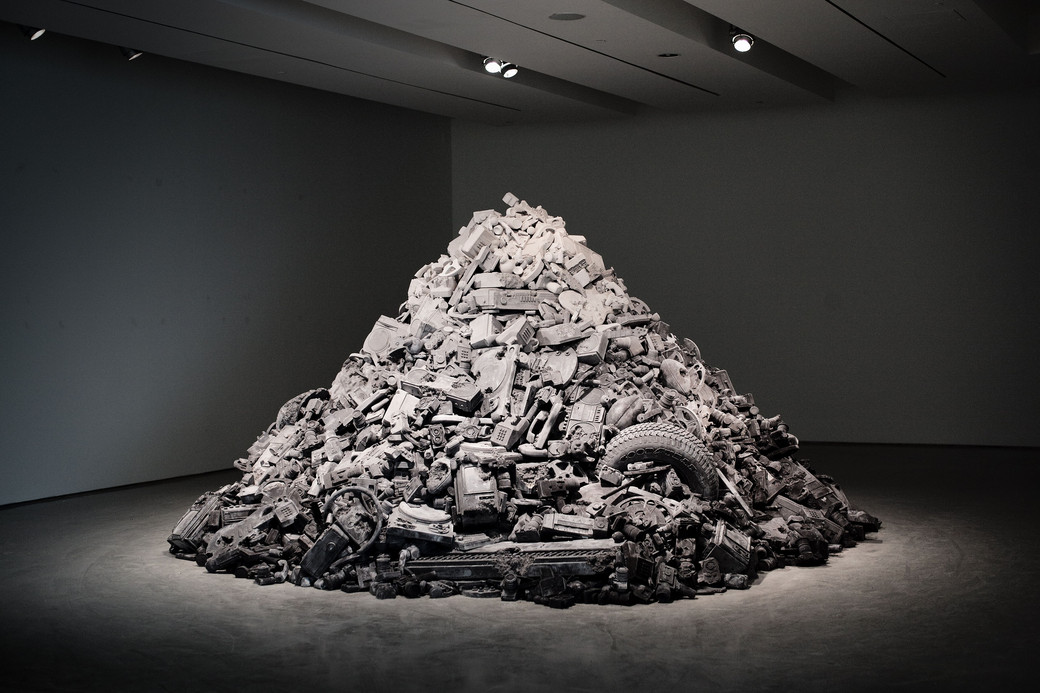
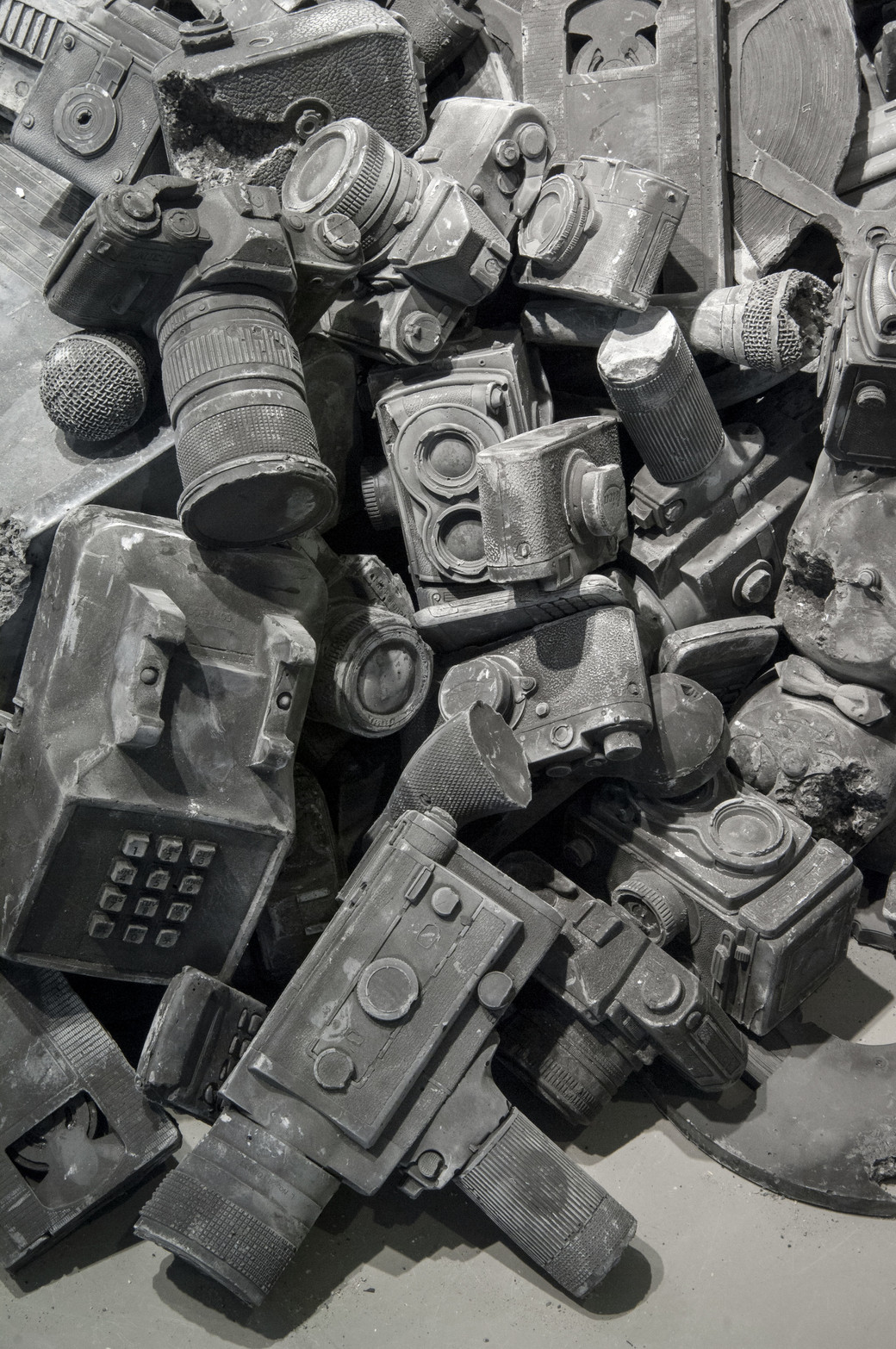
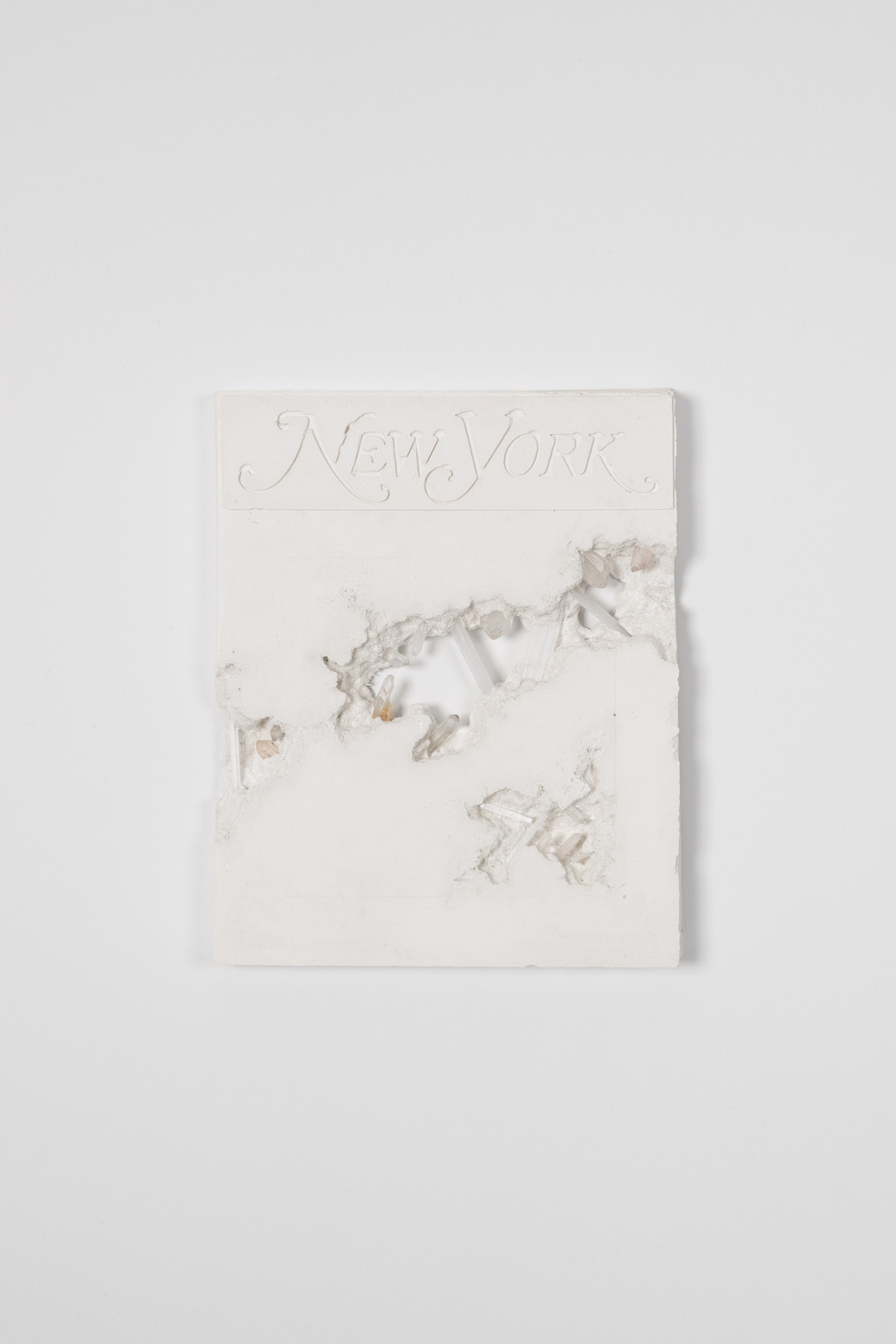
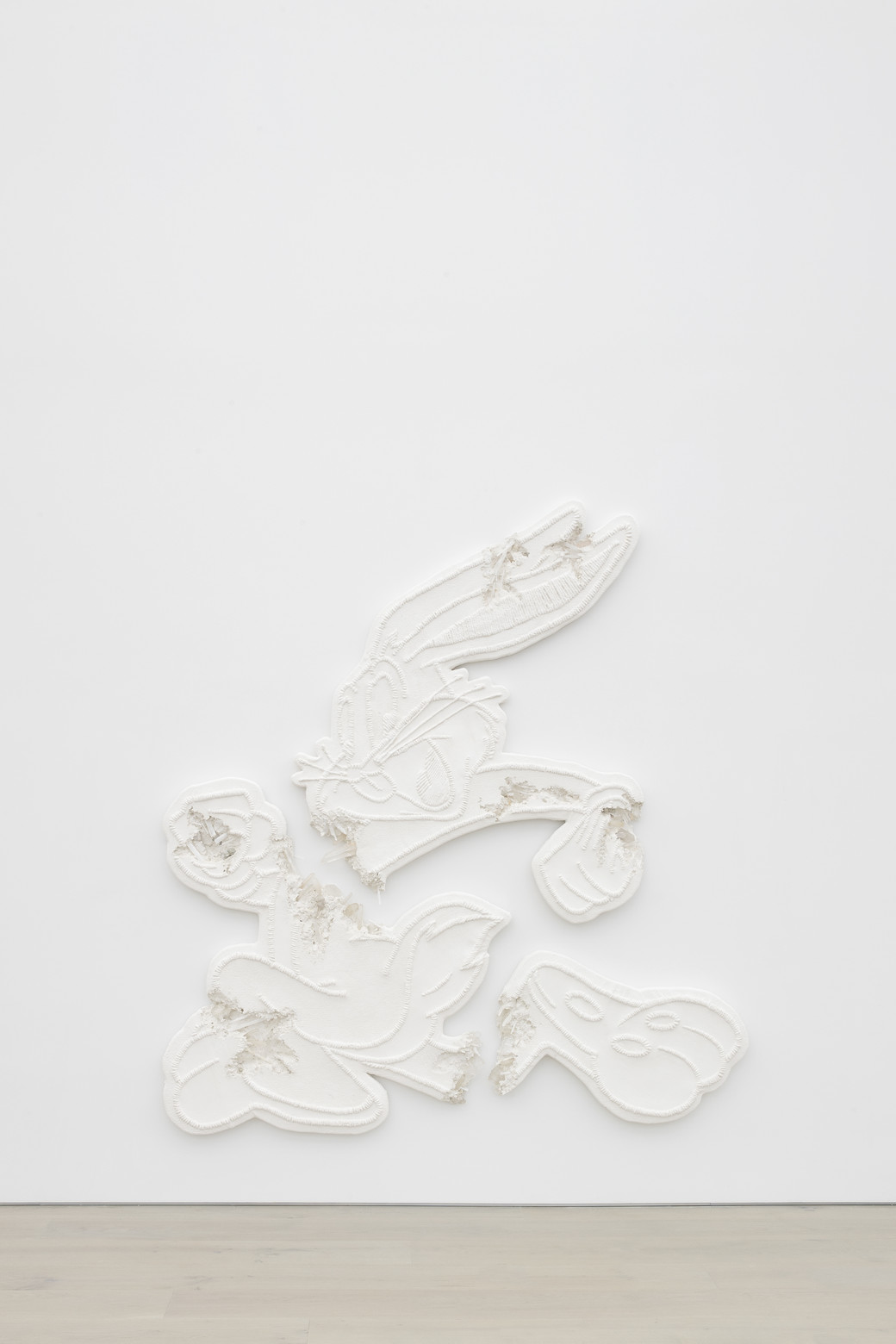
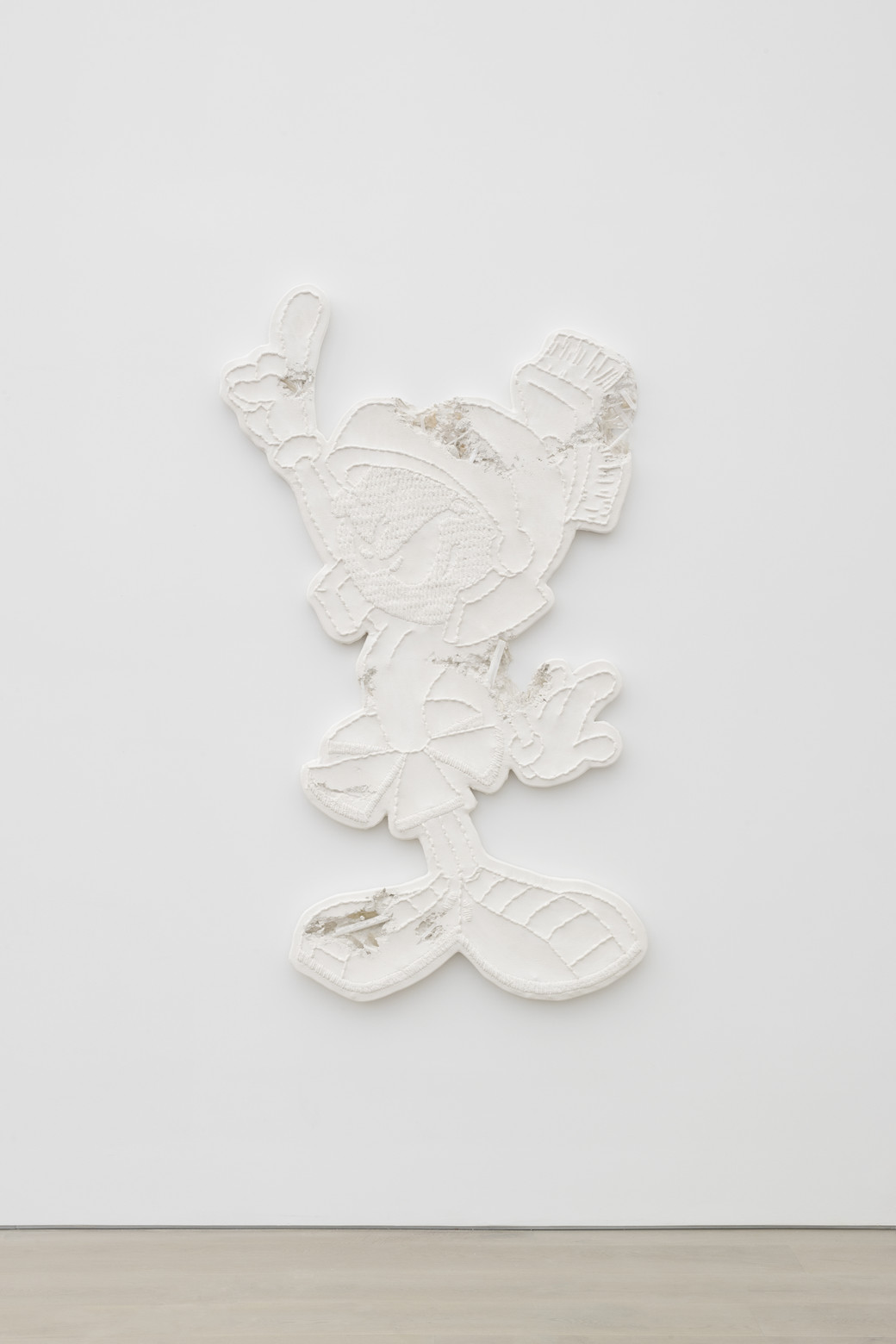
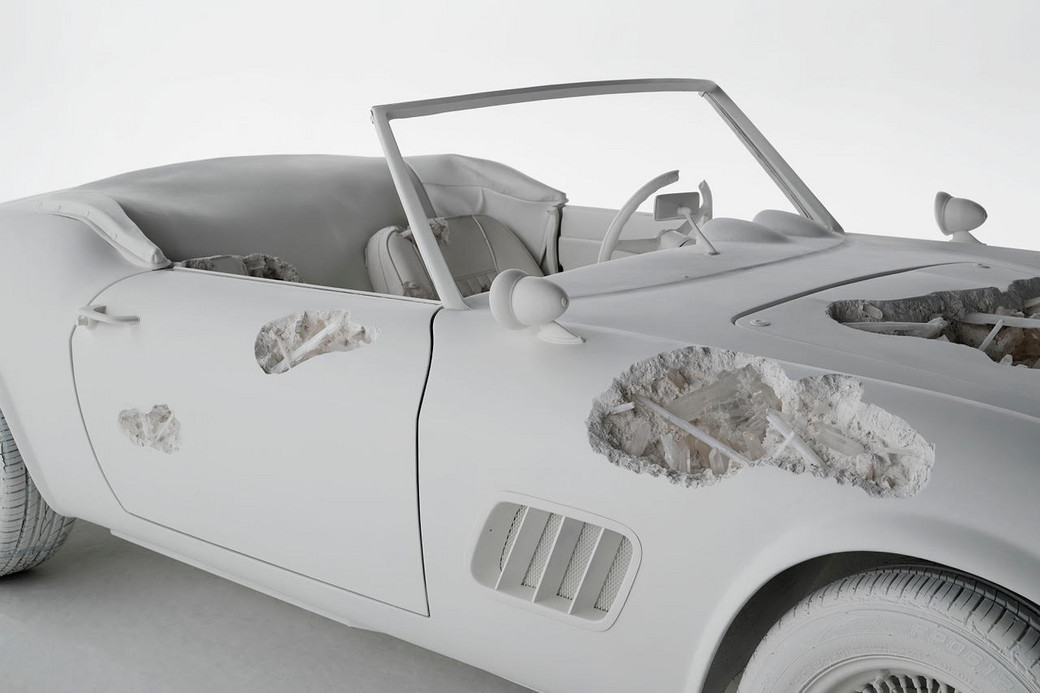
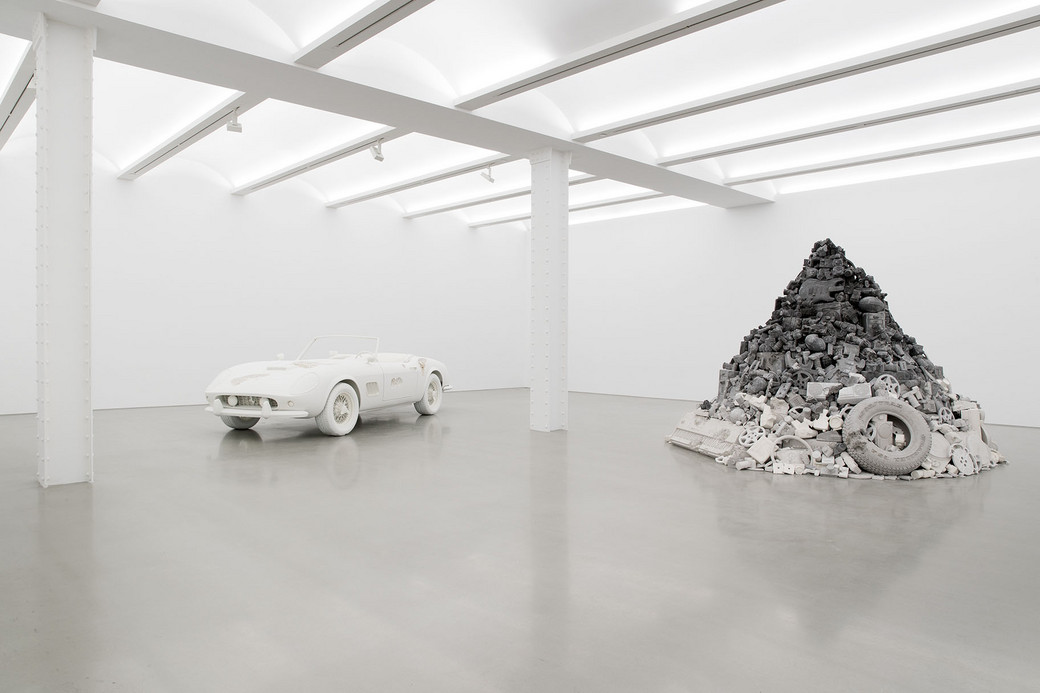
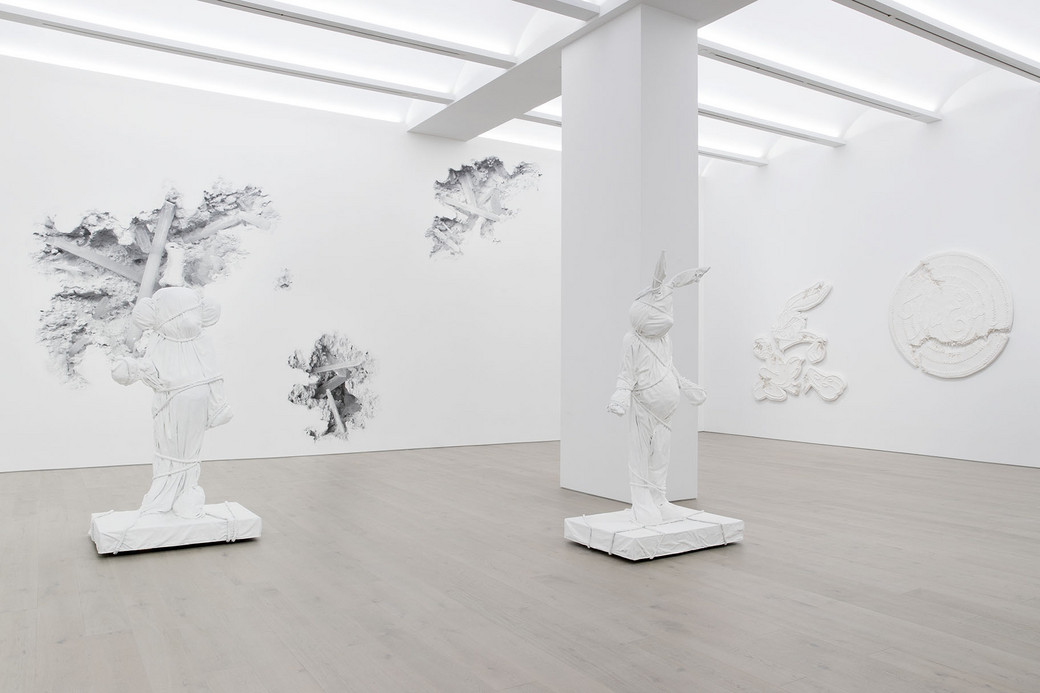
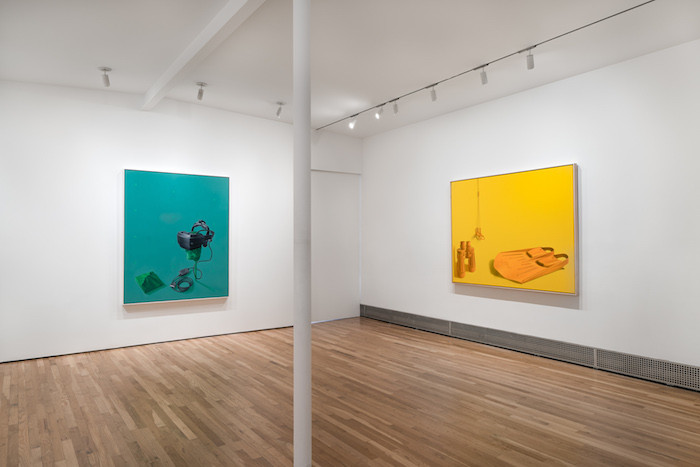
'3018' will be on view at Galerie Perrotin's Lower East Side location through October 21, 2018.
Stay informed on our latest news!

Cover image: 'FUTURE,' 2017.
'3018' will be on view at Galerie Perrotin's Lower East Side location through October 21, 2018.

office spoke with Aku’s creator and former pro-baseball player Micah Johnson about the project and what’s next for Aku.
When you were first envisioning bringing Aku into a physical space, what did you want to convey?
I want to convey the endless places Aku can go to hopefully inspire people to see beyond any potential limits to their dreams. By bringing Aku into the real world, we are grounding him in reality and hoping to create a deeper connection with our audience.
What elements from your own life and childhood are translated into your art?
By nature, I’m a very shy person however, I’ve been incredibly blessed to have accomplished my dreams even when the odds were stacked against me. My paintings and Aku are natural ways for me to pass my life experiences on to others.
Having been a professional baseball player in the MLB, what does the transition from professional sports to the art and crypto/tech world look like?
Baseball is a game of failures and adjustments. My whole life I was trained to learn how to deal with failures and to move on. I’ve been able to carve my own path in the art world and media/tech world by not being afraid to fail.
Why did you choose to go into art, specifically NFT art, in the first place?
Art was my escape from the anxiety and depression I would deal with at the end of my career and I knew it was something I needed to do for the rest of my life. But, when I retired I went over a year without selling any art and needed a way to make money for my family. I discovered NFTs in late 2019 and realized immediately that this was an opportunity for me to get in early into a world with no gatekeepers.
How do you like working in the NFT space? What benefits or consequences has it had in bringing Aku to life?
I can’t imagine doing anything other than working in the NFT space. When I was looking for jobs or places to showcase my art after baseball, nobody would give me the time of day. The NFT community at the time welcomed me with open arms and showed me the way. The learnings I was able to take from all those incredible thought leaders helped lay the foundation for what was possible for a character like Aku.
With 5 chapters released now, what is in store for the next 5 chapters with Aku to be released moving forward?
In the remaining chapters, we are really laying the foundation of who Aku is, what the helmet can do.
The message behind Aku is that “anything is possible.” Who do you most want to hear this message?
I want everyone who has ever been told they couldn’t do something or that their dreams are too big and they need a plan B to hear and see Aku. I truly believe I can do anything and if everyone could have that mentality our world would look a lot different.
Aku World will run from December 2nd to 4th, coinciding with Art Basel and Miami Art Week. Get tickets for the physical opening here.
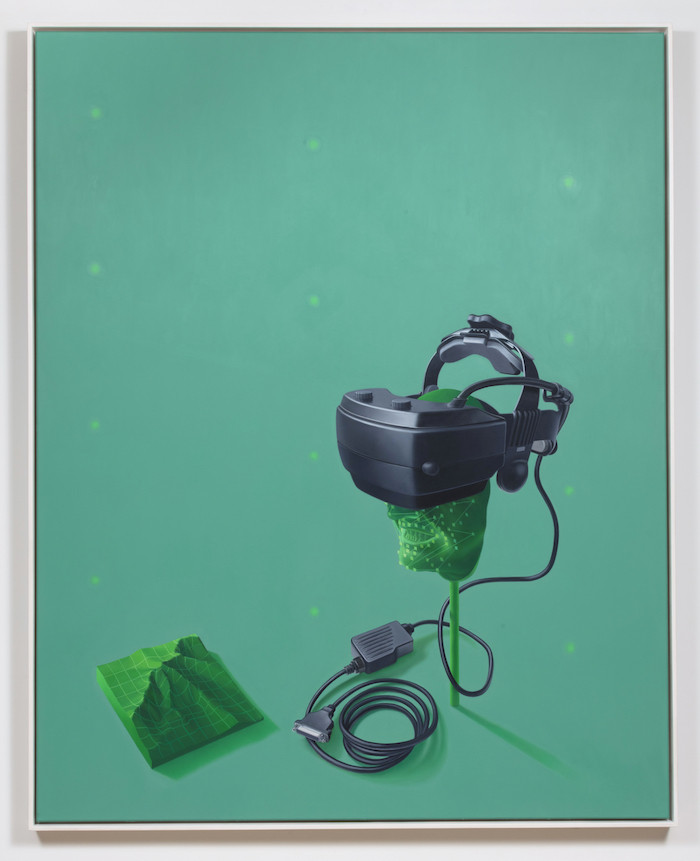
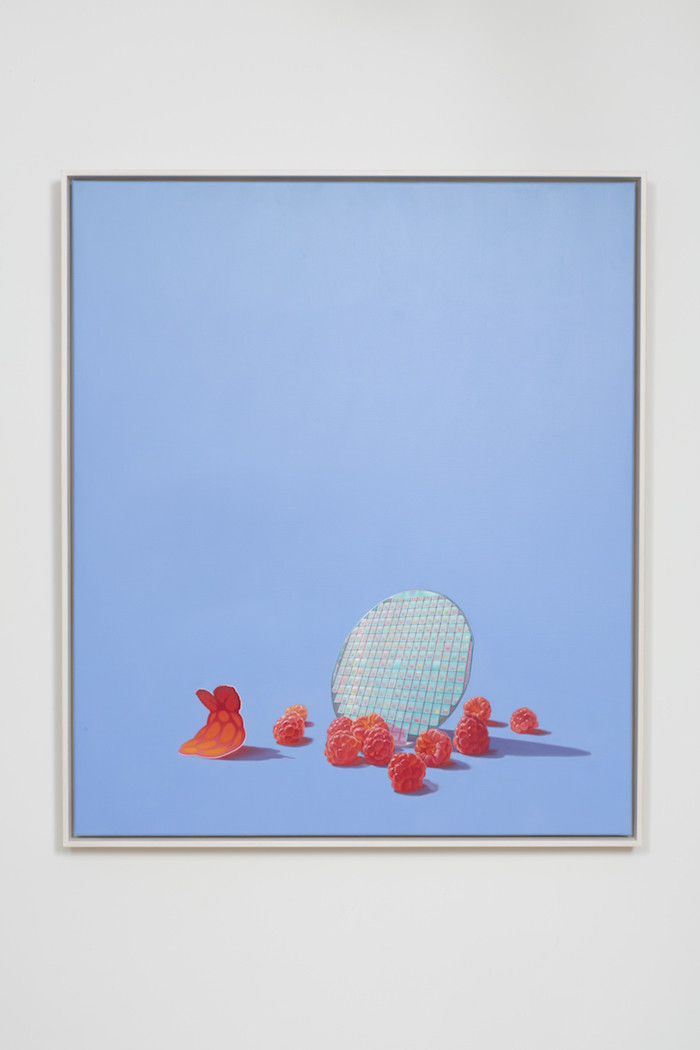
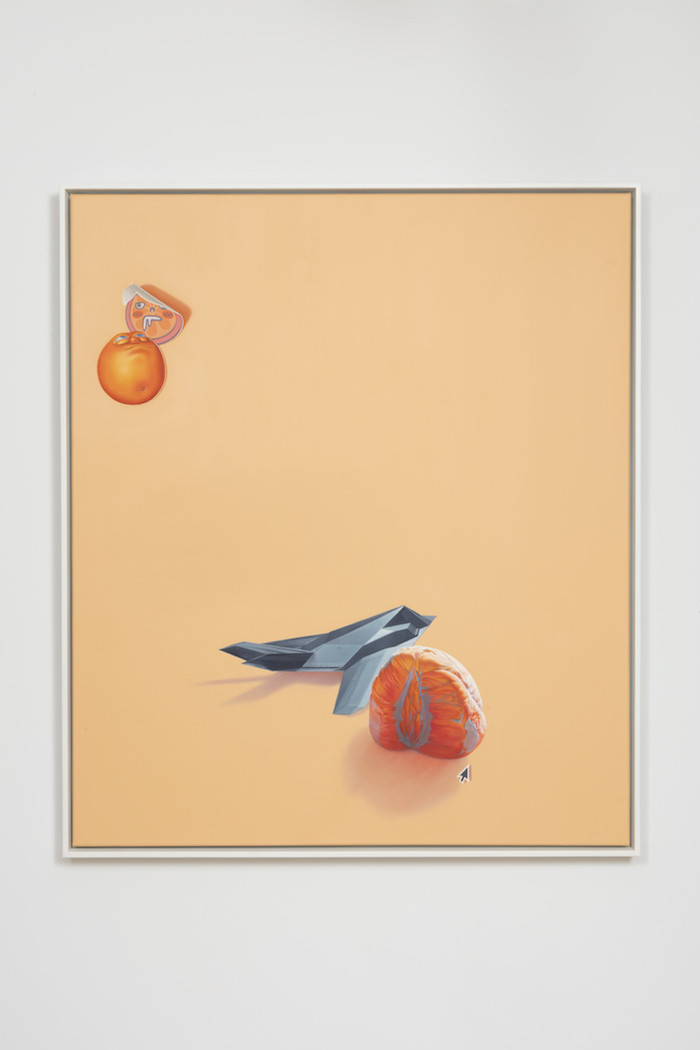
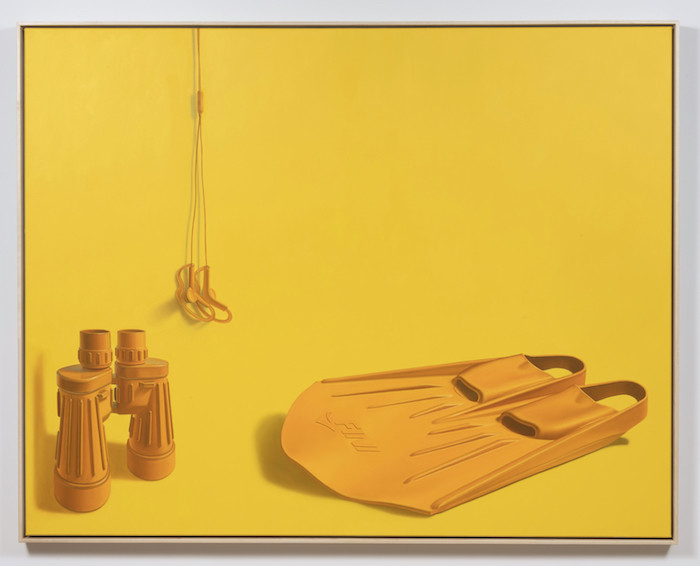
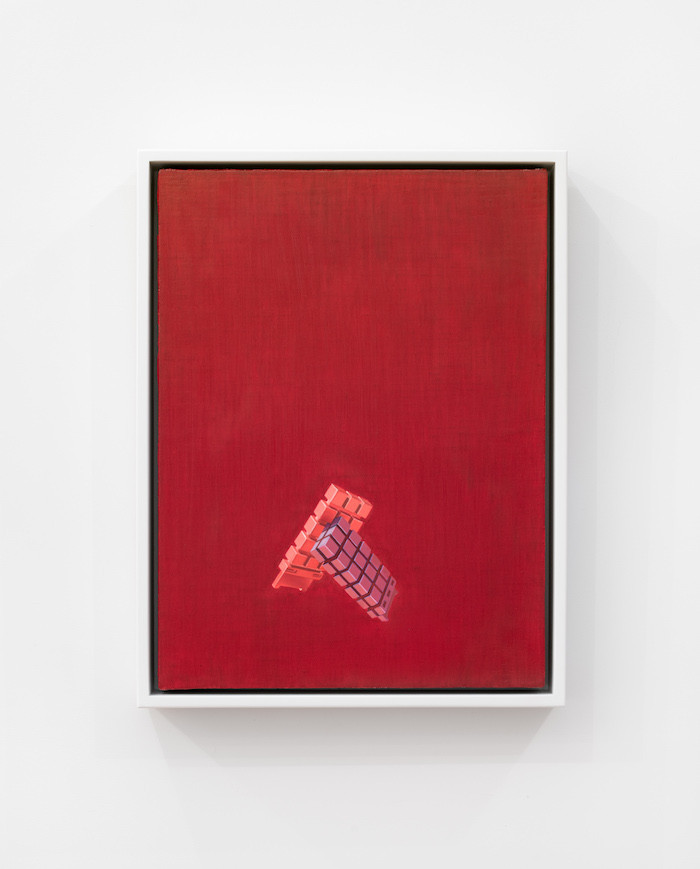
Mayman’s alluring, homogeneously-hued backgrounds may be what initially attracts onlookers, but it is the juxtaposition between the vivid, almost whimsical tones and the deeper, intellectual meaning behind his subjects that will keep you glued to his works. When asked about these aesthetical choices, Mayman stated, “While this trajectory often leads to a serious, if not dark, place, an appealing color palette can lure the viewer into the work just long enough for the subject matter to grab onto their consciousness and send them down a path of inquiry.” He also chooses to display not just technology, but also fruit, in some of the paintings, in order to convey the delicate impermanence of life itself.
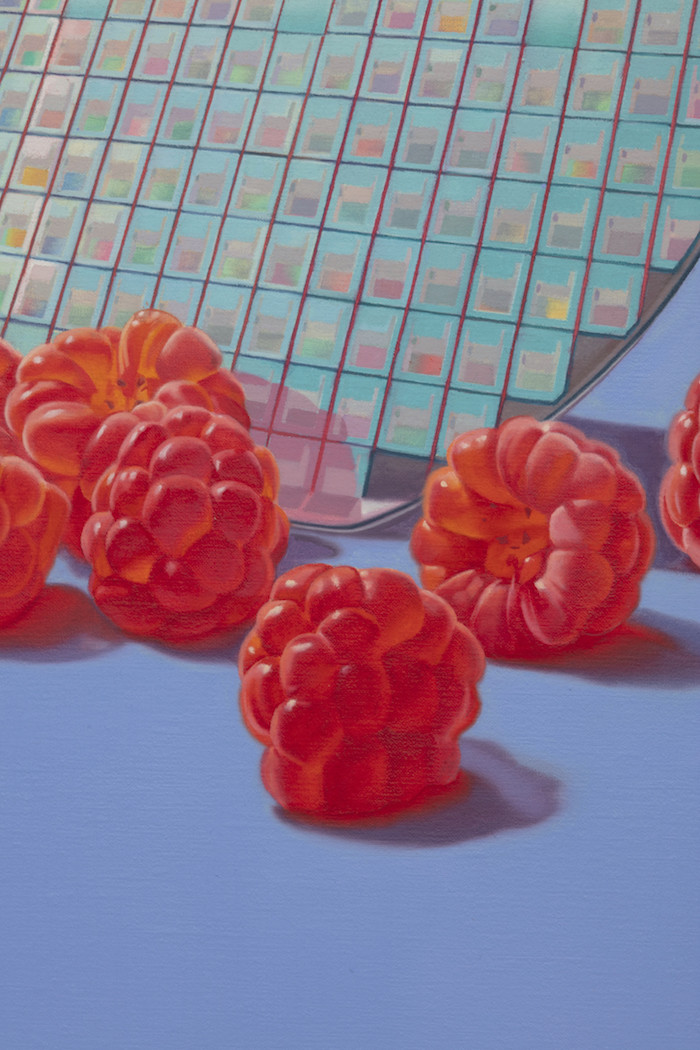
Not only does Mayman’s art take on an existential tone, but it guides us to think further about the geopolitical and economic repercussions of relying heavily on technology. His work titled, “Brambles of Industry, Drupelets of Education'' (which is also Mayman’s favorite work in the exhibition) was inspired by recent complications in global supply chains as a result of the pandemic.
This painting also investigates the educational issues that arise with the ever-changing and growing technological sphere. Currently, technology is evolving at a faster rate than education systems and curriculums can keep up with, leading to a wider and wider gap in understanding when it comes to these advances. We are at a point in civilization where technology is beginning to supersede human knowledge — and where exactly do we draw the line?
This hectic phenomenon made Mayman realize that it can be particularly dangerous to depend upon technology for our own livelihood. But on the other hand, it also inspired a sense of optimism for Mayman, as it is also a nod to the Raspberry Pi Foundation, an organization which promotes the study of computer science in schools. The double-edged sword of our tools and inventions becomes immensely apparent here — “The idea that a computer can help us solve the same problems it creates, that a technology can simultaneously be the problem and the solution, is fascinating to me,” says Mayman.
Mayman classifies himself as both an optimist and a skeptic, and “Technium Territories'' portrays this dynamic, multi-faceted perspective by inspiring the public to take in all aspects of the technology we so frivolously and rapidly consume. Mayman’s fascination with design and everyday objects opens up an enlightening conversation about accessibility to and understanding of modern technology and leads us to step back and take in the bigger picture that surrounds the tools that have become so imperative to our lives.
Join the conversation by visiting Candice Madey Gallery Wednesday to Saturday, 11 am to 6 pm. You can view photos from the thought-provoking exhibition below.

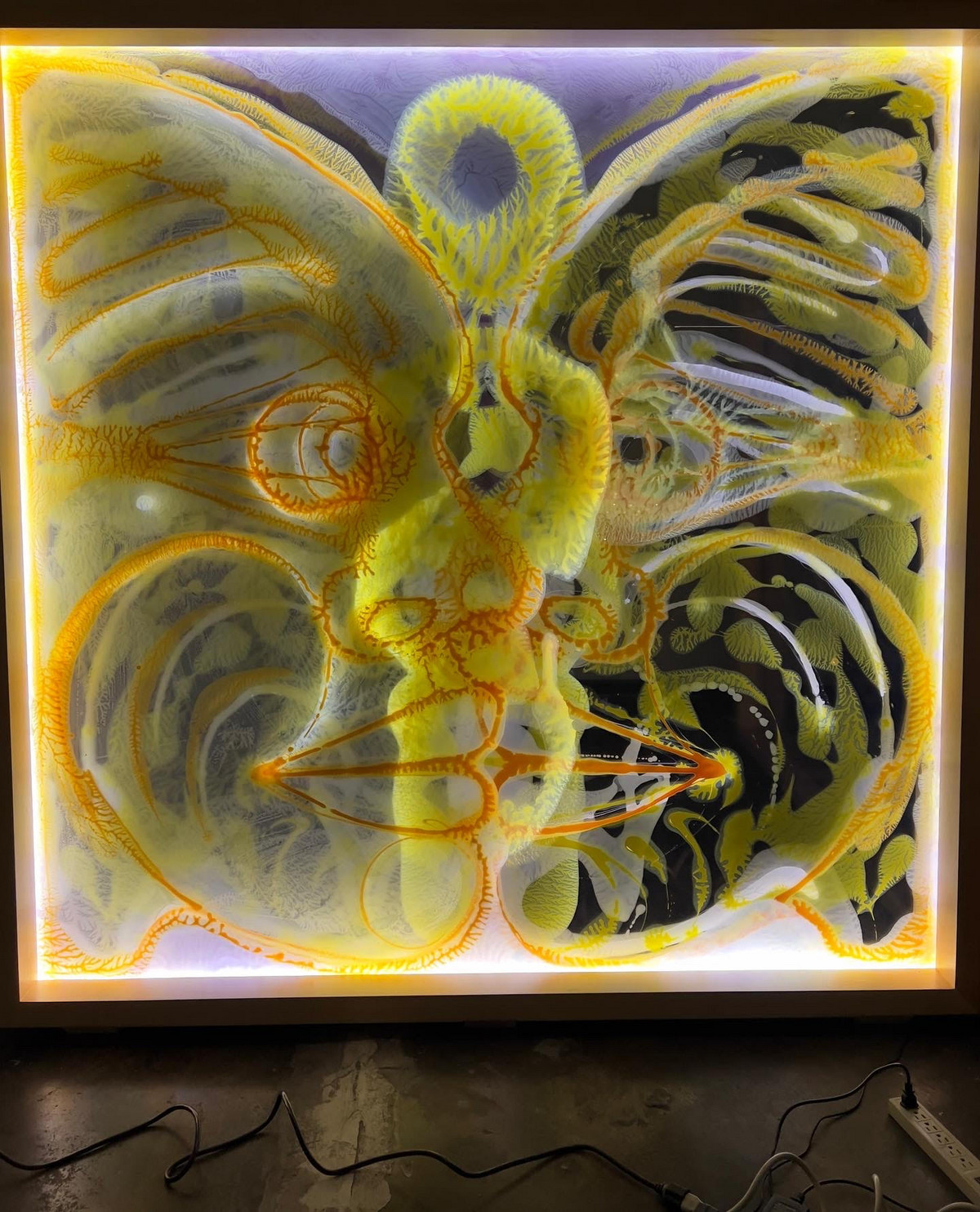
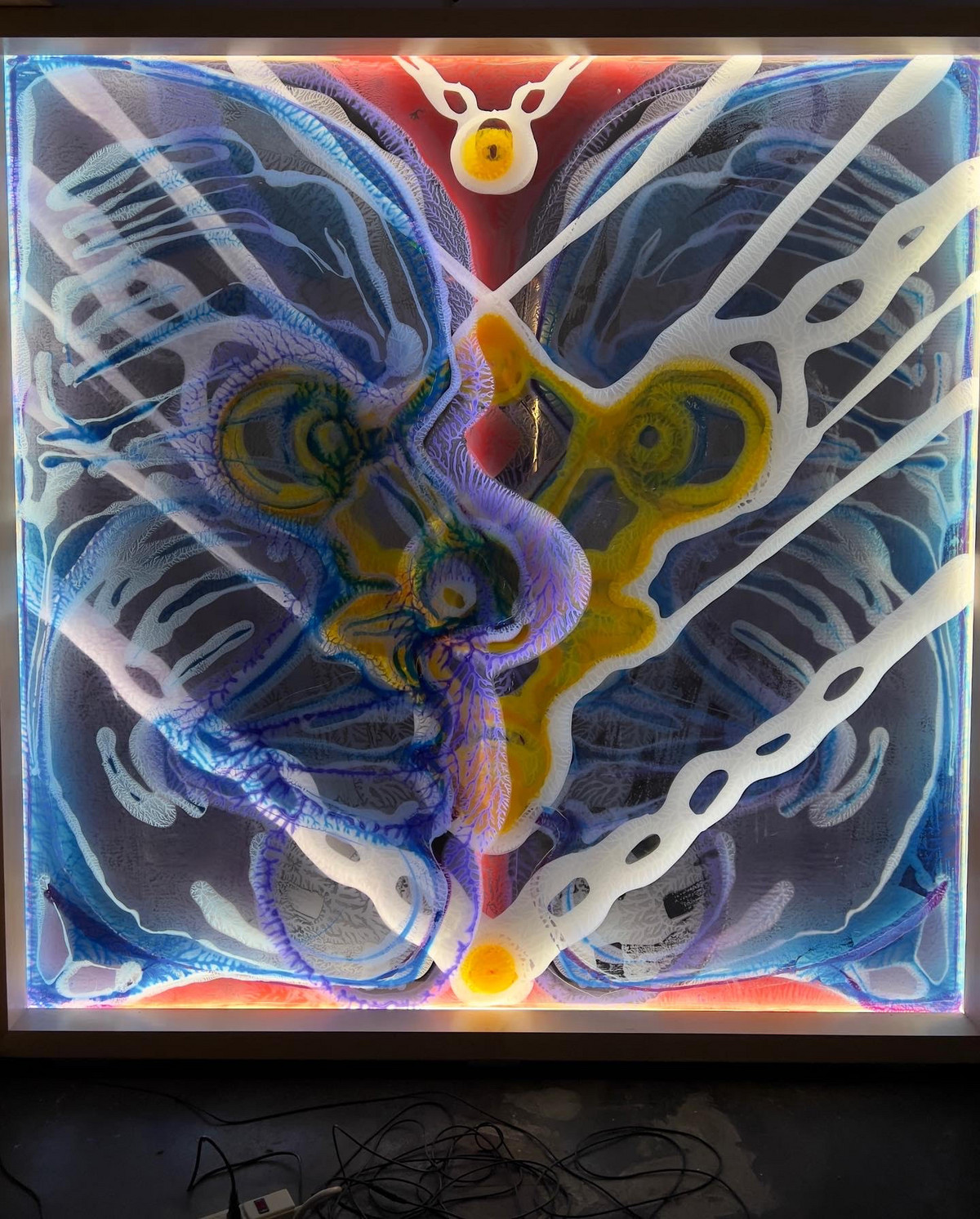
When you walk into Nikolas Soren Goodich's gallery, you are met with tremendous illuminated plexiglass frames. A buzzing fills your ears, and you are instantly immersed within the world of Goodich's art; the bright yellows and warm oranges fill your visual senses as the sound coming from the lights quiet the outside world. Nikolas Soren Goodich first made one of these light installations for 6 years now, playing with how the pieces are perceived from every angle, how the paint moves within the plexiglass, and how the light affects the viewer's perception of the work itself.
His massive side profile portraits look like someone has been cut in half and laid bare on the slab. Using this simple graphic symbol, he explores the paradox between what the eye sees and how the brain perceives it; he allows materials to find their own way, a biomorphic experiment through art. The paintings twist and turn, finding new directions on either side of the plexiglass works. Each layer is a print of an original painting created on one side of the plexi panels. He then hand-monoprints from one panel to another, finally assembling them on canvas as single works or diptychs. His techniques, which entail a certain loss of control, are an essential part of his practice, allowing nature to take over within the pieces, taking aspects of the final image out of his own hands.


The light being emitted off of these pieces are something extraordinary and vital in Goodich's work. The way that light can shift the atmosphere in a room and control a person's mood is exciting. He sees these pieces as functional works that can live within a person's home, but something much more extensive and impactful to the community he calls home. Goodich hopes to open up his own community center in South Central Los Angeles, made entirely of his plexiglass lightboxes. Art was so fundamental in his life that he hopes to bring that back to a community that is not often prioritized within the city he lives in.
Goodich implements light itself to highlight the interior layers of each painting. The light being emitted off these pieces is something extraordinary and vital in Goodich's truly unique artworks. The way that light from within the works can shift the atmosphere in a room and control a person's mood is at once both serene and calming, visceral and exciting. He sees these pieces as functional artworks that can live within a person's home and, also become something extensive and impactful in com. Art has always been fundamental in his life, and he hopes to bring that same energy to this project in such underserved communities like South LA, where his African American mother grew up. He’s also looking as far afield as the Hudson Yards in New York or Berlin or China for places where he also wants to create his luminous painting community center buildings, that will be works of Public Art in and of themselves and foster a place for adults and youth to be creative as well. Goodich hopes in the next five years to realize his dream of making a community center in South Central Los Angeles made entirely of his plexiglass light-wall paintings. .
Goodich will be bringing his luminous plexiglass installations to the 2021 Miami Art Basel. Make sure to see his new work at CONTEXT ART MIAMI from November 30 to December 5, 2021, at Coagula Curatorial Gallery, Booth B5. Nikolas Soren Goodich is represented by Coagula Curatorial Gallery, Los Angeles.