Ashes to Ashes
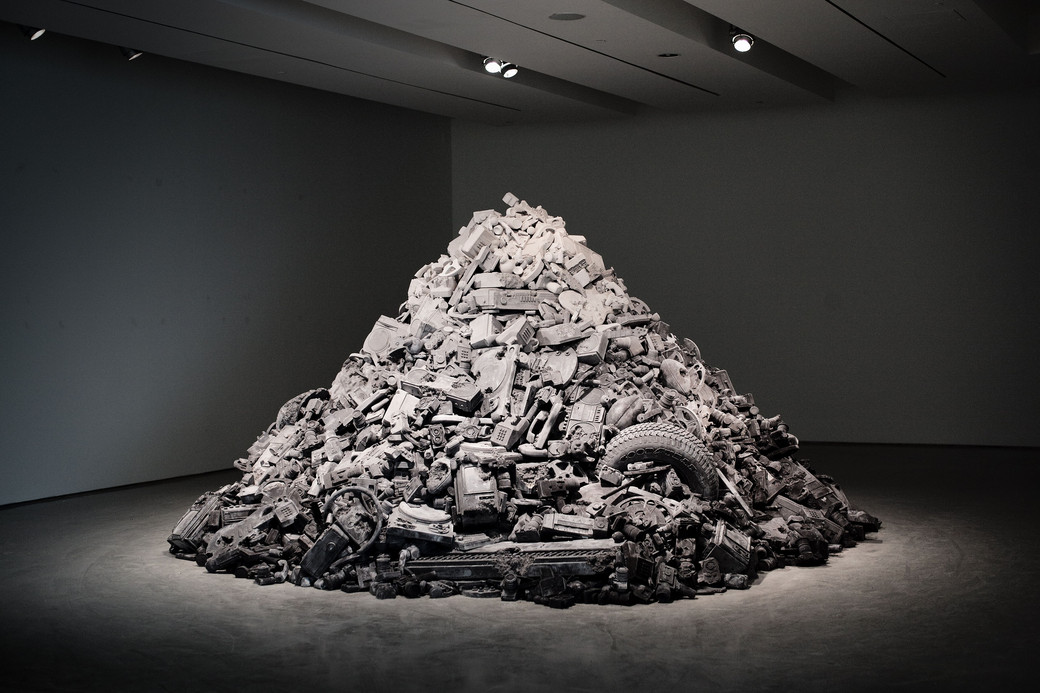
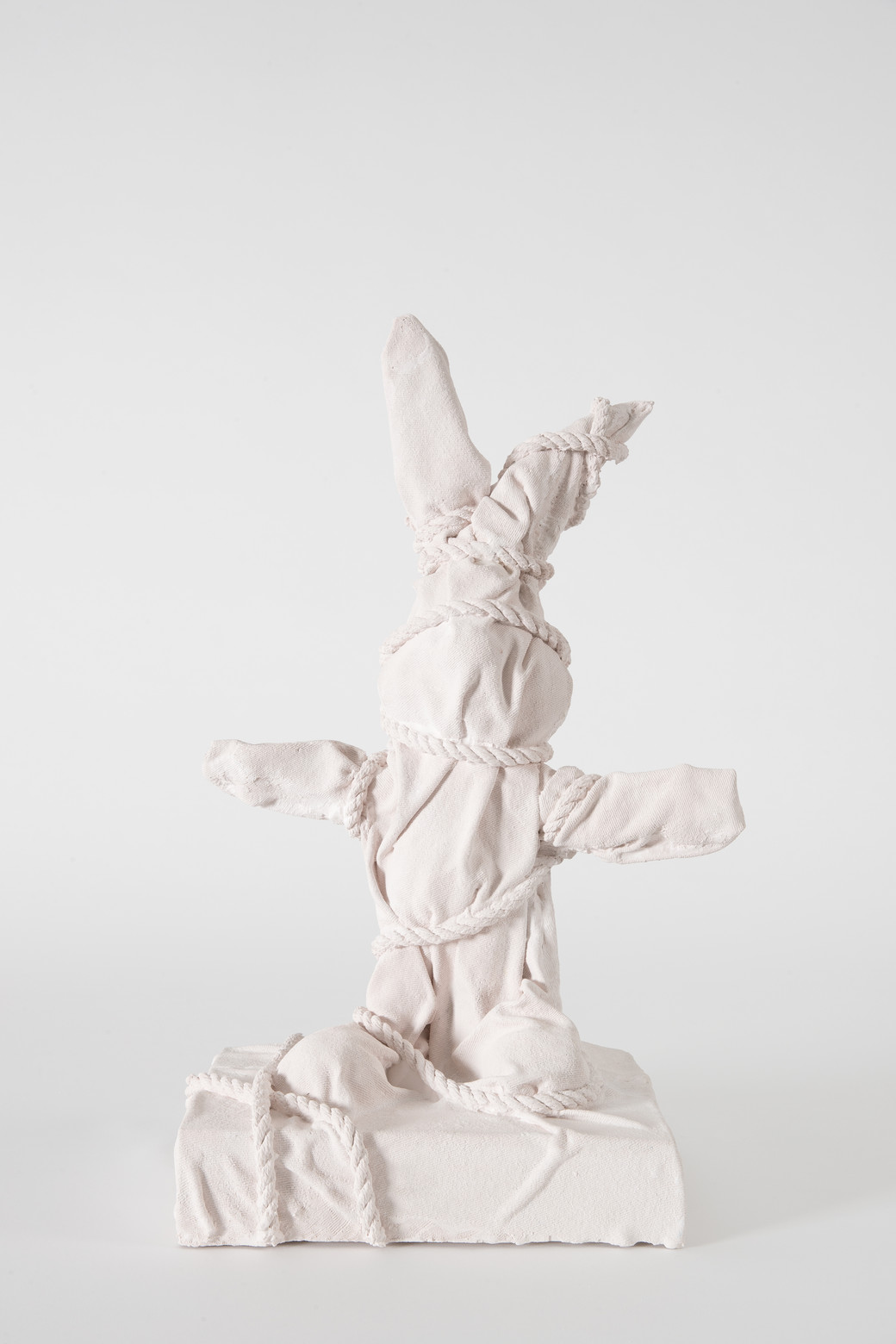
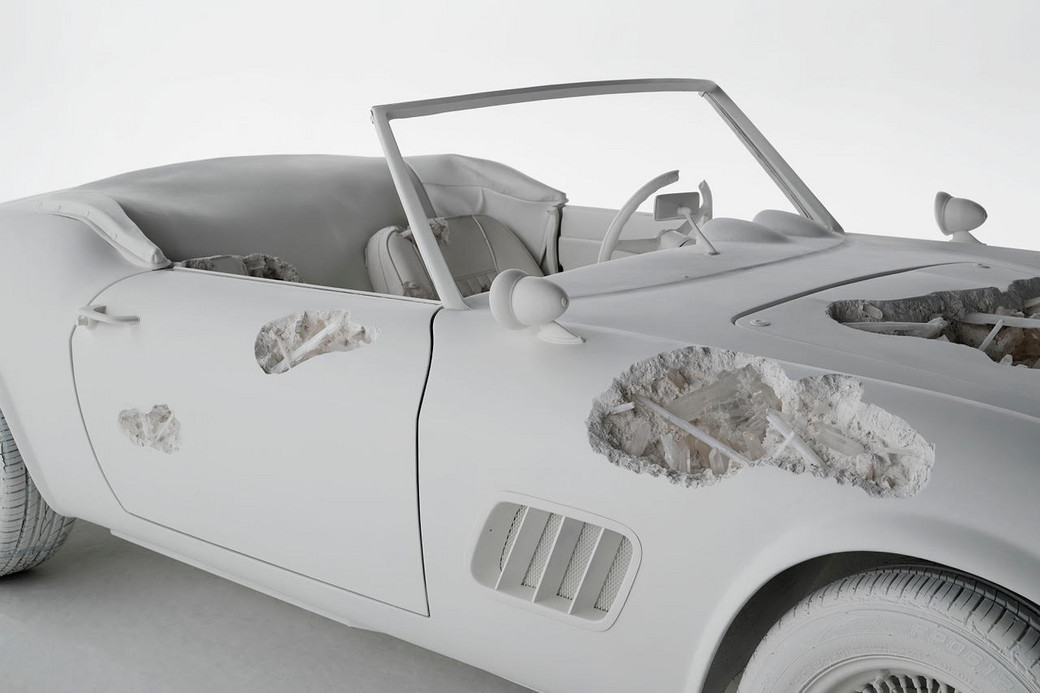
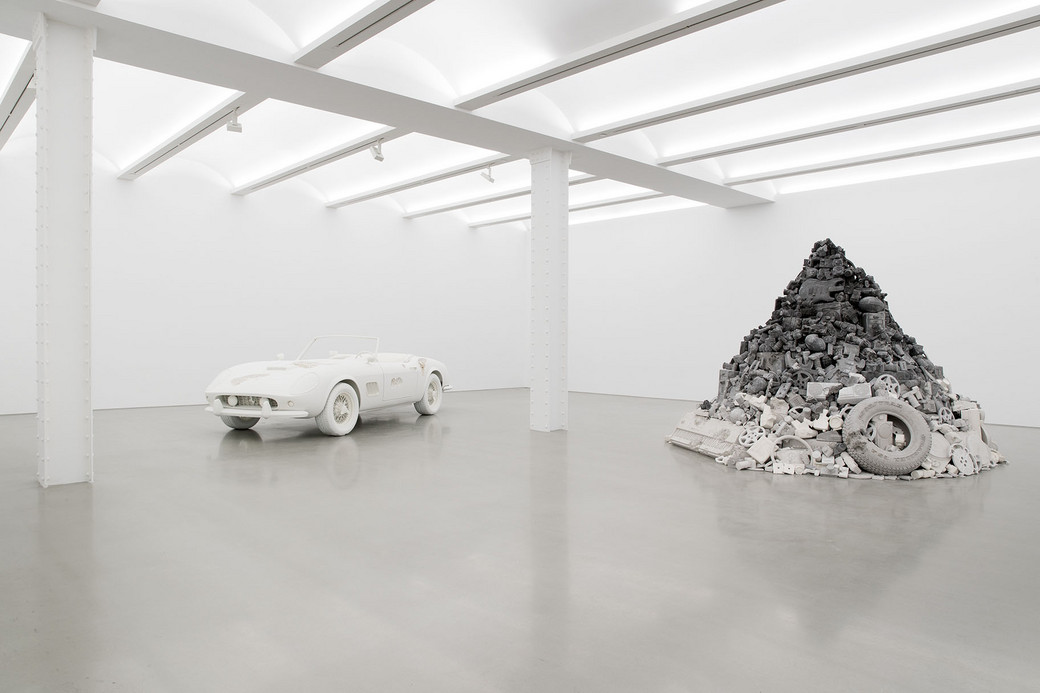
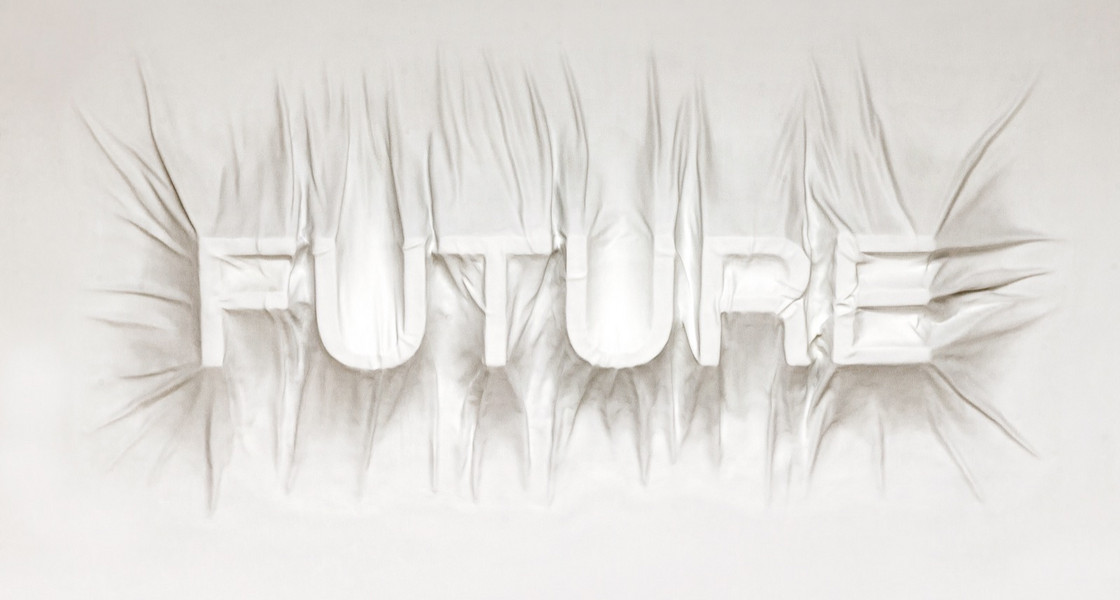
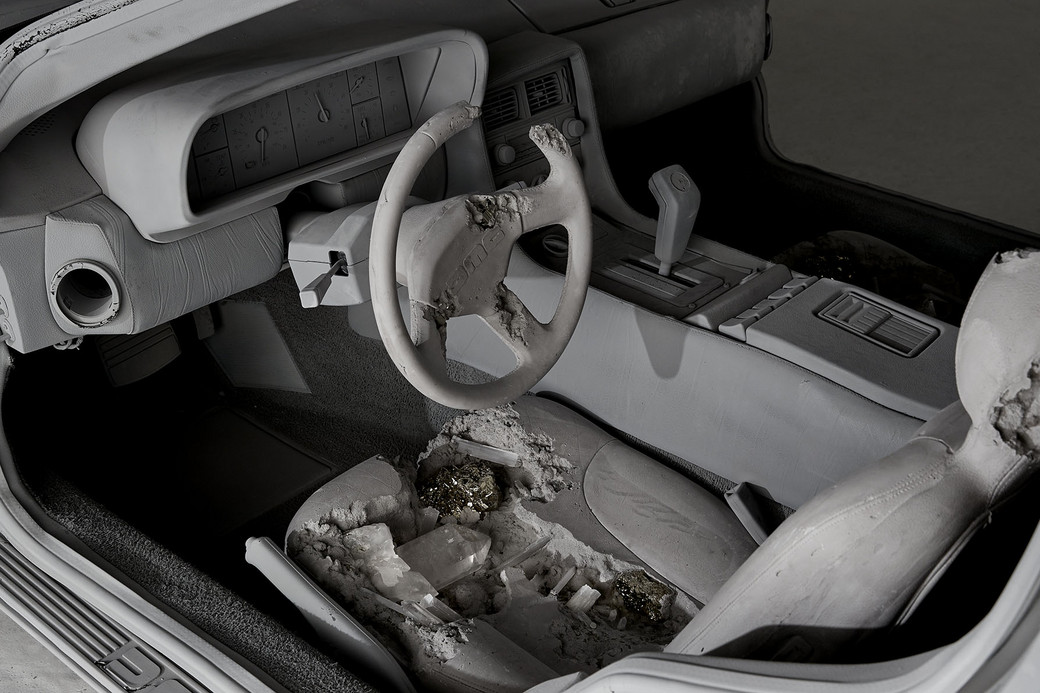
Cover image: 'FUTURE,' 2017.
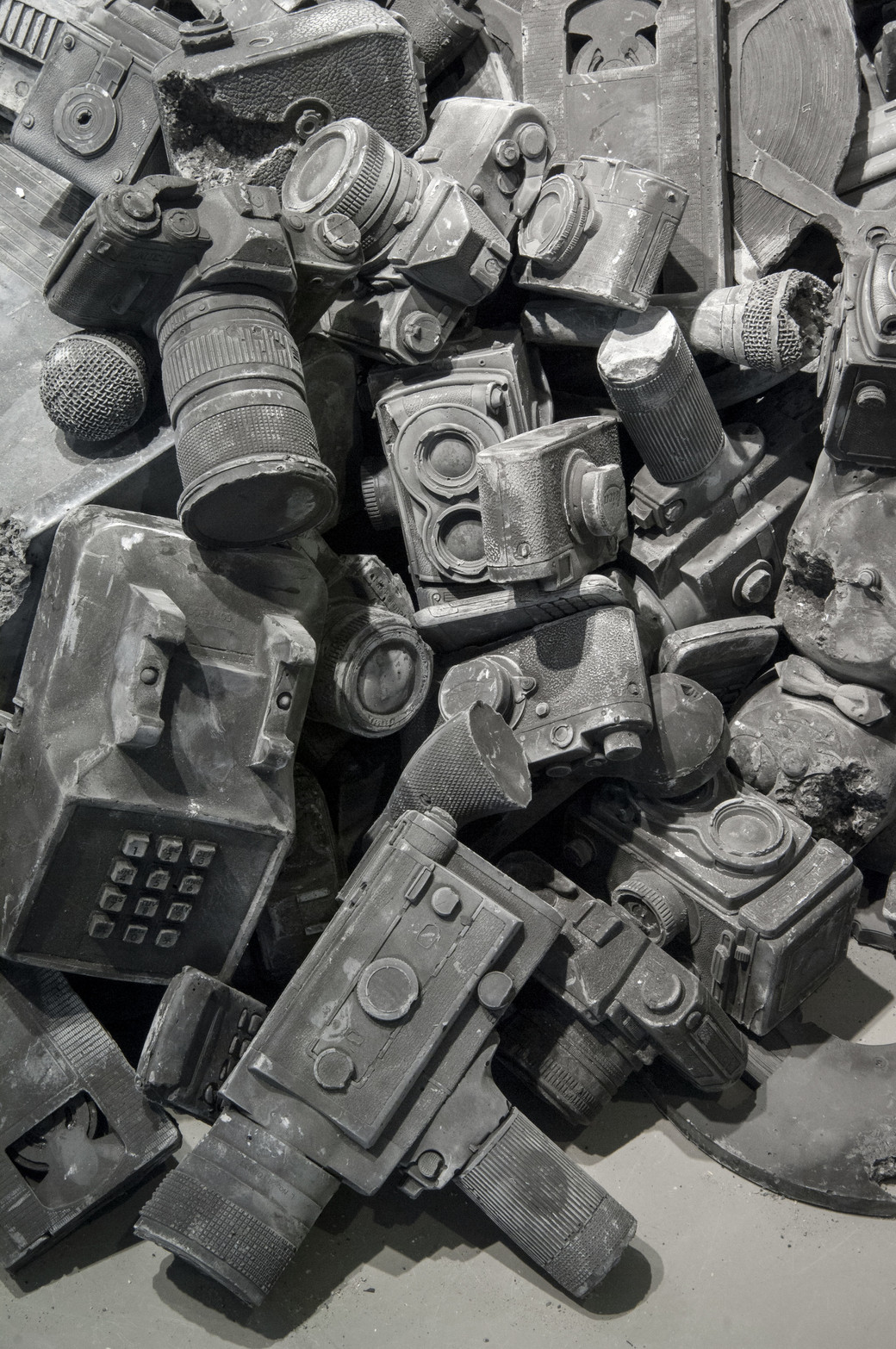
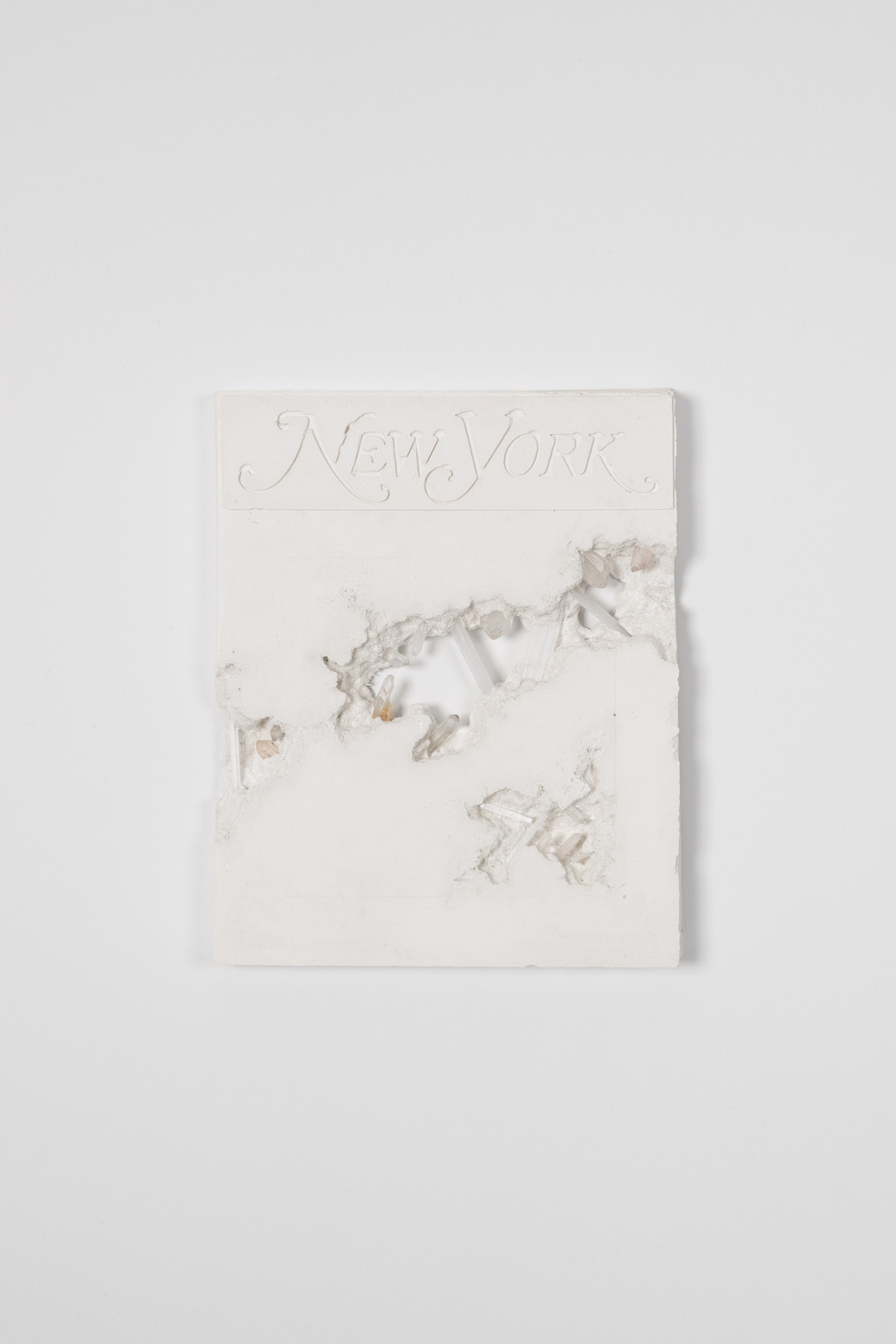
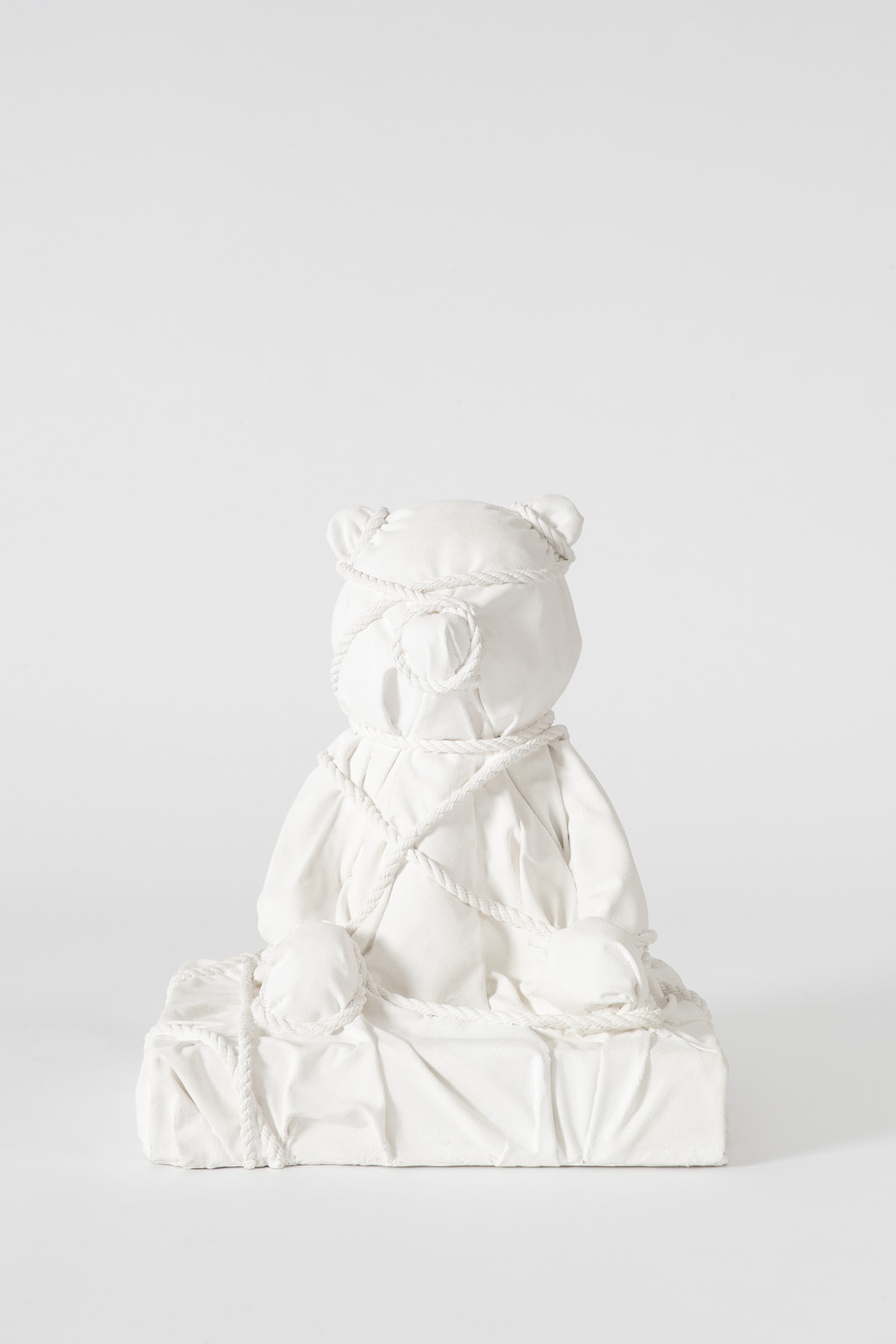
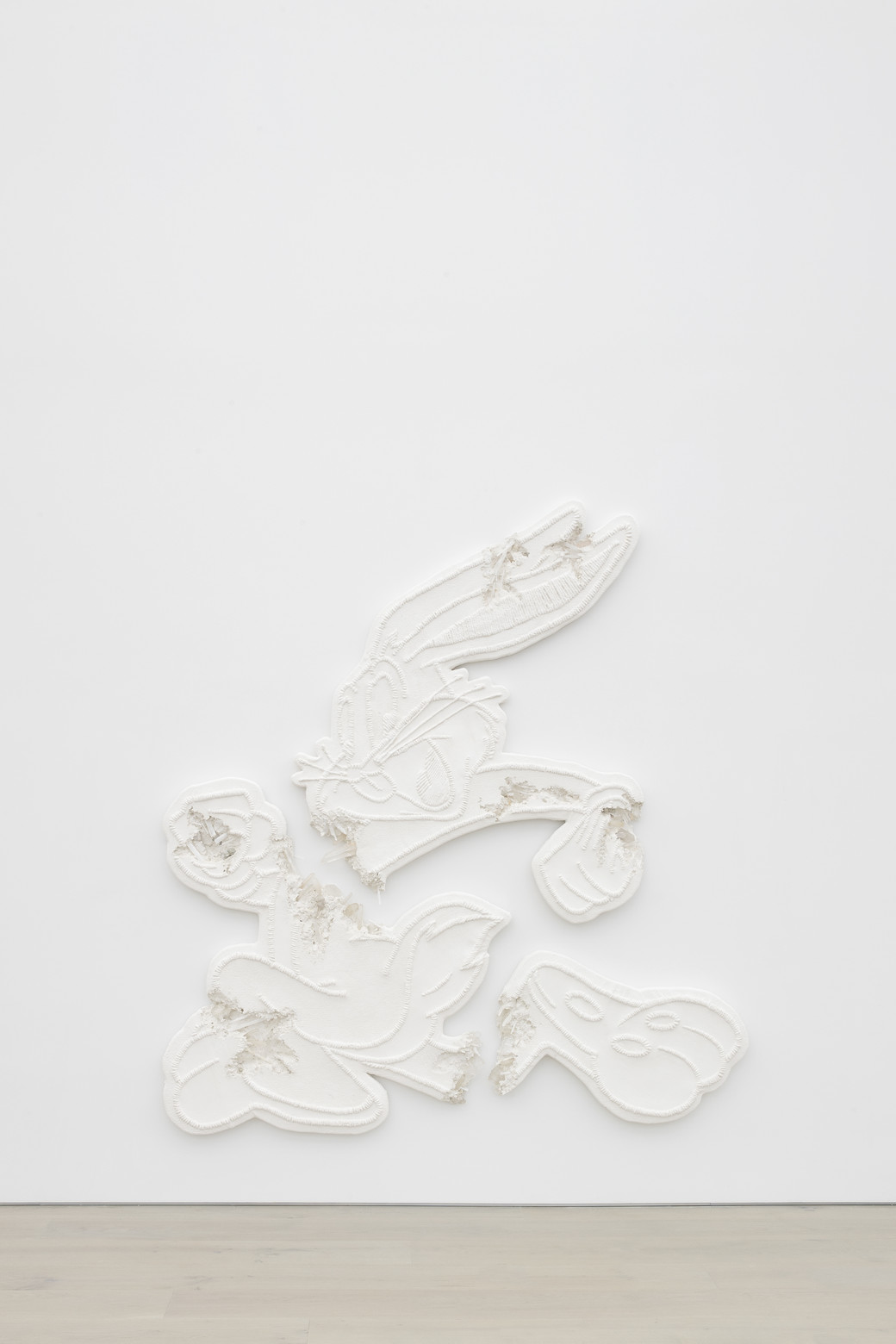
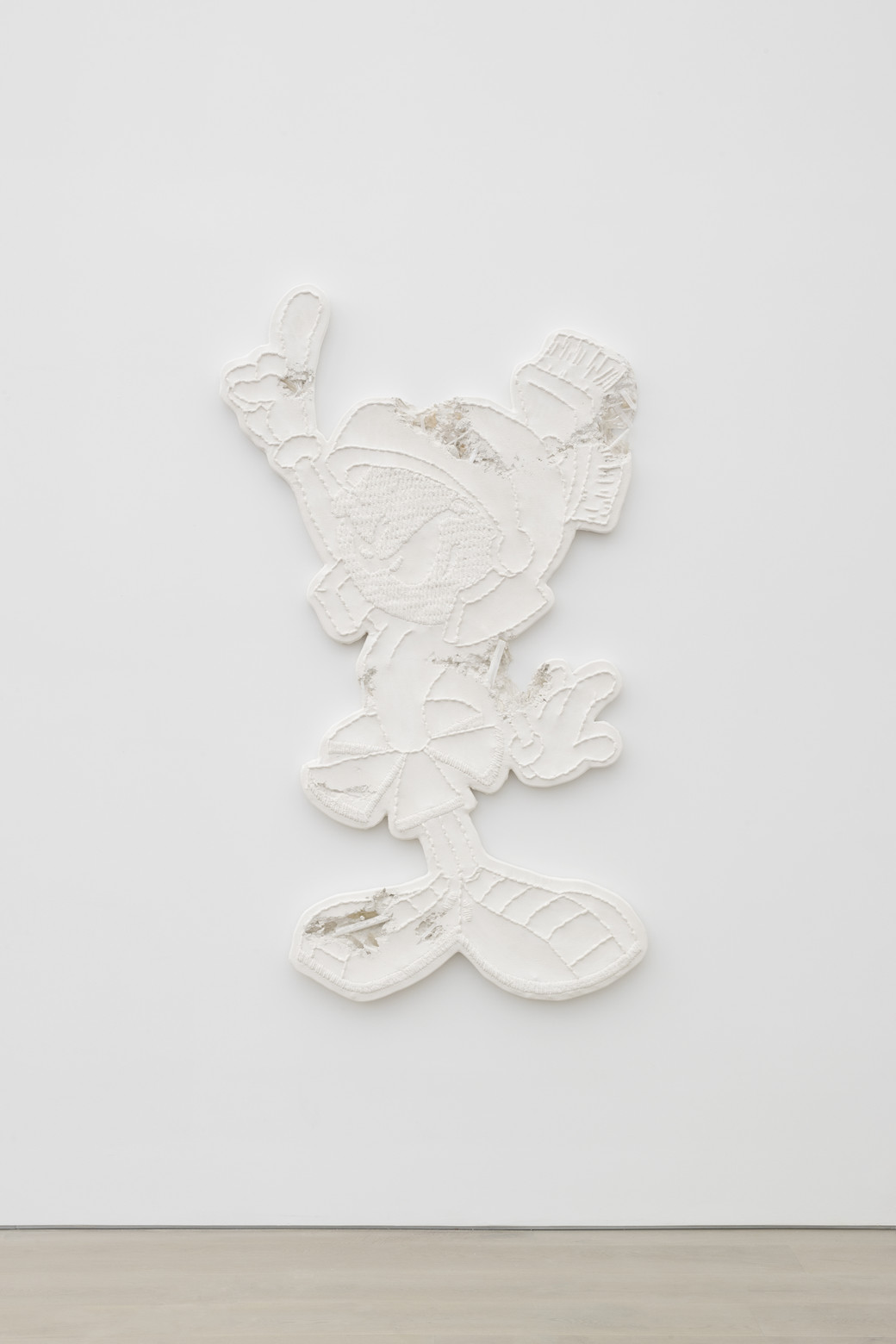
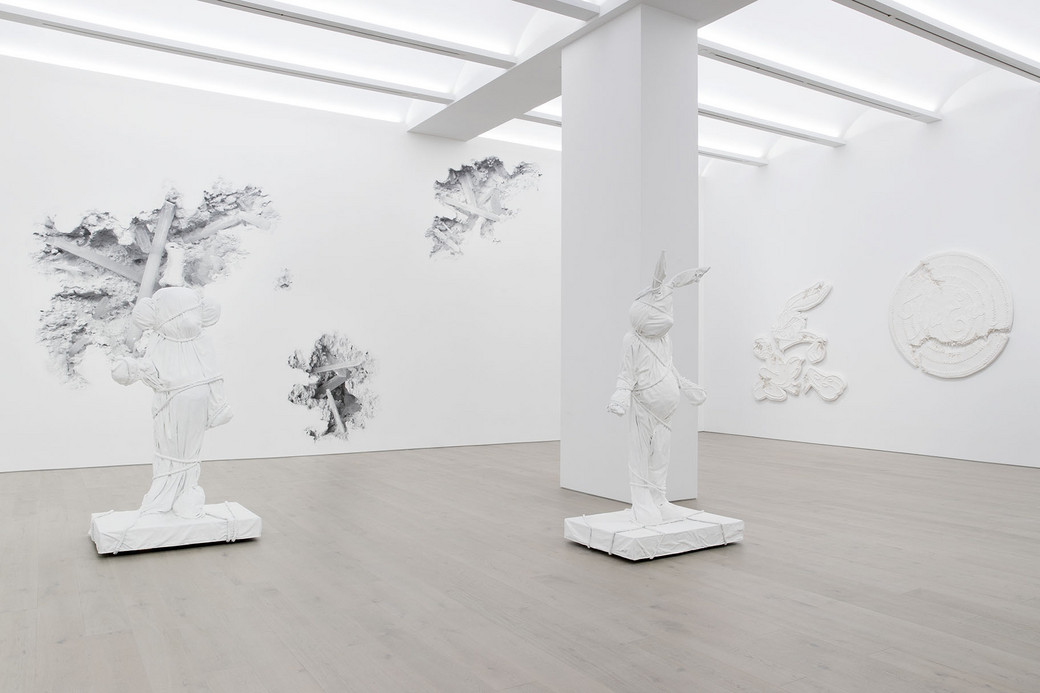
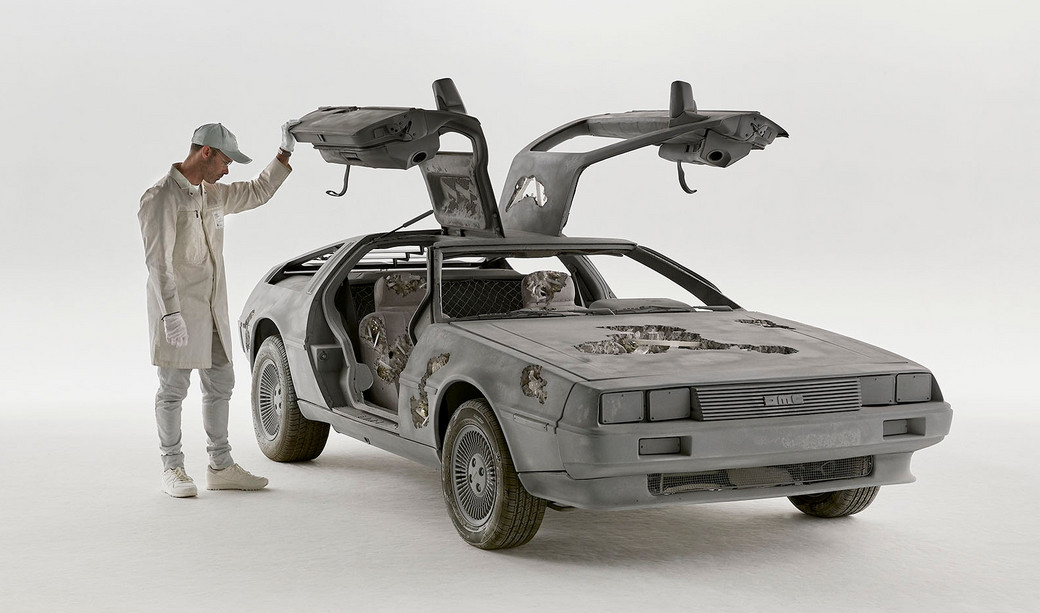
'3018' will be on view at Galerie Perrotin's Lower East Side location through October 21, 2018.
Stay informed on our latest news!

Cover image: 'FUTURE,' 2017.
'3018' will be on view at Galerie Perrotin's Lower East Side location through October 21, 2018.

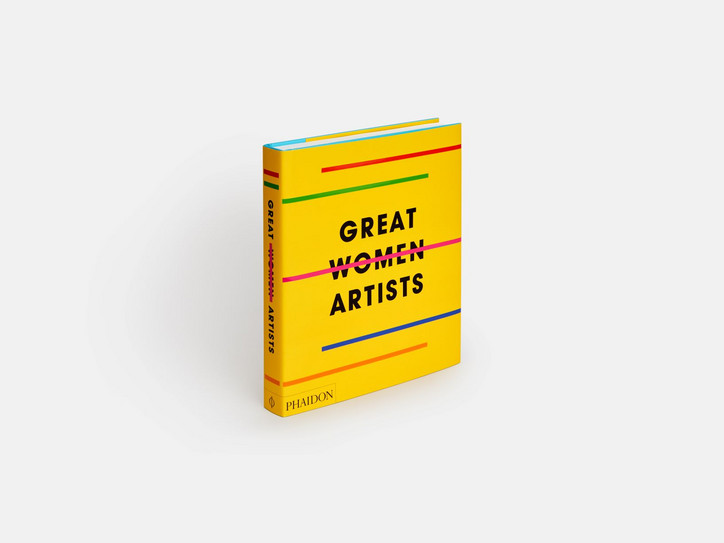
Great Women Artists has already stirred up conversation and collaboration, including at a panel headed by artists Ghada Amer, Sharon Hayes, Deana Lawson, and Martha Rosler. Plus Kering and Phaidon are circulating a portfolio of limited edition prints by Cecily Brown, Lubaina Himid, Bharti Kher, Catherine Opie, Jenny Saville, and Dana Schutz, among others, to fundraise for charities like The, uh, Boyhood Campaign and Promundo, which is, well, a Brazillian group that works with men and boys in order to “set an example for boys to become equitable and connected men.” We will be on the lookout for the publishers’ next book, circa 2520, on women having to educate men. Until then, we will continue to enjoy Great Women Artists.

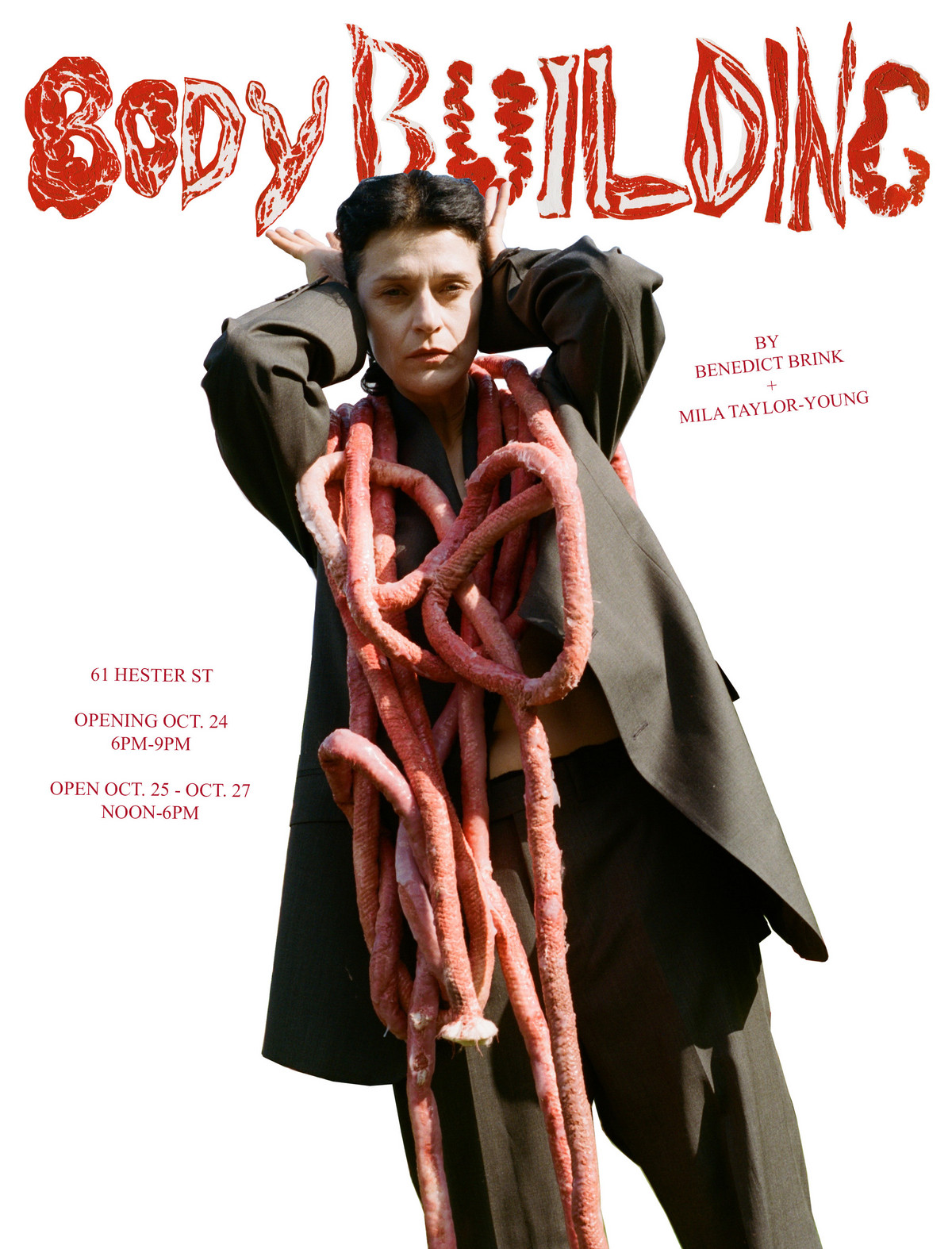
See what they have to say about the show for themselves:
How did you two end up working with each other, and how did the idea for the show come about?
We met a few years ago through mutual friends and became friends ourselves! We also started working together on whatever editorial projects we could. Some of the things we made for those shoots and some of the ideas we started talking about became the basis for this show. We wanted a bit more time and freedom to explore our love of budget horror films and the psychology behind them, make some bigger and more bizarre set pieces and generally stretch out a bit.
Are you interested in the ways the body is sort of scary year round or was the show spawned by the Halloween season?
Year round. We have been working on this for many months, splitting our time between NY and London. It was never imagined as a Halloween thing but the timing was convenient and quite appropriate. More than being about supernatural bodies or scary bodies, the show is about real bodies and the conflicting and confusing feelings they can produce.
When you say “immersive installation,” what sort of interactions can we expect? How do you want the viewer feel in the space and as they leave?
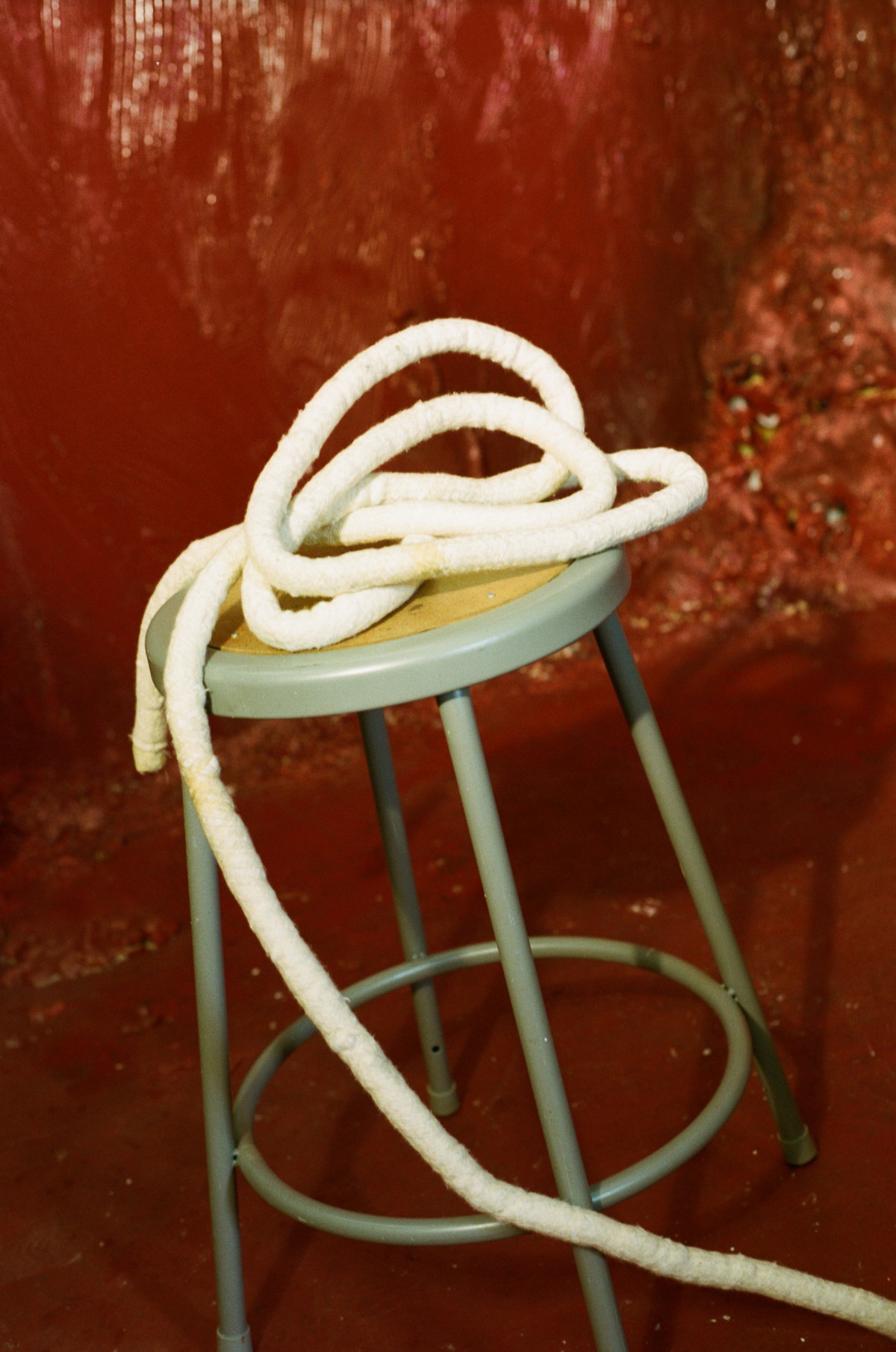
The show includes images, video and a set which we invite you to walk through, lie down in, spend time with, whatever you want. We didn’t want to make a show that was just about prints on a wall, but something you could stand in, something colourful, tactile and sensory. Hopefully you'll feel at home.

When you say Body Building, are we talking the (de)construction of bodies, or the connections between bodies and buildings? What drew you to exploring the body?
Both. The title is a play on words in that way.
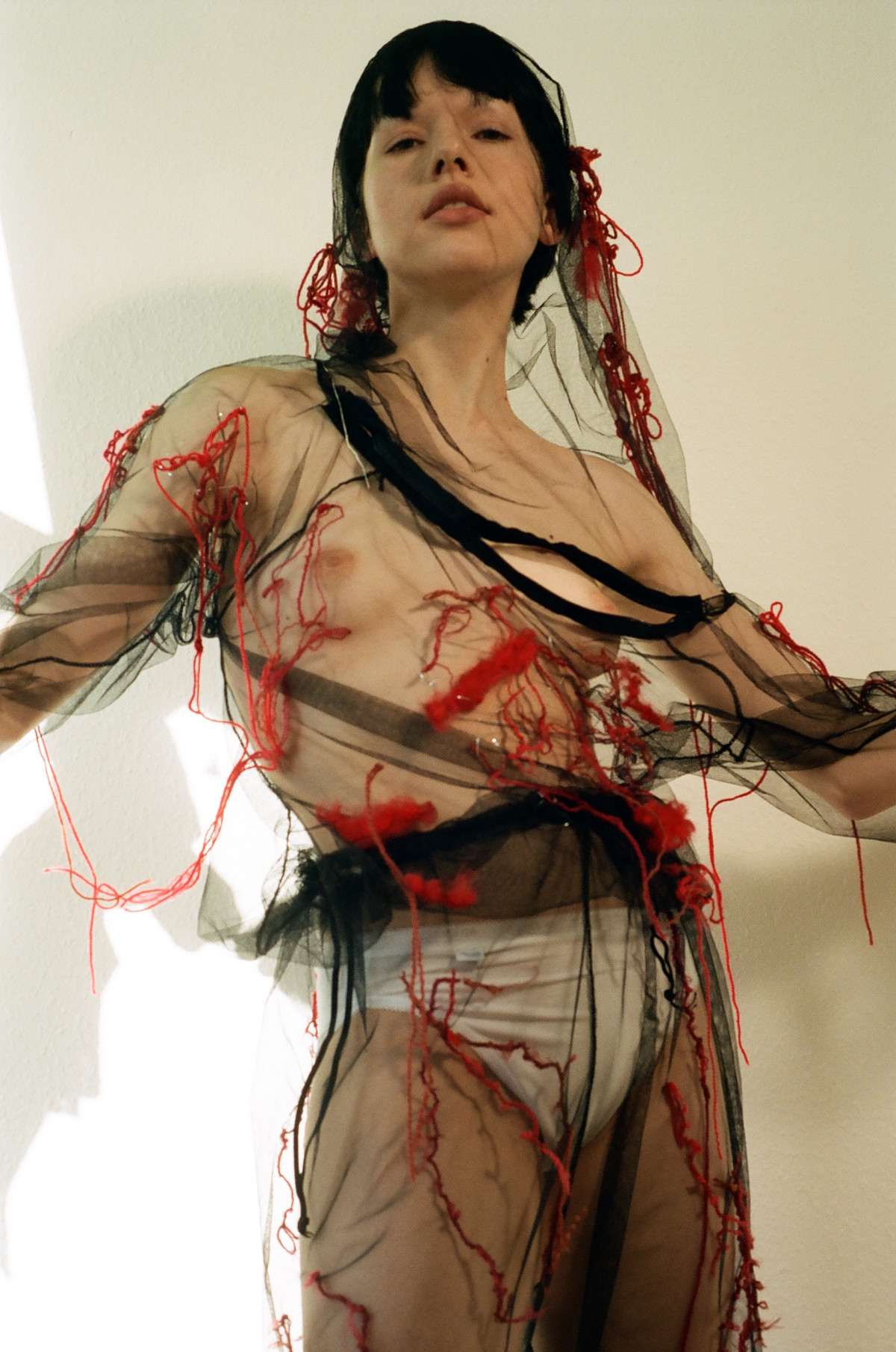
Obviously fashion is entirely dependent on bodies. So coming from that background, we’re always contemplating and looking at bodies in one way or another. Extreme closeness can lead to abstraction, I guess, and that’s one thing we were looking at–a feeling of strangeness within our bodies, a visual representation of certain fears or anxieties that are normally unseen or unspoken.
We approached it with a sense of humour. The scenarios we made up are absurd, like wearing your organs on the outside is ridiculous, but we wanted to portray a feeling of monstrousness in a beautiful way. A new body, composed of new parts, suggests new possibilities. It’s really as much about psychology as it is about physical bodies though. The body is just being used as the vessel for what happens in the mind.
So we’re treating the body as a place I guess, a location where certain things happen. The idea of the installation is sort of like walking in to a body, but an abstract one. One of our biggest references was a Norwegian children’s film about a child being shrunk down and sent in to his grandfather's body to battle his kidney stones. It’s horrifying and really funny and just weird and that really appealed to us.
And then yes, we were also thinking about other structures that contain us. Architecture and nature and how they can seem to mirror our psyche and even take on human attributes.
Where did you go to photograph some of the outdoor stuff? What are some locations that seem inherently scary to you?
We shot upstate and in Connecticut and around London. Connecticut is generally perfect because it’s so easy to view its cliche, seemingly pristine appearance and culture as quite sinister. It’s actually got a real divide: beautiful wild landscapes, pristine suburbia, great wealth, crushing poverty, industrial ruin. But that’s another story maybe.
One specific location there is called Devil’s Den and it's this amazing section of rocks and falls in a river that cuts along the side of the road. It has all the perfect elements to be a horror film location. It’s next to a remote highway, opposite an empty, dilapidated house and hidden from view enough to invite some kind of deviancy. It’s beautiful and wild.
One of the things we spoke about a lot working on this project were fears and agitations that stem from childhood or start at a young age, feelings of alienation especially. We both moved around a lot since childhood and looked for ways to both belong to and escape from the places we lived in–so including an area that was close to home was important–somewhere beautiful but not necessarily comfortable.
When you say sexy horror show, do you have specific influences you’re pulling from?
We weren’t really going for hot horror. I described it as a sexy show on my Instagram almost as a joke–a lot of the costumes and ideas should almost defy sexiness. But whatever sexiness exists in the images adds to the absurdity.
And the horror genre just is sexy–I mean there’s the fetishy side to it–and some of our materials like PVC and latex bring that to mind. I think the idea of wearing your body inside out is kind of sexy too. The messiness of it, the awkwardness, the vulnerability–all sexy.
Any favorite slashers or directors?
Not really slasher, but the Brood, Scanners, Trouble Everyday, Mouth of Madness, Hellraiser, Altered States, Phantasm, Raw, Jacob’s Ladder.
David Cronenberg, Claire Denis, John Carpenter, Dario Argento, Julia Ducournau, Clive Barker, Ken Russell, Peter Greenaway, Mary Lambert, Mary Harron, a long endless list...
What freaks you out more, gross or gore?
Love gross, love gore. Hate torture, hate Eli Roth.
What’s your Halloween costume this year?
Hoping to wear the embroidered veins mesh suit and the ribs!


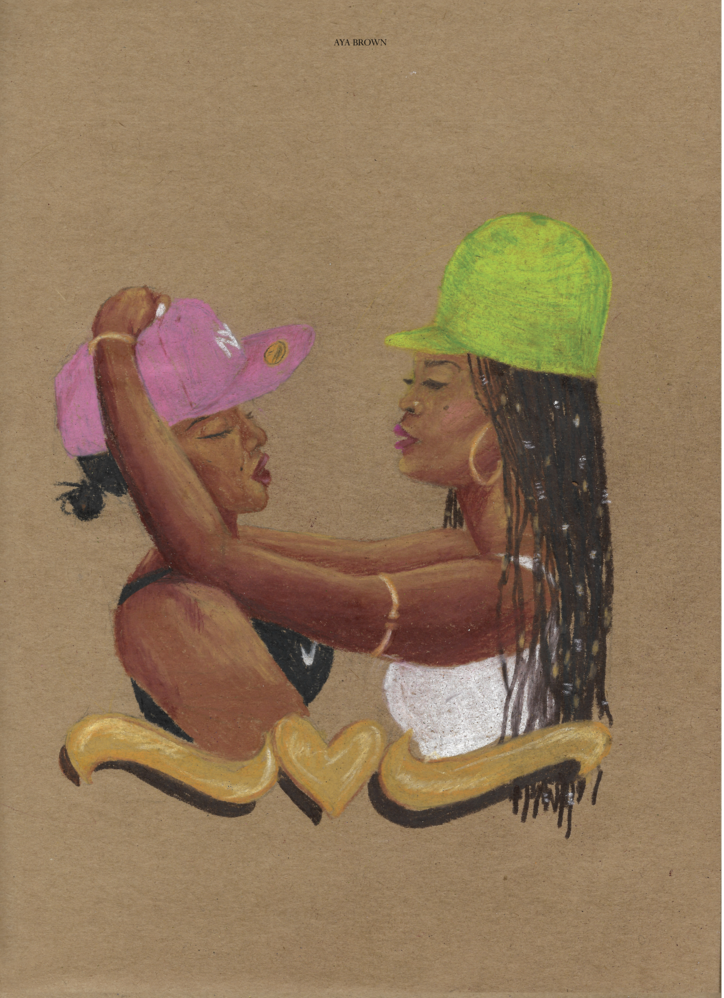
Aya’s scenic depictions beam with ghetto nuance and seduction. Her work is intersectional—she takes artifacts from Black and queer culture and fuses them, putting a face to the often unseen. Aya’s art suggests that lowbrow is the latest highbrow response to boring straight white male culture. Her style draws upon figures both living and deceased, from Missy Elliott to Toni Morrison. It’s nasty foreplay and sensual love. It’s Black Lesbian pride. “It is one of my biggest missions in life to document my own history, BLACK LESBIAN history,” she tells office. “This is not a game of telephone. I don’t want a little Black girl to learn about us, from anyone but us.”


Aya, Artist. Brooklyn, NY


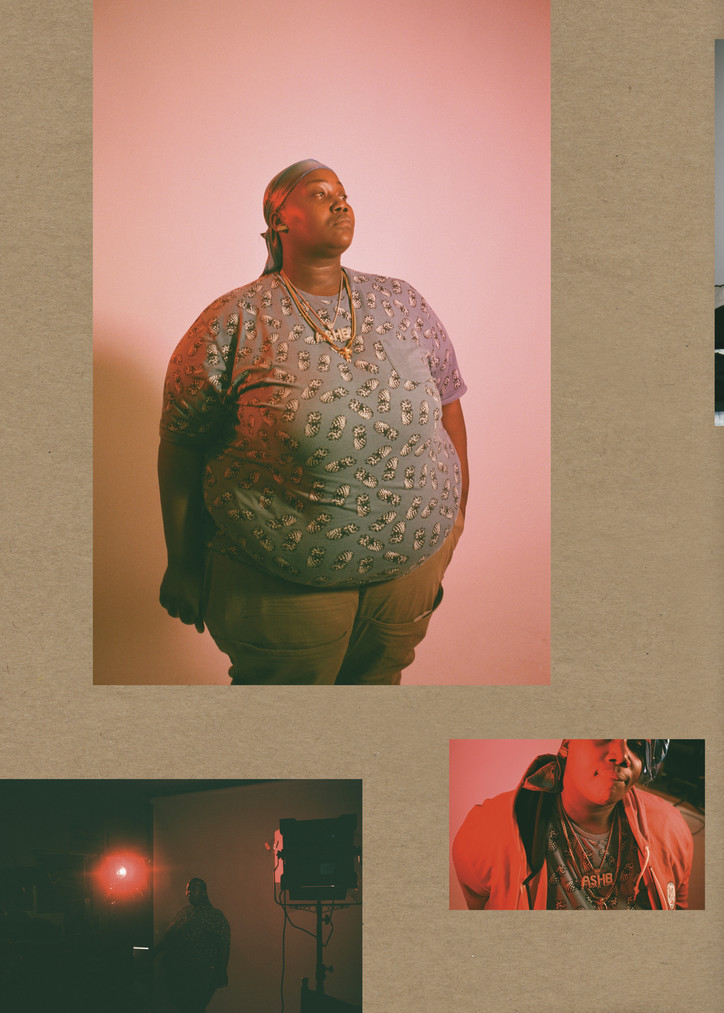
Left - Ash B, Qween Beat Artist. Newark, NJ
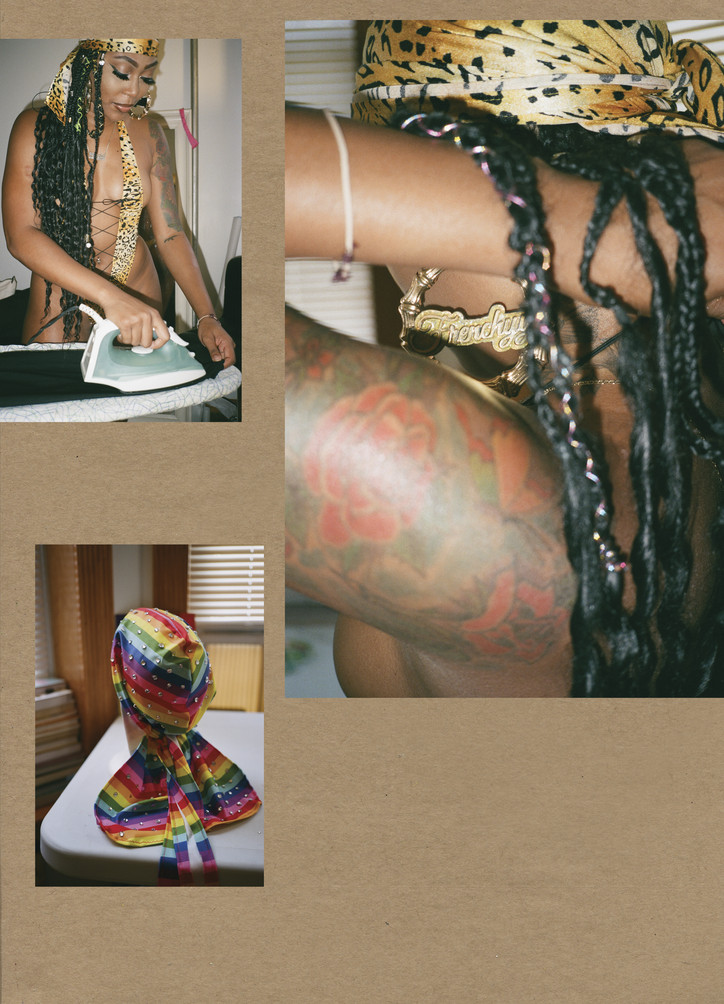
Right - Frenchy, Designer and Dancer. Far Rockaway, NY


S.WHiT, DJ and Creative, Monique Ransom, Stylist. Queens, NY


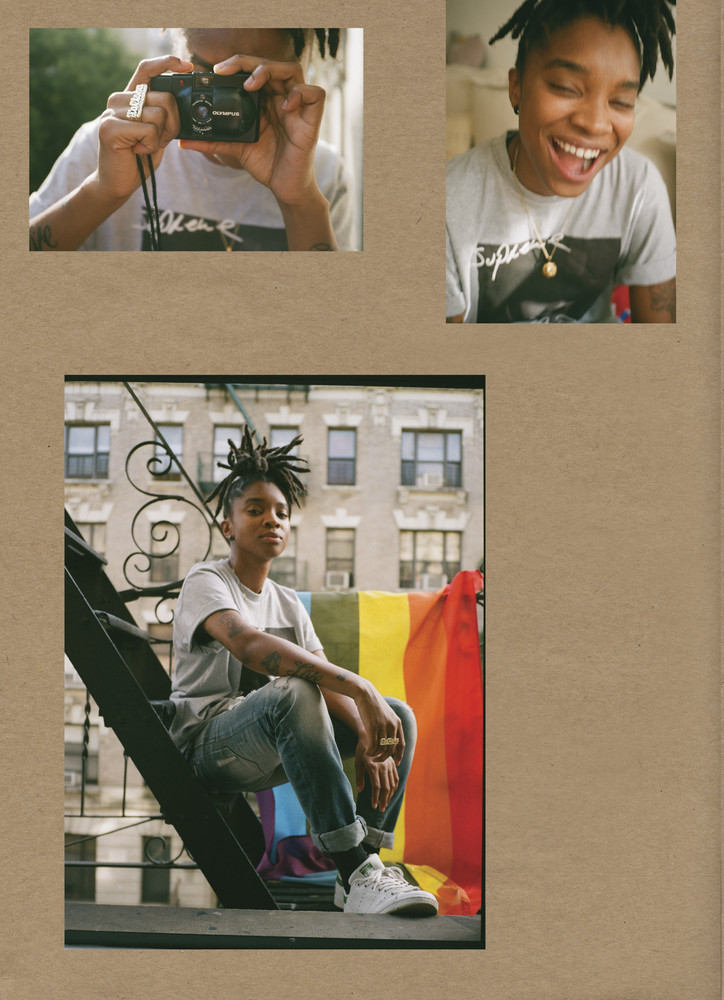
Left - Mikey, Photographer. Harlem NY
Right - Dayo, Speech Therapist. Bed-Stuy, NY
Cynthia, AutismSpectrum Disorders Masters Student. Dallas, TX


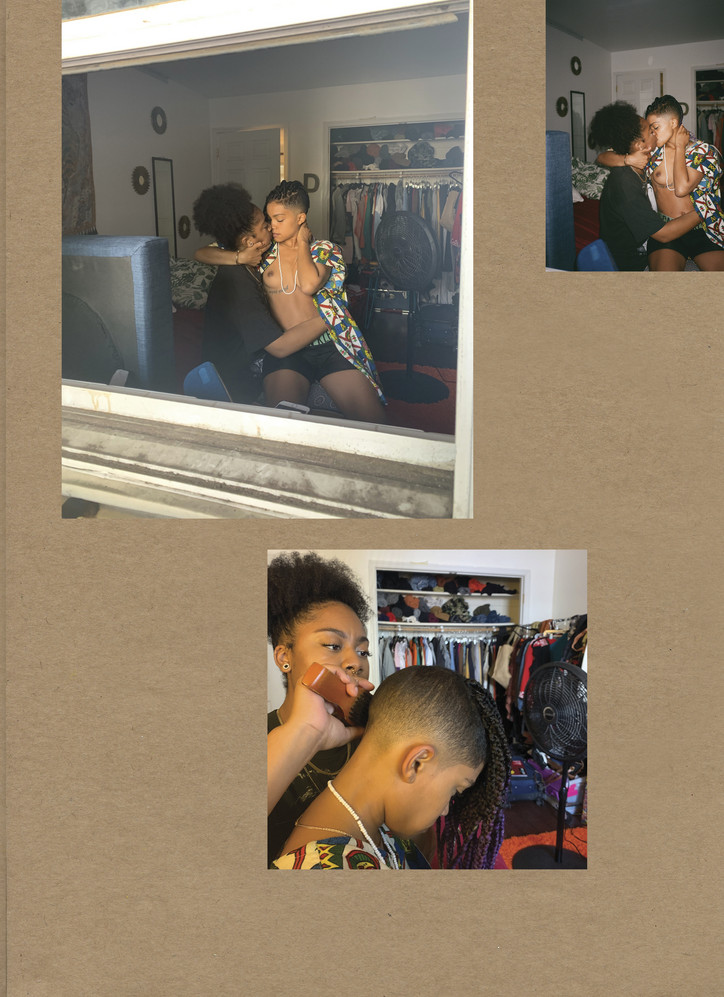
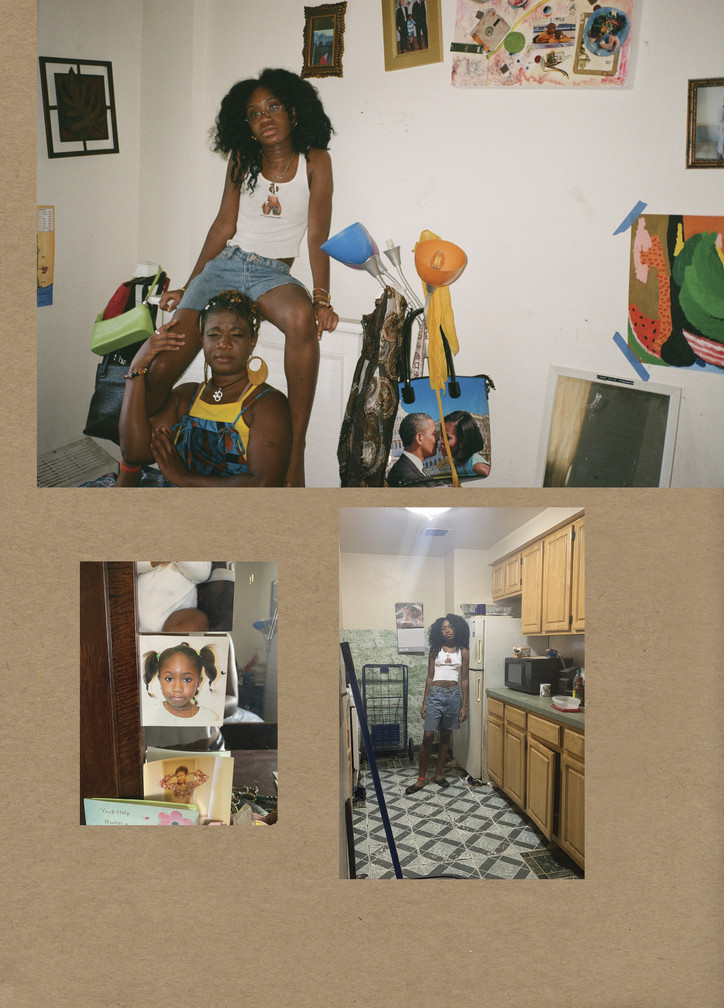
Left - Alexis, Artist and Hairstylist and her mother Salystina, Physical Therapist Aid. South Bronx, NY
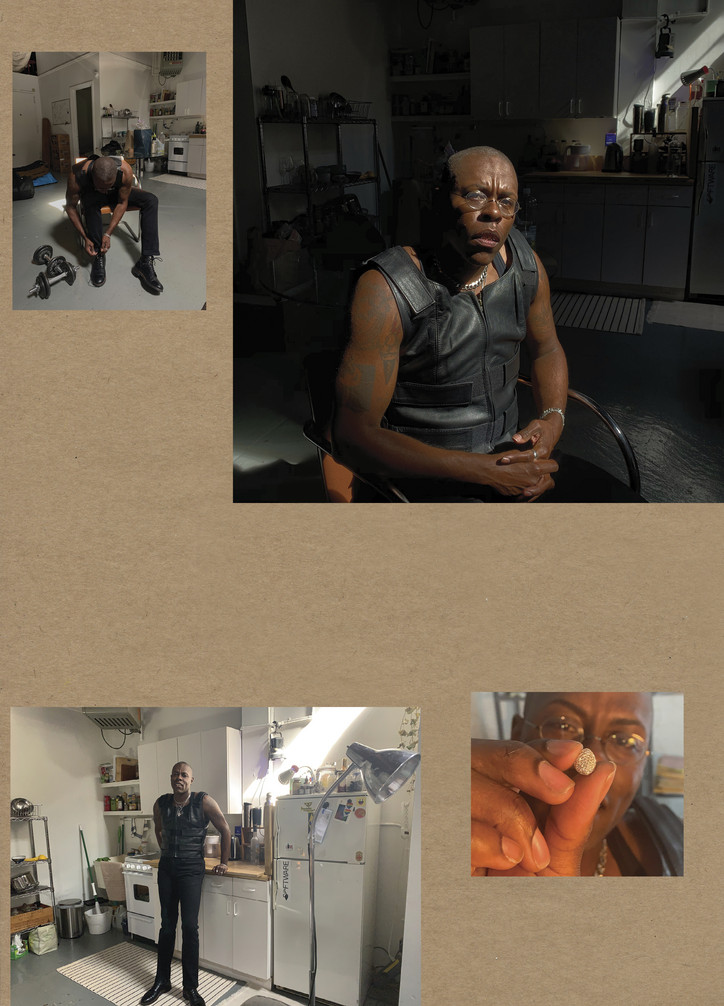
Right - Helen with the Gold Teeth, Jewler and DJ. East Village, NY


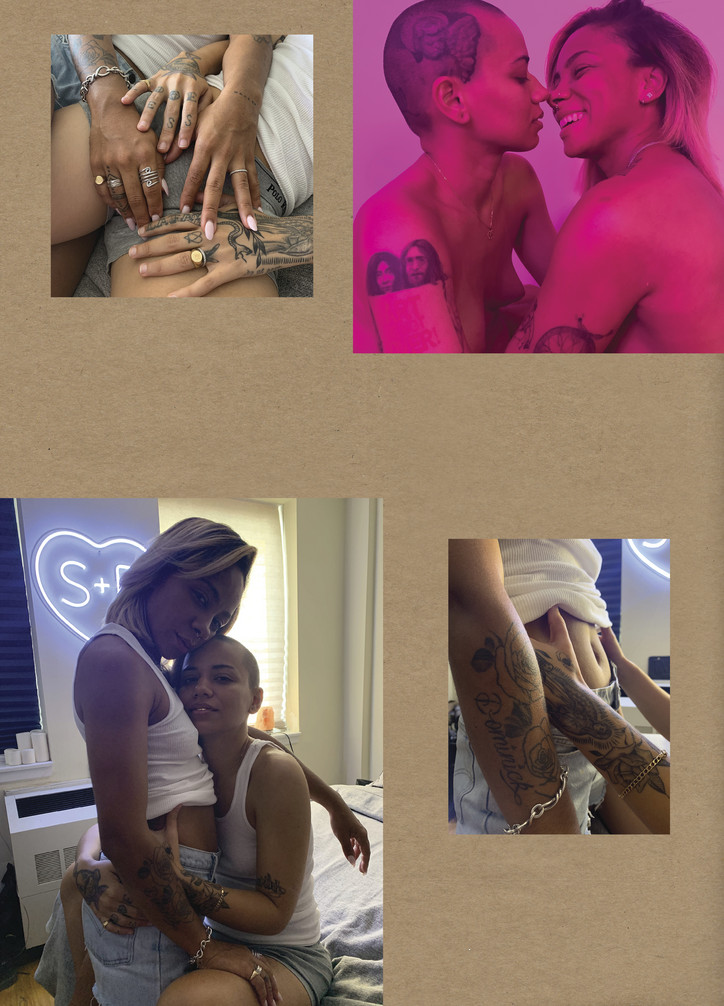
Cake, Tattoo Artist, and Britt, Co-Founders of Girls Only. Coney Island, NY
Special pieces seen throughout by AYA BROWN
for MADEME and DV8 by FRENCHY.