What did you initially photograph?
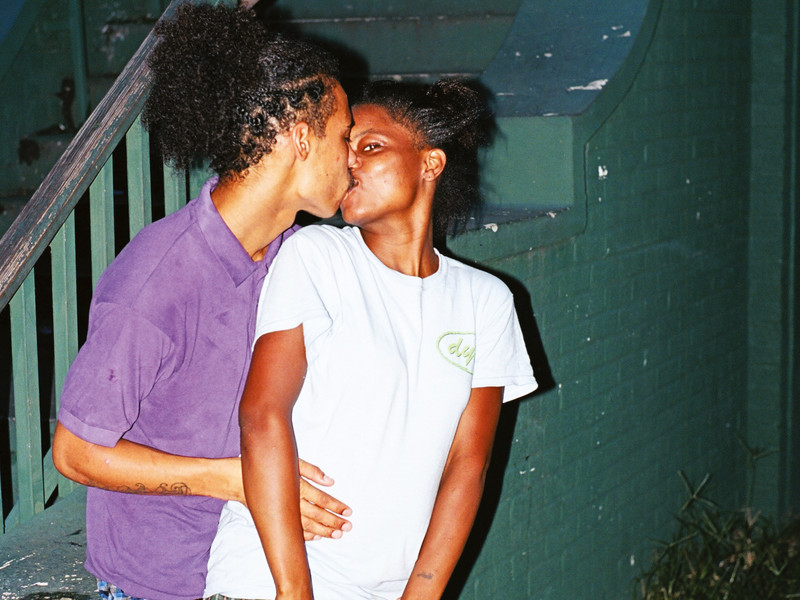
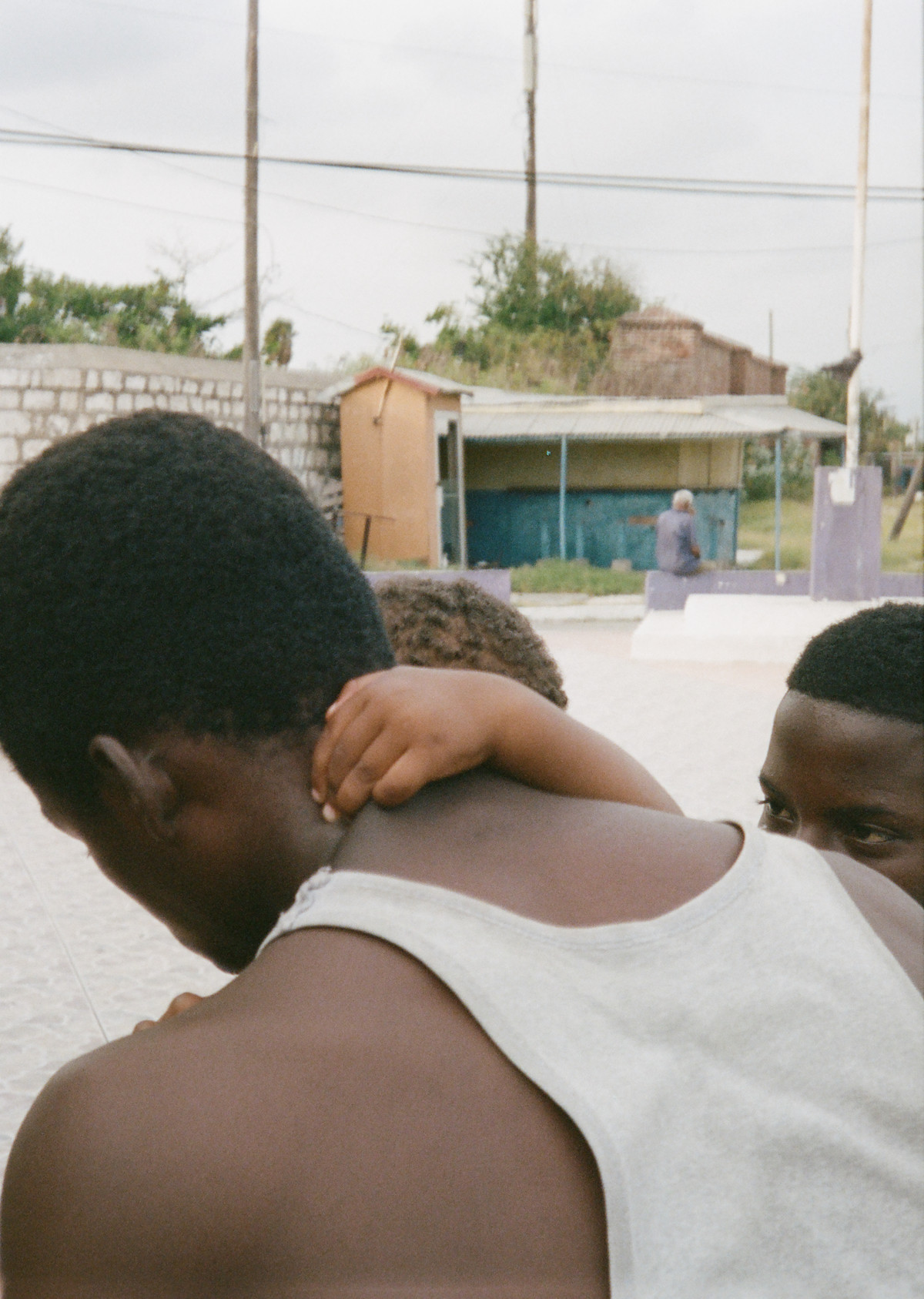
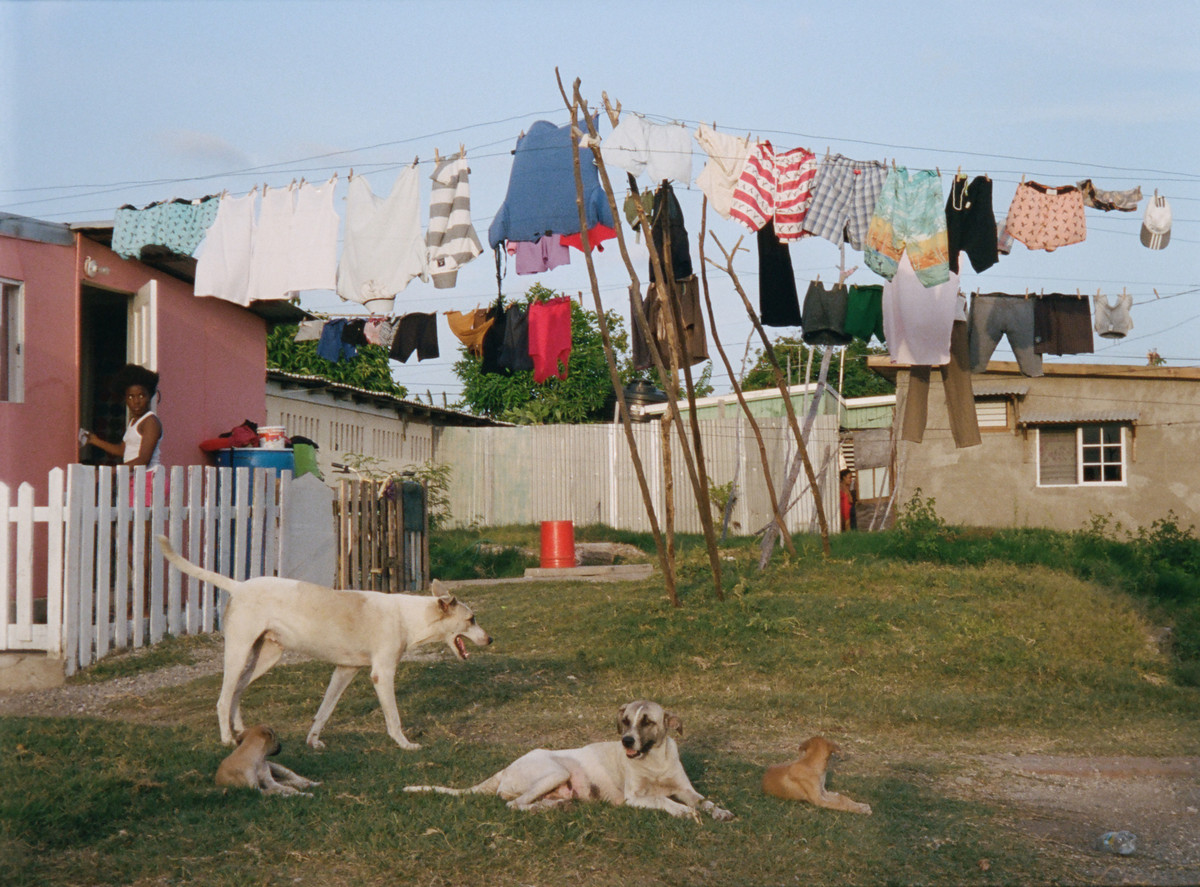
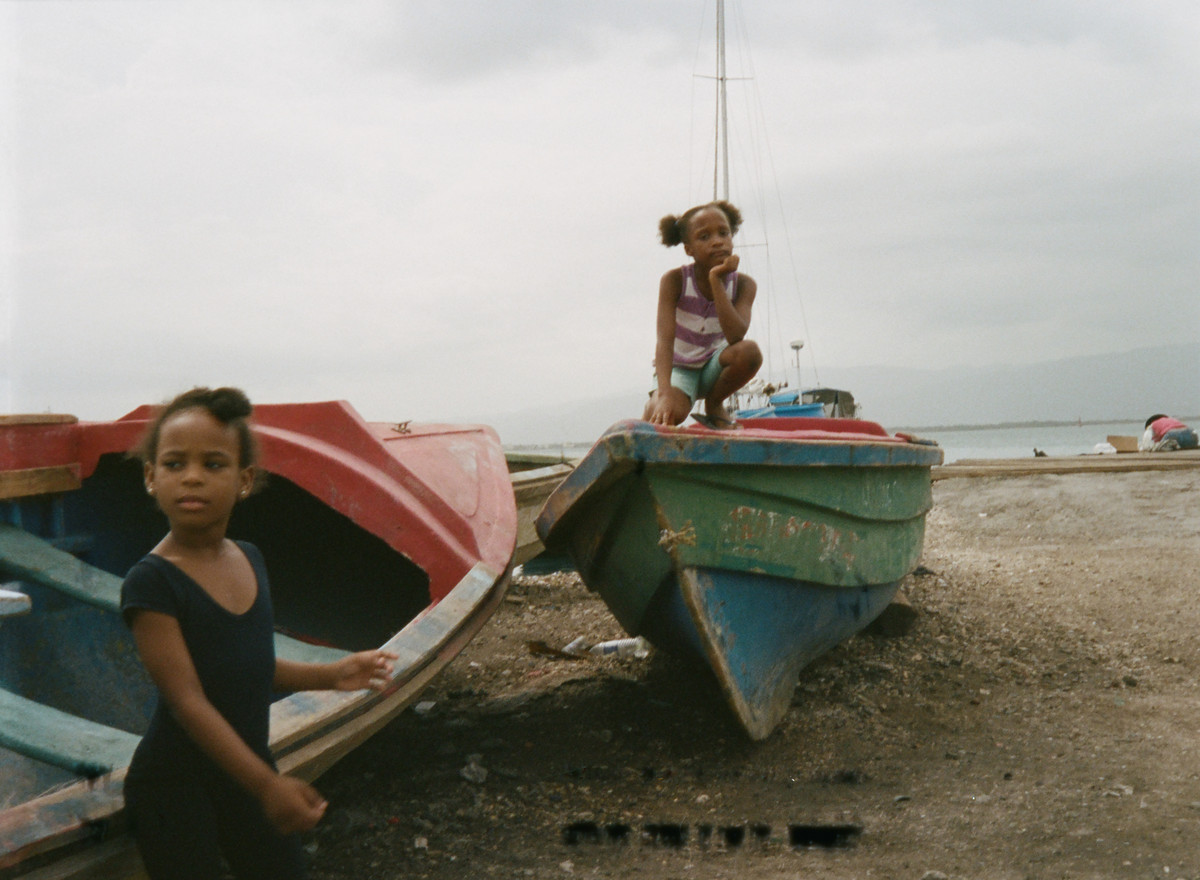
I was mentoring kids in the housing projects in South LA and was teaching them photography. I started to document them on film and let them shoot on my cameras. I would print the pictures out and then bring them the following week to show them. I found that this built up their self-esteem and brought them joy. Concurrently I recognized that Venice was quickly changing and that everybody was leaving or getting pushed out, so I started to photograph all the people, places and things that I felt made Venice, Venice.
You never went to college. Do you think it’s important for an artist or do you think it may actually hinder their creative process?
You know, I wish someone had told me to go to school, maybe for other reasons than actually learning a trade. I do think for some artists school is important, but I also think art school is forced on artists. If you think about the age kids are when they go to these schools, we don’t have a clue who we are at that time. Our identities are still developing. And meanwhile, at school, they’re trying to shape how you think or what you should say in your art. Everyone develops at a different pace. So, I think it does hinder creativity. It’s an unnecessary pressure, when school is already hard enough. Art is so arbitrary. I think school can be a waste for some, if not most.
What did you learn living in London?
How hard I needed to work in order to compete and be relevant at the level I wanted to reach. To me, London is putting out the best work visually at this time and the world adopts what London makes—whether it be in the arts or advertising or film and so on. I think initially I was intimidated being from Los Angeles. I remember going around and showing my book and being told, ‘Oh nice to meet you. We’ll just hire you in LA.’ There were two things I really like about London, and someone can correct me if I’m wrong, but there’s less prejudice in the arts. If you meet a rep or a magazine, they will say, ‘Go do x,y and z. And it would be great to see more of stuff like this in your work.’ If you do what they ask, they will most likely give you a chance. I feel like in America, it’s just the one meeting and it’s done. If you aren’t on their level at that moment, they’ve made their mind up on you and that’s it. Also, concerning gender and race, I feel like London does not care if you are a man, a woman, old, young, gay, straight, transgender, black, white, muslim or whatever—if you are good at what you do, you will be given the opportunity. In America, I don’t find that to be true.
Do you still live in LA?
I never fully left LA and I don’t think I ever fully will. But I did step away from Los Angeles to broaden the strokes of what I’m doing. Los Angeles is home, but I think it was necessary for me to leave LA from my work to expand and to remove a ceiling. I think at the time when I started in photography, Los Angeles didn’t have the respect that it does now and the opportunities weren’t there that exist now. There wasn’t as much of an international cache. Now, I think there’s a romance between the world and LA.
Do you still shoot there?
I am still working on passion projects in LA involving the youth and community. I think in the beginning, that was my location and point of reference for everything, so it was more haphazard. Now, I feel that whatever I do around LA in the anthropology space needs to be really sensitive as to what LA needs—I need to have more tact in whatever it is I do. Being from there, I feel it’s my social responsibility to not contribute to the noise.
Do you think an area can lose something special after it's been shot for too long?
I don’t want to document something over and over again that so many others have documented, unless I have a really different, unique way of seeing it. I think discovery is a huge part of photography and half of what makes someone a good photographer, regardless of your technical abilities, is your ability to find subjects and places that people haven’t seen before—introduce people to them. And it’s your ability to connect honestly with those subjects.