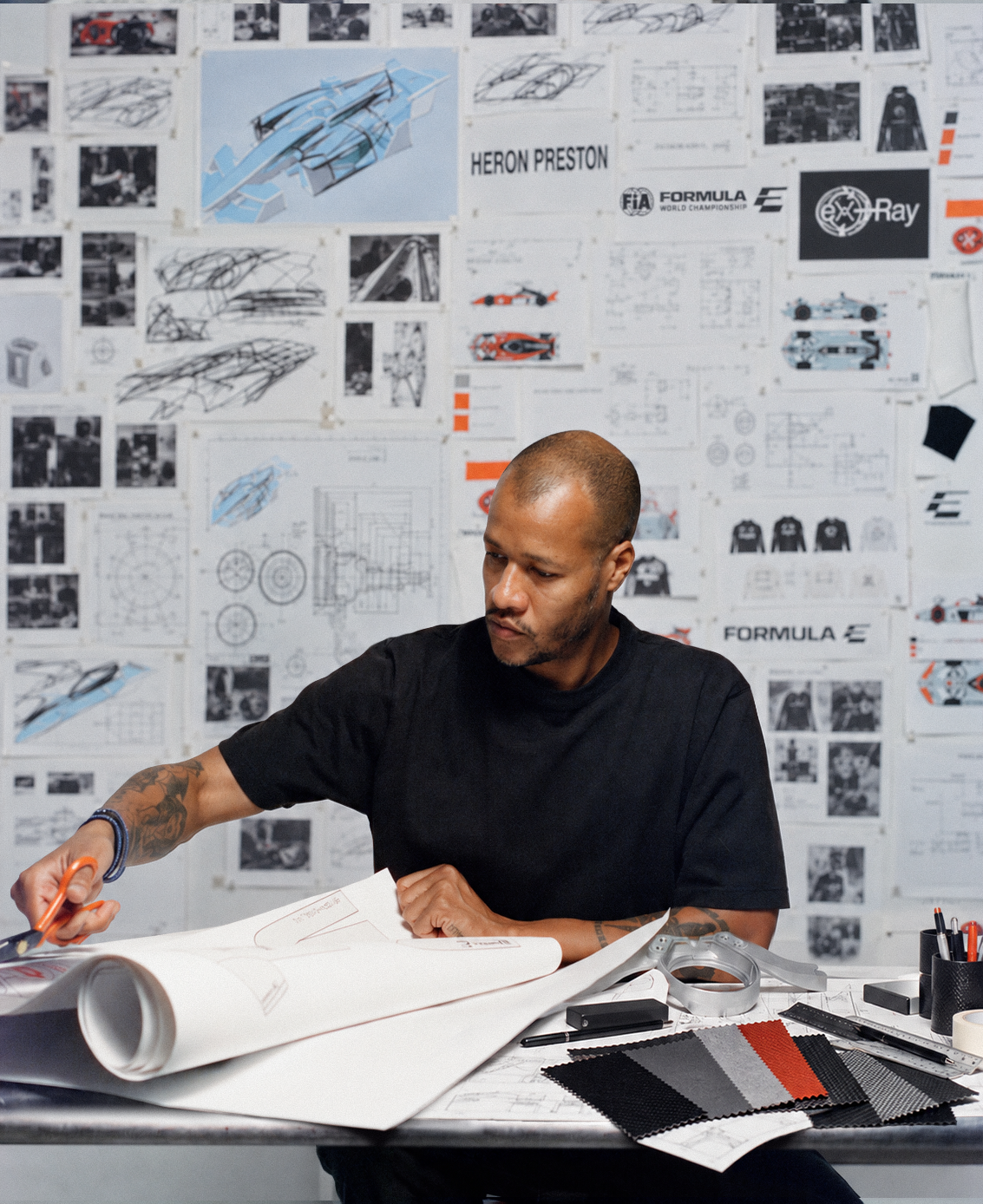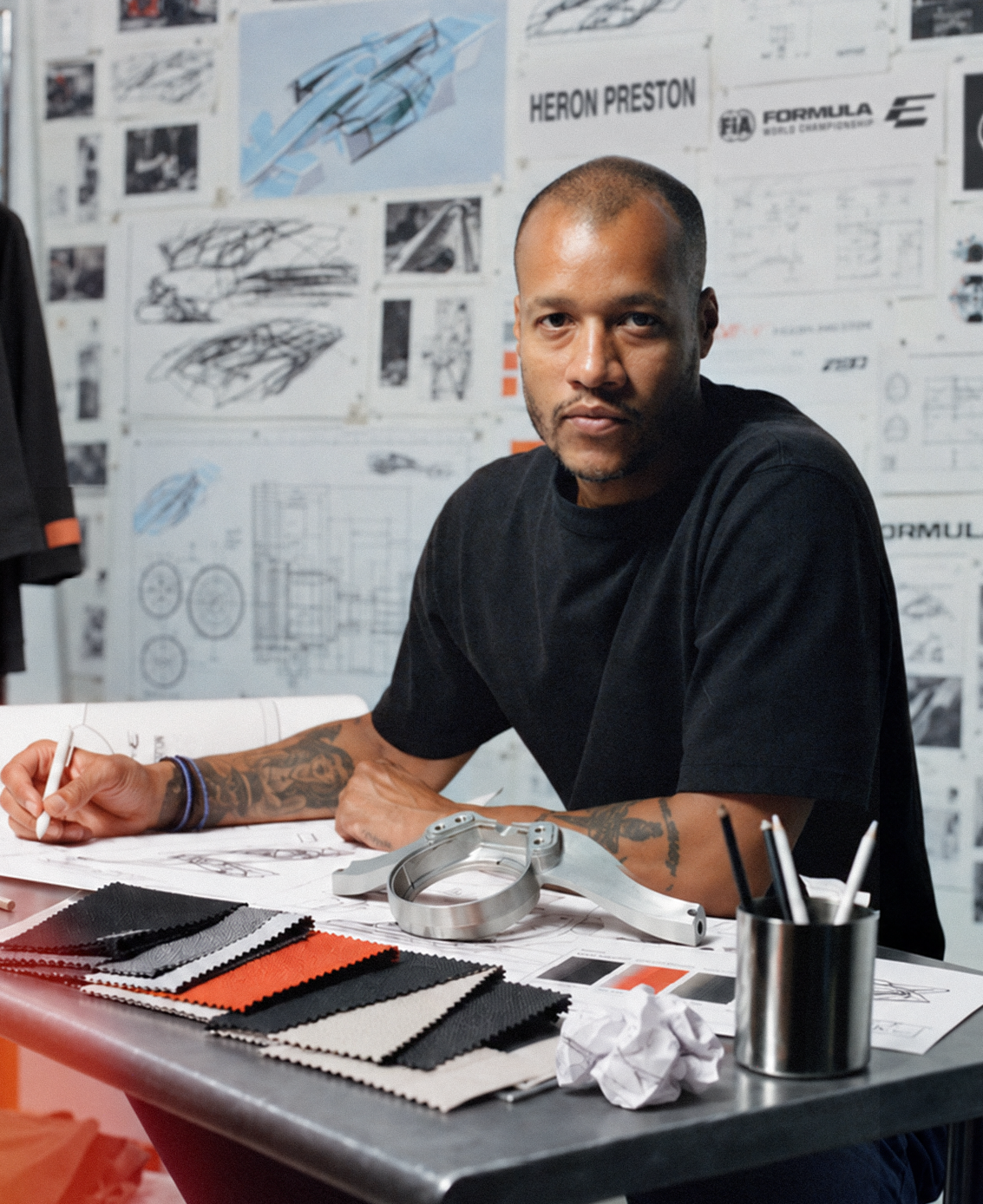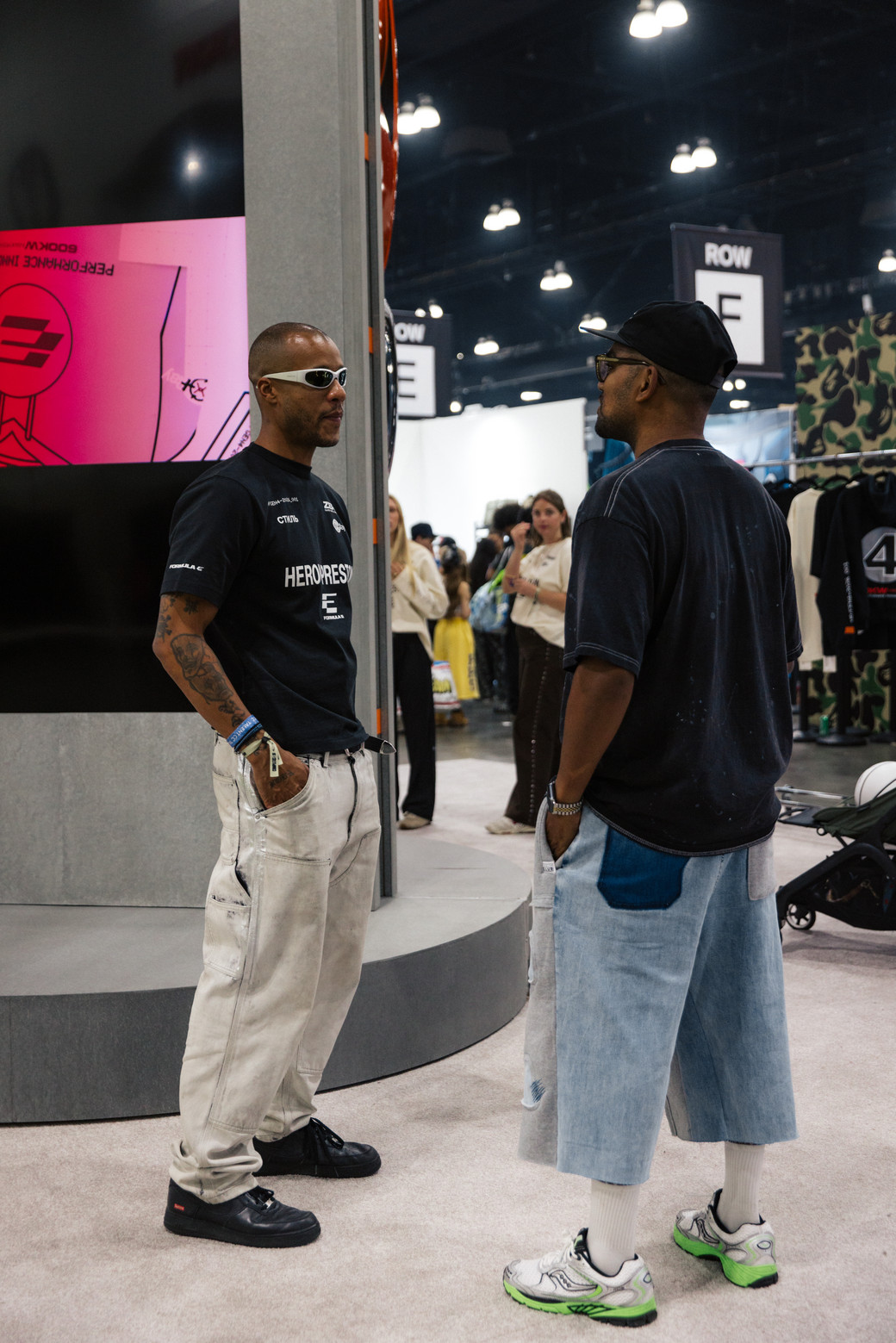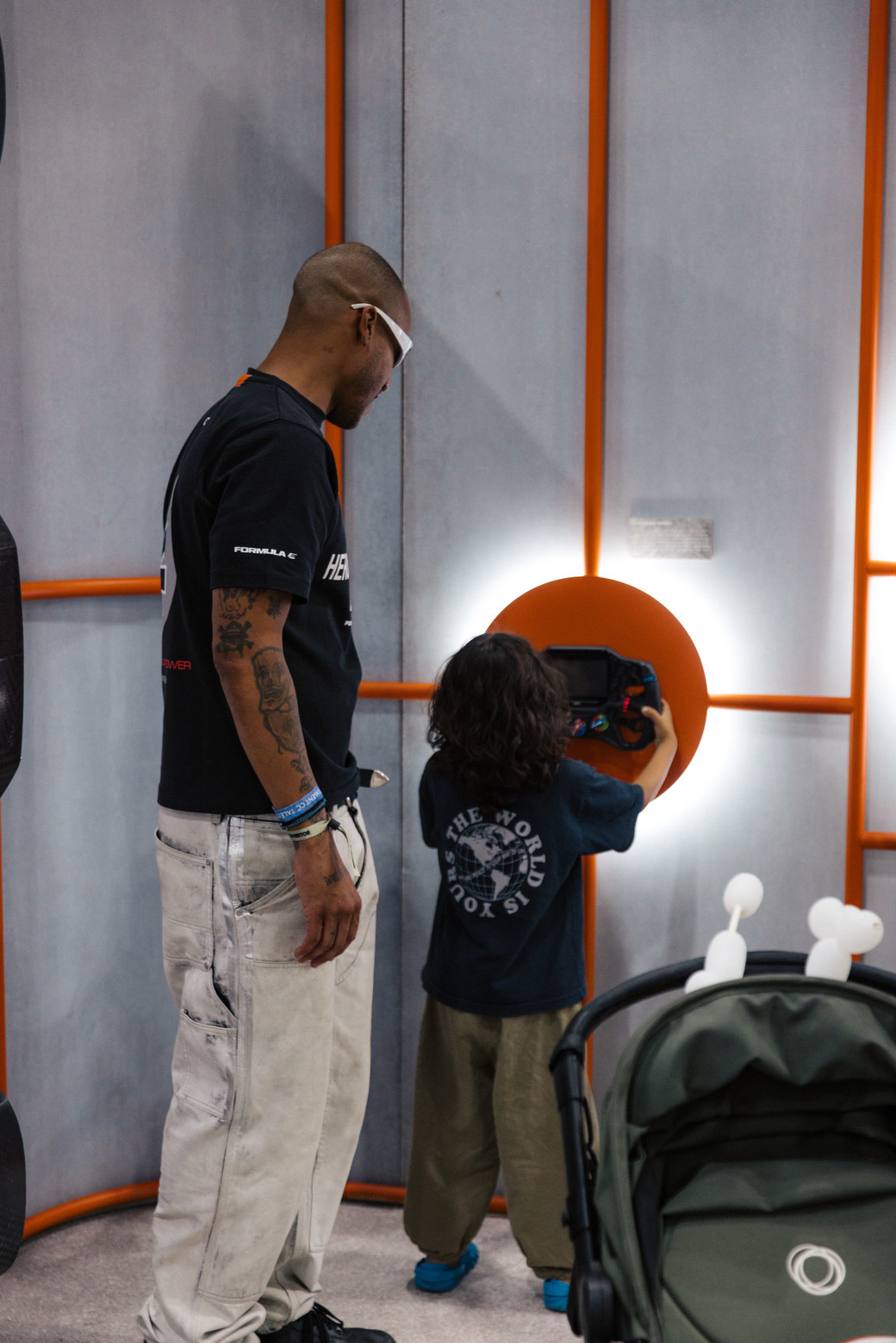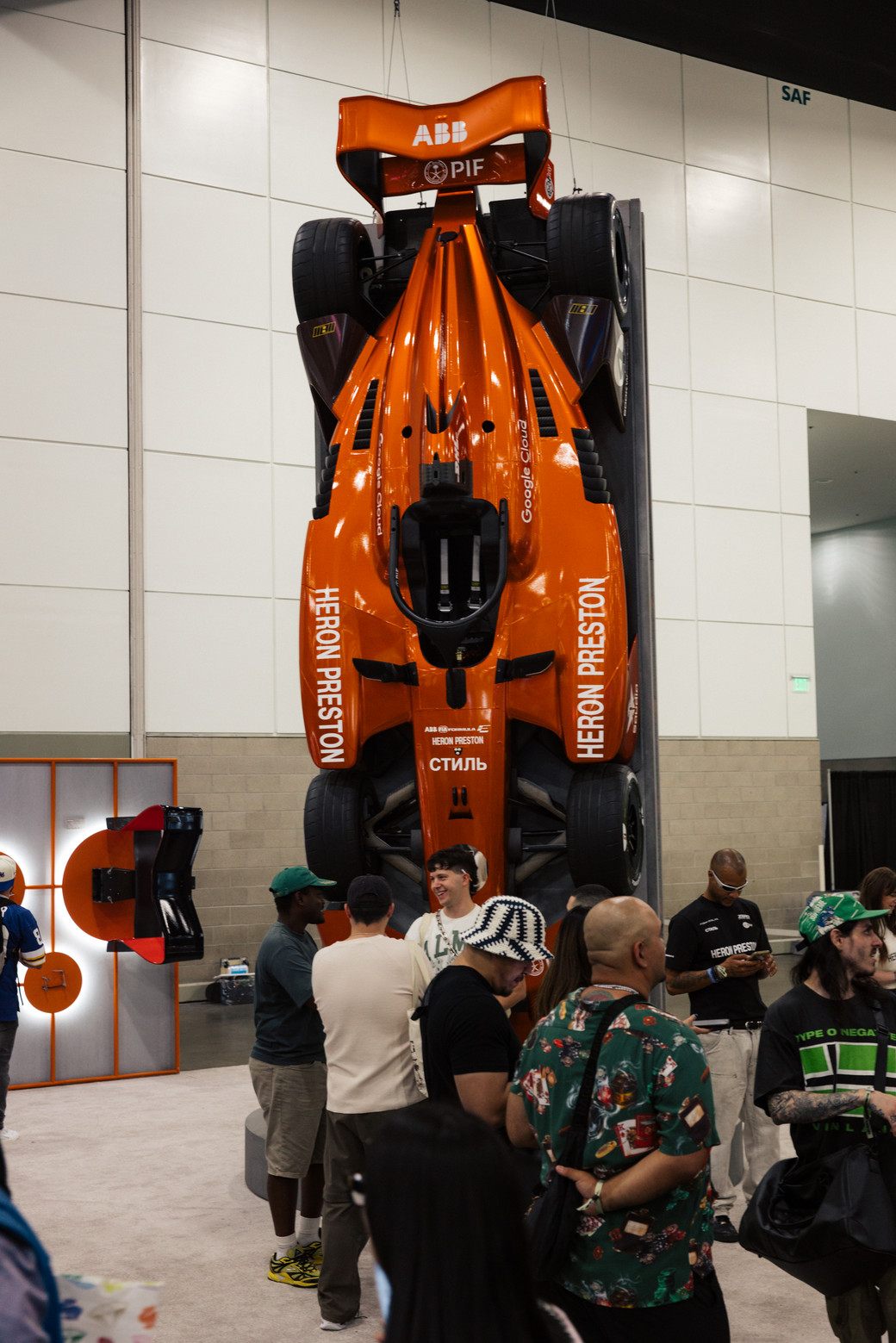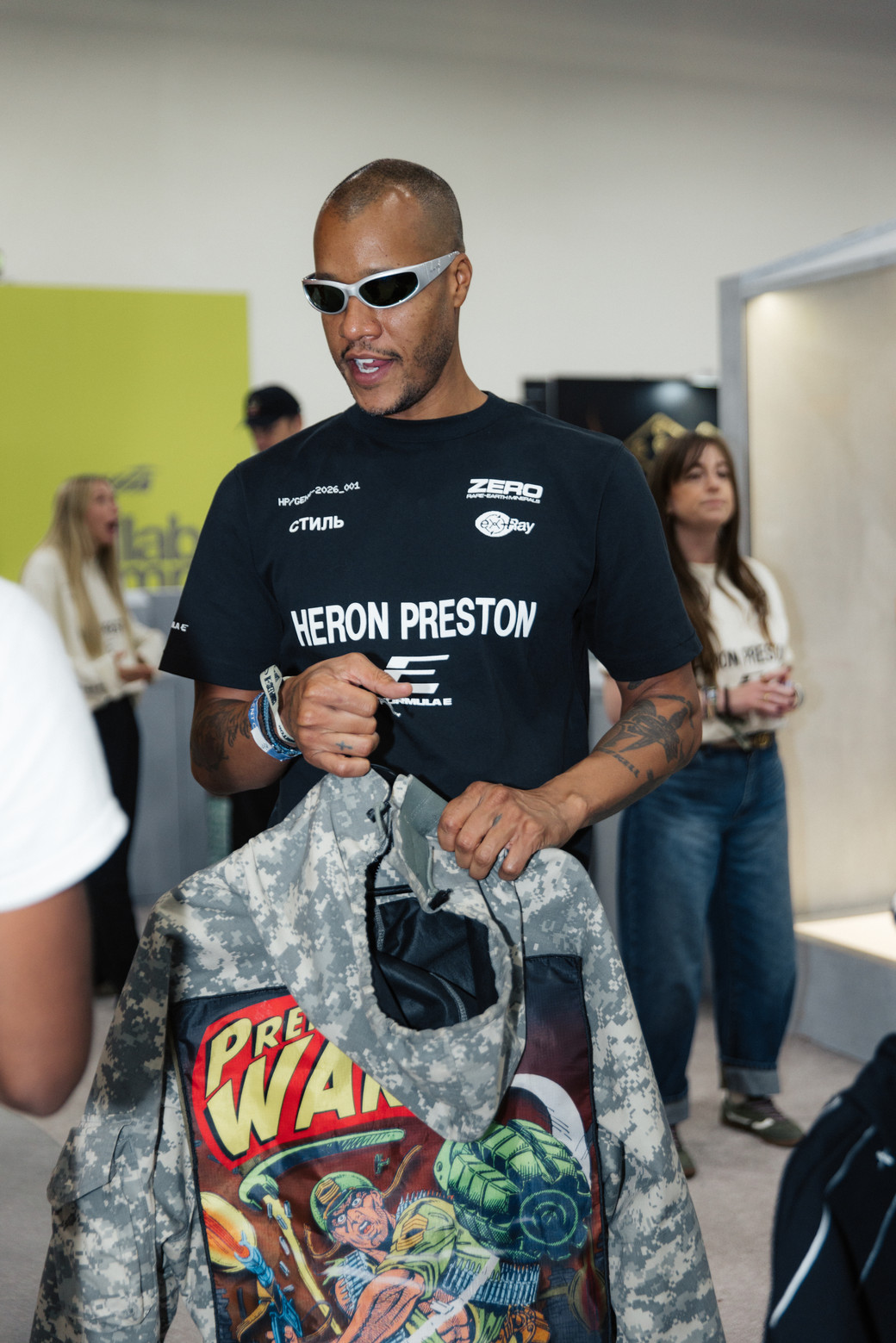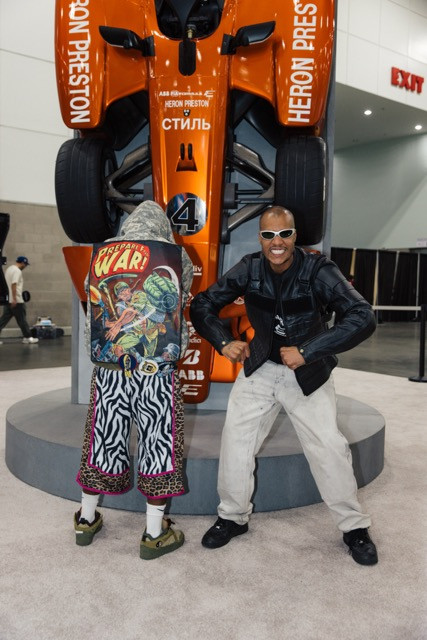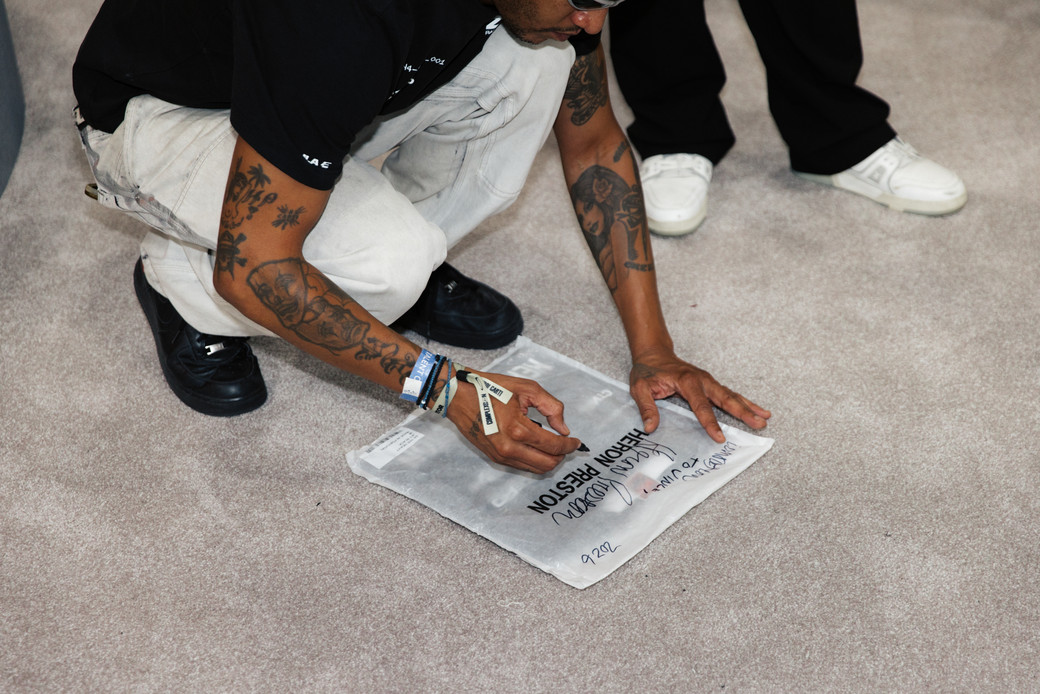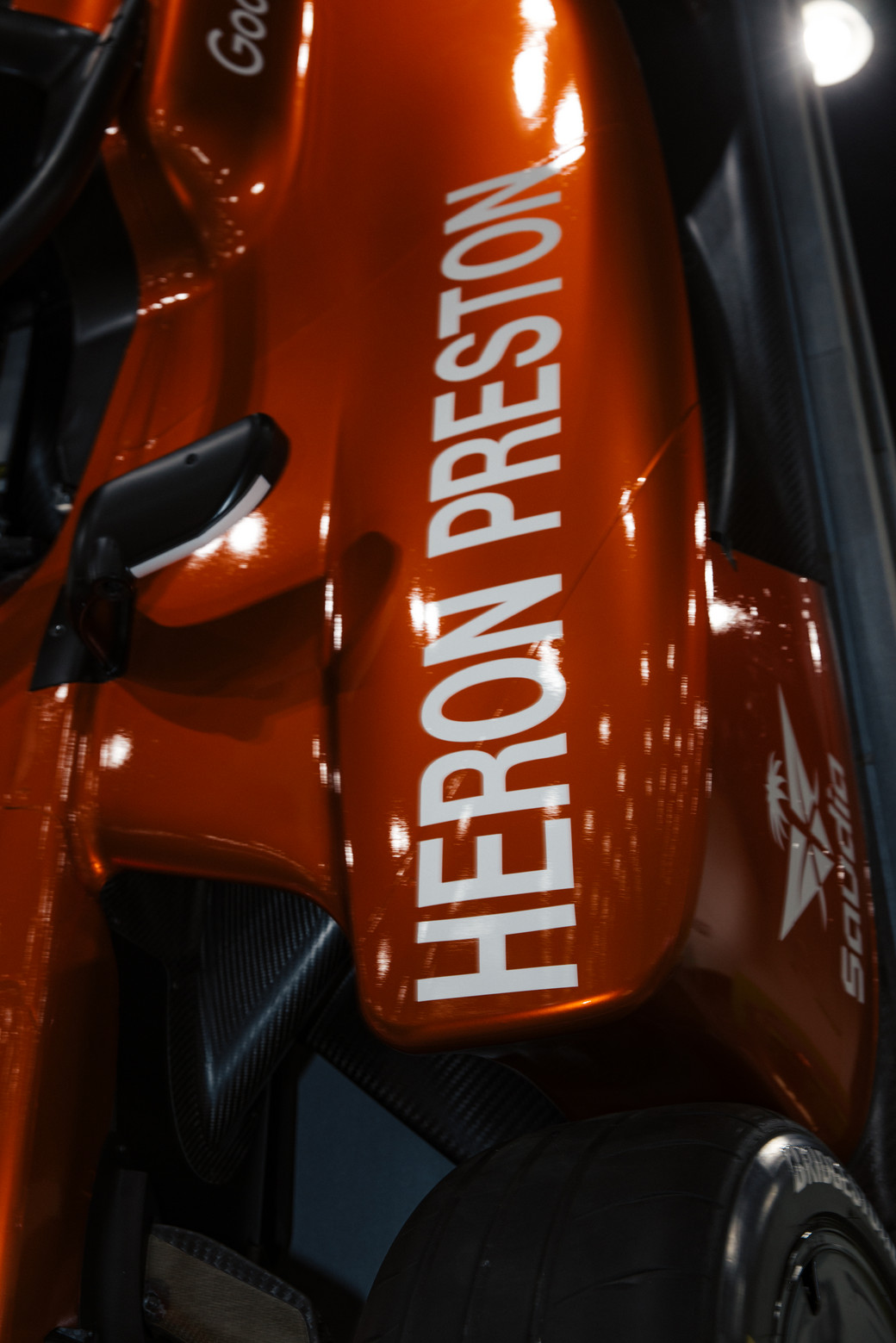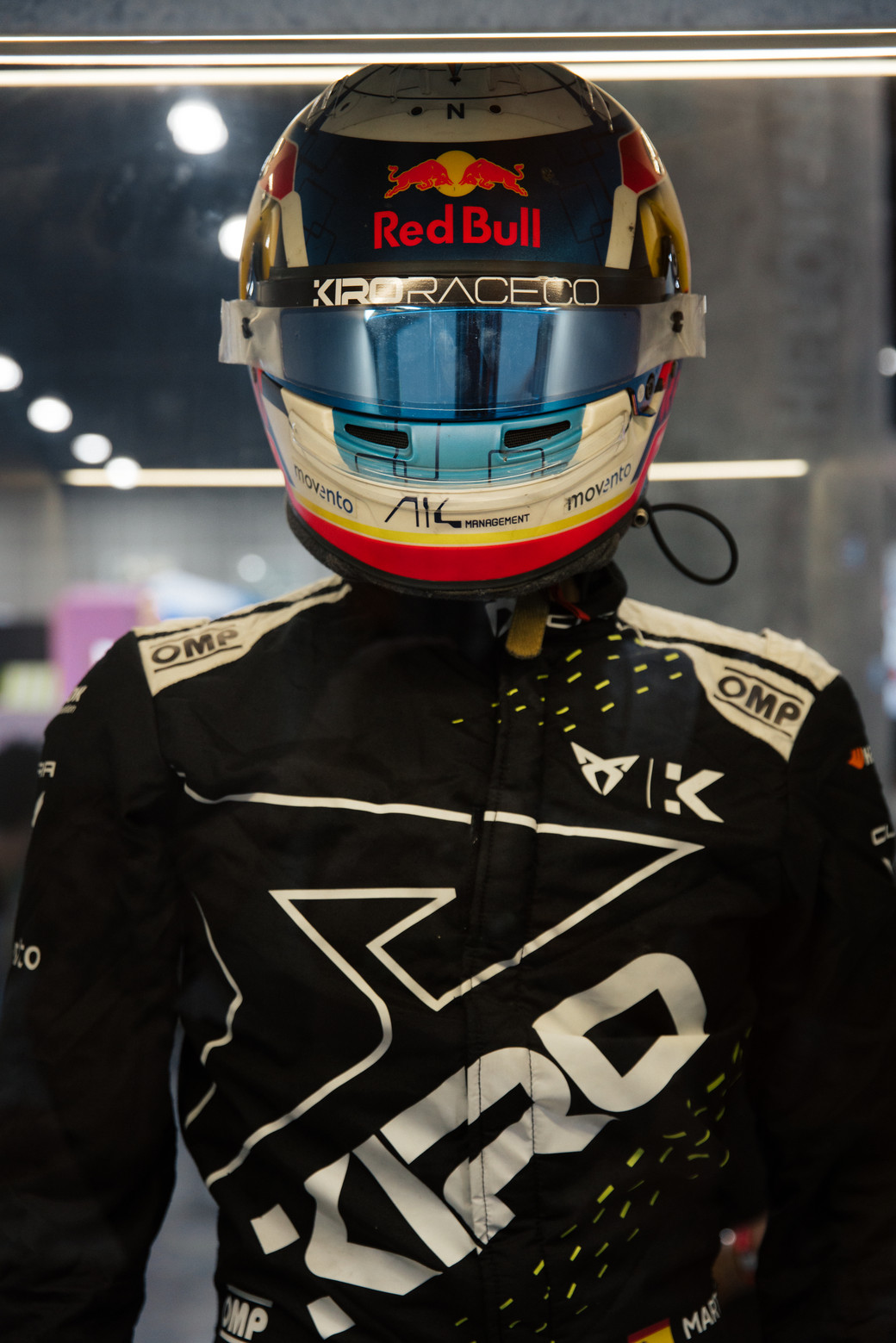








How has your internal dialogue changed or remained the same over the years? Do you think doubt ever truly goes away, or does your belief in yourself just grow stronger?
It's changed as I've come to know myself and what I'm capable of. I've learned that if you can beat the little voice in your head telling you to give up, you can beat anything. Doubt doesn't go away. I've just stopped treating it as a stop sign. Going independent and taking my name back taught me that doubt and conviction can sit in the same room. You feel both, and you keep building anyway.
On a larger scale, it seems as though you work with the end in mind. Is that true for a partnership like this?
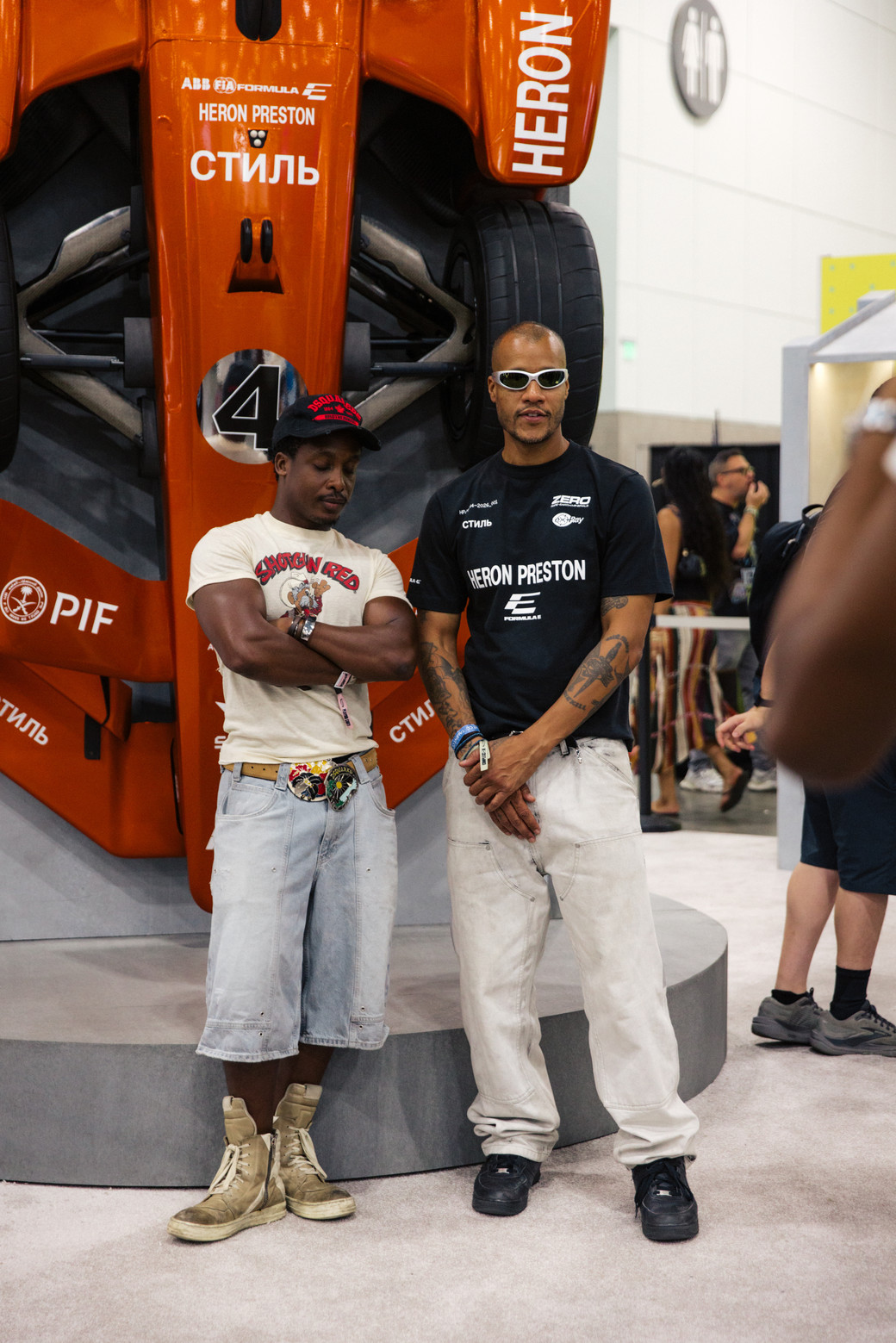
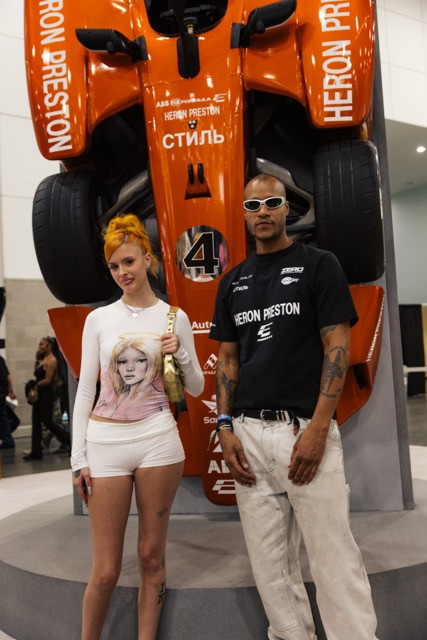
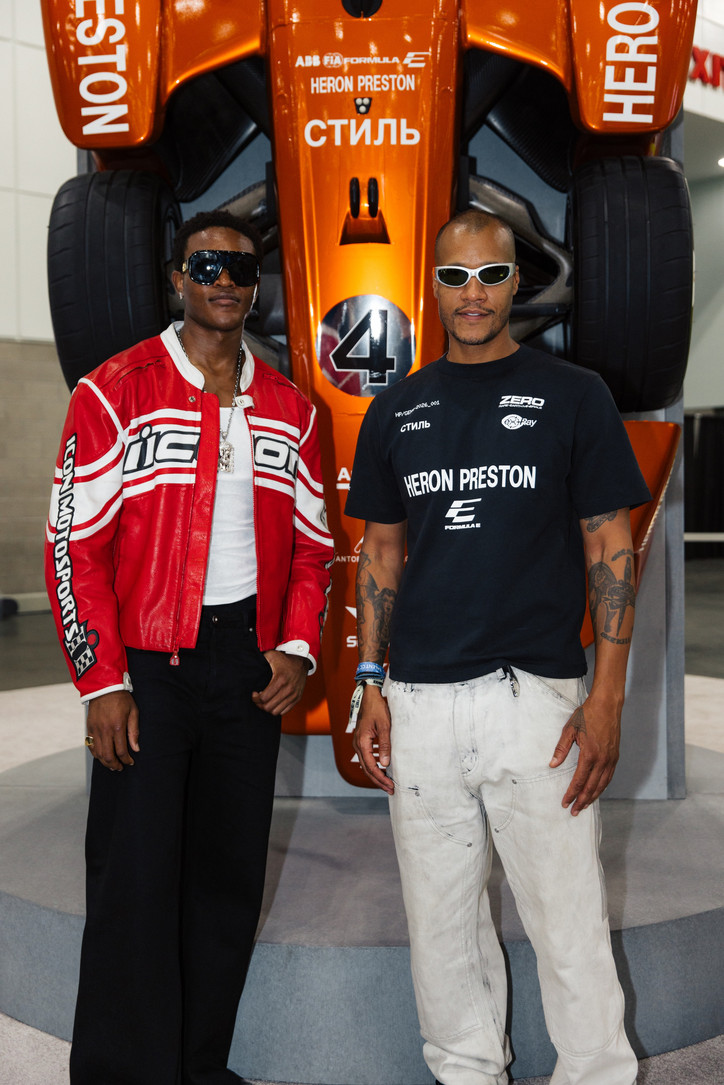
Yes, in two ways. With materials, I'm always thinking about where something came from and where it goes after someone's done with it. With the partnership, we're thinking long term. ComplexCon is a preview, not the destination. The bigger goal is to take materials recovered from the sport itself, like carbon fibre, metals and other components, and find out what they can become through design. Knowing that's where we're headed shapes every decision we make now.
How did you approach working with recovered materials and developing the eX-Ray concept?
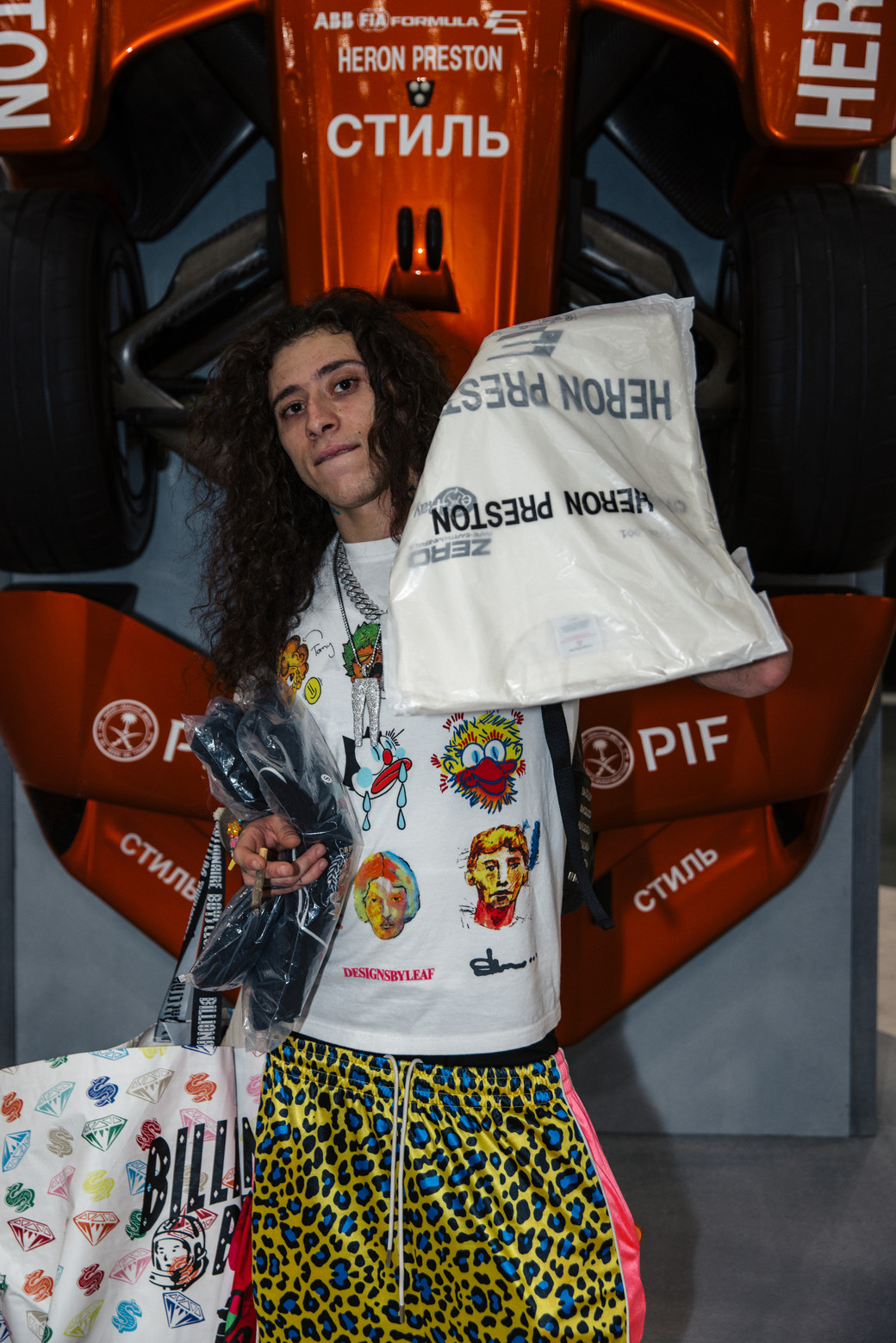
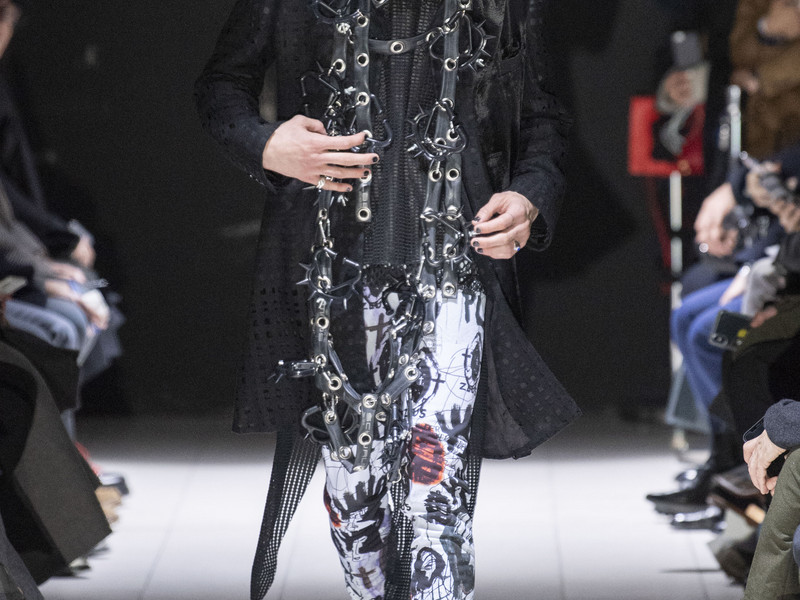
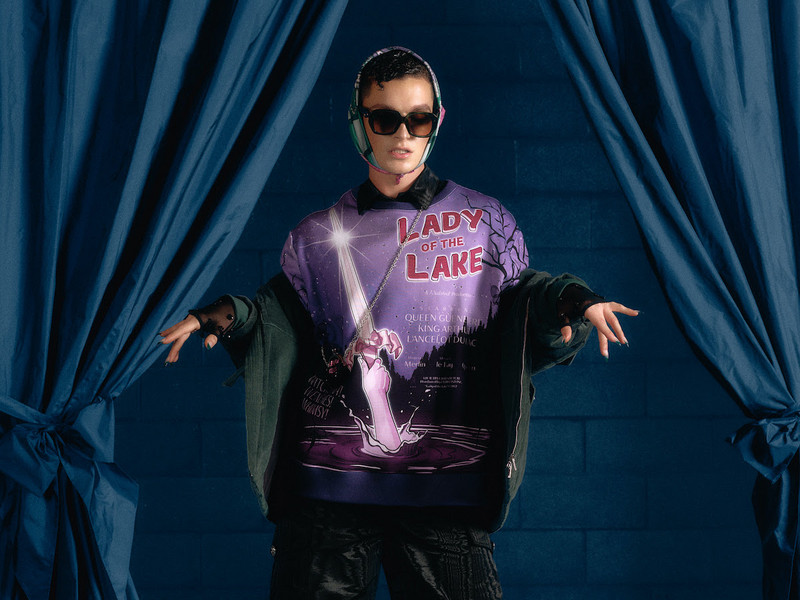
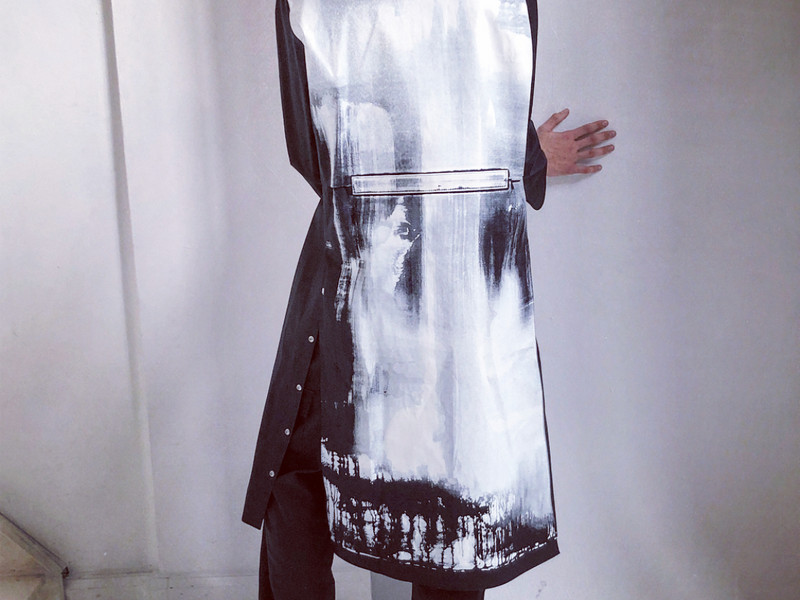
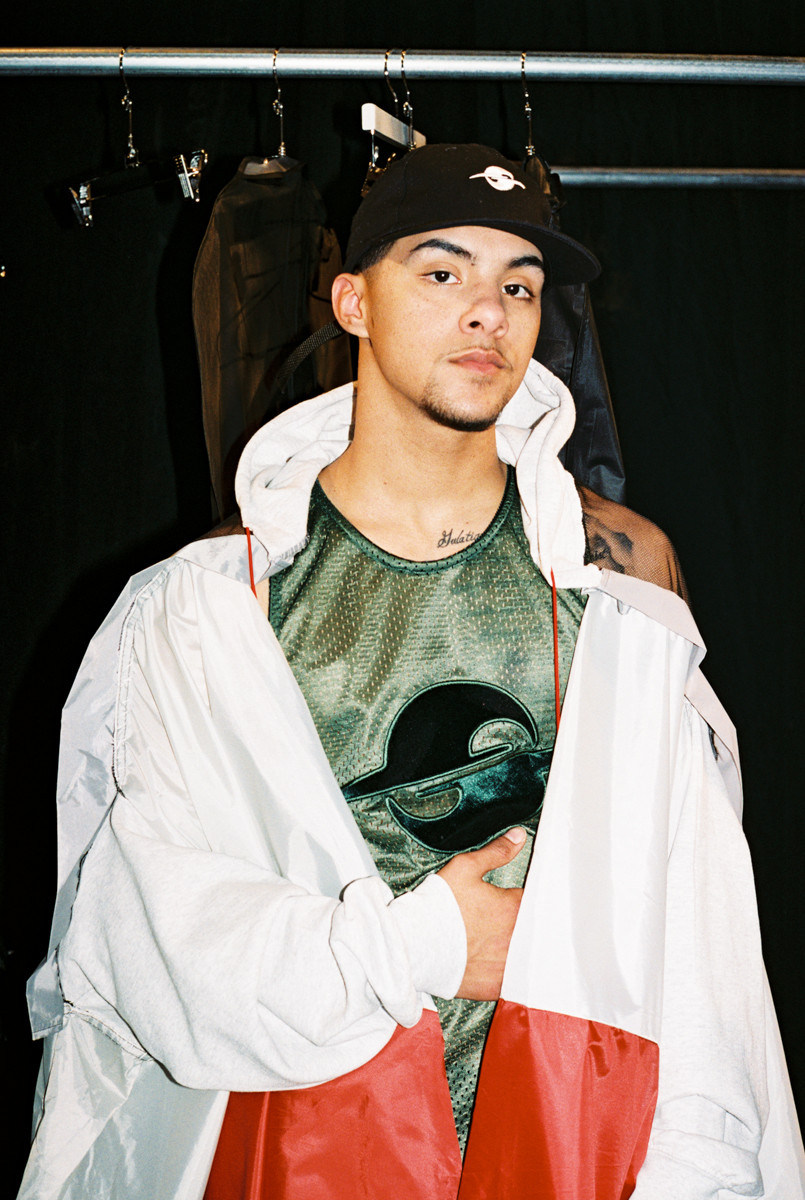
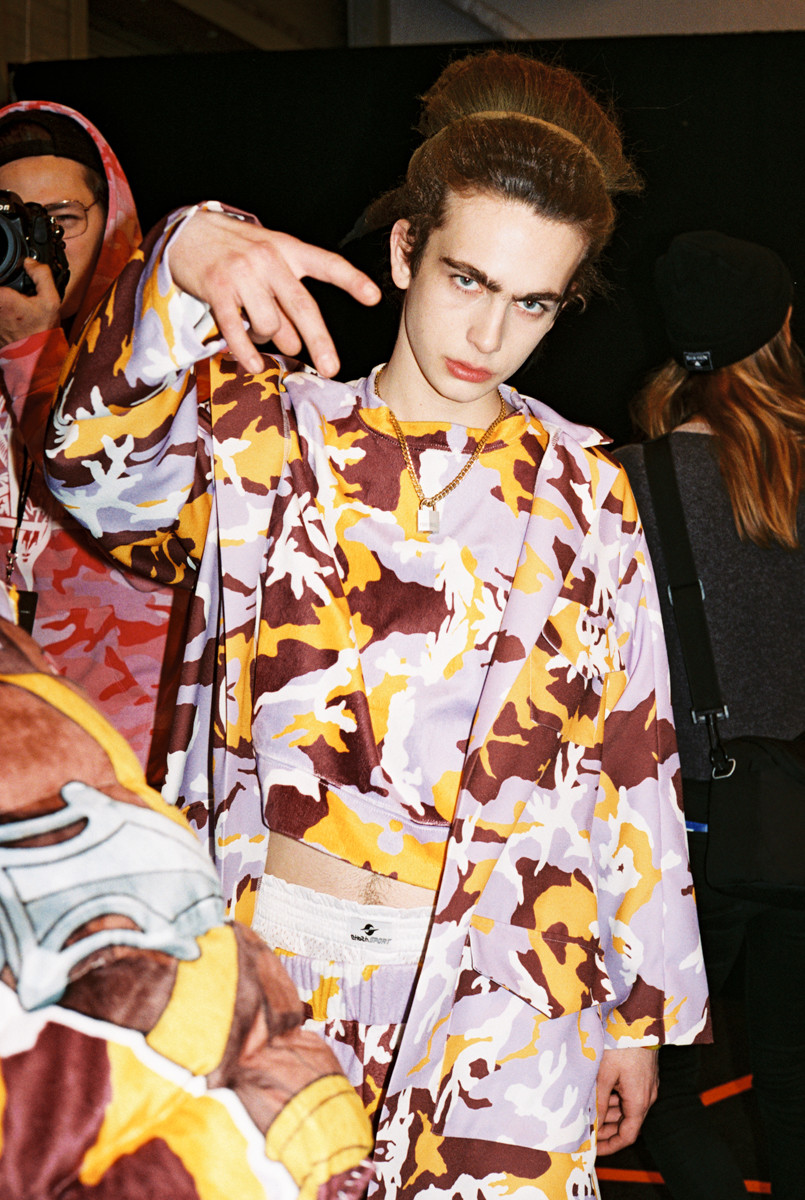
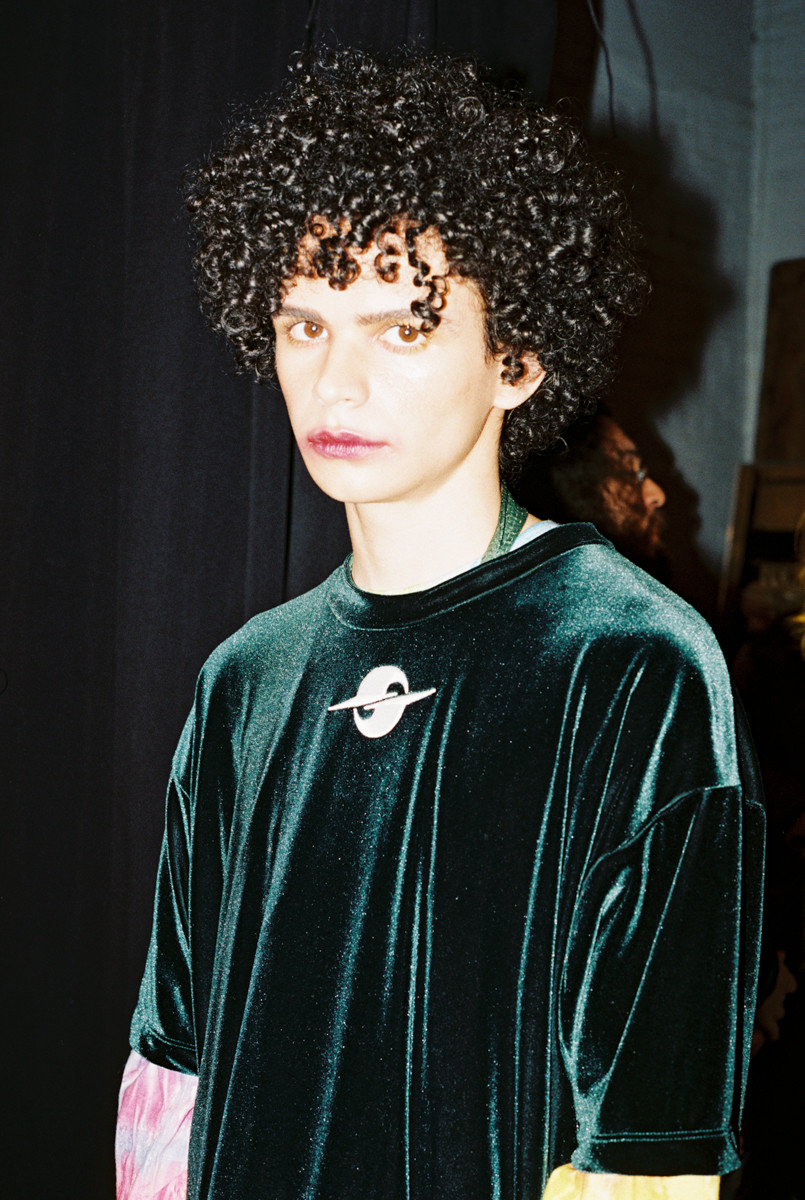
When I started exploring recycled materials, I wanted to give that work a name, the way Gore-Tex or Vibram did. You can spot Gore-Tex because the logo sits right on the material, and you know a Vibram sole when you see one. Logos and branding have always been central to my work, so I thought: why not give this kind of work its own name and a symbol people learn to recognize over time? That became eX-Ray, a mark people can proudly associate with their values. Behind the mark, it's our most advanced L.E.D. (less environmentally destructive) line, where we develop fabrics ourselves instead of sourcing them conventionally. For this collaboration, that means recycled cotton made from pre-consumer factory off-cuts and deadstock pulled from our own warehouse.