BEIJING BIKINI


Jumbo Tsui
I grew up in a city not far from Beijing.
For as long as I can remember, the clearest collective goal in my hometown was: “move to Beijing and make it.”
Later, I really did end up in Beijing—for school, for love, for work.
In just four short years, I did everything I could to get to know the city: from Zhongguancun to Wudaokou, from the 731
bus to the Batong subway line.
Still, I never considered myself a “real Beijinger.”
Almost everyone who wasn’t born here but lives here carries a certain awareness—as if we were “permanent outsiders
with residence permits.”
It reminds me of Japan.
No matter how long you live there, if you look different, you’ll always be called a “抉宝倗hbjkjo倠┲┪┾N倛.”
The word isn’t meant to hurt, but it feels like a transparent wall that gently reminds you—you don’t fully belong.
The interesting thing is, people who live in or once lived in Beijing don’t usually mind being called “outsiders.”
In fact, maybe it’s exactly these “outsiders” who make up the most fascinating part of the city.
After university, I started spending more time traveling between countries.
Beijing became something both distant and oddly comforting, like a soft landing point I didn’t realize I needed.
During the years of COVID-19, I could no longer fly between continents like I used to.
Like a bird with no feet, I was “forced” to build a nest, and somehow, I built it here.
Beijing has always come and gone, like the people in it.
It’s harsh, loud, and absurd, but also honest, generous, and forgiving.
It wasn’t until I began planning the “Beijing Bikini” project that I finally paused to ask myself:
What does this city truly mean to me?
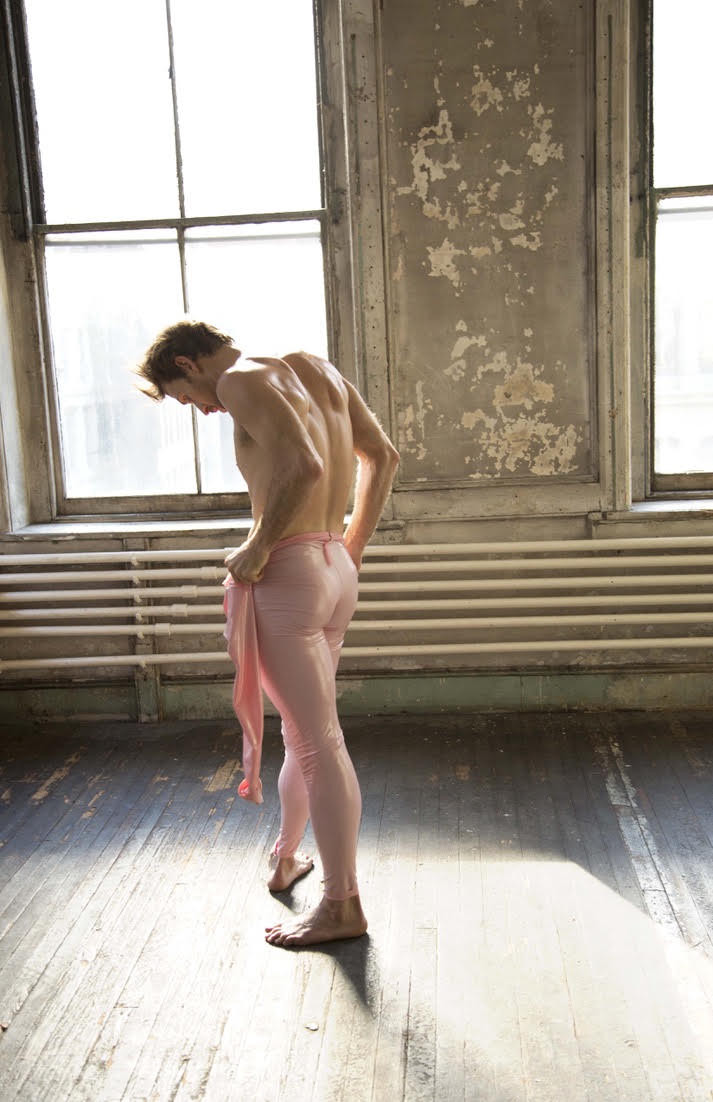
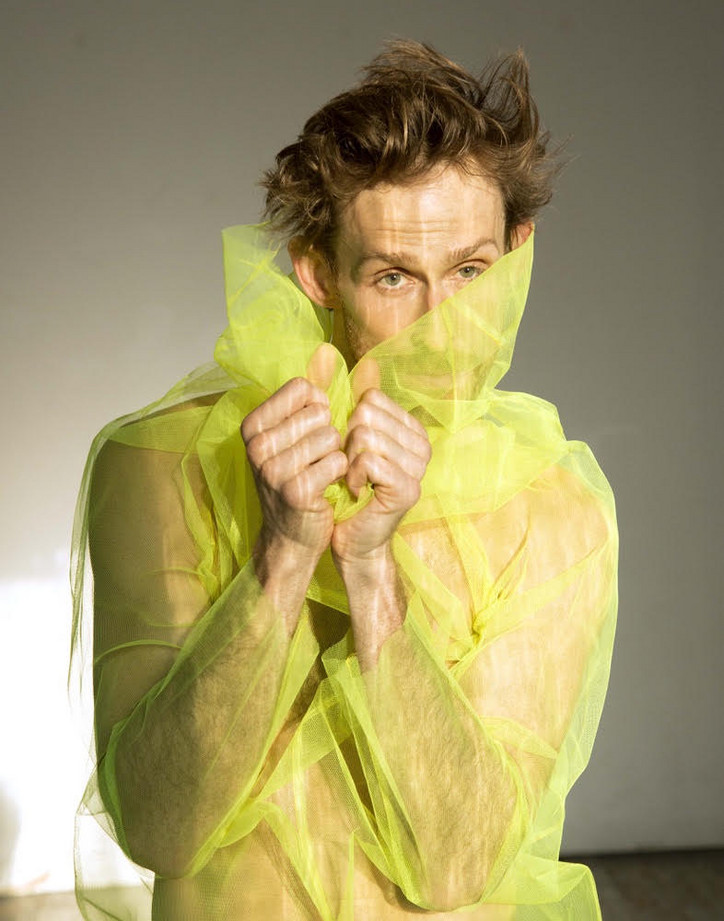
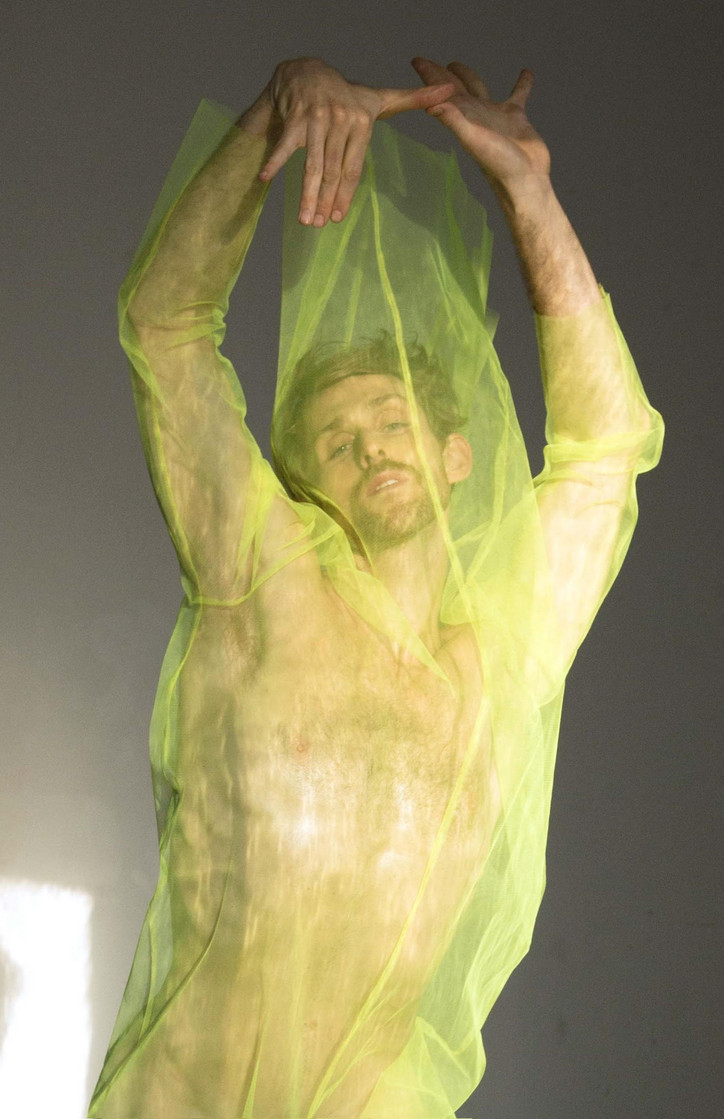
The “Beijing Bikini” refers to a way of life, a posture often labeled as “uncivilized.”
Yet it also quietly stands for a kind of relaxation, a kind of blending in.
Maybe every Beijing bikini is a trace of someone’s life, a quiet form of belonging, written beneath the skin.
Looking back, I realize I’ve long since rolled up my own shirt.
Like so many others in this melting pot of a city, I breathe, I live, and without noticing, I’ve left my own mark.

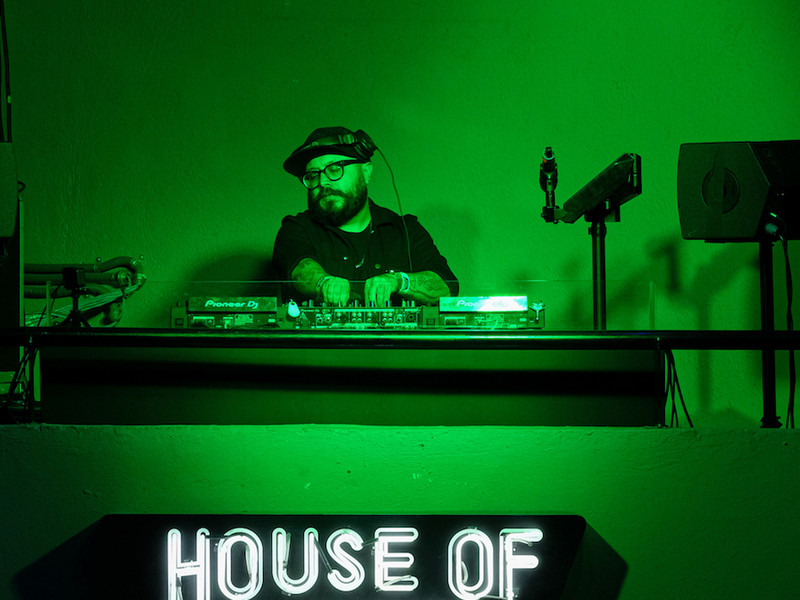
Greg Grigorian, Co-founder and Editor-in-Chief of play/GROUND Magazine
"I didn’t think I would come back again."
I met Greg in Paris during my travels this year. His Beijing-accented Mandarin was so fluent, it almost sounded more native than mine.
This is Greg’s eighth year living in Beijing. In his words, it’s been a “toxic love.” He’s tried to leave more than once, but somehow, the city always pulled him back, as if fate was quietly pulling the strings.
“When I came back, I had only 4,000 RMB in my pocket, crashed on a friend’s couch, and didn’t know a single person.”
Greg is Armenian. In private, he enjoys listening to old Beijing rock music, but when homesickness strikes, he’ll sometimes put on Armenian wedding songs. It’s a quiet, unspoken link to his homeland—and a small space he’s carved out for himself within the vastness of Beijing.
To find his footing, he began with an internship at a local lifestyle magazine in Beijing. Later, he joined a small English-language outlet called PanDaily, which focused on covering China’s tech industry. He shifted from interviewing celebrities to speaking with companies.
“Even as a junior reporter, I got to speak to people at giants like Alibaba and Lazada.”
That was his first full-time job in China.
But he soon realized that a stable career didn’t mean an ideal life. He transitioned into PR and branding, eventually working at PopMart handling the U.S. market. That period left him mentally and physically drained, until he met a creative director who shared his vision.
Together, they transformed what used to be a company catalog into a real publication: play/GROUND. The magazine’s success not only resonated with young readers, it also convinced Greg that maybe, fate is a real thing.


How did you get started with content creation? And how did you first come to China?
In my first year of university, I interned at Vice in Moscow. The office was just a basement with two people. I was there to translate articles. I kept writing for different media afterward, including for GQ for about three years. But I hated the environment and eventually quit. I had no idea what I wanted to do with my life. My undergrad major was political science, but I couldn’t see a clear path. My school had a few dual-degree programs, one of which was with China. I knew almost nothing about China, but thought it could be interesting. I studied in China for a year but didn’t love it. I went back to Moscow, returned briefly to GQ, and still hated it. So I came back to Beijing. The city was changing fast, full of energy and new startups, and that really drew me in.
How did you land your first job in China?
When I came back, I had just 4,000 RMB. I crashed on a friend’s couch, didn’t know anyone, and started with an internship at a local lifestyle media, something like Time Out, to build connections. Then I joined PanDaily, a small media outlet that reports on China’s tech scene in English. At the time, there were only two English media doing this, and I picked PanDaily. It turned out to be really fun. I went from writing about celebrities to interviewing companies, including Lazada and Alibaba. Even though we were a small outlet, being a journalist gave me access to that bigger world. That was my first full-time
job in China. I stayed for over a year.
What happened between media, branding, and your creative work now?
After I joined Pop Mart and started working on their U.S. market, I got completely burned out and almost quit. Then I met my current creative director. We really clicked and decided to make a magazine together. We really clicked and decided to make a magazine together. Pop Mart originally had a product focused magazine called Playground published by the PR department, and we spent nearly a year turning it into a proper youth culture publication, play/GROUND magazine. Media in China can be tricky, but once it launched, the response, especially from younger readers, was great.
What’s your relationship with Beijing like?
It’s complicated. I didn’t think I would ever return, but I kept being pulled back. Sometimes I think the city is toxic, but I can’t leave. Playground’s success made me start believing in fate. All the media work, brand connections, and people I had met seemed to converge at that one moment. It felt like a loop had suddenly closed, and everything made sense.
Do you feel like you belong in Beijing?
I’ve lived here for eight years. It’s the longest I’ve stayed anywhere as an adult. But I never feel like I belong. No matter how fluent my Mandarin is, people can still tell I’m a foreigner just by looking at me. China is not like France with multiculturalism. Even if I live here for fifty years, I’ll still be seen as an outsider. But I’ve come to terms with that. These days, whenever I hear the Beijing accent—even when I’m abroad—it feels strangely comforting, like the echo of a place I once called home.
Do you ever feel lonely in Beijing? What do you think of the nightlife and social scene?
Yes. Lately, I’ve even considered getting a dog. It’s hard to form deep relationships here as a foreigner. Dating is easier, but real connection is tough because of cultural differences. I really like Postpost. It is not just a venue, but a community. You can work, listen to music, flip through magazines, buy clothes, and have coffee there. Beijing really needs more third spaces like that. Solo, a small techno club, is also a favorite. You always run into familiar faces. But nightlife here is fading. Fewer people go out, young people drink less, and clubs are struggling. Beijing is a transient city. Most people are from elsewhere. Eating together seems like the only reliable way to socialize now.


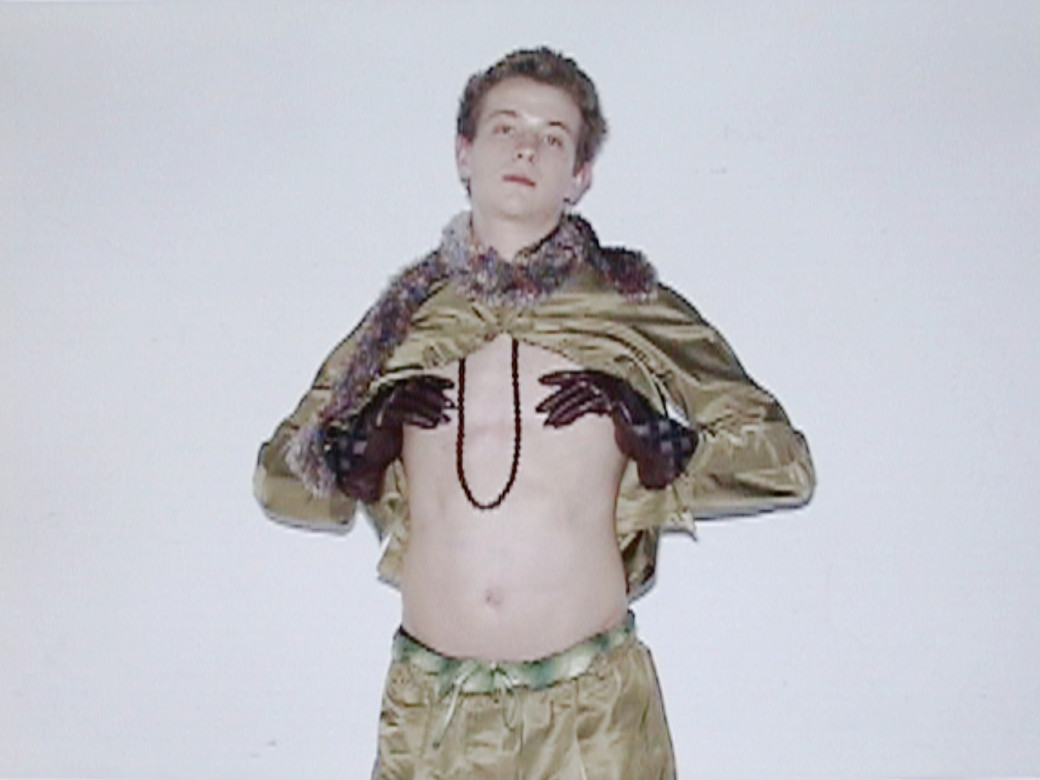
Emory Babb, Entrepreneur from Marketing background, building China's first and only vegan cheese company.
“I’ll probably stay.”
Just when I was struggling to find someone more fitting, Greg recommended his former colleague from Xiaomi — Emory Babb. Emory quickly and enthusiastically agreed to be part of the project.
In northern Chinese slang, you might call Emory the kind of person who’s always ready to help and good at “rallying people together.” It was even Emory who invited Chandoso to join. He came to Beijing to work with a college buddy, but never intended to stay so long. What had originally been intended as a short jaunt soon led Emory down an unexpected path: launching a new venture, and deciding to settle in Beijing.
Today, he runs a plant-based cheese company called Grassroots, exploring what vegan cheese could become in China.
He once told me, ten years feels like a clear line — either you leave, or you fully stay.
He still has about a year and a half left to decide.



What first brought you to Beijing?
I came to Beijing because a college friend said he could help me get a job at his company. I also wanted to learn Chinese, live in a big city, and become a bridge between China and the U.S.
Are you planning to stay here long term?
As of now, yes. I even thought about moving to Shanghai earlier this year, but didn’t end up going. Shanghai feels too international. It doesn’t feel like the real China. Beijing can be frustrating sometimes, like when they shut down roads during military parades. But I think that is also part of its charm as the capital of a major country.
What does Beijing mean to you, compared to other cities?
To me, Beijing is like a playground. Because of height restrictions around the Forbidden City and other government buildings, the skyline isn’t so tall, which makes the city feel more spacious. Some areas are heavily controlled, but overall Beijing feels stable and safe. In a strange way, it even gives a sense of freedom. I’ve lived here for over eight years, the longest I’ve stayed anywhere since becoming an adult.
How would you describe your relationship with this city and the people here?
I wouldn’t call myself a Beijinger. Before COVID, there were around 100,000 foreigners in the city. Now maybe only 20 to 30 thousand. The expat community feels like a small town inside a big city. My Chinese is okay, and I sometimes joke that I’m half Chinese, but I also know that I’ll always be a laowai.
Have you traveled to other places in China?
Yes. I’ve been to Shanghai, Shenzhen, and Guangzhou for work. I’ve also taken trains through Lanzhou, Chengdu, and Hainan. I quite like Chengdu. It feels like a mix between Beijing and Shanghai: young, progressive, but also deeply Chinese.
Would you consider living in other Chinese cities in the future?
Maybe. Cities like Shenzhen or Guangzhou might become super cities if they integrate further with Hong Kong and Macau. But Shenzhen still feels a bit too new. It lacks that human warmth. Compared to that, Beijing has more life. People on the street say, “This is my turf.” It is chaotic but very real.


Chandoso aka Isaiah Smith, Artist
“If I had to put a number on it, I’d say I’m about 75% Beijinger.”
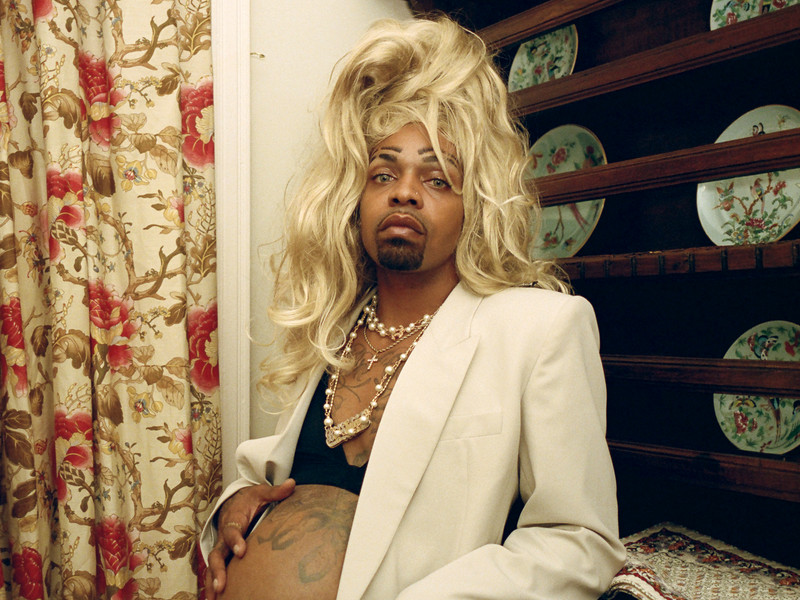
This bold, half-joking declaration comes from Isaiah Smith, who also goes by the name Chandoso. He’s a multimedia artist and a young father, currently living in Beijing. It’s not entirely a bluff—this year marks his tenth year in the city.
Therews an old saying that a personws name reflects their character. And yChandosoz (湿酮) really suits him: energetic, sharp, always in motion. I like the ease in his work, just as I like the ease in his personality. In a time when artists are no longer bound by geography, it’s interesting that he chose to settle in Beijing. That choice, I think, speaks to a genuine love for this place.
Every now and then, when he’s woken up at night by his baby, he sends me a message. As someone who always seems to live in the Europe time zone, I’ve come to think of him as one of my few true “late-night friends.”


What made you come to Beijing? What attracted you to the city?
Back then I was living in Madrid, trying to develop my art career, but the scene there felt stifling. I heard the art world in China was growing, so I decided to challenge myself—even though I didn’t know a single person here. I chose Beijing because the rhythm, the chaos, and the creativity felt really exciting to me.
How did your creative process change after moving here?
A lot. I used to chase perfection, but now I’m much freer. For example, I draw directly with ink now, no sketches. That way I have to accept mistakes. It feels more natural and closer to how I really feel.
Compared to other cities you know, what’s special about Beijing?
People here are incredibly resilient. They find ways to make things happen, even during hard times like the pandemic. The city is becoming more international, but it still holds on to a strong cultural identity—that’s something I really admire.
What do you think of the “Beijing Bikini” lifestyle?
I think it’s both practical and kind of beautiful. Some people see it as crude, but to me, it’s a sign of confidence—especially in a society that places so much pressure on body image. I’ve got too small a belly to roll my shirt up properly, so I just take it off instead (laughs).
Do you feel like a Beijinger? Ever thought about moving elsewhere?
I’d say I’m about 75% Beijinger (laughs). I understand Beijinghua and I’ve explored a lot of the city. For now, I really enjoy living here. But Chengdu and Qingdao also interest me—maybe someday I’ll give them a try.
What moves you most about life in Beijing?
There’s always something going on. Shows, exhibitions, new spaces, good food. I live in the west of the city, and it’s easy to get anywhere. No matter what time it is, I can always find something to look forward to.


Jaren Hillier, Teacher
"People here have seen it all. They don’t judge so easily."
Among Emory’s friends, Jaren Hillier is the quietest one—and also the person who has lived in Beijing the longest. Compared to the others, who are more active or visible in some way, Jaren seems more like an observer. He doesn’t have an Instagram account, nor does he seem interested in being part of anyone’s narrative moment.
Jaren came to Beijing in 2012, right at the tail end of what many still call the city's "best era." Over the years, he has witnessed how dramatically the city has changed. The noise of Gulou has quieted. Many of his favorite small shops have disappeared. But at the same time, shared bikes, food delivery, and Didi have made life more convenient.
He says Beijing transforms into a new city every eight years, and he has never really prepared to leave.


Why did you end up staying in Beijing long term?
I didn’t plan to at first. It just kept going—work, friends, life. I like the pace and openness of Beijing. I’ve thought about Chengdu before, but for now, I’m staying.
Do you feel like a Beijinger?
Half and half. My Chinese isn’t great, but I know how to live here. Sometimes I feel like a foreigner. Sometimes I feel local.
Why do you prefer Beijing over Shanghai?
Beijing feels more grounded and more open. People here don’t judge you quickly.
How do you view Beijing’s changes over the past decade?
A lot has changed, but each phase had its charm. The things I liked are gone, but new things have come. It’s like a kind of urban metabolism.
As a foreigner, have you had any unpleasant experiences?
Nothing serious. There was some tension during COVID, but overall my experience here has been positive.
If one day you had to leave Beijing, what would you take with you?
Probably my old "I ❤ BJ" t-shirt. It’s not easy to find anymore, but to me, it holds all my memories of this city.

Alex Norman-Washington,International School Teacher | 2nd Grade
“The soul of Beijing lives in those nights drinking with friends in the hutongs.”
Alex is a teacher at an international school. In his words, his story is a classic foreigner-in-China tale: “I planned to stay for one year, then I met a girl, and ended up staying, got engaged.” What he likes about the city is not that it’s perfect, but that its people are kind. The way Beijingers don't stare or judge made it possible for someone who’s “not entirely local” to feel naturally accepted.
He has never been to Shanghai, but has lived through eight full years of Beijing’s changing seasons. From someone who first arrived with just five hundred dollars in his pocket, he has become one of the over twenty million people who make up this city.
“I knew Beijing was home when I had a regular barber, three favorite restaurants, and a small shop where the owner recognized me.”


When did you realize you had actually settled down in Beijing?
It was probably when I got a regular barber, three restaurants I went to all the time, and a little corner shop where the owner knew who I was. Then I also had a group of friends here, and I was with my now-wife. All those things added up, and eventually it became something you could call a life.
What kind of city is Beijing to you?
It’s crowded, but it’s real. You can walk just a few blocks from some big government event and find yourself at a punk show in a basement. The rhythm here is unique, and a whole year goes by in a flash. I love that kind of contrast. There’s always a sense that something is happening. It’s not a comfort zone, but it feels like a place where you can build your own life.
Do you think of yourself as a Beijinger now?
I never used to, but after COVID, I think my mindset shifted. I wouldn’t say I’m truly a “Beijinger” – that’s for the people who’ve lived here since the eighties and speak fluent Chinese. But I have a Chinese wife, I speak a bit of the language, and I’ve really tried. I think if you’re actively part of the community, then in some way, you do belong to it.
Have you thought about living in another city?
Maybe someday I’d consider Shenzhen. It’s by the sea, close to Hong Kong, great weather, you can hike and swim. I know some guys from the Shenzhen rugby team and they really love it there. Funny thing is, I’ve been in Beijing for eight years and I’ve never even been to Shanghai.
How do you feel about being called a “laowai”?
I don’t mind it. Most of the time it comes from curiosity, not malice. In Beijing, people are used to seeing foreigners, but when you go to smaller places, people still stop and take pictures. My mother-in-law had never spoken to a foreigner before meeting me, and now she’s met my whole family. It’s really just about novelty, not racism.
If one day you had to leave Beijing, what would you take with you?
Probably a cheap bottle of baijiu, a pack of cigarettes, and one of those plastic stools. Because for me, the soul of Beijing lives in those late nights drinking and chatting with friends in the hutongs. That’s the real flavor of this city.


Milo O’Brien, Student at university
The way I met Milo was a bit funny. During a group casting discussion, someone dropped his Instagram into the chat. “He already made a short video about the Beijing bikini. Why don’t we just shoot him?”
Milo is the youngest among all the “Beijing bikinis” we photographed—he just turned 18 this year. But he’s already spent six years in Beijing. Fresh out of high school, he’s still adjusting to the feeling of being “unemployed” for the first time, though he seems totally unfazed when it comes to the future.
When we talked about the “Beijing bikini,” he had that familiar, half-smiling, almost affectionate look. “People say it’s uncivilized. I think it’s confident,” he said. “It’s like when older people walk backwards in the park. At first you think it’s strange, but now I feel like that’s what gives the city its personality.”
As the interview went on, I found Milo more and more interesting—he drinks Chinese baijiu, not because he’s a heavy drinker, but because he enjoys the taste and the social feeling of it. Once, while drinking with his girlfriend’s family, he got schooled by traditional Chinese drinking games.
On the car ride back to the studio, Milo started chatting with Greg about learning Chinese. He eagerly explained how he tries to “learn like a kid”—by repeating what people say, not by memorizing grammar. “My textbook taught me to say ‘Ni hao ma’, but no one actually says that,” he laughed.
I felt a bit embarrassed. I realized I still greet people in Chinese by saying, “Ni hai hao ma?” (Vous allez bien?) Maybe I’ve been the awkward one all along.


How would you describe the difference between Beijing and Shanghai?
I’ve lived in both. I think Shanghai is a bit cooler—there’s more to do, and the pace is faster. It feels like a shiny display window. But Beijing feels more real. It’s a little messier, sure, but there’s something deeper about it. Beijing lets you slow down and actually observe things. You can go from a big political event to an underground punk show within a few blocks. That kind of jump is what makes it interesting. And I love how cold it gets here—so cold it hits your bones. It’s intense, but I love it.
Why did you decide to come back to Beijing?
I just graduated high school and I’m on my first-ever gap year. I chose to spend a year in Beijing to study Mandarin. Right now I can only say “ni hao” and a few curse words, so I really want to learn more. This is my first time feeling unemployed. It’s a bit strange, but also kind of nice. I like Beijing’s winters. The extreme weather, the weird pace—it makes you feel like the city is wrapping itself around you.
What’s the most attractive thing about Beijing?
The cultural density here is insane. From palaces and hutongs to underground drag shows, every layer has something built on top of it. Sometimes you feel completely overwhelmed, but I actually like that. Beijing isn’t an easy city, but it’s a place that makes you stay. Paris has the Eiffel Tower, London has Big Ben—Beijing has so many symbols, you can’t even narrow it down. That’s what makes it different.
How do you see your own growth in China?
I’m Hungarian-American. I moved here with my family seven years ago—from Budapest to Beijing, then to Shanghai for school. I still go to Oregon every summer to visit my grandparents, but these days I don’t feel much for America. Life in China is more convenient, safer, and more orderly. You can get food delivered even during a snowstorm—that’s wild. I like how chaotic Beijing is. It’s not divided like the U.S., where you worry about getting robbed or meeting crazy people. It feels safer here. I know people like to talk trash about China—“you must be brainwashed,” they say. I once posted a video saying I love Beijing and got comments like that. I don’t bother arguing anymore. They just don’t get it.
Do you have a favorite spot in Beijing?
I love Wudaokou. It’s like electronic music—loud, intense, messy. It almost gives you a stroke, but I love that sensory overload. Also, I once stumbled into a drag show—it completely blew my mind. Beijing always surprises you.
If you ever left Beijing, what would you take with you?
A cheap bottle of baijiu, a pack of cigarettes, and one of those little plastic stools. Those are what my nights in the hutongs with friends were made of. To me, that’s the soul of Beijing, tucked into small details.