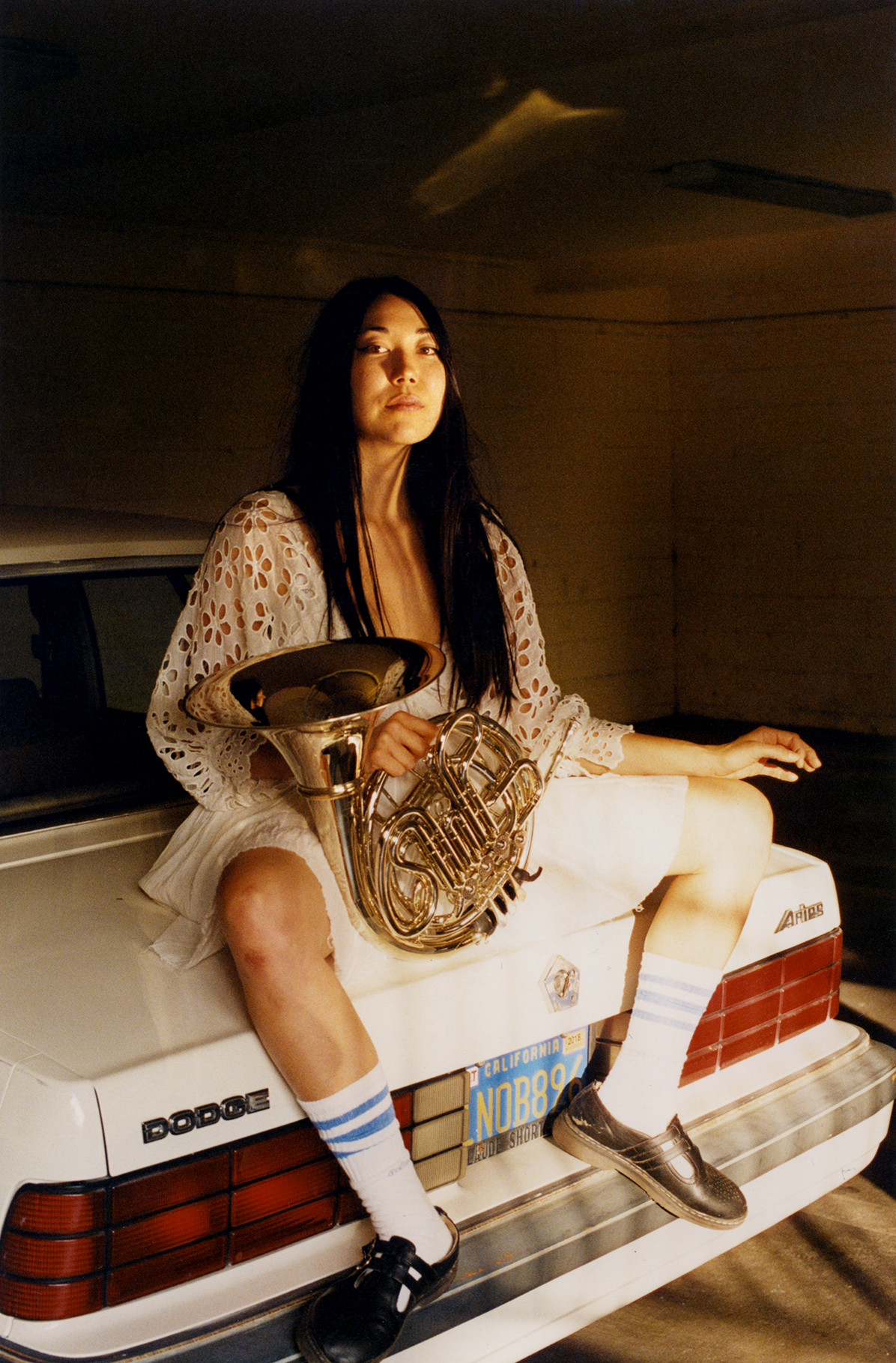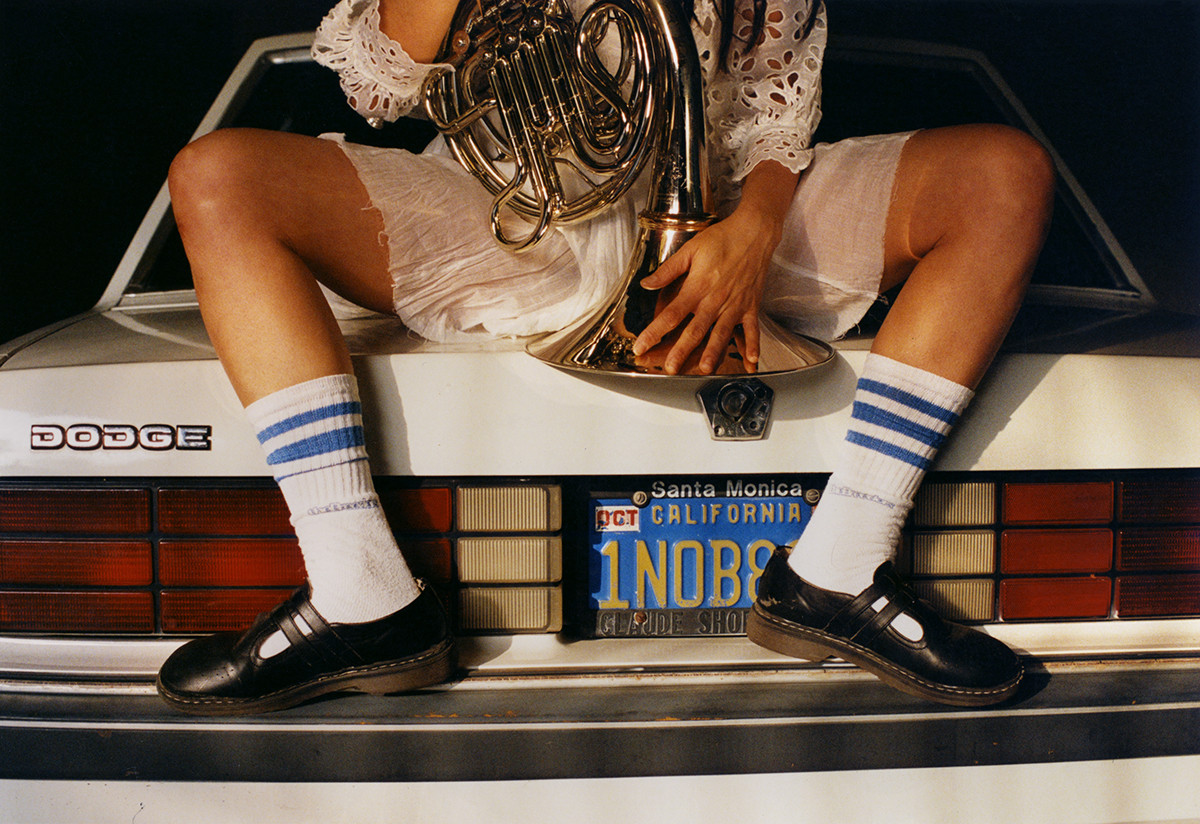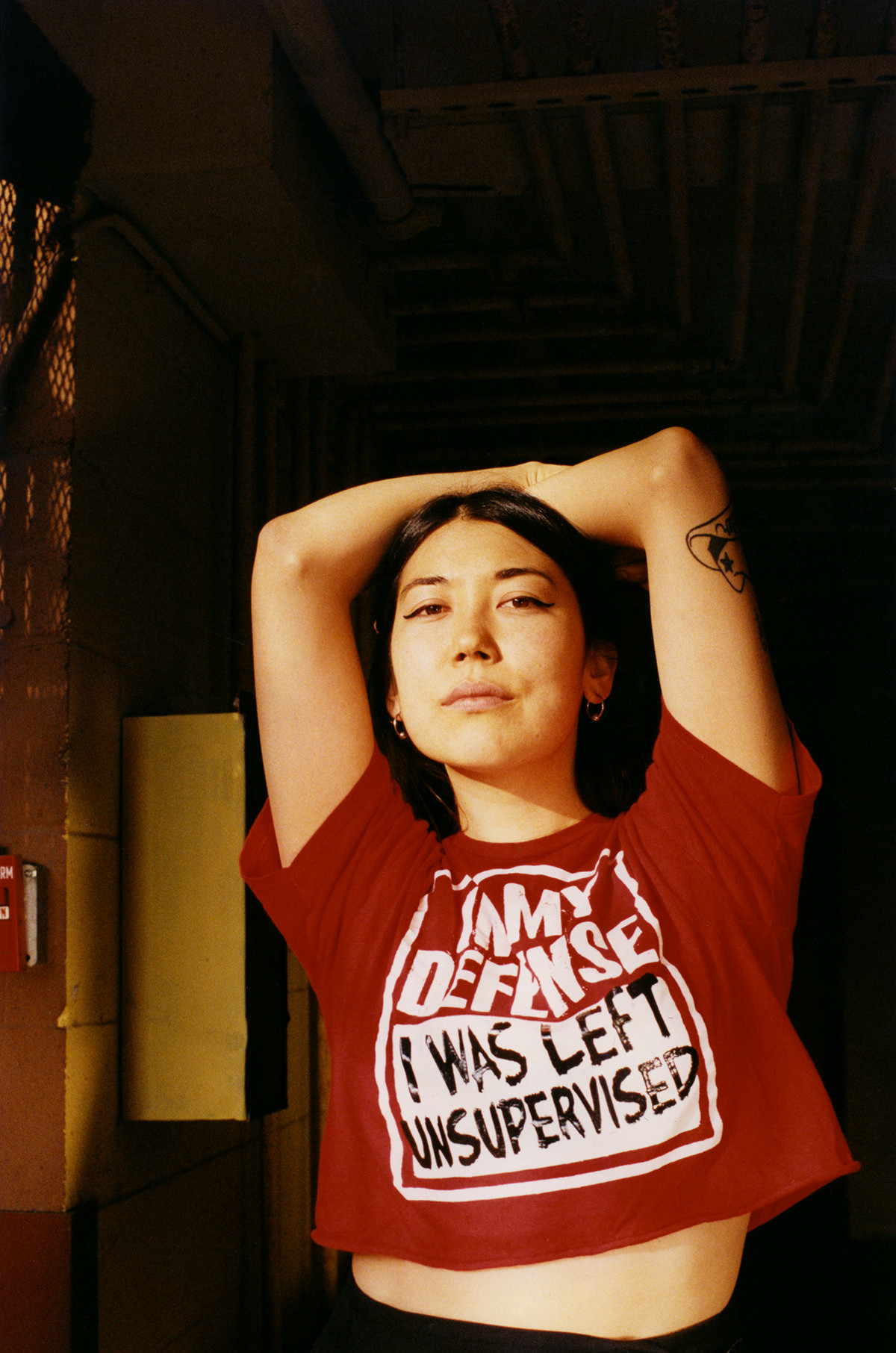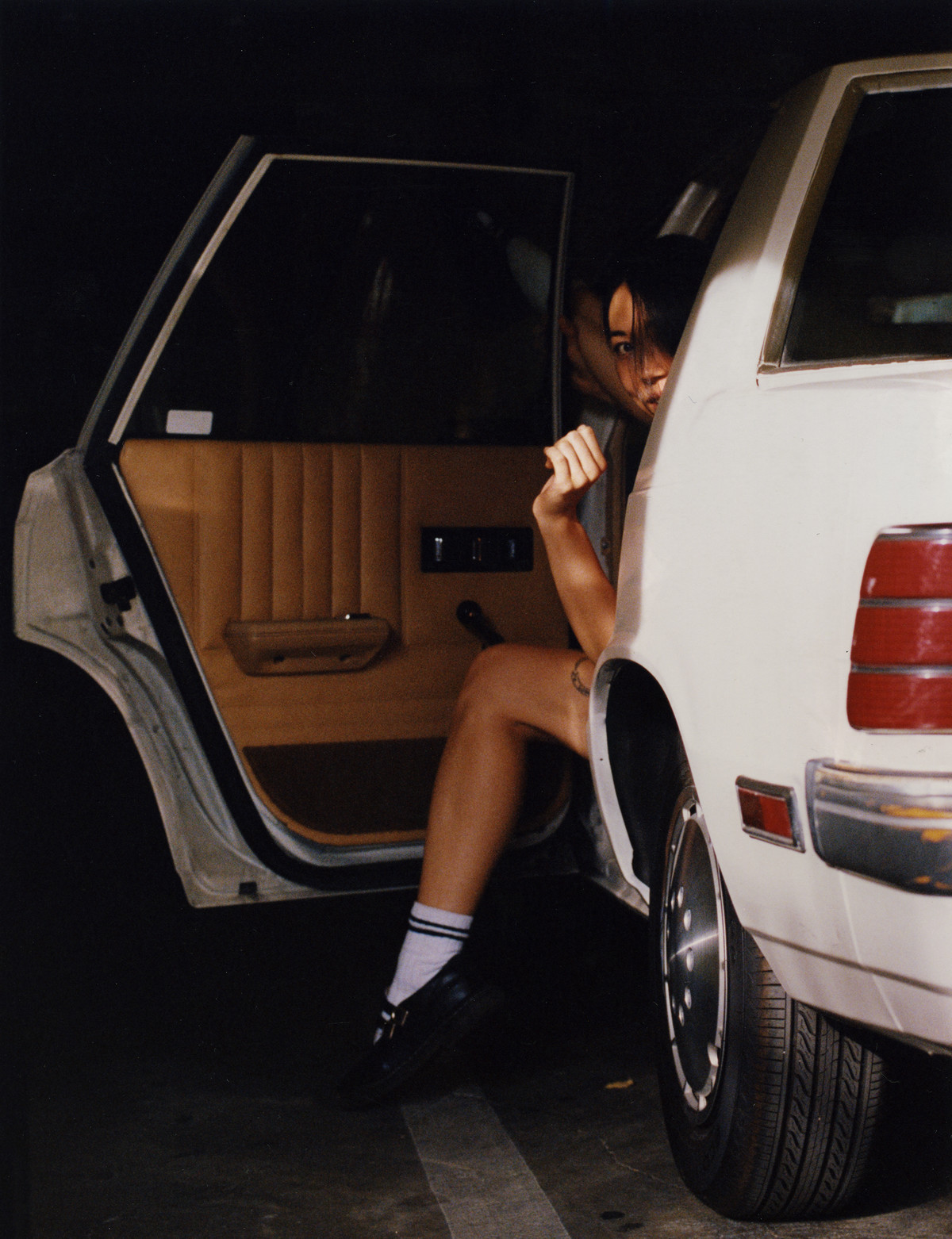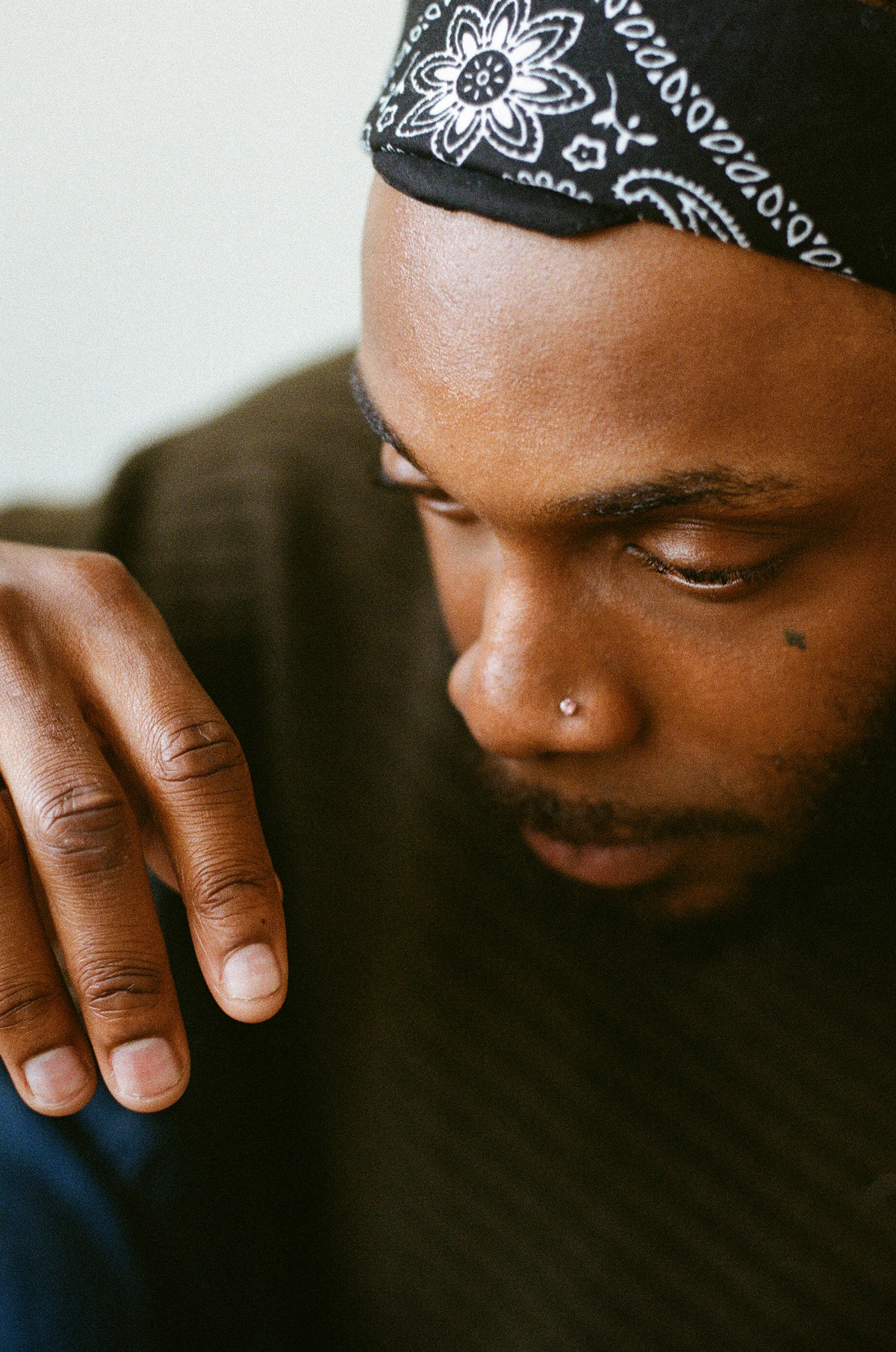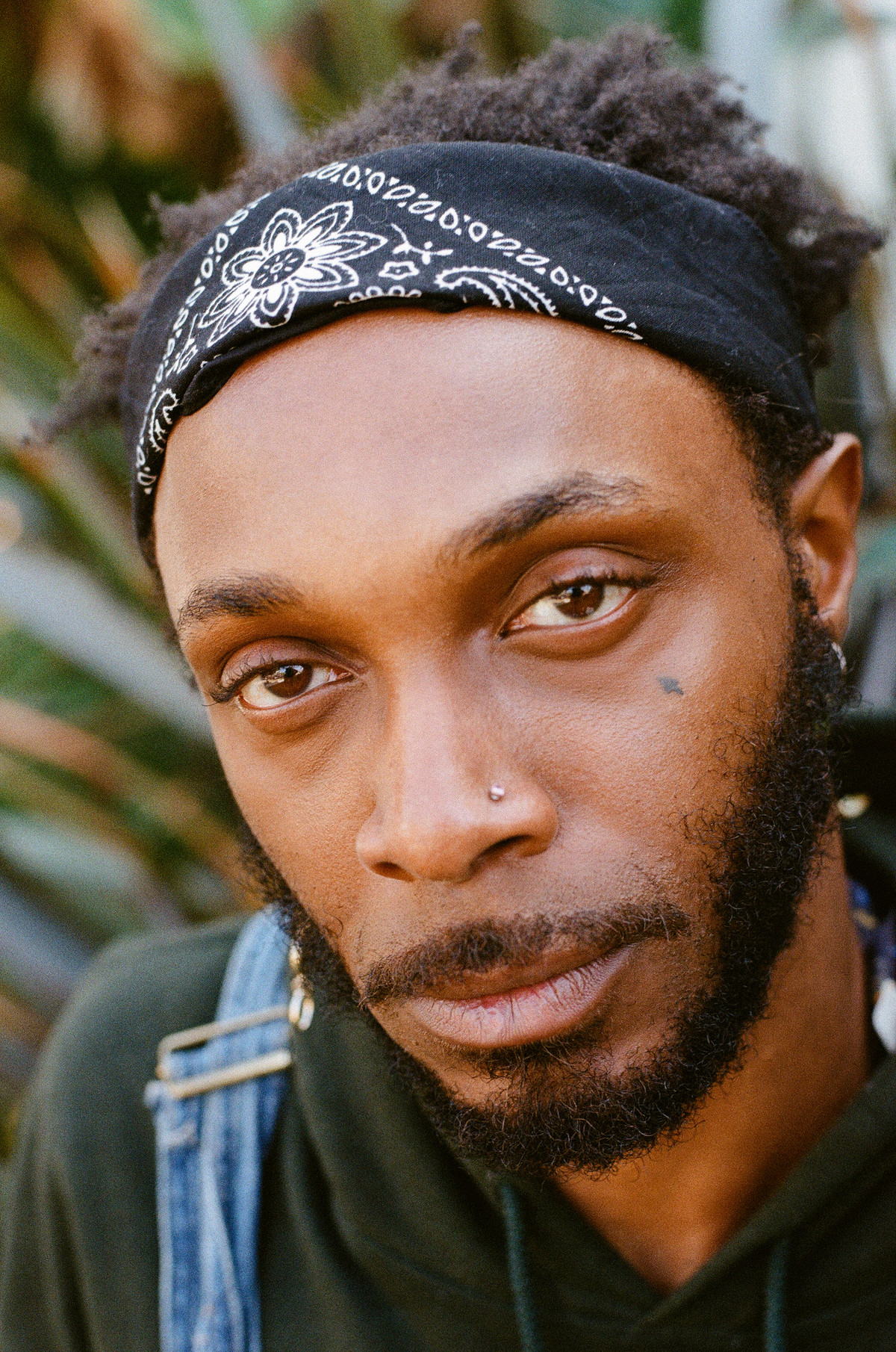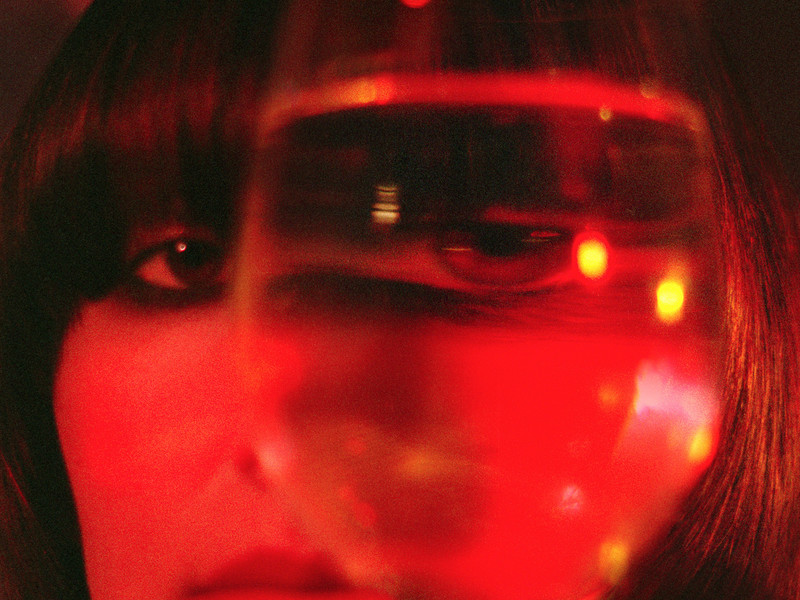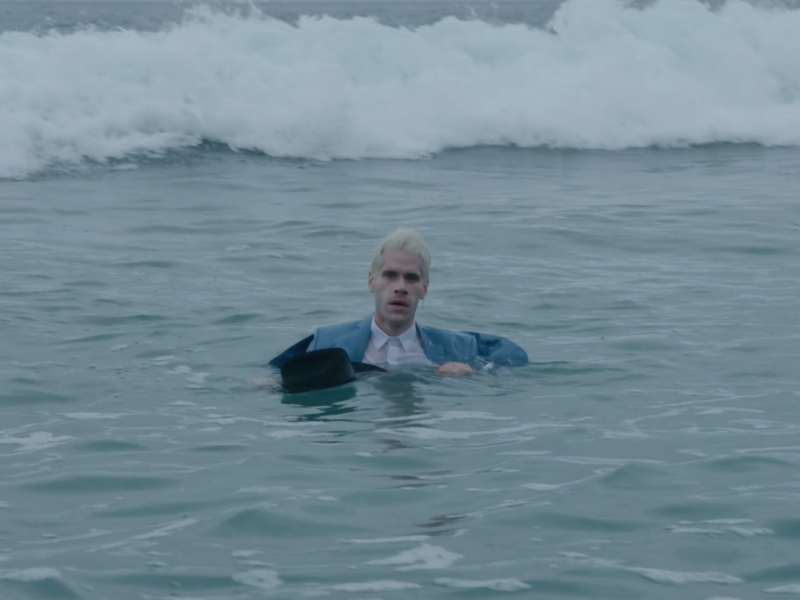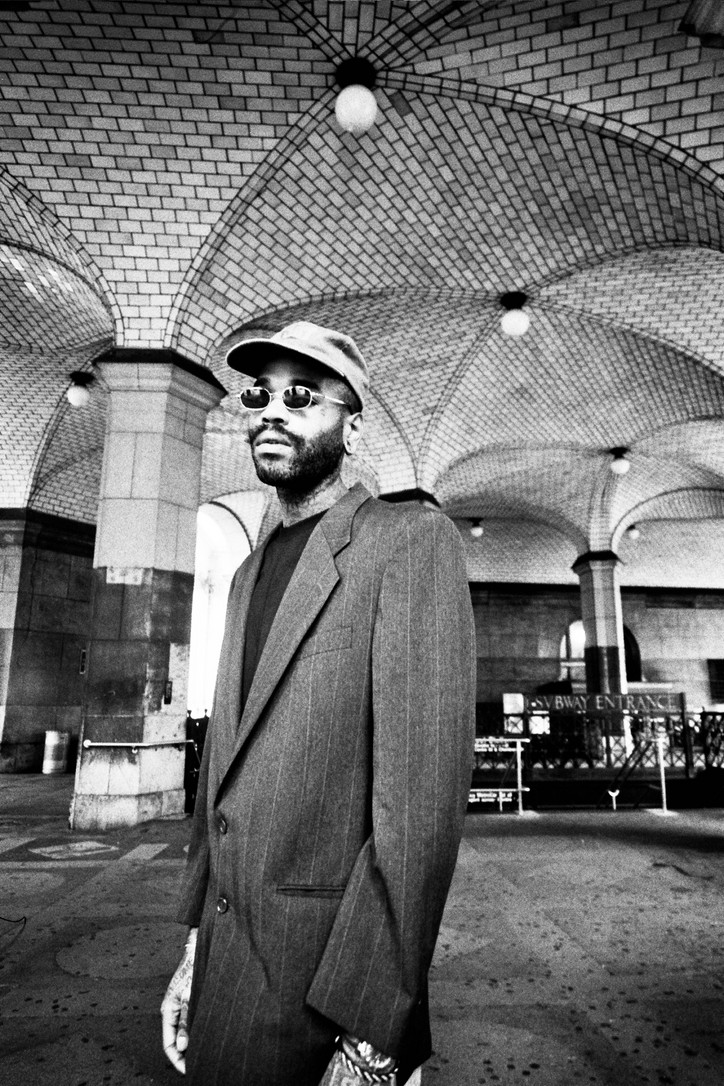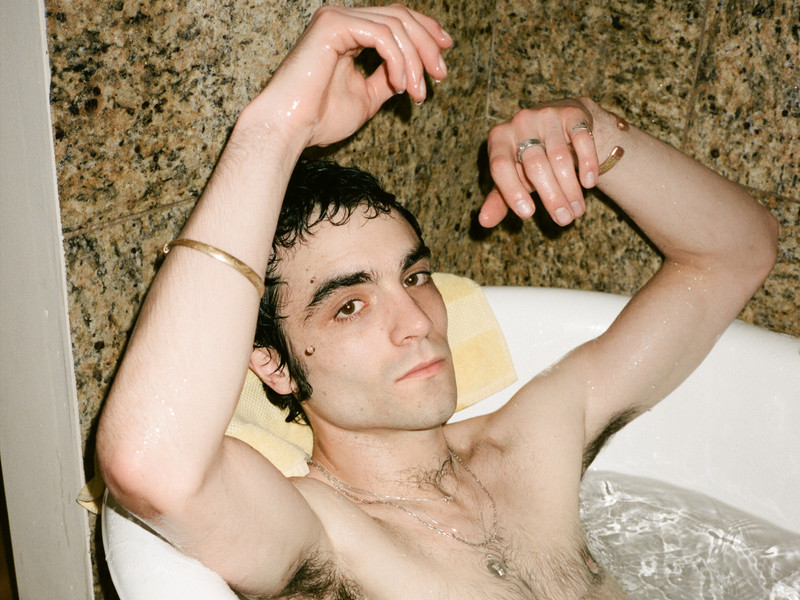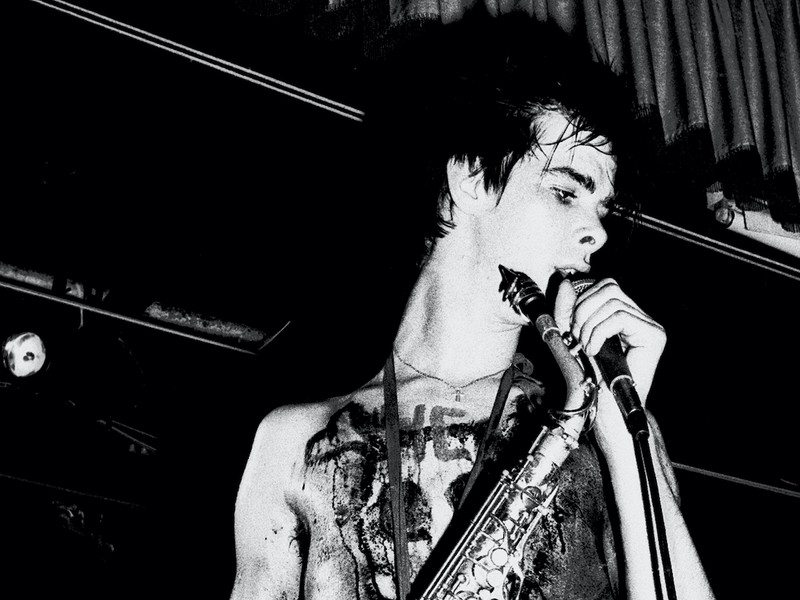

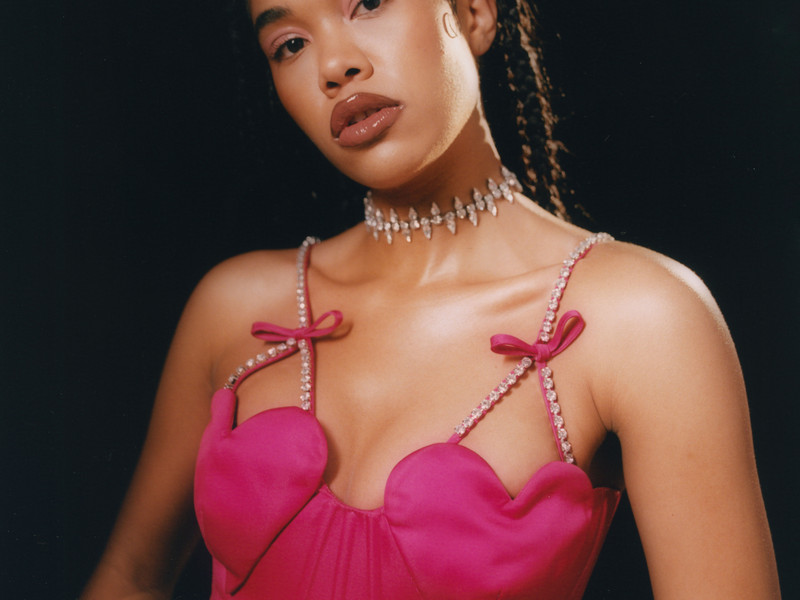

But of course, attainment of this caliber by no means happens over night, as the musician humbly notes. From classical training to playing in various bands, including LA scuzz rockers, Cherry Glazerr, and teaching music scoring for films and commercials, you name a musically-involved vocation and SASAMI has been there, done that—and did not forget the lessons that each phase of life taught her along the way.
With the recent release of two new singles, SASAMI is dead-focused on the making of her debut album, set to drop sometime early next year. office had to pleasure of catching up with the musician and picked her brain about her journey, micro pigs and learning to compromise.
I know you just released “Not the Time” and “Callous,” and that was your first solo venture since Cherry Glazerr. So, can you tell me a little about the creative thought that went into these pieces, and the ideas you wanted to communicate to your audience?
Well, “Not the Time” and “Callous” are two pieces that I’ve been working on for the last two years. Since I’ve been off tour, I’ve been working on songs, so they’re not necessarily two of the most recent songs—more like two pieces within an entire record. They were just the two that I was most excited to put out.
You’ve said that “Not the Time” was about those unsent messages—those drafts that you write but never send to the intended person.
It’s funny because I’ve been making music for such a long time—I studied classical music and I’ve been playing in bands for years and years and years—but this the first time that I really had an urgency to write songs with lyrics. So, this record came from a place of needing to do it. I wasn’t like, ‘I’m gonna make a record!’—I was just in Leeds or some random place at the time and just had to write. That’s where it came from.
How has your experience and interdisciplinary musical education informed your creative process or the cultivation of your sound?
I think it’s just inevitable that your education in any area affects you all the time, just because it becomes part of you. In a lot of ways, my musicianship is informed by my rejection of my schooling, my classical training. Being obsessed with My Bloody Valentine and Gang of Four, and angular guitar music, and super noisy guitar music is a rejection of really clean classical music. But I’m sure my arrangements and songs are informed by my knowledge of music theory and voice leading and shit like that.
How do you determine when a song is finished, or when an album is complete?
Songs, when you record them, are really not super different from the demos, and demos are pretty much made in a day or two. This whole record was definitely made on impulse. There are some decisions that were changed in the studio on a couple songs, but I would say for 80 percent of the songs, the demos are really similar to the finished product. I tried really hard to keep everything as stream-of-consciousness as much as possible. And then with a record, after a certain point, I’m ten minutes over how long you can even put on vinyl, so I tell myself I should probably stop.