BLOCKBUSTER
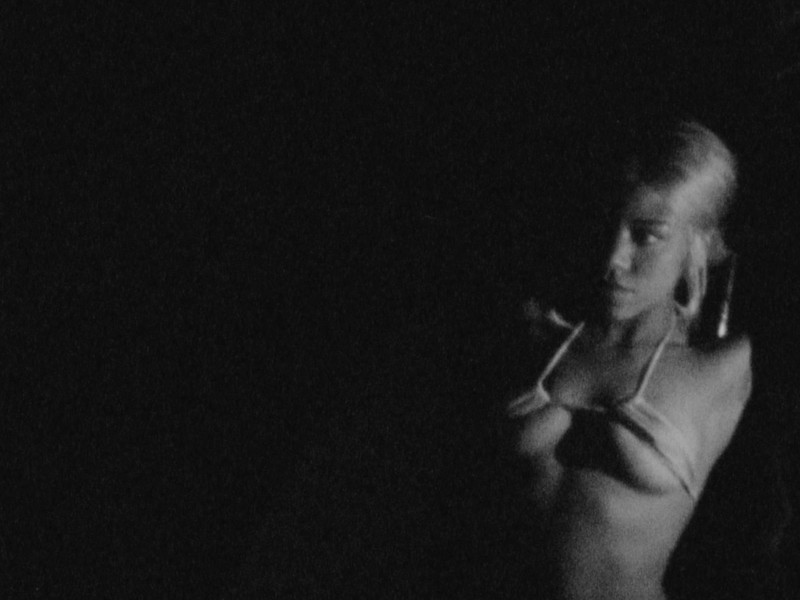
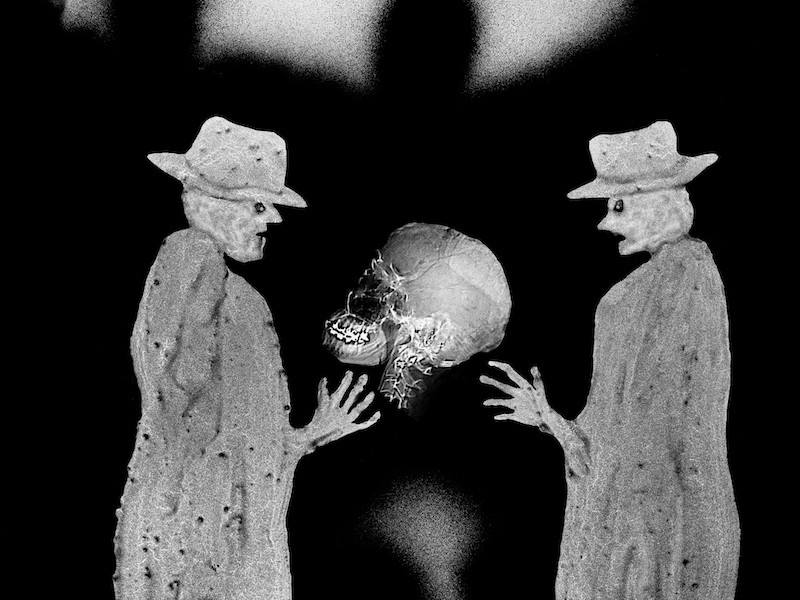
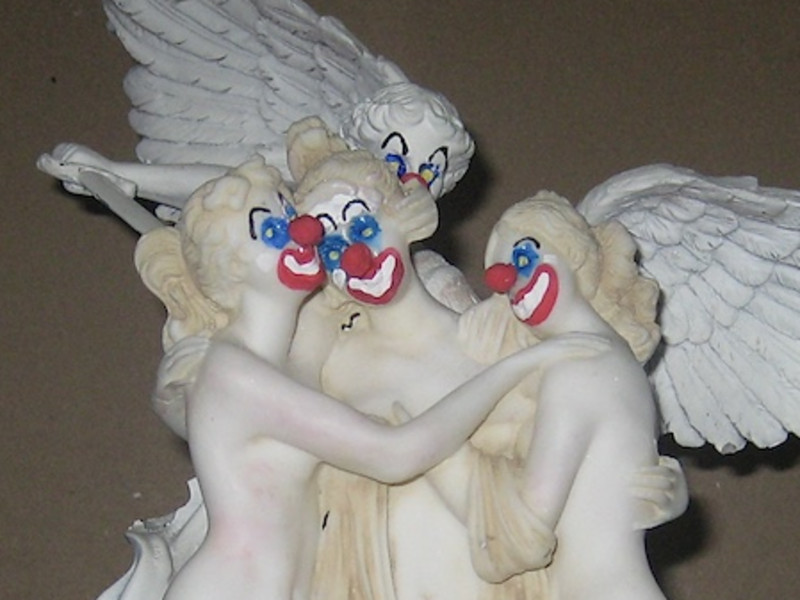
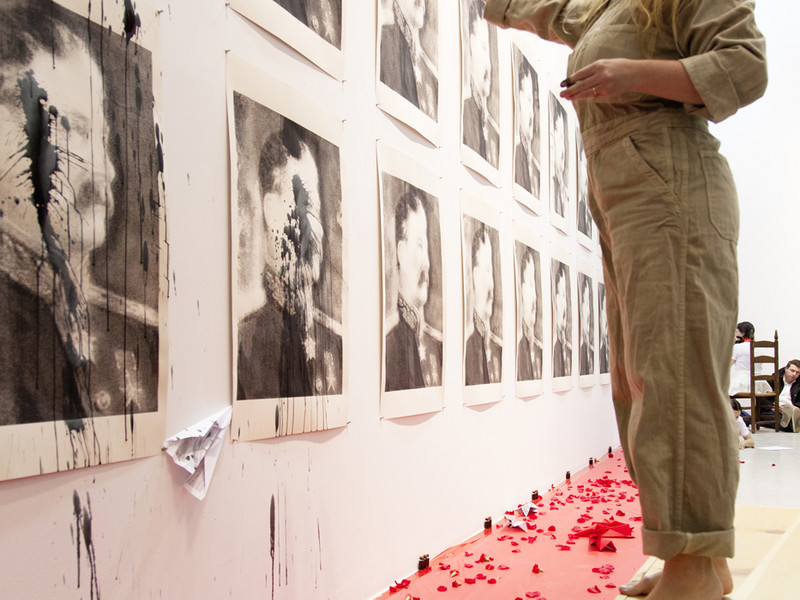
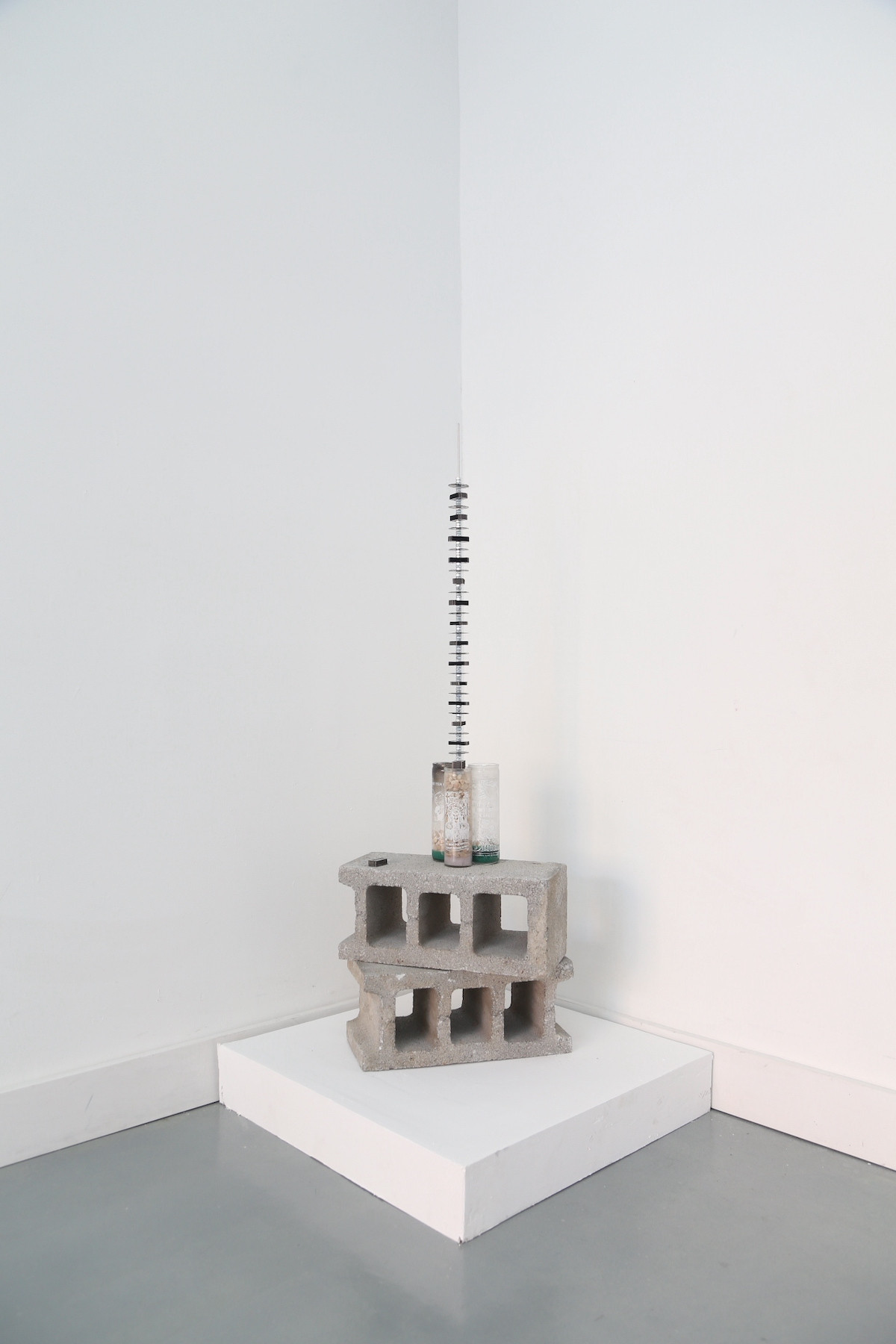
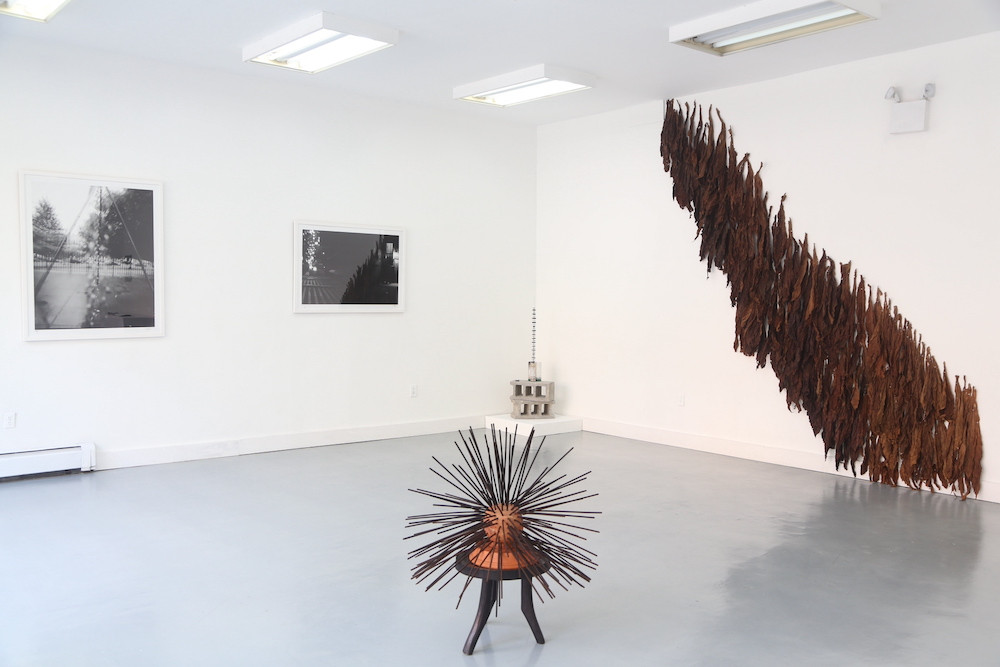
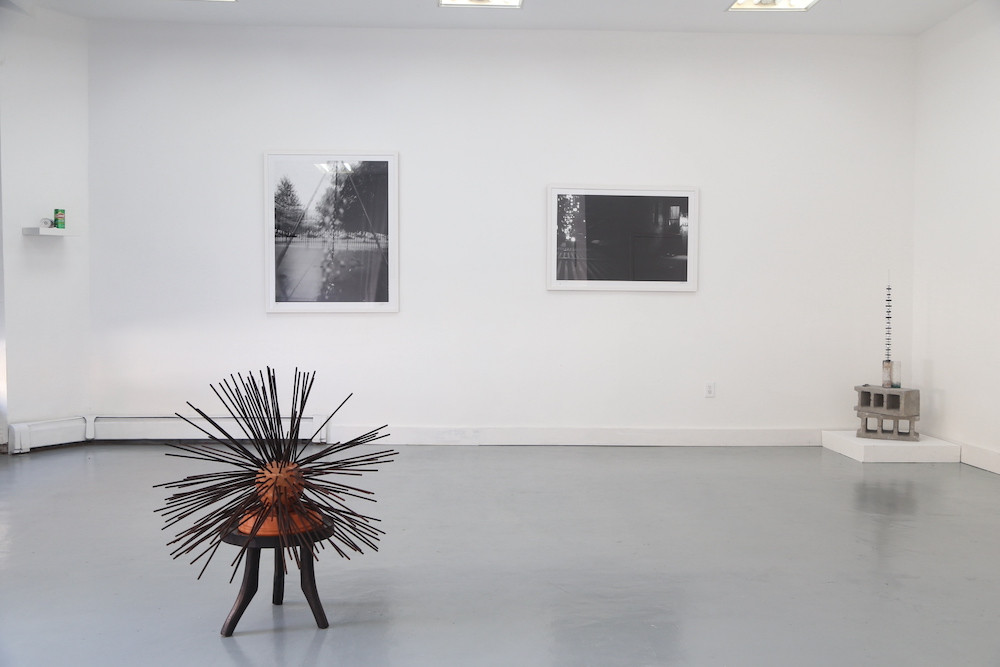
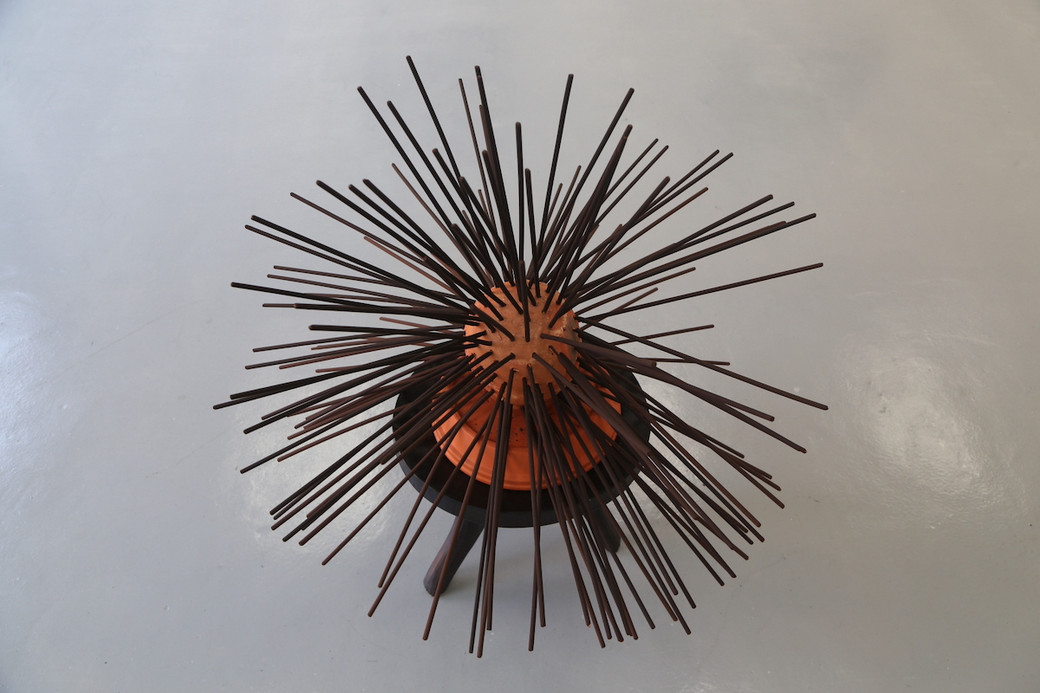
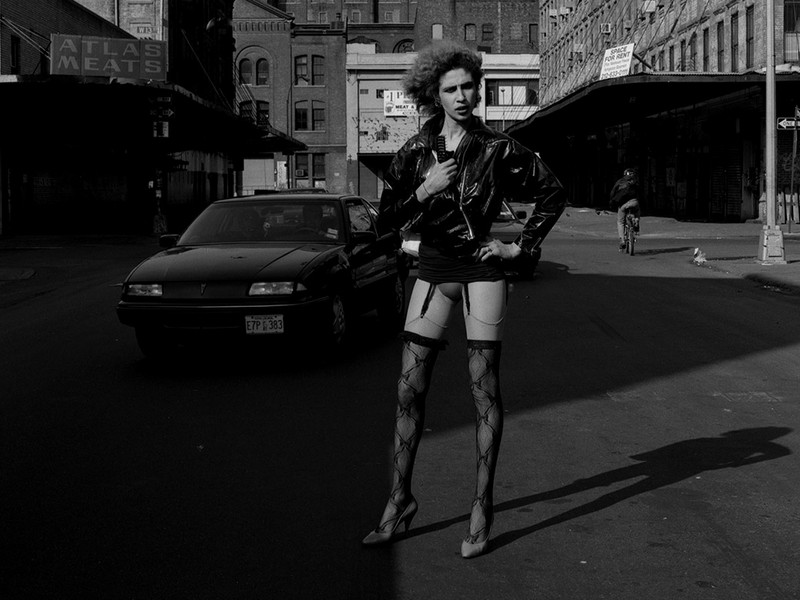
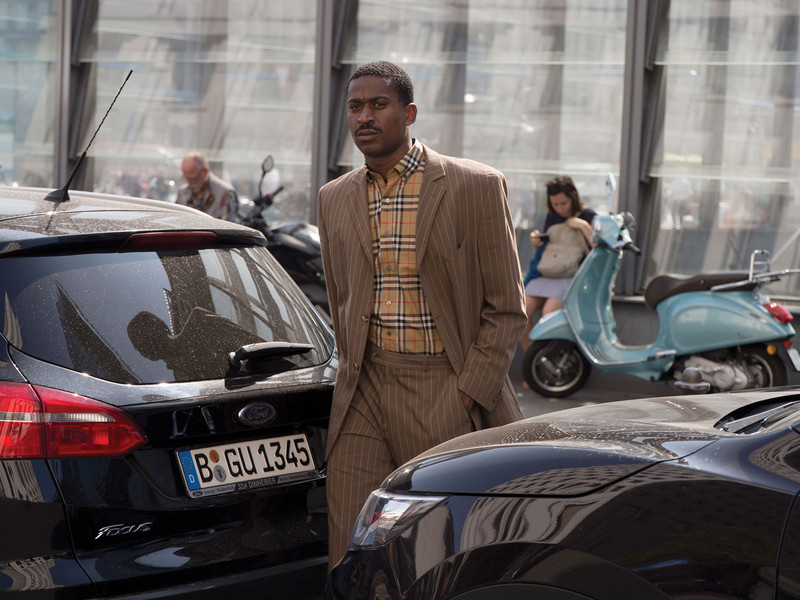
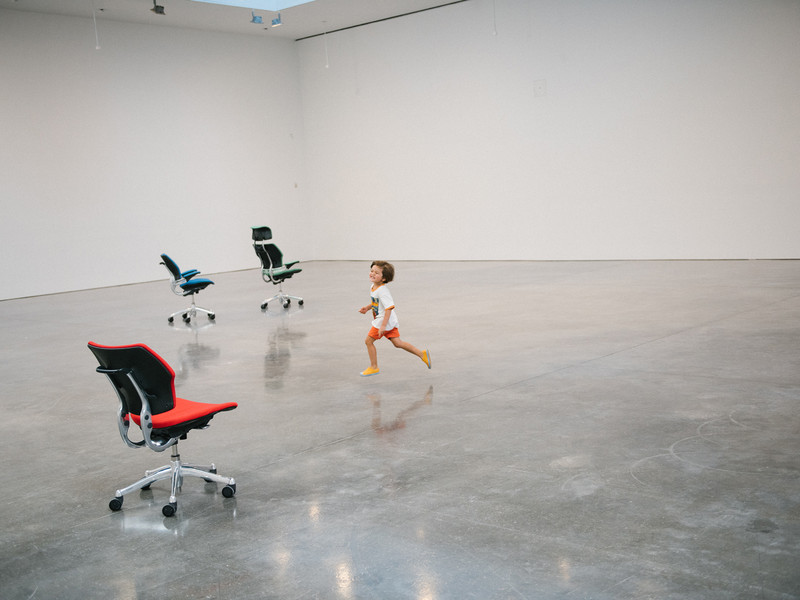
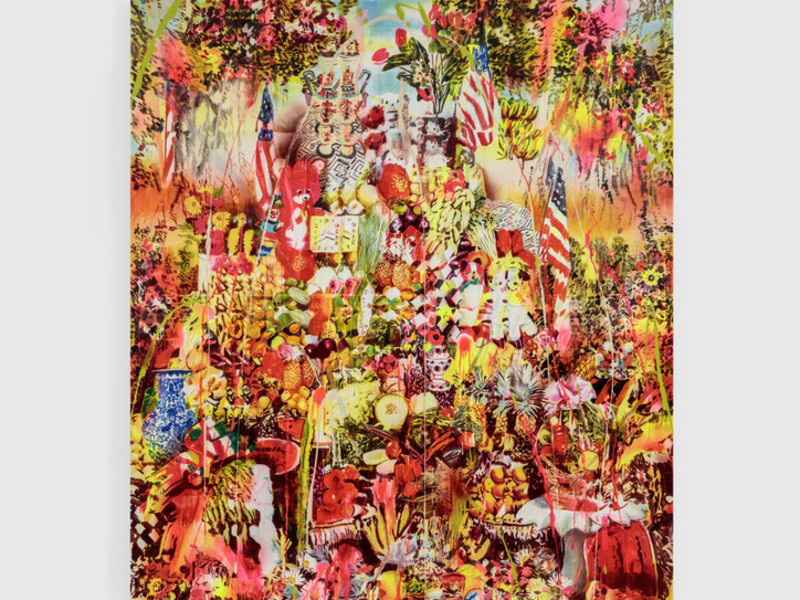
Be kind, rewind—and peep some of Korine’s pieces, below.
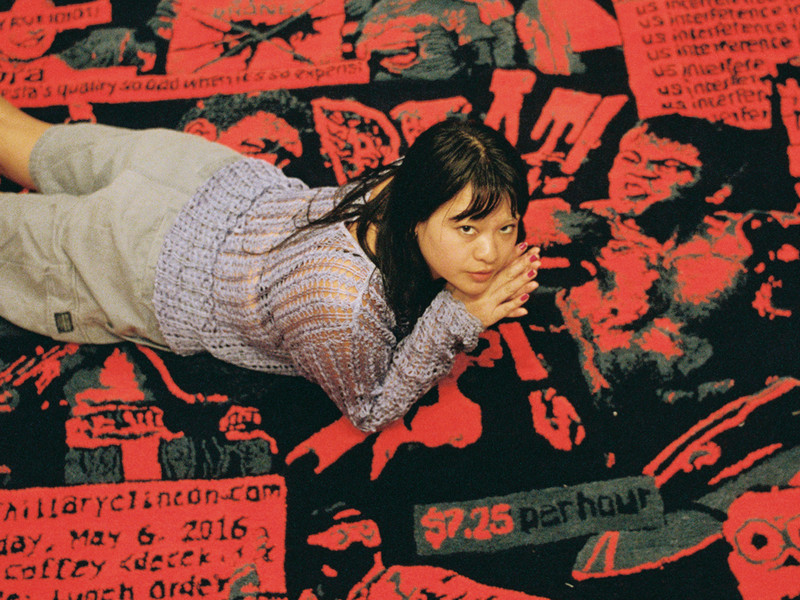
'BLOCKBUSTER' is open now until October 20, at Gagosian in NYC.
Lead photo by Sam Hayes; art photos by Rob McKeever; all courtesy of Gagosian.
Stay informed on our latest news!

Be kind, rewind—and peep some of Korine’s pieces, below.
'BLOCKBUSTER' is open now until October 20, at Gagosian in NYC.
Lead photo by Sam Hayes; art photos by Rob McKeever; all courtesy of Gagosian.

Louise Borchers—Tell me about blue.
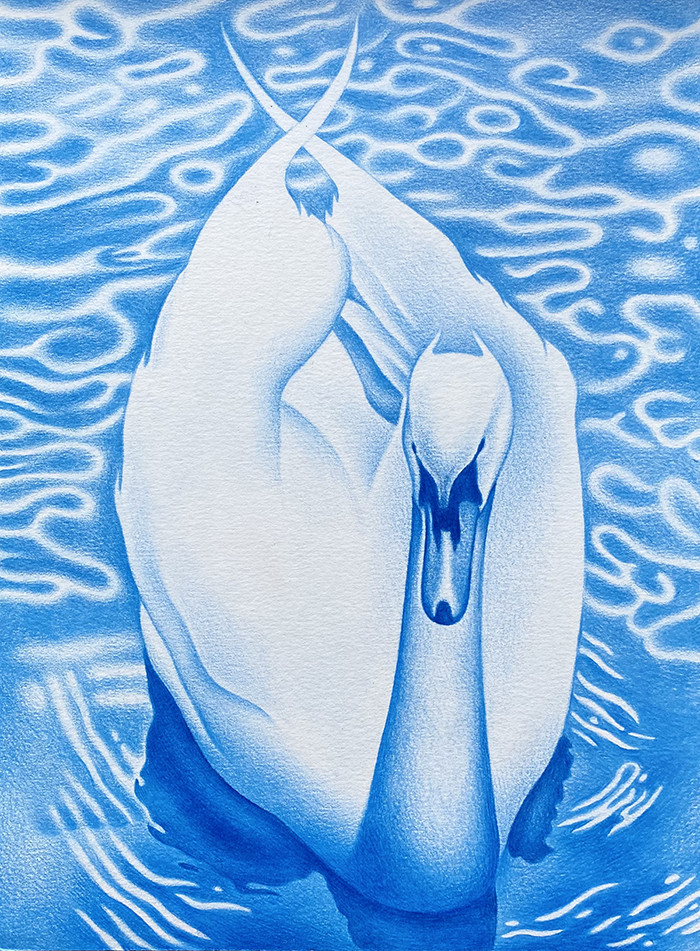
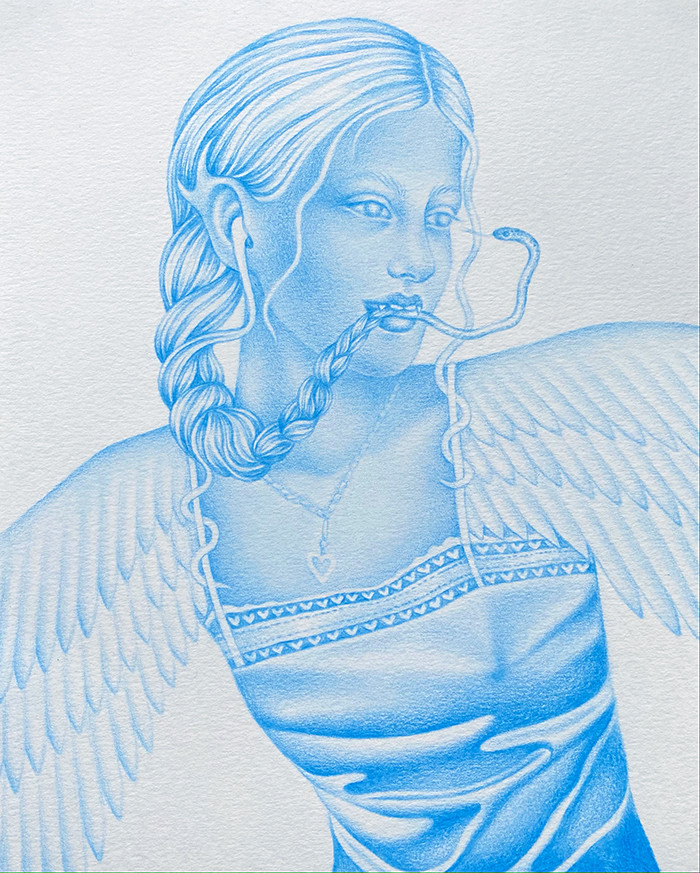
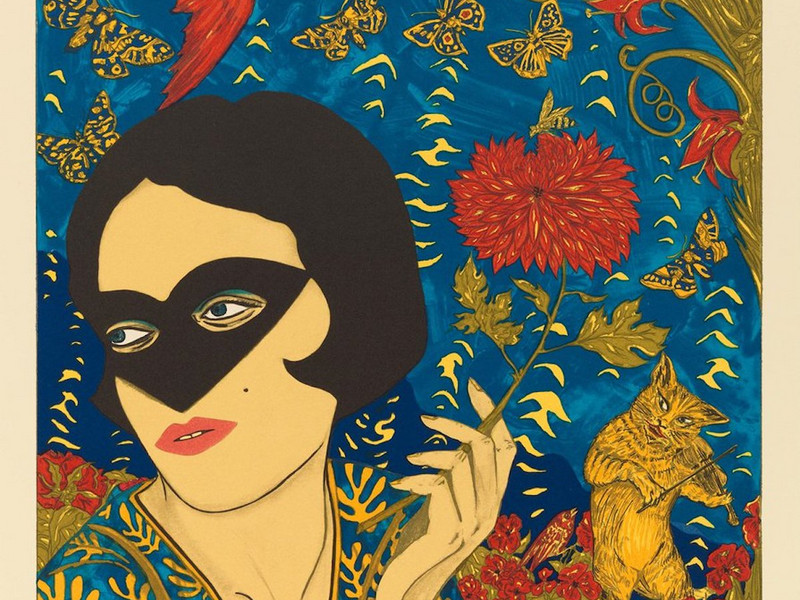
Signe Ralkov—(laughs) uhm, I see my drawing as a sort of development of images. There’s this photographic printing process called cyanotype, that creates cyan-blue prints using sunlight and chemicals. And I guess I relate to that chemistry, whatever compounds my body is made out of. That the images I consume all the time, run through me, and become tainted by this substance.
LB—What about the motifs in your drawings, where do they come from?
SR—A lot of them are images I’ve taken myself, images taken on my phone and so on, but not necessarily with the intention of turning them into drawings. I use images that date back to when I was a child. Finding stuff from years ago and making drawings of them now makes them part of a circuit. Like time is dissolved.
LB—Tell us a bit about your exhibition Shedding Season, how does that relate to your perception of time?
SR—Well, that maybe time isn’t as linear as we think. That there are just different stages throughout the time we experience. Time doesn’t stop when shedding one skin. You move from one stage to another, from child- to adulthood,
LB—and then at some point you return to childhood?
SR—Yes, exactly!
I still have the shedded skin from a snake I had when I was a teenager. Humans don’t have something physical, like a full shedded skin, that tells the story of our growth, our changes, but this shedded snake skin is an image of that change. And even though it’s gone now its skin lingers with the living.


LB—Where do you keep the skin?
SR—My good friend saved the skin from her pet snake and had it framed really nicely, but I actually just have it in a bag boxed under my bed. (laughs)
LB—And maybe you’ll return to using it in your work?
SR—yeah, maybe, it would make sense. Like a snake biting its own tail, the symbol of the ouroboros representing infinity and life cycles, shedding again and again and again.
LB—When was the last time you shed a skin? If you feel like you did...
SR—Hmmmm. Summer 2019 I think… It’s something I try to mentally prepare myself for as something that can always happen again, will happen, almost! To me, going through these depressed periods in life, that’s part of living. It can be all different kinds of events in your life. A relationship ending, or beginning…it always allows for you to see yourself in a different light. But also going through illness, minor or more severe, you can come out on the other side, resurrected, with new perspectives.
LB—So change can involve pain, or it can be painful in some way… to be blue, sad.. Does your blue relate to being blue…?
SR—yeah in some way, but blue is also uplifting to me! I relate it to happiness and fantasy too!
LB—So you transform the sad through blue!
SR—Yes! Owning the blues! Haha
LB—Thank you, a title for this interview! So, you go back in time a lot for inspiration in your work, what about the future?
SR—I don’t know, I very much live in the moment I think. Maybe when I go back 25 years from now I’ll realize that a motif I’ve drawn is actually myself. A human morphed with an animal or something, and then I’ll be like, “oh, that’s actually me!”
LB—Do you do self portraits?
SR—I use myself in some drawings, or parts of my body…
LB—Do you use yourself in your work in other ways?
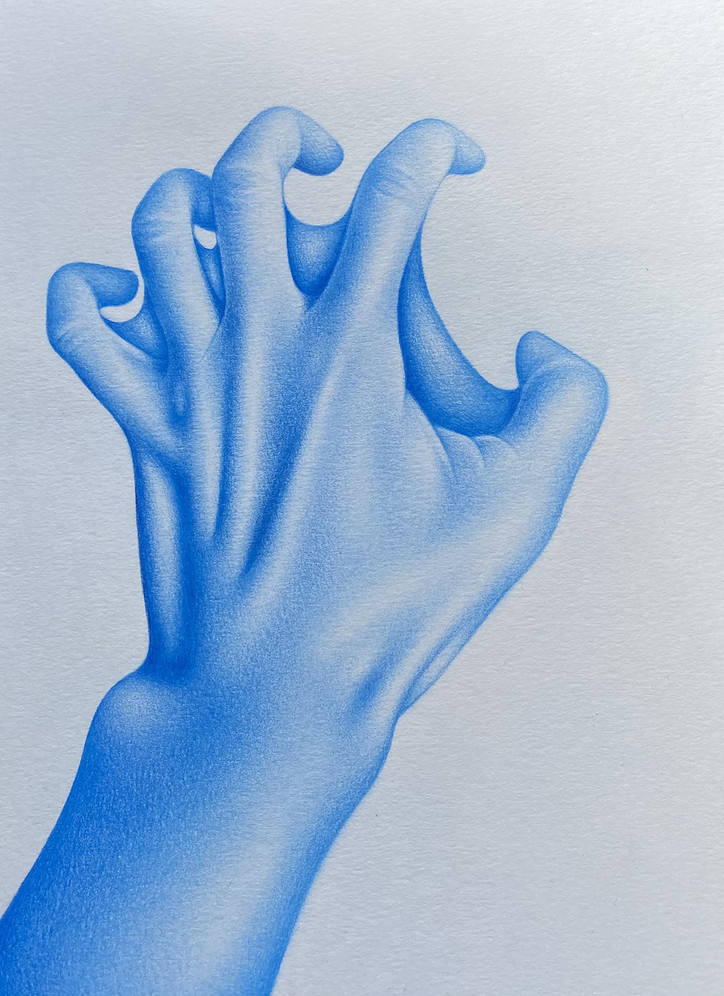
SR—I like building universes, mixing real life with my drawings, and creating stories. With the thorns on my hands I imagine a new body, a new way of looking at your body. Outgrowths.

LB—So, you wish you had thorns growing out of your skin?
SR—If they were soft and didn’t hurt people when you hugged yeah! Implants maybe… A thorn human.
LB—If you didn’t draw?
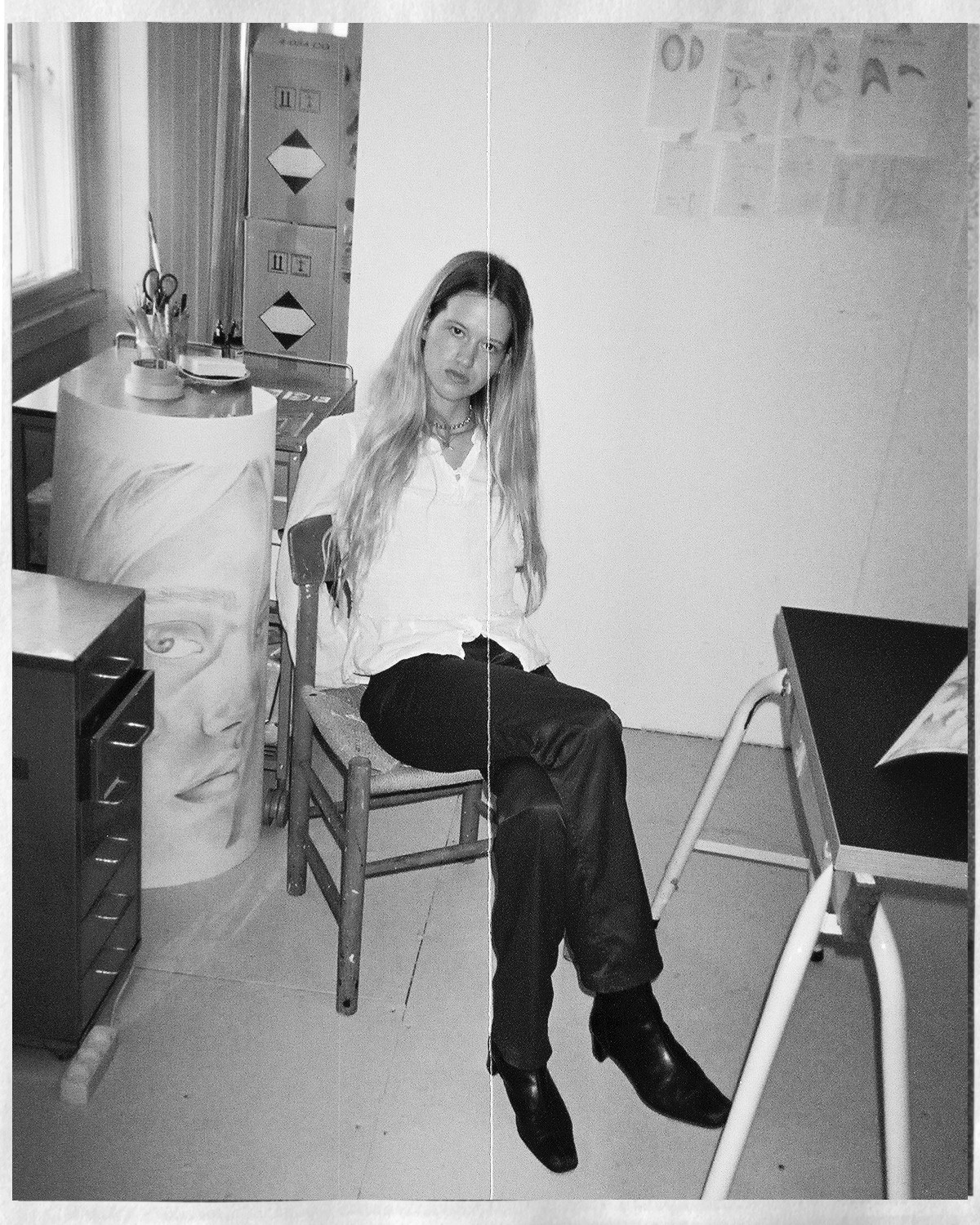
SR—I can’t imagine that! I’ve been drawing my entire life. To me drawing also means to be alone. Having a space that’s mine, where I can process my impressions, recharge. That’s what it’s always been to me. Now, it’s turning into something else as it’s also becoming work. So it’s adding another layer to it.
LB—So how is it for you turning this private practice into something shared with an audience? You had your first solo at Gallery Steinsland Berliner this past fall… !
SR—Good! I don’t think I’m that private after all! I just appreciate being able to share my experience of this process with other people through an exhibition.
LB—Any idols or role models?
SR—I really love Oda Iselin’s work. She’s a young artist from Norway, whose work I think is really mesmerizing. She explores folklore, mythology and such which I’m also really interested in. Her watercolor paintings are otherworldly.


LB—What's your ideal workspace?
SR— It’s big! With space for drawing, of course, but also cosy, there’s not really much space for that at my school studio. Maybe, the ultimate dream would be to have a studio in the forest! A cabin by a lake.
LB—with blue water?
SR—Yes!
LB—Will you use other colors than blue?
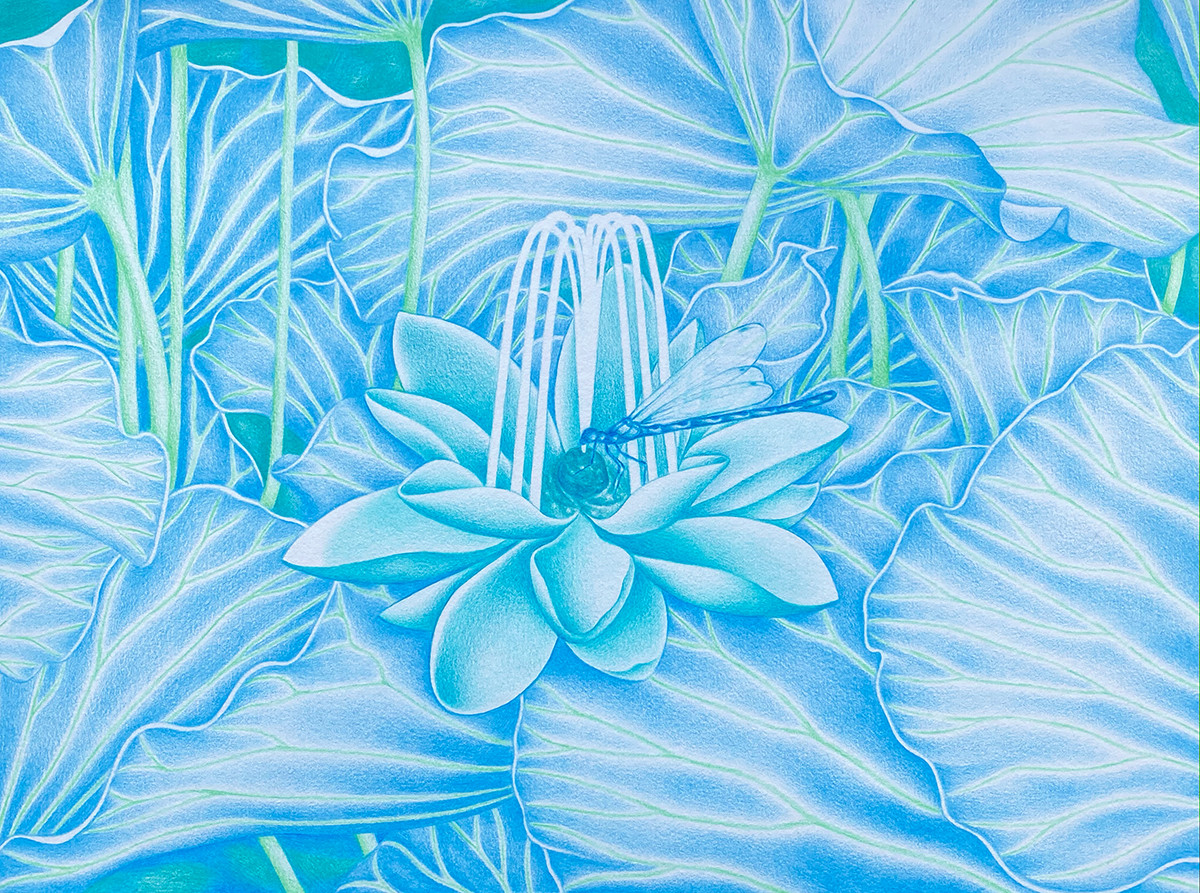
SR—mmmh… I’ve started using red! And I actually use green within the blue as well now. So I’m in a transitioning phase…
LB—A metamorphosis?
SR— yes :)
LB—The future?
SR—Would love to exhibit in New York someday! Or in a different setting, by a lake like I did with a friend last year. The only ones besides us that interacted with the artworks were the dragonflies that mated on them.

I am bouyed by the urgency to which Mar is making and maintaining space for the Black and Brown community. He is critical, driven, mindful, animated. And is as much an educator as he is a visual artist. You know, one of those — the kind that is cool, yet maintains a necessary competitive edge to him and is naturally curious when it comes to materials. Always wrestling with how to best employ techniques to engage and interact with others, his work aims to unify us. To build a community and practice that prioritizes resistance over violence, he draws inspiration from musicians and artists alike, including David Hammonds, Pope L, Nas, and then Coltrane, Thelonius Monk, and Amiri Baraka.


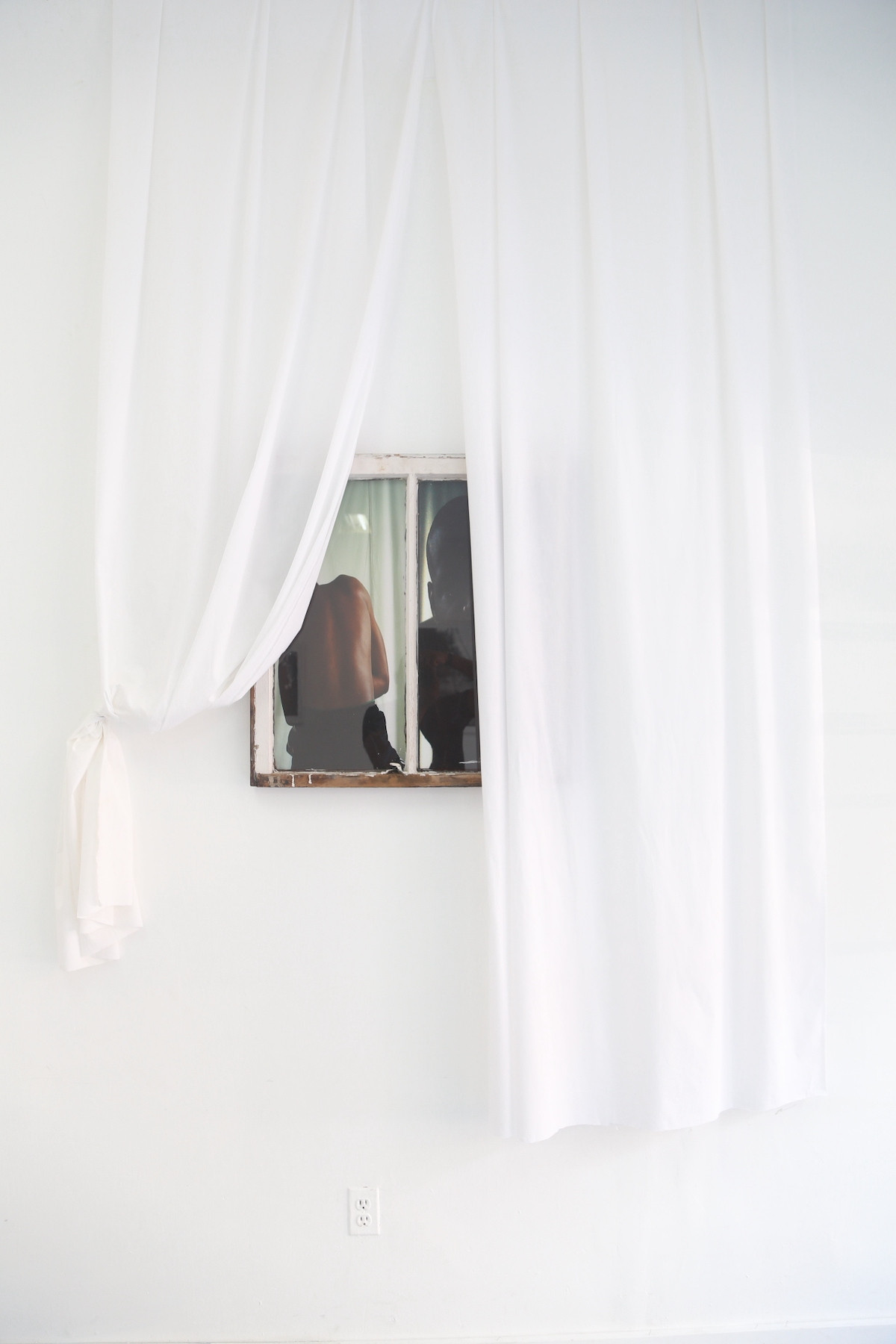
After catching up with Mar on the tail end of his most recent collection of work Soliloquy at Bed-Stuy Art House, his work instills a sense of pride — the sort of pride that you take in and have an allegiance toward. He is first and foremost an arist "of and for us" and it shows. The work is accessible and prioritizes community and engagement more than anything else. It’s about “putting the black body in a space with the absence of black body politics,” says Robillard. As an artist, there is a responsibility to repeatedly and consciously subvert institutions and for this Brooklyn-born artist, language is the starting point to accessibility. Even in the titling of Soliloquy (which is the first of several parts), there is a tactical choice in maintaining subversive and discursive language that is non-alienating.
If Soliloquy is “an act of speaking one's thoughts aloud when by oneself or regardless of any hearers, especially by a character in a play” this work embodies that. That being a physical assertion of space to express his thoughts where second and third parts to this will be other iterations of this Soliloquy— via audiovisual media (ie: NFT) and book releases this act of insurgence is neither temporal nor complete but rather an ongoing living tactile experience to hold and to carry.
Check out his ongoing work here

“I developed ADF from the perspective of someone who is just encountering Greece,” explains Papanikolopoulos, who relocated from Los Angeles to Athens during the pandemic and quickly felt the urge to increase the visibility of the city’s design scene. “It’s an accessible way for people to get in touch not only with local designers but also more generally with experiences that had been held private for a very long time.”
Indeed a very private experience was a visit to Dinoisis Sotovikis’ home and workshop, located in a fascinating building of Greek modernist architect Aristomenis Provelengios from the 1950s. Designer and architect Sotovikis cleverly preserved the house in its original appearance and extended it via an unexpected connection to the neighboring building, accessible through a hidden door in his sleeping room. Throughout the house are repeating juxtapositions of past and present as well as of finished and unfinished. “For me, architecture is about time more than space, it’s about creating a connection between the past and the future,” Sotovikis explains, while his visitors are literally experiencing the passage of time through a space full of surprises.


Located in the outskirts of Athens, Vorres Museum, dedicated to contemporary Greek art and folk art showcased Part of something, an ongoing project by architectural design practice KN Group and artist-designer Stamos Michael. The site-specific environment calls upon ecologies of the local, traditional, and personal - providing an occasion to contemplate in a nature-embracing space.
At Carwan Gallery, in Athens’ port neighbourhood of Piraeus, was Volax by the greek design duo Objects of Common Interest. The name refers to a small village on the Cycladic island of Tinos, surrounded by round rocks which seem to be out of this world. Similarly, the seven functional objects made of wood and acrylic have an aura of a very elegant space opera.
An abandoned factory in the remote neighborhood of Moschato was the venue of two exhibitions. Units of Infrastructure brought together contemporary artists melding design principles in modular art forms. Among them were Zoë Paul’s, whose painted fireplace tiles breathed a new vitality when seen displaced from their functional role; Kleopatra Tsali’s hand-casted and fired melon lamps that neared the scale of totems; Elena Demetria Chantzis, who prompted viewers to question ceramic production and its place in Greek history as a tool of domestic use; Theodore Psychoyos, whose functional marble constructions stuck out with their ancient and yet contemporary appearance.


In the neighboring space, Italian designers Francesco Pace of Tellurico and Stefano Fusani of Neo standard realized their multi-day production-performance Dissonant Classicism, which deconstructed Greek stereotypes by imitating classicistic architectural forms out of styrofoam and reassembled them to stucco-coated functional sculptures.
Speaking of deconstruction: Kostas Lambridis opened up his studio in the industrial neighborhood Nea Ionia, where he creates his anarchistic and baroque-esque design-collages. Lambridis, who is represented by Carpenters Workshop Gallery, combines all kinds of materials from all over the world and all different periods of time to form them into fascinating objects that seem to contain everything at once and yet do not resemble anything else.
A highlight was the visit to the private estate of Alekos Fassianos, probably the best-known living painter in Greece, who opened his house to the public for the first time. Located in the suburban neighborhood of Papagos, Fassiano’s home and studio gives a thorough insight into the universal scope of his artistic practice: sculptural lamps, furnishings, textiles, ceramics, mosaics, and of course many of his strong and colorful paintings.
Athens Design Forum was a successful debut and according to Katerina Papanikolopoulos you can count on a very exciting Forum next year. If you plan to discover Athens' design scene yourself, take a look at Perianth, a charming boutique hotel located in the heart of the city and an excellent base for Athenian explorations of any kind.