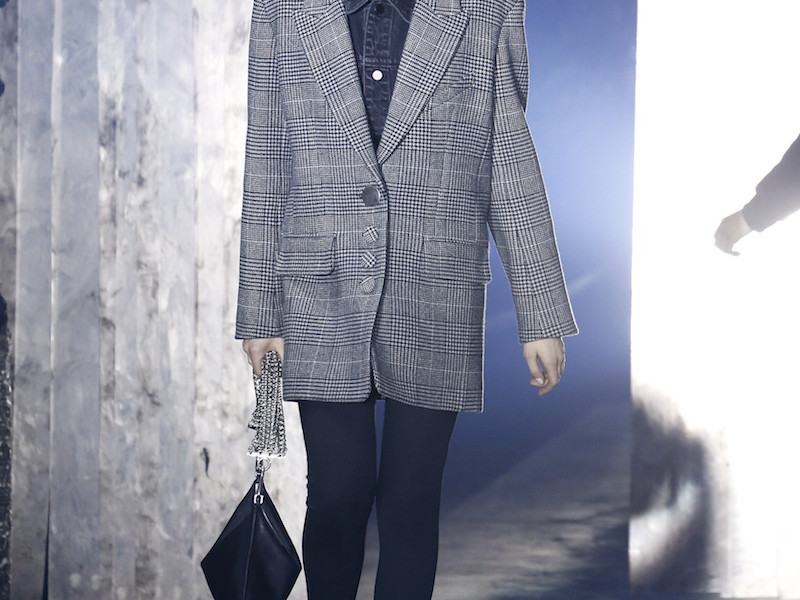
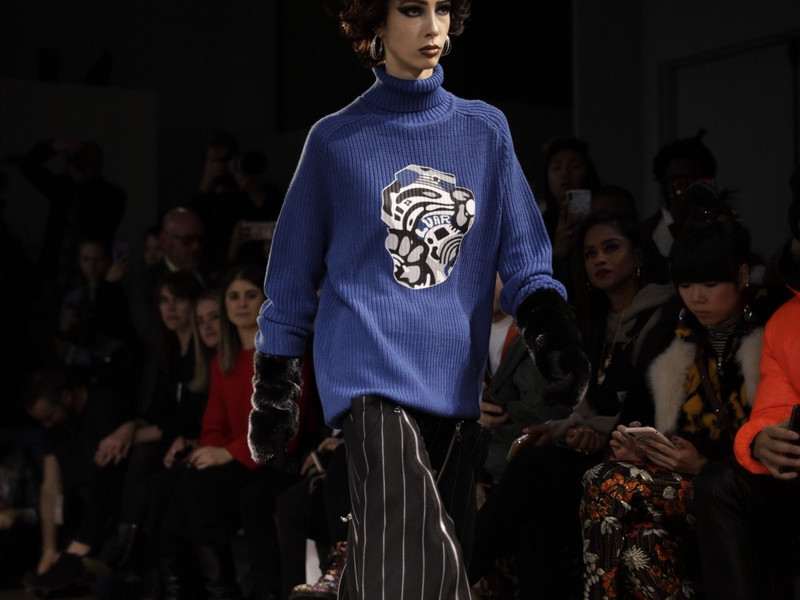
Boiling Over
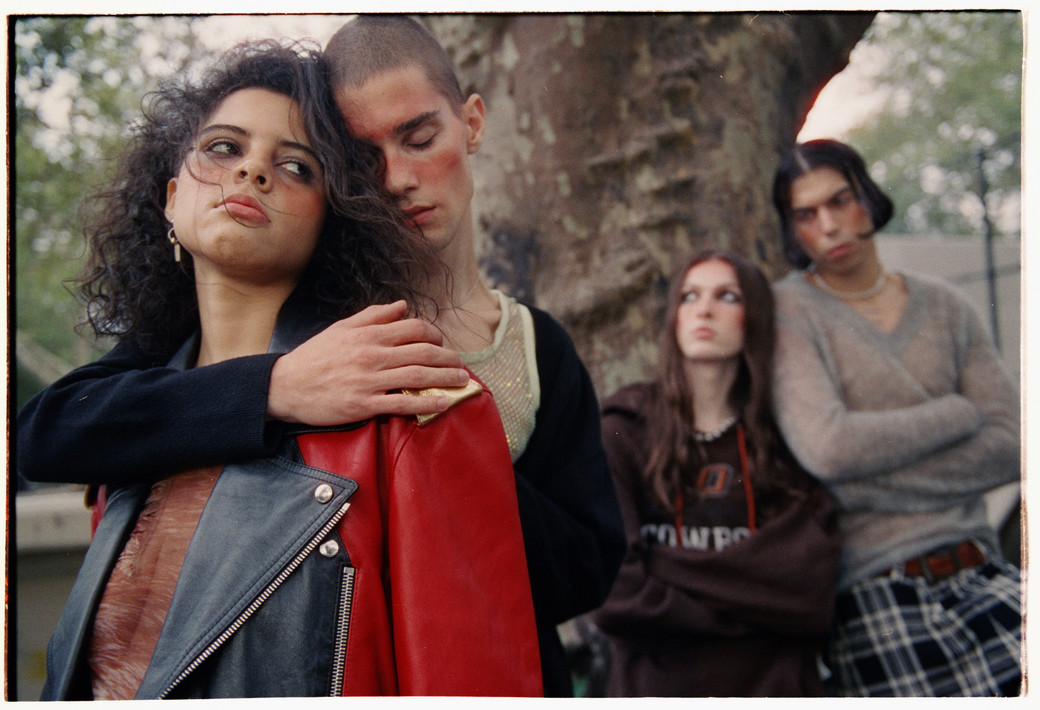
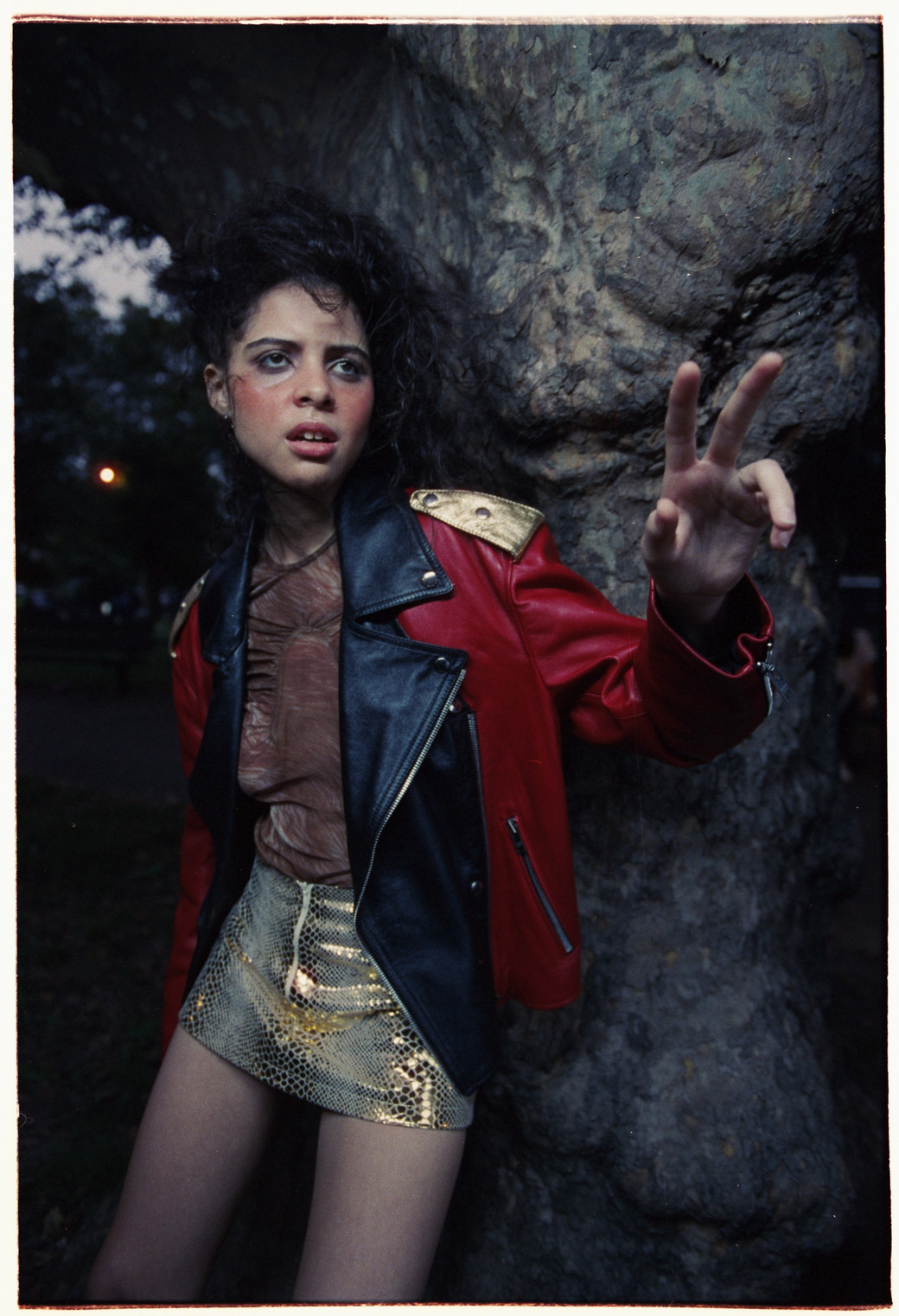
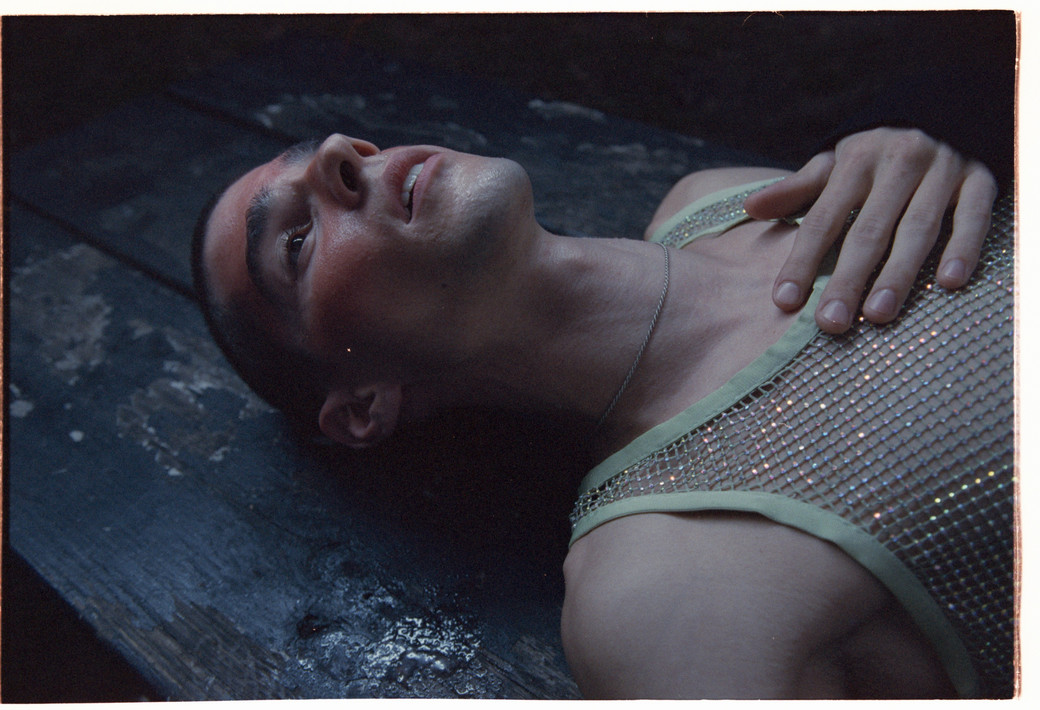
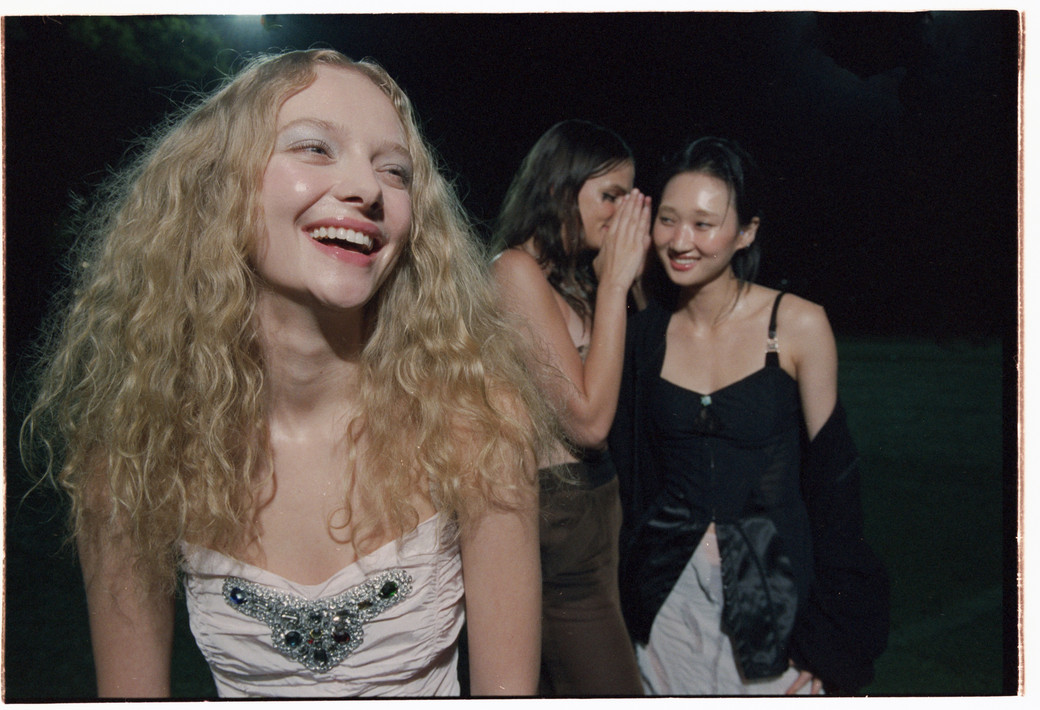
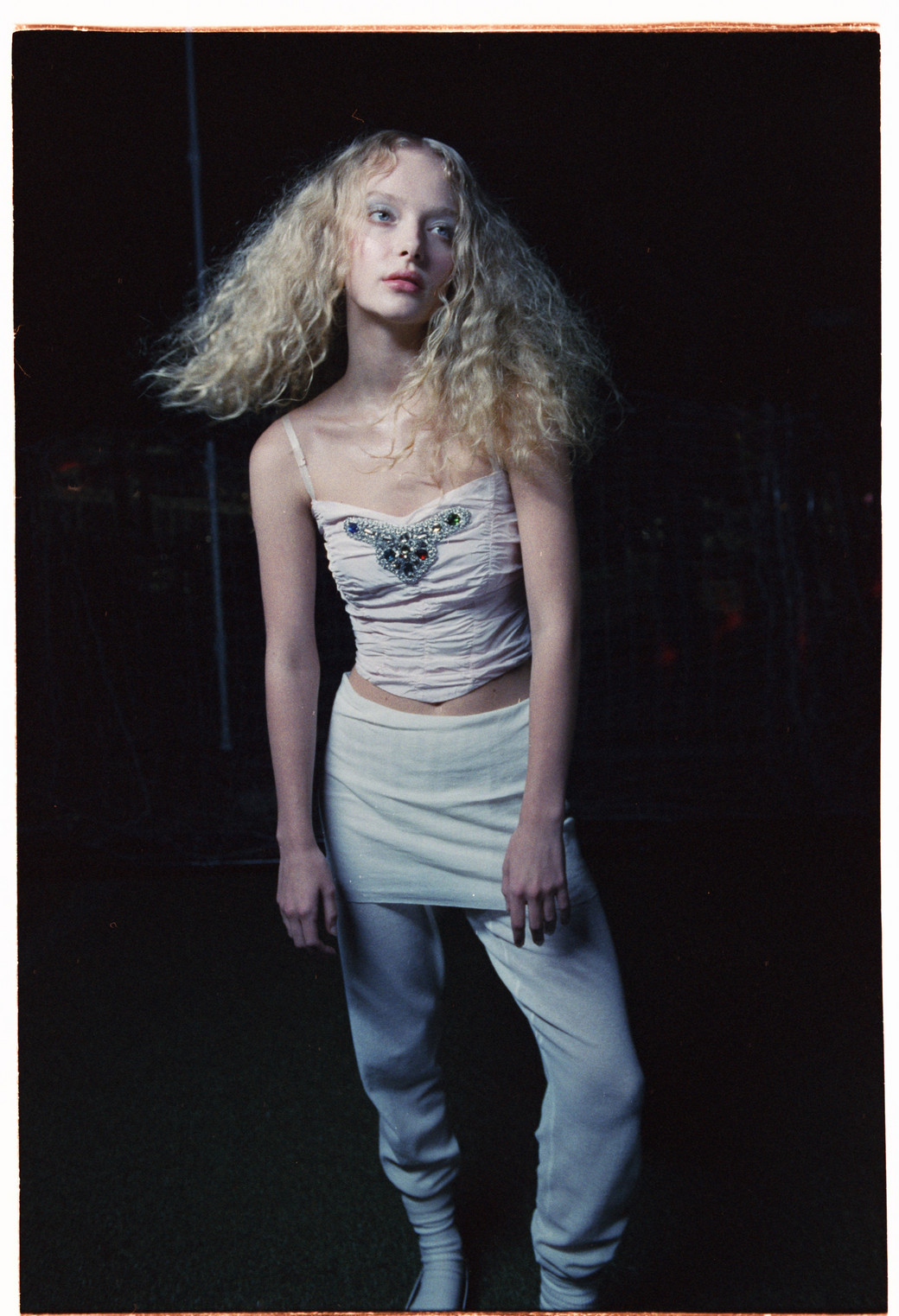
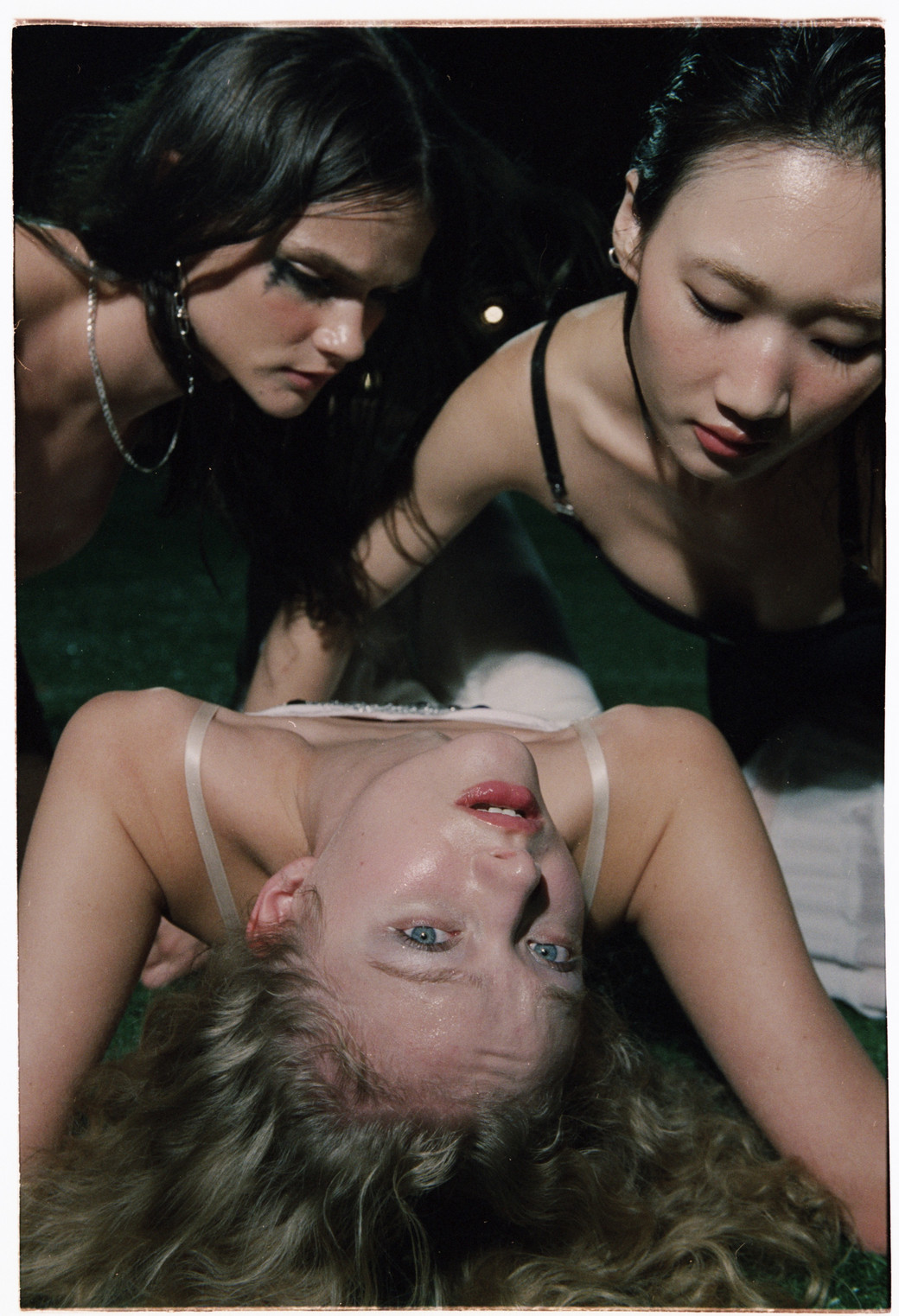
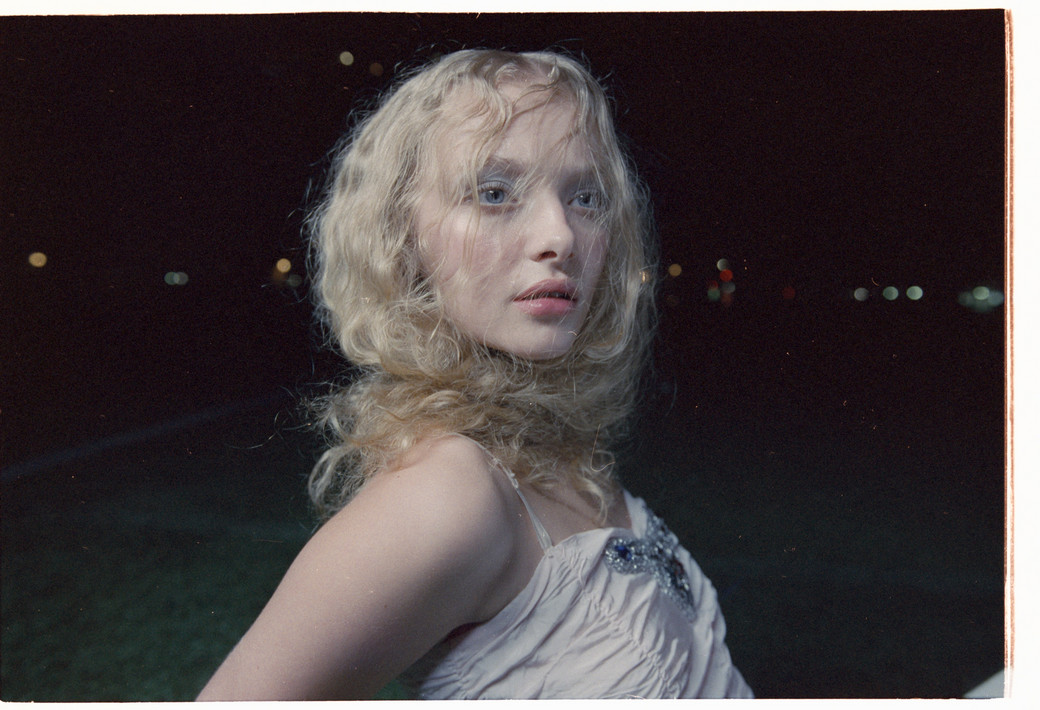
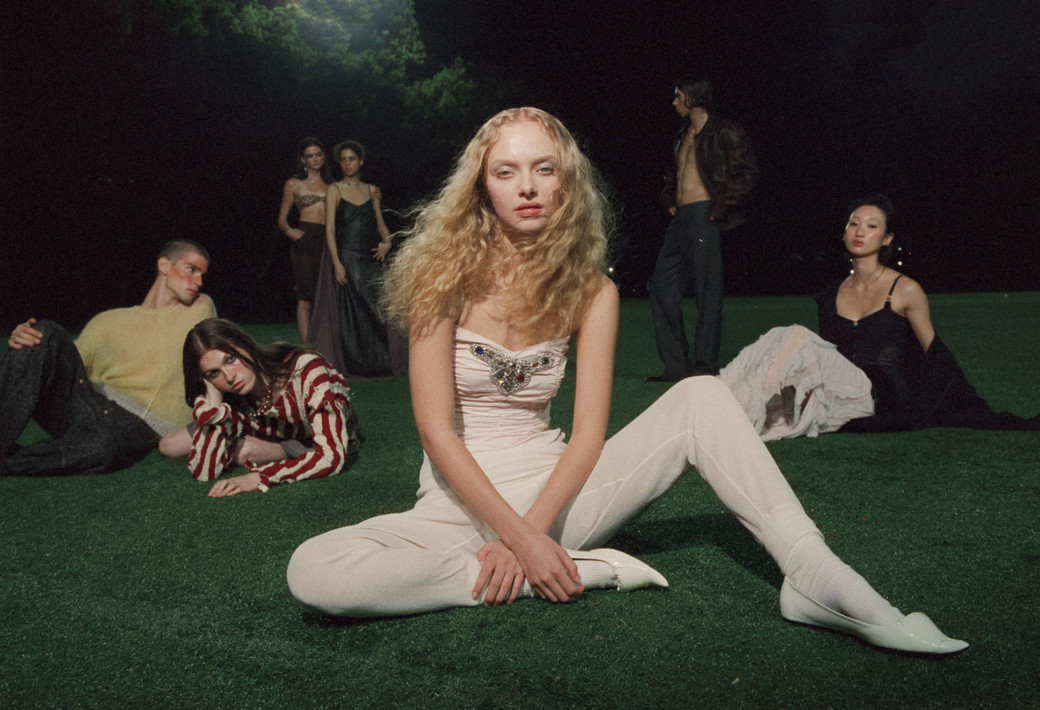
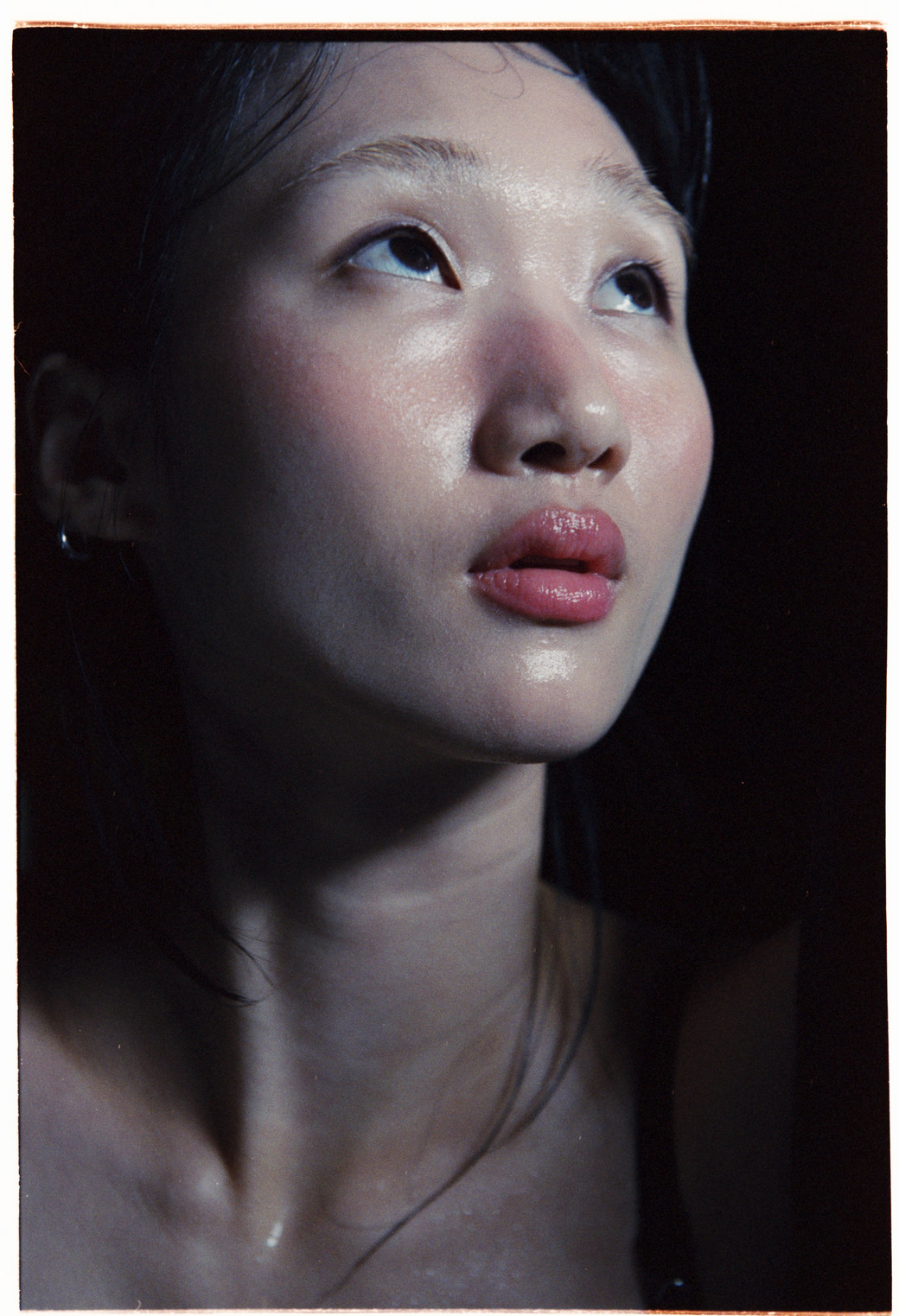
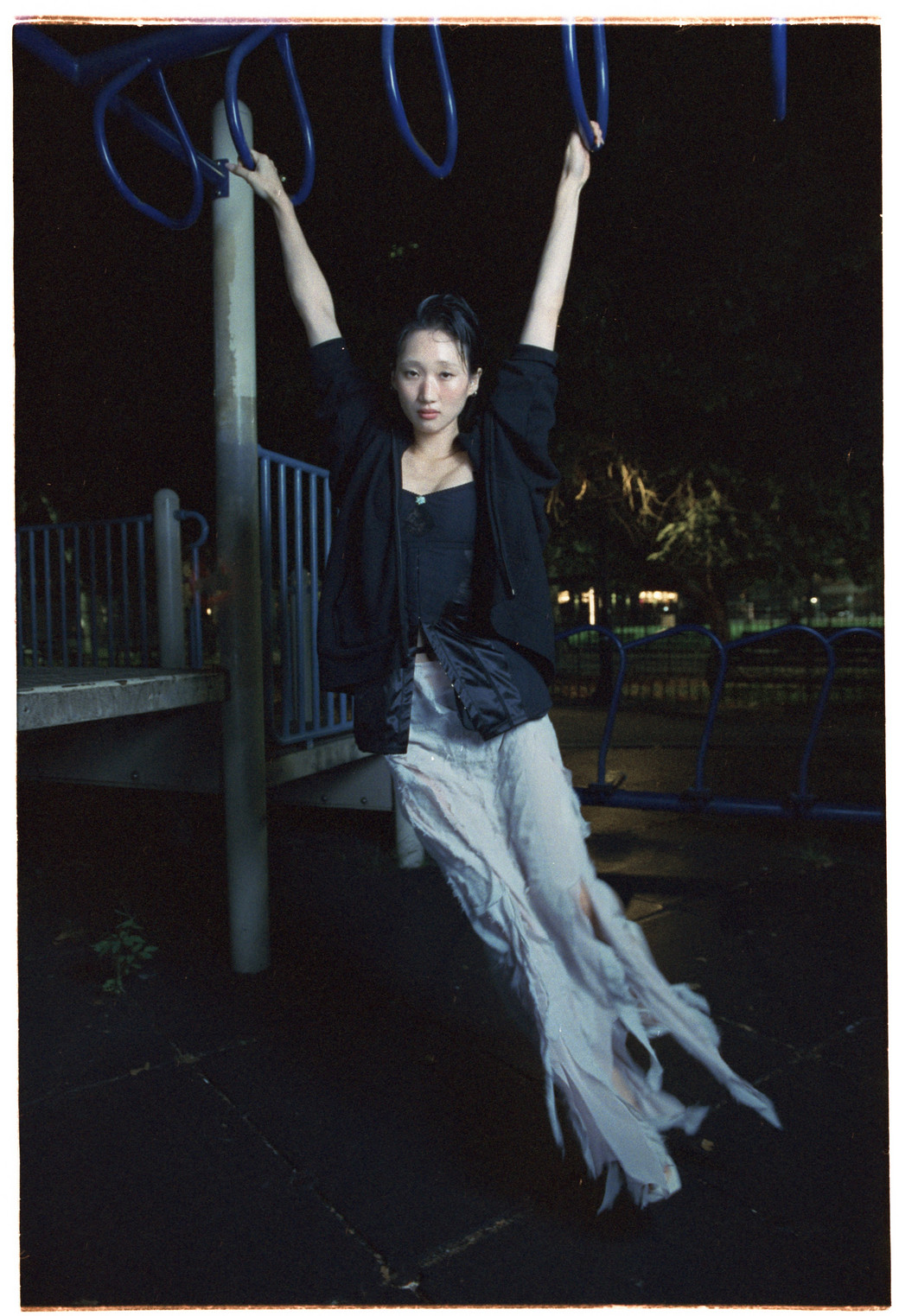
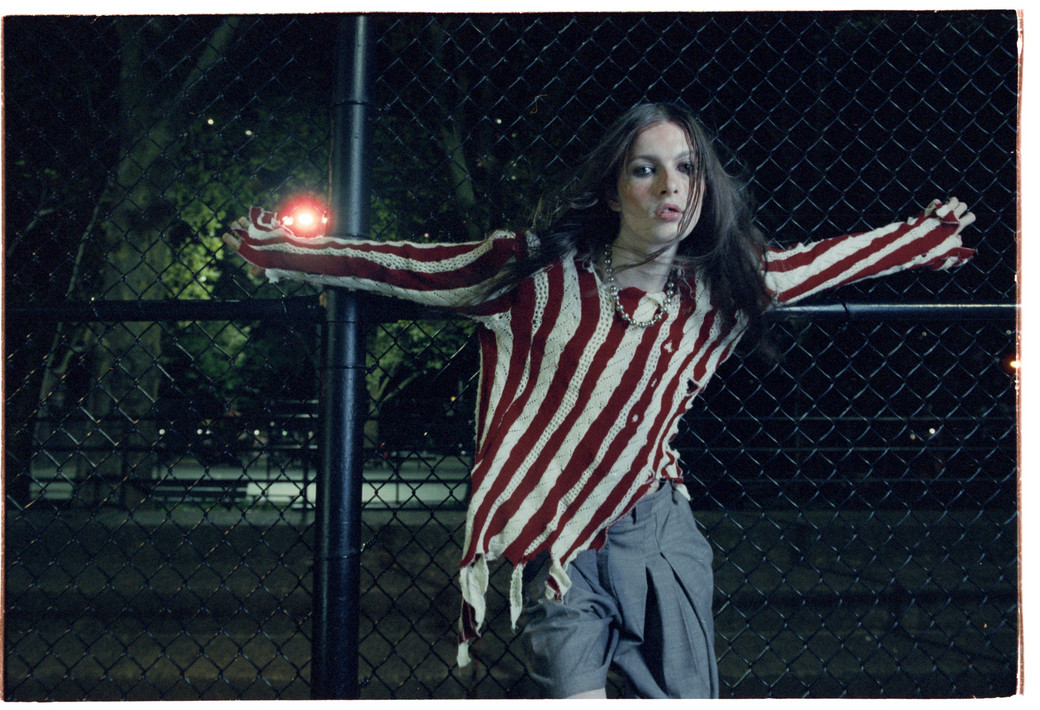
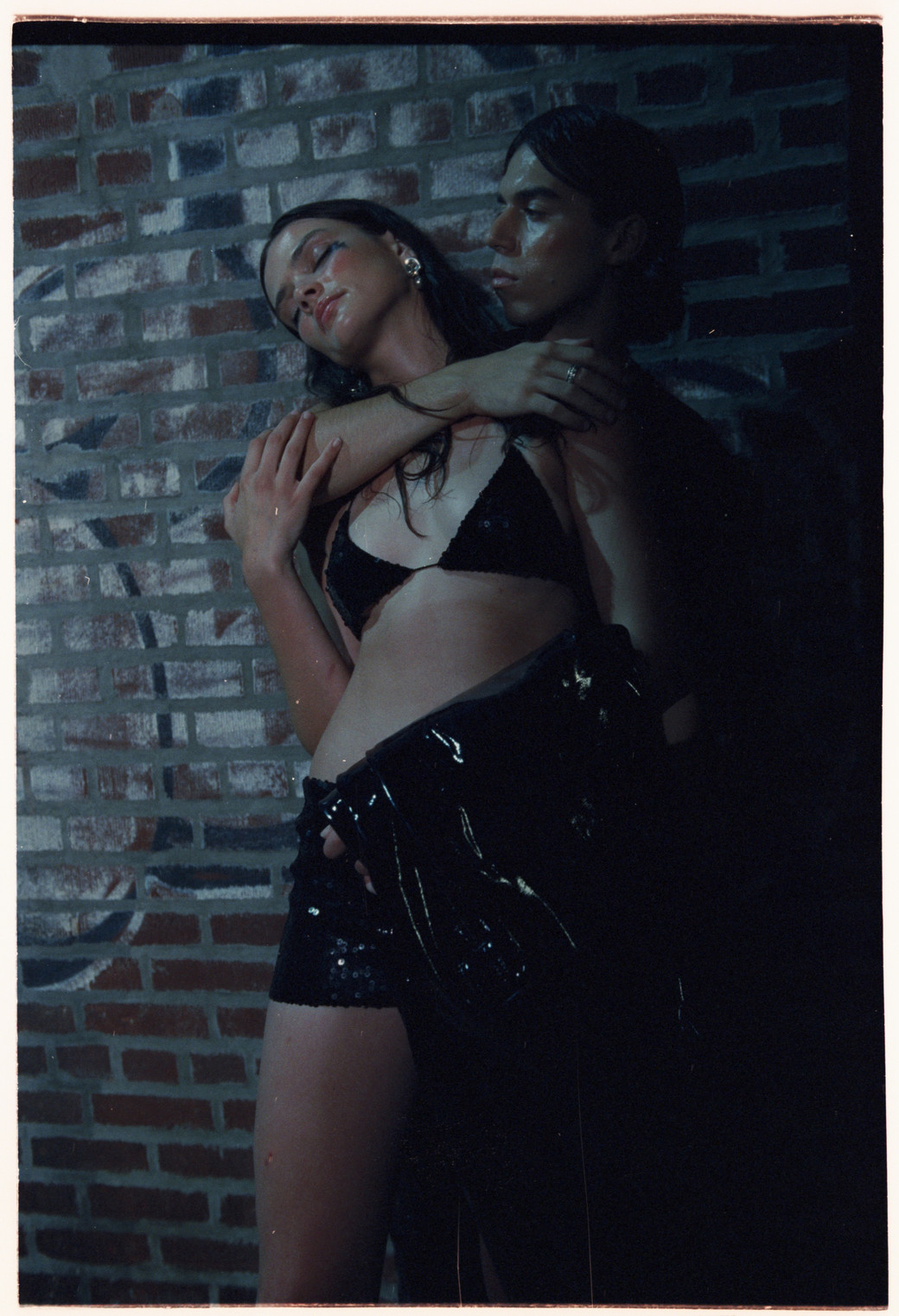
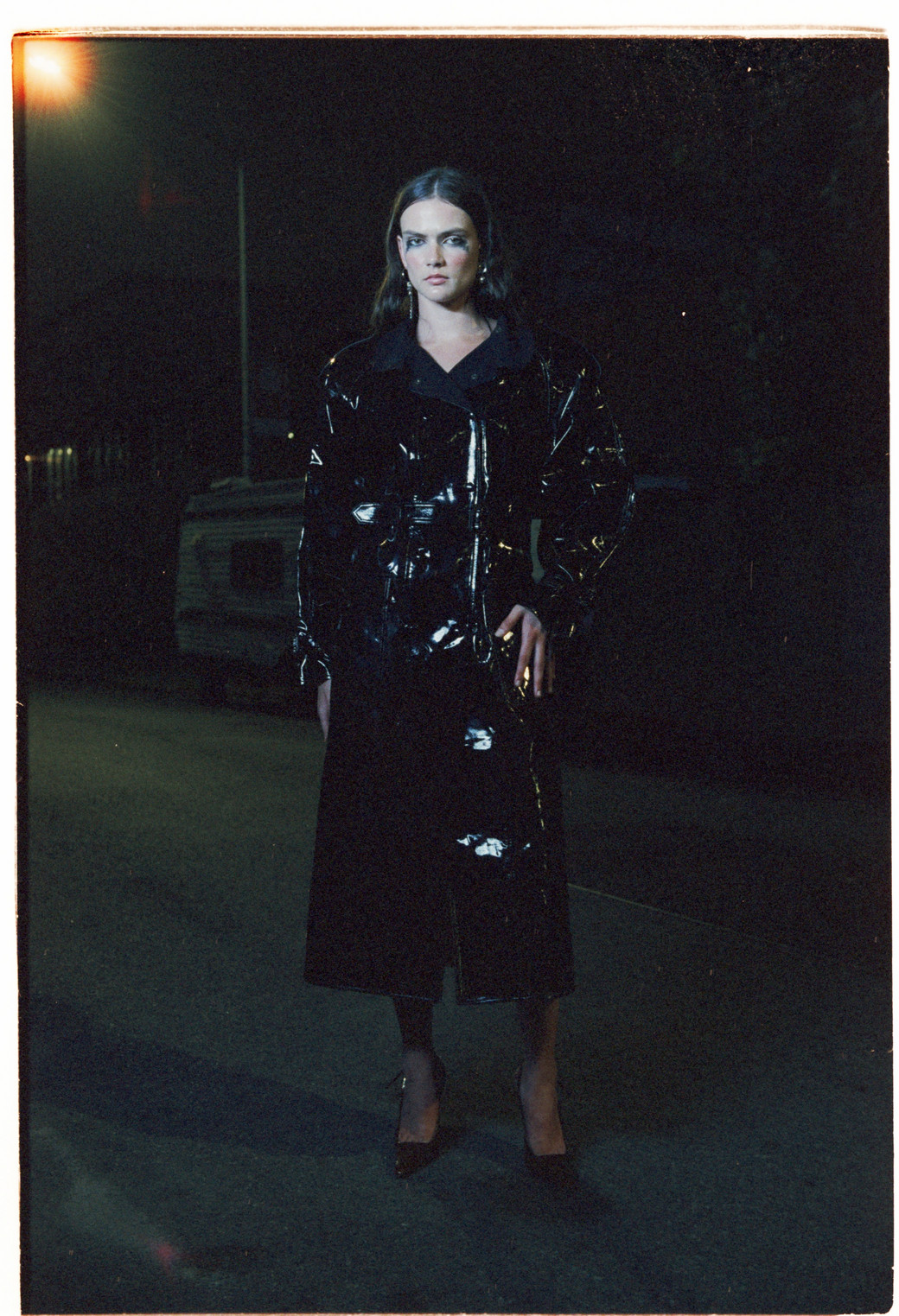
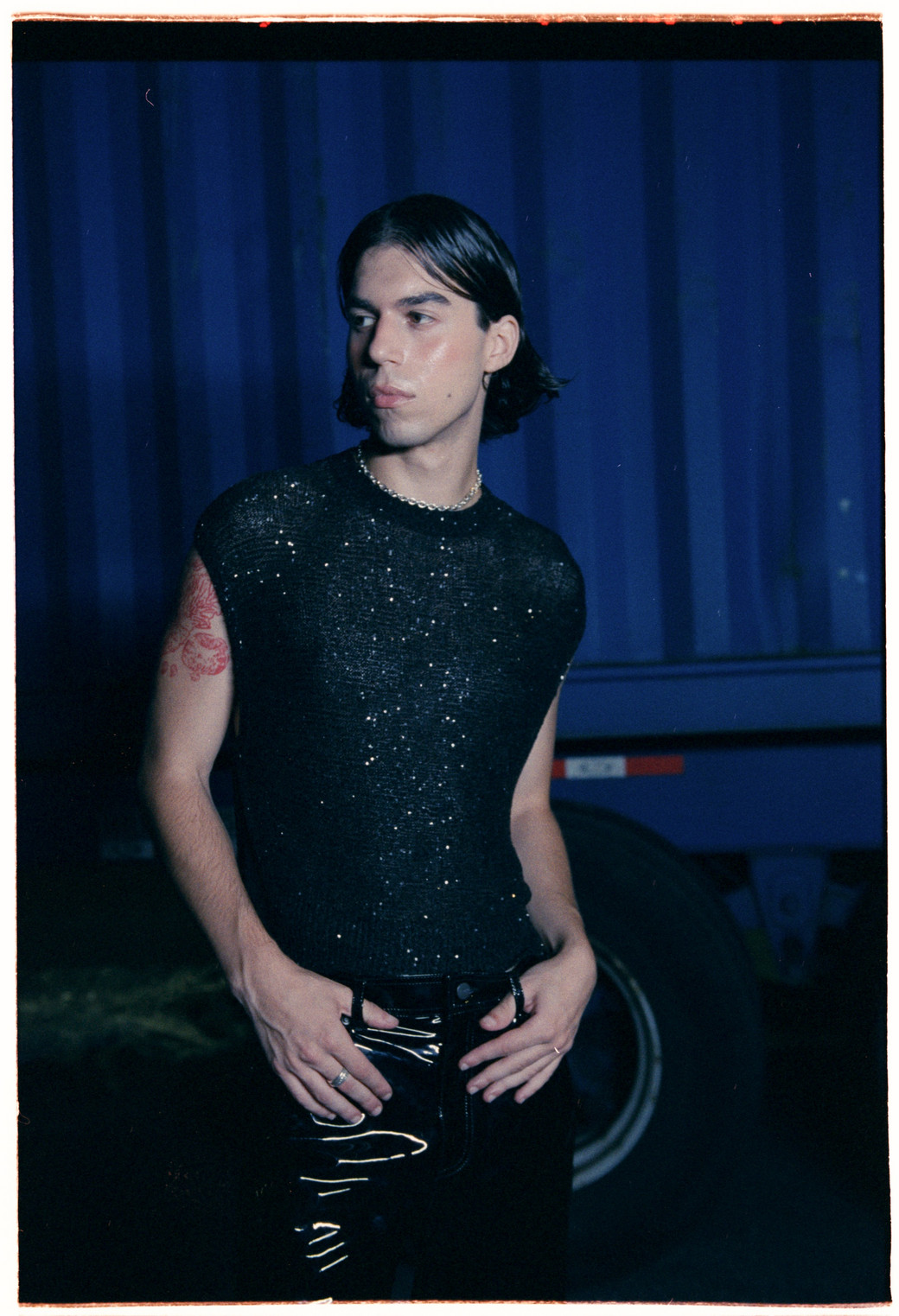
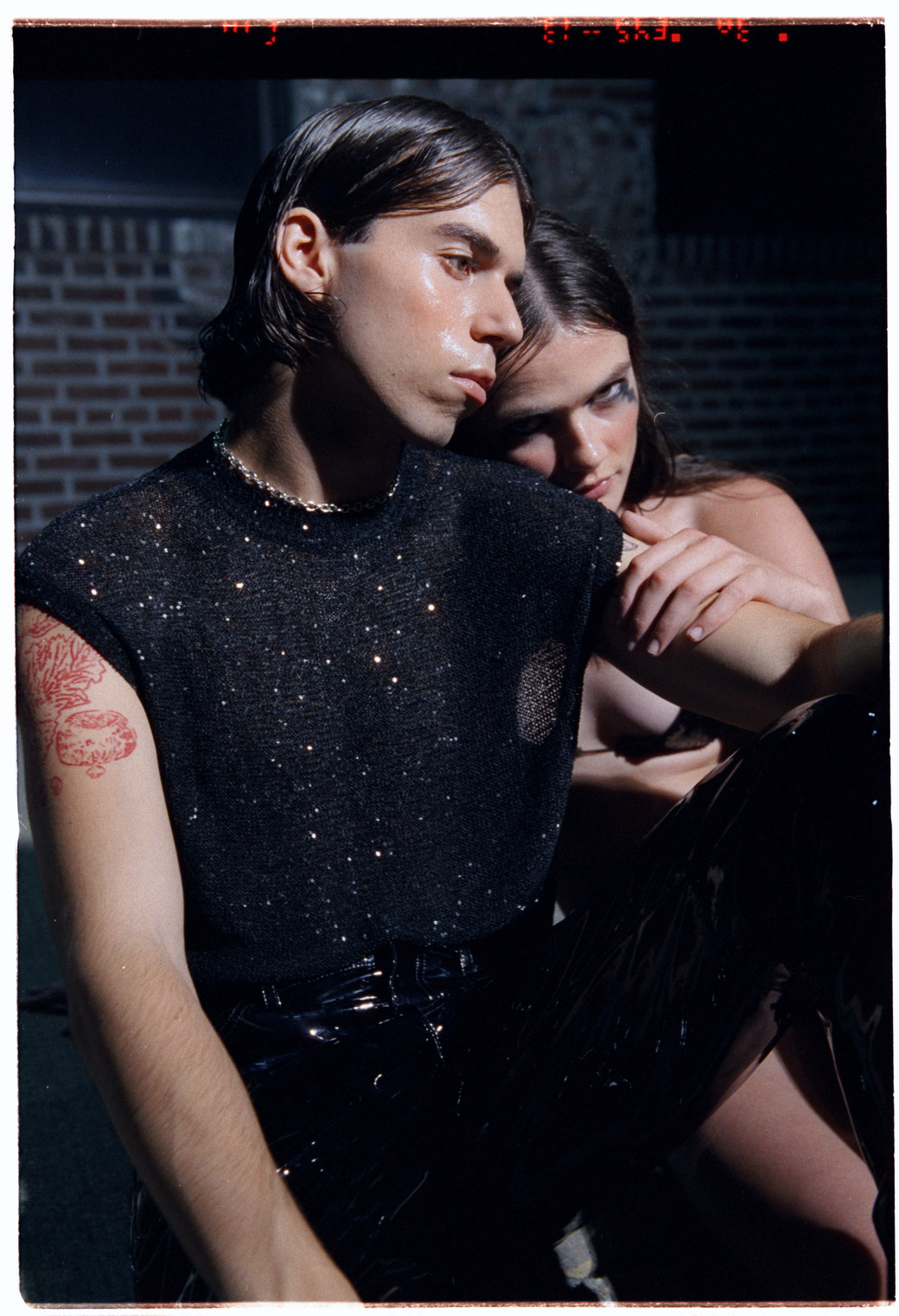

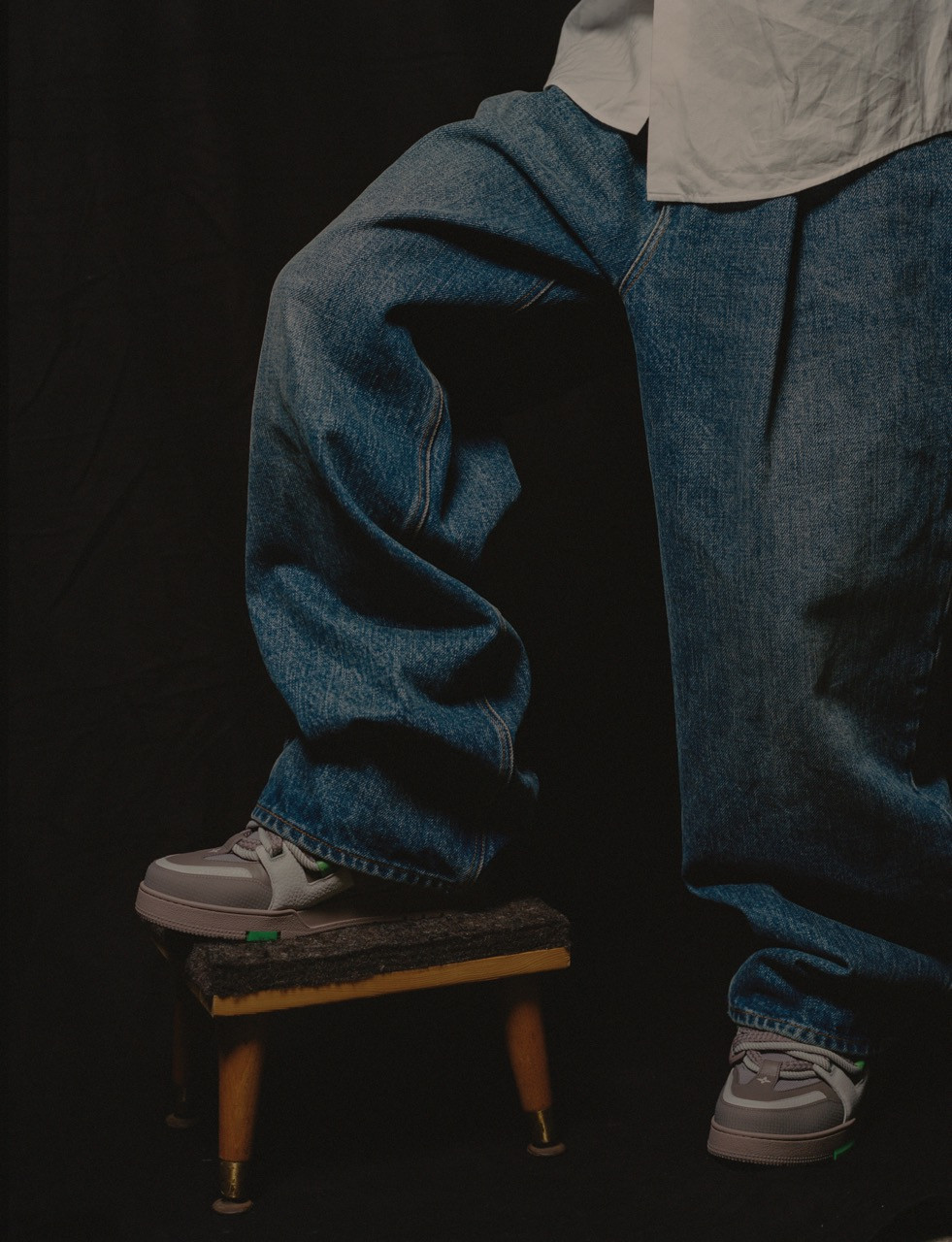
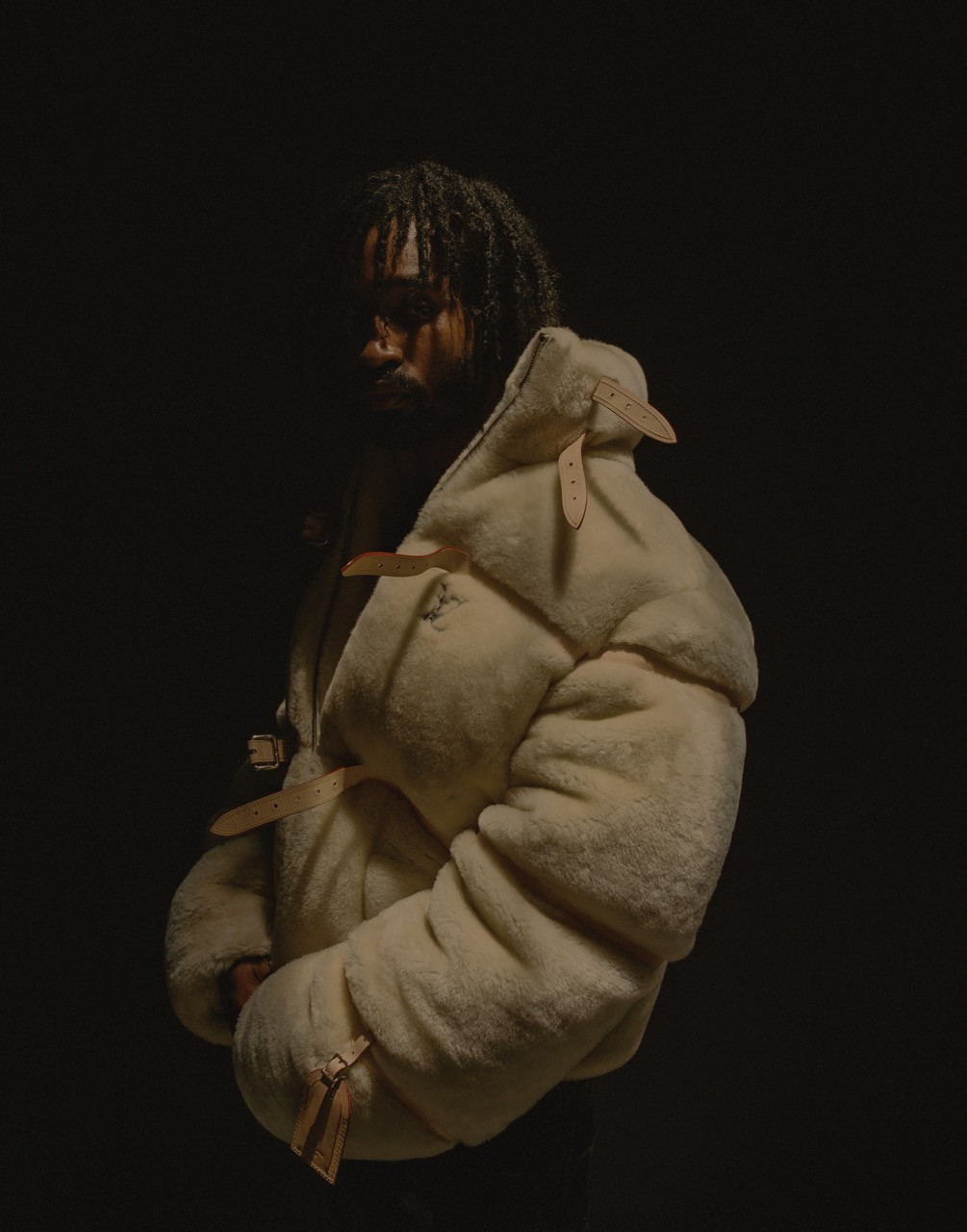
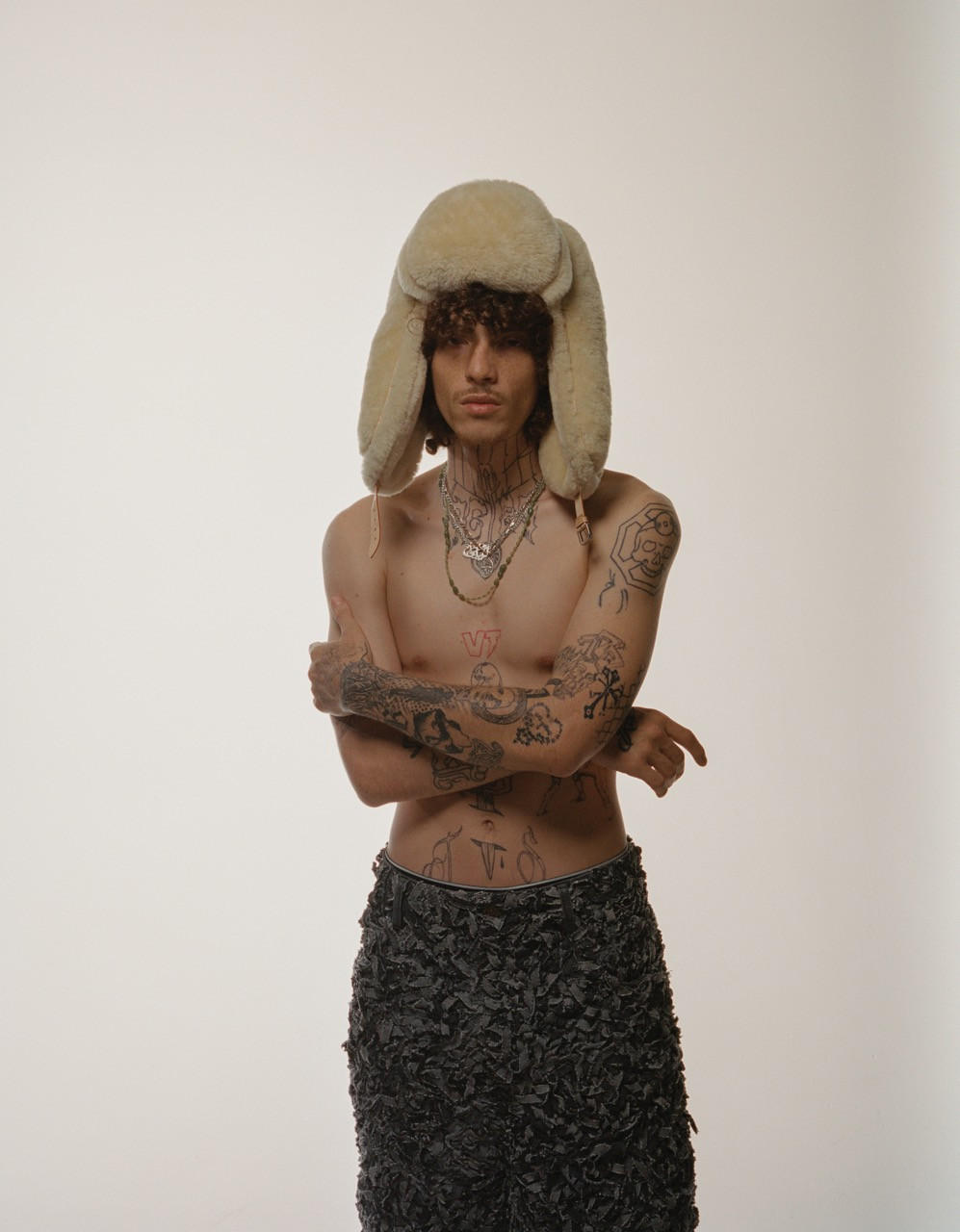
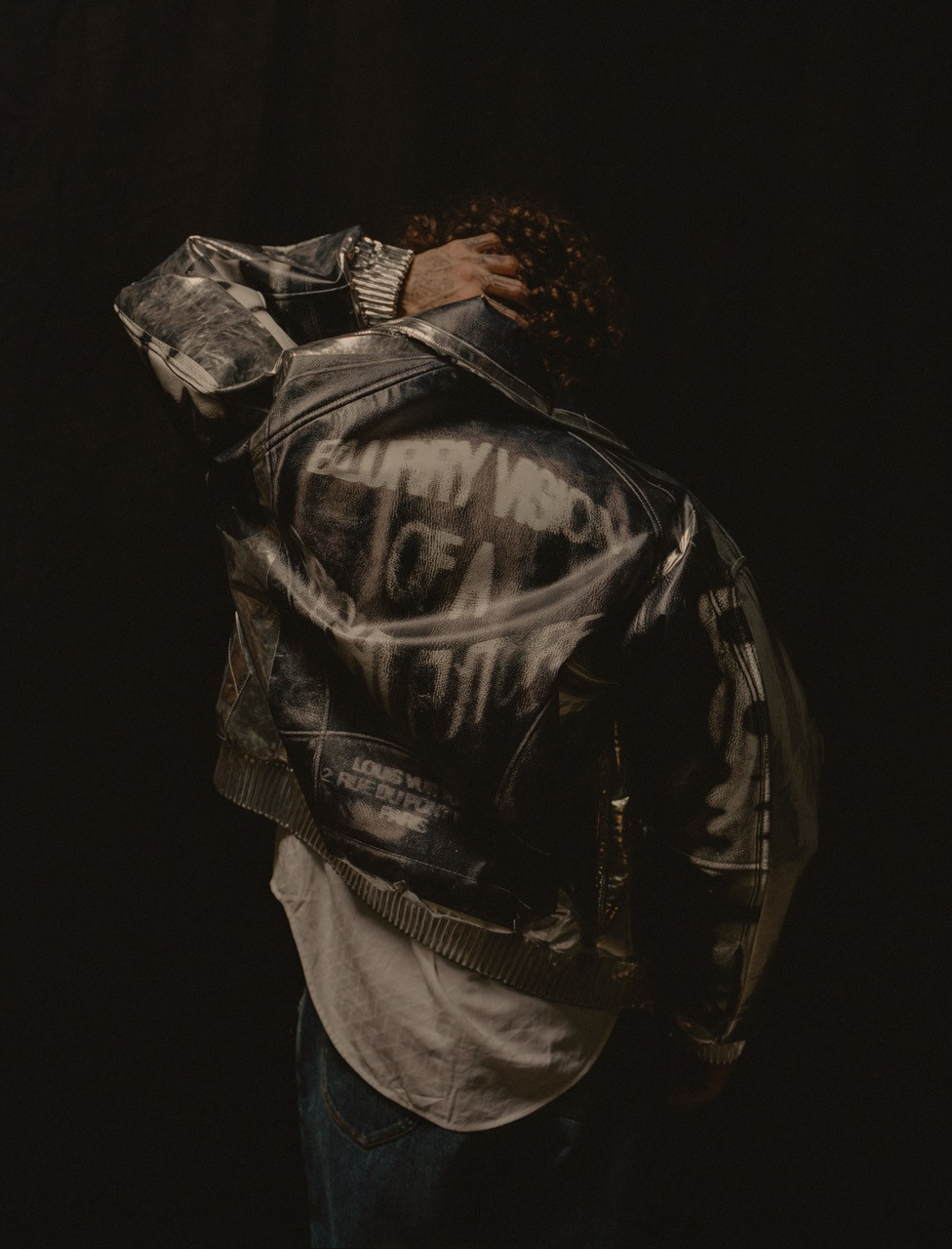
The designer has candidly confessed that he creates for his own sake, "not for the consumer.” A kid that got kicked out of Swiss boarding school now dressing those who've similarly been dismissed — or liberated. It's all a matter of interpretation, like Levy's garments.
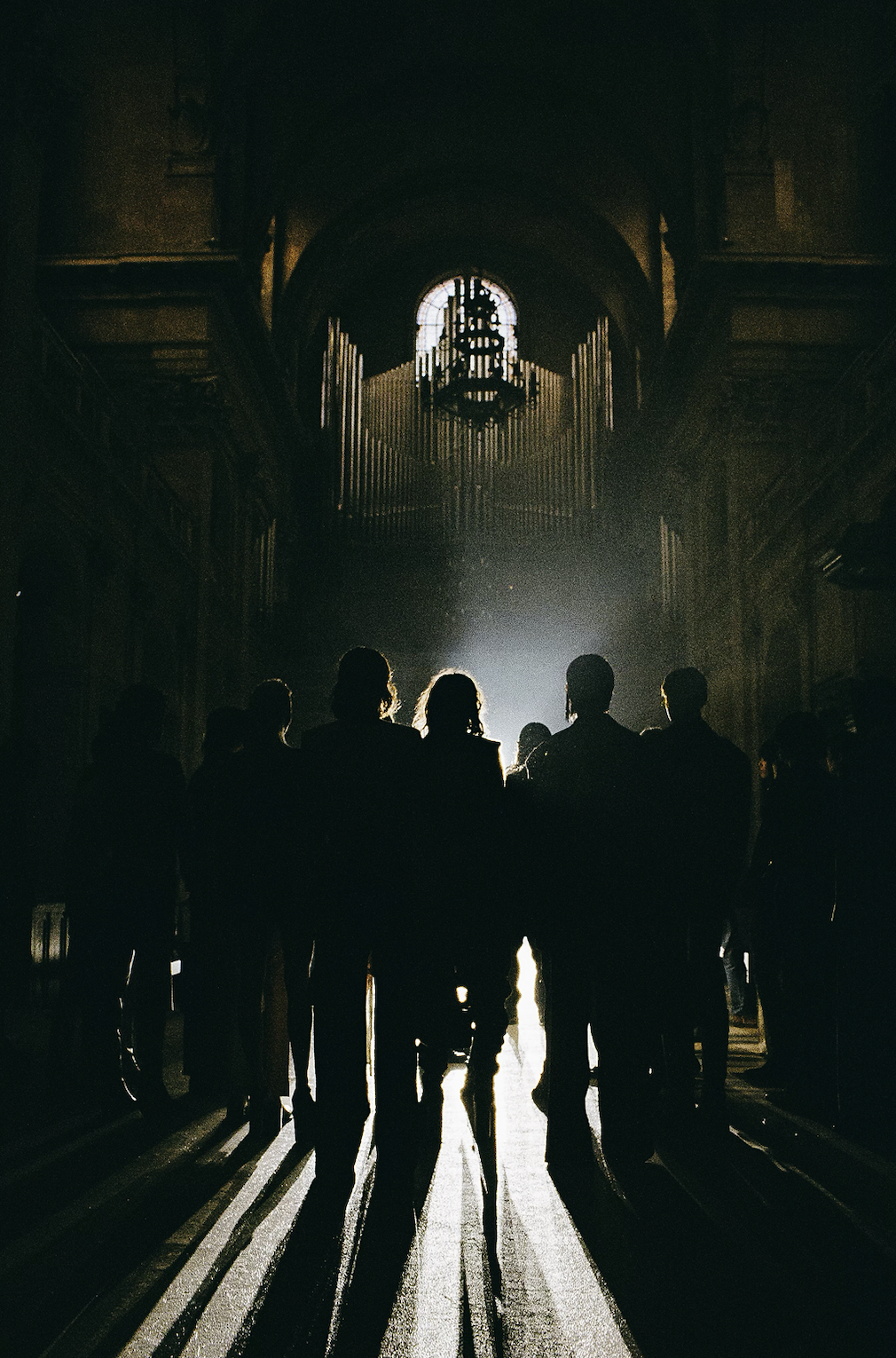
The presentation, held at the historically suppressed Protestant church, l'Oratoire du Louvre, was chosen for its grand scale and play with light and darkness. It commenced with a performance by Mae Markl, a murder that left no bloodshed, as the baby doll beside her lingerie-clad body was artificial. This served as a nod to the fragility within, doubling as an extension of the brand's rejection of reproduction.
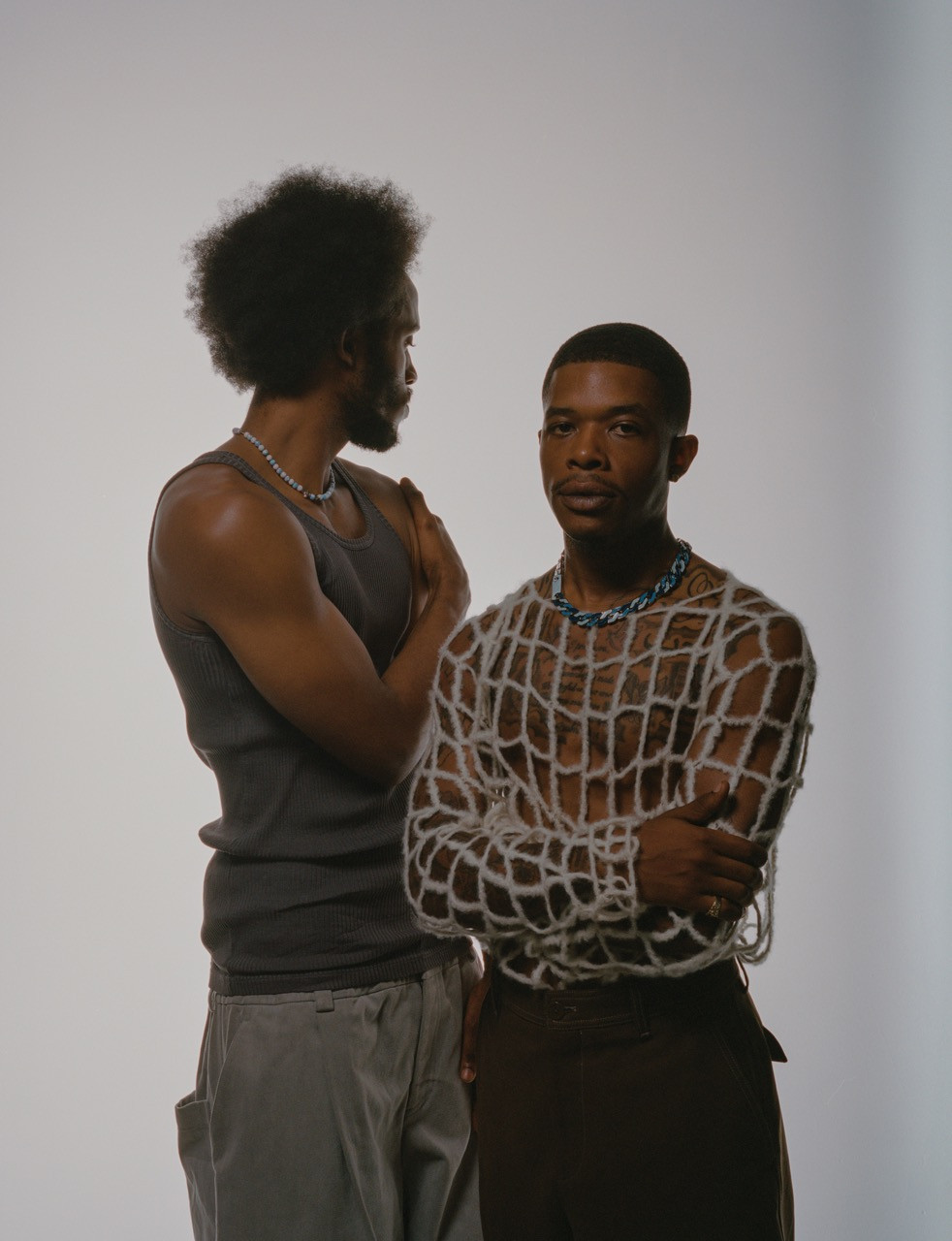
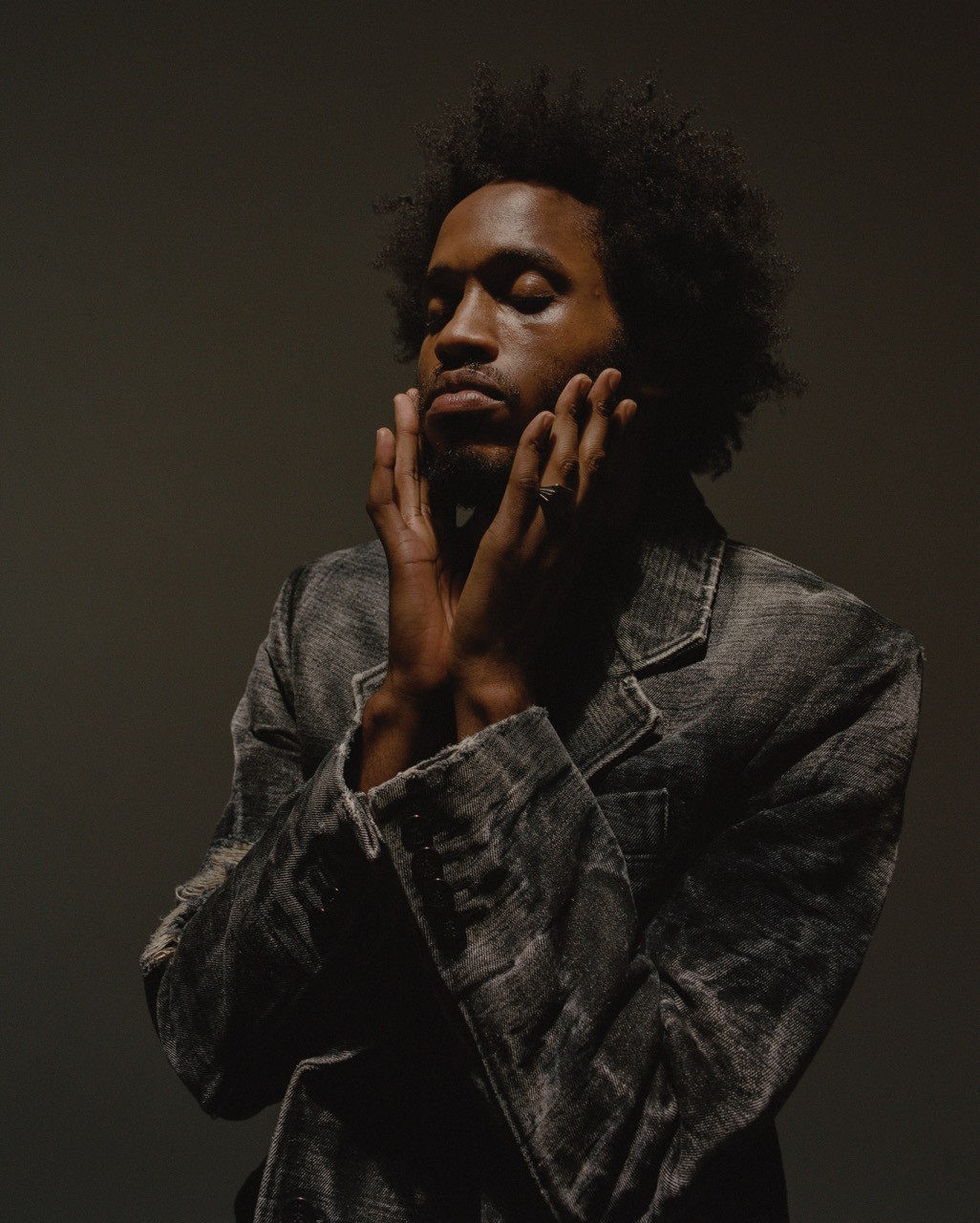
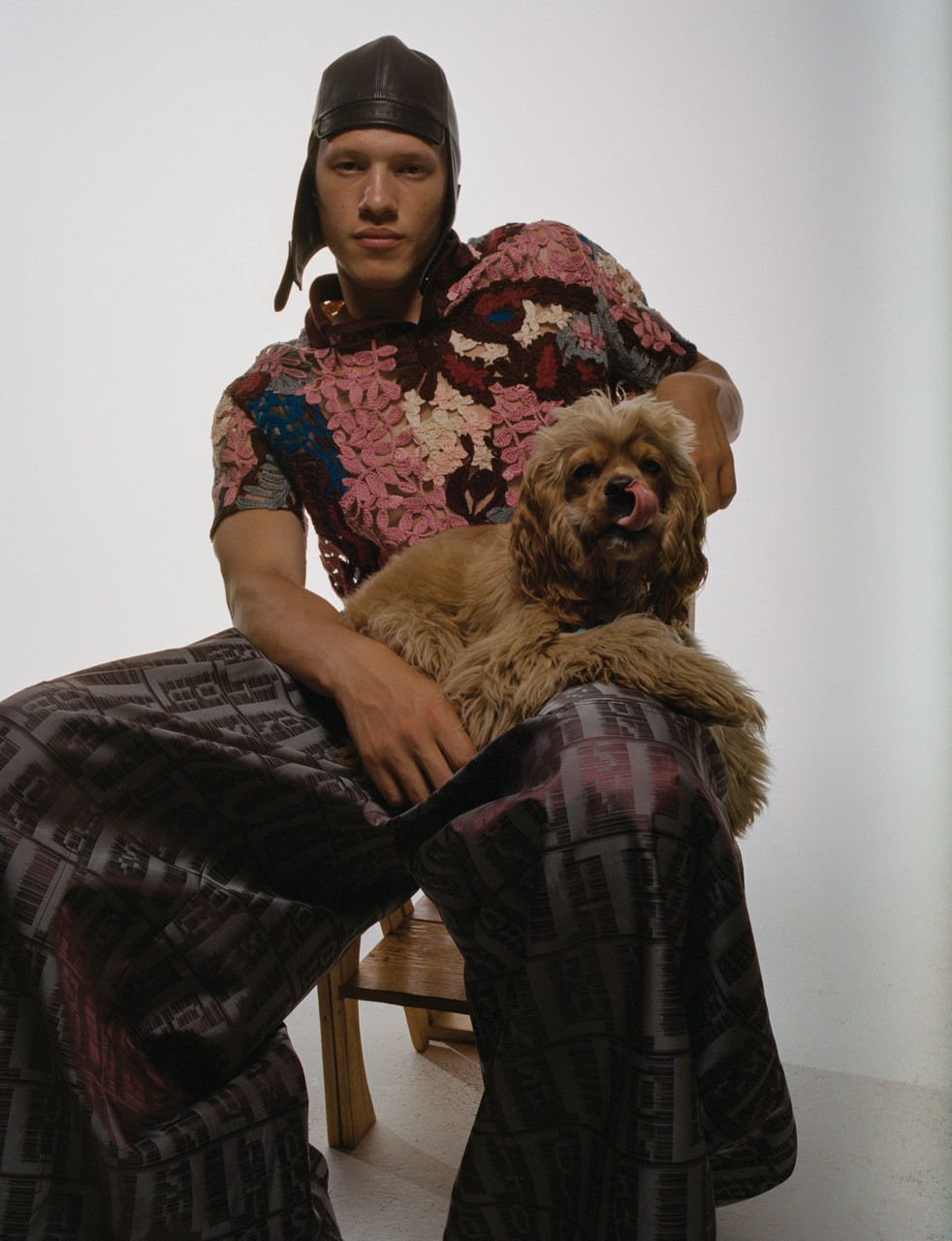
The funeral procession showcased a lineup seamlessly connected by a sharply tailored red thread. Silk danced in juxtaposition with heavy leather usage, a thoughtfully devised contrast, while impeccably polished suits were adorned with an abundance of safety pins throughout the entire collection. Skirts, some featuring unfinished raw linings, were daringly short, and stockings climbed provocatively along exposed legs.
When asked about his design approach, reminiscent of Kathy Acker's calculated linguistic artistry in 1970s LA, Levy detailed his transversal process, beginning with a painting or collage. "Then I craft a jacket. I befriend it. I continue this process one piece at a time until I've assembled a room full of friends conversing in the same language, an insider communication with external objects."
His expressions are as compile as his garments. And so is his feelings towards Paris, refusal and approval constantly overlapping one another, much like the leather and the silk. He confesses that he feels, "constantly bogged down by Europe and Paris. [He] loves it, then hates it, then loves it, then hates it again and leaves. Then [He] comes back to show [his] work." The pain is important to his process.
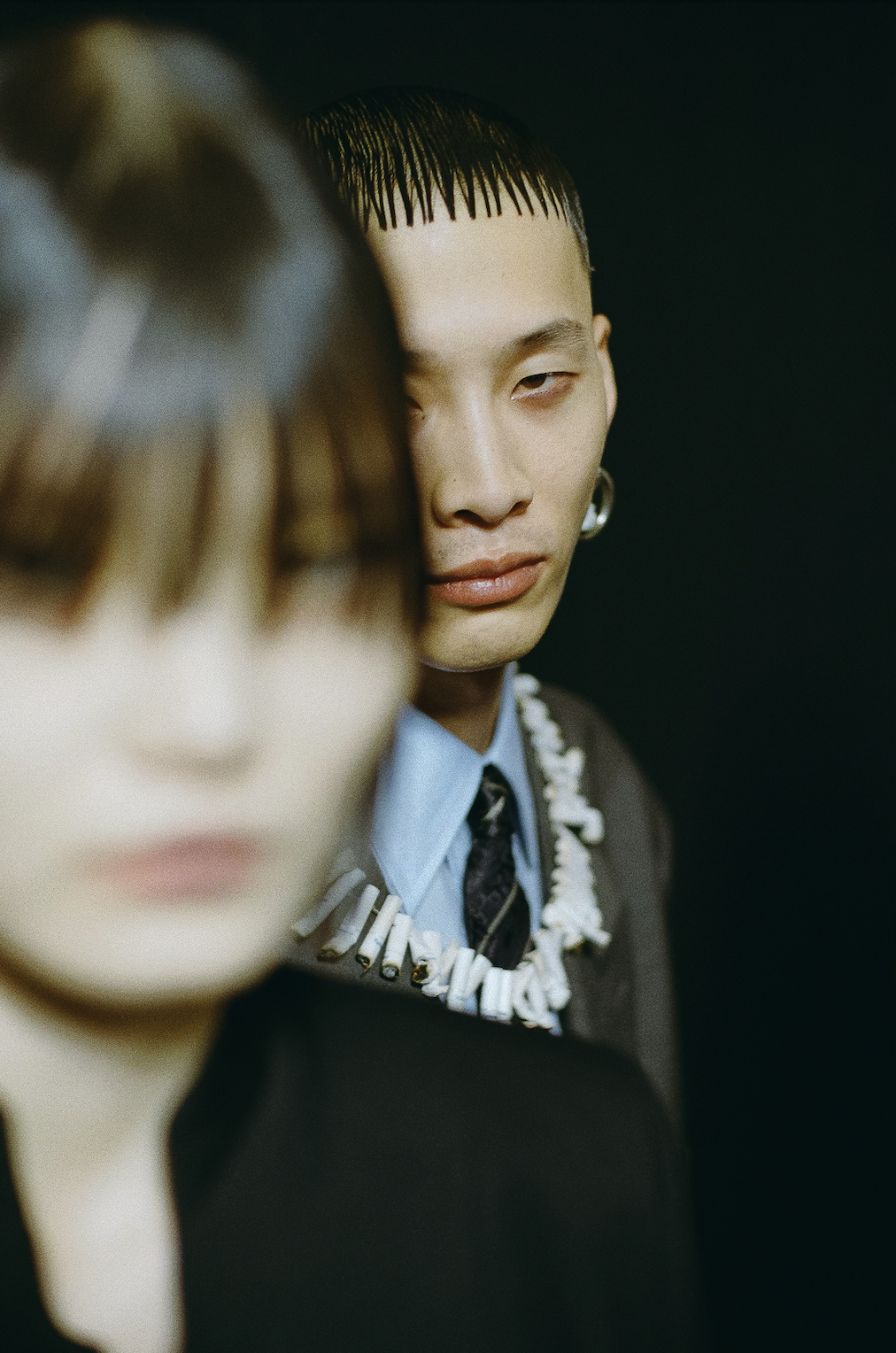
Despite Levy's anarchic approach and the high price tags attached to his creations, the collection remained surprisingly wearable. Meticulous attention was bestowed upon every detail, and David Friend's styling skillfully bridged the gap between lambskin and virgin wool, balancing the wild with the delicate. Key details included studded belts, spoon earrings, corsets, collars made of cigarette buds and Christian pins, and even Narcotics Anonymous tags that adorned a chainmail bralette — pastiches composed of found objects with their own histories.
In a world where everything seems like a simulacrum, and novelty appears as mere nostalgia, is this then, the new "new"?
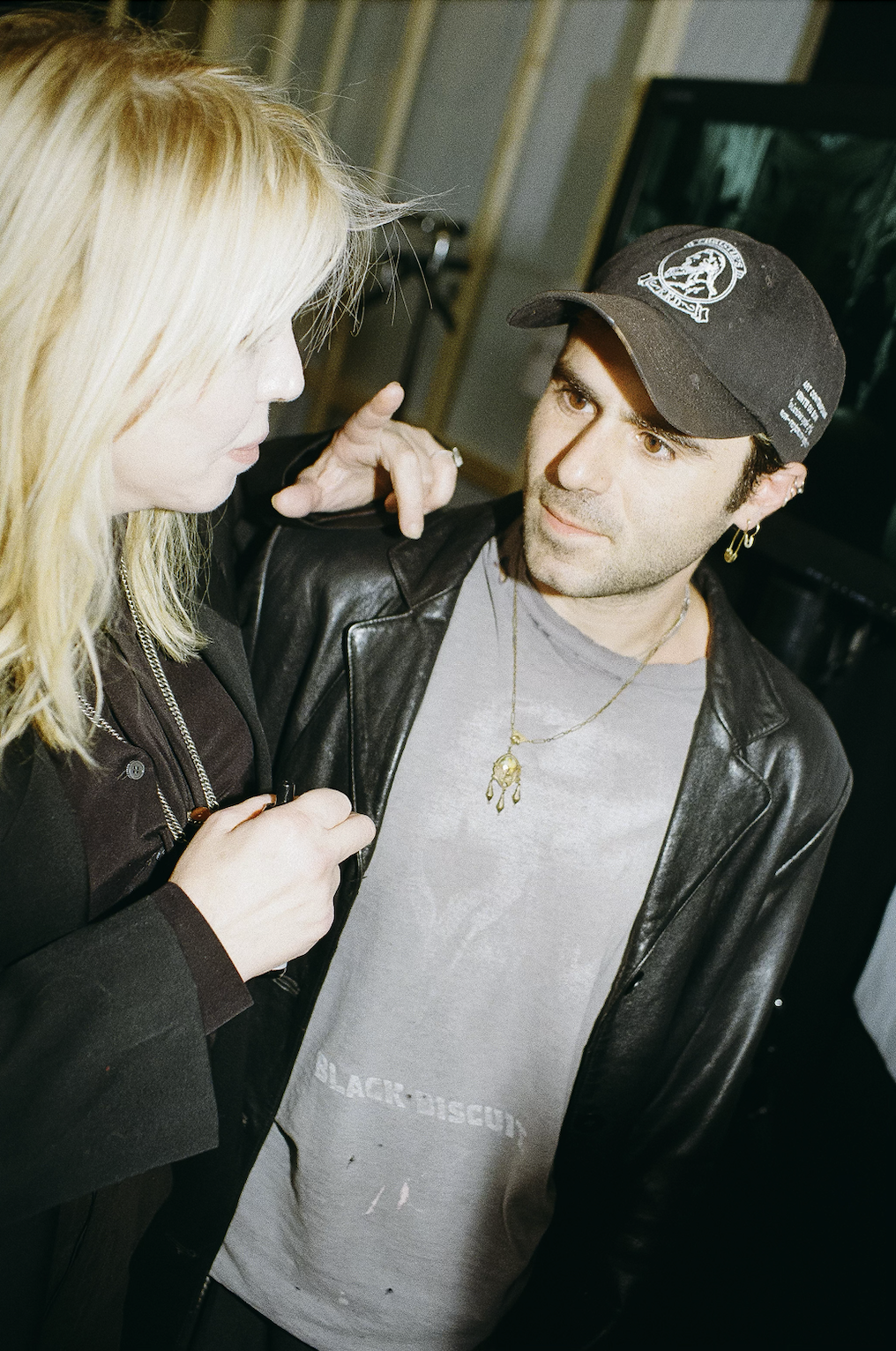

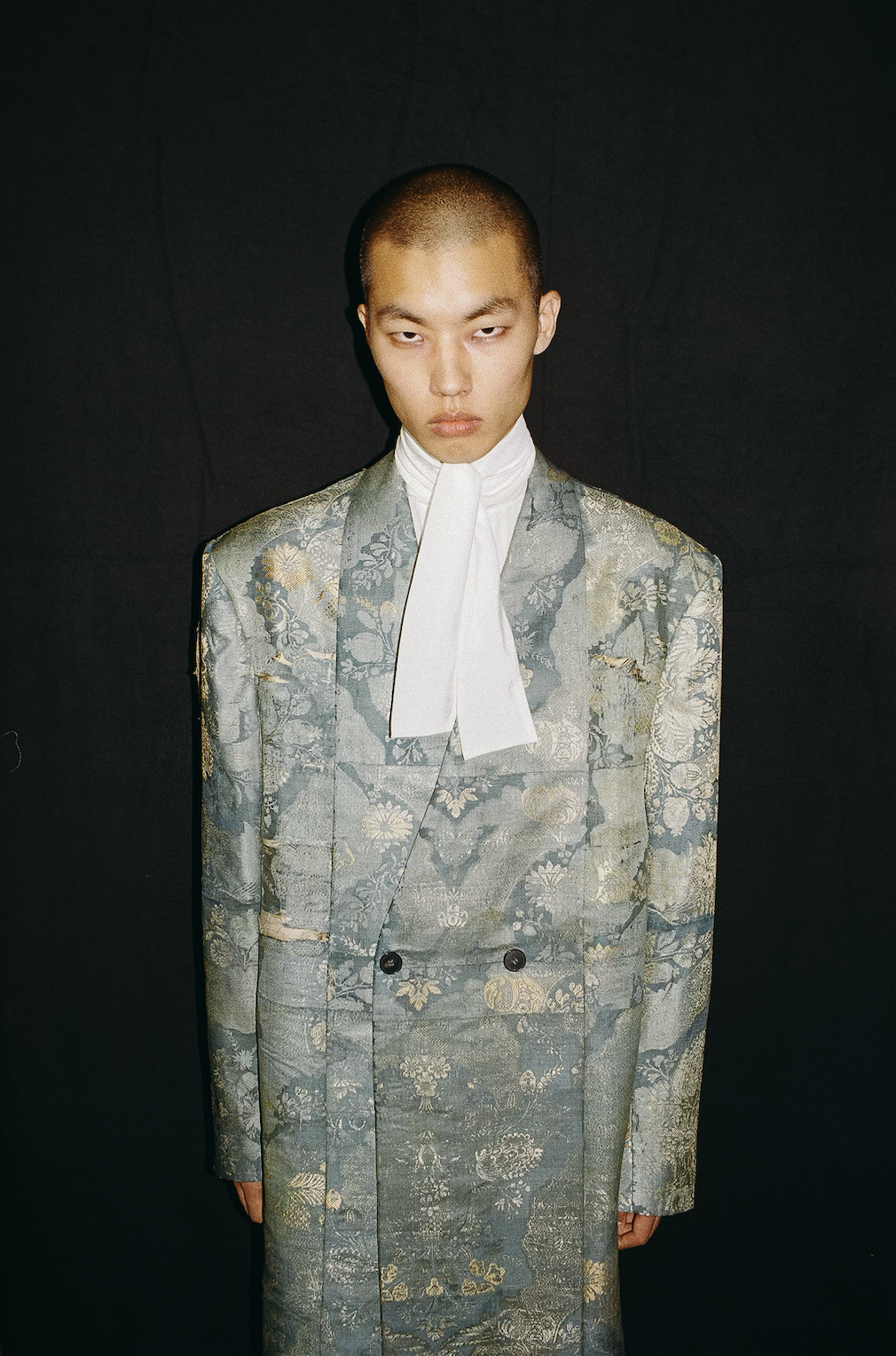
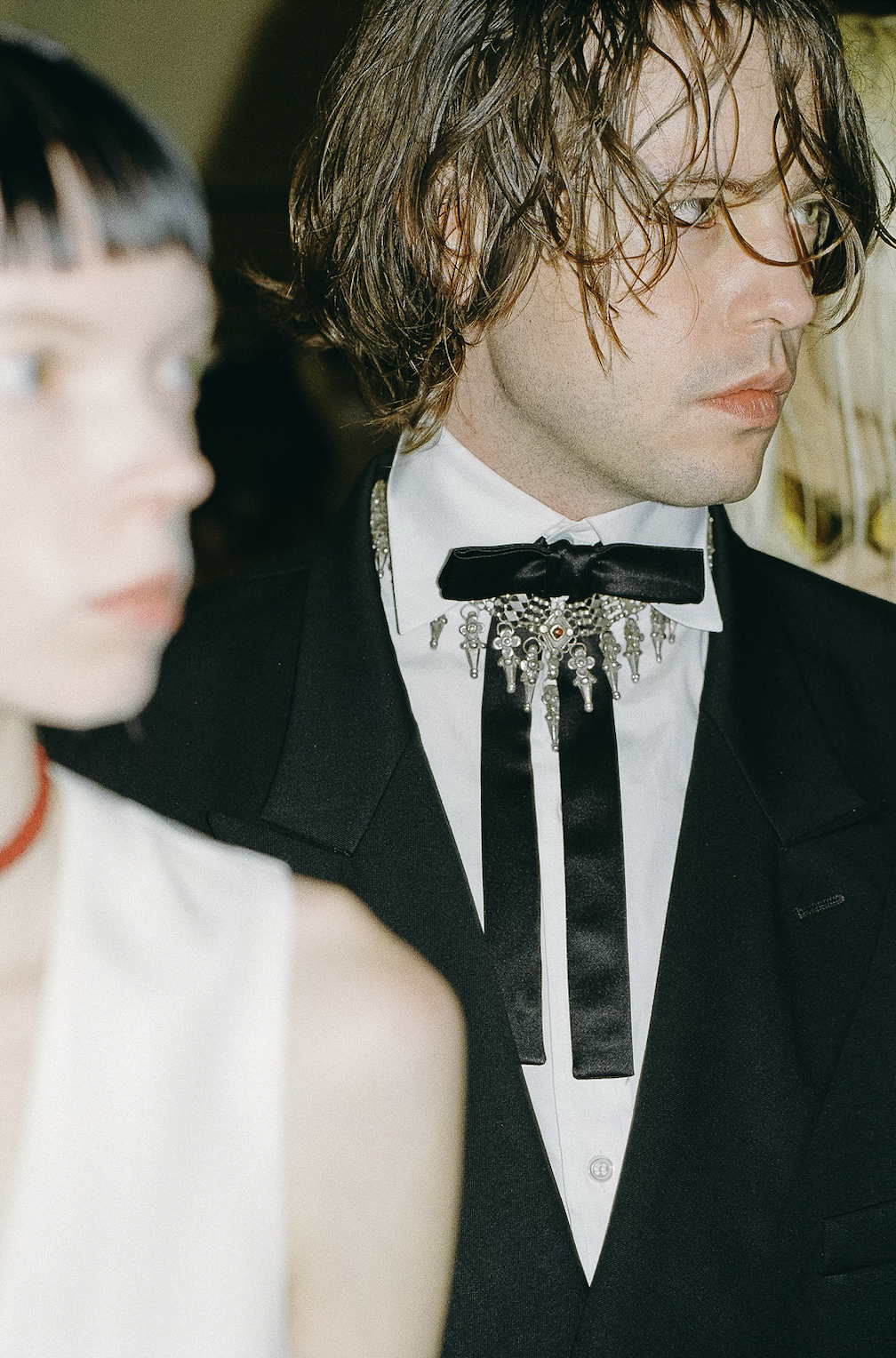


Slovenian designers are skillful at making their collections widely accessible, specifically in tone and volume: this season, proposals were heavy on slouchy silhouettes and eccentricity, juxtaposed with seemingly fuss-free ensembles that featured a great take on proportion play. To put things plainly: nothing here really knocked your socks off, save for, perhaps, a queer-like uniform or a billowing overcoat, but that wasn’t the point.
“In addition to the thread of ethical design, which is increasingly important for us and our descendants, we also emphasize the importance of authenticity and self-acceptance, freedom and the importance of focusing on one’s true image,” said Melinda Rebrek, Executive Producer of LJFW. “Each individual is a valuable part of the mosaic of the world with a unique perspective and contribution, and Ljubljana Fashion Week is one of the events that embraces all forms of creativity with joy and pride.” There were tons of pieces intended to work, in a versatile way, within youth’s wardrobes. Where youth culture in fashion is commonly something that shifted so far down as to be totally disconnected from whence it came, something feels authentic in these designers' creative riffs.


Images courtesy of Sarivelenci
“There’s always far too many ideas, and my inner self is always battling with the task of being quirky, fun and over the top, but it also wants to be OCD, which means incorporating strong silhouettes with an eye for tailoring,” says the designer of label SARIVALENCI, who in her latest outing wanted to represent the figure of Marie Antoinette with a queer-like edge that counteracts the rigid structure stamped across modern-day tailoring. Here, the campy grunge of the collection—quilted dresses layered with meshy toppers, tees and vibrant vests—smelled like teen spirit, detaching from the self-indulgent severity that’s often associated with the realm of layering.


Images courtesy of Volja
The other newness? For designers Nejc Šubic and Sonja Tomić of Volja, it’s taking cues of a circular approach to clothing and transforming it into harmonious blends of provenance, craftsmanship, and functional design. Beyond that, these were clothes plain cool, wearable to boot and with enough sporty edge. “This collection celebrates the journey of each piece of our clothing, from material selection to skilled craftsmanship,” notes Šubic post-show, expanding on the label’s commitment to proving all means of provenance — in fact, every piece is produced at the Volja atelje on Trubarjeva 55, in Ljubljana — in order for consumers to trace the history of their garment, forging a deeper connection with their clothing.


Images courtesy of M N K C L
And lest things get too geocentric, Monika Colja hasn’t forgotten her more far-flung devotees seeking the beauty of the familiar: this season, the young designer of M N K C L has managed to develop further what she already started in her Masters degree, bringing forth “a collage,” more than a collection. “It’s a collage of ideas, musings, trials and decisions,” said Colja backstage, explaining “it has been brewing for a while and has been transformed into clothes.” For the record, all that denim is as much function as it is fashion, punctuated by the designer’s focus on textiles and prints, combining old things into something new. And that’s what happened at M N K C L, which has layers that are stacked, peeled and, figuratively speaking, decay. Her clothes, she explains, are “made following gut feelings,” and the collection presented a move towards a more streetwear-infused avenue, with all the delicate sensibilities falling by Colja’s wayside.


Images courtesy of Anselma
Made in Anselma continued on this very tangent, proposing a play of (sartorial) contrasts that refers to manual work and the exploitation of materials that remain unused and discarded. “With our already evergreen pieces made from waste material, at this year's fashion week we are even more honoring handwork, craftsmanship and all the remains of various origins,” the designers explained. The collection is witty, daring, and exotic, evoking nostalgia. On the whole, though, it lacked the creative basis of design cohesion, and felt complex to digest from a visual standpoint.


Images courtesy of Prik
Contrarily, Dušica Županjac’s outing for PRiK manifested a sort of polished brand of edge (she favors a primarily black palette out of elegant practicality), letting loose on volumes and embodying the season’s perfunctory jumping-off point for the many: quiet luxury. Even though most offerings felt drowsy and subtly poised in equal measure, the cuts pointed to a lovely cue for an evening attire.
Whatever your take or proclivities, there was a lot to also take within these clothes. These are designers who produce garb with a palpable commercial glow and contemporary sportiness, capturing the youthful essence of their design verve. And while there’s a lot to be improved for consistency, it would be good to see how these designers push themselves to evolve more.