Boiling Over
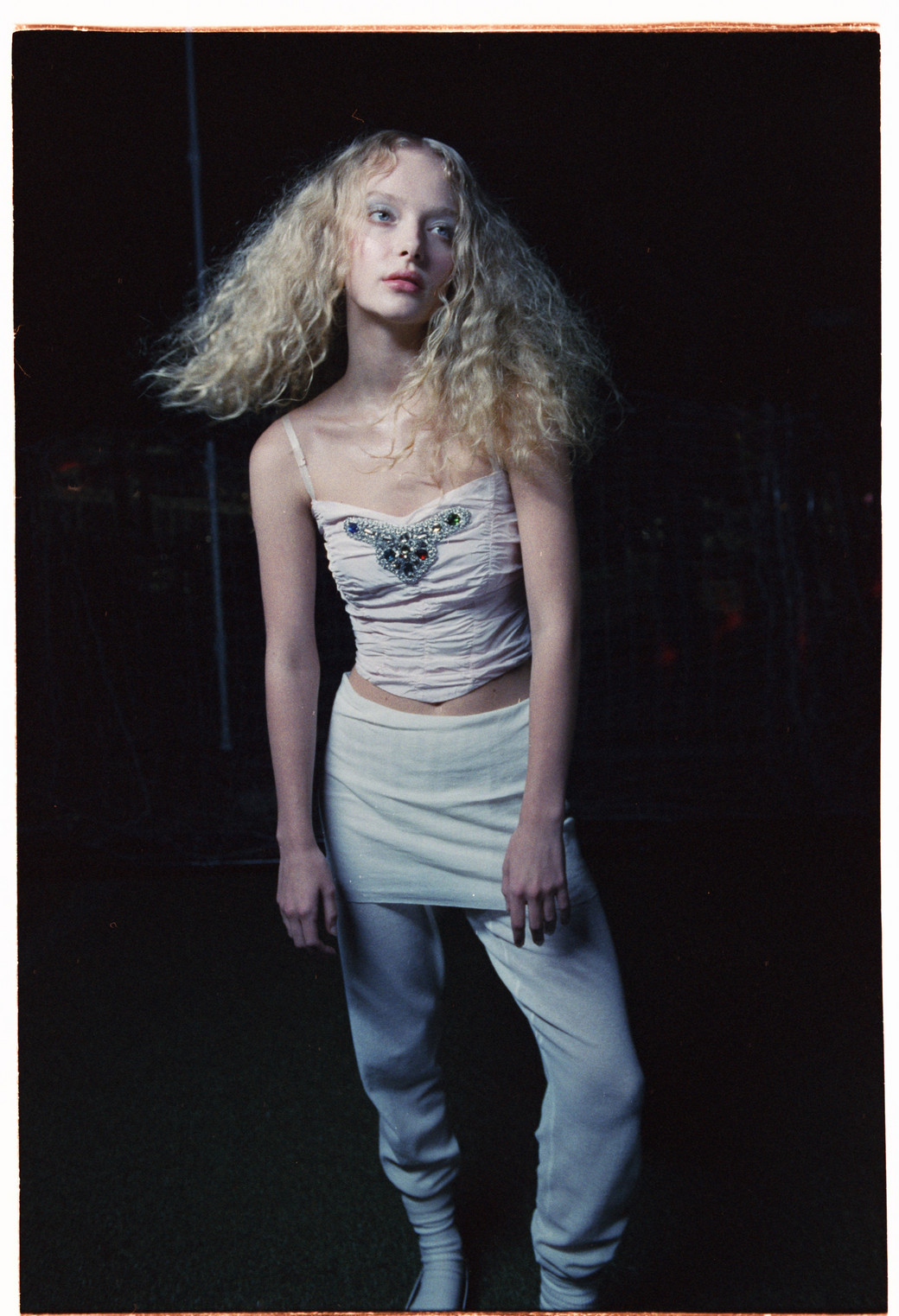
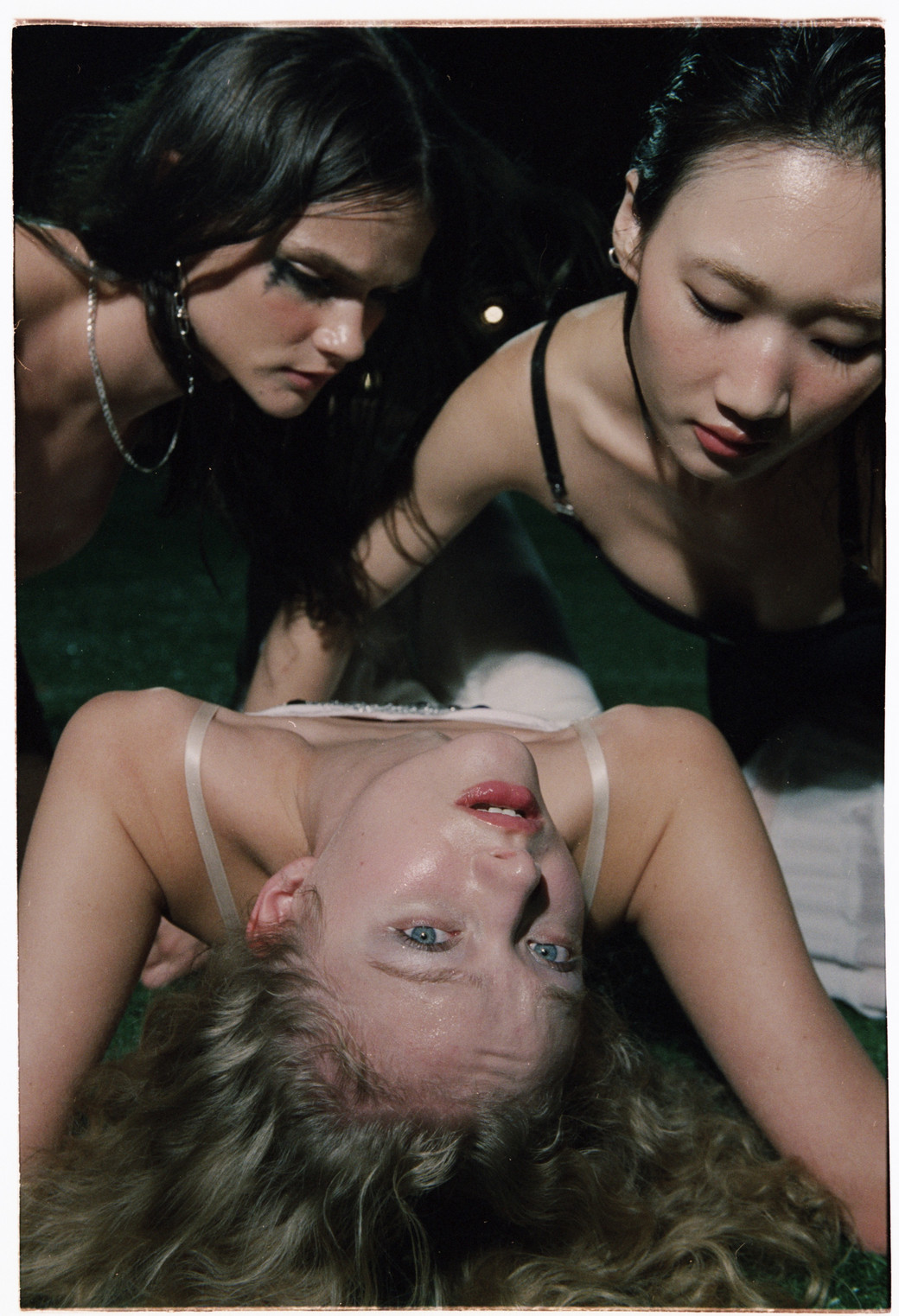
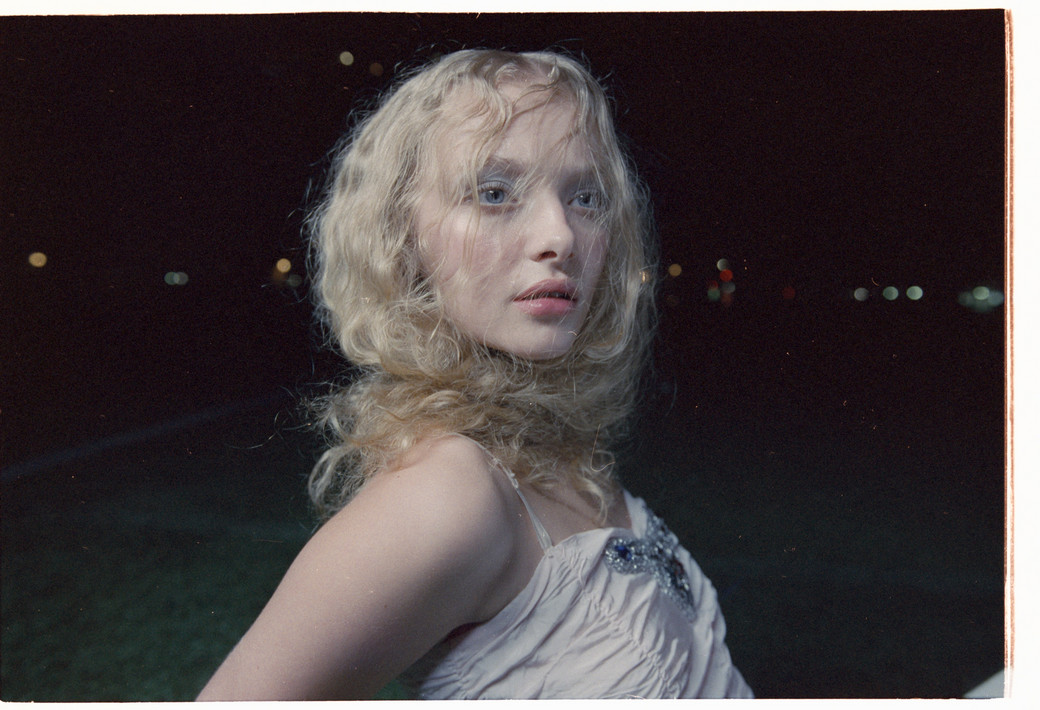
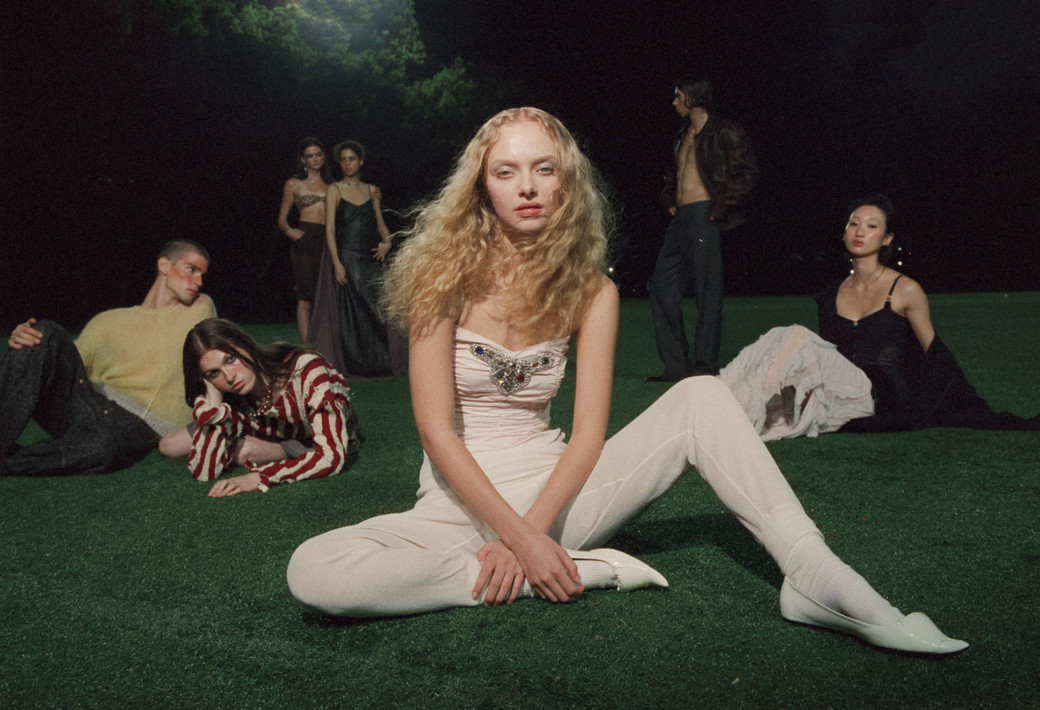
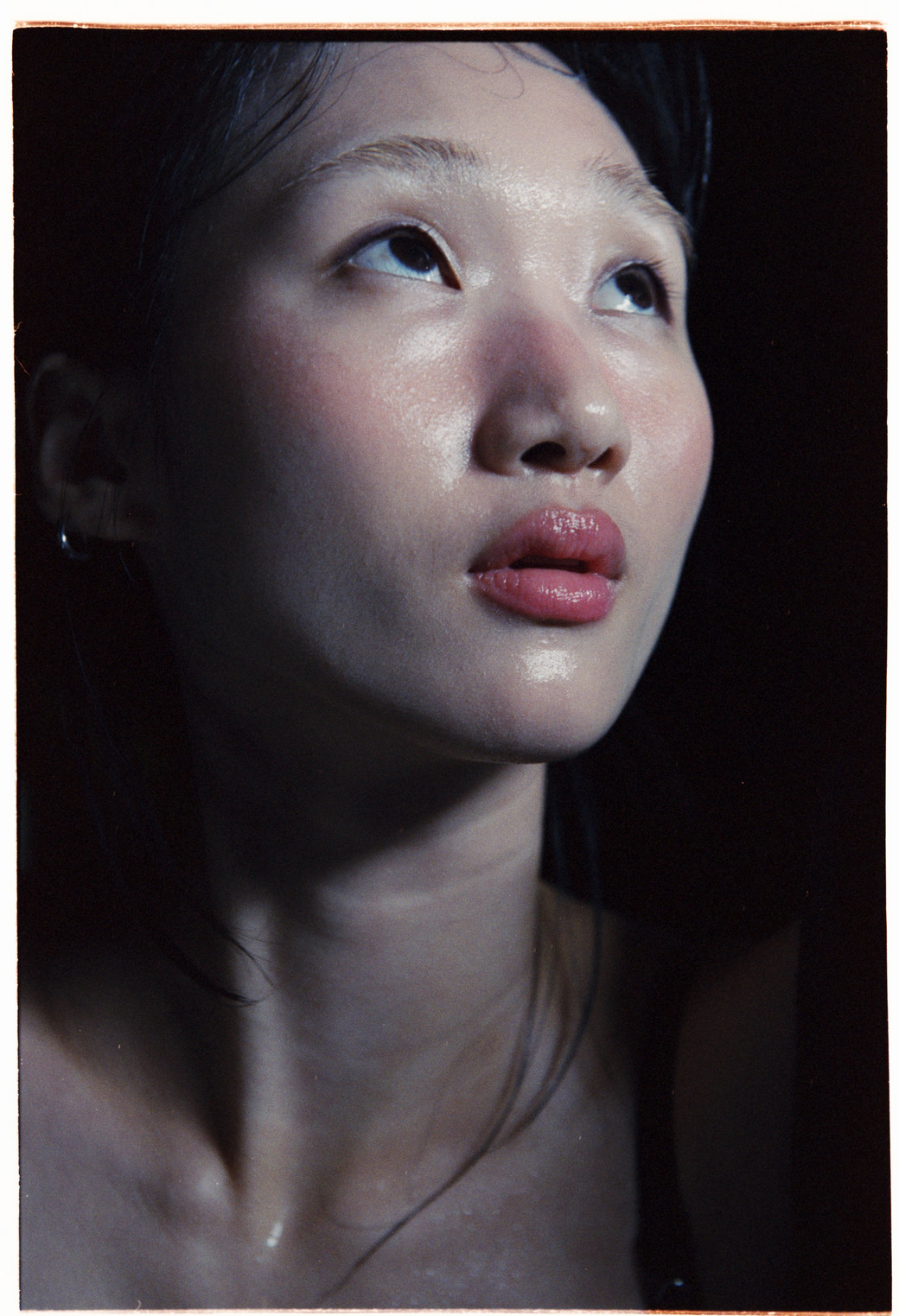
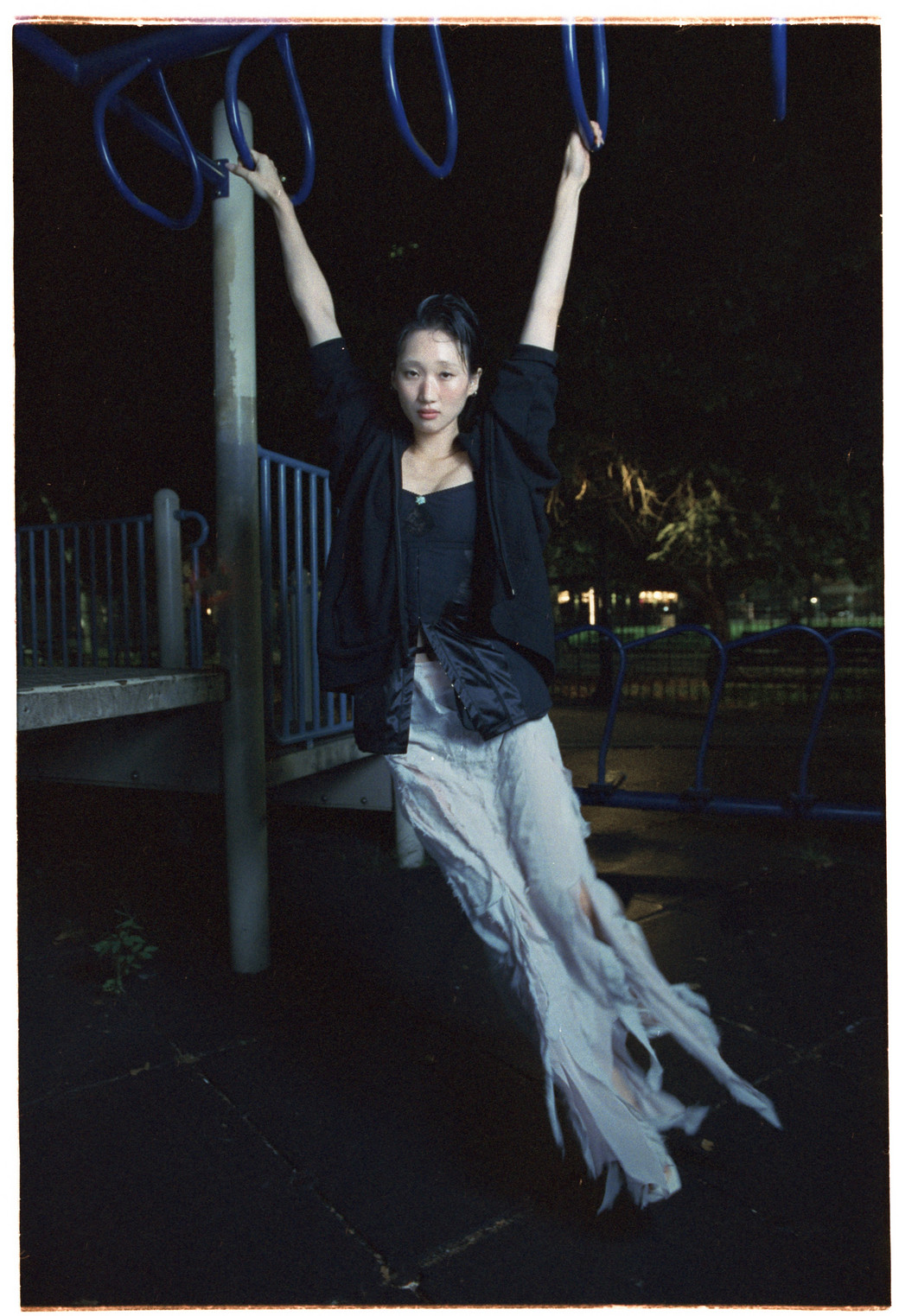
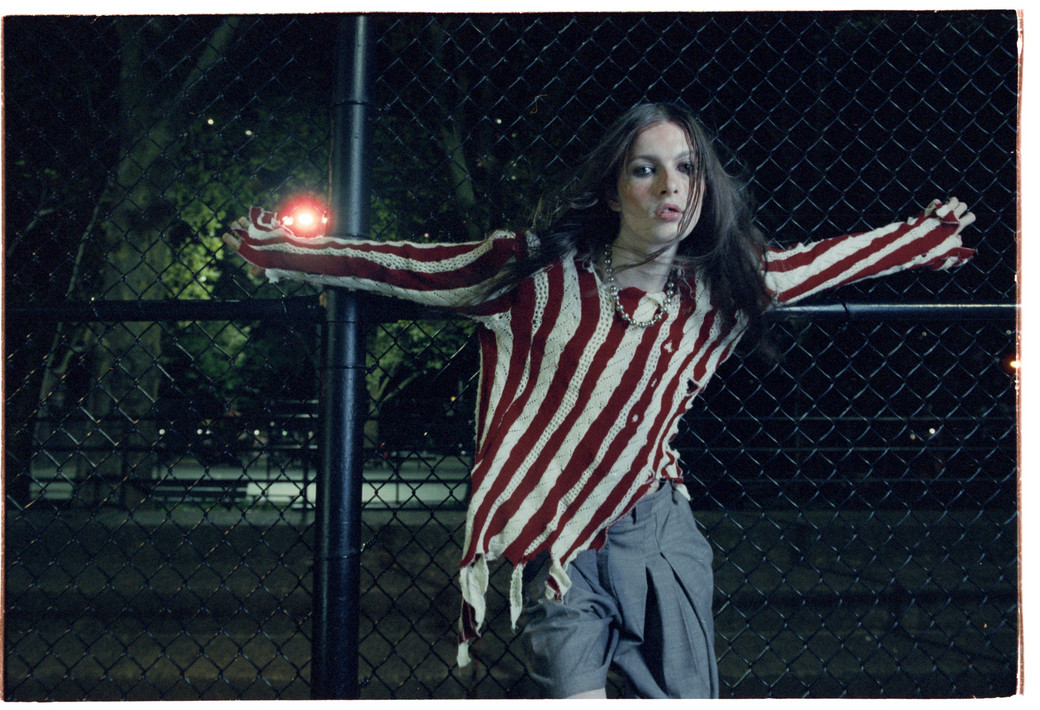
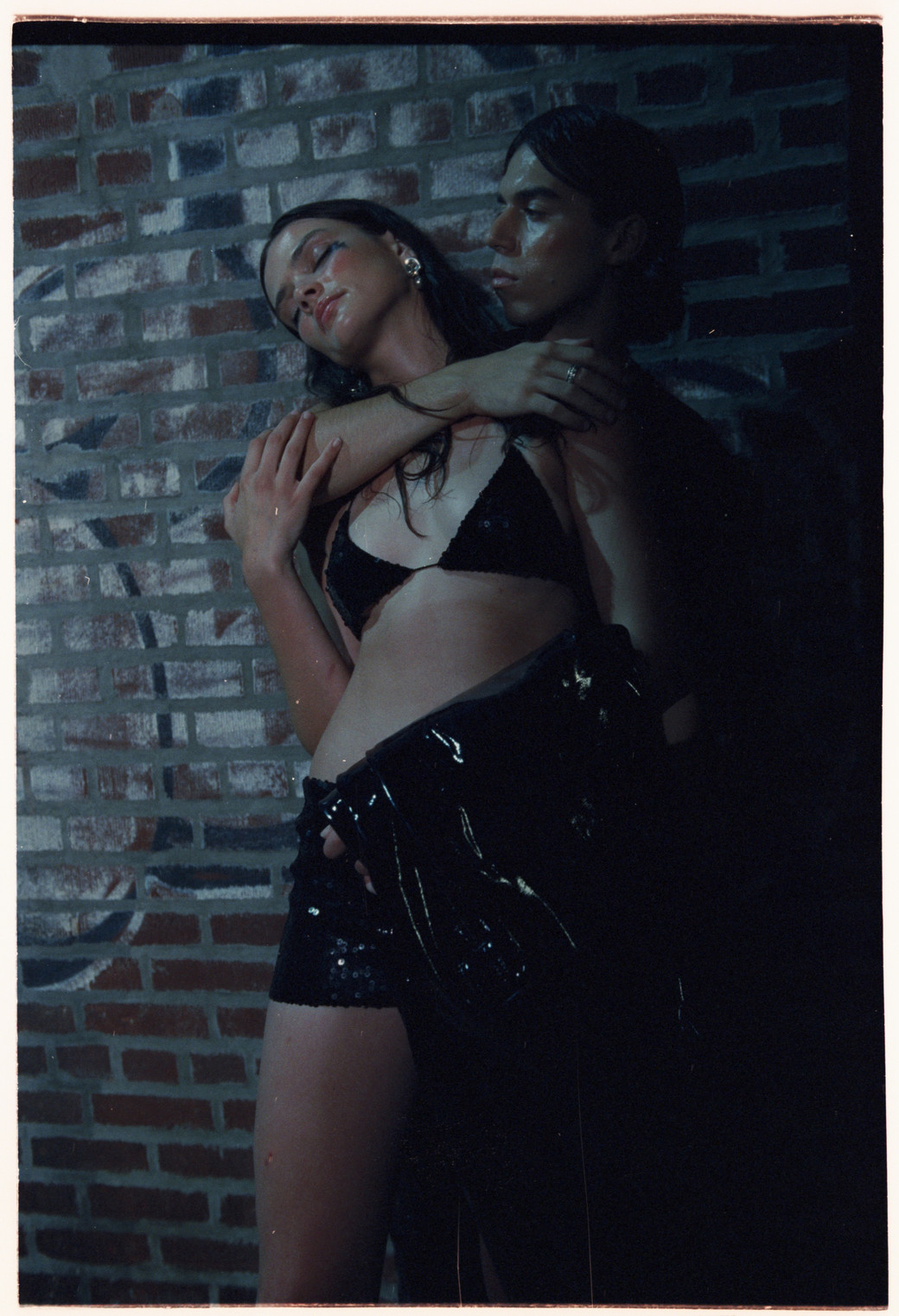
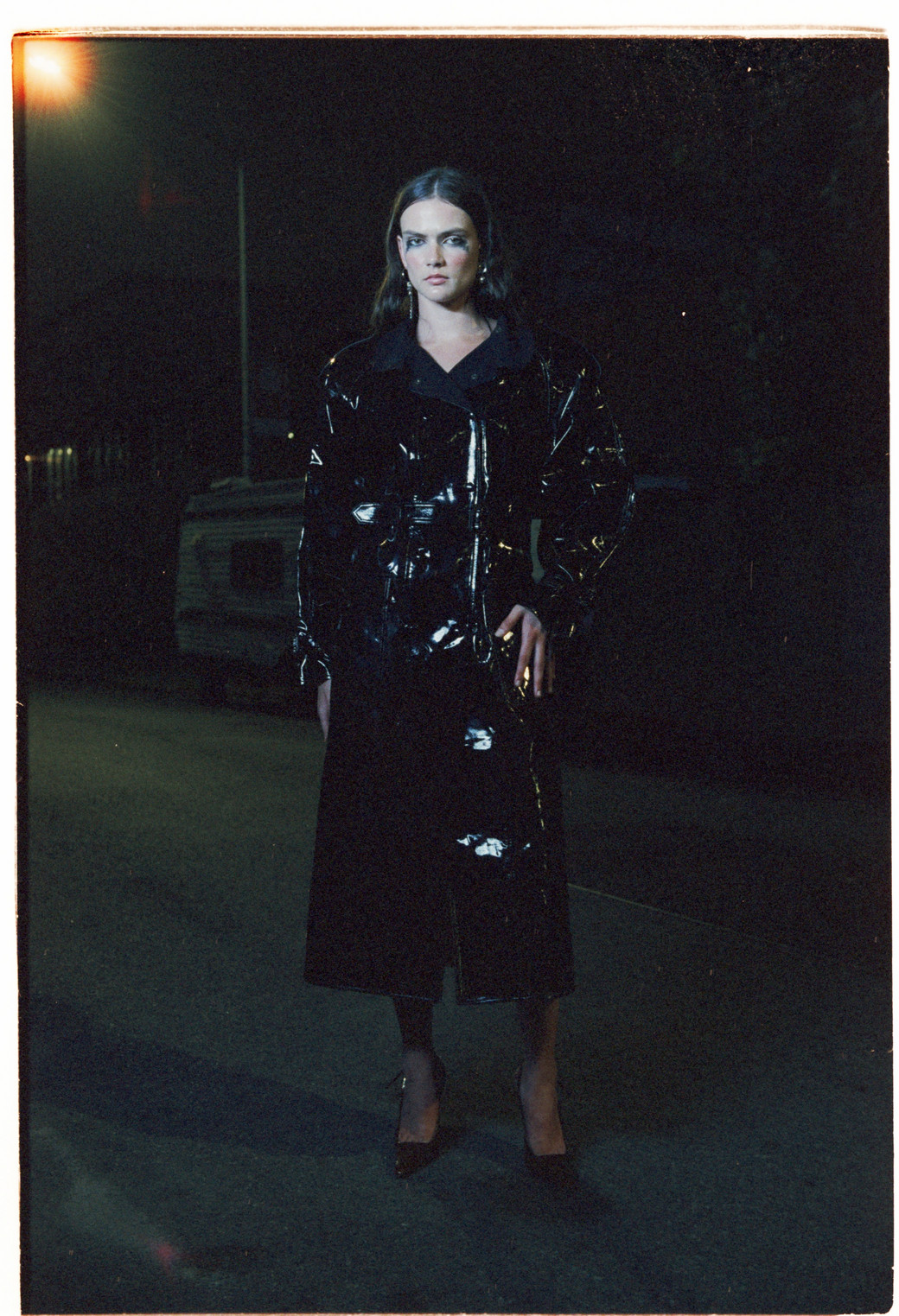
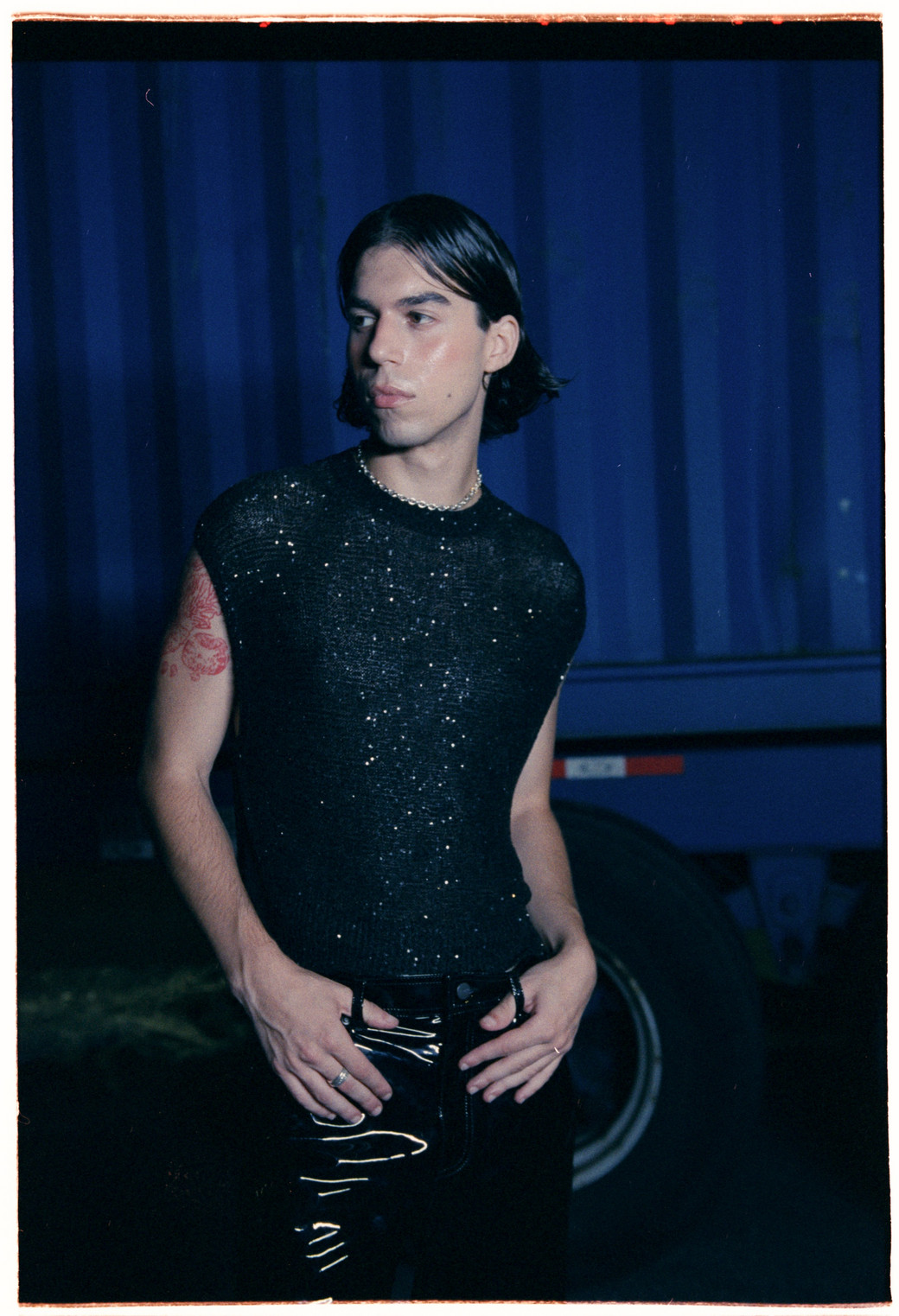
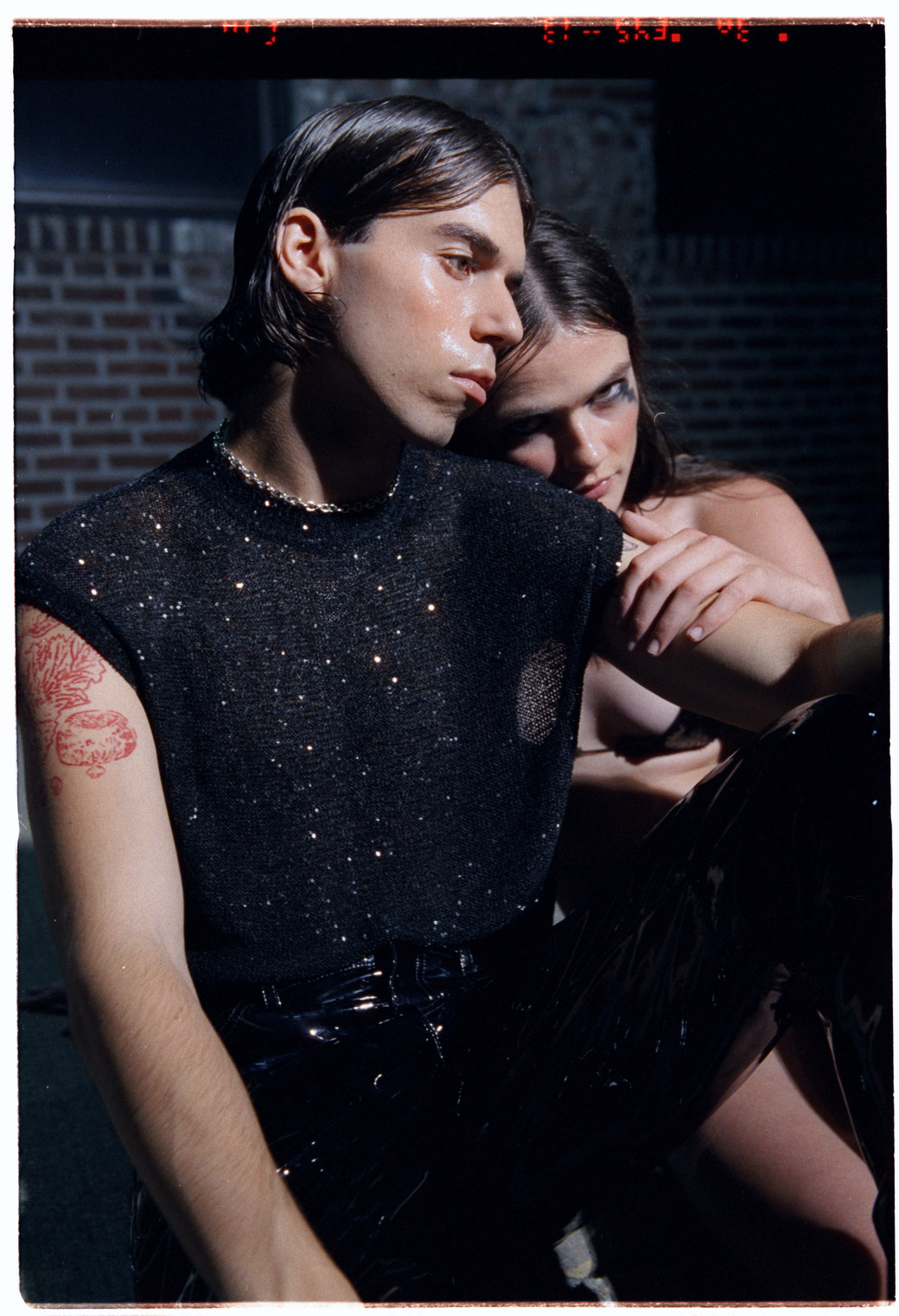

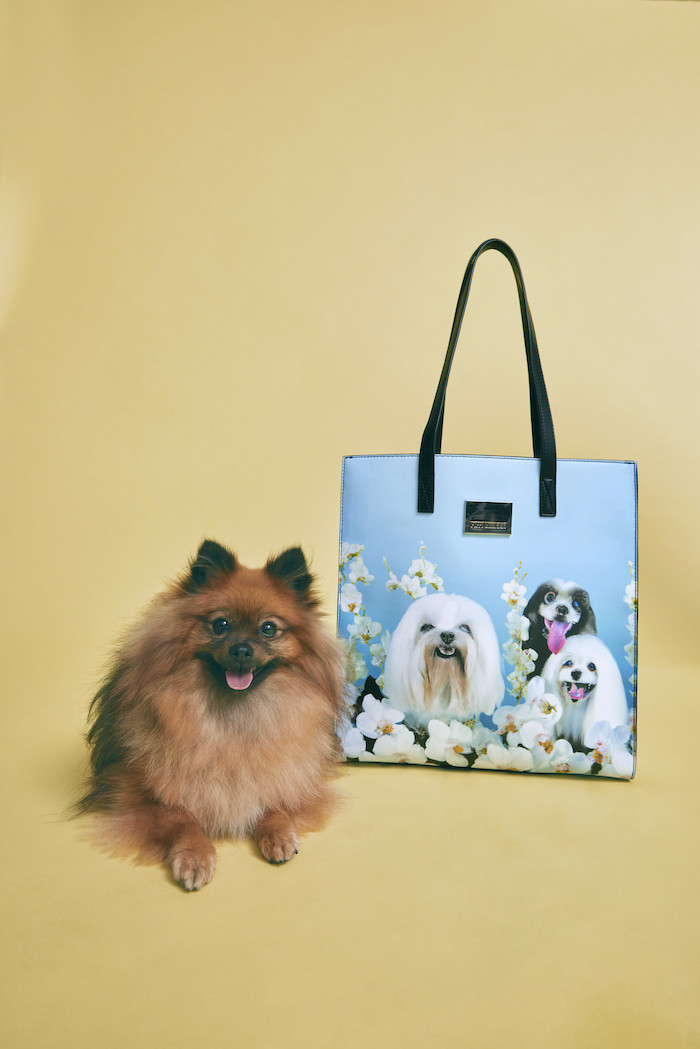
The dogs are the stars of the show, of course, but Poppy’s use of AI to assist in designing this collection is what really defines the Pet Collection. office sat down with the designer to discuss the impact of AI on her craft and the fashion industry as a whole.
When it comes to applying it to the world of fashion design, AI can be polarizing. What inspiration can artists and designers gain from using it?
In this collection, we see AI as both a tool for artists and designers and as an aesthetic in itself. As for the aesthetic part, we’re talking about a technology still in its early, imperfect stages. The images generated by computers today are still a bit wonky. There’s a friction and a wrongness there that we wanted to lean into. Rather than critique the way images turn out, we wanted to embrace it as an aesthetic in itself.
As for the movement of AI in the design world, there’s a lot of concern that the existence and development of this sort of technology will render artists and designers obsolete. And as a designer, I can’t really afford to think like that. I’m not trying to speak for all designers here, but I can’t single-handedly stop AI. Nor is my protesting going to do anything beyond me missing out on what could be a really fun way to bring my ideas to life. Instead of worrying too much about the downsides of computer-generated art, I’d rather become inspired by its potential and lean into the crazy.
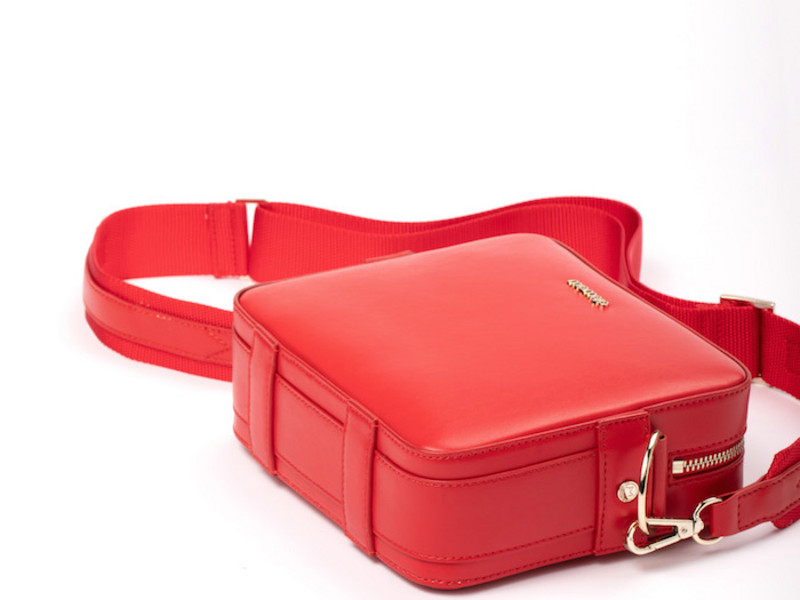
I think it’s also important to remember that you can’t generate an original image without an original prompt, and to create an original prompt you still need an original idea. Those ideas come from us! And the idea of chucking some slightly skew-whiff Shih Tzus on a vegan leather handbag still came from my brain. There’s always a human element. The originality is in the prompt. I hope this collection inspires people to play around with AI — to use it as a tool for bringing your weirder ideas to life, and to remember that creativity lies within your ability to ask an original question, or in this case, give a slightly bizarre prompt to a machine and watch it turn it into a slightly imperfect reality.
We’re aware that you love Pomeranians, who take front and center in some of these designs. What spurred this eccentric, dog-inspired accessory collection?
If you saw the Explore page of my Instagram it’s literally just videos of Pomerianians and I love that. My heart skips a beat when I see one on the street, I squeal with excitement. I wanted to recreate that feeling on some bags — obviously, we had to start with a Pom, then we included some of the other dogs which are some of the most beloved family members of people I know.

How do you plan to continue incorporating AI into your design process while still honoring the human, hands-on elements of creation?
Honestly, the human, hands-on element of creating this collection far outweighed AI. The amount of tweaking, editing, and updating of this imagery was A LOT. So much so, that it took us just over a year from original conception to release, which is roughly three times longer than normal. At the moment, I don’t see us using AI too much more in the design process. It’s sometimes a great tool to use as a starting point then tweak and play with from there but the human touch is what works best for us.
Lots of Poppy Lissiman designs embrace weirdness. What advice would you give to help others find the beauty in the bizarre?
I love the left of center, the slightly off — the little bit ‘ugly.’ Run of the mill, same as everything else is boring. I very much feel beauty is in the eye of the beholder so the weird and bizarre might not be everyone’s taste — it’s very personal. But I do say lean into that weirdness. Seeing a Pomeranian literally brings me so much happiness that I had to have a bag with one of them on it. It might not be everyone’s cup of tea and there’s probably not anything in the rule book to say having a bag with small wonky dogs on it is du jour but if something brings you joy — wear it, do it, embrace it.
Which Poppy pet best reflects your personality and why?
As much as I’d like to say the Pomeranian bag, it’s probably the quivering little chihuahua on the Yap Yap bag. I probably most identify as a chihuahua. Constantly teetering on a state of flight or fight — anxious and ready to go at a moment’s notice.

The brand just celebrated its two year anniversary at Luu's home in Sag Harbor, elevated by sycnhronized swimmers and the unveiling of her new swim line — a fitting celebration for the splash the founder has made thus far. Read more about Luu’s plans to continue providing visibility for her culture below.
What does being of Creole heritage mean to you? Where does your passion for your culture stem from and what are the magical, meaningful parts of your upbringing you would like to share with the world?
I was born and raised in Martinique, the French Caribbean. It's a little bit more than 400,000 people and very rich in our cultural heritage. I felt blessed during my childhood to witness some of the iconic people from our culture, from dance to politics. My childhood was spent around talented people, creative people, and philosophical people. So I felt that we had the duty to actually think bigger than our island and to try to share our thoughts and our knowledge with the world. And as soon as I was able to go outside of my island, I decided to start a career abroad. When people ask me, 'Oh, where are you from?' I will always champion that I am Martinique, French Caribbean because we have such a unique point of view. And because of this point of view, we are a melting pot of culture. We have this Caribbean heritage, we have French heritage, and we have the Latin attitude because we are surrounded by islands with Latin cultural backgrounds.
So what was essential for me and the knowledge I've gathered from my childhood was that cultural richness. So when I decided to create my own brand, it was very important for me to actually bring this notion with me — that what makes us different is what makes us stronger. So by creating ManLuu, I was able to do things that I love — fashion, but also lifestyle because I believe that the art of living is the best way to enjoy your culture and preserve French Caribbean heritage.
I really love the fact that you mentioned all the different people around you that inspired you. I know some of your inspiration for the brand comes from your family. Can you tell me about your origin story with the brand, which began from collecting vintage postcards?
The birth of ManLuu actually comes from the pandemic. I was very sick and it put everything into perspective. I was thinking, 'What will be my legacy?' And thinking about what I wanted to share with the world. So I started to go through postcards of my heritage and family photos, and those photos are just so strong. I refer to them a lot to show the resilience and the beauty of Caribbean people during that time. And you see all these women wearing jewelry as a powerful fashion statement, so that inspired me to start collecting jewelry. I had the idea that I wanted to do a book and then an exhibit about Creole jewelry. By sourcing information about it, I realized that not only was it very hard to find the history of Creole and Caribbean heritage, but beyond that, we were not always portrayed in a very elevated way. These histories weren't showing great aspects of who we are and what we stand for. So it was then that I decided to design my own. There is no gender attached to my pieces; I create things that will be a pleasure for everybody. Gwyneth Paltrow's team reached out to me to pull pieces and that was just the beginning. Then Cardi B wore ManLuu and our lives changed. When I started this project, it had always been my goal to democratize my culture, and it felt like that goal was reached right away.
I feel this inherent duality with the brand and see it manifest in many different ways. There's this sense of paying homage to where you come from, but also doing so in a modern sense and elevating it. I want to dive into your creative process. I know you've even designed hotels. But when it comes to jewelry, how does that process work? What inspires the shapes and the designs that you come up with?
I've always been a big accessory person. I believe that you can wear any basics if you have great jewelry and great shoes. Through my designs, you can see the journey of ManLuu over the past two years. The first things that I wanted to create were statement pieces that you can wear every day. So I was trying to balance the level of comfort because comfort is really key for me when I'm designing. When I design hotels, I love architectural lines, so I think that's something that you definitely feel in my jewelry designs. I think what makes my pieces different is that I don't approach jewelry like a jewelry maker. I approach jewelry as an architectural element. So what are the layers and how can they be combined together between geometrical form and organic forms?
I also wanted to make sure to highlight my cultural heritage through elements that are important to us. I have these beaded necklaces and there's a real cultural story behind that. For every important moment of your life, we will give you a bead — for a birth or for a wedding. The bead closure is a barrel, and those were the first elements that I designed for ManLuu.
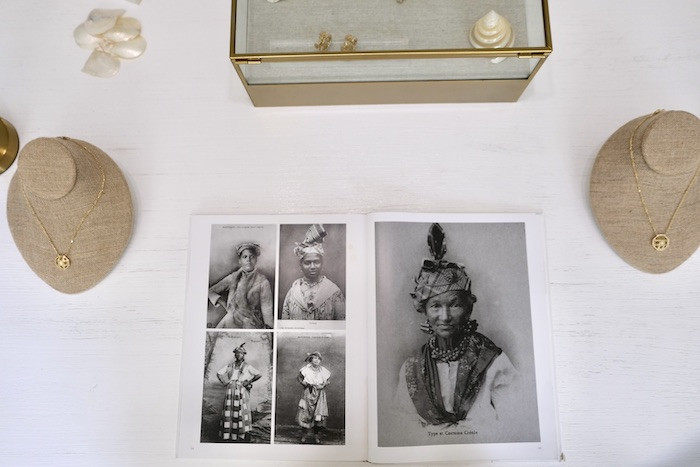
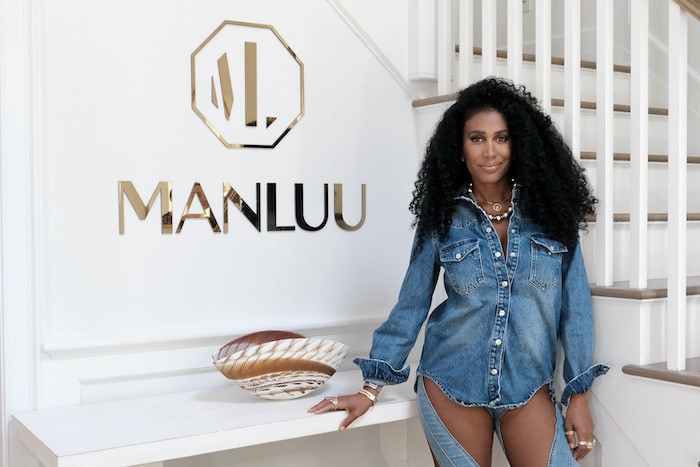
I think it's just really interesting how you've been able to mesh so many different aspects of what you do and who you are into the pieces that you make. I know that, in general, Creole jewelry is a big part of your artisanal heritage that has persisted for decades. Can you tell me about those practices and in what ways jewelry history has shaped Creole culture?
Something that is unique to Creole and Caribbean culture is that when you look at those postcard photos that I mentioned, you see the art of accumulation. You see that they created the art of stacking before stacking was a trend. And this is what I want to keep in mind when I design my pieces. They are made to all wear together. I want people to be able to go big like women were doing before — you can put everything together and look glorious. As well as the art of how we've been wearing jewelry, I also want to show that we are jewels ourselves. So we are showing our pieces off and we are shining with them.
That's a beautiful notion. I read that your grandparents' owned a jewelry store in Martinique when you were a young girl. What lessons do you carry with you today that you picked up back then?
Even though I design jewelry, I'm still wearing the fine pieces that were passed down from my grandmother to me. What they really shared with me is the art of sharing jewelry. And to tell stories with jewelry, as they were when they were crafting in the very small store in Fort de France. As they were creating pieces, they were forming relationships with their customers. I discovered that that was the most important thing for them — their customers were part of a family. And this is what I really try to focus on when we do custom pieces today with ManLuu. I love making people unique pieces because that is where you have the time to create connections with people. And at the end of the day, it's all about connecting with people.
I think it's so important to assign meaning to certain heirloom pieces in the way that you are because then you treasure it more and that jewelry becomes something you hold on to forever. You have advocated for your heritage every step of the way with your brand. But you also just wear a lot of different hats and have worked in other roles, uplifting young creatives, especially young Black creatives. What is your advice to young Black creatives attempting to break into the scene?
It's been more than 15 years that I've been trying my best to wear Black designers and work with Black creators. Not only that, I try to work with all people from diverse backgrounds, from Indian to Brazilian, because I really strongly believe that this merging of cultures can really change the world and create something that is just so much more fruitful because you have different points of view coming together. I've realized that the secret of success for Black creatives is authenticity. It's unique and it's priceless. The way that you show up to the world and share your work is important. This is the only way for people to know that you exist. And when that true talent shines through, you will create space for yourself. The sky is actually not the limit. Behind the blue of the sky, there's so much more. So another bit of advice would be to not limit yourself regarding what can be done. This is what I applied to myself my whole life. Life is also about opportunity. So the more people you meet, the more opportunities you will create.
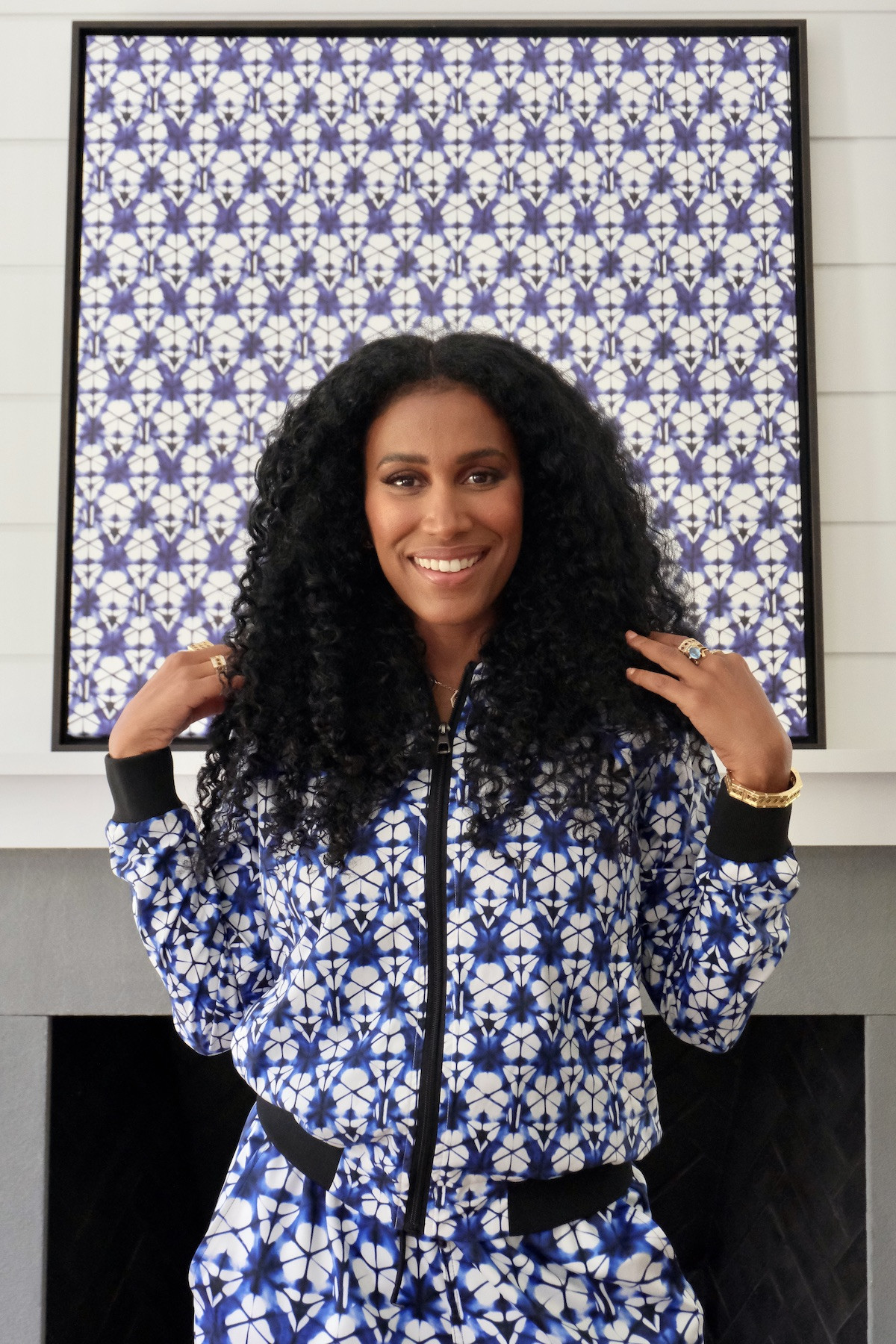
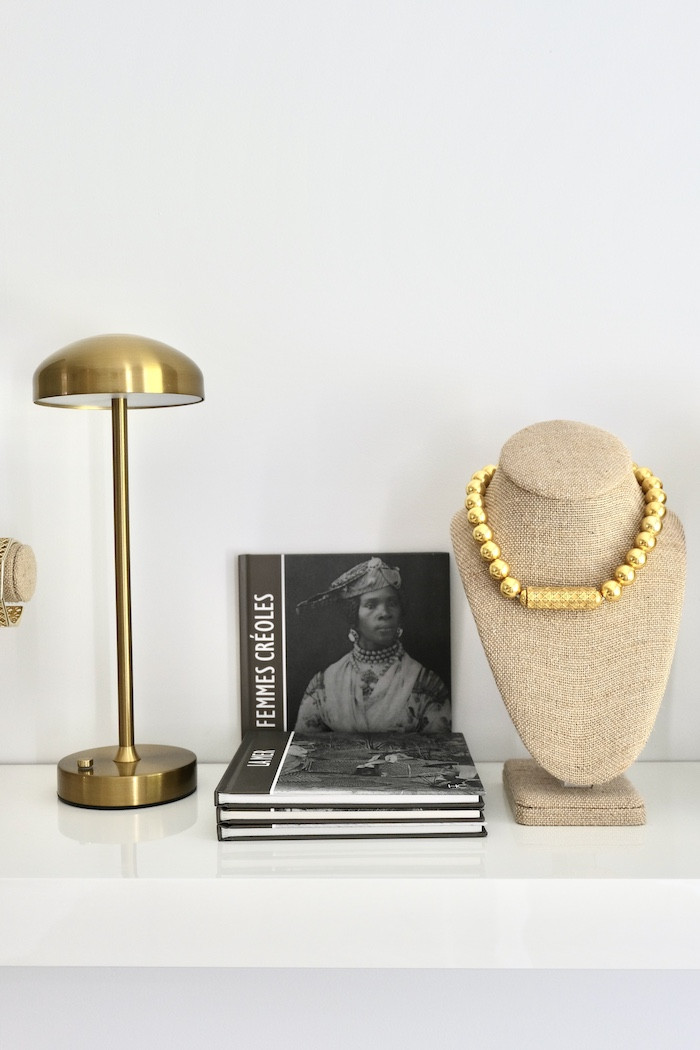
I feel like the hardest part for so many creators or creatives who come from diverse backgrounds is the beginning. Just believing in themselves enough to get over that first hoop. Once you get past that, the possibilities can be endless. It's just that you've got to be on your own side too.
And I think it's important that young creators understand the notion of community too. When you move as a community, you actually have more impact and everybody is trying to bring everybody up.
I agree; I think it's so important, especially in design and in creative realms to have like-minded people surrounding you. You mentioned earlier in our conversation the idea that the wearers themselves can then be a part of the story they are telling with their jewelry. Why do you think jewelry is an important part of displaying your identity or self-expression?
Life is a journey and you can almost signify this journey with every piece of jewelry that you wear. From your beliefs, values, or religion — all of that intersects and can be communicated in jewelry. But beyond that, your jewelry can actually tell people a lot about who you are. If you are a leader, you may wear rings on your index finger. So you share messages about who you are, not only with every piece that you wear but how you wear it.
I'm sure it's really interesting to see the ways that people interpret your pieces in their own ways. Though it is early days for the brand, you've accomplished so much already. Where do you hope to see yourself in five years' time and in what ways would you like to expand this world into the lifestyle and design realms?
The journey was always to extend ManLuu into lifestyle, especially since I was designing hotels already before. It's about the experience that you create — that's important to me. And since I love the beach, we launched a swim line, that now includes 5 pieces. So we are actually starting to go out of the jewelry space already. It's a first step. But in the next five years, I want us to really be a destination and a home to many other designers. I think that what I want for ManLuu is a strong community. I've always thought, 'What's the point if you can’t have people around you?’ On this journey, I just want to bring people with us. I don't want to do it alone. I want to be surrounded by people that I find incredible. And then they get to grow with the brand as well. It's an amazing feeling.

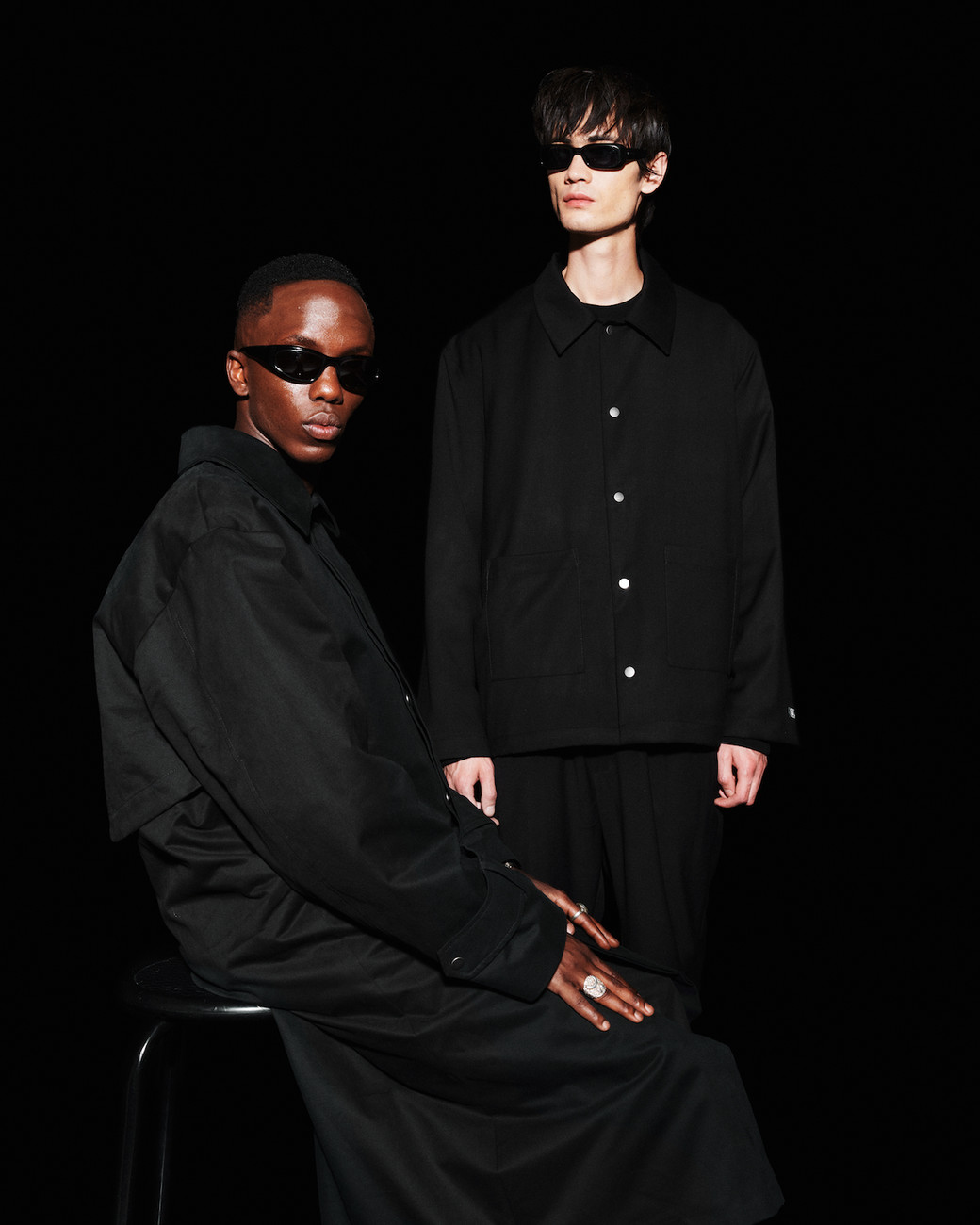
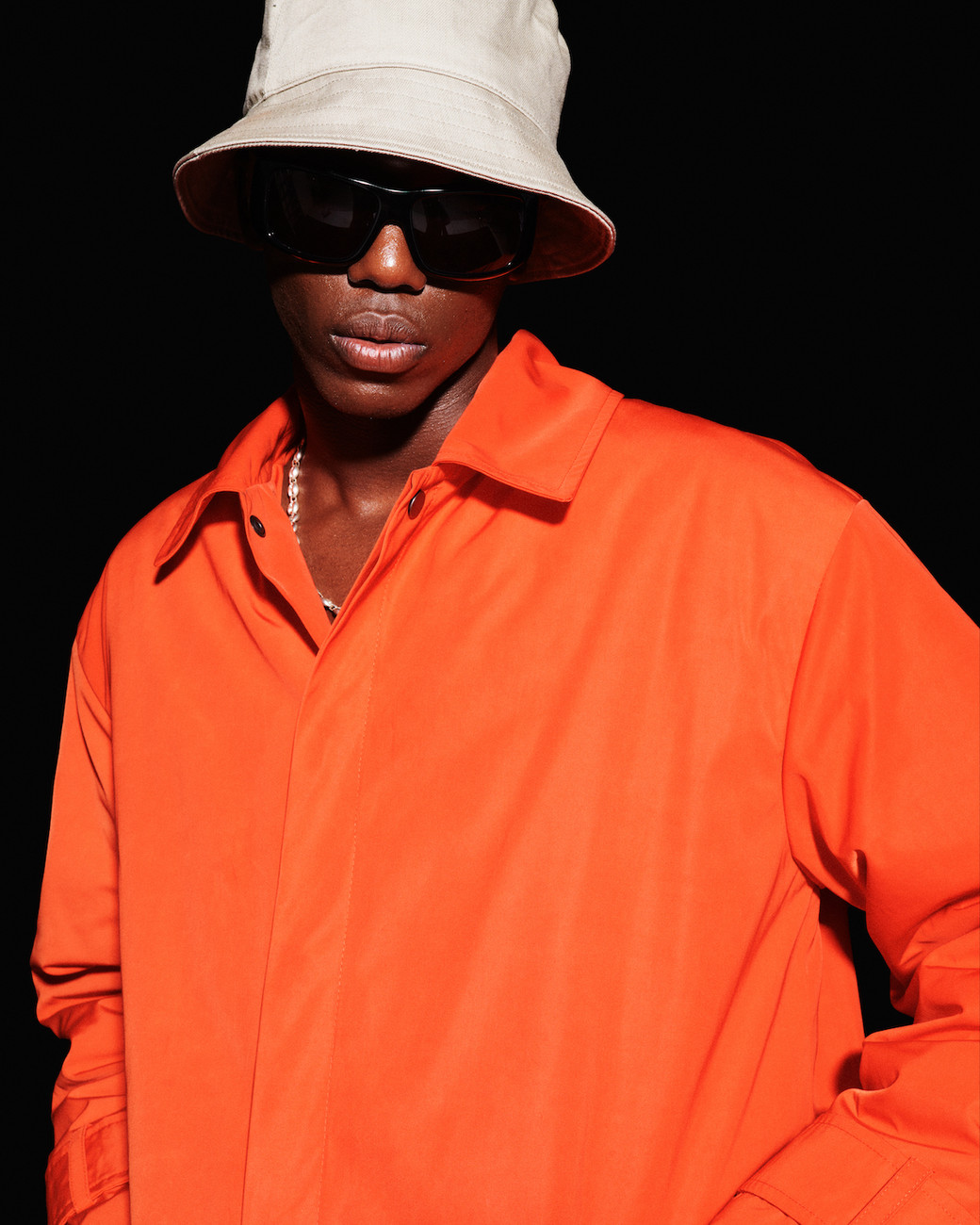
For young designers, it’s particularly apt to be thinking about change right now, and not because of what’s playing out on the global stage — as such thought could point to an increasingly widespread factor that most labels are tackling head on. Put simply, it’s a pivotal shift in mindset that adds depth to the purpose of making clothes. “My African heritage combined with my Scandinavian upbringing is the cornerstone of my design philosophy, infusing it with a unique blend of cultural elements and values,” he says. For da Silveira, the design process is not just a source to find inspiration, but a guiding force. “My designs are a reflection of the rich tapestry of influences that have shaped me, from Africa to Scandinavia and the multicultural neighborhood I grew up in while moving from Togo to Sweden.” The designer’s flesh-and-blood creations imbue details that range from color to storytelling, navigating through tradition and innovation. “The fusion of African culture, hip-hop culture, Swedish heritage and Scandinavian aesthetics creates a distinctive design identity,” notes da Silveira. “It reflects the multicultural world we live in today, resonating with a new Scandinavian generation that values diversity, inclusivity and authenticity.”
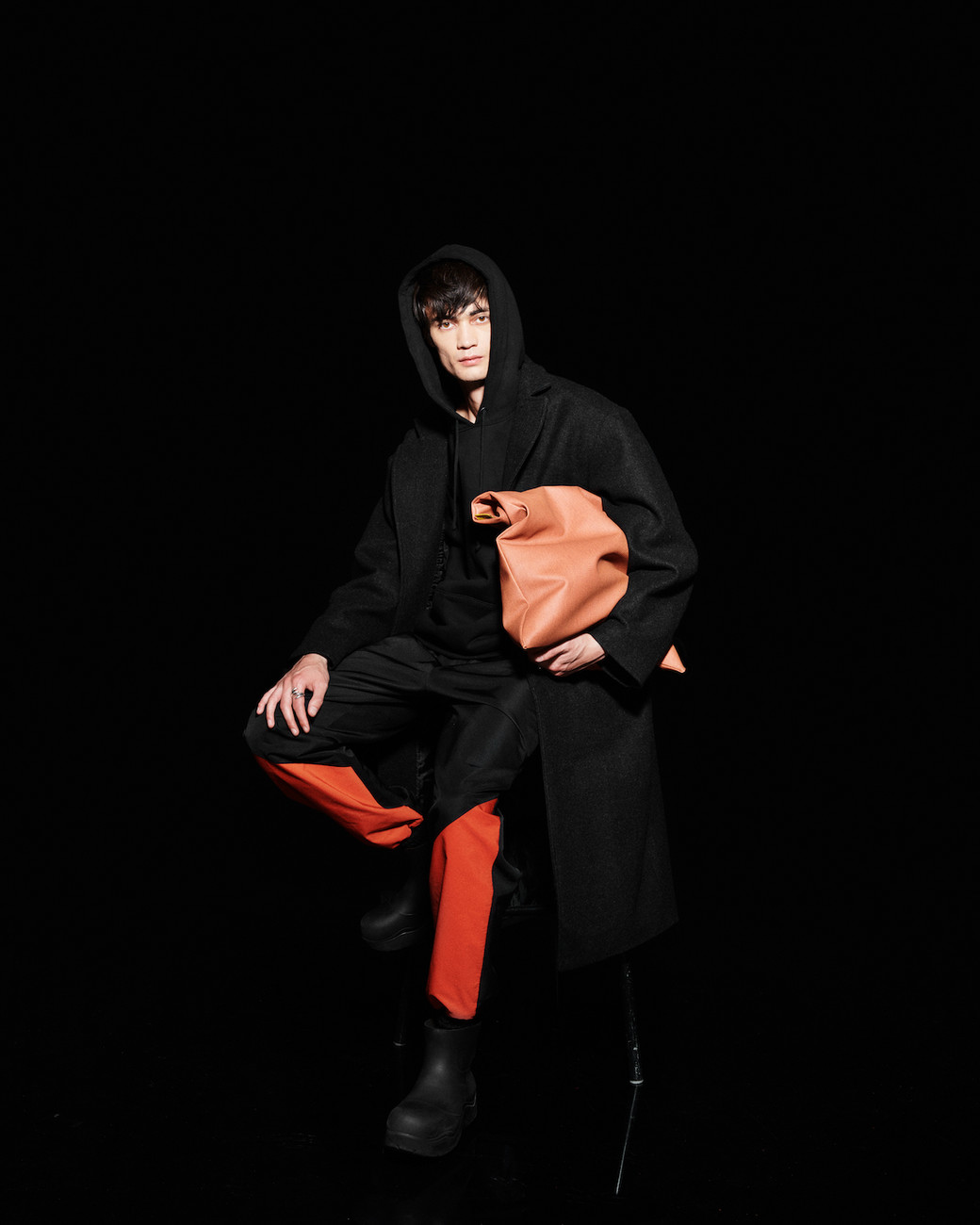
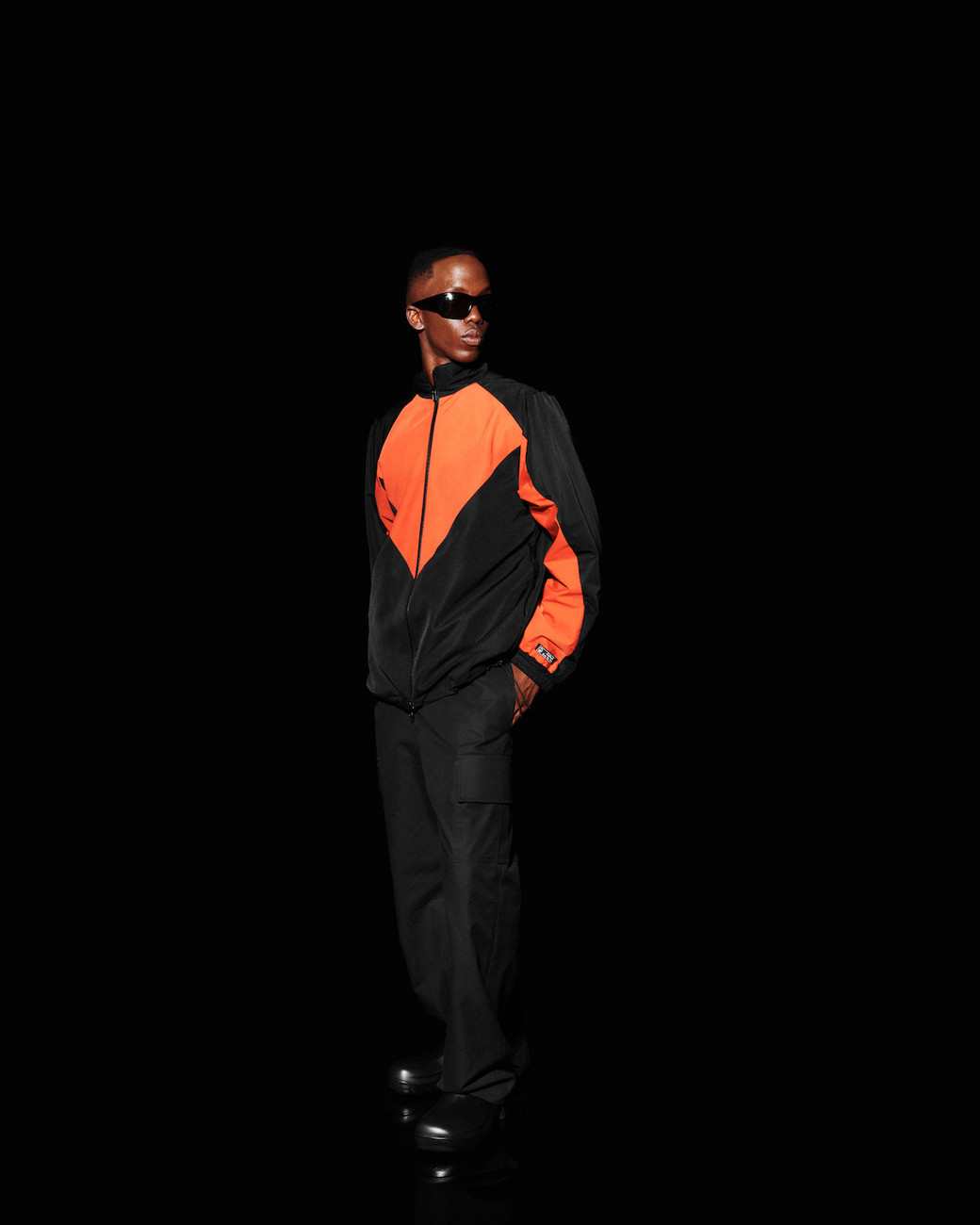
That’s not necessarily an easy feat, but it’s one that da Siveira has embraced with gusto. Here, technically accomplished ideas adapt to a panoply of bright hues, which, juxtaposed to a neutral undercurrent, have become a hallmark of the label. “African art and traditions are known for their vibrant and diverse color schemes,” he asserts. “These hues have deeply impacted my design choices, leading me to incorporate bold and striking colors from my early years in Lomé into my collections.”
The multicultural communities outside of Stockholm’s inner city have reinforced the designer’s belief in the power of diversity. “They’re societies where people from all walks of life come together, and this inclusivity aligns perfectly with my vision of fashion that celebrates different backgrounds and identities,” he says. The rising generation of Third Culture Kids in the streets of Stockholm have exposed him to a world of cultural expressions, resulting in an “urban energy that has inspired to create pieces that resonate with youth culture across borders.”
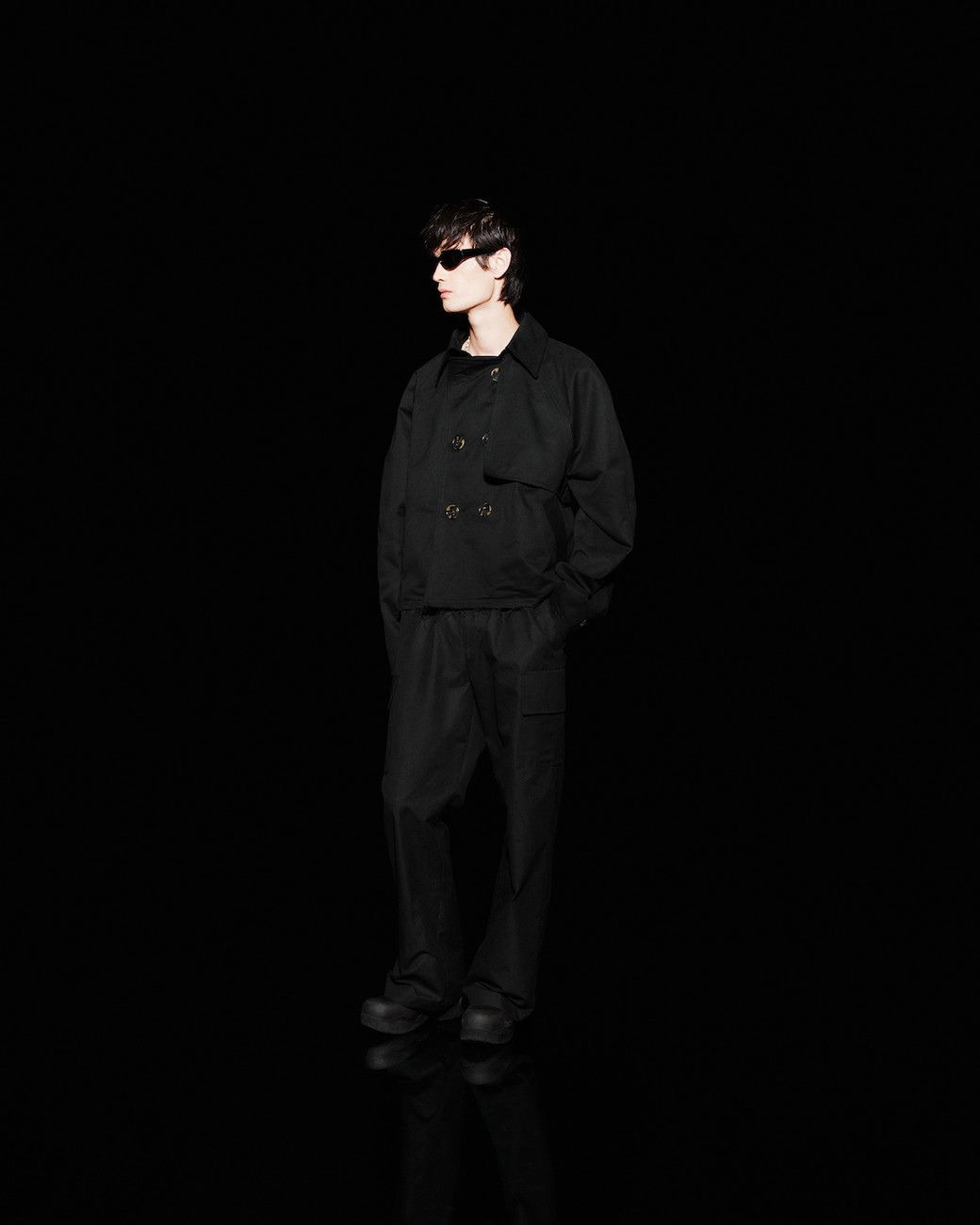
At Diemonde, an of-the-moment spin is rendered by linen, wool and cotton twill textiles that embody the very essence of Scandinavian aesthetics, quality craftsmanship and luxury. “They are hero textiles for me because it allows me to create pieces that are both durable, elegant and are aligning with my core values,” says da Silveira. “Scandinavian minimalism influences my silhouettes, emphasizing clean lines and simplicity, combined with relaxed fits and boxy shapes aligned with the global street culture influences in my collections. These silhouettes are a nod to Swedish design heritage and represent timeless elegance with a twist of a contemporary modernity.”
And, as if the density of contemporary stimuli weren’t enough, values of bravery, disruption, and empowerment have further-deepened his commitment to using fashion as a platform for social impact. “I've evolved into a designer confident in my vision who seeks to challenge norms, disrupt stereotypes, and empower individuals to embrace their uniqueness,” he says. “My work has become a reflection of the intercultural Swedish society I'm part of, resonating with the energy and lifestyle of a new generation.” Ditto, his preoccupation to walk through the lane of social welfare continues in undaunted unison. “My ability to have an outside perspective has been a blessing” he says. “Learning more about the supply-chain and how the industry really works pushed me to work on long term solutions for Diemonde that will keep us sustainable through time. To be able to create opportunities for integration, labor and sustainability throughout the value chain is something that speaks to the core value of Diemonde.”
All in all, the label is poised to explode commercially without alienating those elements that characterize its soulful approach and universal appeal. To wit — if da Silveira manages to press a little harder on the silhouette without losing sight of his Scandi and Togolese infusion, he’ll better serve his presumed purpose, which is to spotlight his clothes in the name of change.