Boulevard Magenta
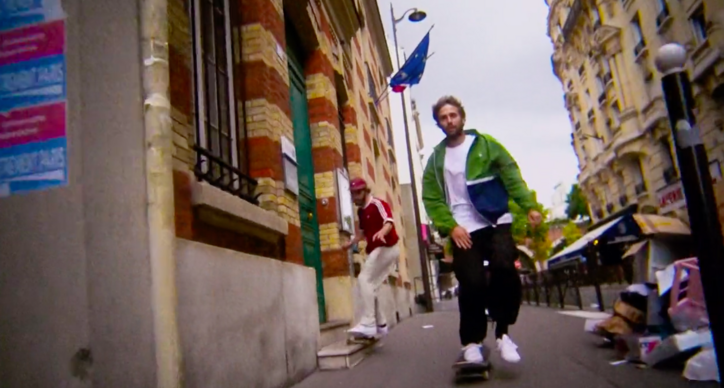
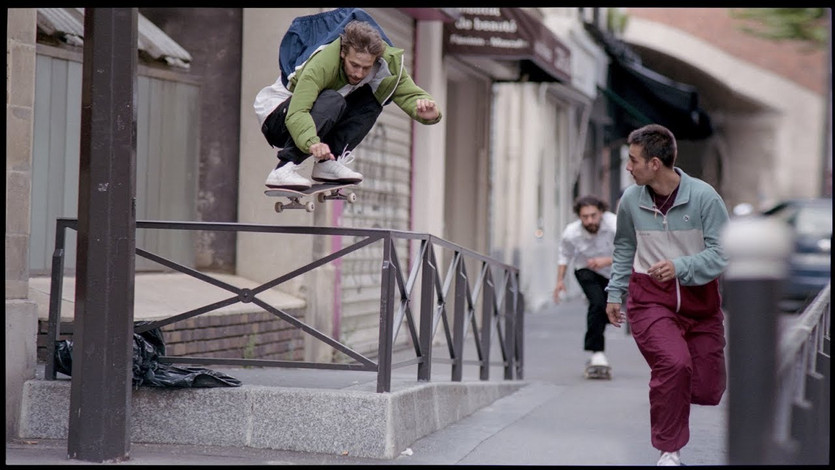
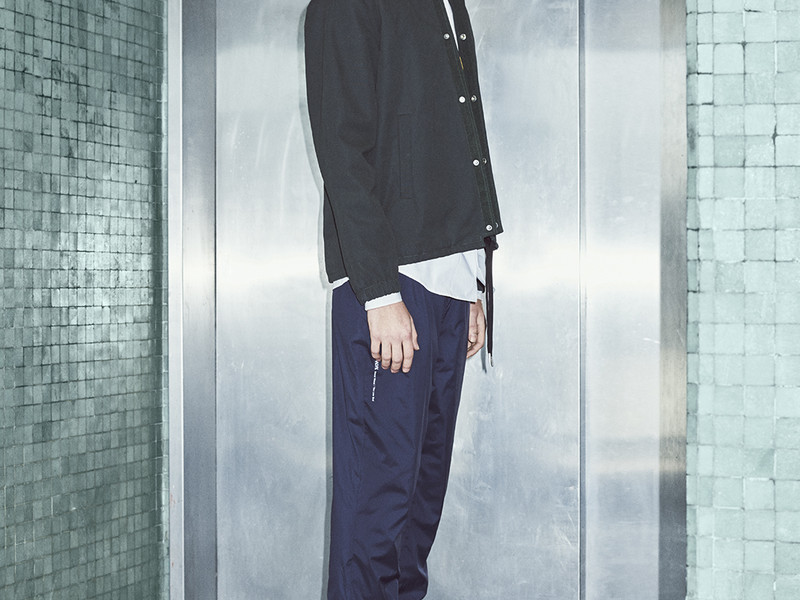
For the second three-stripe shoe they added detailed art, aesthetics by Soy Panday that seek Magenta's energetic, easy attitude.
- The collection is sold at the adidas Skateboarding site.
For the second three-stripe shoe they added detailed art, aesthetics by Soy Panday that seek Magenta's energetic, easy attitude.
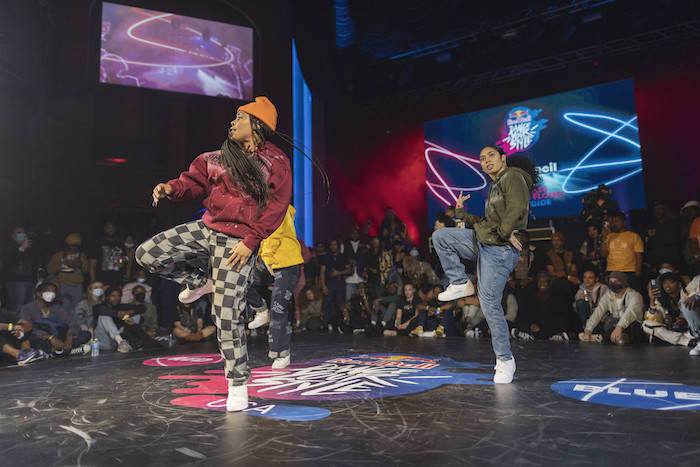
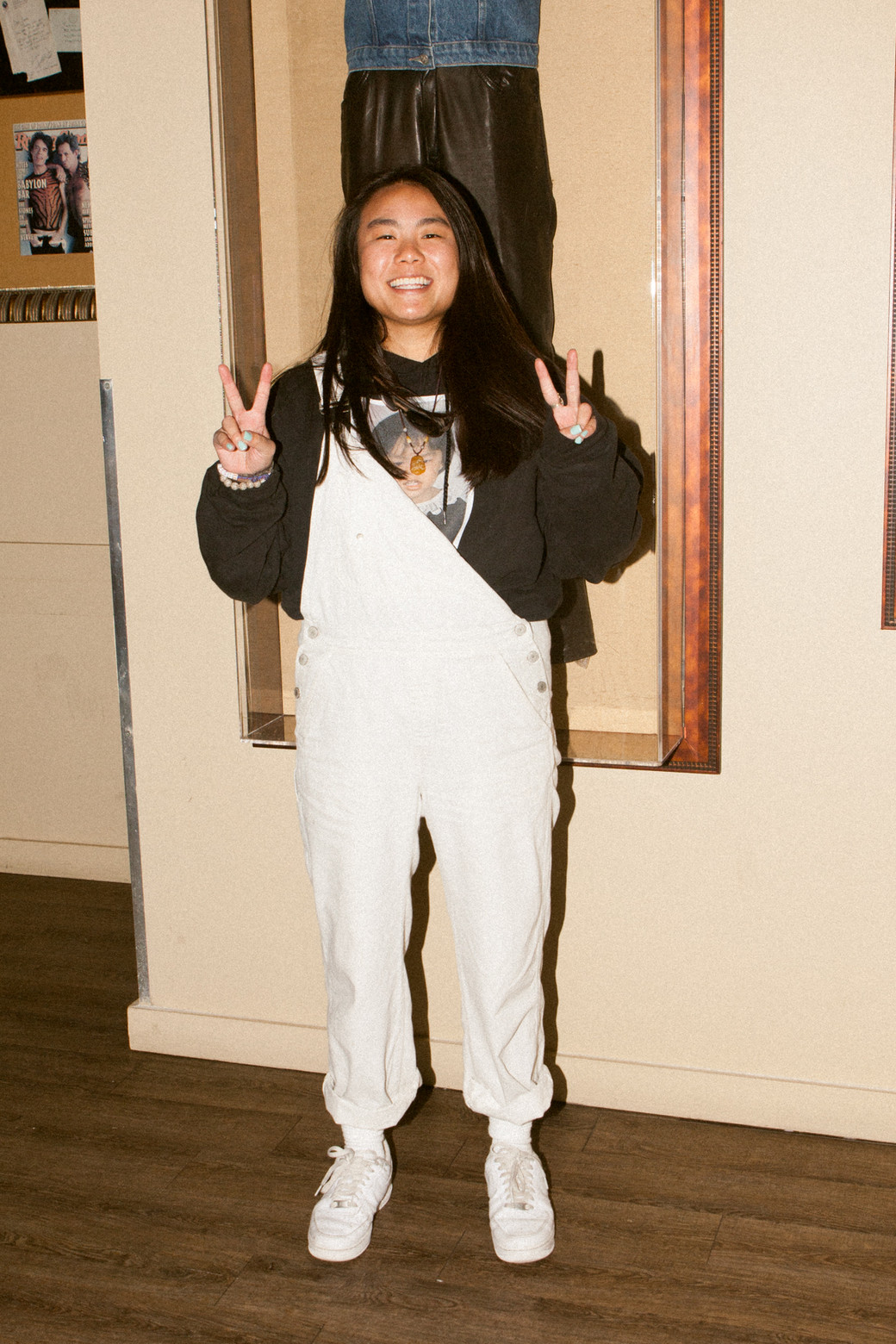
office caught up with two incredibly talented dancers, Dassy Lee and Tomoe Carr — also known as Beasty — ahead of the competition, where we discussed their dance origins, personal styles, and more.
How did you get into dancing?
Dassy — I got into dancing when I was eight or nine years old. I'm from South Korea. I think a lot of people my age, that dance, started from just watching TV and singers dancing and following that. I would collect my friends to dance together and that's how I got into it. A few years later, there was a school program in junior high school that I joined and then from there, I got seriously into it.
Beasty — My parents are dancers. They had me dancing since I was already in my mom's belly. My dad, right now, he's mainly a house dancer. My mom was hopping around popping and breaking, but she's more into hustle and salsa right now. Hip hop is my main base, I would say. They actually had a studio in Japan and that's where I started to dance. I was born in New York then I moved to Japan when I was about three and lived there for 10 years.
What kinds of things did you watch or see that influenced you to pursue dance?
D — TV shows, definitely. So You Think You Can Dance was super influential. A lot of music videos — obviously Korean pop music videos were big as well.
B — A lot of the hip-hop groups that I get inspiration from are from Japan.
How are you feeling about the competition this weekend?
D — Actually, I was in Miami for another competition last weekend so I didn't really get a chance to rest. So I kind of want to not think too much. I just want to have fun — same as Miami — have a smile, bring the good energy and have fun with my friends. That's all I need.
B — I'm nervous but I'm excited. I'm ready. I've got a lot of energy, so I'm ready to just release tonight. Hopefully, I can make it far.
So would you say good energy is what gets you in the right headspace? Do you have any other particular ritual or something that you do to get you ready for a performance?
D — Since I've been dancing, I always have this time where I pray to my dad. My dad passed away when I was one year old. So I definitely take time to pray to my dad that I just want to have fun and 'Please keep me safe.'
B — Yeah, I'll meditate if I get the chance to. That re-centering definitely helps.
Aside from pre-performance rituals, I feel like another way that a lot of dancers prepare for a performance is by taking time to get yourself ready and picking what you'll wear and all that. If you had to describe your sense of style in three words, what would you say?
D — Simple, comfortable, unique.
B — Fun, energetic, groovy.
Do you think dancing has influenced your personal fashion sense?
D — I feel like I definitely get inspiration from a lot of other dancers, but at the same time, I know what kind of clothes I look better in. My body's really small so I like to wear high-waisted pants. I think over time I just found my style — it's really comfortable; I don't like too much stuff on my body. Otherwise, I'm going to get distracted when I'm dancing. So I like to go really, really simple, and unique in that I have my own distinct style. I always tie my hair really tight and that kind of became my trademark.
B — I think I have this confidence that I carry when I walk around and that also reflects in how I dress as well. That's just me being comfortable in my own skin. I also like to wear baggy clothes, kind of 90s-inspired. It gives off that vibe, you know, that kind of fly vibe. So I always liked that. TLC — I love them. So I was definitely inspired by them. The skirt overall — that was my thing. That and Jordans.


I want to touch on the beauty aspect too. Do you do any special makeup looks or also just something simple?
D — For makeup, I always do a dark eye, and then my hair is always in a sleek look.
B — I try to keep it simple for sure, especially because I don't like to grab attention too much. So I think it's easier for me to just keep my face simple and then maybe show a little more through my clothes.
So, Dassy, you're in a dance trio called "Femme Fatale." Do you guys coordinate outfits or do you think you all have really different tastes?
D — We coordinate together, but we all have different backgrounds. One member of our group is from France and another is from Mexico. So we are [all] not from the US, and we just want to empower all different looks and all skin through different types of dance clothing. We definitely love feminine style and we work with that. Our dancing style is actually really masculine, which is popping. We wanted to find something that was very different and own it. We love to bring something classy and simple. Sometimes we go with things that are even almost couture.
Can you think of one favorite outfit that Femme Fatale has all worn together?
D — Definitely one was a green jumpsuit. We wore those when we performed at the VIBE competition. The other was a men's suit. We wore those but then when we took them off we had smaller tops underneath.
Are there a lot of other females who dance in that style, or is it still kind of a rare thing?
D — Street dance, in general — it's very male-dominated. Men used to dance to 'get the girls.' There are definitely a lot of dope female dancers, but it's way less than the males. Especially [the] popping style, you're using your muscle to make the effect. So for women, who may have less muscle, it is harder than other styles. But at the same time, I've been doing it for a while. I don't want street dance to be divided by gender. I just want to do my best to empower all the ladies to do the same.
And Beasty, I saw that you also recently performed with Alicia Keys at the VMA’s; do you have a favorite outfit from a certain performance as well?
B — They had us all in blue flowy dresses at the VMA's, but normally I'm in sweats and a t-shirt. I kind of go with that all the time. I'm just there to focus and be comfortable and ready to go.
Do you both think that as your dance style has evolved, your fashion sense has evolved with it over time?
D — I think so. I feel like when I was studying dance in South Korea, I was wearing only baggy clothes. In America, people wear whatever they want. In Korea, especially for poppers, they only like to wear bigger clothes. They are scared to wear something more feminine because then people probably would judge it from there that, 'Oh, that's not popping.' So for me, I personally love the way it is right now in America because everybody has their own choice. I'm still wearing baggy clothes, but when I moved to America, I started embracing more of my femininity and then I started wearing more skin-revealing clothes and dancing in that. Actually from there, I started putting more fun things on my body and I think as I mature as a woman, I am trying more diverse styles.
B — I feel like a lot of fashion inspo comes from hip hop. I do go back to old trends sometimes, like recently I figured out that actually I like low-waisted pants better than high-waisted pants just because of my body shape.
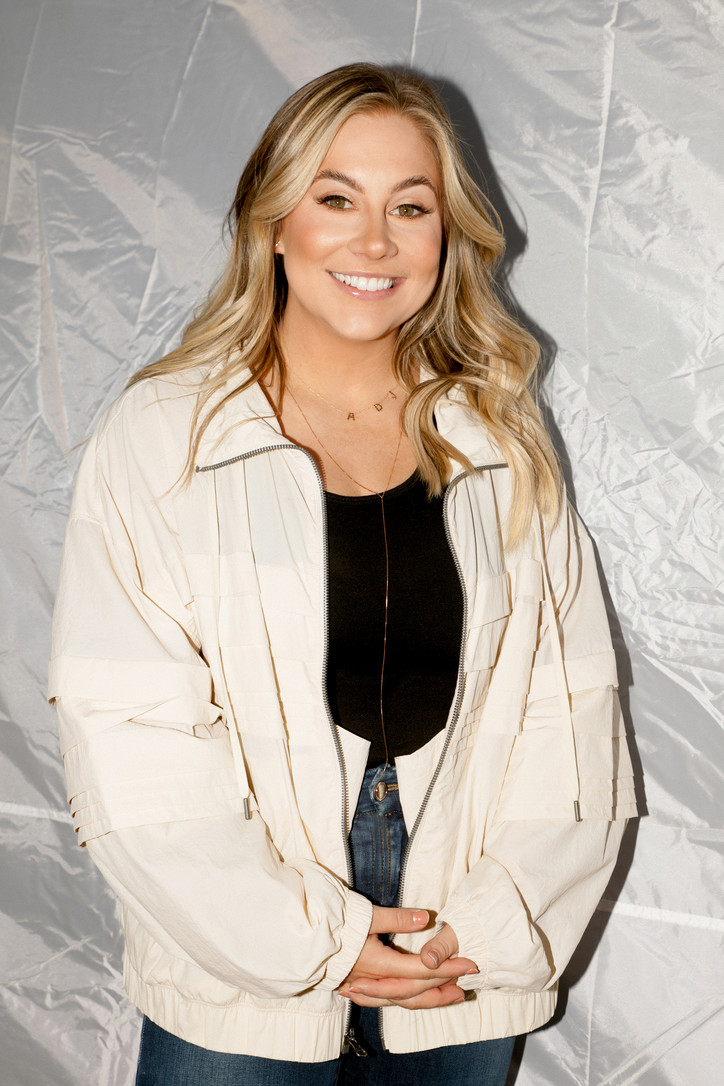
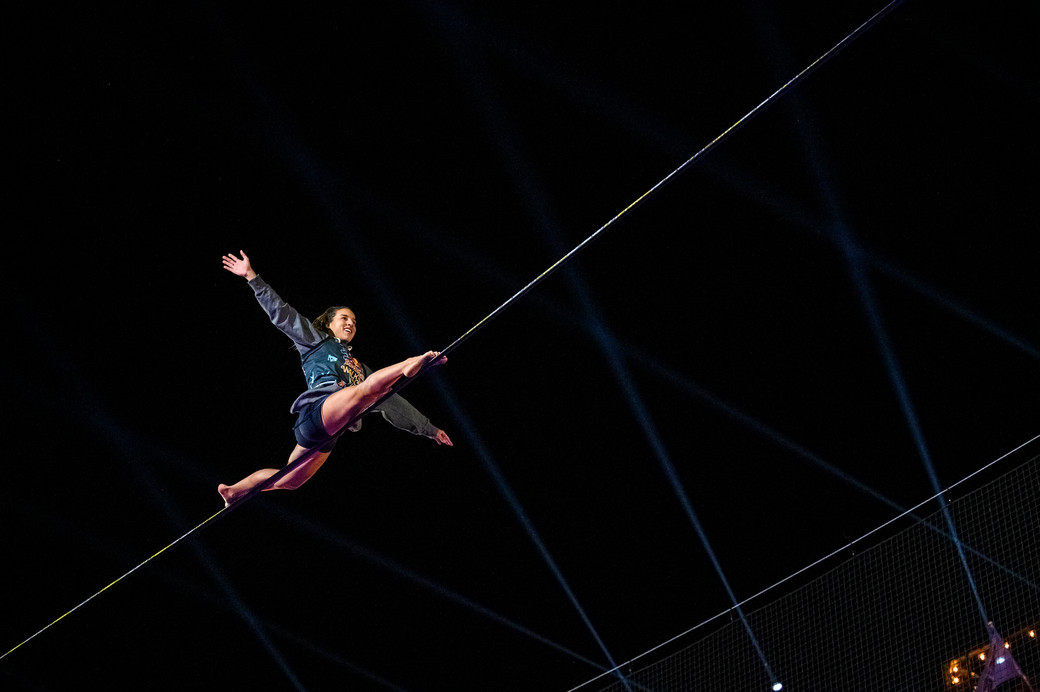
We caught up with Shawn prior to the event to get her thoughts on the night.
How do you feel about judging today? What will you be looking for?
I’m very excited but also very terrified. I will be looking for impressive stuff which I’m sure every single one of the athletes will have but by the end of it be able to see a comparison from each.
Have you slacked line before? I’ve been told by a slack liner that they joke that it’s so tricky not even an Olympic Gymnast could balance up there.
No I haven’t, I think I’ve tried it at a toddler’s gym once but never something 30 ft up in the air. And yes I think they are right - I actually had someone tell me “oh this is so similar to what you do on the balance beam” and I was like “no no, a balance beam doesn’t move” so this is a whole different level.
What segment are you most excited for?
I think the one trick is going to be really cool. Just to see them come out and attempt their most impressive trick is going to be really fun.
Could you see this in the Olympics?
For sure! I would love to see this in the Olympics.
Do you see it far away?
I feel like any sport that is unique enough on its own is worthy of being in the Olympics. I don’t see it far away either, I know skateboarding took a few cycles to get in but I think its an ever changing sports world and it should be in it for the next one.
Being here in person and looking up at how high this rope is from the ground makes me think about what must be going through the athletes heads. What’s your advice to overcoming fear and nerves?
Just don’t think about it til it’s over. The only way to handle nerves is to be in denial until it’s done.
View the scenes from the night below.
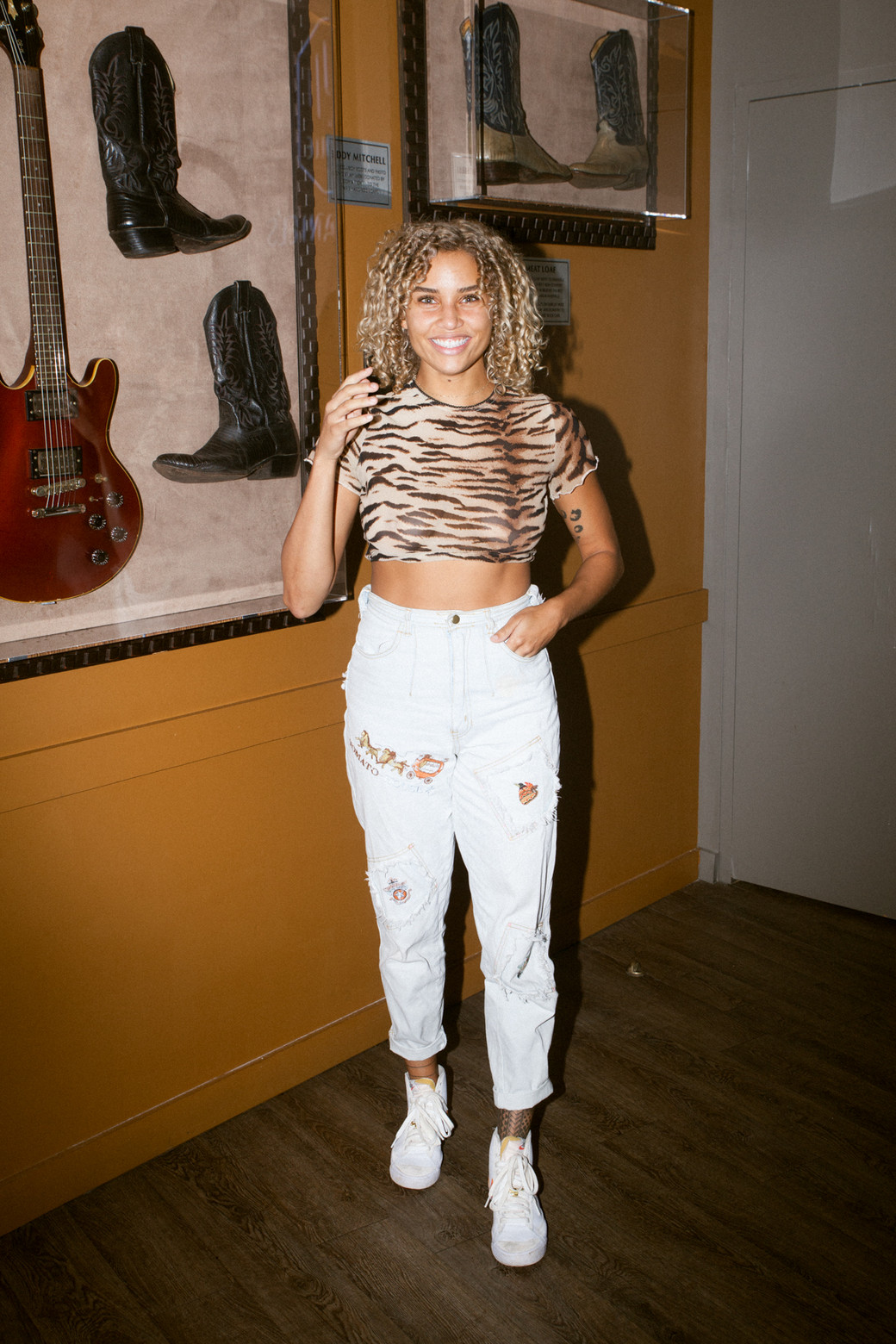
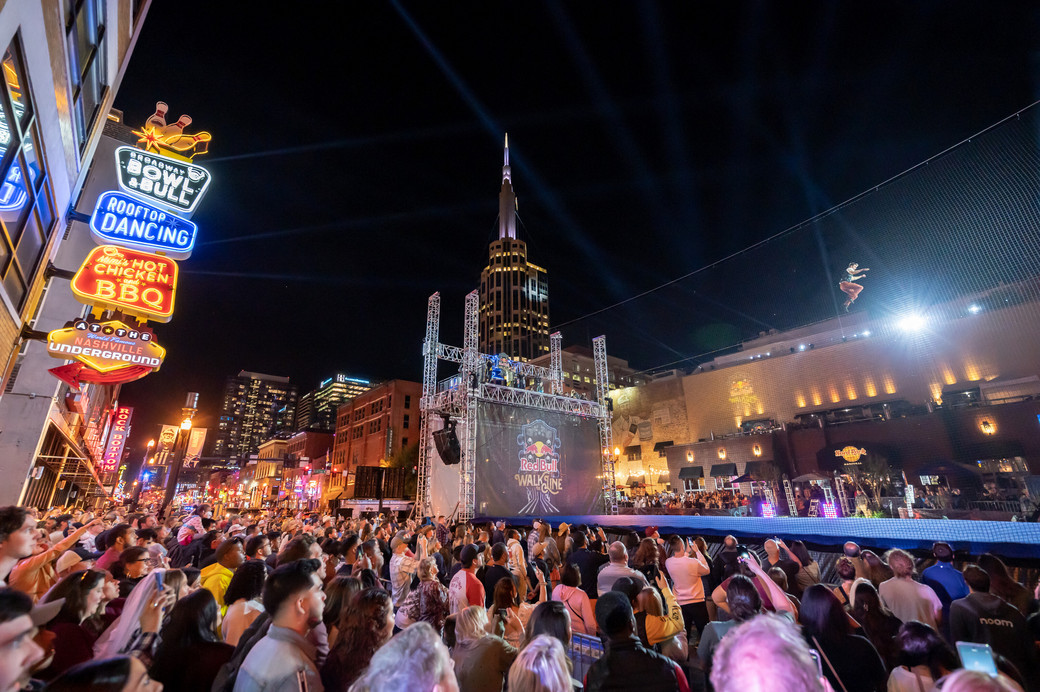
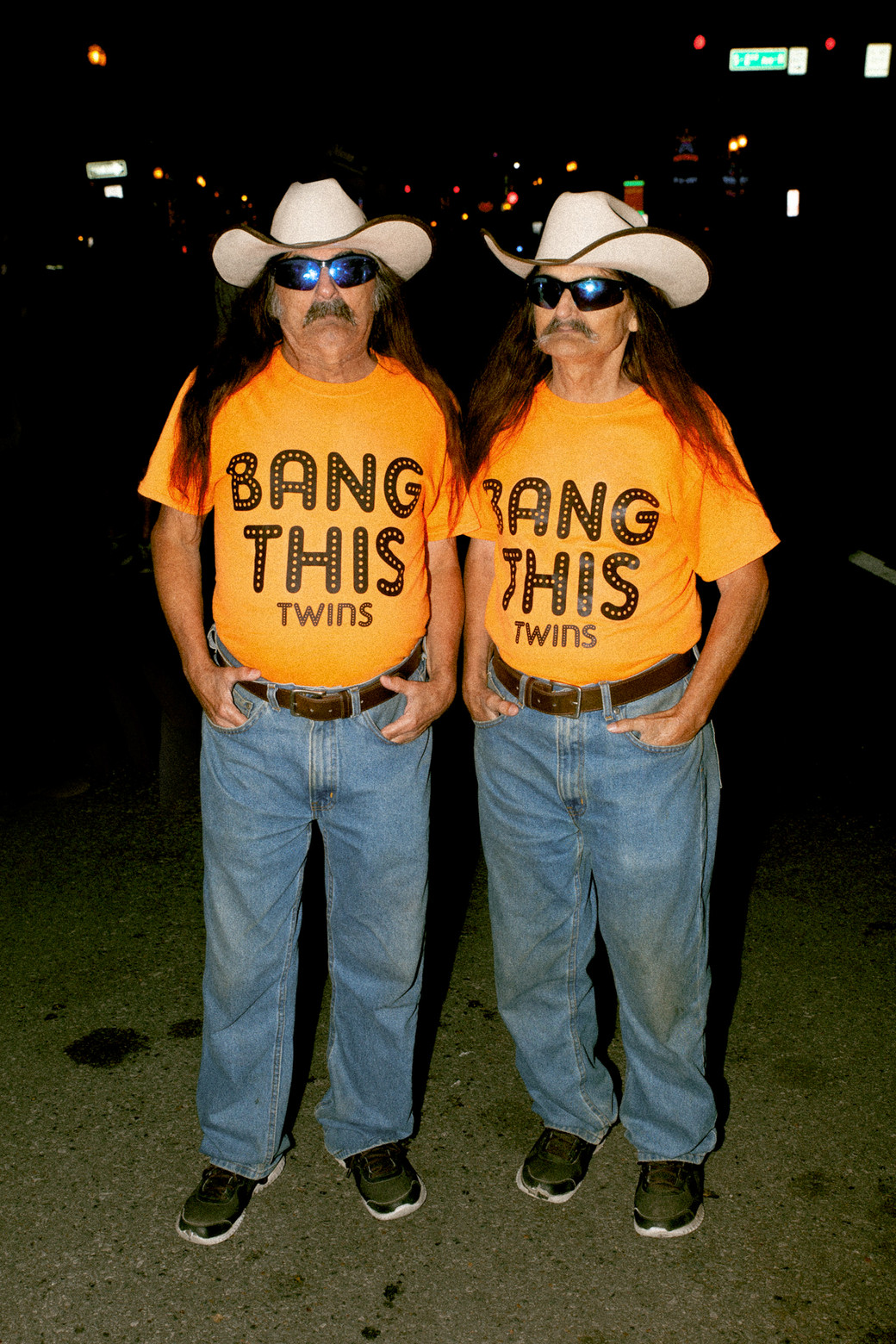
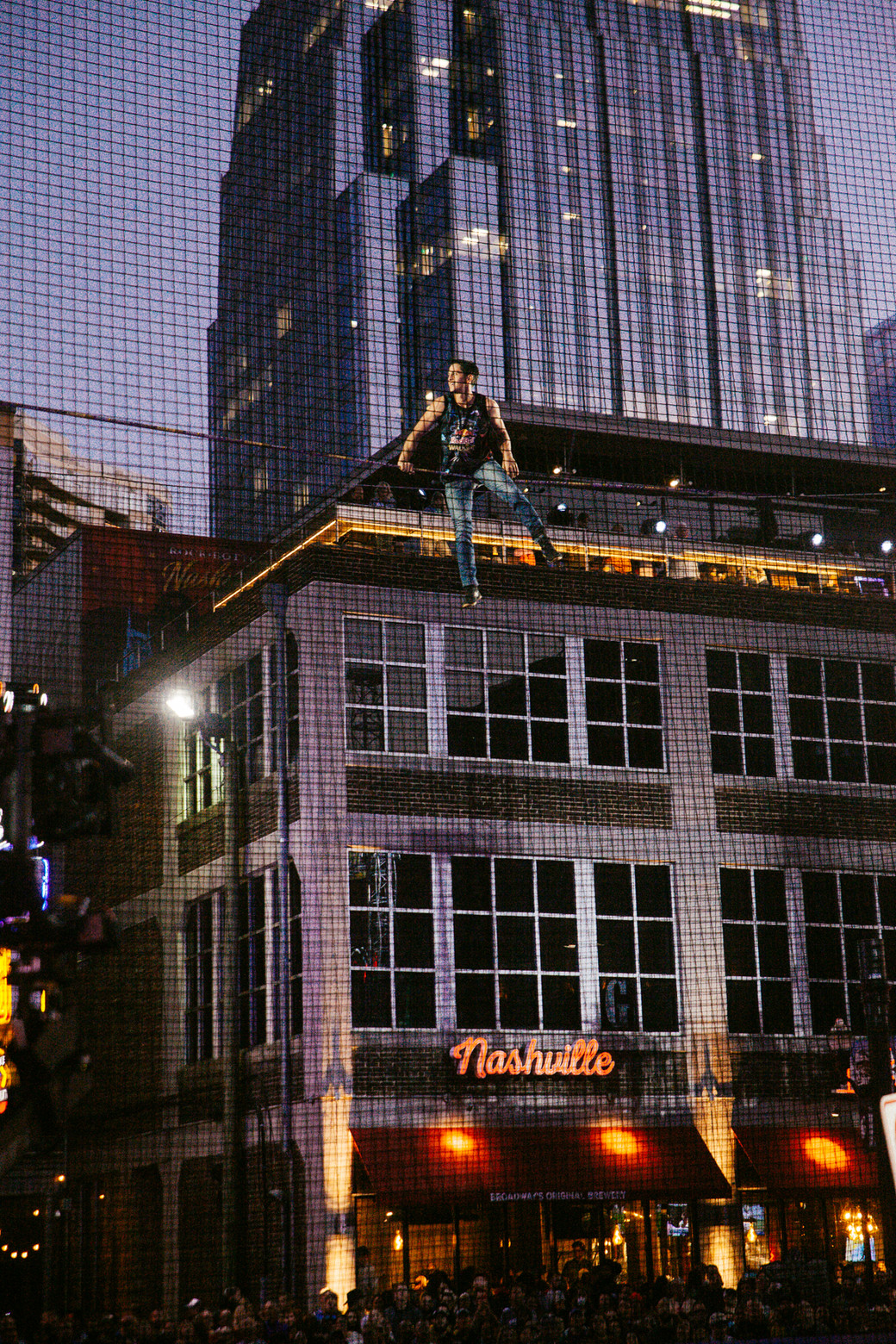
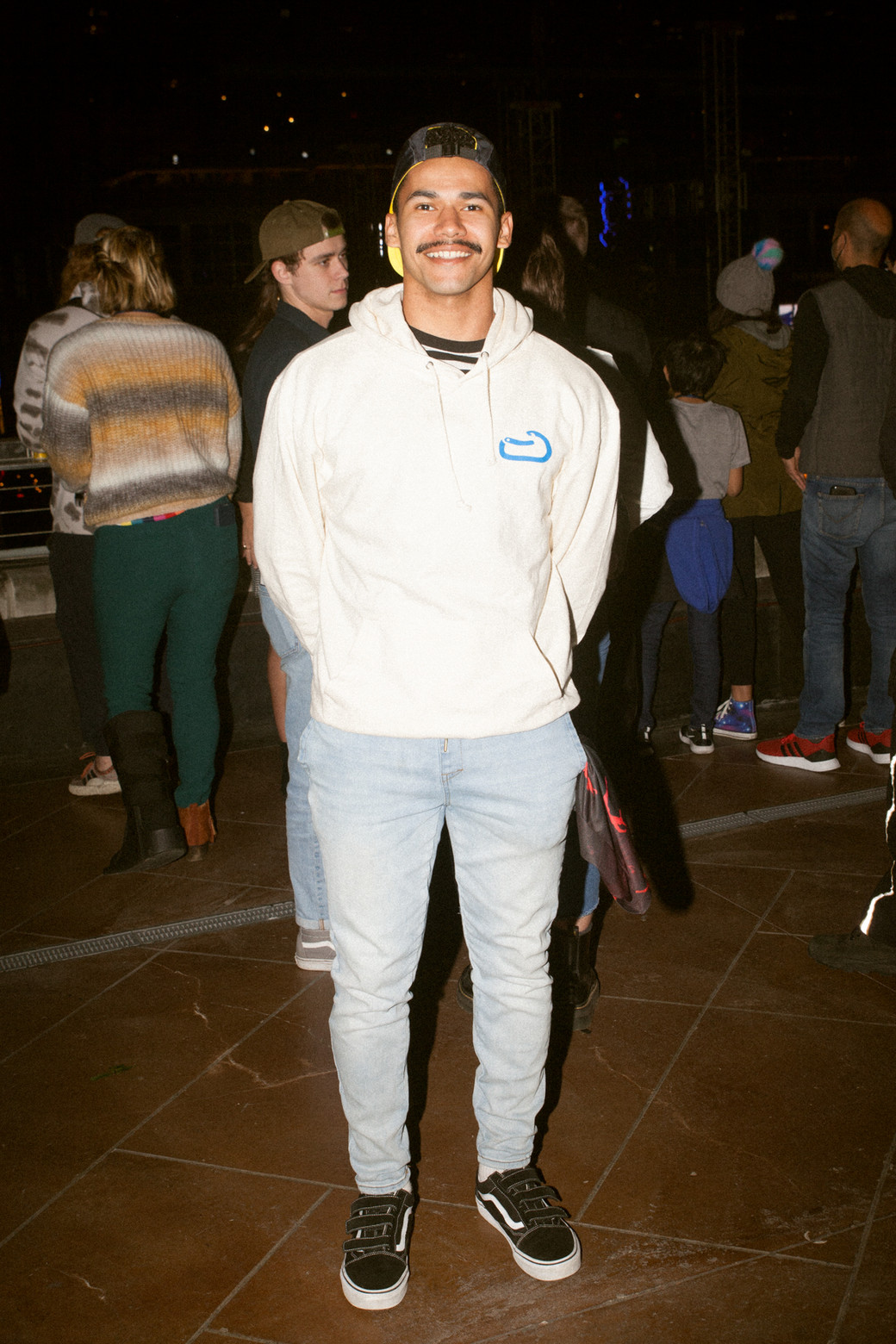

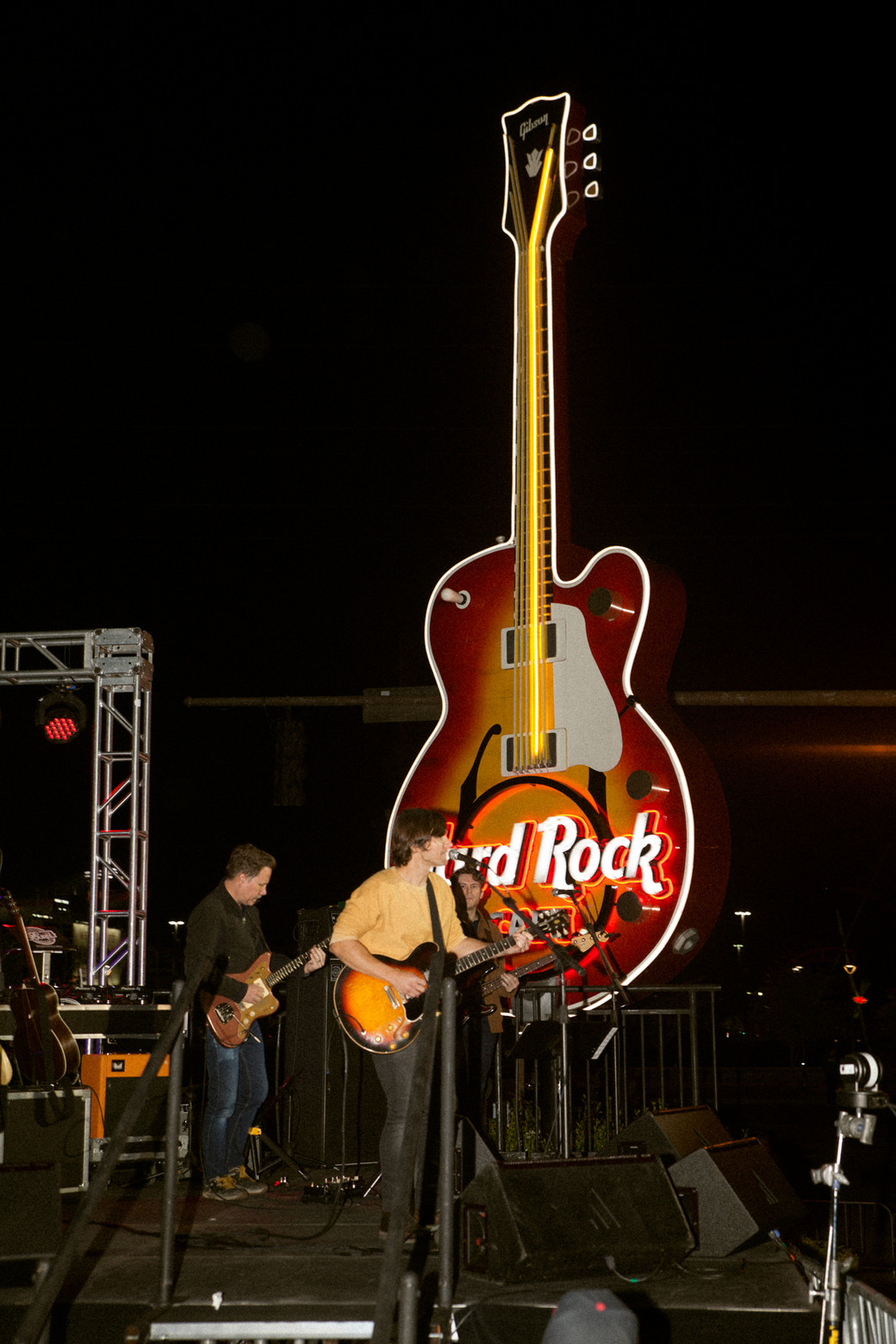
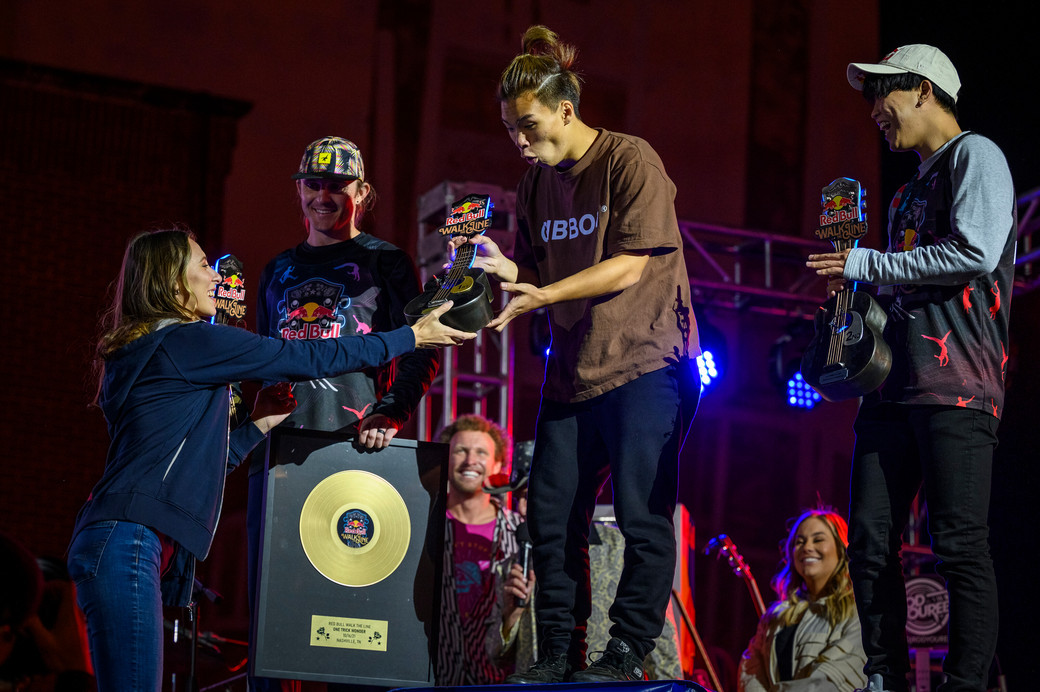
In other Red Bull news, keep an eye out for Red Bull Basement. As it aims to empower this generation of changemakers around the globe to make the world a better place, inspiring them to hone their skills and ambitions using the newest technology. For four years now, Red Bull Basement has been the jumping-off point for numerous young innovators, many of whom have taken their ideas to the world stage.
University students currently enrolled in college, aged 19 or older, were able to apply for Red Bull Basement by visiting the website and uploading a video that precisely and succinctly describes their team idea. Based on creativity, workability, and foreseeable impact, judges will select the finalists, and announce one team to represent the U.S. on November 2. The finalist will then have five weeks to develop their ideas with resources, including an international mentorship program provided by Red Bull Basement - before sharing final ideas in the global final taking place from December 13-15 in Istanbul, Turkey.
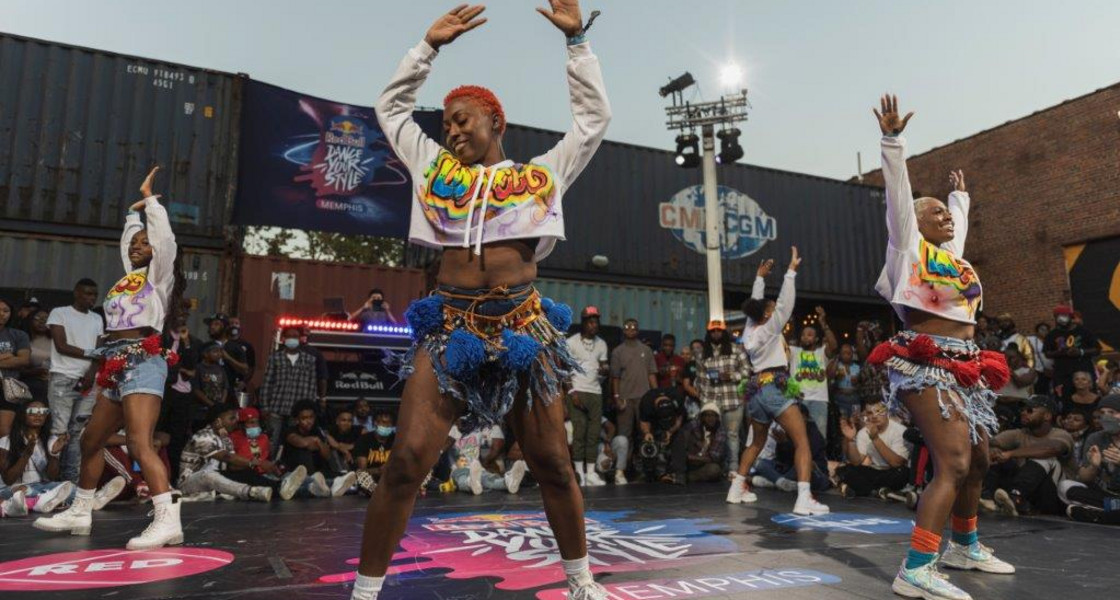
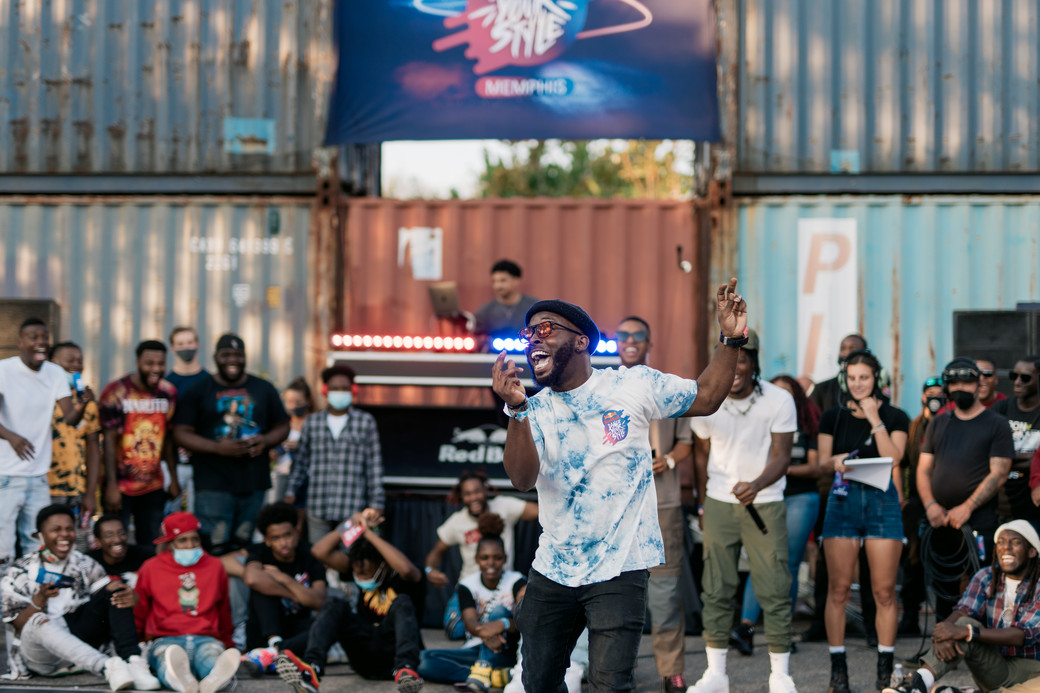
Diving deep into the personal history of dance, and the larger narratives we build through movement, office went 1:1 (although not in cut-throat competition) with pioneers and stars-on-the-rise Weezythephoenix, Sina the Doll, Myles Yachts, and Sohlid Gold. Sharing their own experiences, approaches and unique styles, each dancer stands as a testament to the complex, and multi-faceted creative engine of the South.
Check out our interview with the Southern stars below.
Tell me about yourself, how did you start dancing?
Weezythephoenix—Dad's military, mom's a paralegal so as far as like livelihood growing up, we just always learned to adapt. That's what it is, is that adaptation regardless of whatever the height of the social climate is where we live and the introduction of dance really came about more like solid training species and stuff like that. But my grandma was really big on the movies are black and white films and all that good stuff. So it's kind of how the inspiration came to dance. Because I was really inspired at a young age to figure out why there was no sound in film all the things people say. So it kind of worked out that way.
Sina the Doll— I basically started dancing when I was like four or five It was just something no it was just like within the family that we all did. My and my sister just used too make like choreographies and you know go show our family downstairs when we had like Thanksgiving or something. I’ve been dancing for eight years and it's still kind of like, you know, a pinch myself feeling. I still don't feel like it’s real. It's like it's so surreal you know? I really didn't think this would happen to me or that I would get this far.
Myles Yachts— I've been dancing for about 15-16 years. And yeah, it's, it's my passion. I’m also a rap artist. I love music and music producing. And yeah, just I just grew up always around music. You know, I caught on to dance pretty late, come on to dance party, like when I was in high school. And, and I just, I don't know, I just always like seeing it always was one that was just like, wow, this is really dope. I wish I can do that. until I started practicing or doing that. And now it's my profession.
Sohlid Gold— I can't pinpoint how I got into it. I can say I took it serious at 17. I feel like there is this art, there is always a part when people just decide to take it serious. Because depending on the type of art, you want to express, depending on your family, your college or where you live, people may make you feel bad about it. So that caused me to suppress it. And now I can mark the date on when I finally broke free and said screw what people think I'm going to do it.
How did your environment impact your creative expression?
SG— I grew up in an area in New Orleans, where everybody was a thug, it's like if you're not doing that, then it's not cool. So dancing was shunned where I was from. There wasn't many dancers that were successful. So people were like, what's the point of it? And I believe them, but I couldn't stop dancing. And I was like, screw it. WP: I grew up in different parts of Nashville. I grew up more the east side of Nashville like Inglewood and then also south side of this bar so we moved around a lot because again My dad was in the Navy so we figured it out and made it work with dance. My introduction to it that was really from the silent movies and all that good stuff and just seeing how you could move people without having to say any words and sometimes not even having music.
Do you have any early musical and dance influences?
MY— I've always had like a wide range of music that I always listened to because my dad ran. My dad ran a rehearsal complex called Memphis rehearsal complex that was downtown. And there was like, so many studio rooms in there and basically like salon, GTO experience. I would listen to like Linkin Park, Evanescence. Also rap music like Three 6 Mafia, Yo Gotti. T Love or like Project Players like Gangsta Boo. So I listened to all these rap artists, you know, when I was young, I just mixed the things. I would never be like, I only want to listen to the hood shit. You know, I want to listen to everything. So I feel like that really helped me in my musicality and to see music differently.
SG— I would listen to stuff that was weird for a young black guy. I would listen to Queen, to Fleetwood Mac. I will listen to Al Green. You know, a lot of pop popping music. Funk, James Brown. So growing up, I was always different.
WP— You can grow from any type of dance style. It doesn't matter, I had the same love for ballet that I would have for waack. I have the same love for West African that I would have for watching a jooker, because at the end of the day, regardless of how anybody puts it style or not. It's all dance. It's all a dance. So you have to try to respect it on a productive and positive tip.
How does it feel seeing Southern styles become trends on Tiktok, like the walk through you choreographed, Myles?
MY— This is I'm from where it comes from. So by me being from here and to see the world on it. It means everything, you know, it’s like, okay, we went out for the city. You know, we have a dance style that's from our city, that's blowing up. So that's the love, you know, we do we do these things to put it out there and to receive the love back. And that's what we're doing. And as soon as beautiful. It's a great feeling to get your city recognized, you know, because there's so much talent. You know, it's a lot of talent.
SD— I do love to see it. It’s really exciting, but its also like, I’ve been doing this forever. You know, doing it the right way putting the real energy into the real spirit and like someone who just does it one time and don't really do it right just go viral. And I'm like, Damn, what about me? I'm actually putting in the work. There’s just a certain way like, there’s a bounce to it. Most people just don't have that bounce in it. You just gotta come here and be here for a minute, then that’s how you catch on.
SG— So there's one thing I do respect about life is never get angry. Just work hard. There's many choreographers that I've met that came to New Orleans with a promise of taking New Orleans Dancers away to show the style, but instead they come record us and then they show the style. That's why I like Meg Thee Stallion a lot, because she ended up coming and talking to some people herself about the Body video. Those were all New Orleans dancers. Some people make sure they pay homage, others they just try to snatch and go. Tell me a bit about the origins and influences of dance in the South.
What are some of the origins of the Southern style?
WP— All dance, for me, originates from people who were oppressed or had to deal with something and figure out a way to navigate and not feel that hurt. I feel like, traditionally, especially when we talk about street dance, it’s more of a Black and Latino type thing. I won’t speak for other people because their story is just as valid as mine. In the South, we have a completely different way that we hear and move to music. It’s a lot more rhythmic. Especially even, if you get into like the Atlanta culture, stuff like that. It was a lot more live instrumentation, so you had to know, like, what the horn was going to do. You had to know what the drum and bass was going to do. So people had to know what the Lord was going to do. People had to know what the drum and bass was going to do. That’s where it came from for me, and as a waacker, I also had an understanding of like disco, Soul Train type vibes.
SG— The style of dancing is unique compared to the rest of America. I would always say that New Orleans is not a part of the US. It's like a third-world country. Well as the years went on, and I did my history, I learned that a lot of Haitian patient slaves came there, you know, and that's how we get that Creole tongue. The lingo that people love about New Orleans when we say baby, buku you know, it's all mixed in. So what happens is that the style we call bounce, and then the second line dancing we have which is the jazz parades, we call it a second line. All of those styles of dancing show you the culture.
How would you describe your own style?
SG—That’s my style. Mixed in because that's where I grew up. So I'm a part of that culture but I do love hip hop. I love what the world love. I love Michael Jackson. I do all of that. It's like one big gumbo style of what I do—a mix of the Haitian style and like African dance, that’s the dope part about it, and jazz. I don't know how jazz was introduced to the different slaves but if you’ve ever seen a second-line dance, and when I took jazz and ballet and I learned the proper terminology for certain moves, I was like hold up we do that but in the street way.
WP—My style it's very hard to summarize my style because I feel as though, I look at dance as a constant evolution, and it's constantly growing.
SD—When I'm hanging out, I'm a different person. I'm more like introverted and shy, but when I'm jookin, it's just like I turn into Sina like I'm Jesina when I’m out in public and then I’m Sina when it comes to dancing. She's more confident, like she don't care she'll just be herself, you know?
And what about the Memphis style in particular?
SD— I wouldn't necessarily say cocky. We're a little cocky but humble at the same time. We’re just much more like confident with our style
MY— You have to come to Memphis to understand, you know? Like, if you want to learn French, you got to go to France.