Tell me about the new record.
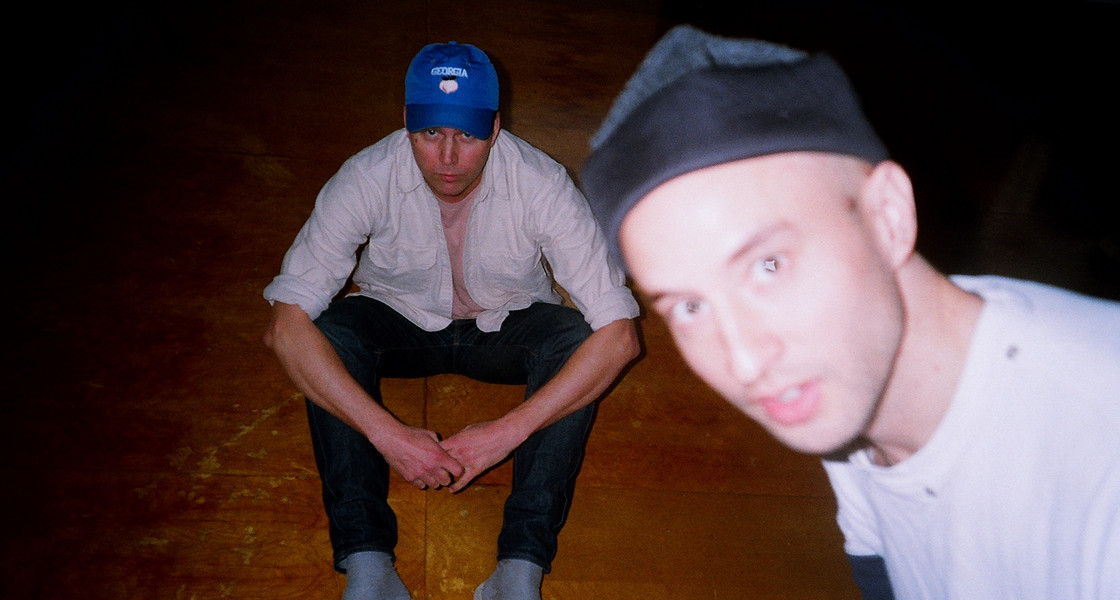
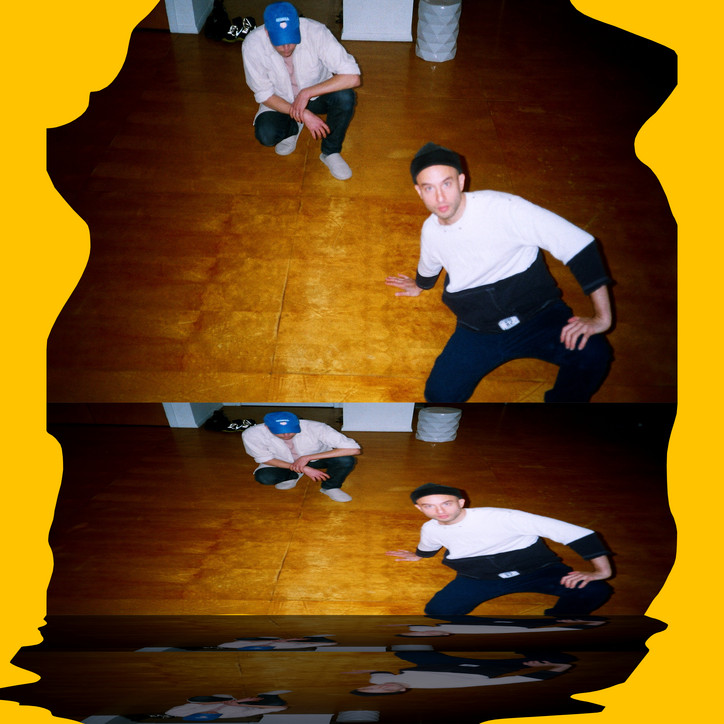
Brian: We’ve been making records and this one we’re making tracks every day, pretty much, and posting them on the computer. We’re always making rhythms, and this one was something that we sort of collected over two years. Yea and this is kind of like, this album we had a lot of different people playing on it too, so this one's kind of like a special one for us definitely. We’re excited about it.
Justin: We mix music all the time, and we’re always posting it and making mixes and all these kinds of things, but this was made over a longer period of time, more specifically for Lindsey who runs the label, which is called Firecracker.
I'm interested in how much of it is live and how much of it is digital.
J: I definitely play digital instruments in a kind of live way, if that makes sense. Like the way someone might play a drum and it’s kind of performative. It’s like using digital instruments like using drum machines or synthesizers, but then once that happens we sculpt it afterward.
B: I think with this record we had lots of improvisational jams that were even acoustic. So a lot of times we’re playing acoustic instruments and then making rhythms, and then kind of sampling them and collaging them afterward.
J: So it's pretty equal if you think about it. It's pretty 50/50 in terms of how much stuff is improvised with acoustics and how much stuff is sequenced or edited in the computer.
I listened to a little bit of it, someone sent me a track and I don't even know, it almost felt like it was from around the world or something, or it felt like tribal. Is that on the nose?
B: We’re interested in basic poly-rhythm kinds of concepts, simple subdivisions of rhythm. Rhythms that are kind of like building blocks for us. Ones that can pop up in places around the world. But I'm sure that's how it comes off as. And there are a lot of people that try to figure out what it sounds like, they think it’s from here or here or here, but we kind of come with the intention of starting from the really most minimal rhythmic structures and branching out from that.
J: Rhythm is just math and patterns, you know? The rhythm breaks down into these little grid structures and those can be super wide-ranging, but they all can kind of interlock. We play with how those grids interlock, and when you start doing that it starts feeling more what people might term ‘tribal,’ but I think that's just by association, not intent. We’re inspired from a lot of music from all around the world.
B: A lot of people say it’s like a global morphing kind of thing. A lot of people say it’s ‘avant garde.’ A lot of times we don't compose with a specific genre or style in mind.
J: Yeah, we’re not like, ‘Oh this is going to be our African song.’
B: We compose more from waves or different kinds of frequency rhythmic patterns.
It sounds almost scientific.
B: It is, in a way. It definitely is in a way.
I loved what you said earlier, how you described it as a collage, because I think what makes it sound so worldly is just the sheer amount of different sounds and instruments and, like you're saying, the rhythms. Can you talk more about that? About the concept of collage?
B: Yeah, I mean we’re playing all kinds of different instruments from acoustic all the way to like coded or computer programing-type instrument things, so when we make tracks we’re starting from a really wide pool, and then a lot of times what our intention is is to make it in a way where you can't really tell where the sounds are coming from, which is a platform for a trance in a way. Basically we’re trying to make it look like a river, where everything comes together as one.
J: I think that with electronic music, and actually all music and all instruments, you hear something and it signifies so much, this sounds like this kind of music or this sounds like this kind of rhythm sounds like house music etc, but I think that it’s fun to play with that a little bit. You can hint at something but then it’s also fun to put something up against it that pulls it completely away from that and so then it becomes a singular collage, and so what I think Brian's saying too is that you do so much of that, that you lose all the individual parts, all the rocks and stones and grass and other things, and you just get to a single thing like a river. You know what I mean? So you're not getting caught up in every single little detail like, ‘oh, that’s snare drum or that’s a synth sound.’ It becomes flattened out and you get to a single image.
B: I guess it's like people don't really want to pay attention to the fact that they're actually listening to music, they want to be more kind of hypnotized or transported and in another place, in a sense.