I’ve always felt like I need to be my own boss because I don’t like to listen to people, and I’m a big picture type of girl, so the nitty gritty details always elude me—I don’t think about them, but they’re so important and I often forget that.
Totally, it’s hard. I mean, you’re a writer, so you’re an artist, and I feel like artists are a little more loosey goosey—I know I am. My sister is an occupational therapist and she’s so black and white, she just tells it like it is, you know, like ‘You said you were gonna be here at 11 ‘o'clock, yada yada yada,’ and I’m just like ‘I really just had to do this thing.’ Meanwhile, I’m probably like popping a pimple or something—I’m so floaty, even though I’m Korean. My Korean side is definitely the one that’s like, ‘Finish it, right now!’
What would be your advice for aspiring musicians, or any artists who wants to get started? It’s so scary because if you want your main vocation to be in the creative realm, you either make it or you don’t. So, just any general advice for someone who wants to take that leap?
Yeah, I mean—I’m trying to phrase this in a way that’s not super demystifying of the art world—but I feel like you get to a certain point where your like, ‘I have a job and music is my hobby, and it’s very pure and it’s unaffected by anything other than my creative outlet,’ or you get to the point where you’re like, ‘I don’t want to have another job, I want music to be my whole life,’ but when you hit that point, you kind of have to accept some of the realities of compromise. Not necessarily creative compromises, but you just have to start making decisions in your life that open you up to opportunities that allow you to play music all the time—to put a record out with the right amount of resources. It’s so important to be honest with yourself about what your intentions are in being a musician—if your intentions are just to make pure art. This is also very dependent on your socio-economic situation. Some people are just rich kids, and can just be musicians and don’t have to worry about money, but I’m not like that. I’m the person that paid a hundred grand to go to music school, and am still paying it off, and working through school, was a music teacher, and played in other peoples bands. I had to work. I just started making songs when I was 28, but music has always been a job for me, and I’ve always felt super lucky because I loved my job so much.
Some people have a different relationship to music, but for me and my friends, and colleagues who are successful musicians, I’ve realized that there was just this very clear understanding that this is my job, and I am privileged to have this as my job. There is a lot of work involved, there are a lot of decisions, and a lot of hard realities to be faced, so I think for people who are starting, I would say don’t make it your job right away. Go to school, have some other jobs, let the music proliferate out of a place that is pure, and not money-based. Because at a certain point, when money gets involved, it does affect your musicianship, your plan for what your album is going to sound like, what your music videos are going to look like—it adds this kind of pressure when music becomes your main source of income. So, honestly, if you’re just starting out, don’t be like, ‘I’m gonna do music and my job is to be on tour non-stop and not have another job, and music is my career’—that might burn you really fast. You want to enjoy the process.
I don’t think people talk about that, and it’s such a reality. People get all butthurt like, ‘Why is their music doing well and why isn’t mine?’ and it’s not because your music isn’t good—it’s because probably I’m working harder; or because I saved up a bunch of money from my shitty pizza shop job so that I could take a tour where I wasn’t going to make money, so that I could play to more people, and book another tour. So, I would just say that if your question is about being a musician as your life, don’t start making music when you have career pressure on it—start making music when you have this pure urgency to do it. And practice. In a lot of ways, art comes from urgency, but there is also a skill and a practice to it that you could hone in on. I mean, I was making music for years before I ever wrote a song. I was playing in bands and in an orchestra before I ever felt like I had to make a song.
That’s really beautiful, and something that I also feel is completely overlooked. A lot of things, when you look at them are black and white, but between those two extremes there is so much compromise and grey area.
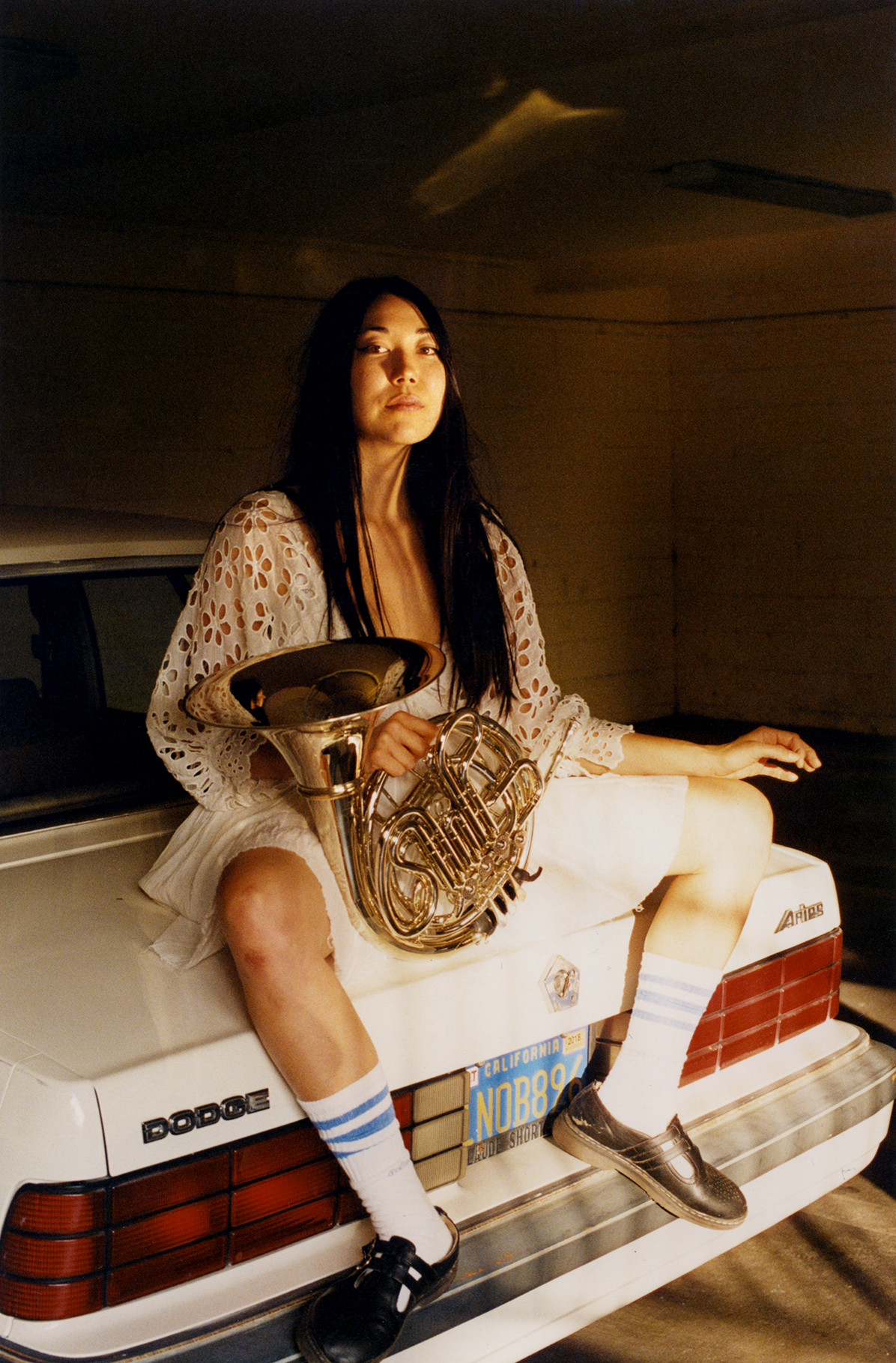
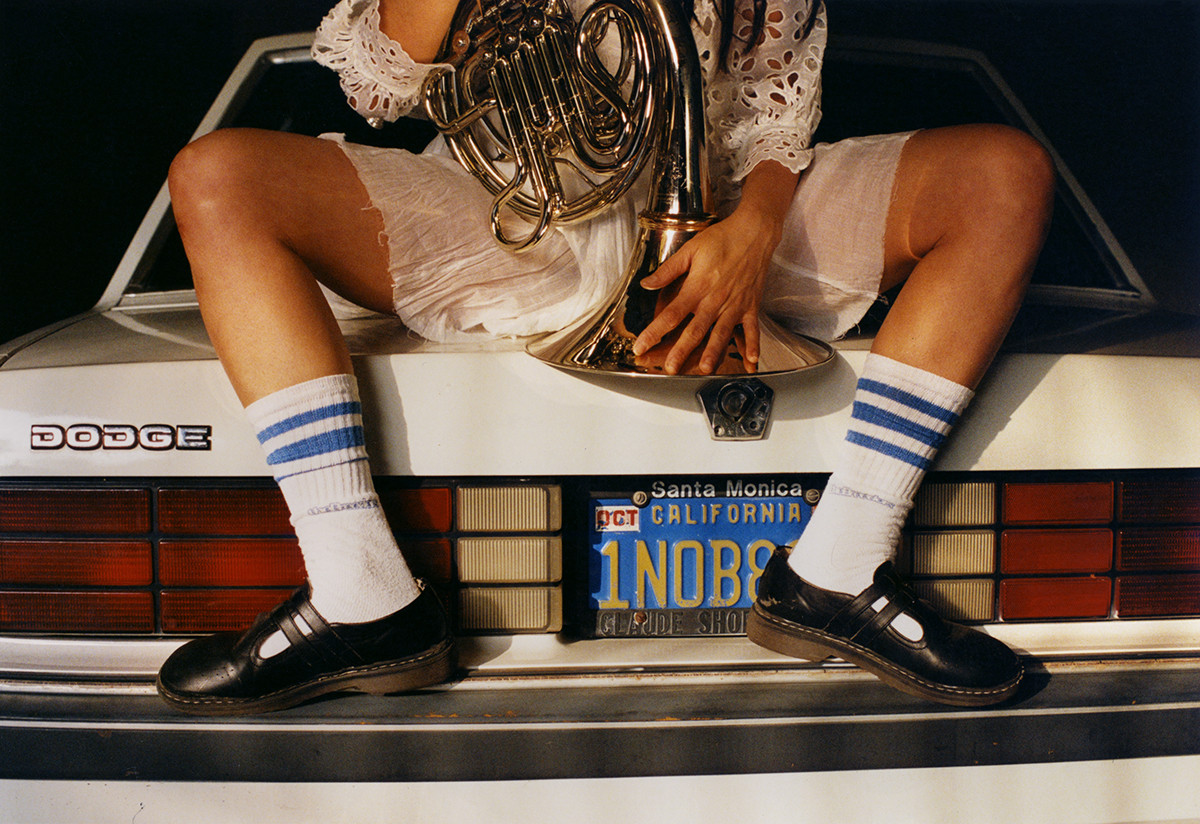
Totally. In a capitalist society where, in many ways, art only exists when it coalesces with capitalism, it’s a dark reality about art. I just think it’s important to keep that in mind, especially when you’re judging yourself. Don’t judge yourself so hard, like ‘I’m not doing well because my music isn’t good, or my art isn’t good, or my writing isn’t good’—there are so many other factors. I don’t think it means you have to compromise who you are, but there are a lot of small compromises you have to make. I don’t feel like I’m not myself, but I do feel different now that I am a boss of my industry, as opposed to a french horn player who just shows up and toots—it’s a different story.
If you had to liken your music to any animal, what would it be?
A micro pig—smarter than you think, and kind of funny and squealy, but still sly as hell.
'Not The Time / Callous' is out now.