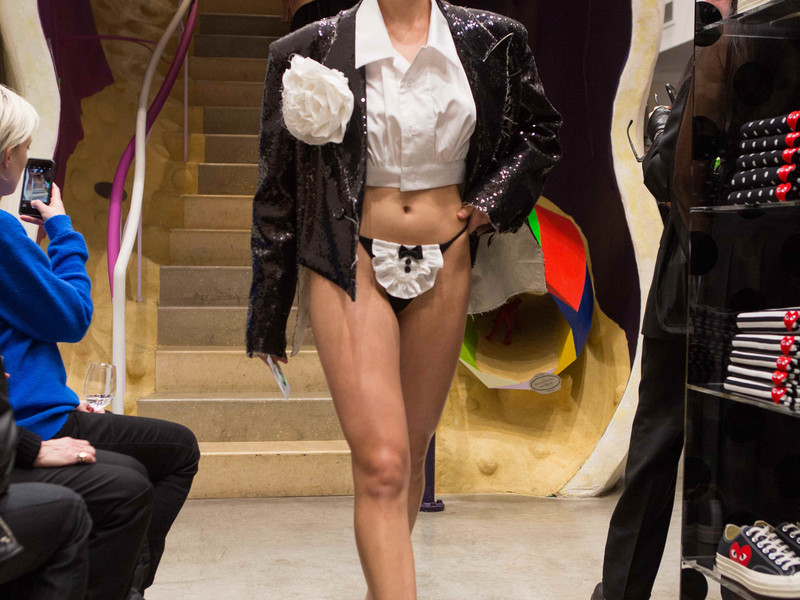
At The Circus

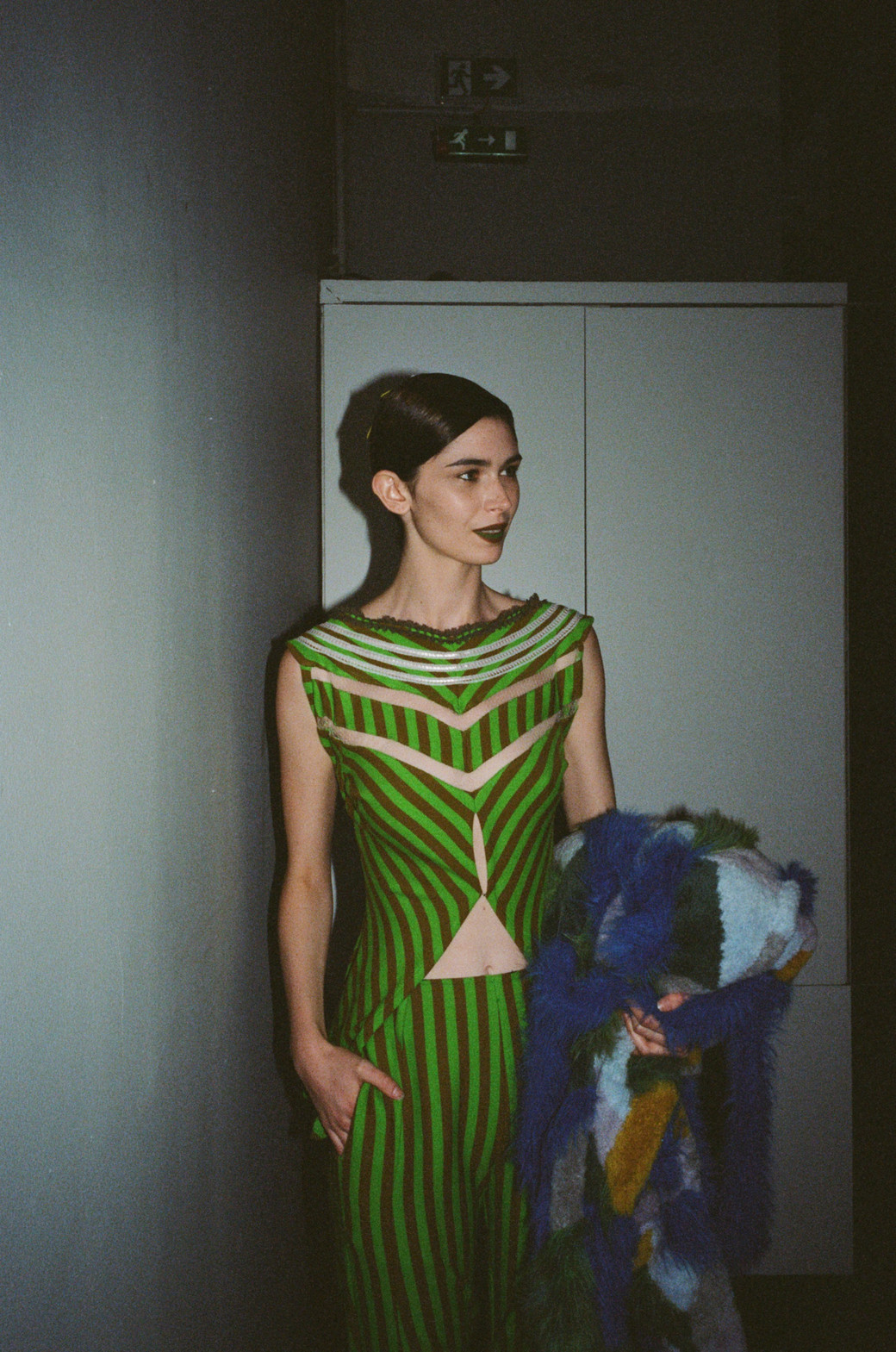
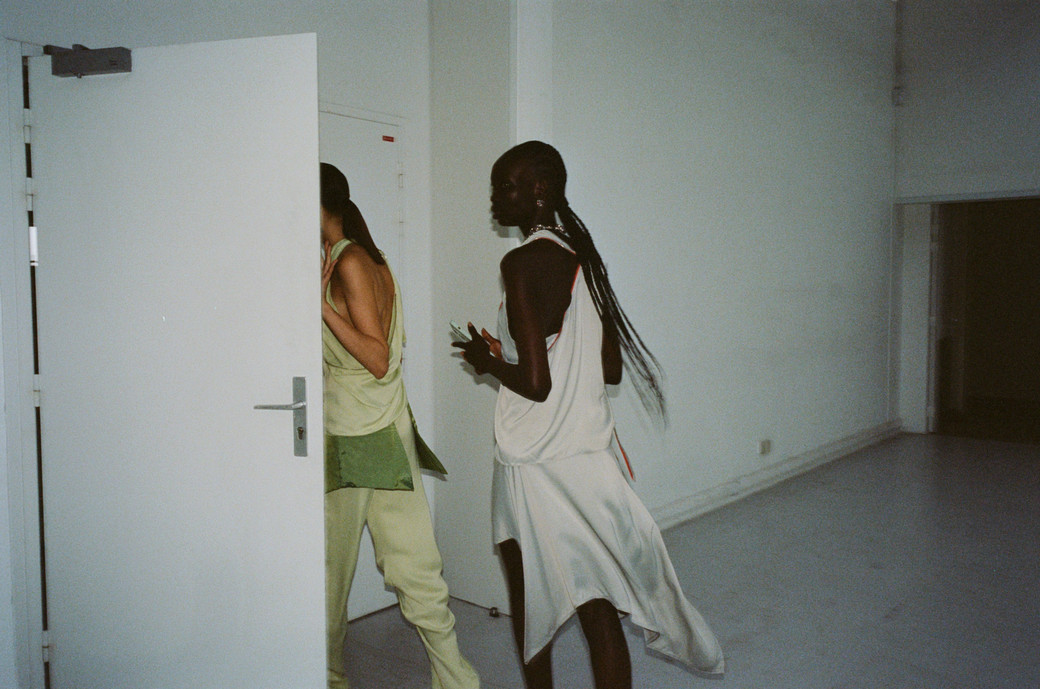
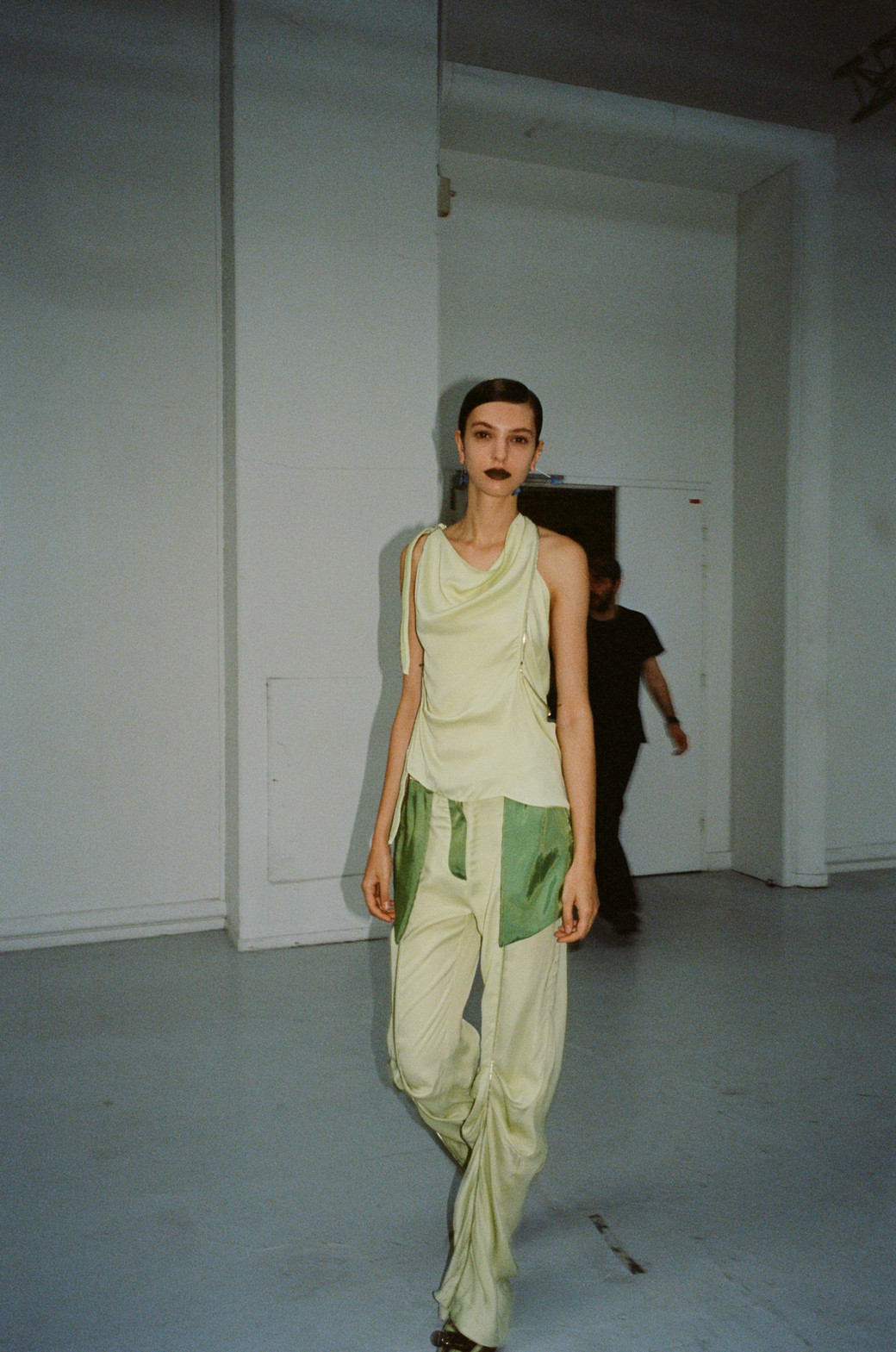
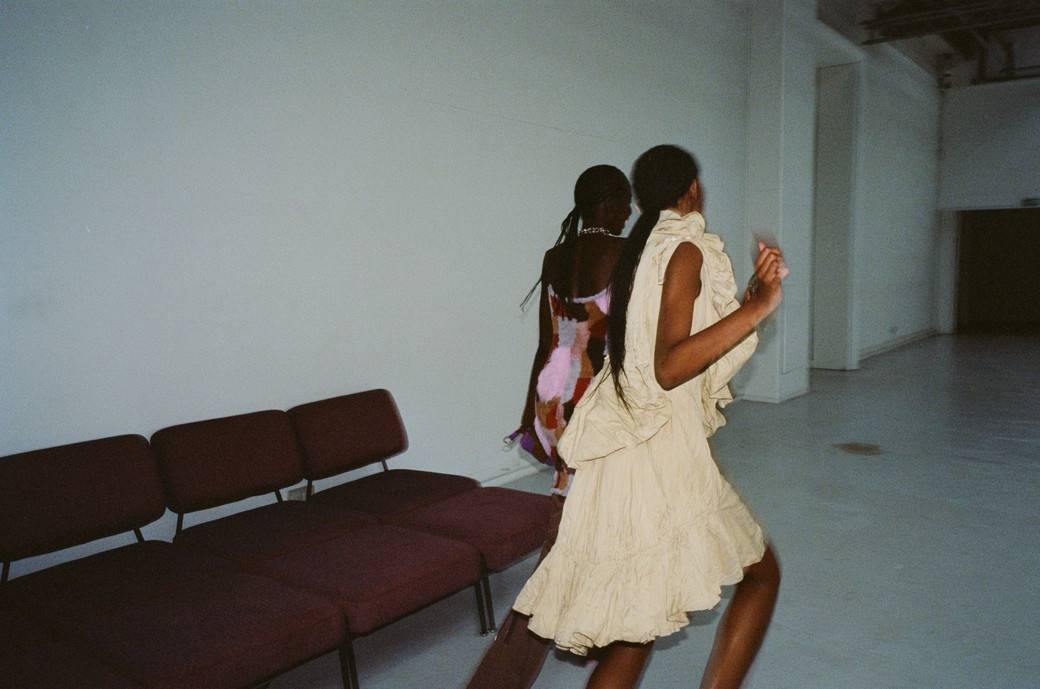
Oh and the peacock feathered suit was killer. See it, and our other favorite looks from backstage at the presentation, below.
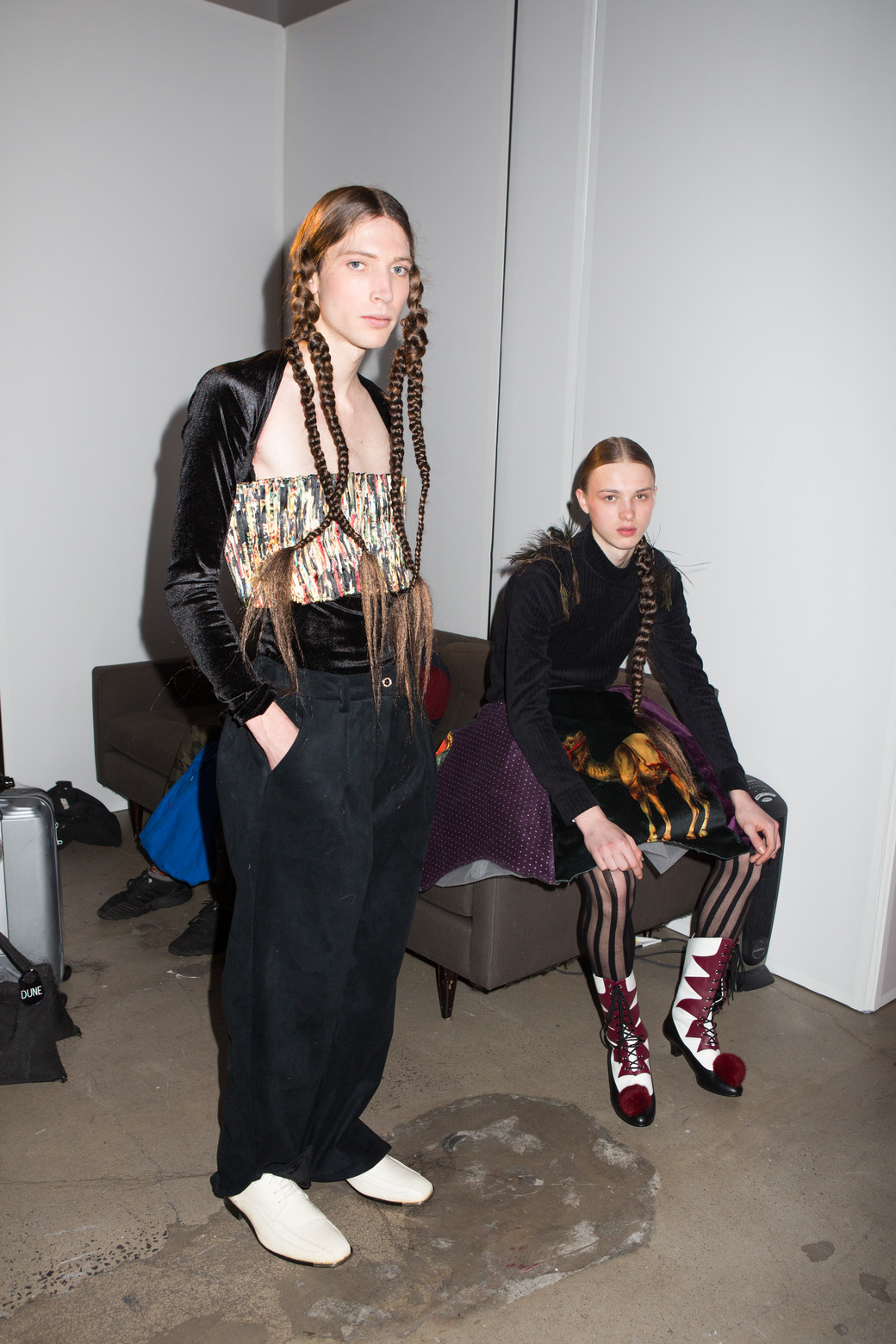
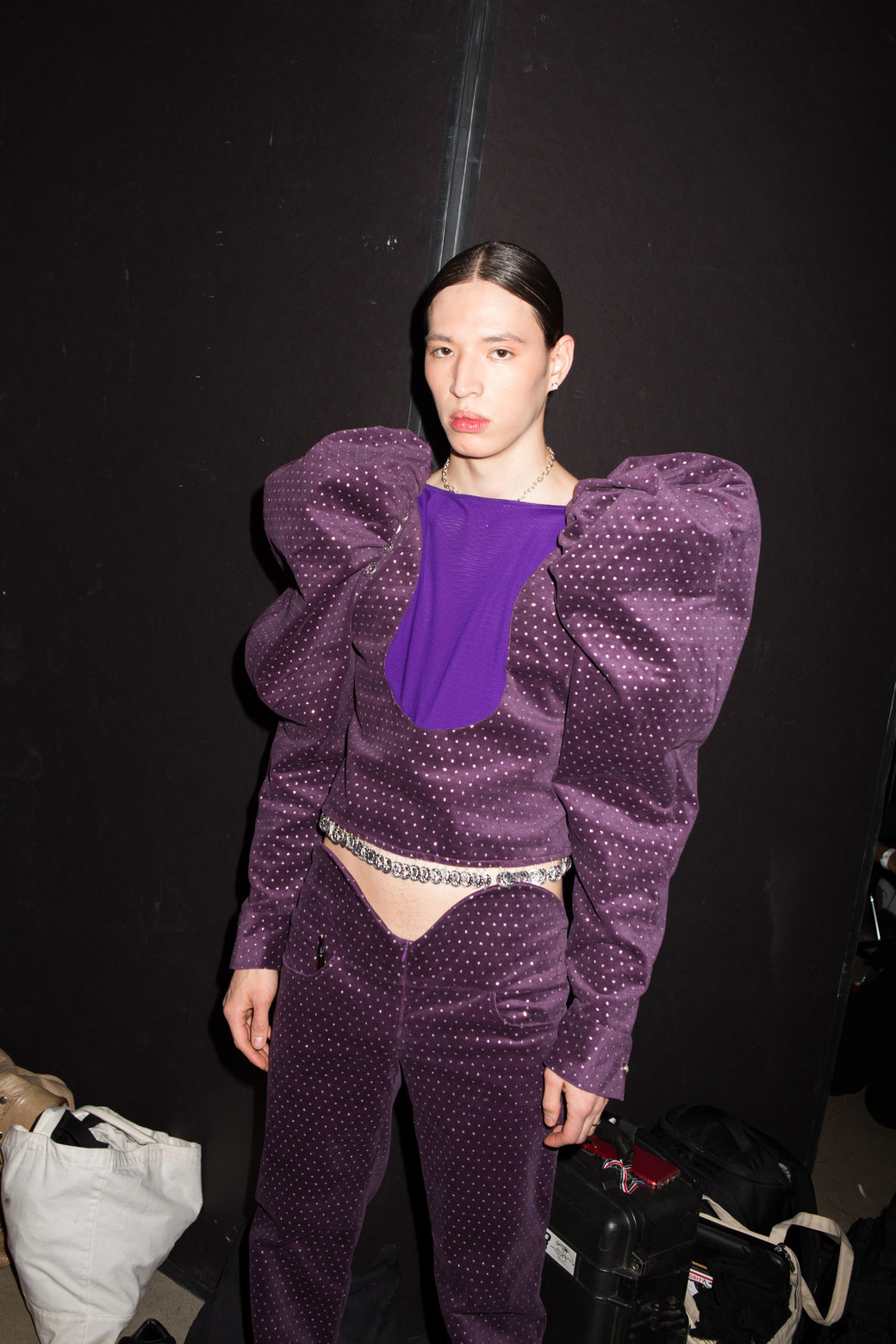


Oh and the peacock feathered suit was killer. See it, and our other favorite looks from backstage at the presentation, below.

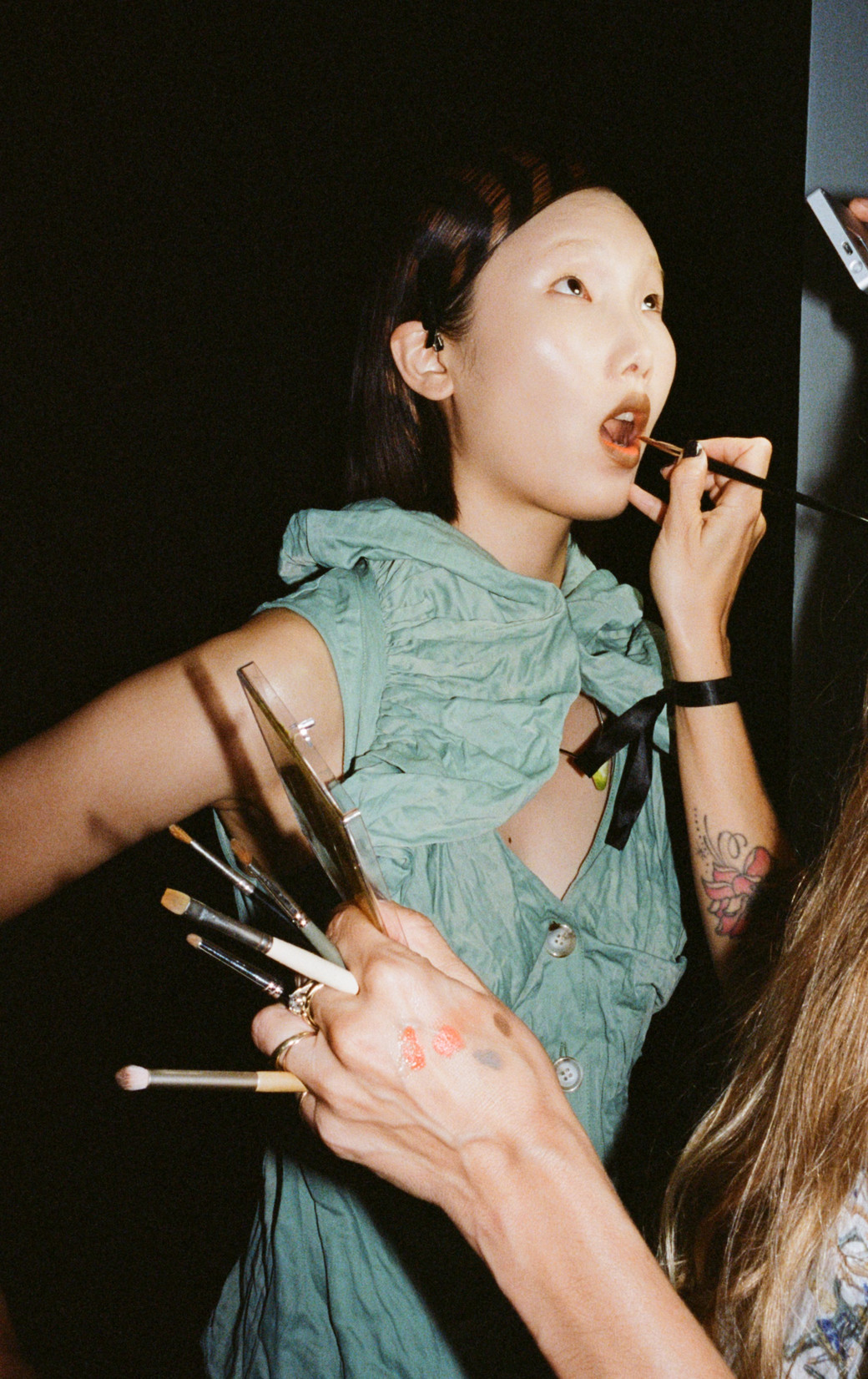
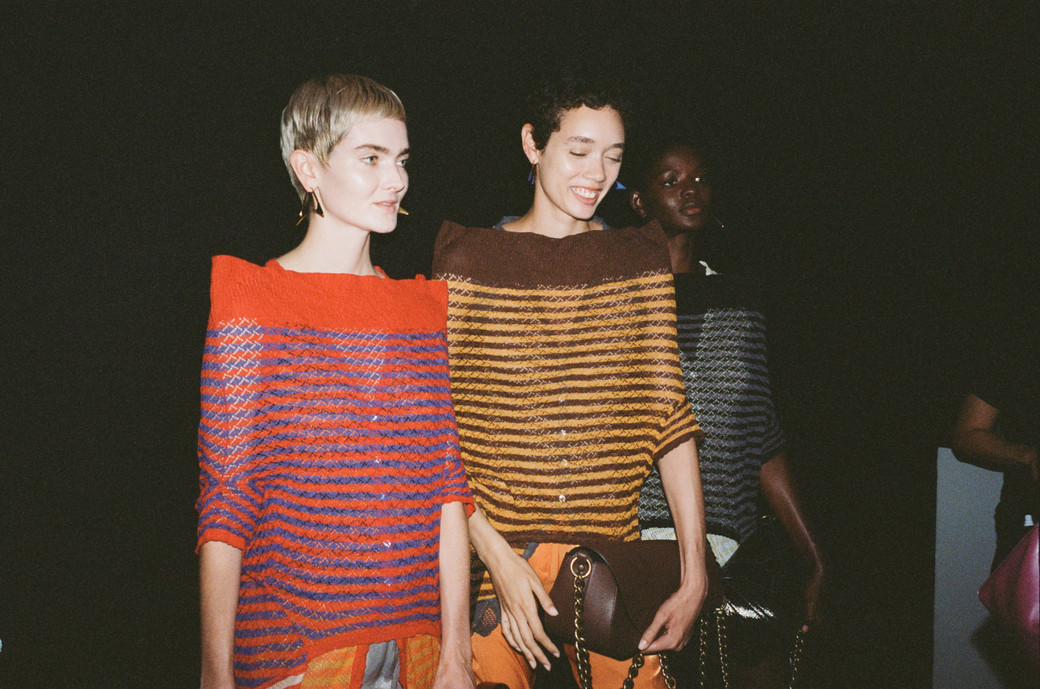
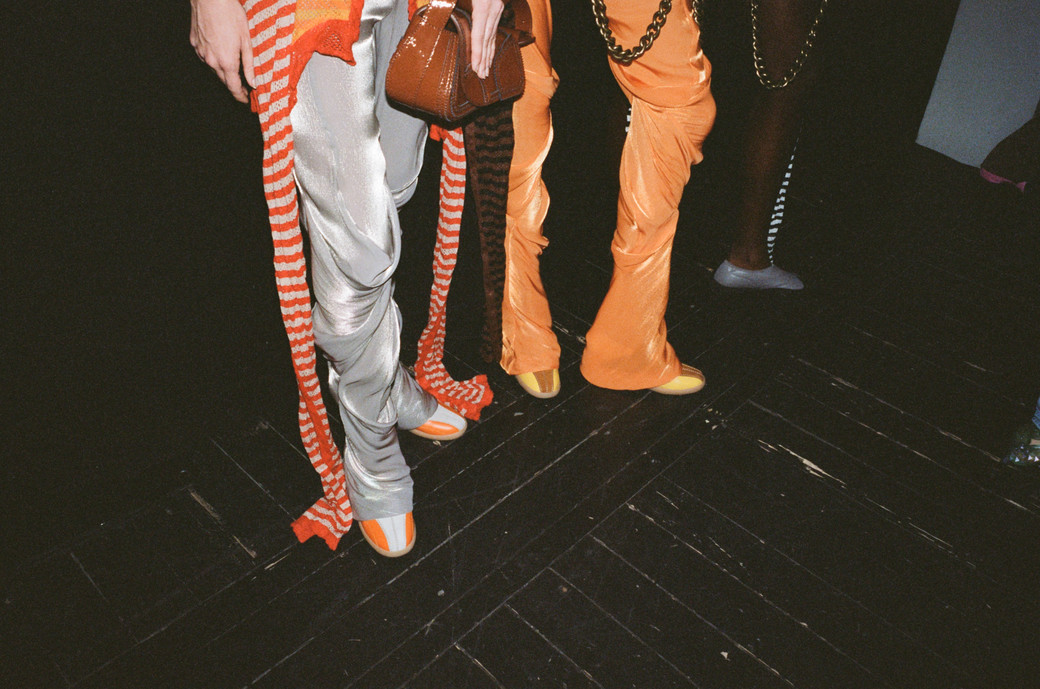
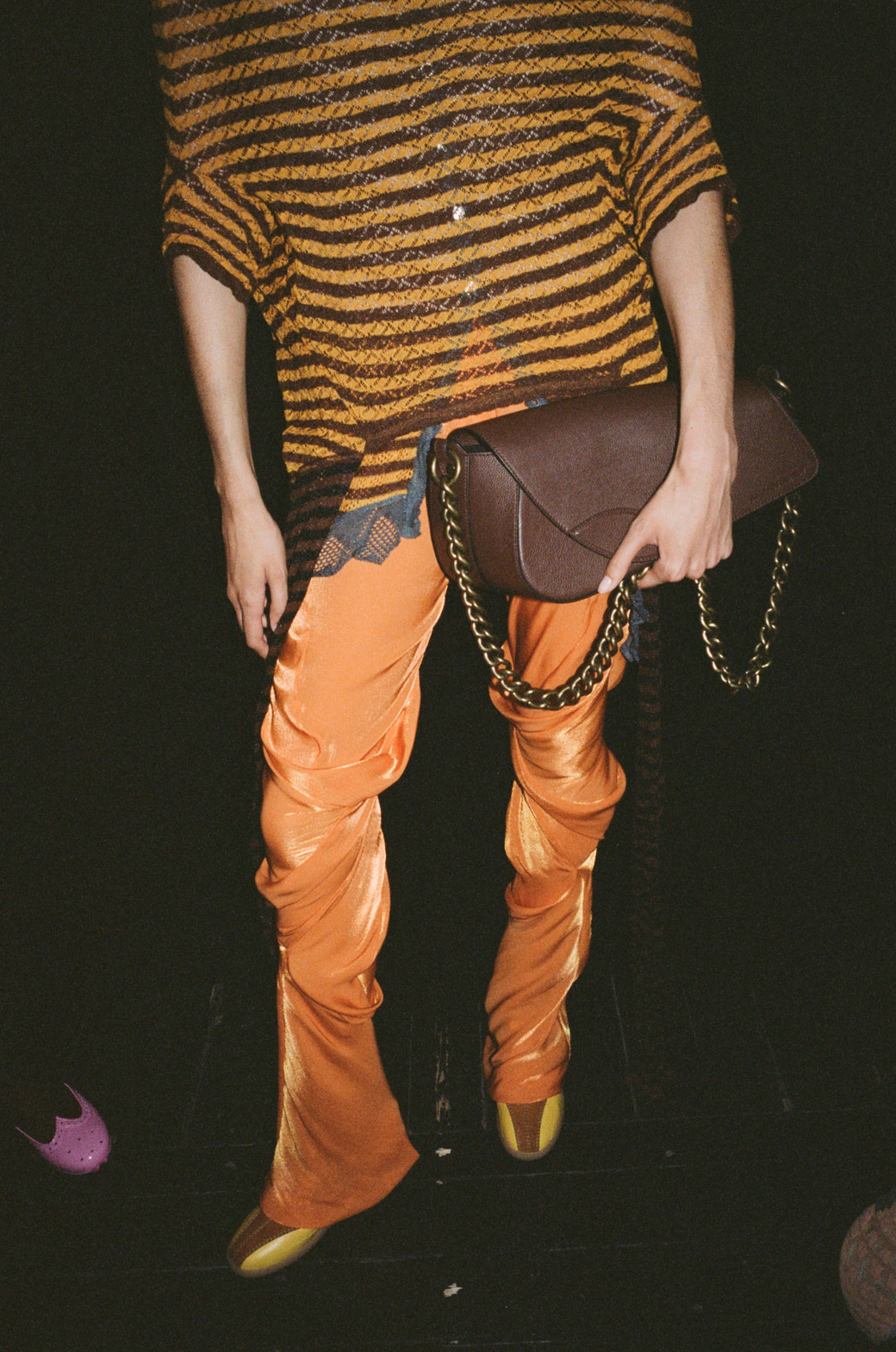
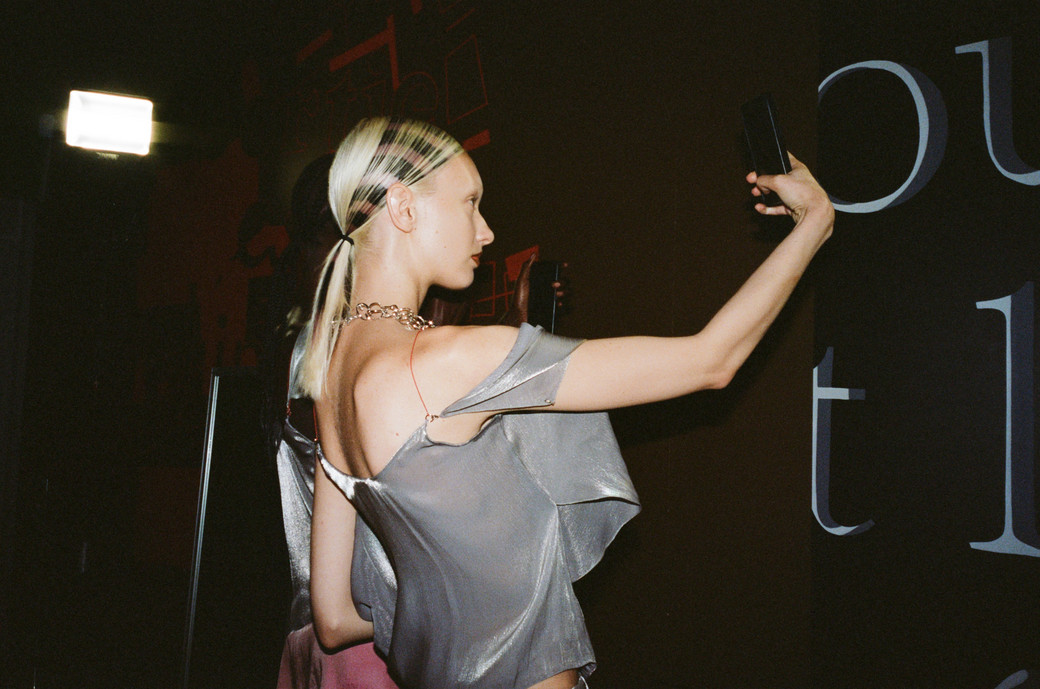
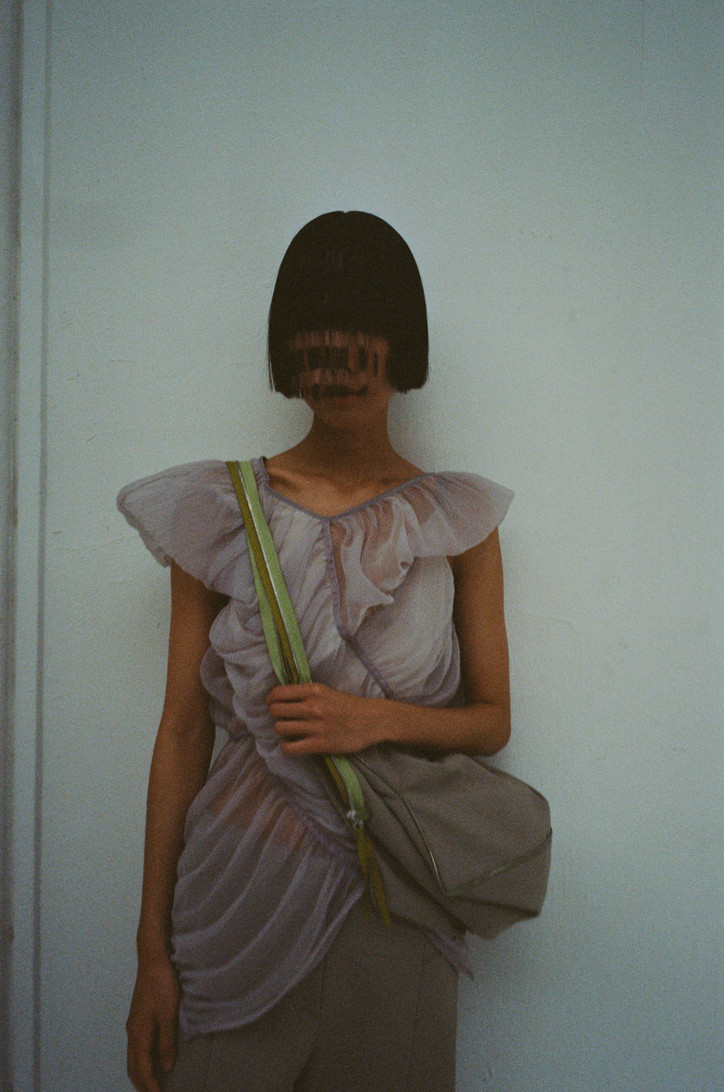
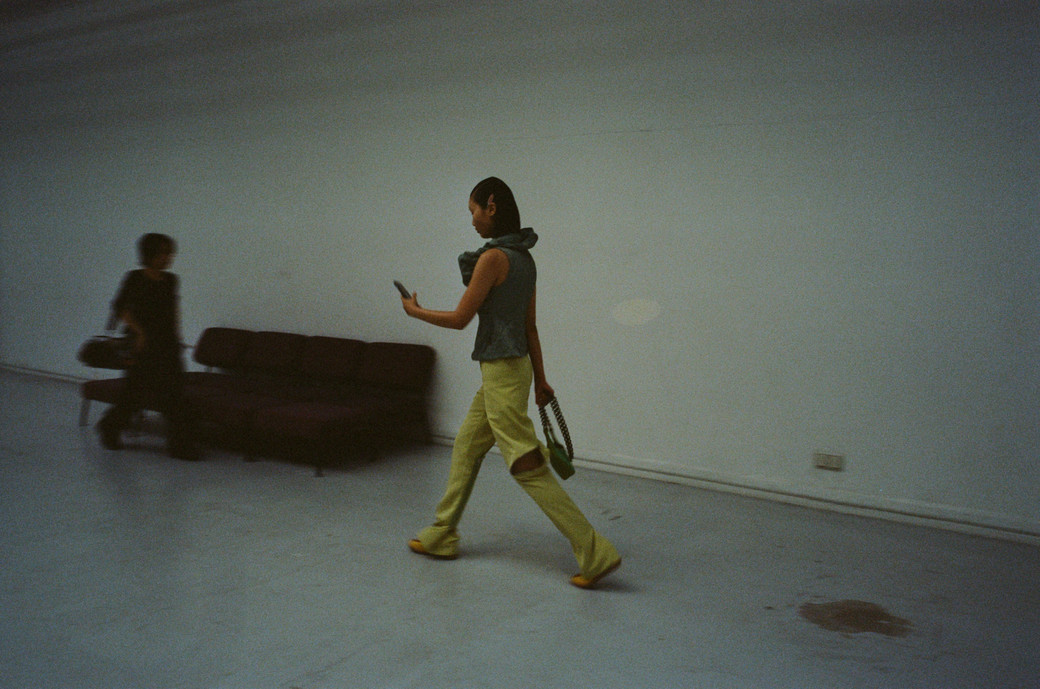
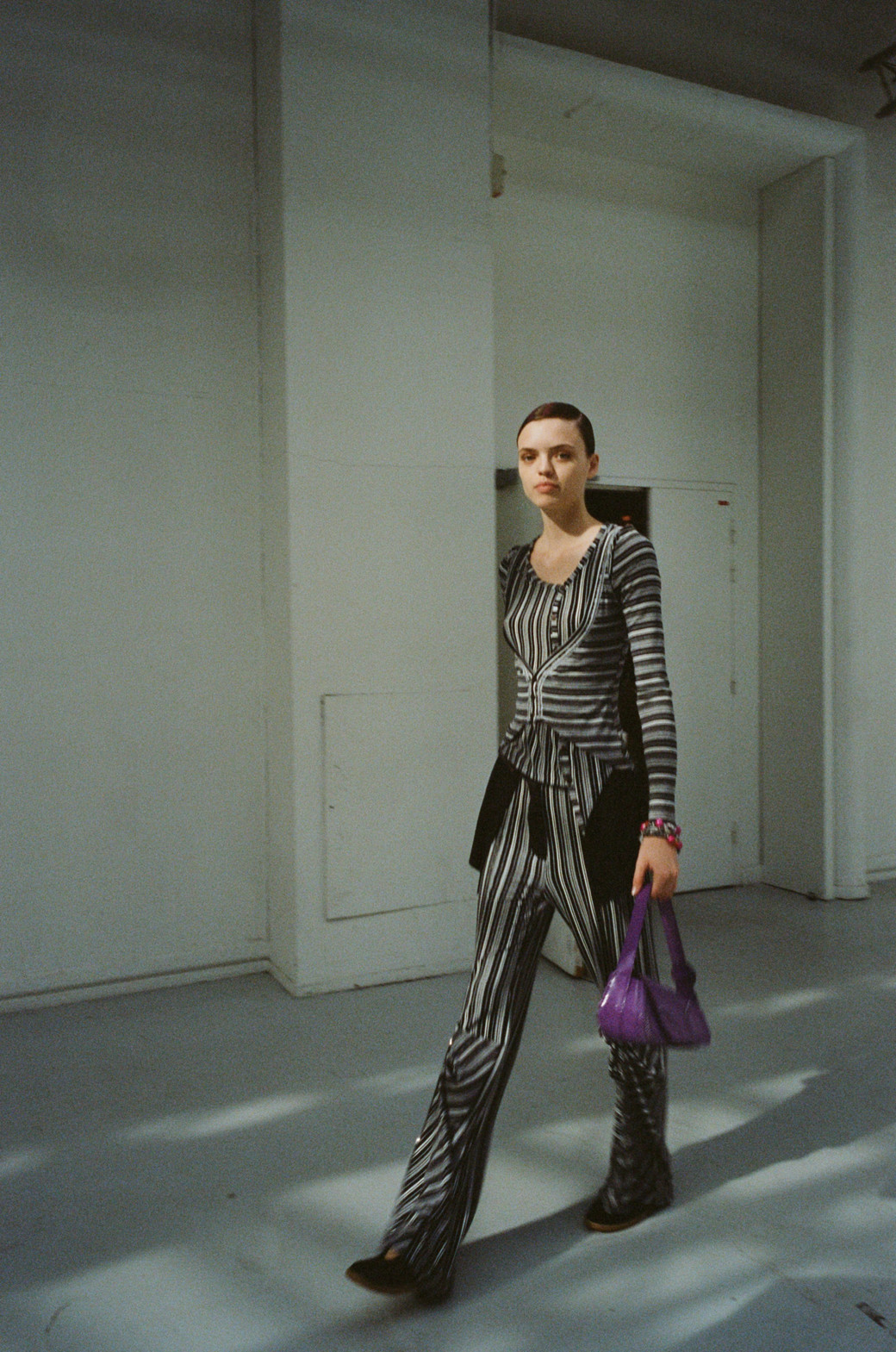
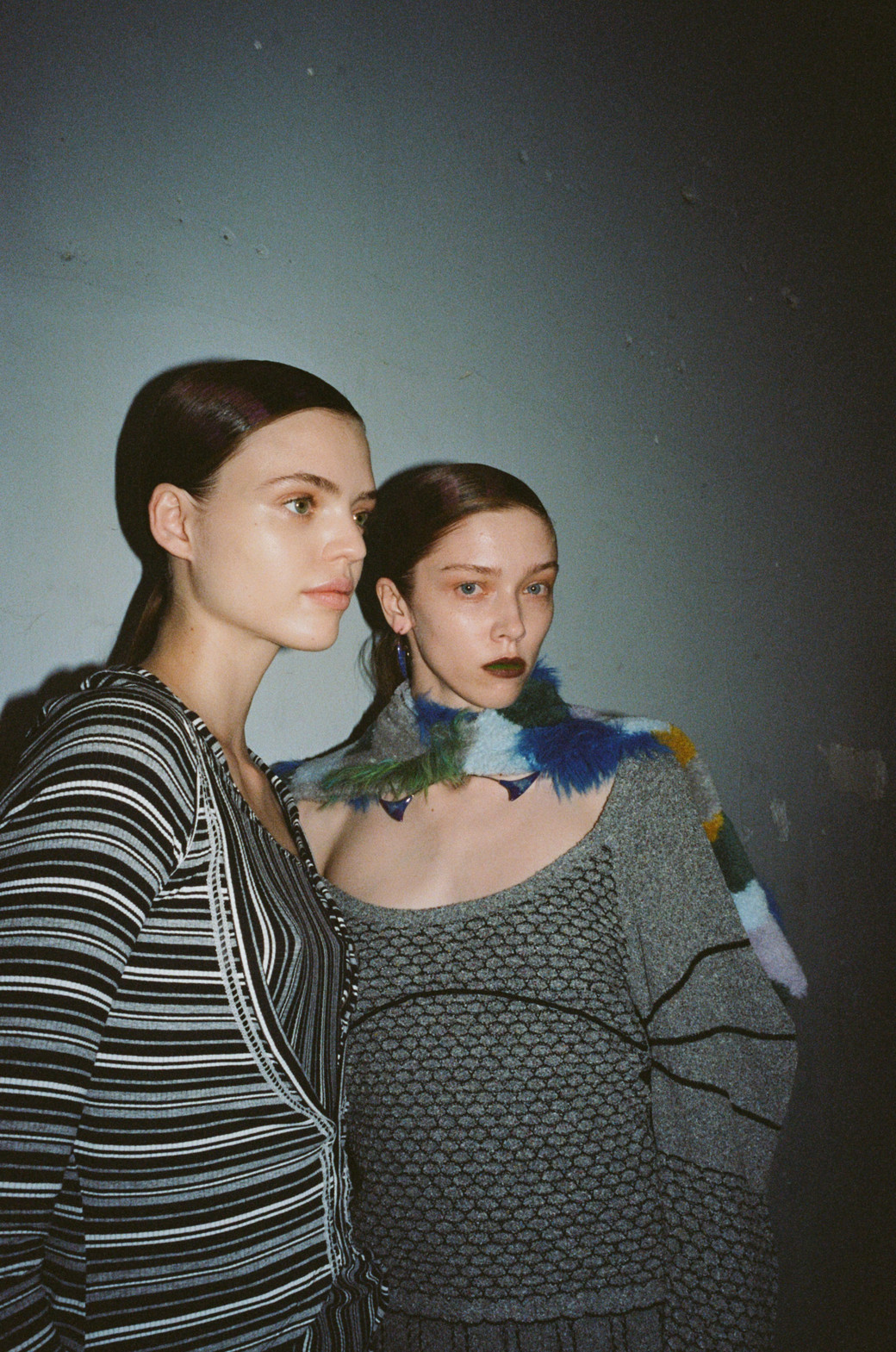
Light layers of knitwear and patchwork acted as a glue throughout the collection, a thematic element inspired by women artists Sonia Delaunay and Sonia Rykeil. The lineup was embellished with crossbody bags, chain necklaces and poetic glass marble collars – an infusion embodying the spirit of innovation, much like the twins do.
The ongoing evolution of Kiko Kostadinov feels playful yet mature. It’s inspiring to see such a young brand – the sisters have shown in Paris since 2019, but this was their debut on the official schedule – that emphasizes craftsmanship and clothing, rather than the conceptualization of disconnected references. The clothes are designed not only to be worn, but to be lived in.
So first of all, how are you doing? How have you been?
I'm doing well, thanks for asking. I am currently in Amsterdam as I write to you. It's been quite an eventful few months. Over the summer I worked on a photoshoot in France, I visited my family in Thunder Bay, Canada, then joined the Silk Laundry team at Project 166 in Australia and I’ve just returned from my second trip to South Africa with my dear friend Chloe Buiting (Jungle Doctor) all while moving into a new home in Barcelona. It's been a whirlwind of activity, to say the least. Life has been busy, but I've relished every moment and thrive on these experiences. I must admit though, I'm looking forward to returning to my new home after Paris Fashion Week and embracing a more familiar and sustainable routine for a little while.
How has the last year been for you creatively? Has the war in Ukraine affected your design process or your creative energy in any way?
Russia's genocidal war has been quite consuming for me. I have so much fire and anger inside that needs to be cooled. For a while I felt completely numb which isn’t great creatively. I felt as if I had nothing left to give. Now, I am just angry, which is better than numb. While the war in Ukraine has been a heartbreaking and deeply concerning global event, it has fueled my commitment to using fashion as a platform for positive change and storytelling.
How have your Ukrainian roots, mixed with your Canadian and Australian heritage influenced your design?
My diverse background has a deep impact on my design philosophy. Being a family with Eastern European roots and background, we were never frivolous. Growing up in Canada where it was blisteringly cold, you dress for survival most of the year, not necessarily for pleasure. In Australia where I spent my latter 20 years, I was predominately in Queensland, where it is hot and humid. Putting on clothes gave me anxiety most mornings for ¾ of the year as I started to overheat as soon as I got out of the shower. Now, I design for myself, but that also means I dress and design for longevity. My history and living situations have given me a unique perspective, and I believe this fusion of backgrounds has contributed to the brand's distinct aesthetic.
You mention having a timeless edge and using natural fibers in your design ethos. What pushes you to navigate beyond trends?
The desire to create sustainable and timeless fashion has always been at the heart of Silk Laundry. I firmly believe that clothing should endure beyond fleeting trends. Our focus on natural fibres stems from a commitment to ethical and eco-friendly practices. These fibers not only offer comfort and quality, but also align with our dedication to conscious living. By being aware of trends yet prioritizing natural materials, we create pieces that stand the test of time and contribute to a more conscious fashion industry.
What are your hero pieces? And how would you unpack your creative identity?
One of our hero pieces is undoubtedly the 90s Silk Slip Dress, which remains a staple in all our collections. It epitomizes our commitment to classic design and the use of natural, luxurious silk. This piece has a unique ability to adapt to different body shapes and has been cherished by our community for its versatility.
Regarding my creative identity, it's deeply rooted in a passion for conscious living, sustainability, and storytelling. I view fashion as a canvas for expressing important messages and advocating for causes close to my heart. Through Silk Laundry, I’m creating pieces that not only make individuals feel good but also spark conversations and inspire positive change.
Congratulations on your traditional farming investment and Project 166. Can you talk us through the experience and your role in this project?
In 2022, my husband Reece and I purchased a 1200-acre plot of land that had suffered from degradation and desertification due to conventional farming and logging. This marked the beginning of Project 166, which has now become an official charity. Our main focus is on carbon sequestration and land regeneration, achieved through planting trees and restoring the native flora. The project is dedicated to offsetting carbon emissions. We’ve committed to plant trees on behalf of each person in our collective businesses, which currently comprises approximately 1000 staff. Our initial goal is to plant 166,000 trees, and we’re already on our way there. We've currently planted over 15,000 trees.
Project 166 is something my Silk Laundry team and I work on quietly in the background, while designing and selling clothing collections that inspire positive change. We’re extremely grateful to everyone who dedicates their time to this cause.
That leads nicely to the theory that has sparked increasing conversations in recent times, which sees a huge rise in sustainable textile development and sustainable ethics behind fashion. What do you think has instigated this necessity for the brand?
The increasing awareness of environmental issues and the fashion industry's role in them has been a driving force behind our commitment to sustainability. At Silk Laundry we recognize the urgent need to shift towards more responsible practices. This realization has led us to prioritize sustainable textile development in our supply chain, and I believe this is also true for many other brands. We believe that every brand has a responsibility to minimize its environmental footprint and promote conscious consumerism. Silk Laundry is dedicated to being a champion of sustainability within the fashion industry, and we strive to set an example for others to follow. Collectively, the industry demand for more sustainable options will create many opportunities for startups and suppliers to fill that demand.
It is so uplifting to see. So obviously more and more people are getting involved with greener fashion practices, but how did you personally get involved with it? Did you have any specific moments that ignited such interest?
My journey towards greener fashion practices began with a deep-seated love for nature and a desire to live consciously. Over the years, I've had the opportunity to explore various career paths and gain knowledge in various fields. These experiences, coupled with my passion for sustainable living, naturally led me to focus on sustainable fashion.
Growing up in Thunder Bay, Canada ignited my heart and love for nature. I spent most of my time outside in nature observing and in awe of animals, fish, flowers, trees and major seasonal changes like thunderstorms. The people who were closest to me were always outdoors. My grandfather grew a lot of his own food and would spend time outside in his hammock with his bird houses and little nests in his backyard. Growing up my dad would often take my sister and I fishing and camping where we would pitch a tent anywhere and fish for our dinner. My mother has the greenest thumb where a lot of her time was spent in the garden. I observed her love for animals as she would also foster, care for and adopt animals. Last but not least, in 1992 I saw the film Fern Gully, where I saw everything on earth as enchanted and needing our protection. I can’t deny the impact it had on me as a child, and I would highly recommend it to watch with you and your family.
It wasn’t grand moments or adventures that ignited a deep sense of responsibility to our planet, but the seemingly small and insignificant moments that set off a deep passion for our environment. As I learned more about the fashion industry's impact on the environment, I became increasingly committed to making a positive change through Silk Laundry.
On a more personal note, what is next for you?
I'm excited to continue my journey of learning and advocacy in the field of conservation. My experiences with Project 166 and my involvement in wildlife conservation efforts have deepened my commitment to protecting our planet. I'm also excited about exploring fresh creative possibilities at Silk Laundry, whether that involves collaborations supporting significant causes or showcasing the talents of local artisans and creators. Ultimately, my vision for the future is to create a more sustainable and conscious world through fashion and environmental initiatives. I want to leave a positive legacy for future generations, and I believe that fashion can be a powerful vehicle for positive change.
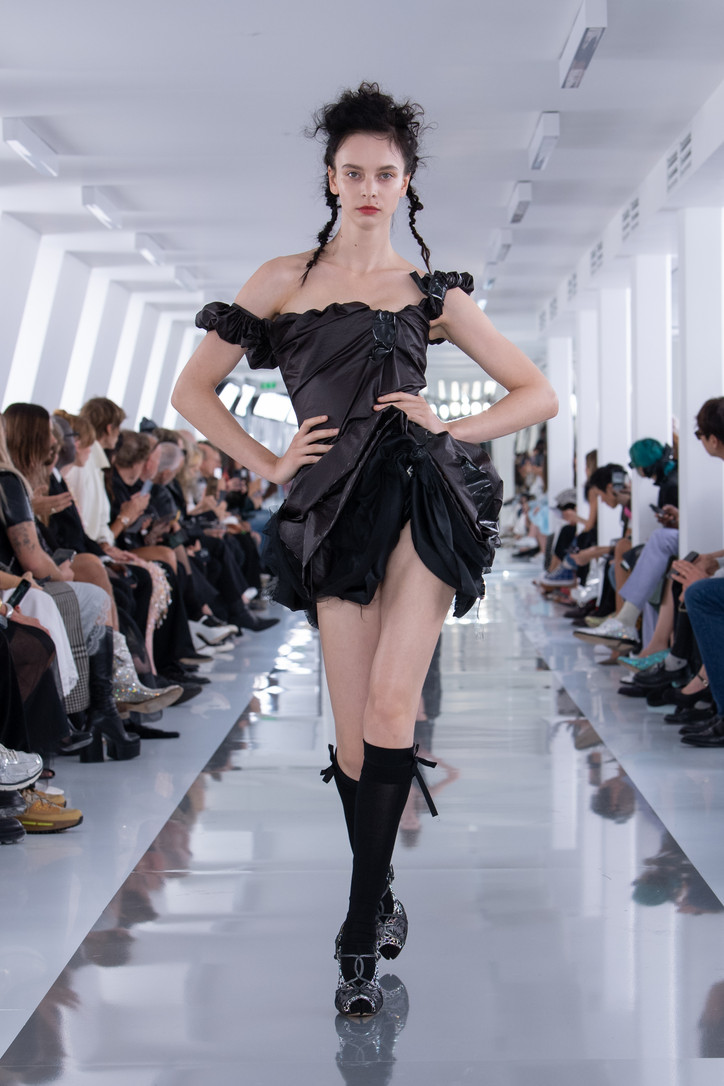
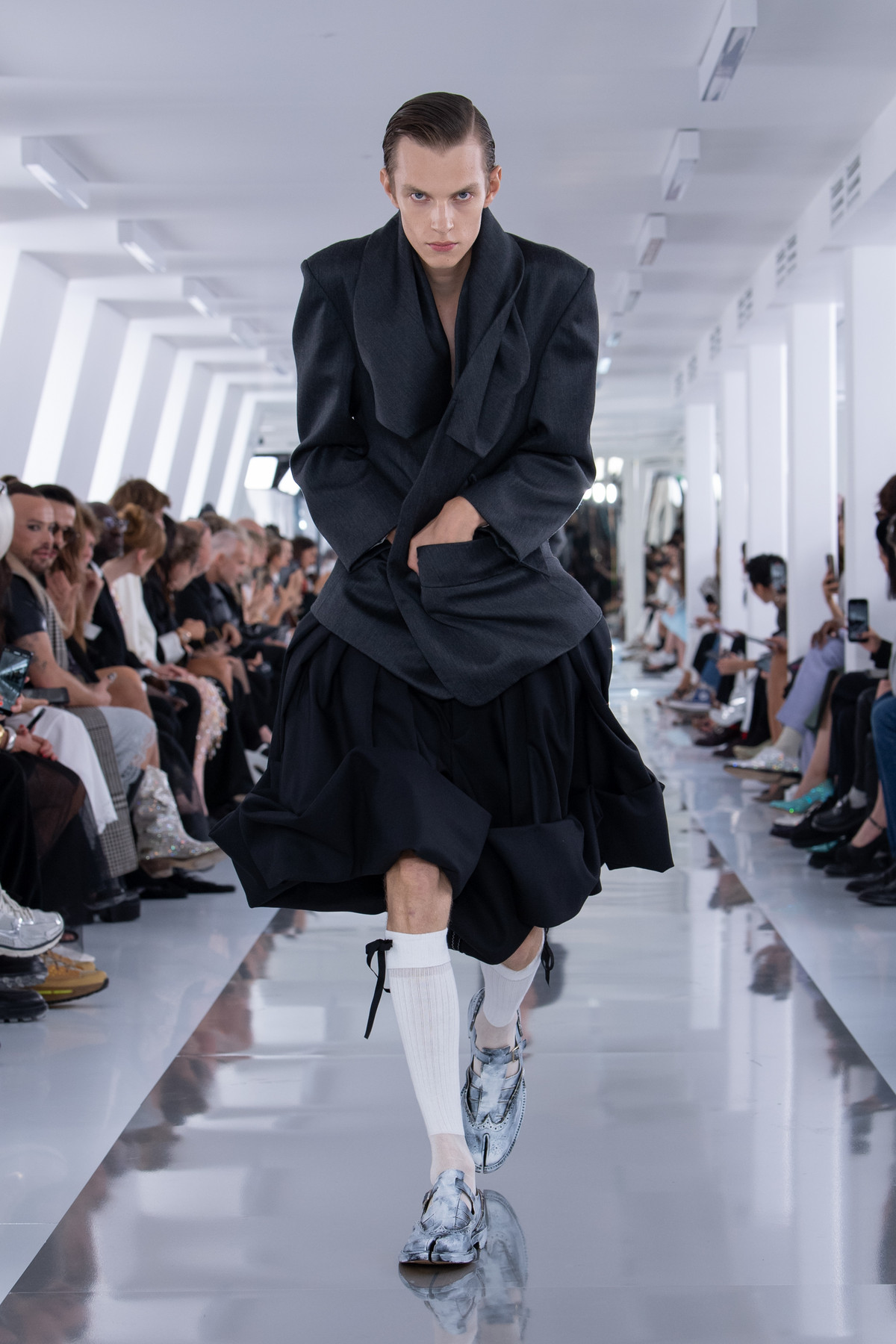
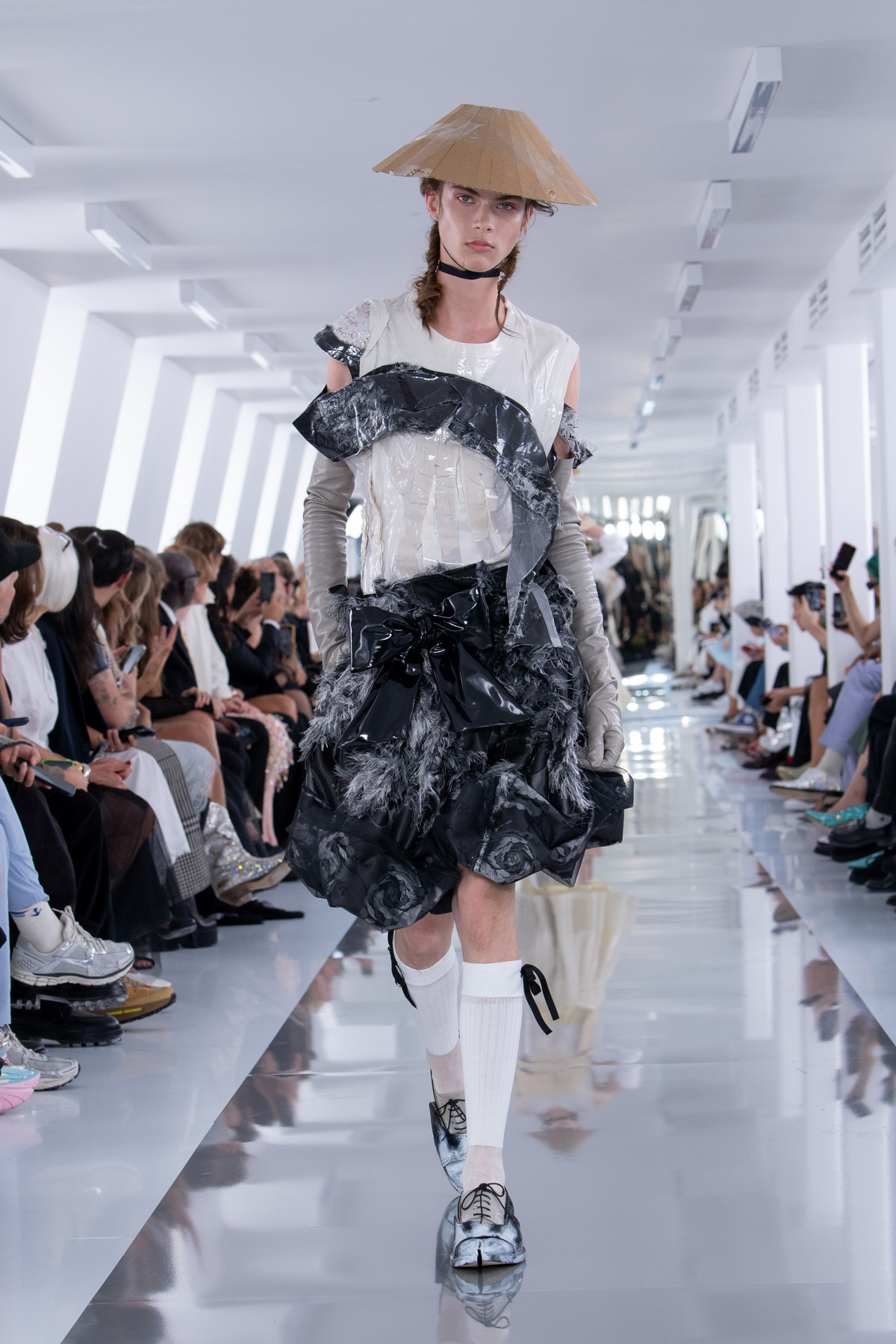
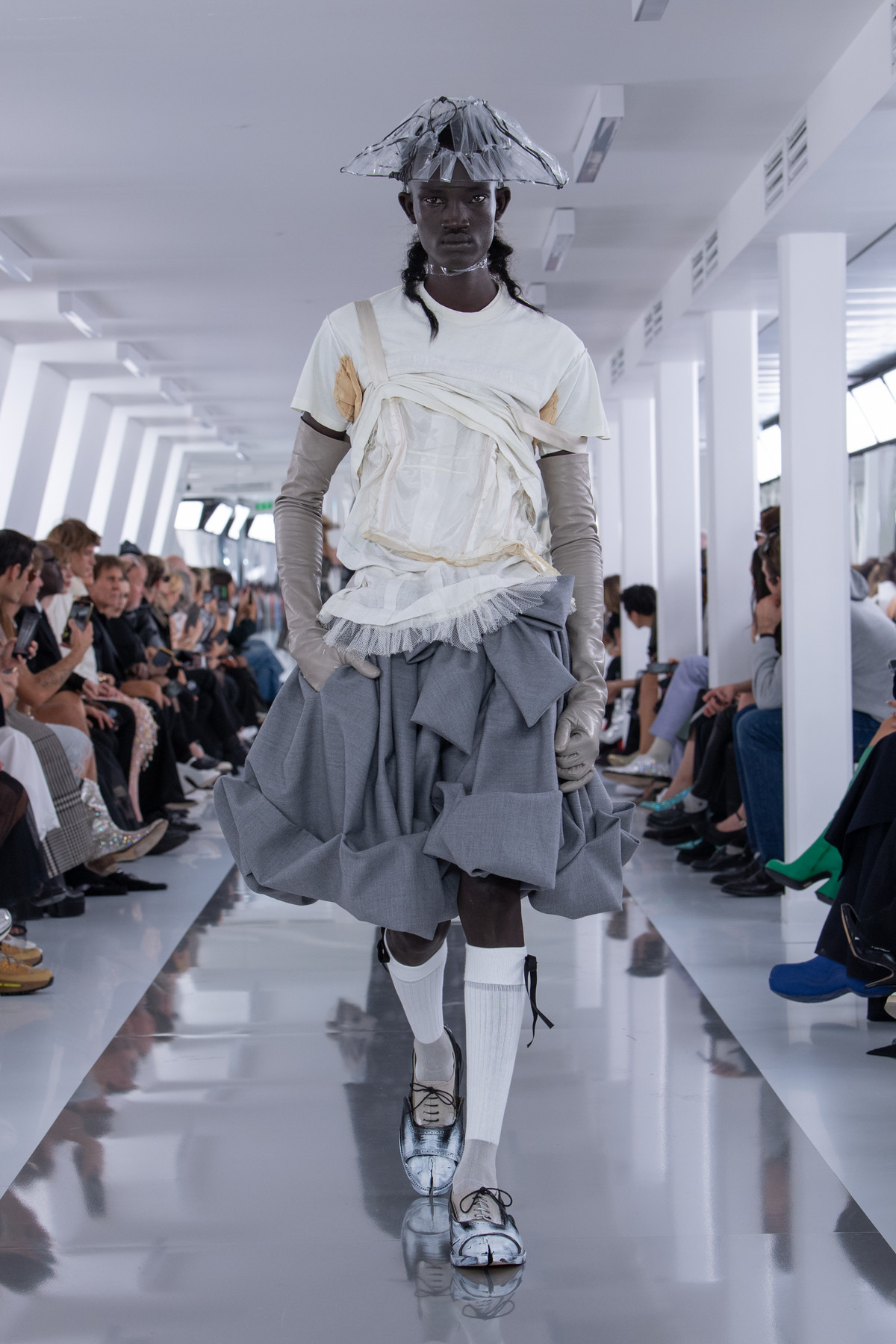
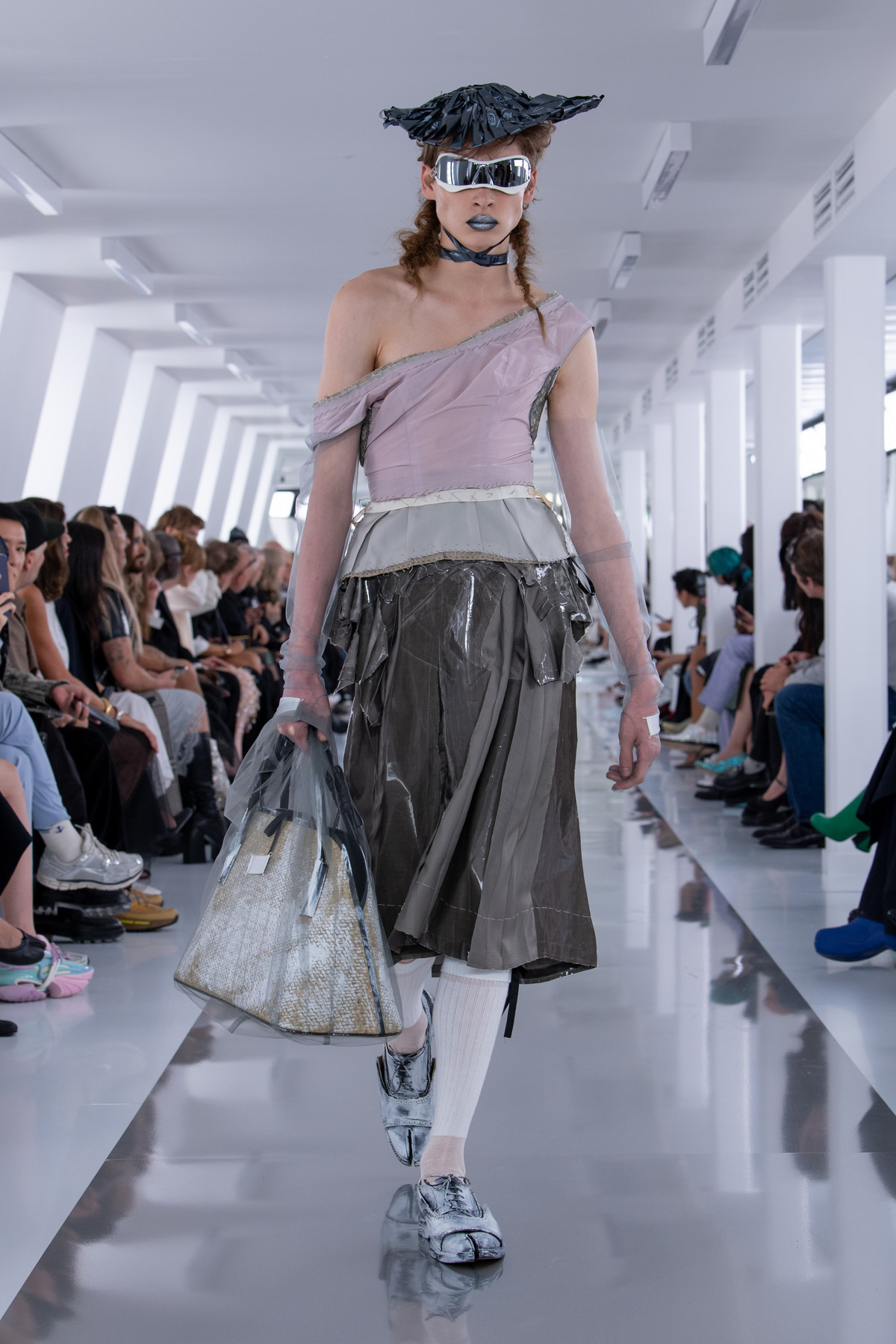
On that note, that meant pushing luxury fabrics and techniques to new heights, and giving the codes of tailoring extra attitude by way of punctuating the silhouette. More banally, but vitally, was the attention to Character Studies and the musings on theatrics, elements that covered the full scope at Maison Margiela, which, besides the meticulously-shaped offerings, did a brilliant job at balancing craft and drama. So, here’s an appeal to better the angles of our reigning designers: at a time when the march of avantgardism grows with an ever soaring pace, who on earth seeketh clothes tinged with, dare I say, utmost complexity? When head-to-toe offerings have a lackluster feel that go beyond all manner of, well, “wearable structure,” a personally fine reference can be difficult to translate on the runway. French houses might have tried toying with fresh fabrics and textures, which, if appropriately layered, could have helped their designs come more to the fore—but their coup de grâce was the fact that their fuss-free approach turned rather streamlined, with a maximal edge that added visual interest.

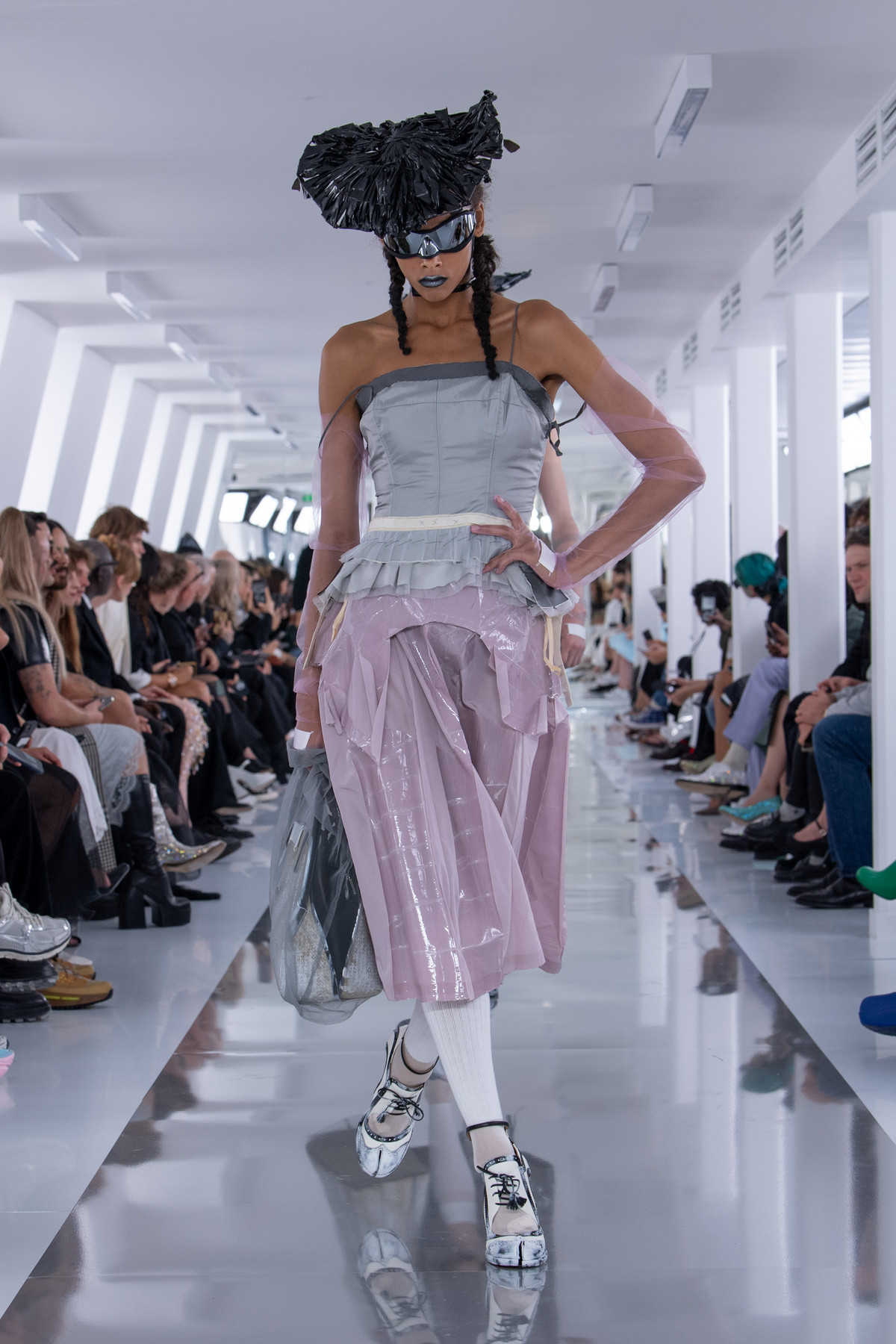
Images courtesy of Maison Margiela
If one looked closely, there was an attitude and plenty — say with me, plenty — of references to spare in this season’s proposals: unbelievably traditional and tediously directional, some garments somewhat managed to emerge out of fashion’s creative drought. And one cannot help but wonder: if a safe extrapolation from the archives — and history — continues to run apace as one of the industry’s recurrent leitmotifs, where do we go from here? Reclaiming territory that most French designers have long claimed their own is no mean feat, as their stylistic undercurrent can result (somewhat) redundant, coaxing into today’s loser, fill-with-appeal avenue of fashion communication. At the same time, though, designers took care to update a wealth of cultural points of reference, incorporating all sorts of influences into a huge mix.
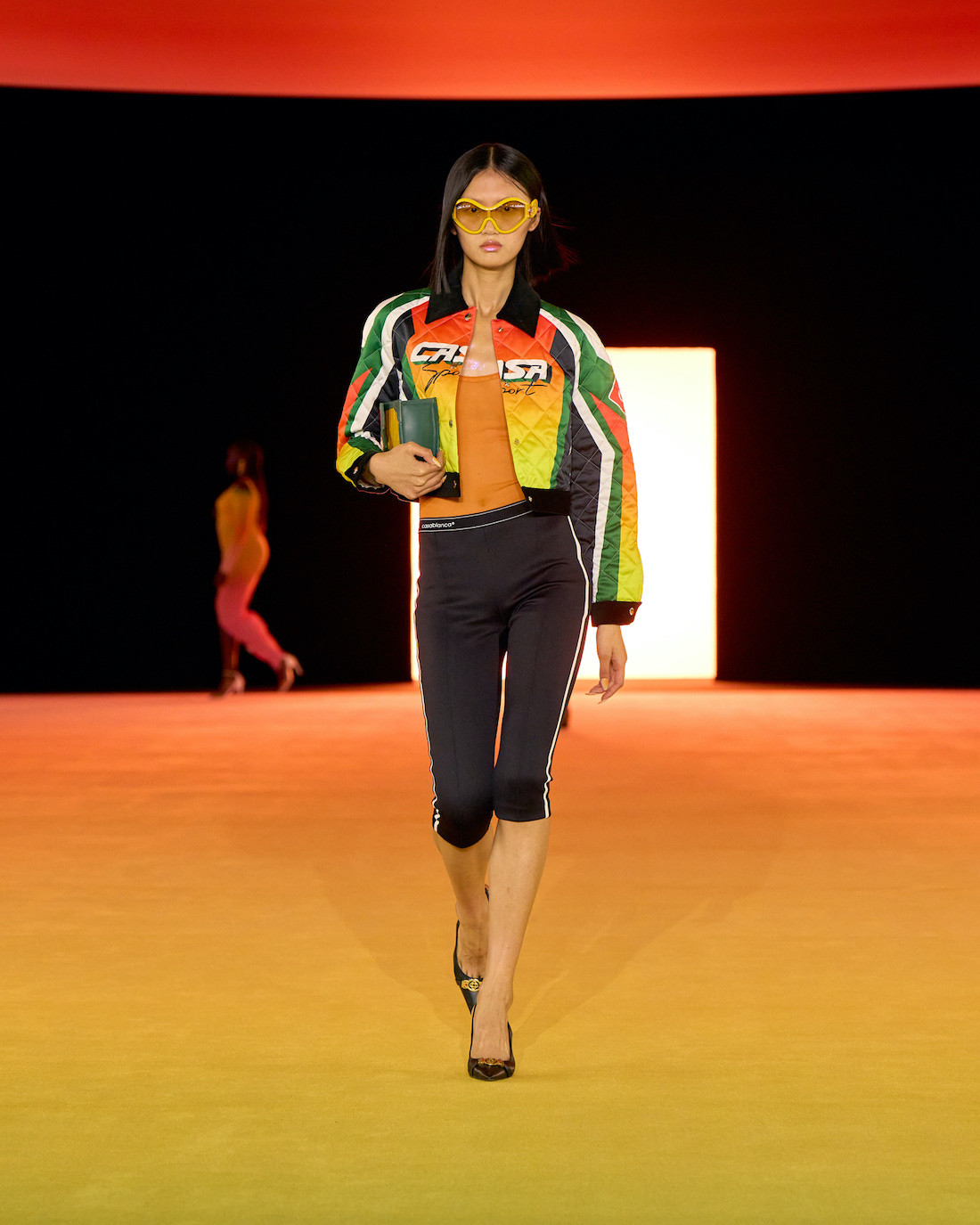
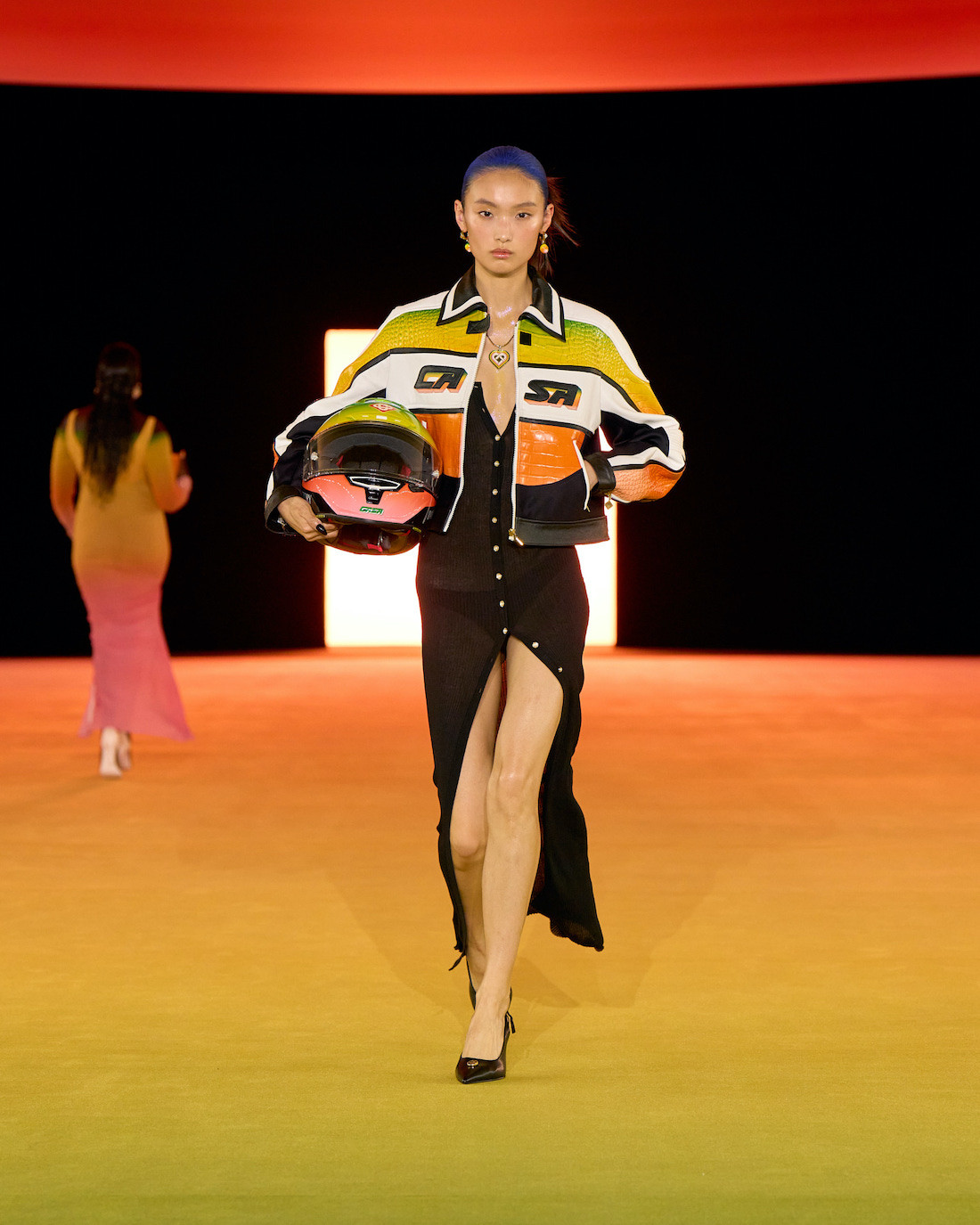
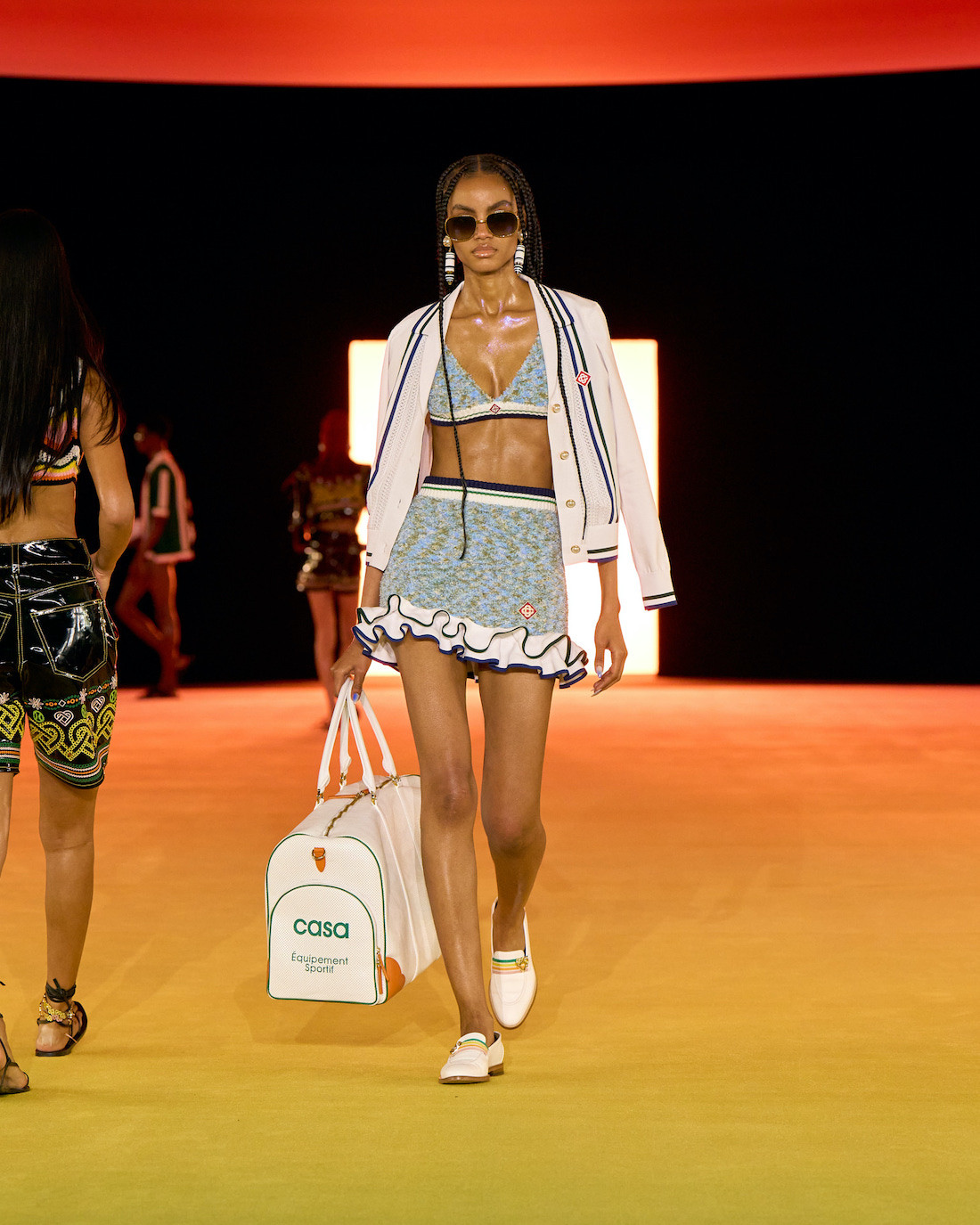
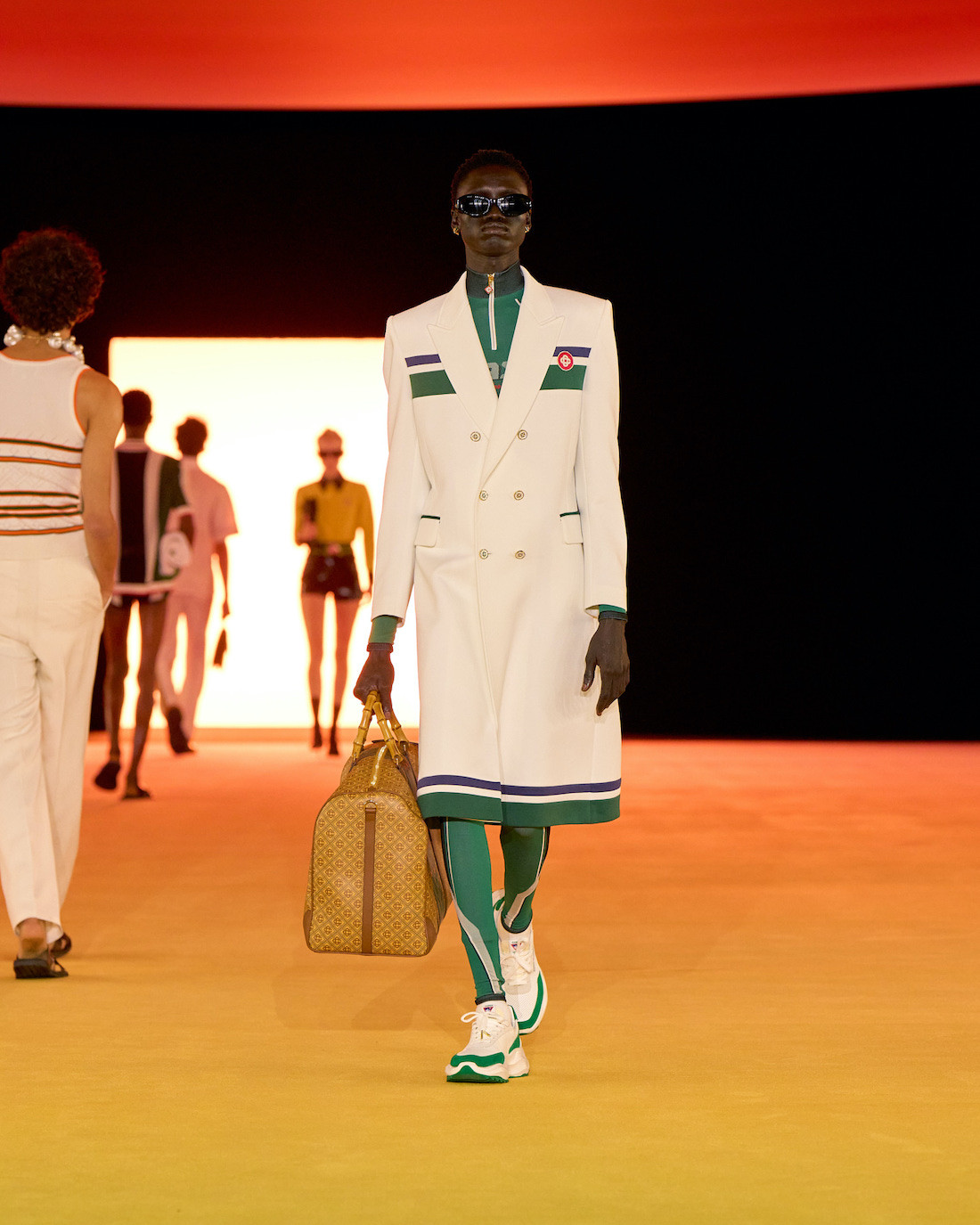
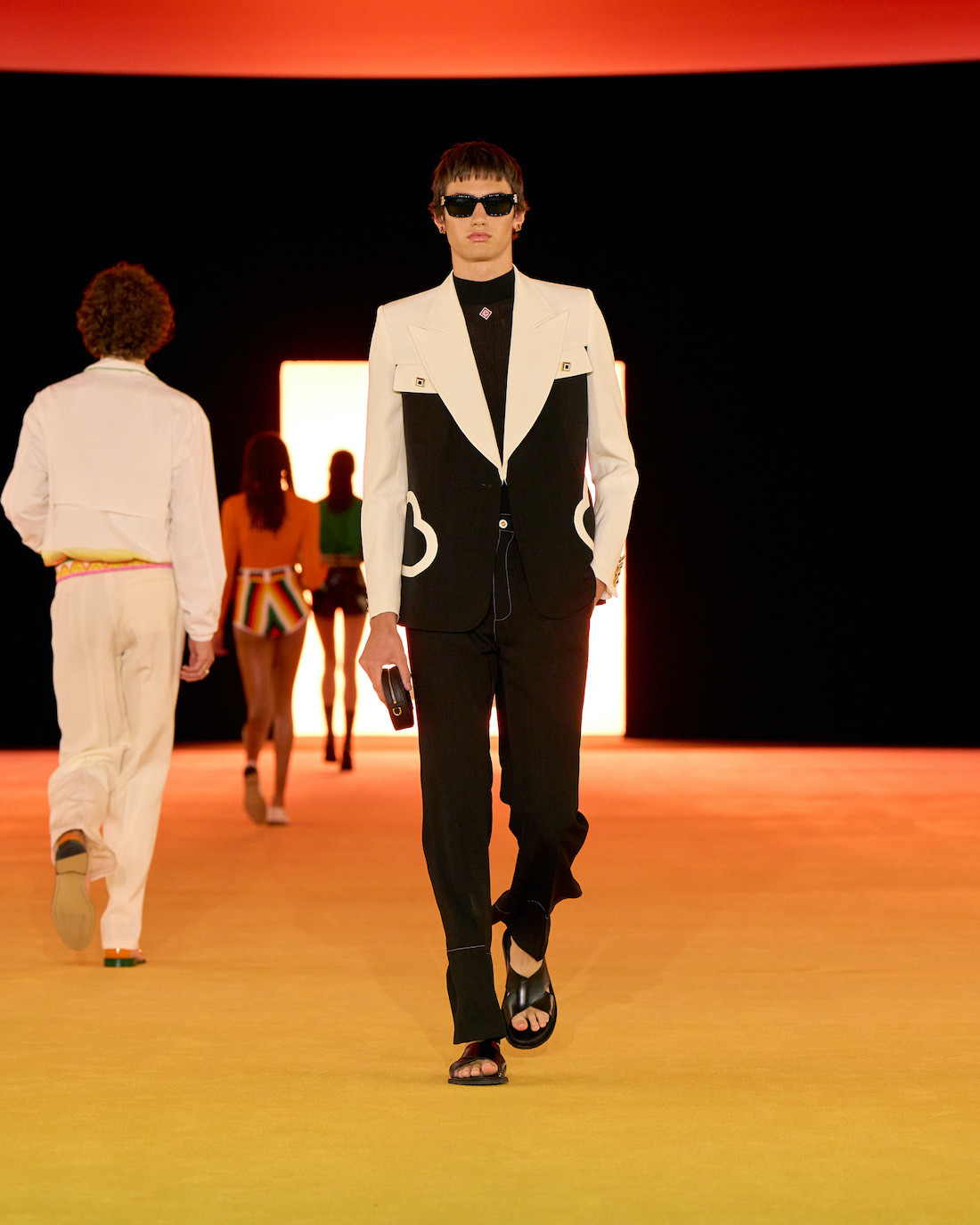
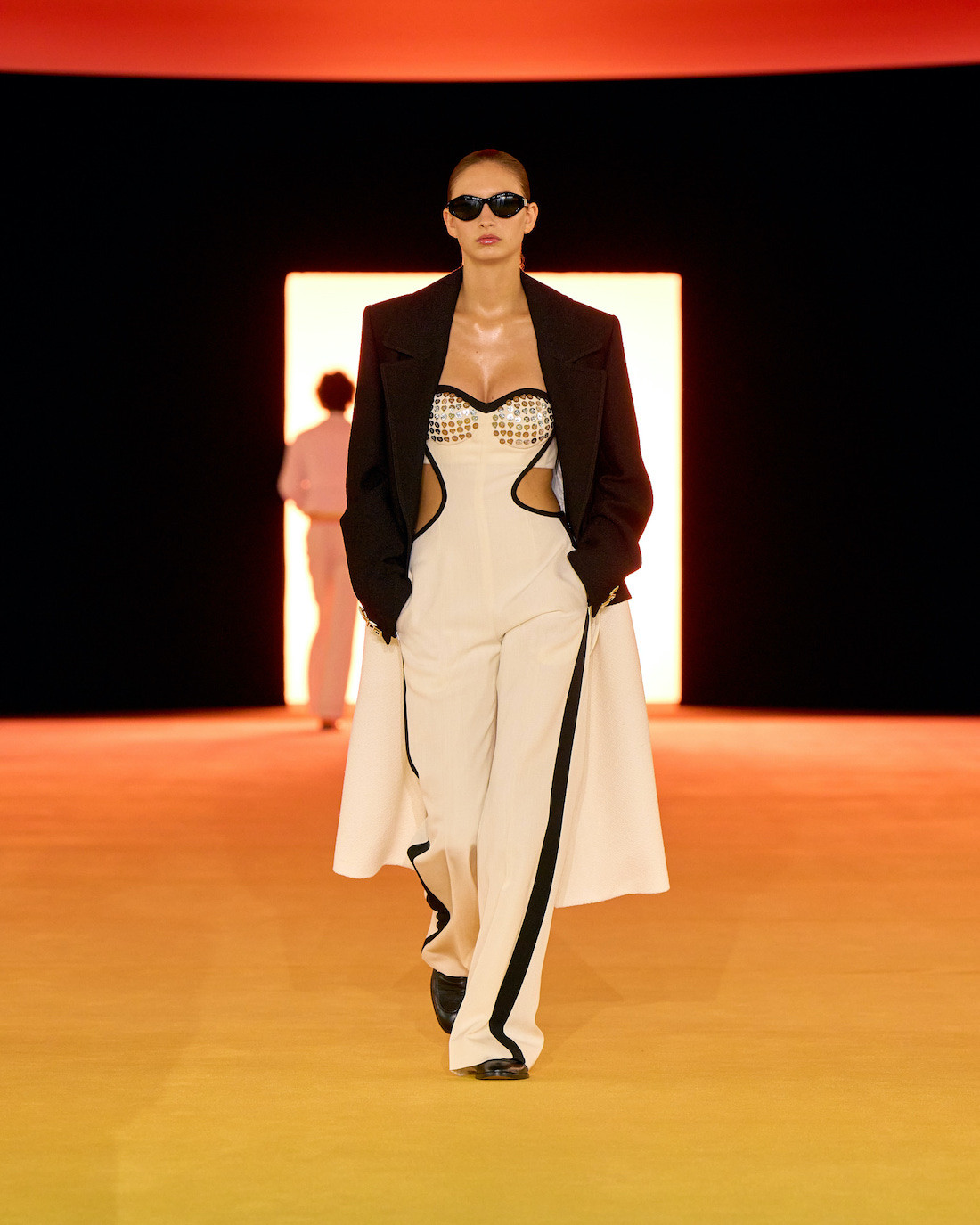
Images courtesy of Casablanca
First up, Casablanca: the brand looked to Western Africa this season, mapping a collection that analyzed the vitality of Nigeria’s heritage by way of crafting showpieces that “changed guises and varied in tones and atmospheres,” as expressed in the notes, which gained a breezy feel throughout the lineup (even though structured lines and tailored severity were chief mainstays). From a practical and fairly technical standpoint, the representation of mutually shared optimism was a polish that belied the label’s culturally-driven status.


Images courtesy of Saint Laurent
Honest, unpretentious and hardly plain was Anthony Vaccarello’s outing for Saint Laurent, punctuated by a pragmatic simplicity that fed a slouchy silhouette unlike past seasons. Culling inspirations from the likes of Amelia Earhart, Adrienne Bolland and other pioneering women at the vanguard of change in a territory secularly dominated by men, Vaccarello’s “assertive sophistication” came to the fore through extra-long boiler suites that felt extravagantly humble and sweetly charming in equal measure. Other standouts included skin-tight, sheer toppers in dusky tints teamed with ruched dresses that were nothing short of exquisite. All of this sweetness was also conveyed in Undercover’s latest offerings, which brought forth the (very) surprising dimensional experiments of light and life, which came through a gamut of greenhouse gowns with live butterflies.
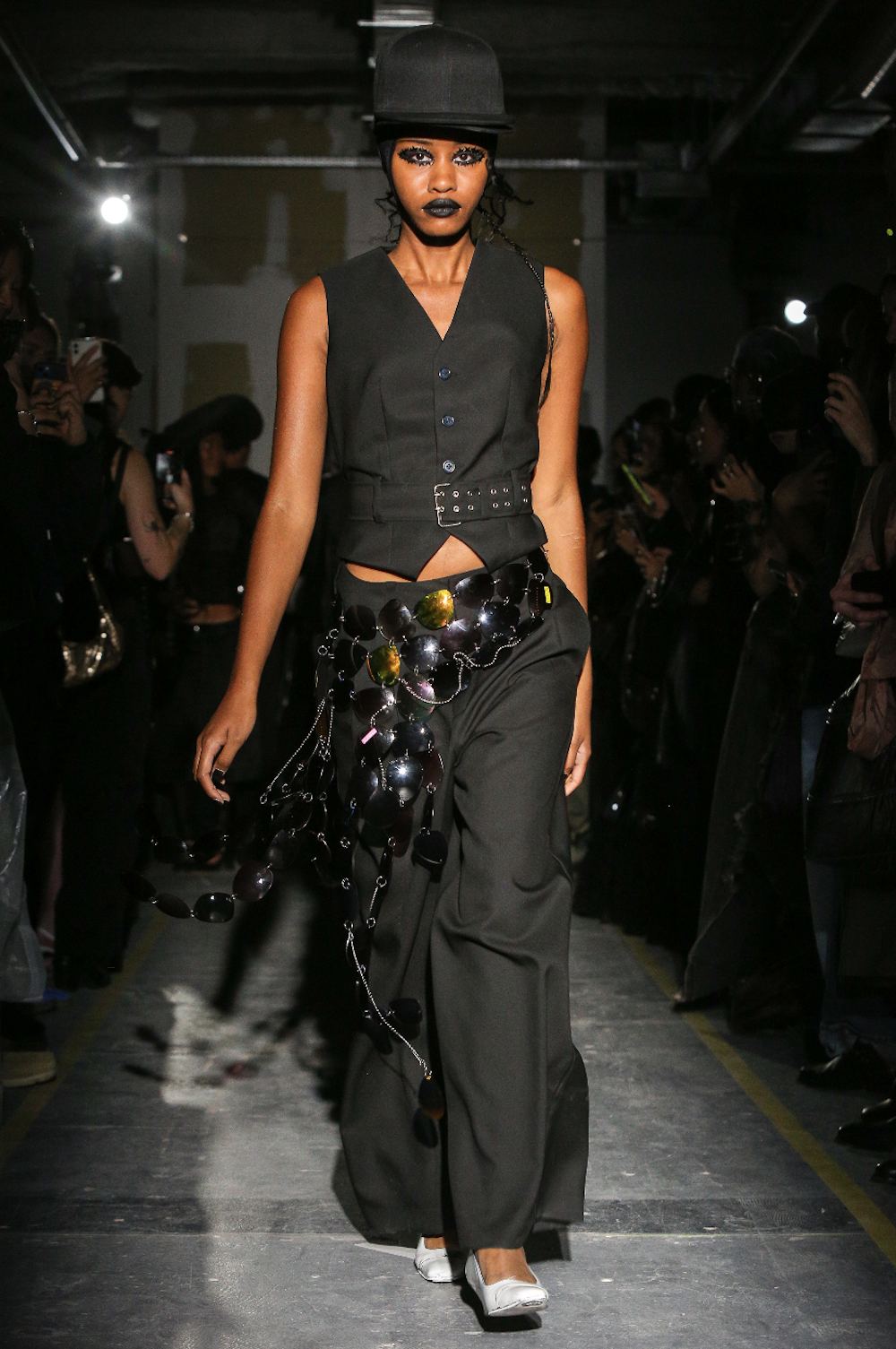

Images courtesy of Vaquera
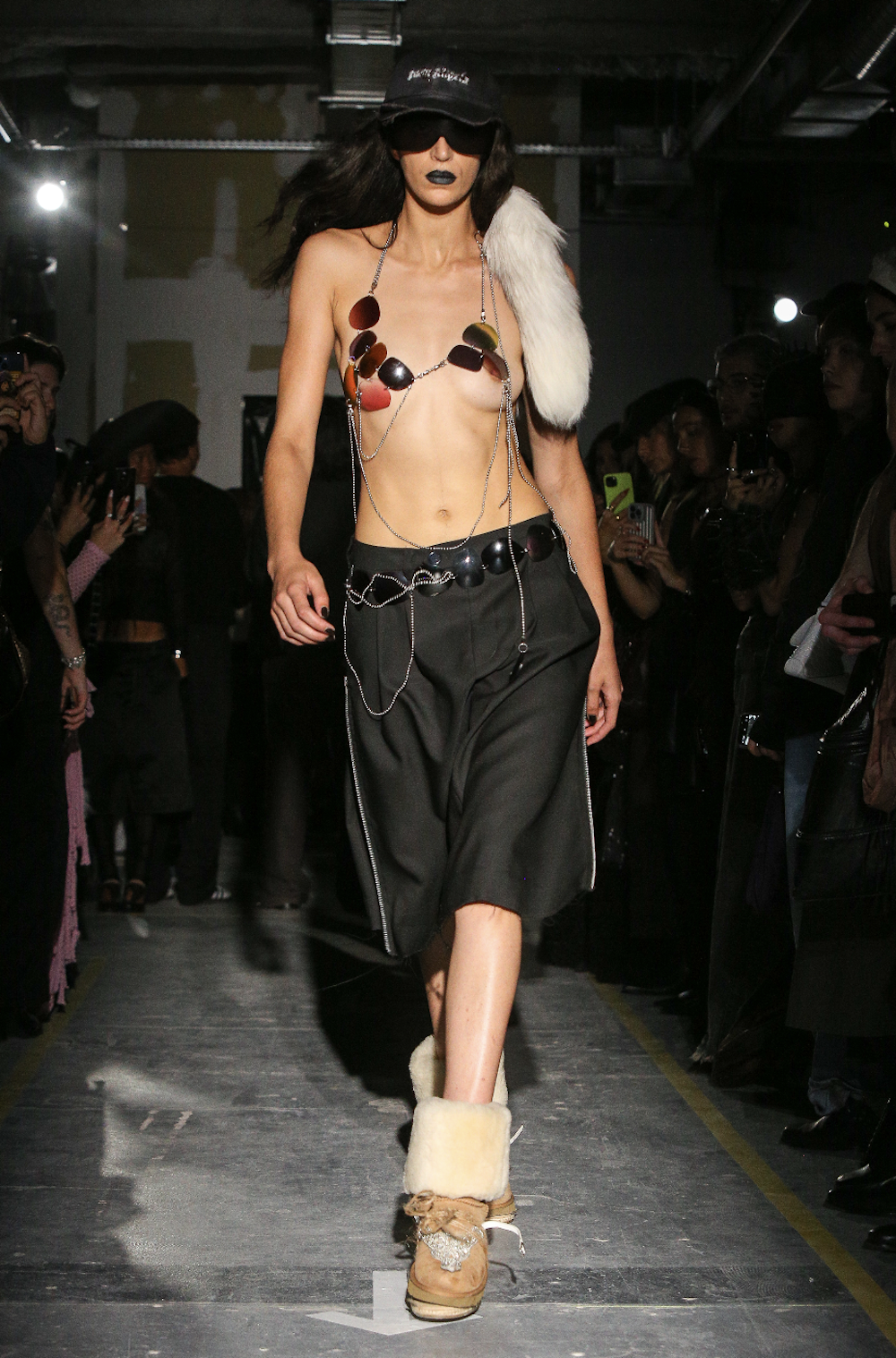
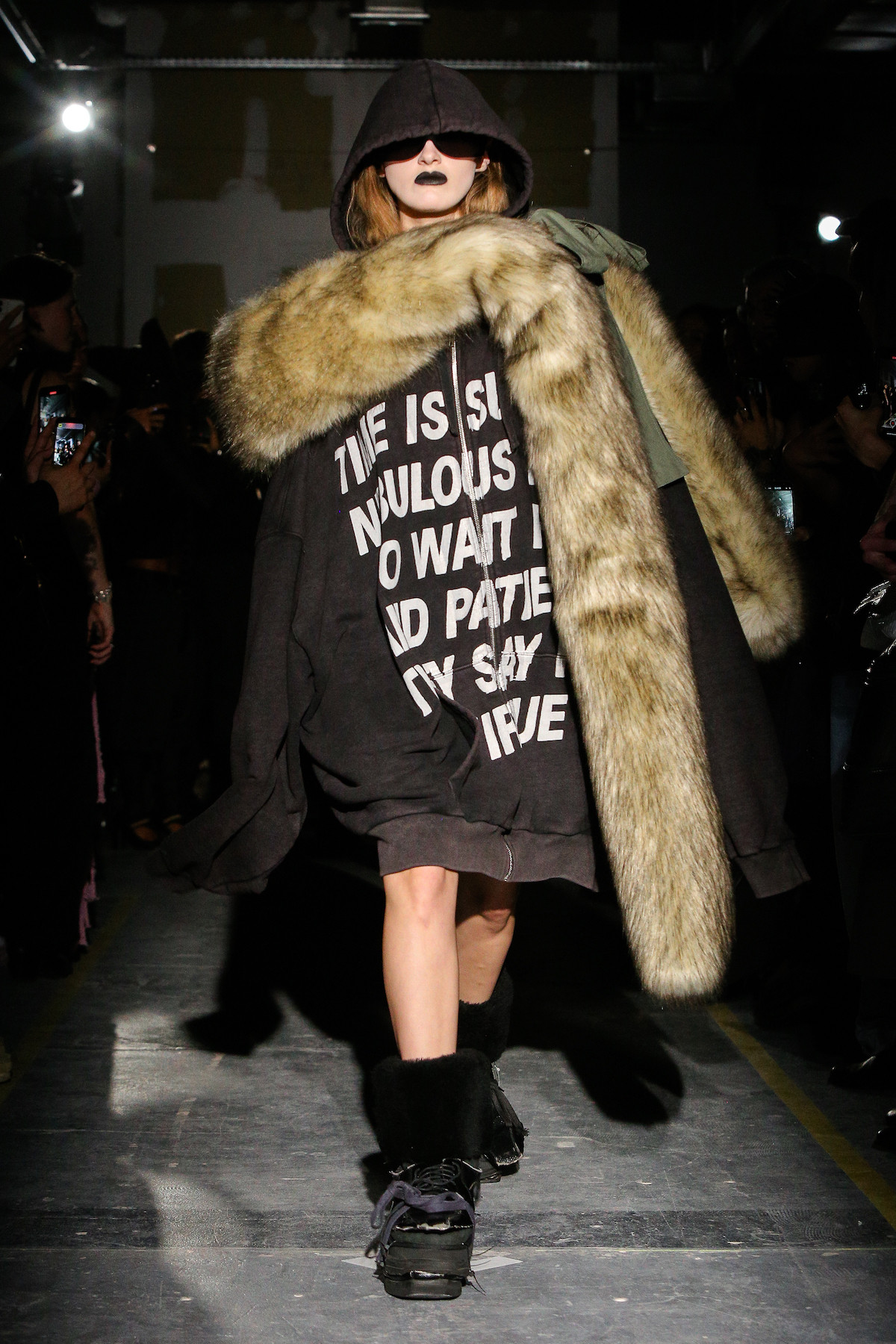
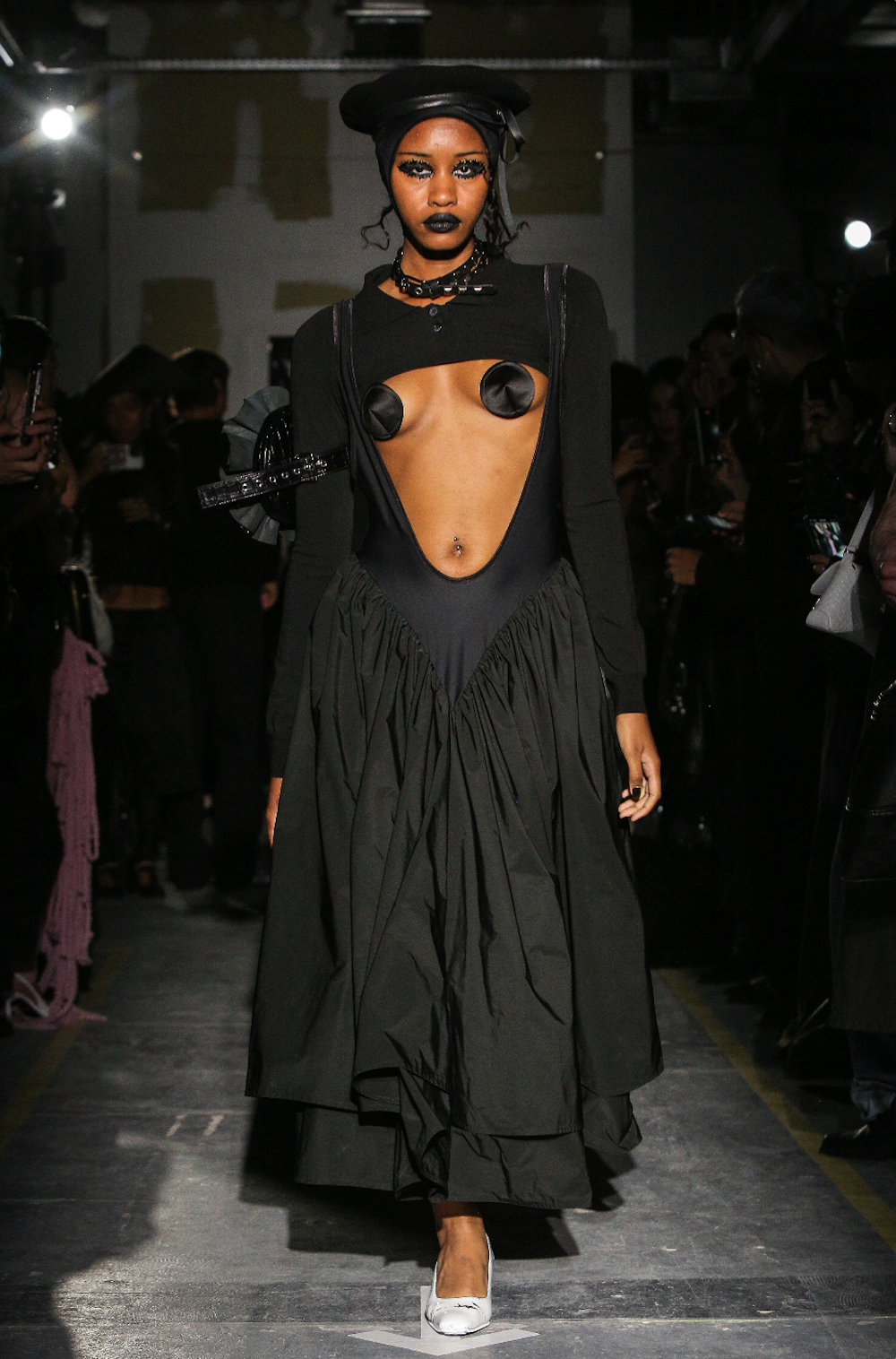
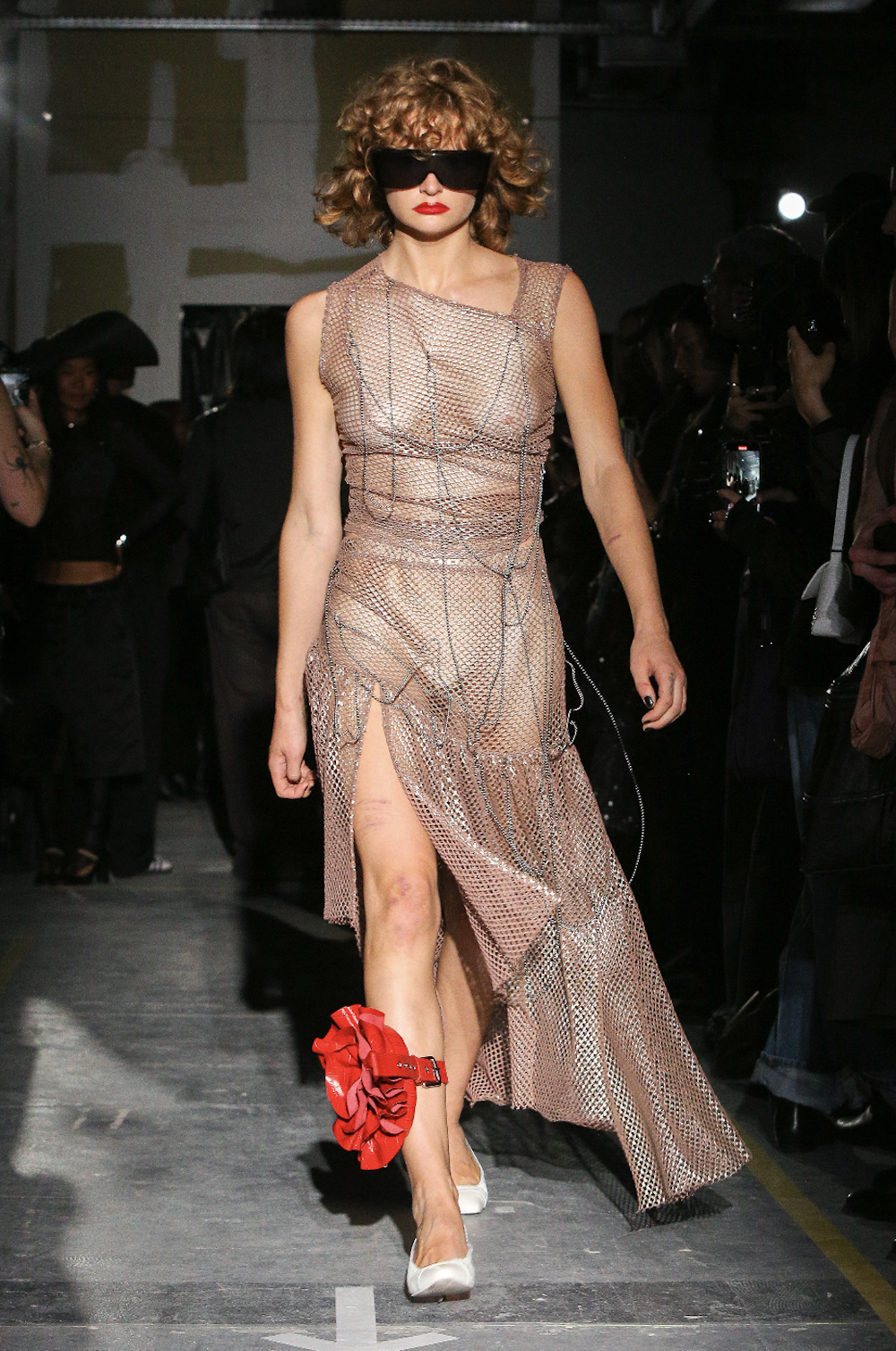
Ditto, at the heyday of fashion one needn’t have questions nor fear of compromise, and Vaquera’s edge veered towards a no-nonsense approach that spoke volumes on the state of our times: giant tees, maxi logos, stacked caps, slingshot shapes and aviator shades featured aplenty, conferring a beach-to-club sexiness that democratizes a certain Y2K appeal.


Images courtesy of Alexander McQueen
And while Spring found many designers rejecting structured ease for a freewheeling approach, Sarah Burton’s collection at Alexander McQueen conquered a grandiose final bow before her exit from the British house. Burton took her position of craft connoisseur to elevate female anatomy, dedicating this show to “the late Lee McQueen who always used his position to empower women, alongside their talent, loyalty and passion.” No sophomore slumps here—Burton’s collection oozed a palpable looseness mixed with a sense of grace that felt neither too uptight nor too “done.” Which is to say, in a world where poor technicalities are increasingly commonplace, the eager pursuit over those pristine cuts ought to settle one’s worries; particularly when a skilled designer proves to win the race. But that isn’t too difficult when clothes are lovely and easy to wear.


Images courtesy of Balenciaga
Put simply, Demna’s Spring proposal for Balenciaga is composed by a careful scrutiny of classic pieces in beautiful fabrics with clever design tweaks, such as flattened, straight shoulders without shoulder pads and added creases, making for sharp tailoring. So far, so good. But there’s more to the story. “There is personal resonance in this show,” opined Demna, pointing to this season as a reflection of his world, where the identities that comprise his community arise. As for the references? Enough for dozens, if not hundreds, of collections to come.
Many, truly speaking, were compelling at Valentino. But the emphasis on sartorial performance — which, for the Maison’s Creative Director Pierpaolo Piccioli, links to an emblematic emancipation of the body, nudging to the subtle art of conceal and reveal — is a representation of freedom and humanity. It can be liberating to leave a classic ensemble behind, eschewing all notions of tradition; which may explain how Piccioli shuffled the bold silhouette and opted for thinner and finer kinds.


Images courtesy of Miu Miu
At MIU MIU, garments looked invitingly pleasing to wear: tasteful as they can be, the brand revisited the archives to re-evaluate memories of the past into fresh perspective, turning up on the volumes and garnering a slouchy verve. Essentially, the idea led to earthly color-blocked tailoring for Spring, which also referred to the show’s setting designed by Qatari-American artist Sophia Al-Maria, who imagined a landscape of technological ruins, a history invented inside the Palais d’Iéna created in collaboration with OMA. Al-Maria’s work, Gravity & Grace, depicts a confrontation of reality and fantasy: exploring the meaning of storytelling, through the history of humanity to today.
All in all, to balance all the aforementioned factors with the clarity of a vision means adapting to an ever-shifting perspective that holds a resonance to a specific time. And despite the commercial realness juxtaposed with a dose of smart essentials, the Spring shows (just about) made up for thought-provoking and exciting fashion.