At The Circus

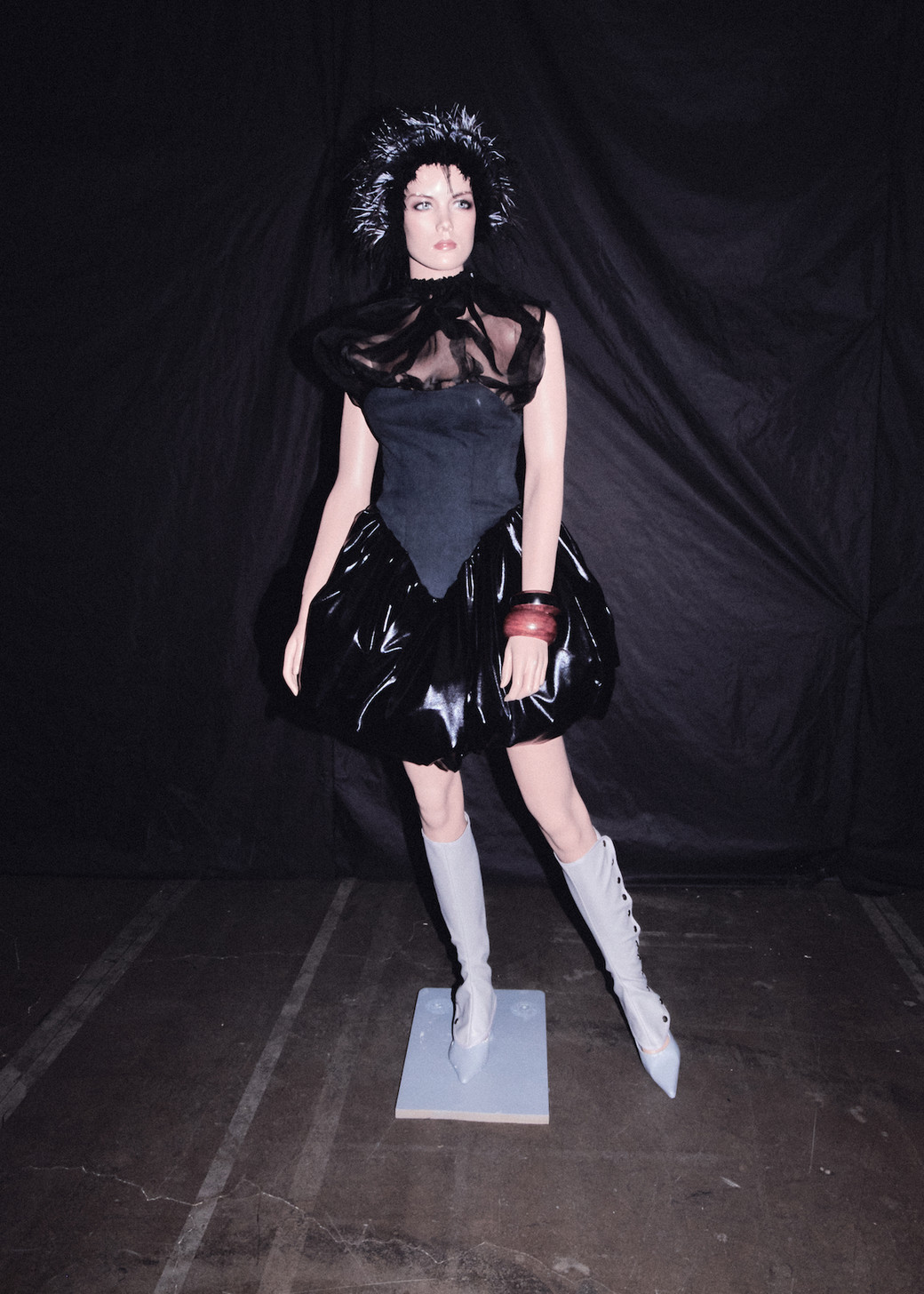
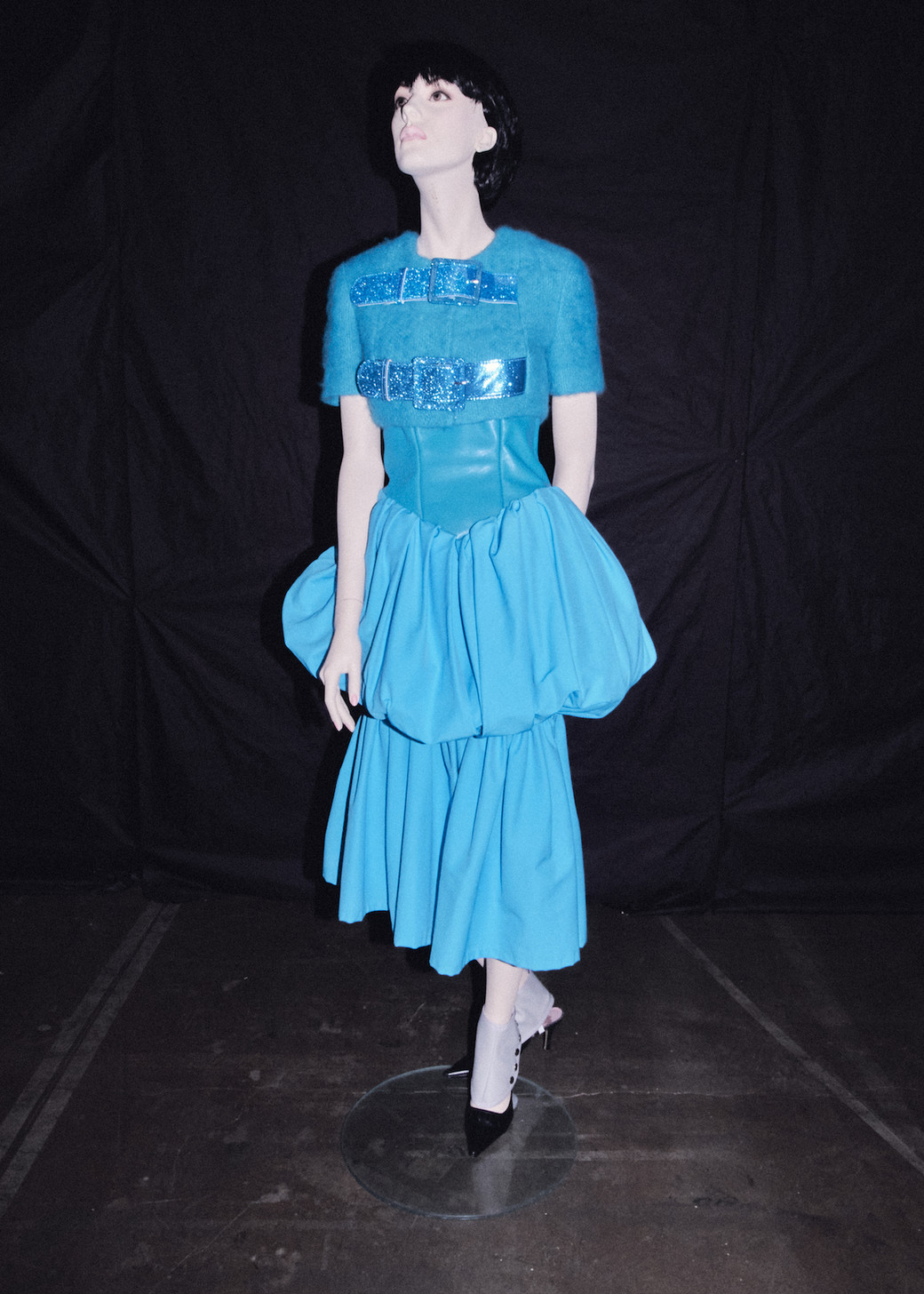
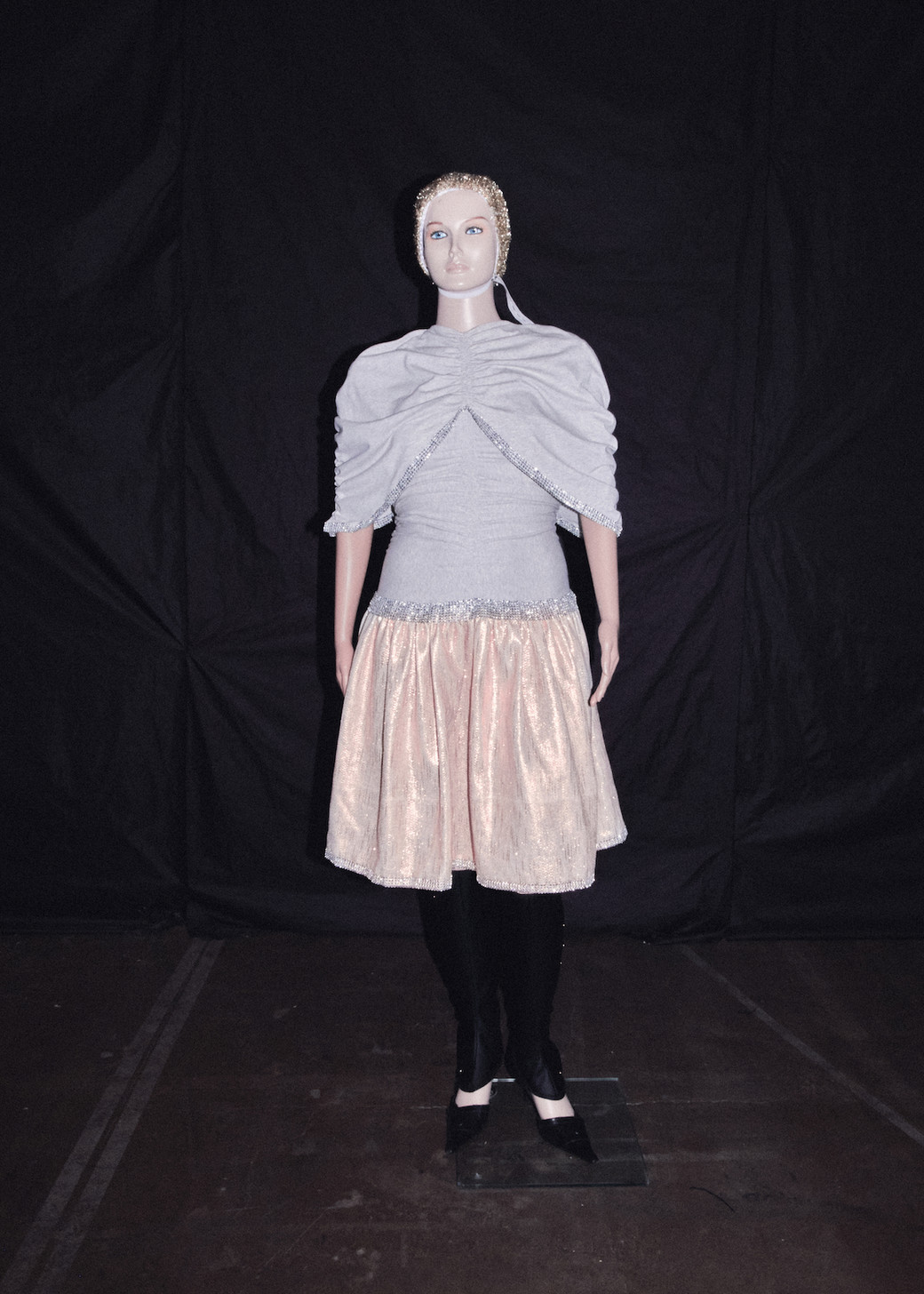
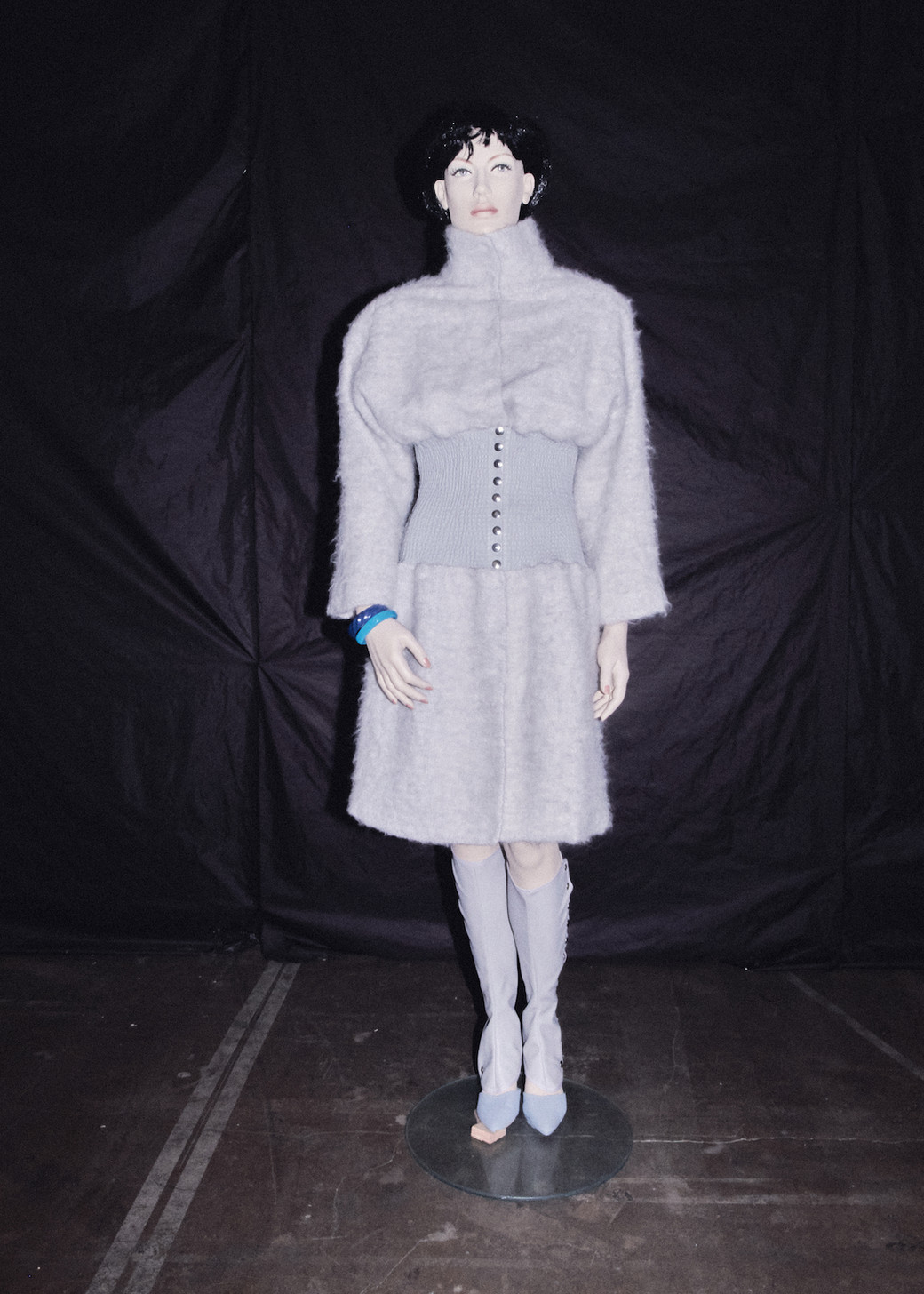
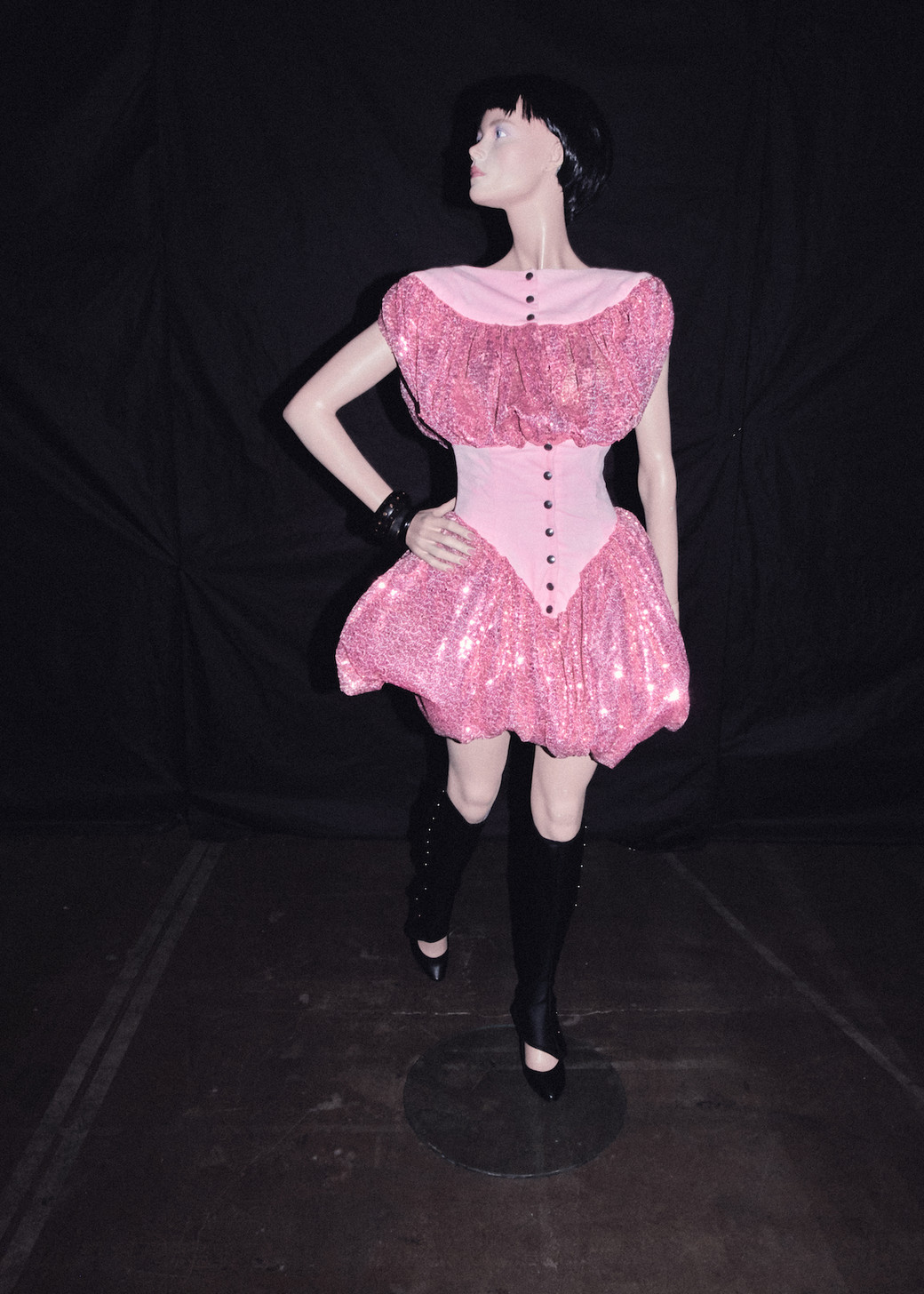
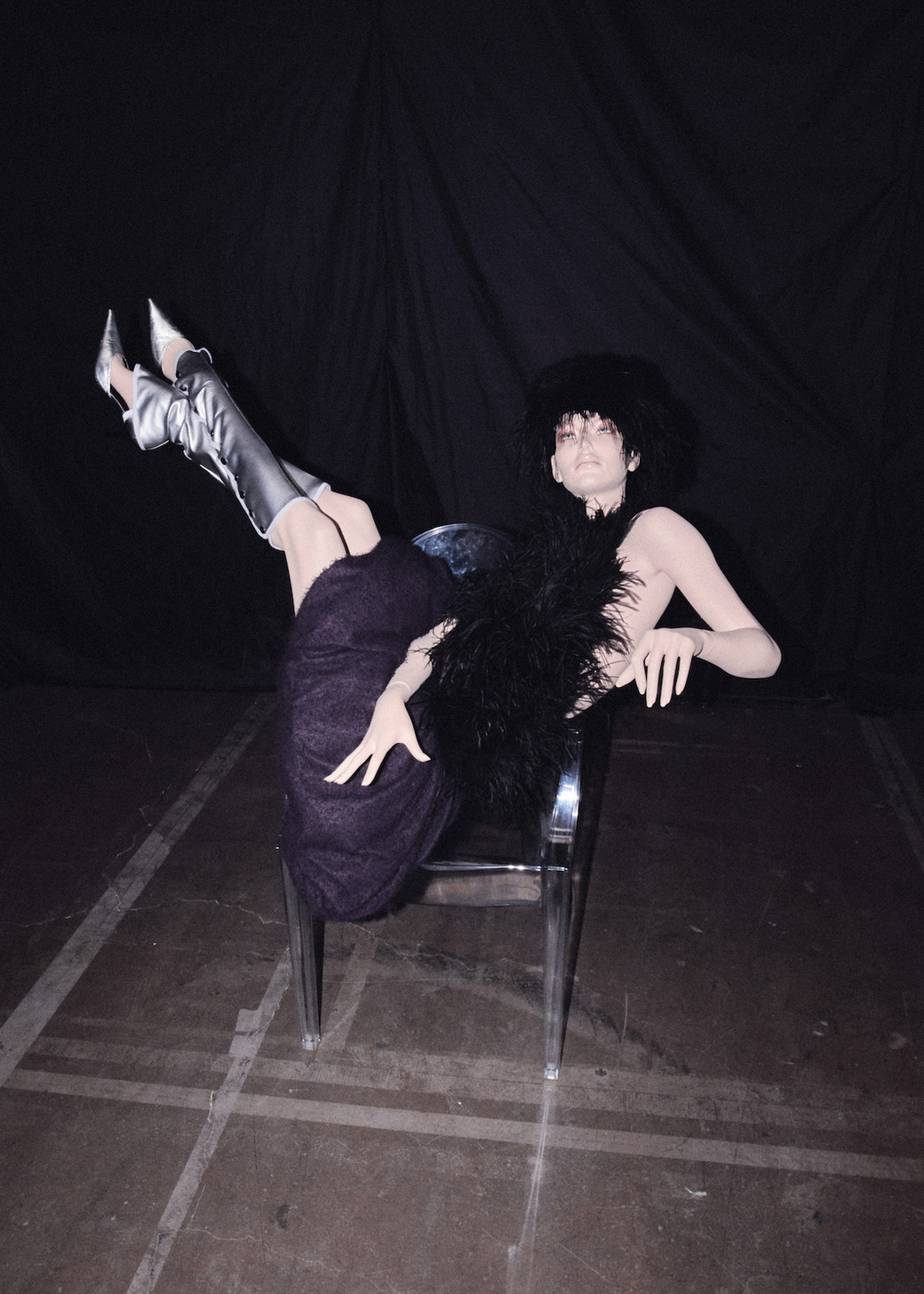
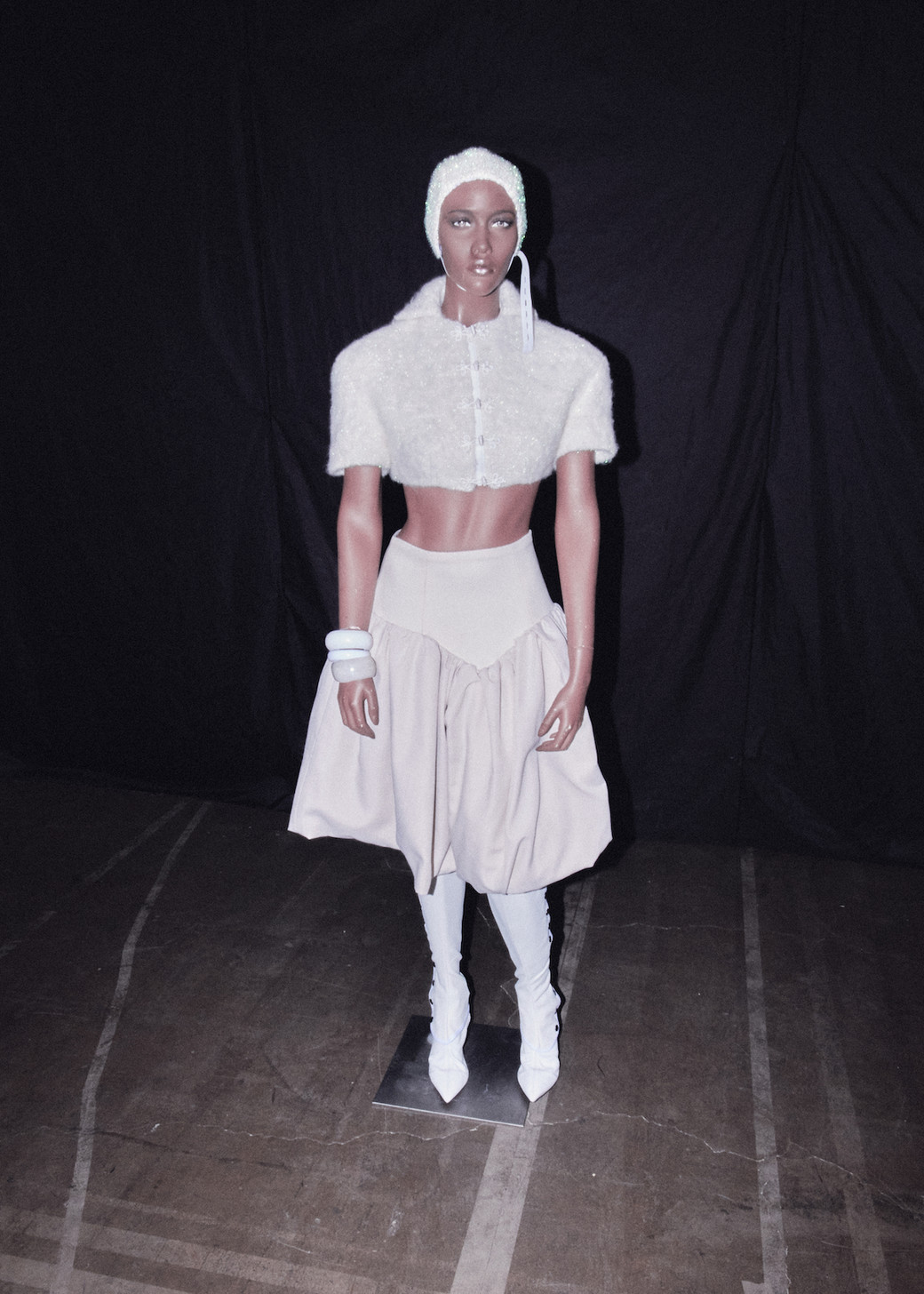
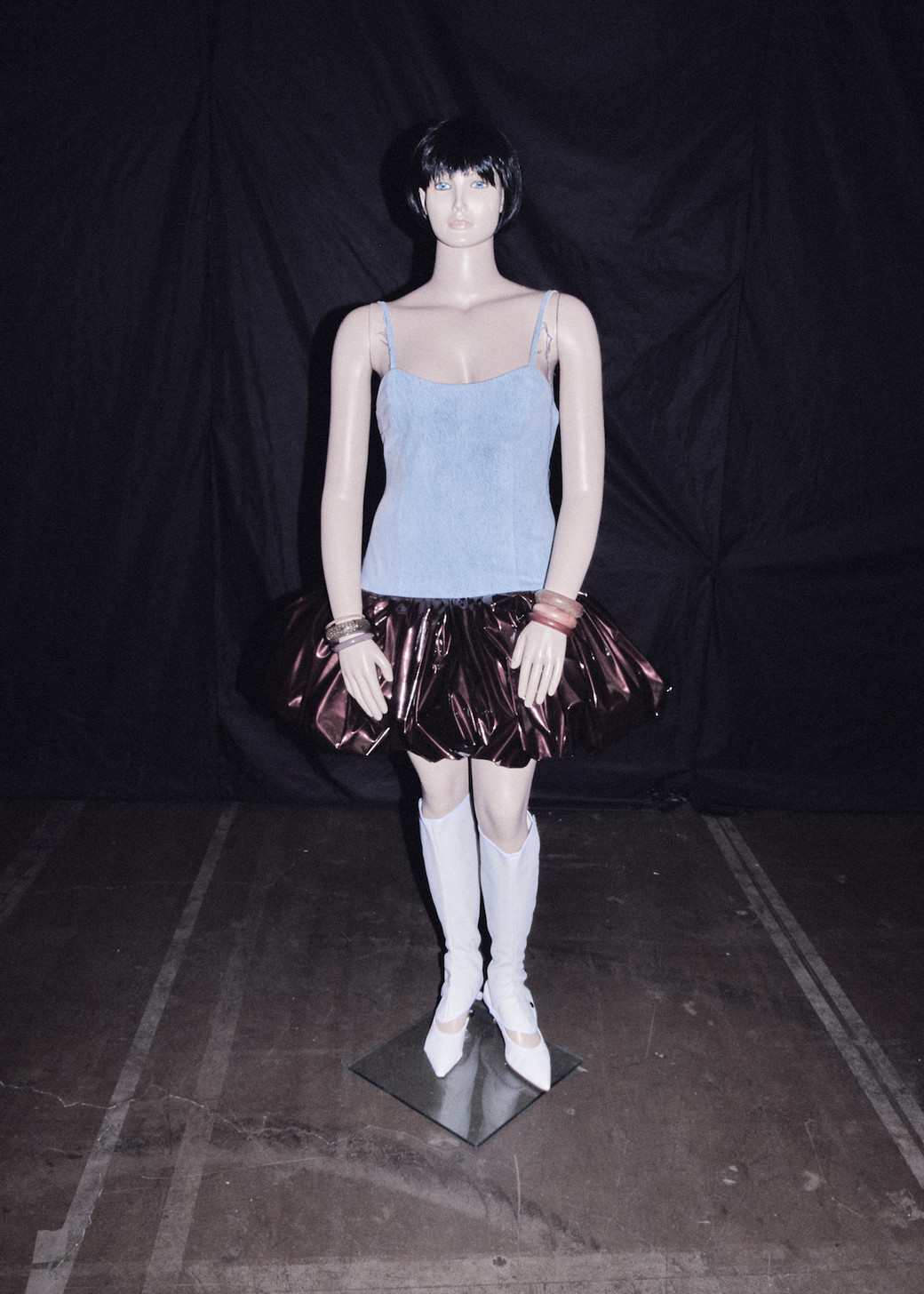
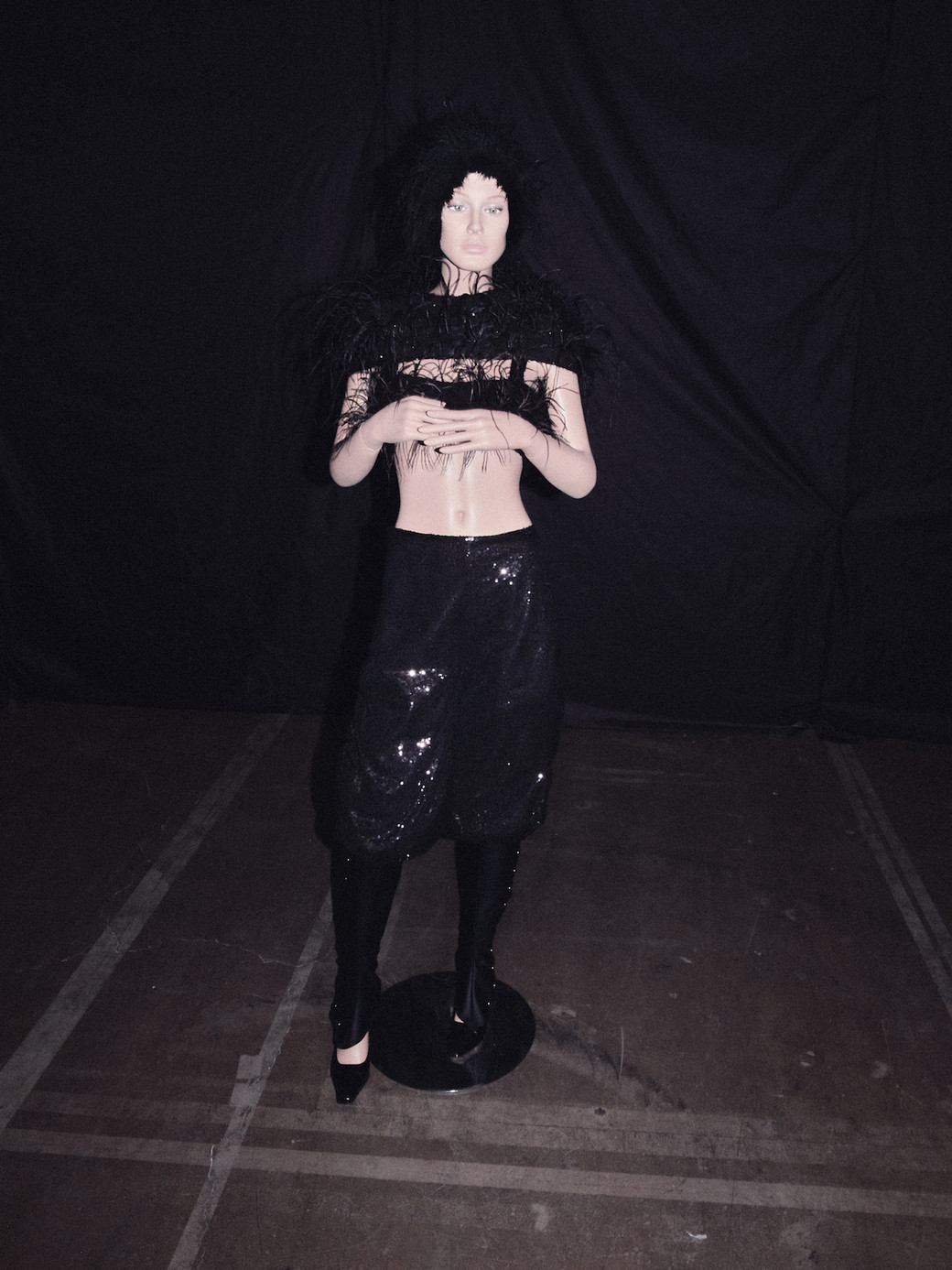
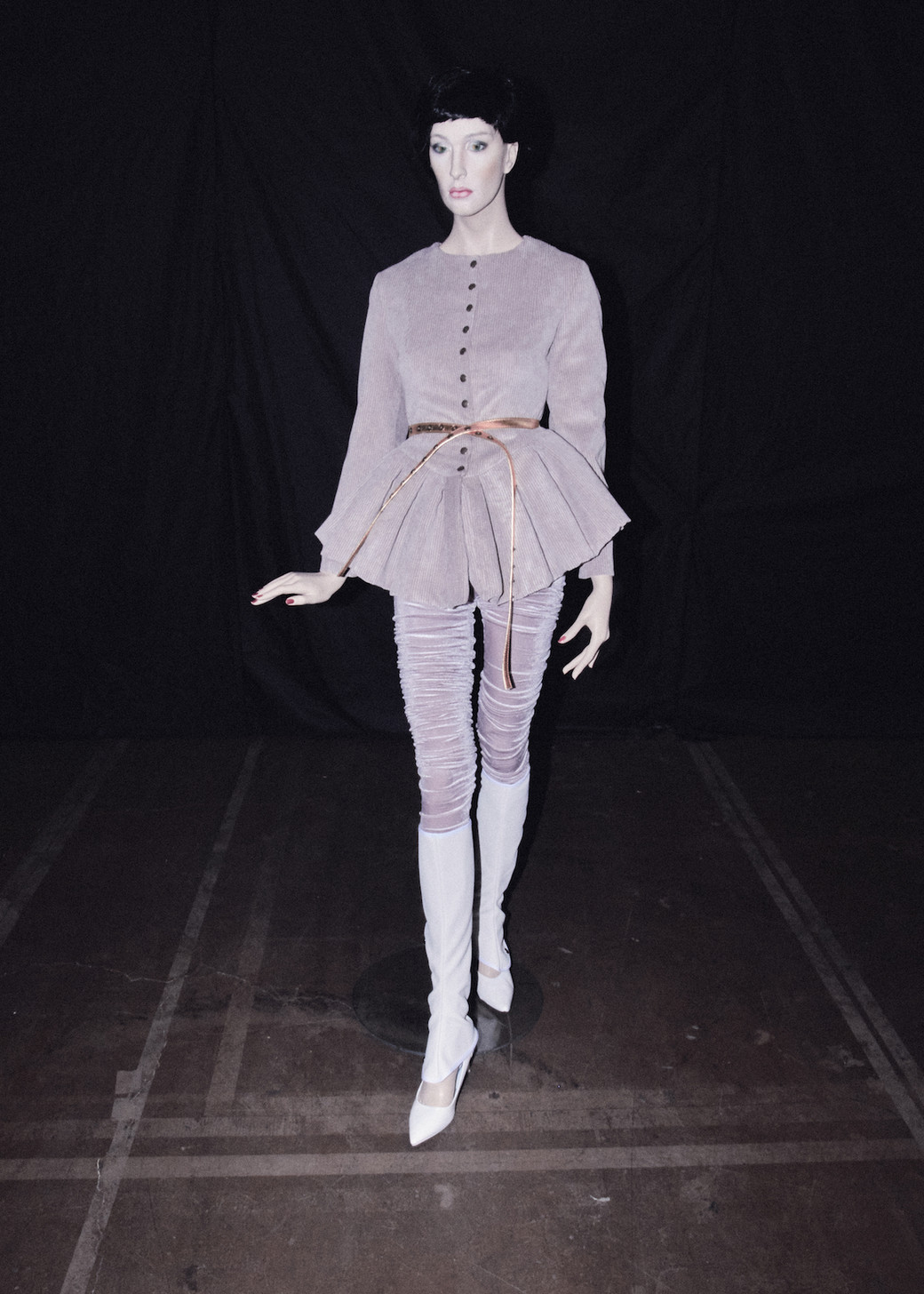
Oh and the peacock feathered suit was killer. See it, and our other favorite looks from backstage at the presentation, below.
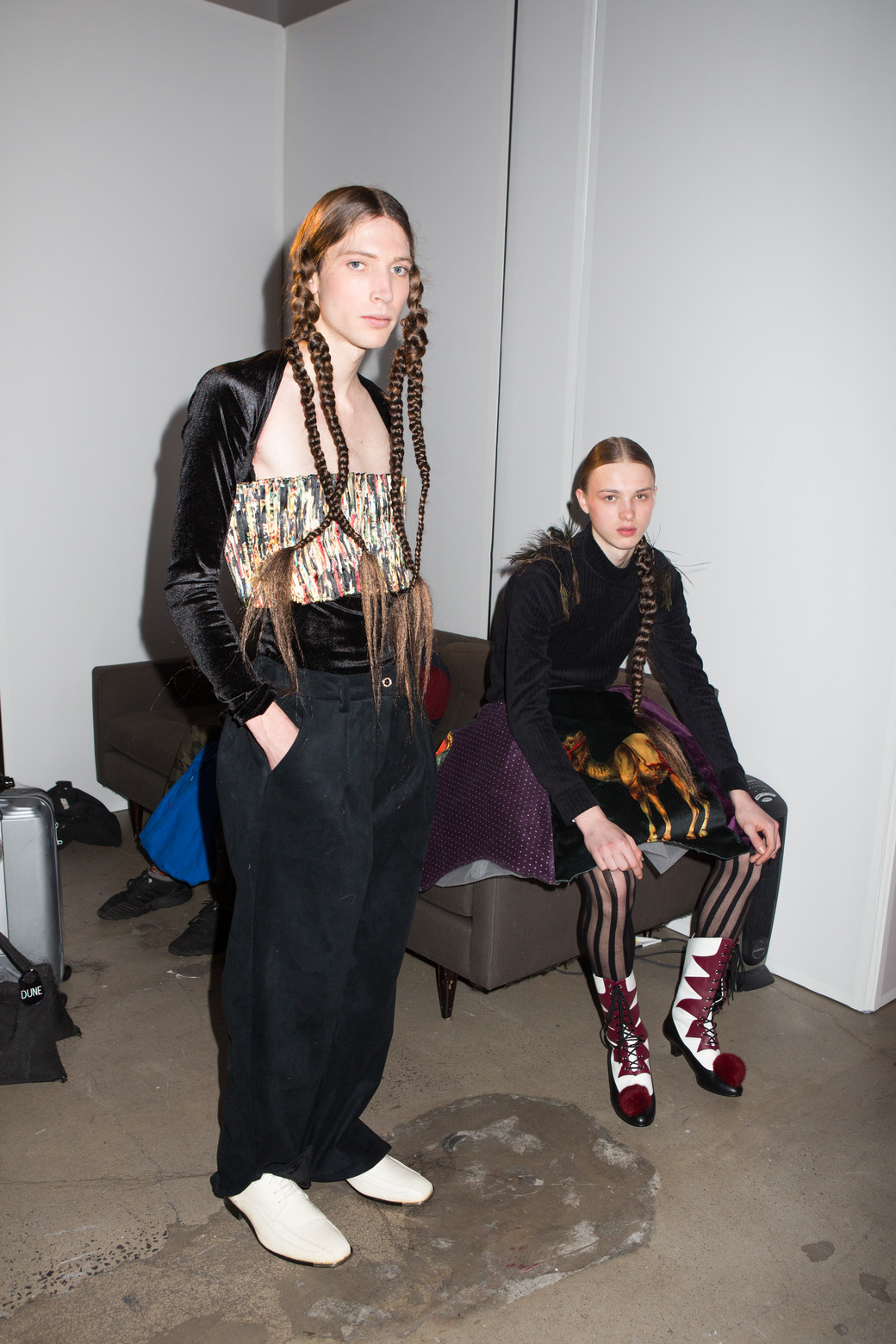
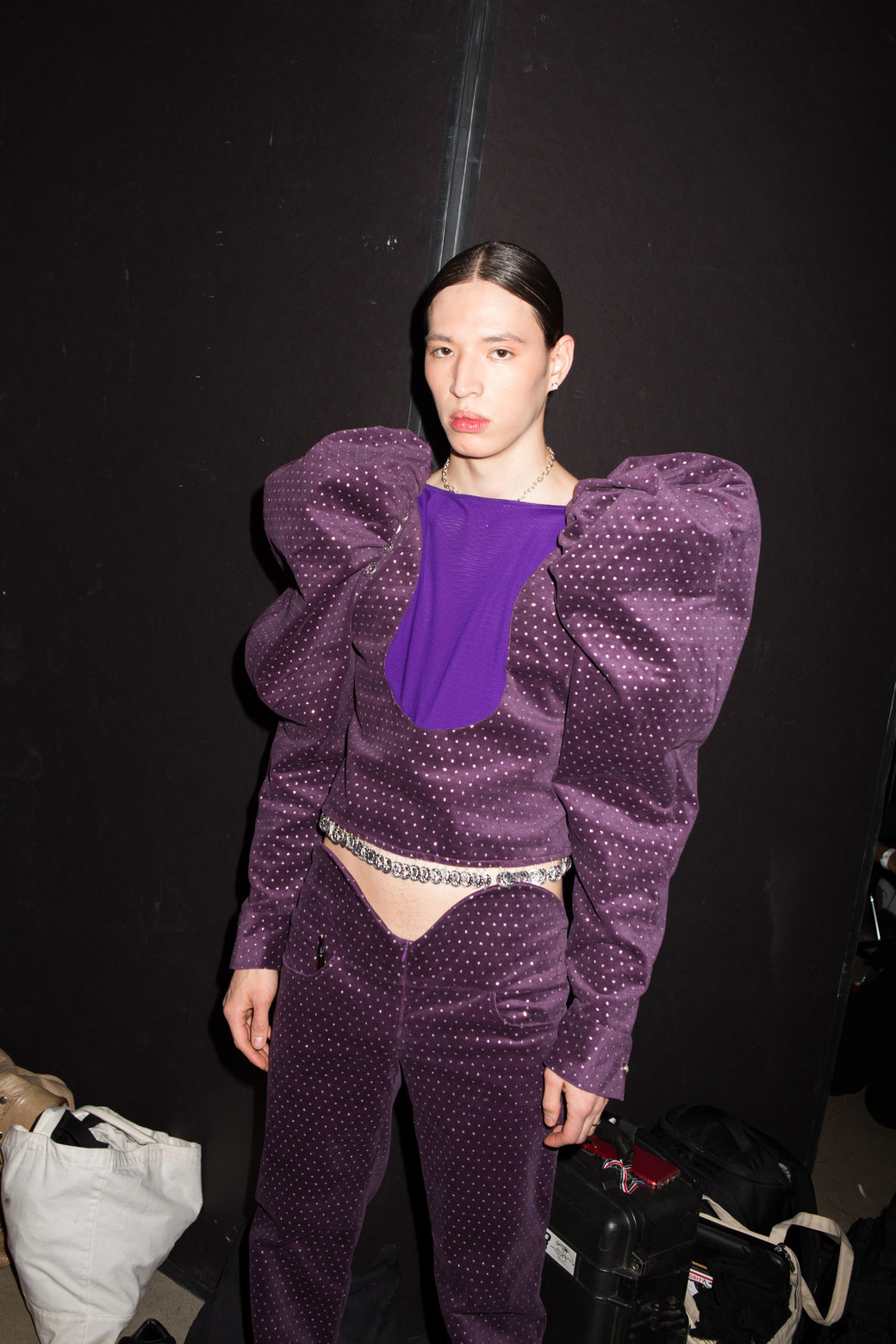


Oh and the peacock feathered suit was killer. See it, and our other favorite looks from backstage at the presentation, below.

Ever since Instagram introduced us to Skovgaard’s early work – thank you, dear algorithm – many of us have fervently traced his creative evolution. From the outset, Skovgaard’s designs have radiated a wisdom beyond his years, an essence that typically blossoms with the passage of time. His 28 years – four of which he has spent in close relation to his beloved vintage loom – took me by pleasant surprise.
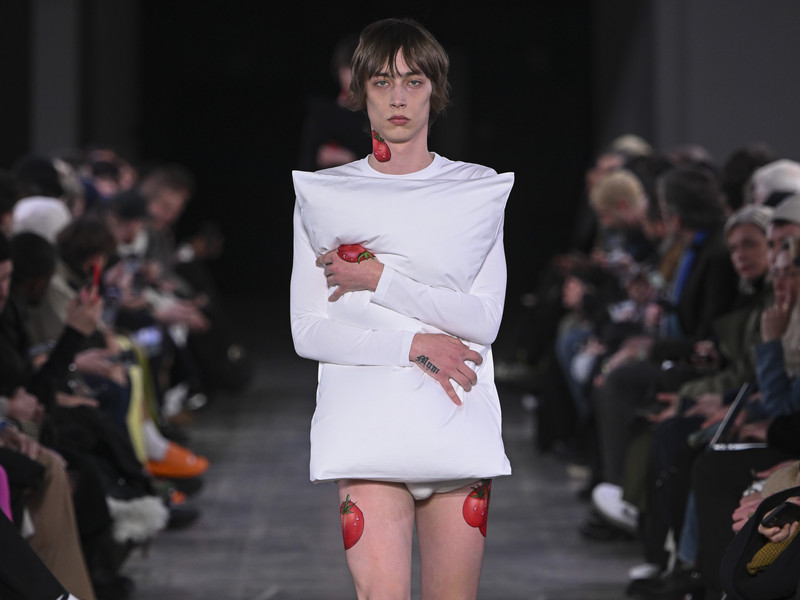
Not schooled in the traditional fashion structure, Skovgaard has carved out his own unorthodox path, which naturally demanded an equally unconventional stage. Much like Marc Jacobs in his Fall 2023 show at the New York Public Library, Skovgaard chose to abandon the timeworn catwalk, opting instead for an exhibition that could only be described as a masterful artistic performance.
Skovgaard appears to have transcended temporal boundaries, reminiscent of the semiotic eras overseen by Galliano and McQueen. He stands as a testament to transcending the very phenomenon that Susan Sontag sounded the alarm for in 1976; a time when fashion ceased to merely imitate images and evolved into a form of self-expression. His presentation resonated with authenticity, extending far beyond the confines of a 6.7-inch screen, undeterred even when the audience's devices occasionally made an appearance. An embodiment of a [Jean] Baudrillard simulation, crafted without the intention of merely going viral – a refreshing departure from the norm.
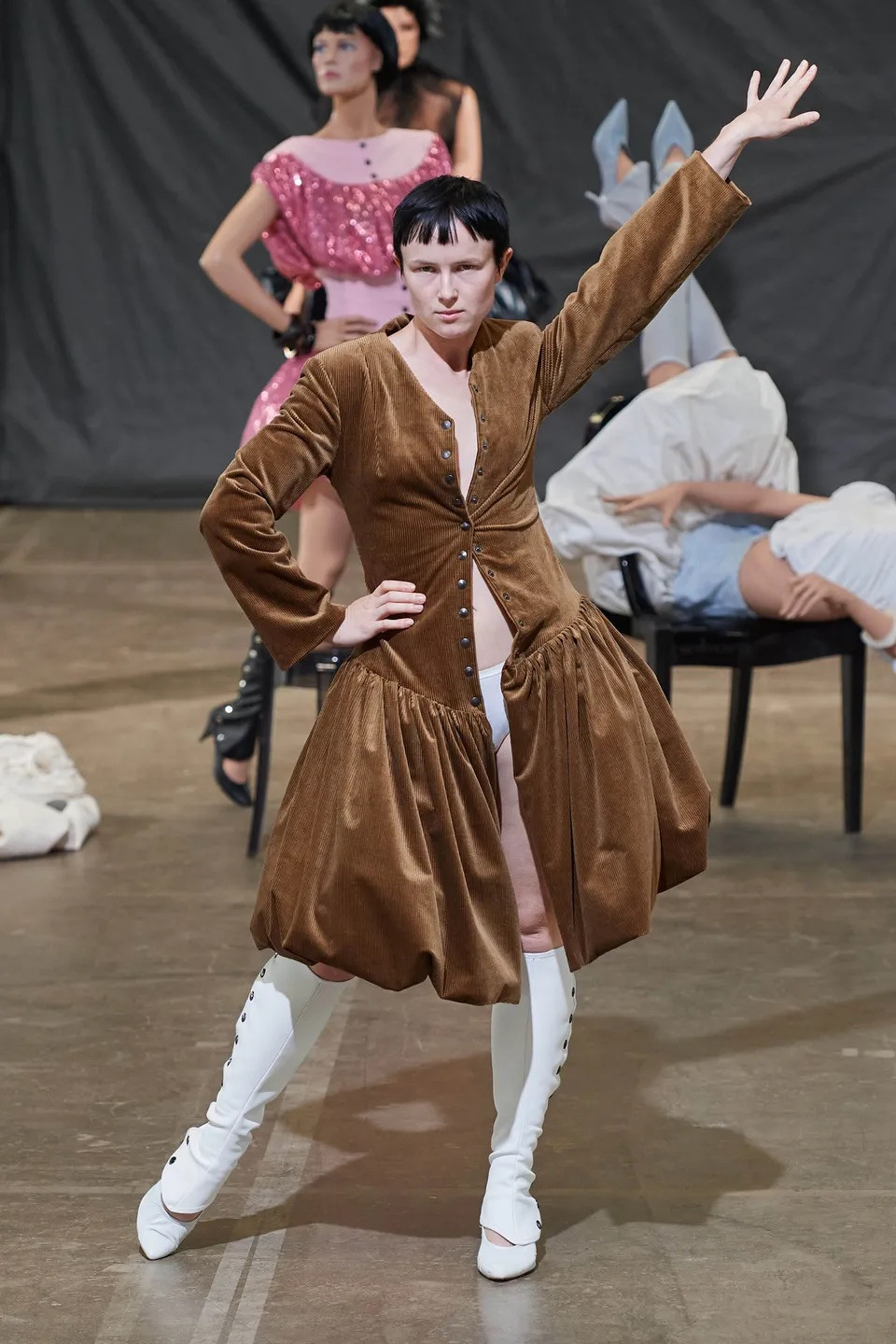
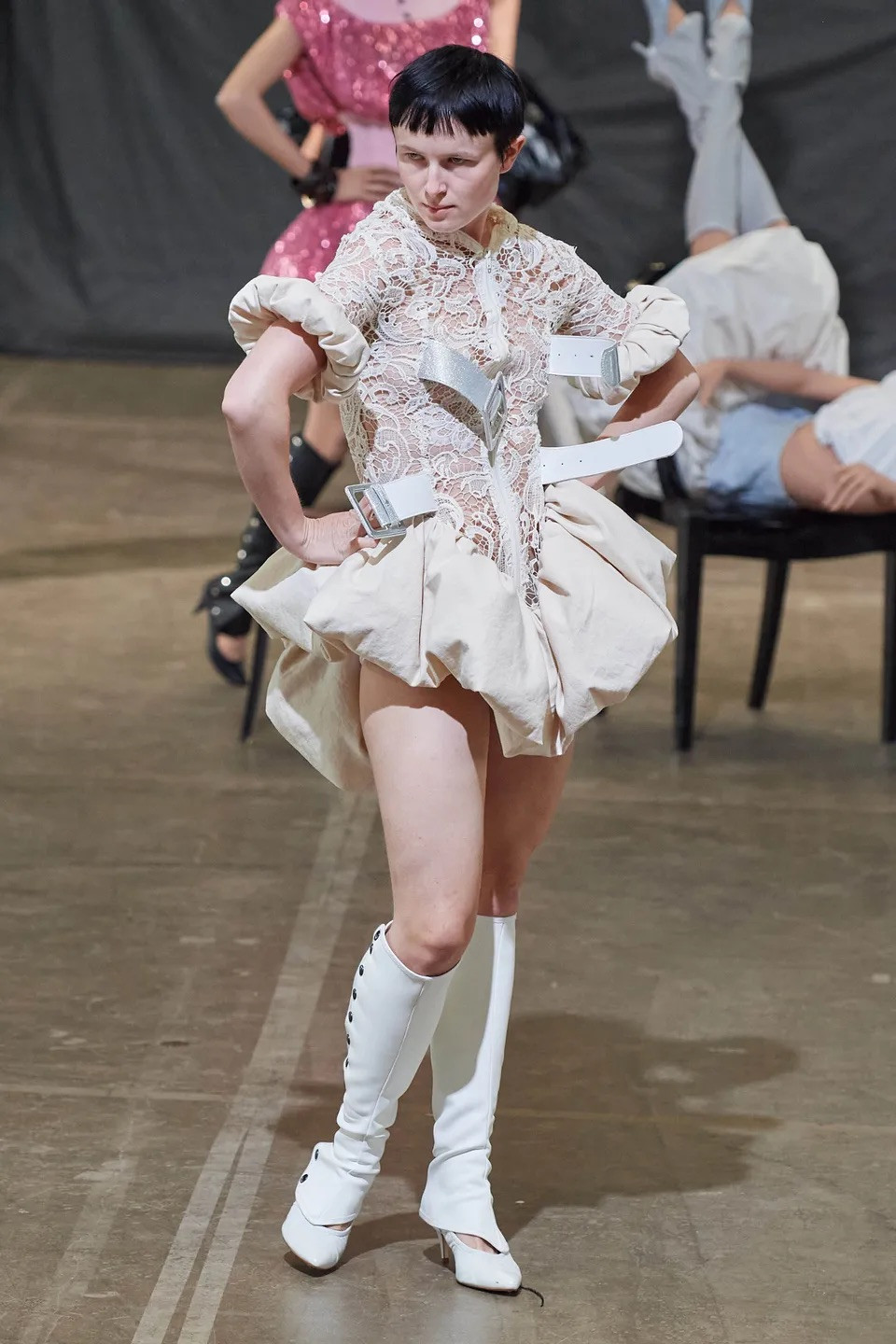
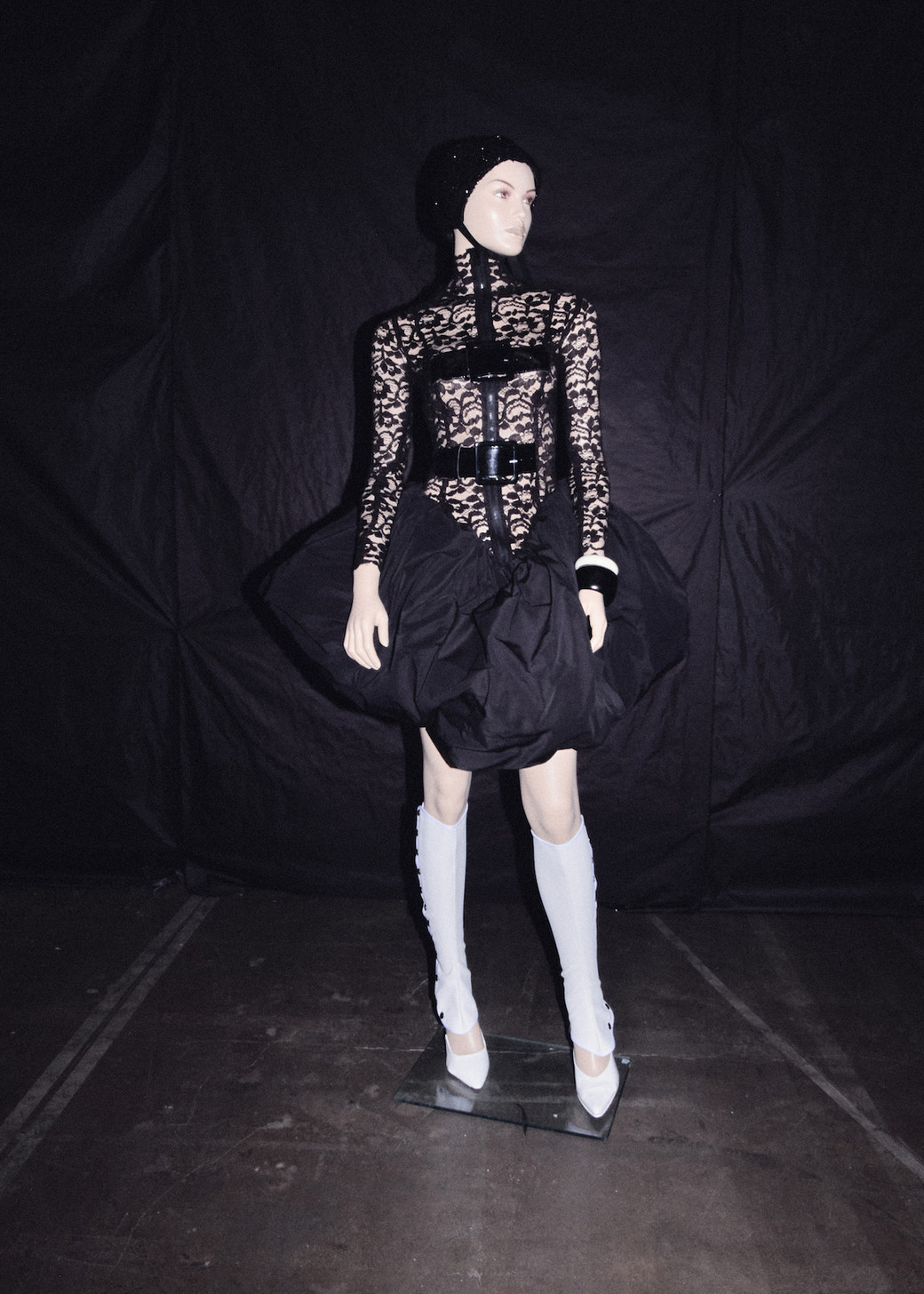
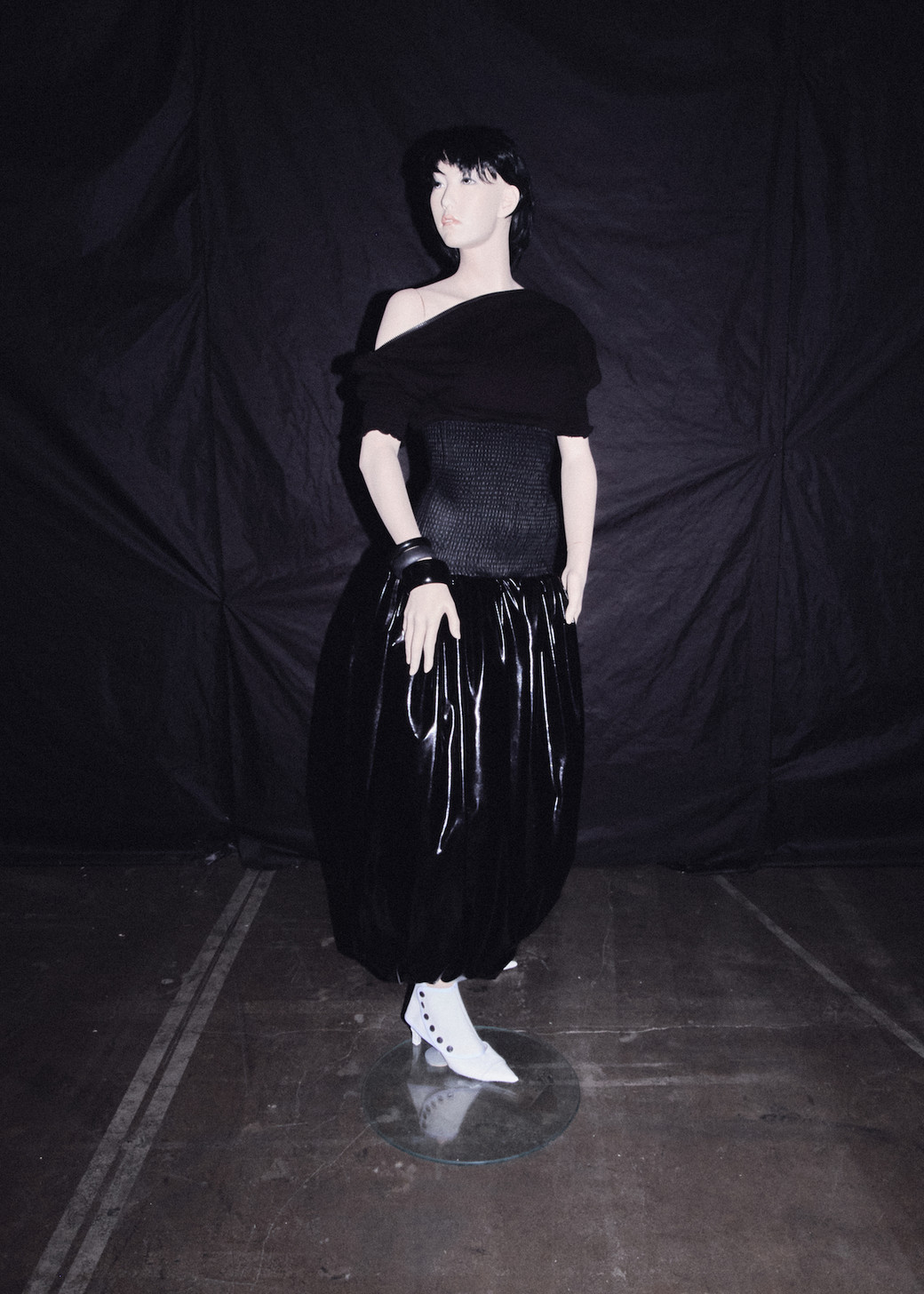
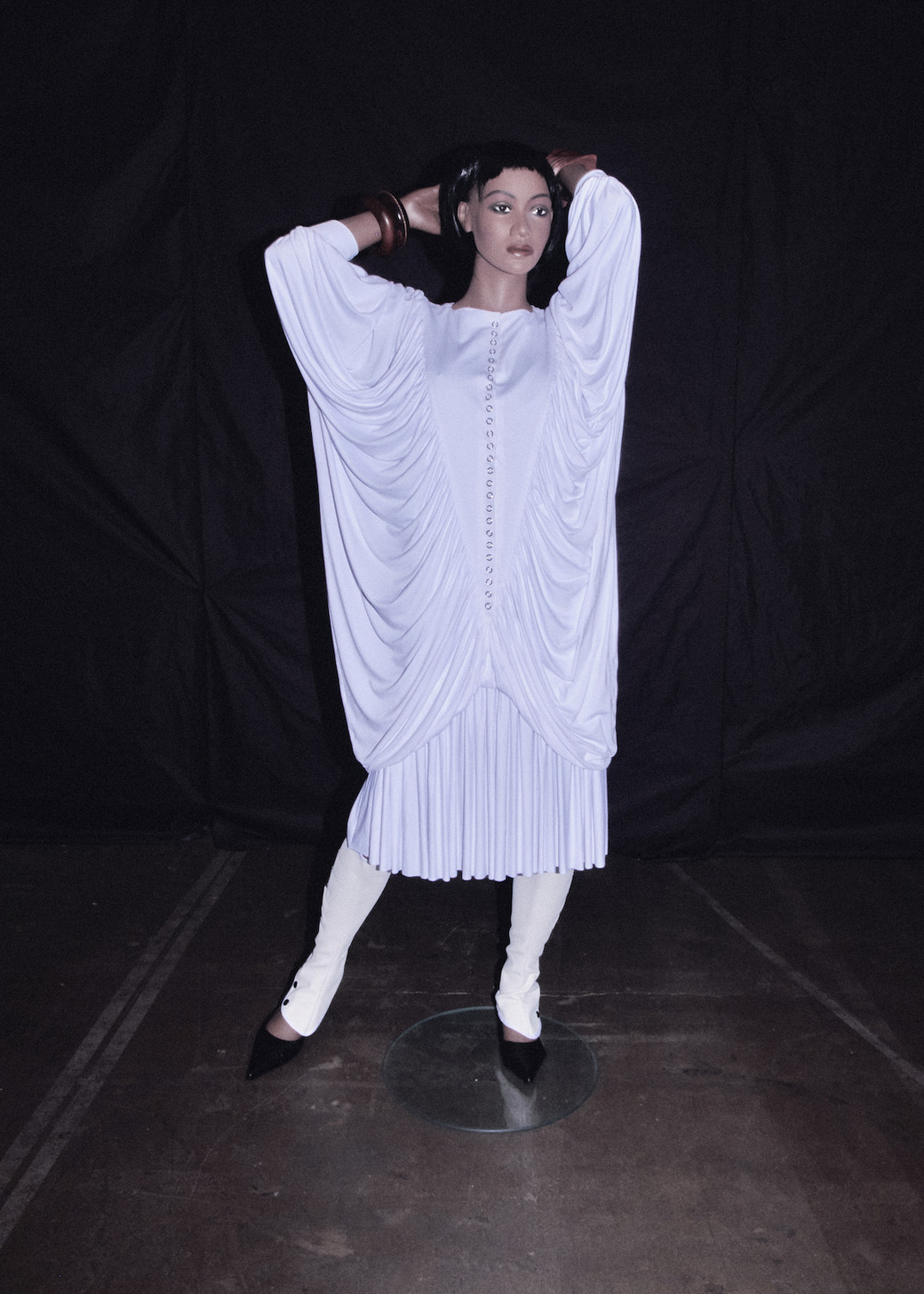
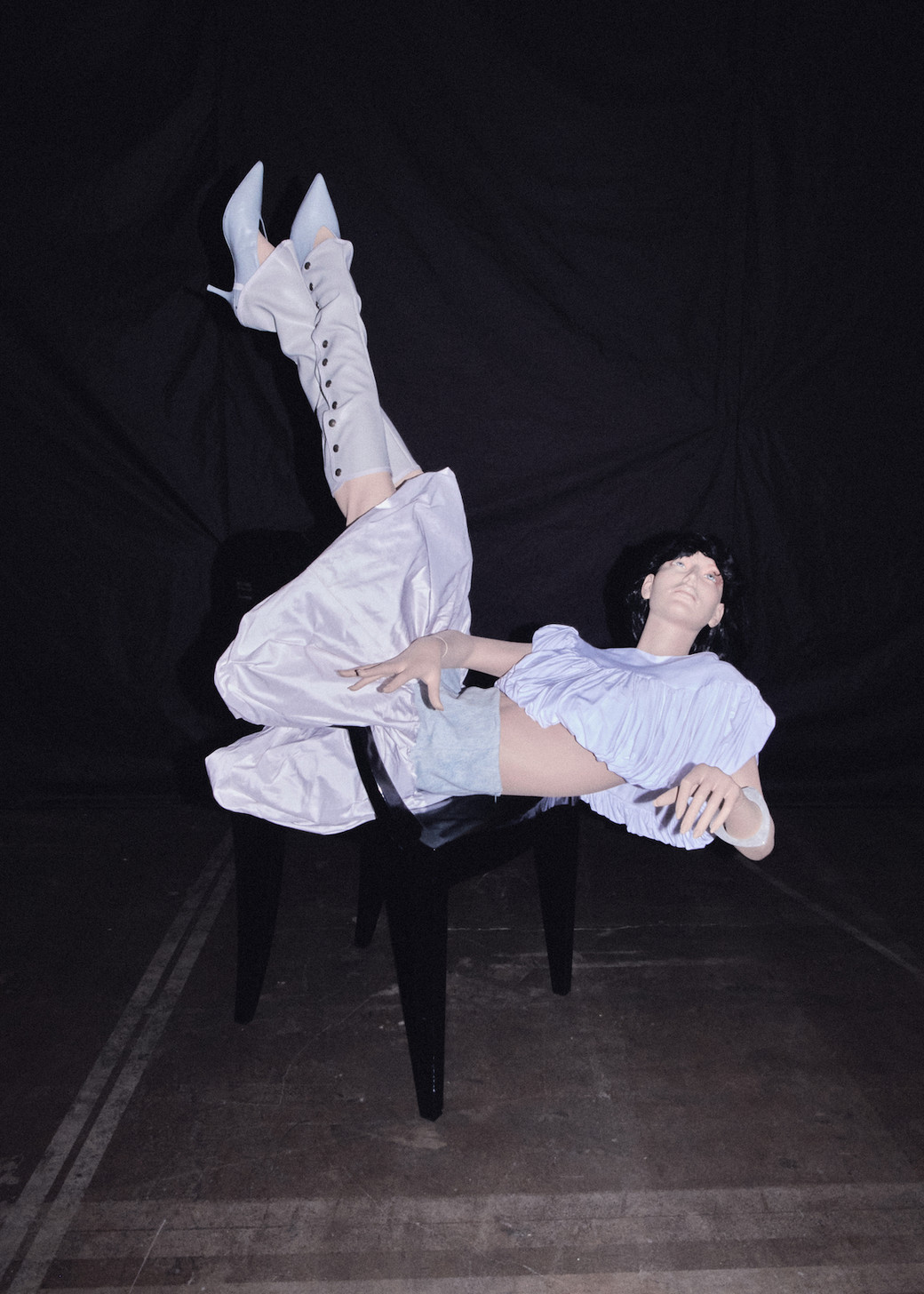
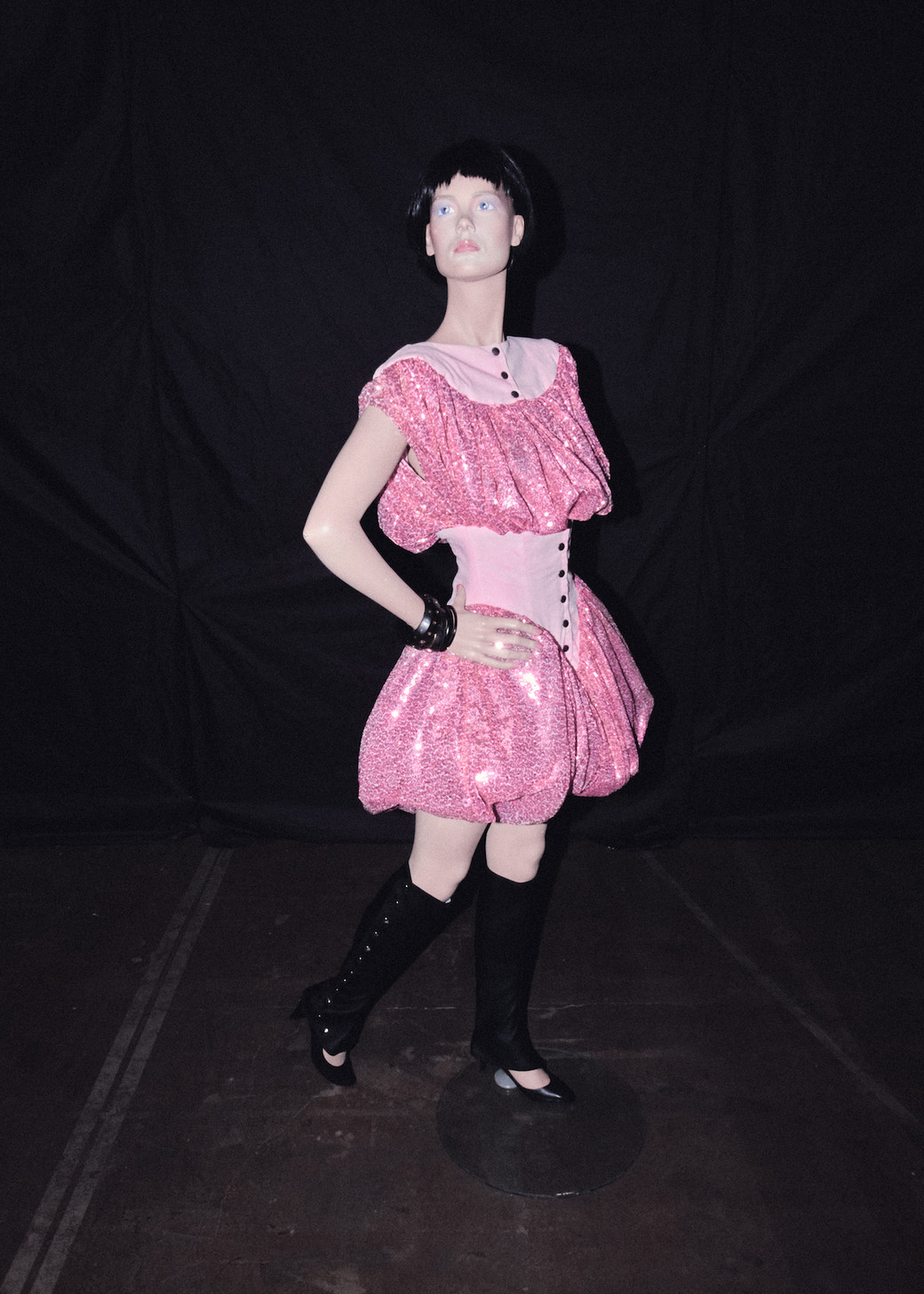
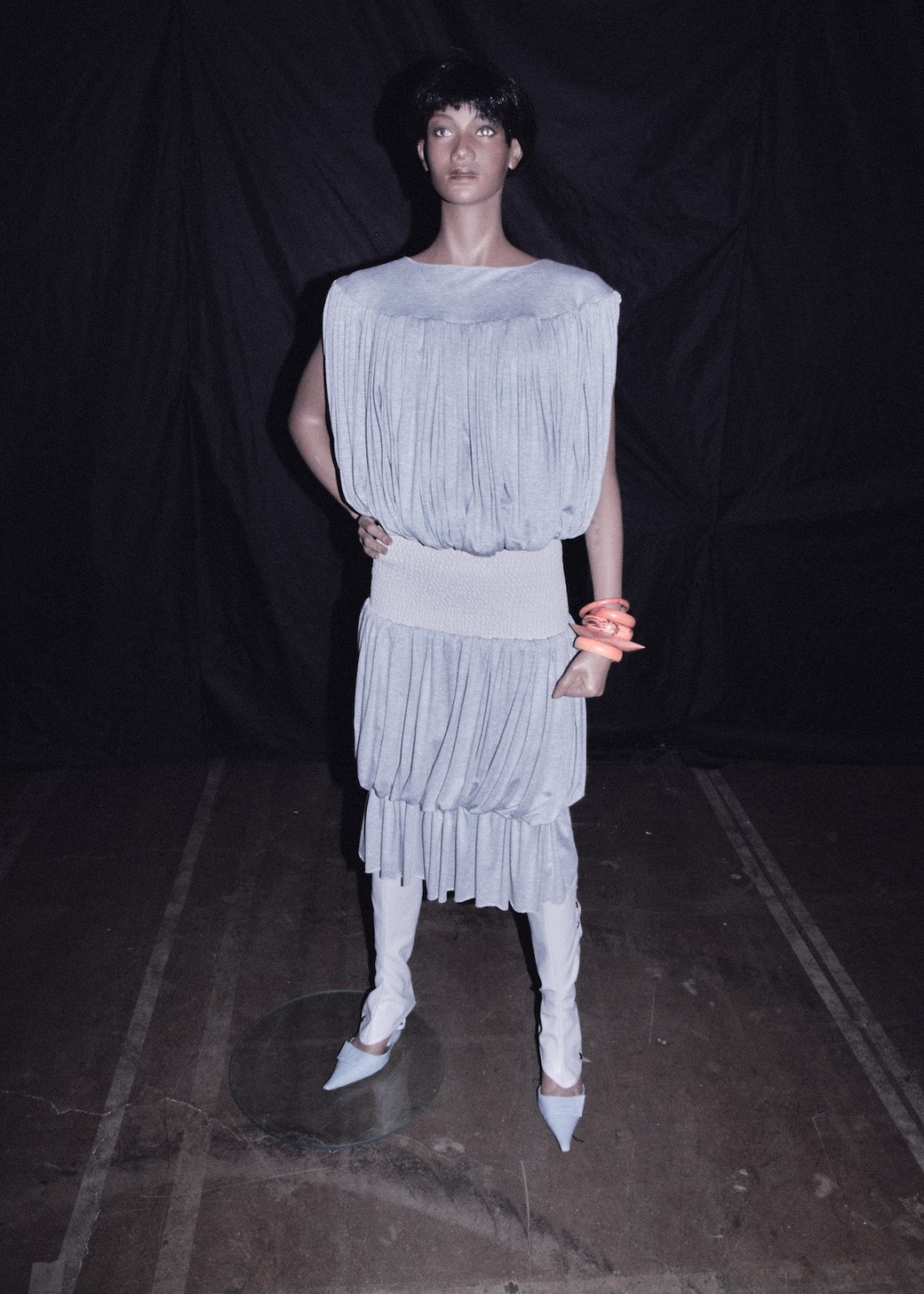
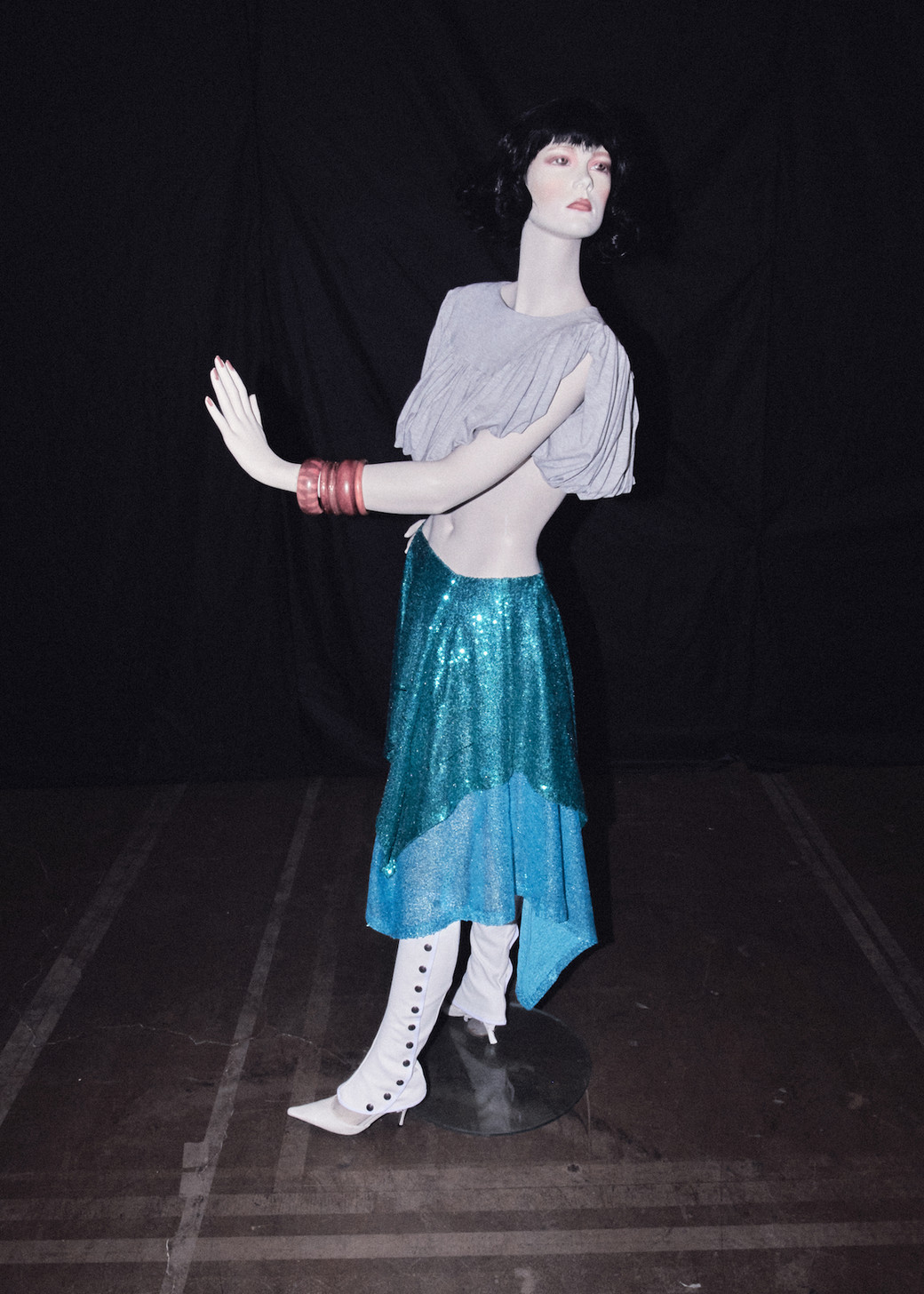
As for Liberg—once described as the next Mata Hari by a fortune teller—her performance left us entranced and disrobed to our most unadorned essence. Through her chaste embodiment, dominant choreography and fearless gaze, Liberg’s nude silhouette paradoxically transformed her into the most attired presence in the room. The spectators' ravenous gazes found themselves bared, while amidst the interplay of actual nudity, she enshrined Skovgaard's creations—each dress, meticulously woven with threads of silver, suffused with silk, and adorned with sequins, brimming with enhanced volume. These ensembles gracefully cascaded low on the hips, seamlessly enveloping the upper torsos, a harmonious fit for her sensuous form.
Skovgaard, as an artist, possesses an insightful comprehension of the women he designs for. Moreover, he adeptly practices the skill of imbuing garments with a dichotomous potency, woven into the very fabric under his loom's guidance. Yet, he skillfully shatters preconceived notions: Is she an innocent maiden or a provocateur? A victim or a perpetrator? Does she exude femme fatale allure or embody the role of the scapegoat?
Culminating in an ensemble of ethereal all-white lace, adorned with buoyant, radiant latex cocoons, Liberg transformed into an unexpectedly unblemished bride. In a moment of acknowledgment, Skovgaard emerged to greet both her and his audience, earning applause infused with a mix of reverence and awe. As the curtains descended, a chapter concluded, yet for Skovgaard, the grand narrative had merely unfurled.
The next chapter lies in whether he succeeds in transforming admirers into patrons, capitalizing commercially as well—only time will unveil that tale.

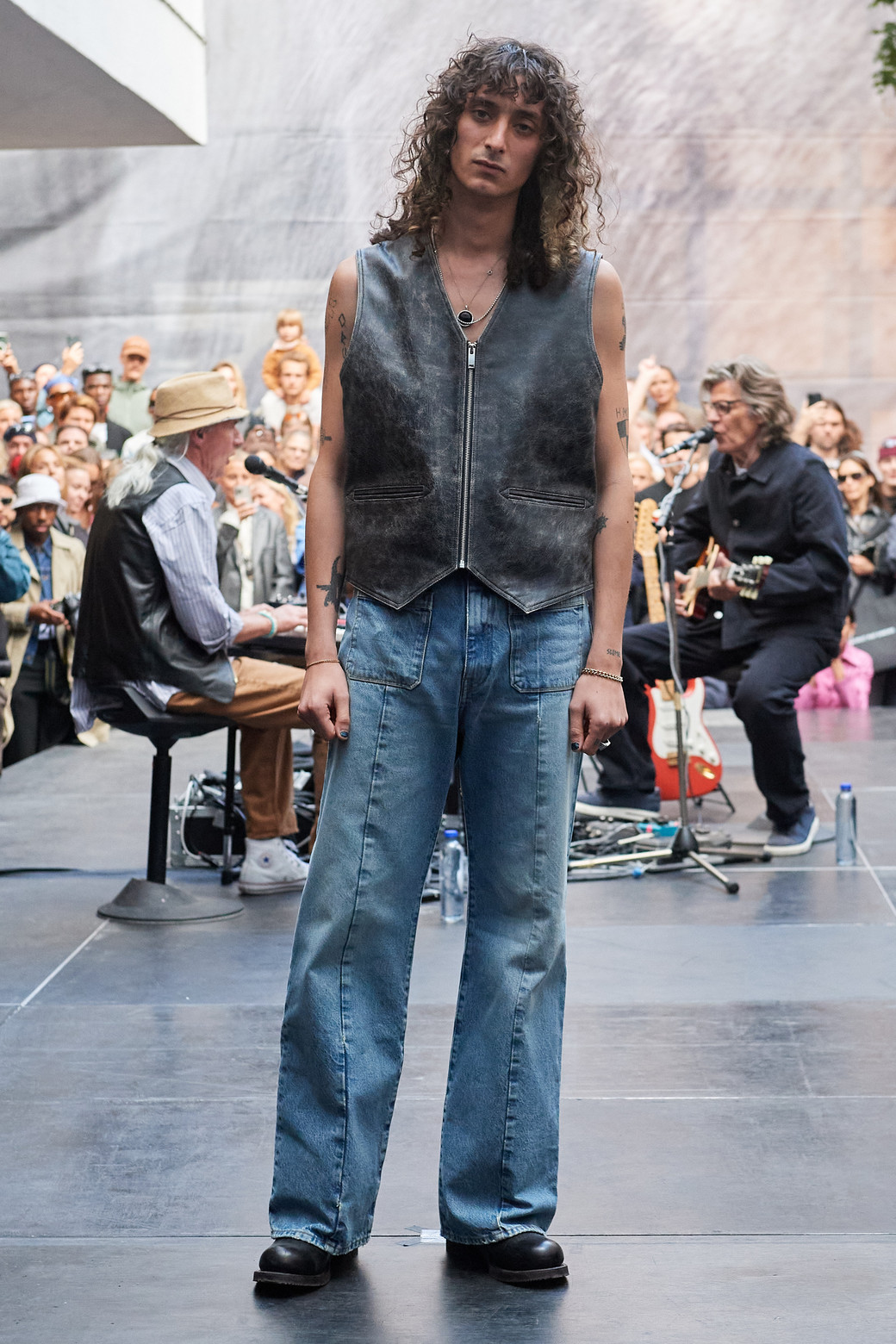
Conversely, the blazers leaned too heavily towards what formerly peaked on the market, from the see-through shirting, denim pants kicking into a (bold) flare, shorts and pants tailored in leather. However, Pedersen’s affinity with the beauty of the quotidian seems rather confident. “Creating a wardrobe that resonates with the rhythm of everyday life is at the heart of our vision,” he notes. “We believe in crafting real clothes that endure, where quality, innovation, and craftsmanship intertwine to redefine men’s fashion. As designers, we find endless inspiration in lost decades like the 80s, allowing us to infuse our creations with a touch of nostalgia and timeless appeal.”
Speaking of direction, this season Sunflower Collection 11 took key inspiration from the legendary Copenhagen electronic duo Laid Back, Tim Stahl and John Guldberg, and the show staged their classic 1983 track White Horse with its catchy synth riff and beat blending funk, disco and wave. It will be interesting to see whether Pedersen will bring forth his creative narrative into edgier territory next season. There’s no wrong move: the brand could stick to this flow, but it would be nice to see it reach full potential.
Once Ulrik Pedersen got his top jacket in place, aficionados might have realized they could resonate with that sole piece. For the meantime, at least, there’s just enough sartorialism to please.
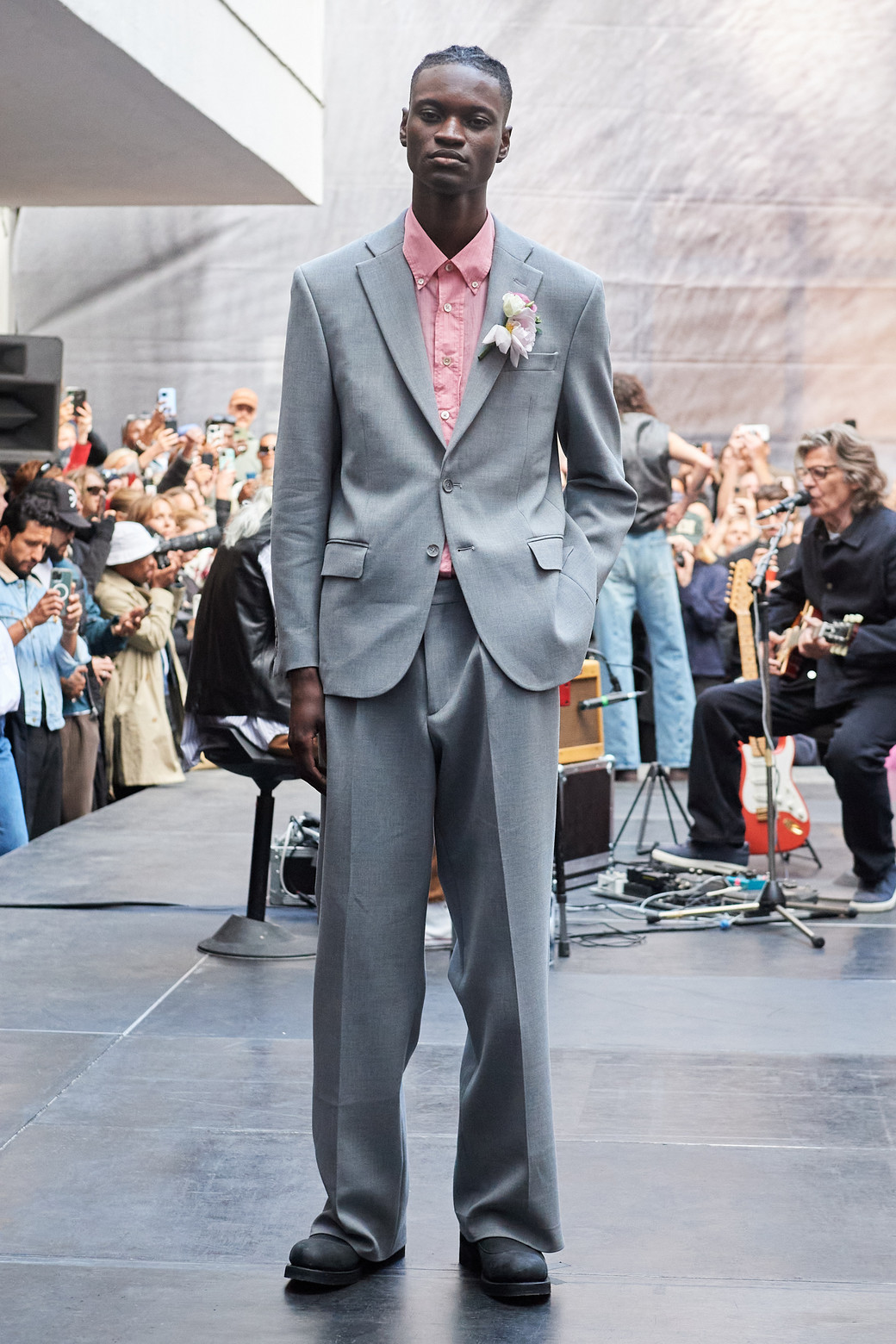

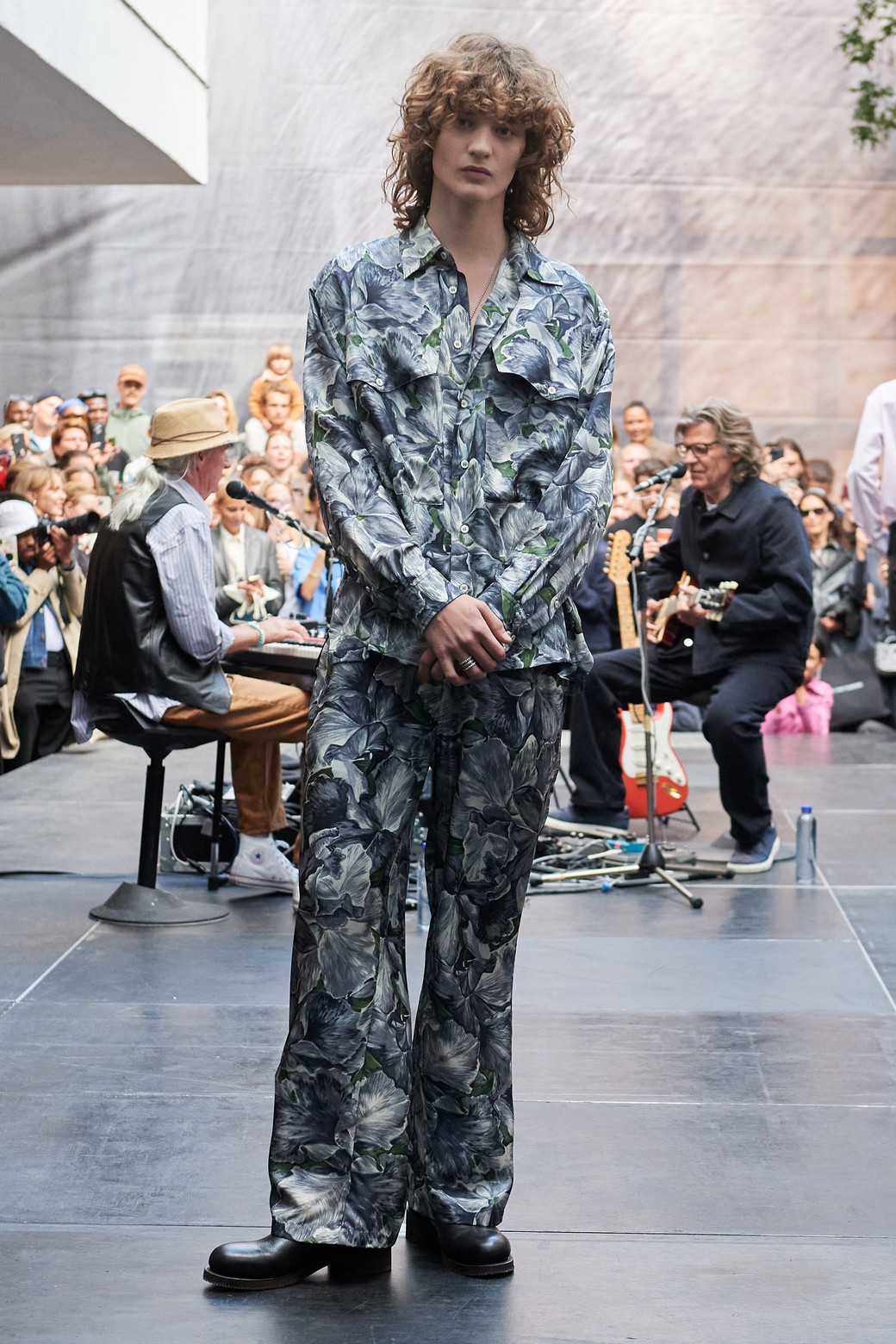
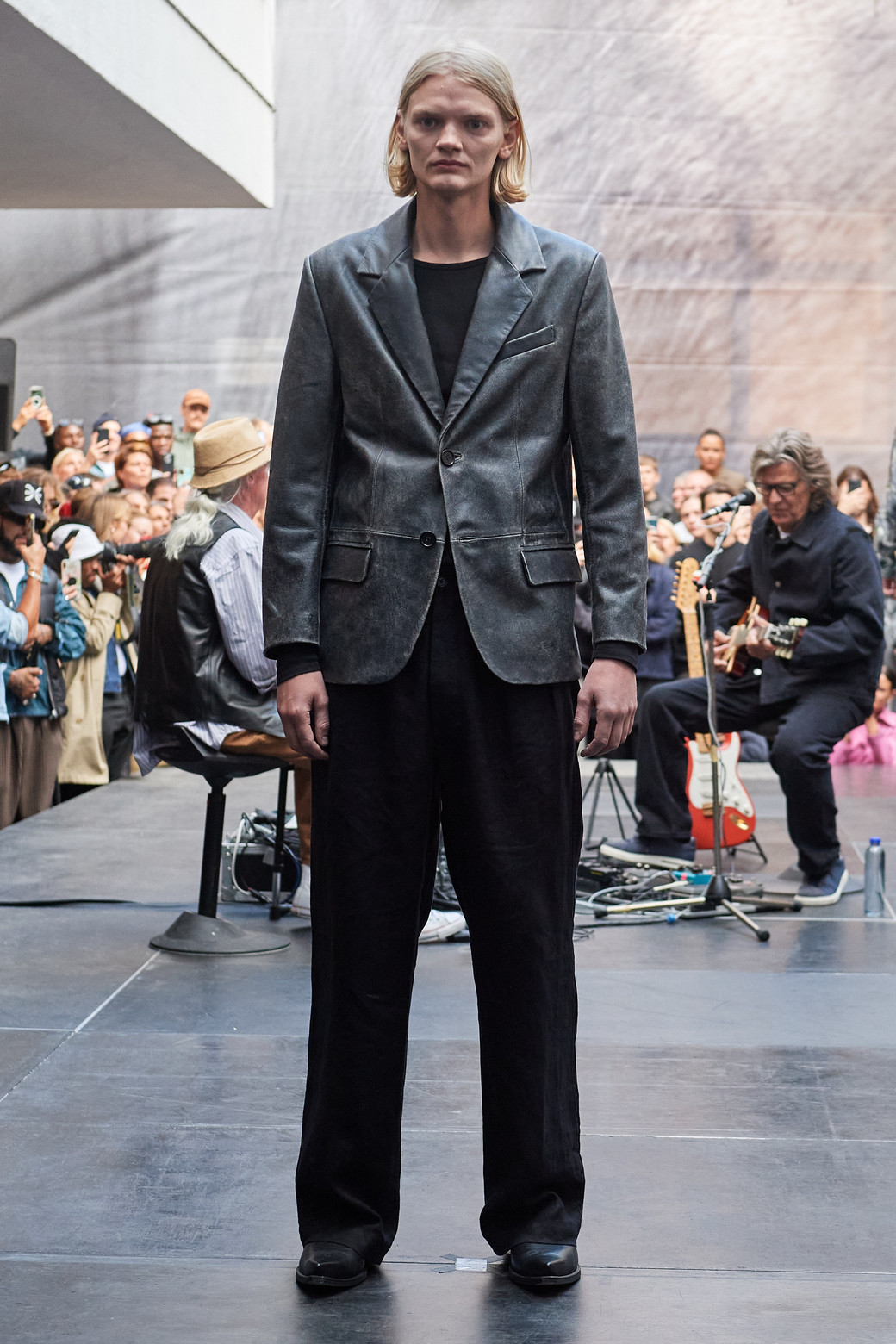

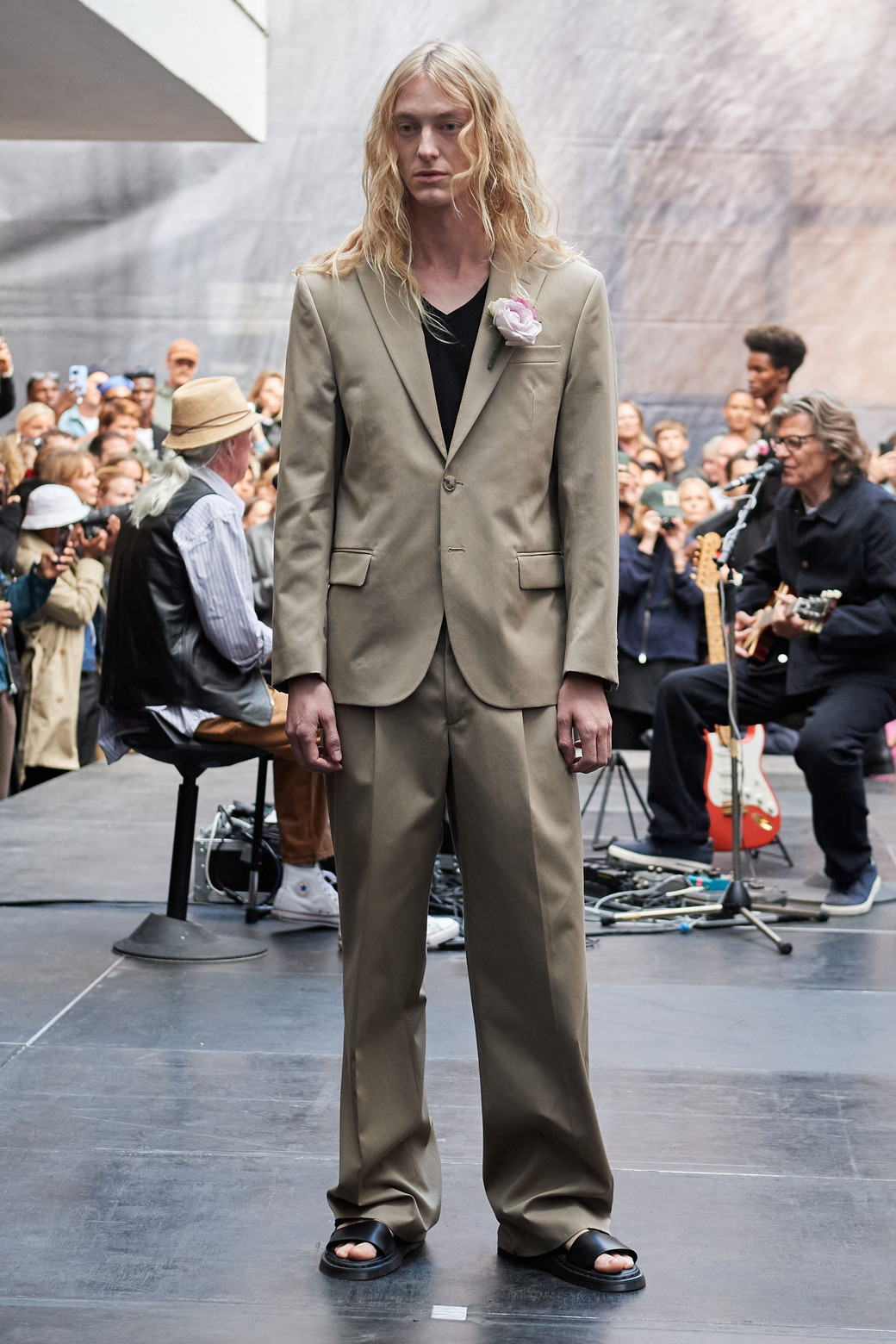
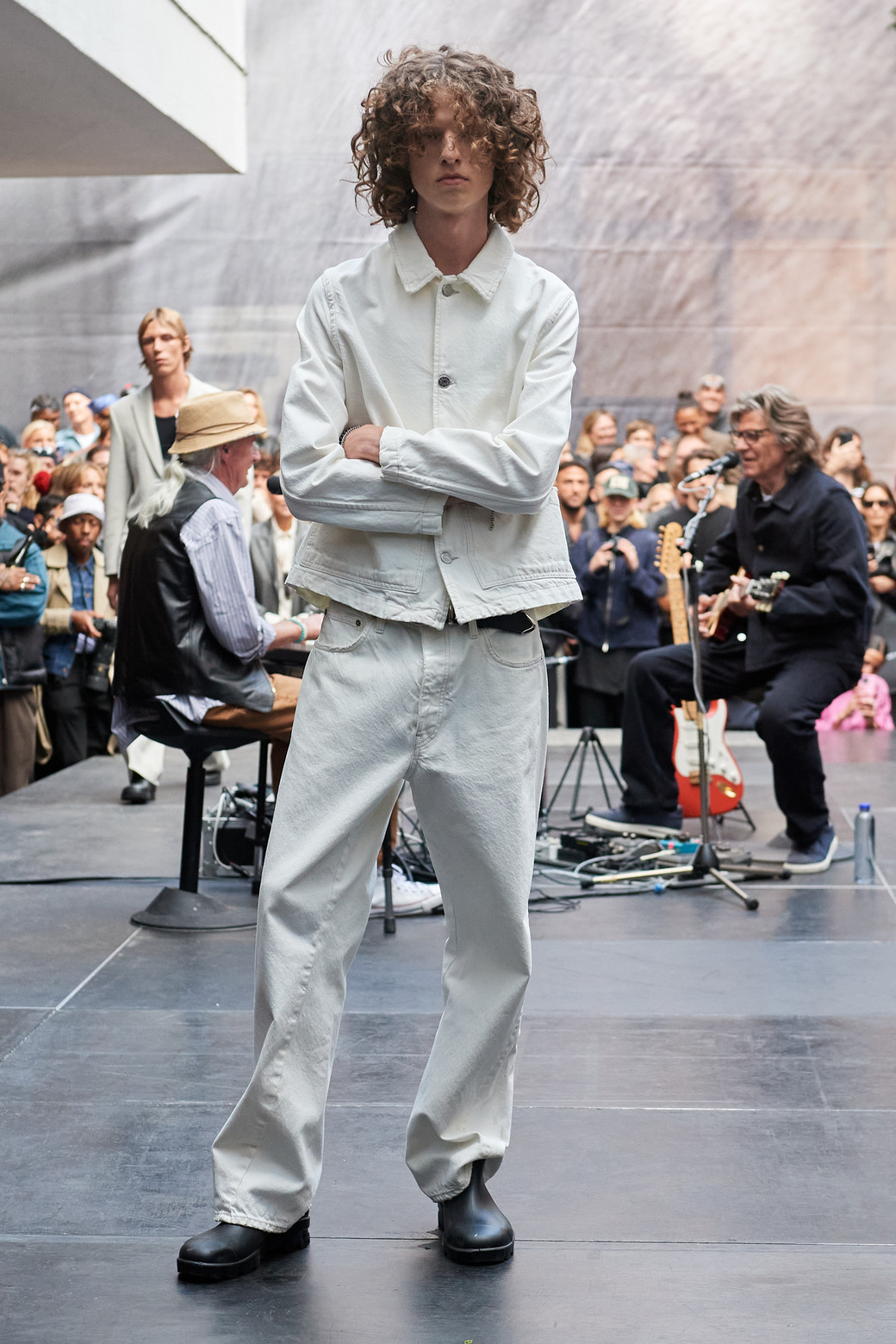
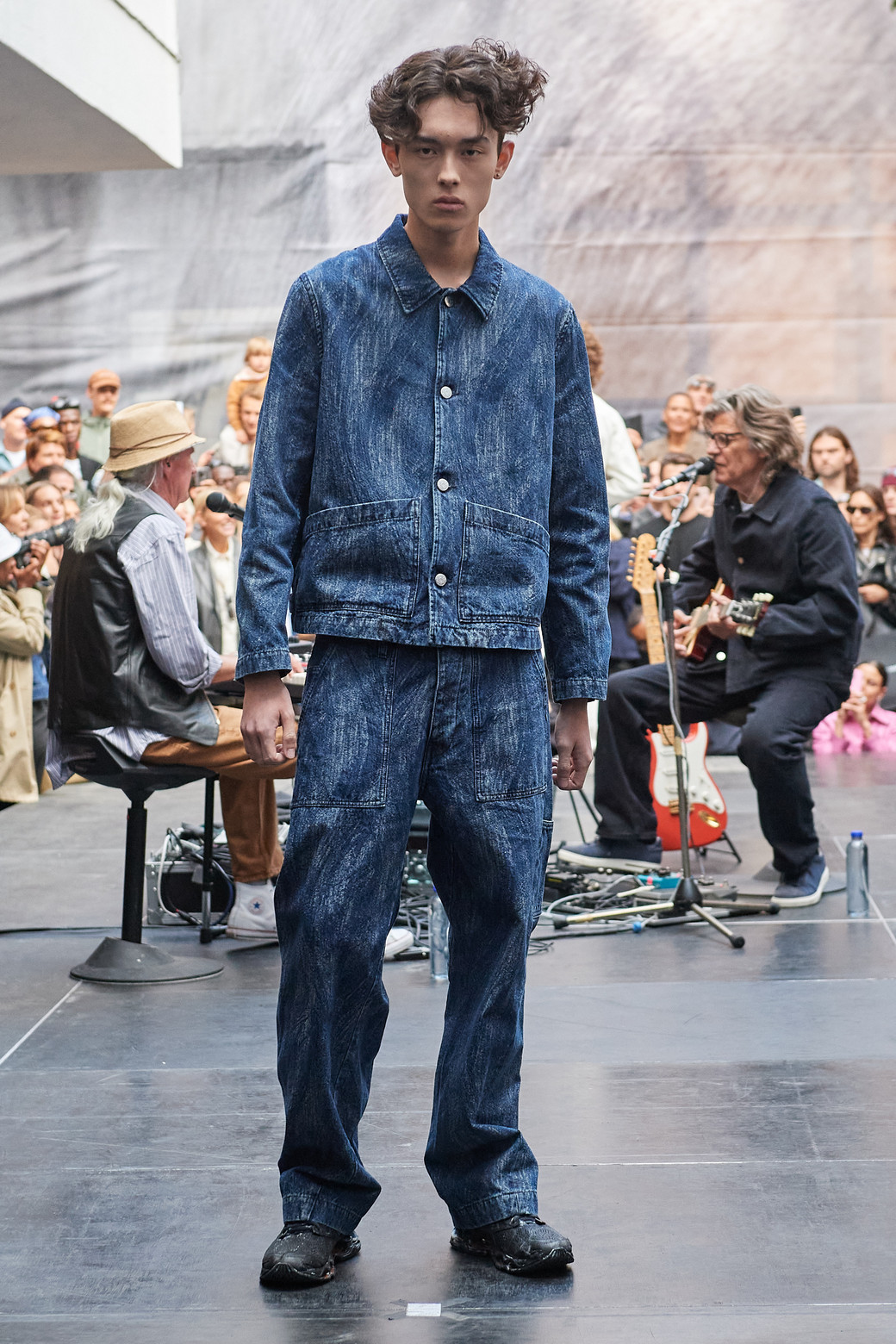

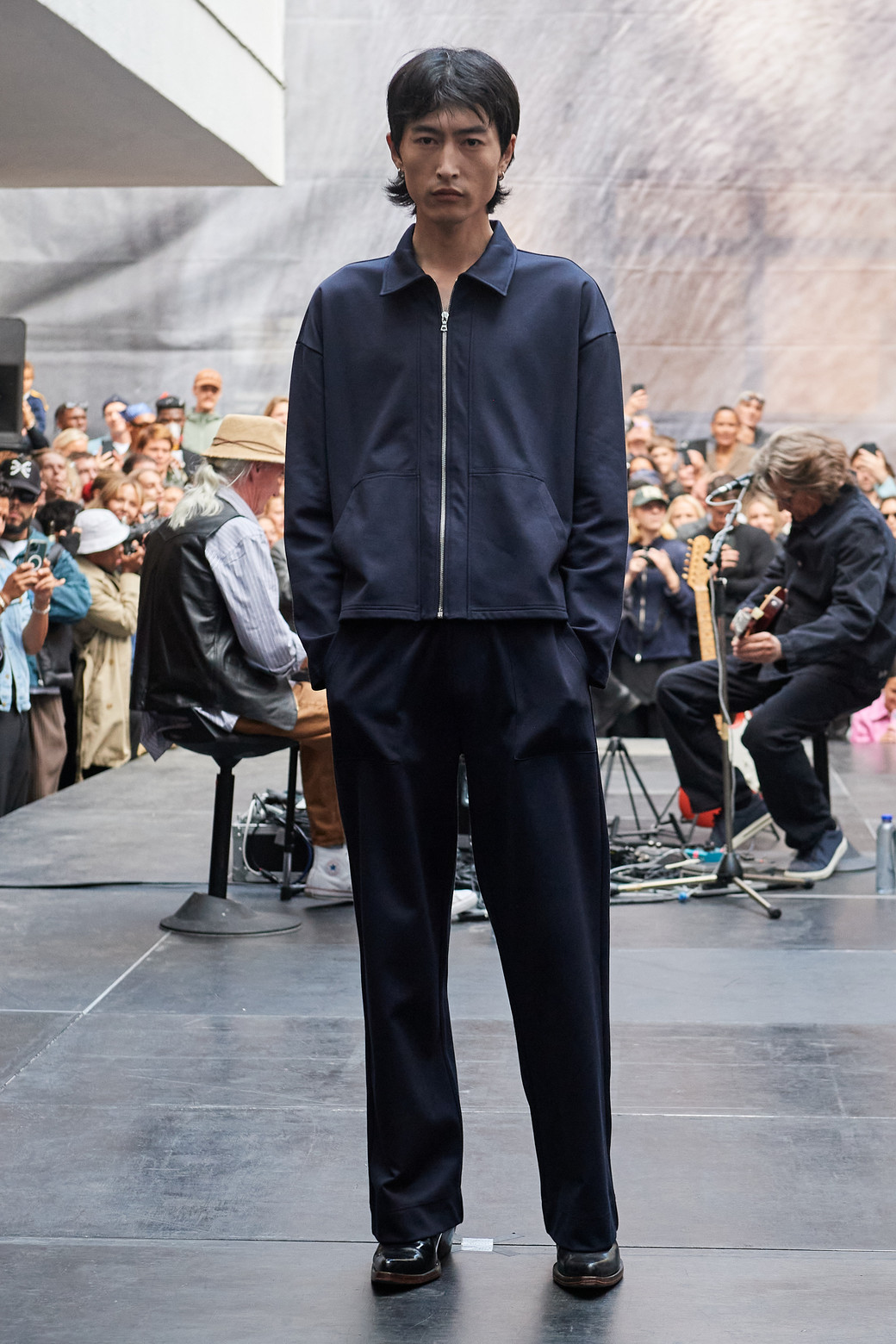
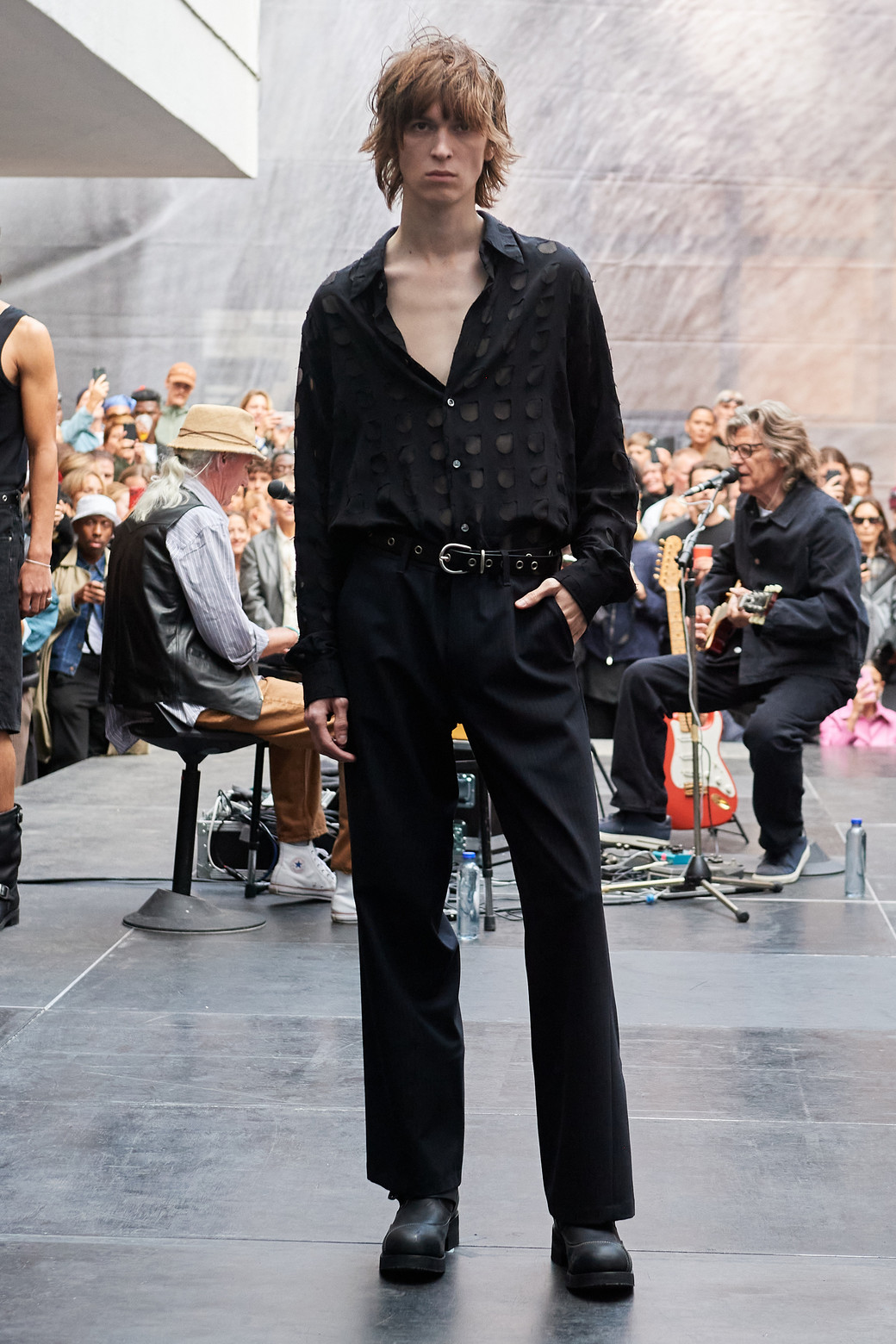
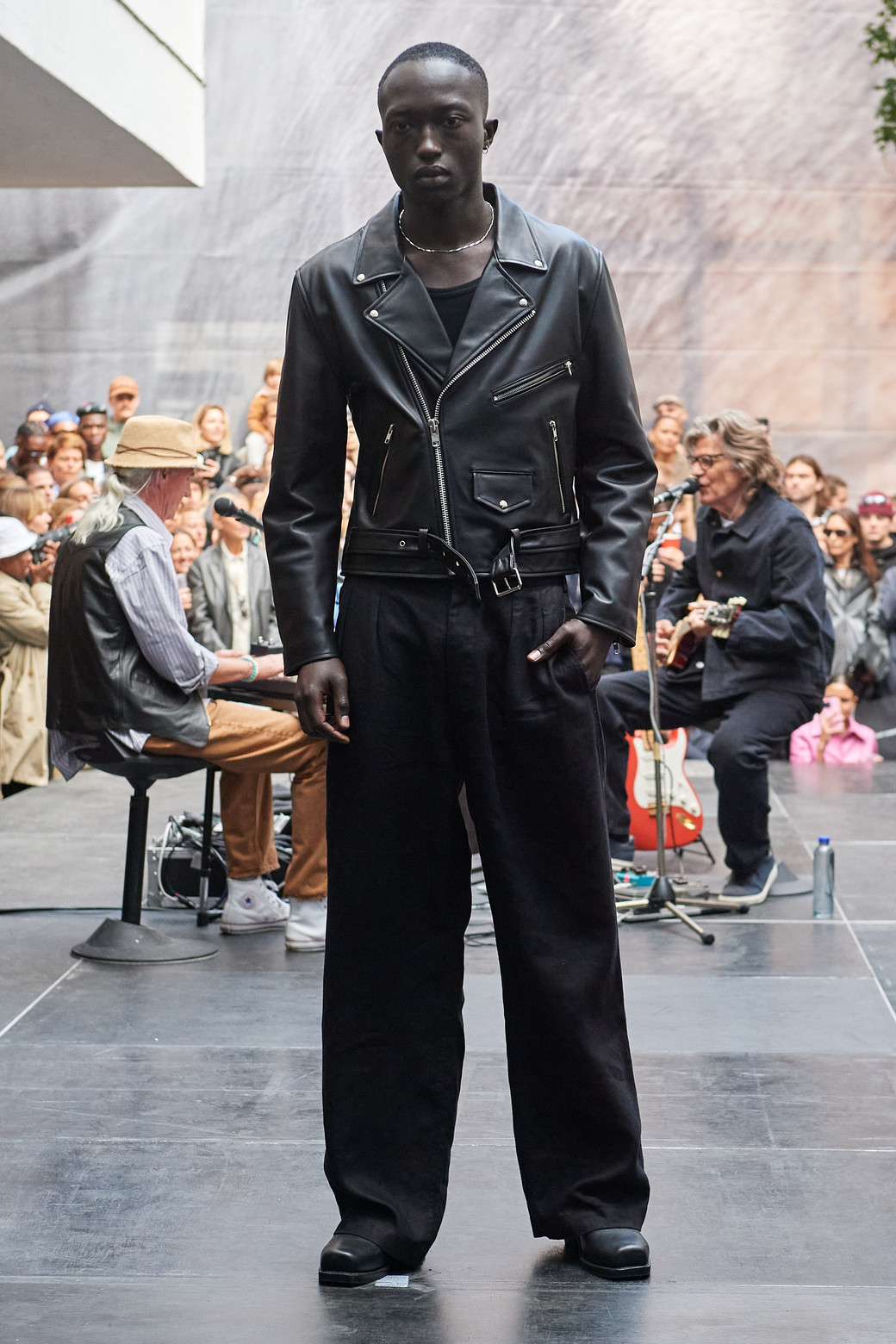
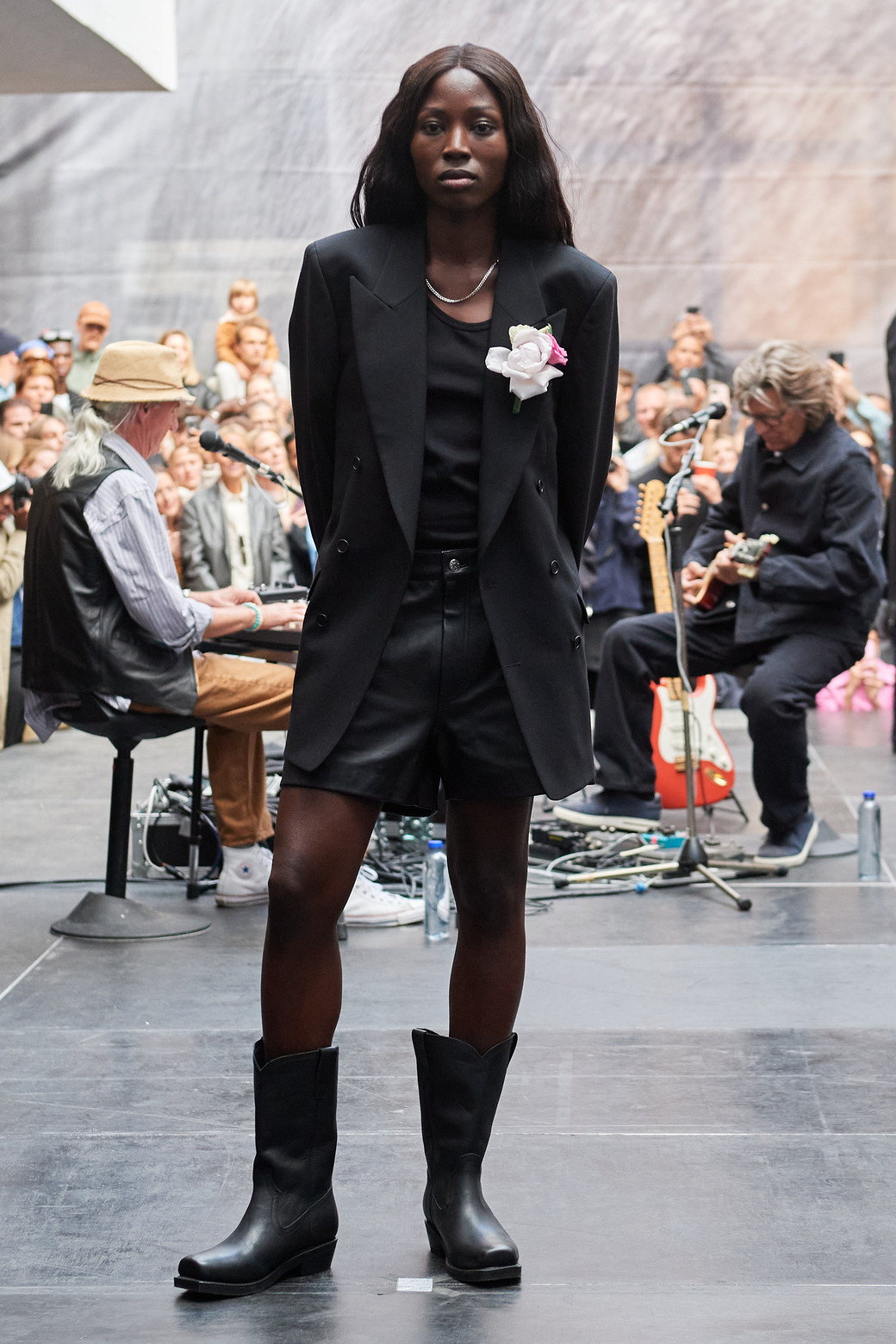
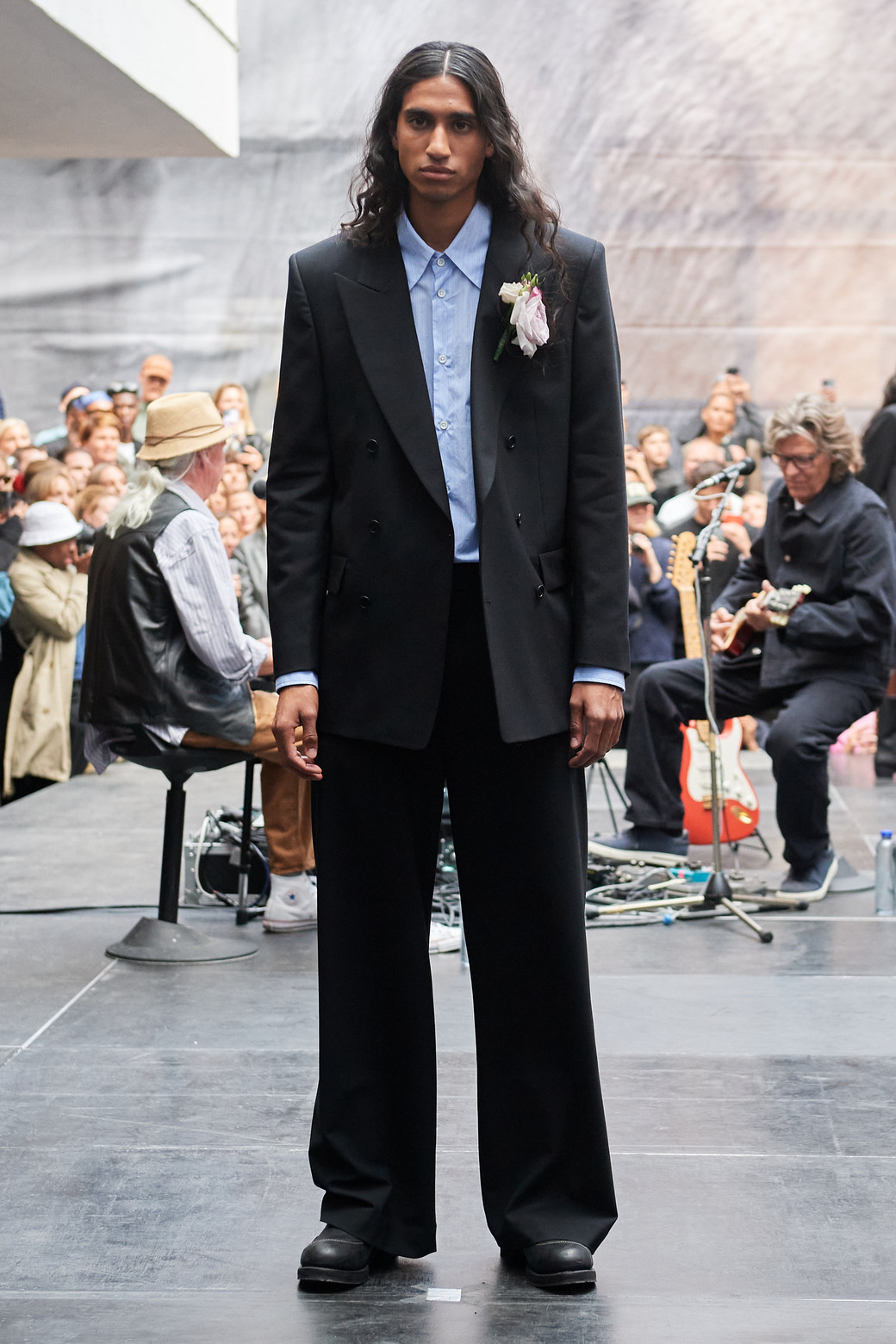
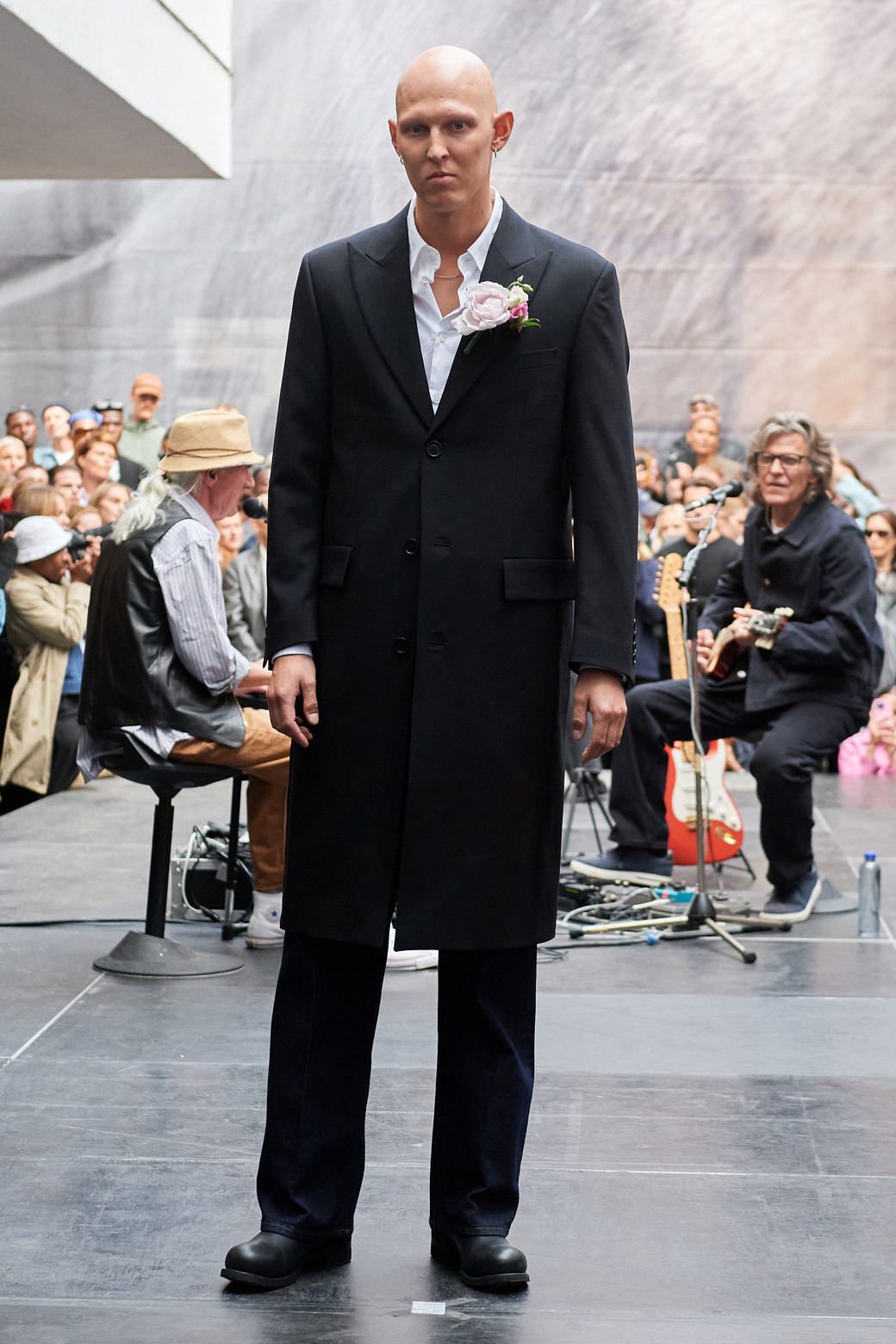
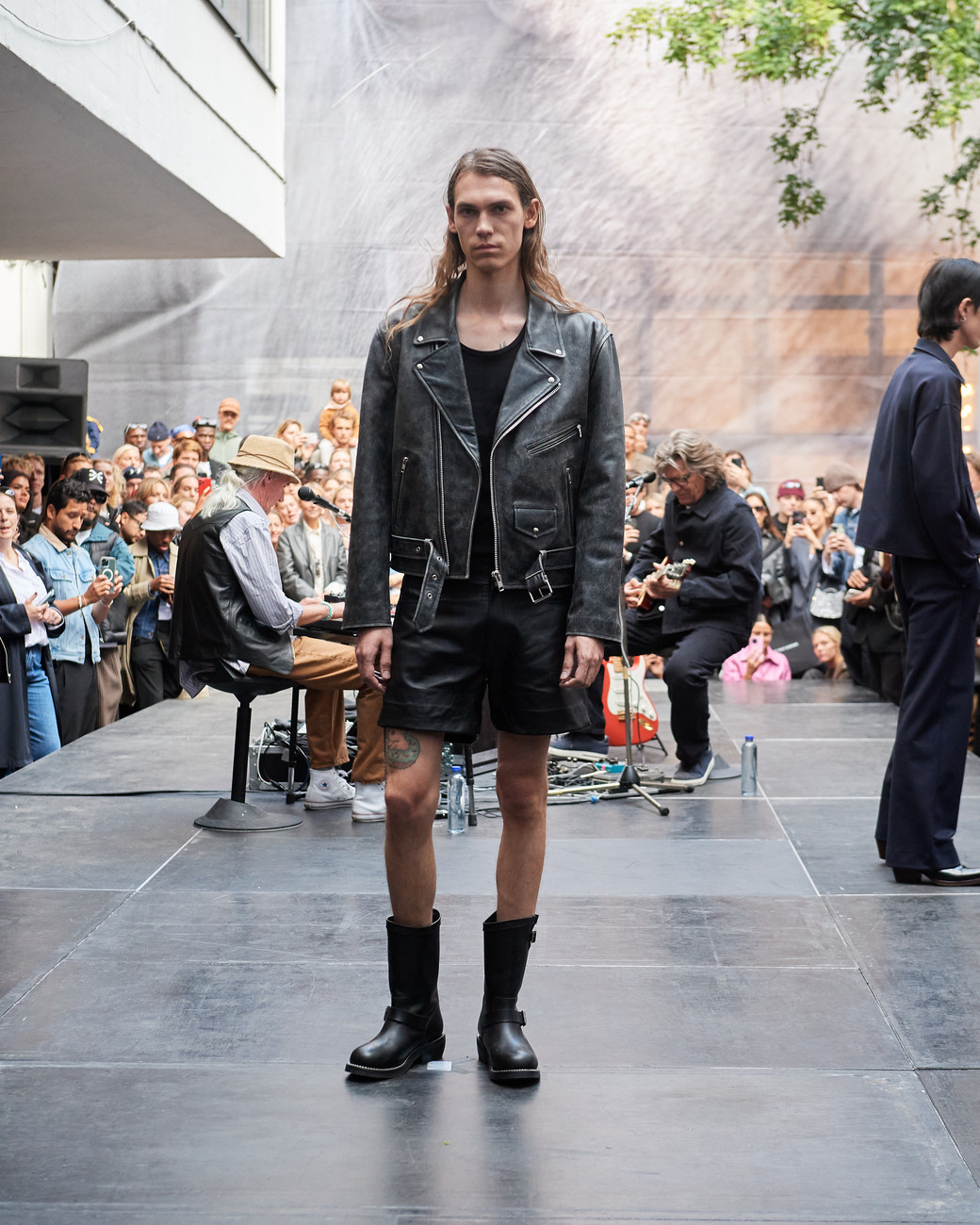
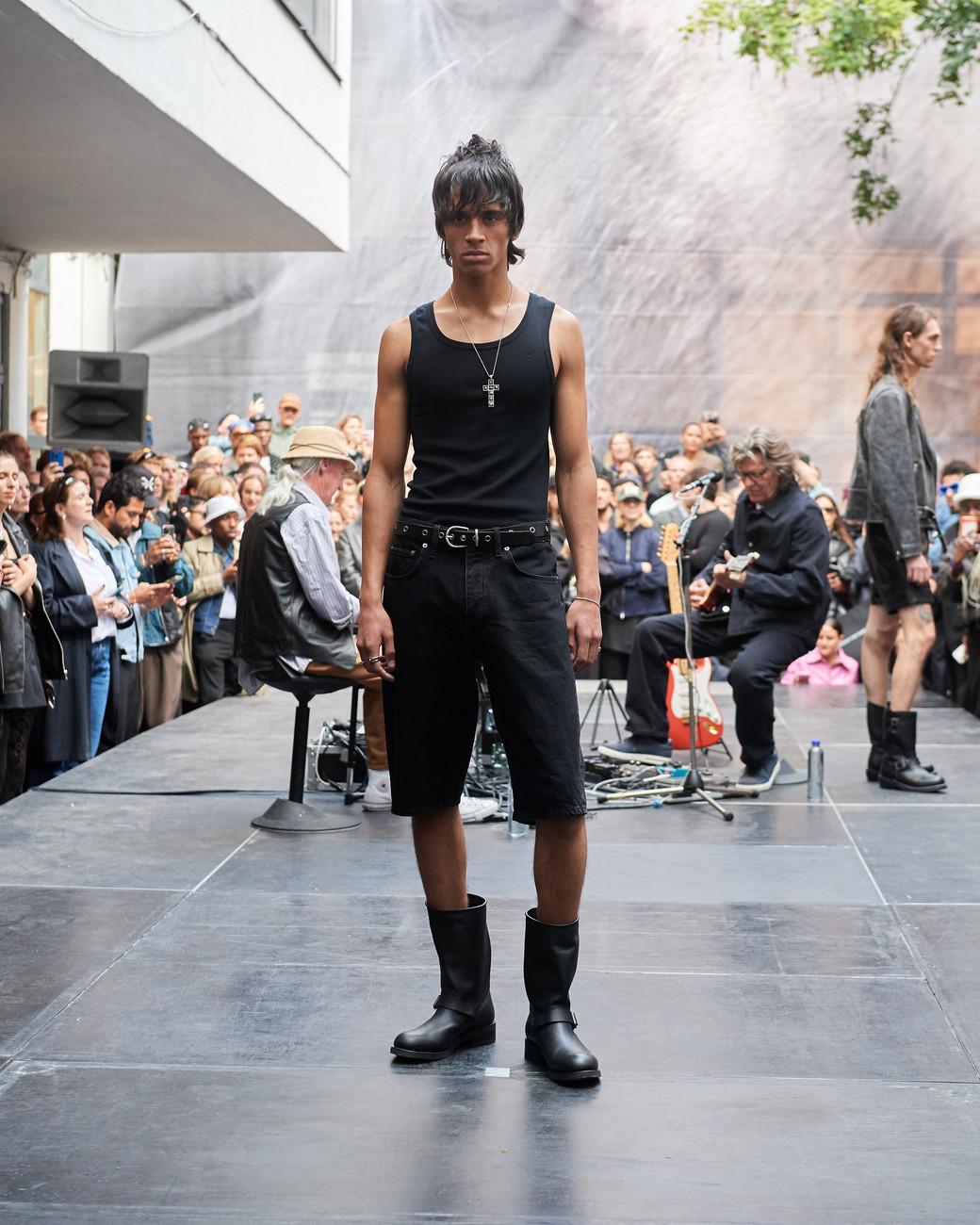
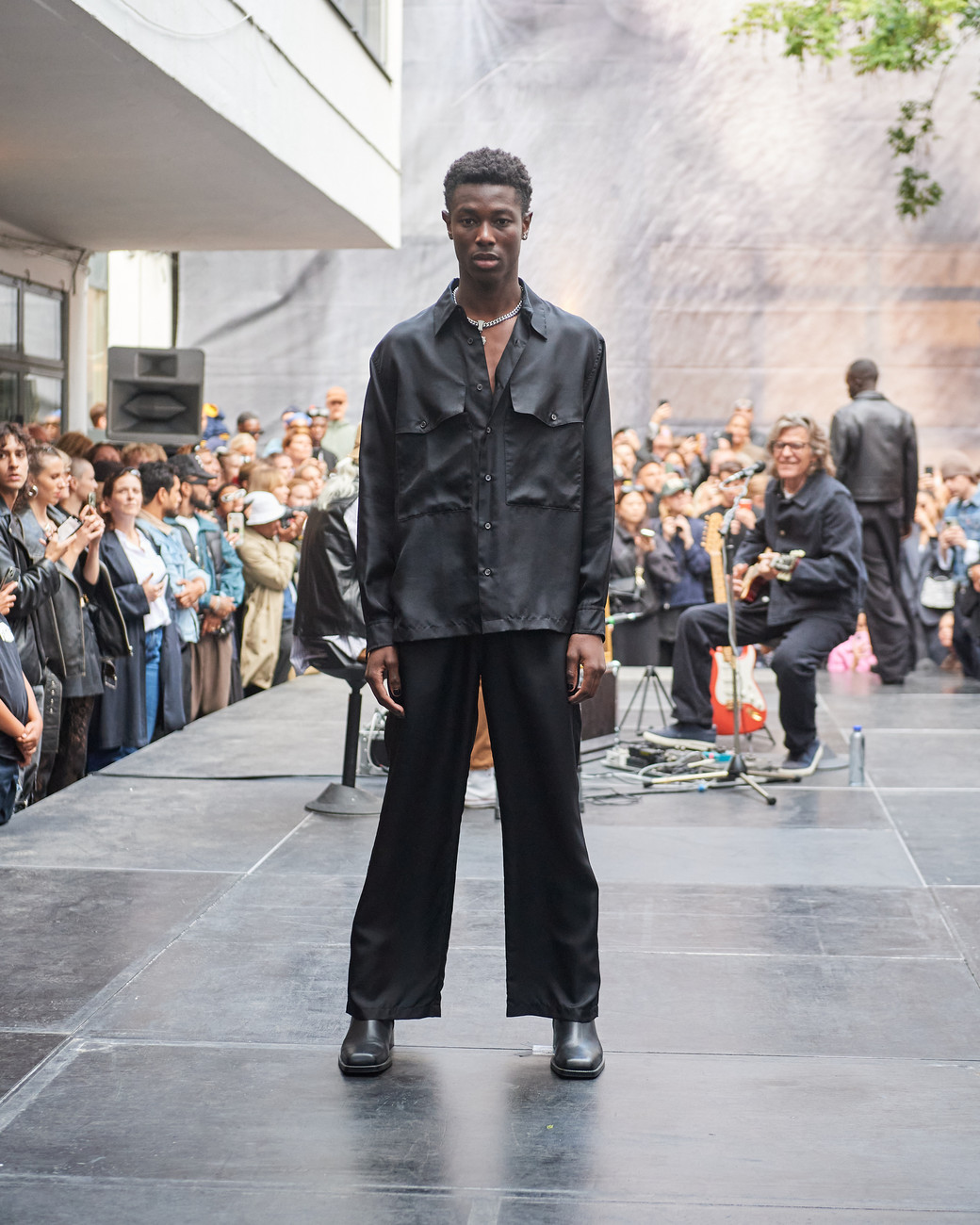

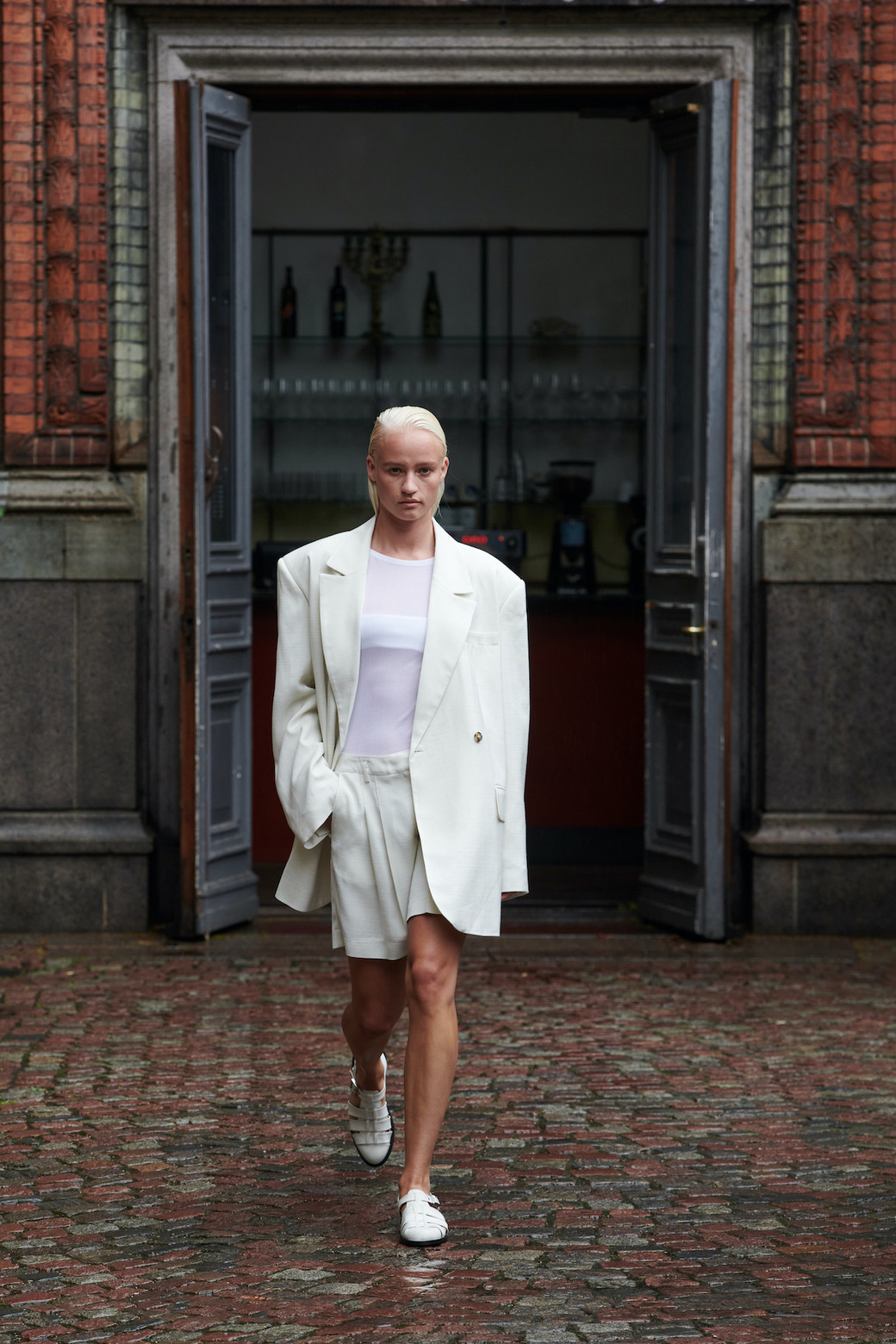
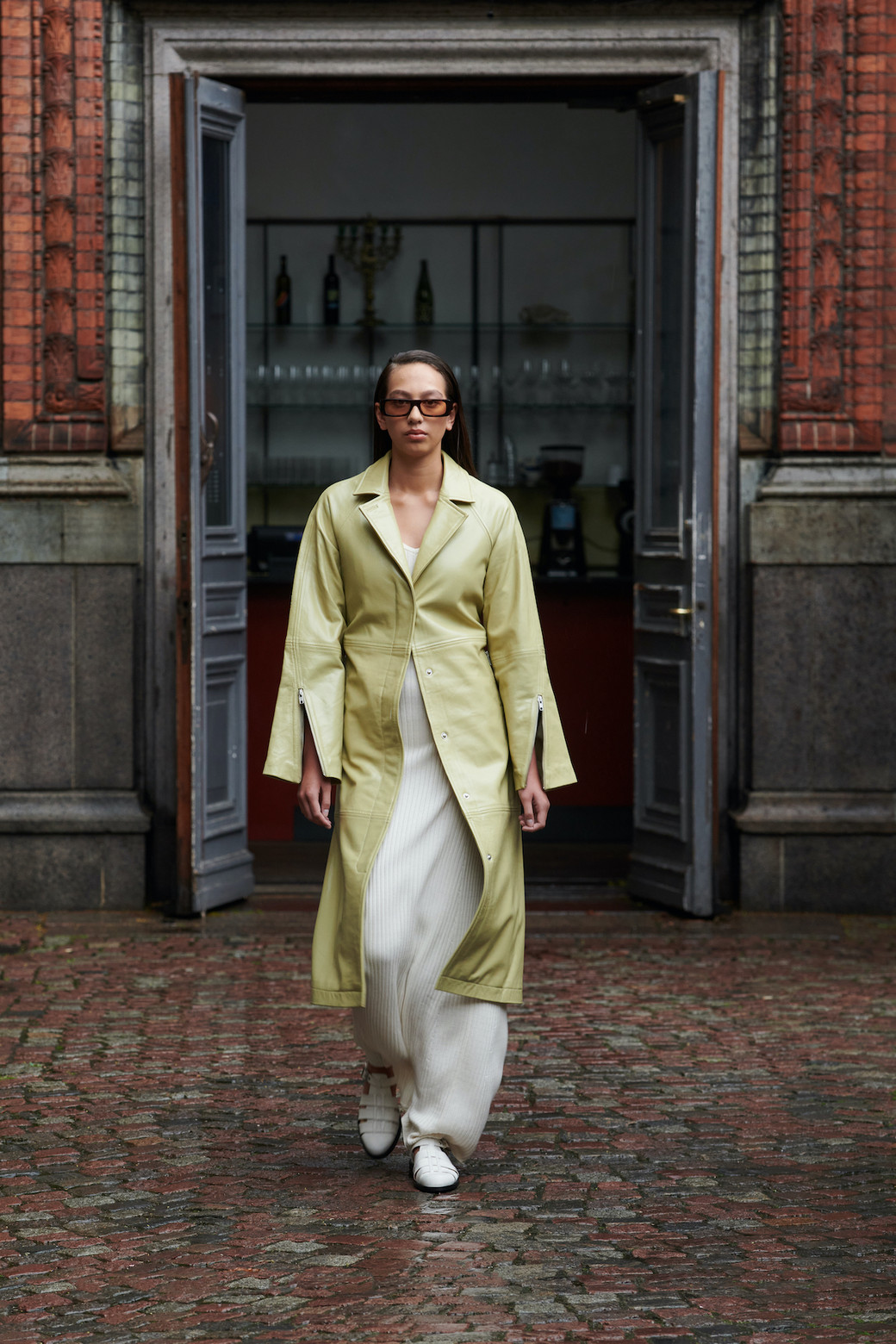
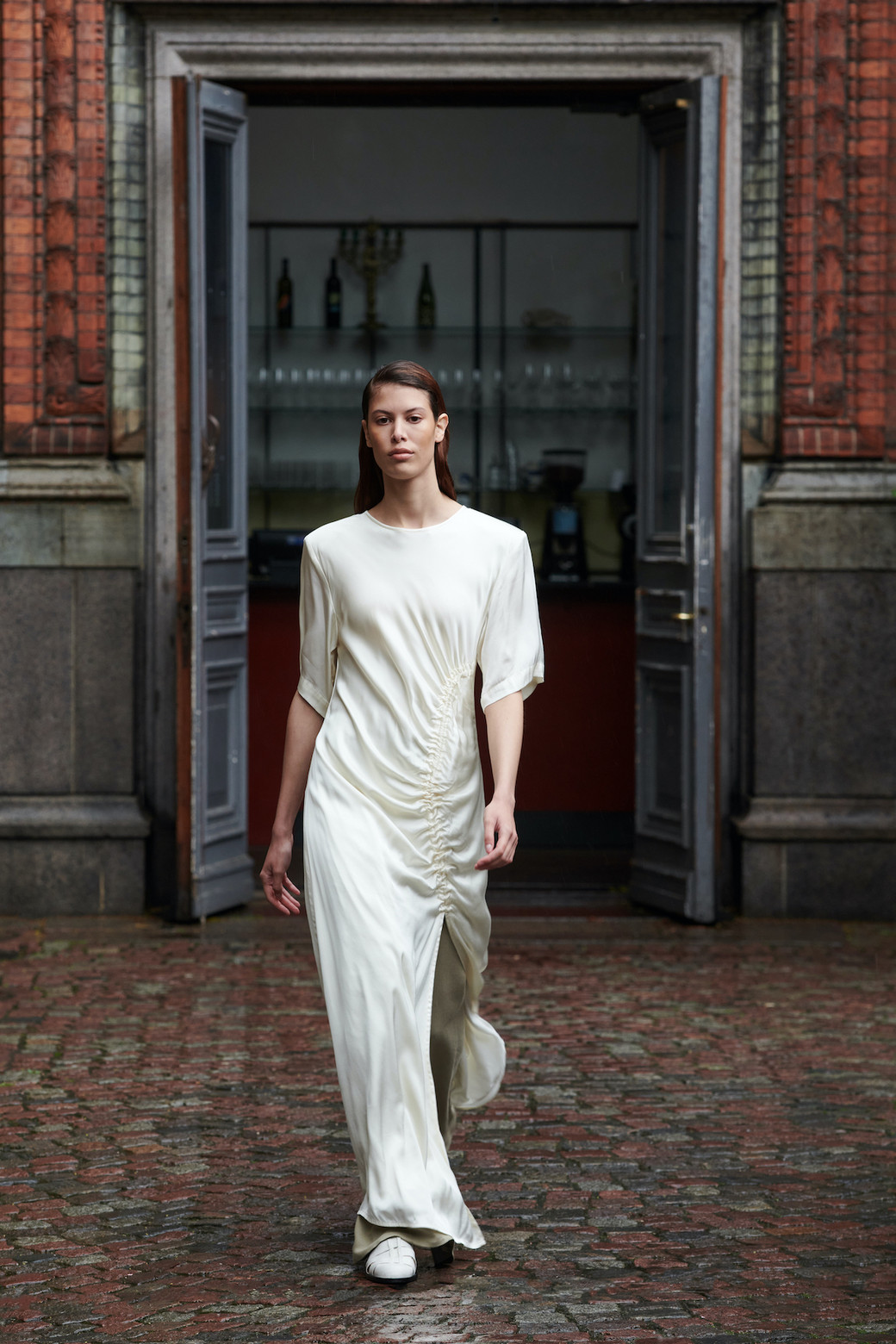
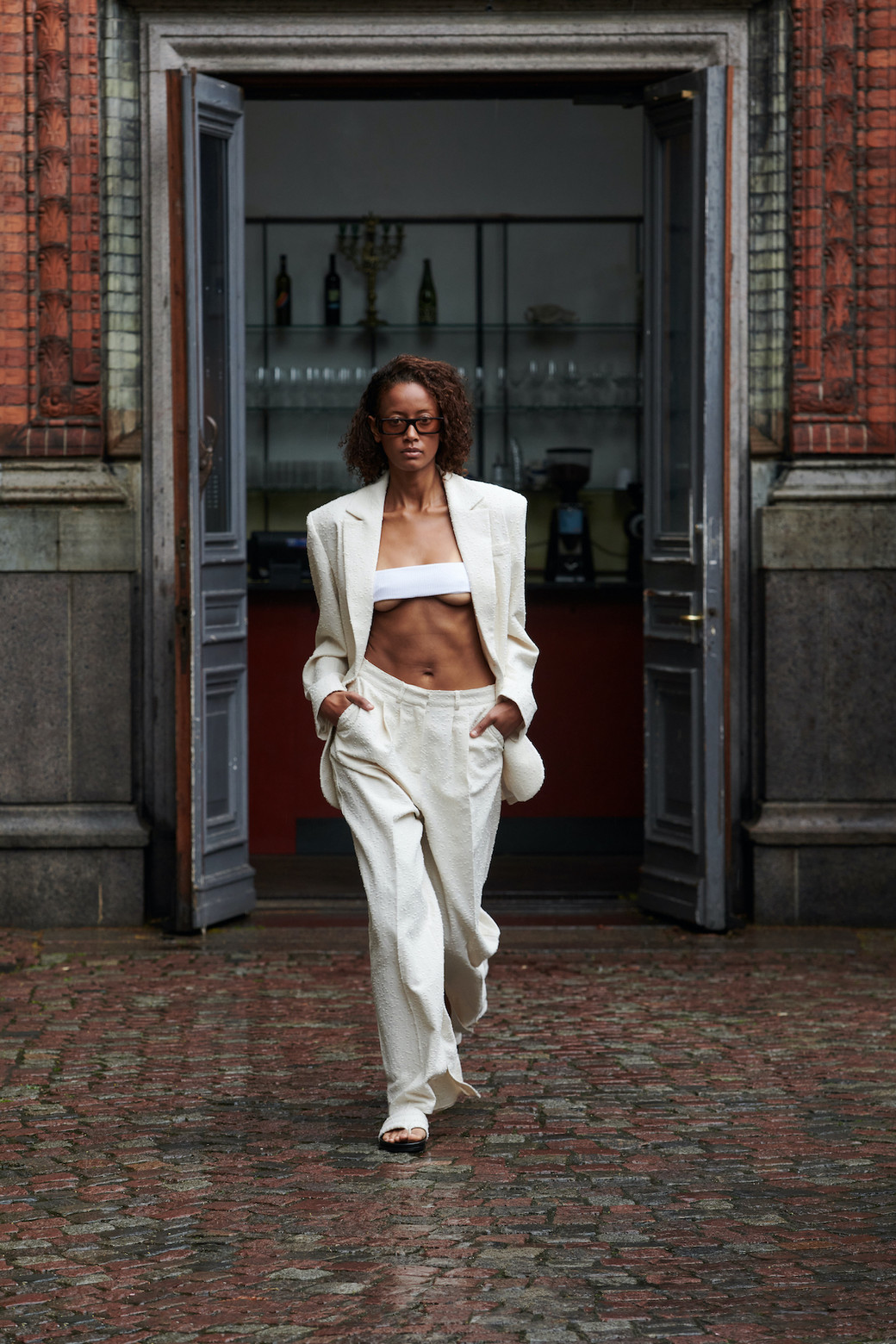
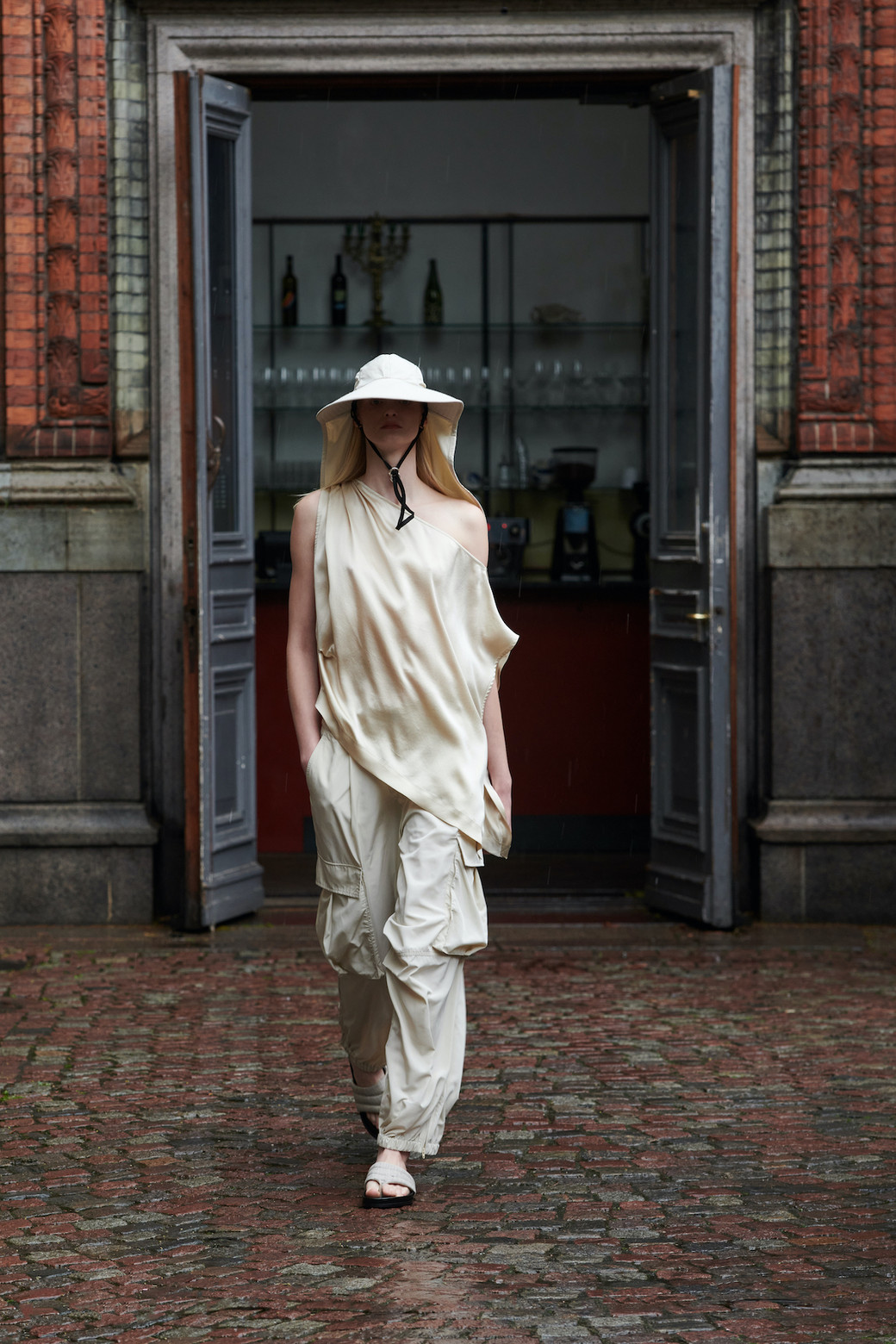
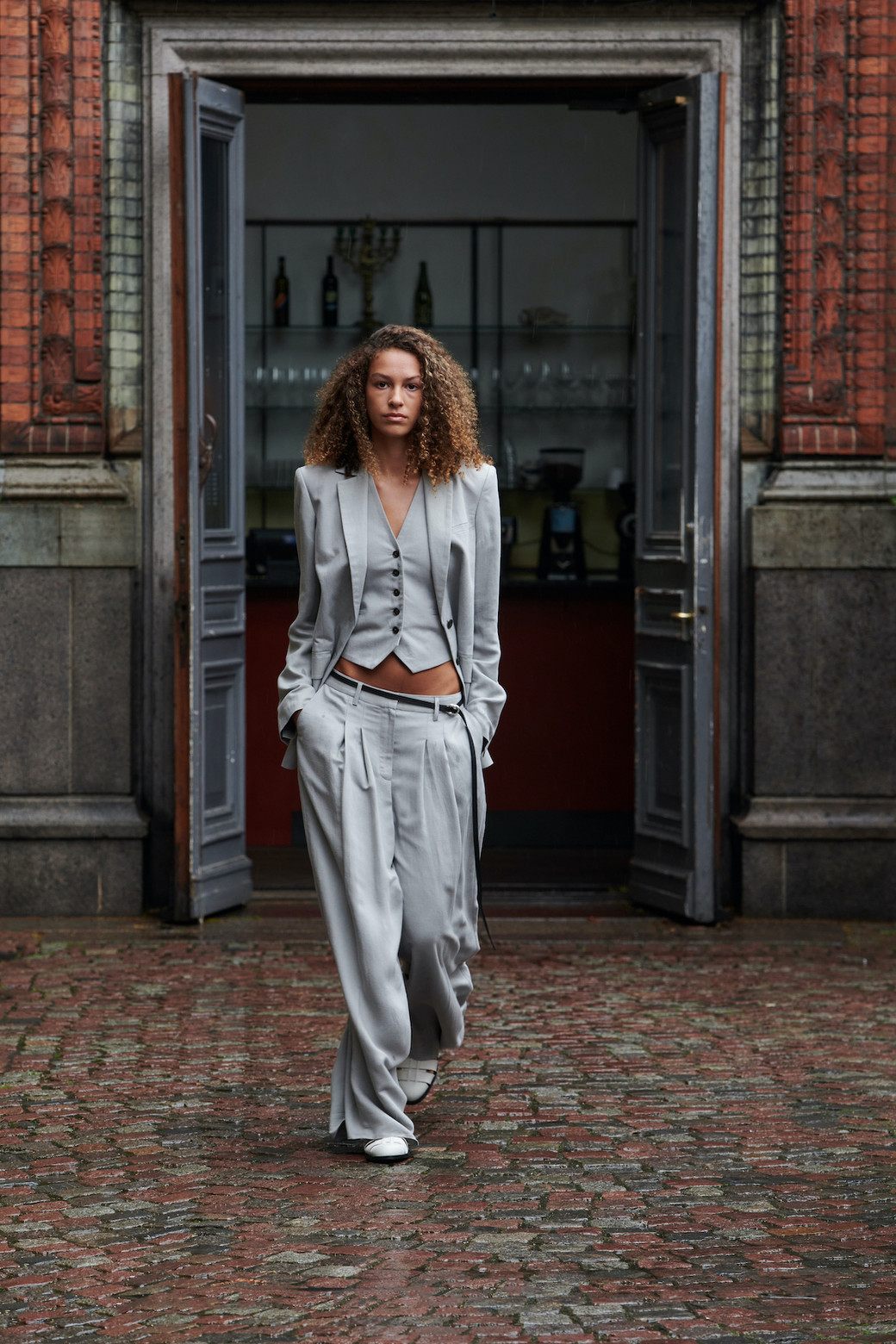
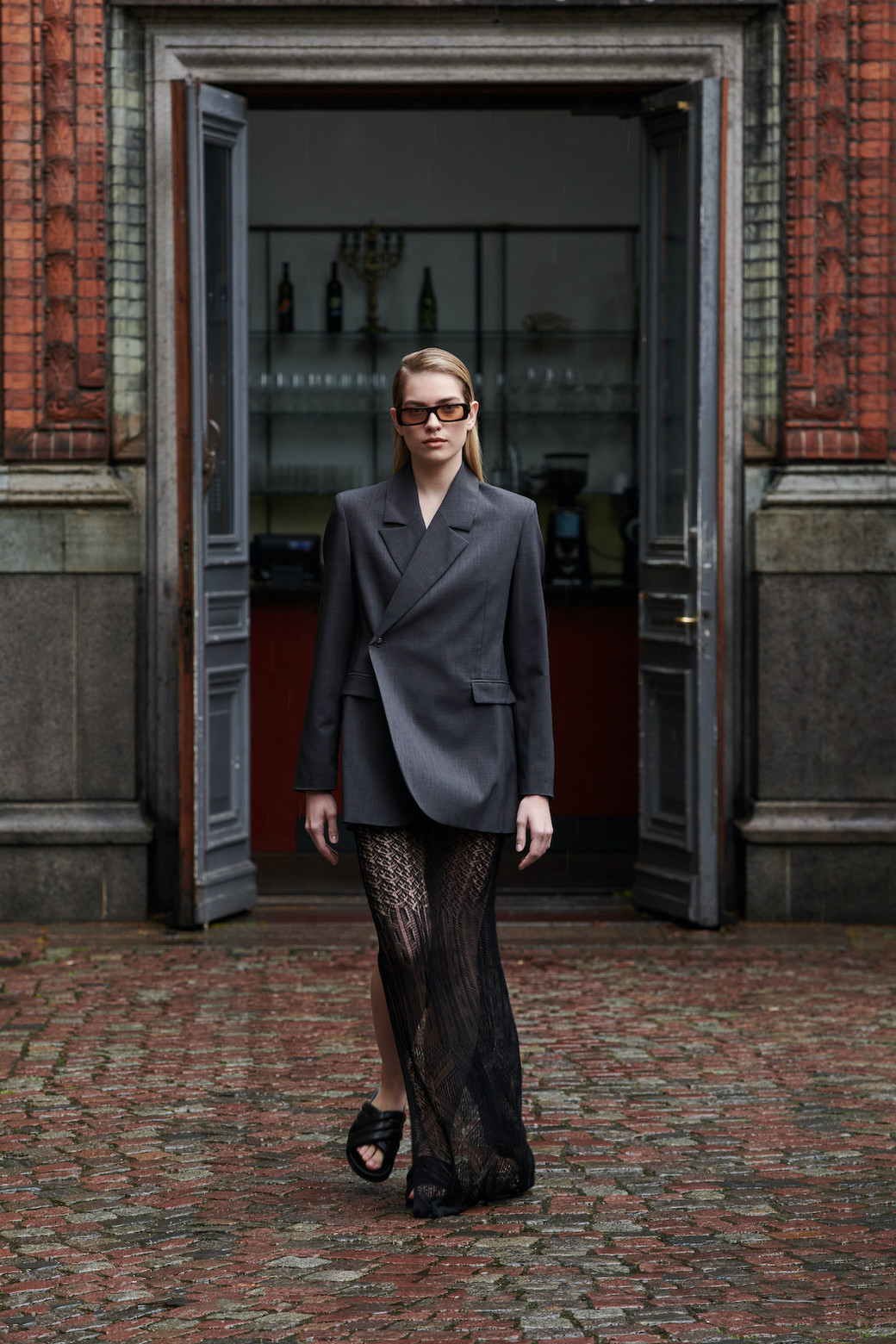
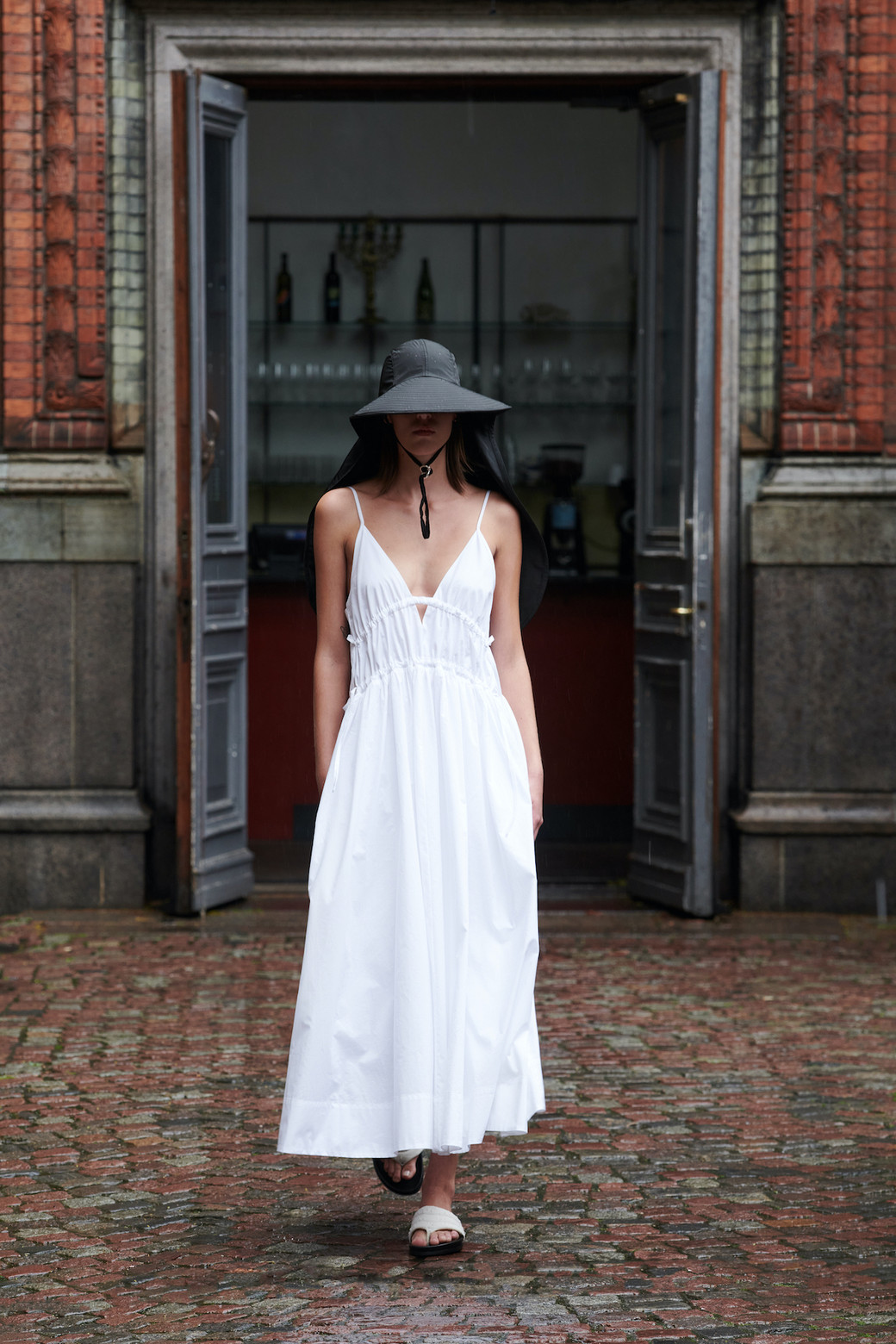
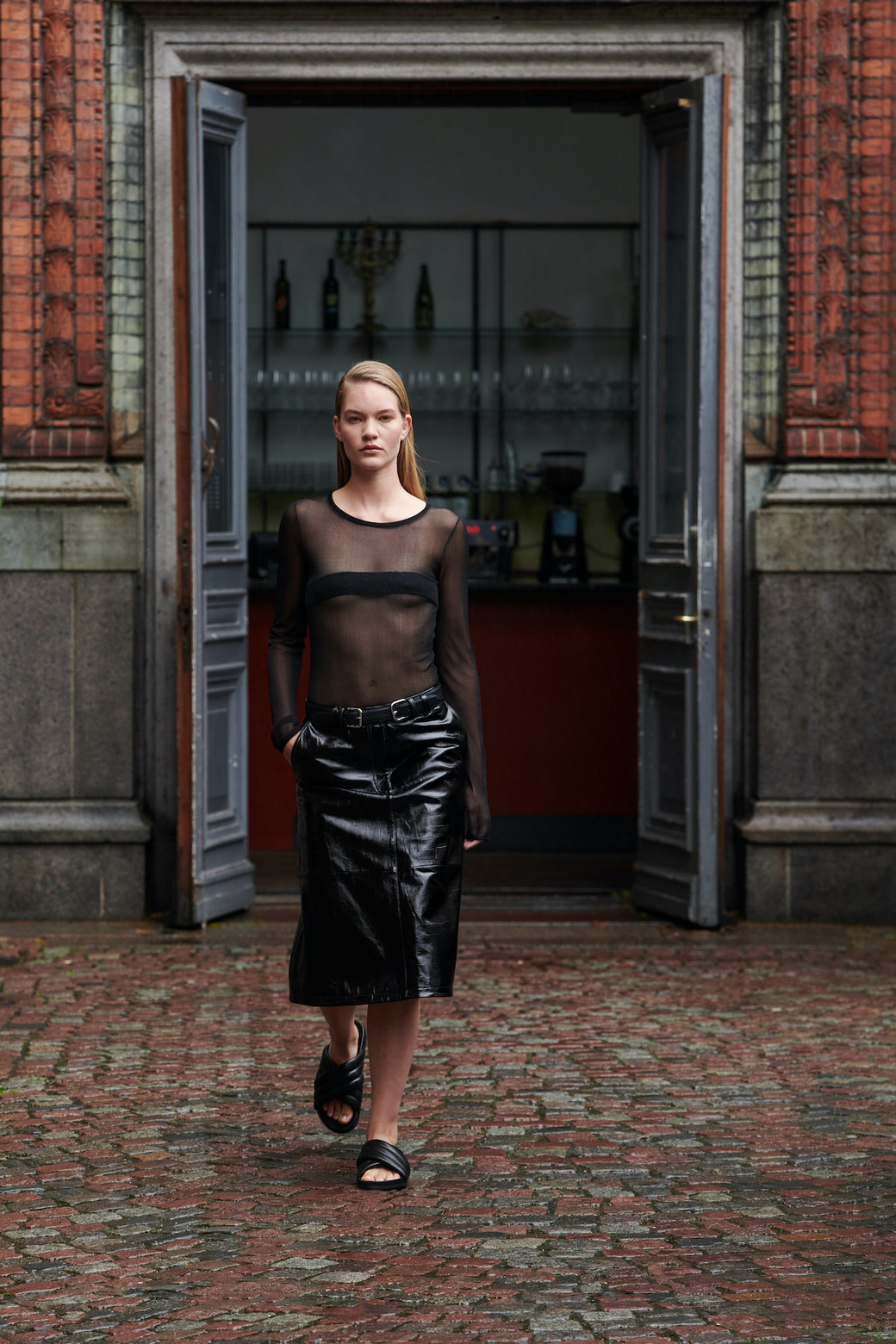
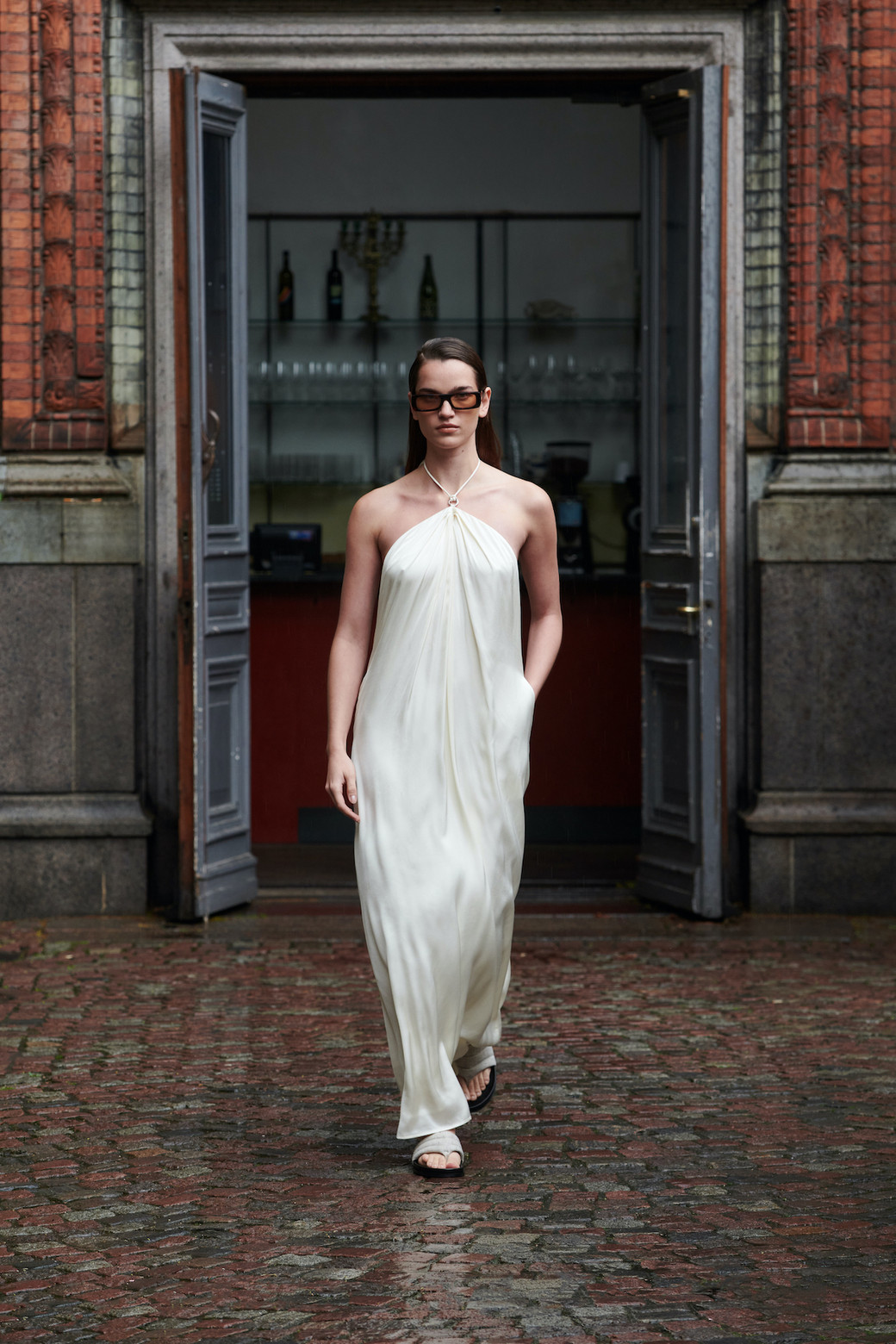
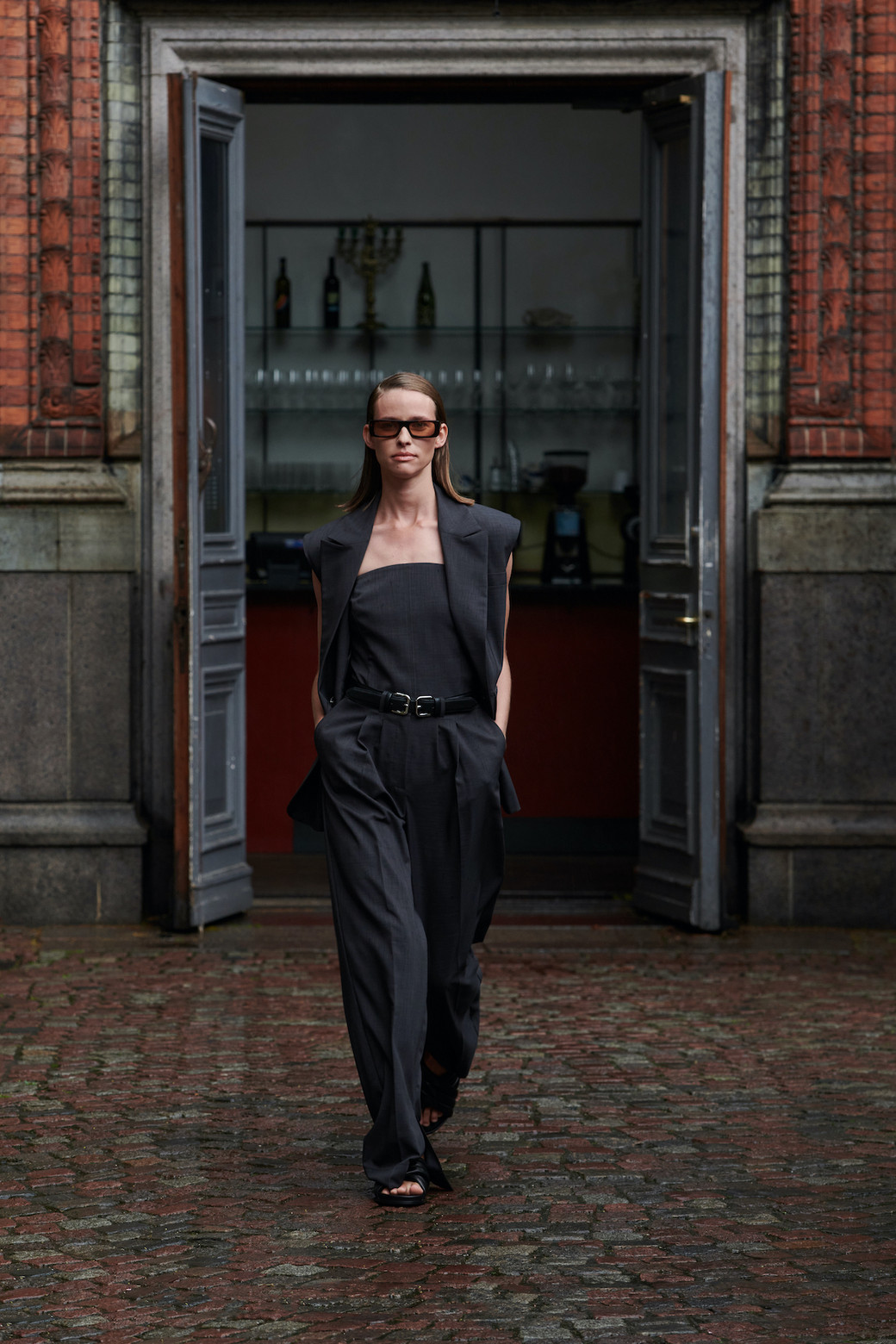
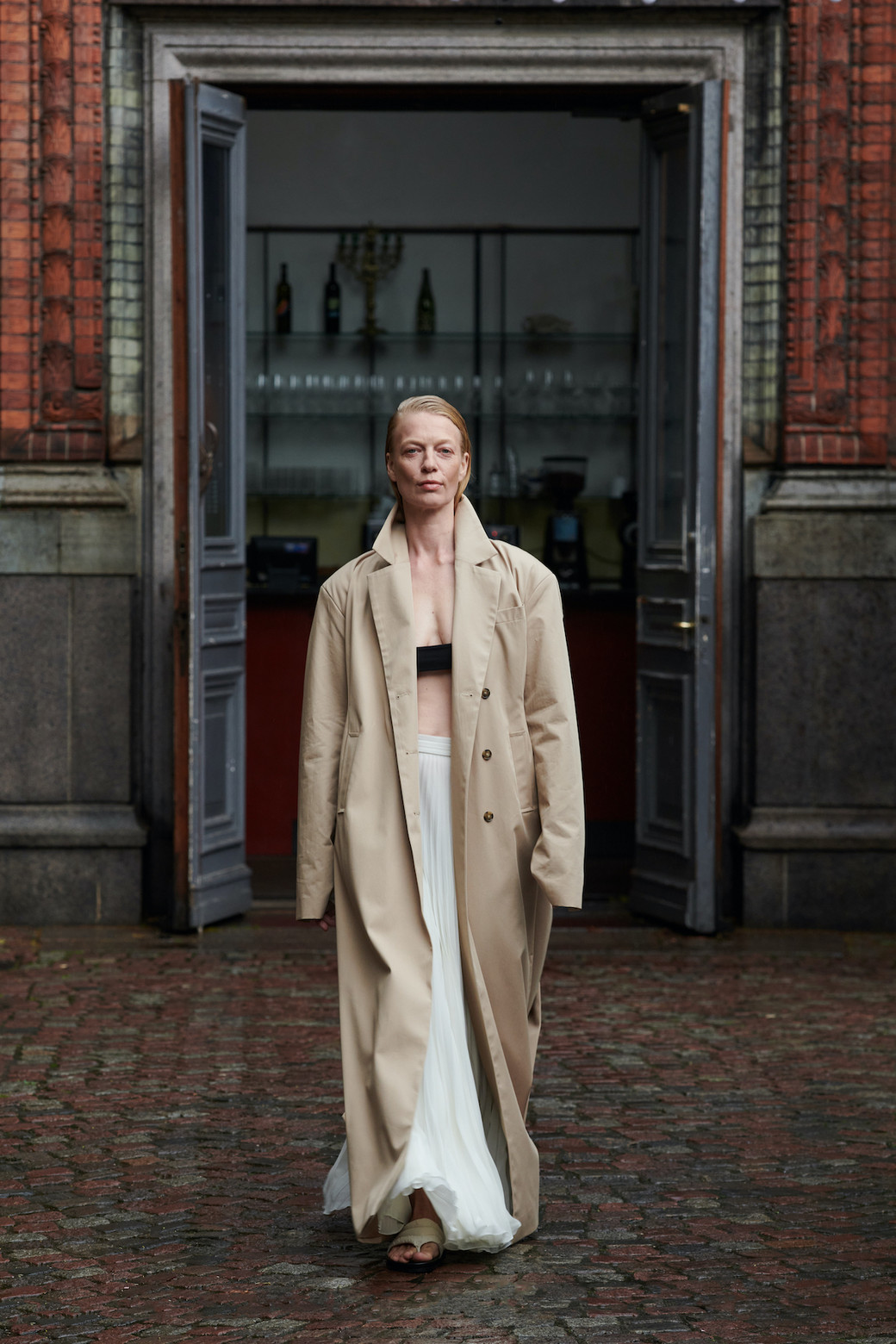
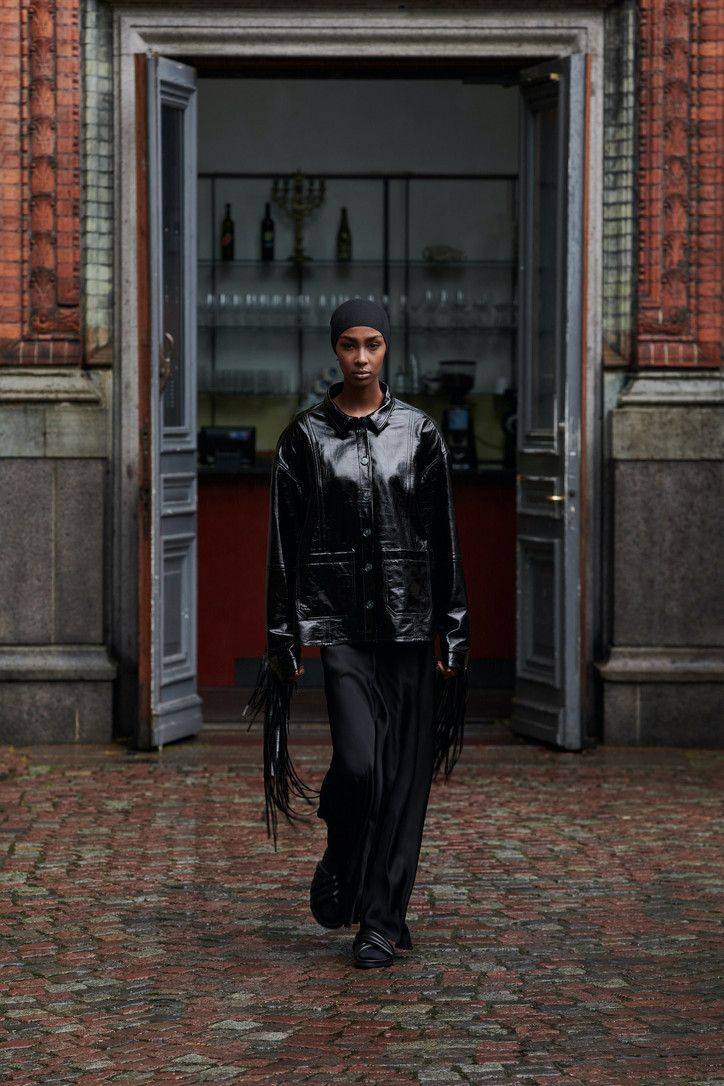
Self-referential garments? Sure, but who can blame them when their Scandi counterparts are having a penchant for pulling back all manner of fuss? So here we are, yet again, with a quietly-potent slew of proposals that stand as a testament to HERSKIND’s unwavering commitment to provide compelling clothes that transcend trends, which don’t feel overwrought; rather, their ease allows the wearer to express - and embrace - the very core silhouette. The label had a neutral Spring in mind, working in subdued colors like off white, beige, and a rich gray. Delicate volumes were present, too, with accents of baby yellow and soft peony adding a subtle hint of playfulness and femininity to the slouchy blazers, along with an exaggerated sharp shoulder with a sporty edge to match. HERSKIND’s spring outing introduces leather pieces that epitomize the heroes of the collection, addressing attention with their bold yet refined resonance across the lineup while sprinkling a grown-up, to-the-point edge that was covetable and wearable in equal measure.
Hopefully, the expansion of classics continues as the brand continues to build a laid-back adage, bringing the zeitgeist into silhouettes a customer can never tire of.