At The Circus

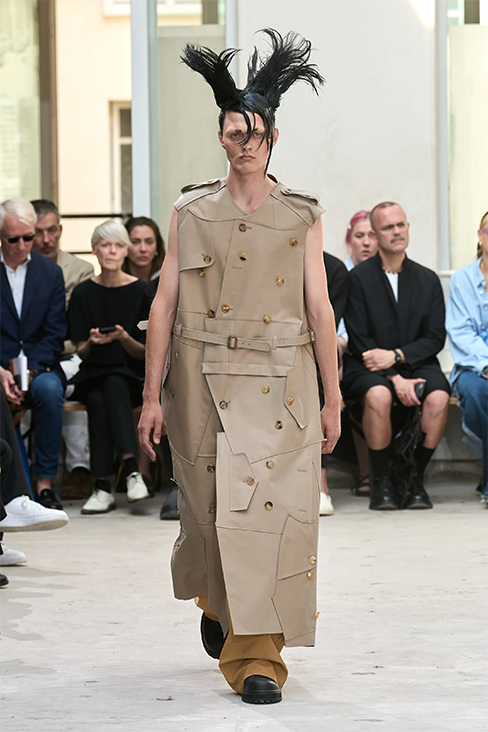
Oh and the peacock feathered suit was killer. See it, and our other favorite looks from backstage at the presentation, below.
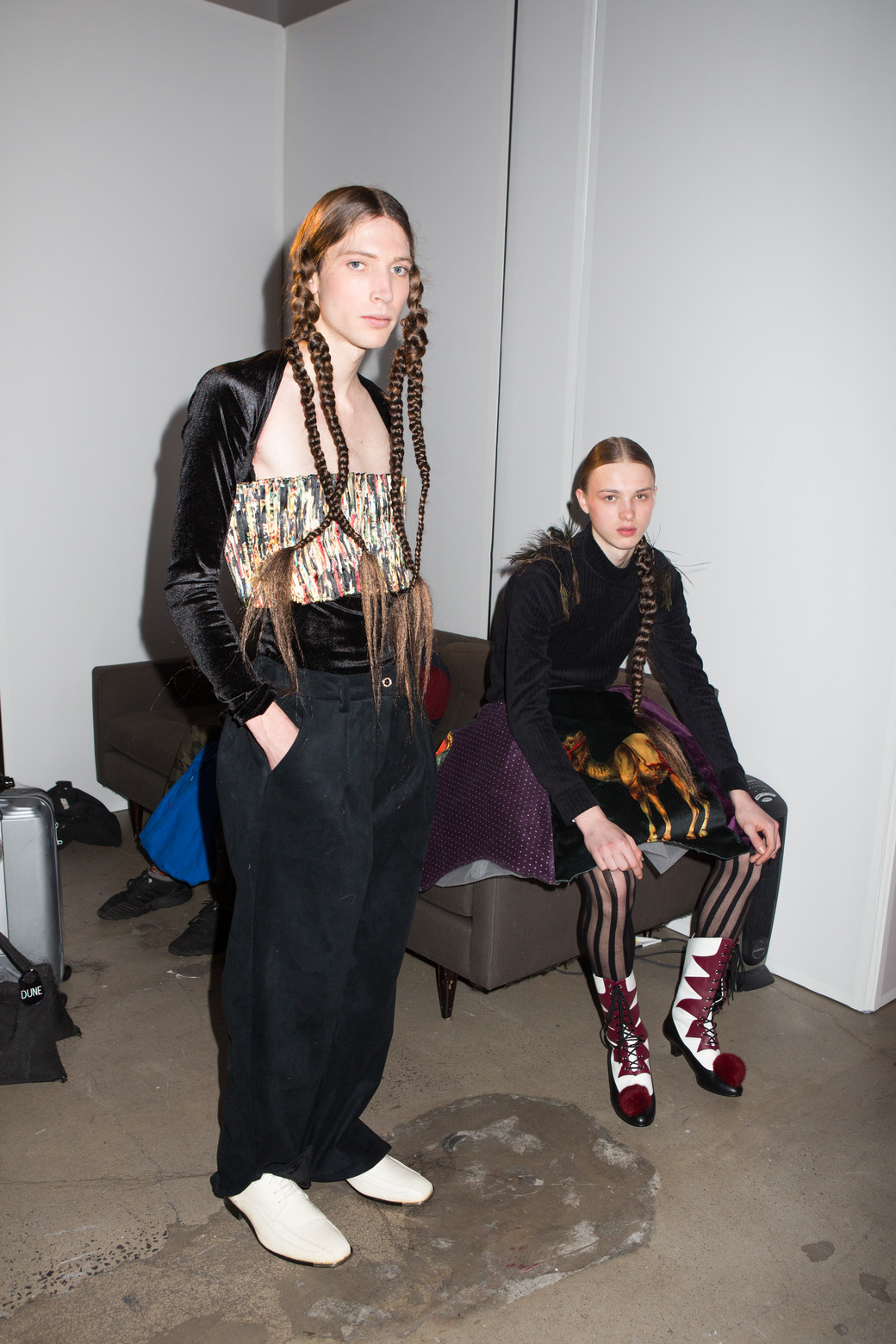
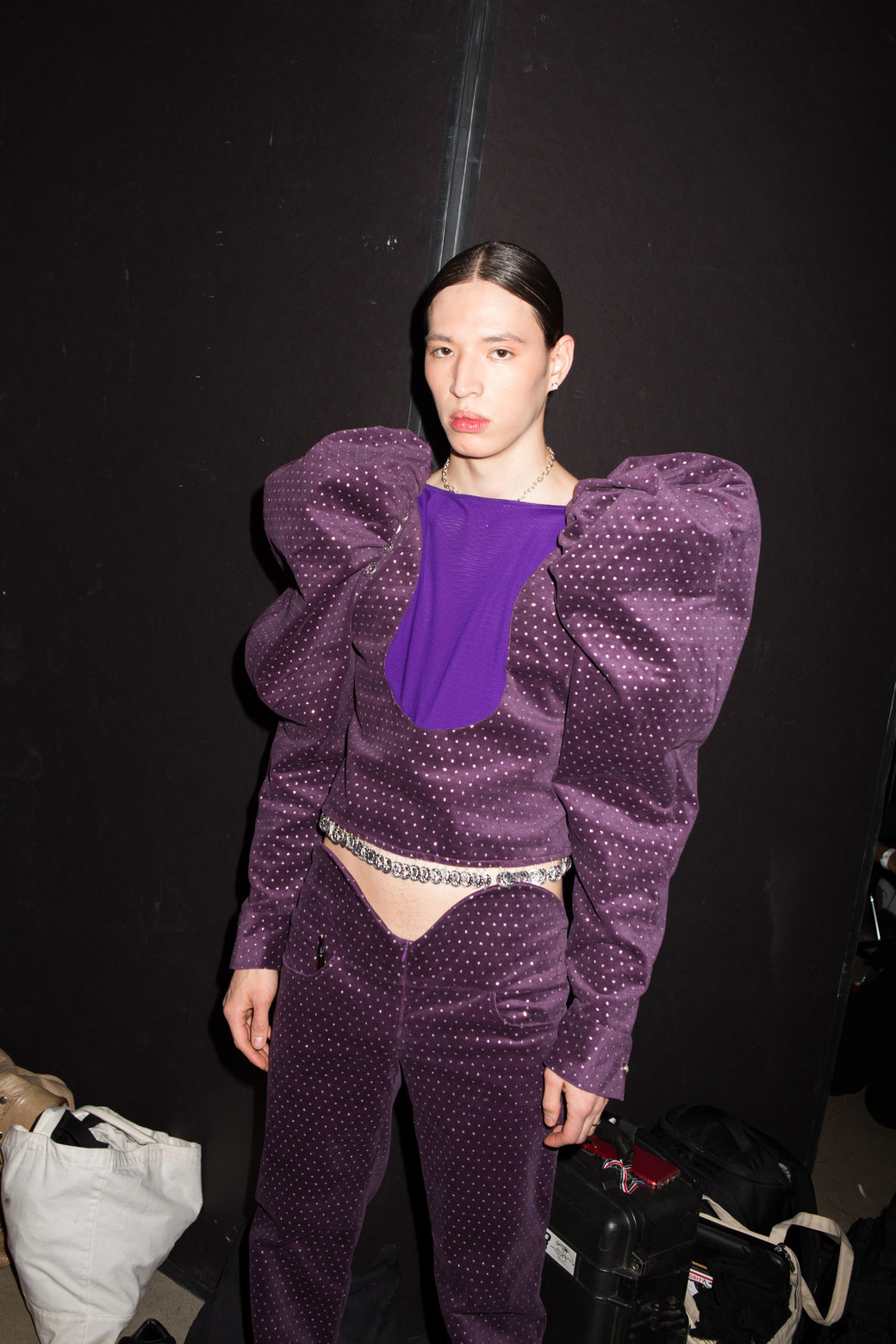


Oh and the peacock feathered suit was killer. See it, and our other favorite looks from backstage at the presentation, below.

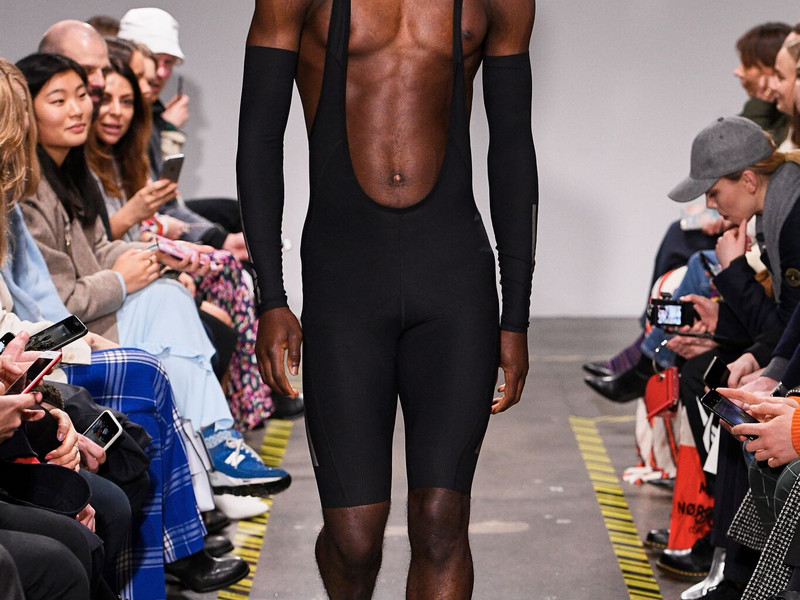
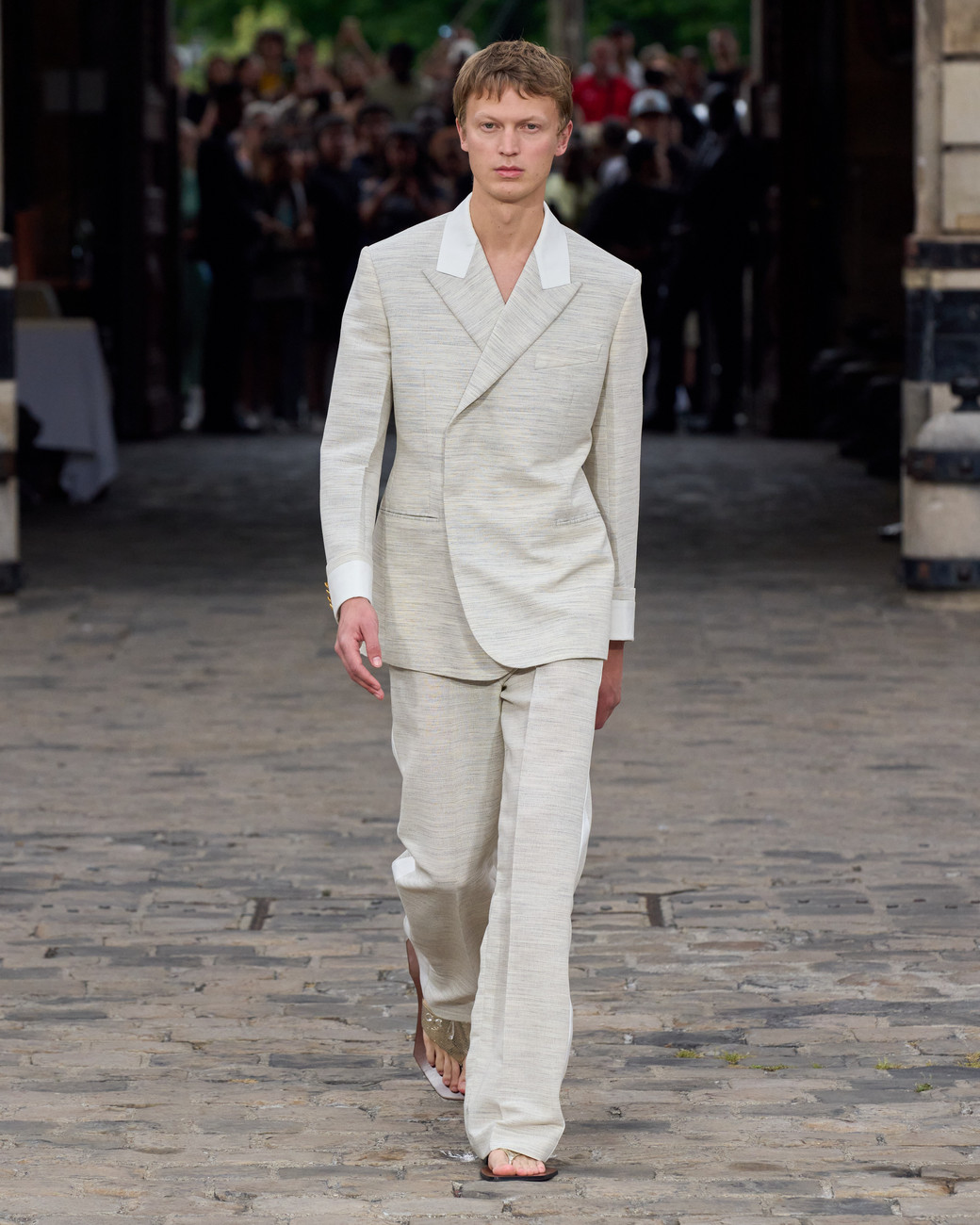
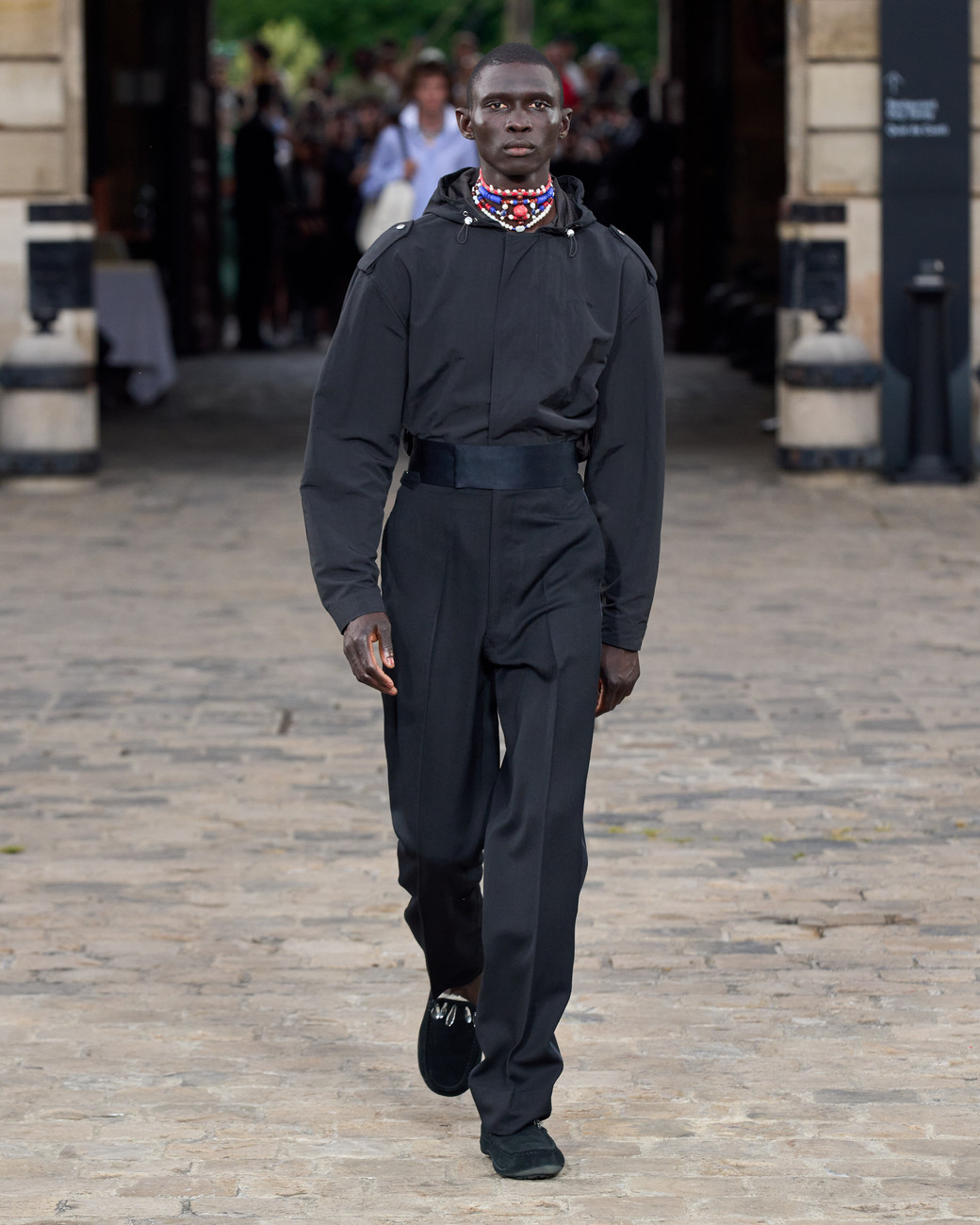
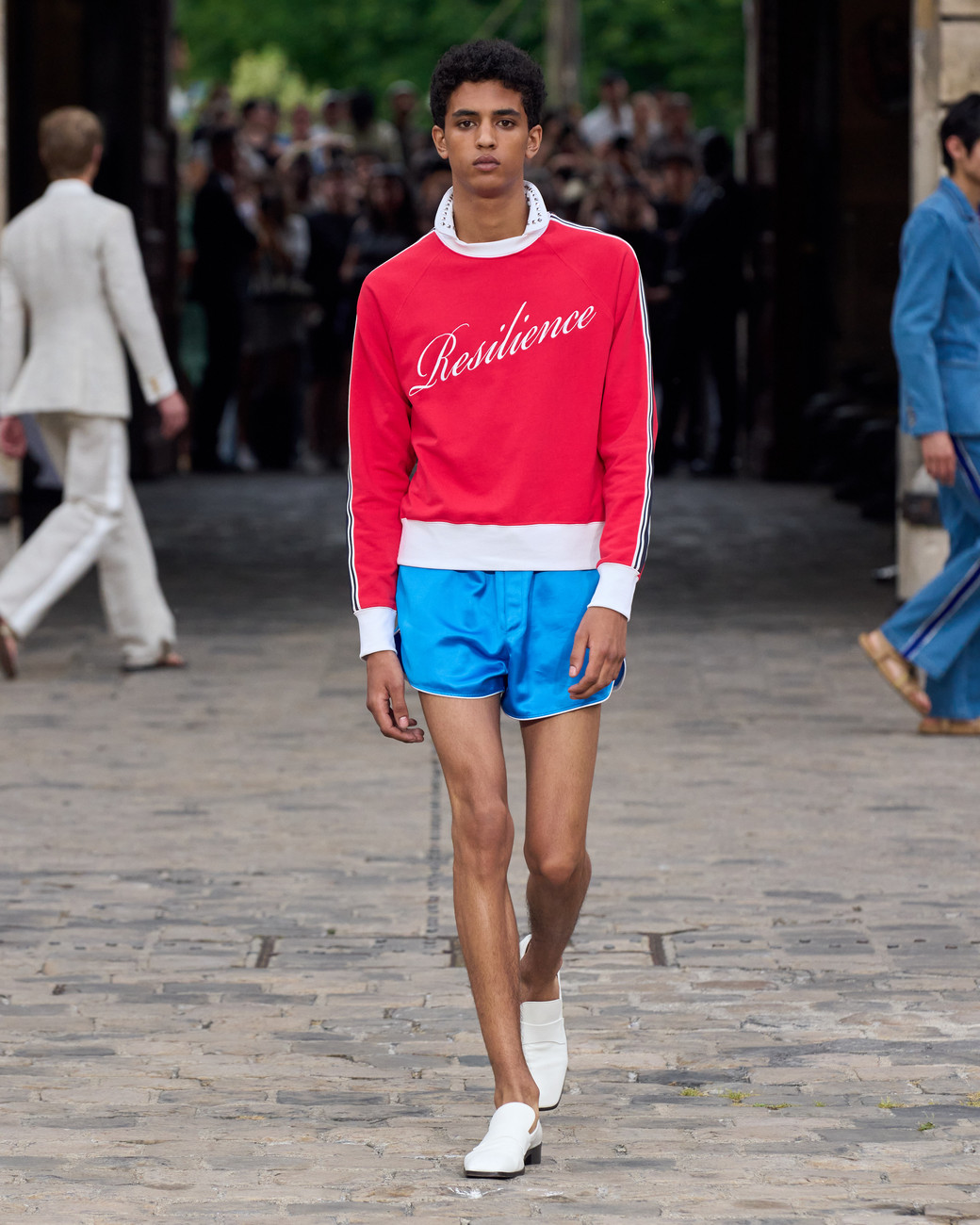
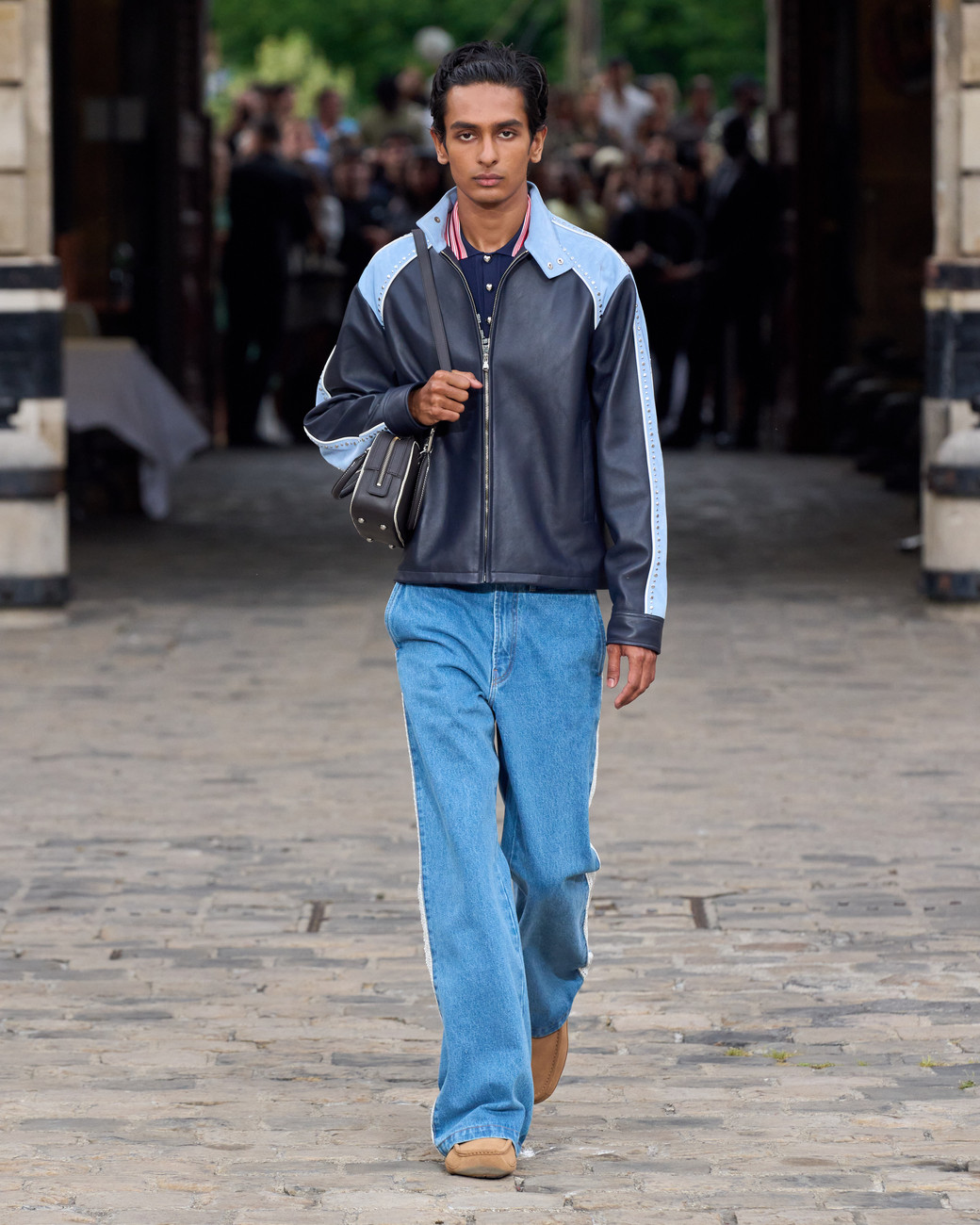
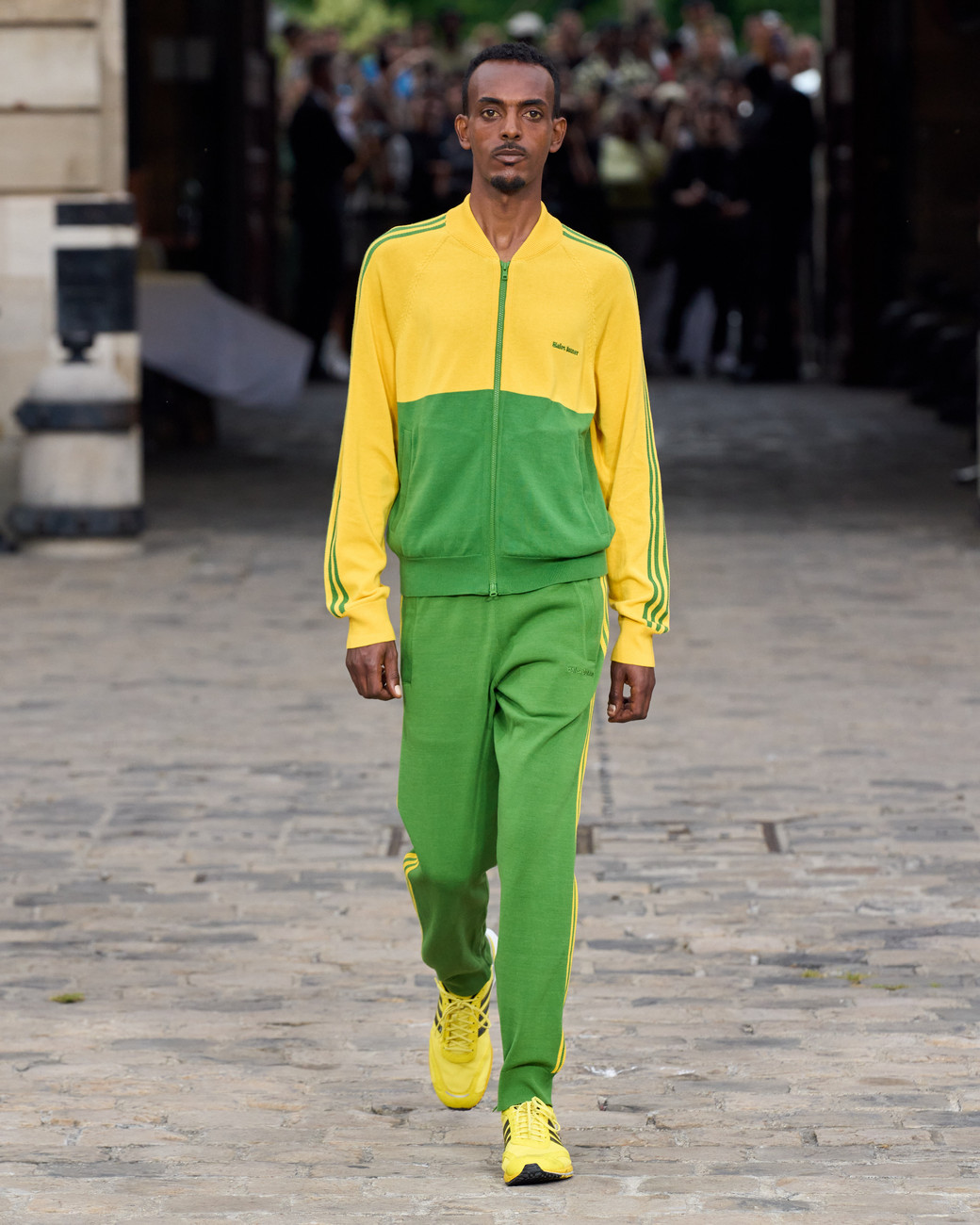
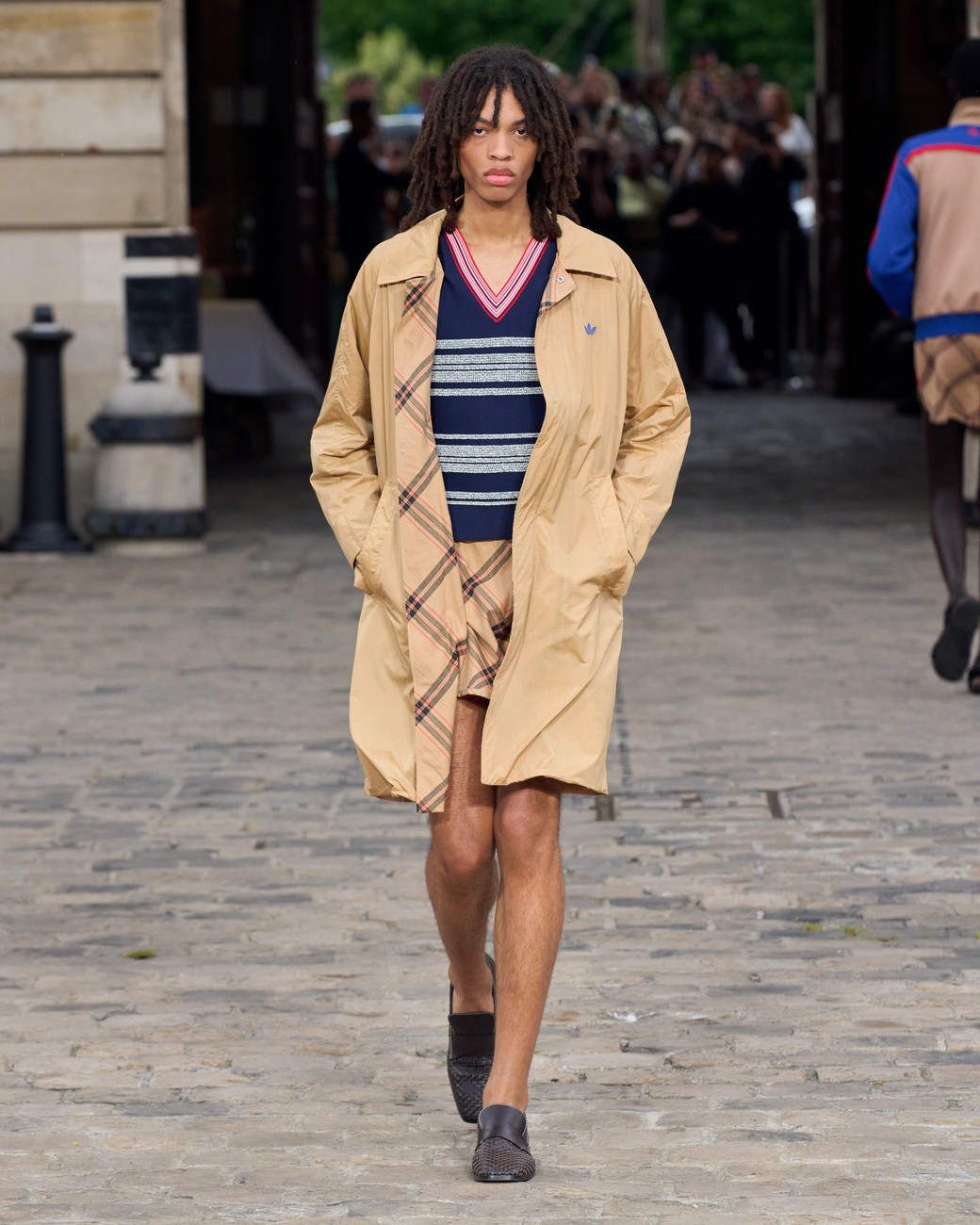
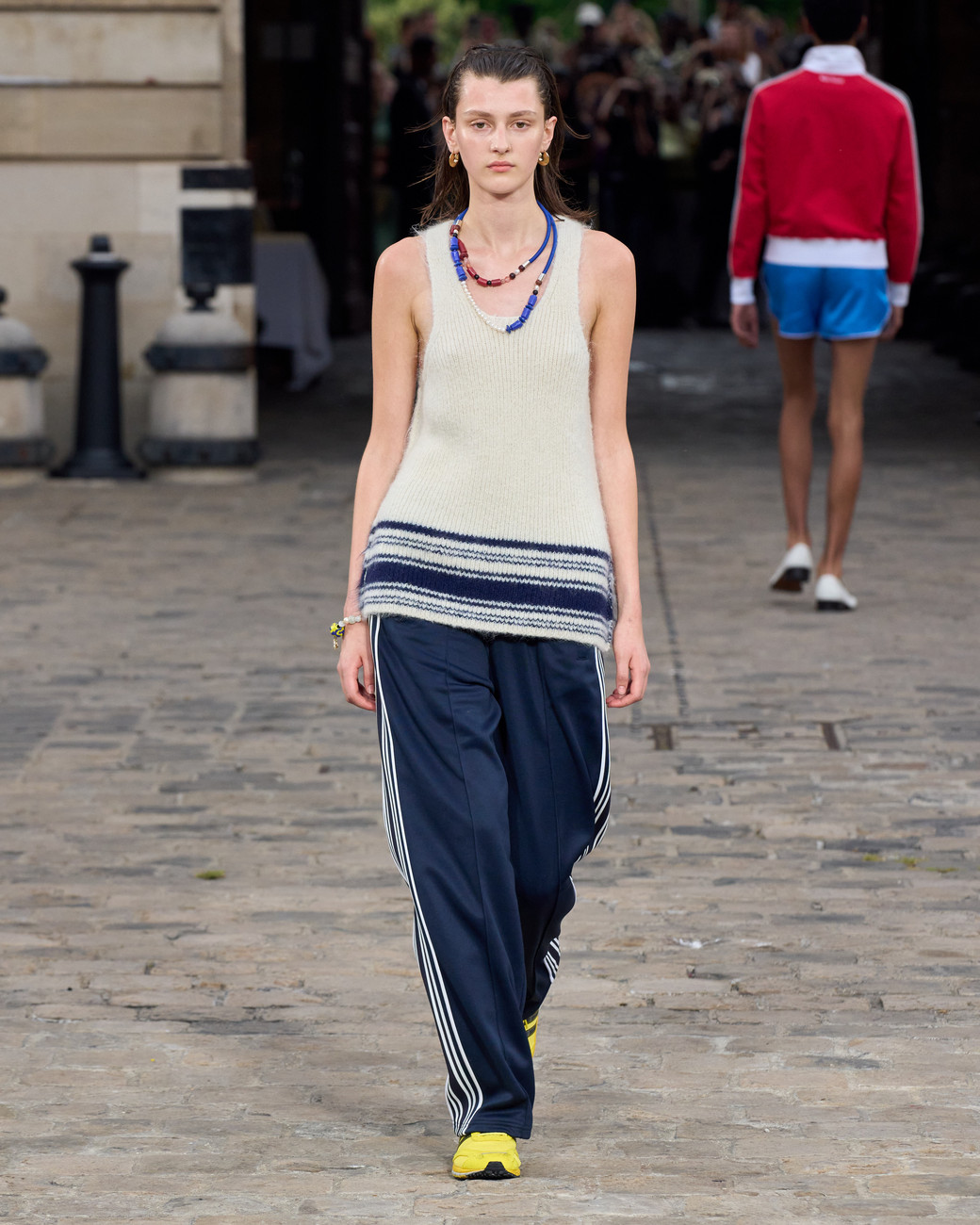
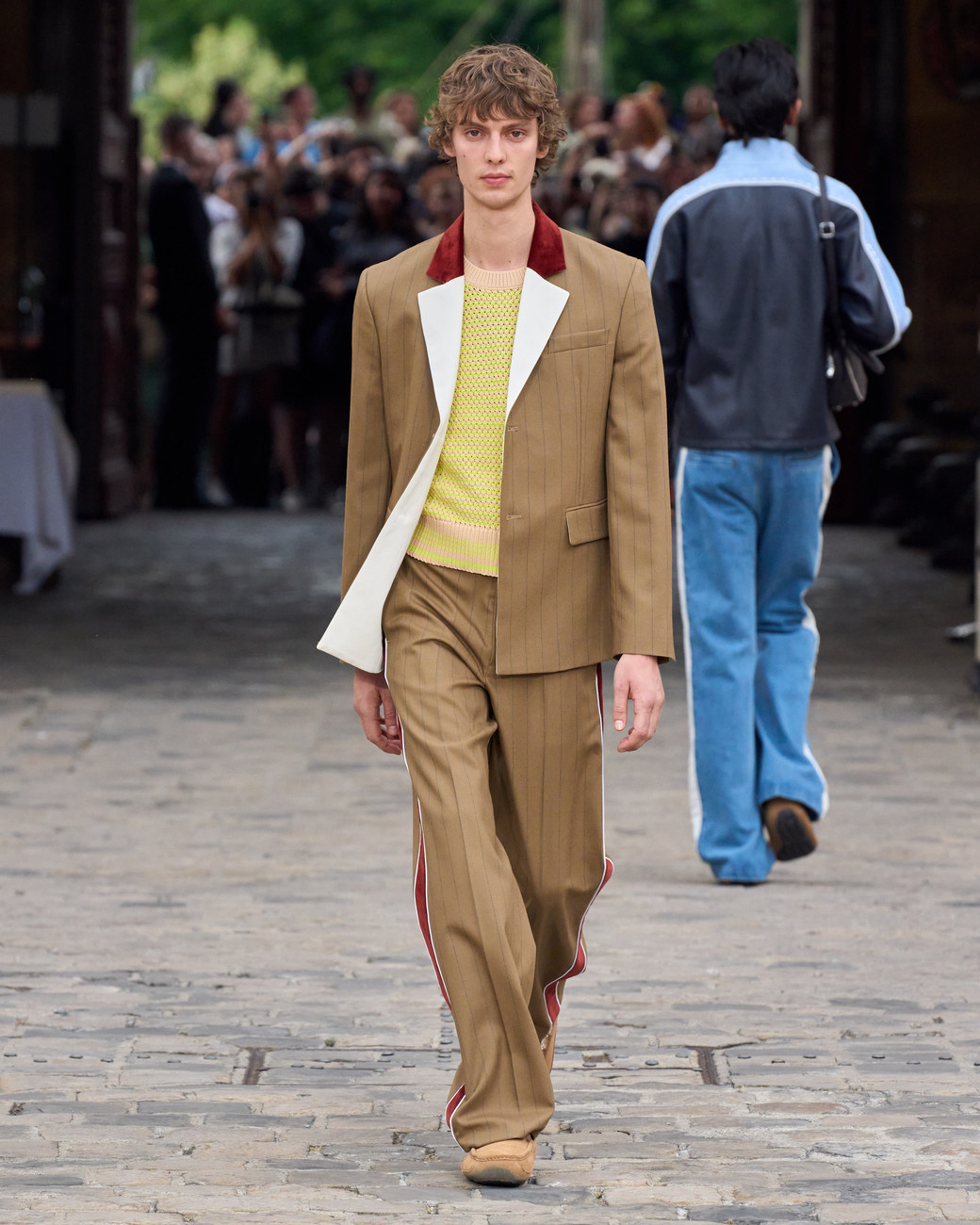
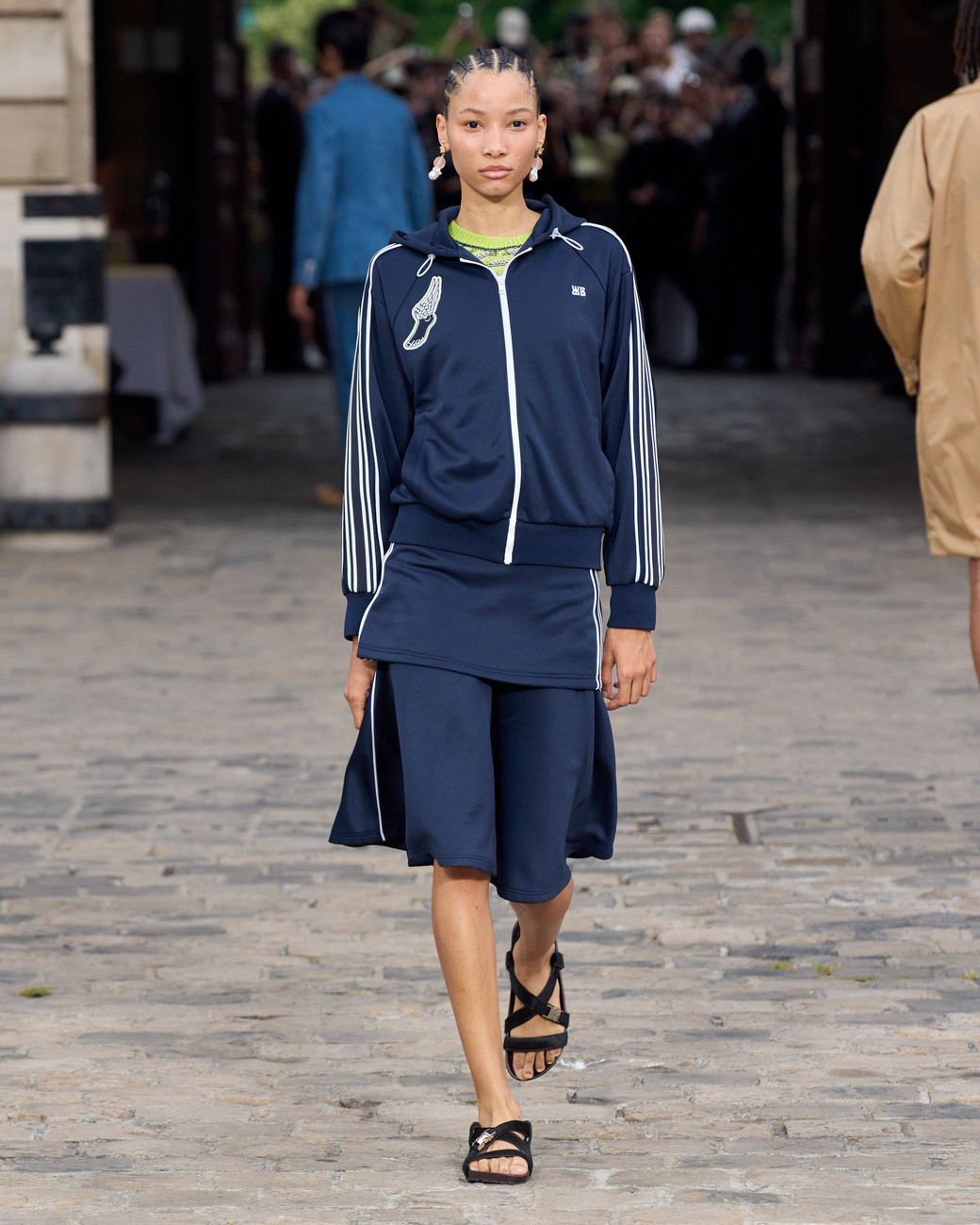
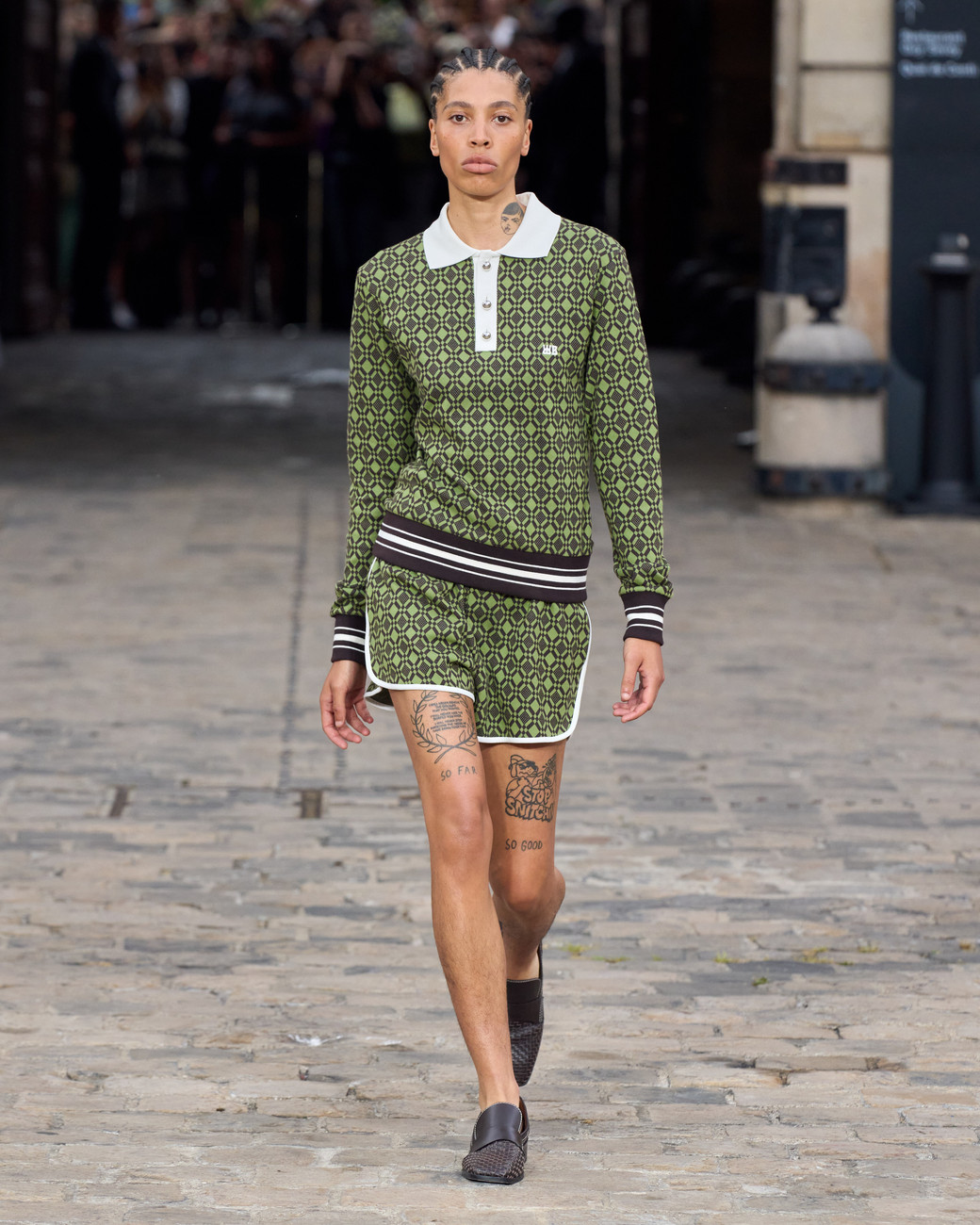
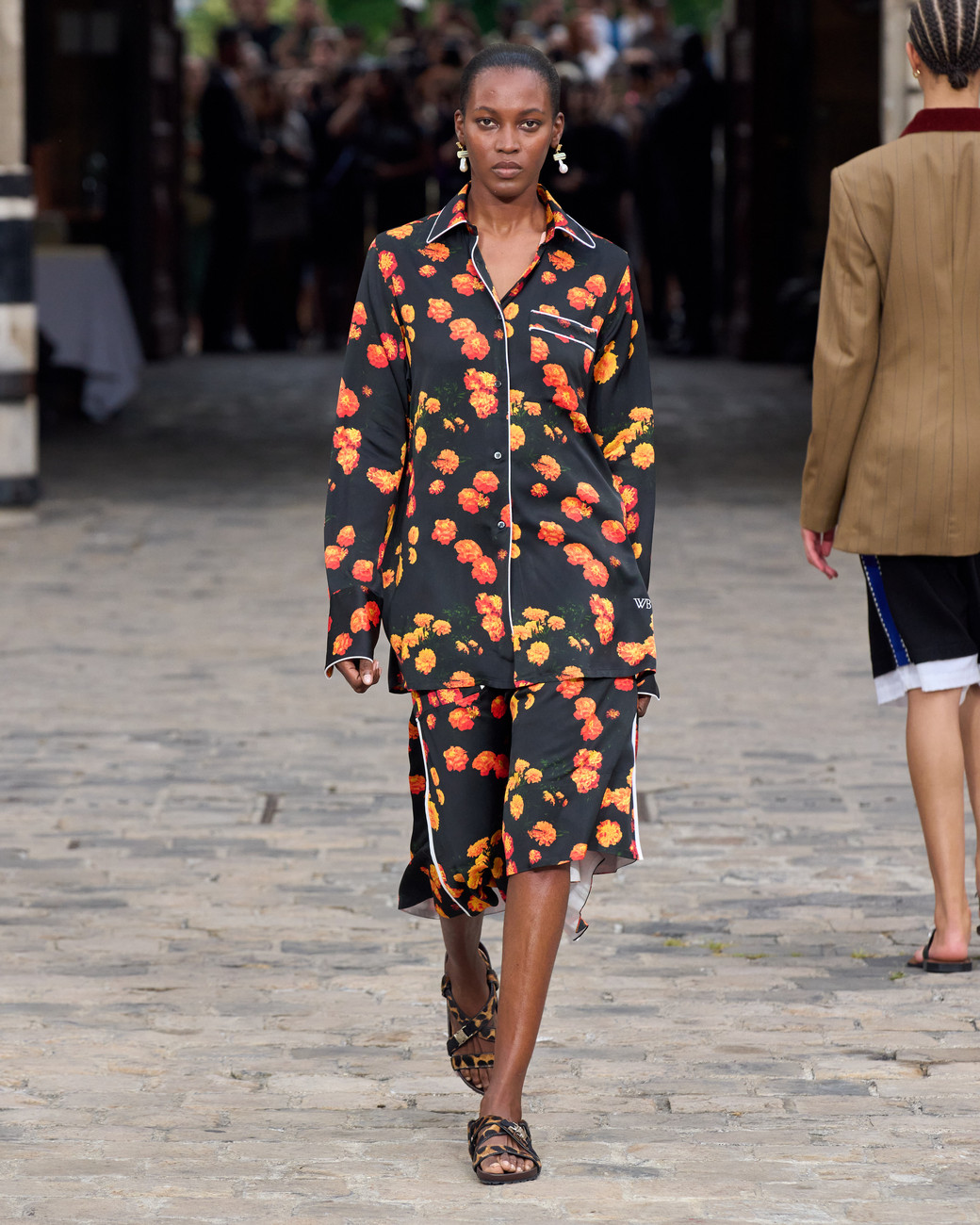
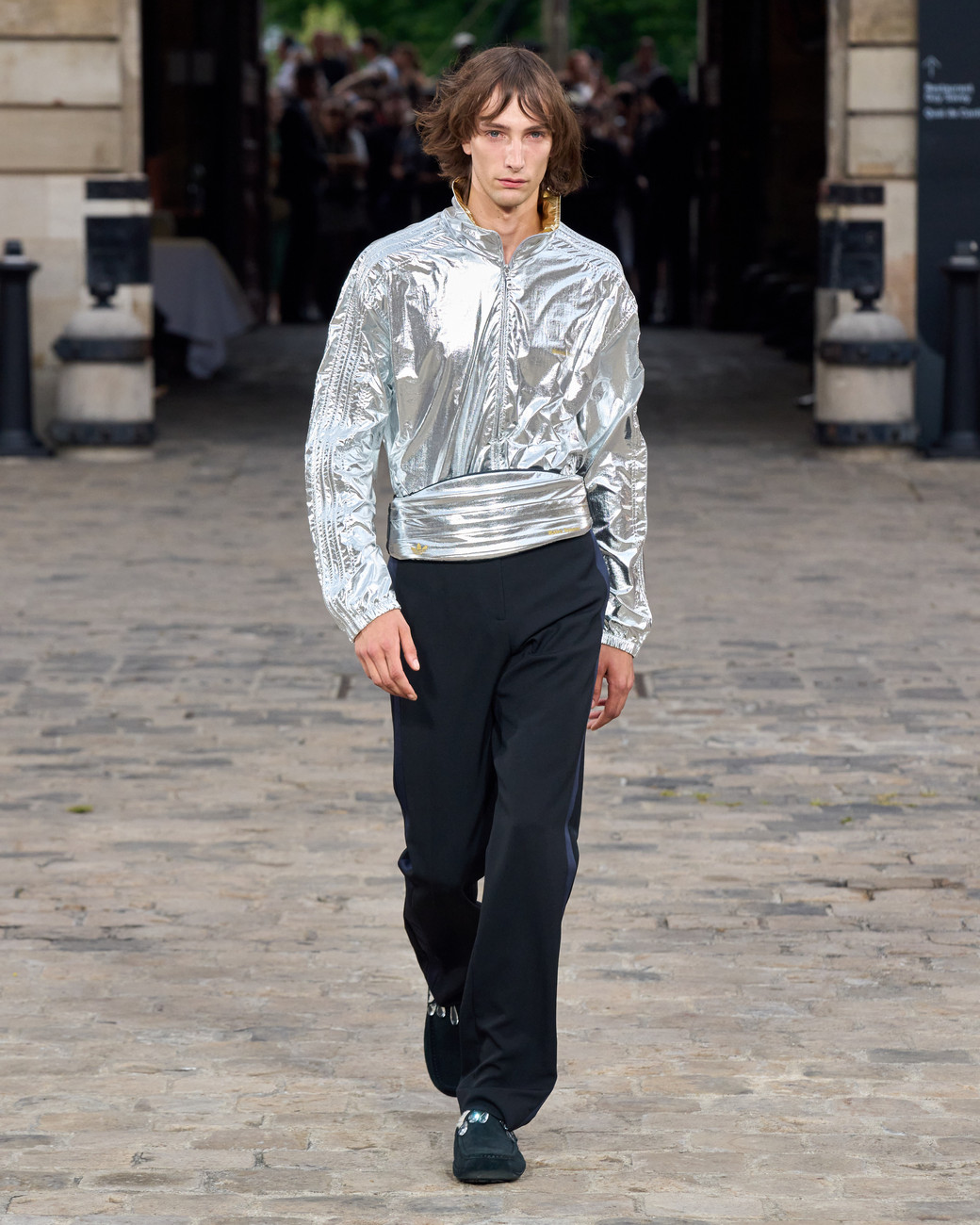
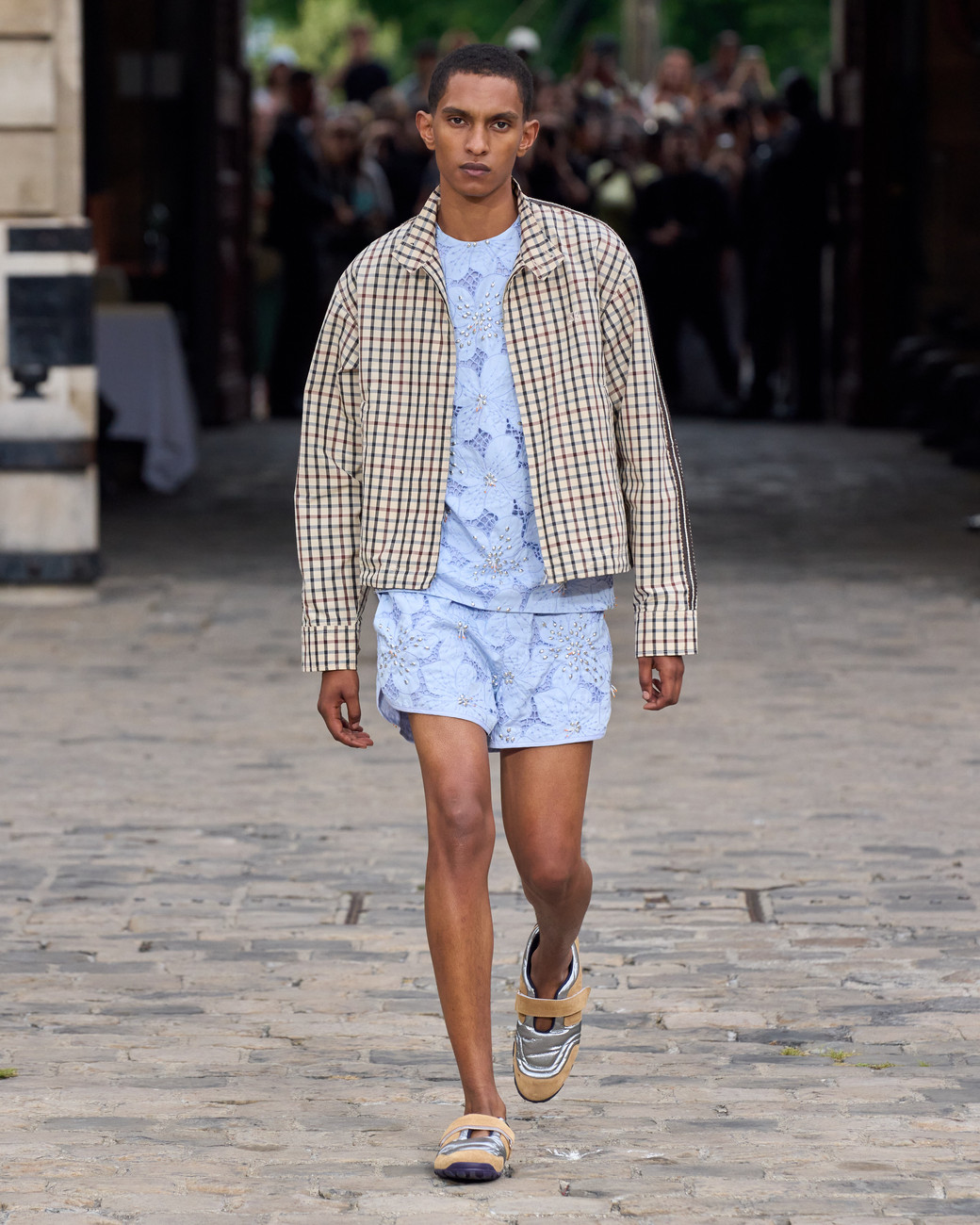
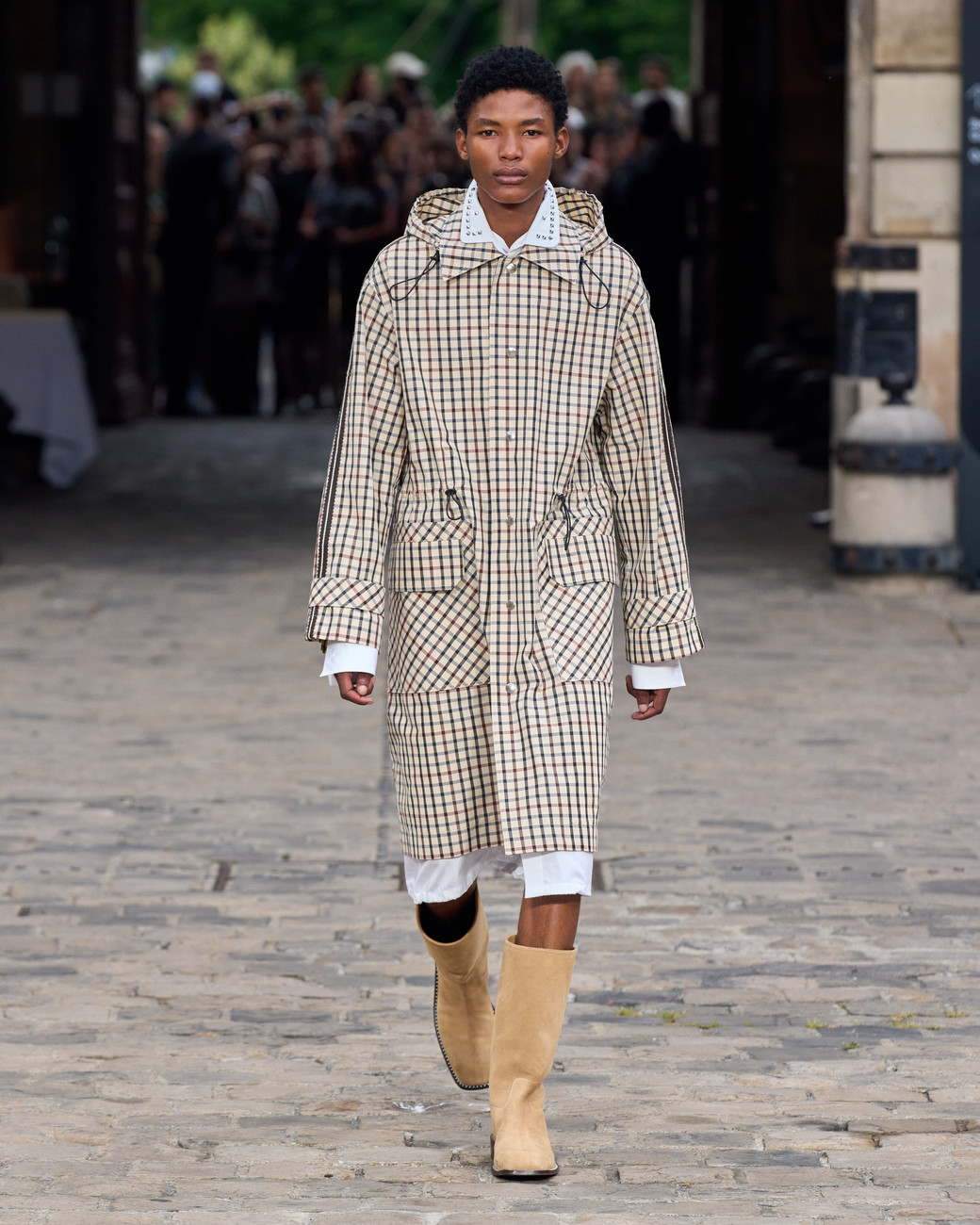
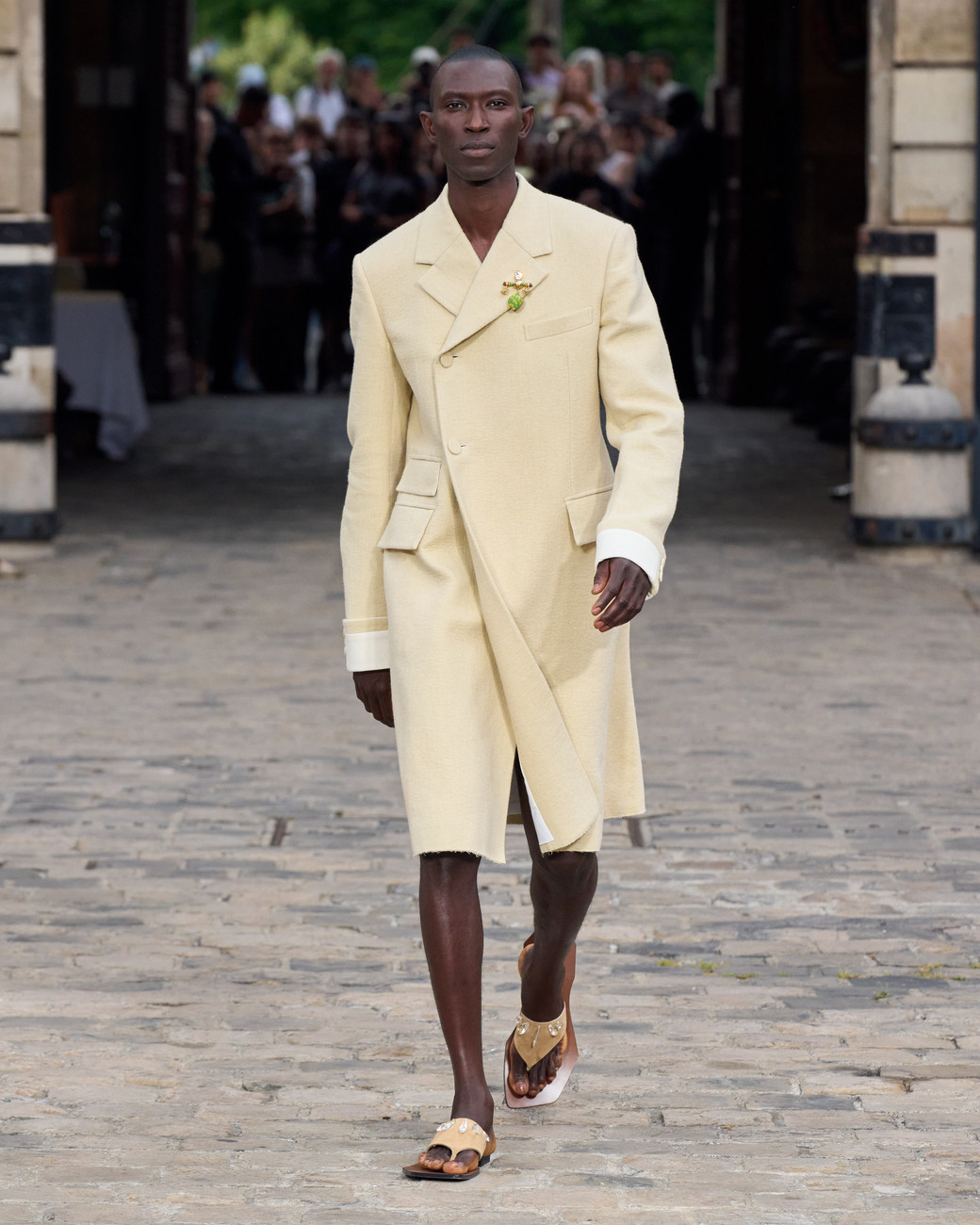
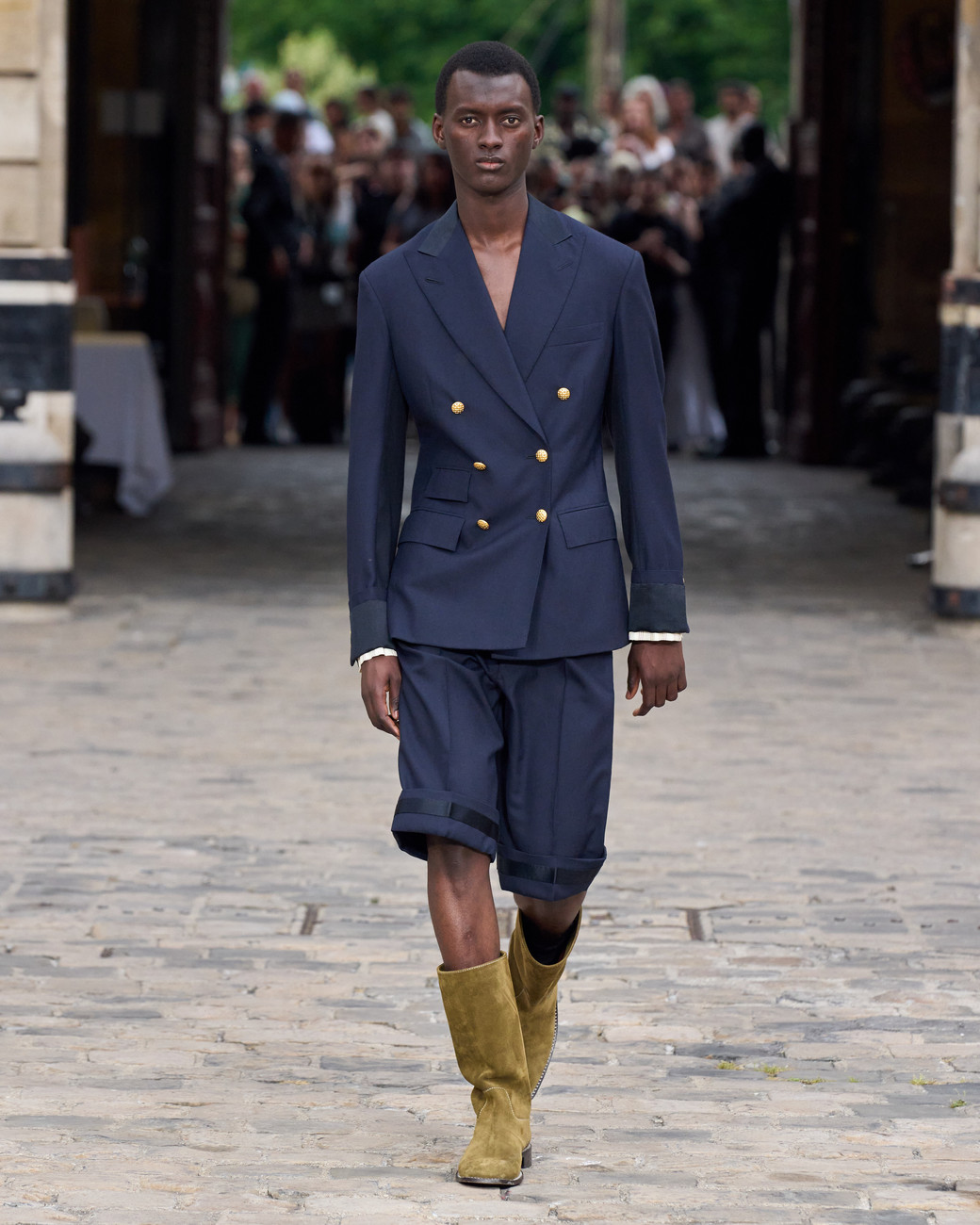
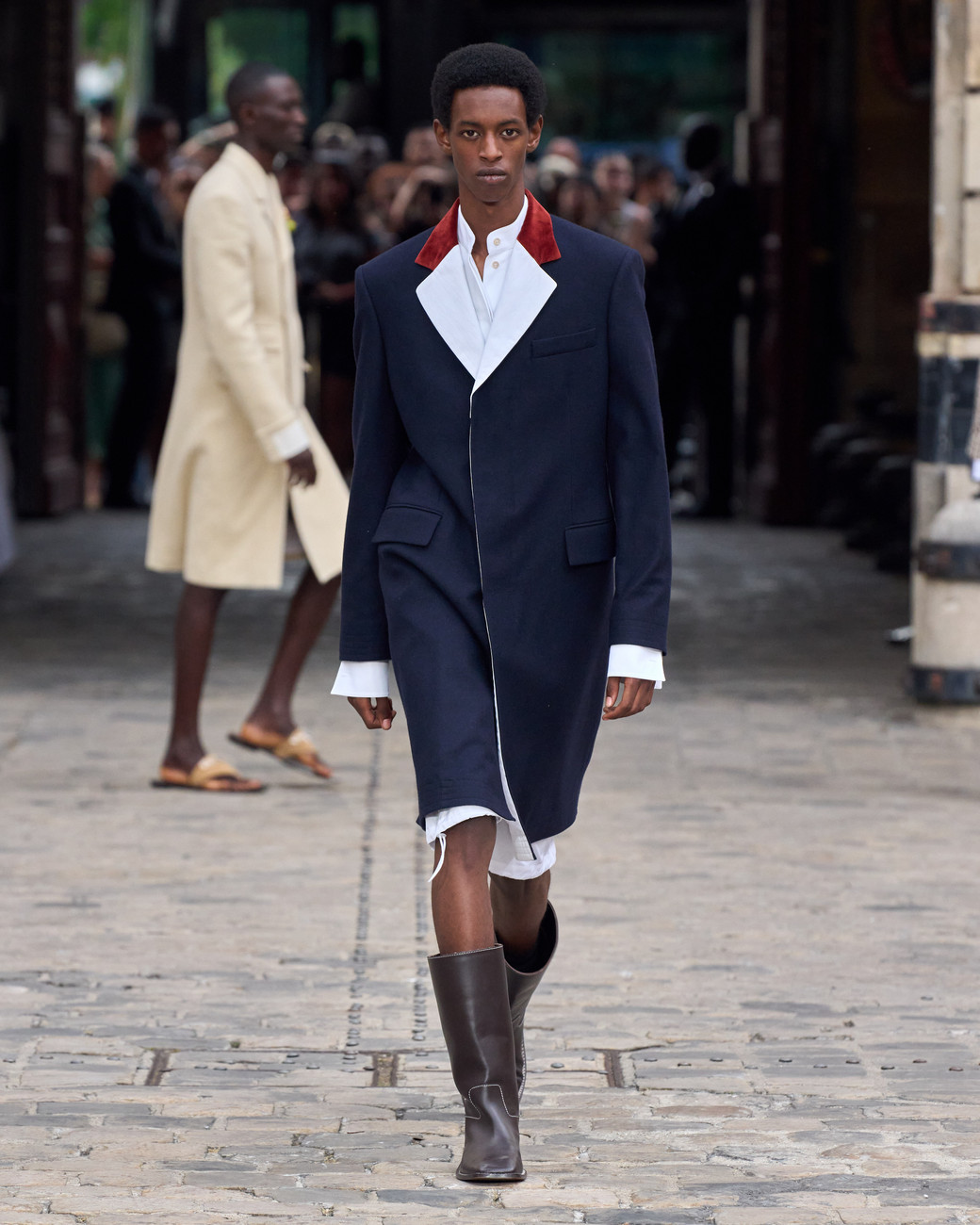
Wales Bonner pays tribute to 2008 Berlin Marathon champion Haile Gebreselassie by replicating adidas Neftenga shoe in which he ran a world-record-breaking time. She also celebrates Africa’s first medalist at Rome’s 1960 Olympics; Abebe Bikila. Here, she applies Savile Row tailoring in partnership with Anderson and Shepard, draped satin dresses, and jade and carnelian necklaces to represent balance, serenity, and courage.
And it doesn’t stop at the clothes – Wales Bonner honors her culture through every aspect of the show, including music. Ancestral sounds can be heard from a soundtrack produced by James William Blades and Wales Bonner herself, a live performance by Ethiopian artist HaddinQo on the traditional Masinqo instrument, and a contribution from multi-instrumentalist Hama from Niger.
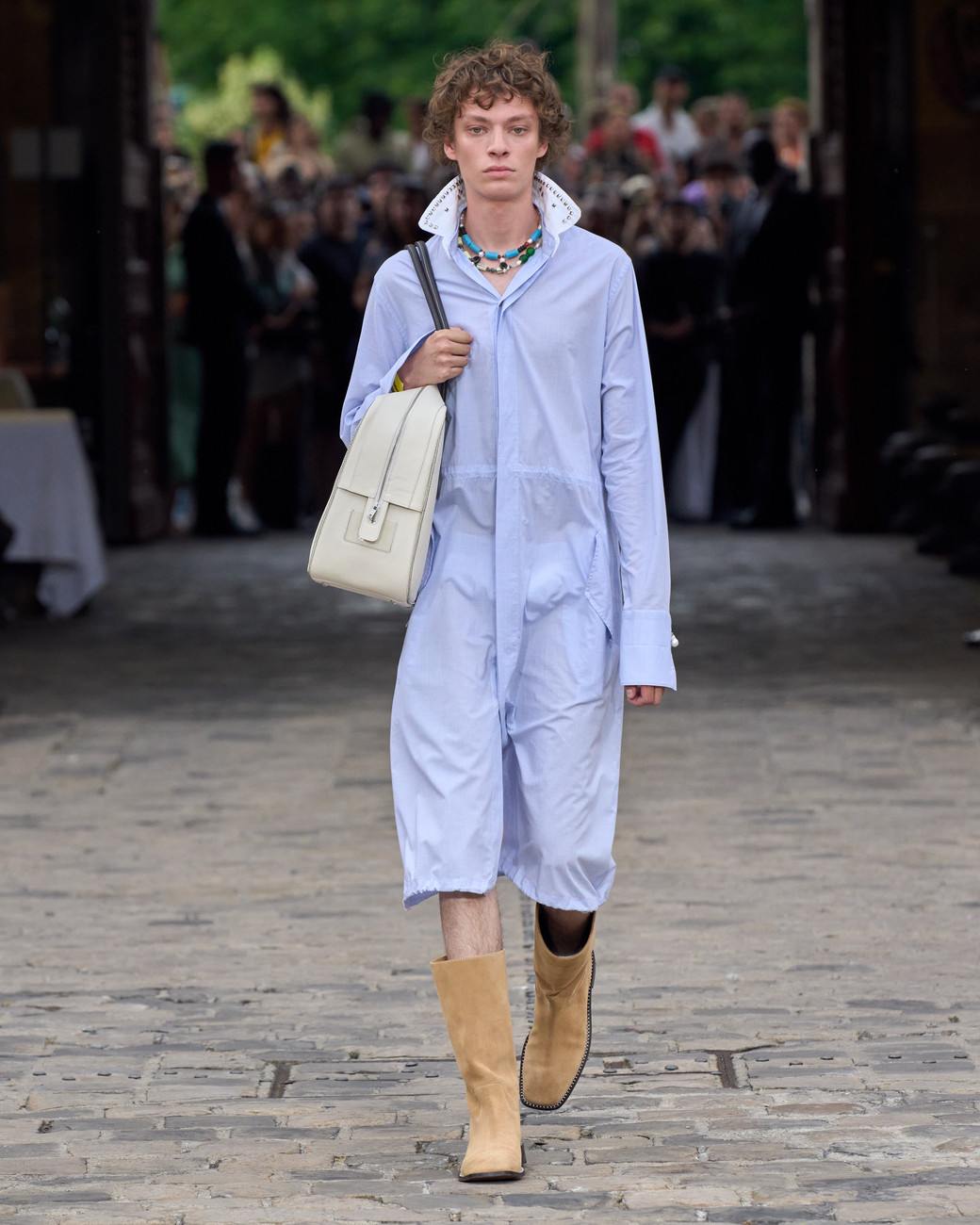
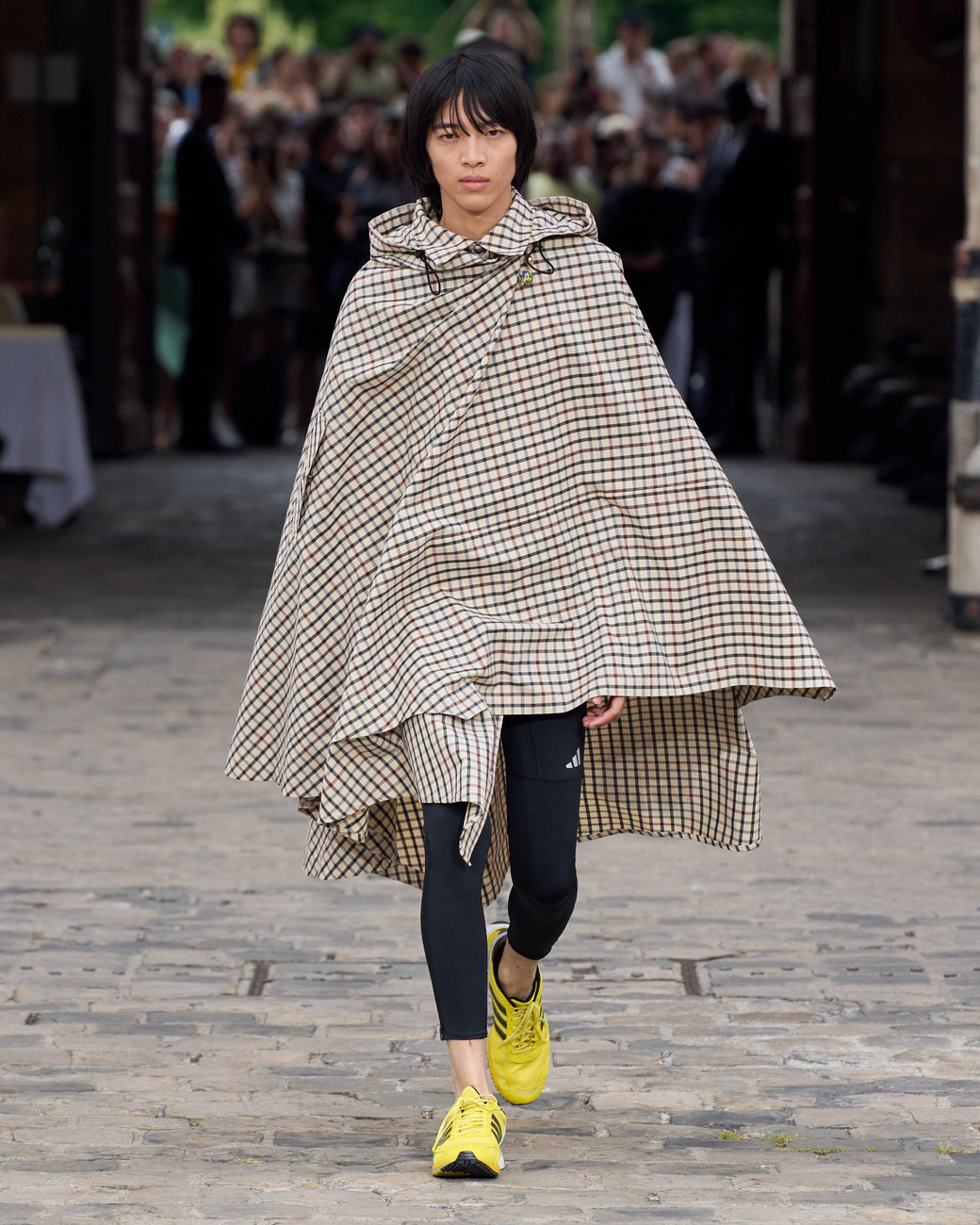
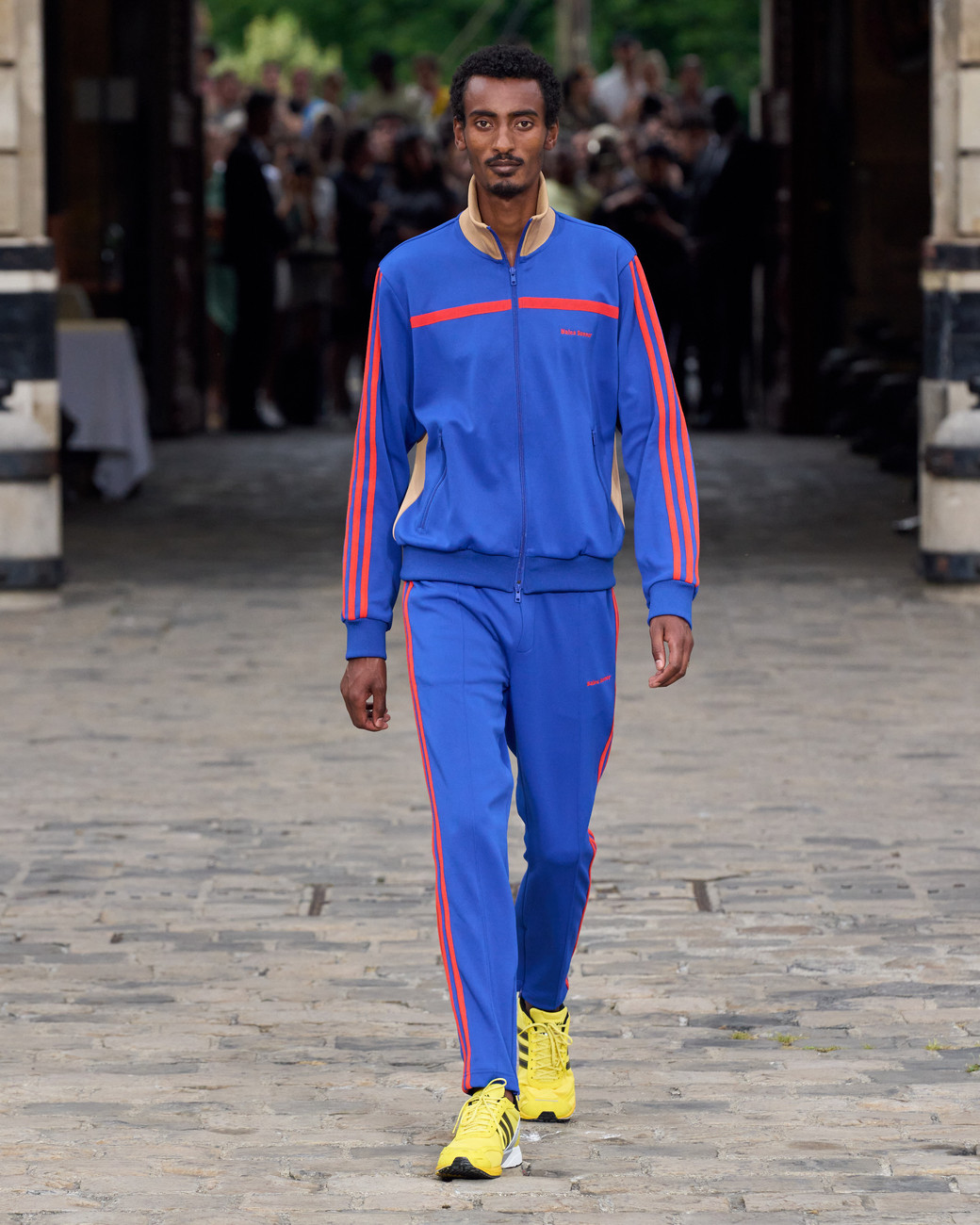
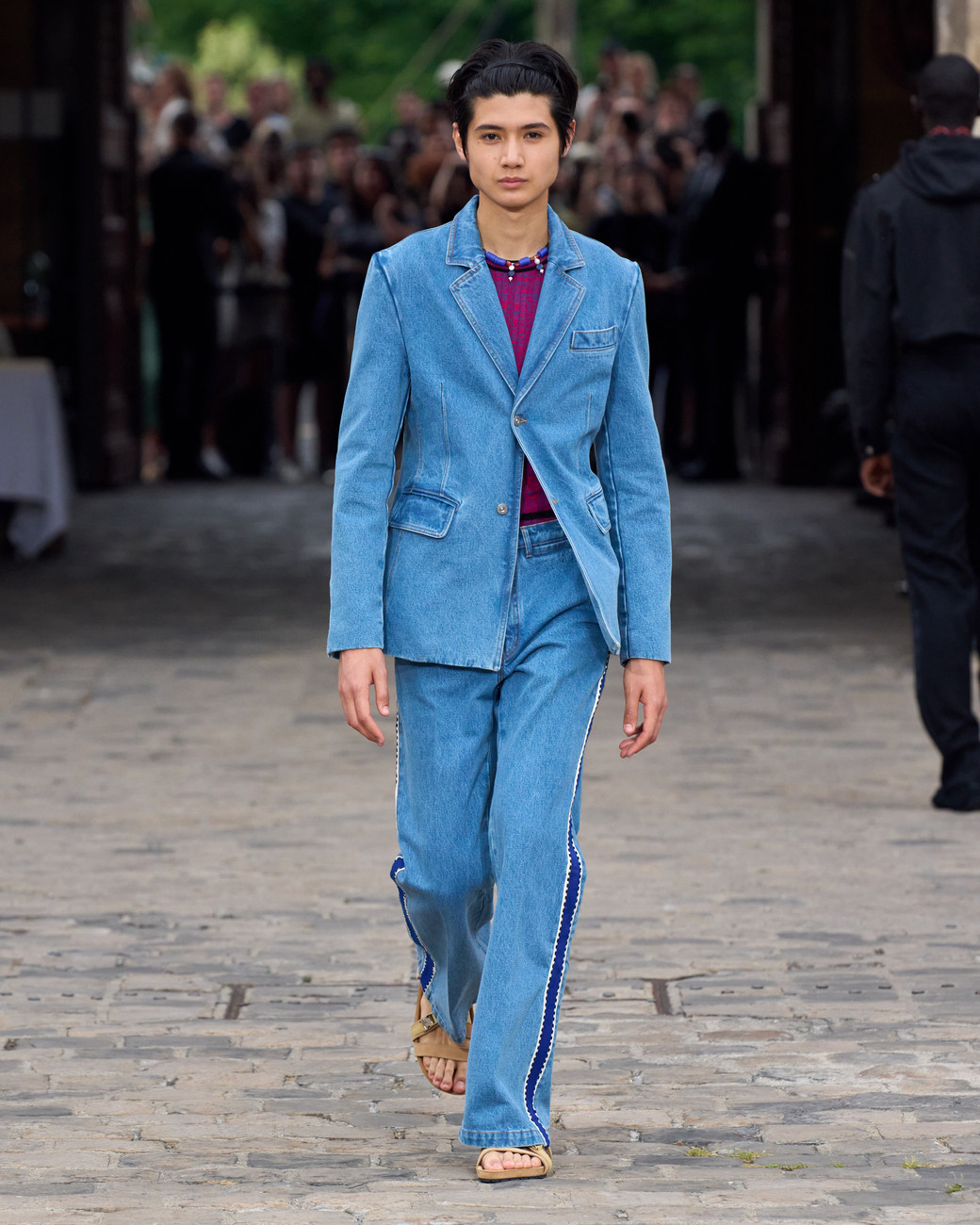

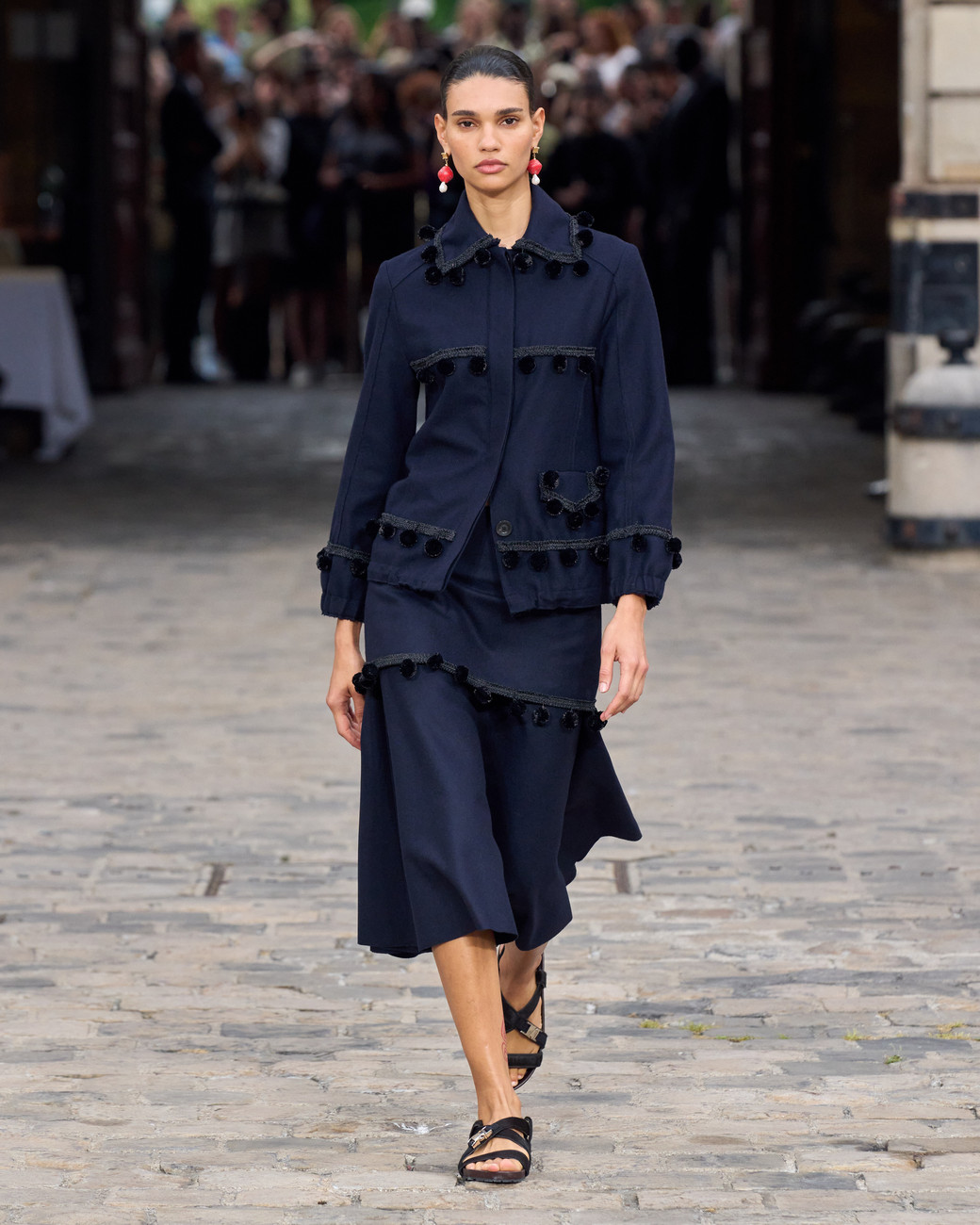
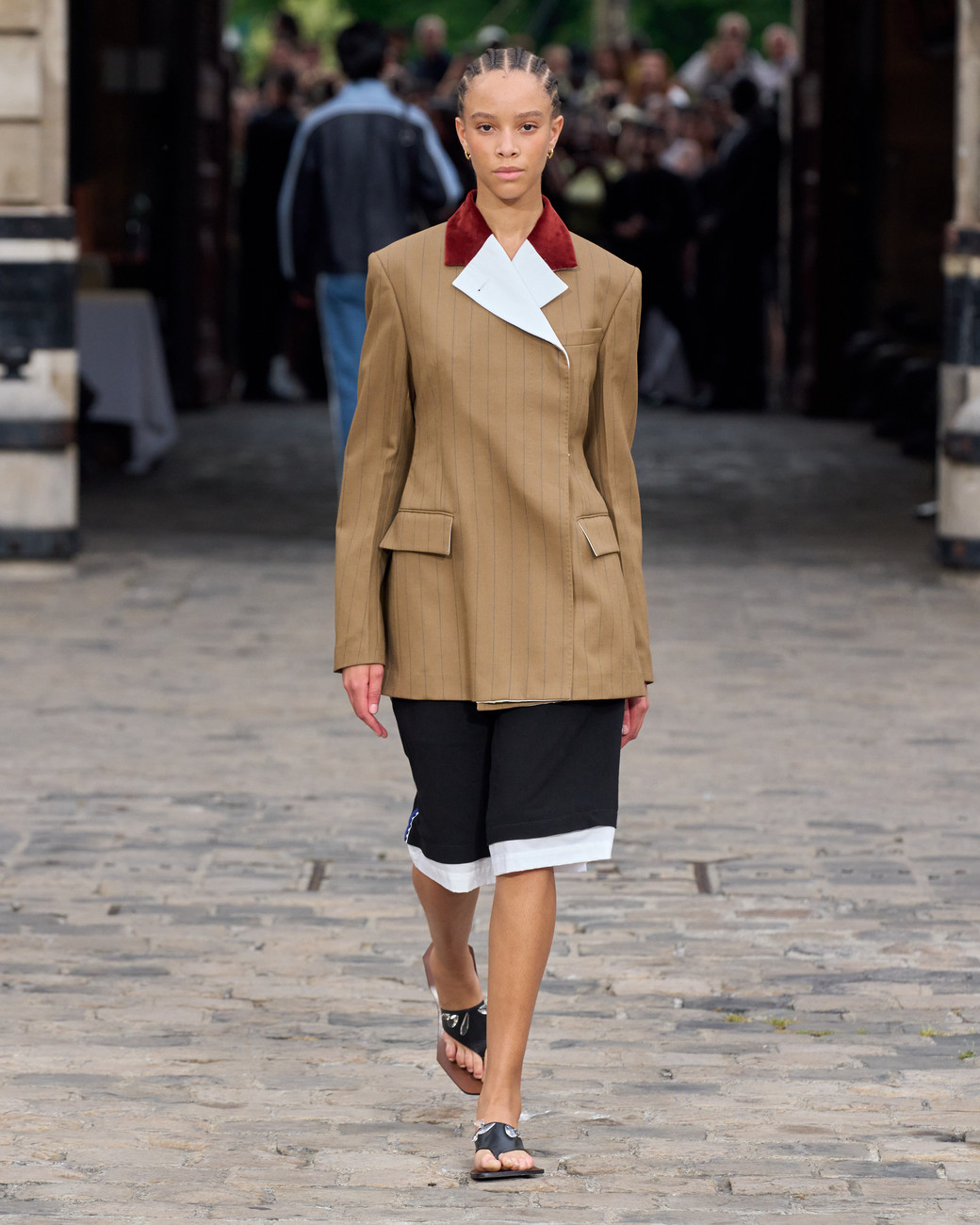
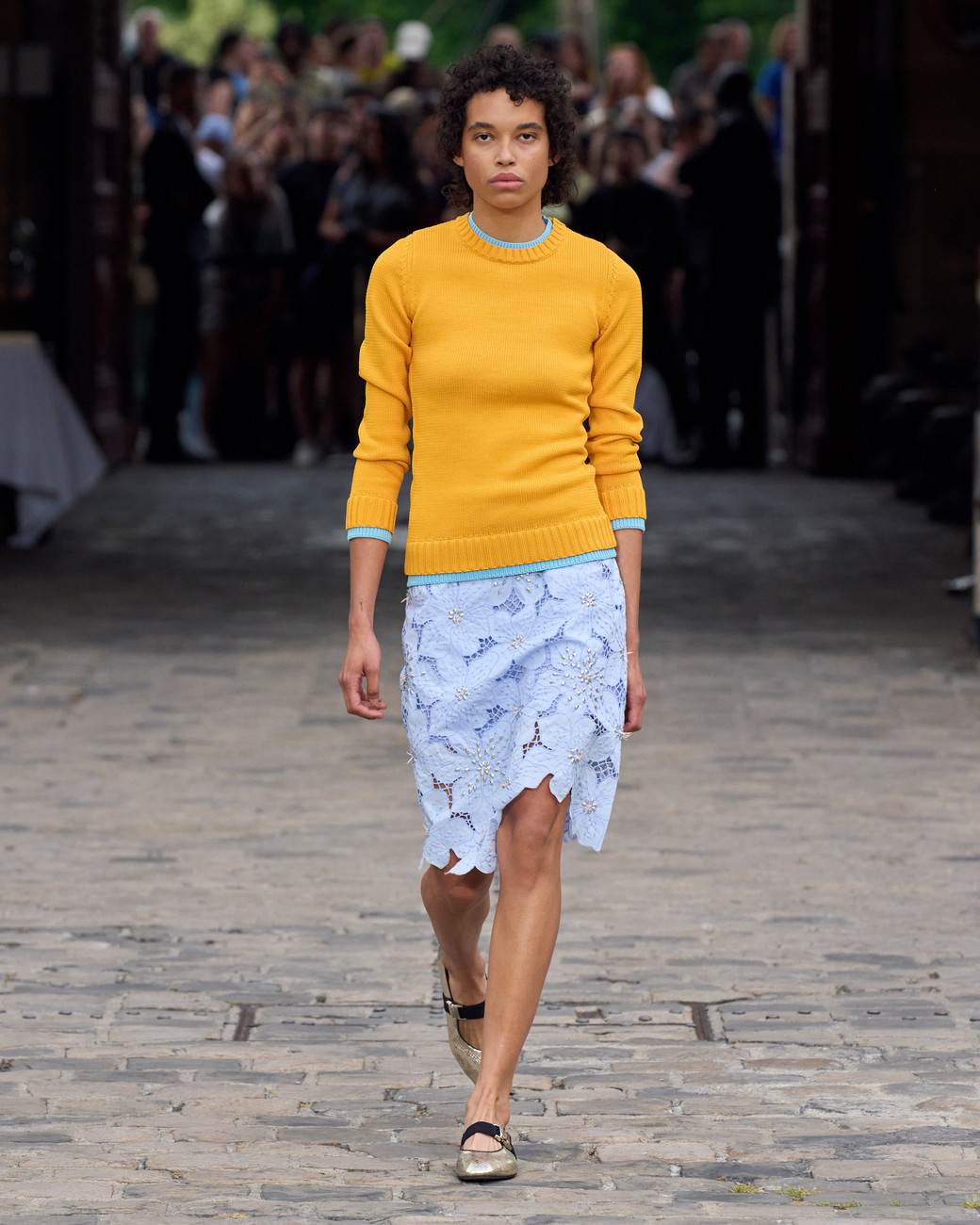
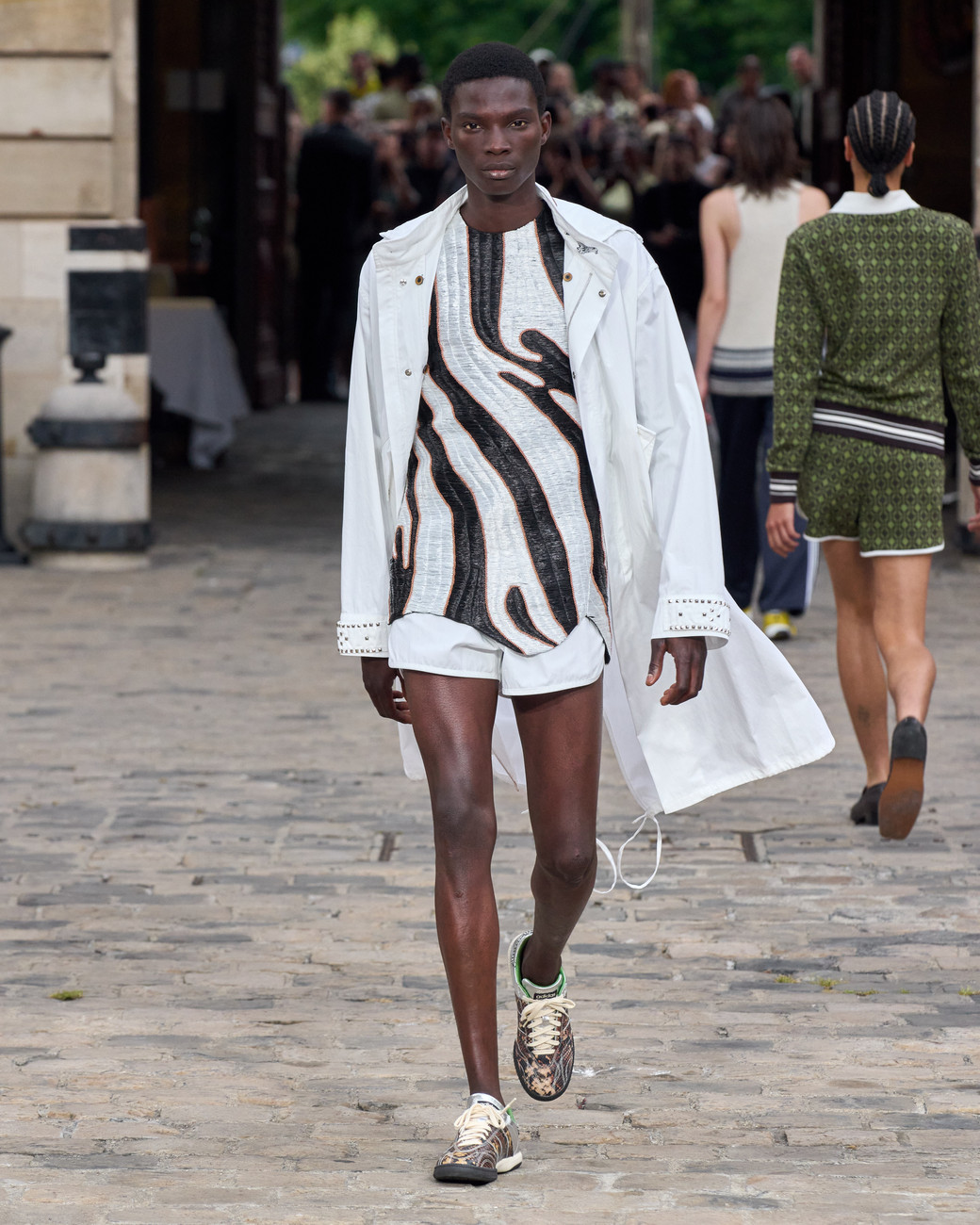

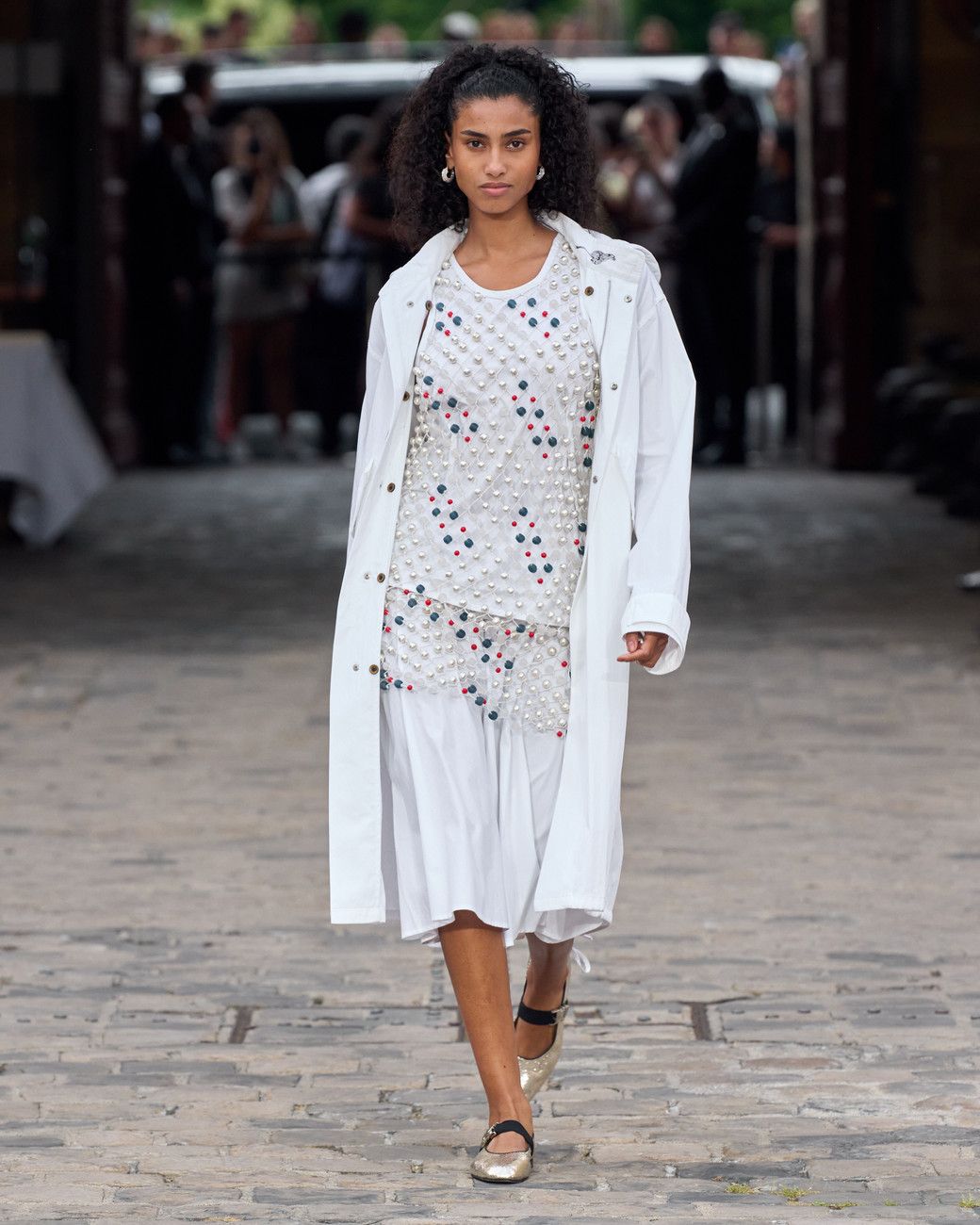
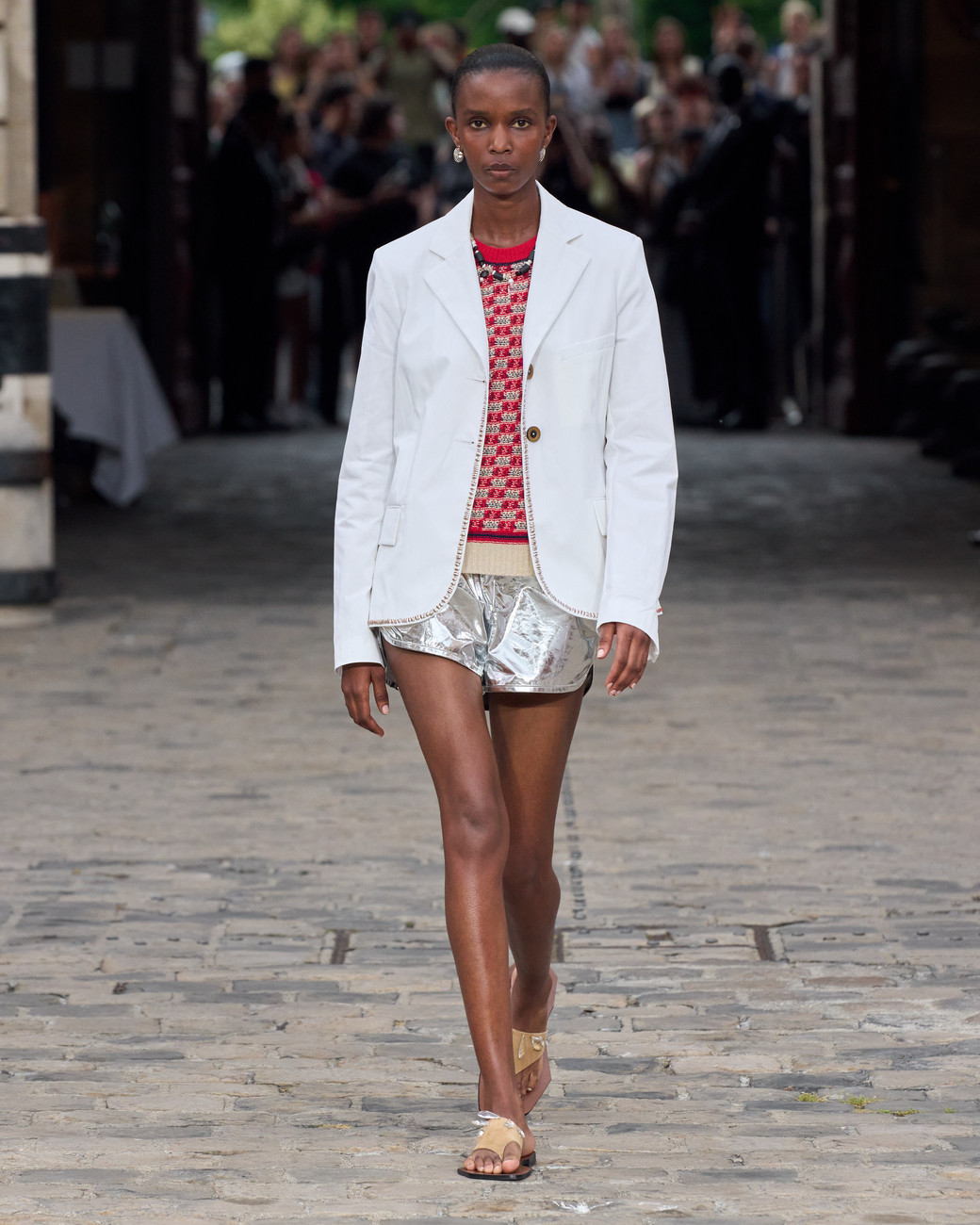
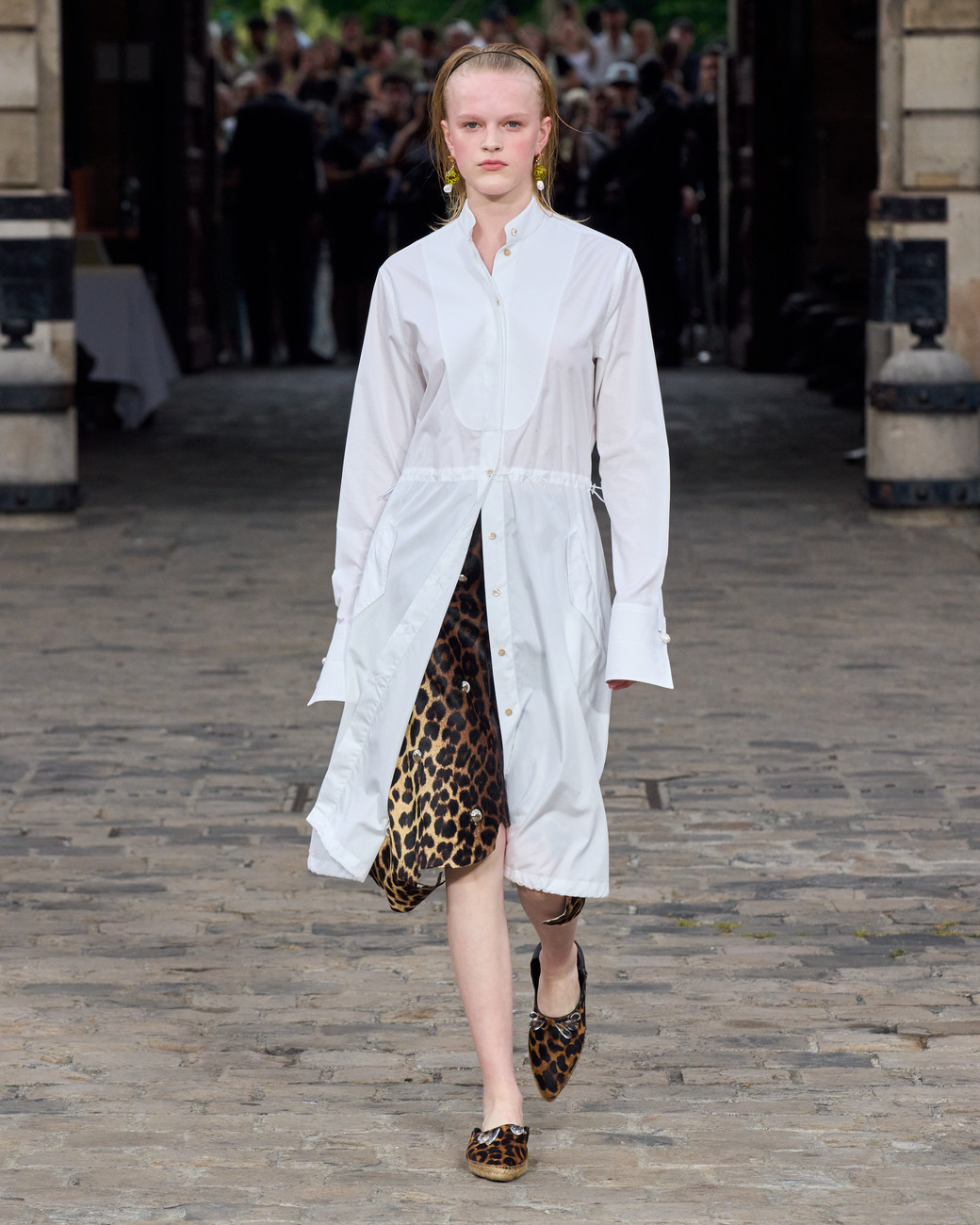
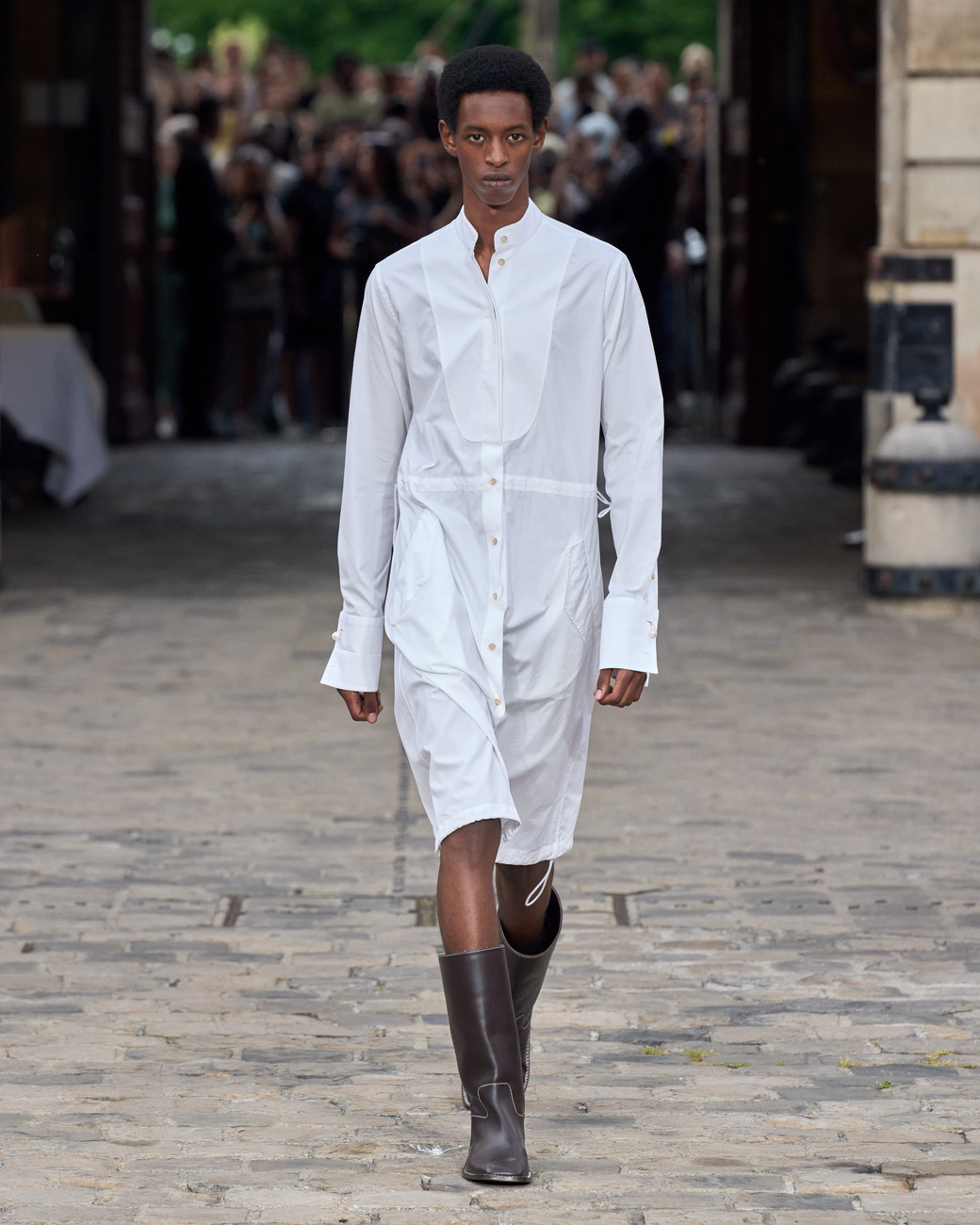


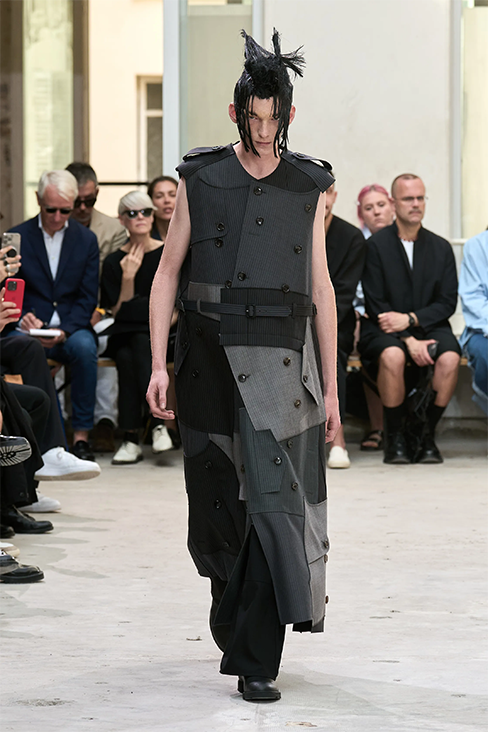
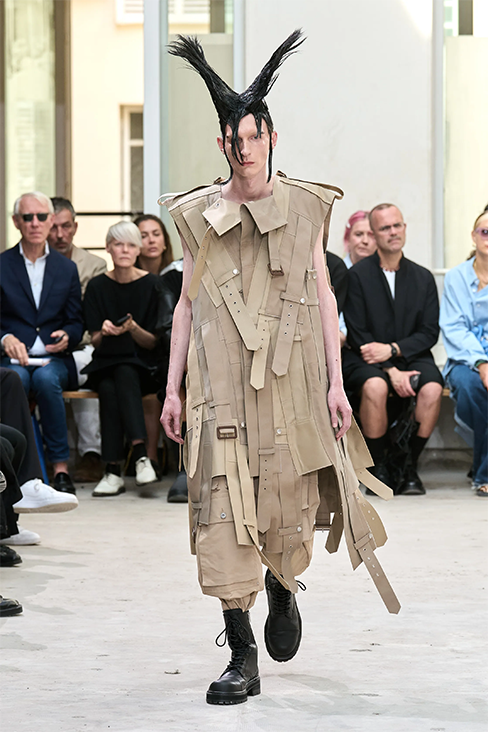
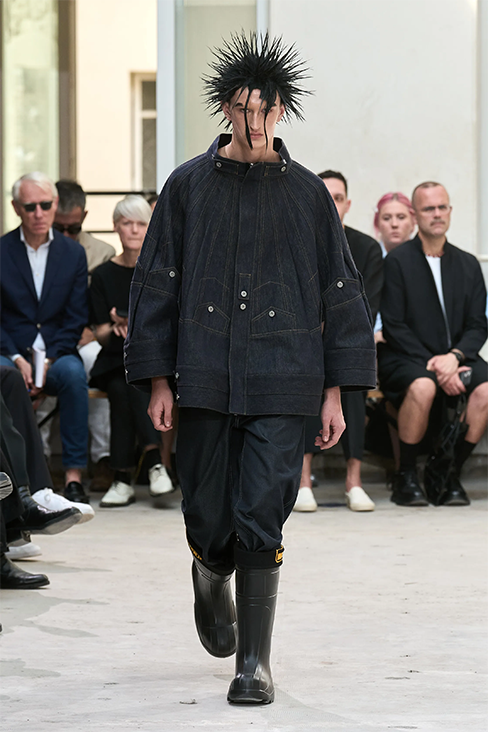
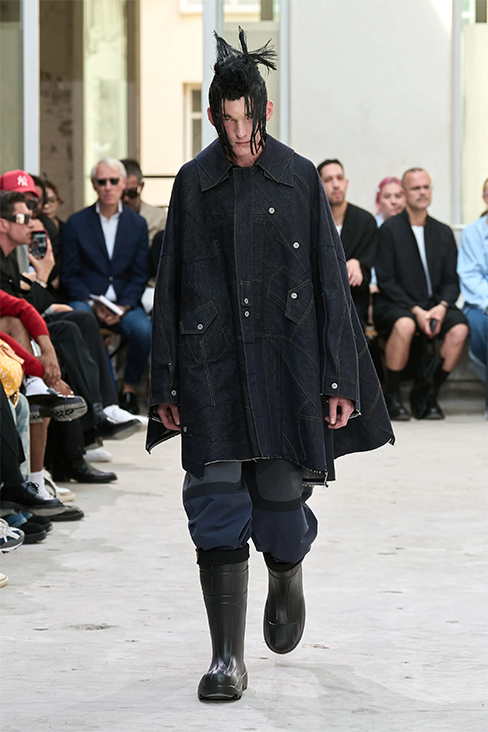
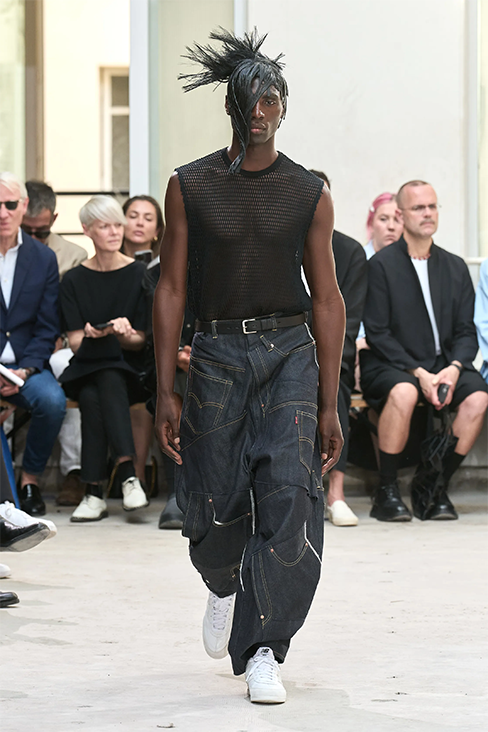
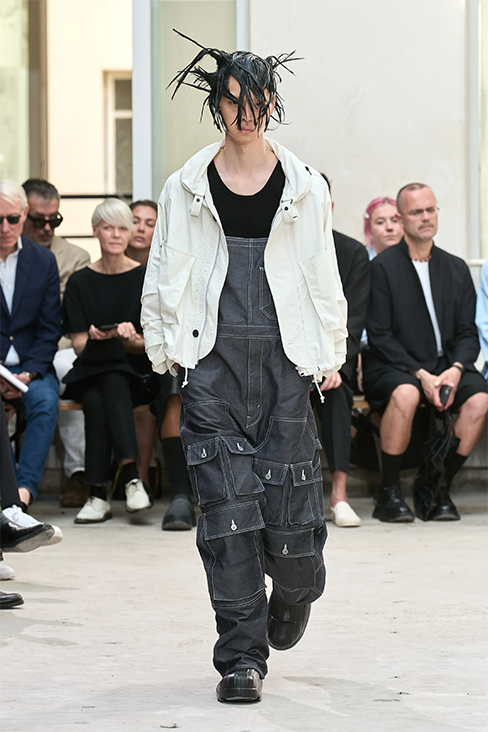
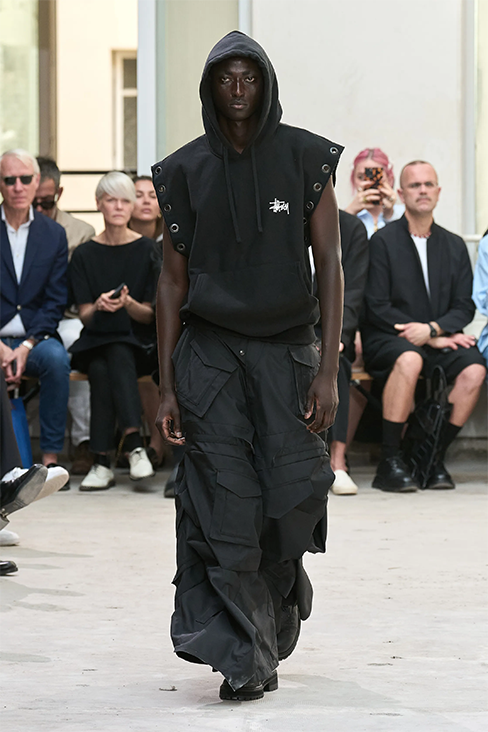
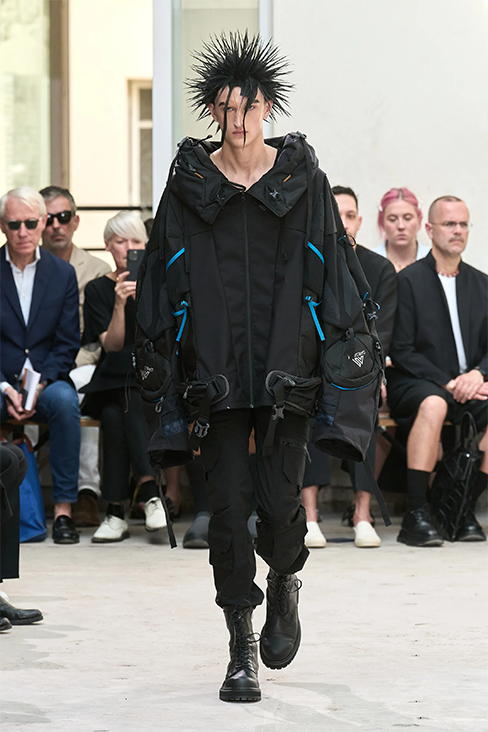
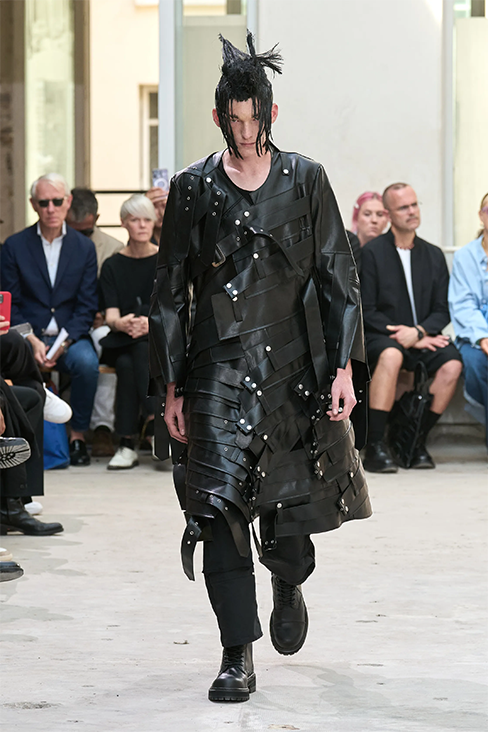
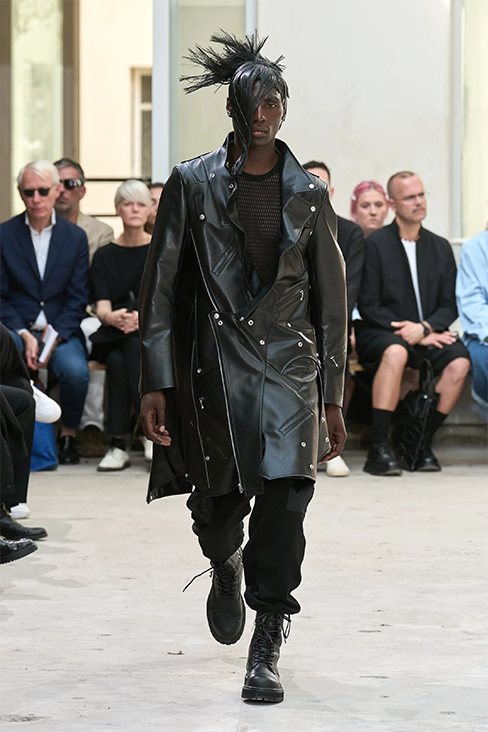
The silhouettes in the collection were both sweeping and majestic, effortlessly maintaining a collaged aesthetic. The large denim ponchos and oversized jackets appeared to be constructed from countless geometric cutouts, creating a captivating blend reminiscent of a stained-glass window intertwined with a spider's web. Trench coats crafted entirely from belts, robes fashioned from assorted fabric samples, and pants reassembled with attached pockets were just a few of the inventive designs showcased. By incorporating elements of BDSM and punk with leather and metal details, Watanabe achieved a remarkable fusion, perfectly suited for this boundary-pushing designer. In true Watanabe fashion, each piece exuded a structured and androgynous allure. The entire collection possessed an inherent danger characterized by sharp lines, bold angles, and an overall formidable presence, down to the gravity-defying hair sharp enough to poke an eye out, but we at office would not complain.

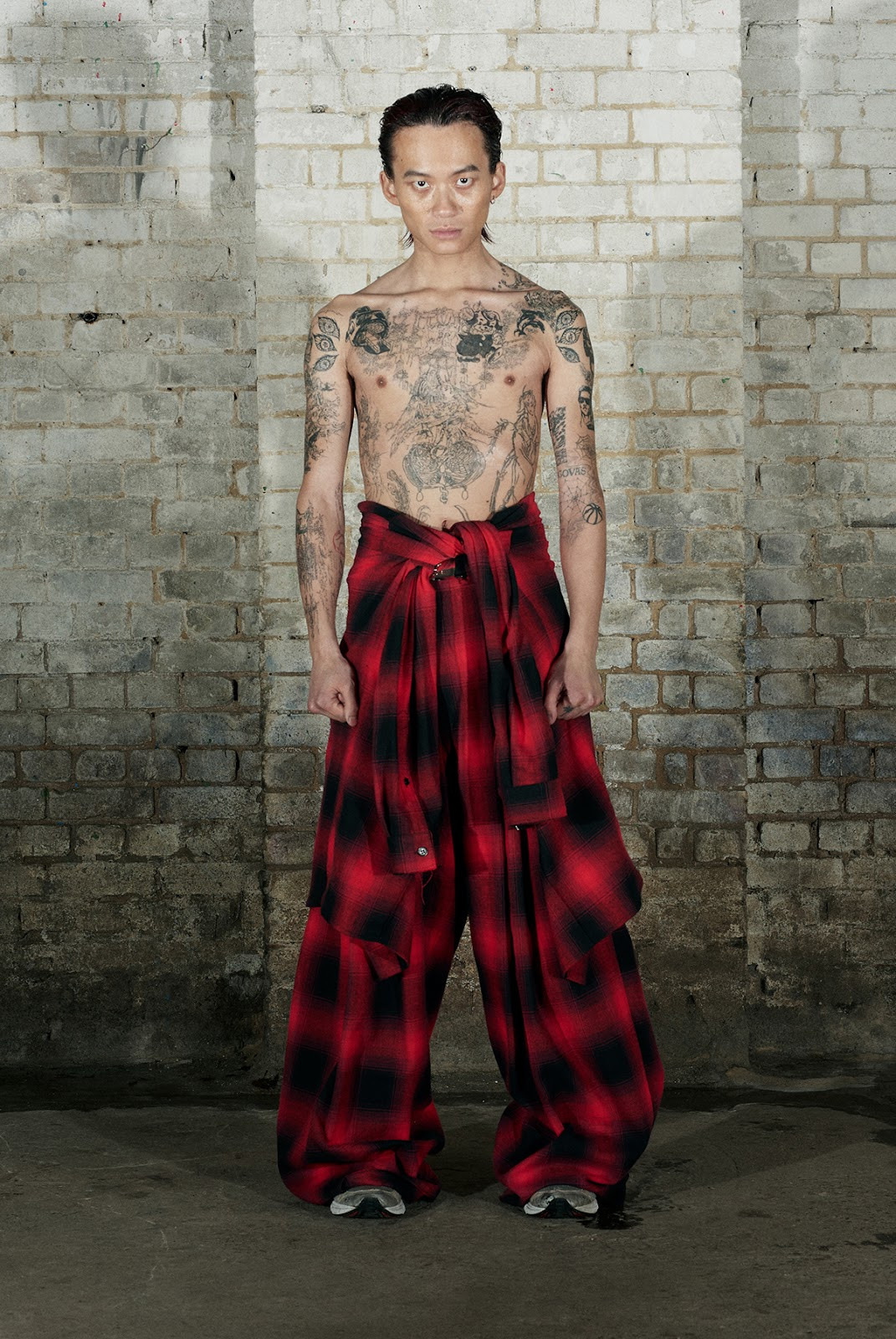
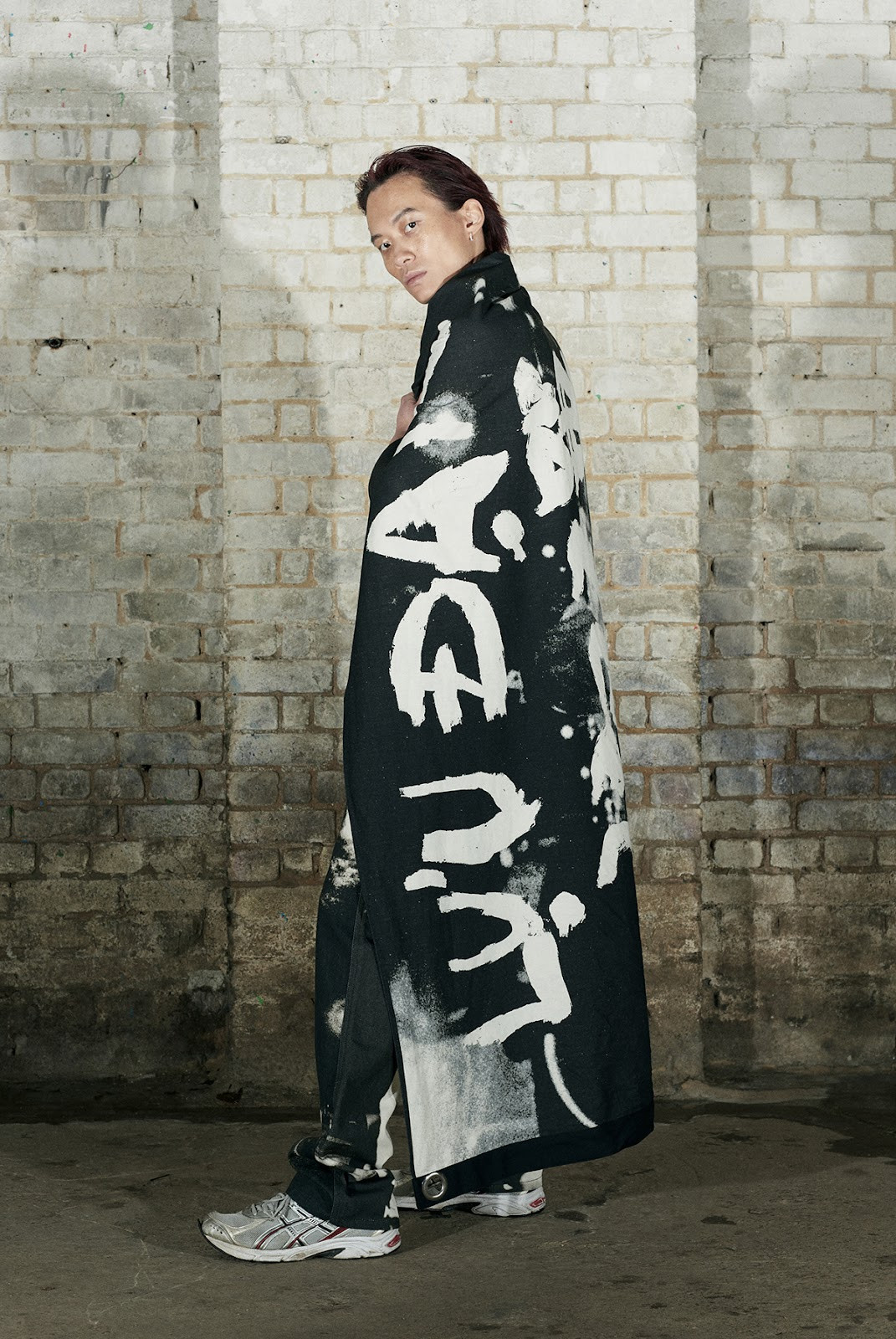
What is Lu’u Dan?
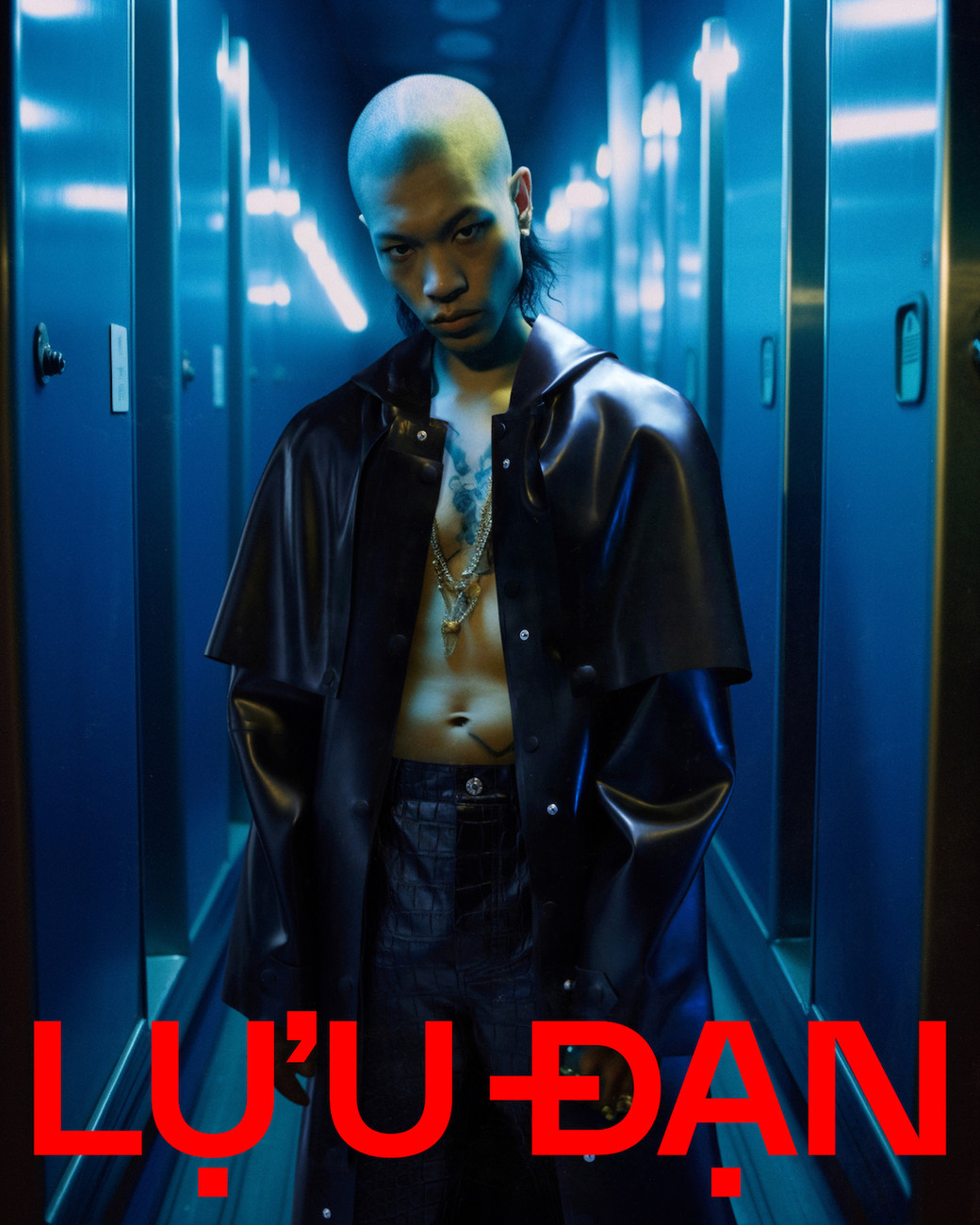
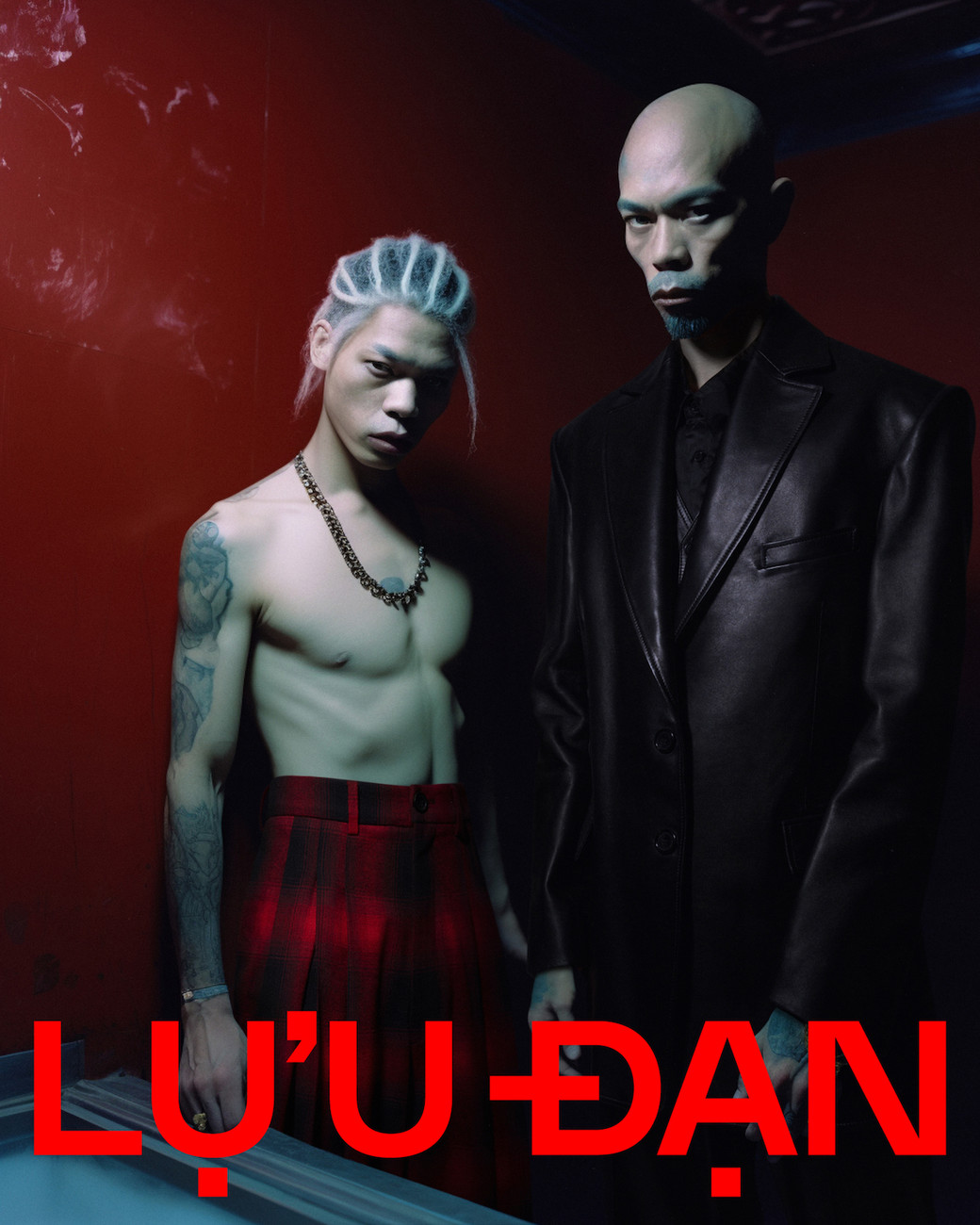
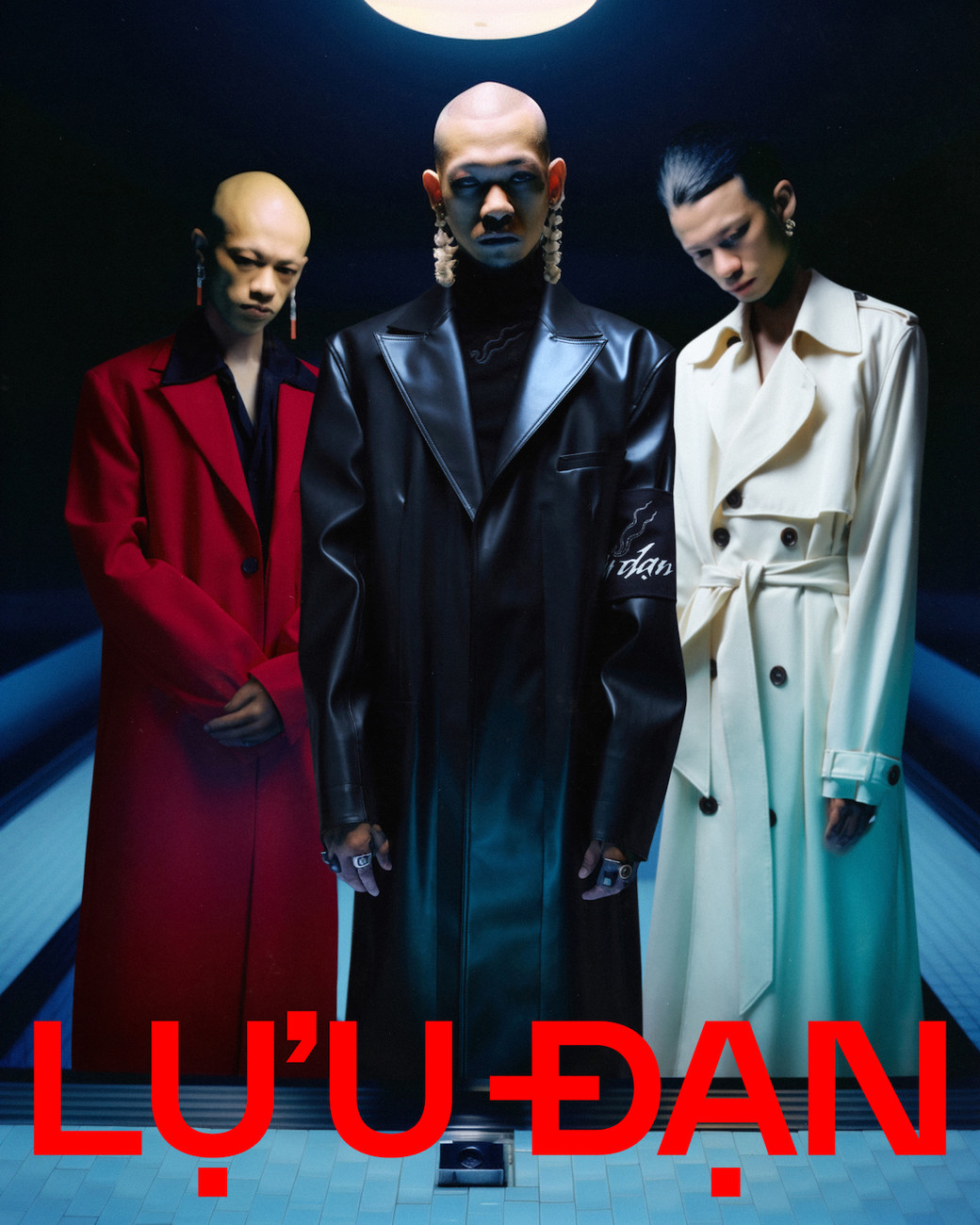
Lu'u Dan means “dangerous man,” or enraged in Vietnamese.
Cool. So are you Vietnamese?
I grew up in America. My parents are Vietnamese. They immigrated after the Vietnam War.
How has your Asian identity influenced your work as a designer?
I’ve never worked around identity — my personal identity — until the murder of George Floyd. Suddenly, there was this huge awakening regarding race. And then I realized that there isn’t enough representation of the Asian male.
How does Lu’u Dan represent your perception of Asian masculinity?
Lu’u Dan was born around this idea of a dangerous man, a bad boy. And the most common representation of that in western media is the Asian villain, this kung fu expert or bomb kind of technician. And for me, that type of character needs more depth. He’s not fleshed out enough, he’s a one dimensional trope.
That’s so interesting. Is that where the Japanese bōsōzoku gangs come into play?
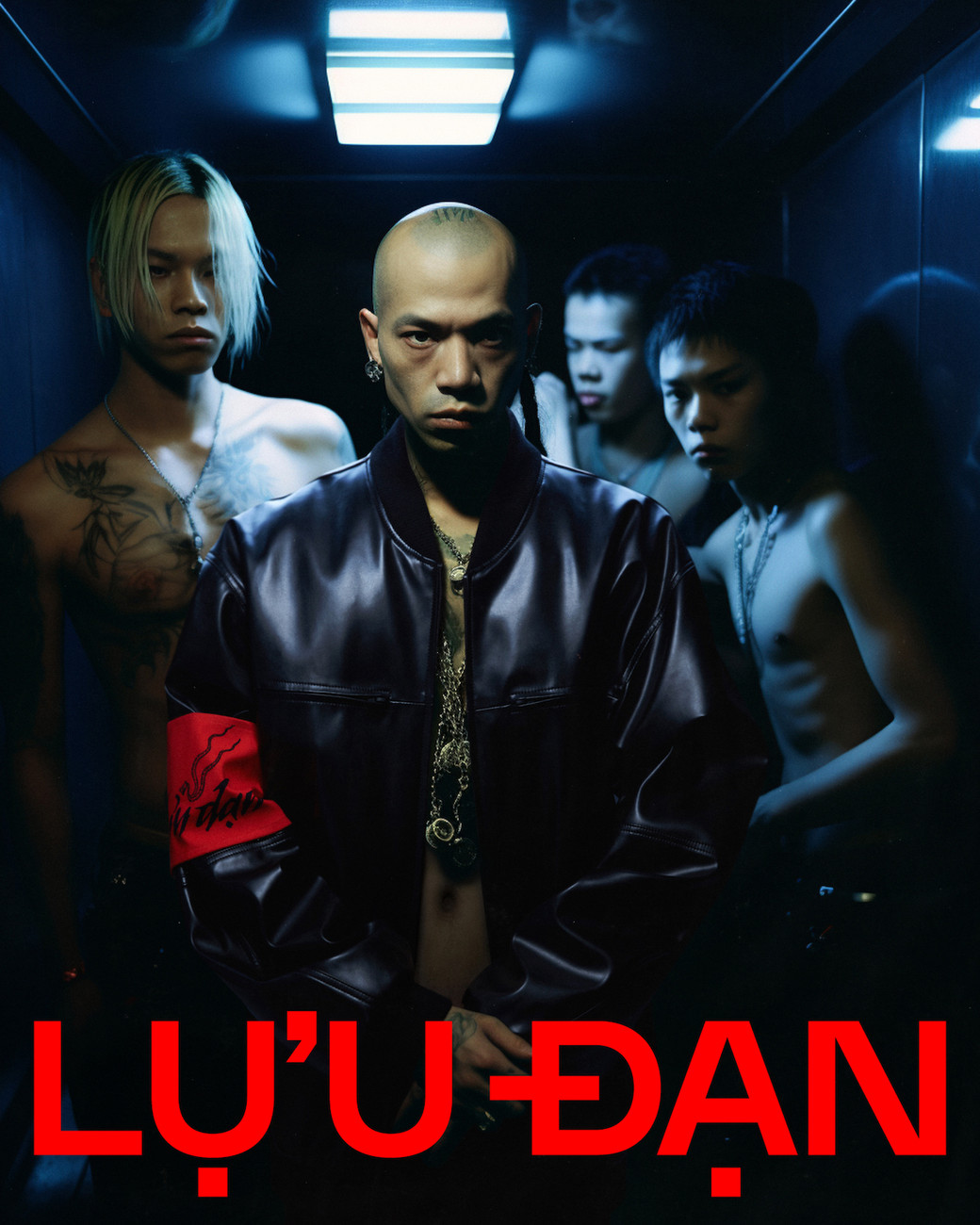
Right, so we’re playing with symbols of punk rebellion and gang culture. Bōsōzoku is a kind of motorcycle gang culture from the seventies and eighties. What Lu’u Dan does is spotlight the untold stories of Asian gang culture through a fashion lens to add depth and authenticity to those characters.
What stereotypes are you battling against?
Between the West and the East, there’s two polarizing ideas of Asian masculinity. You have the effeminate nerd, the shy kind of really good at math like Asian American Club members. And then you have these villains in movies who are doing kung fu but there’s no depth behind their character.
Who’s your role model?
I’m doing an op-ed that’s coming out in July about role models. But growing up, I didn’t have role models with my complexion. So my role models were Tupac and Kurt Cobain.
A/W23 as a movie.
Sonatine by Takeshi Kitano. Kitano’s movies are all about duality. You’re always asking yourself, “Who’s the good/bad cop?” “Who’s the hero?”
How was working with Luke Nugent on this campaign?
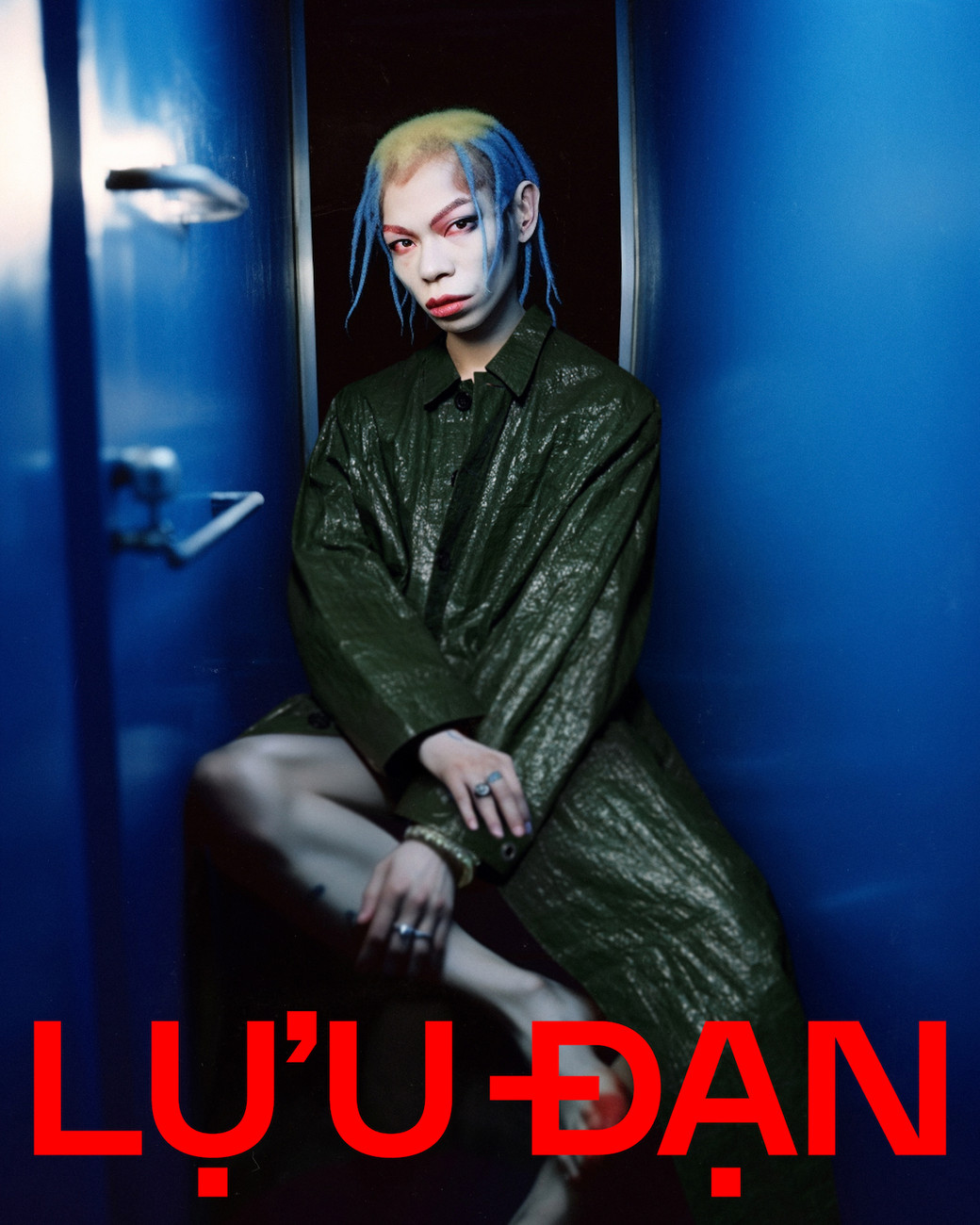
Luke is really ahead of the game when it comes to AI. So it goes like this. If I type “Asian gang” into an AI generator, it’s going to spit out the most stereotypical images because it’s giving you a composite of popular images related to that prompt. What Luke does is kind of trick the AI into contradicting itself, unlocking new worlds where that tension exists to create new possibilities.
Wait, so did the clothes come first or the AI images?
It’s the same as a regular fashion campaign. Instead of working with an art director and photographer, we worked with Luke to generate the images. The clothes came first.
Got it. And have you ever used AI to design clothes?
I haven’t used it for design yet.
Does art imitate life or does life imitate art?
It doesn’t matter. Art imitates life and life imitates art — it’s an endless cycle.
AI casts a shadow of uncertainty on the creative industry. Should we be afraid?
I’m really happy you asked that. There’s this story or little poem called, “No Mud, No Lotus.” Basically, it surrounds the idea that without the mud, there’s no lotus — so they must coexist. No villain, no hero — no darkness, no light. When it comes to AI, we shouldn’t fear the unknown. These tools have come to us for a reason and we should learn to use them so that we can get ahead of them and set boundaries. It’s all a necessary part of our evolution. No mud, no lotus.