At The Circus

Oh and the peacock feathered suit was killer. See it, and our other favorite looks from backstage at the presentation, below.
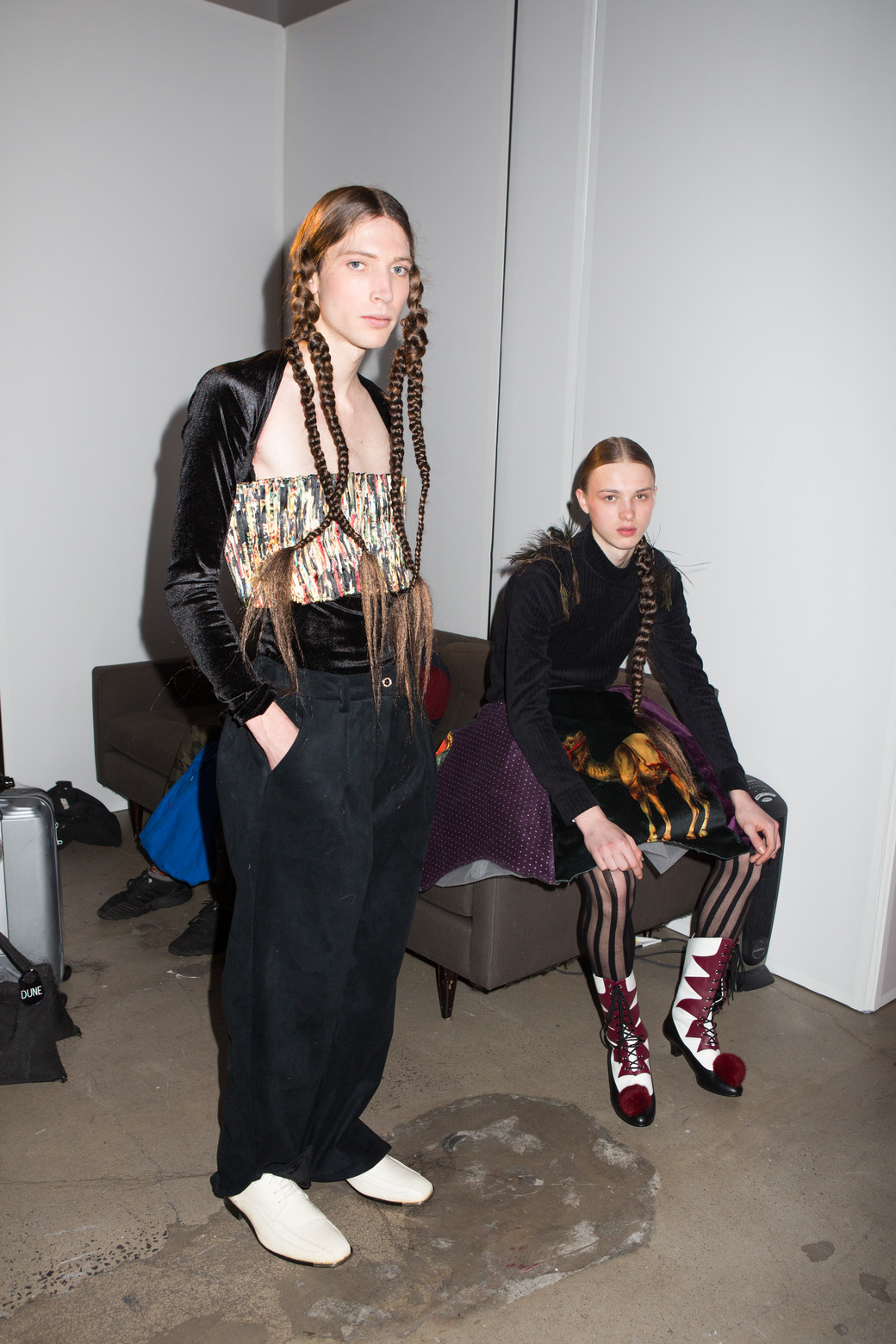
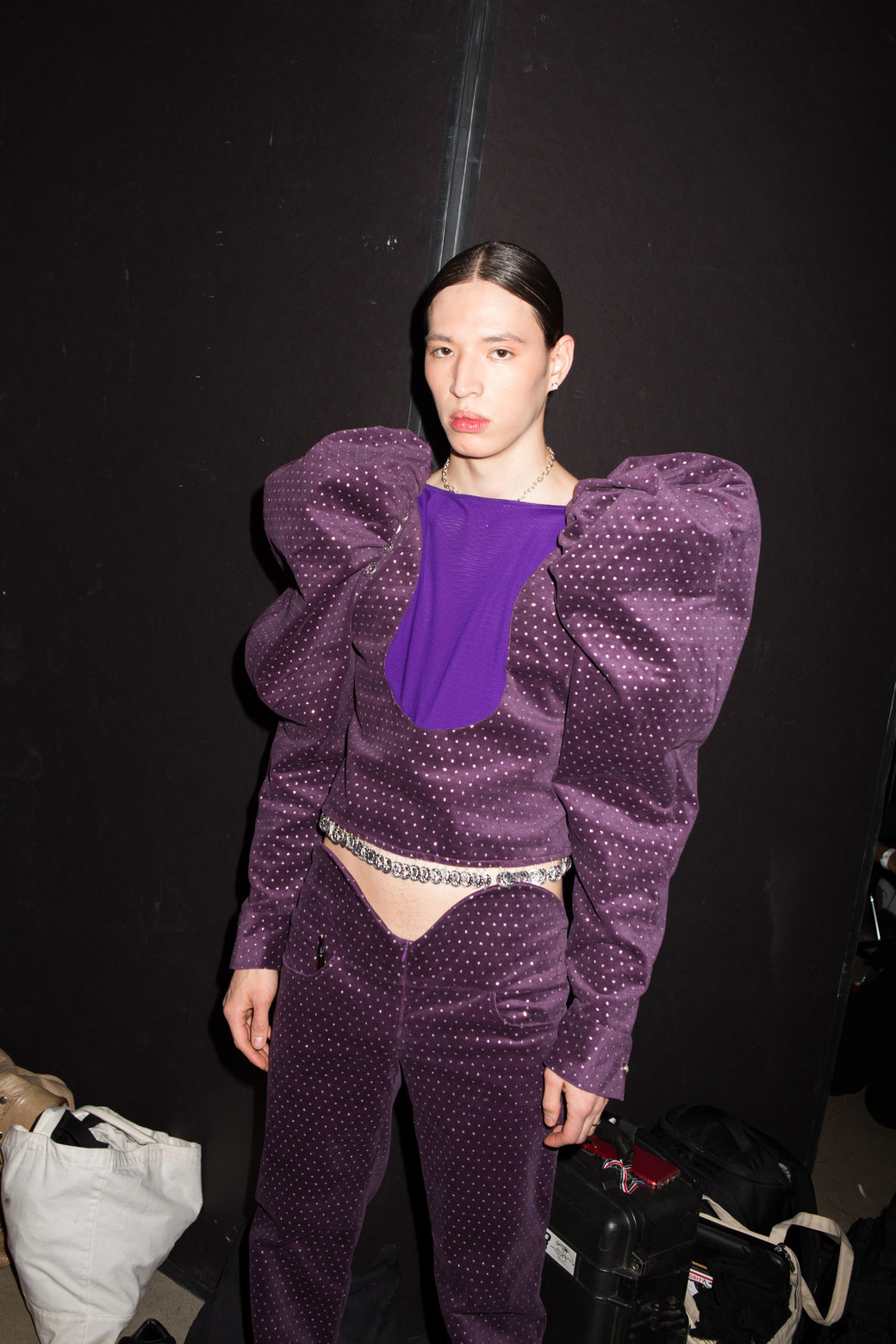


Oh and the peacock feathered suit was killer. See it, and our other favorite looks from backstage at the presentation, below.

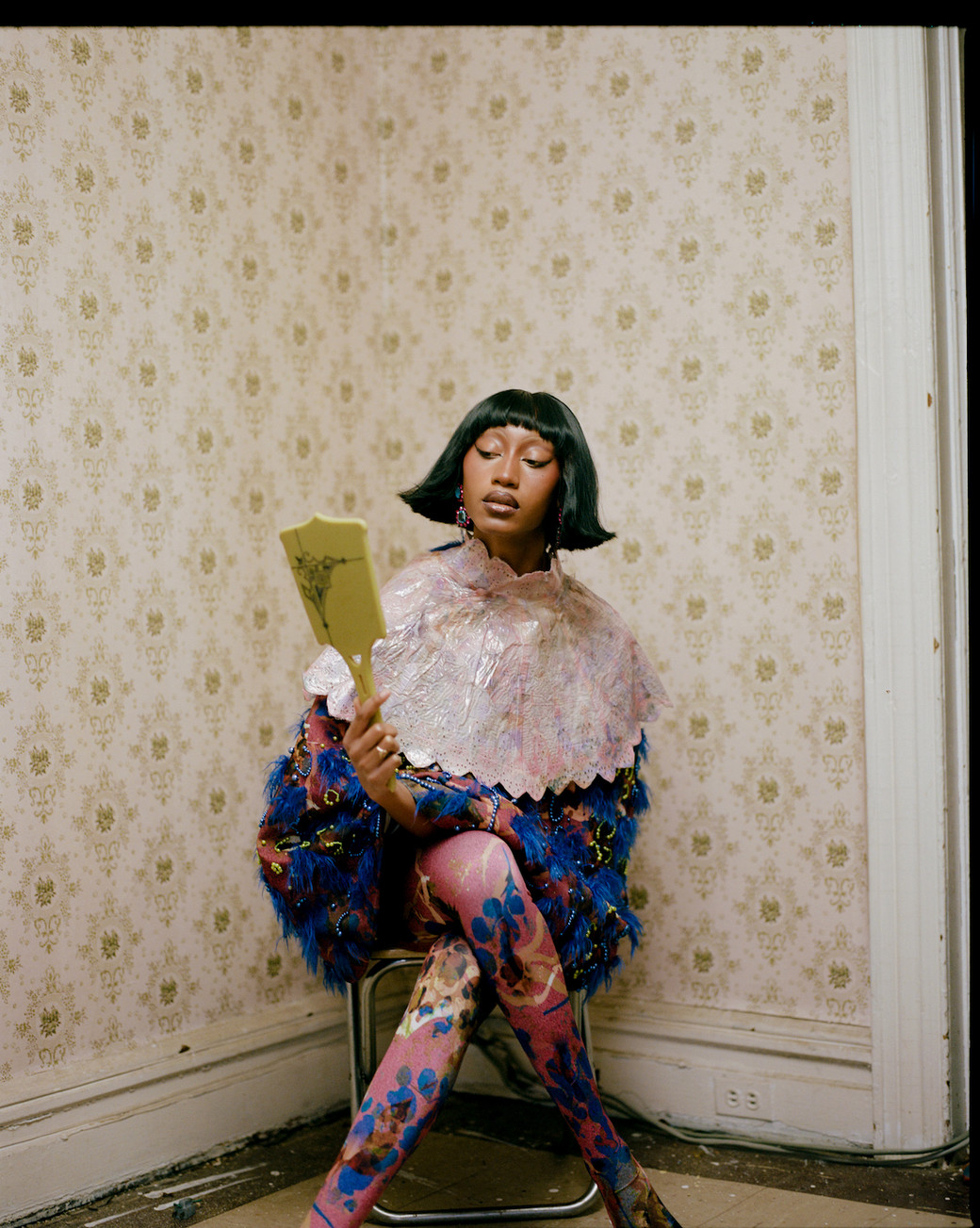
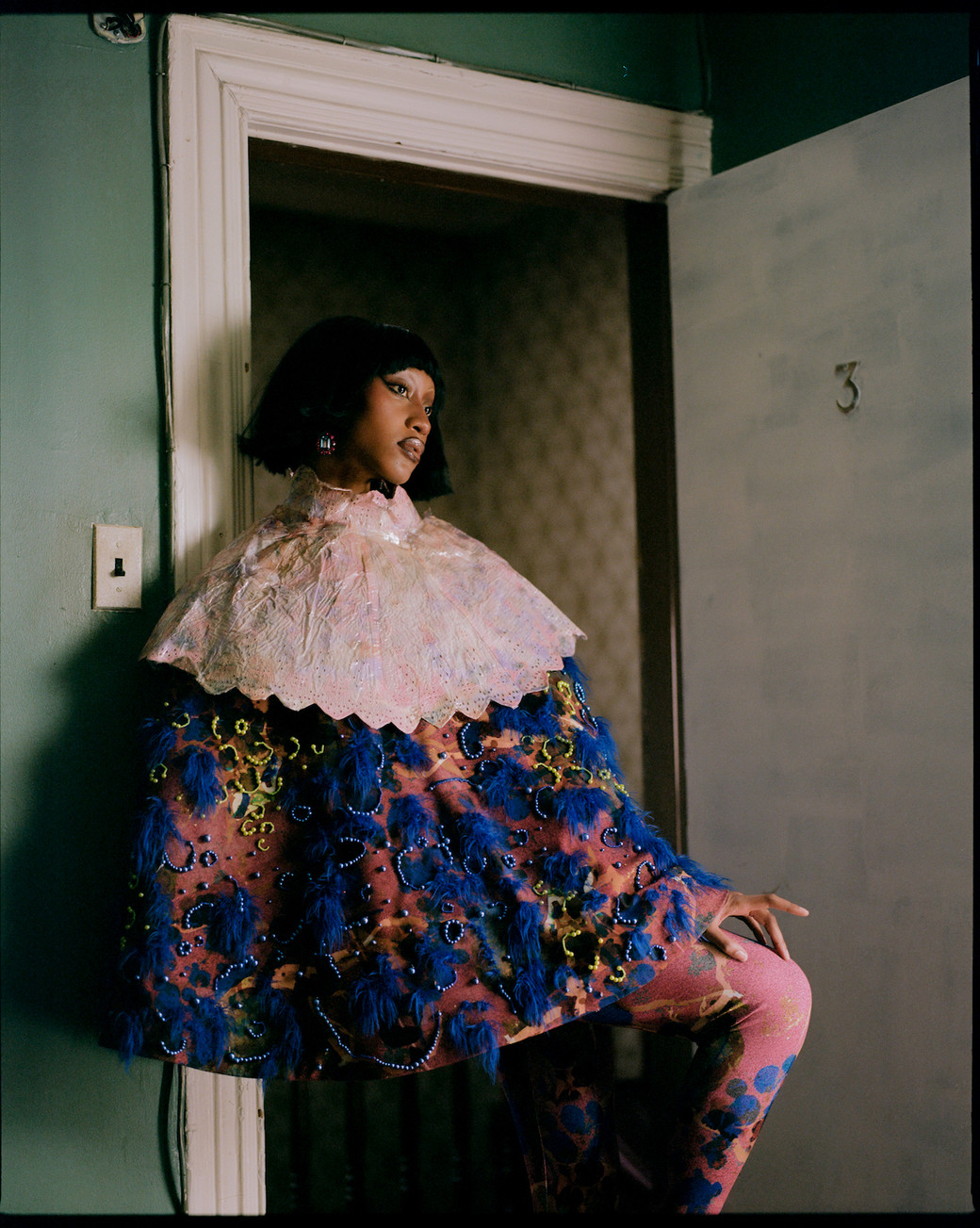
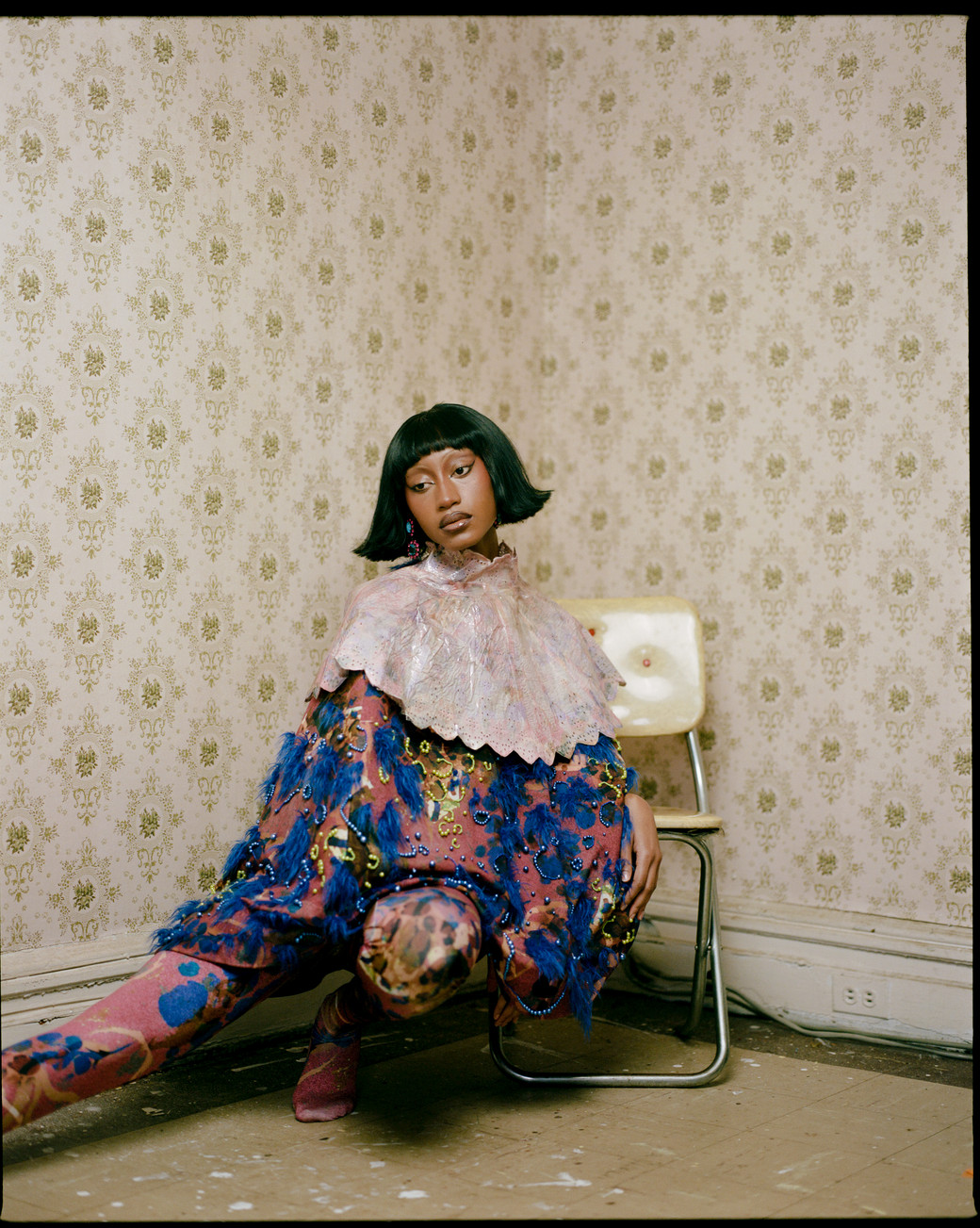
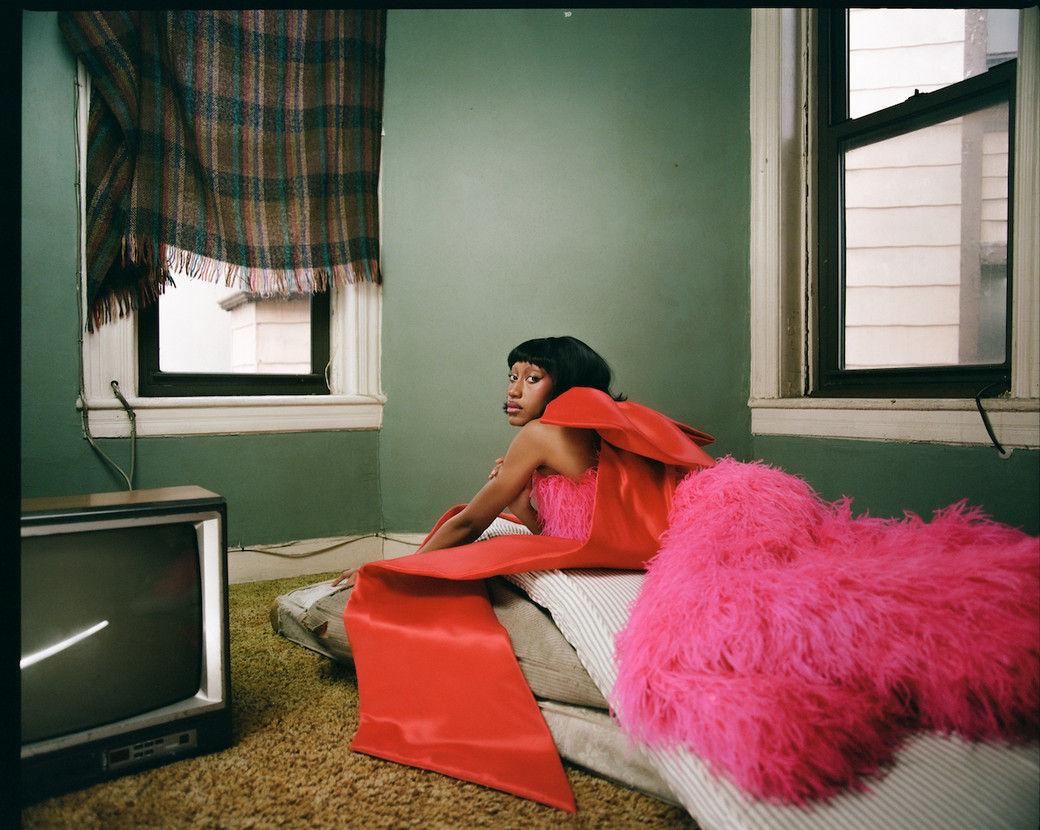
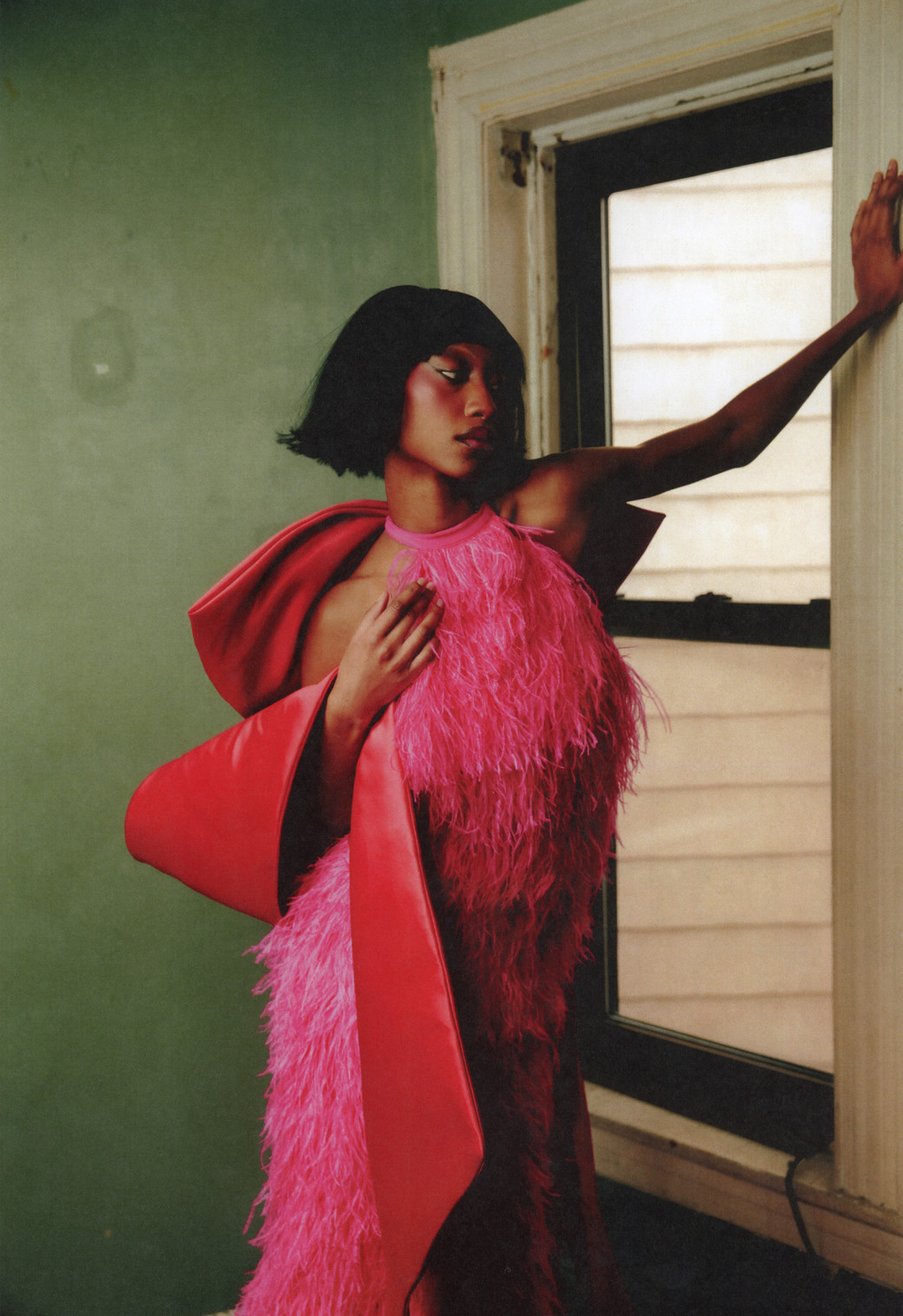
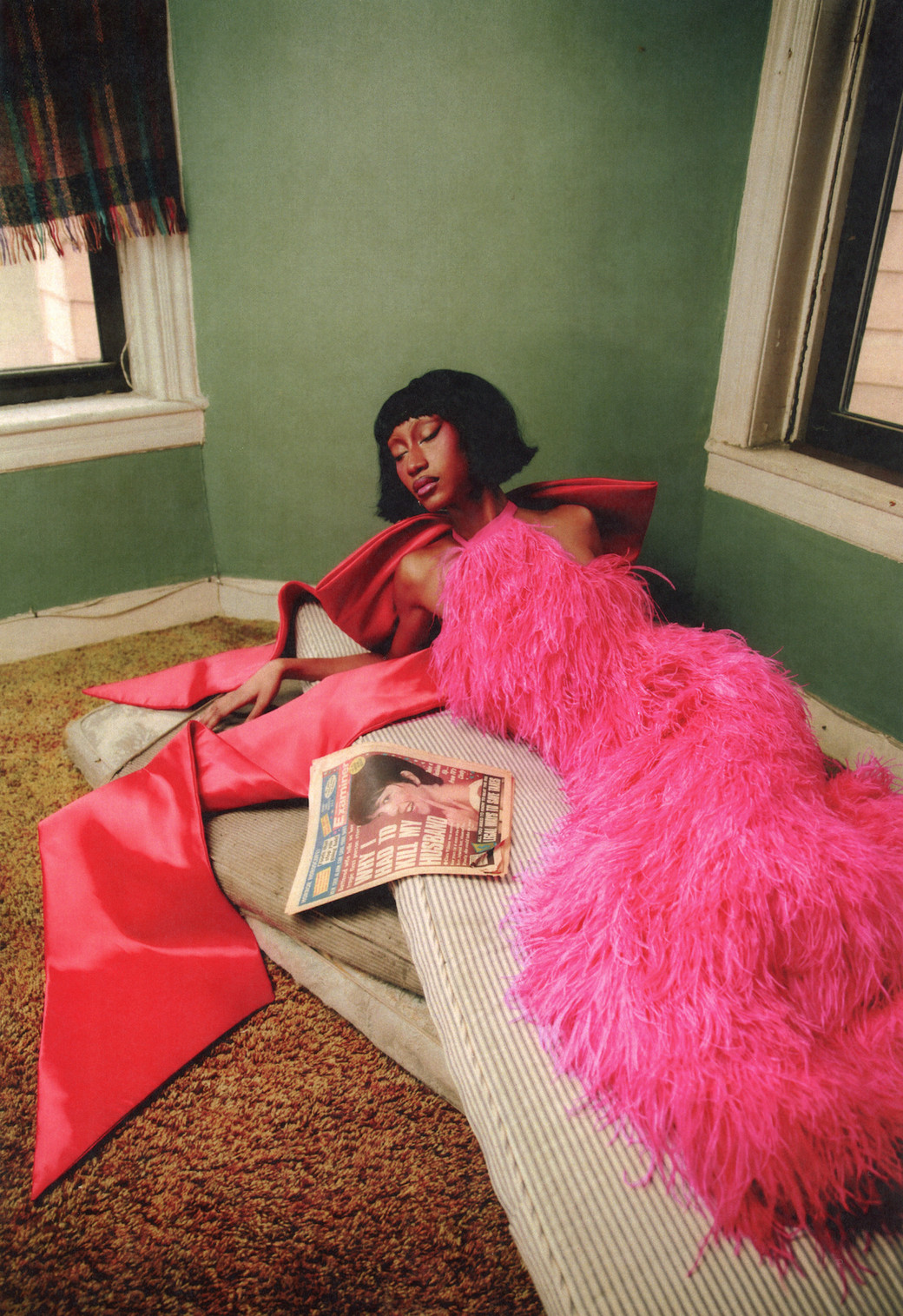
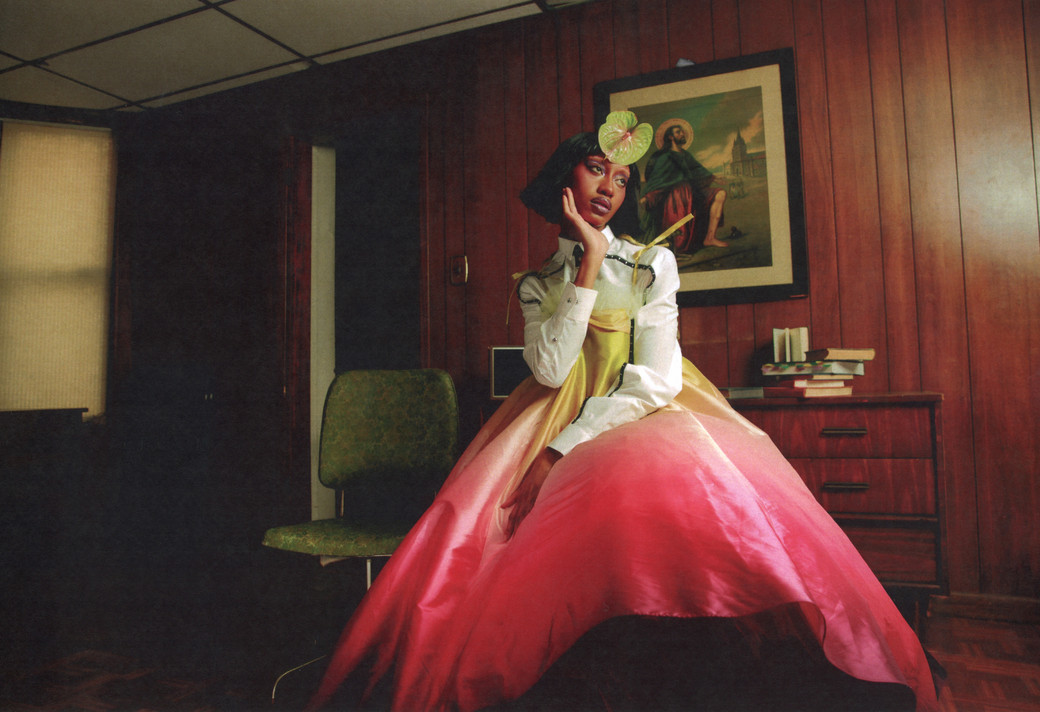
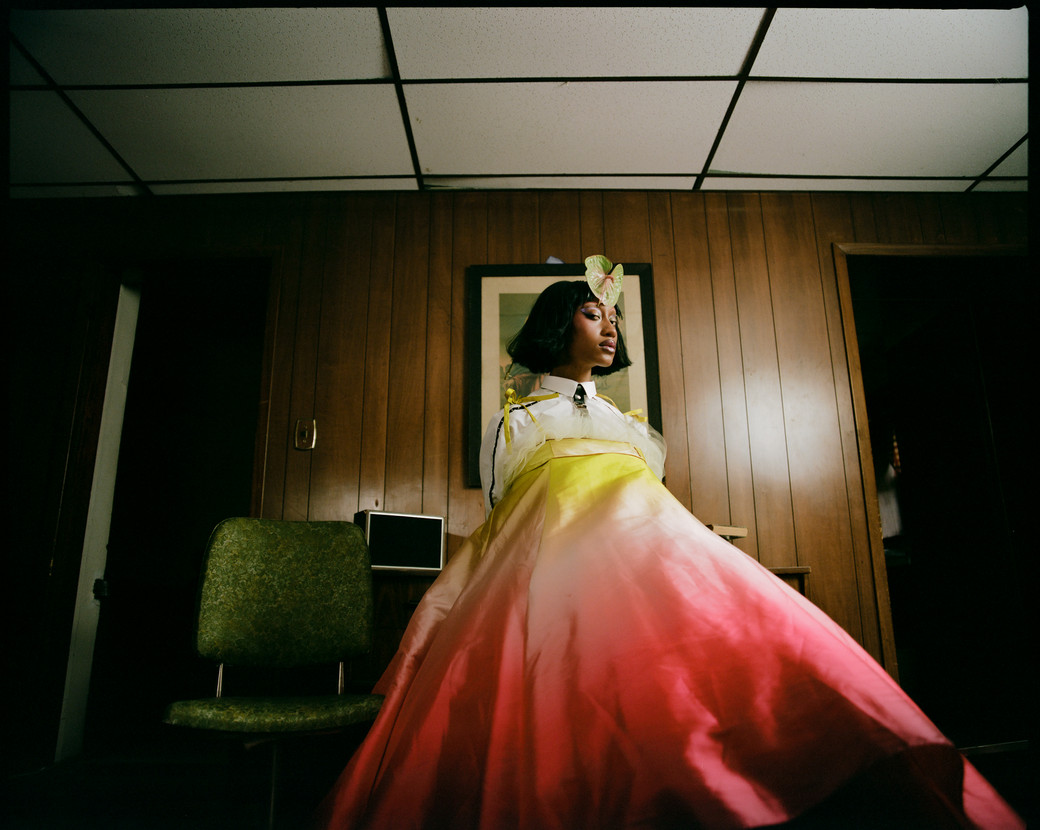

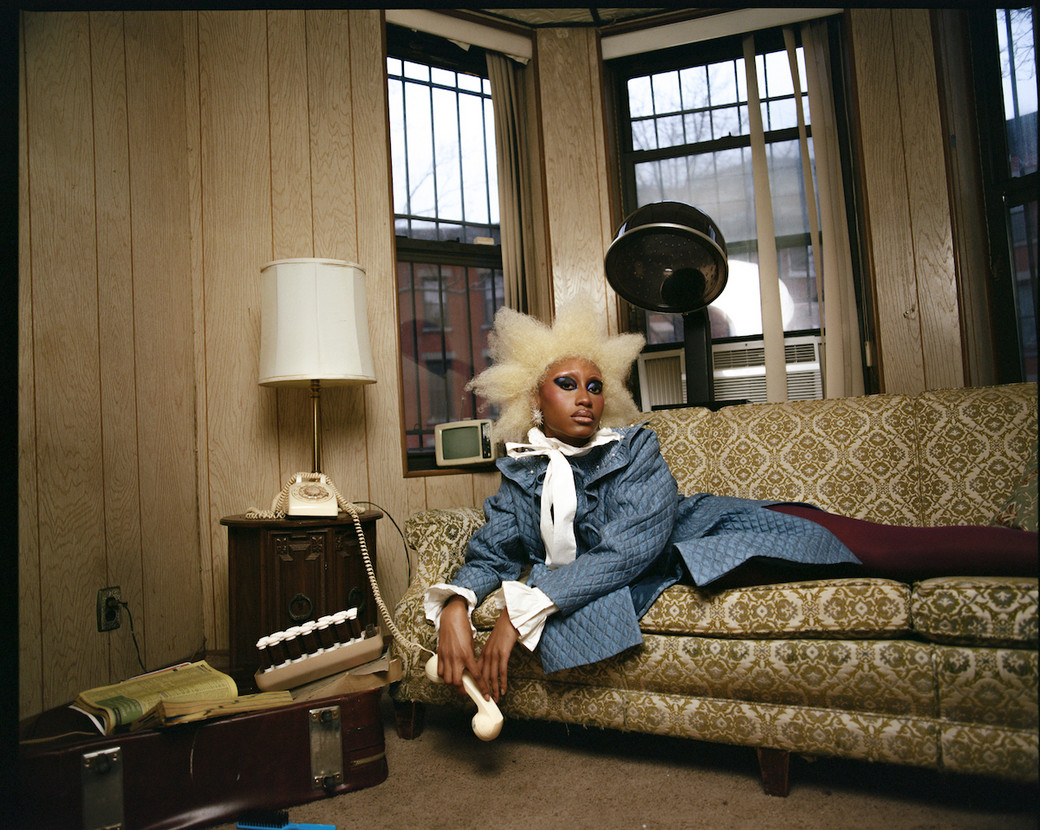
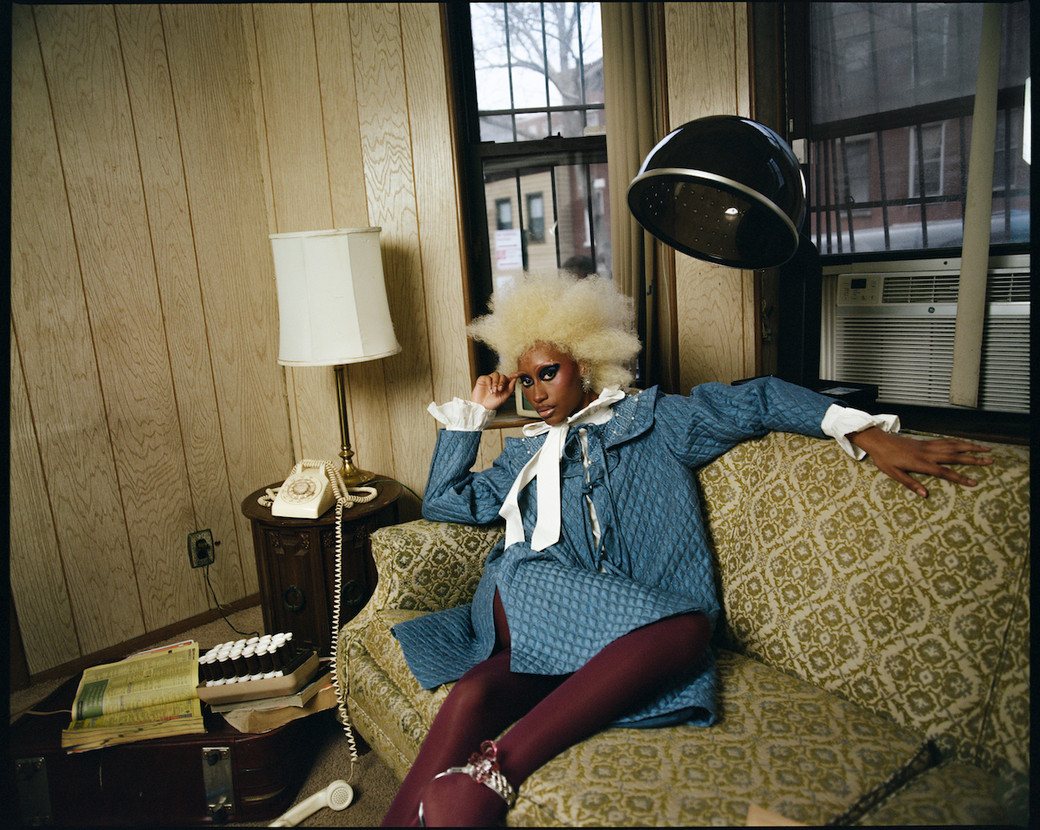
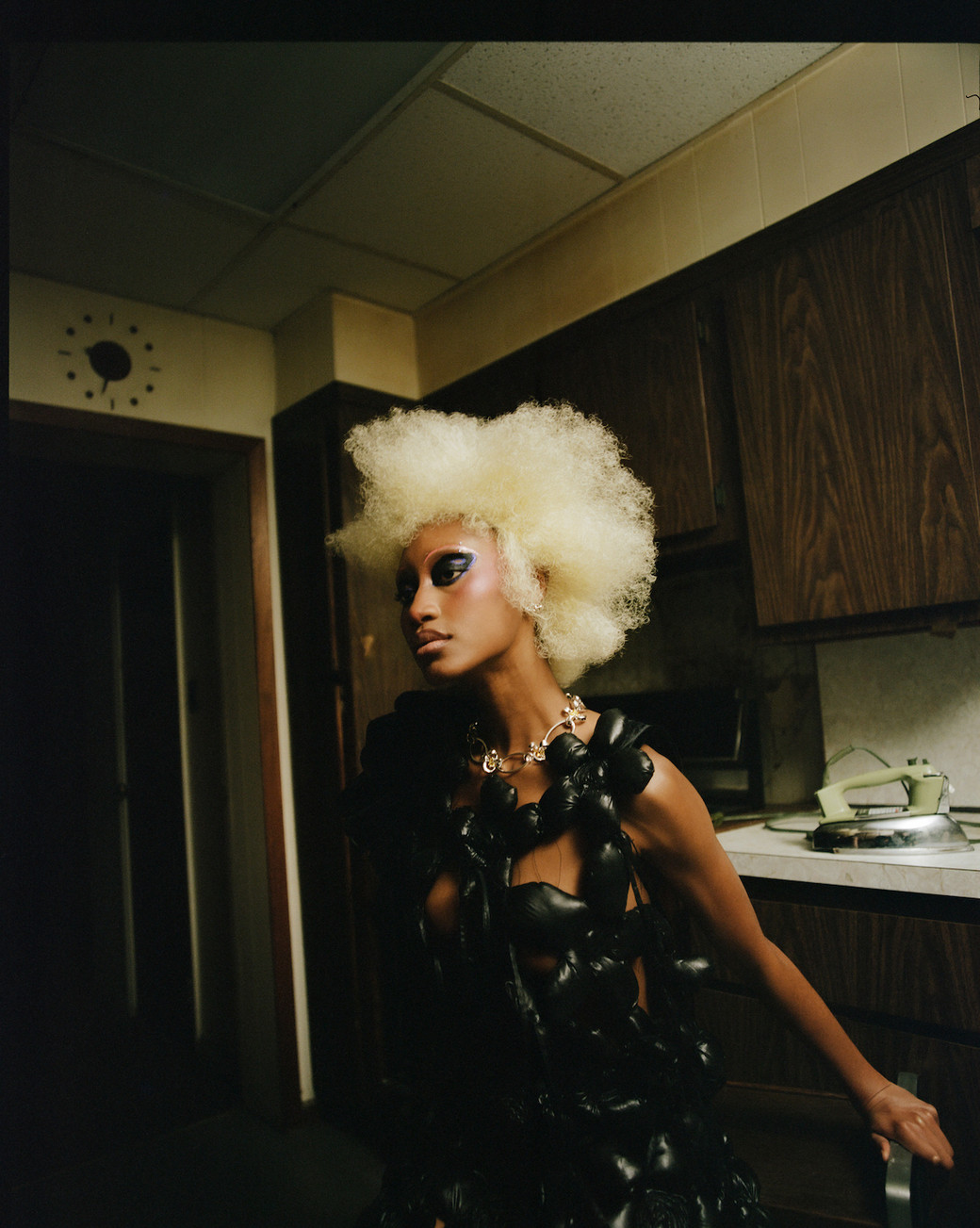
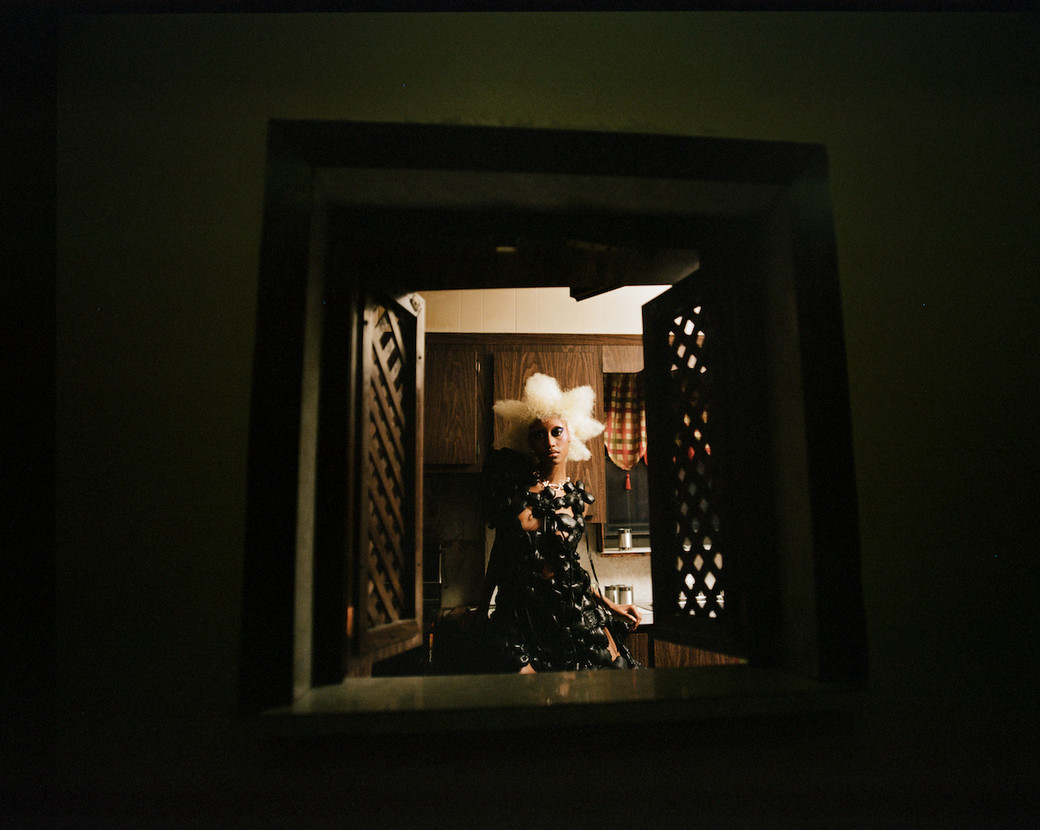
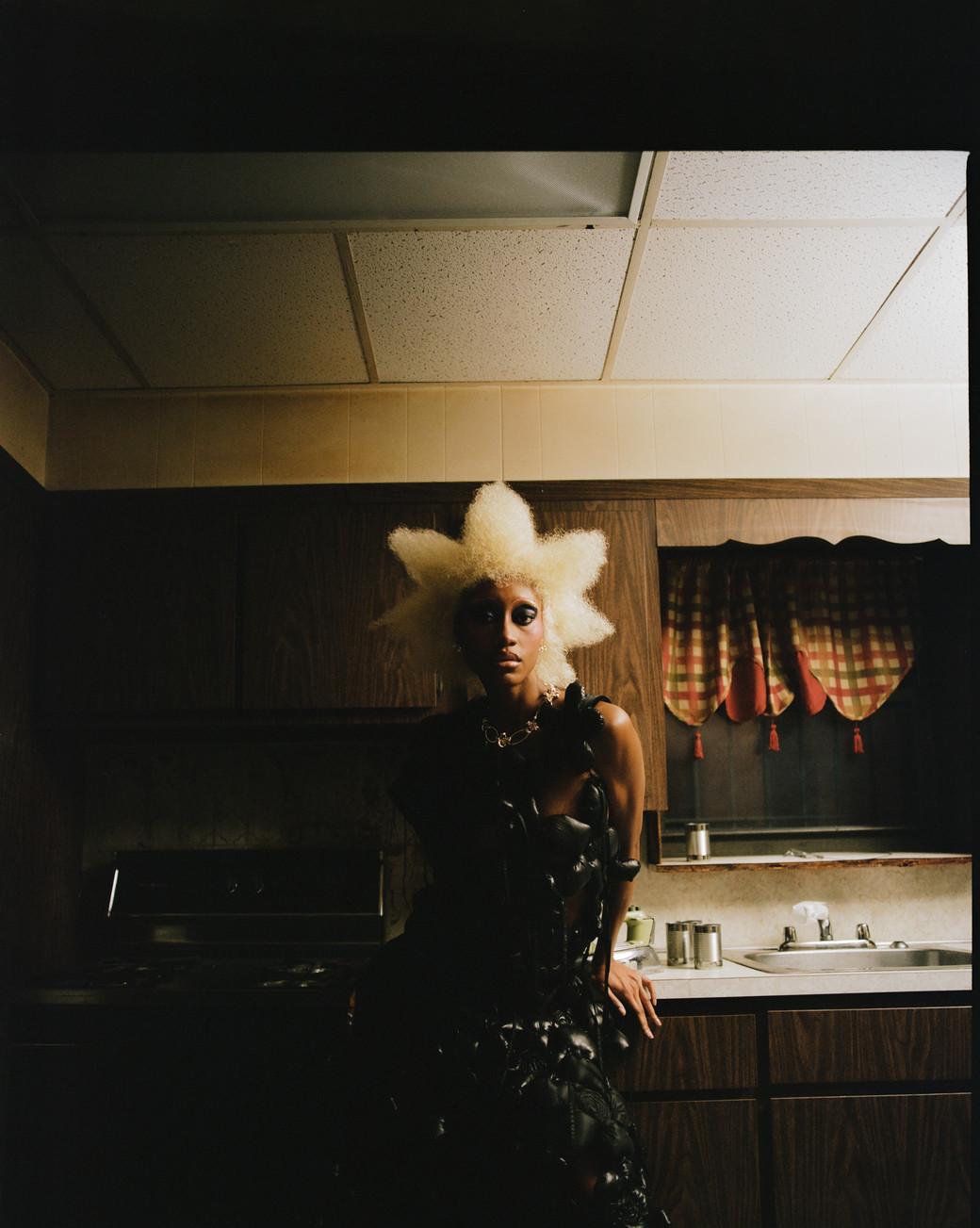
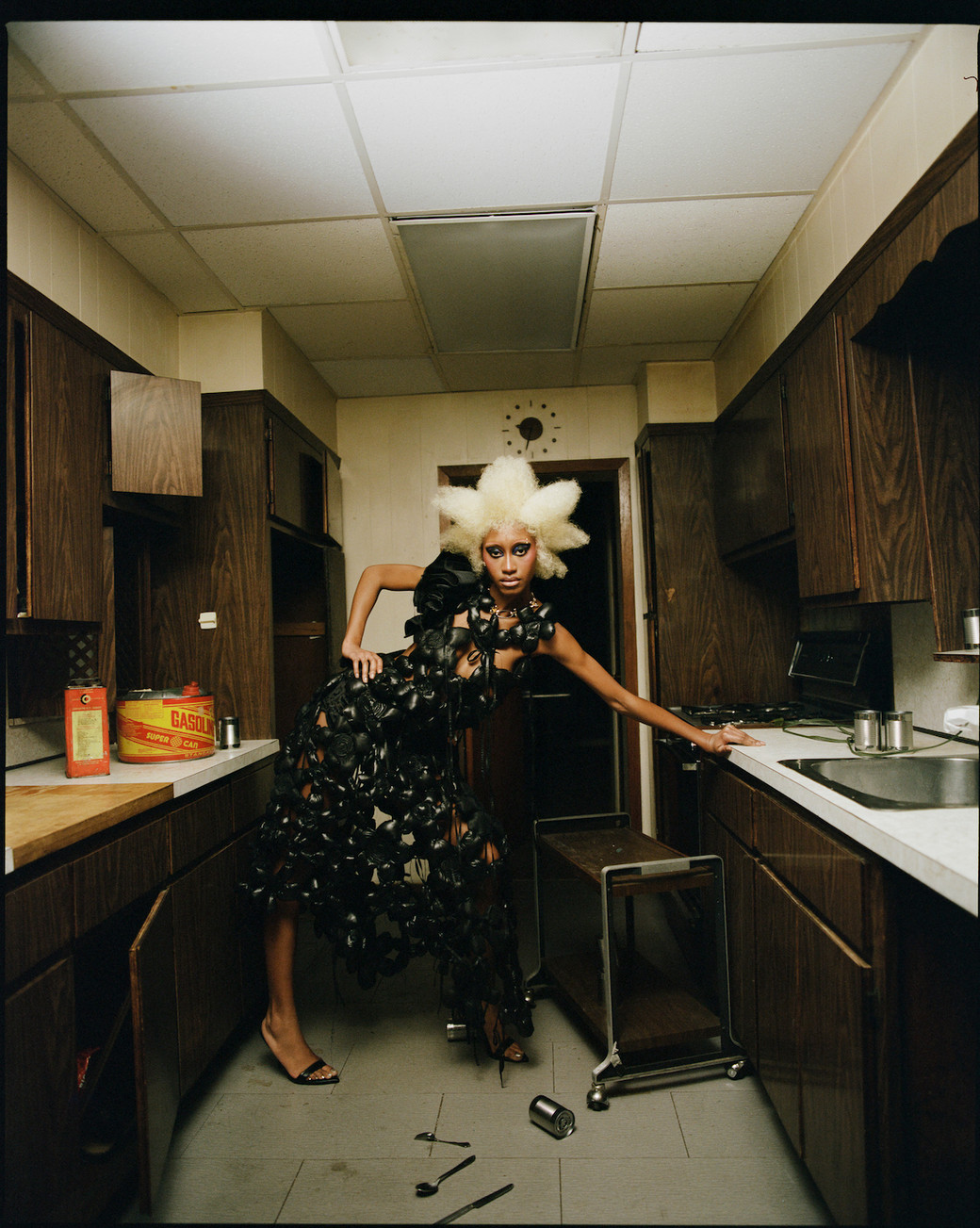

Jane seamlessly weaves together aspects of both traditional office attire with more everyday elements — think cargo meets technical suiting, or an extra-long durag paired with a button-up gown. Her popular exposed-breasted bustier is technically an undergarment — made from a cut-out blazer — but it doesn’t mean you can’t wear it over your white-collared button-down. Or a long skirt suit belted at your bust marrying utilitarian workwear standards with a very feminine sex appeal. Jane does both, reminding us that you don’t have to hide just because you’re clocked-in.
office visited Jane's studio-office to chat about how she's developed her brand, her own NY community and the moments in-between.


Who is Jane Wade?
I've always described myself as a creative conduit and fine artist above all other trades. For as long as I could remember, I would paint and draw, make jewelry, ceramics. I play piano and guitar and have picked up tattooing in recent years. I've always had a high aptitude for kinesthetic learning. Most people that know me would probably say my true talent is the speed in which I can watch, learn, and execute something new.
How did you get started in your artistic practice?
I attended the Academy of Art University in San Francisco thinking I would be a painter or an illustrator. I always had a tactile approach to my art, so when I found the Fashion program that's when everything clicked for me. It worked like a channel to fuse all the styles and avenues of art that I grew up practicing. Truly, I viewed fashion as a more approachable industry than fine art to hone my creativity while also being able to make a living for myself. I always had an urge to launch my own brand some day, but when I graduated university I was aware that I had a lot to learn before I was ready to lead a successful fashion business.

Over the years, you've assisted other New York designers like Alexander Wang and Martine Ali. What has been central to building longlasting relationships within the community?
During my Internship at Wang I would frequently stay late off the clock to learn from the designer that mentored me. She was very generous with her knowledge and I think showing that true hunger to learn in the early phases of my career was pivotal. Building my relationships further with independent brands like Martine's, the key was extending myself as a resource. People remember when you work hard for them while they're building their own business. Naturally Martine and I became very close friends as we shared this childhood love for jewelry and working with our hands. Working with her was my first exposure to a unique studio-office experience which ultimately taught me you don't have to follow a specific corporate format in Fashion to become successful.
You also work with Elena Velez in design development, right? How has that informed your approach with your own label?
Elena is wildly talented, she has such a strong creative vision. My role with her has been an exercise in the full collection development cycle. Overseeing everything from sketch review through the show, and production and shipping wholesale orders thereafter. We work really closely on all facets of the brand from building budgets, costing for the collections, strategy for sales, production, sample development and beyond. When a brand is emerging you have to wear so many different hats, so working with Elena has helped exercise and cement my knowledge in all of these areas which gave me the confidence I needed to take the leap with my own brand, realizing I finally knew enough to make the leap. There are so many layers of a fashion brand that people don't see. It's so much more than just being a creative individual making a product that people will relate to.
How have you developed your own brand identity?
The brand's identity has been curated naturally, and definitely in response to my own experience working in large corporate design structures. So frequently in times where I was still developing my own personal style, I felt out of place on design teams. There was a disconnect for me with the ultimate purpose of fashion as an expression and working in an industry where I didn't feel like I could express myself, or I could only express myself in someone else's aesthetic language. For me, this was so counterintuitive. A lot of the pieces I design are having a juxtaposing conversation between professionalism and what's not deemed professional in traditional office wear using proportion and exaggeration as vehicles of acceleration (showing skin, being sexy, loud or colorful in bold silhouettes.) I think the brand is constantly revisiting this theme in the work, and it's absolutely coming from a personal place.


Your collections will be available at Assembly, and even Casimir Pulaskiday in Tokyo. How were you able to expand to a global community so quickly?
CP and Assembly were connected from freelance clients, I realize the more years I expand into the fashion community, we are all closely connected and the network is much smaller than it appears. Additionally, I'm never above a good, cold email! I would say every season I email over 100 new people and I get a lot of opportunities this way in addition to leveraging connections I already have. You miss 100% of the shots you don’t take, right?
How do your collections interact from season to season?
Each new collection I try to begin by expanding on the hero styles from the previous season. Sometimes with a direct new iteration, or others I may re-drape a completely new garment from an old idea to give it a new storyline in the overall context. Embellishments and techniques are the next major expansion in the collection so I try to develop new ways and materials to execute a technique for at least two seasons to make it simultaneously feel fresh while still communicating and establishing the brand's identity codes.

Why did you decide to seal the gap between workwear and office attire?
My father is a contractor while my mom is a hair stylist. I grew up in salons that my dad built and my mom ran. She was always so stylish and chic with how she dressed. She would lean into menswear and tailoring in her own personal work-style, always dressing for her own version of a conventional office. In retrospect I think this informs a huge part of the brand's customer today. She kept all the latest fashion magazines at the shop. The garments I grew up around were always classic blue collar utilitarian on my father's side, and polished fashionable functional on my mom's. These were the dress codes that raised me. I think marrying these two is a reflection of my childhood in a way. The brand is always visiting this theme of workwear and how garments are made to work for us across all professions. I love when white collar uniforms have conversations with blue collar functions, as they are the antithesis of each other in every day purpose.
What is your ideal office?
I'm so lucky to look around my studio now and see my ideal office forming before my eyes. All the talented creatives that lend a hand in my process express themselves in their own unique ways. My ultimate goal is to curate an environment where everyone feels free to express their identity in a way that makes them feel comfortable and more importantly confident. I love seeing my team in something sexy, casual, or even lazy. Who says you can't be wildly talented with your belly button showing or wearing sweatpants to the office for a day? The long term goal of the brand's internal structure is to dismantle some of these standards we have in the industry where in order to be perceived as professionals, we are limited conservative dressing. We work in fashion after all!
How do you spend your day-to-day?
Each day is unique. Some days are as structured as meeting the team at the studio to build the development boards and draping / sewing swatches for the new collection. Production from the previous season happens in tandem with Development so on less glamorous days I’ll be at home building costing spreadsheets and budgeting, and ordering materials for wholesale orders.
As production and sampling picks up I spend almost every day at the sample rooms with the sewers answering questions or fitting with the patternmakers. Other days it can be as casual as meeting at a bar with my stylist to compile boards and research for special projects like this OFFICE feature. Luckily all of my freelance clients have similar needs and destinations so it makes it easy to multitask my other roles with my own brand's schedule. I’m very fortunate to be disciplined enough to manage it all.


How would you describe the people who wear Jane Wade?
Addressing the question of “whose your target customer” was really challenging for me to answer with the first collection. As people began to relate to the product we were able to define specific archetypes within the collections language. Usually they’re other creatives we work closely with and love. In fittings and styling we might say something like “ this coat is a Shelby girl” or “this mini bra is a Martine piece” this helps us identify during the entire development process the exact person wearing each item and how they might style it for everyday wear from a more commercial perspective.
And, what's next for you?
Because the brand is so young this next season's focus is deepening the brand's unique universe- expanding our reach within the press - and connecting with a wider reach of customers so more than just our current NYC community is able to connect with the product. Our FW23 collection will release exclusively in NYC with a premier retailer that we won’t announce quite yet, so you’ll have to stay tuned for the release!
How did Extra Virgin become a thing?
Joi— So we saw on Depop and Instagram a lot of people selling Chinese independent designer brands, but they rarely mentioned the name of the designer and spike the prices. First of all, you should always credit the designer as opposed to selling items as if they are your own design. It should also be affordable. We’re struggling to shop for clothing because everything here is so expensive. One day, Susie had this idea — likely because she studied business in Parsons. She said to me, “Why don't we just start like a pop up? Because there are so many like pop up going on.” I feel like [pop-ups] are becoming a major part of the culture here. So we started on it pretty easily with the resources we had — access to brands and designers.
How’d you get these resources?
Joi— There's a platform in China called Red… it’s new and it’s growing really fast. It’s almost a combination of TikTok and Pinterest. People post videos, share their outfitss, their lifestyles, everything.
Is it only fashion?
Joi— Not necessarily. At first, it was pretty targeted to consumers. So people shared what they purchased and liked — their makeup, their outfits, foods. Everything is reshared by other users… and because there are so many small brands, they all try to promote it on Red.
Susie— We met on that platform and a lot of brands sent us stuff. So we became friends. And we told them our idea… trying to see if anyone was willing to help us. A lot of the designers that I initially reached out to were really interested in breaking into the international market, just because of how hard COVID hit China.
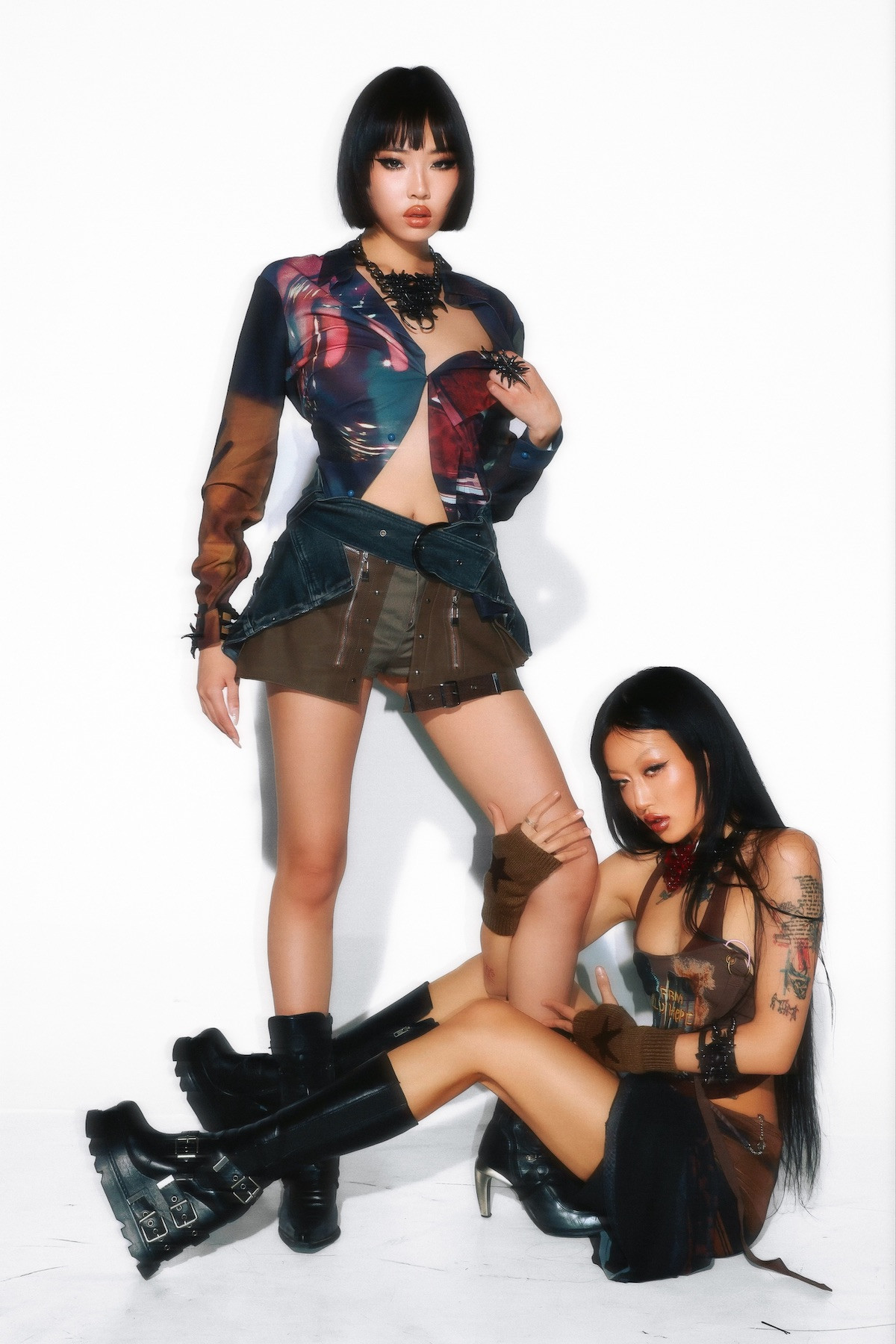
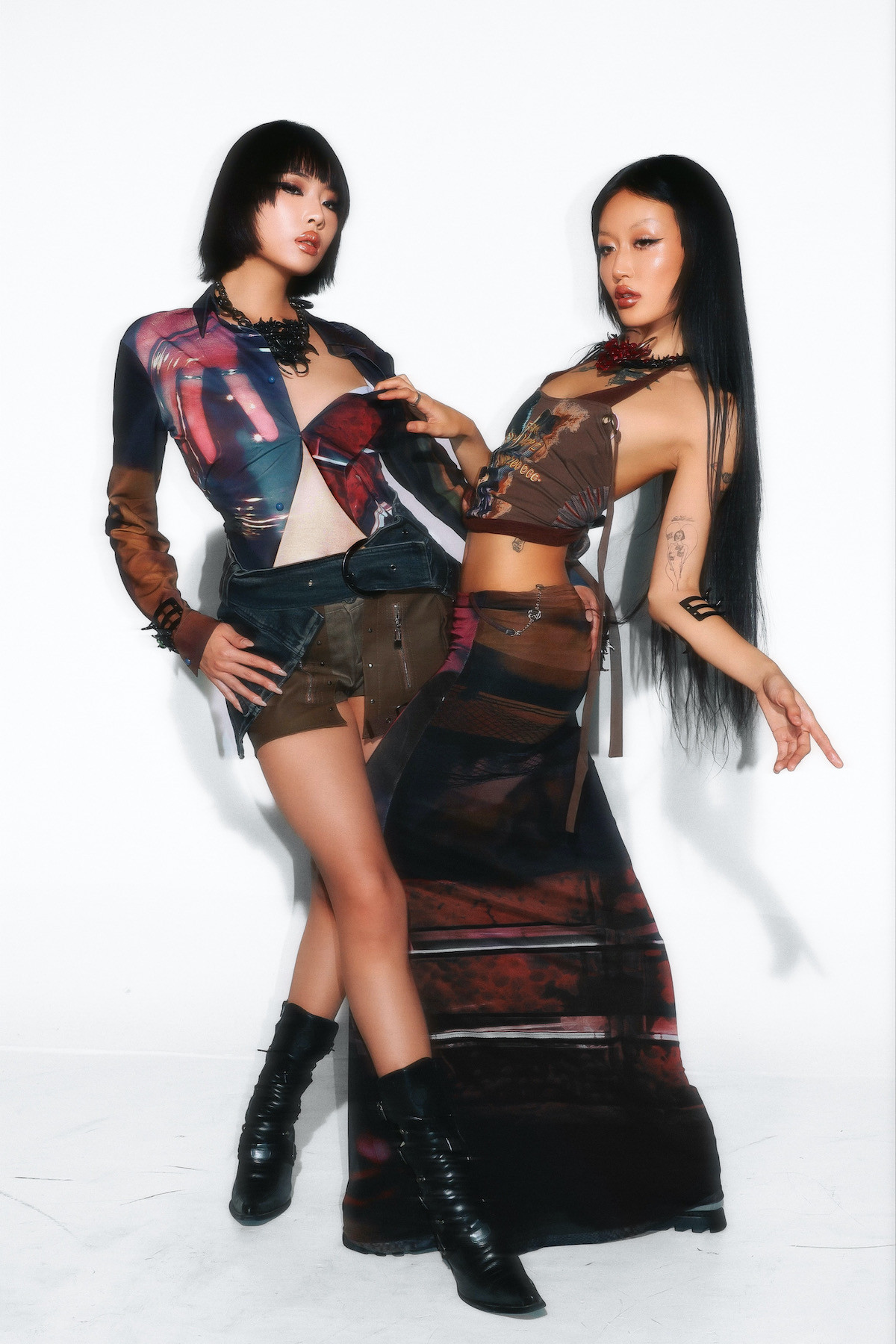
So a lot of these brands are based in China — in a way, you're giving them access to the US market.
Susie— Actually, a lot of them studied abroad. So I would say that they are all pretty international although based in China. Some just don't have the resources to do the proper research. Even so, they're still pretty familiar with the market.
So you’re facilitating their reach?
Susie— We’re just giving them an offline presence at the pop-up, so people can see the products in person.
How do you curate who's collaborating? What makes you want to work with certain designers?
Susie— A lot of the brands that we select from are from TaoBao… We’ve all shopped there before, so we know that they have cute, good quality clothes. Others are friends of ours. It's easy to collaborate with friends — you already have their contact information and everyone we know is truly supportive.
How do you decide which pieces you want to have in the pop-up?
Joi— When we’re finding the brands, we want it to be pretty chic. Other than that, it has to be affordable. We keep a specific price range, and if it's above that, we don't want it.
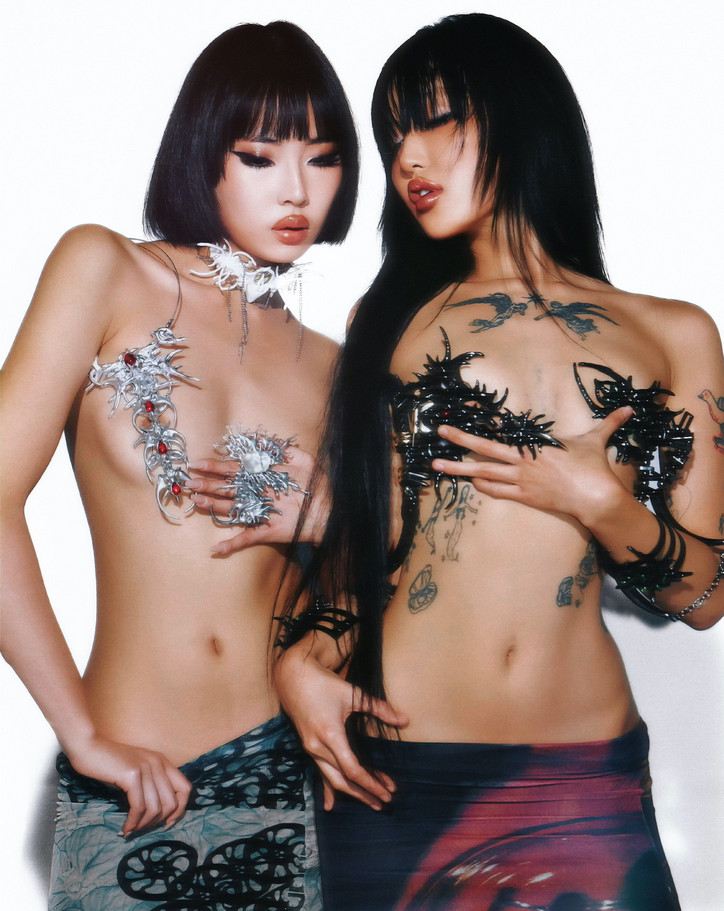
Susie— This time, we have an artist who makes these beautiful 3D printed corsets. Another artist named Spring makes these amazing handmade necklaces. Things like that can get so expensive on Depop. It all comes back to affordability.
The process of collaborating with artists from China can take months — with the time it takes designers to handmake their pieces, as well as the time for international shipping — so Joi and Susie are particular about who they work with.
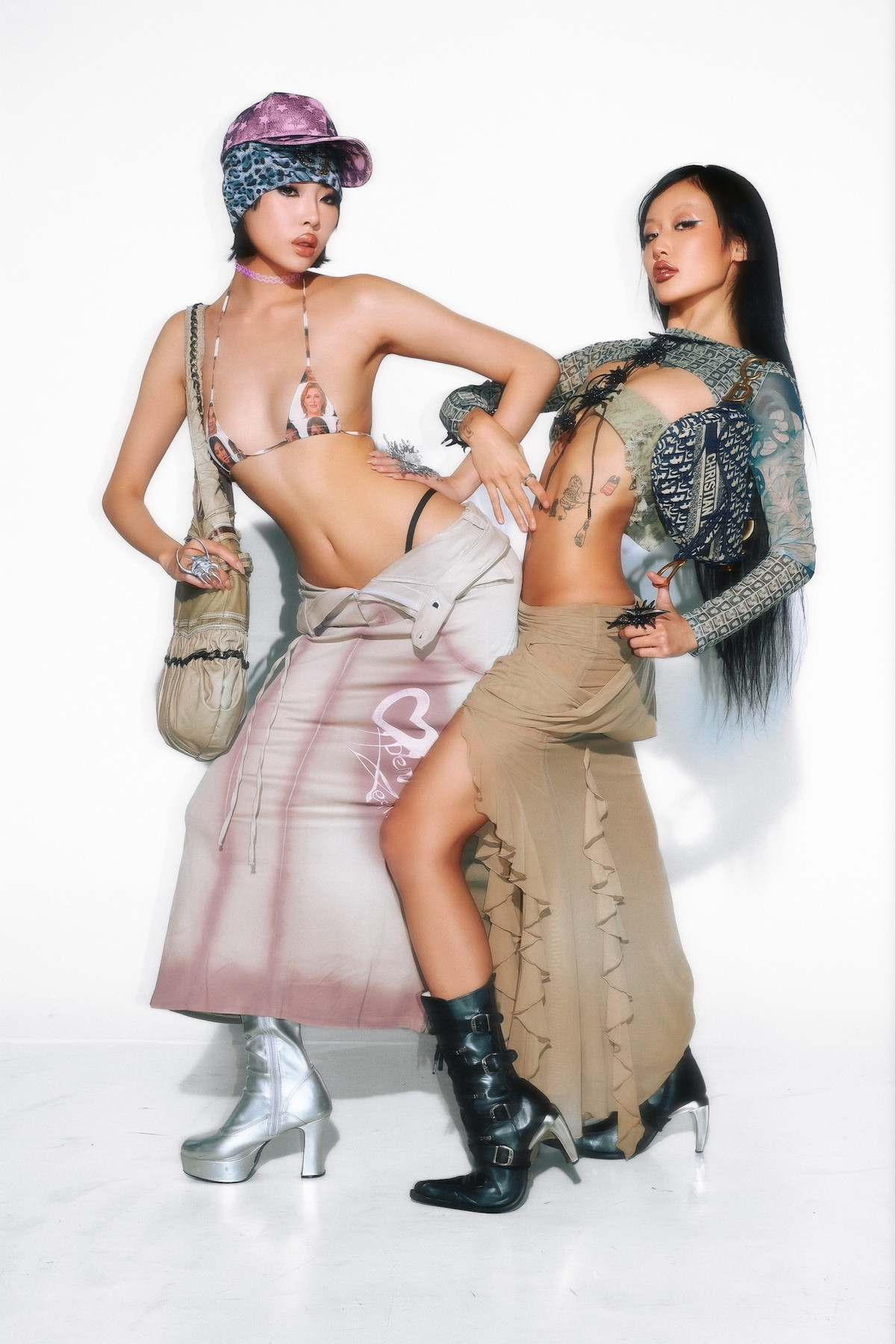
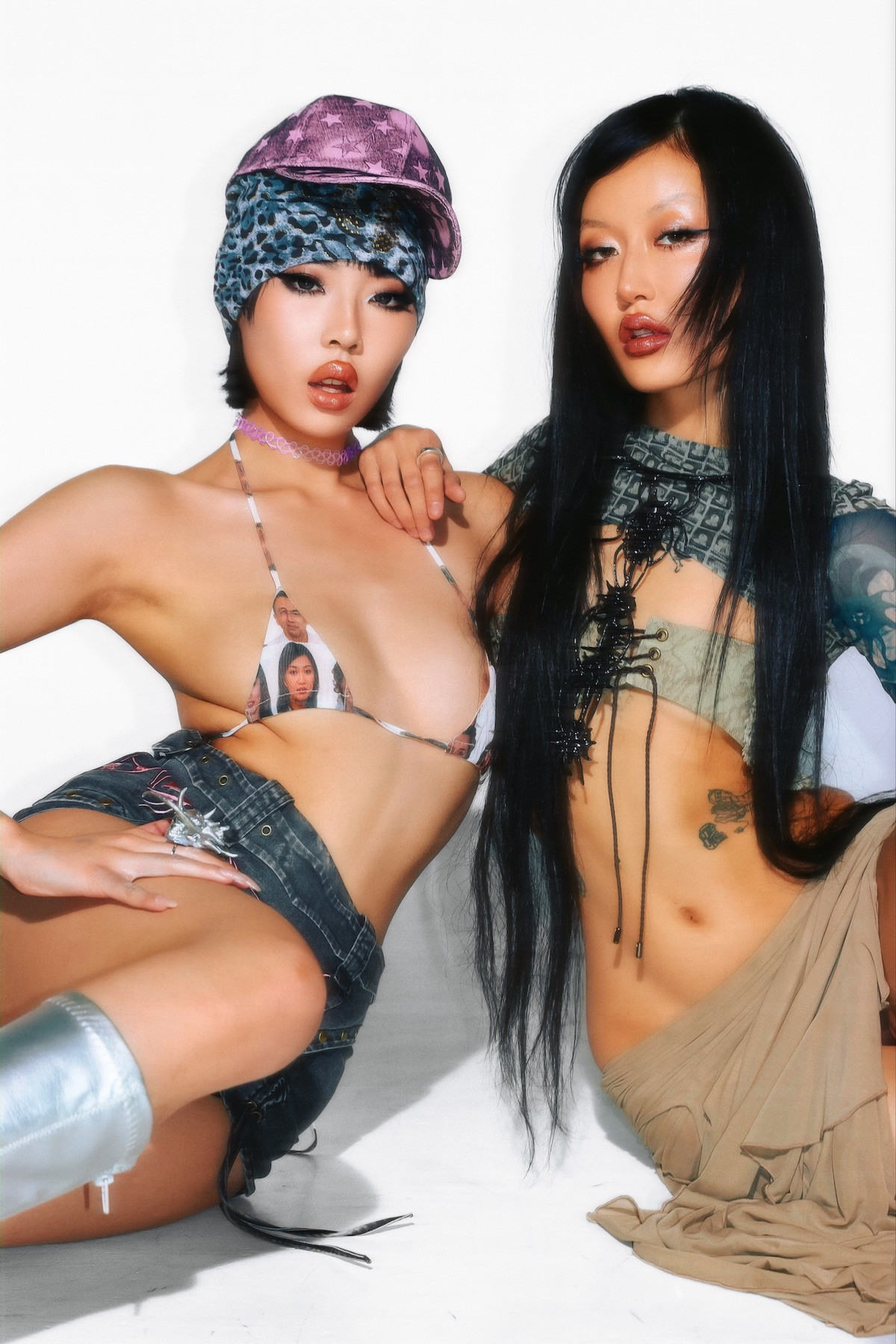
Susie— Another reason why we chose different stores this time is because last time there wasn't as much size inclusivity as we wanted.
Joi— The small size in China is basically an extra small in the States. Yeah. Often, medium is the biggest size [some brands] produce... The industry makes it seem as if only skinnier girls can wear beautiful clothes. Of course, much has changed, but this mindset still exists. This time we let stores costumize our selections to include sizes up to XL.
I know a couple designers who talk about how producing outside of the sample size is arduous for them…
Susie— I mean we worked with one brand who custom-made the XL and of course we paid extra for it, but it really is necessary for us. If a girl couldn't fit into our previous small/medium and can this time, that'll be super meaningful to us.
I think especially as independent designers and sellers, there's the question: "Do I pay out of pocket to make sure the store is inclusive and everyone feels that they can have access to the clothes? Do I even have the resources for that?"
Susie— Exactly. We want to be cheap, we want to be fun, and we want everyone to look good!
Joi— We want everything.
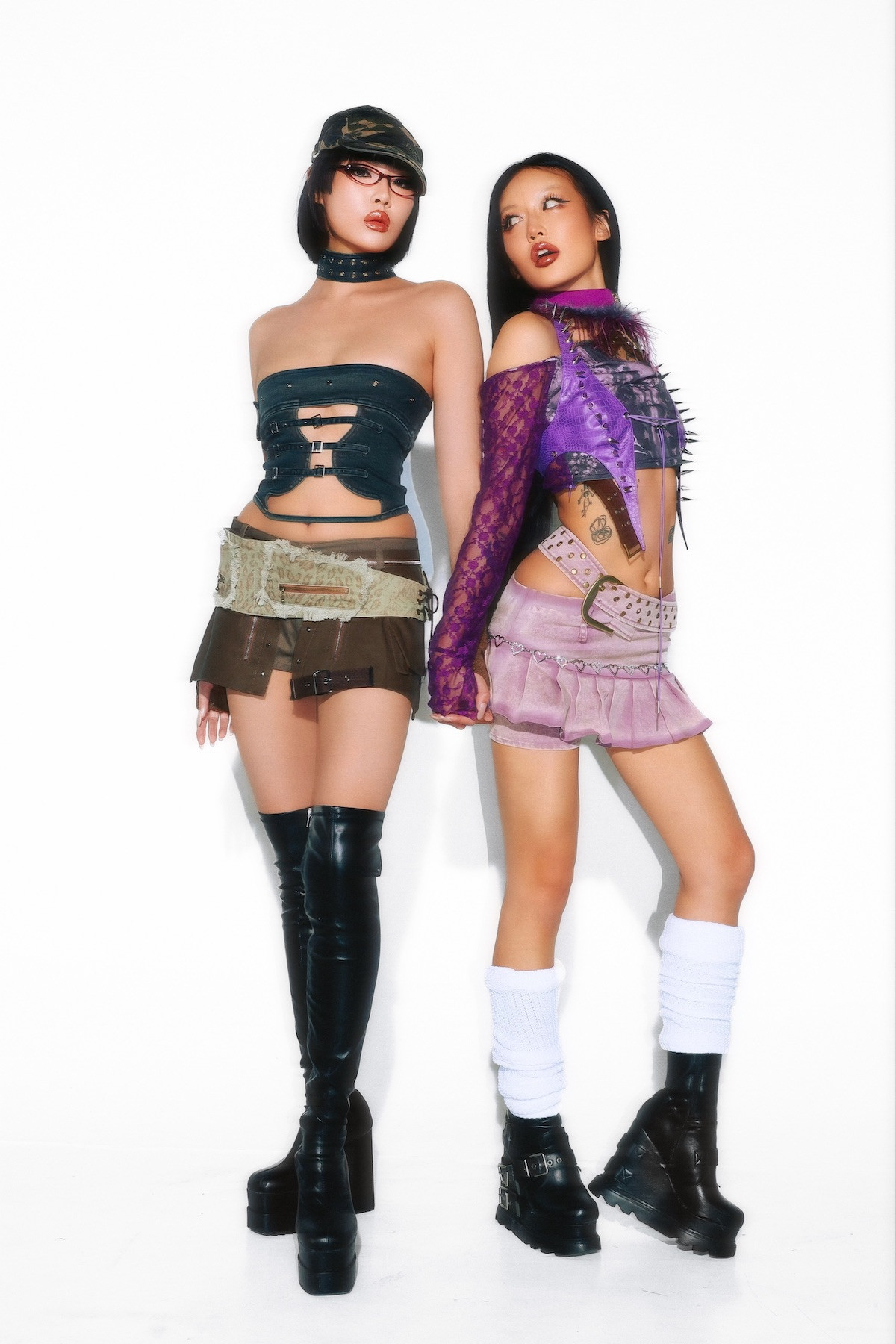
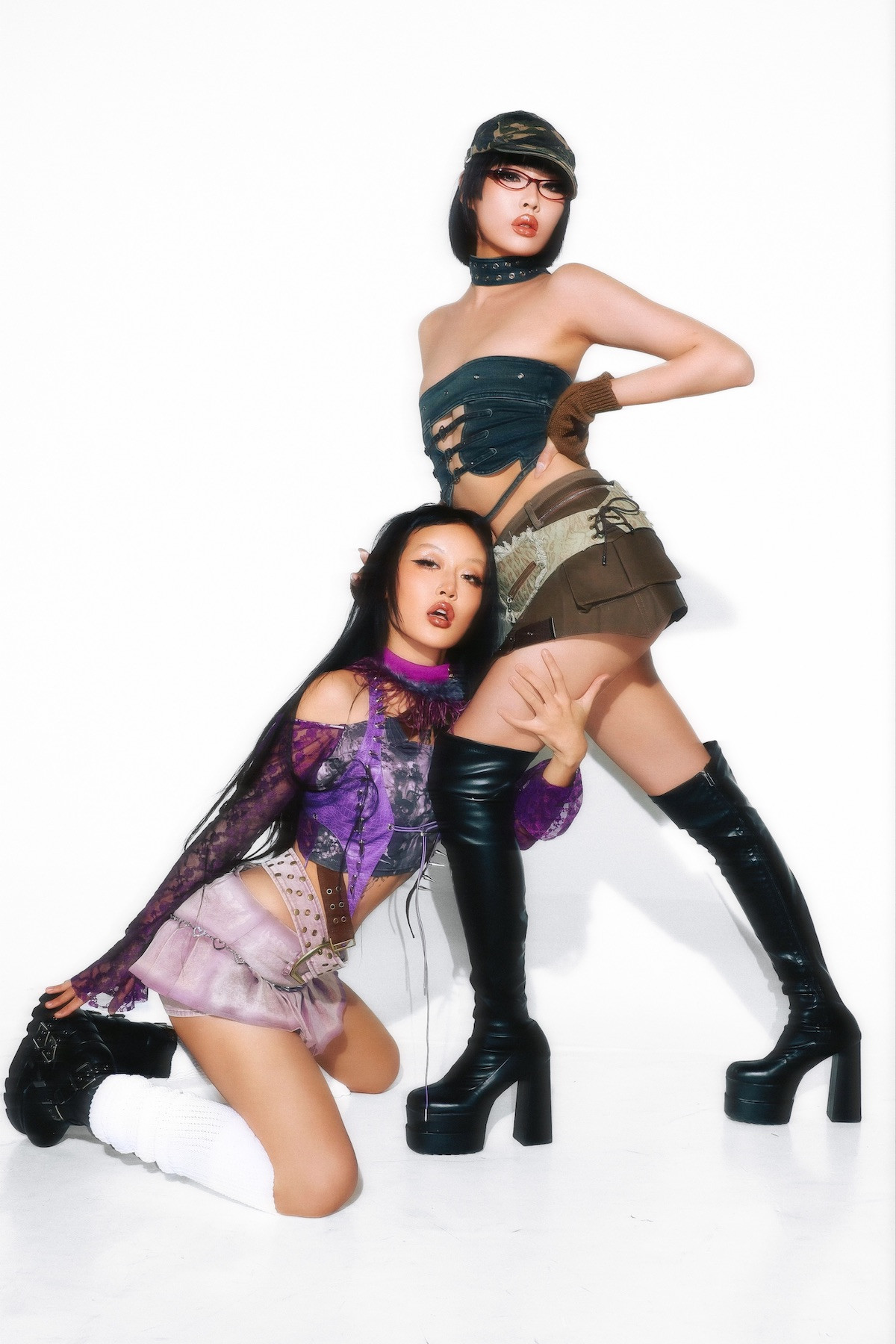
We're not in AAPI Heritage Month, and very recently, East Asian culture has become more mainstream in the US — K-pop and anime are at all-time high popularity rates. Can you talk about how that feels as artists?
Susie— Well, I think there are mixed feelings. First of all, I'm really glad that Asian cultures are being seen as you said. But then I feel that it's still very surface level, the interest in Asian culture.
Joi— With Korea and Japan, I feel like that culture has been popular for a long time. Chinese fashion and subculture started being recognized fairly recently. And many still think Chinese people are not as cool as Korean and Japanese culture. Chinese are not as cool in a way. But I'm glad people are slowly starting to recognize it. When I scroll on Pinterest, so much of what I see is Chinese.
It's definitely a weird situation to be in. What you're working on matters to you both, but it's still separate from your personal lives. A lot of people have a fascination with Asian culture, so you've found an opportunity to make a profit and continue doing what you do.
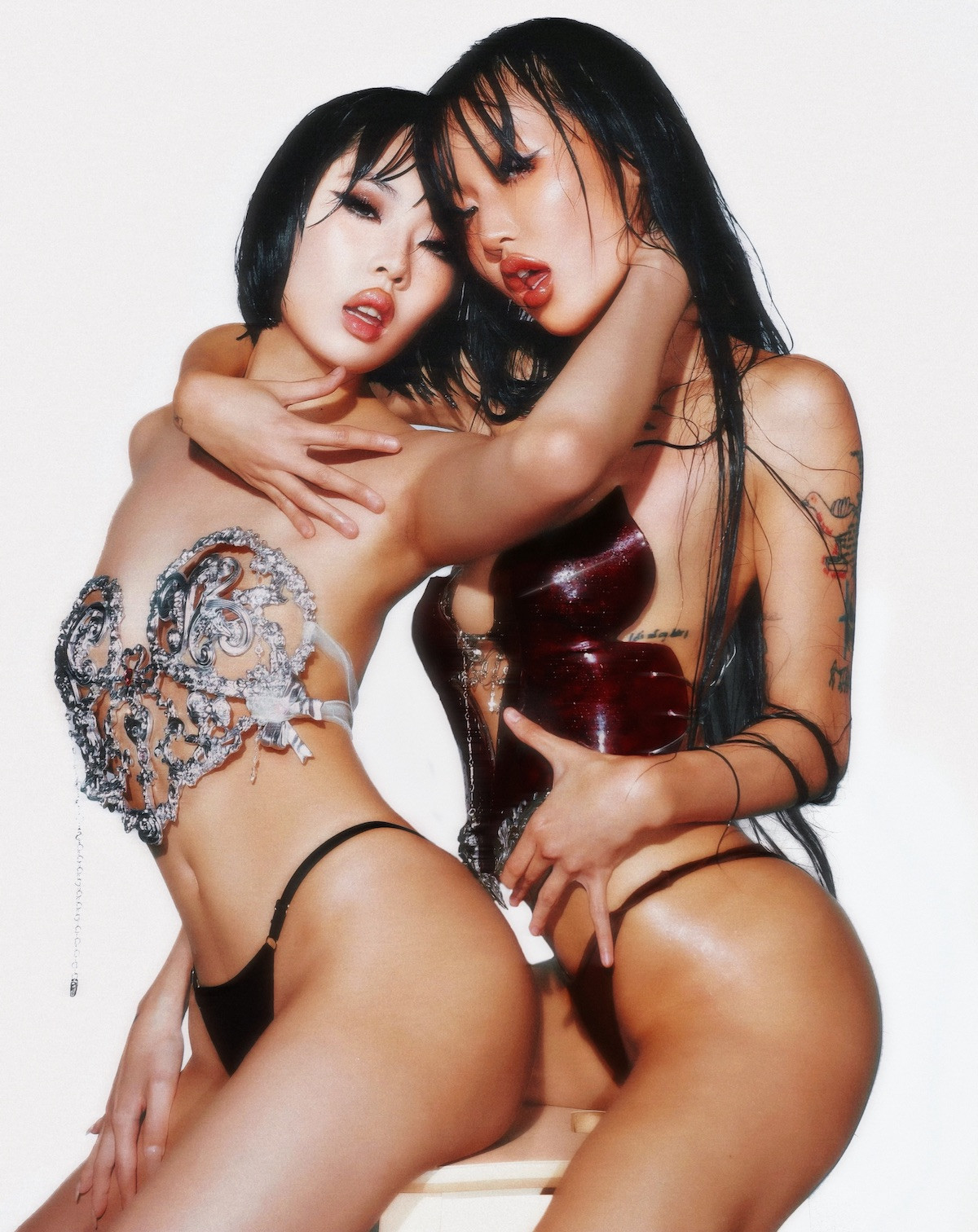
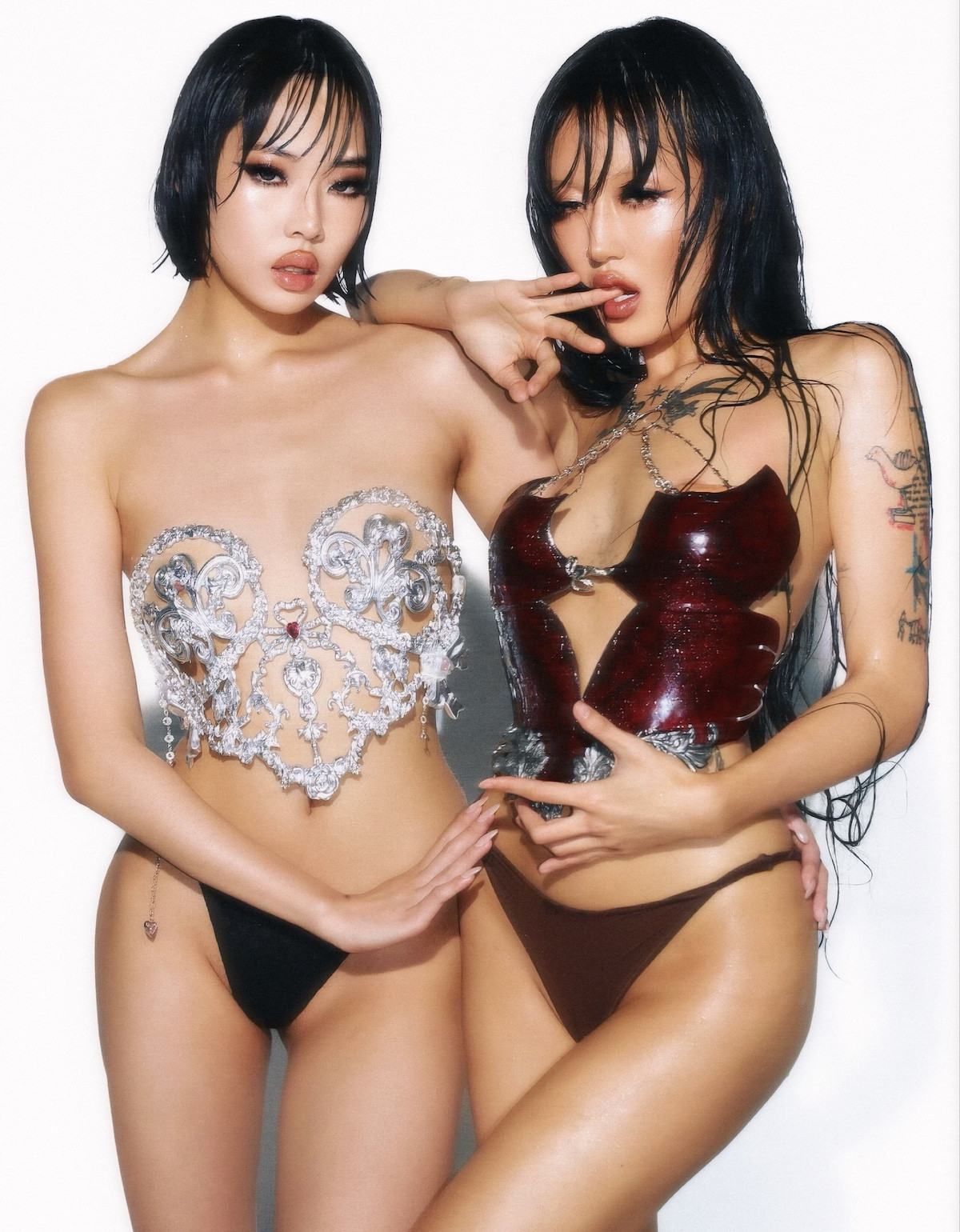
Joi— And also, it's on the internet, so it doesn't feel that real, but in general, people who are into fashion or follow Extra Virgin, only want to know what we’re selling — they're not focusing on us. Running Extra Virgin is more about the products, the advertising and the people. We’re building a community. We receive so many questions based on politics, China and xenophobia. Actually, we don't think that much about it in the context of Extra Virgin — not because we don't care. Of course we do. But it doesn't relate to what we do. Right now, people hear 'China,' they directly link it with politics and xenophobia.
In journalism there is not much Asian representation, especially not from primary sources. Unfortunately, whenever people talk to someone who's Asian, you almost become a political spokesperson even if the discussion has nothing to do with politics.
In speaking with Joi and Susie, it was clear that they didn’t want their entire existence as artists to revolve around Chinese politics. There’s a clear line between wanting to prioritize Asian voices, versus making Chinese artists the default voice of China. We rarely force white American artists to speak on American politics — there is an inherent privilege that comes with being able to be seen only for your art and not for your potential as a political subject. But, they see their future as something bigger than politics, and as something bigger than a pop-up.
Joi— Since we have a bigger space, we're curating other events. We're going to have our friend, who's a really talented singer. She's going to sing and DJ at the opening. We're also featuring artists because we don't want to keep the walls blank.
You're also curating a community gathering as opposed to a sole pop-up. Would you do more event-related activations?
Joi— Eventually. Right now we're mainly focusing on the clothing, but we want some other stuff to go into the space. In the future, we want to do fun stuff, because just selling clothes isn't fun enough [laughs].
Susie— Especially with all the pop-ups nowadays... There are so many! We need to find something that's different.
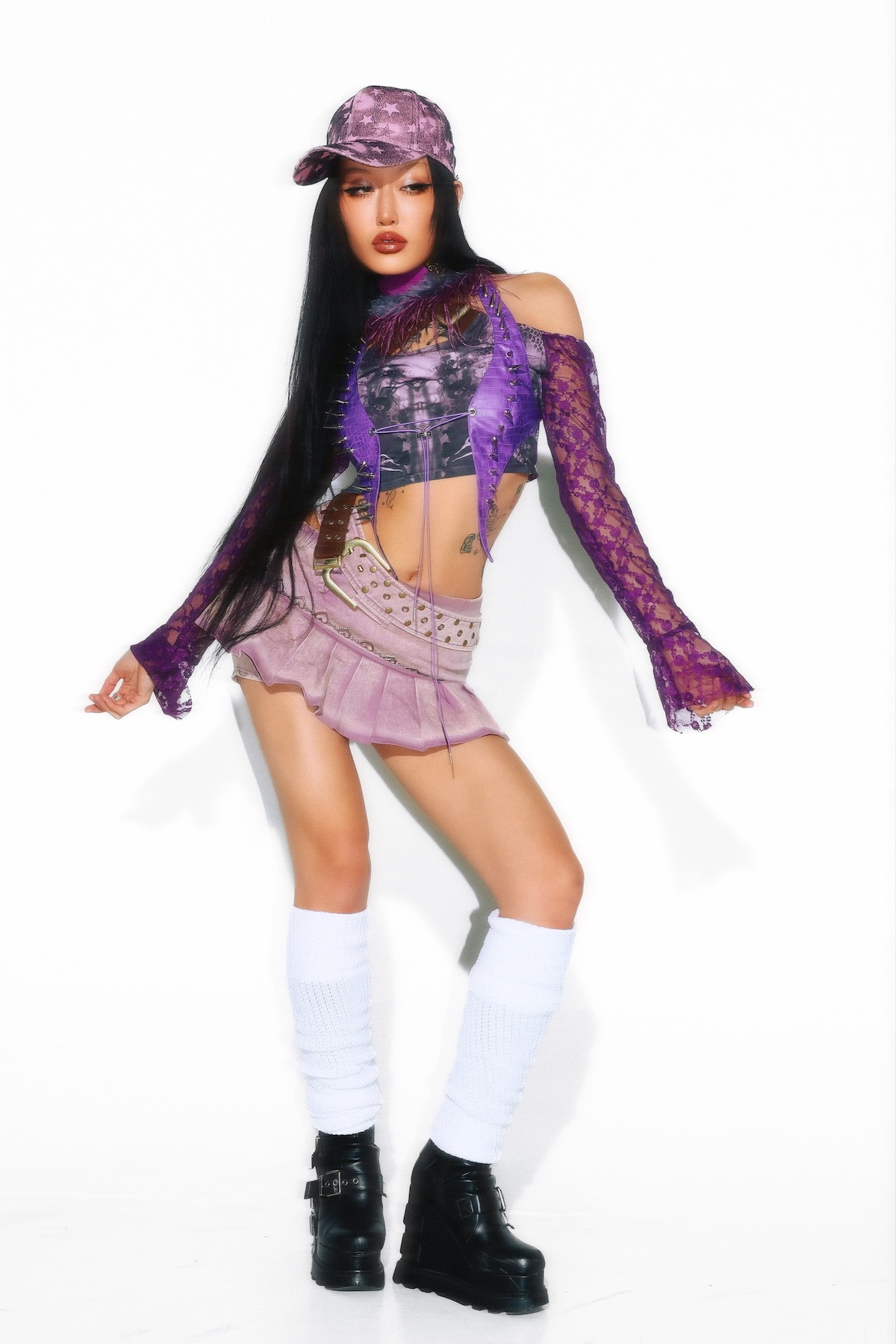
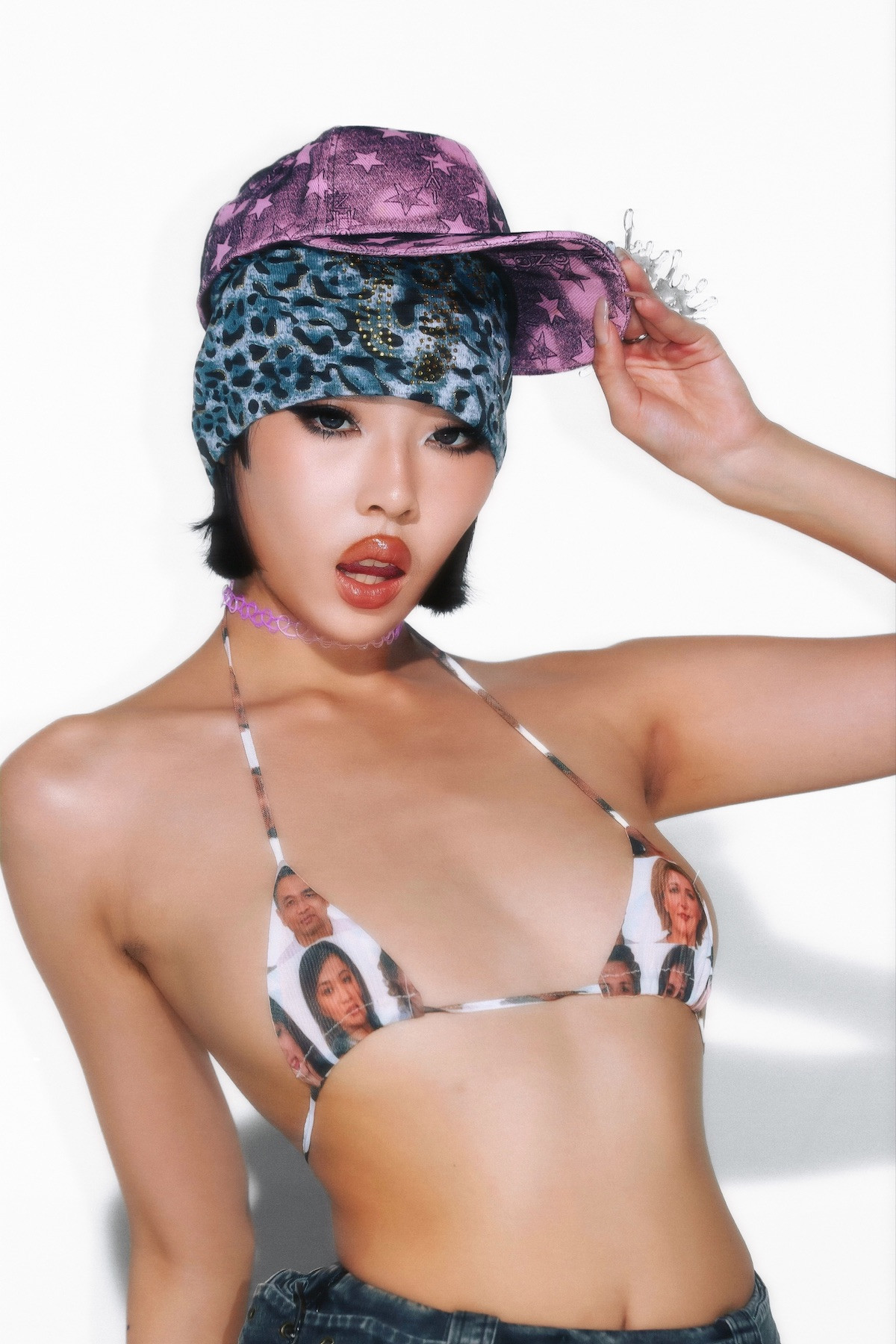
Joi— In the fashion scene, I think it's hard to have a sense of community, even as a “community.” People try to act like they're too cool, especially the in pop-up culture here. I want to do more art and music so that we can make an atmosphere where people can connect and not be scared to talk to eachother.
I think people — especially in the New York fashion scene — like to make it look like they don’t care. Apathy is so in right now and everyone’s too cool to be genuine with eachother, and to me, that’s really lame. So I appreciate what you’re doing. Plus, the scene can be overwhelmingly white. Sometimes, you’re just in a room full of white people. Has it been alienating or difficult to try and make your way in a very white community?
Joi— As soon as people here it’s Chinese or Asian designers, a lot of Asian people are interested.
Susie— It’s just kind of hard to integrate Asian fashion and New York local fashion groups together — sometimes they’re just separated.
I know what you mean. I think the reason you get so many Asian people coming to your store is because — if I were to go to any other fashion event, it would be cool, but I’d be one of three Asian people there.
Susie— We’d be the other two. [laughs]
An affinity space is so necessary. Even if you don’t intend for Extra Virgin to be that, there’s value in a cultural space that’s explicitly and purposefully made by Asian people — for everyone but especially Asian people.