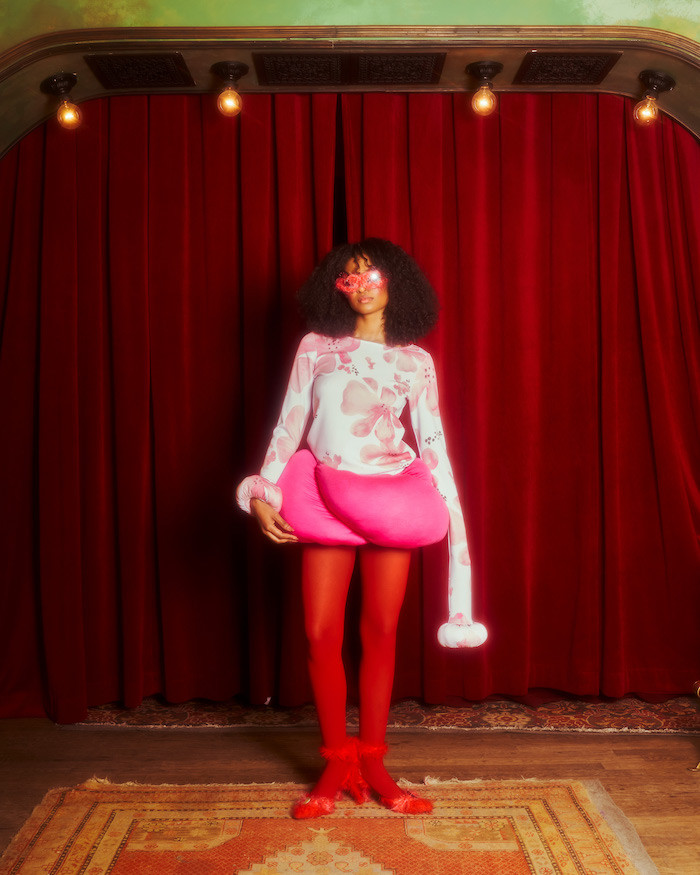
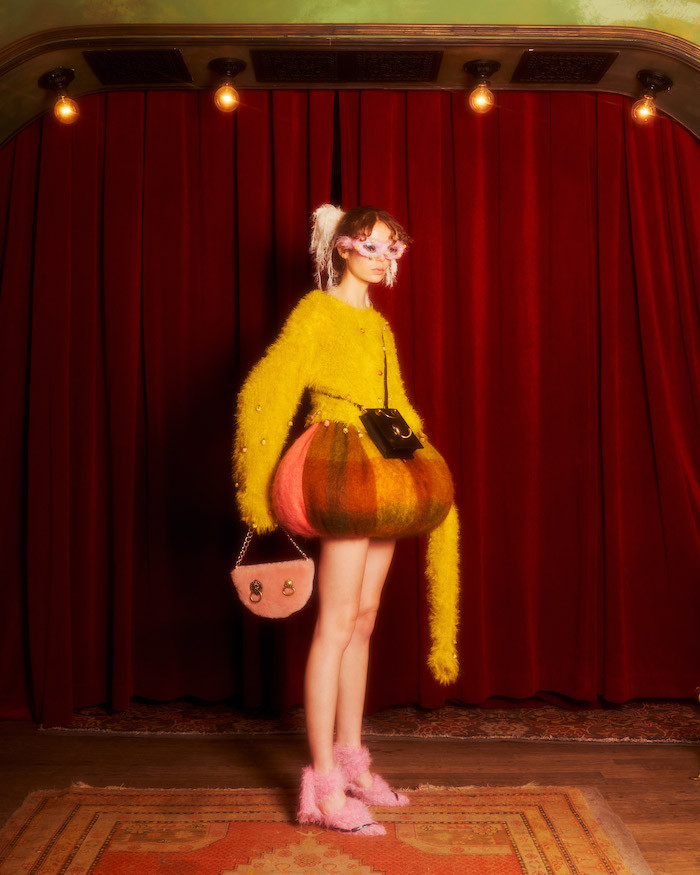
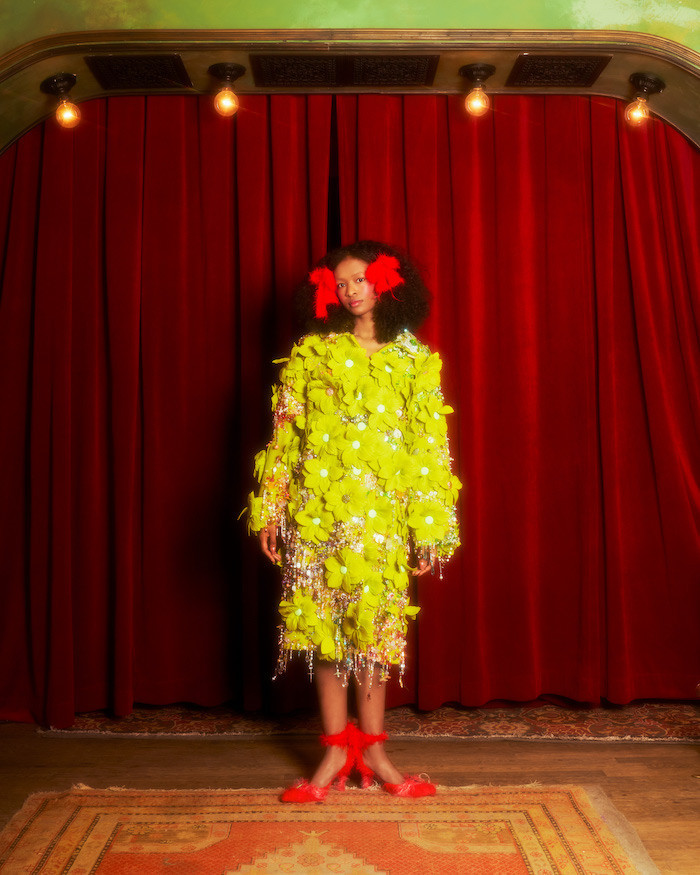
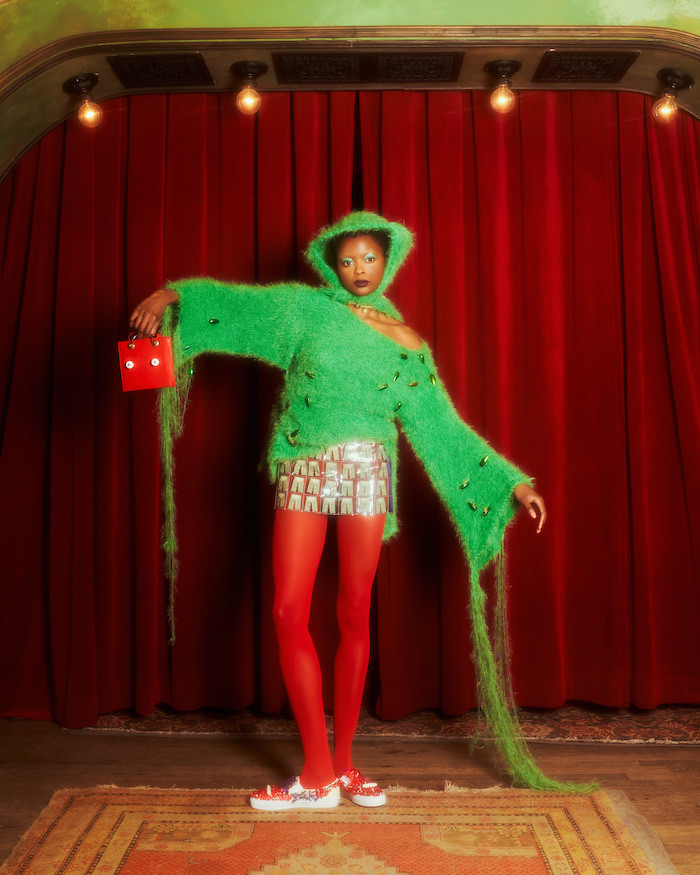
At The Circus

Oh and the peacock feathered suit was killer. See it, and our other favorite looks from backstage at the presentation, below.
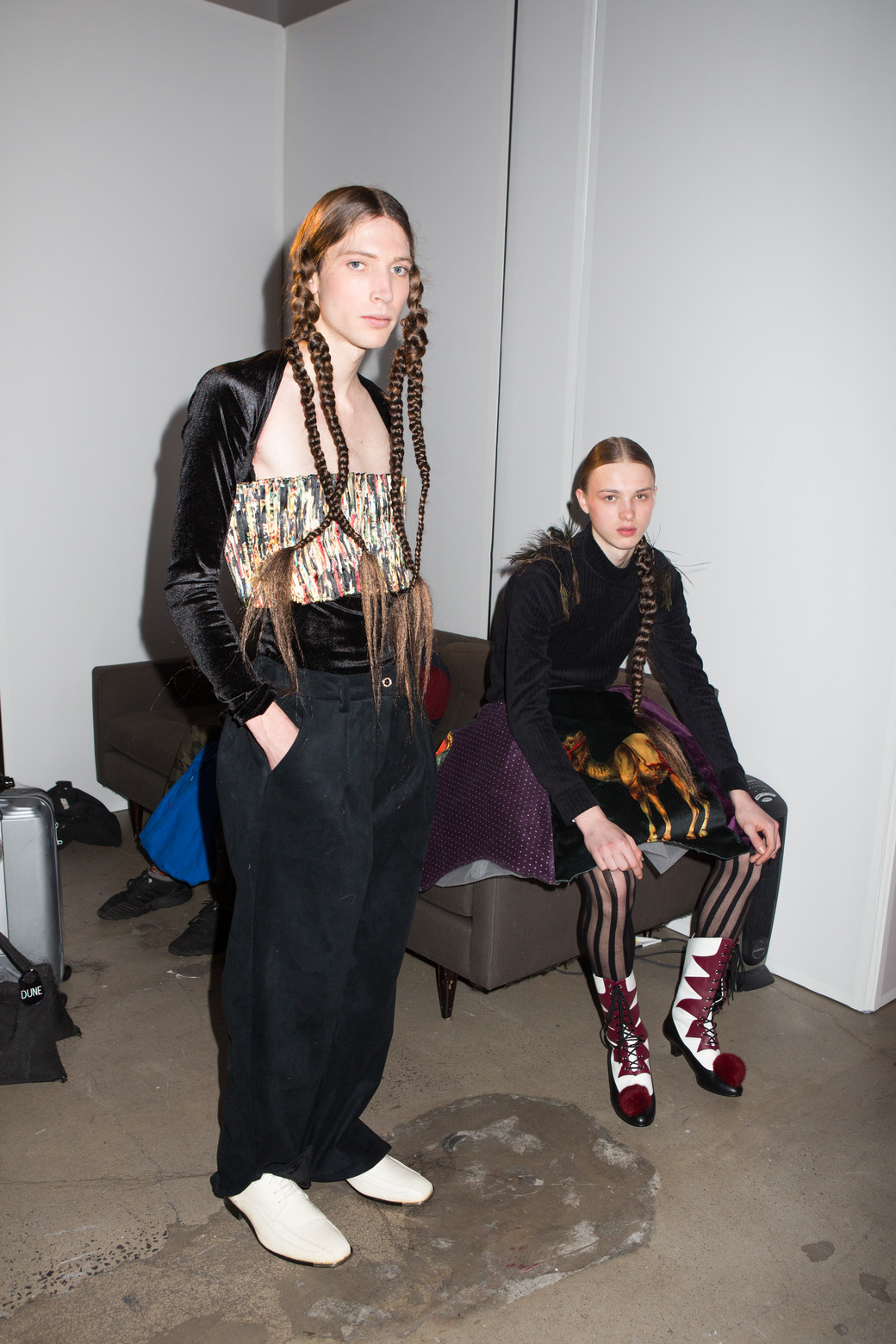
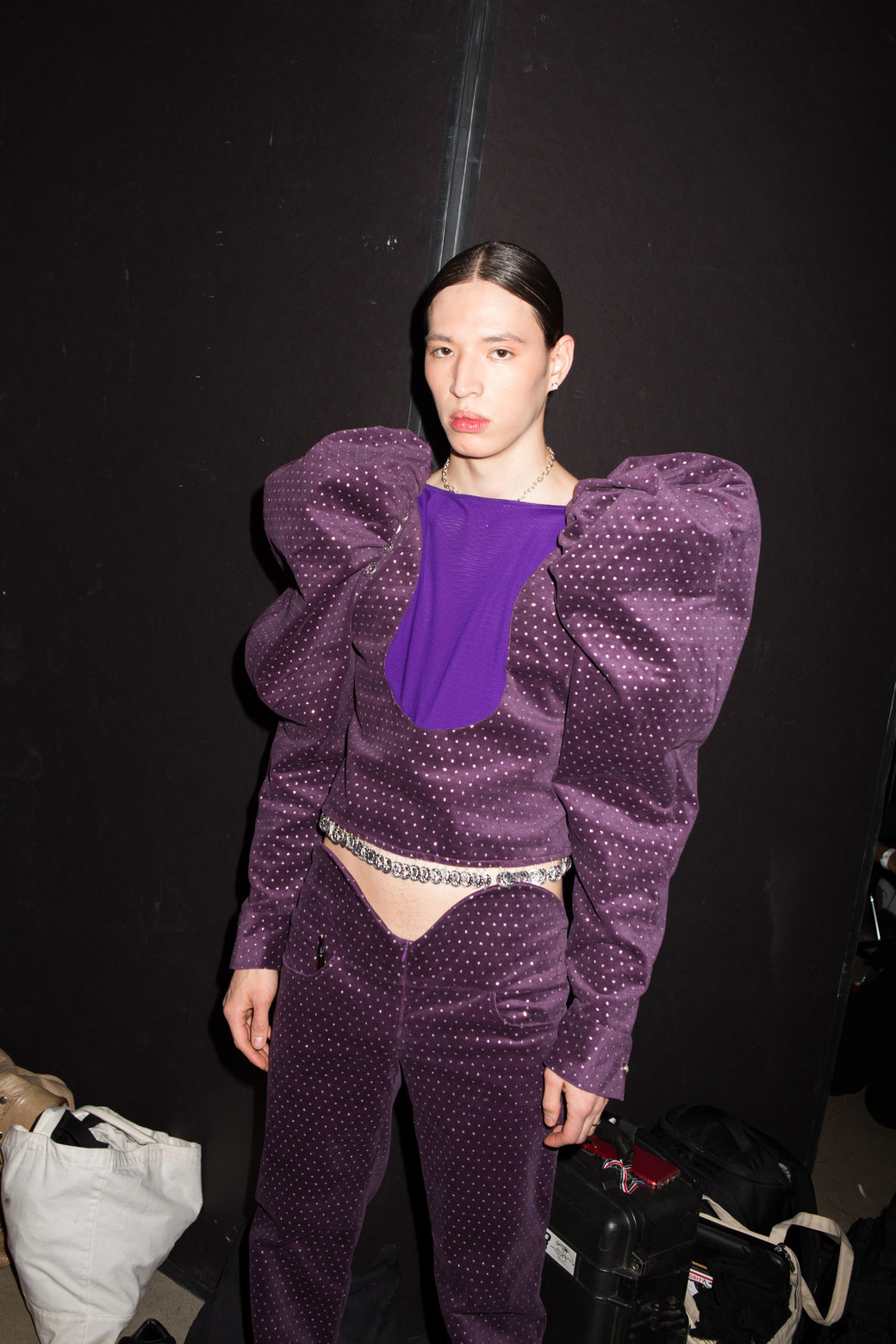


Oh and the peacock feathered suit was killer. See it, and our other favorite looks from backstage at the presentation, below.

In upending the idea that value and exclusivity must be coterminous, the brand proposes what they call “a new mathematics for black cultural innovation,” one wherein the people that originate popular culture are not denied a stake in it. And even as it disrupts the rules of the fashion world, Telfar still knows its own limitations as a company; the “WARNING” on its website makes sure to remind us that TELFAR LIVE “is not a replacement for real political struggle,” forgoing the self-aggrandizing tendency to conflate Black business with Black liberation.

TELFAR LIVE is just as much a practical business decision as it is a statement. “If we price our clothes according to how cool they are; less cool people can afford them,” the brand explained. “If less cool people can afford them, we can’t make as many. If we can’t make as many, the clothes will stay expensive. That’s not cool.” As simple as it sounds, this strategy runs counter to the dominant ethos of business and branding in fashion while still ensuring economic growth.
With this price model, Telfar is thoroughly dismissing the capitalist-realist conventions that have confined the brand’s peers and predecessors. From FUBU and Pharell’s Billionaire Boys Club to the late Virgil Abloh’s Off White and Kanye West’s Yeezy, Black designers and Black-owned brands have often historically relied on models of mass hype, individual celebrity, and inaccessible pricing to sustain excitement around their products that could rival recognizable status-symbol luxury brands. Many had feared Telfar would resort to the same methods following its initial success, but TELFAR LIVE is merely a continuation of the brands’ steadfast commitment to keeping luxury accessible to its original audience.

The brand is aware of how its new price model is also an abdication of Black exceptionalism. The tongue-in-cheek “DOUBLE WARNING” adds: “TELFAR LIVE is not for everyone: if you are experiencing symptoms of clout chasing, elite capture, are suffering from black excellence, a seat at the table, party politics, have or will be pregnant with your colonizers' weaponization of beauty, legibility and truth — ask your ancestors first to find out if TELFAR LIVE is right for you.” Even with its originally low price point, Telfar now has the highest resale value of any fashion brand at 195% retail value. But the brand is refusing to exploit this cultural prominence in order to conform to and perpetuate the rules of the game. Telfar has no interest in abandoning its roots or shutting the door behind itself. Even if Beyoncé owns a Bushwick Birkin, everyday people will remain Telfar’s muse.

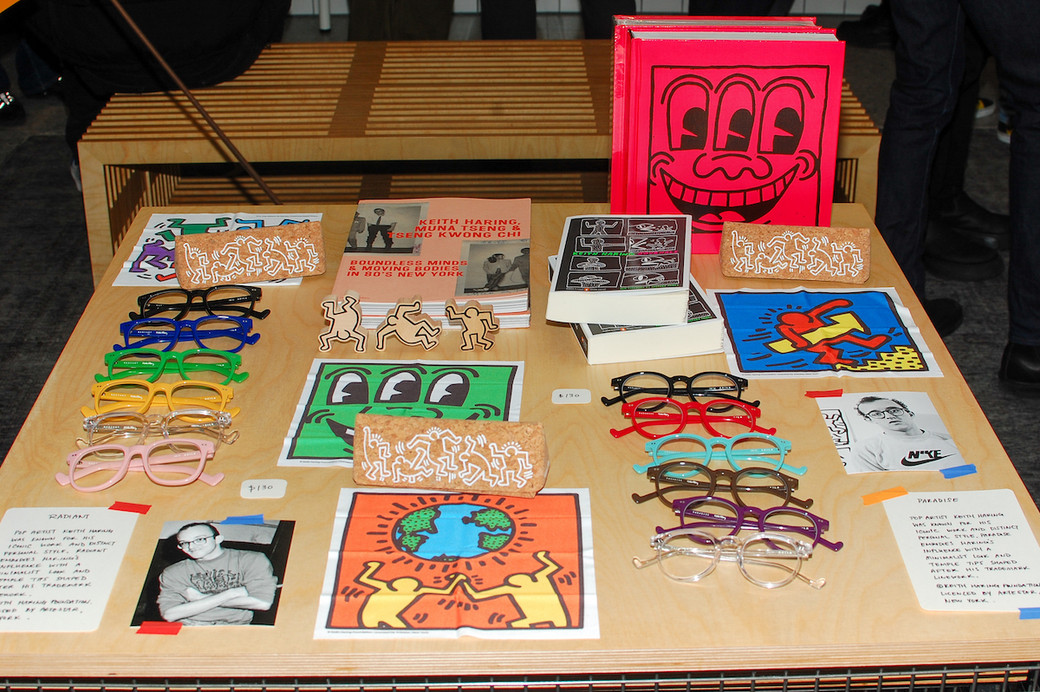
RADIANT embodies Haring’s influence with a minimalist look and temple tips shaped after his trademark line work, while PARADISE pays subtle tribute with a classic round frame and a similar finish. Available in multiple Haring-esque colorways, both styles feature an eco-conscious and handmade acetate frame, blue-light blocking nylon lenses with anti-reflective coating, 100% UVA/UVB protection, and a Keith Haring cork leather case & cleaning cloth.
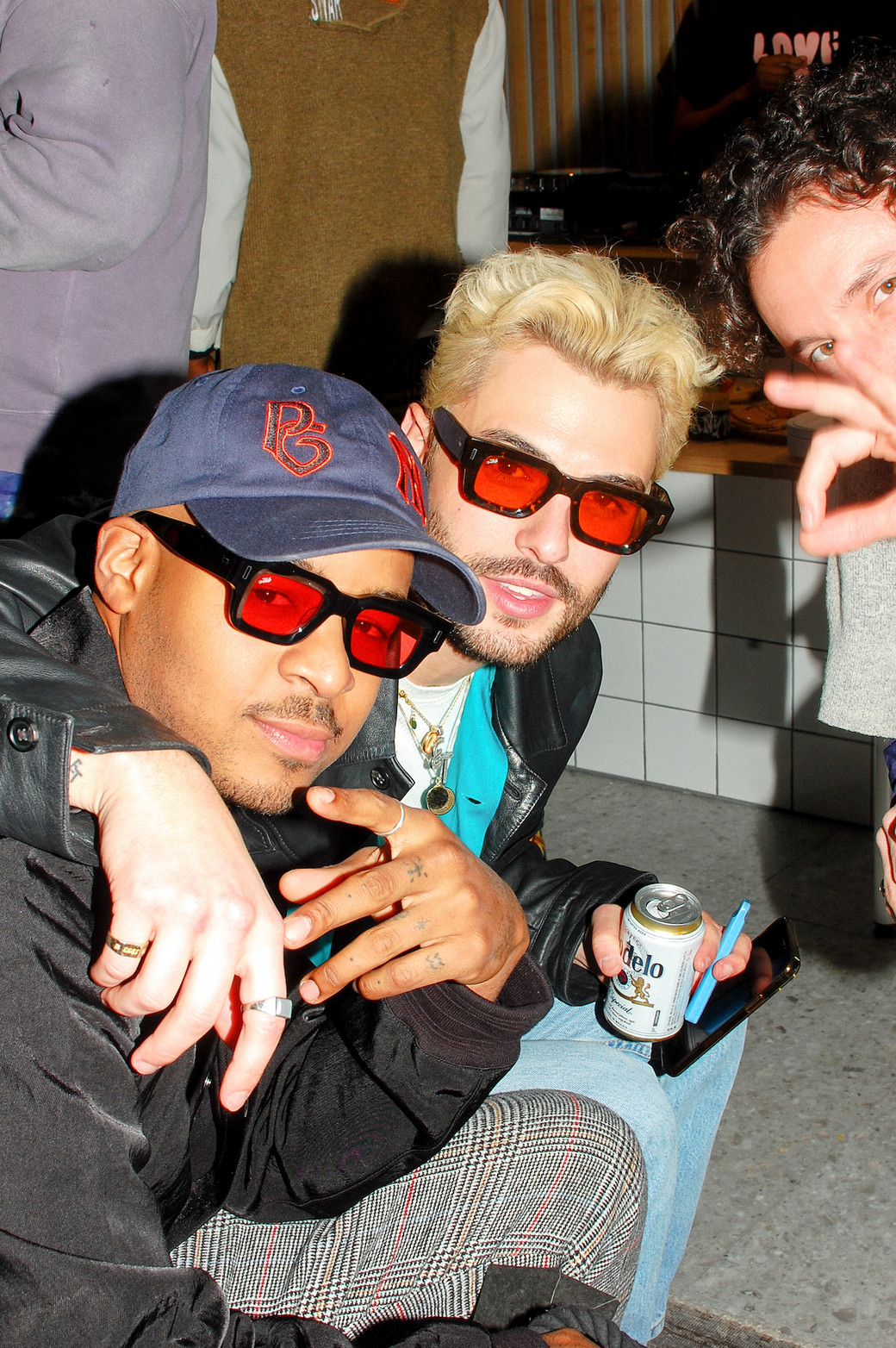
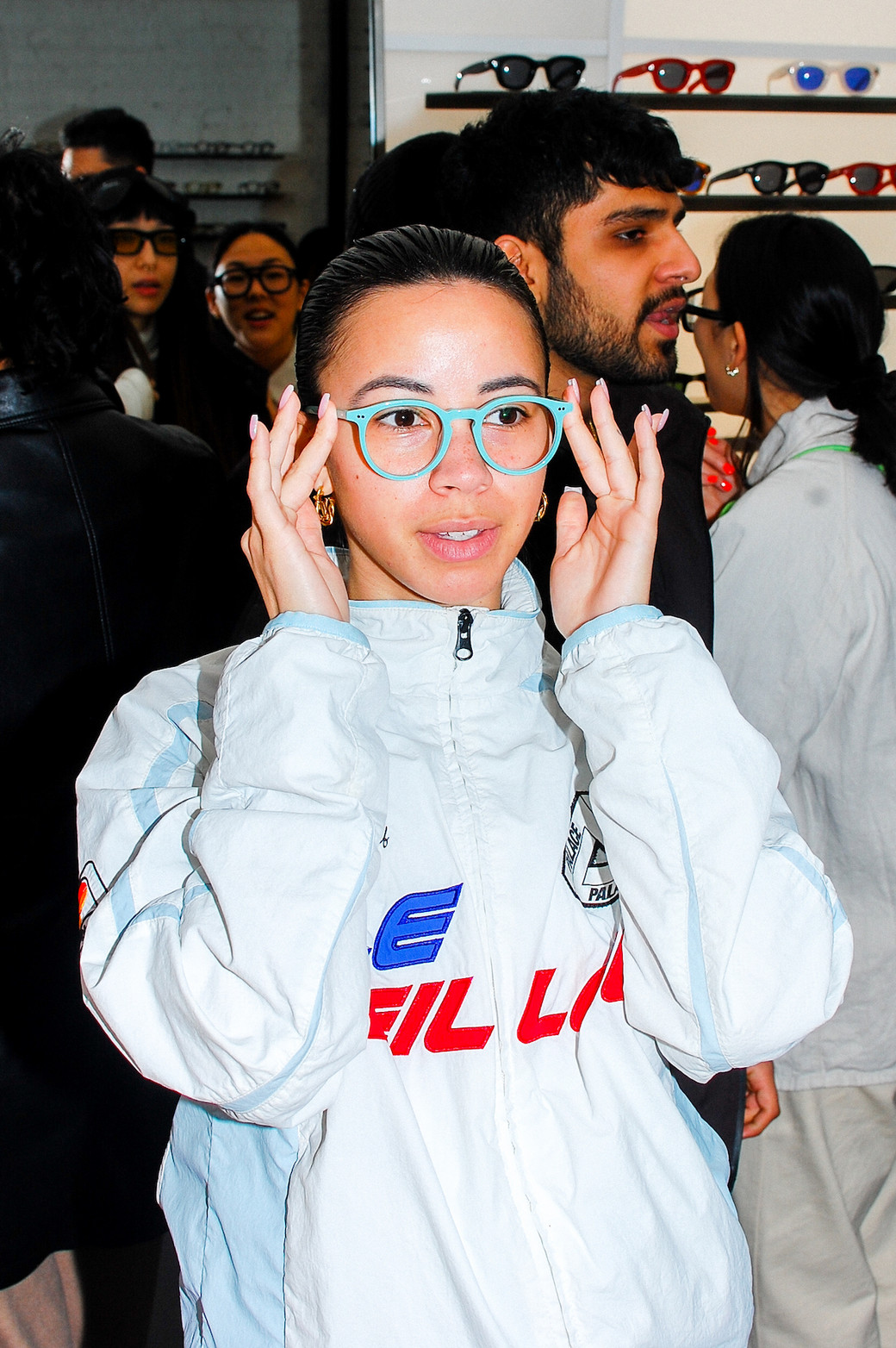
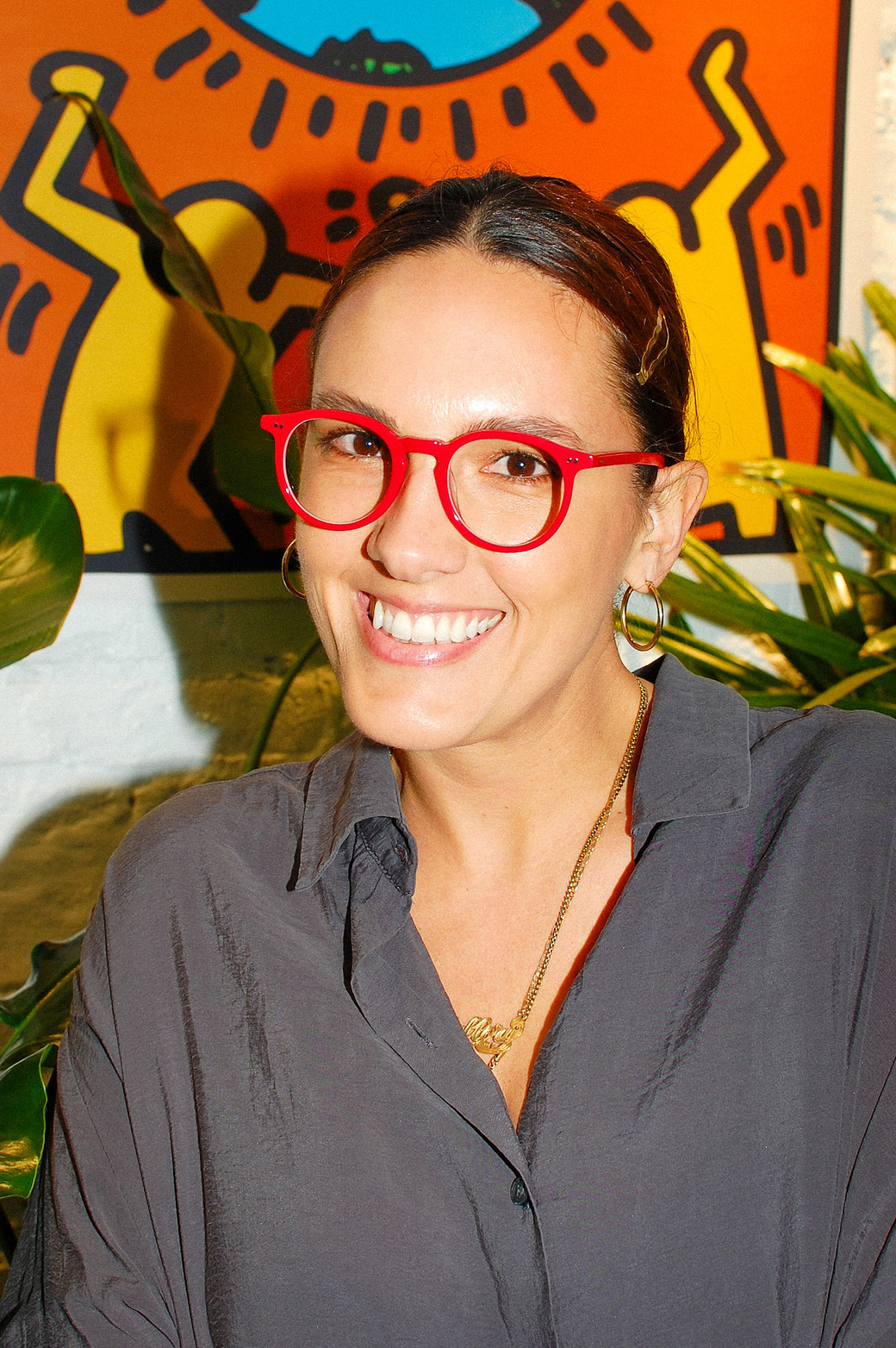
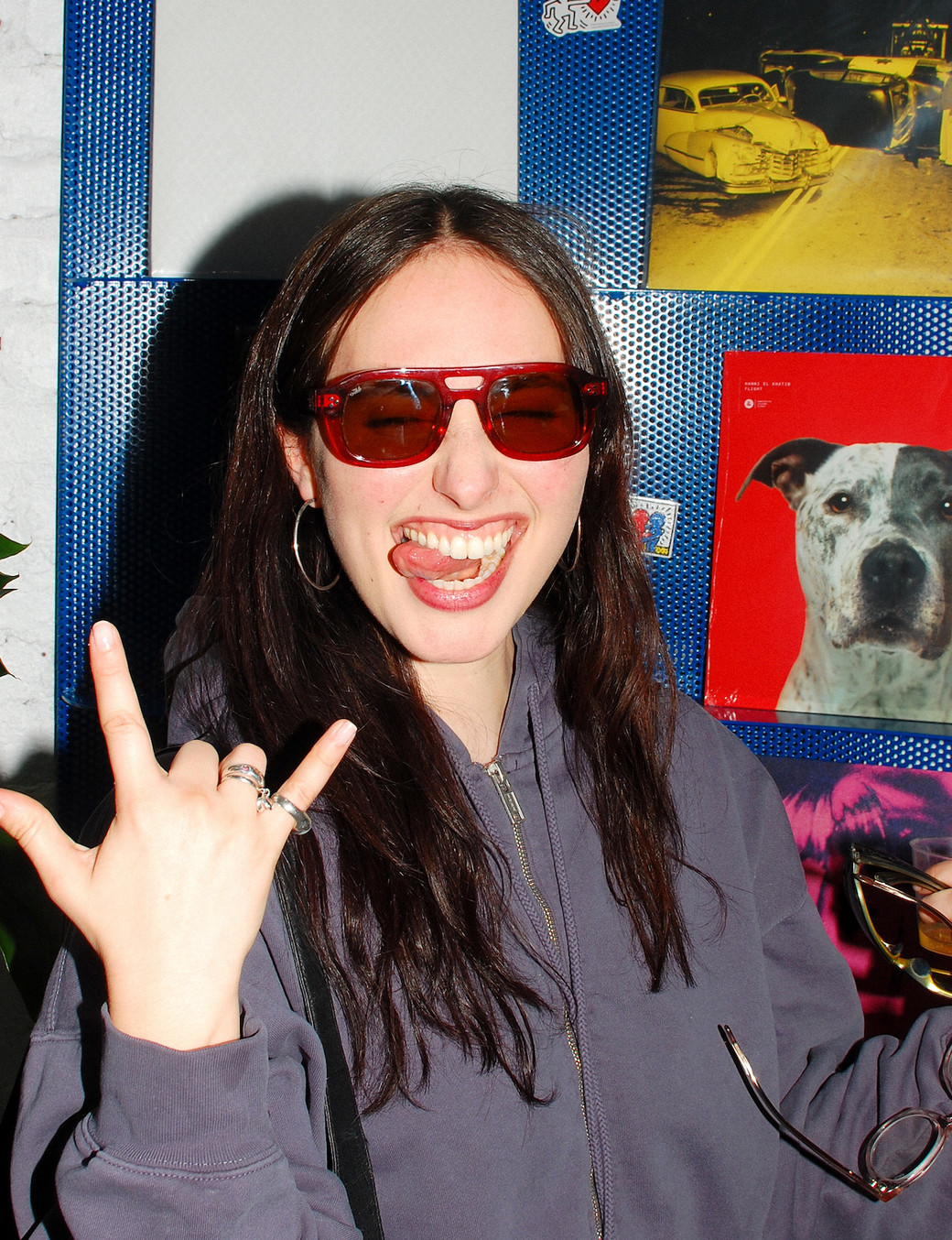
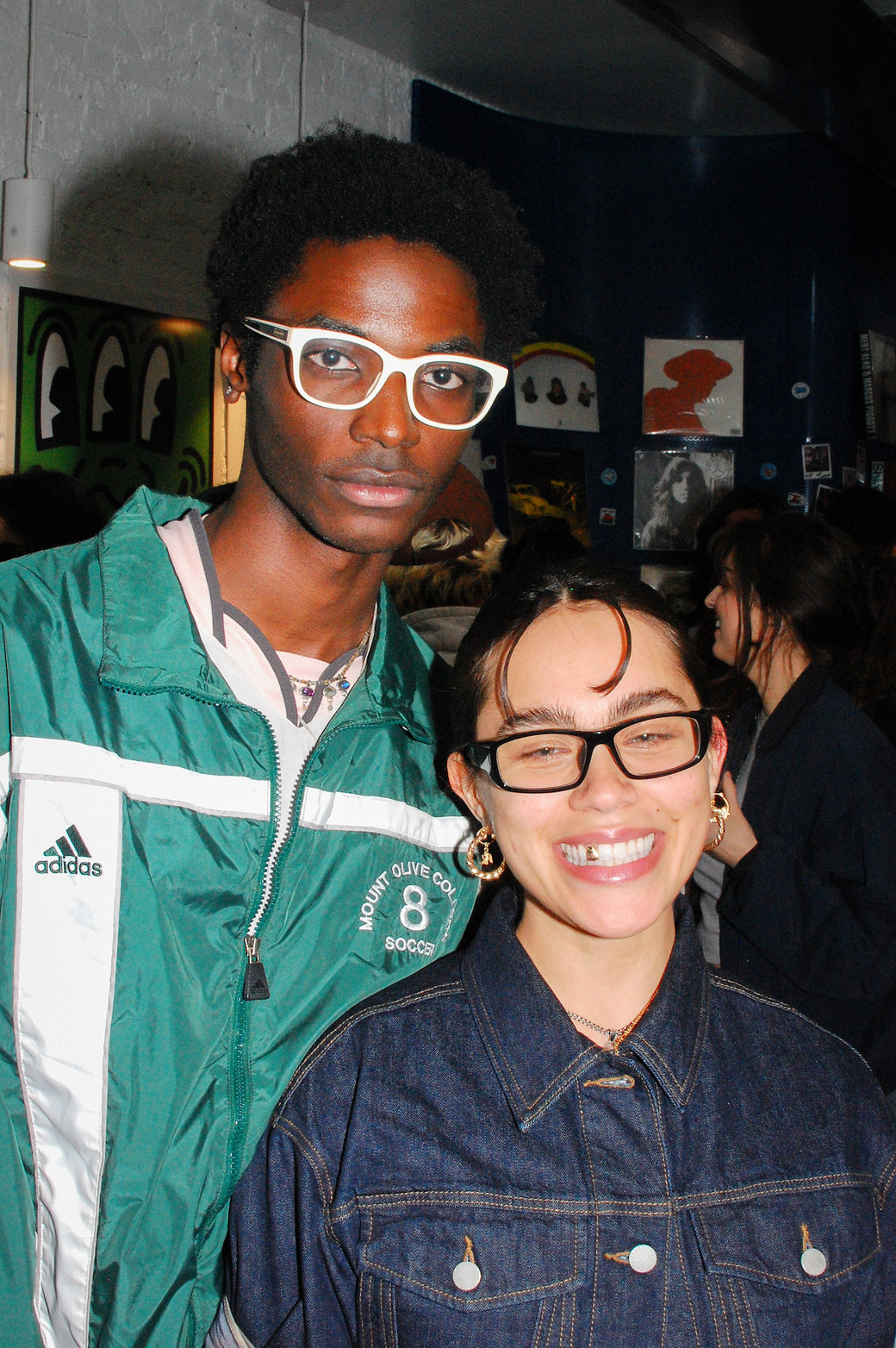
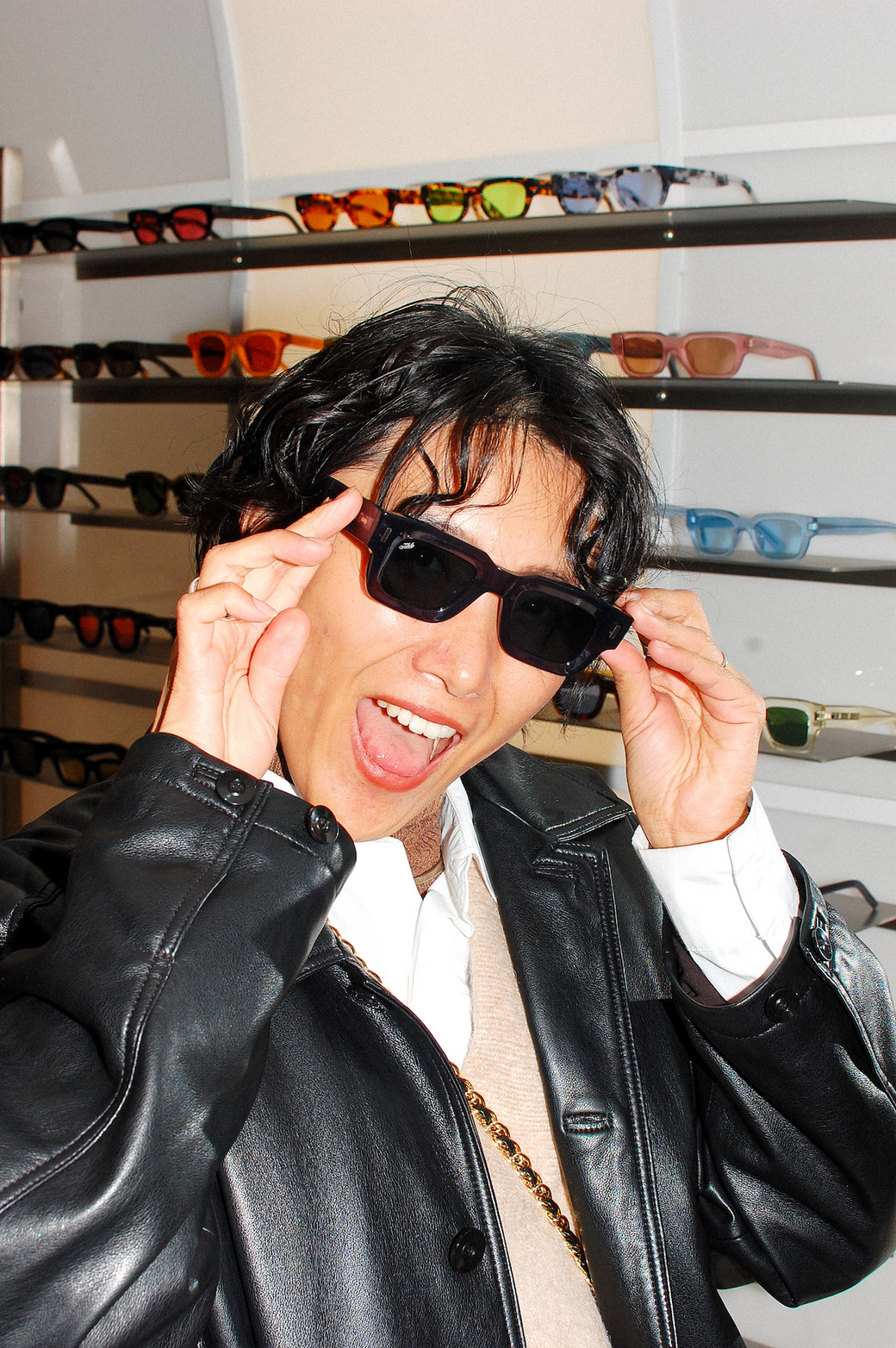
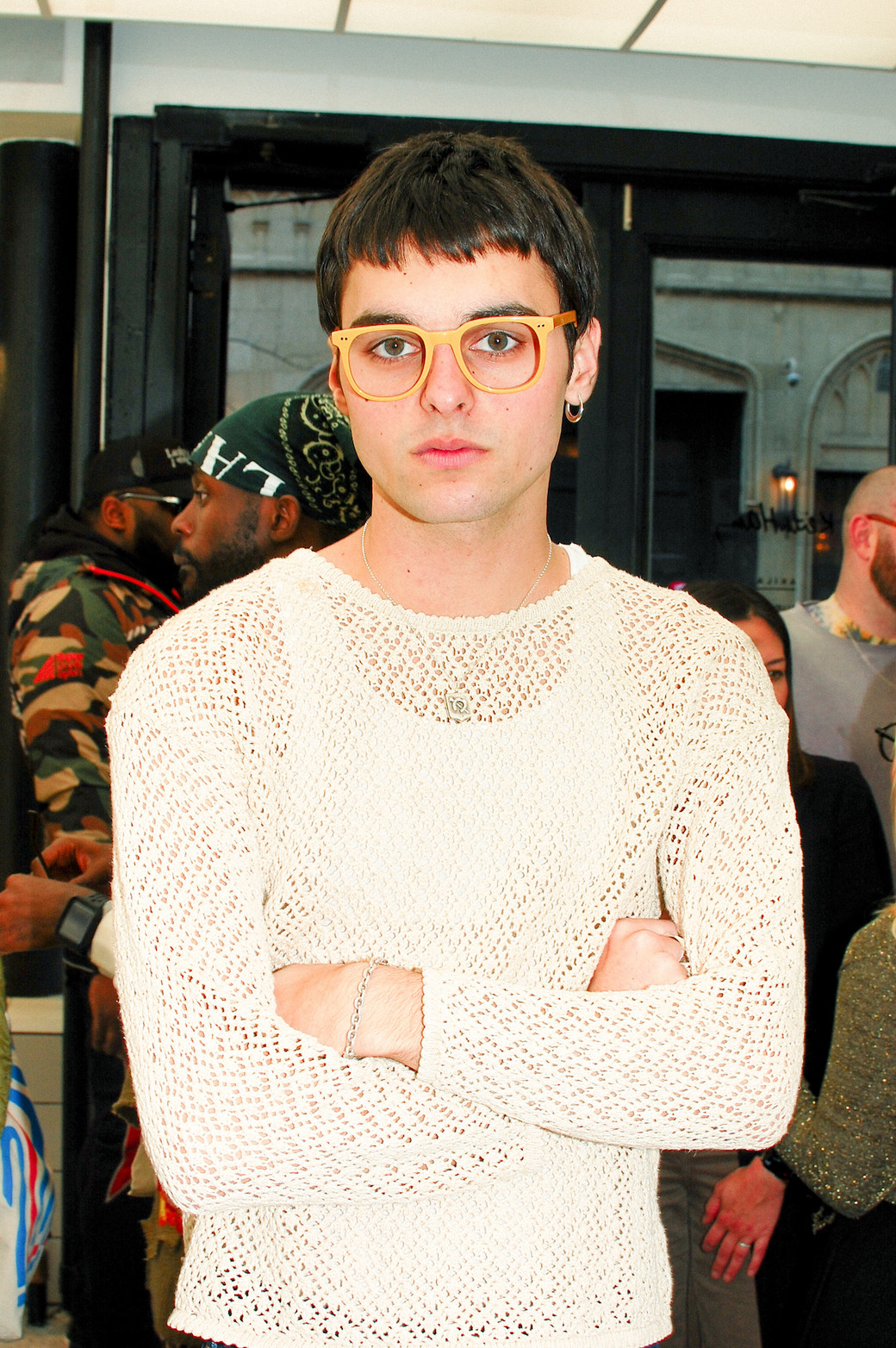
Check out photos from the evening below.

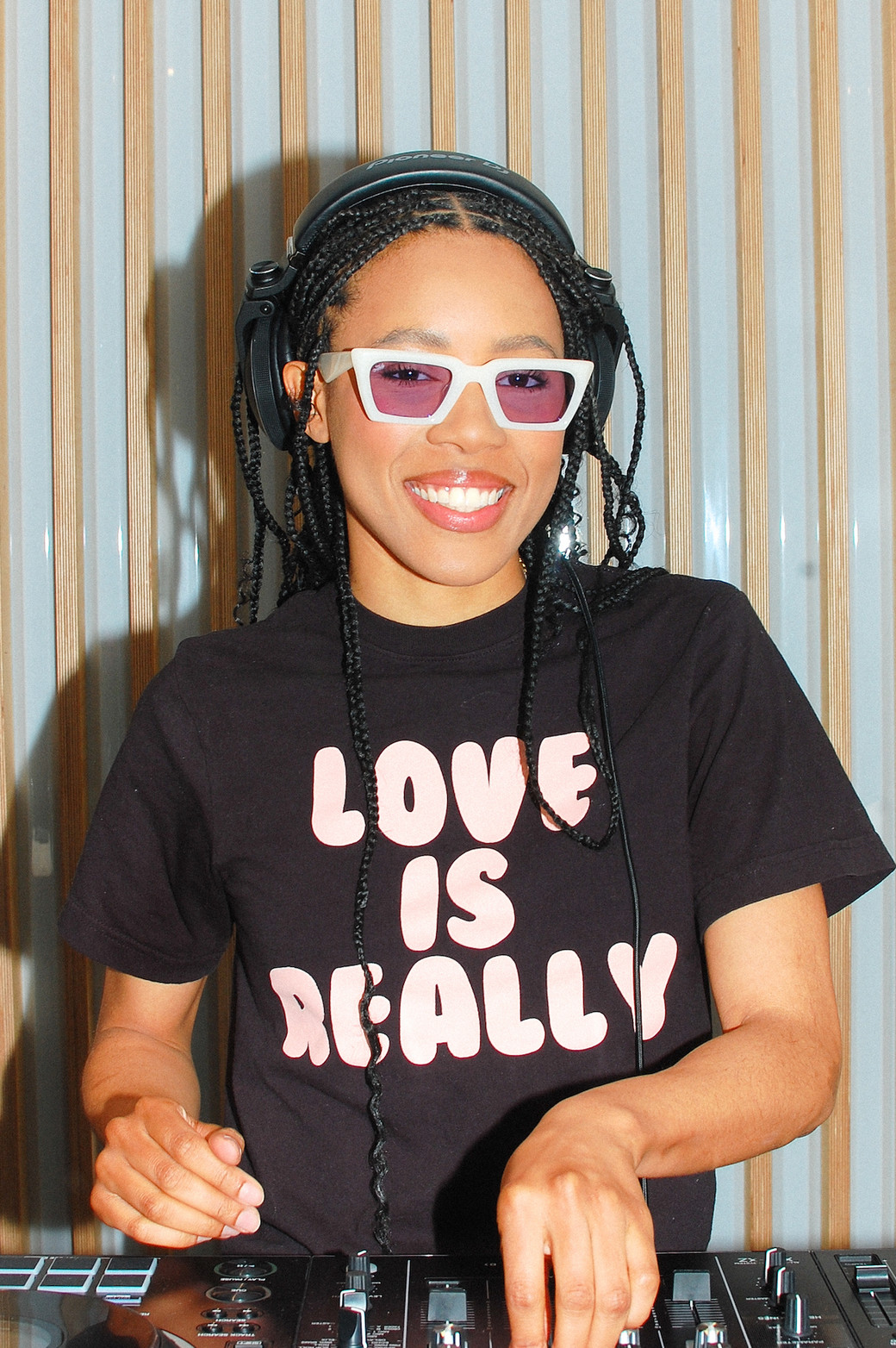

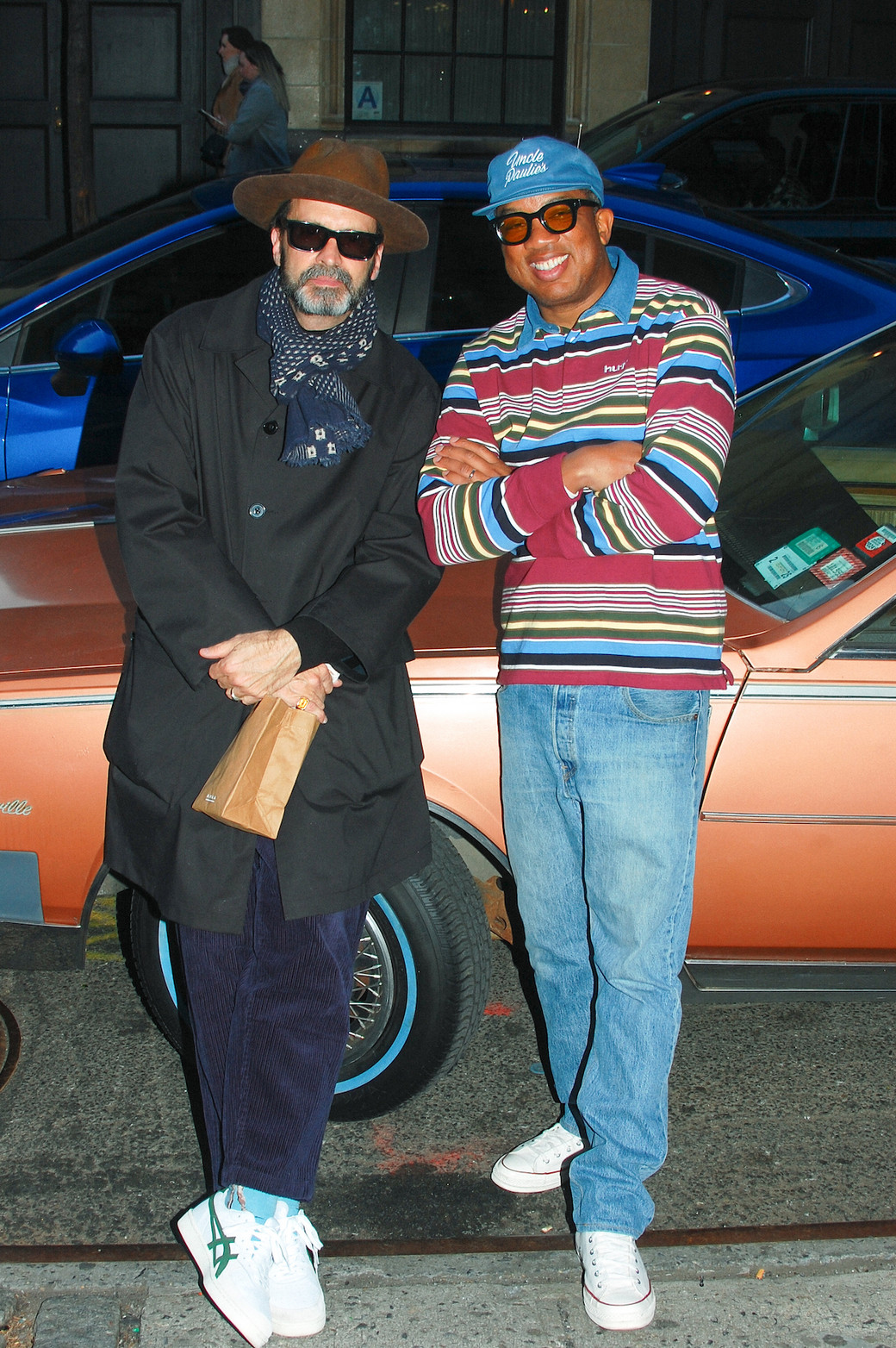
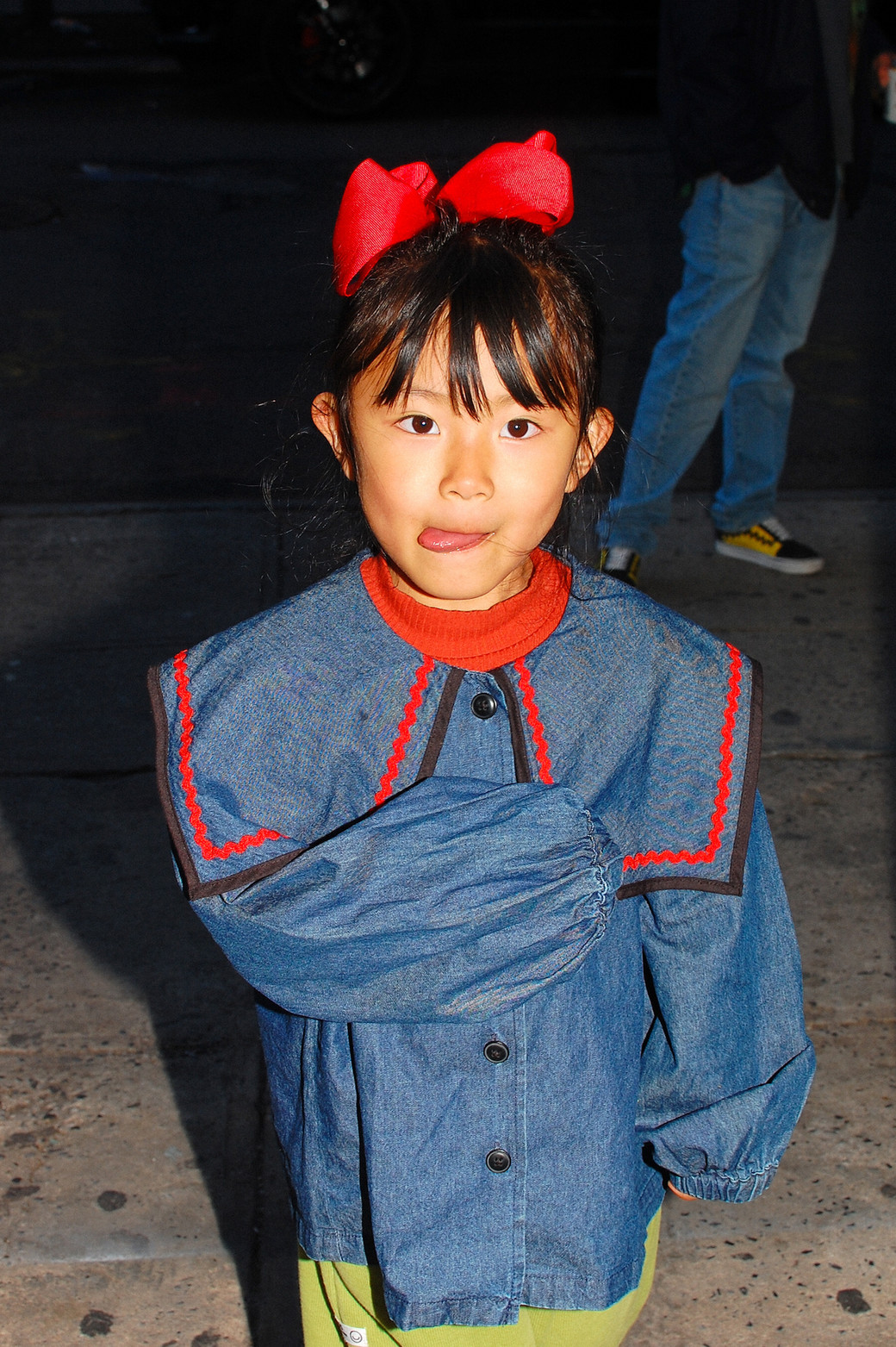

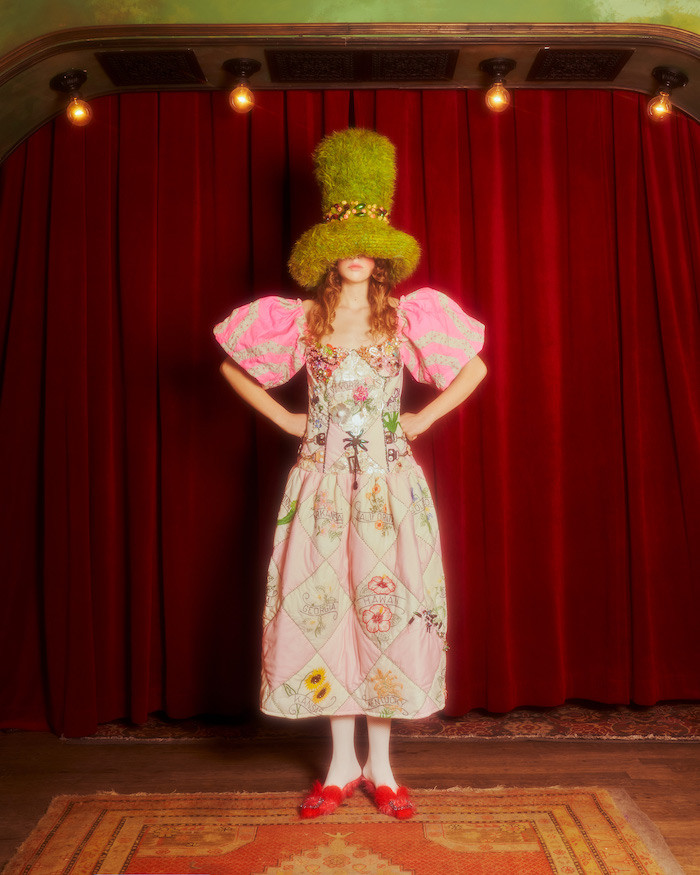
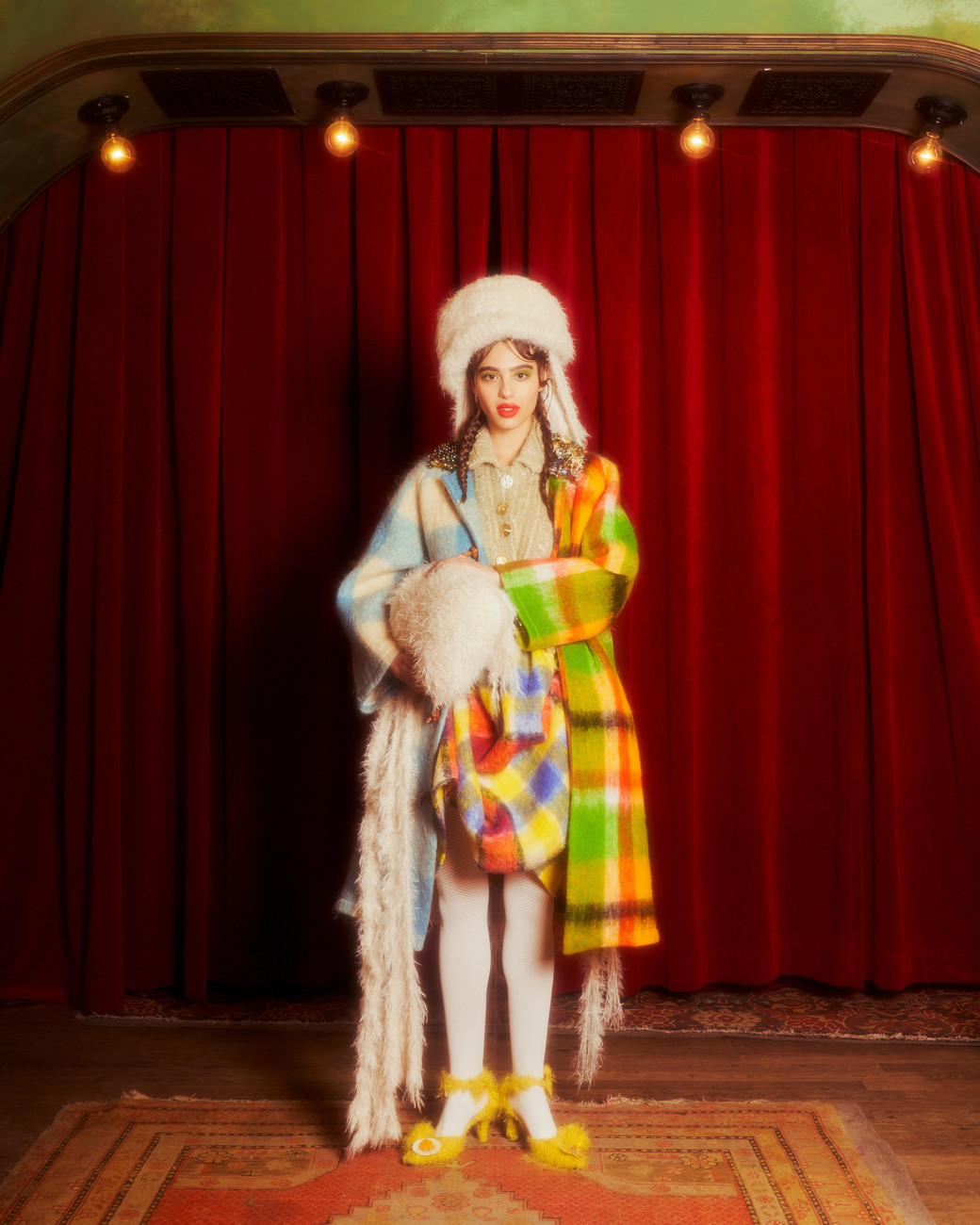
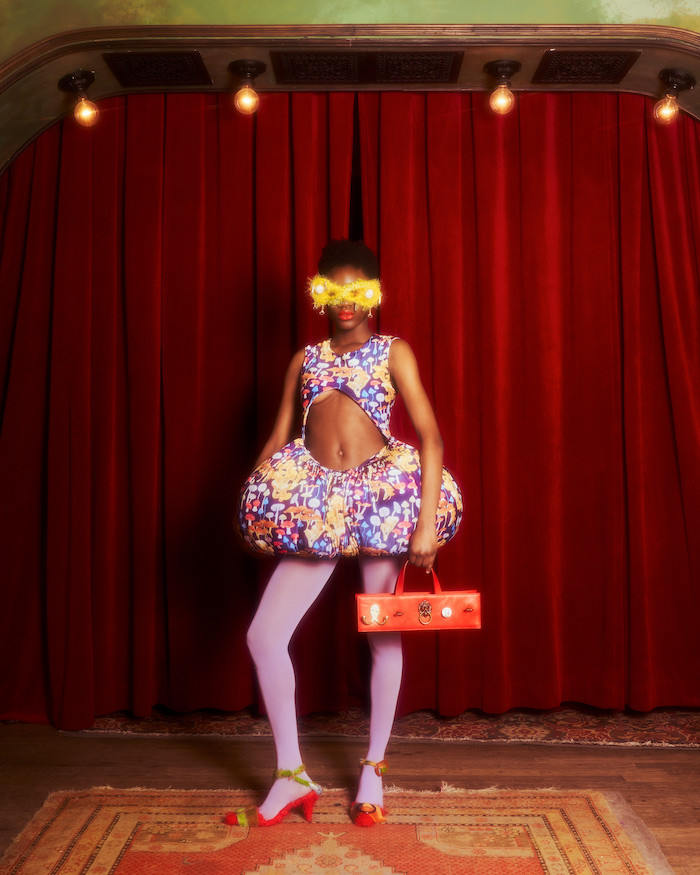
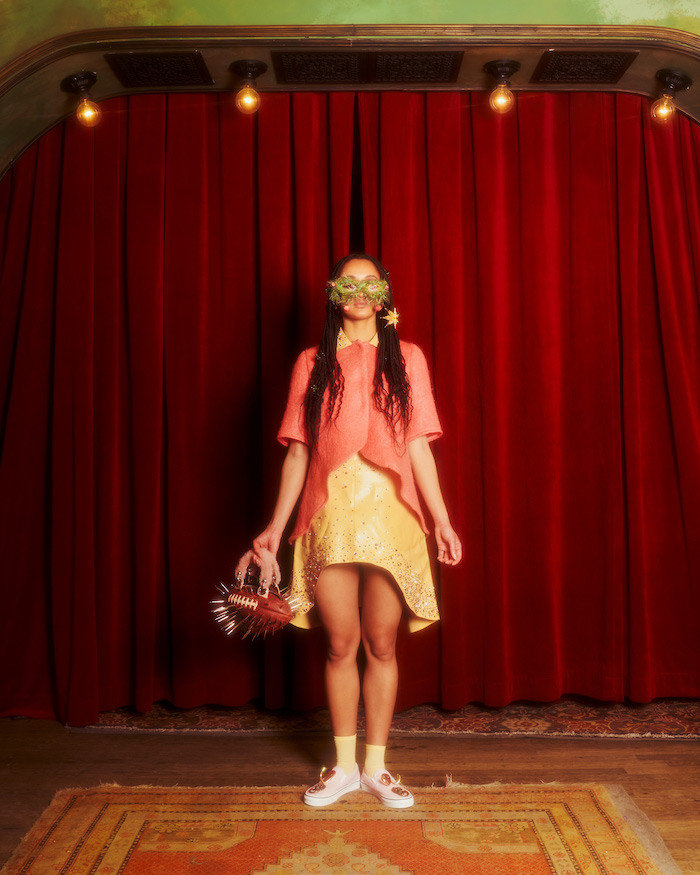
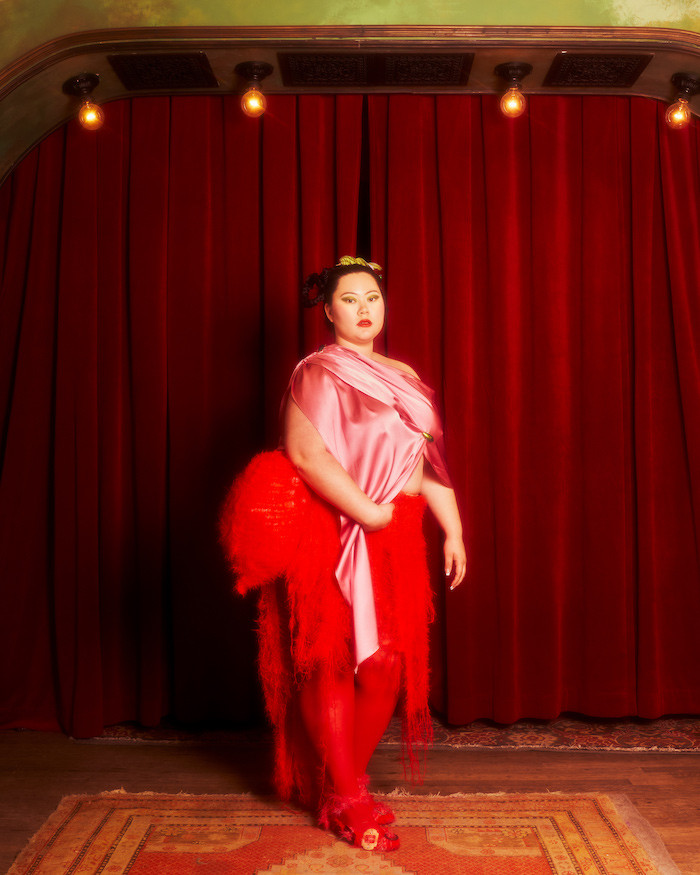
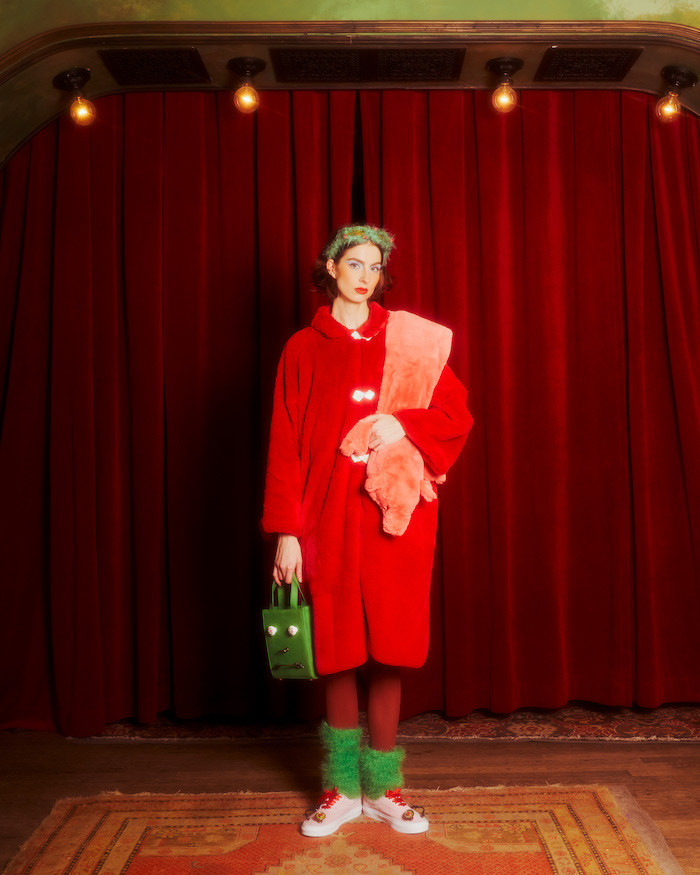
Inventive techniques and over 50 percent of the collection being crafted from upcycled materials act as a reminder of the responsibility contemporary creators have to fight against the grain. Audiences arrived at The Django, a romantic Parisian-inspired jazz club, to enter the universe Cheng facilitated with this collection, a place she coined an “optimistic utopia.”
After the show, office spoke to the designer about the collection’s inspiration, American design legend Bonnie Cashin, the artists she collaborated with — Andrea Bergart and Lorena Pipenco — and her favorite looks.
For this collection, you evolved our notions of American sportswear, inspired by the designs of Bonnie Cashin. In what ways do her works inform the collection? What was it like visiting her archive?
Being able to visit the archives inside of Cashin's heir, Stephanie's house, in suburban Minnesota was amazing. We ended up spending so much time together. When you walk into their house, it's nothing ridiculous. It's unassuming. And then you head downstairs and every single aspect of Stephanie's life and her consideration of the Cashin legacy is so deeply thought out. I think Bonnie is always in her heart you can really tell. When you talk to Stephanie, in a lot of ways, you're talking to Bonnie. That's what's really special about her. I love her and her entire family. So we ended up, product-wise, developing a few different styles. Bonnie was really into rifts on different geometric shapes and math in general. So we came up with the parabola skirt. Bonnie would make hers out of leather and line them with faux chinchilla fur, which she called 'make-believe fur.'
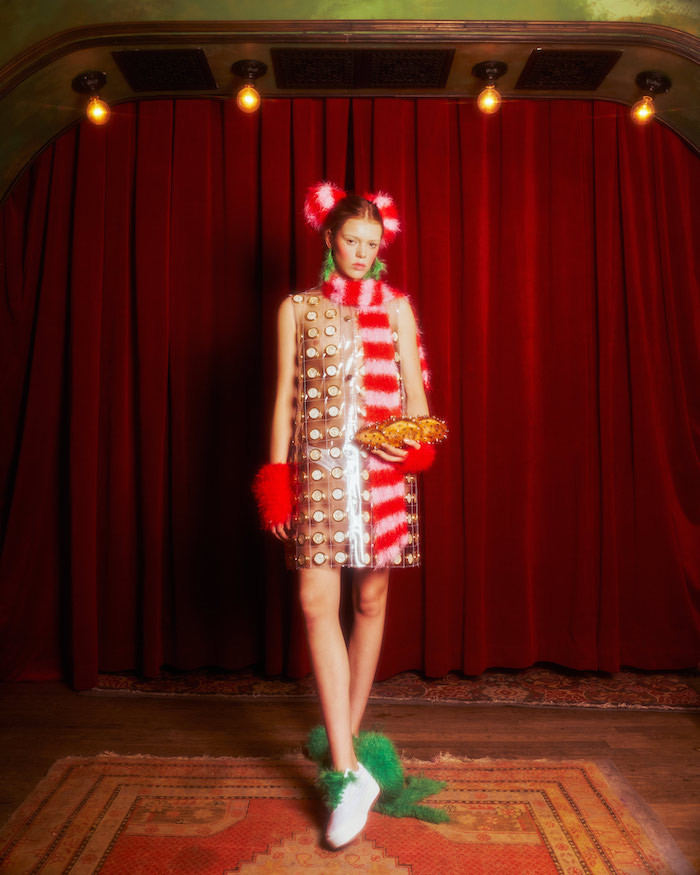
I ended up working with TômTex, a company based just a couple blocks from my office and apartment in Brooklyn. They are essentially like a chemistry lab growing leather-like materials out of shrimp shell waste and mushroom food waste. It's a hundred percent biobased and completely biodegradable. And Swarovski gave me a lot of upcycled crystals so we just embellished the look with that. Look 10 included one of the fully upcycled pieces in our collection, but the collection as a whole includes fifty percent upcycled materials.
Why did you decide to collaborate with other artists for this collection and in what ways do their artistic touches manifest in the clothing?
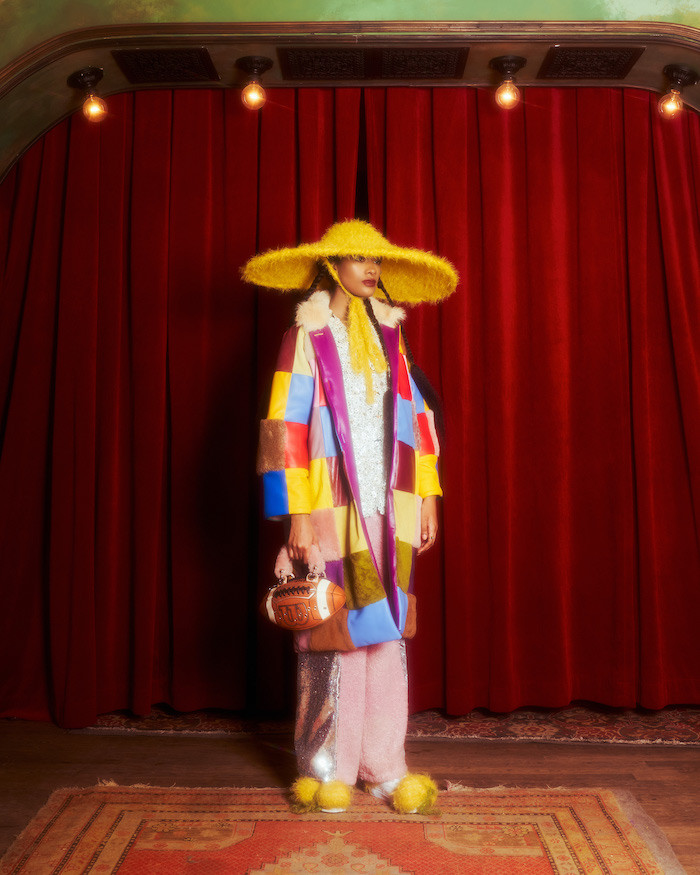
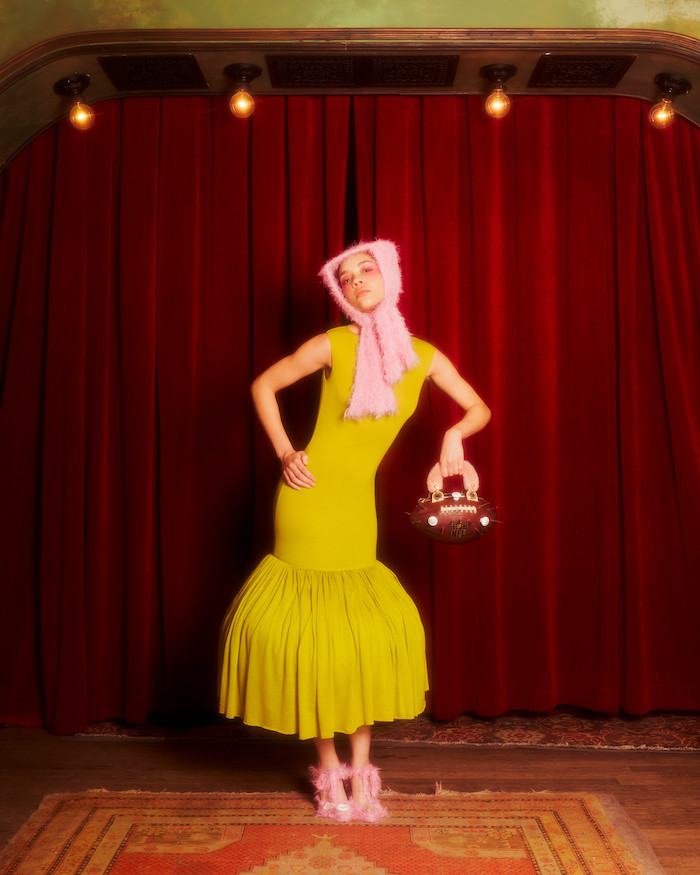
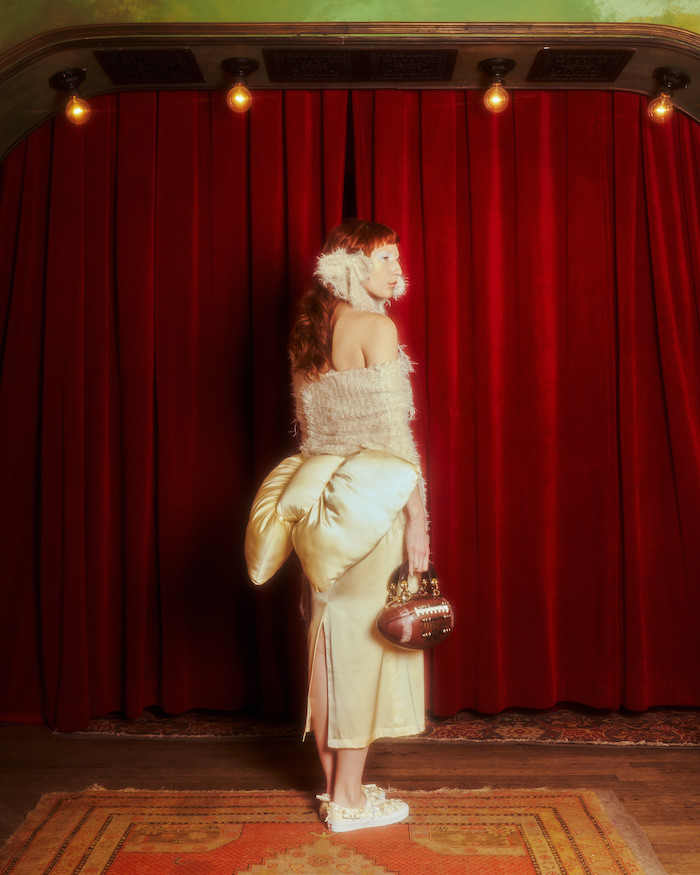
This collection is impossible without those women. I first had this idea to play with American Sportswear and reinterpret that at different levels. I knew about Andrea's work because we had shared a factory in the Garment District three or four years ago. I remember they were always making basketball purses and I thought they were really cool. So I had this thought that I wanted to make purses out of vintage footballs and I sent Andrea an email. She essentially made these footballs using leftover shearling from a project we had worked together on in the past. And then we used all upcycled materials to decorate the bags, from these crazy 40-millimeter-long spikes to little ceramic knobs.
In addition to her, we also worked with Loretta, who is still an MFA student at Parsons. I saw a photo of her wearing these electric blue fur sunglasses and I thought, 'What on earth is that? I need to know more.' So I found her on Instagram — as one does. She ended up being so amazing and turned out the sunglasses so quickly. Being able to have this collaborative network of people from all different backgrounds is really fulfilling. Lorena's from London, but she's also Romanian, working with the Lakes, and I'm Chinese American. Just defining this new concept of American sportswear was really, really exciting for me. And honestly, prior to this past year, I had never really worked on collaborations. I think, ultimately, opening myself up to this world of really incredibly talented people is such a gift.
The collection is titled, “An Anti-Fashion Manifesto” — in what ways does the collection engage with the industry as we know it, while also subverting certain notions of what traditional sportswear should be?
Now that I've been doing this for over five years, my perspective is quite different than when I first started. I think that our approach to sustainability is genuinely very different than anybody else. Mainly in the sense that, there are a lot of designers who are genuinely quite sustainable, though some clearly greenwash. But nobody's using this many upcycled materials and we really like to focus on things that are seen as trash. We constantly have buckets full of 'trash-adjacent' items. This season we were able to clean through all of it and make new things out of the old. I had the most fun making this collection out of any collection I've ever done. And I think that that really comes across in the pursuit of material. We are a small brand, but I do really hope that as we grow that this can always be part of our messaging. We're paving our own path. I think in terms of American culture today, nobody really knows what American sportswear is — most people think it's just a football jersey. But I'm very obsessed with the historical aspects of fashion. I want to talk about those. It's not just important to know what's of the moment and to anticipate it, but I feel like it's more interesting, at least in my opinion, to know where things came from.
What is your favorite look in the collection?
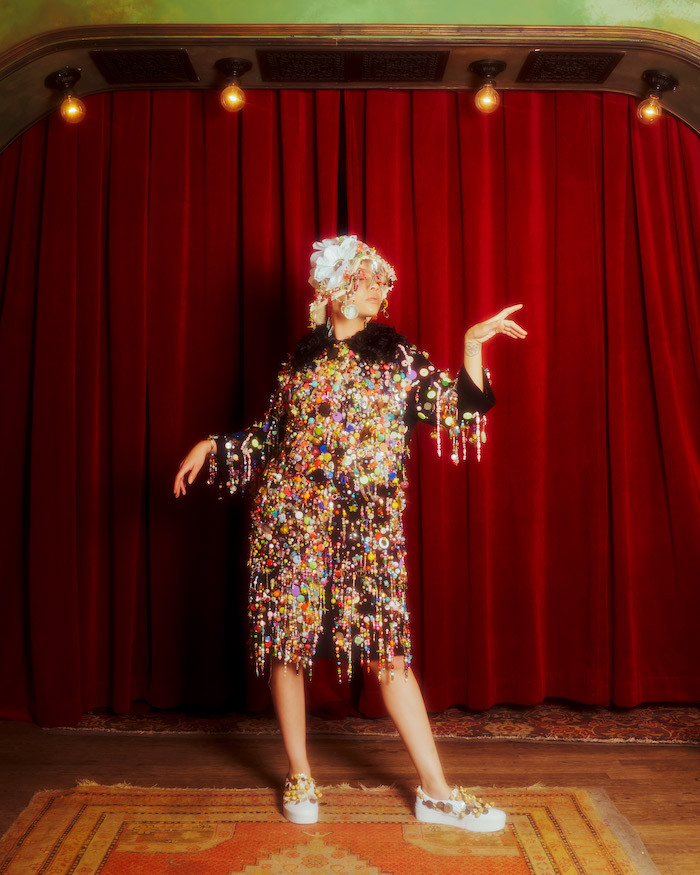
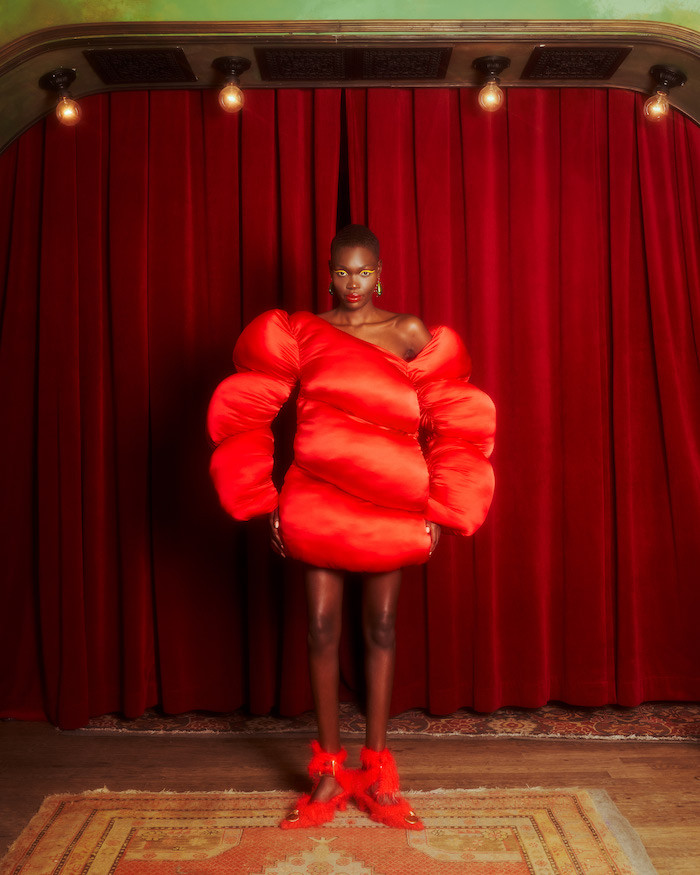
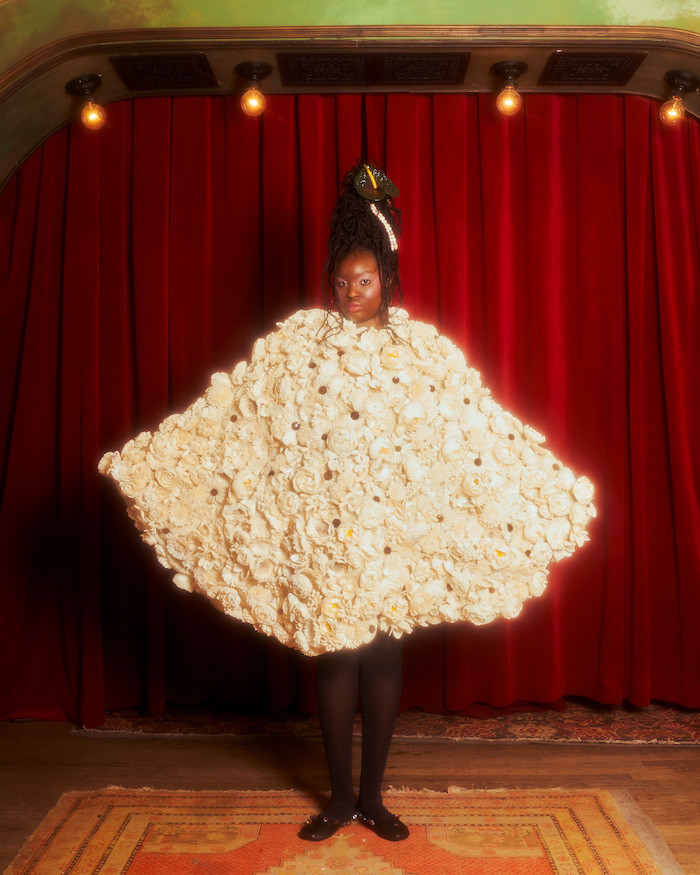
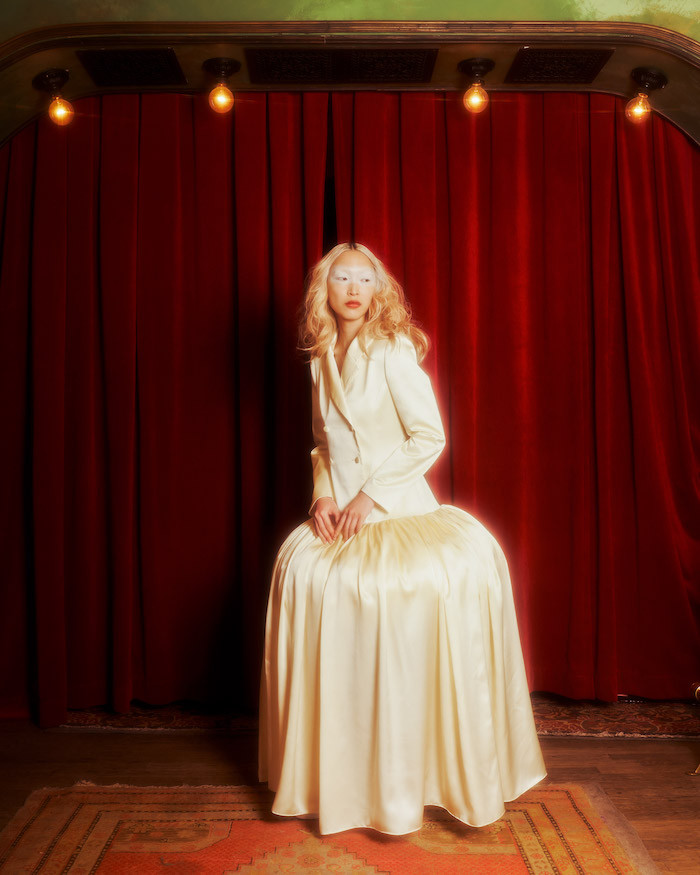
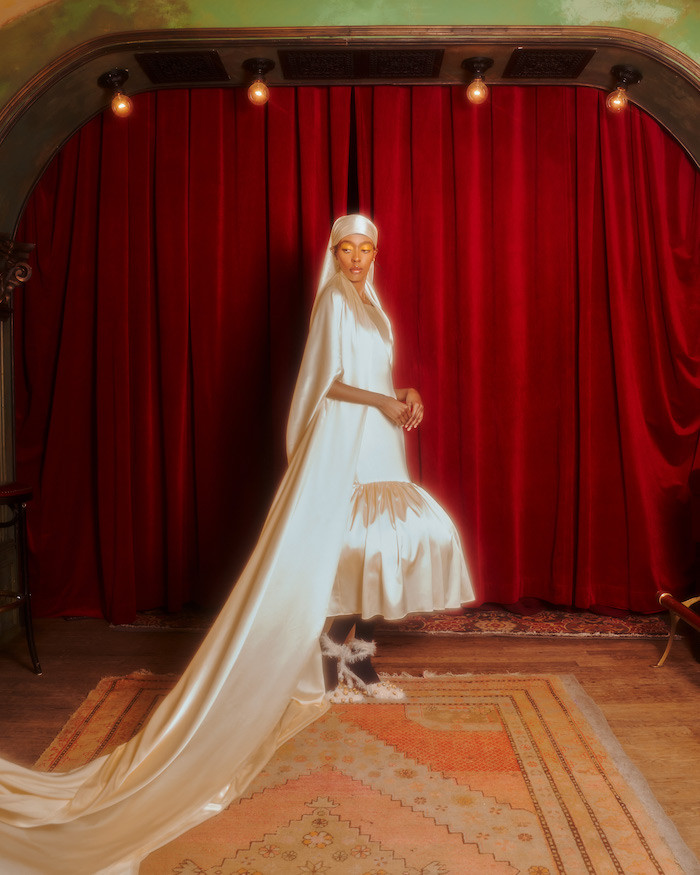
I have a few! I really loved the two beaded coats. I sewed about 90 percent of those coats myself and they took months. I also love the hollow dress. It's this red dress that was tubed. I wanted a dress that looks like challah bread. And then I feel like I really wanted to exercise strength at the end, which is why we put out those all-white 'bridal' looks. So I think I liked the most simple and the most maximal looks.