At The Circus

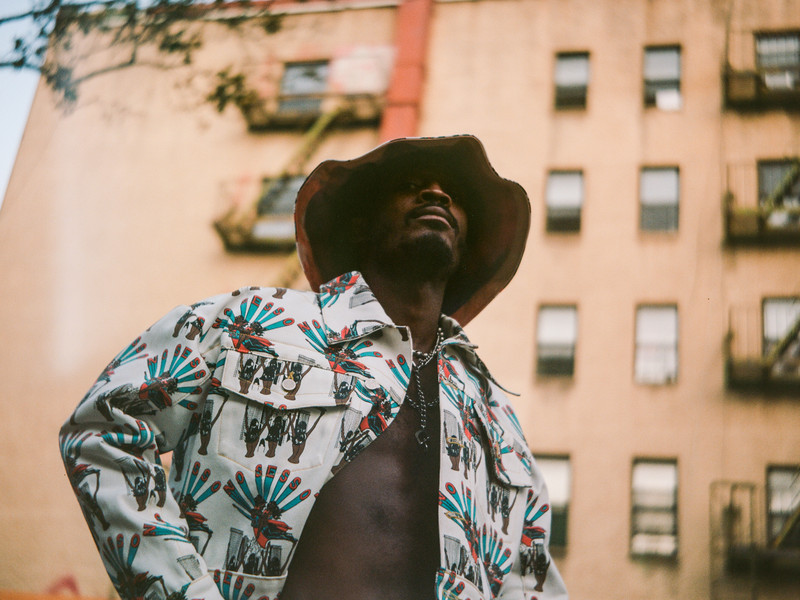
Oh and the peacock feathered suit was killer. See it, and our other favorite looks from backstage at the presentation, below.
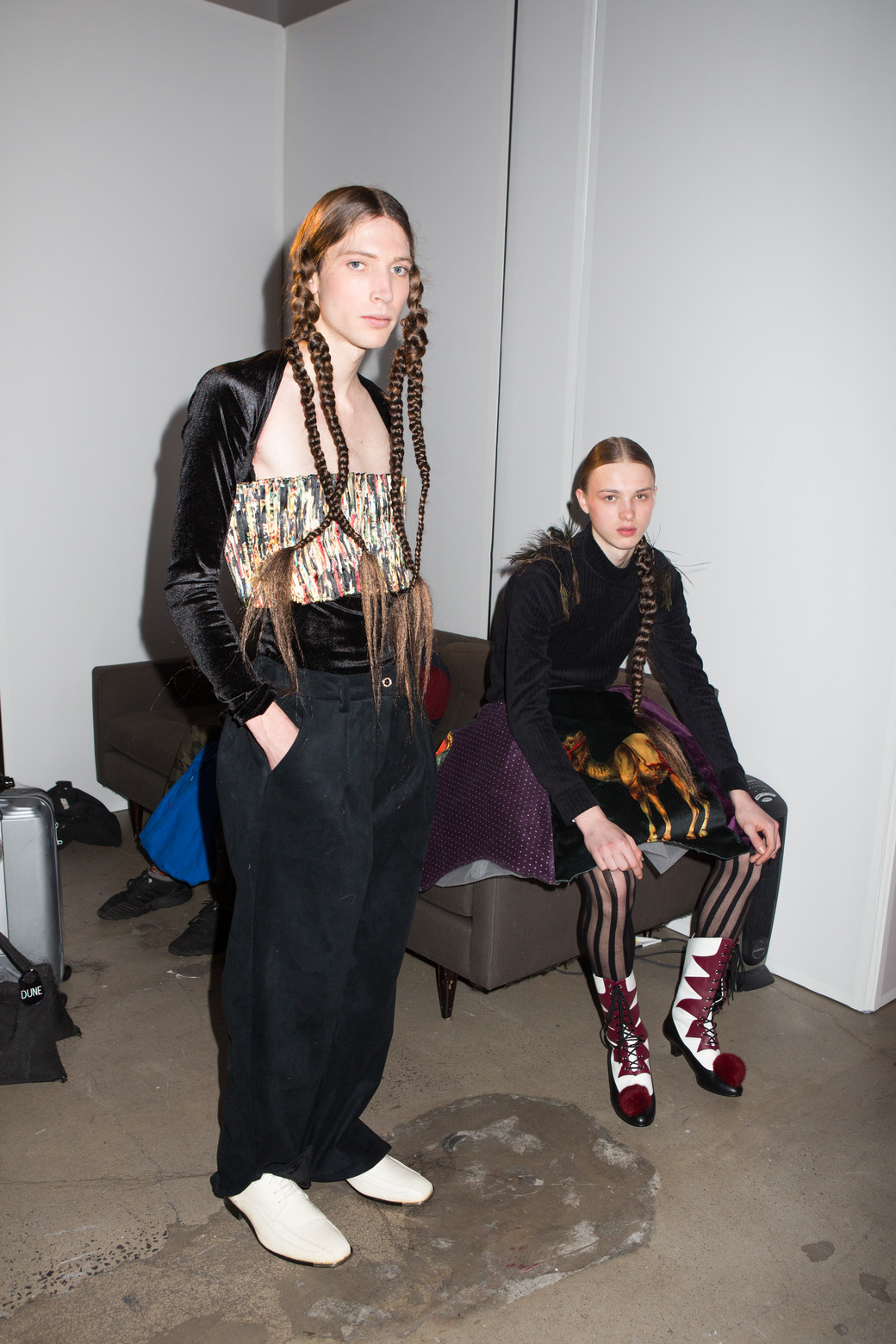
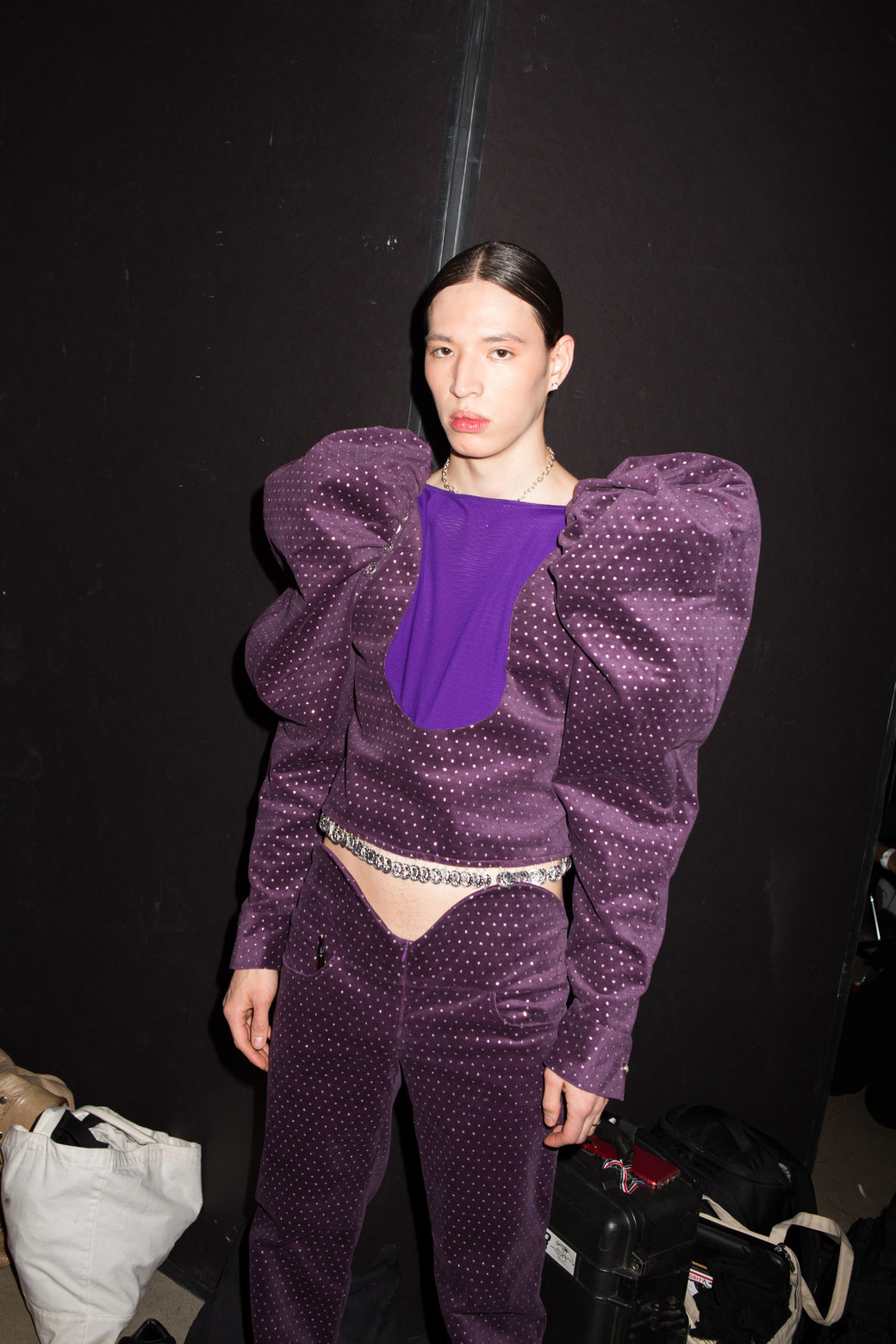


Oh and the peacock feathered suit was killer. See it, and our other favorite looks from backstage at the presentation, below.

In the early 20th century, it is keen to know that sex was a dangerous whisper upon city streets. With married couples having separate twin-sized beds and the somewhat contractual chaste kiss here and there — intimacy was as forbidden as a pair of scissors in TSA. When married couples get that one night to converse long and slow, the woman enters the master bedroom in silk or lace with her pin curls and not-too-bright lipstick ready to "go steady." As we look back into history, it appears that we understand attraction by its physical form. Mini-skirts, red nail polish, a peek at a thong, a wet t-shirt, some garters, and of course, a corset. Good thing it's not 1950 anymore because lingerie doesn't have to be what one wears in the bedroom.
The garments that Devin creates bring forth breath to self-love and reflection. Kinderwhore is a concept that aspires to her work; its juxtaposition of feminine and childlike silhouettes with these female figures drape power. Their brashness, unfiltered words, and bodies are like scrapped fabric one turns into a vessel of patchwork. Ray moves off of vulnerability and various forms of love along with women who embody the kinderwhore theme including one of her favorite bands, Babes in Toyland.
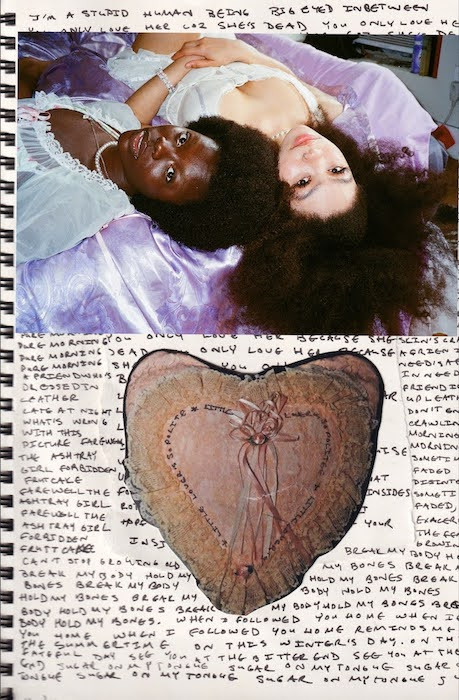
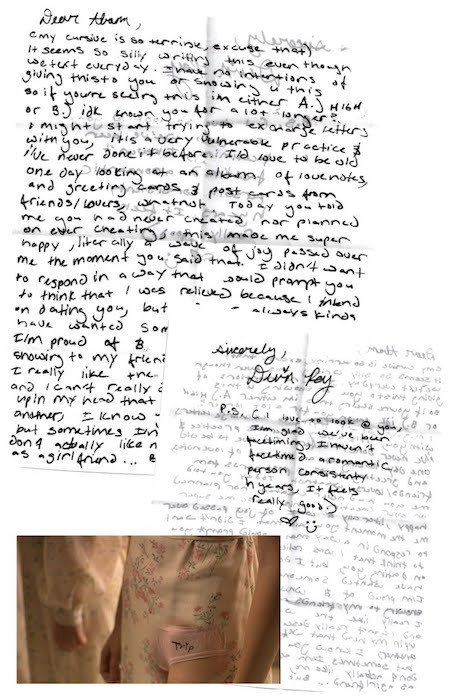
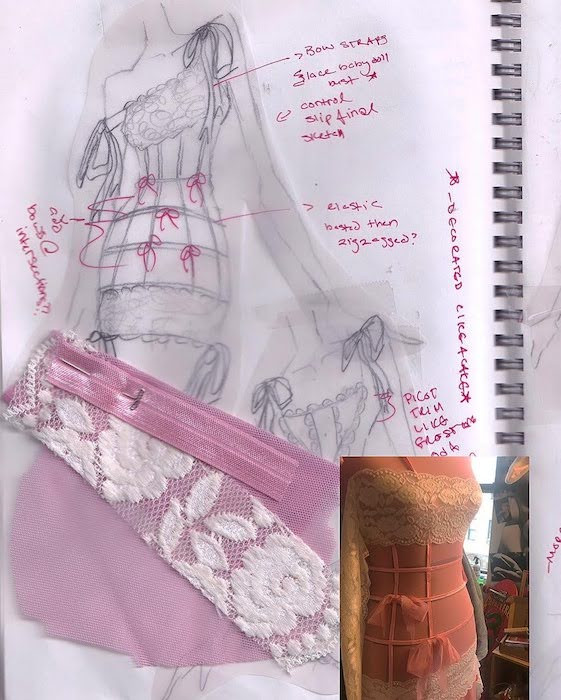
In 2018, Devin moved to New York to study fashion design at the Fashion Institute of Technology. Graduating this spring — prepare your Congratulations now — she specializes in intimates and lingerie design. Her passion for design and corsetry shows in a matter of many ways. The first being one-of-ones and customs she's continuously made for varying buyers featuring embroidery, graphics, and velvet. Plus, if you take a look at her "Do You Remember" Zine, her vision collects the early decades before us, film noir, and a poeticism that shines through her sketches. In journals, you can see the step-by-step process of how her corsets became alive. From annotations to fabric selections and measurements became a divine piece of art in the form of frillies. It seems Ray's artistry isn't half-empty. Instead, it's a jar of overflowing ideas and collaged loves that give birth to a reflective form of feminity. There are curated photographs, hand scribbles, and stills from our favorite films, and we can infer in years to come — Devin's journals are an awaited auction.
"My journals usually act as diary entries for me, most of them are heavily interspersed with images collaged togetger as well as song lyrics, love letters, and things of the like. My journals catalog a part of the process that is more difficult for me to verbalize, and they are a representative of what I'm feeling in the moment of conceptualization." Devin says.
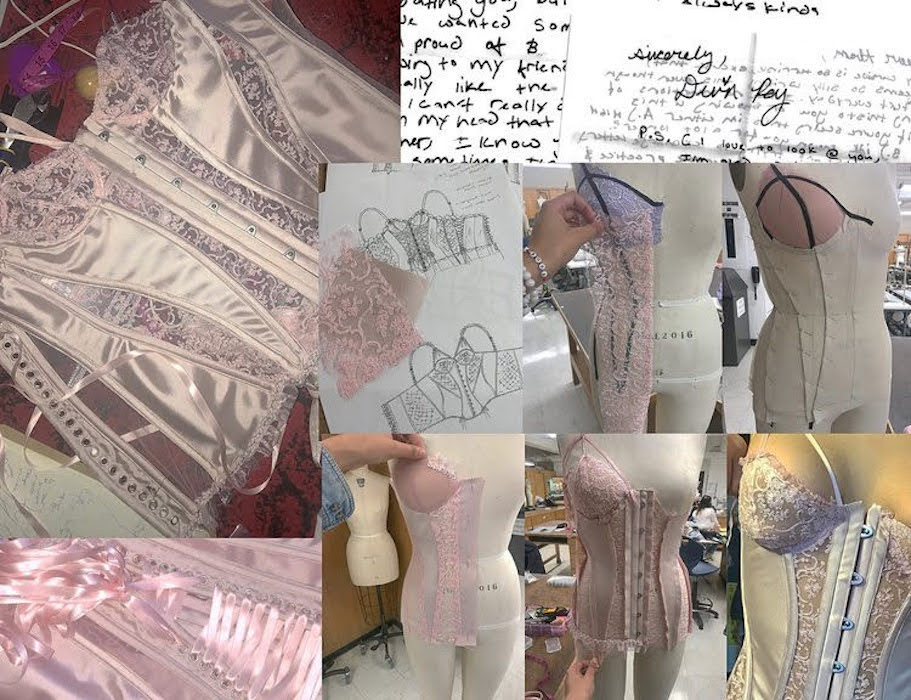
As all trends do, they take their moment to shine in the light again but in a modern twist. We have seen it since the uprising of windbreakers and mom jeans a couple of years ago, and now we're seeing it with more Edwardian and Gregorian uptakes. One in five people strolling down New York City in averagely hot weather will be wearing a corset. Or, one in ten people walking down G-Train Brooklyn during the winter will be wearing a corset under a North-Face Puffer. The point isn't statistics but a revelation to the revival of all things dainty. Something about mary janes or knee-high socks has brought out the schoolgirl in all of us which, meshes with the sexiness of wearing the supposed unmentionables. Devin Ray's take on corsetry has its peculiarity that other designers are still joggling their memory to find.
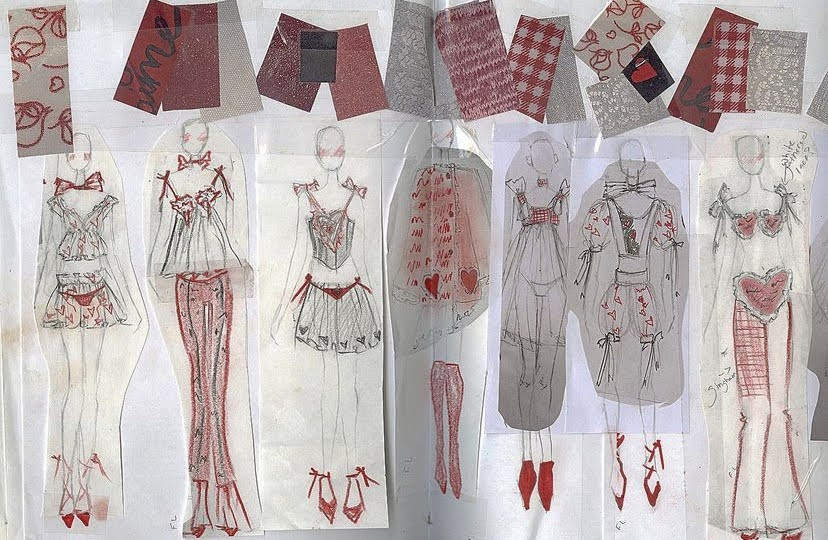
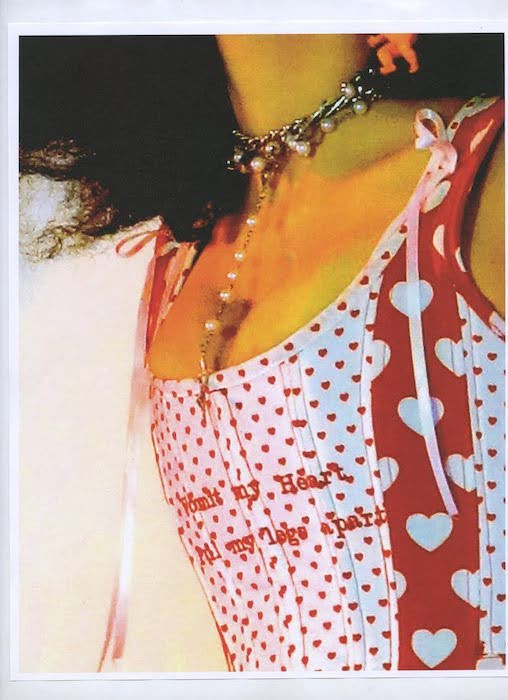
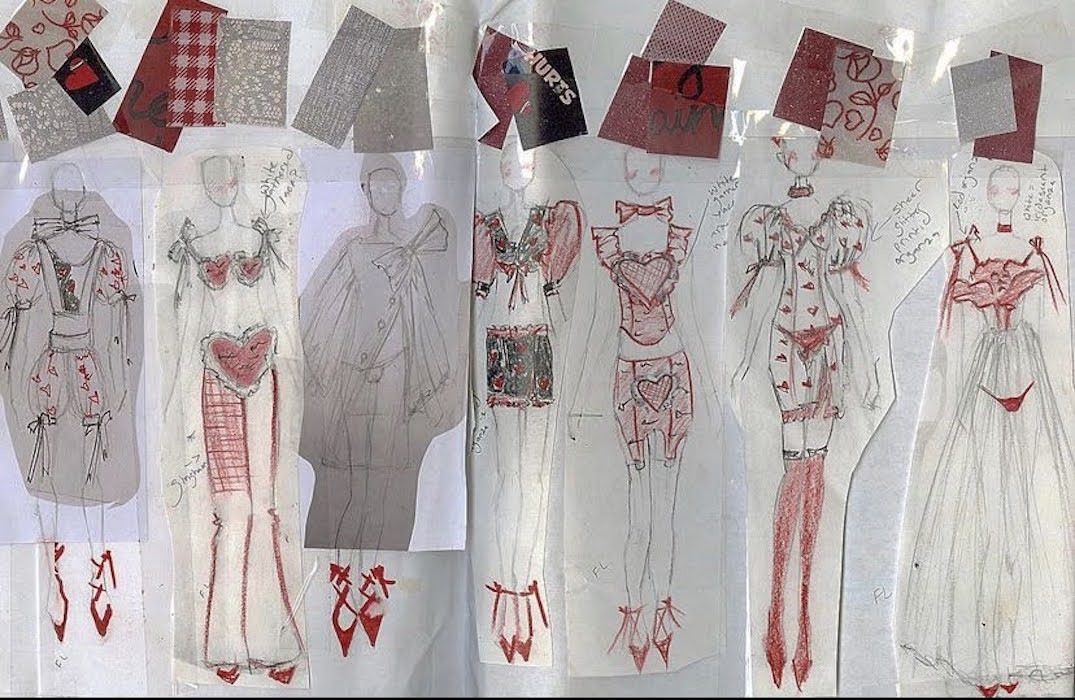
Devin's evolution of corsetry has mirrored time. Since the original corset, she created two years ago was loosely based around the 17th Century. Now, she's sculpting hourglass shapes and styles that reflect the 18th and 19th centuries. Devin Ray is a designer filled with passion and poise, creating a body of work that'll trail down history. Look out for upcoming availabilities for commissions and potential drops — you don't want to miss it. Check out her website and look into her world.

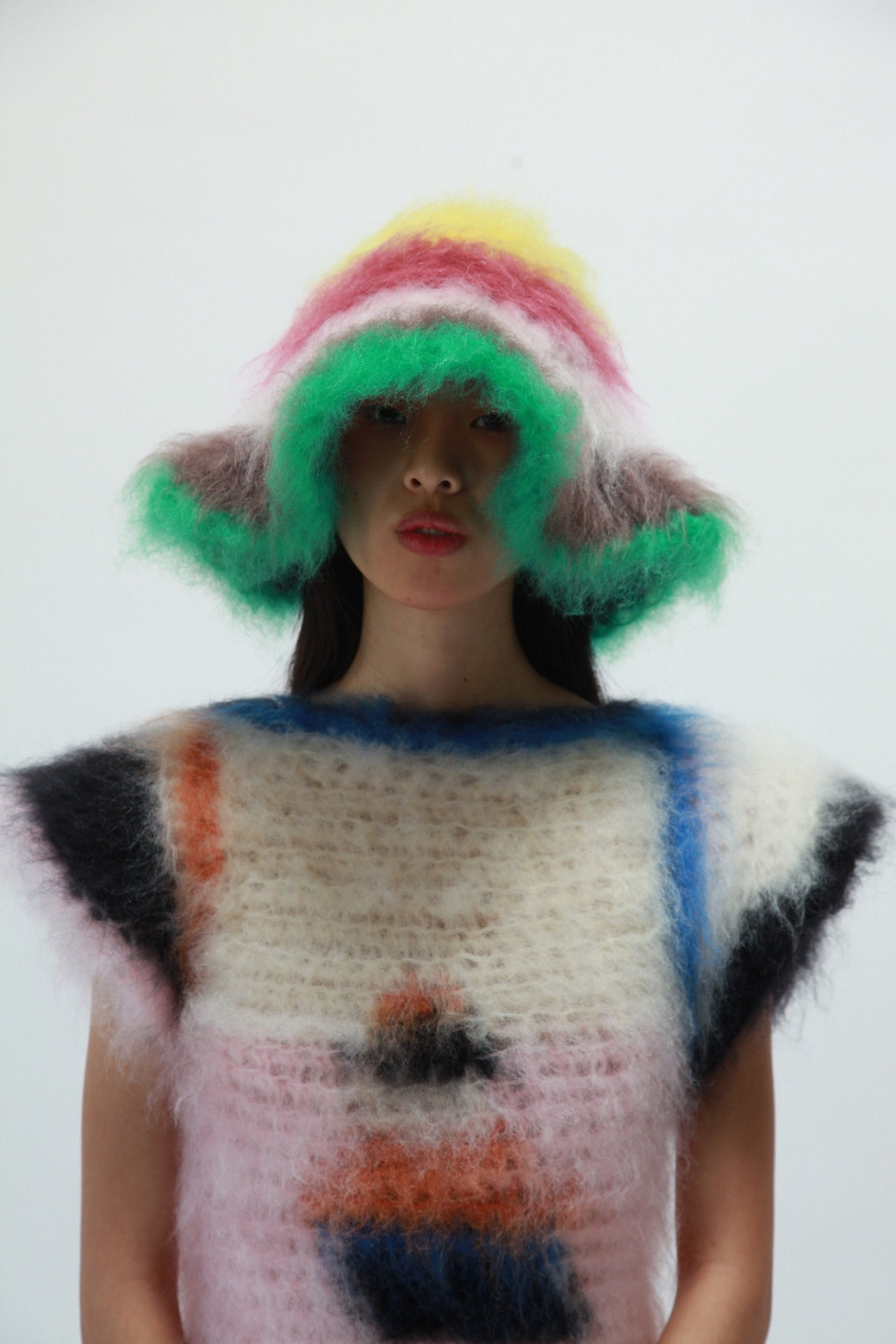
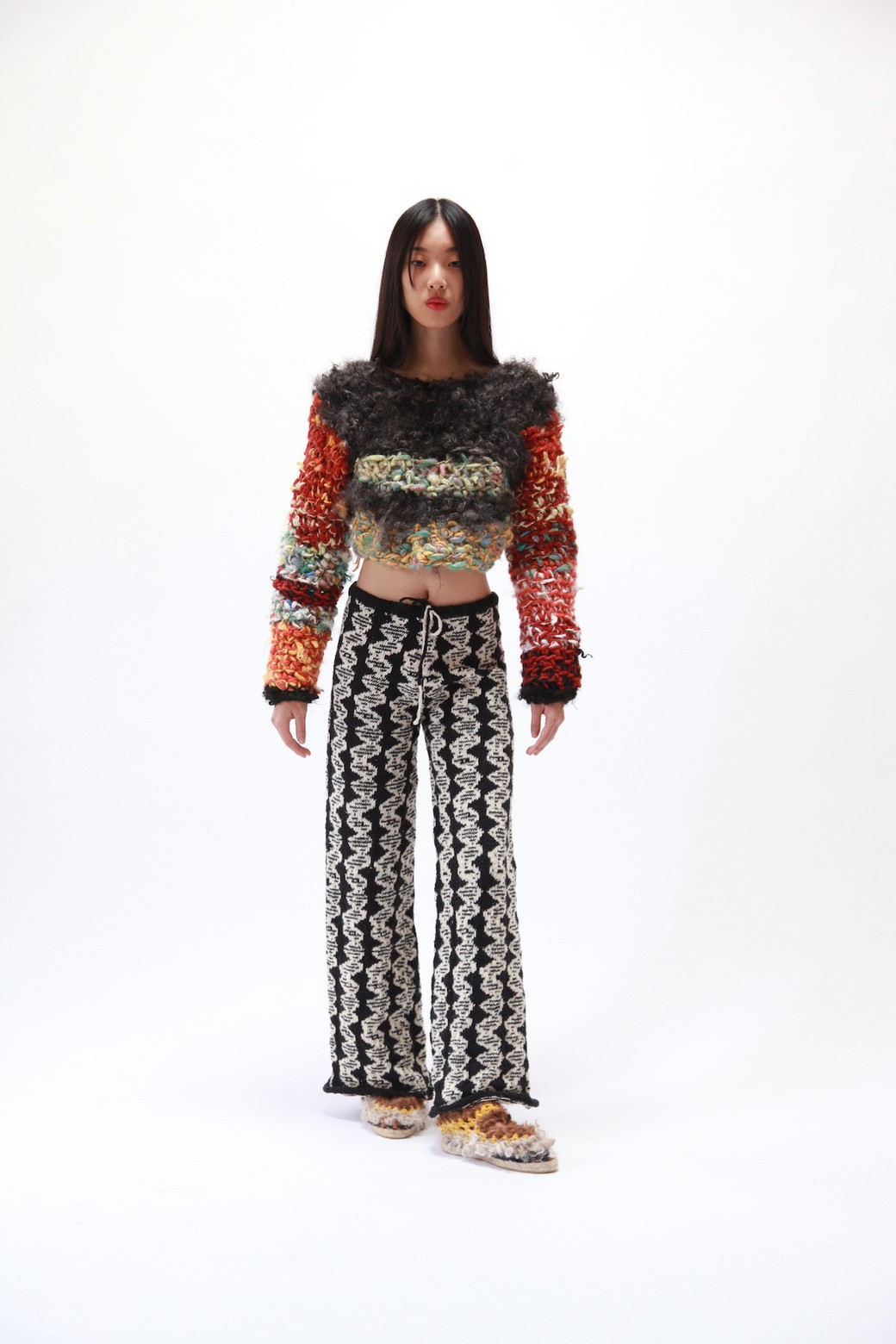
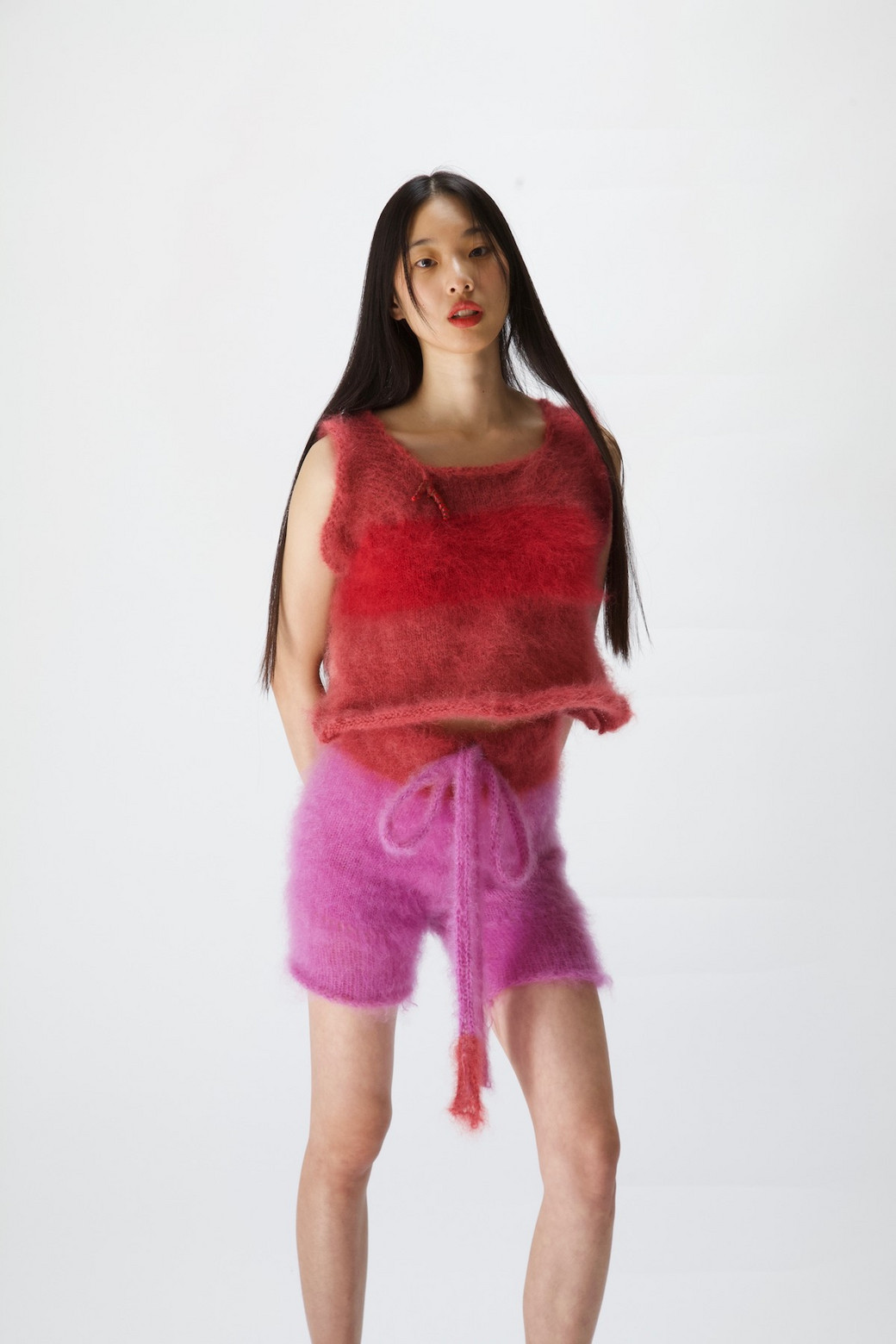
As we approach their first year anniversary since Nong Rak first began creating their fiber art landscape, office reached out to catch up with the creative duo and find out what’s next in store for their brand.
What is the overarching theme of your work and how did Nong Rak originally begin?
Cherry — It kind of started with Home. I mean, really, it started when we met. We did a few little silly projects together. We tried to do some music together in the beginning when we really first met (We were living in Bangkok back then.) We started with some music, and I was doing a lot of drawing and painting at the time, and he was still in university.
Home — And my mom had just got me my first camera. That was so exciting, to pick it up. And we would just walk around Bangkok, taking photographs of interesting people.
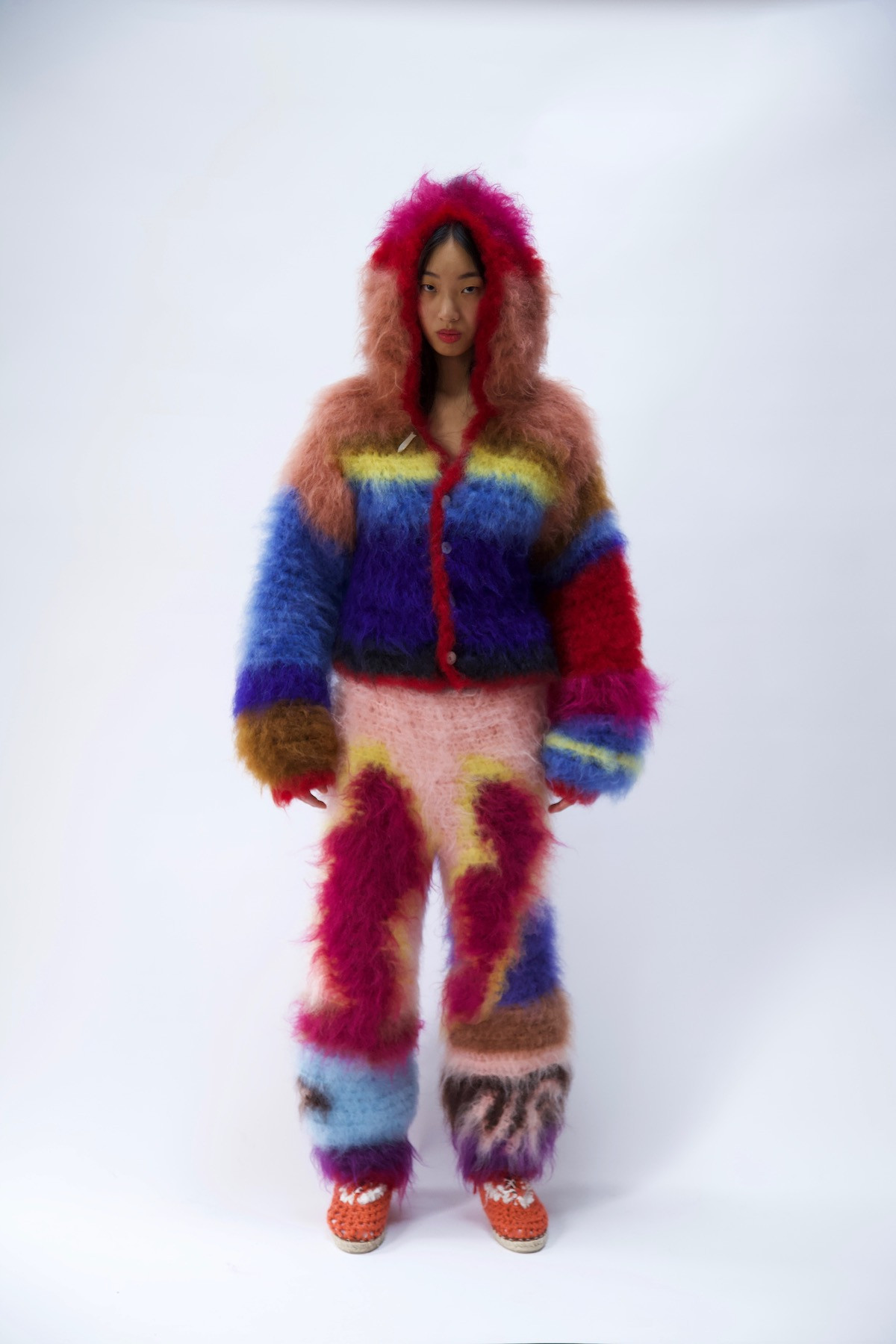
C — Yeah, like the natural still life of the grittiness of the city. I think that's something that we both really connect on— we both really love the beauty of grittiness. I don't know a better way to put that, but there's like some weird, beautiful energy behind grittiness, and it’s kind of human. And I think that is still an overarching theme of our vintage, of our knitwear. You know, touching on the idea of finding beauty in something that's maybe not traditionally found beautiful.
Cherry, you grew up in Arizona, and Home, you’re originally from Thailand. In what ways did your upbringings influence your individual styles and designs?
C — Home has a more interesting history. He's definitely more the fashionista. He doesn't want to admit it, but he loves fashion. And I remember the first time I met his dad. He's this quiet, older man, very humble, who works a government job at the train station. And I remember the first time meeting him, I thought he was gonna be like this normal, older ‘Dad’ guy. But really, he had these shoes that were kind of sassy, and this watch that was really bling, and these glasses— all of this character just came out instantly when I met him, and I could see that in Home, something comes from his father. They're just so similar.
H — So my whole life I grew up with my mom and my dad. My dad would go out to work at the station, and my mom owned a little tiny salon in our house. And so all these people would come in, and they're bringing these 80s and 90s magazine archives for the haircut. I just was around (I had to help my mom around the shop: clean up, sweep the hair.) Sometimes, when I had free time, I would just sit around in my mom’s shop and open all the magazines. That's how I think how I learned to make photographs, and of course, learn about the style.
C — Yeah, and I was already way into vintage at that point because my stepmom had always had tons of vintage. And when I was a kid, my dad worked at a thrift store, so all of the clothing we wore was used, so I was already really used to that. And then I think, after Home and I came together, that was when I became more interested.
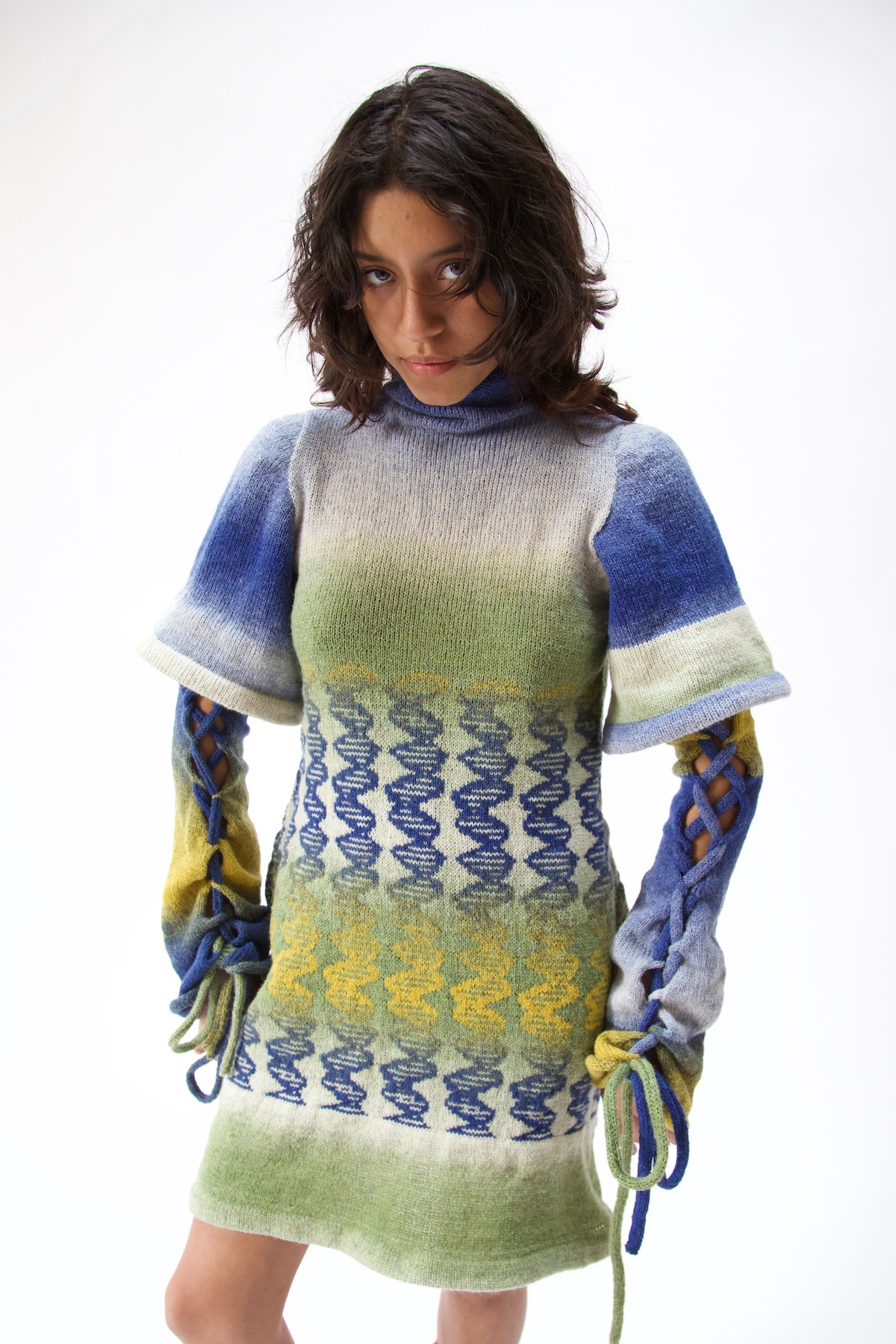
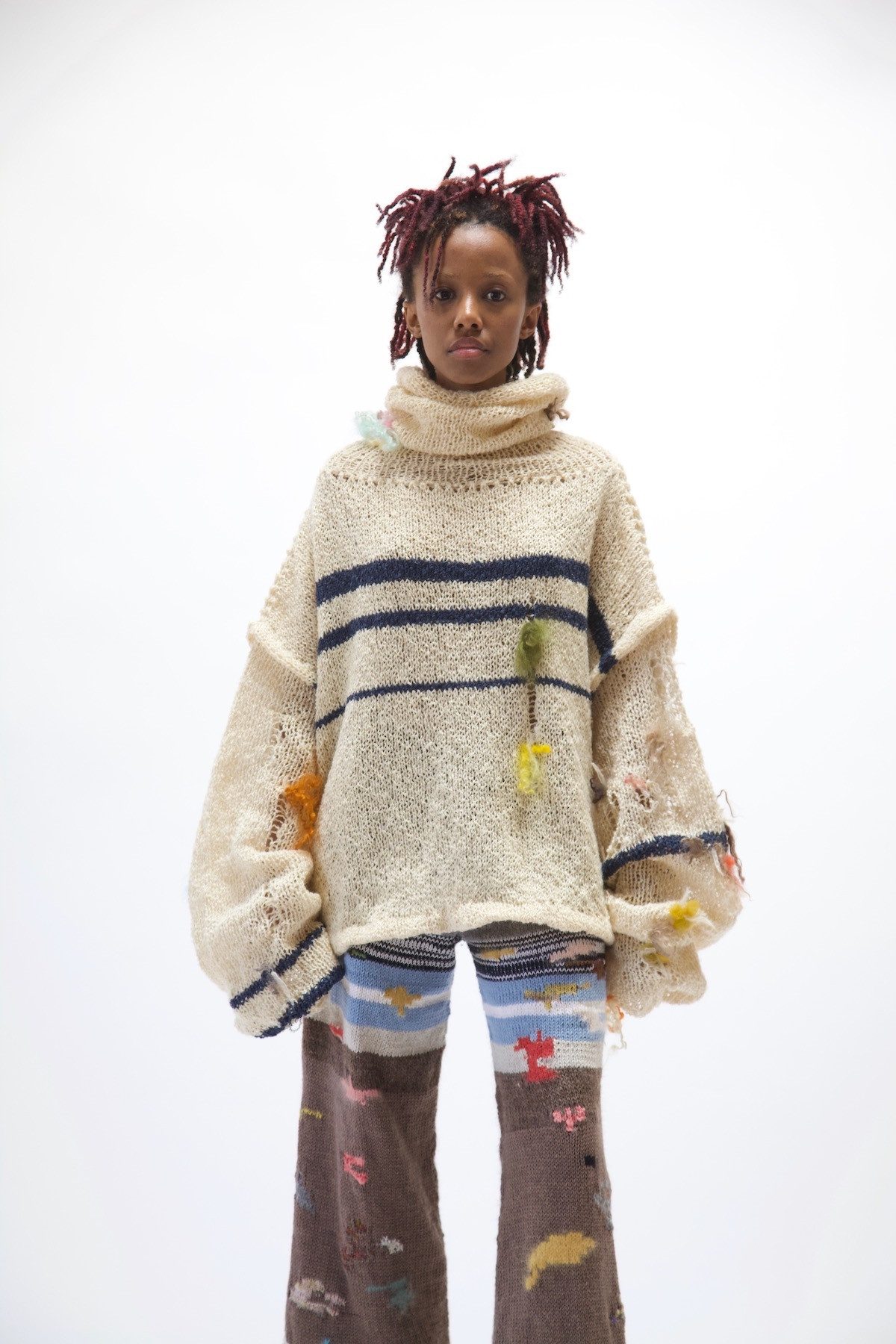
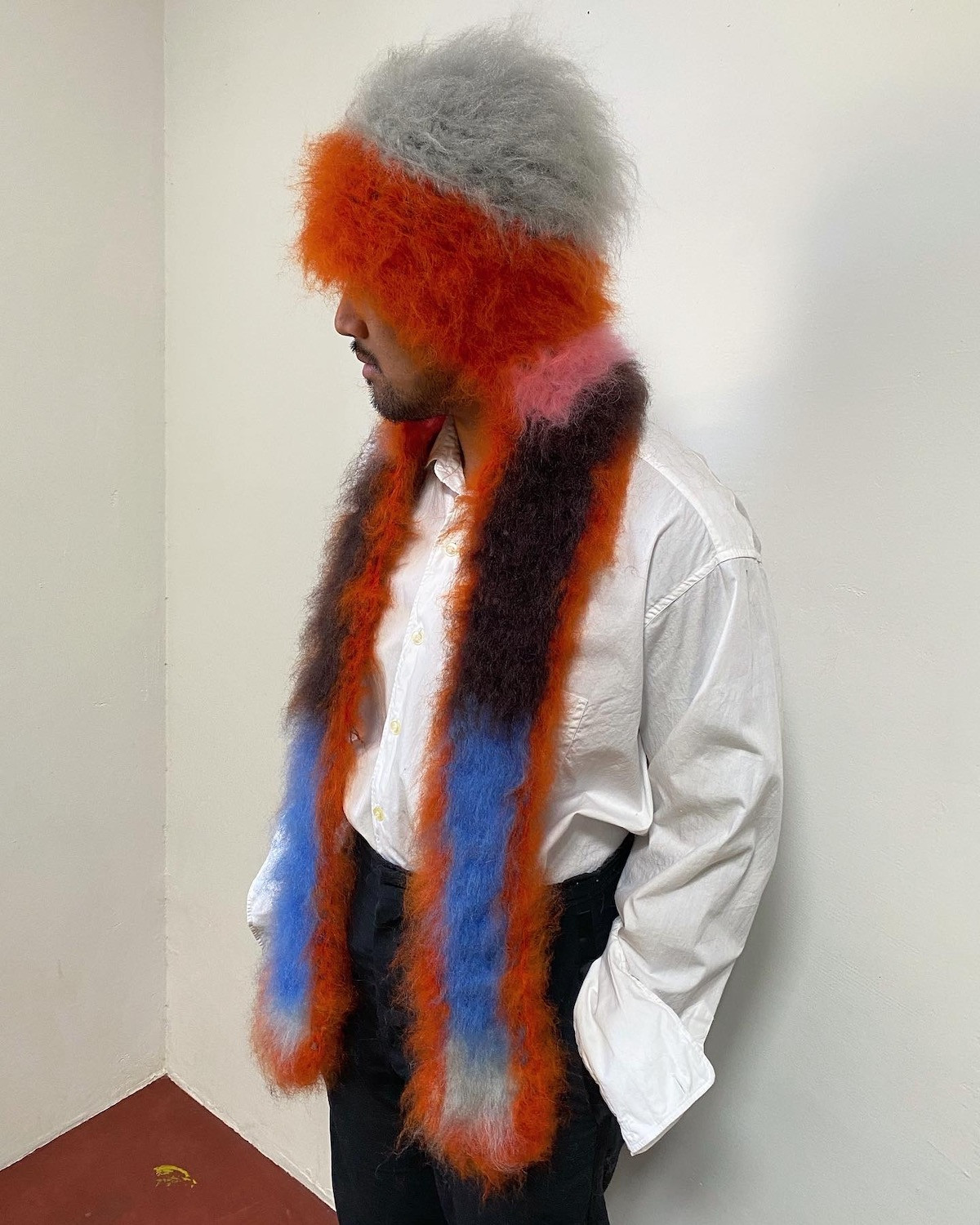
I love the concepts for each of your mohair yarn and fiber-art knitwear designs. Balaclavas, Mary Janes, bunny-sized sweaters, and hats— how do you come up with these ideas, and how long does each individual piece usually take to make?
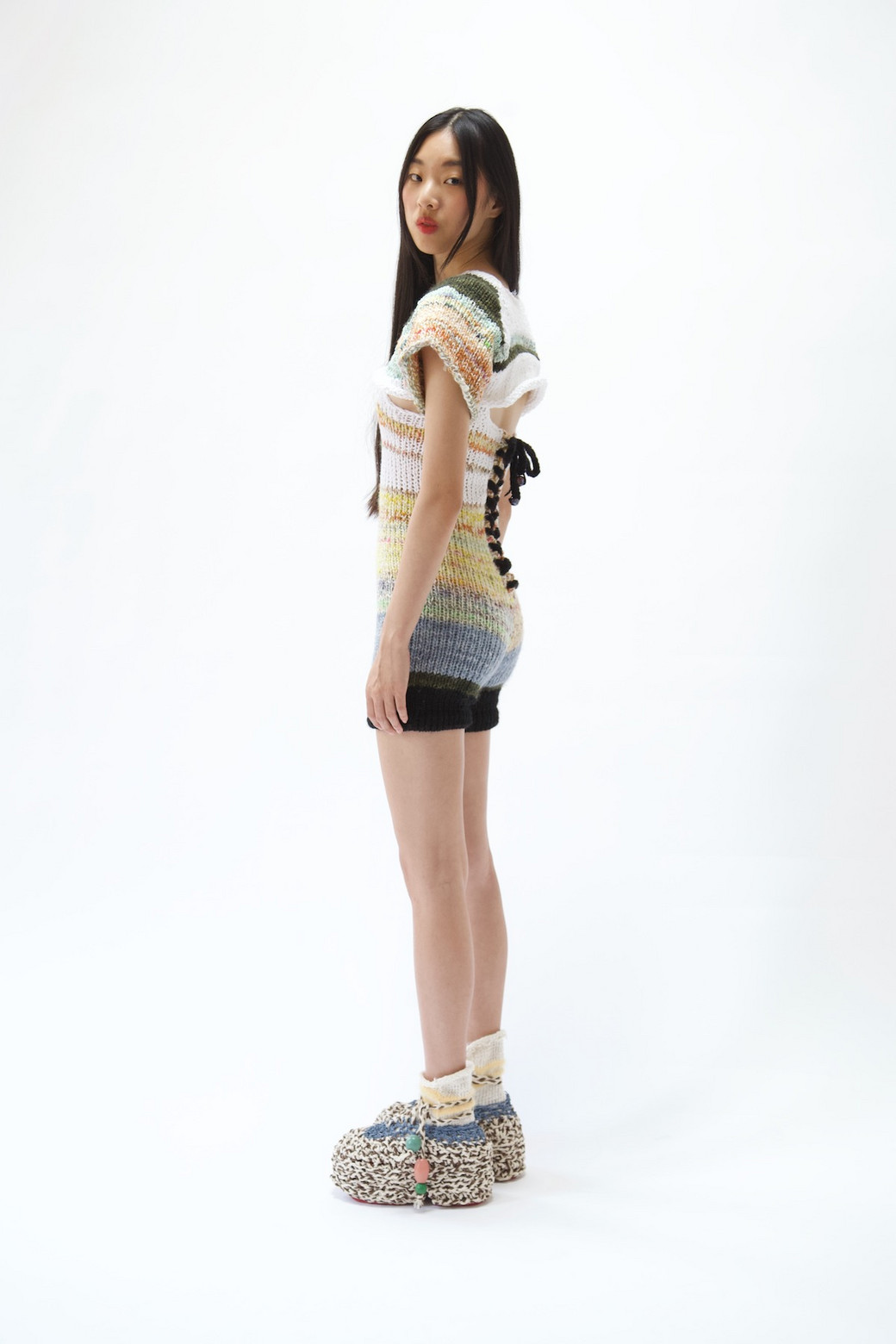
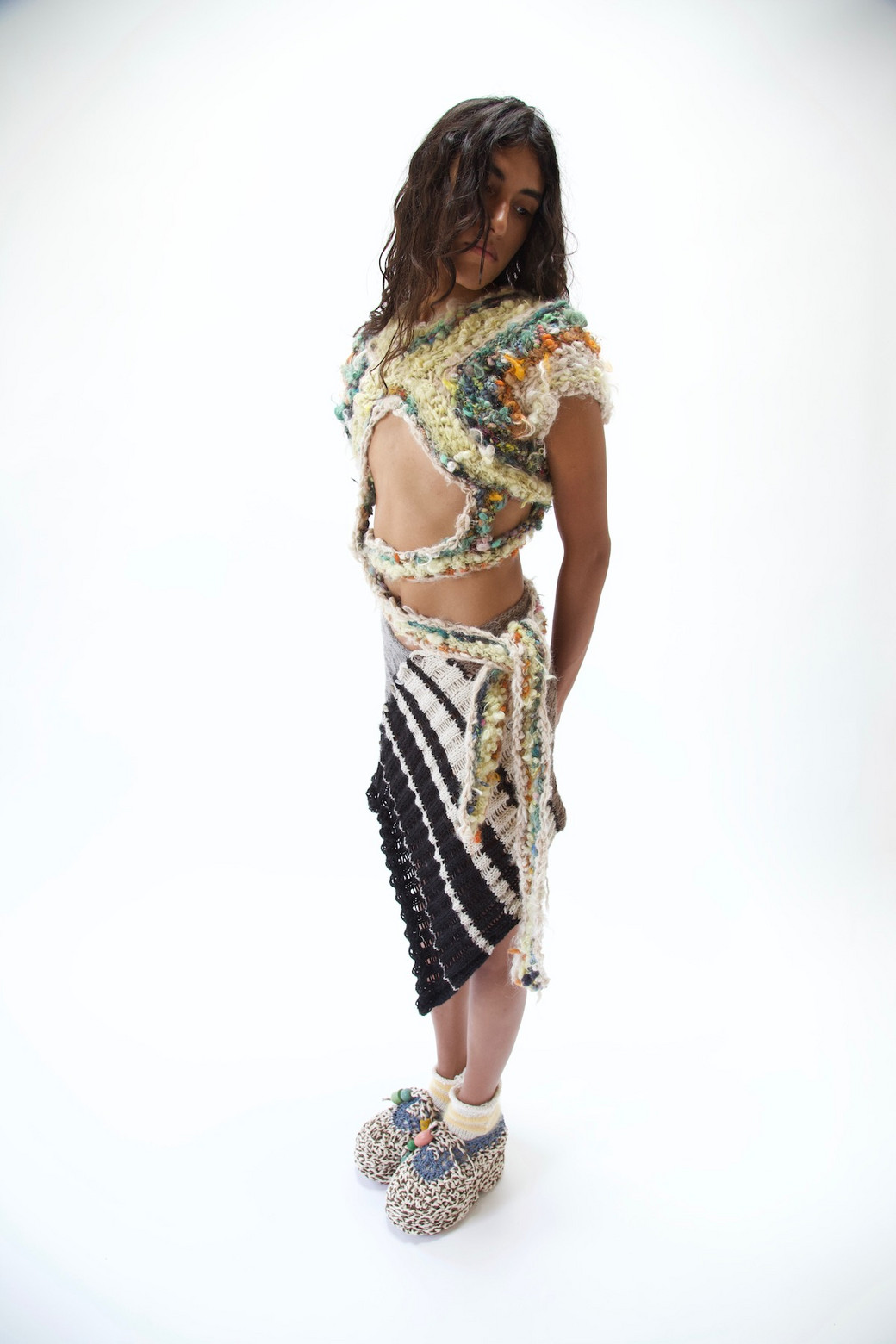
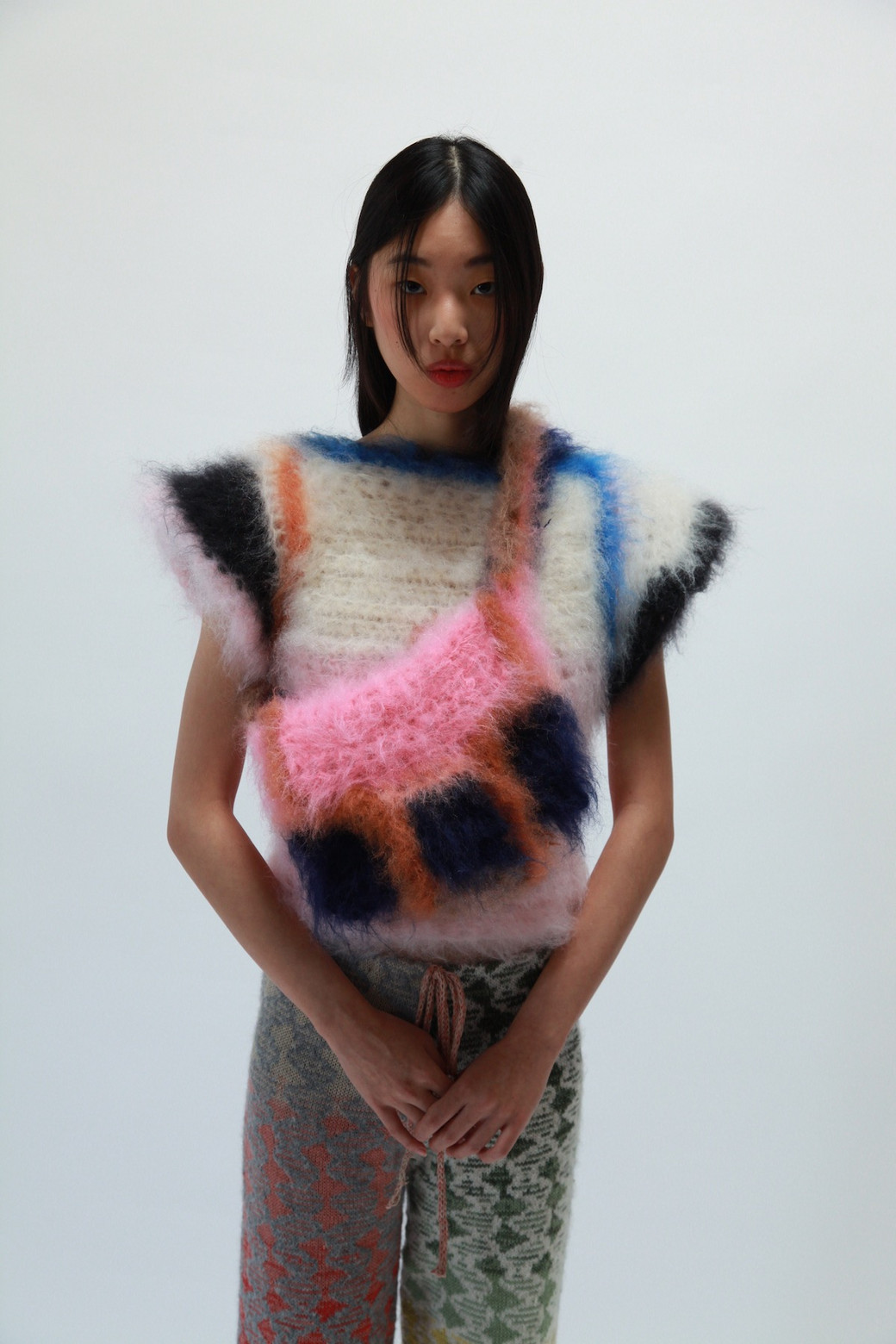
C — I think the base of everything is definitely in the materials, which probably comes from that interest in interacting with something and being inspired by it. Because I feel that the material itself, like really beautiful yarn, is already so exciting. Even if it’s in a ball. It’s so cool to think, ‘Okay, this material is great and beautiful. What could it become?’ And then the colors come in, you know, and then the shapes. I think the reason that [the pieces] vary so much is also that experimentation. I feel like my mind is sometimes an archive. I can't necessarily remember all the vintage pieces that we've had. I mean, I can look at the photos we have, because we've archived things photographically, so we can reference and look back like that. But a lot of it is just stuff that I internalized while we were processing the vintage pieces. And then suddenly, I'll be making something without a really strong plan, and then I'll be like, ‘Oh, I remember that sleeve on that sweater from two years ago that I really love. Maybe I could emulate something sort of similar to that shape with this color that I found.’ So it's kind of like remembering all of these little elements of things we've seen invented. Or, you know, now we're all so inundated with imagery, I feel like we have a lot of things that we don't even know where they come from.
Fashion is, of course, largely about appearance, but the feeling of certain clothing/fabrics/materials on your skin is a complex sensory experience. Many of your knitwear pieces often feature mixed fibers and textures. How does the tactile experience of your clothes fit into your artistic vision?
C — I love that question, I think that it's definitely a theme in the knitwear that we don't talk about that much. Because I think since we haven't had the ability to present it in an in-person scenario, or in a situation where people can actually try the stuff on, we haven't got to experience it. So I feel like, it's hard to have that conversation about the tactile experience. And I want to say that personally, in terms of the way technology is changing, and the way that so many of us spend so much time in front of a screen now, that that tactile experience feels kind of farther away than it was when I was like younger. So in a way, making these pieces has been a way to come back to that tactile, very sensory experience for myself. I would really hope that that stays in the pieces and is shared with the wearer because, for me, it's a really cathartic experience of touching and experiencing the materials. And a lot of that goes into the choosing of the materials for the piece.
We live in a world where it is imperative that we adopt a more sustainable mindset to reduce the waste of materials. How do you implement sustainable practices into your work and ensure a reduced carbon footprint?
C — I think at this point, just because everything we do is at such a small scale, we're just trying to set the foundation for if things grow, to be able to continue to do things the way that we do them now. Because, of course, when anything is smaller, it's much easier to control those elements and check on yourself on how you doing things. For us, there is also an accessibility standpoint to the vintage materials— sometimes not always— but sometimes they can be more affordable than new materials. It also just fits in with how we like to shop personally; as a family, as a business, we try to just use secondhand things because there's so much around. It’s to the point where I get anxious, buying new stuff. I know it's not like that for everybody, but I think we've just gone so headstrong into only reusing things because there's so much.
At some point, though, there were certain materials that I was really interested in working with, that are just not so accessible as vintage. So it was like, ‘Okay, how do I source these things in a conscious way.’ The happy thing that we found with sourcing non-secondhand materials is that a lot of the most beautiful textures, the most beautiful quality yarns are actually handspun in small batches. And that stuff is really expensive. But it is so nice, and it's so beautiful to the touch. Like my favorite material is this alpaca yarn that's handspun. It's so soft and has this really incredible drape, whereas mohair doesn't have a drape — it's more structured, which is really fun. But that alpaca yarn is my most favorite to use. And it's made by this older woman in the Pacific Northwest who collects alpaca shearings from local farms, and she just spins this incredible yarn. A lot of the one-of-the-kind handspun yarns we use are coming from people like that, that we've spent time sourcing from around the US.
Running a small business can be difficult. What’s one piece of advice that you would give to someone that is looking to start their own brand?
C — There's been so much that we've learned, I think there would be different kinds of advice for different people. For us, there were never concrete ideas; there was an element of play the whole time. I don't say that to mean that it was easy or playful all the time at all— it was difficult;
there were many times we didn't think that we could continue. Even recently too, sometimes. But I think, being able to persevere and have a sustained belief in yourself— in the end, what else do we really have? Of course, at this point, we've gotten some encouragement and support from quite a few people outside of ourselves, and that's been really encouraging and changed a lot. But the thing that's gotten us through every step was just thinking we can do something, that we have the ability, something to offer.
What can you tell us about any future collections or upcoming collaborations that you have coming out?
C — We have started conversing about one collaboration that I'm not really sure we're allowed to announce yet. So that should be exciting, hopefully in the spring. And we're definitely hoping to do more collaborations with stylists for photoshoots and things when we have more stock. Hopefully, there'll be a few magazine shoots coming out soon with some of our pieces.

Through art, humanitarianism, or simple acts of conversation, Cher's offerings have contributed to her mounting success, undeniably making her a cultural powerhouse. Adorned in UGG staples and stylized outfits, the 'Feel' campaign hones in on the intimacies of life.
Cher is no stranger to fame, yet she is surprised that her likeness is attached to memes and internet frenzies. Staying true to herself while maintaining a household name, iterations of Cher's recognizability continues to prevail, influencing new generations. In the campaign video, the multi-talent speaks to her naturalist tendencies and how she has come into herself through art. While Cher's life has been a public touchstone for over 50 years, moments like these provide newfound insight into her mind and outlook. This partnership with UGG marries Cher's authenticity and the renowned brands' timeless design.
Shop the campaign which features the Classic Mini boot and Coquette Slipper at UGG.com and watch the campaign video starring Cher below.