At The Circus

Oh and the peacock feathered suit was killer. See it, and our other favorite looks from backstage at the presentation, below.
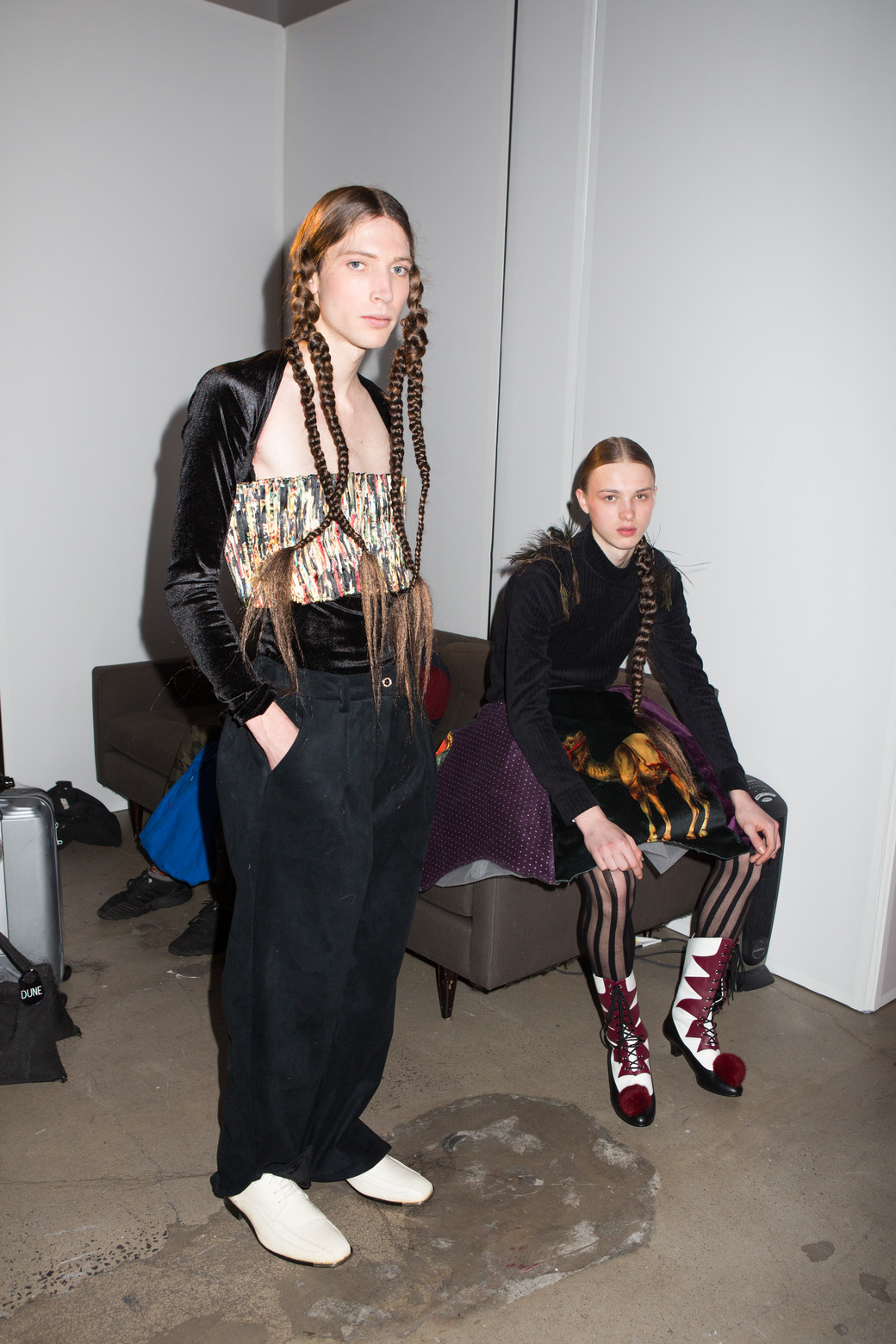
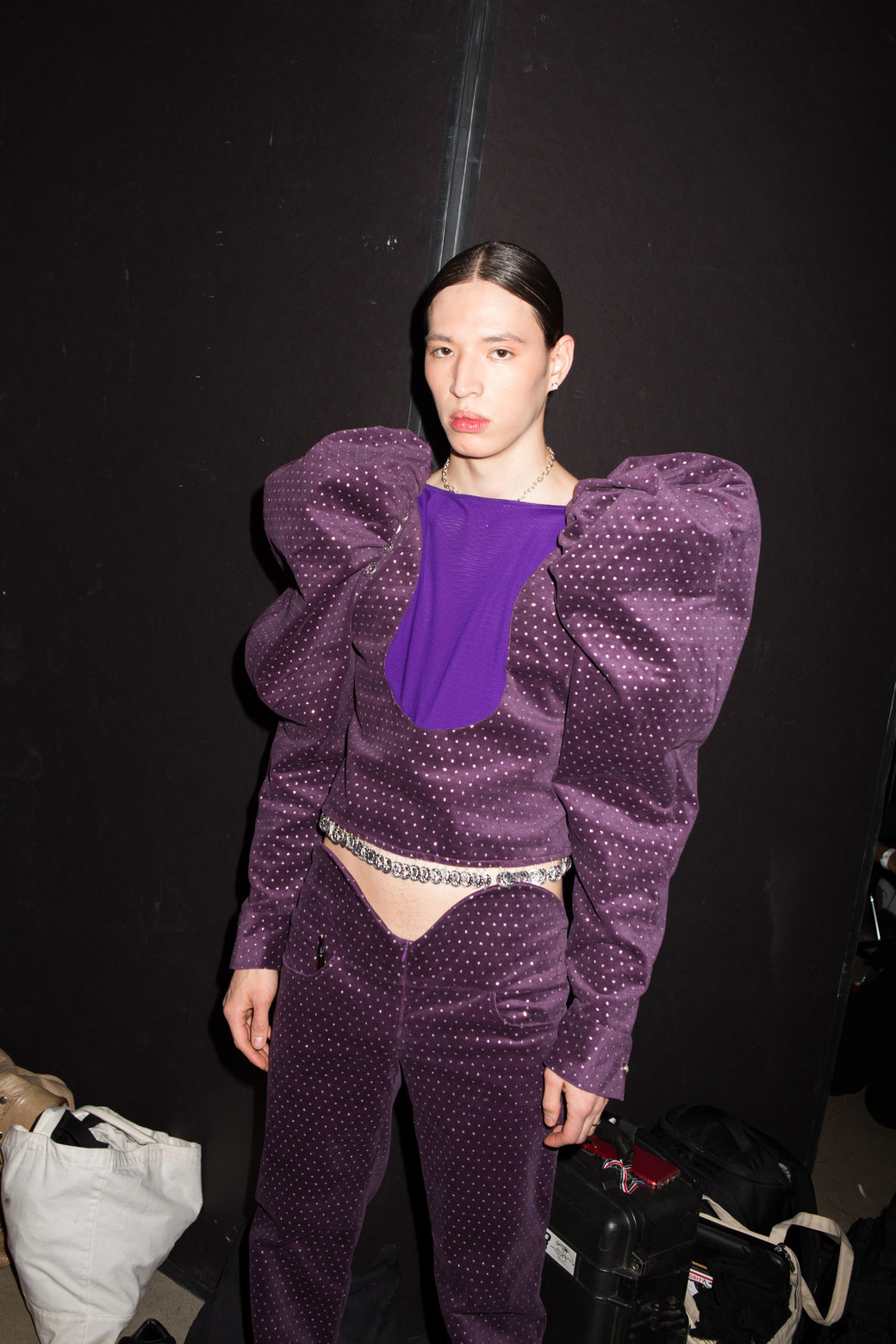


Oh and the peacock feathered suit was killer. See it, and our other favorite looks from backstage at the presentation, below.

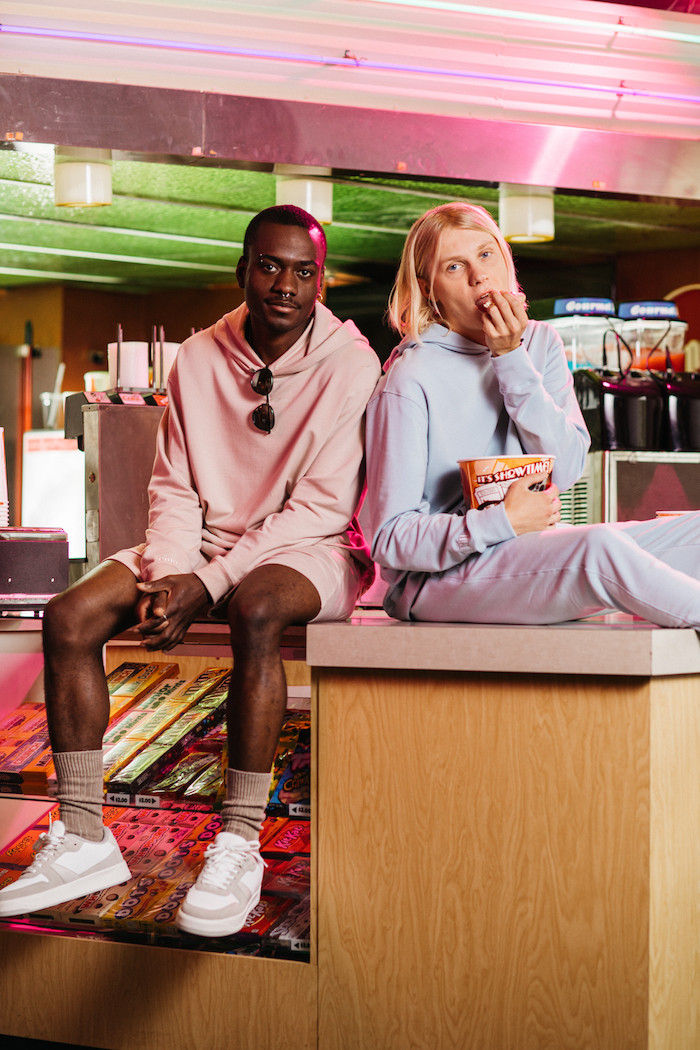
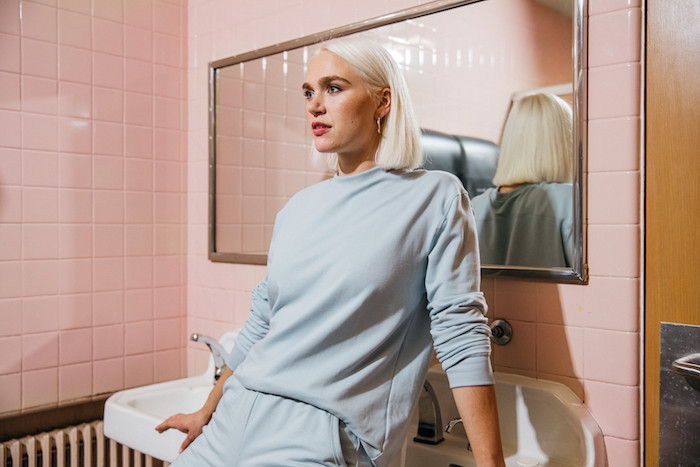
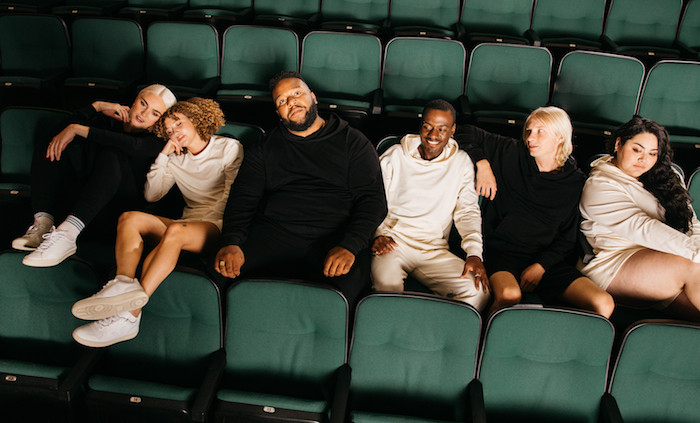
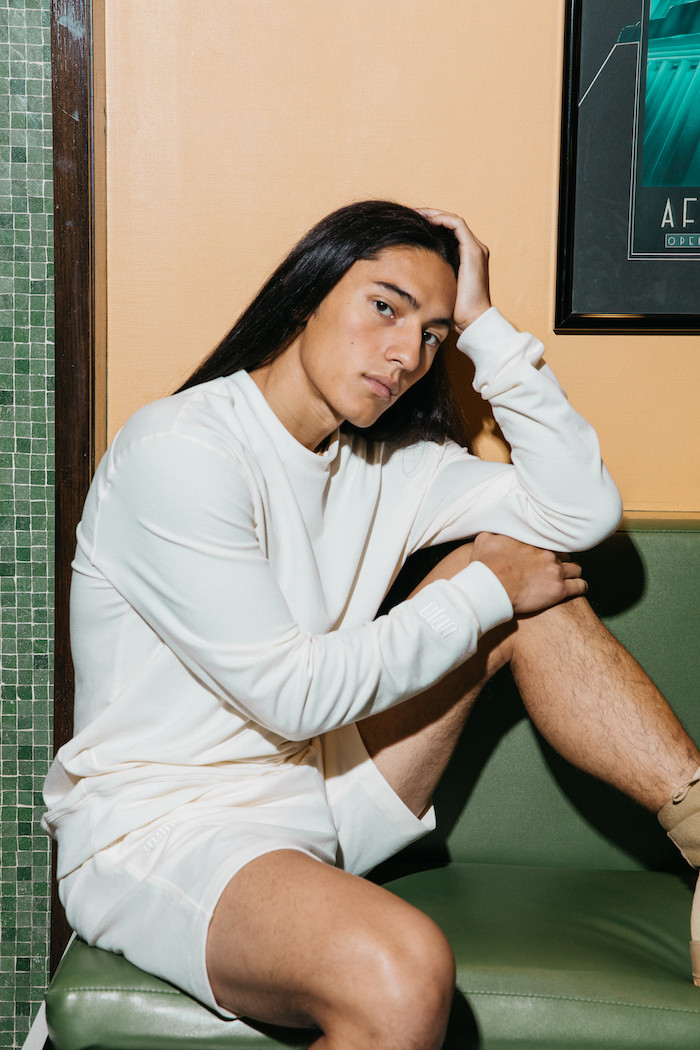
Ocio was a pandemic passion project, created by founders Tayler Coffin and Samantha Meyer. The two wanted to create clothing that was not only cozy, but low-impact and positive for the environment. Ocio’s entire supply chain comes from within a 10-mile radius in Los Angeles. Their products are especially soft due to the unique blend of Organic Cotton and Tencel that was formulated specifically for Ocio (the Organic Cotton is created in IOAS certified factories, to avoid any human right violations that can coincide with the cultivation of Organic Cotton). Good things come in green packages too, as Ocio uses completely compostable and recycled materials to ship out their products.
Ocio shared some exclusive photos with office, which can be viewed below, along with the interview with co-founder and creative director, Tayler Coffin.
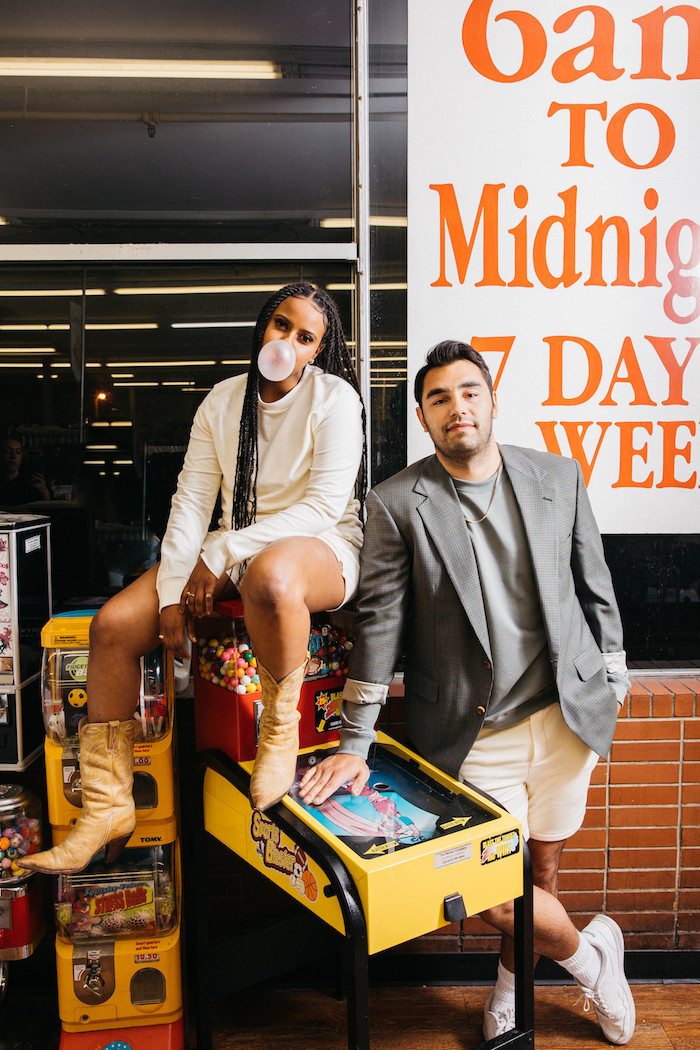
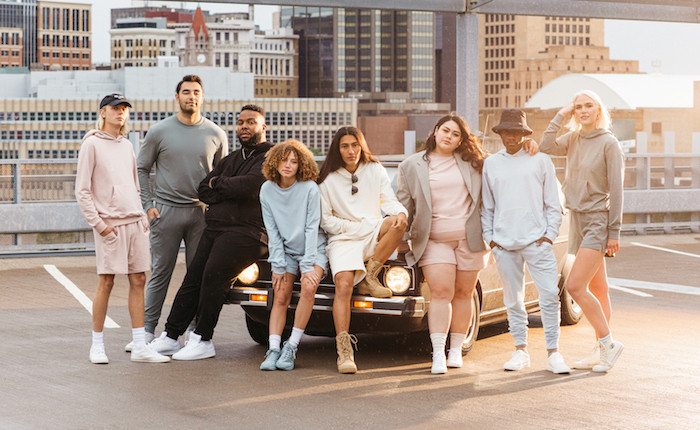
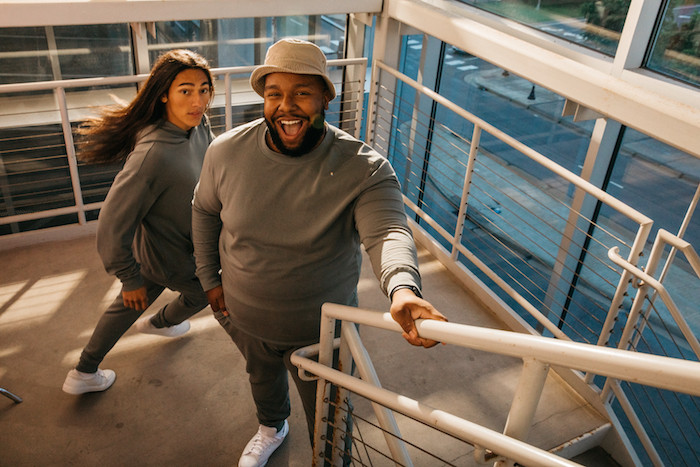
What was the original inspiration behind Ocio’s first loungewear launch?
After a long chat about what our *ideal* sweatpants would be, we realized that there weren’t any loungewear companies that checked all the boxes - sustainable (no greenwashing allowed), size-inclusive, comfortable (re: super soft with a little bit of stretch) & tailored in a way where we’d feel comfortable wearing them to grab lunch or head out on a walk. So, we created Ocio.
What was it like creating a small business in the midst of a pandemic?
Starting a clothing line involves so many different moving pieces and each one of them had unforeseen delays due to the pandemic, so it was excruciating at times! But, because of those delays, we also got to take the time to rethink and improve areas of our line that we didn’t see before. We spent so much extra time sitting with our samples, we were able to create new product features, like a pocket panel that prevents bunching and a hidden, internal drawcord that helps you adjust our shorts and joggers to a custom fit without those unsightly strings dangling on the front of your clothes.
Comfort is clearly one of the most important factors of Ocio’s vision - how exactly did you come up with the unique blend of materials that makes Ocio’s clothing so cozy?
Our team tested fabric sample after fabric sample for years (I know, it took forever), and found ourselves loving the softness and cooling properties of Tencel Lyocell (made from natural, sustainable materials), and the structure and eco-friendly processes of Organic Cotton. Our goal was to balance the properties of both these materials in our own blend, and we added a little spandex for stretch to accommodate a variety of body types and sizes.
Ocio is characterized by its “low-impact” classification - what does low impact mean?
Low-impact means that we’ve considered every element of Ocio’s environmental impact and we’ve tried to reduce that impact as much as possible. We’ve chosen to keep our supply chain local to LA to reduce our carbon footprint, we use Bluesign® certified dyes to eliminate toxic chemicals from the dying process, we recycle all of our fabric scraps so that they don’t end up in landfills, all of our packaging materials are either compostable or recyclable… and that’s not even the half of it - our sustainability page lays it all out.

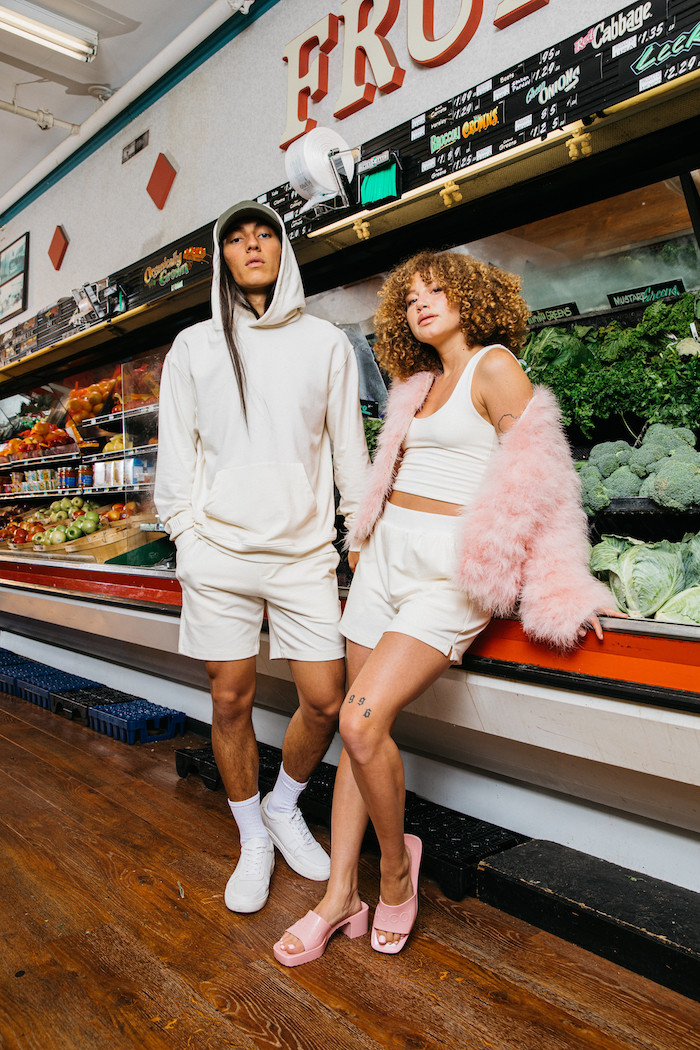
The first launch was extremely size-inclusive - ranging from XXS to 4X; was inclusivity an important part of the original vision for Ocio?
Absolutely. We believe the future of fashion should be completely inclusive for men and women. Size inclusivity has been a pillar of our brand from the beginning, and it has inspired us to add features to our loungewear that elevate our fit standards across all body types. We have plans to continue expanding our size range, as well as goals to further refine our fit for each current size offering.
Why do you think cultivating a more sustainable, environmentally-friendly space in fashion is important?
Today, many people see sustainable fashion as its own niche, a small subsection of the massive global fashion industry. We believe that in the future, all fashion will need to be sustainable fashion, and equally as important, accountable fashion. With the fashion industry being one of the largest polluting industries in the world, it’s important to create more awareness around the impact of these huge industries, and take actionable steps to reducing that environmental impact in a meaningful way.
What are your future plans for Ocio, as a brand?
We’re currently working on a Fall/Winter collection with new styles and colors in a structured, ultrasoft fabric blend for our next collection (you heard it here first). Longer term, we plan on expanding into new categories so that everyone has a sustainable, comfortable and quality choice when it comes to all pieces in their wardrobe.
I think Ocio has the potential to change the game when it comes to combining loungewear and sustainability. Do you think you are setting a good example for other brands to come?
We hope so! We’ve tried our best to simplify our approach by being both honest and accountable. Our sustainability is grounded in our commitment to making decisions we are proud of, and ones we are eager to share with our community. Nothing would make us happier than seeing other brands follow suit to make more conscious decisions about their environmental impact.
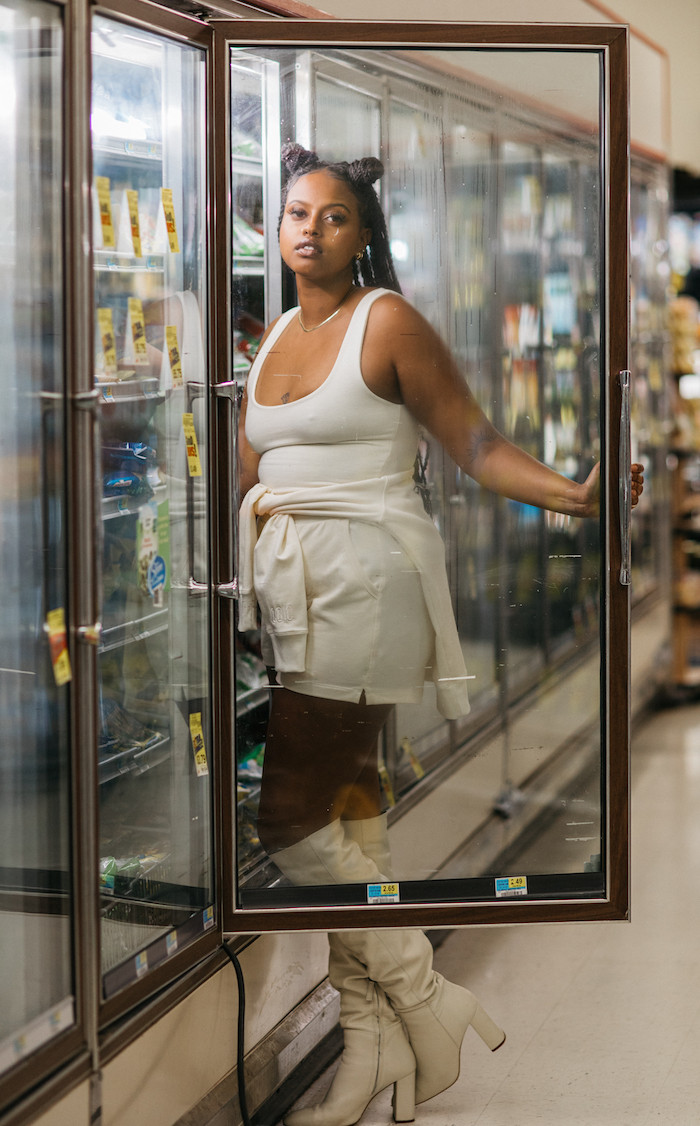
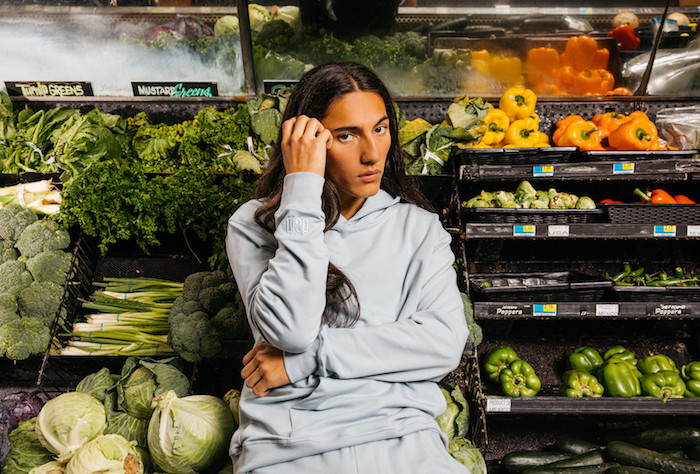
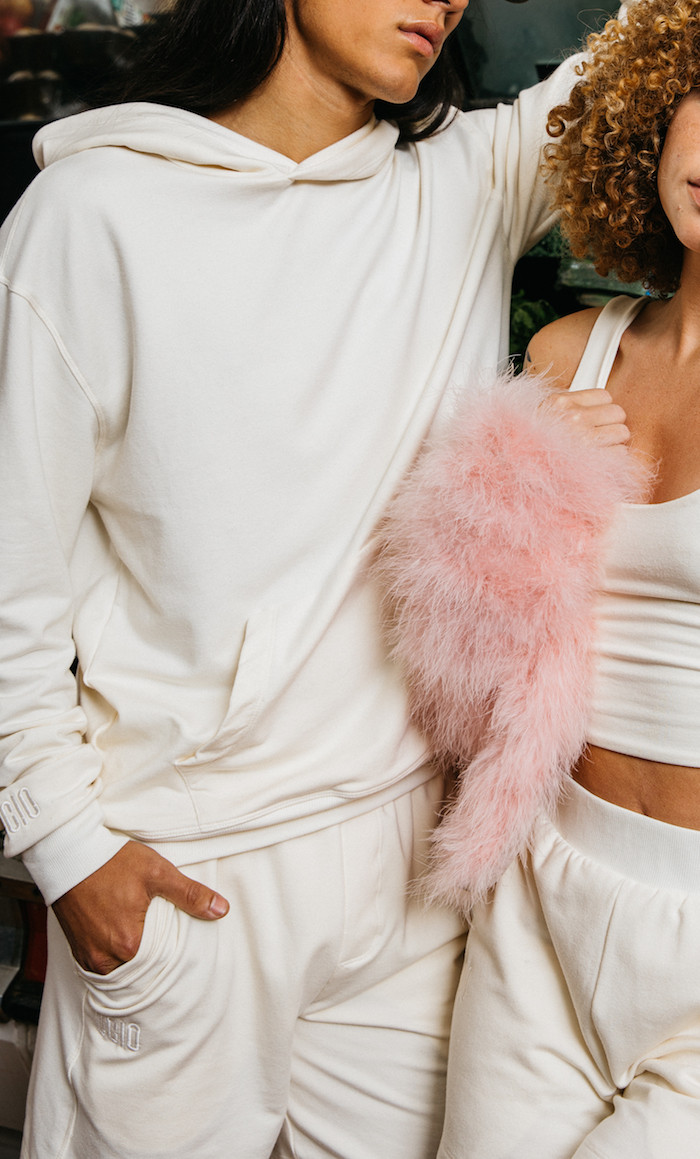
You can shop Ocio’s first Classic Collection online at ocioleisure.com.

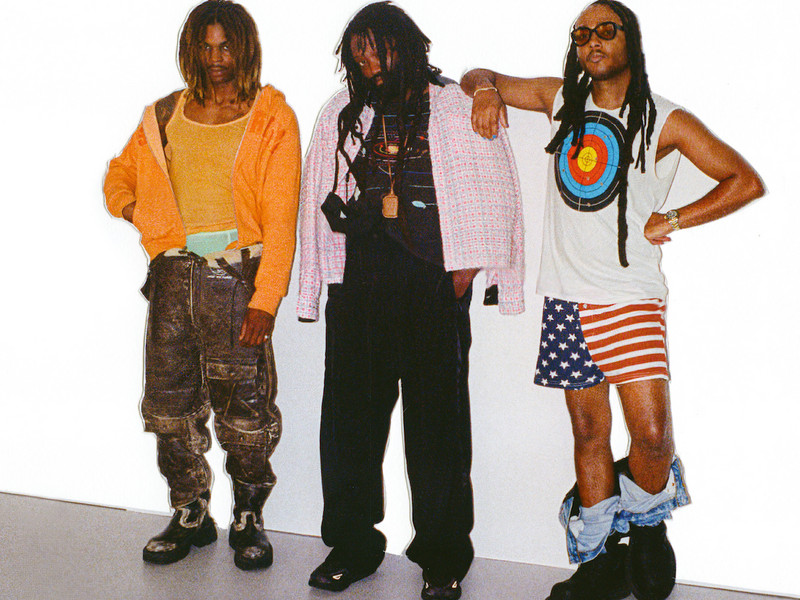
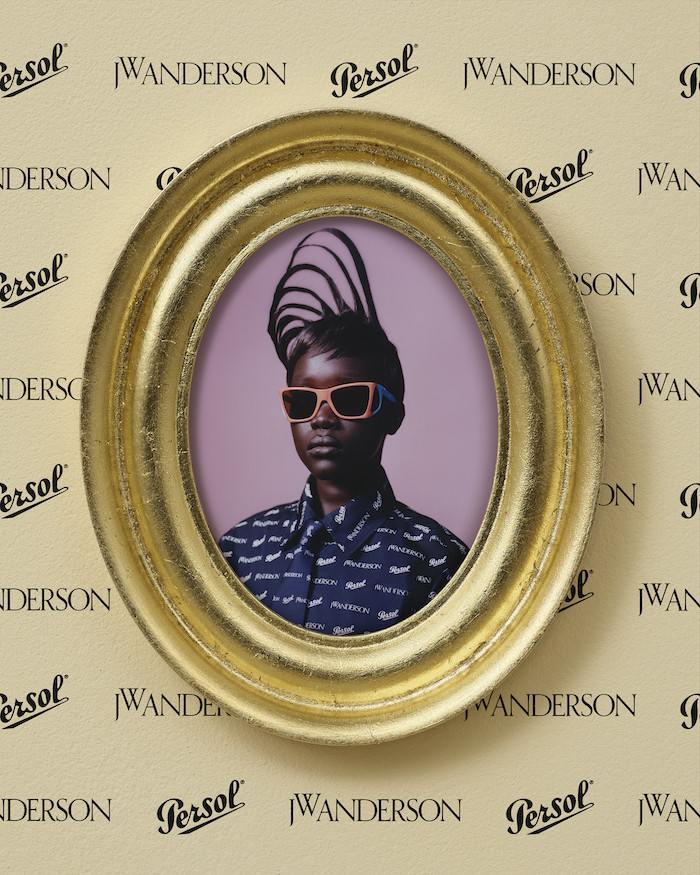
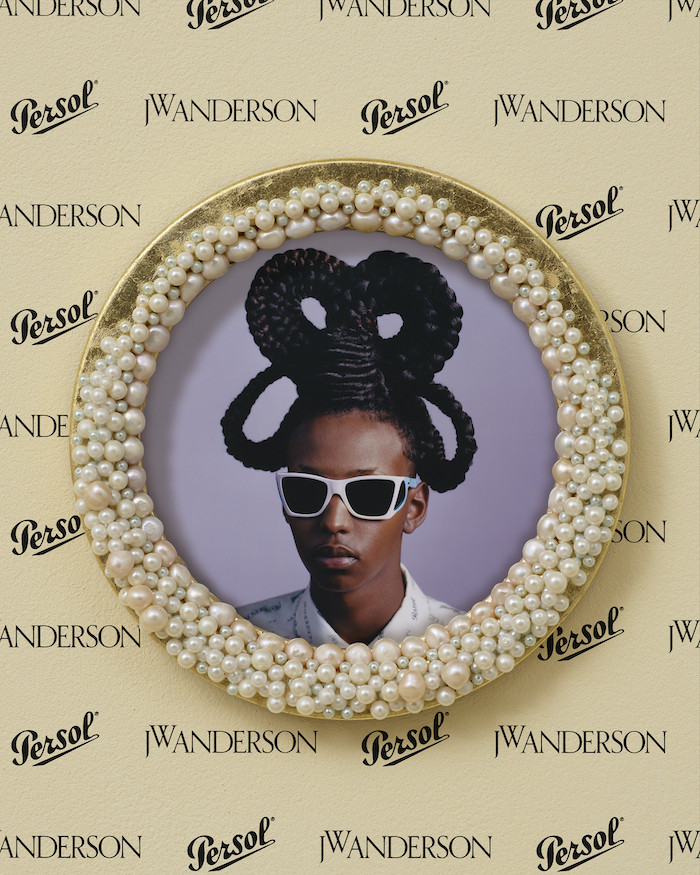
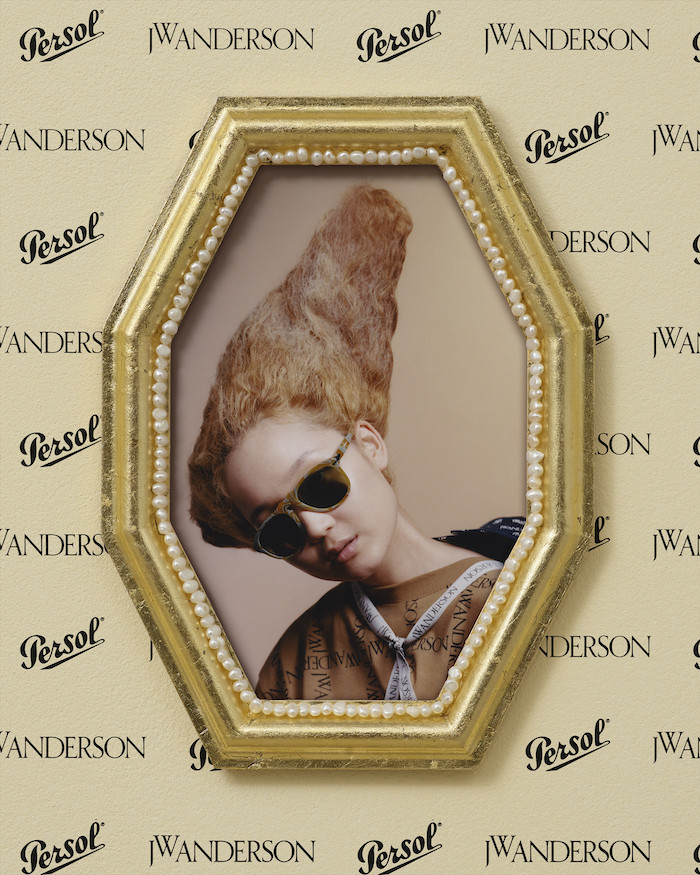
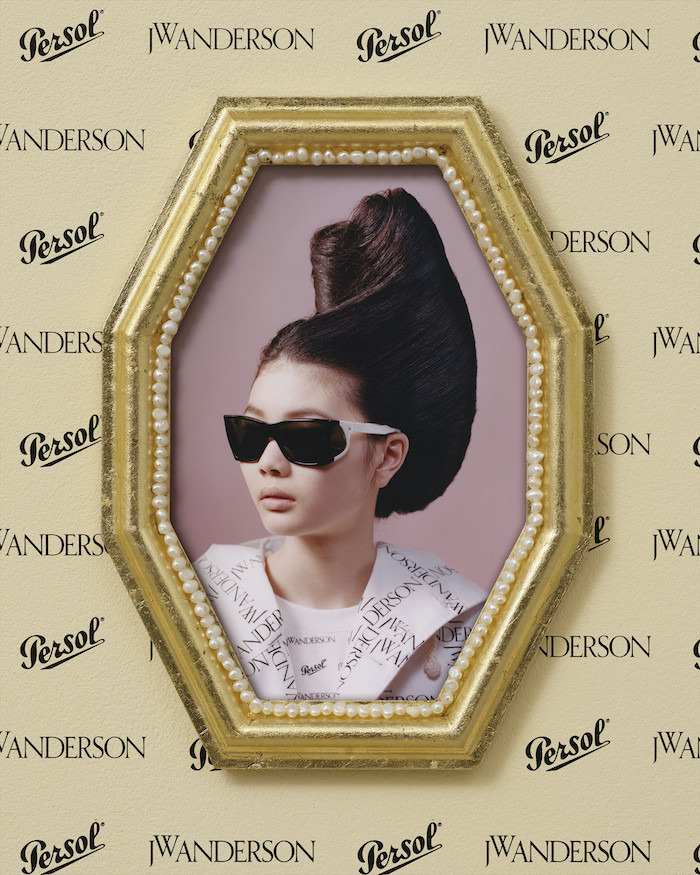
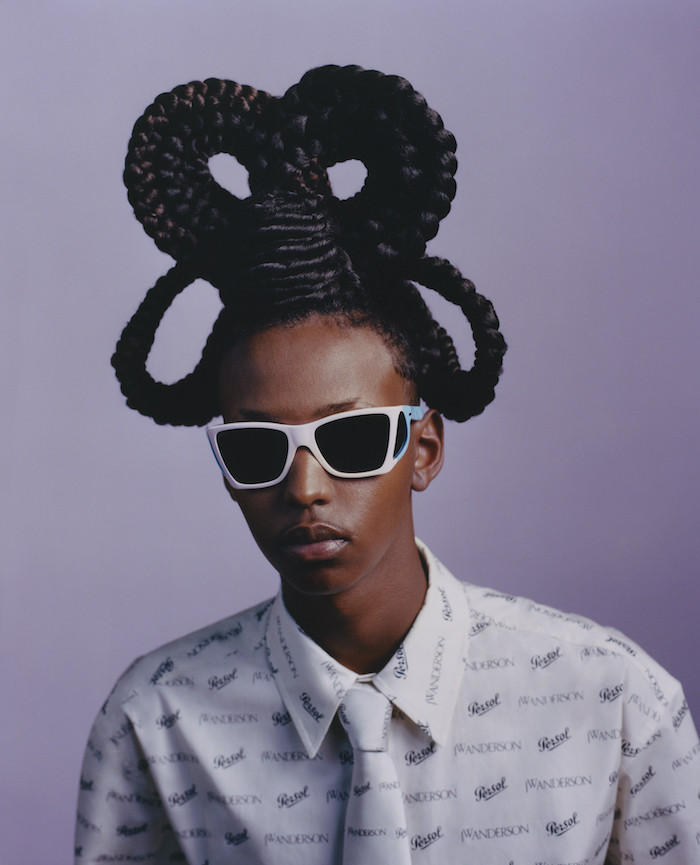
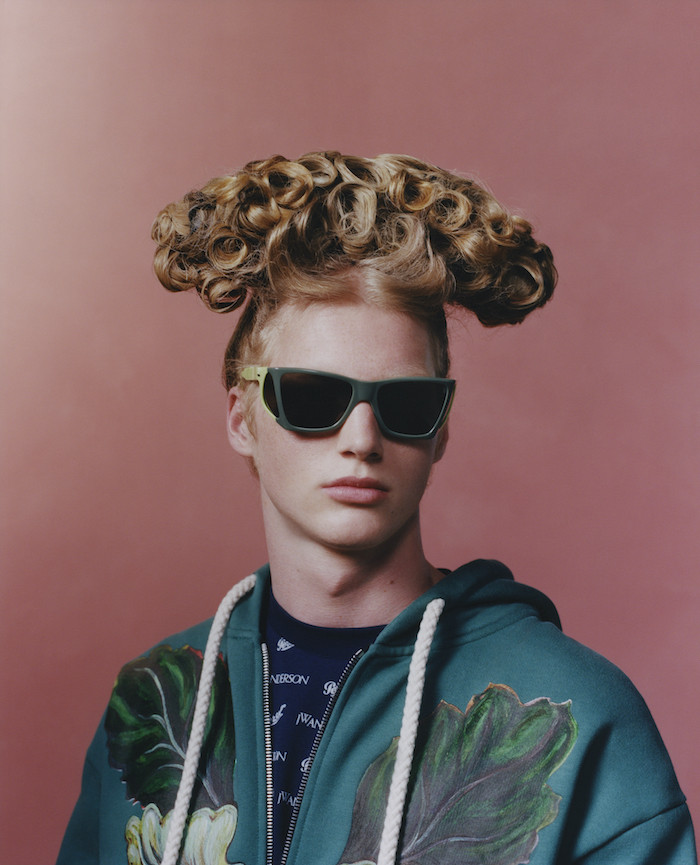
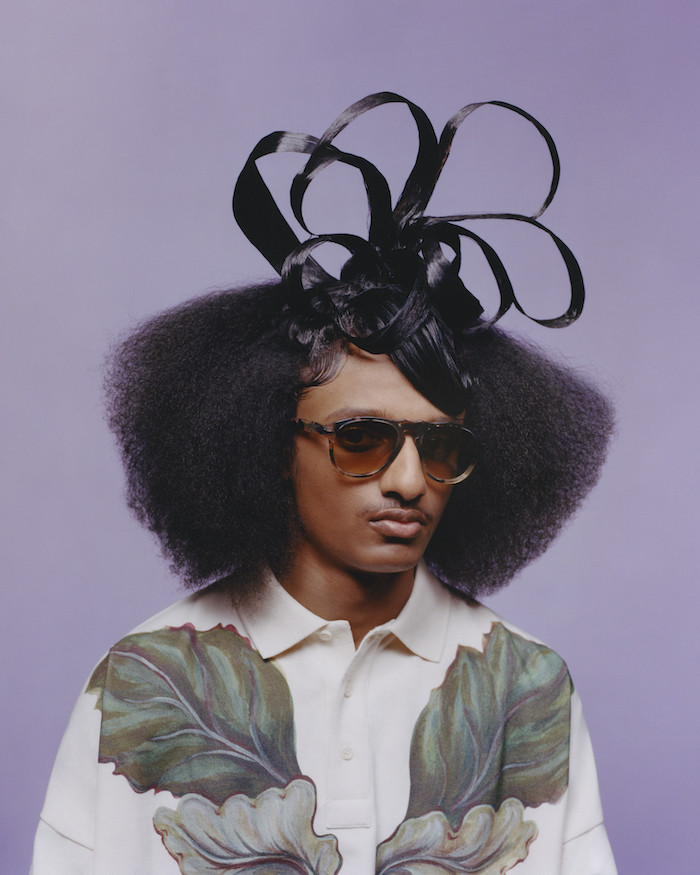
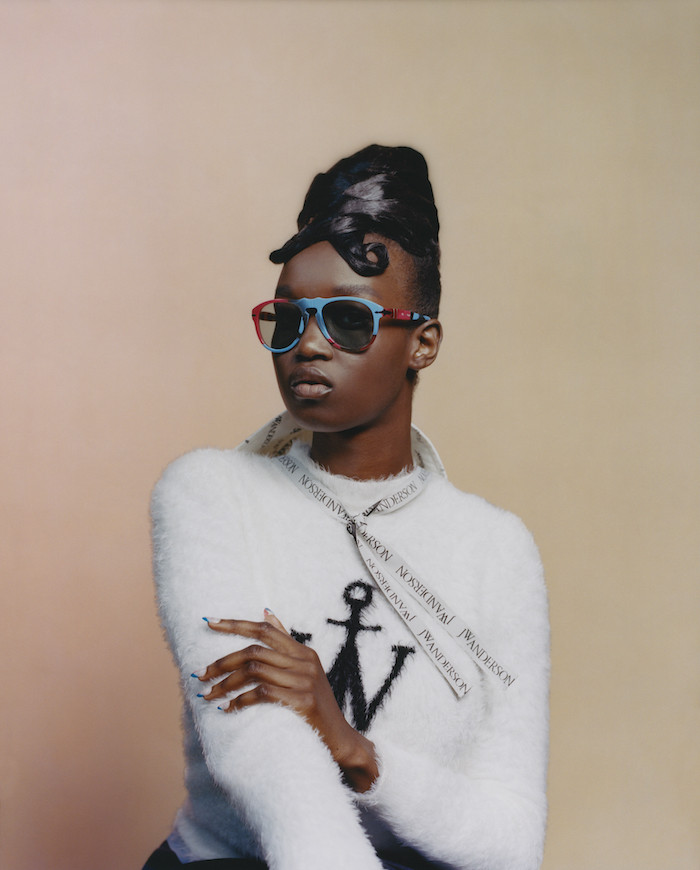
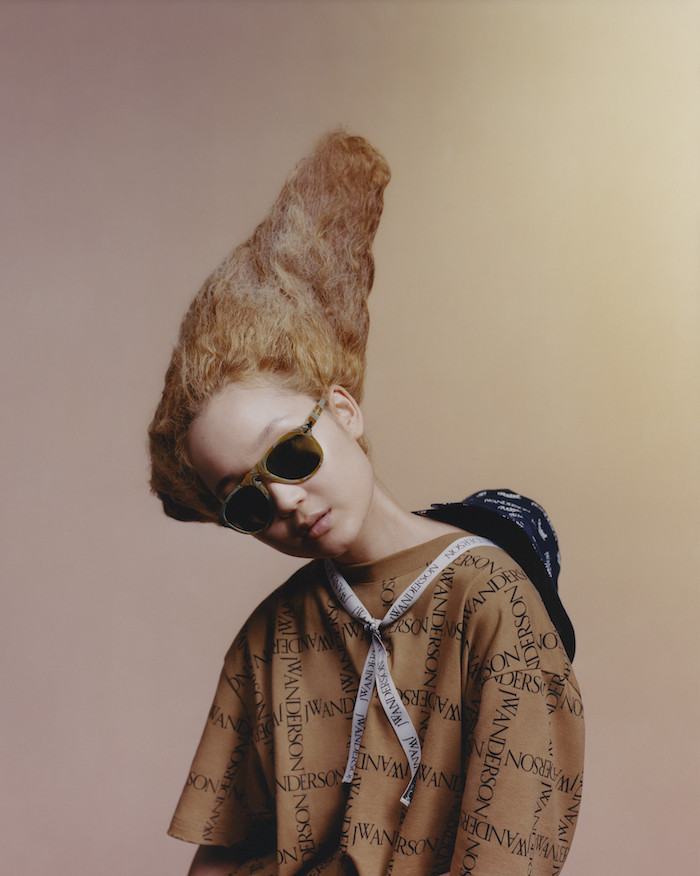
Each pair of sunglasses draws the eye in with their boldness and dynamicity showcased in the meticulous campaign shot by a JW Anderson favorite, Tyler Mitchell.
Various models are adorned with show-stopping hairpieces by hairstylist Jawara that accentuate the sunglasses bringing the viewer all in. While each model is positioned in front of hues of purples and oranges, giving an ode to hot days and long nights, gold-framed photos and JW Anderson wallpaper ties the campaign together. JW Anderson and Persol have exhibited how to stay classic in an ever-changing world.

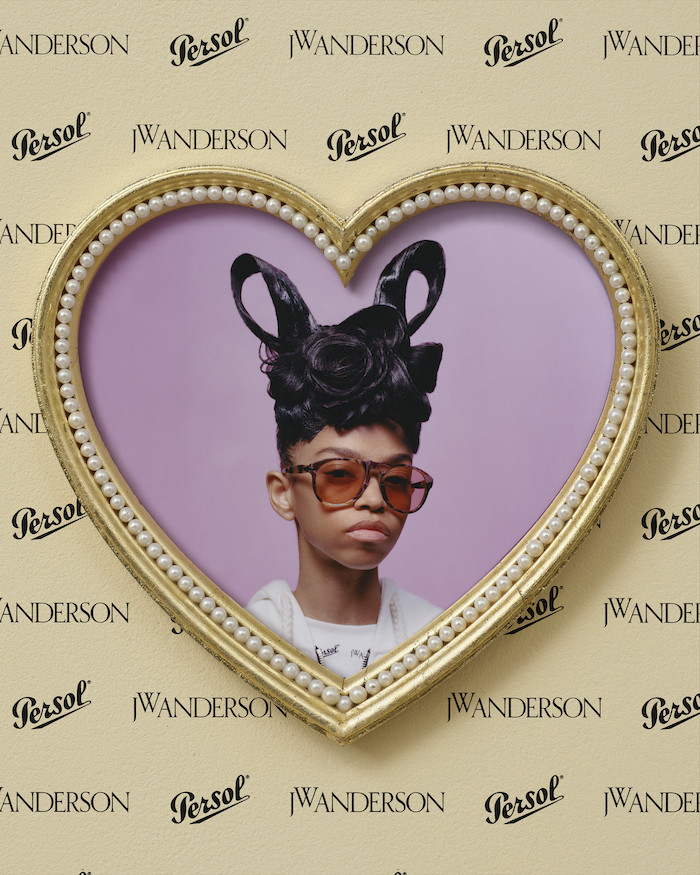
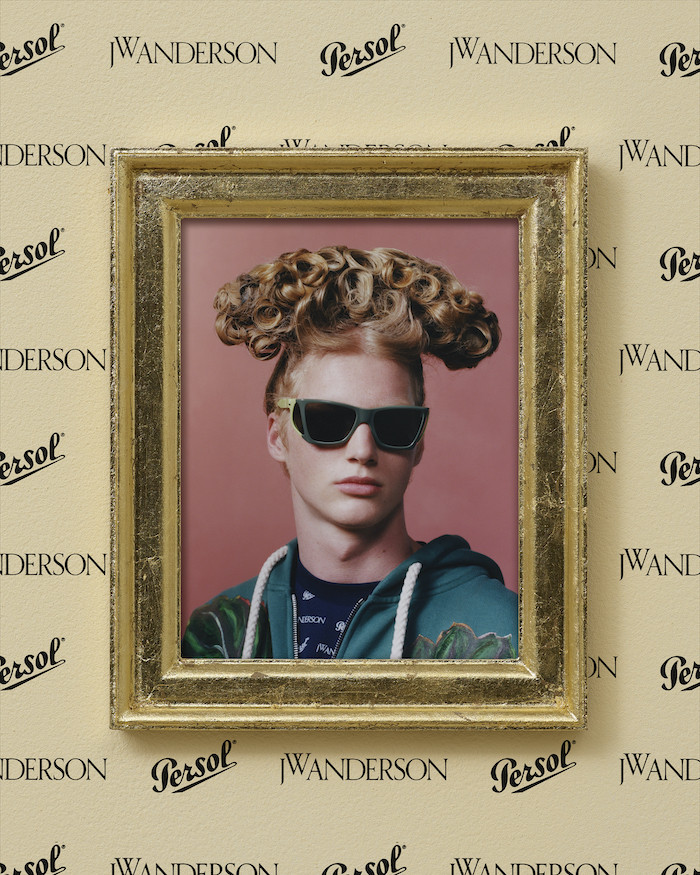
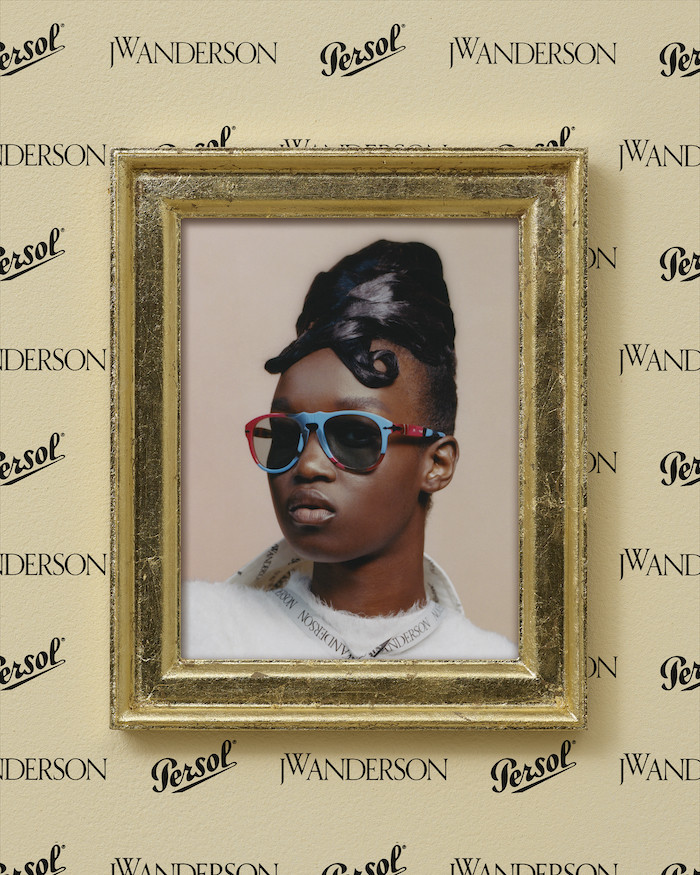
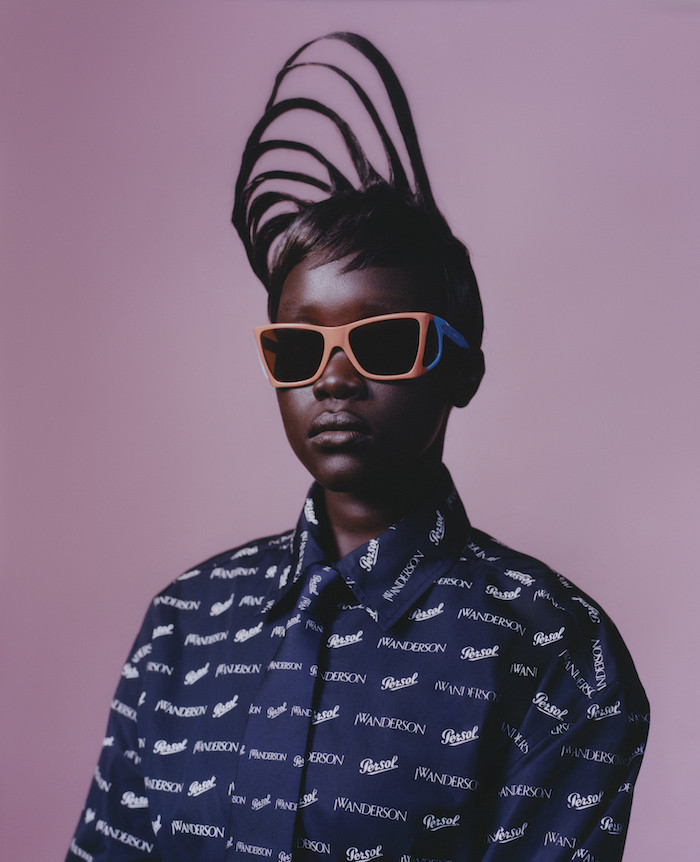



Check out the interview with the duo below.
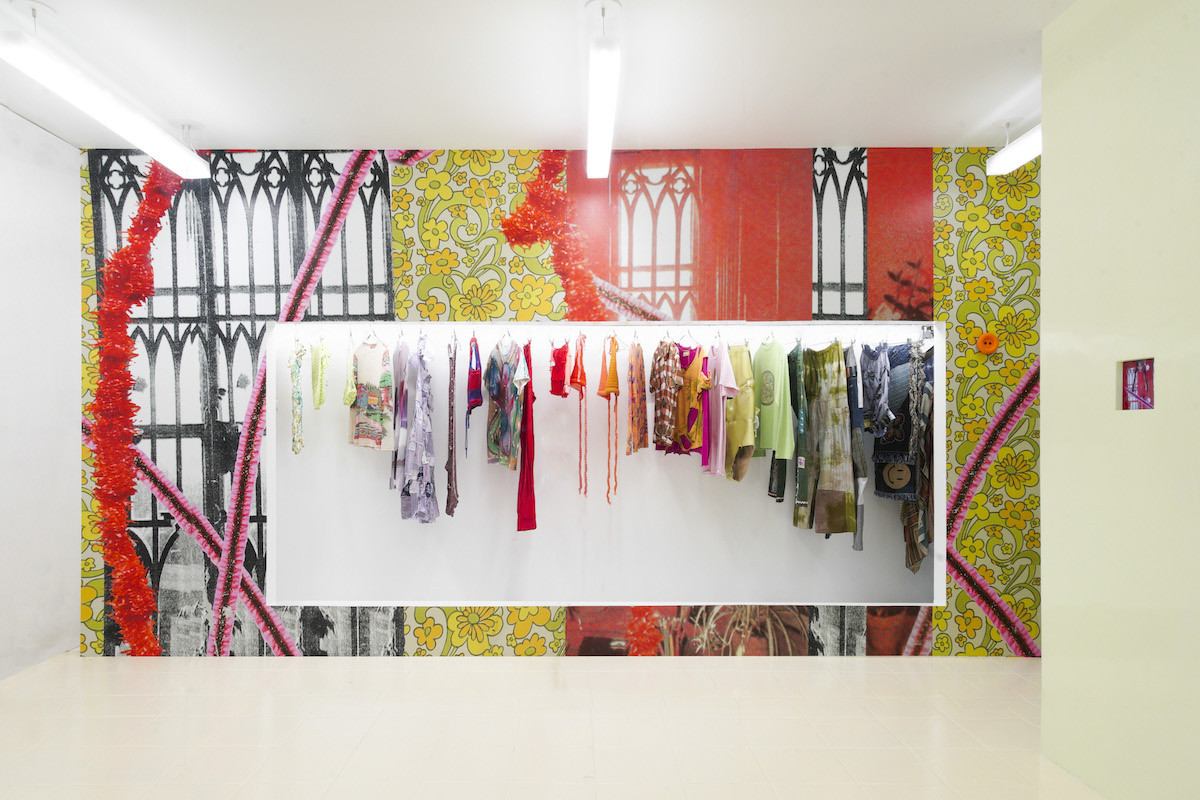
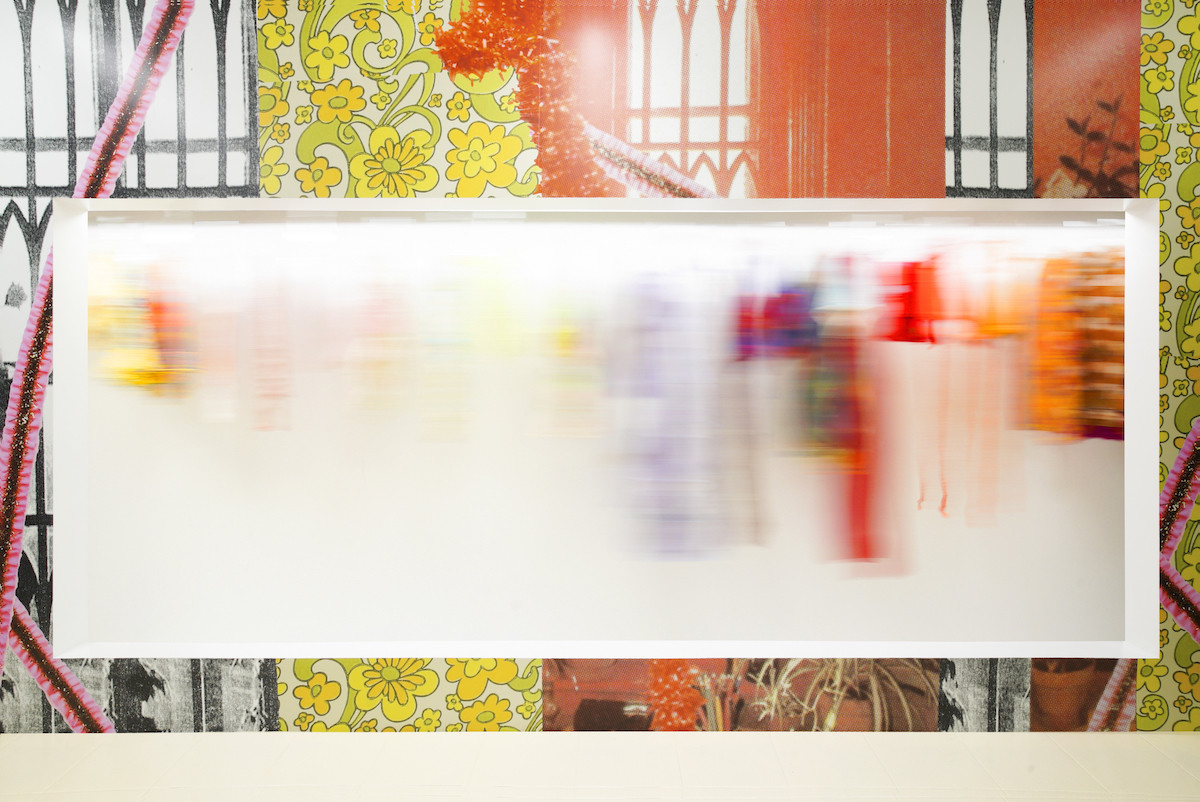
The rotating rack is pretty sick, not gonna lie.
The rotating rack began as a fascination with the unrealized potential of 90s and early 2000s retail fantasies of in-store automation. In particular the countless experiments by Prada and Issey Miyake exploring motorized technology. For our application we used a common form of automation, a dry cleaning rack, and purchased one from a dry cleaner that was transforming into a boutique. We built Cafe Forgot around the machine and a small window displays an endless stream of our designers. Everytime you walk into Cafe Forgot it's a different place. To operate the rack, we worked with the designer Sam Stewart on customizing the rotary switch that moves the rack. Stewart transformed the switch into a large-orange-3-D-printed clothing button.
So a Fashion Club in Highschool huh? That’s the kernel that led to all of this?! And the name, why Café Forgot?
VITA: Lucy and I have been friends since high school in Brooklyn, New York, where we founded our high school Fashion Club. We attended college together in Portland, Oregon, where we talked incessantly about working on collaborative fashion projects when we should’ve been studying. When we moved back to New York after college, we conceived CAFÉ FORGOT. We were inspired by our many friends who were making incredible clothes and accessories, yet who did not have an outlet for their work. Our goal was to create a dynamic space to show and share truly interesting fashion and to hold special events to introduce designers to a wider community.
LUCY: Café Forgot is the name of a nail polish color. We had a hard time thinking of a name, and we came up with a ridiculous number of options. Café Forgot was on the list, but I was worried that it would be too confusing—just imagine people coming in and asking if we served coffee. Still, we chose it and have stuck with it since!
At this point, you have experienced a variety of forms when it comes to your Boutique (first Pop-Up concept storefront, then online and now in person) ! Was that always what you were shooting for?
We love the experiential aspects of our shop: the dressing up; connecting with designers and customers; impromptu photo and video shoots, and, most of all, the marriage of art and commerce we promote in our curatorial choices. During COVID, VR was the only option, so we went with it, and launched the online store and virtual programming. It’s crazy to think that we would never have gone online if we hadn’t had a year long-lease in Alphabet City, but it worked out, and we did just fine during that unpredictable time. We built an international community, and it forced us to create an index of all our stock. Also, weirdly, organizing our website clarified our brand and that has been an important evolution for us.
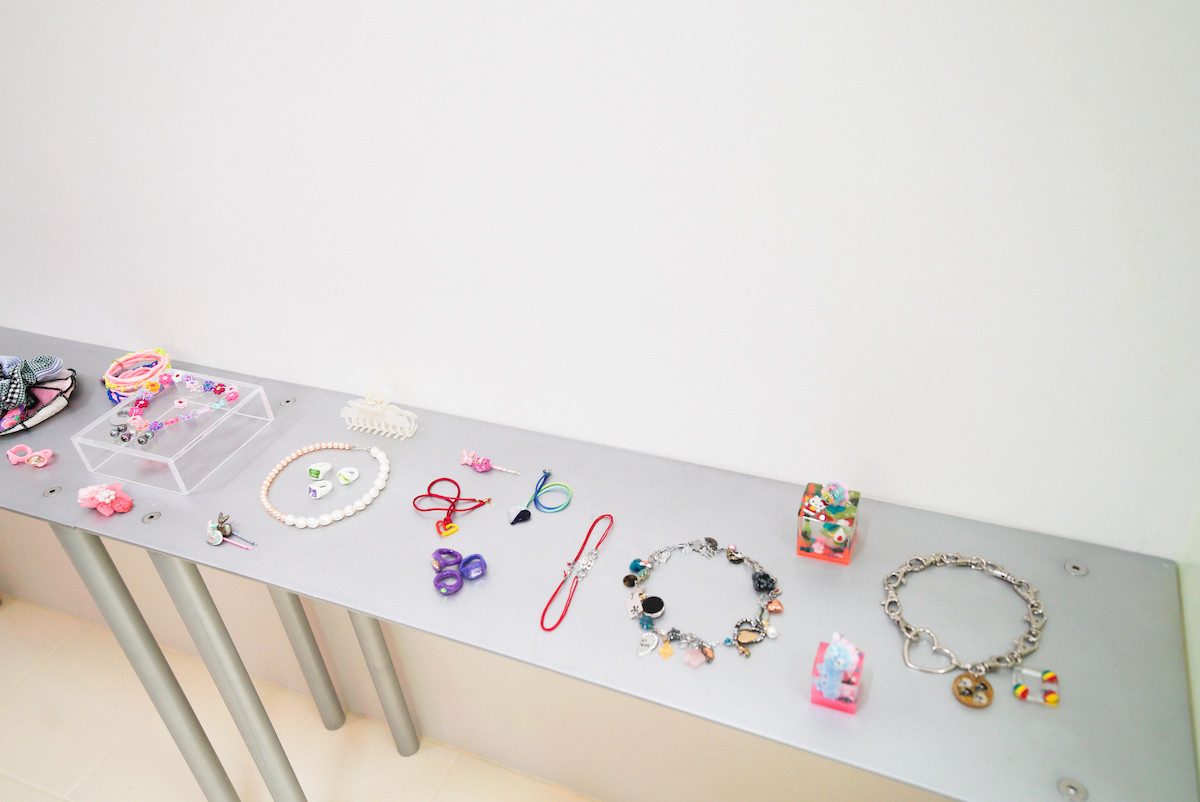
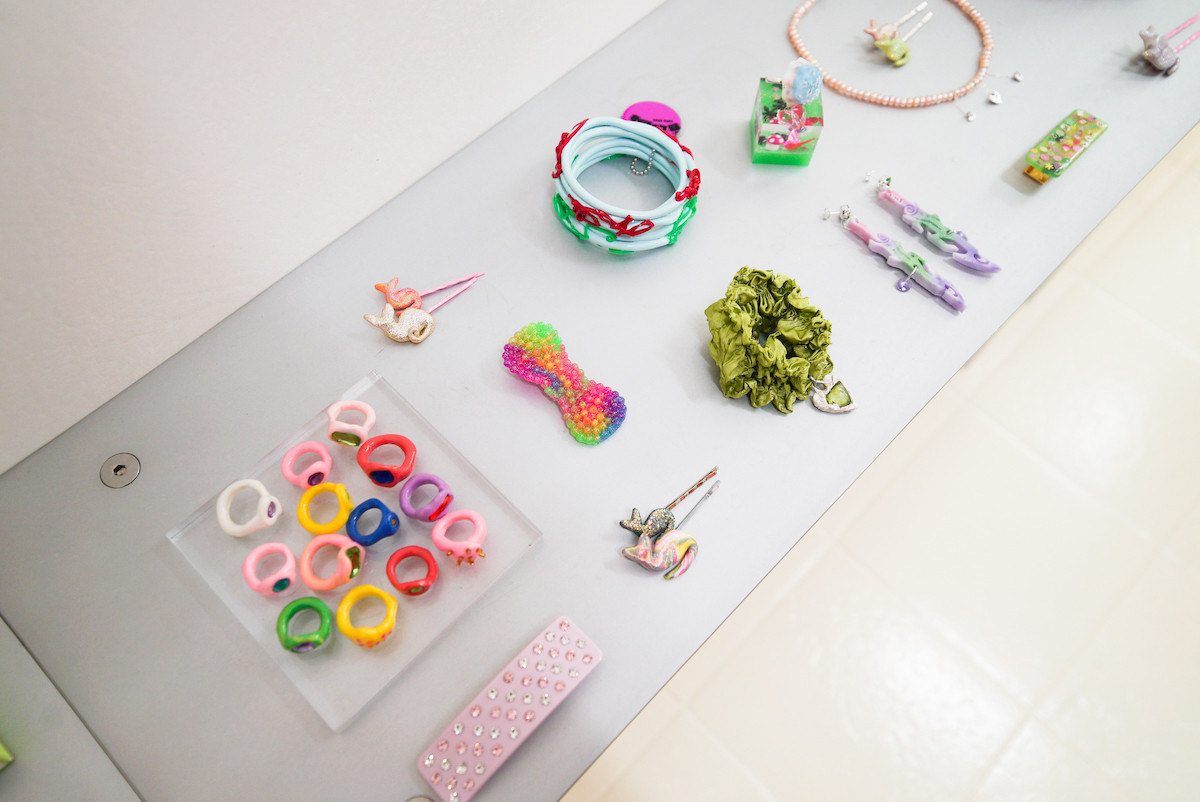
Between IG followers and previous regulars before the pandemic, it seems you have a bit of a cult following. Did this support from your community play a part in your decision to make this move? How do you think Café Forgot has evolved since its launch? What about in the past year?
We started the shop because we love being there.. We are obsessed with fashion and clothes, but the clothes we sell are more akin to art pieces than functional objects, and, because of that, they’re best seen in situ. I just love the possibility that a space offers; a social space surrounded by beautiful things is thrilling to me. Also, introducing young, innovative designers, (some of whom have never sold their stuff anywhere,) is really exciting, and it’s been great to host events that bring our designers together to meet in IRL. Designers often come into the shop when people are trying on their pieces, and they can see their work come alive; clients also get a buzz when we use photos of them in our designers’ clothes on Instagram. All that community connection is super important to me.
Café Forgot has expanded a great deal. In the beginning, it was 100 percent a New York thing: no shipping — just us showing the work of our really close old friends. In fact, both Piera and Marland were in Fashion Club at school (LOL). With each pop-up shop, more people contacted us wanting to be involved, and that’s how we expanded, so now we have designers from all over: Berlin, Australia, London, and Japan.
What designers are you most excited about right now? Speaking of — how do you even go about finding these designers in your shop?
In some cases, we found designers we liked, and in other instances, they found us. Marland went to Pratt with the designers Sophie and Claire, so that's one example of how we started meeting more people. Then Marland moved to Japan, and she connected us with people there. Then, some of the designers that we stock in New York told us about friends in Australia or wherever. Now, since we're pretty big on Instagram, we get a lot of people messaging us. It's really interesting to look through people's work on social media. The process of finding designers has evolved — it's definitely a wider net, but it's still really fun.
Feels like you've found the sweet spot between art, design, and fashion—what is this “curatorial” process like? Is this sort of an homage to your studies of art history way back?
We maintain that fashion is as important and socially relevant an endeavor as any. We take it seriously, and we view the one-of-a-kind pieces we carry as art. It doesn’t worry us at all that some people may disagree with this point of view. That said, we both studied art history, and since the art history and studio art departments were joined at our college, we were able to take both studio art and art history classes. We read about fashion theory, which has proved invaluable, and we worked on projects in our sculpture classes that centered around clothing.
People say Café Forgot is “the new” Opening Ceremony— how does that feel? Do you feel pressured after seeing so many shops close during the pandemic?
I understand why someone might compare us with Opening Ceremony because, for a long time, it was one of the only places people could learn about these up-and-coming designers. I think our approach is fundamentally different though because we carry mostly one-of-a-kind pieces. Our existence shows that there is still room for niche outlets in a world where large brick-and-mortar stores are flailing and Amazon has mushroomed into more and more aspects of life.
You’re also incorporating healing/self-care practices (ie: your fashion meditation for cafe forgot) do you think you will continue with this now that everything is opening up?
We also had an event called Side Effect that was scheduled for March, the week everything closed. It was going to be a healing salon with curators, Jade Marks who does 69 Herbs. and Cara Marie Piazza, who is a designer who works with natural dyes. It was going to have breath-work, reiki, and a natural dyeing class that they were going to teach together. We were all really psyched about it, and it was such a downer when we had to tell all the different practitioners involved that it was canceled. But then, we decided that we’d just go right on with it, so we did it on Zoom, and it was a great success. Everyone needed it…more than ever. Now that we’re back, we're going to do more workshops this time, IRL. This July, we had an in-store reading with Luke Simon, the healer and reiki practitioner who created the fashion meditation for us. Entitled Venus Juice, Luke's memoir is about his time spent in LA and his work in the healing community.
So now that Café Forgot has its own perfume, what's next?
We are working on new Café Forgot merchandise, are always bringing in new designers, and are working on programming for the upcoming year! It’s great to be back.