Come in, We're Open

The Gift Shop will be open until December 11th from 5-9pm at 22 Ludlow, stop by and treat yo' self!
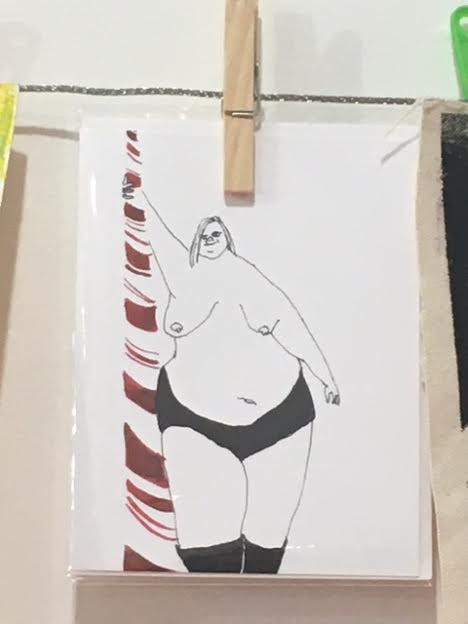
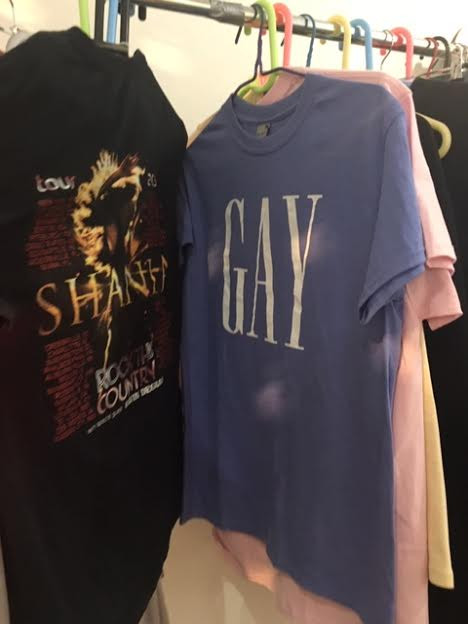
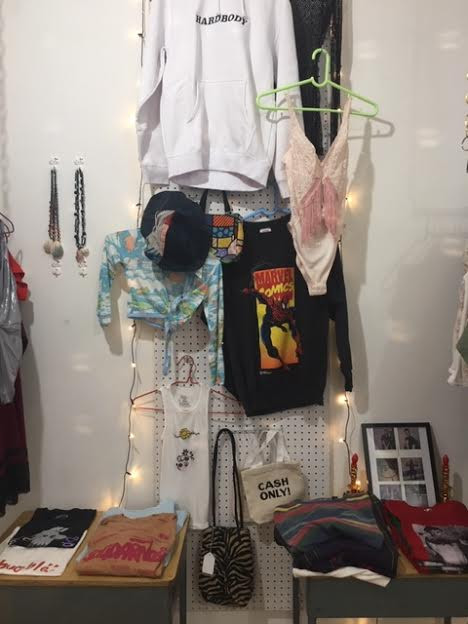
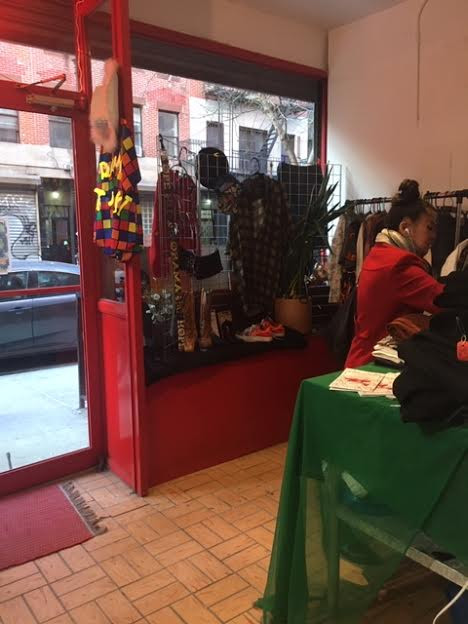
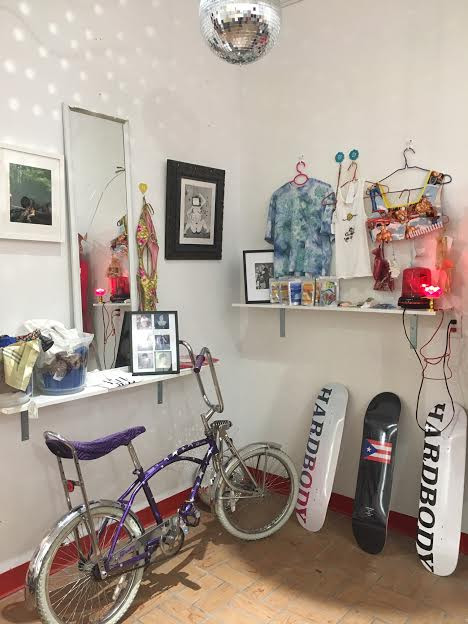
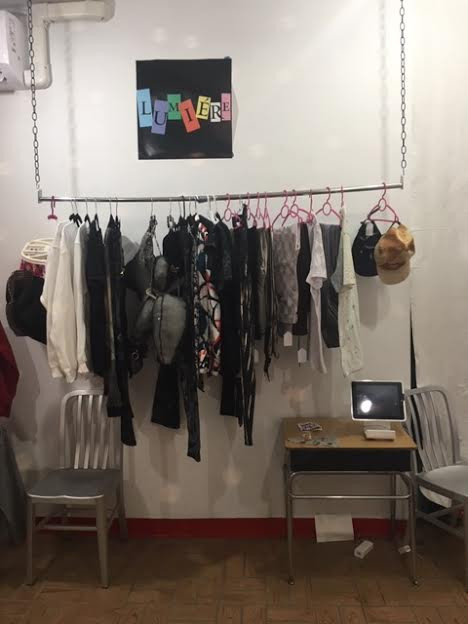

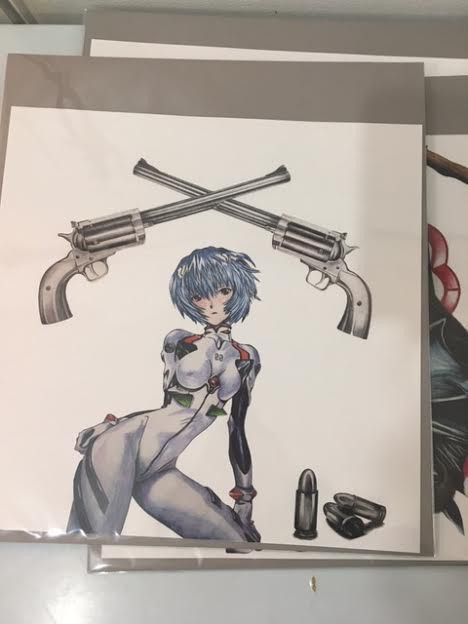
The Gift Shop will be open until December 11th from 5-9pm at 22 Ludlow, stop by and treat yo' self!
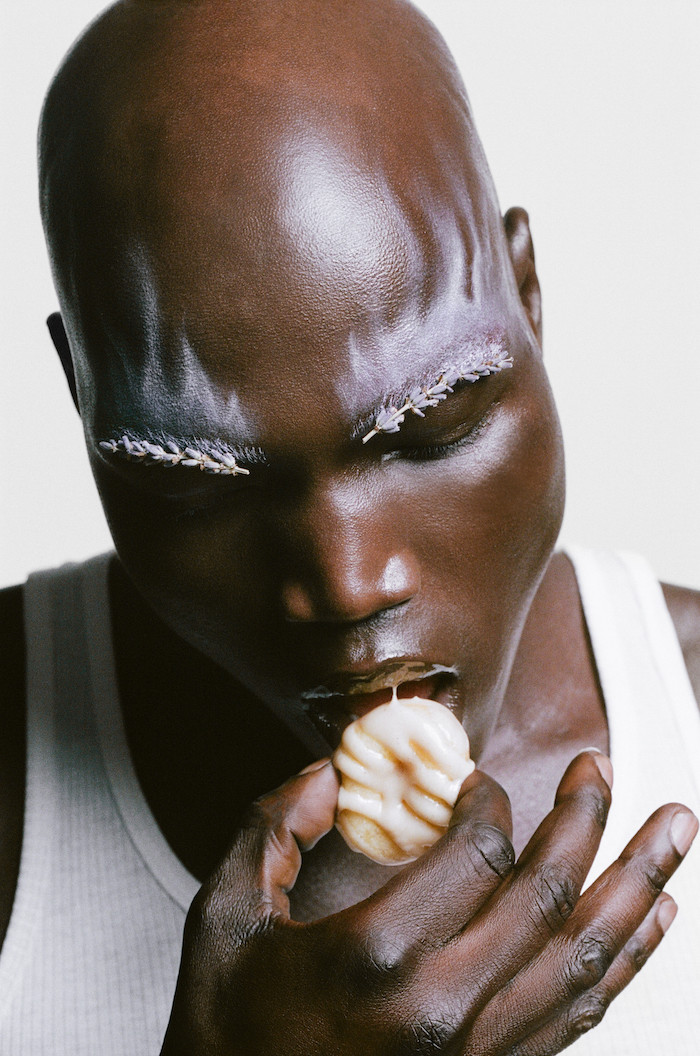
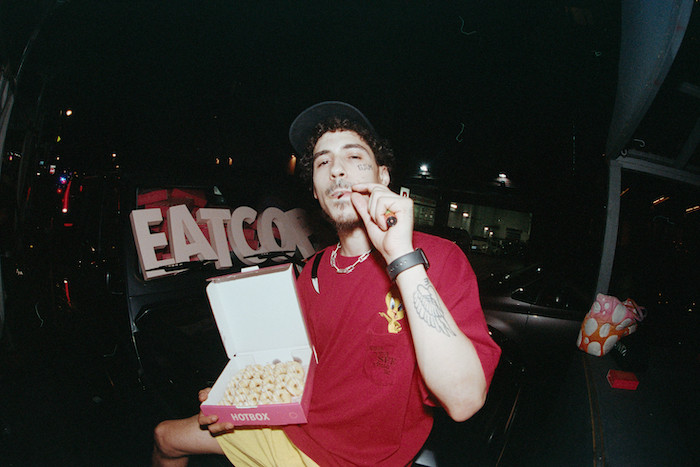
“We believe we're destined to inspire the world around us. We want anyone in fashion, design, or art to look at what we're doing on a creative level and be inspired,” White continues. Aside from purveying delectable mini donuts, which come in two classic cinnamon sugar and sour cream flavors, COPS also champions local creatives within all different scenes — from working with NYC-based spatial designer Christine Espinal on a one-of-ak-kind event installation to Toronto-based designer Spencer Badu for an exclusive uniform collab.
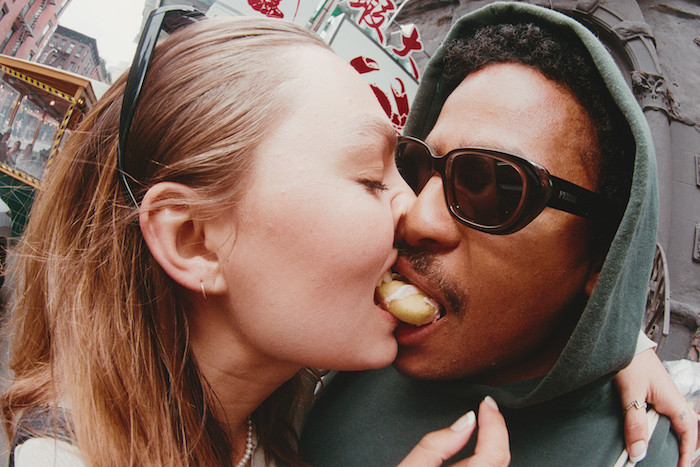
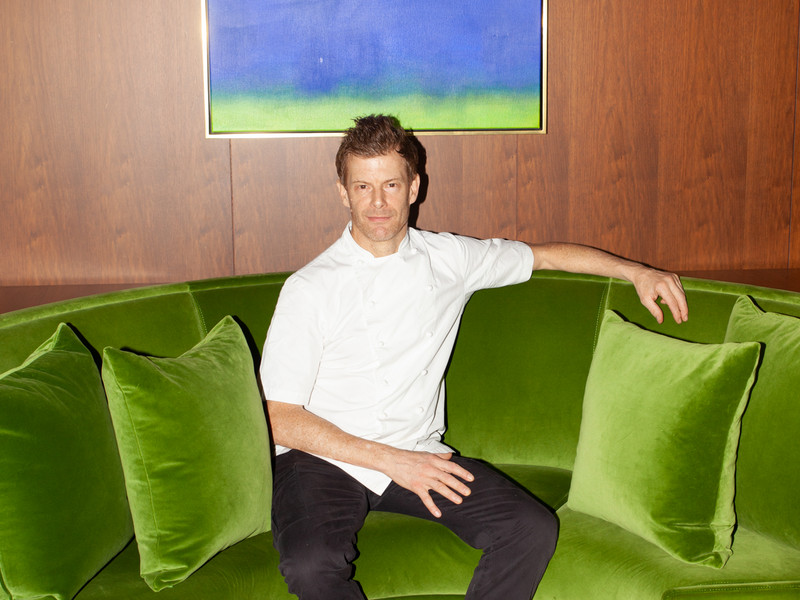
Acting as an artistic outlet for the COPS team, they also introduce one custom weekly flavor, orchestrated in partnership with a food scientist and fine dining chef. “We also worked with another fine-dining chef last year; his name is Brandon Olsen. He curated a bunch of our weekly feature glazes, so the plan is to work with multiple chefs from around the world on different glazes, showcasing their capabilities and their own flavor profiles,” White expands.

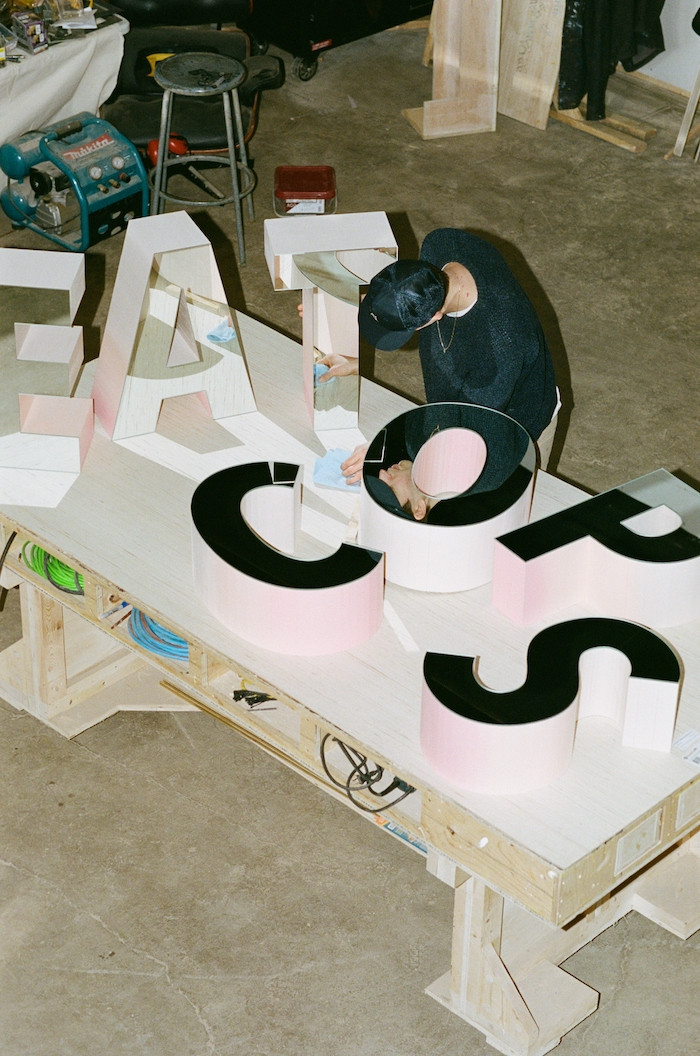
Whether they are hotboxing a G Wagon outside of Soho House or curating event installations around the world, COPS is sure to bring the heat no matter what boundary they decide to push next. “Anything can be art if it's placed in the right setting or in the right context — and if the storytelling is right. It's just a matter of romanticizing it. We ultimately want to curate this awesome community of creative connection,” White concludes.
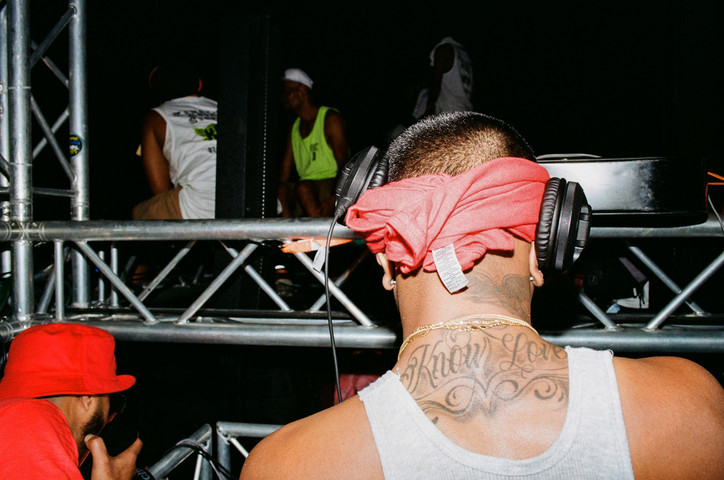
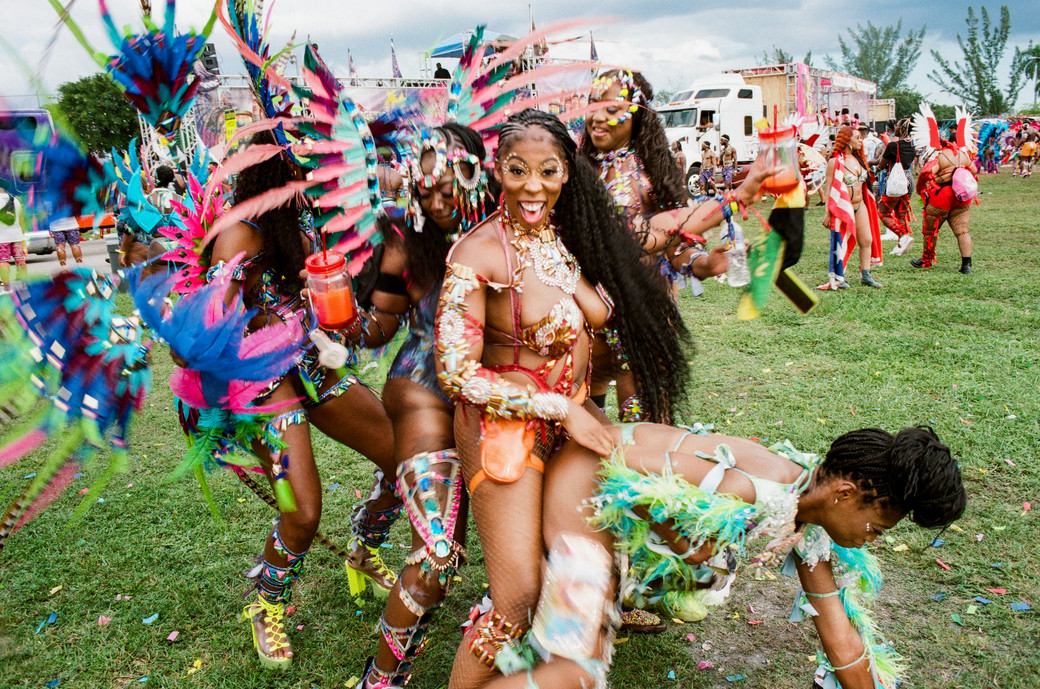
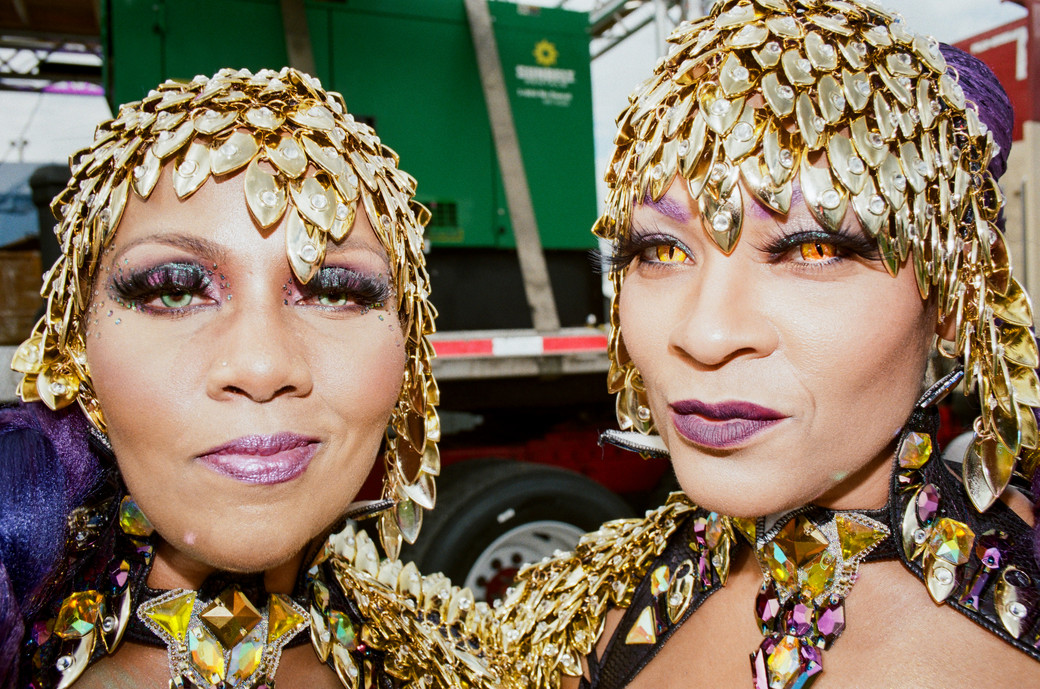
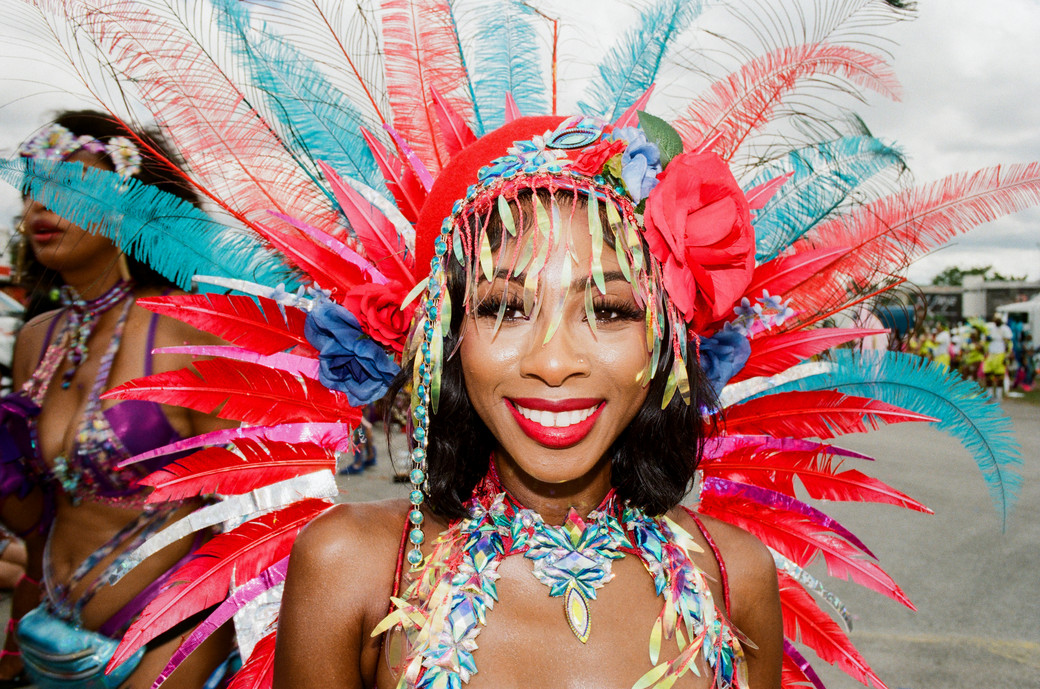
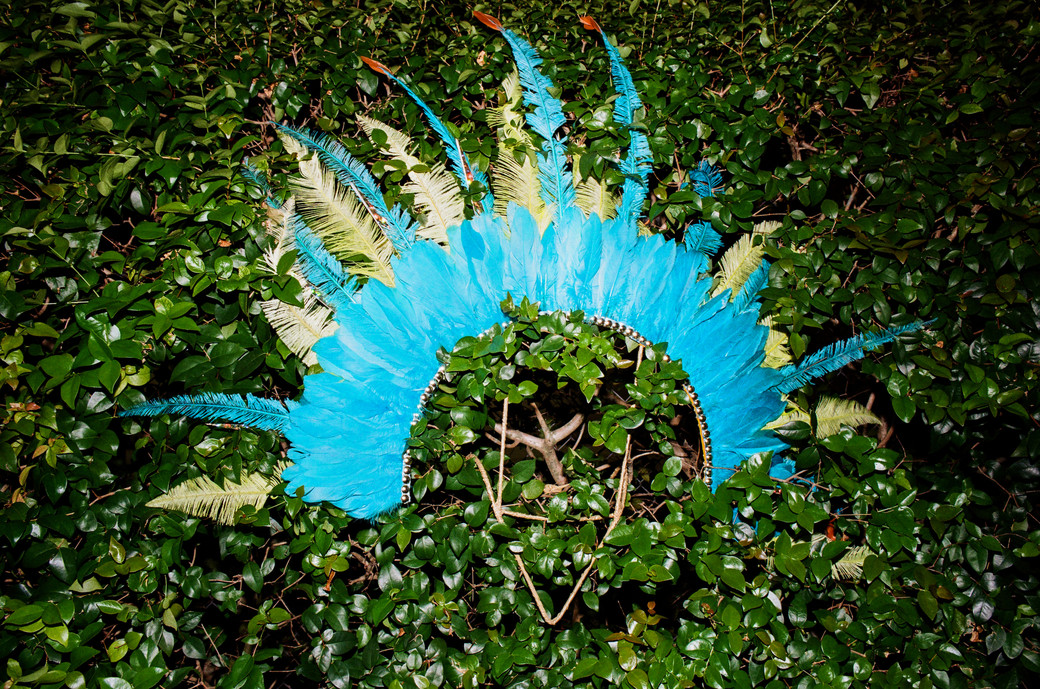
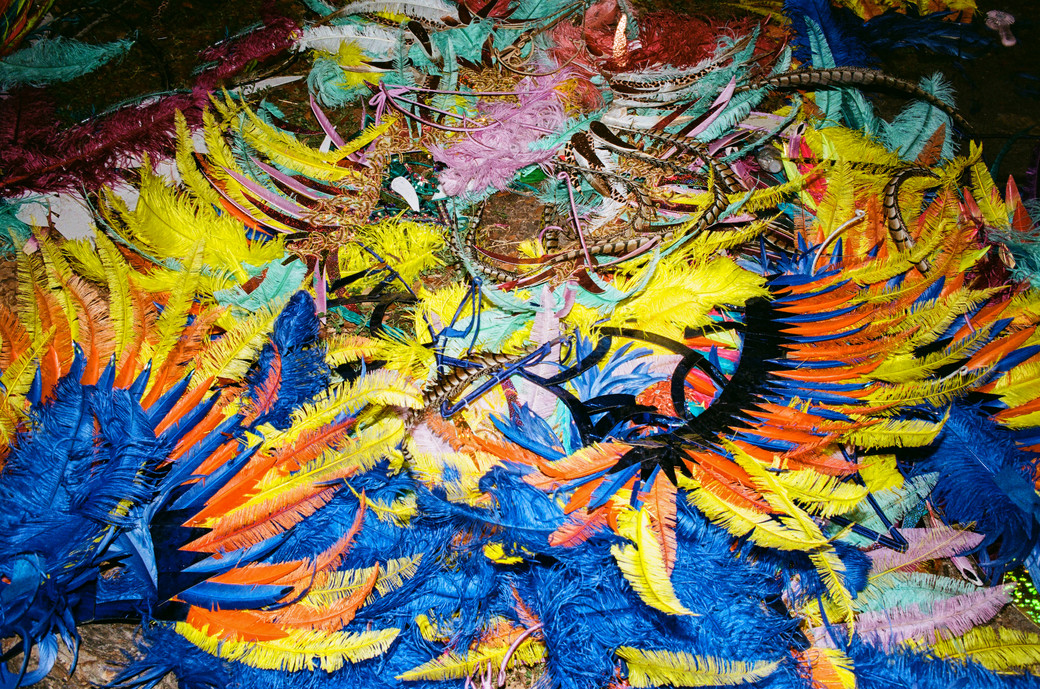
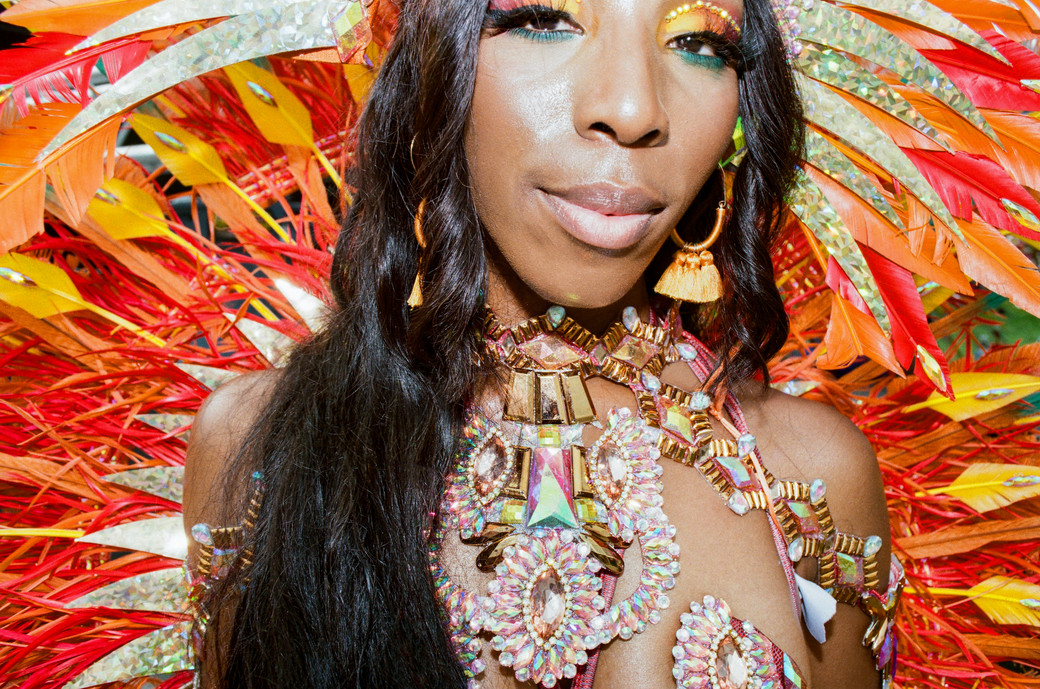
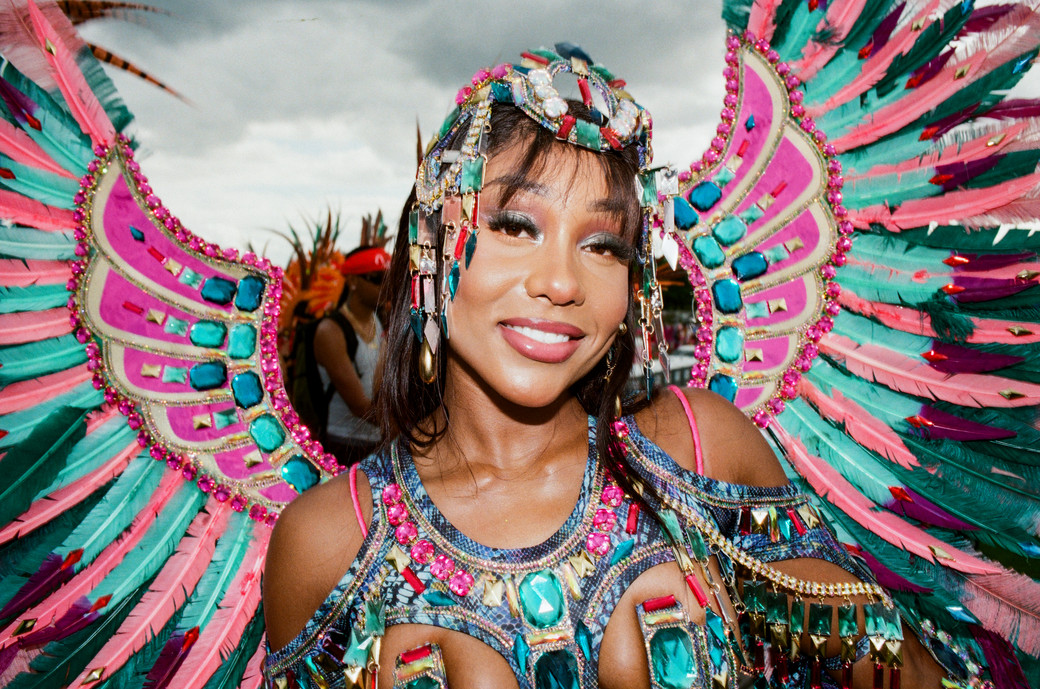
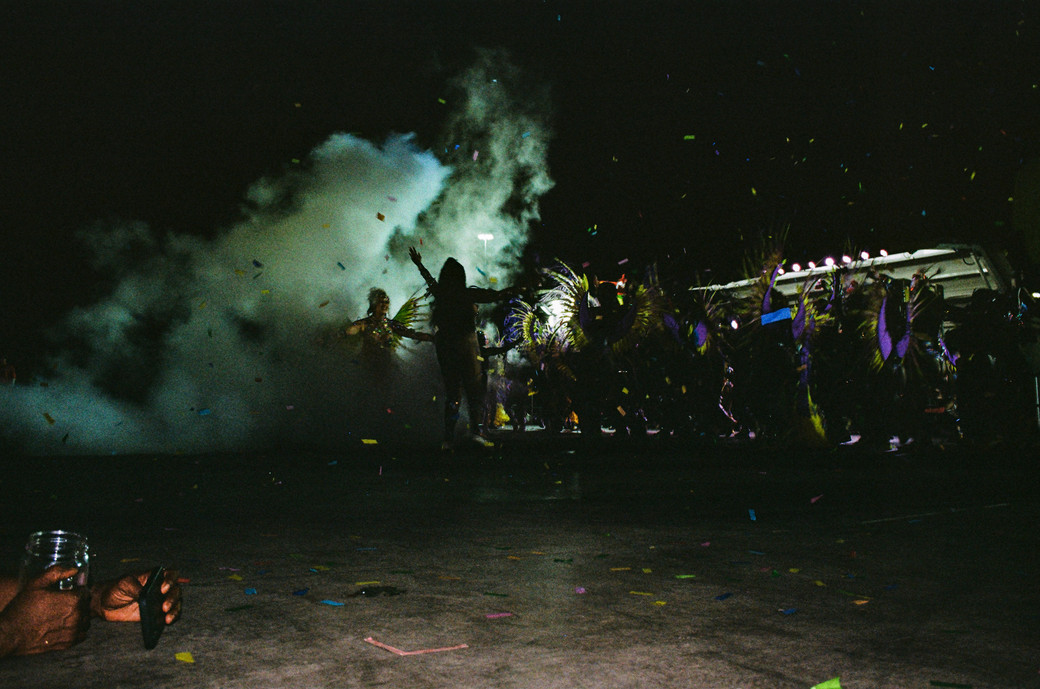
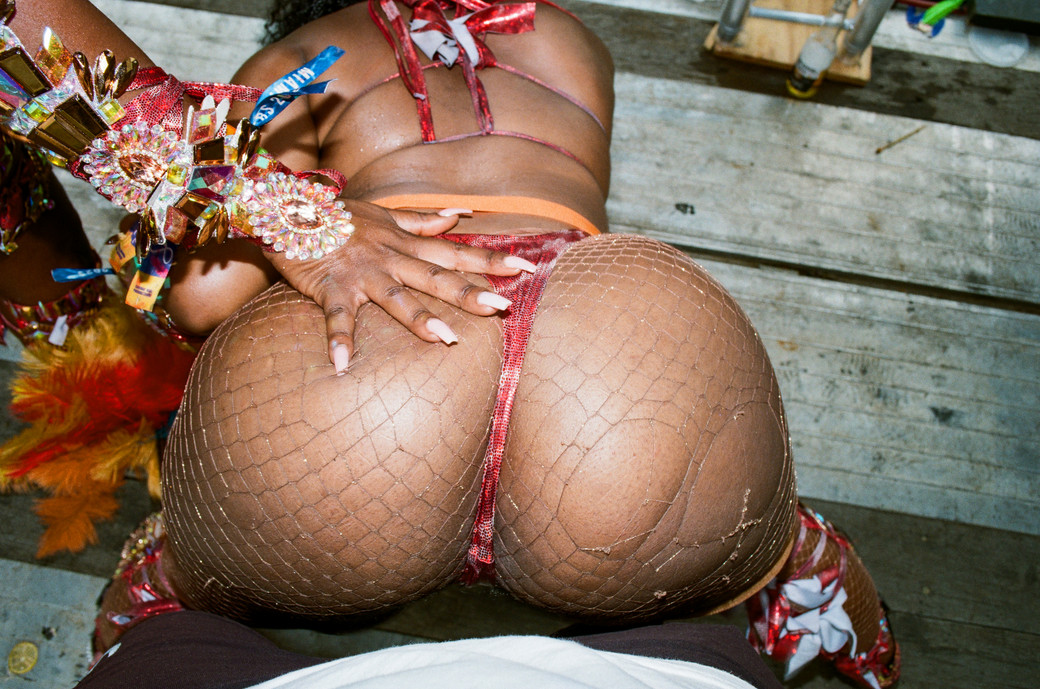
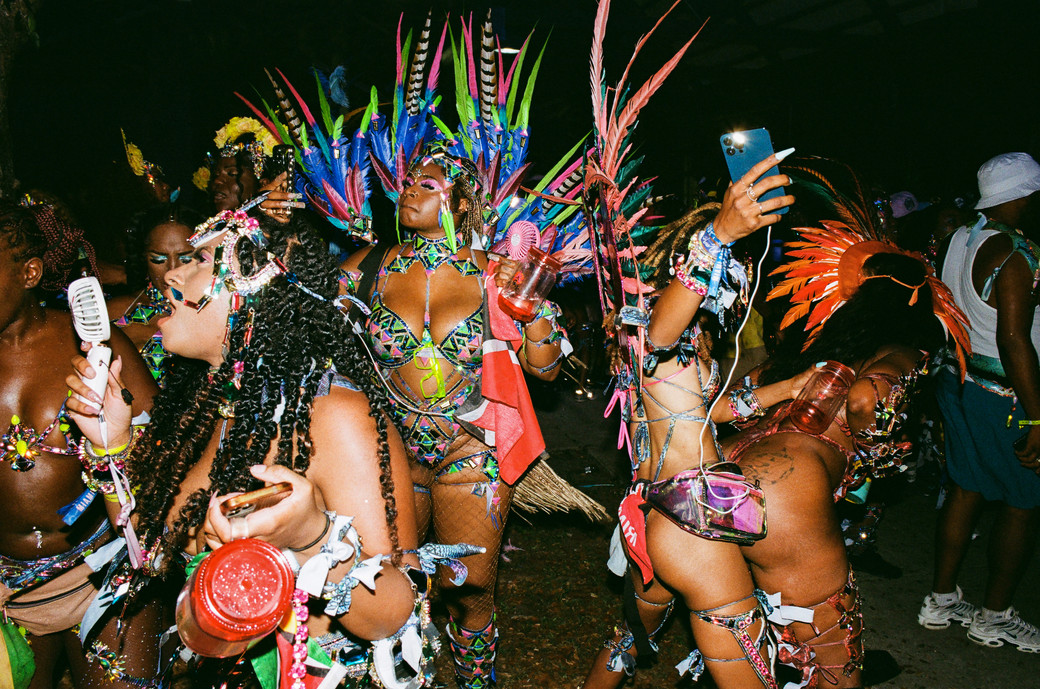
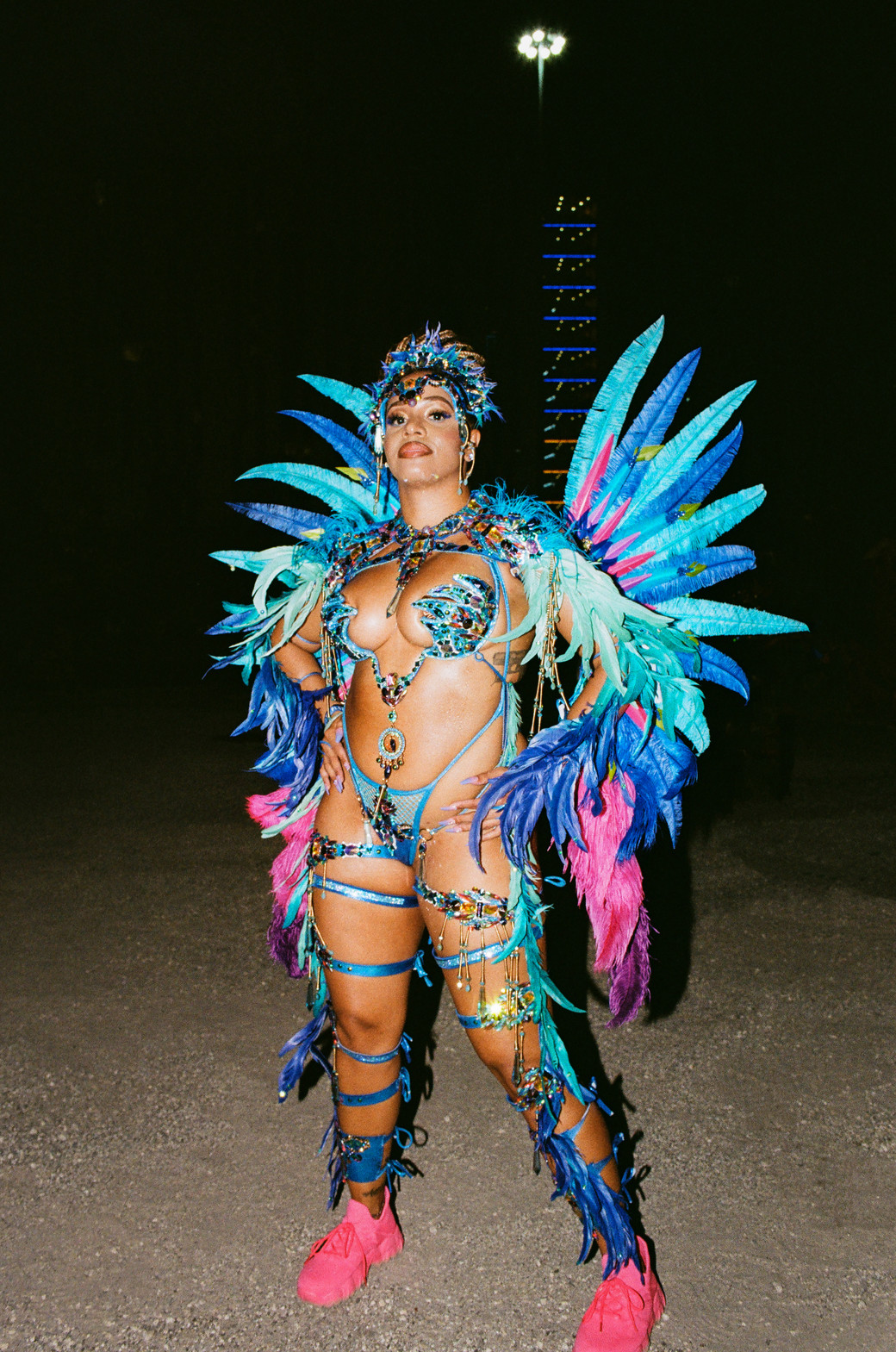
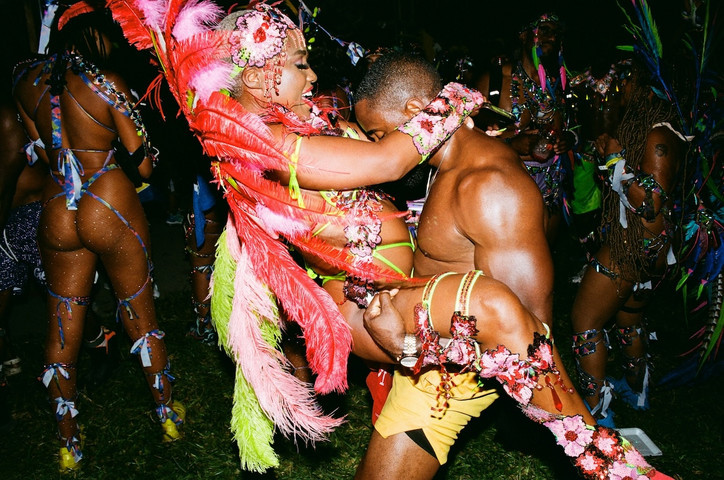
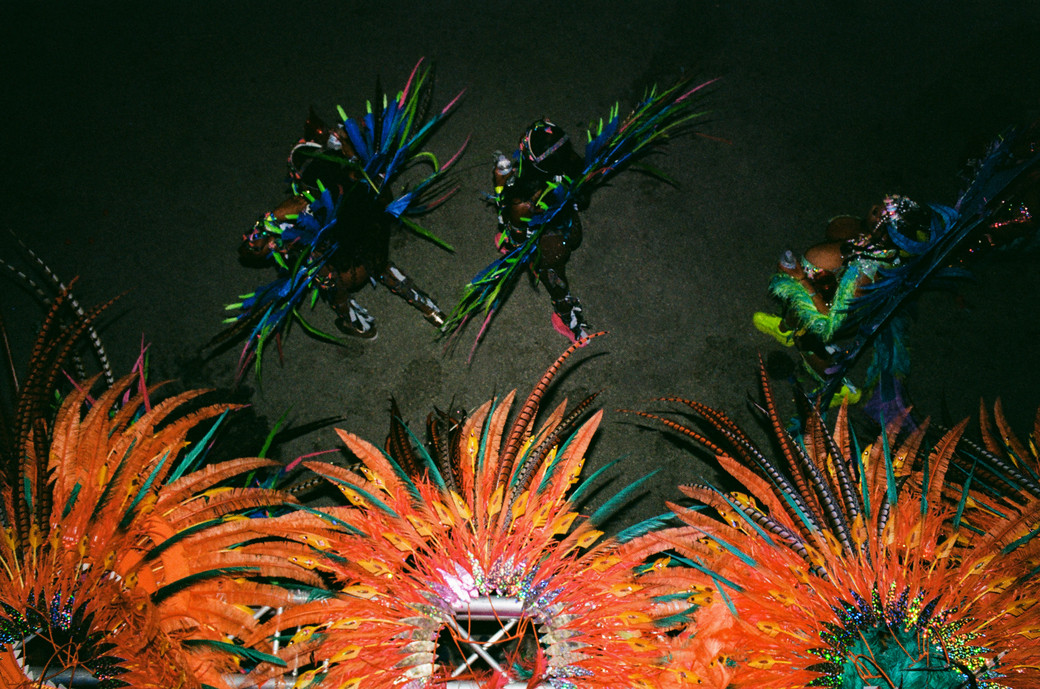
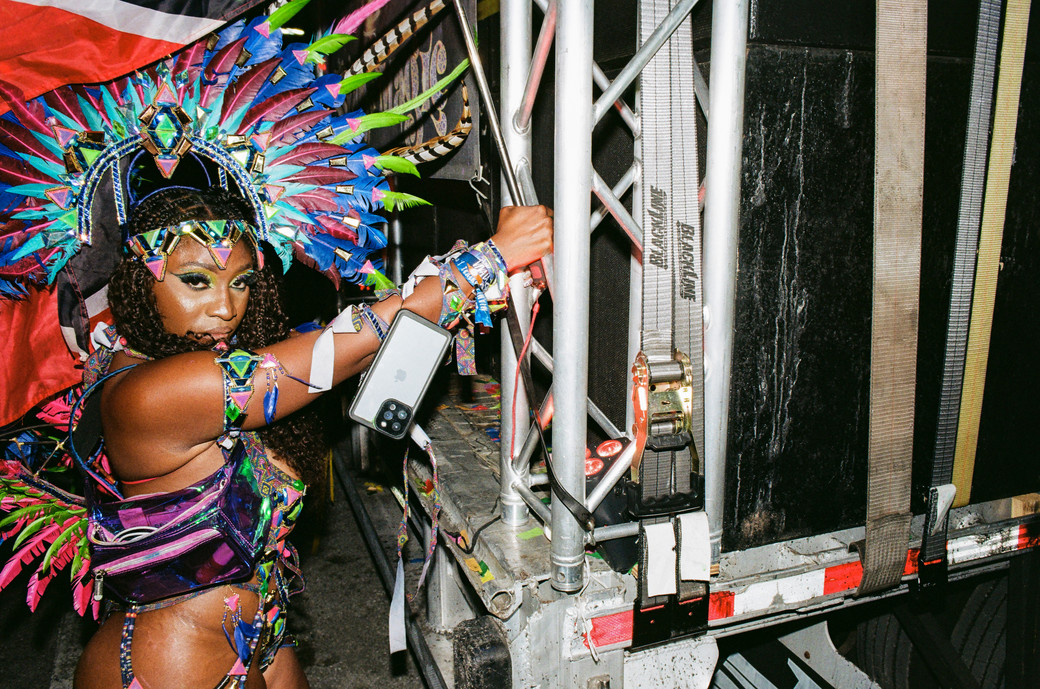
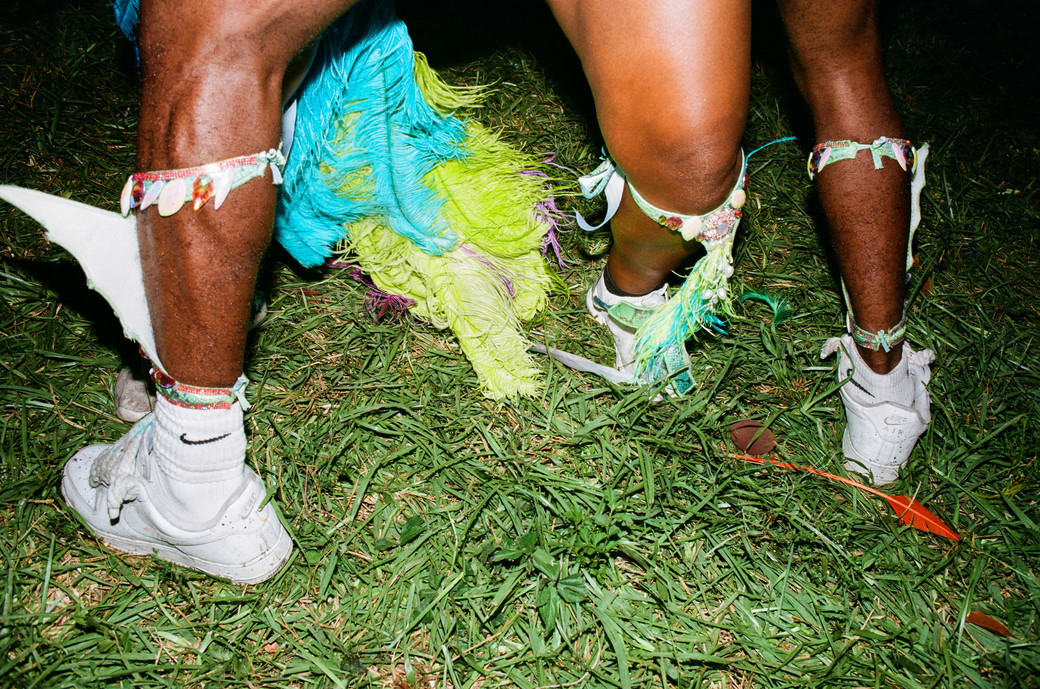
Surrounded by go-getters and artistically-intuned family members, Jordan built his creative foundation in Toronto by dabbling in underground circles. Starting in 2019 through experimenting with art, fashion and styling, he quickly realized music was always an underlying outlet he returned to. Today, he is known for curating global sound spaces for Caribbean and POC youth of all expressions, spanning New York, Miami, Los Angeles, and London. His most recent endeavour was a partnership with photographer Micheal Grant to capture the intricacies of Miami Carnival through the lens of a sound curator, emphasizing the representation of all walks of life. The byproduct of Jordan's music curation is profoundly animated in the photographs through vivid colours, textures, shapes, and spectacles, chronicling the unapologetic essence of Carnival.
How did you emerge into the sound curator space?
I don't like to call myself a DJ and prefer the term sound curator because I create different forms of sound in many different ways. I started interning with fashion brands during New York Fashion Week and saw that many models were also DJs. I wanted to see how I could venture out of fashion and do something more innate, like music, which was around me my entire life. My brothers were promoters and always brought their DJ friends around the house, so I was exposed to the work early on.
I spent a month in October 2019 in one of my friend's houses, which had a full DJ set up, and I would go there after work every day and learn. I don't want to say it was destined to happen, but it was always a facet that was around me.
Tell us how attending Carnival has shaped your experience and development as a sound curator.
Growing up, Soca music was always playing in my house; it's always been around me and backdropped my life. Carnival was a space I attended year after year with my family, and It's a part of who I am and my identity. It feels like home. I love wearing my costume because it takes me back to that feeling I had as a kid.
What one Carnival experience stands out from the rest?
One of my most monumental carnival experiences was a memory of running across the stage and dancing in front of judges at Trinidad's Carnival this year. Being around a group of people and being strongly unified was such a beautiful feeling. We all channelled expression through a costume, no matter your appearance or background. This year, when I crossed the stage, it was our culture's prime time of celebration. Nobody is not smiling; it's a feeling everyone waits for.
When did you and Michael Grant meet, and how did the photography collaboration materialize?
In 2021, I met Michael Grant in Atlanta. I always appreciated his photography work and how he provokingly illuminates the portrayal of the black experience, intersecting class, family, and relationships through subculture. Although we went our separate ways geographically, our hunger to collaborate still lingered. Fast forward to October 2023, we were in the same place at the same time and naturally fell into collaboration.
What did you want to showcase in this project?
I wanted the project to capture Miami's Carnival through the lens of a sound curator. His camera was essentially my eyes. He was capturing moments I wasn't exactly seeing but felt. Across 12 rolls of film, these snippets were happening around me, and I knew they needed to be documented to display the true nature of Carnival. Initially commissioned for two hours, he stayed the whole day, leaving at 10 PM.
Before any photographs were taken, I wanted to emphasize and ensure all forms of blackness and all identities were spotlighted in the carnival space. If Michael saw a guy twerking, I wanted that captured. I desired impactful and vulnerable shots that accurately captured black culture from all experience perspectives. I wanted the uncut and raw parts accentuated because, as a DJ, that’s the parts I stand for.
Why is it essential for you to illustrate Carnival through this perspective, and how does your music shape the experience?
At Carnival, the Caribbean community acts, dresses and maneuvers the space with an energy of celebration. It's a sense of liberation and a space to be ourselves freely. Carnival is the one day of the year where people can exist without limitations, so I'll play the music that ignites that spark and channels who they are. No matter the gender identity or background, you'll see all walks of life dance to the Soca and Dancehall songs I play. I'm creating a sense of unity and celebration through sound that the black community can enjoy.
What does the future of Caribbean sound look like to you?
I see the Caribbean sound expanding worldwide with a very natural growth progression. It's already on that journey, with Caribbean creatives gradually pushing culture in any way they can. In reference to the African community, we've seen how they've been successfully spreading their sound and culture with different forms of regional music. I see exactly this happening to Caribbean sound and culture as well. It's in the hands of Caribbean youth to push this wave, and once people get more acquainted with the sound, Caribbean culture is only going up.


Intima made its debut at 16 Weirfield Street, a neighborhood home to underground performance staples such as Trans Pecos and TV Eye. Its permanent settlement marks a shift from past iterations thrown at clubs like Market Hotel and H0l0, with DJs of the Club Eat, umru, and Juliana Huxtable variety. Joni believes “it’s easy to go to a club and disappear, but with rave music and performance, we can reverse that effect, and bring people together in a powerful moment.”
Following that spirit, the new Intima will focus on thoughtful and daring performance pieces: Isa Spector, a movement director with a recent Hunter Schafer collaboration, presented a movement piece to mark the venue’s second night of programming. Artist and performer CrackheadBarney&Friends, who shared the stage in July with Nile Harris at his Abrons Art Center run “this house is not a home”, will see an upcoming slot at Intima as well.
Hung from a high staircase, a black Telfar puffer-bag stood guard over audiences as the launch night played out. Rising smoke and a harsh backdrop of raw concrete, wood, and murky light were on display, just how Joni likes it: “Performance venues in New York can be so preened and polished, but we’re doing this with authenticity, and want it reflected in the space too.”
The crowd featured jubilant spectators, photographers, and fans in regalia that can only be described as the Retail Pharmacy-Anna Bolinification of the Bushwick club circuit.
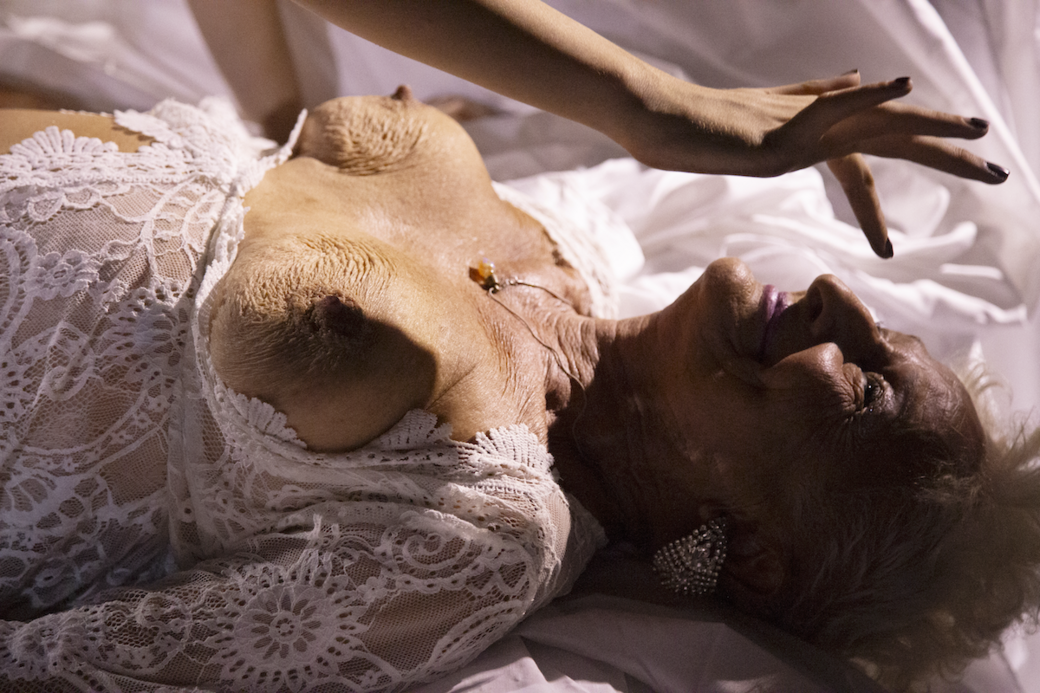
As the lights went down, eerie tones and electronic sounds emanated from the walls. Joni, the grand-dame of the evening, descended a dark set of stairs in a lacy garment and delicately taped heels. Collaborator Hattie Wiener (87 years old), sat on with a soft smile.
Performance captured by Regev Pardo
The duo wrestled both emotionally and physically, using a piano as a prop for playing, climbing, and culminating in the instrument’s tumble into a tumultuous cloud of dust and sound. After the piano's demise, a moment of palpable fear and excitement lingered, opening a mental gateway that seemed to murmur: "What could possibly unfold next?"
The paramount action of the evening occurred as Joni, perched atop a stack of speakers, showered salt from a vase onto Wiener's motionless form, with a haunting monologue as the backdrop.

The pulsating energy of Intima is not happenstance; it's a deliberate manifestation of Joni's commitment and urgency to create community. Intima, named for the innermost coating of an organ, is a testament to the intimacy and trust that converges to form the essence of the space — inviting all to partake in the unfolding enigma.