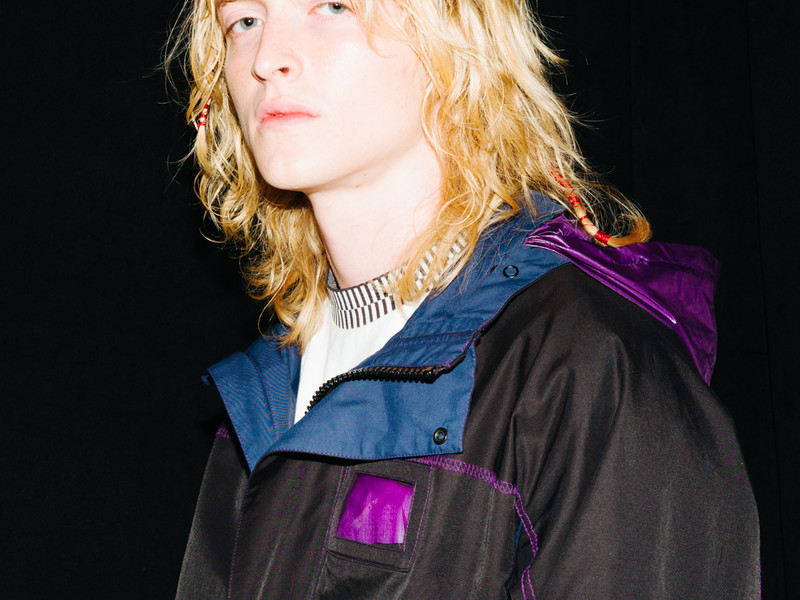
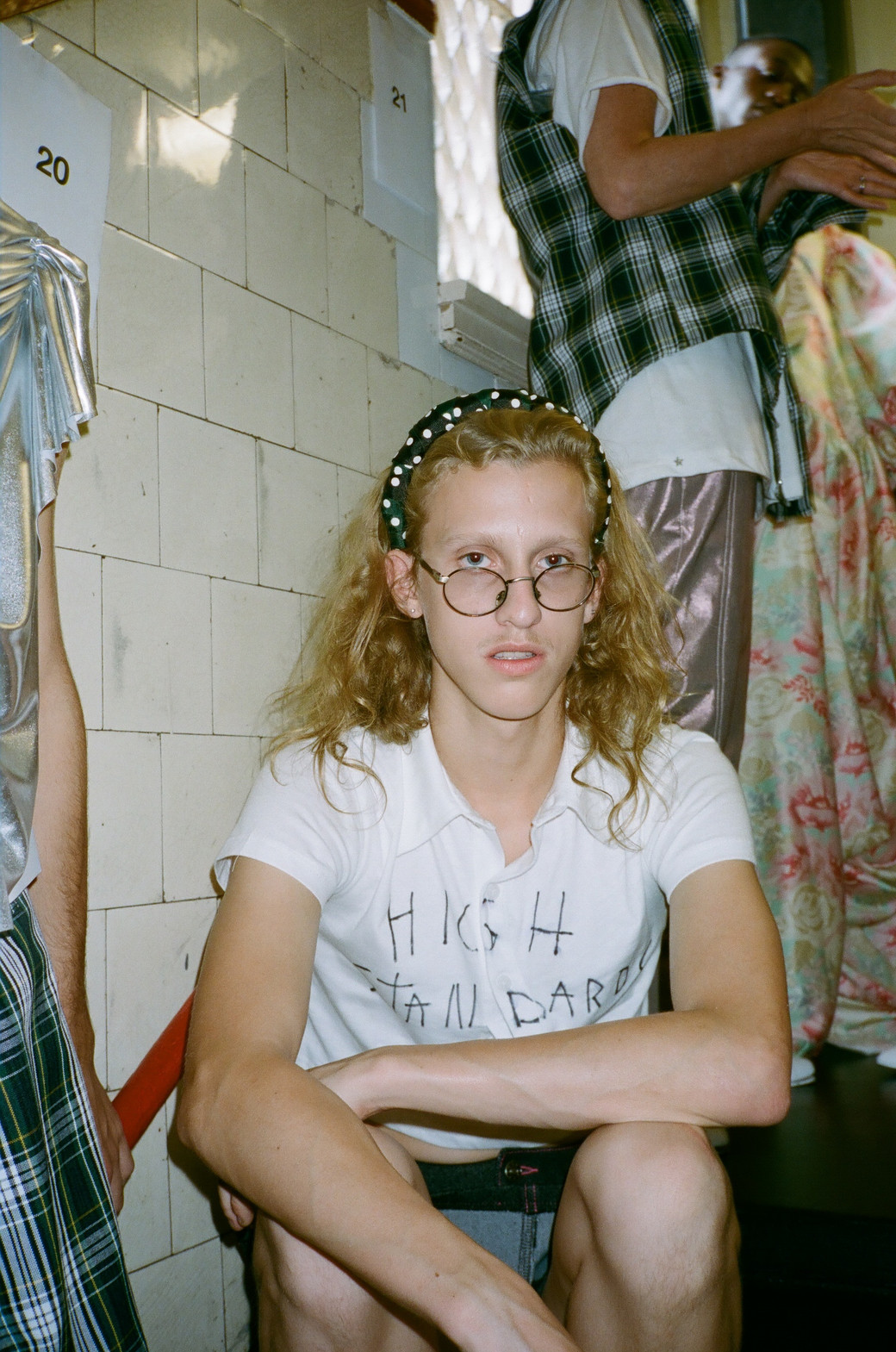
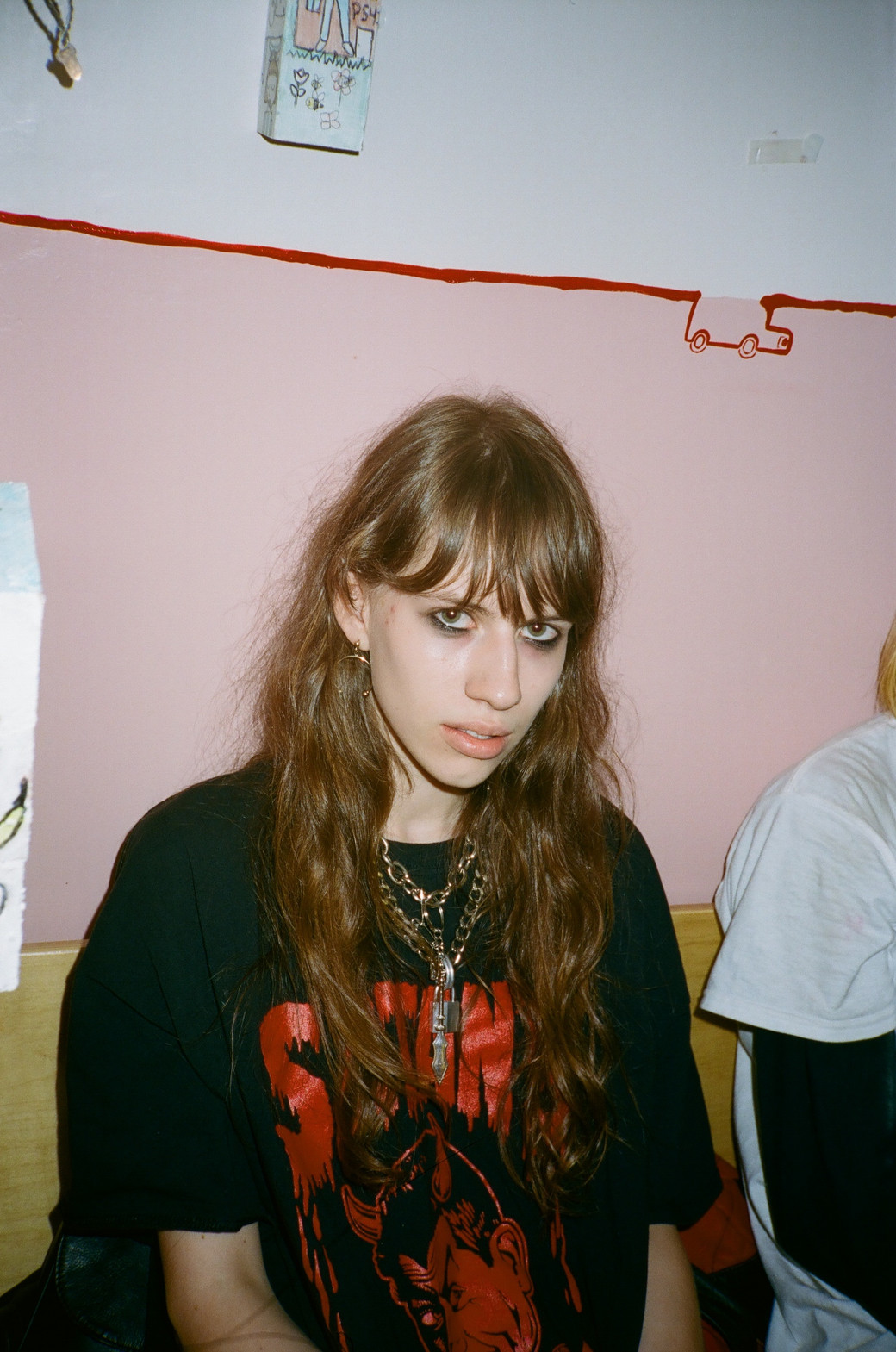
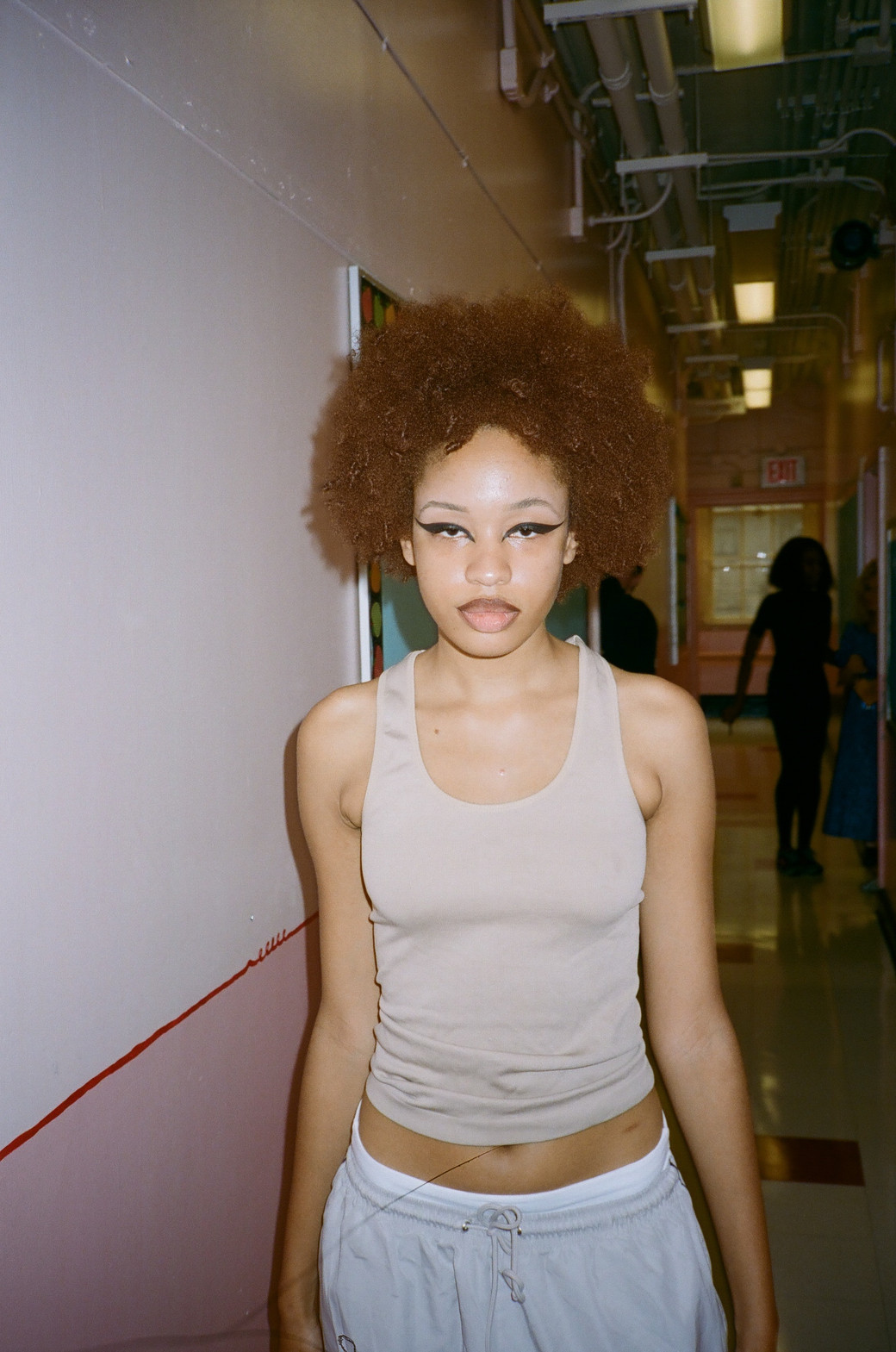
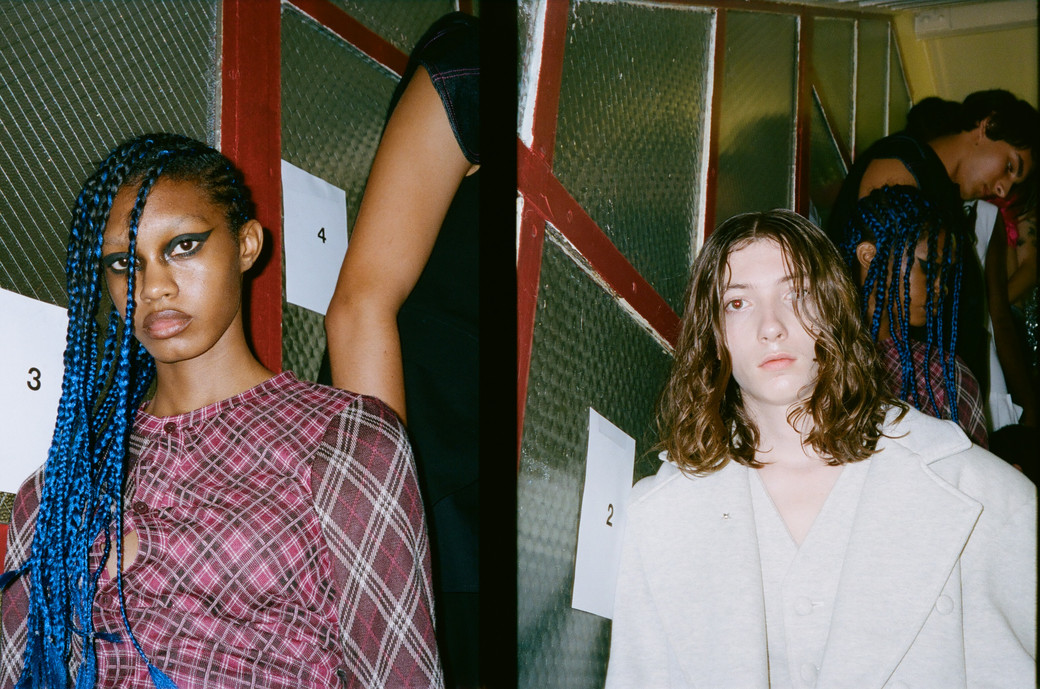
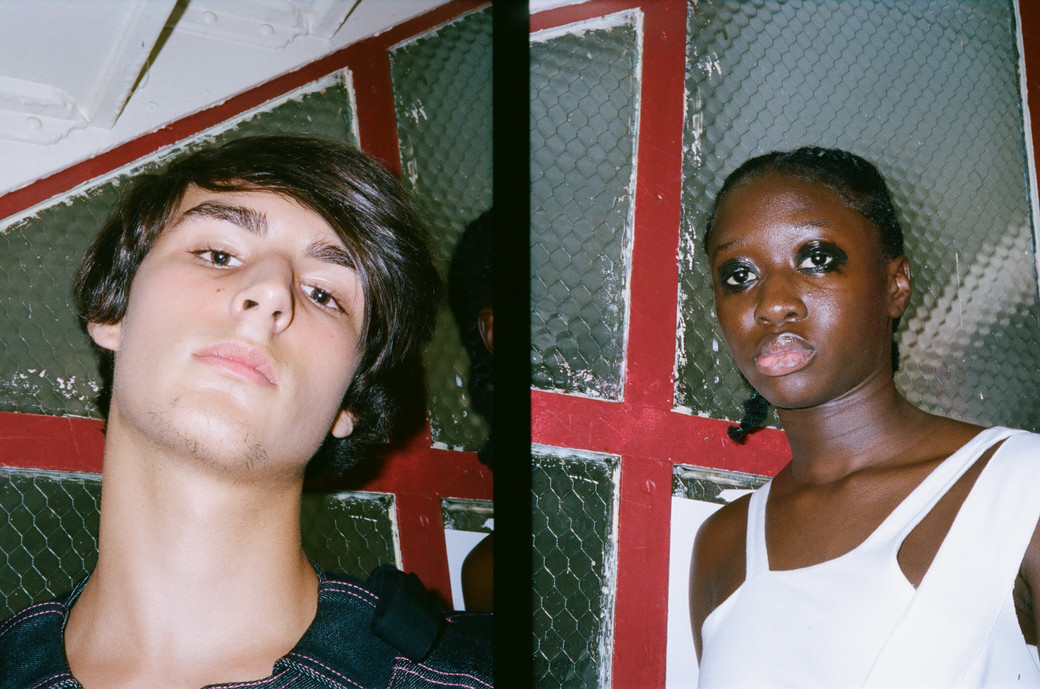
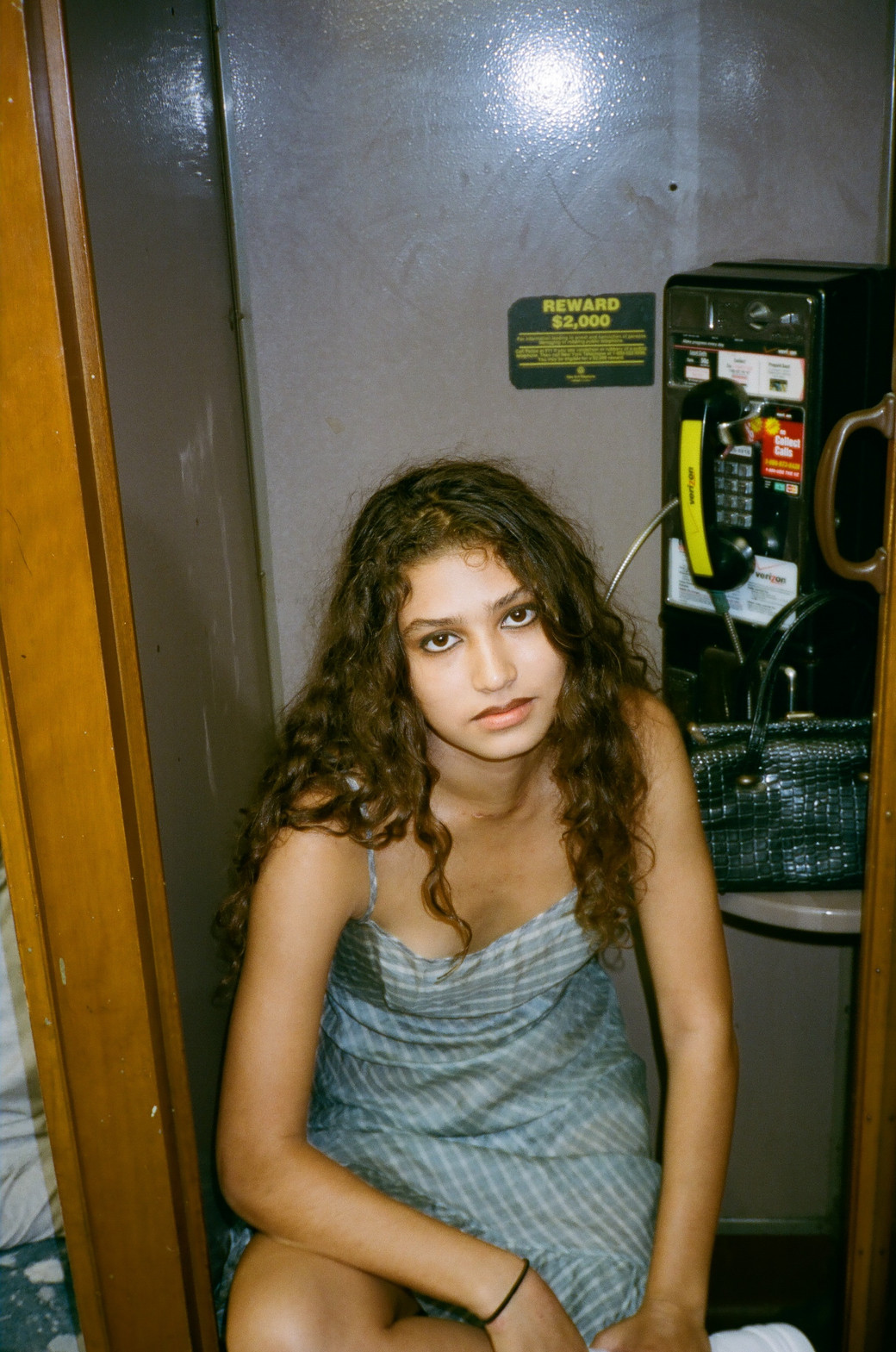
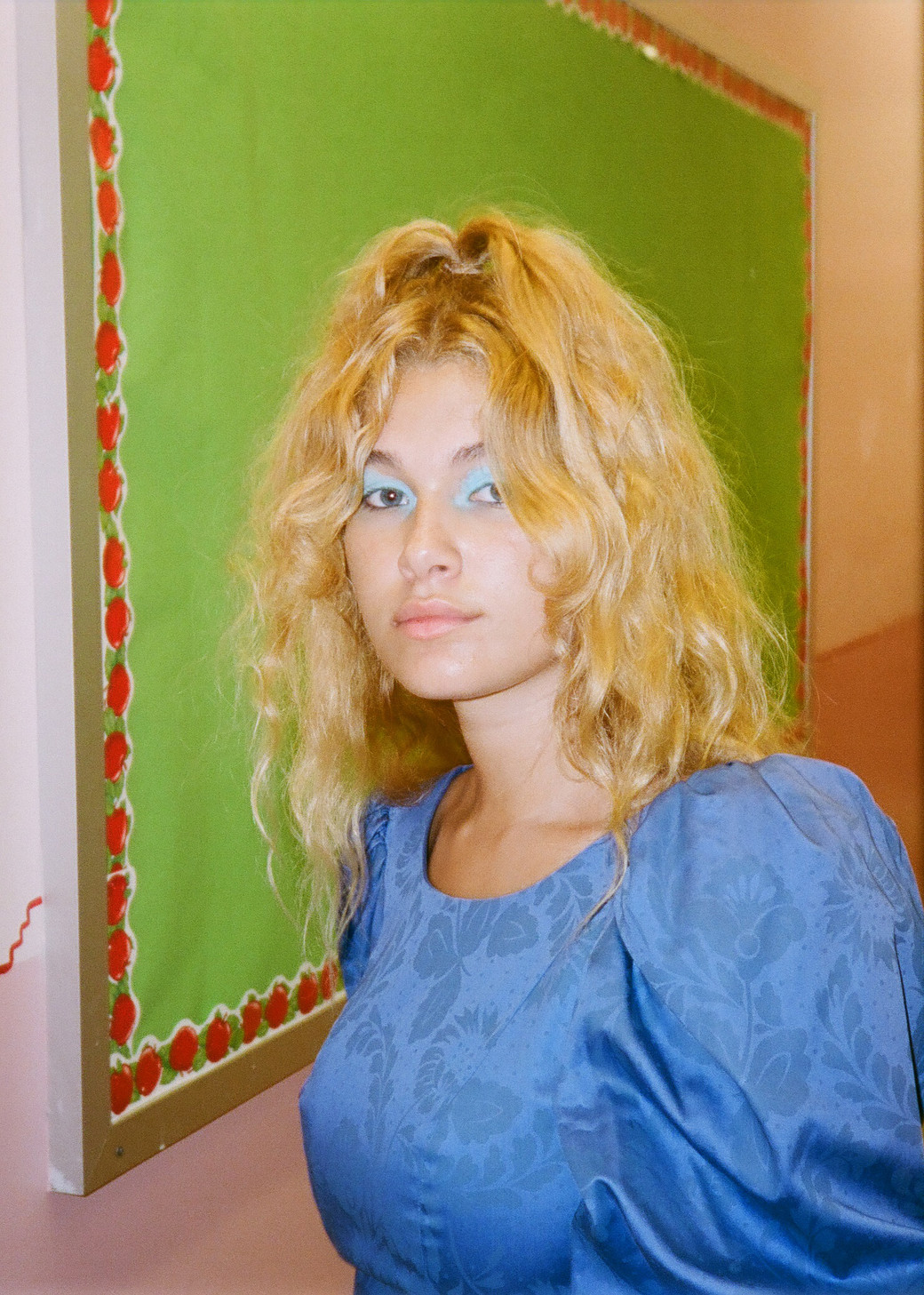
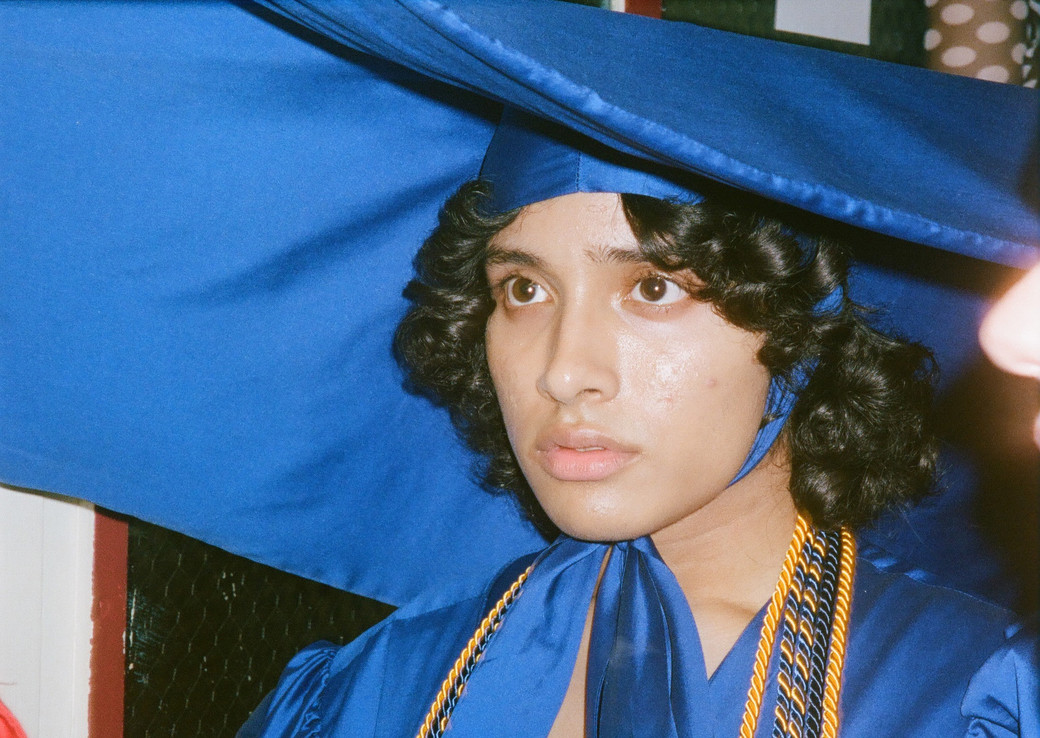
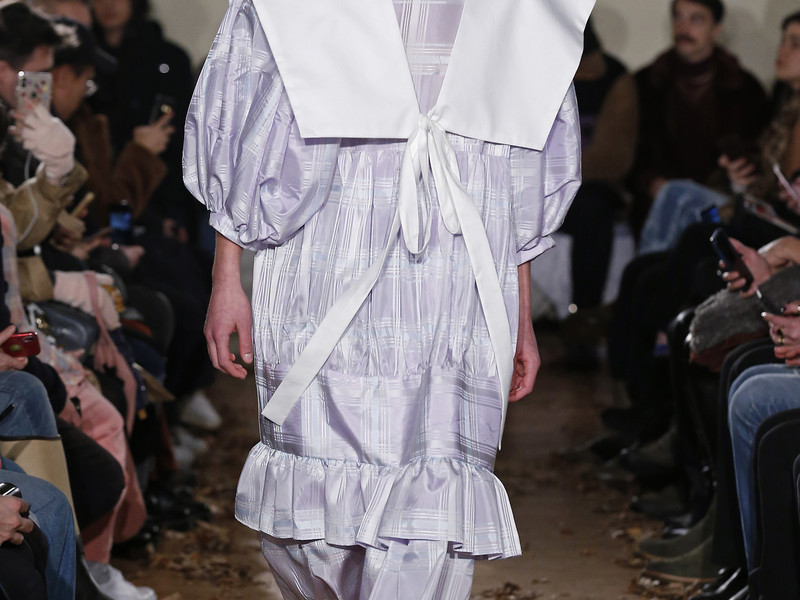
This season was all about plaid–were you inspired by Scottish history at all?
I was reading about The Dress Act of 1746 while working on the collection, where the English crown banned the wearing of Highland-identified clothing in an attempt to crack down on Jacobite rebels from Scotland. But in truth, what happened was Kirk tapped me on the shoulder mid-development and said I should bring more of my personal sensibility into the collection, and pointed to my habit of wearing and mixing ugly plaids.
How does this collection compare to previous seasons?
This time, the approach was less about my own personal fascinations—plaid aside—and more about arriving at individual garments that fit easily into a thoughtful woman’s closet. So, the design team ping-ponged ideas around and refined them, and we landed on an eclectic group of pieces because the team is an eclectic group.
What were you looking for when you started your casting?
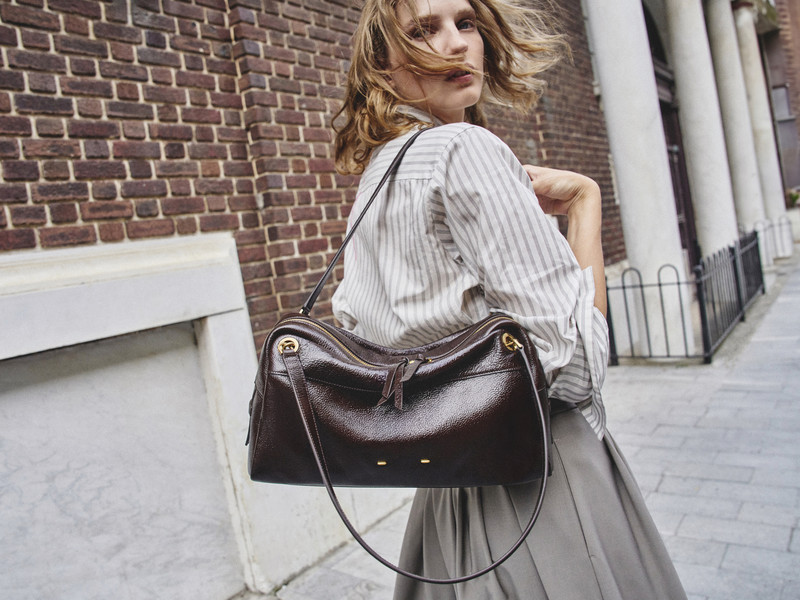
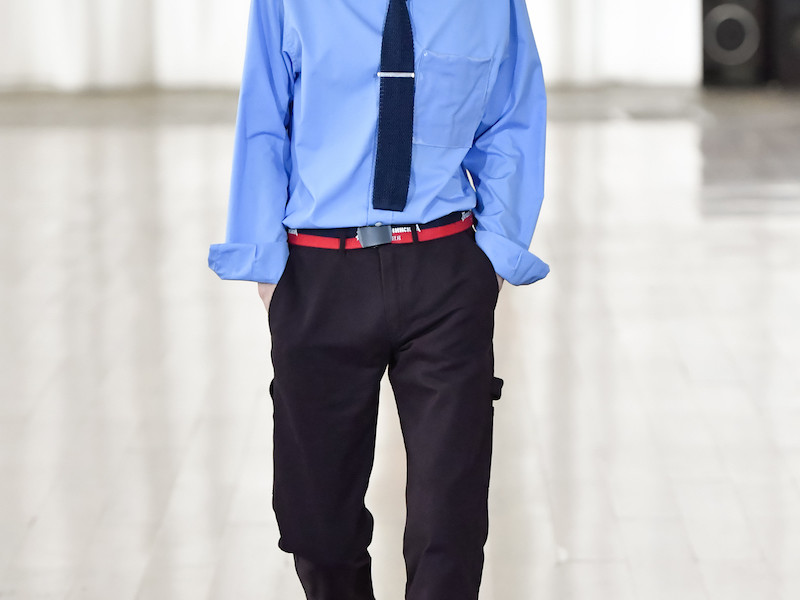
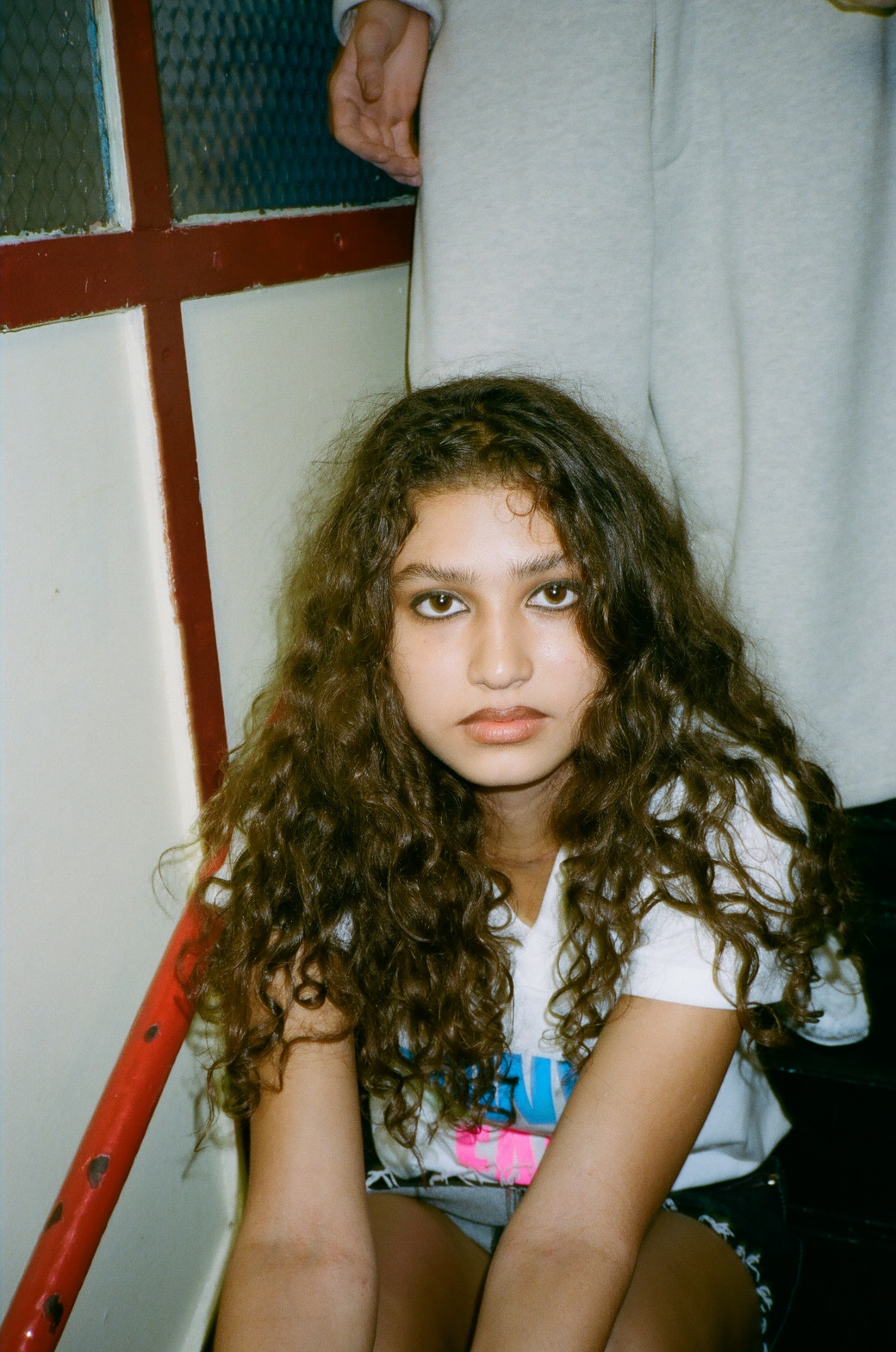
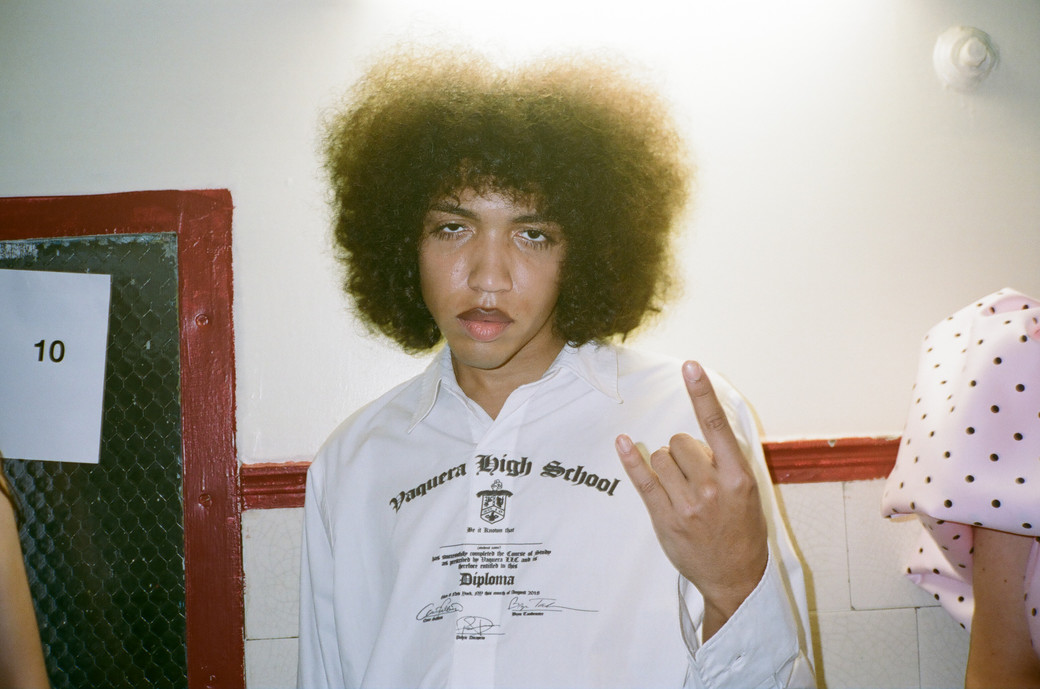
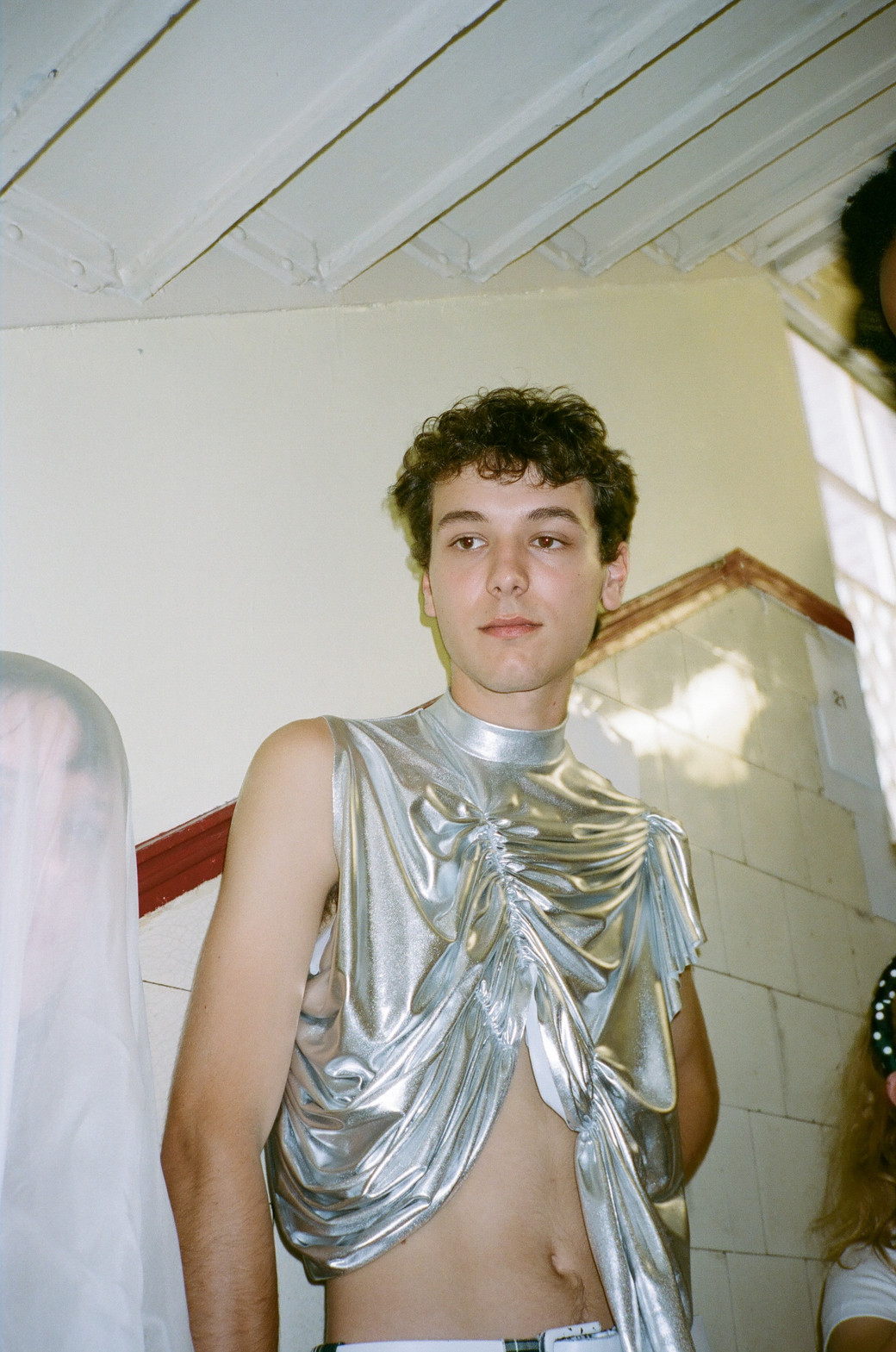
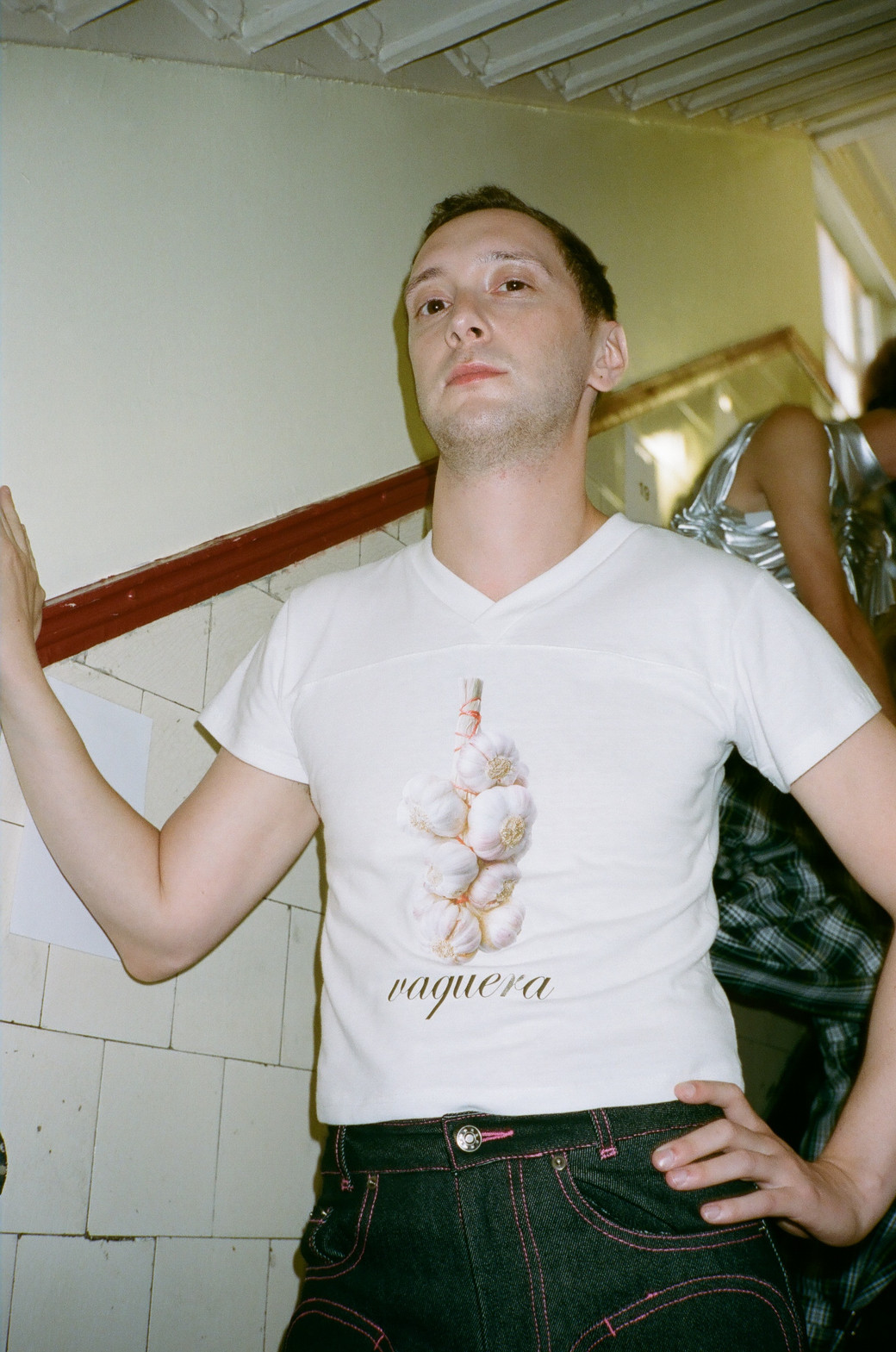
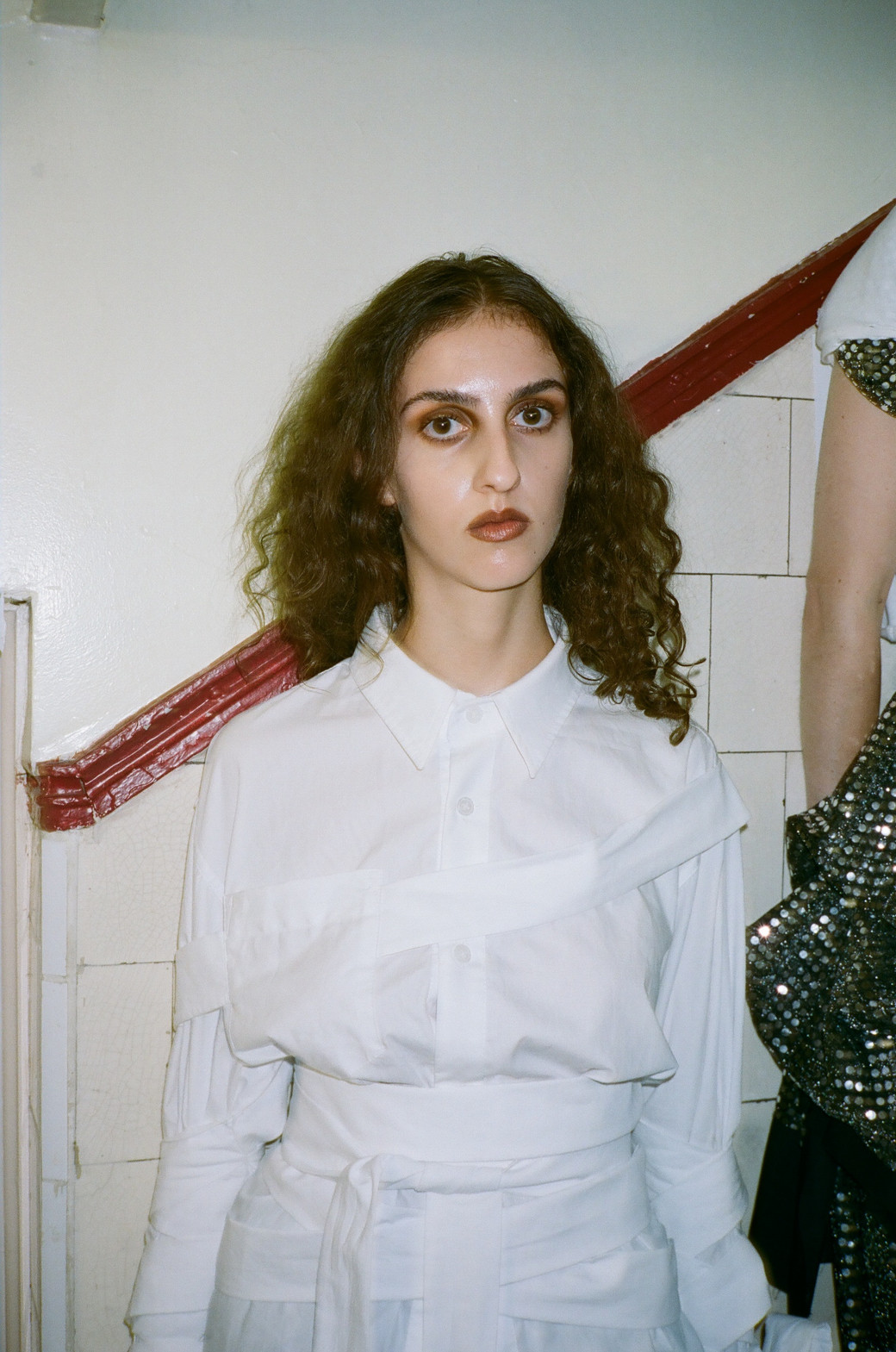
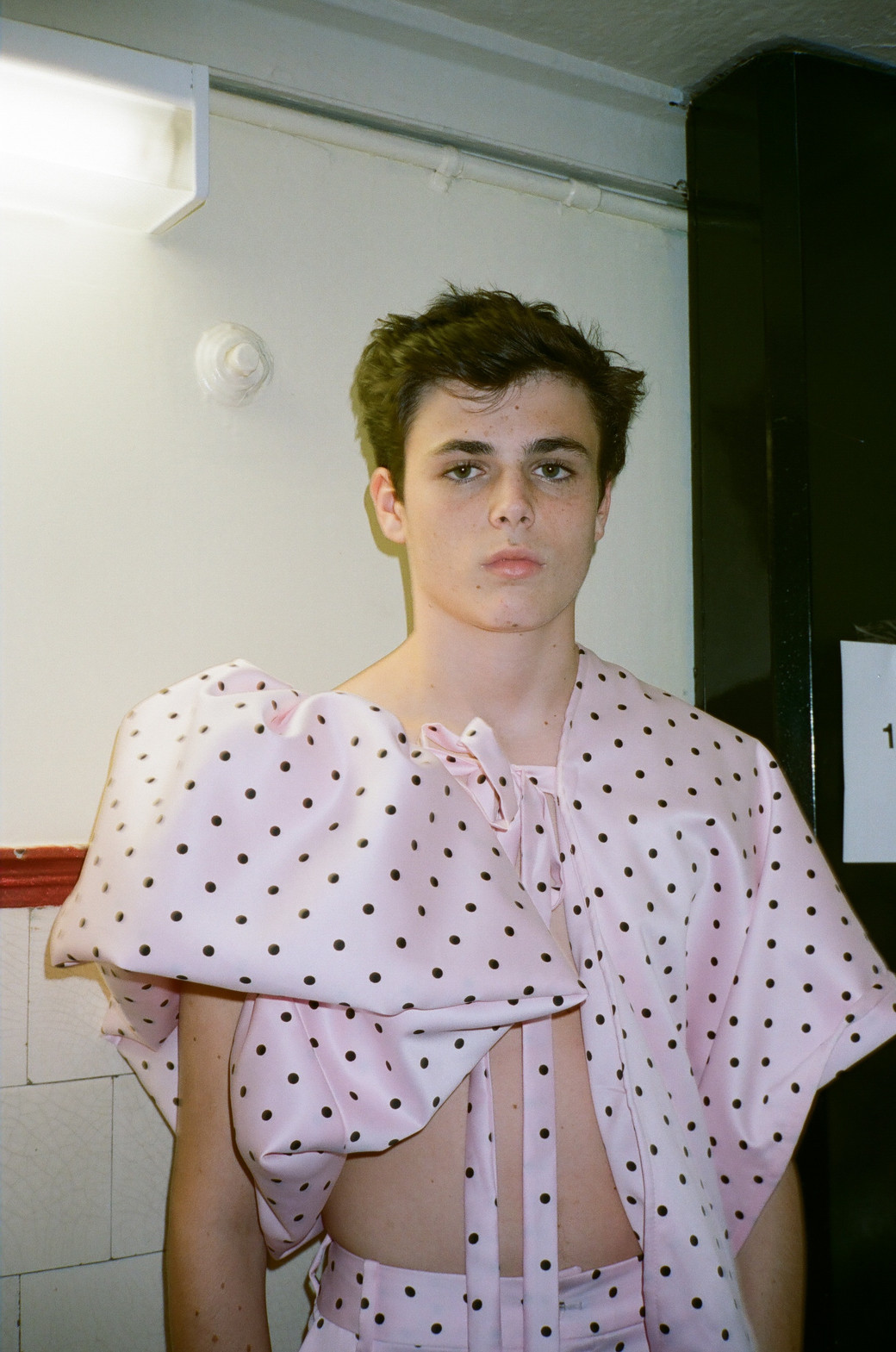
Women you can believe would actually wear these clothes—I wanted it to be plausible that the models could walk out of the show wearing their last looks.
You've said that while Kirk usually focuses on fashion history, you tend to come at your designs from more of a fine art perspective. So, how does that work? What's your collaborative process like?
Kirk grew up inspired by fashion, but for me, that’s a more recent development. I tend to look for the click of resonance I get from experiencing art, film, etc. But I have come to fully appreciate the specificity of clothing design and development, and this season is a testament to that. Kirk is always present with—usually pointed—opinions about how the styles are coming along. It makes for a much better final product. And I offer an opinion or two on his designs, as well.