







You told me you are in London now. But where are you really? Not just physically, but also emotionally and artistically?
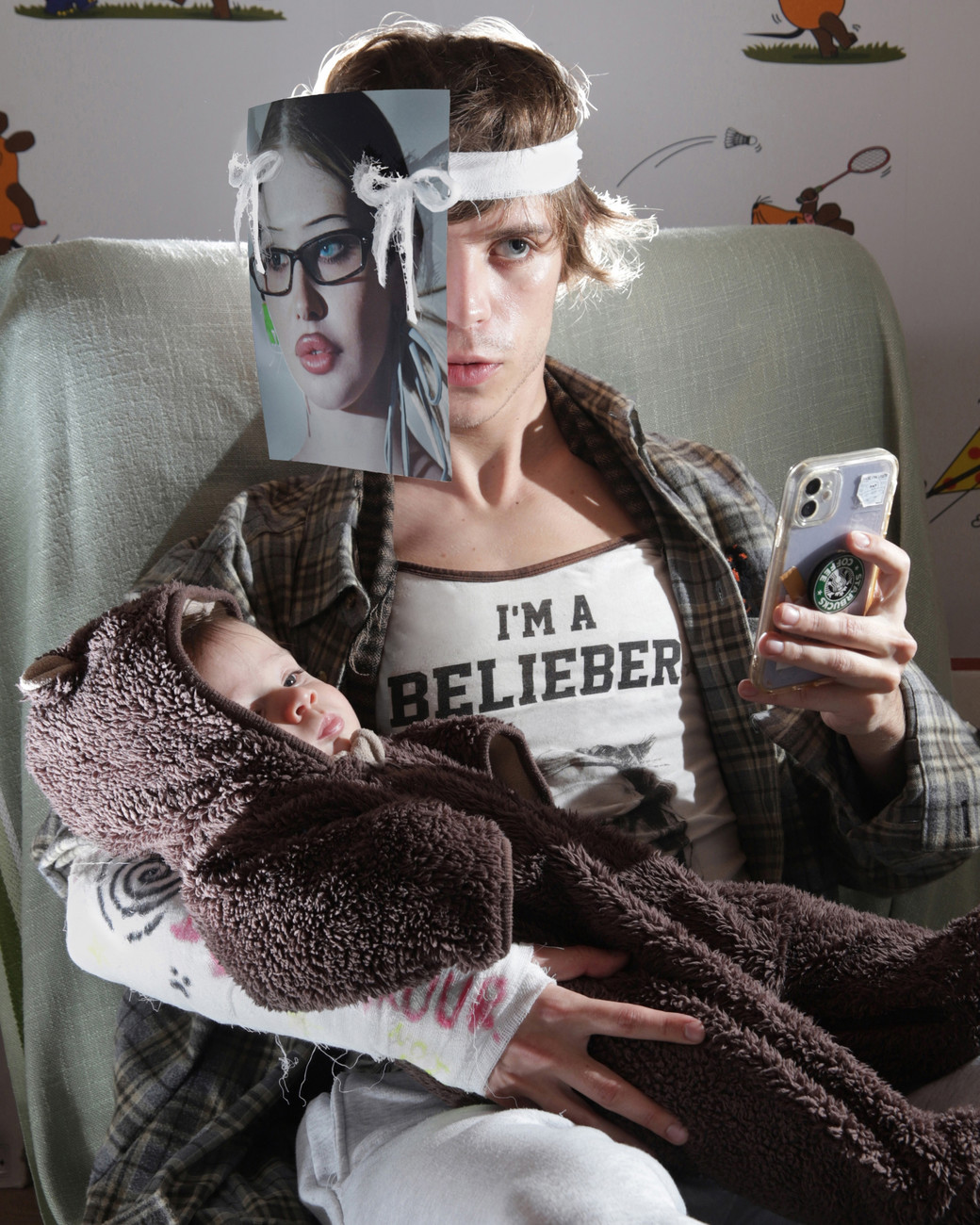
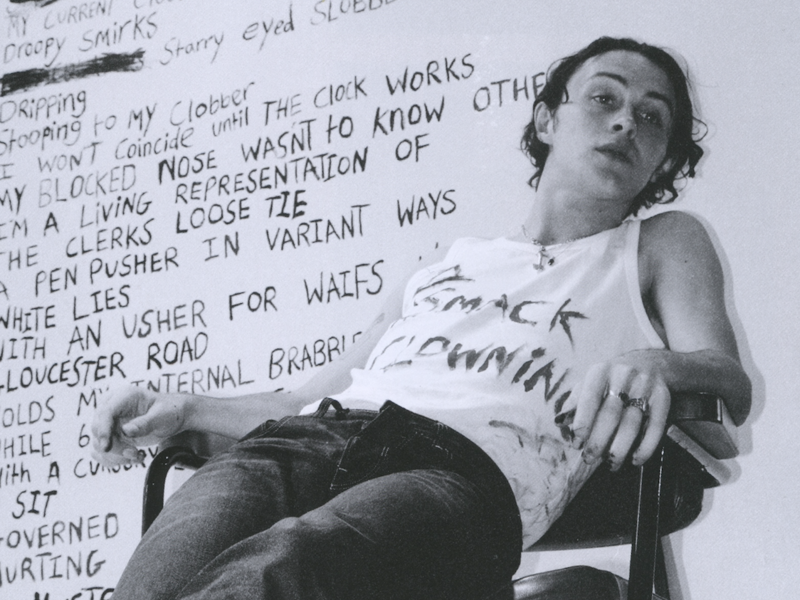
I lived in Russia, Georgia and Turkey before. In those countries, I felt like their culture kind of pushed people to conform. If you were different, thought differently, looked differently, you felt stressed or not allowed to be yourself. Maybe I'm lucky, but here (London) I feel that I can be whoever I want to be. All those things about representing myself, I start to do this not only indirectly through my art, but also through my body and clothing as well as capturing it. I want to be, not only behind the camera, but also in the frame now.
Do you feel like you blend in more where you are now, compared to Russia or Georgia? Like you can integrate better into society?
Yeah. Also people here have interest in what's happening in Russia, my culture, what's making me authentic. In Georgia, I felt like I had to hide my origins. In Russia, I had to hide my creative and queer identity. That's crazy. Though I found in my home country many things that made me who I am. I think it was the same things that traumatized me that inspired me. At the time, I could expect people, police included, to attack me or humiliate me. I felt extremely unsafe and unprotected. Now I can just go out and have fun. I feel free.
You've been photographing for a long time now, was it a way to metabolize the world around you? How do you think your post-soviet roots have shaped that visual language?
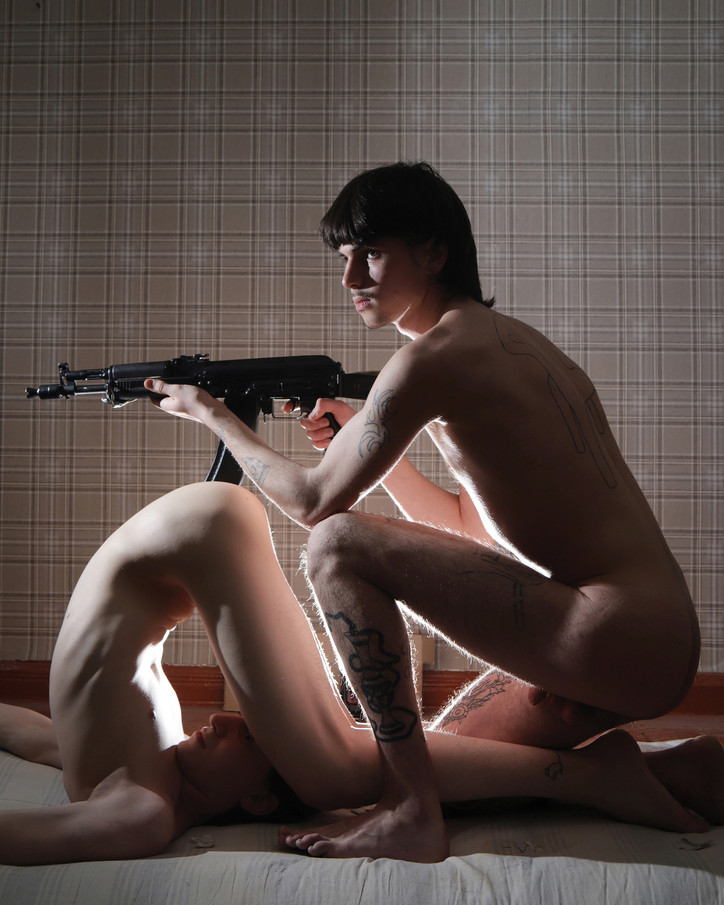
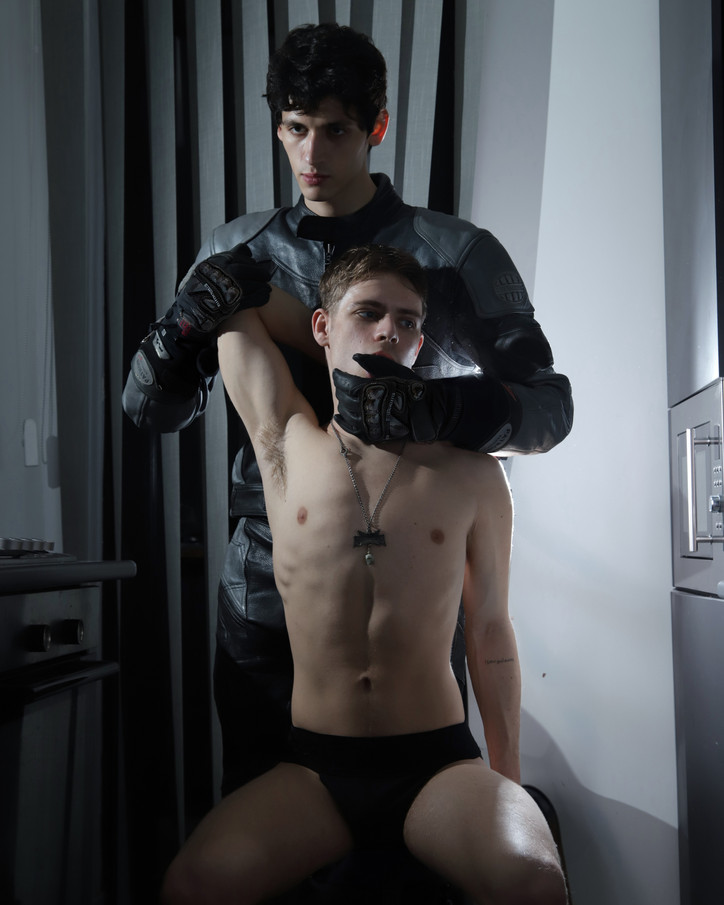
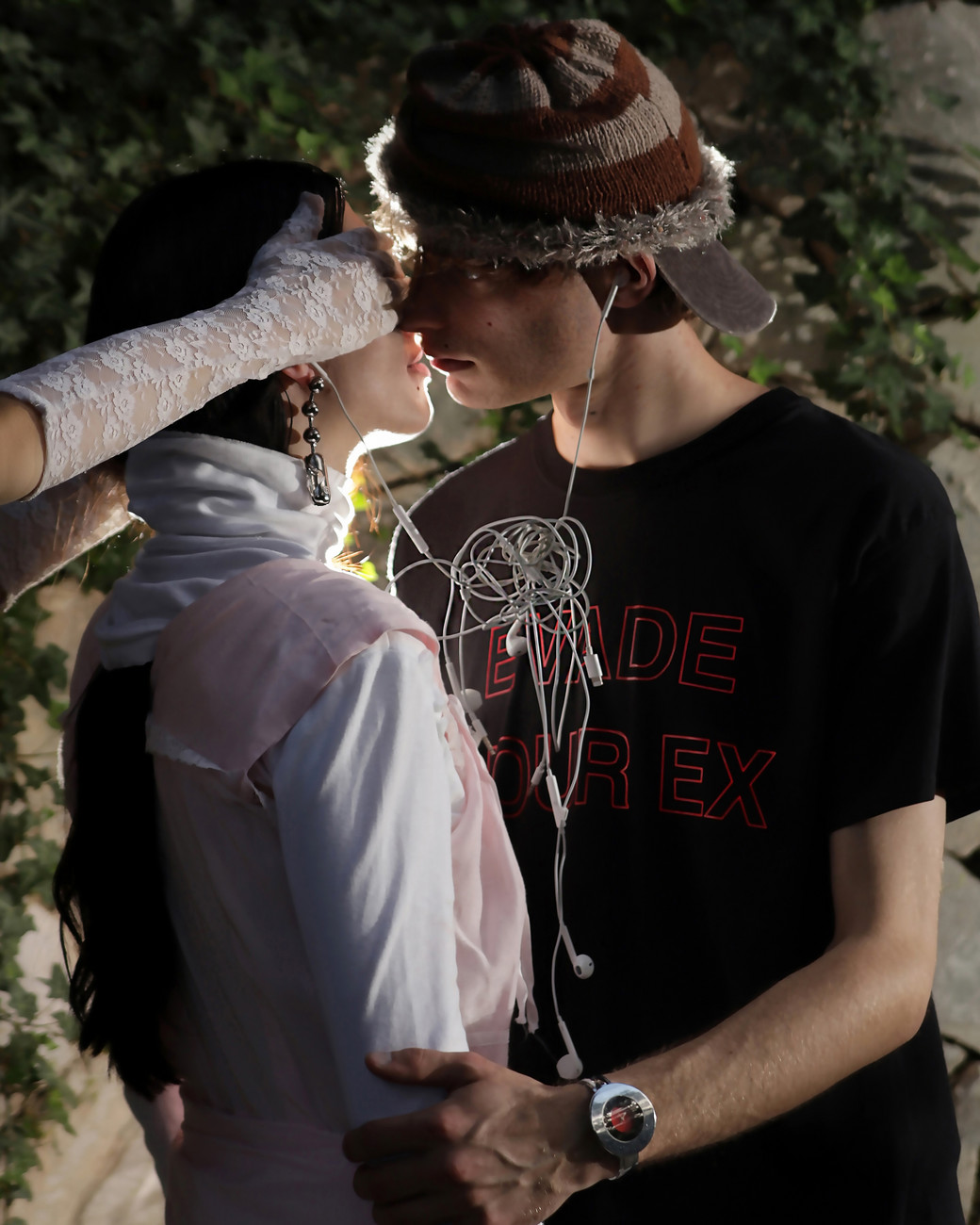
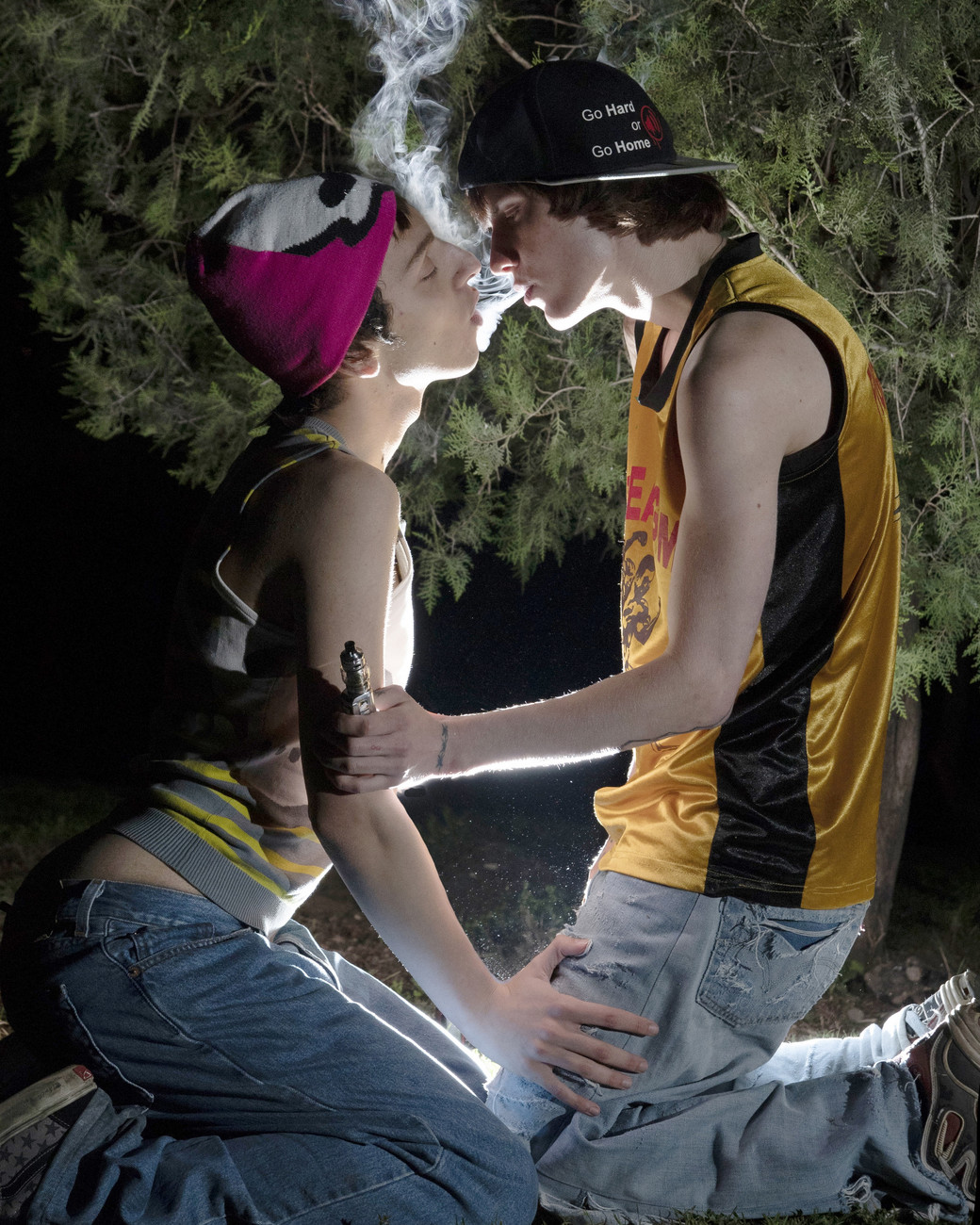
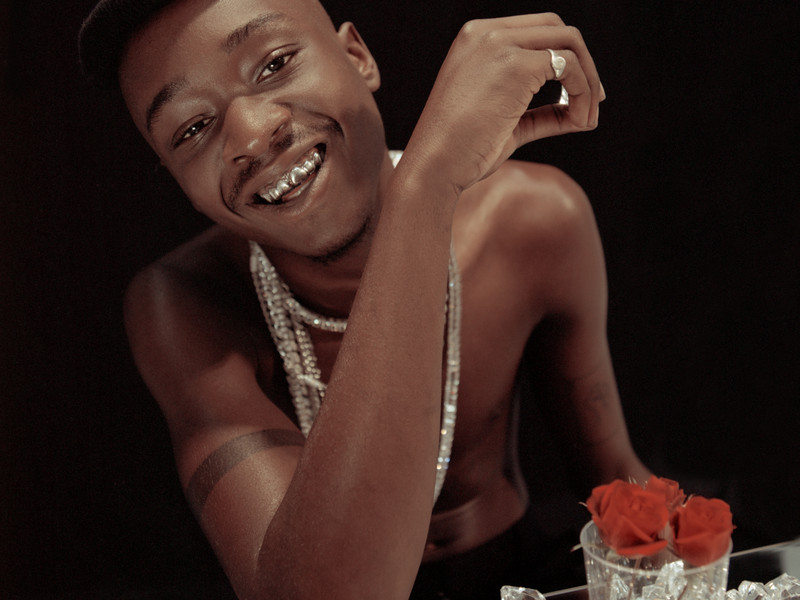
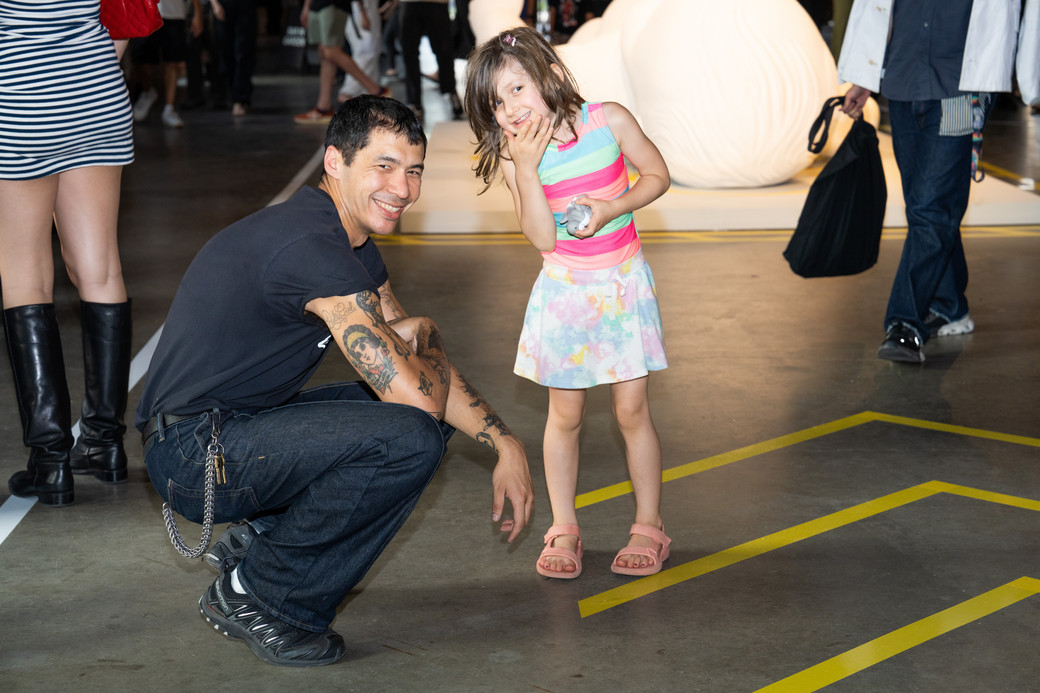
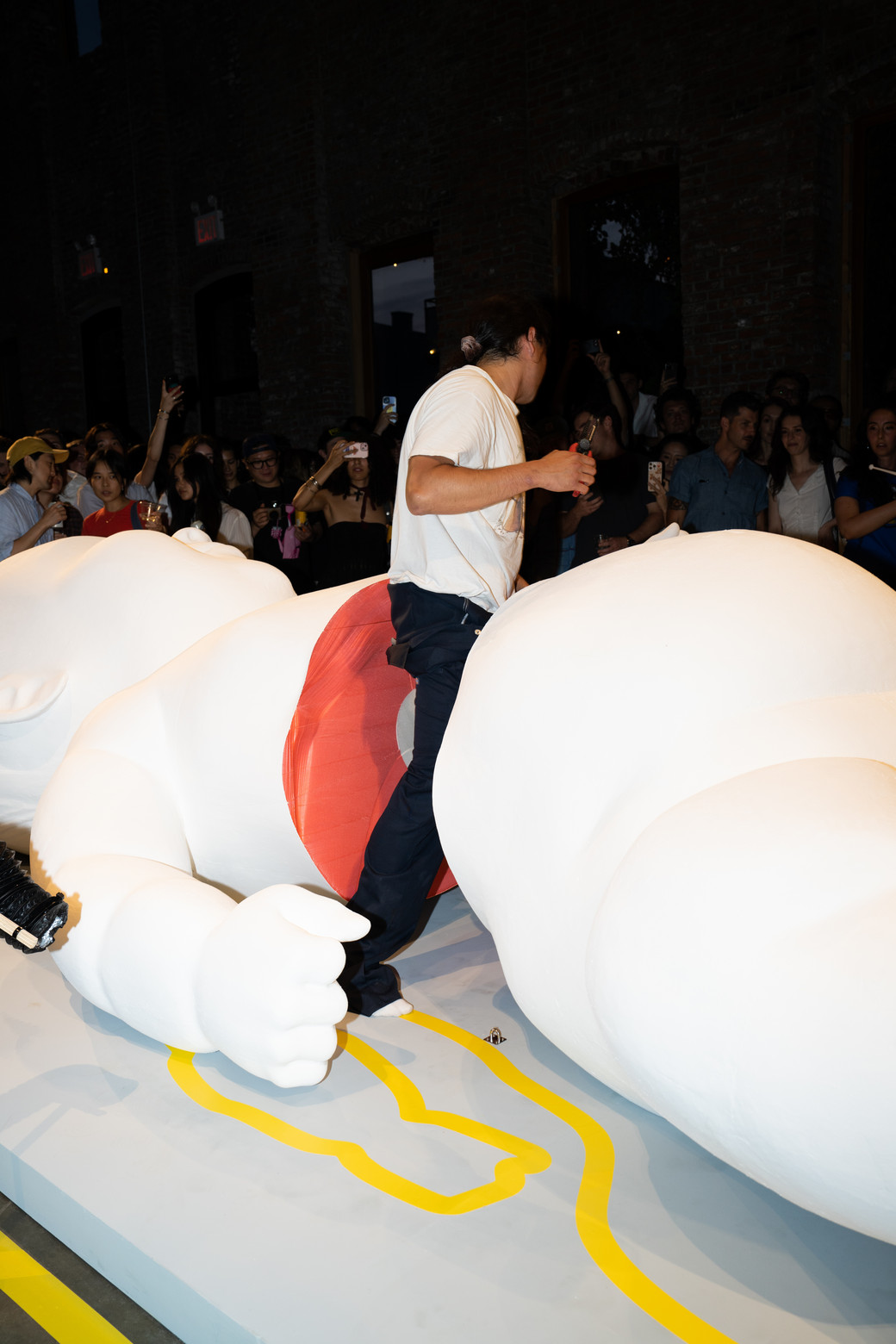
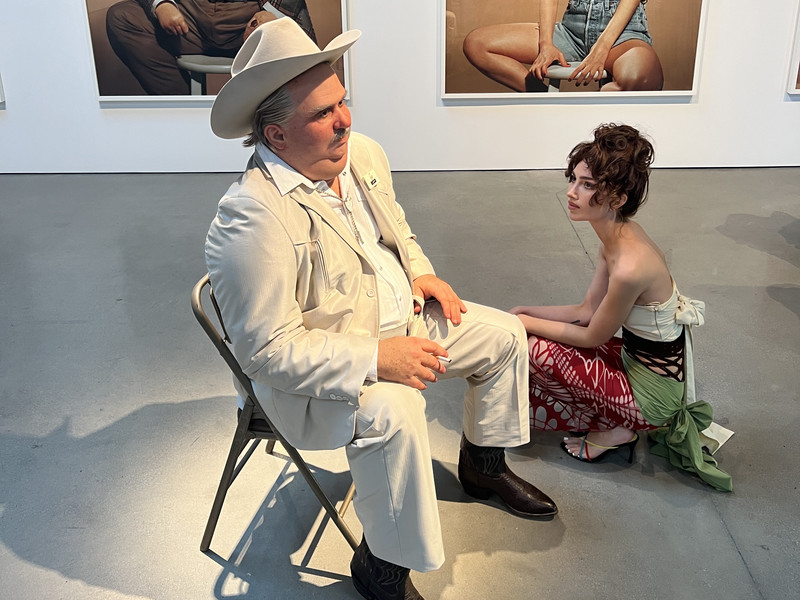
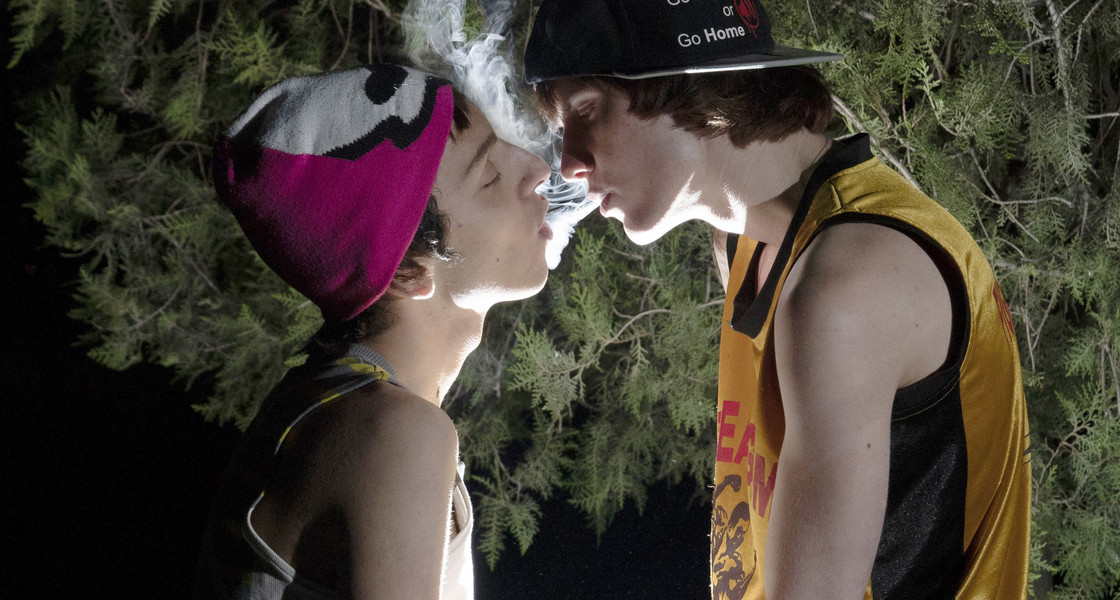
My art mostly flows from the unconscious. Sometimes I plan and conceptualize, but often the full meaning only comes after I've taken the photo. I started photography in school, through photos of classmates, aesthetics, this 'i-don't-give-a-fuck" vibe. Later, I studied at The Faculty of Liberal Arts and Sciences (formerly Smolny College), it was the only place in my city with a European style education. I earned a BA in film critique. That's when I began analyzing my own work. For me, a direct flash, which I used a lot, was a metaphor for a sharp and disturbing, affective encounter with the outside world, which scares and amazes you at the same time. If we talk about Kant's dichotomy, it's more about the sublime than the beautiful. Then I would define colors and subjects of my work as a maniacal staged smile, as something overweight, oversaturated, and double-bottomed. I want my art to get more and more theatrical, dark, Rembrandt. From low culture not to high culture, but to sublime, frightening and beckoning at the same time. In real life, I felt unsafe, marginalized. I dressed in dark clothes, trying to hide myself.