UM– Why did you gravitate towards the role of a creative director and how do you maintain your voice across such a broad spectrum of projects?
JO– I think it came from necessity. I’ve had so many different jobs. I have had jobs in graphic design, working on stage design, strategy, copy… I kind of figured out that I like cutting my teeth across various mediums, but you can’t do everything.
Working in the team construct, now - whether it is my company or on behalf of others - is what I truly love. It is riveting. That is where the joy and thrill lies for me.
UM– You bring up your team a lot. I can imagine that your core collaborators change per project, but, what are the main qualities you are looking for in your partners?
JO– I sometimes forget that we work within systems. I think that being creative is still very much like playing a team sport. I might head the team, but I'm just a part of it, you know? So, when it comes to collaborators, I'm drawn to people that possess a sense of individuality or fearlessness. I think the fearlessness part is key. You need someone on your team that can challenge your ideas, challenge a room, challenge, a preconceived notion, challenge me.
Being truly creative is oftentimes paradoxical. We're asked to be truly creative and operate within the confines of a system that's oftentimes rigid. So, the creative and client relationship is kind of a paradox, you know? You need to make something provocative, but not too provocative. You need to make something that is going to challenge your audience, but not too much as to cause offense or discomfort … Sometimes that can be tricky, you know?
Being both creative and commercial requires fearlessness. You have to be able to push and push, and push, and push without ever getting jaded from trying and sometimes not getting your vision actualized.
UM– Is that why you created Hymne? To have that space away from it?
JO– A hundred percent. With Hymne, I’m able to experience true creative freedom. It's imperative. I think you have to be able to never be tired.
I think, in our industry now, I'm feeling, like we talked about, there's this collective malaise that is unfortunate. I understand it, but I dislike it. We have to be able to work within a system. We have to be able to fight for ourselves. No matter how punk or anti-establishment you are in terms of your process, you have to be able to connect with people at some kind of commercial level for the system to work. Understanding that sometimes is a little bit difficult, but it is what it is.
UM– And we don't have unions.
JO– We don't.
UM– But going back to your Hymne, do you feel like its purpose in your life and your personal relationship with the platform has changed over time?
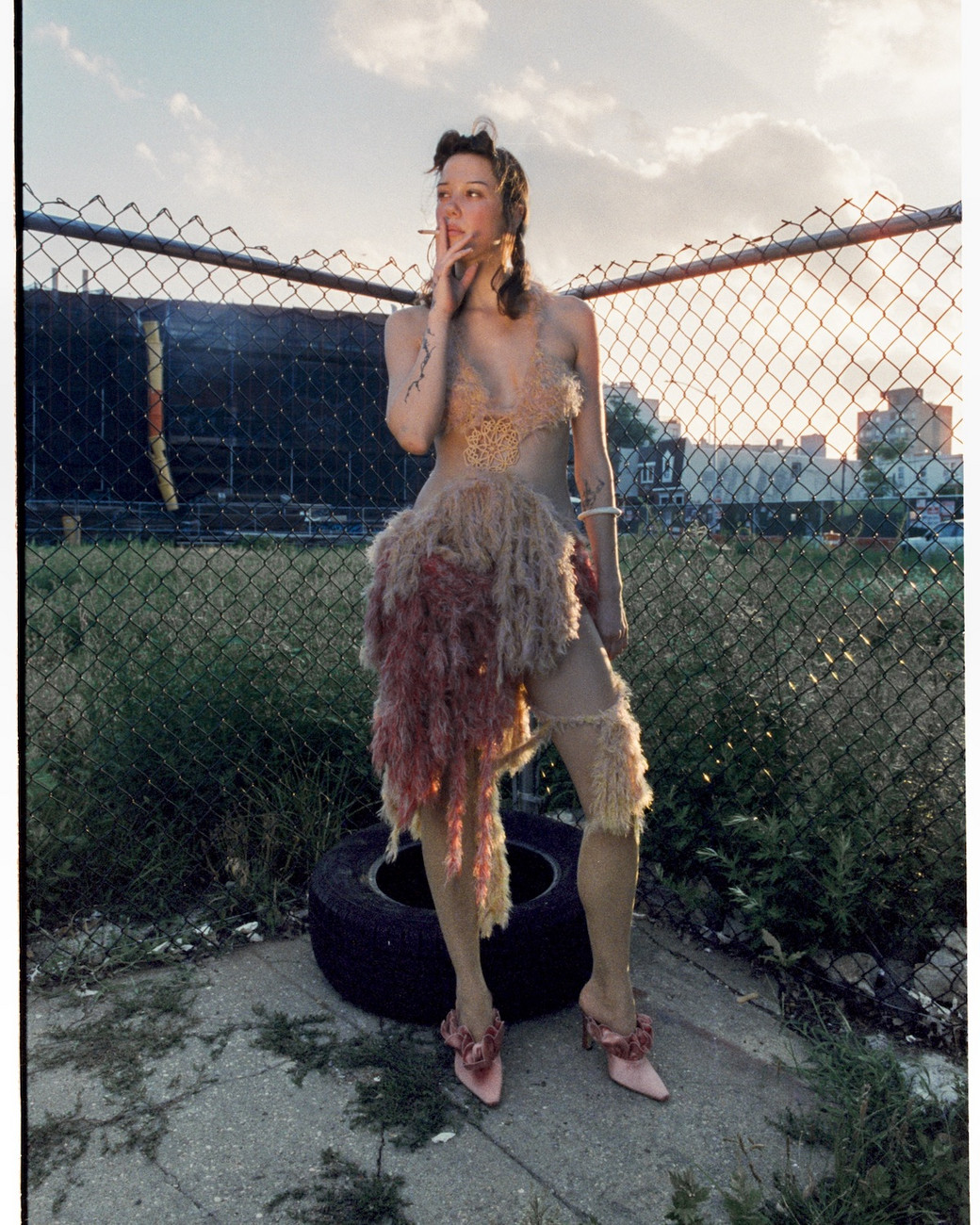
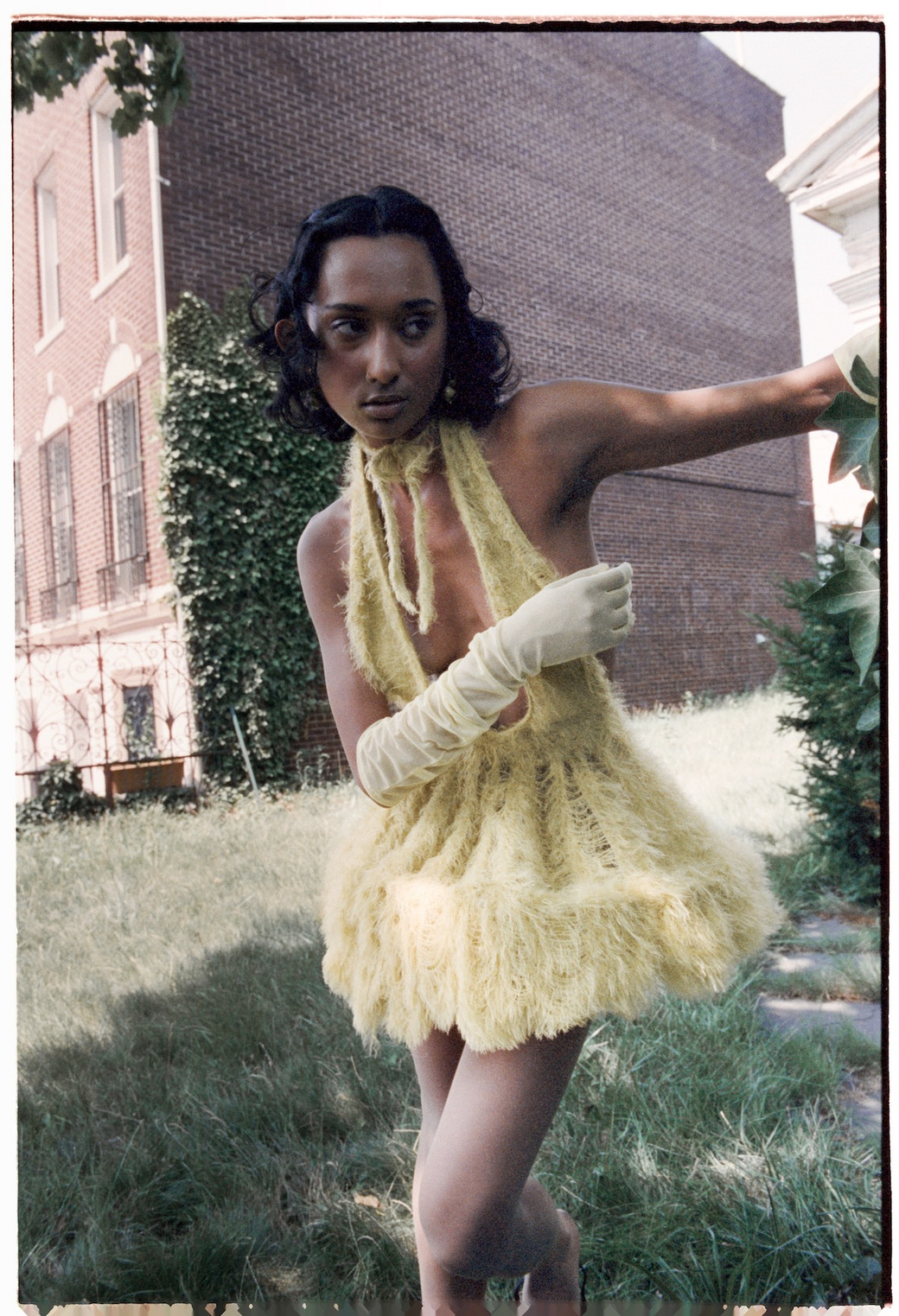
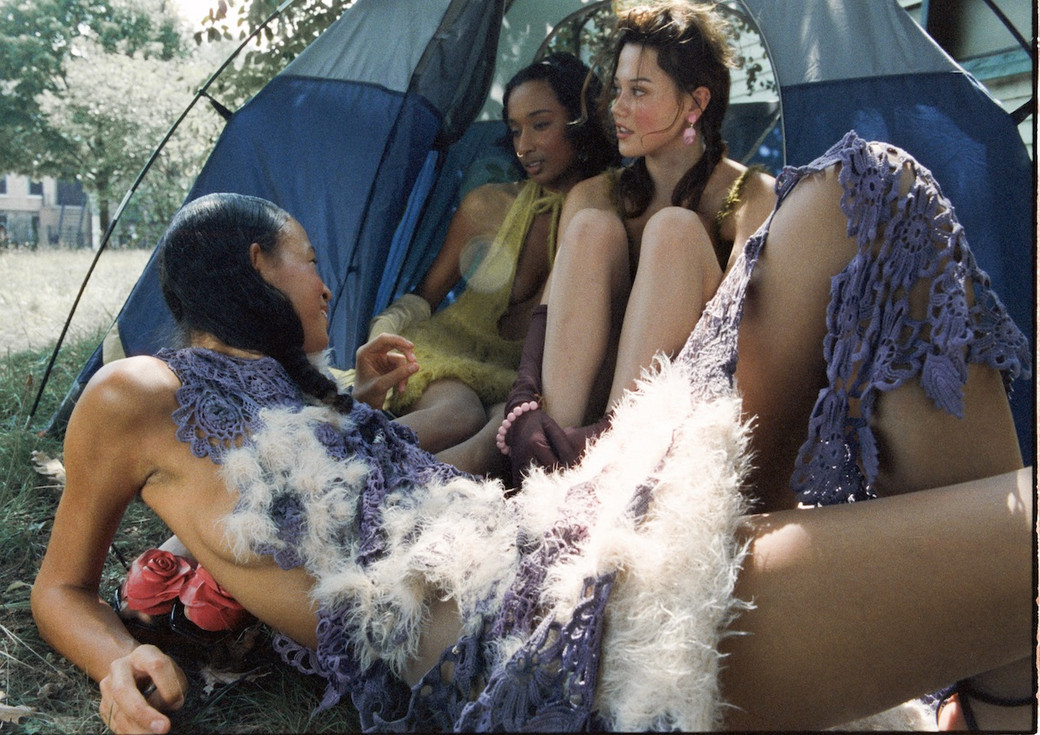
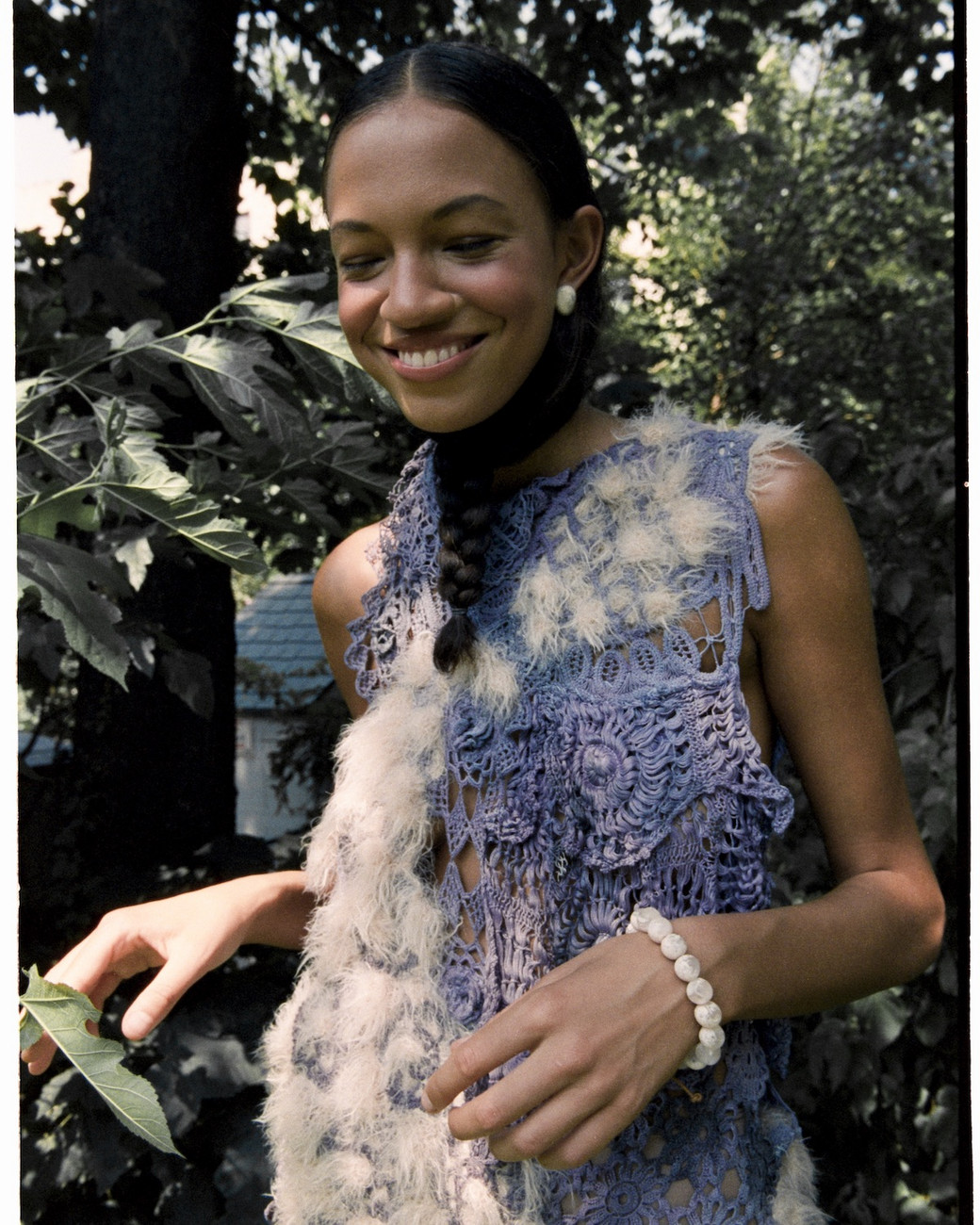
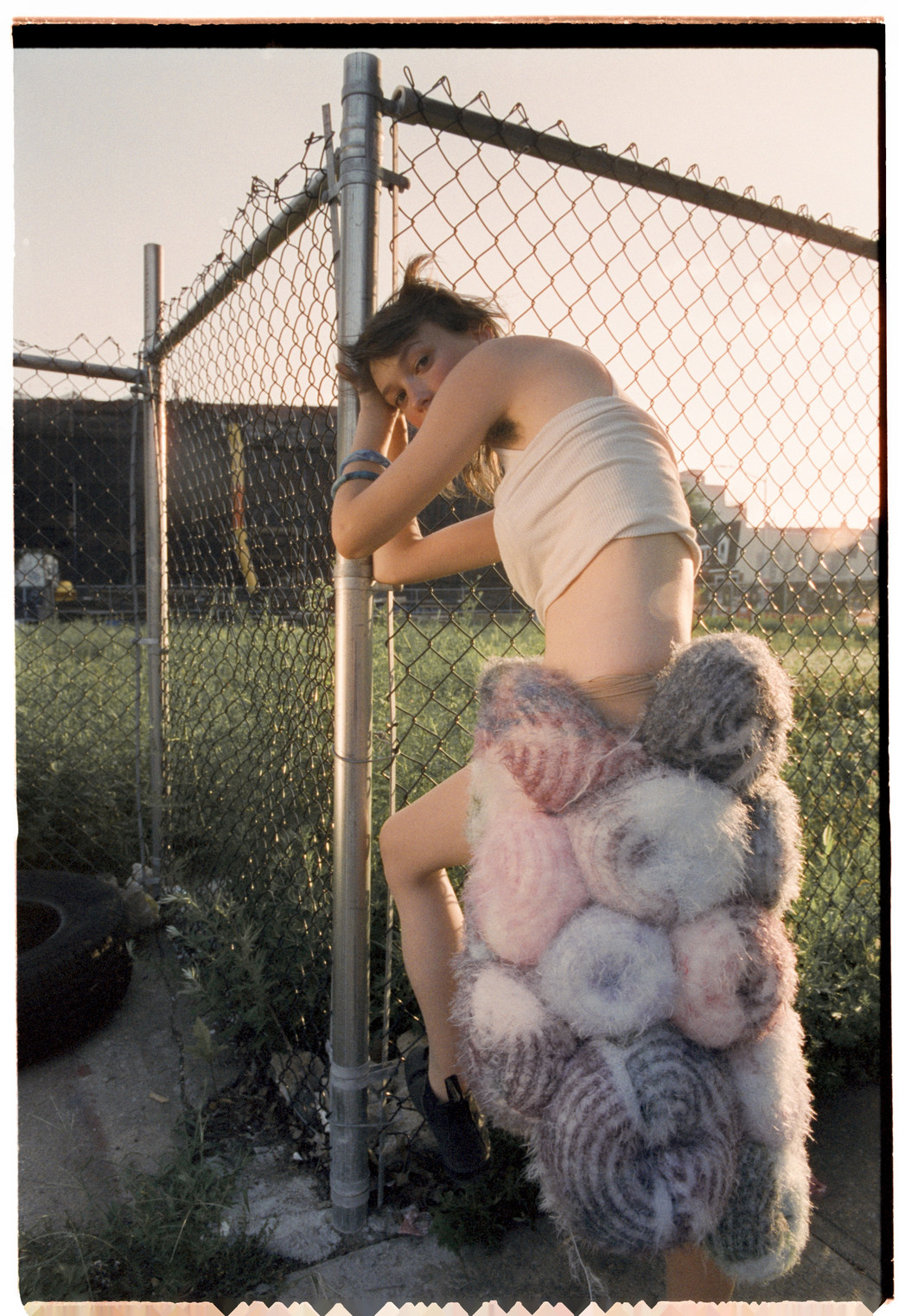
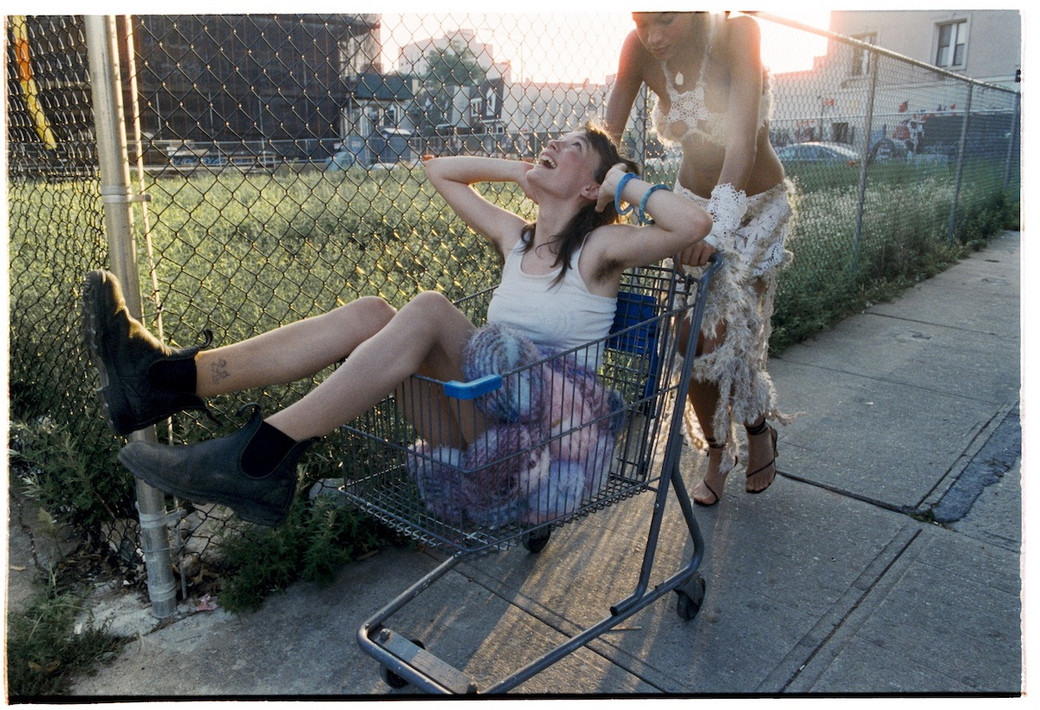
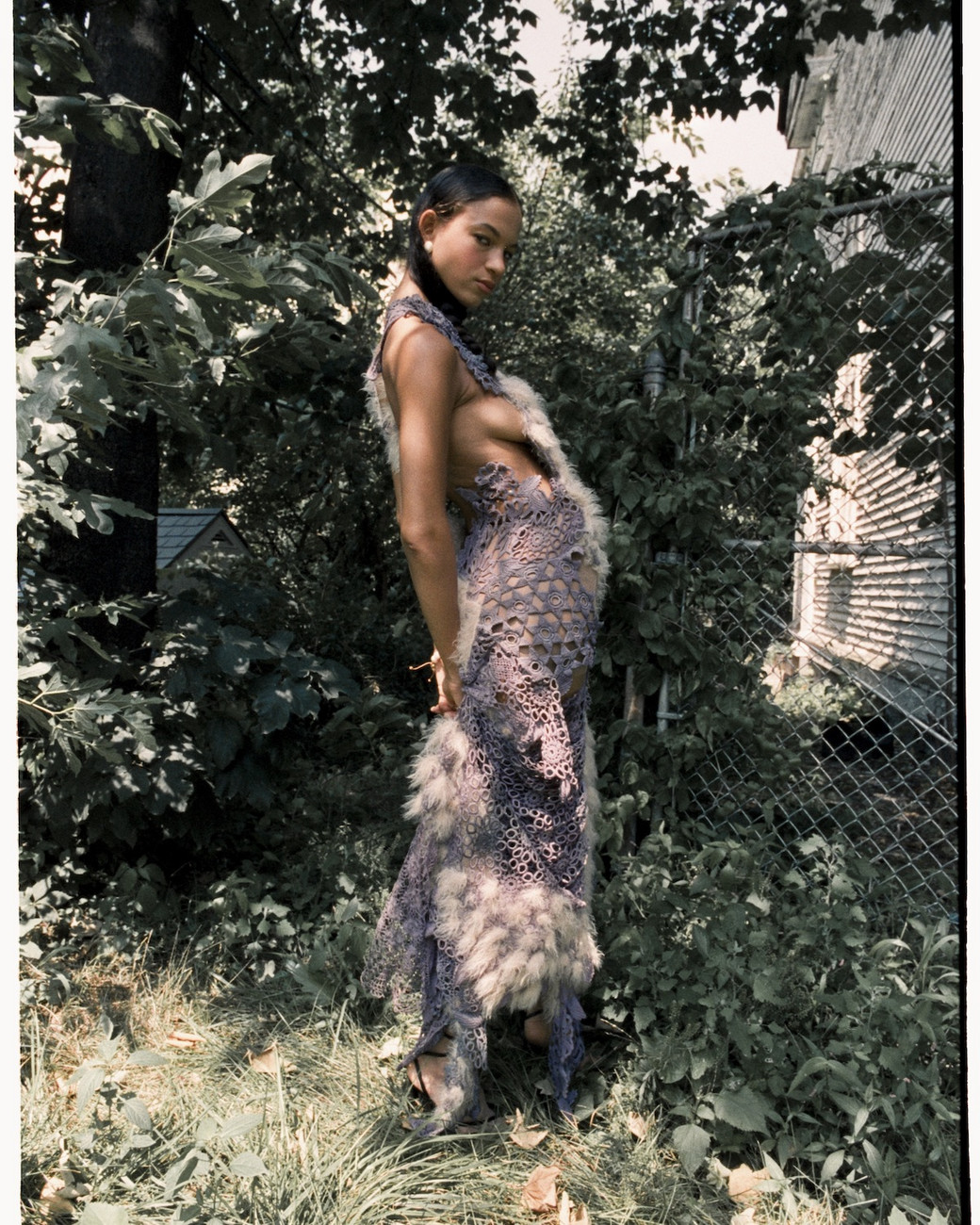
JO– Hymne is my first love. I always go back to it. I had the idea to do Hymne while I was doing my first internship, and I've lived a thousand lives since then. I'm happy I still love the idea as much as I did all the way back then, when I was dreaming.
It's a hub for my community, friends, creativity, and design. It's very much free. It gives me a platform to work with a lot of people that I've either worked with in the past or admired from afar.
It is great to be able to have those types of environments where people can - whether it's myself or people I love to would love to work with -- do whatever they want in this space, and don't have to adhere to a brief, or a merchandiser…
UM– The purpose is so clear. It really comes across.
JO– It's always good to be able to work with your peers, heroes, or even pupils who are just starting out. It’s an energy transfer.
UM– And how do you feel about doing things in-person these days? Do you find that physical activations and interactions are more important than ever, or does it matter less since we are so connected digitally?
JO– I think we collectively took sharing space and time with people for granted. After the pandemic, having face-to-face interaction stripped away was difficult, the ability to interact with people and share space with someone physically is so important.
From a work perspective, I think you do better work that way, to be honest. I definitely work a lot in a digital space, but there's no replacement to being together in person.
UM– What major cultural, behavioral, or consumption shifts have you noticed personally that are having an impact on your approach?
JO– I'm sure we can pull metrics and consumer studies to answer this. To speak from my personal perspective, I think people, now more than ever, crave realness. People need actual engagement from the marketers before they give you their attention, their time, their money. I think [that] actually tapping in with people who you are trying to market to is paramount now.
I'm seeing a shift away from traditional marketing, the one, two, three step process from ideation to execution. It’s a different world now. Especially, when you have young brands emerging that are smaller, more nimble, more local, and, honestly, more engaged. I'm encouraged by the new energy.
UM– Yes, I definitely feel like there's massive pushback against the conglomerates, the holding companies… Are there ways in which you can see AI being leveraged as a positive force for us? Is there a silver lining? I know your opinion about it probably changes every day.
JO– I was reading about a paper that the founders of Google had written before they launched the search platform. In that paper, they warned about the dangers of allowing people to pay for search placement. They argued that if you allow people to pay for search placement, you degrade the effectiveness of that search because instead of showing the most important or relevant results, you show the results that were paid for or ads. They called it poor quality search results. Eventually, those same people made billions of dollars, allowing people to pay for search placement.
When money gets involved, we, as humans, have collectively not been able to turn away from it. I don't have any doubts in my mind that the founders of Google, still believe what they believed in when they were young and had a lot less. I don't blame them per se, but the money made them move off a stance they once held firmly and publicly. It’s human nature to do this, it just is what it is.
I bring that up here when talking about AI, because I fear that we'll walk a similar path. AI is here, and it's not going anywhere. Whether or not I like it will depend on the safeguards that we, as human beings, put in place to keep it mankind-positive.
I have hopes that AI will do for us what a lot of new technologies have done. I hope it can enhance creativity, be a tool to organize thoughts and workflows, increase accessibility for people and various spaces. In a more optimistic sense, there is a level of democratization it can potentially bring to people. It just needs to help us be us.