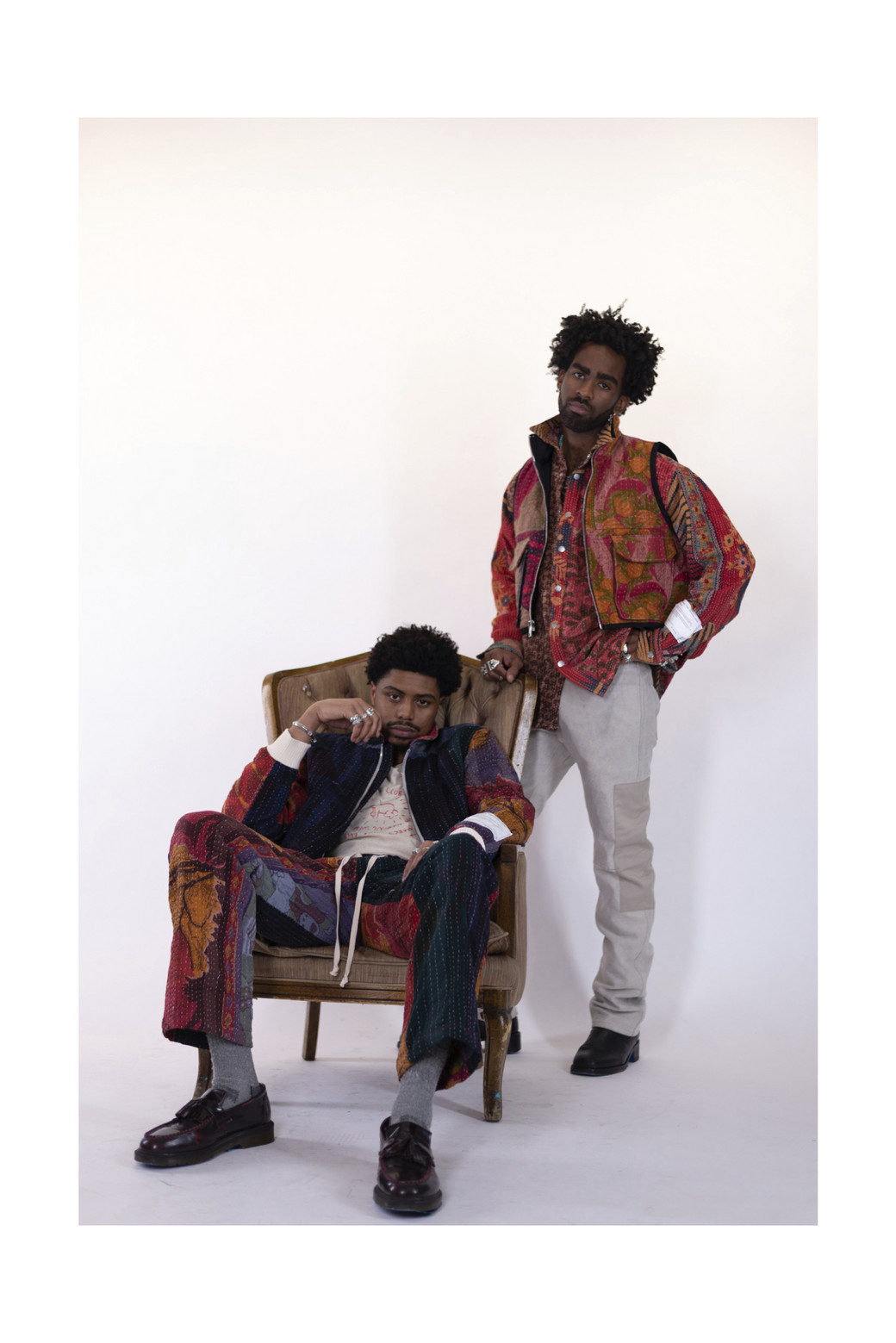
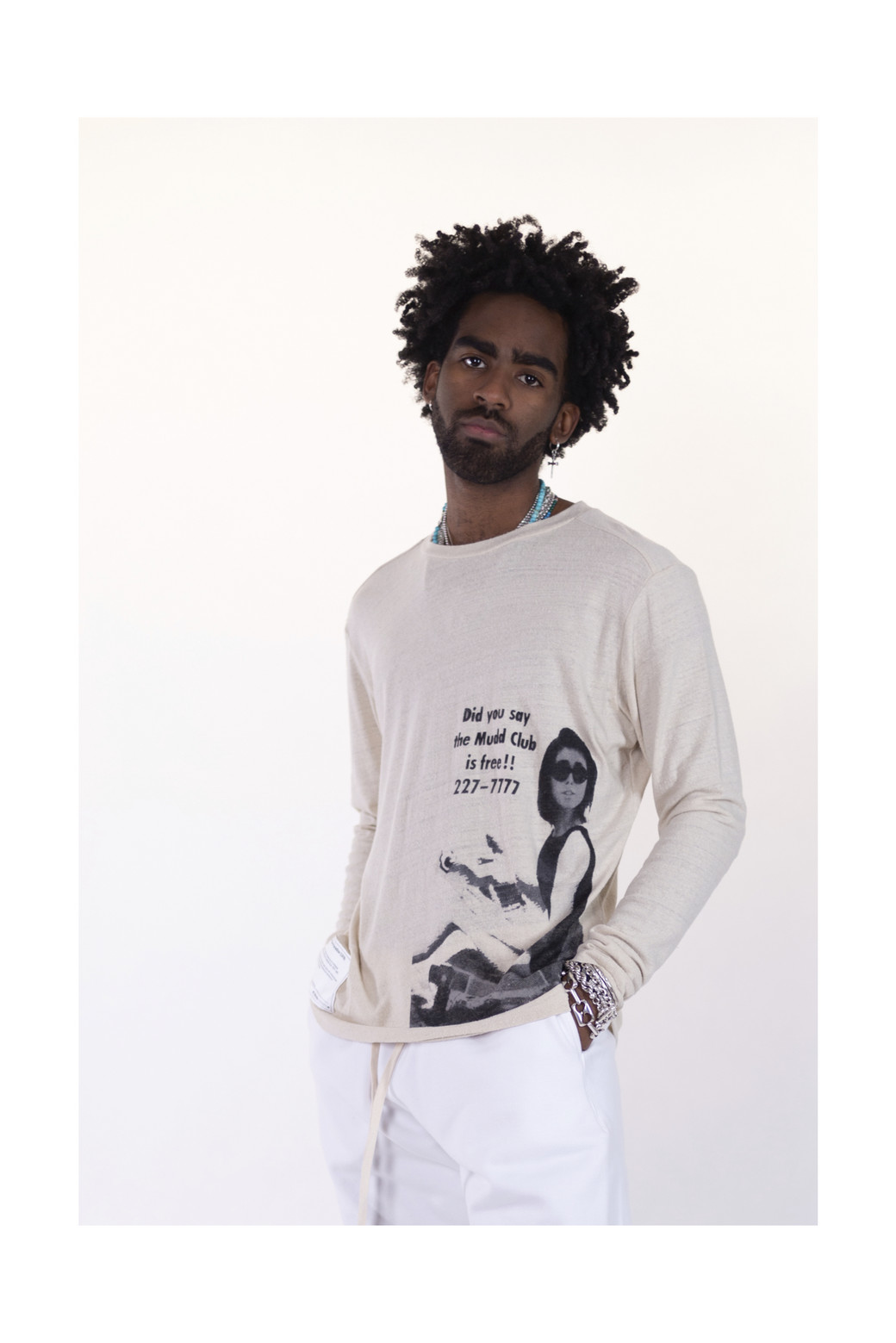
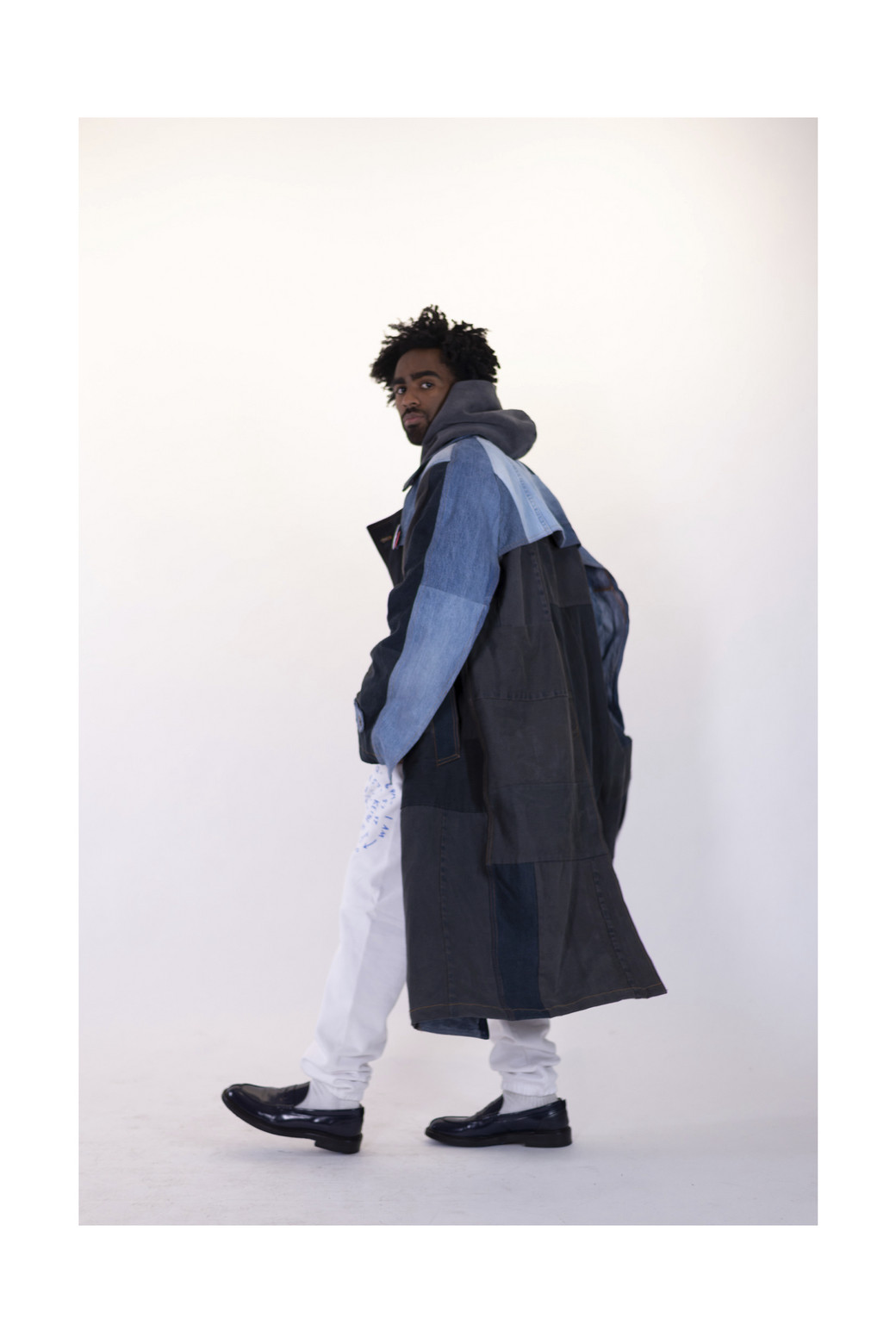
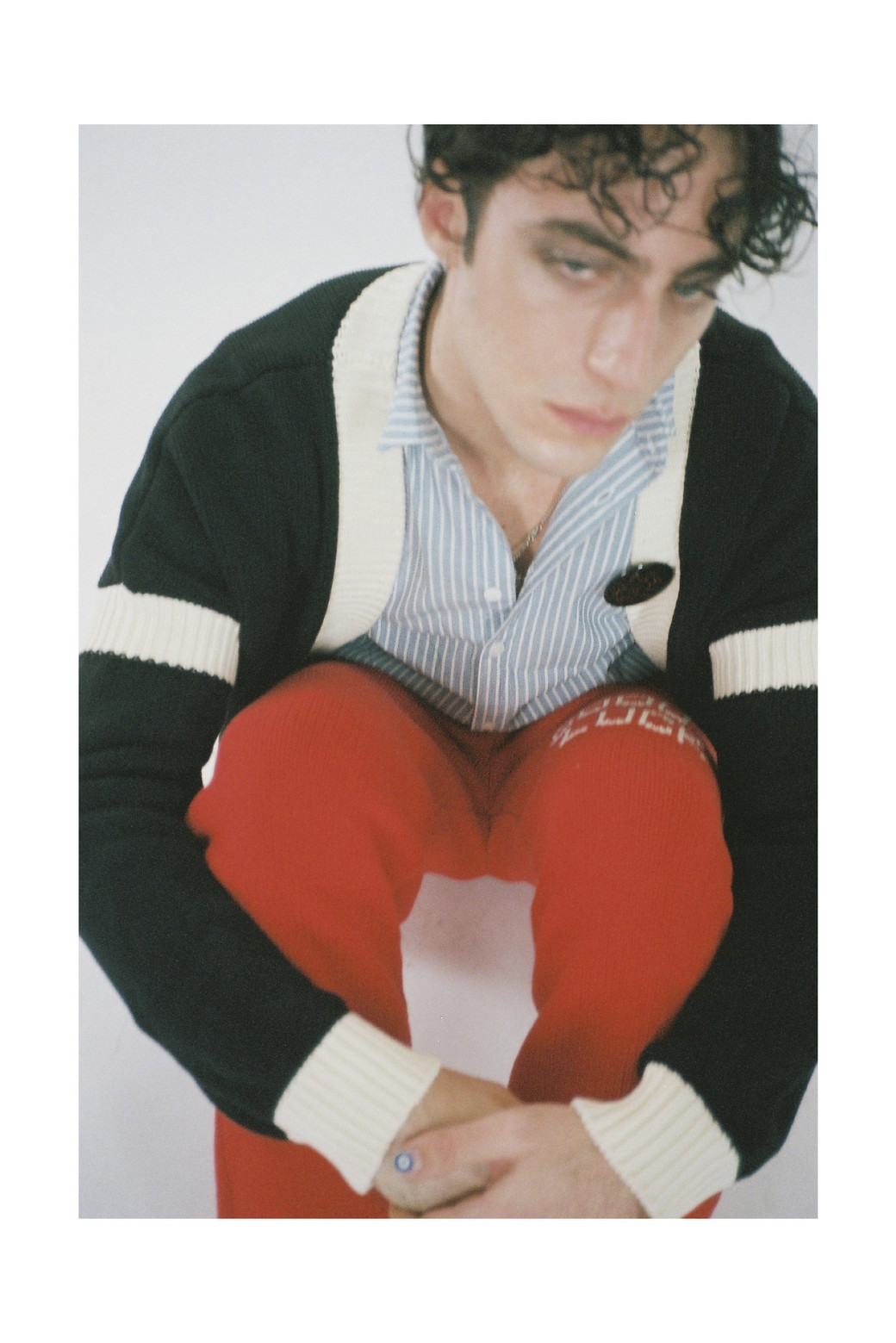
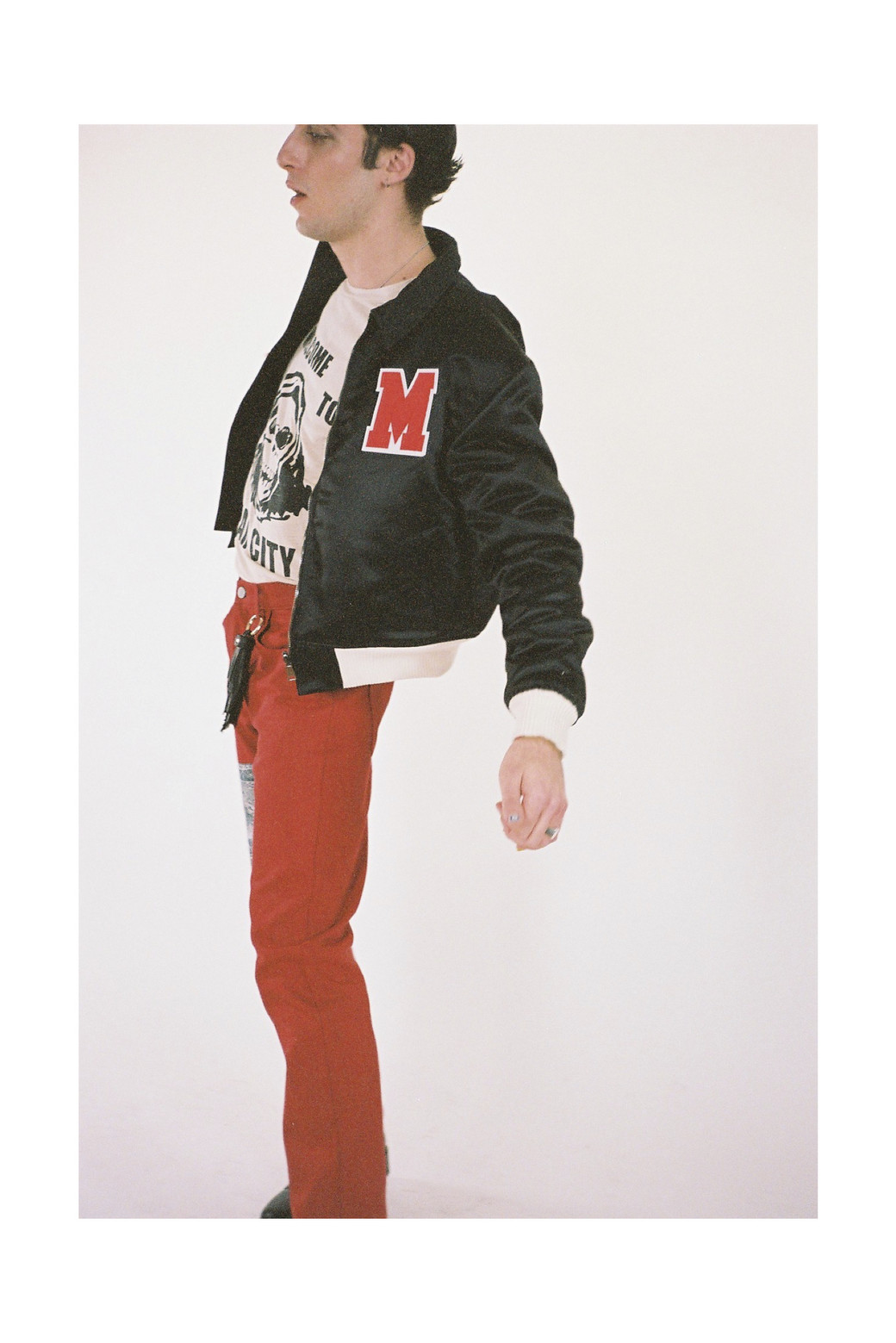
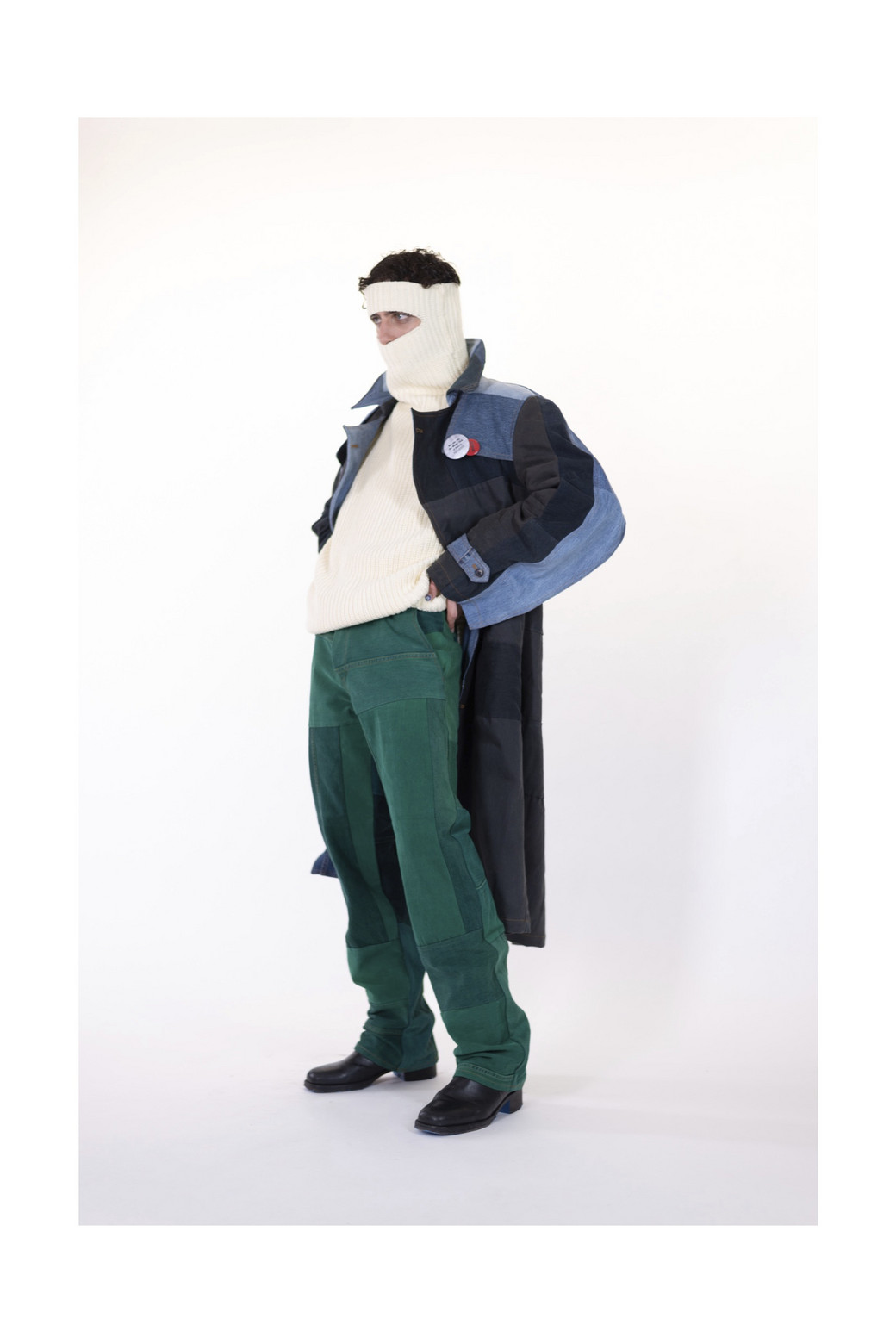
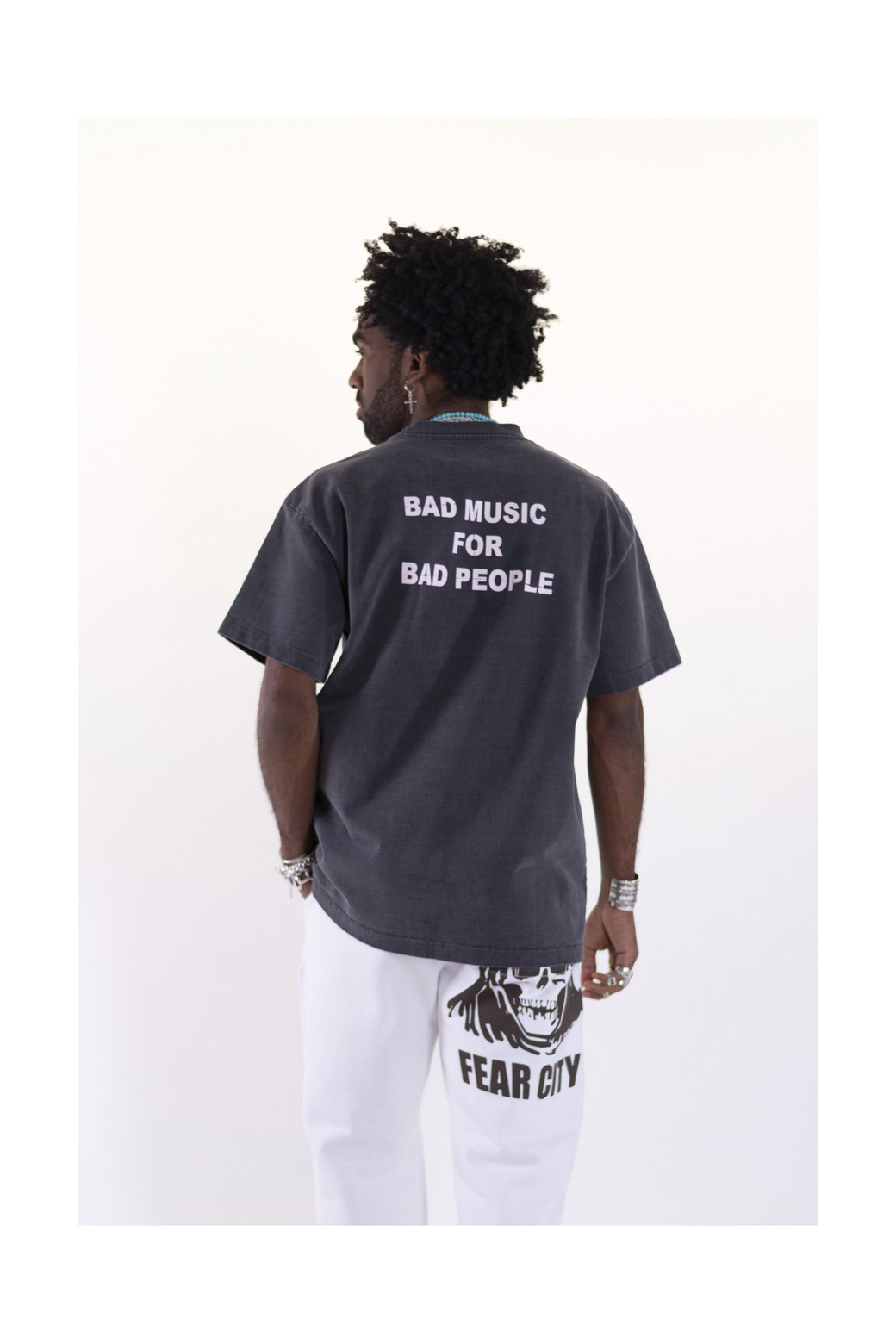
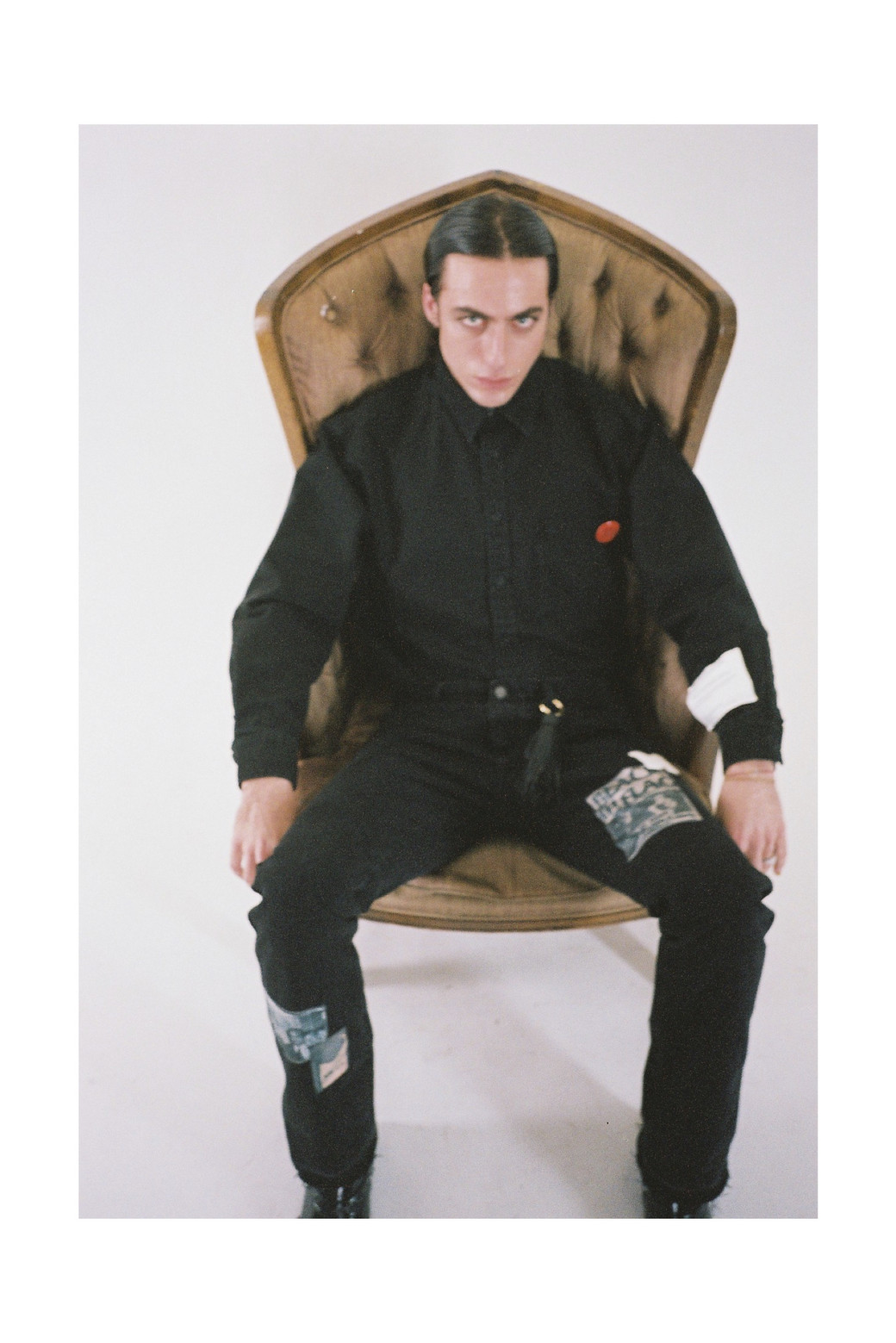
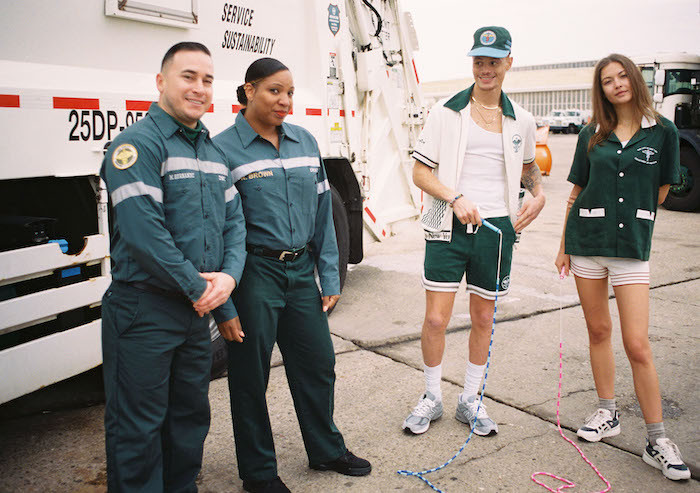
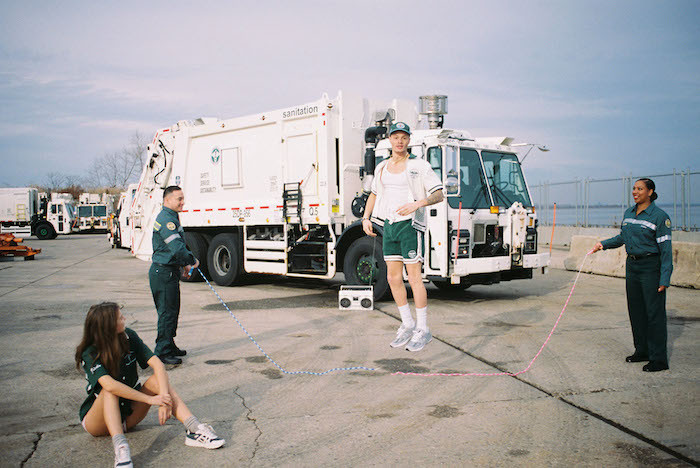
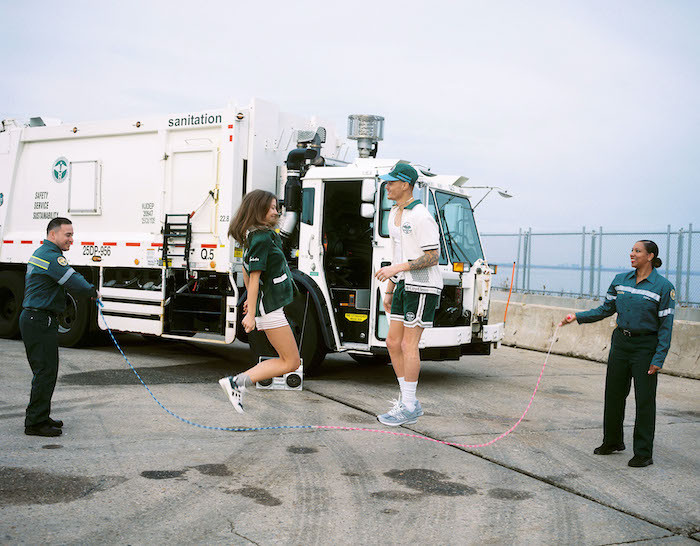
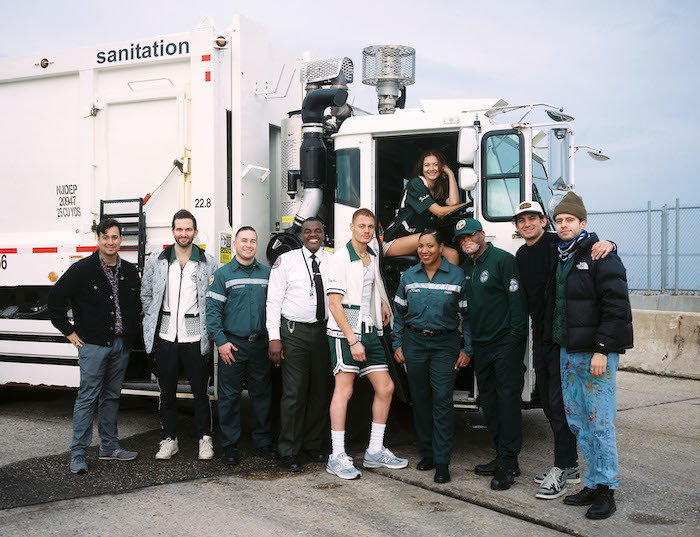
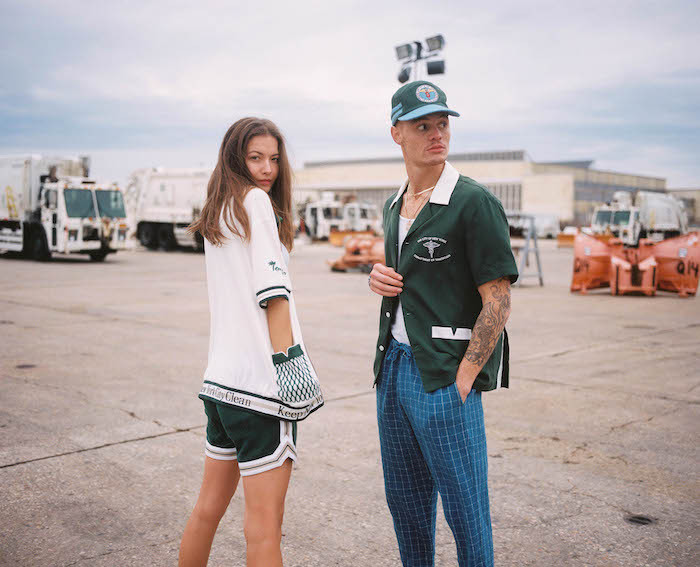
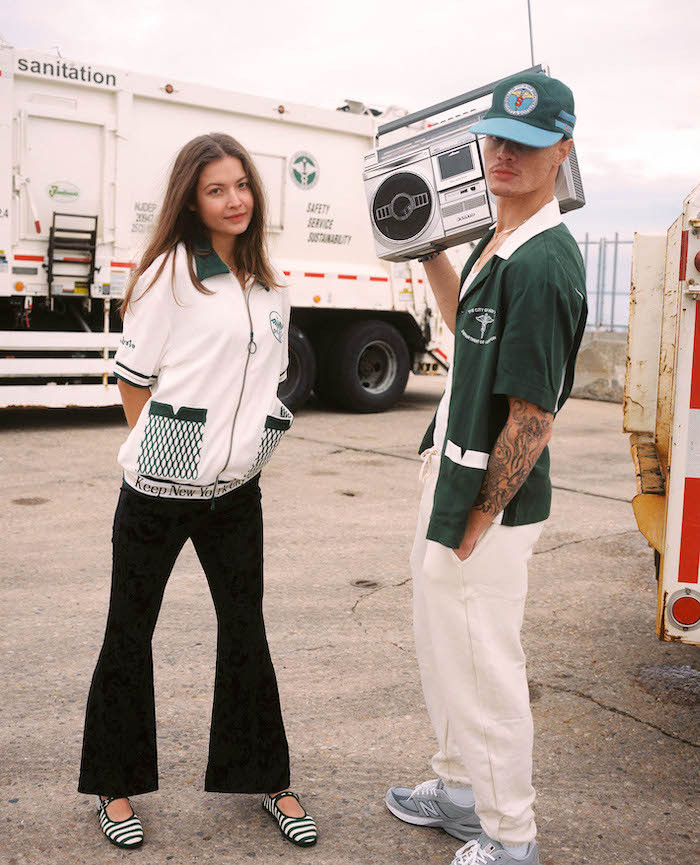
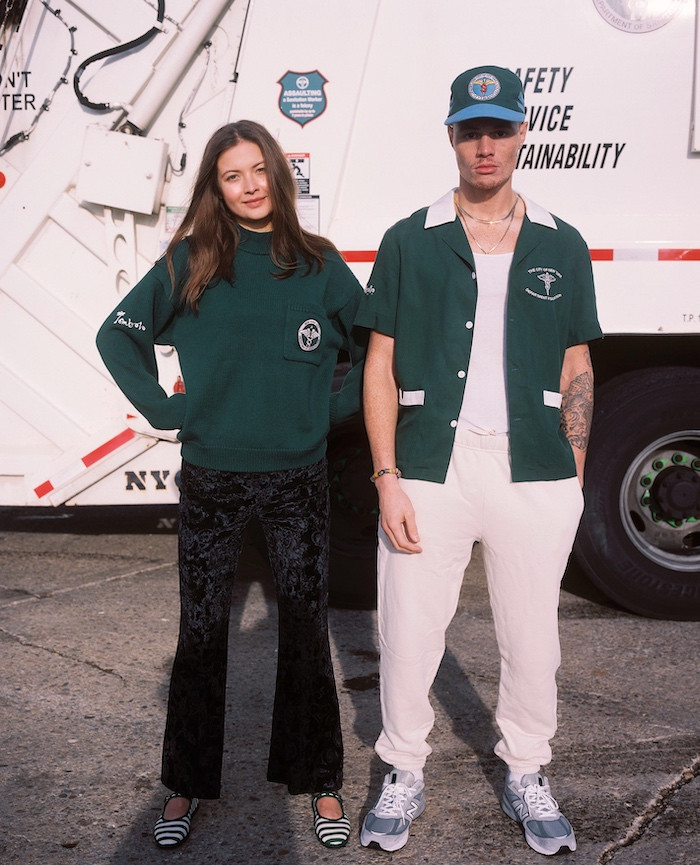
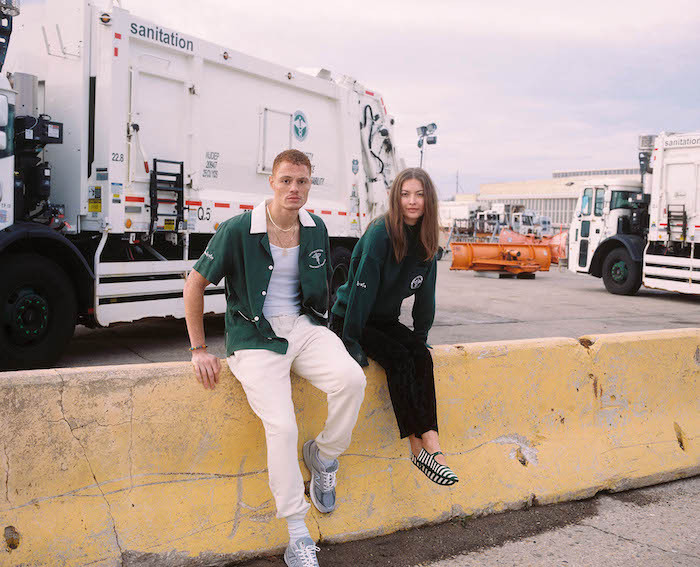
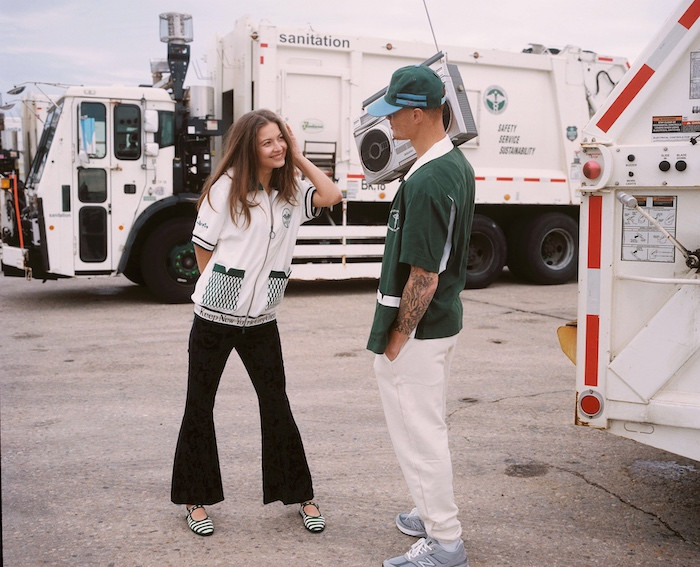
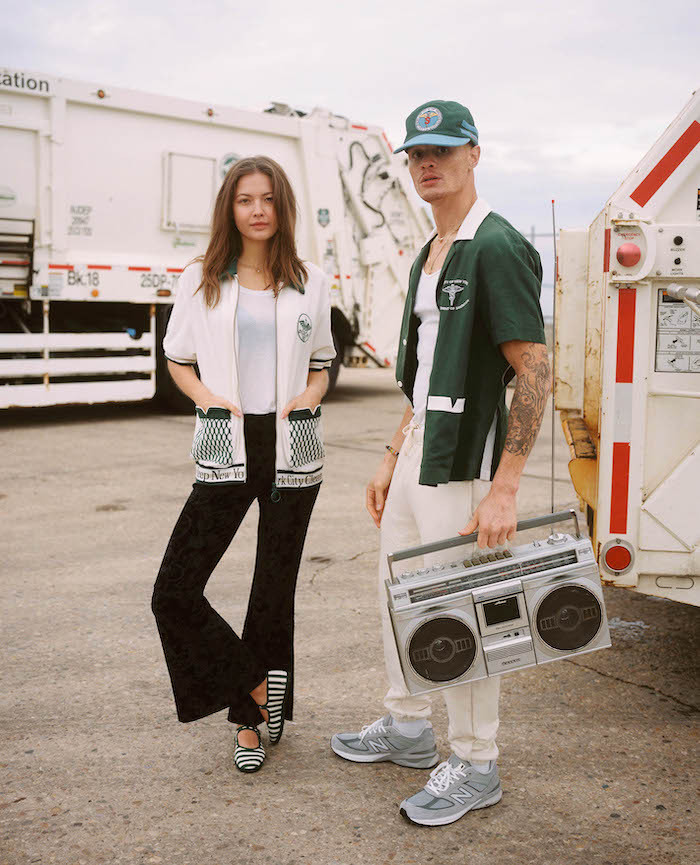
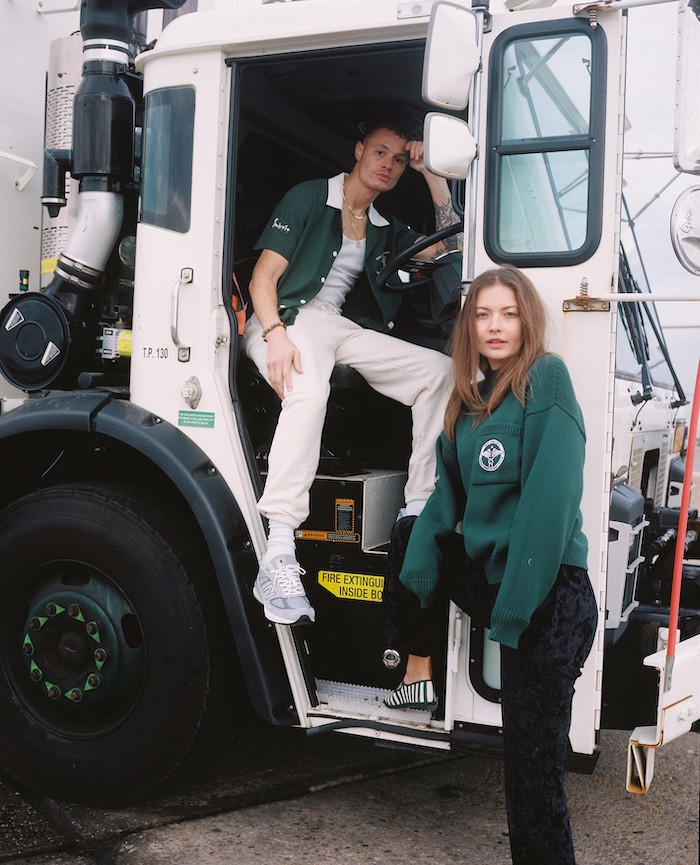
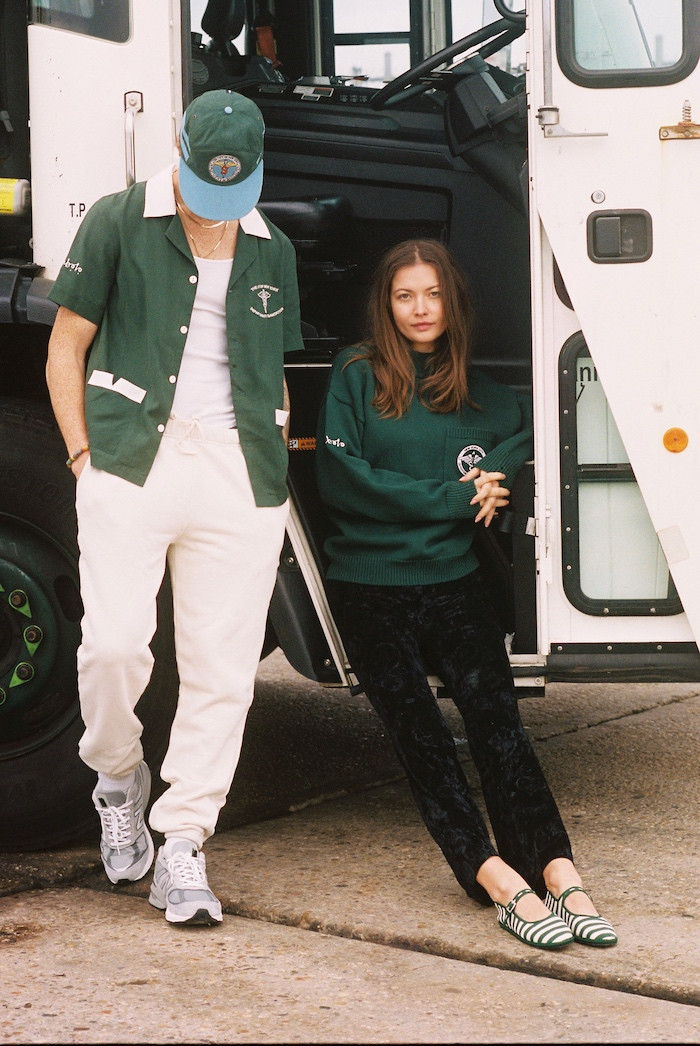
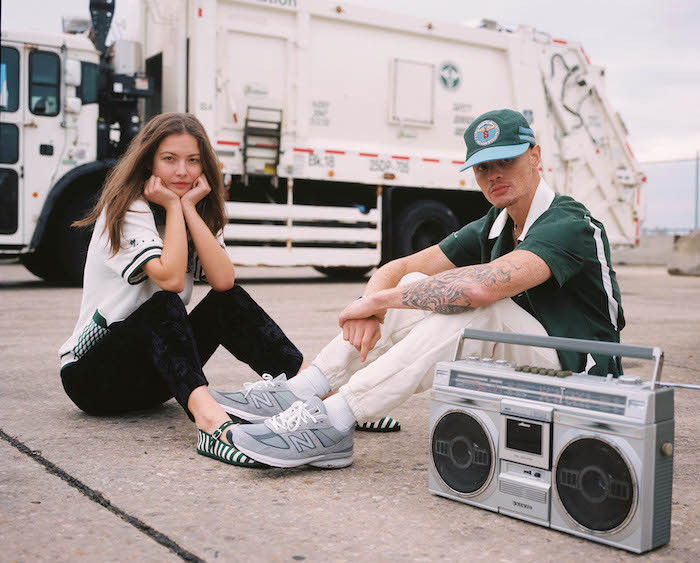
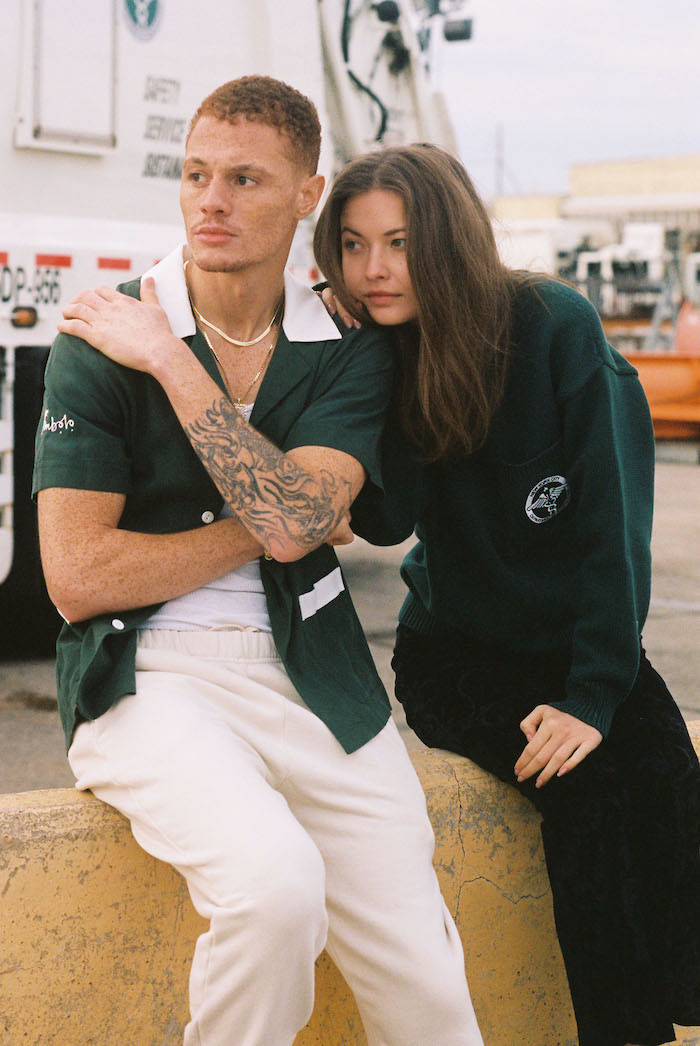
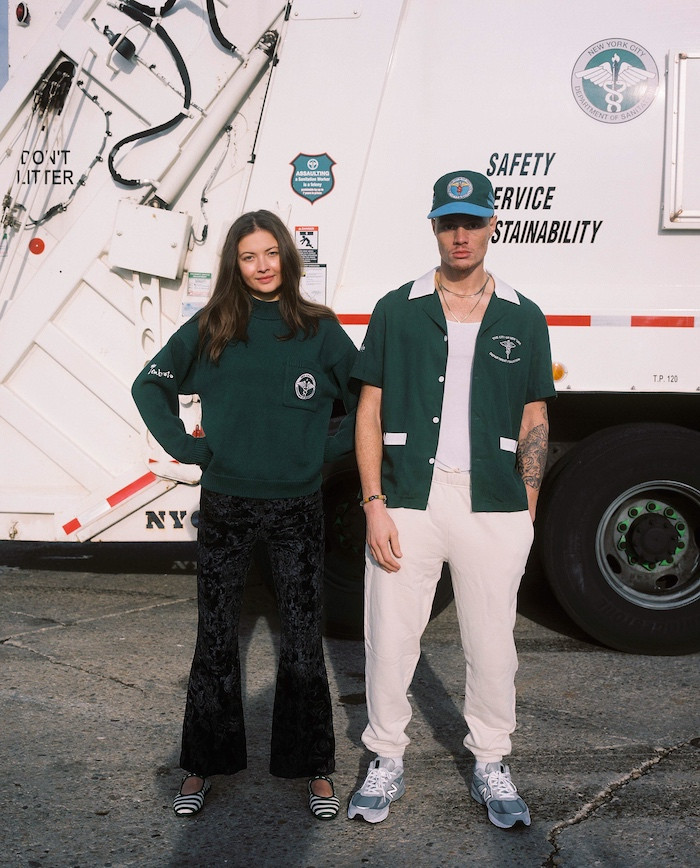
This capsule pays homage to the DSNY aesthetically, as it includes riffs on the department’s own uniforms and identifiable logo, but it also honors the dedication of these workers to keeping the city clean and safe by donating 20% of sales proceeds to the Sanitation Foundation and toward the city of New York.
Read on for office’s full interview with Michael and Chris of Tombolo, where we get the inside scoop on the collab and the sustainable efforts involved.
Your clothing is made to transport wearers to a destination. What is the intended destination for this collection?
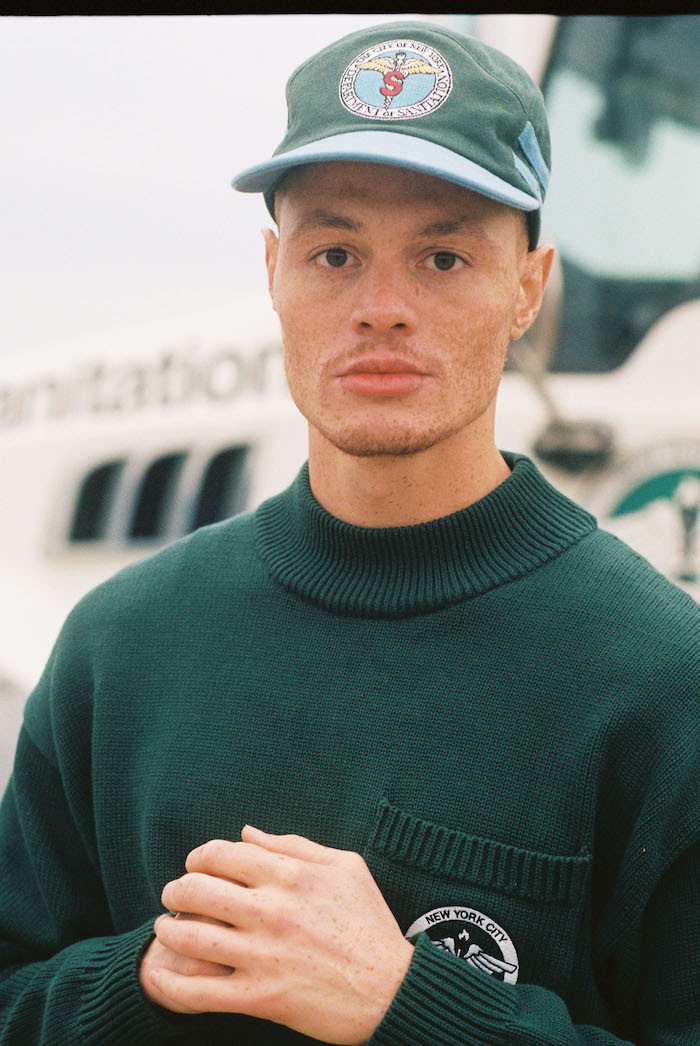
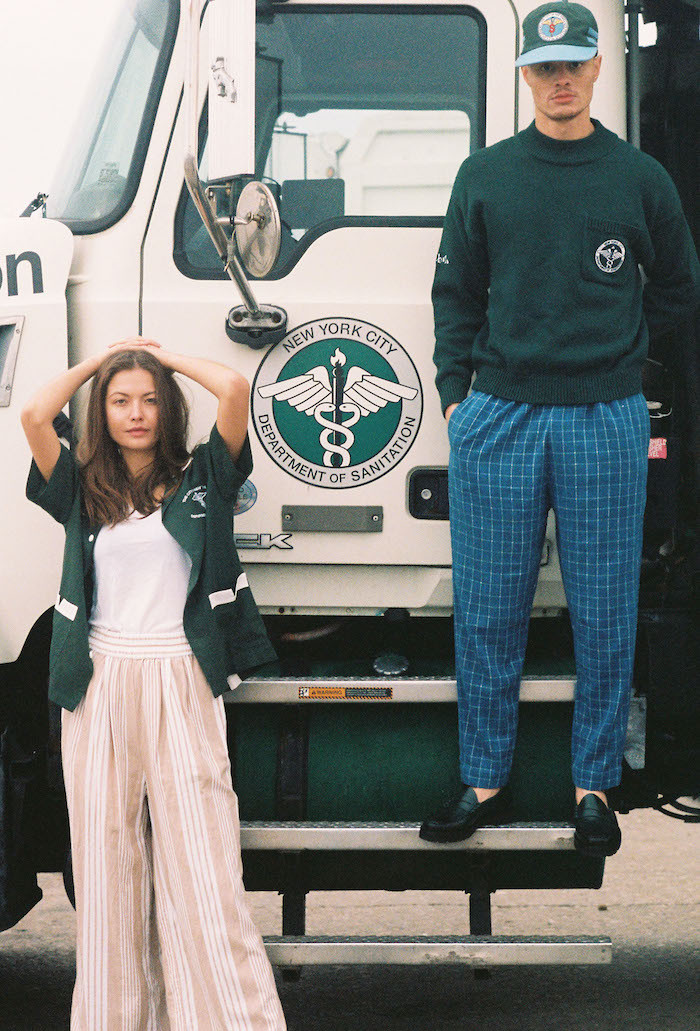
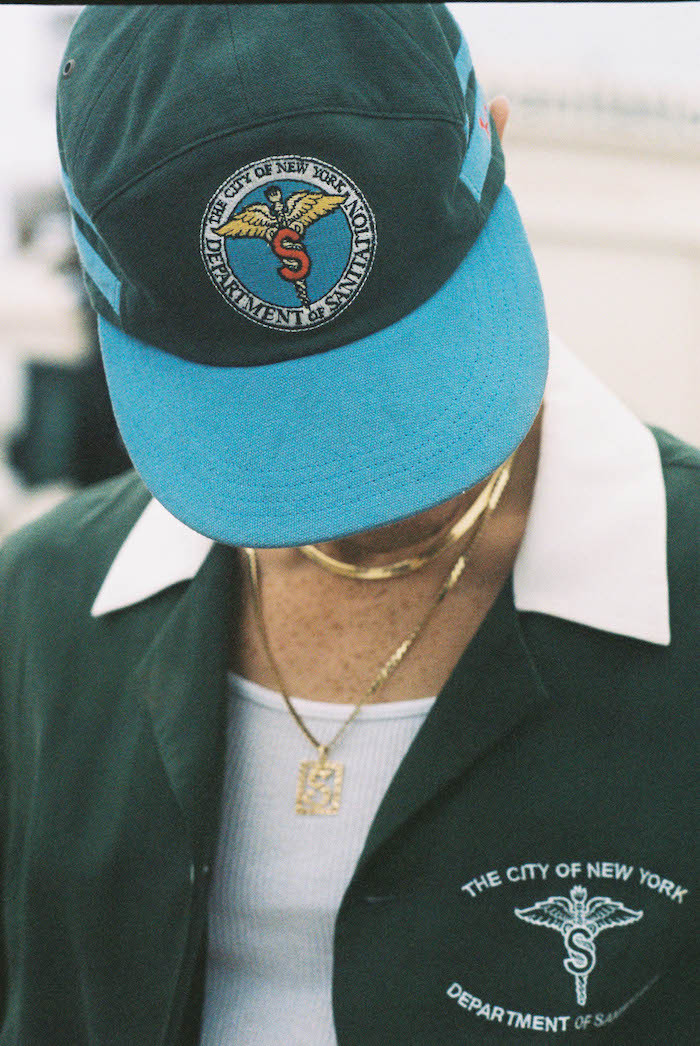
We’re always designing our clothing to take the wearer to a different time, place, or state of mind. For this collection, the place is very much our native New York City, and it was actually more about reassigning the aesthetic hallmarks and logos of the DSNY from their typical context and meshing them with Tombolo’s cheerful escapism. For example, the DSNY caduceus logo is really beautiful and once it’s recontextualized from its usual home on a wastebasket or sanitation vehicle, it takes on a new feel. Same goes for the slogan ‘Keep New York City Clean!’ which we loved incorporating into our clothing. We certainly went through a bit of a time machine as we pored through the DSNY’s archives for inspiration, using various iterations of the caduceus logo that hail from the past few decades, their flag, and other sources. Aside from the usage of the iconic DSNY forest green, we introduced one style in white as an homage to the “White Wings” of the 1880s — the predecessors of the modern sanitation workers who wore all white to symbolize their role in safeguarding the health of New York City.
Creatively and conceptually, how did you settle upon the best way to effectively mesh your own branding with the values and ethos of the DSNY?
We were pleased to have a portion of sales support the Sanitation Foundation as well as the broader City of New York (10% of proceeds each). We also knew we’d want to incorporate eco-friendly materials wherever possible and produce garments in limited quantities in keeping with the DSNY’s initiatives around reducing waste and promoting composting and recycling. Creatively, we were hoping to evoke a New York nostalgia, which we tried to capture not only through the clothing itself but in our photo shoot out at the DSNY’s training facility, Floyd Bennett Field, where the shoot included props such as portable boomboxes and jump rope that harkened back to our formative decade in New York — the 1990s.
We also have always drawn on the aesthetic of uniforms in our own shirts, finding charm in the clever and practical hallmarks that develop over time in uniform workwear. This was the perfect opportunity to lean into these signatures, like lower patch pockets, combo color camp collars, and tucked, back side pleats for ease of movement.
Finally, we felt that our two logos provide a poignant contrast that sums up the work of the DSNY — the caduceus is serious, medical, and historical. Tombolo’s palm tree logo is more organic and free-flowing. Both of these features are at play for the DSNY, a storied organization with a rich 100+ year history that is very much ensconced in all things organic and environmental here in New York.
Can you tell me a little bit more about the Sanitation Foundation and what the proceeds from these sales will be going toward?
The Sanitation Foundation plays a vital role as the non-profit partner for the Department of Sanitation of New York, helping pursue a vision of a healthier, cleaner, and more sustainable NYC. They do this in two main ways. First, they celebrate and support the essential Sanitation Workforce, a group of over 10,000 people. A great example is their work to provide COVID-19 support for Sanitation Workers, both in terms of raising money for supplies to equip them to navigate COVID-19 and memorializing those who lost their lives due to COVID-19. Second, they advance the Department’s ambitious zero-waste agenda to help minimize the impact of the 3.5 million tons of annual waste that this city’s 8.5 million residents produce; they do so through public engagement, education, and capacity building to galvanize the resources needed to move towards this lofty goal.
They’ve been exceptional to work with and we applaud their approach of pursuing public and private partnerships between DSNY, community organization, and businesses like Tombolo in pursuit of their valuable mission.
As a New York-conceived brand, why is it important to you guys to honor the work of the essential employees who keep this massive place up and running?
It’s incredibly important to us. DSNY is really the backbone of New York — the logistics network that is primed to ensure day-to-day basic functions as well as ramping up to respond to crises. Everything from getting the city back to normal after a typical snowstorm all the way to removing debris from 9/11 or delivering daily meals to over one million New Yorkers in need during the height of COVID. The honor is all ours to be associated with DSNY.
Can you delve a bit into the sourcing process for the eco-friendly materials employed in this collection?
We made a priority of using organic cotton wherever possible — in this case, in the terrycloth on the cabana shirt and shorts as well as the canvas on the souvenir cap. For this capsule, with the environmentally-focused DSNY, it was imperative to select organic cotton because it requires significantly less water to grow than conventional cotton and ensures no herbicides or pesticides harm the environment and workers.
We also made one shirt out of Tencel, one of our favorite environmentally friendly fabrics. It is a really lovely marriage of form and function — we love the drapey, silky feel of Tencel, yet ease of care as it’s totally machine-washable. It also boasts quite a strong eco-profile, as it’s completely derived from natural materials — wood pulp — through a closed-loop production process that turns that wood pulp into cellulosic fibers with high resource efficiency and low environmental impact. This process recycles processed water and the solvents they use at a recovery rate above 99%.
The last piece of this process is a bit more ambitious — we have been working with a company called OurCarbon which produces a carbon-negative base material that is made by diverting waste from landfills. They have an experimental dye that we’ve used for Tombolo’s first-ever T-Shirt. It is a soon-to-be-released second installment of our DSNY x Tombolo collection. Stay tuned for that!
This spotlight you are placing on a somewhat overlooked sector is so imperative. Do you have any future plans to collaborate with other local departments or organizations?
None at the moment, but we are always looking! And we’re very comfortable thinking outside the box. We are always open to suggestions!
This collaboration shows that uniforms like the DSNY’s have potential to actually be quite fashionable. How soon before we see all of the city workers of New York dripped out in Tombolo?
Maybe we’ll have to bid on an NYC uniform contract in the not-so-distant future!