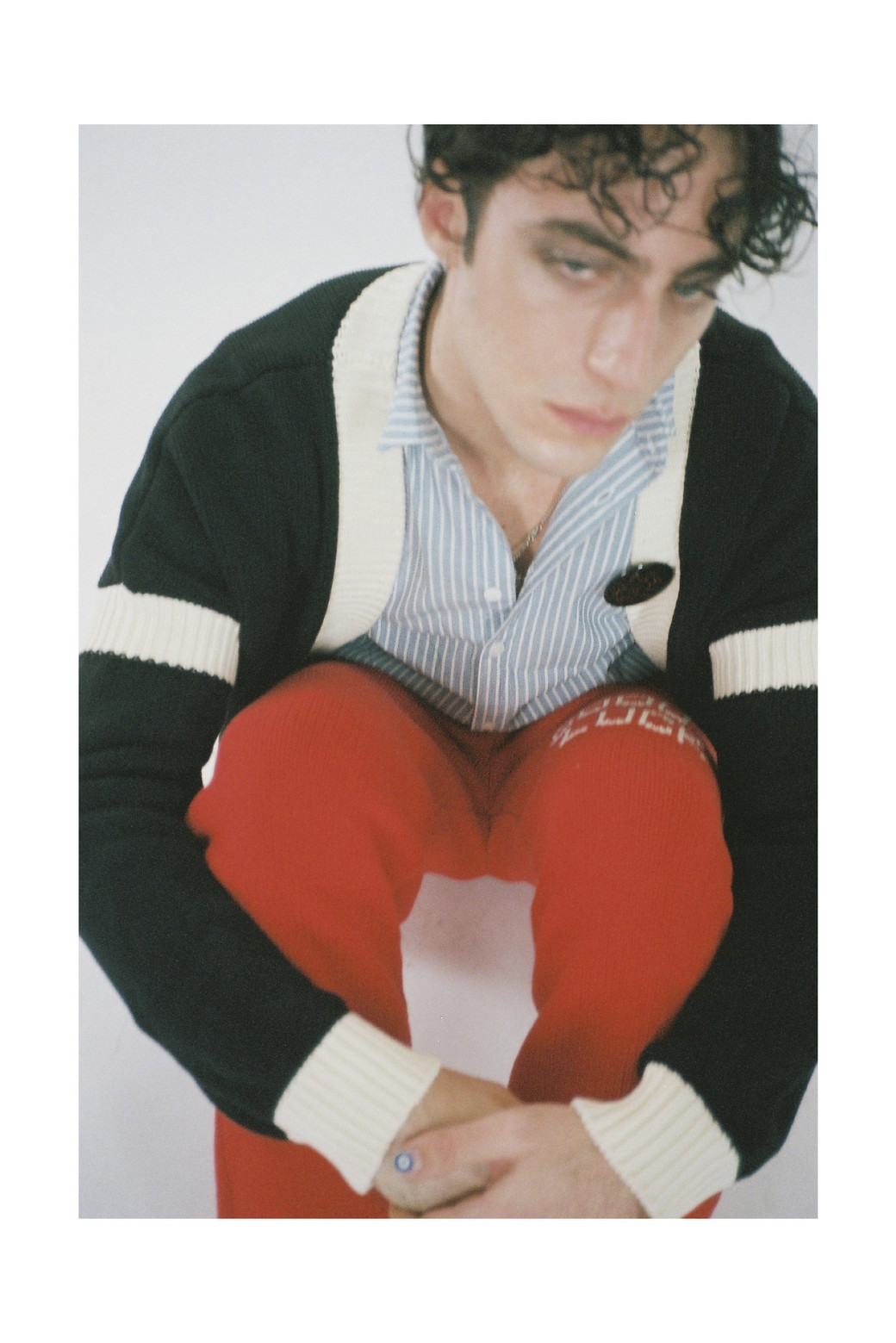
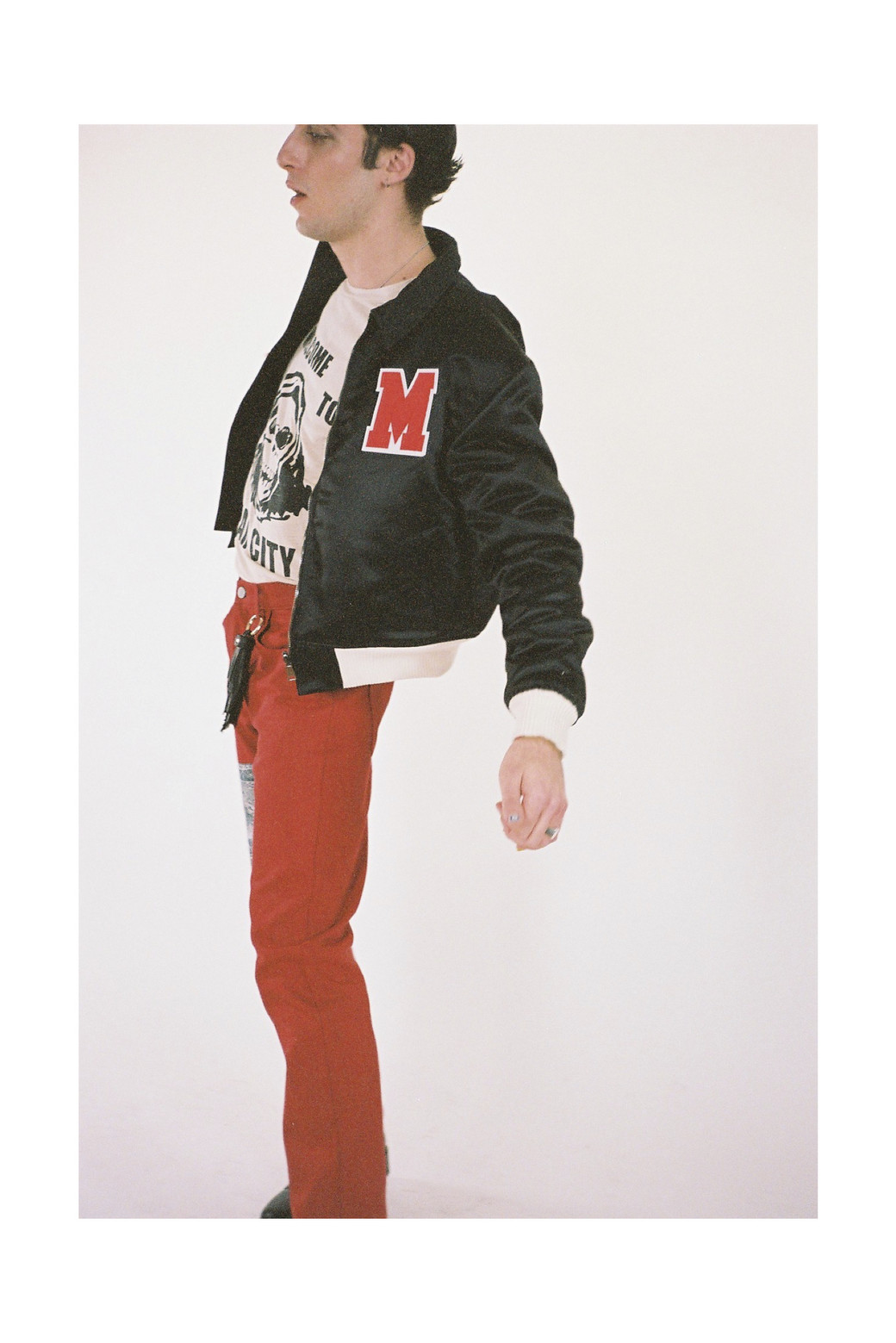
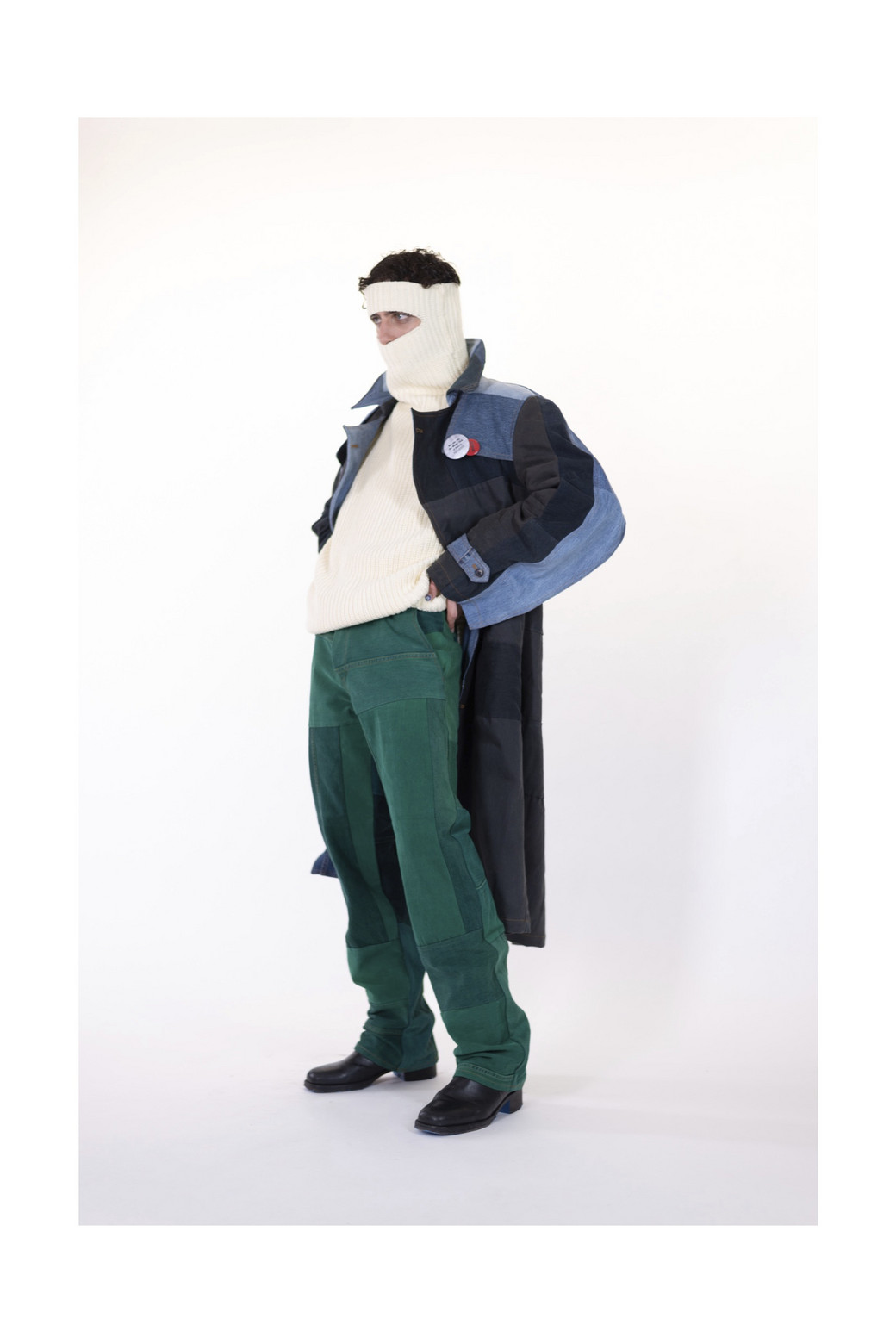
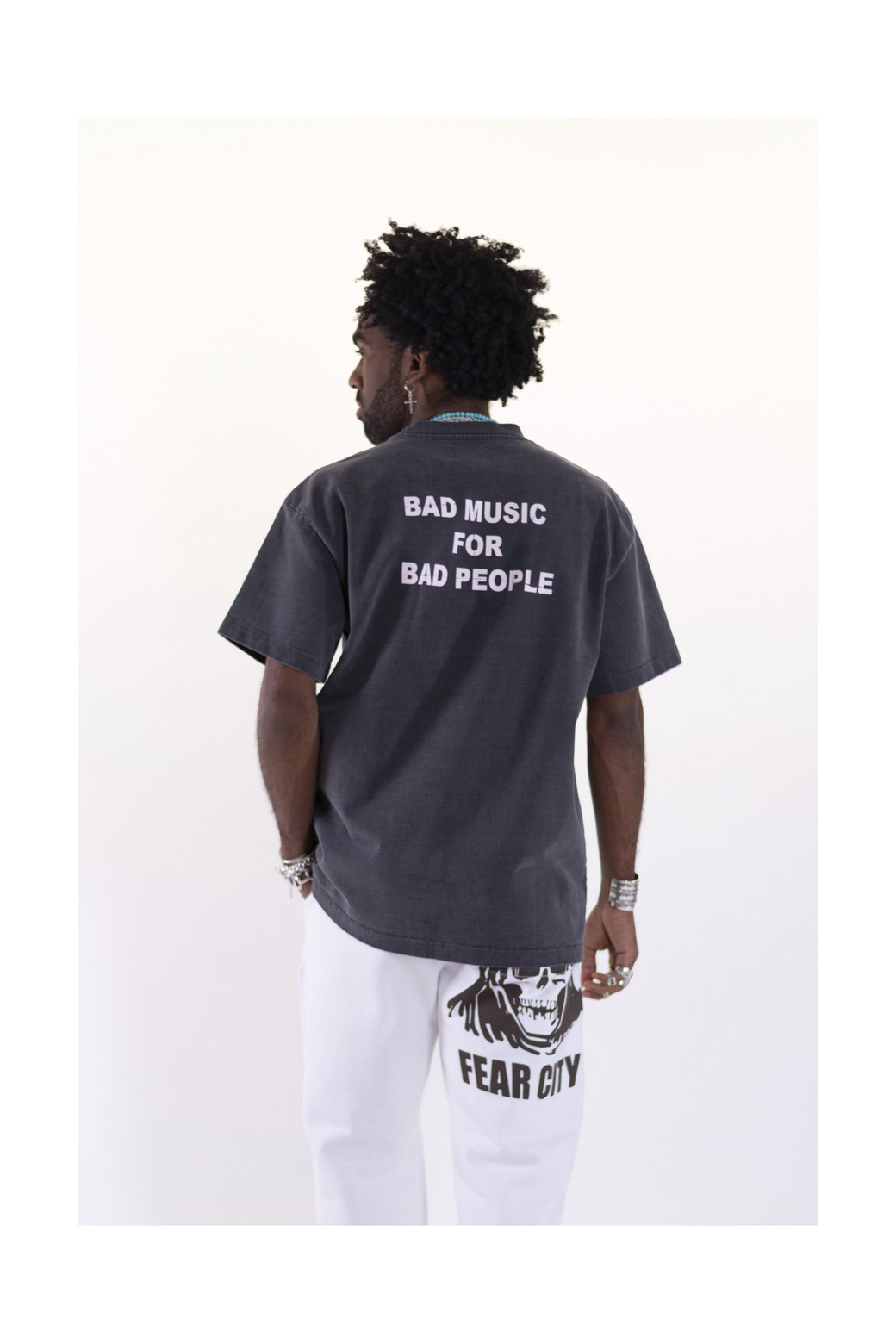
You guys just had a show, I’d Rather Rescue Myself. Where does the name come from?
PD - Well, the name is a play on a Cheetah Girls song, “Cinderella,” and then on top of that, it’s just also our life in a way—having to always be there for others but also make sure you’re there for yourself. And not depending on anyone in a sense as well. You have to rescue yourself in order for others to want to rescue you as well.
AH - I think it goes back to the optimist question, because sometimes we don’t have help, so we have to make it happen. That’s what we really mean by I’d Rather Rescue Myself. Yeah, of course we want help, and we accept as much as we can get. But sometimes it’s not there, so we just have to do it ourselves.
What’s your vision for No Sesso?
PD - My vision for No Sesso is world domination. We just want everyone to be able to access No Sesso. And we want it to be a platform for everyone to be able to see themselves and go to the next level.
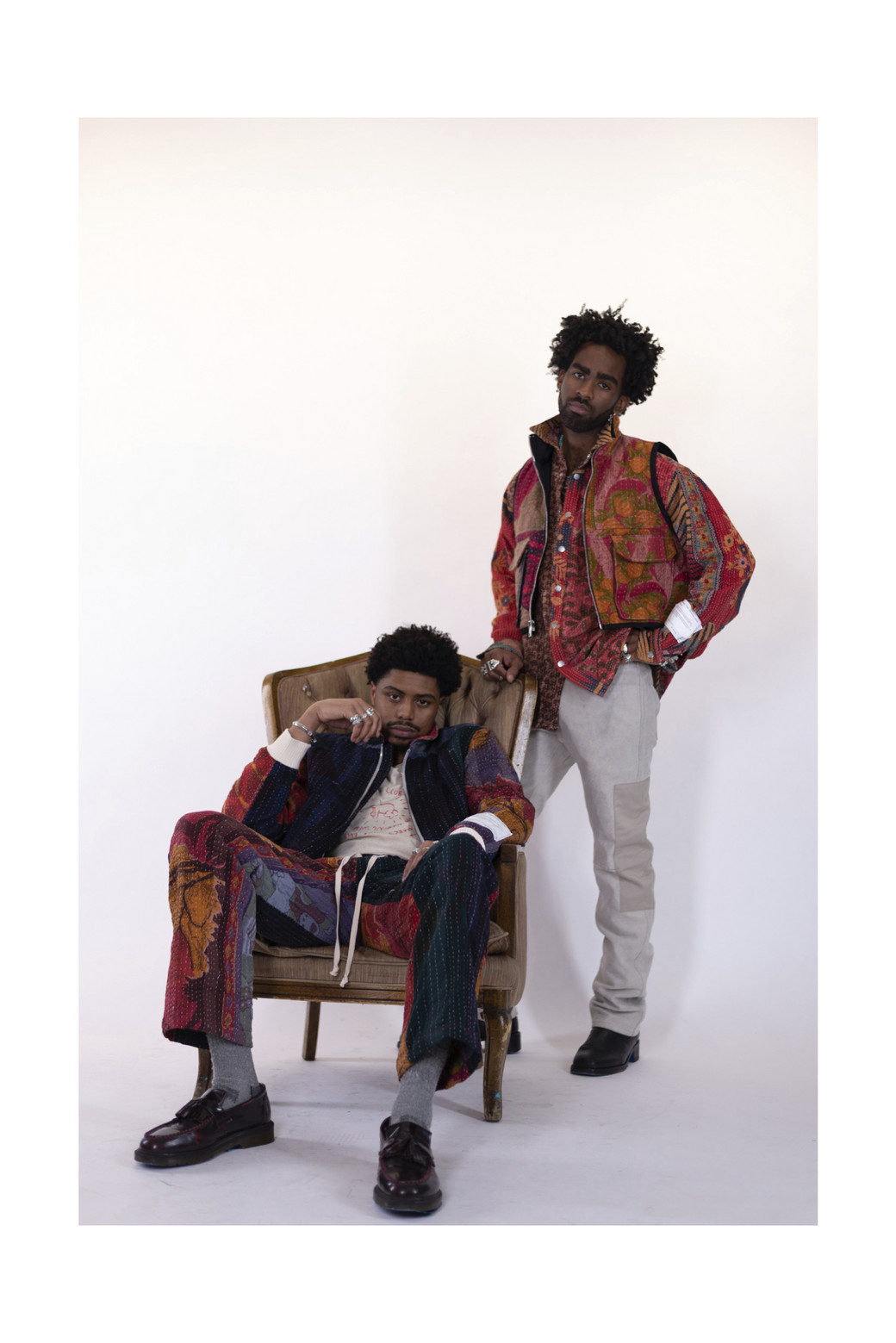
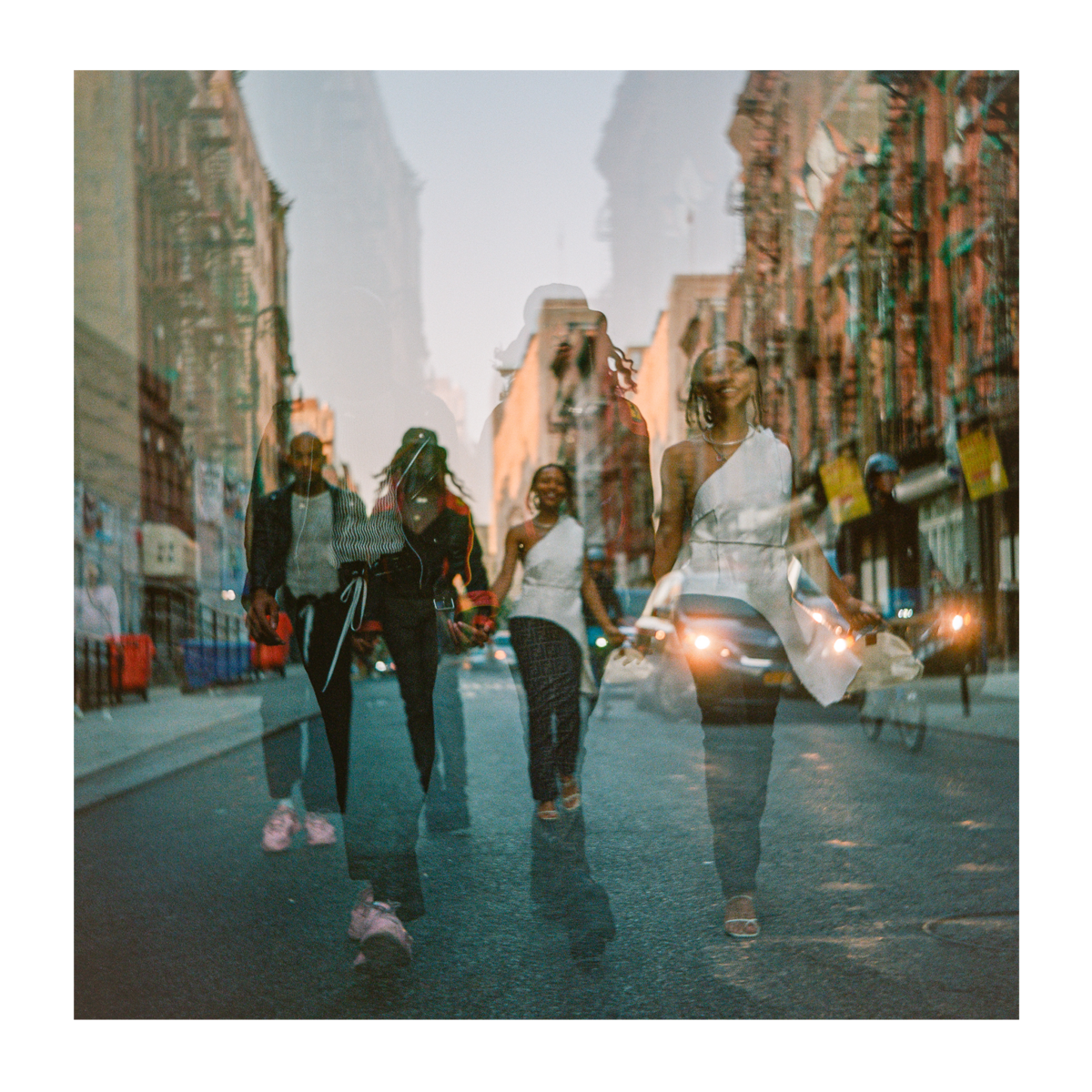
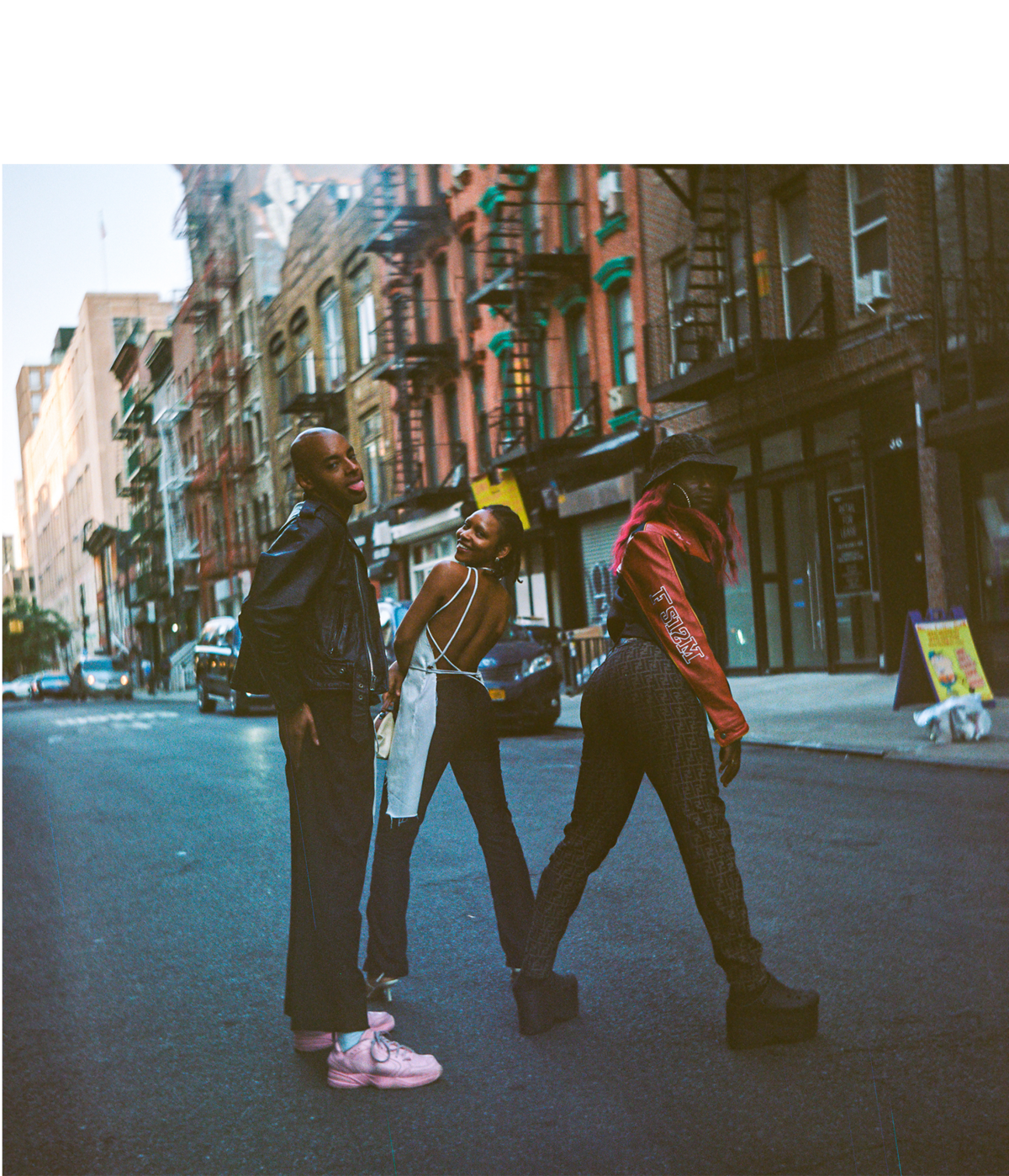
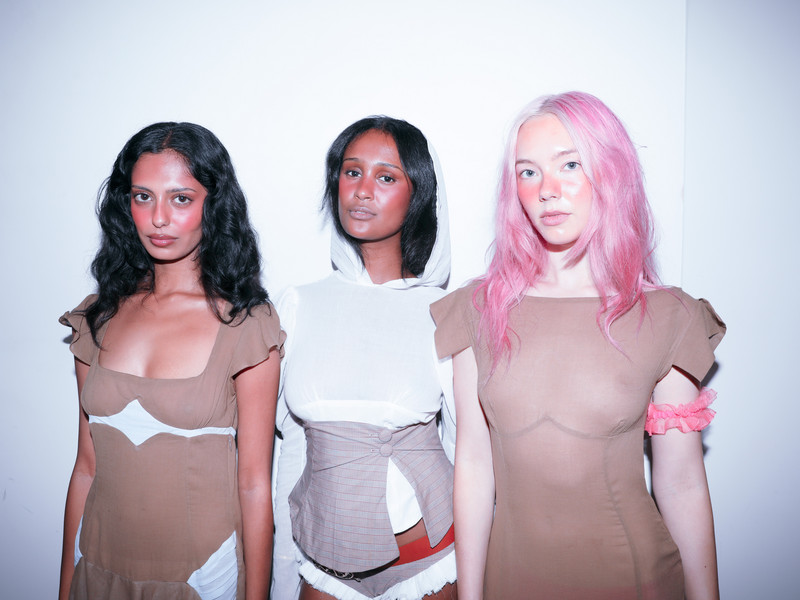
For example with our models that we use. A lot of our models come from our same community, our friends and family. And we use that as a platform for them to get more work in a sense. We want people to be able to identify with their take on fashion and see themselves in fashion, because fashion can be very, like, mainstream and white.
More brands are using similar tactics right now as a strategy to get a wider audience, but it’s more about a commercialization of the use of queer people and people of color.
PD - I think it’s fake, because it’s like a trend in a way. At the same time, I’m very happy that more brands are doing that, because it’s important that people are seen. But I just want these brands to actually be doing it for a purpose and not for clout, and not to just take more money away from people.
Like, you’re having a bunch of queer people in these campaigns, and you’re a multimillion dollar company—let’s talk about what you’re giving back to these communities, other than taking their bodies for your pleasure. I want people to see themselves inside these garments, to see themselves wearing pieces but not struggling to get them. Because that’s what society is saying that you have to do.
AH - On a positive note, it is great that like people of color, black artists, black creatives are finally getting a voice. Whether they’re being used or not, they’re still getting a check, and they’re also getting the exposure they weren’t getting before. Eventually, I hope that as it becomes more ubiquitous, it wouldn’t be something that’s a trend.
PD - It needs to be normalized.
AR - They should also know that it’s so obvious, too. Even though they don’t care, we kind of also just don’t look. We’re creating our own lanes, which means we kind of have to dismiss the fraudulent aspects of what they’re doing and really push forward to project what we’re about regardless of who’s trying to do it for shits and giggles.
AH - Only we can do what we can do with ourselves. But we need the resources. So just give it to us—the power and the capital. That’s what we want.