every cell met with instant ease

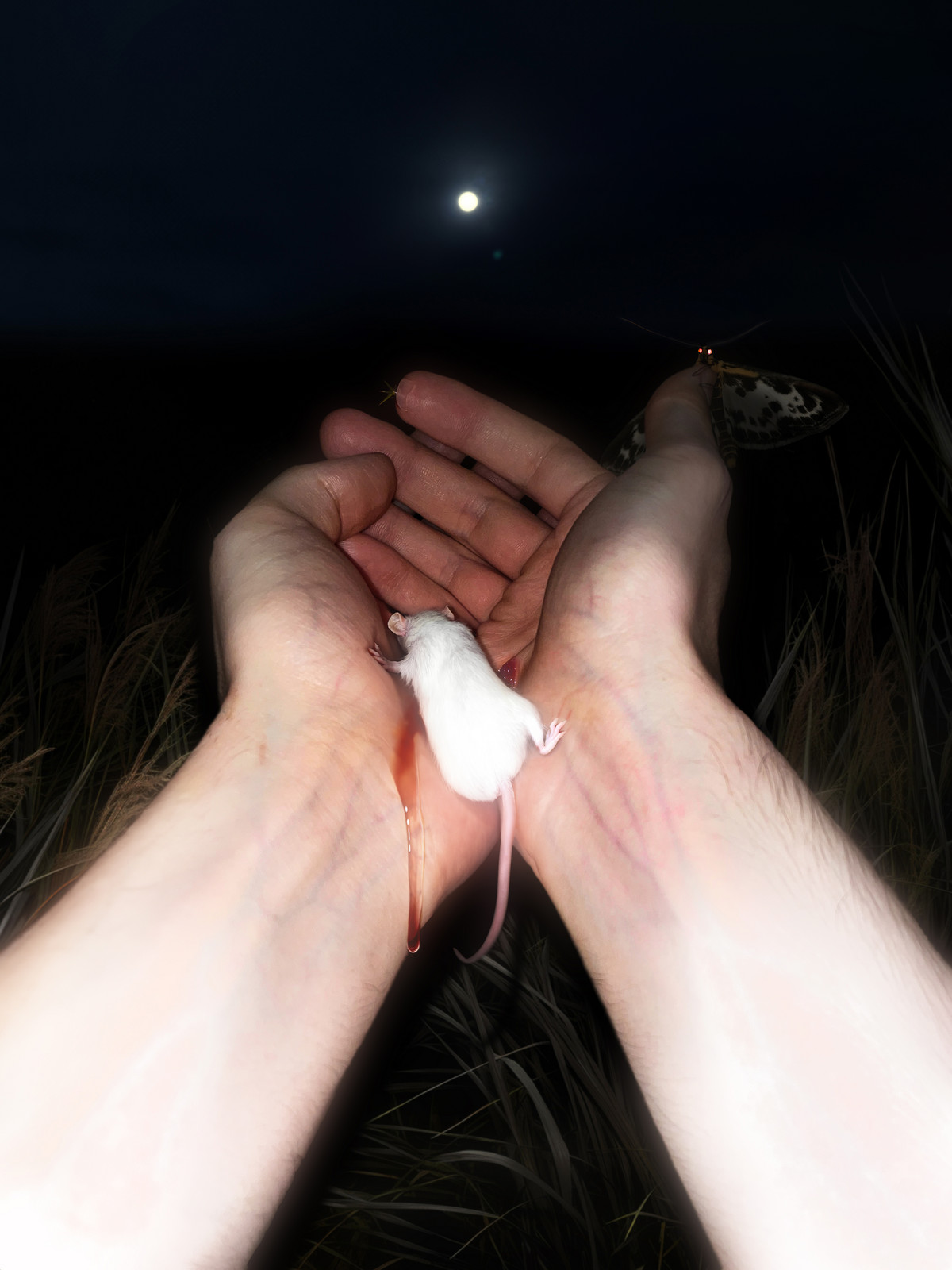
when i speak to myself i use the kindest language i can summon, i am allowed the same grace i give others
and once i gave myself permission i was radiant
when i speak to myself i use the kindest language i can summon, i am allowed the same grace i give others
and once i gave myself permission i was radiant

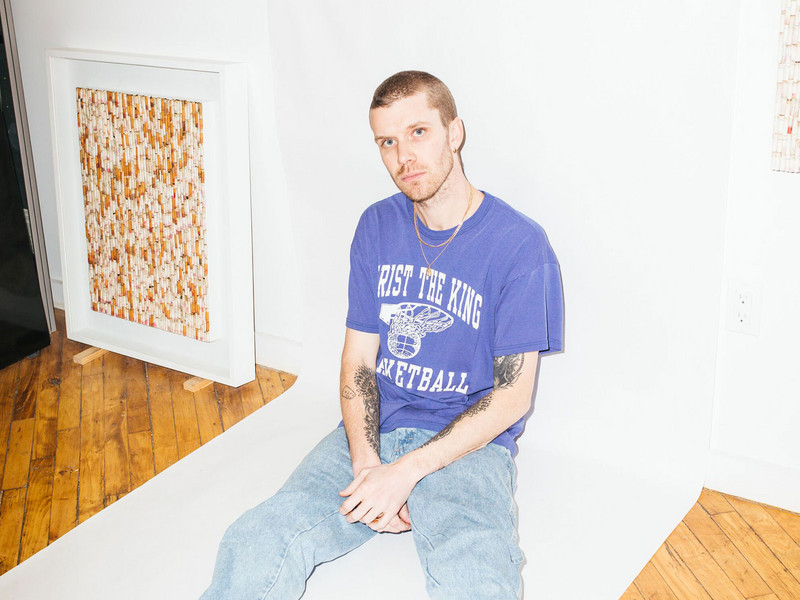
Off the bat speaking with Romanelli and discussing the projects he's put forth thus far and plans on producing in the near and far future, I notice his humility — an impressive quality for anyone to hold onto at his level of acclaim. He seems to love true collaboration, the idea of building and upholding community, his family both blood and creative, and eagerly dishing out credit to those both in his orbit and beyond. His home is further testiment to his level of support: the walls and surfaces are filled with a mix of rising and well known artists he has come aross, worked or traded with. Another thing I recognize immediately is that Romanelli loves Los Angeles. He tells me about his neighborhood, the surrounding area of Griffith Park, what it means to him and how it's influenced his work, driving him to bring and build projects in the area. With a level of excitement I wish I could better portray with my words alone, Romanelli regaled me with the story of his next foray into curation, which involved a few of the things, or rather the people, he'd been working with and inspired by as of late.
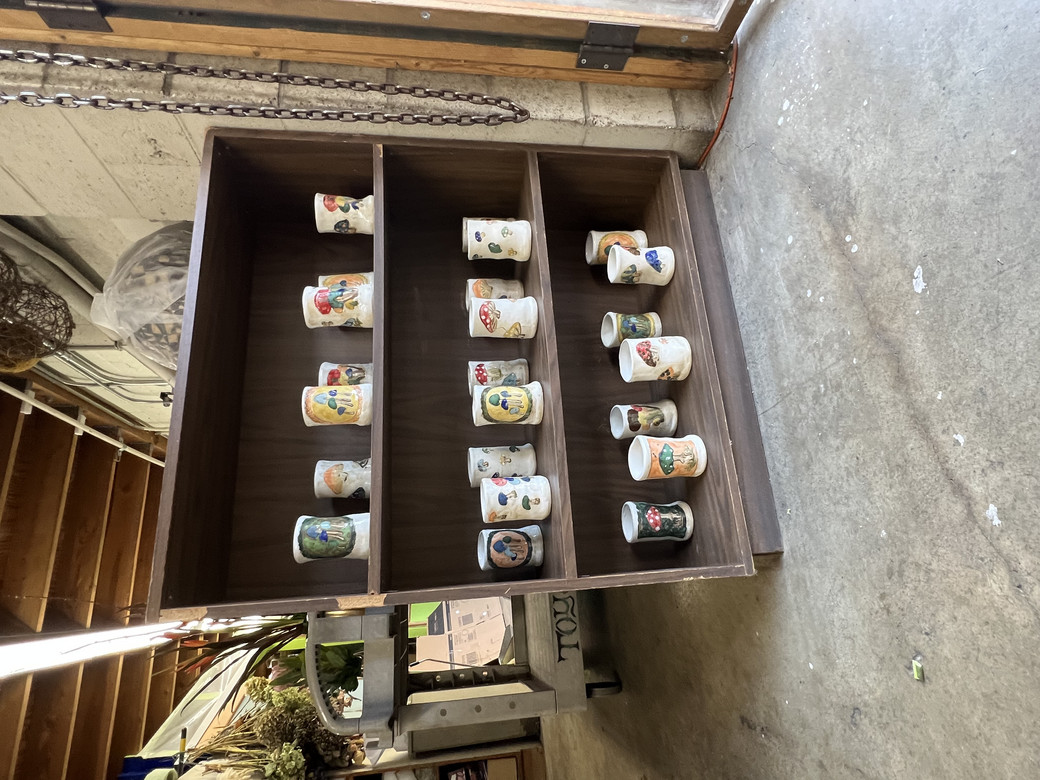
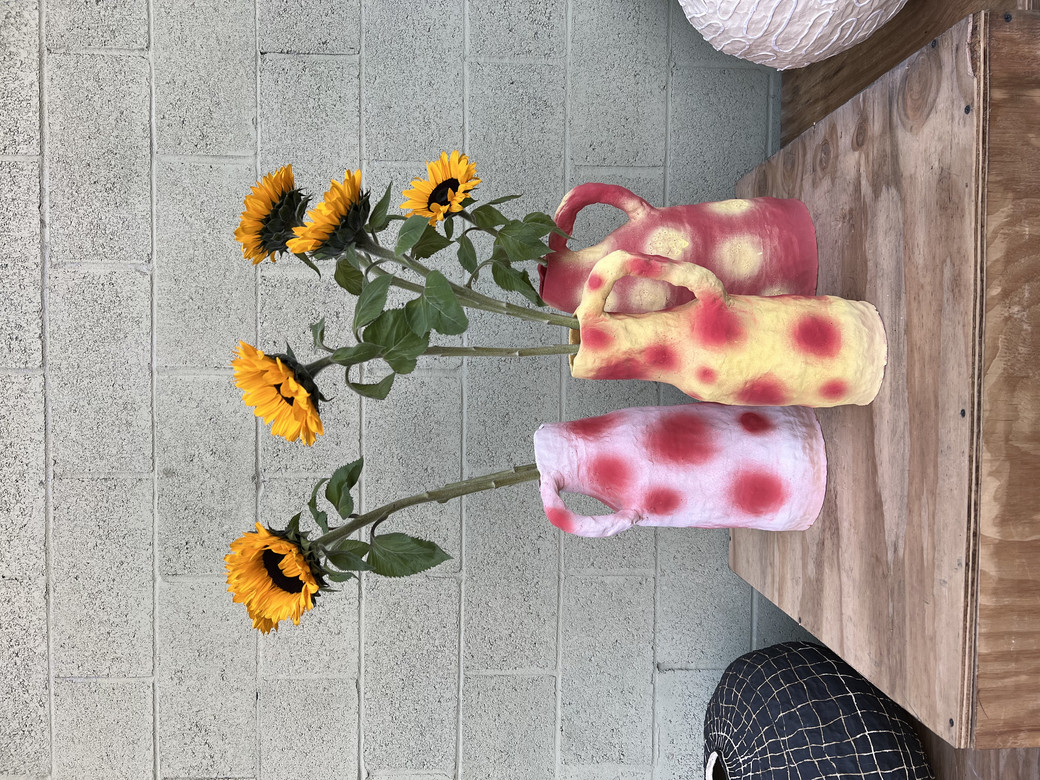
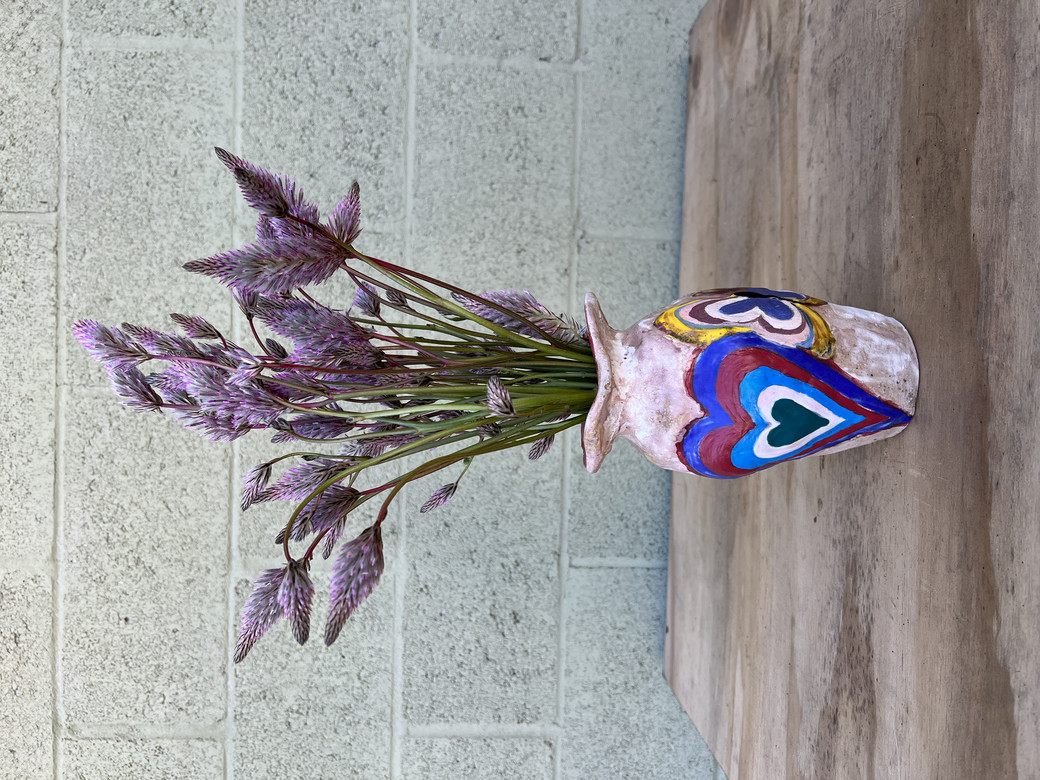
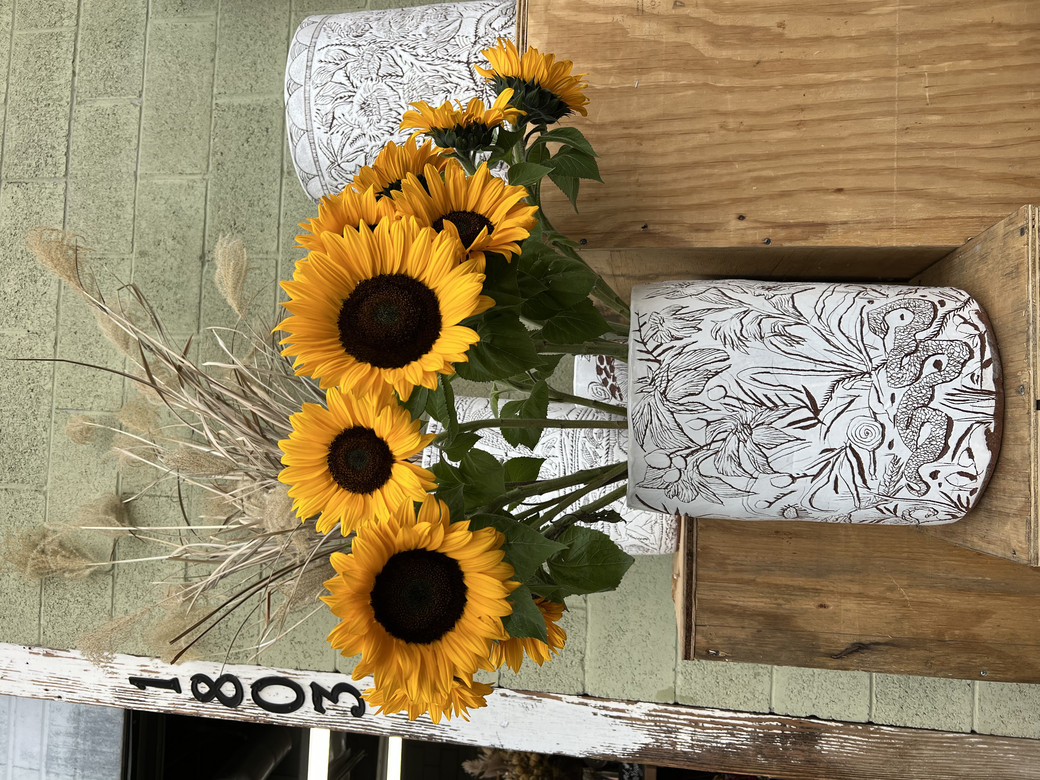
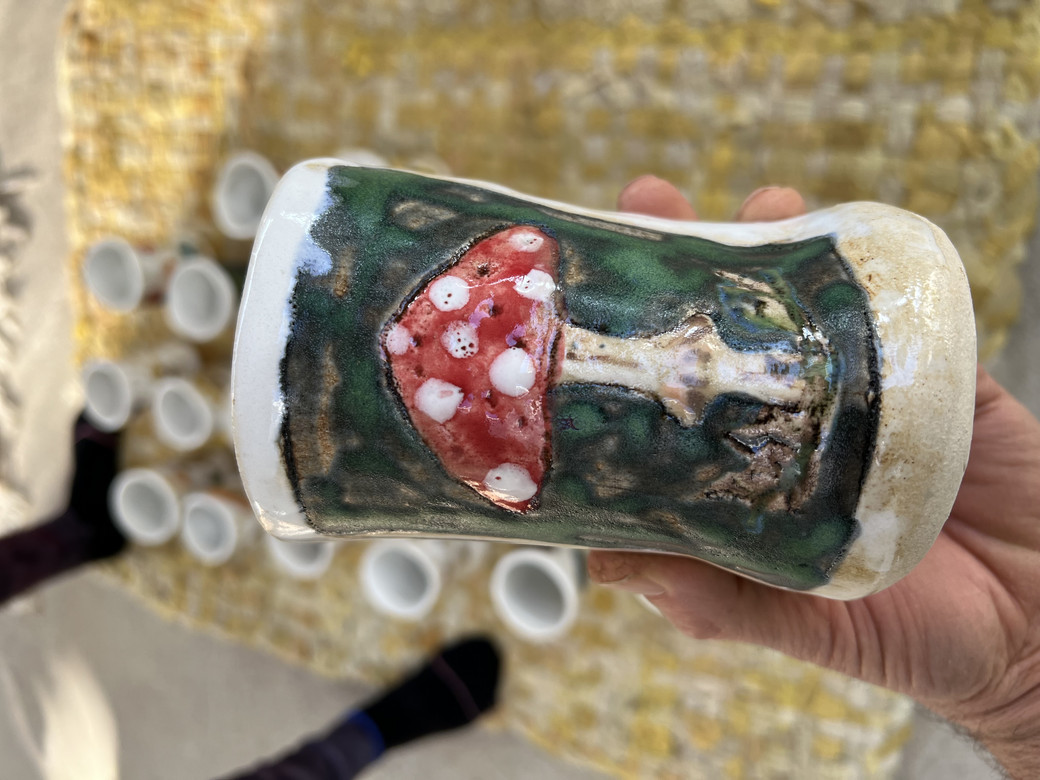
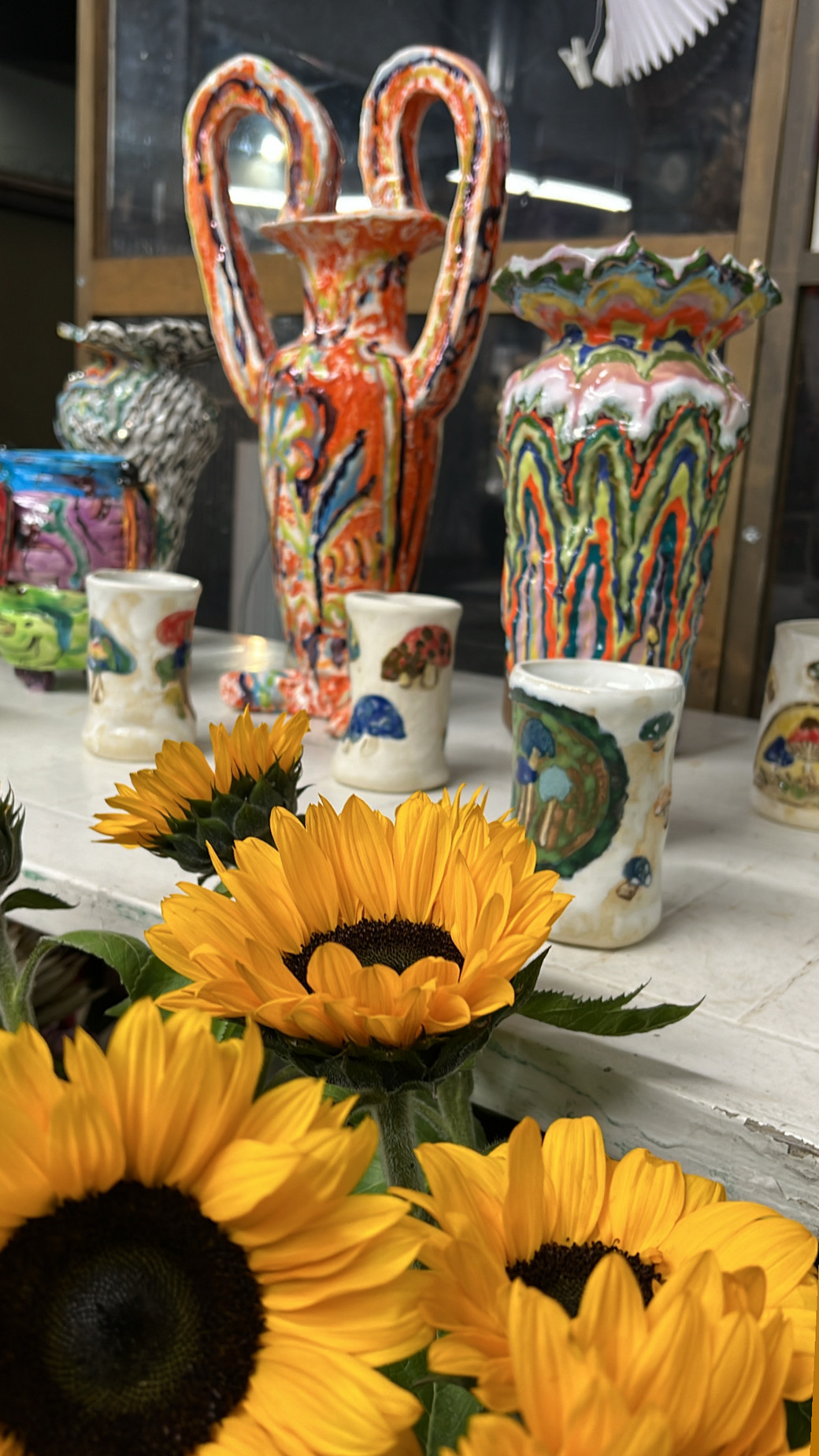
Firstly, came the medium closest to home: ceramics, which his wife Candice Romanelli has been masterfully creating in their own kiln. Next, he wanted to focus on flowers and floral arrangements, which he had been drawn to since happening upon the traditional Japanese florist Toyo down the block. Finally, he hoped to weave the art of sushi making into the mix, an endeavor Romanelli has been involved in on both small and large scales for a few years. And with all of the eccentric brilliance he is deservingly known for, Romanelli brilliantly staged a very special night in Los Angeles last week that seamlessly and respectfully connected these three art forms with nothing but grace.
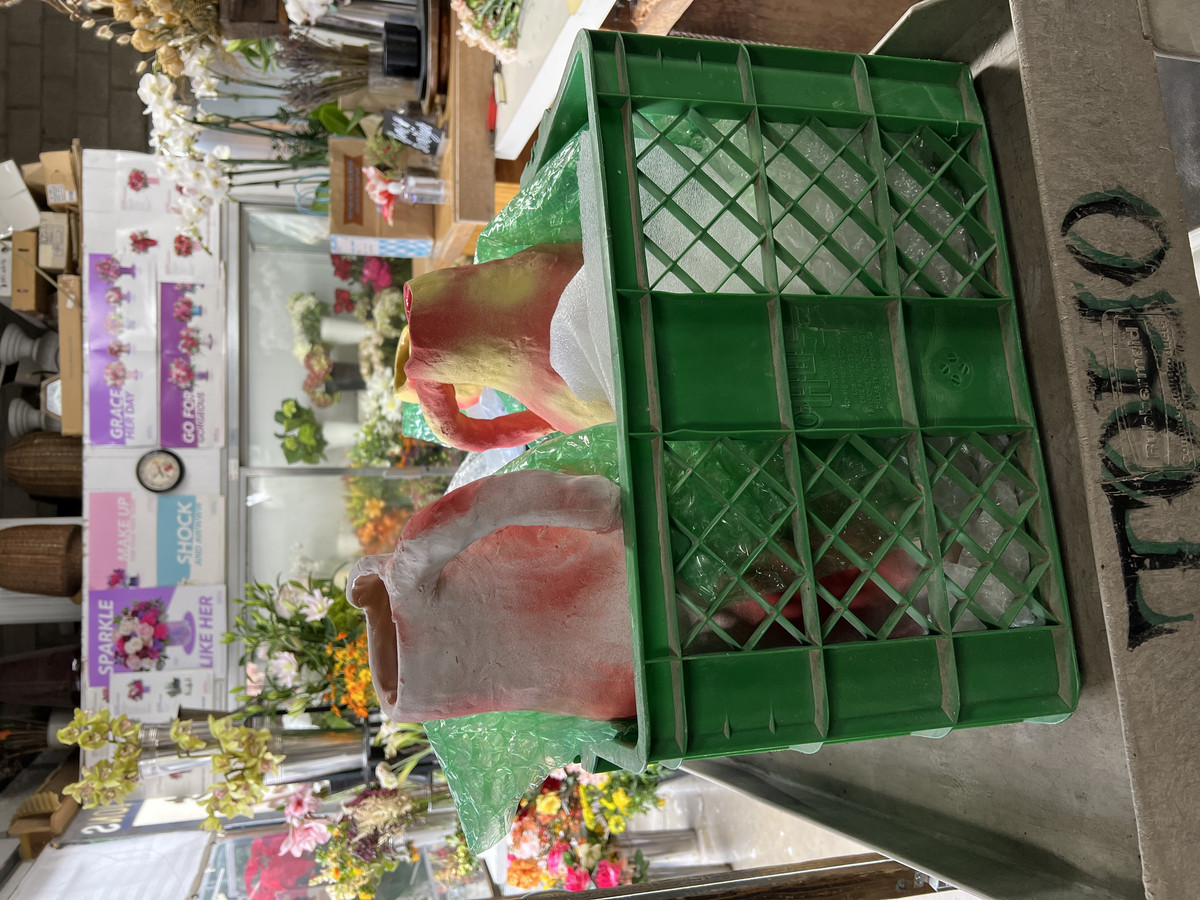
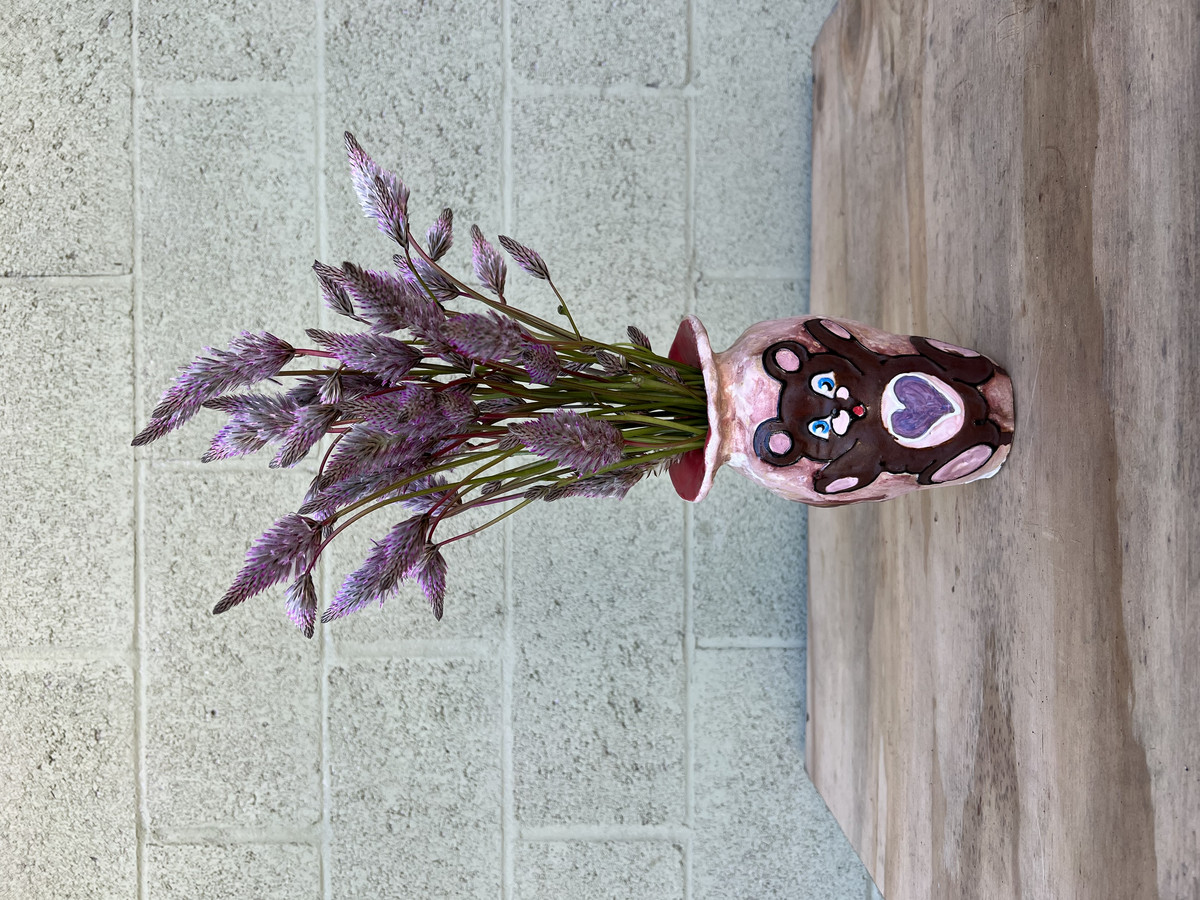
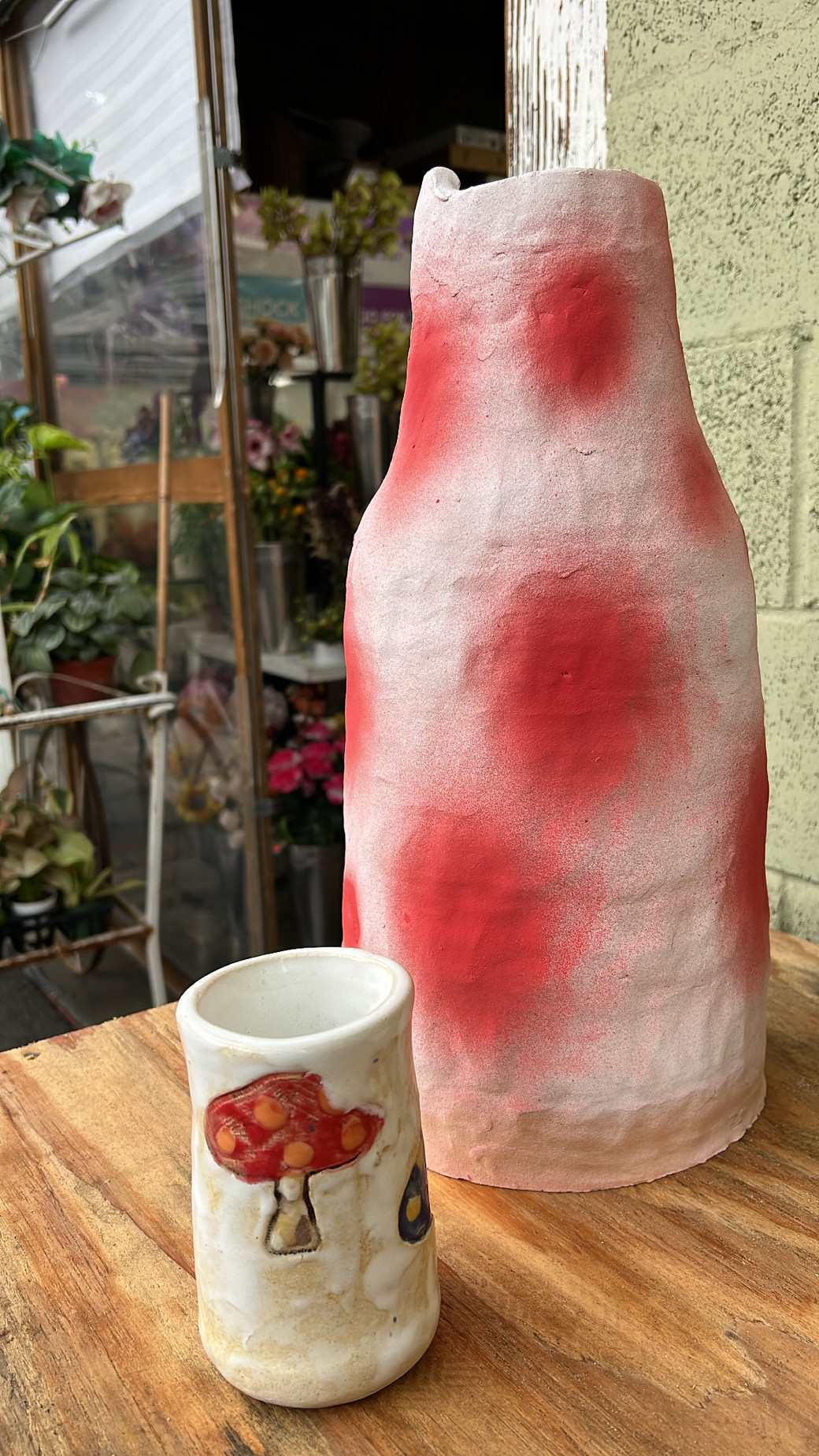
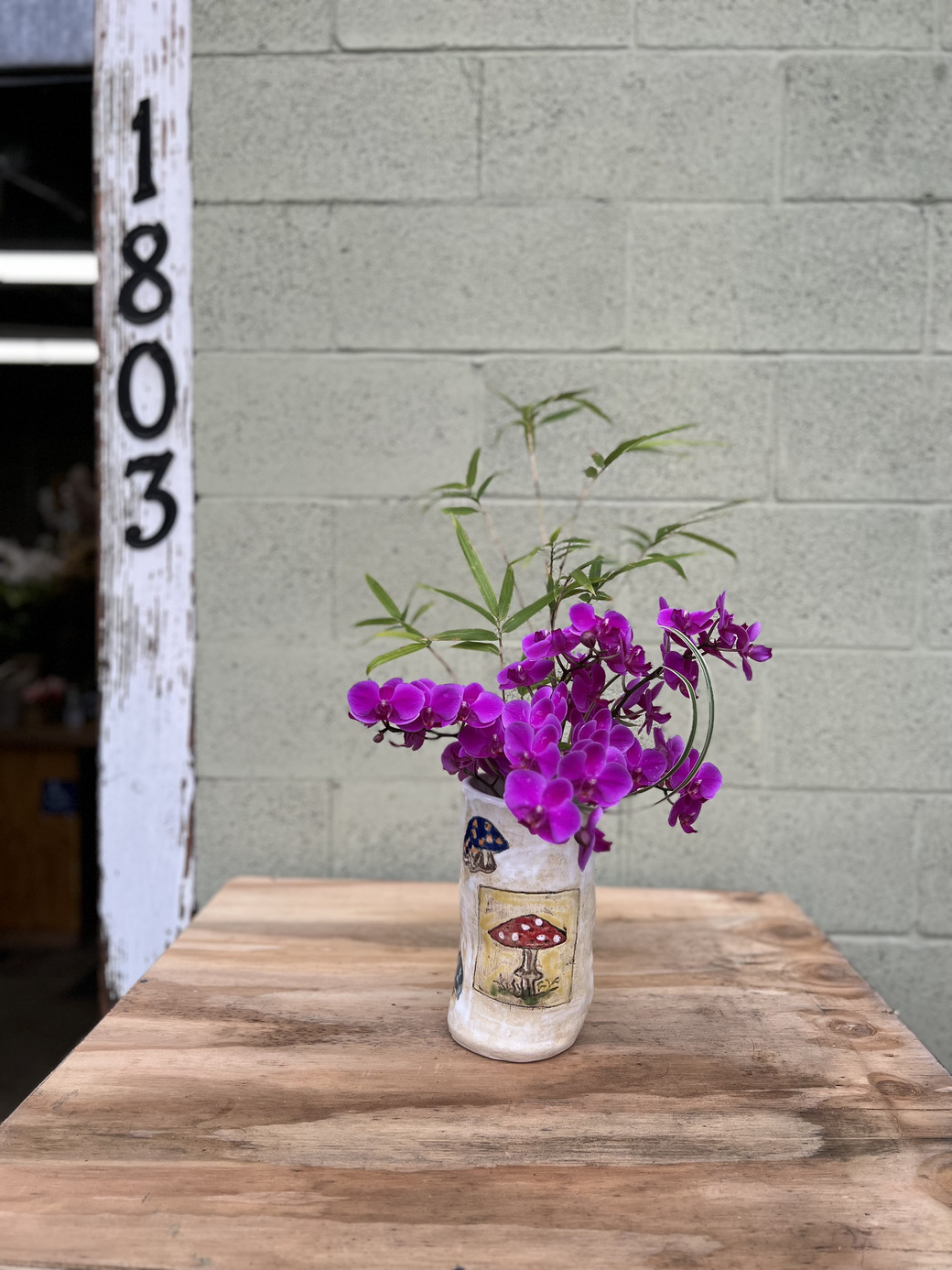
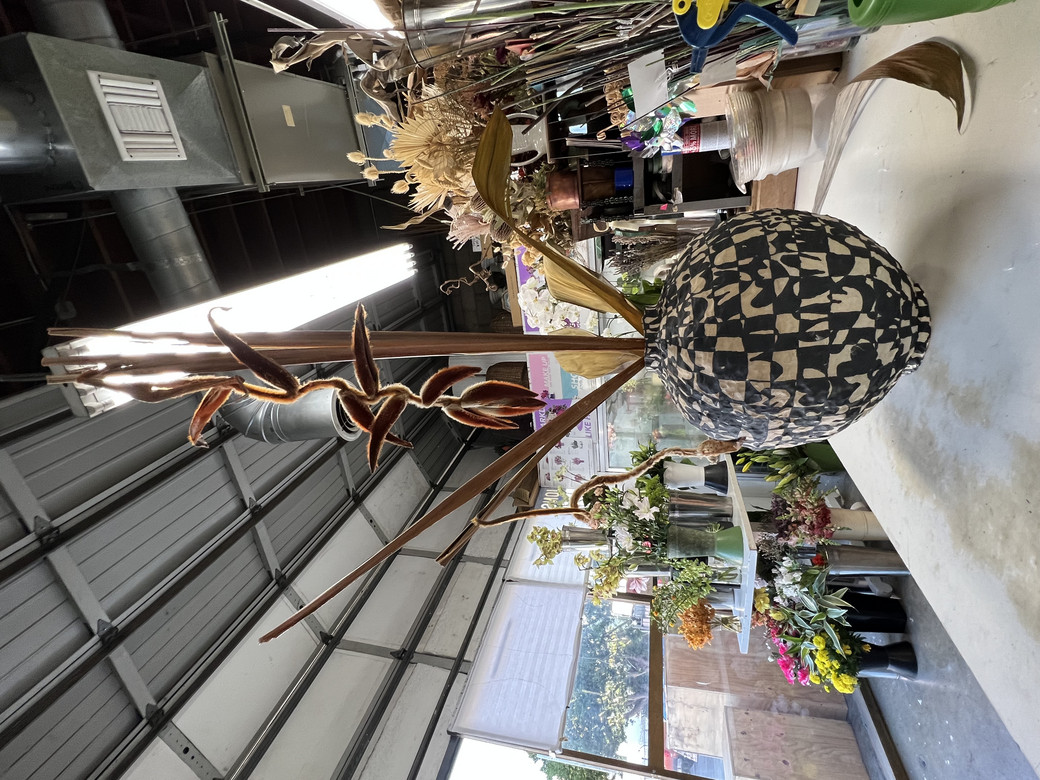
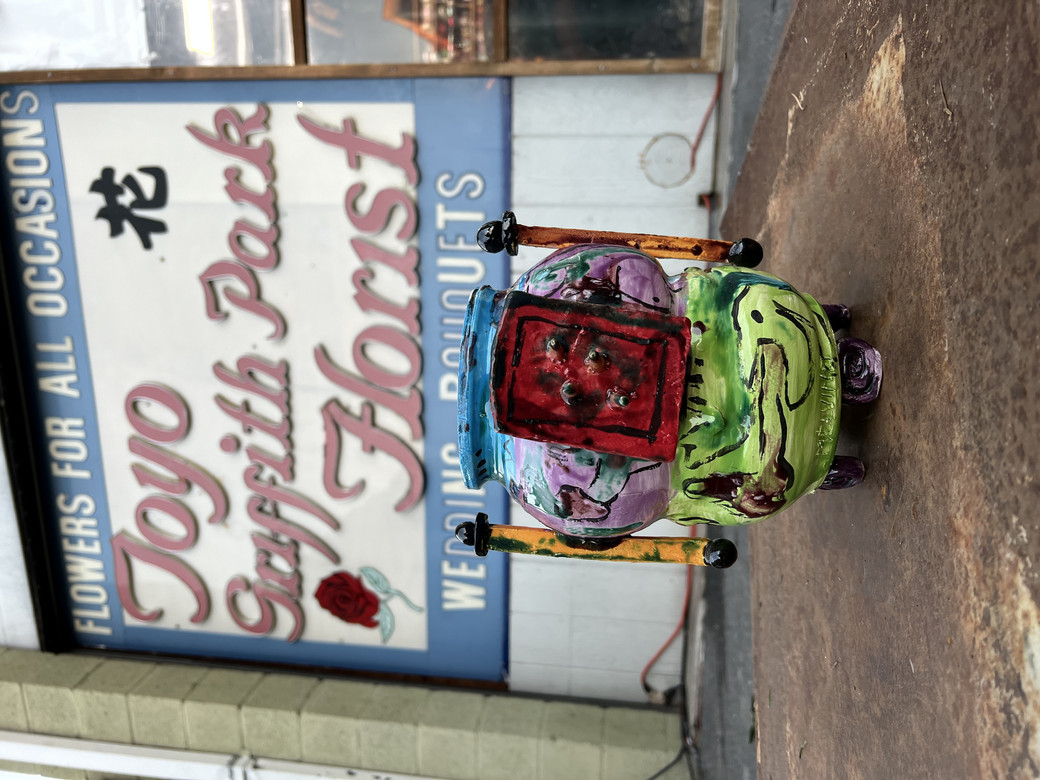
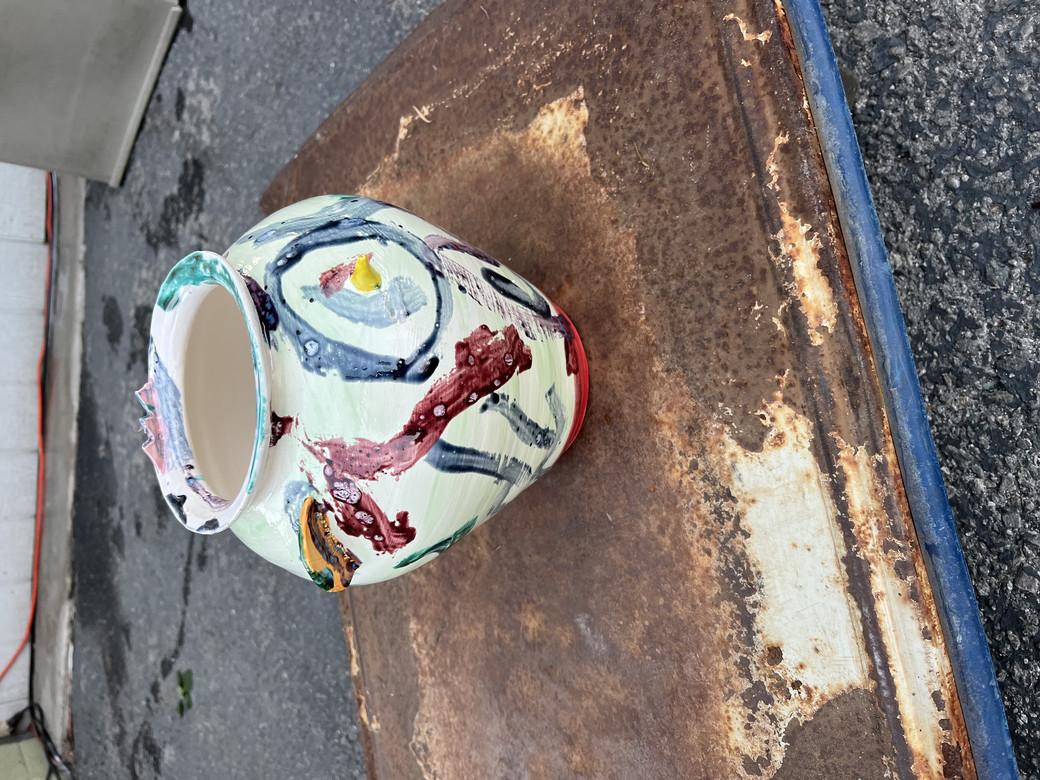
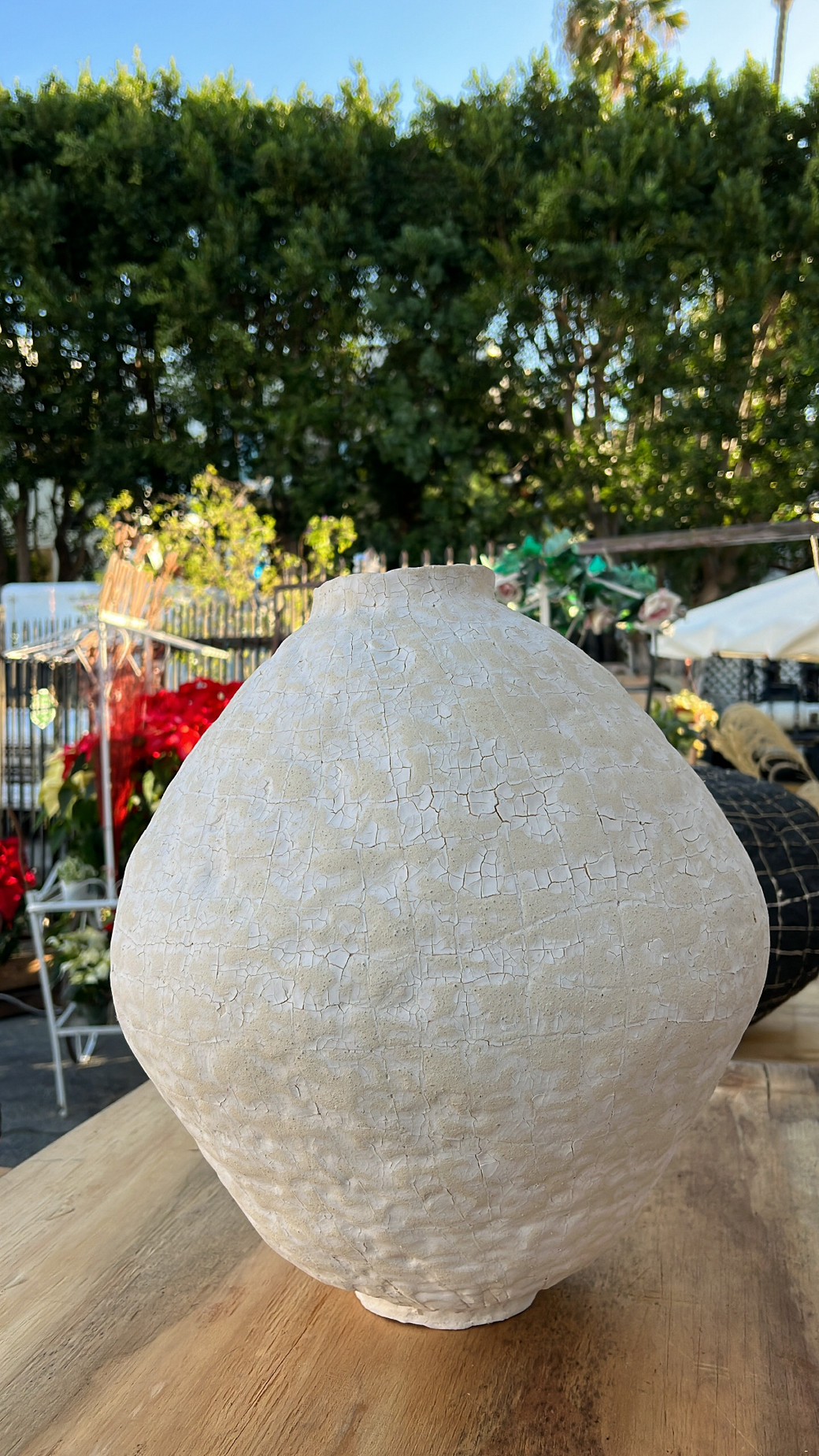
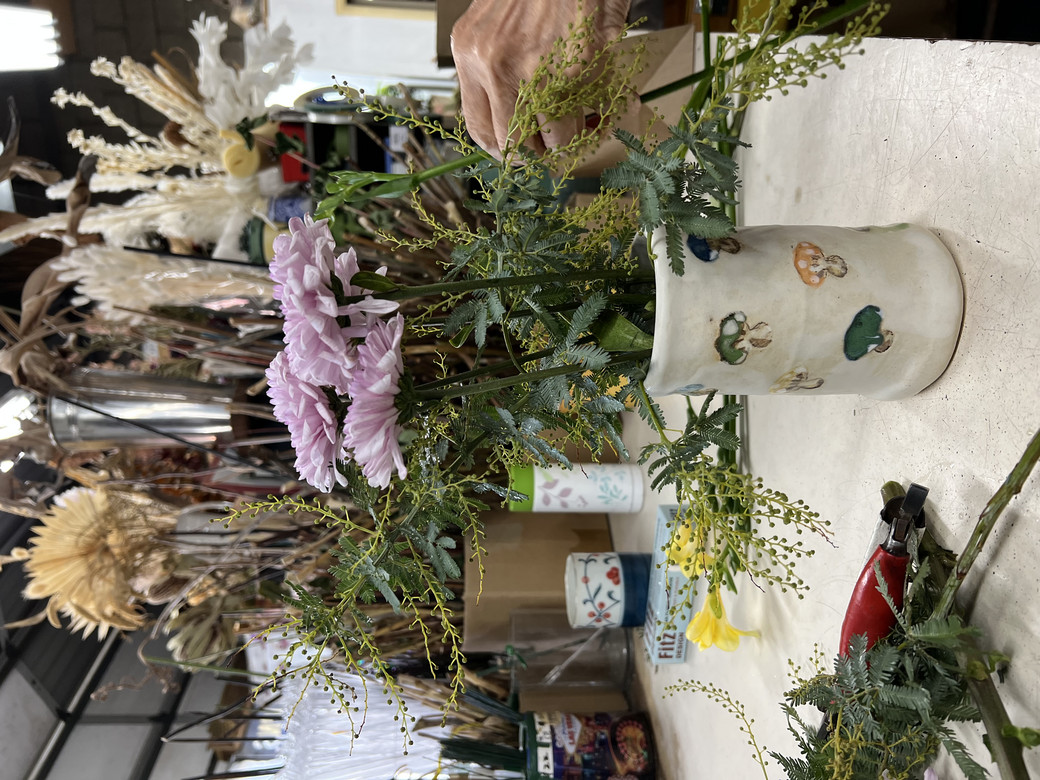
Ahead of the holidays, for one night, the historic Toyo Florist's flower freezer became a sushi kitchen catering to an evening in celebration of the list of local and renound artists that Romanelli had curated to create ceramic "vessels" which would hold floral arrangements made specifically and on the spot for each piece of pottery, by the family who has owned the Toyo shop for over 72 years. Standing by the edge of it all, on such an inherently Los Angeles night, I observed Romanelli's community of incredible local artists, designers and musicians as they mingled in a physical space itself so drenched in history and cultural significance, surrounded by the array of arcane and modernized mediums in a casual, though incredibly thoughtful and conscious manner.
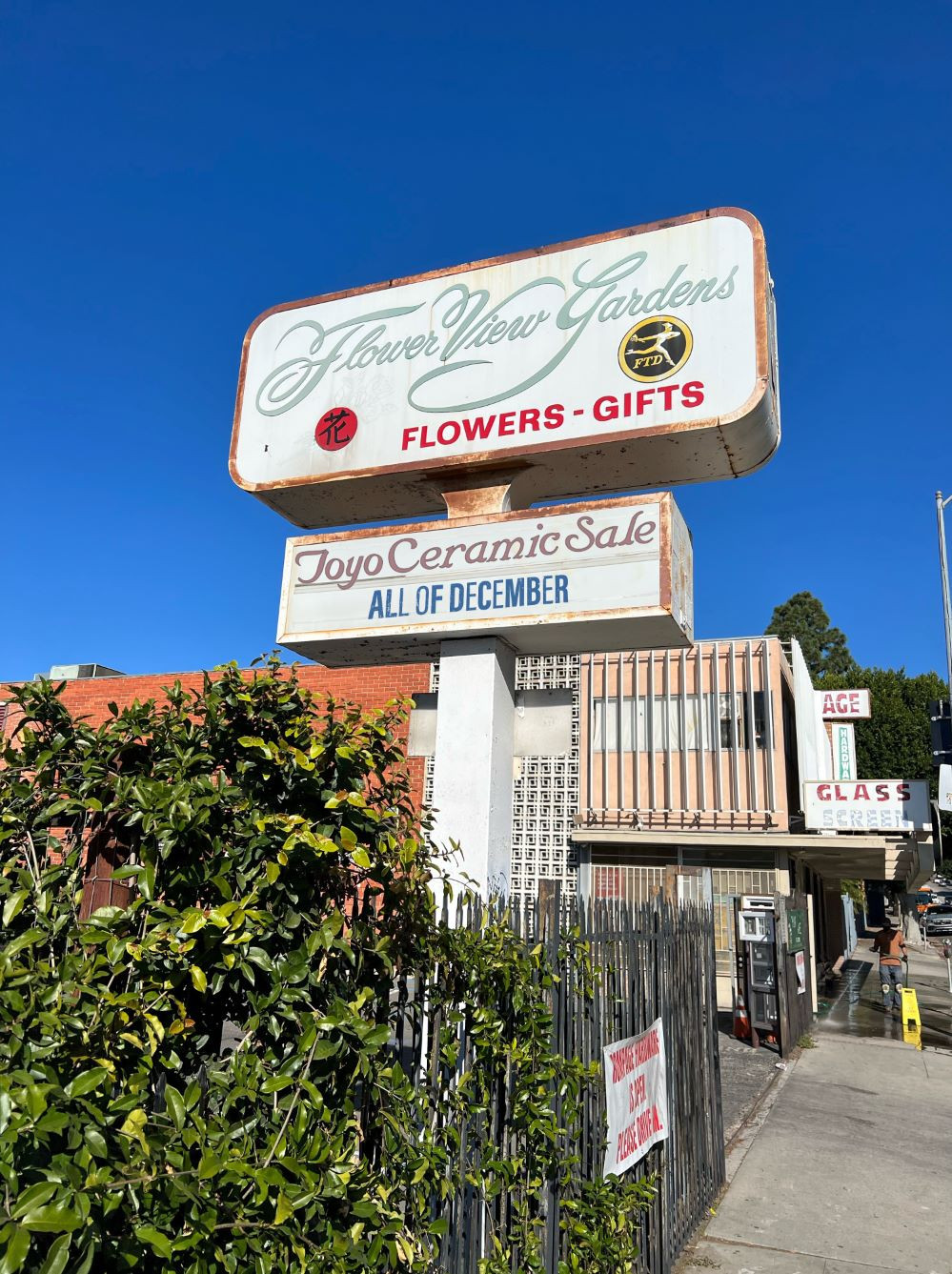
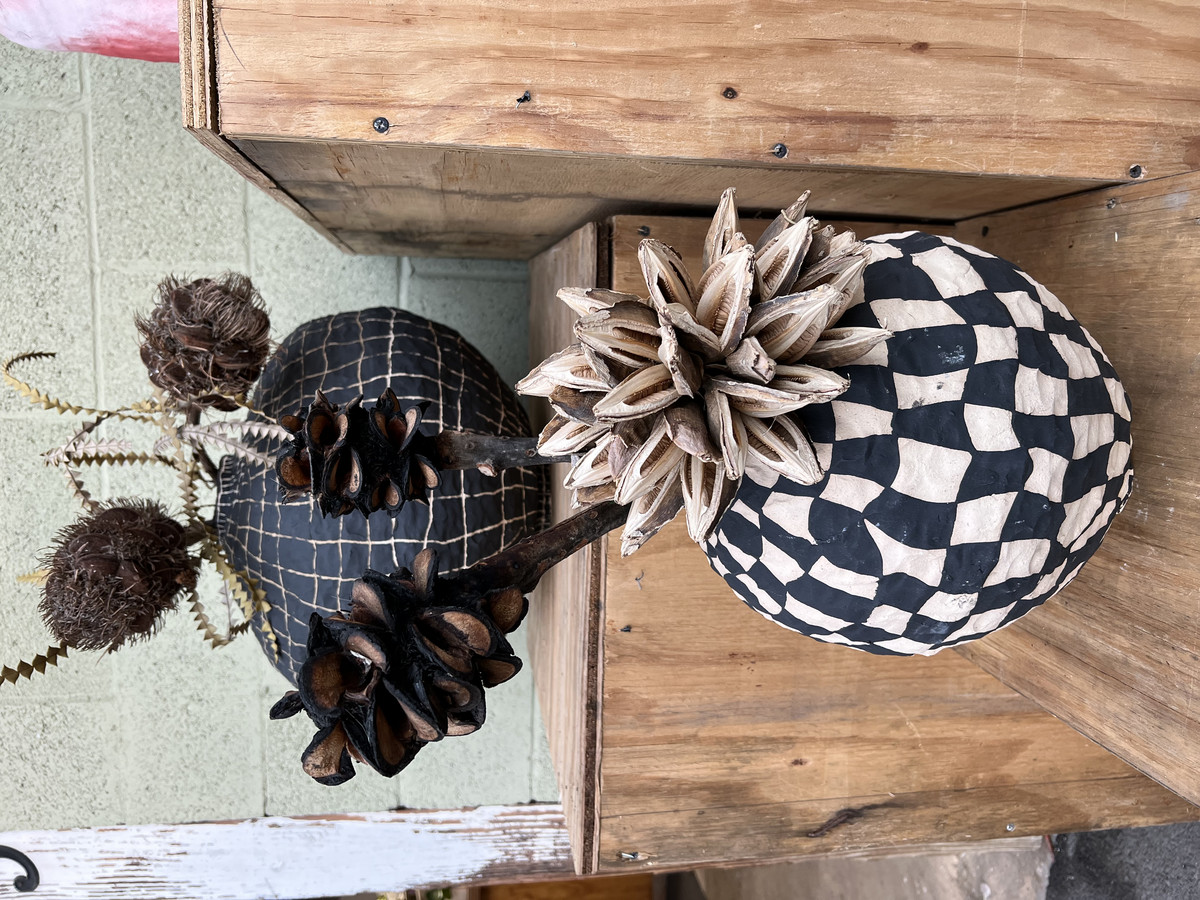
Over the fresh toro, in the glow of the florist shop lights, Romanelli spoke to how he came to love and know Toyo, telling me, "I discovered the shop while driving by over a year ago, I started buying flowers from them pretty regularly, I was so impressed with their selection and staging abilities. We quickly developed a dialogue. One day, Sandy invited me in the back to visit their flower freezer, and I was impressed with their amazing selection. She explained to me they grow a lot of their greenery on a nearby field. I asked her if I could host a holiday ceramic sale over the month of December… It’s all been really organic… I do the sushi at Sofi stadium for Rams and chargers etc. and the brand was incubated in a freezer space in downtown LA so the idea of having sushi experience in the Flower freezer."
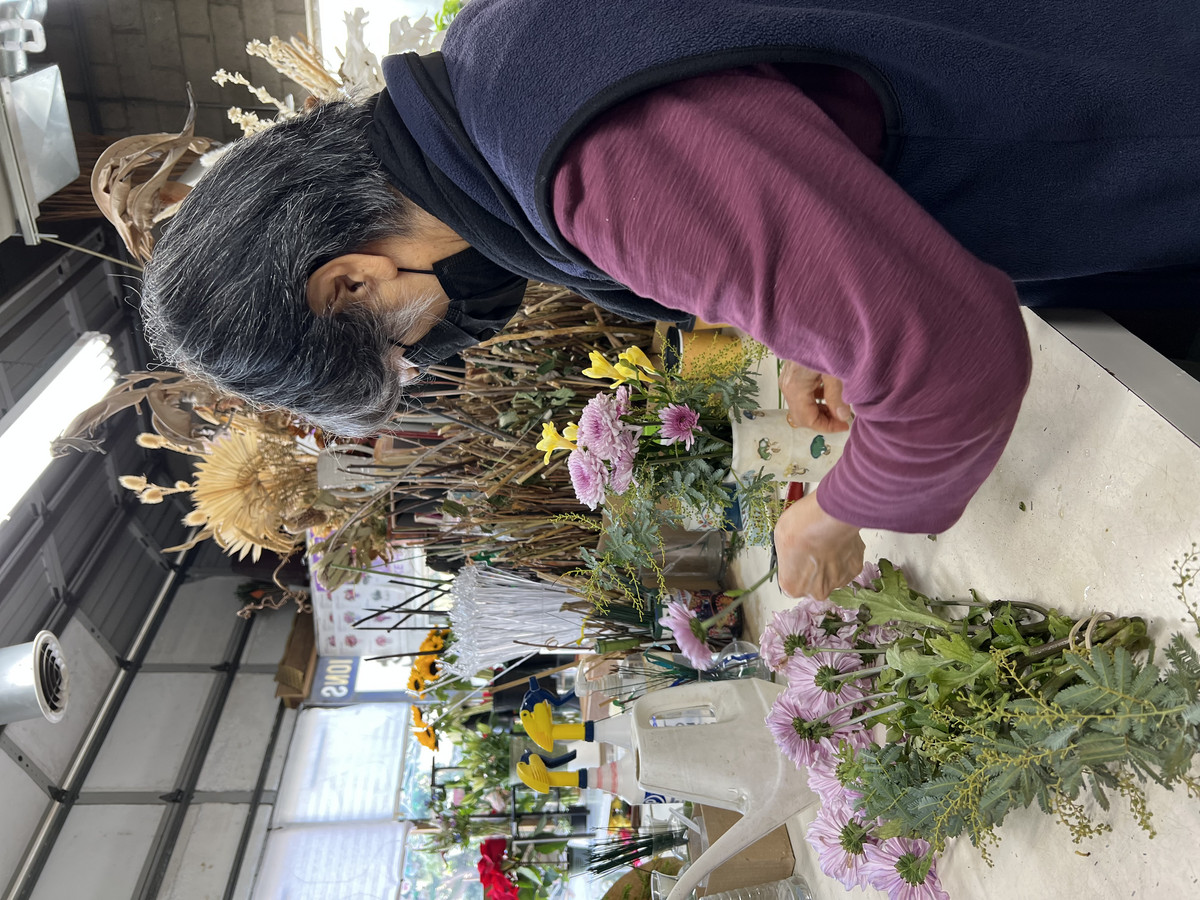

Speaking to Sandy, a member of Toyo's founding family and runs the shop today and was creating said arrangements on the night of the event, she told me, "Toyo has been in business for over 72 years. Where the Los Feliz estates area is currently was where our former flower fields were. My grandparents and father grew flowers and provided wholesale to the Los Angeles Flower Market in Downtown LA. That market had all Japanese growers and my family participated, but we went into strictly retail when a developer bought the fields. In the meantime, my grandparents were interned in the WWII Japanese relocation camps.
...They were released when the war ended and continued the retail flower business — and here we are still. Then my father was drafted to the Vietnam War — even though he wasn't a citizen! Thankfully he lived. Afterwards, he came back and continued the business, and now I myself do the same. Our family managed to go through, live through, and move on from war, from internment on domestic soil/homeland after being unfairly drafted and forced to fight in one of the most fatal wars in history. And thereafter, figure out a way to move on. The floral business was, and is, our family niche. We love it."
Say what you will about what the idea of a "collaboration" means in popular culture these days, this night proved to me that there is still substance to the word — and when it's done right, the potential of that special space where ideas and crafts overlap is infinite.

In a three-step process, the artist dissolves the distinction between what is real and fake. Pleun translates the relationship between humans and the tool we created, technology, into a tangible scenario of the thin line which separates us two.
In step one, she developed a dataset to contain an input of realistic, human genetalia-like and abstract sex toys. An object in which we have formed a close physical relationship with, to the extent many are designed to replicate our body’s most intimate organs. Which then in step two, the images are fed into a “pre-trained machine learning (ML) model” to generate “a collection of 1,000 new, non-existing shapes” derived from the initial sex toy dataset. In this step, human and technology morph into one.
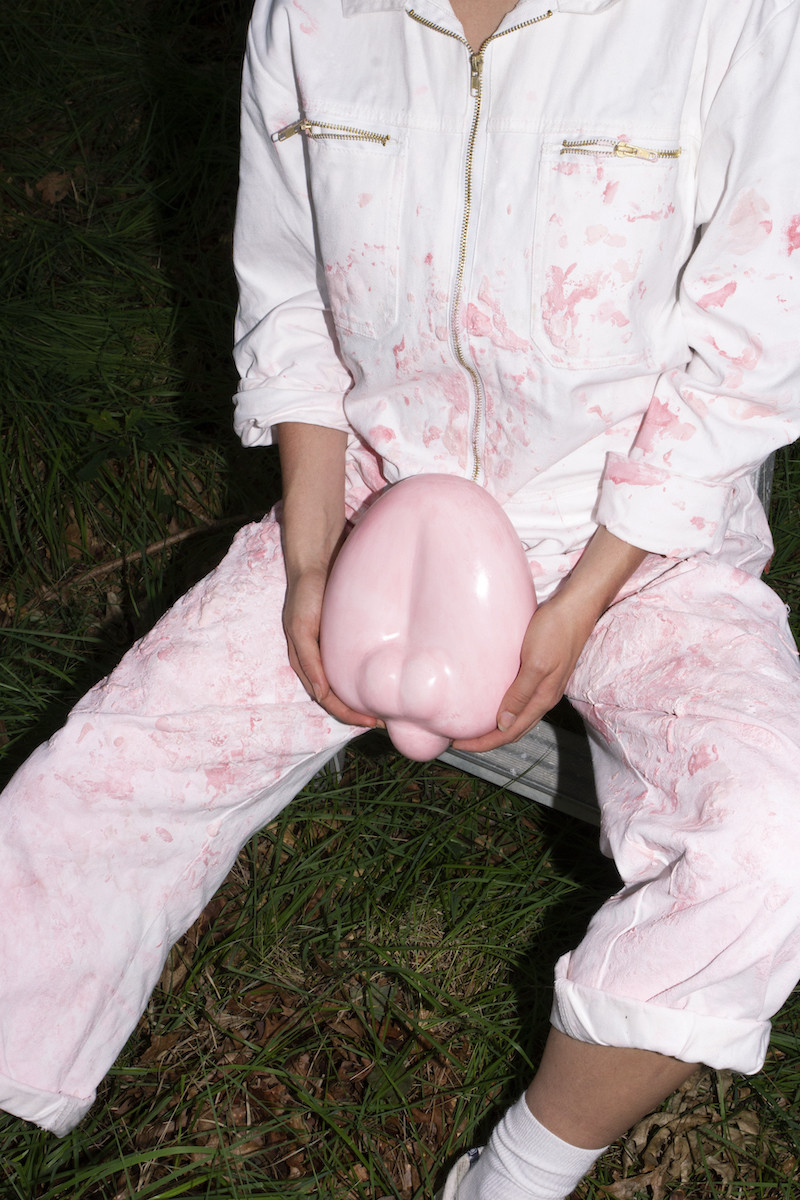
In step three, the final step, the images generated from the ML model were rendered into a three-dimensional physical reality with the final product an anthropomorphic, human-like sculpture, the embryo of human and technology. “The project confronts the viewer with a speculative scenario and leaves them to decide whether they perceive the outcome as human, non-human or something that exists in between,” Pleun van Dijk said.
Check out our office-excliusive preview of Phase I of their immersive, intimate project below.



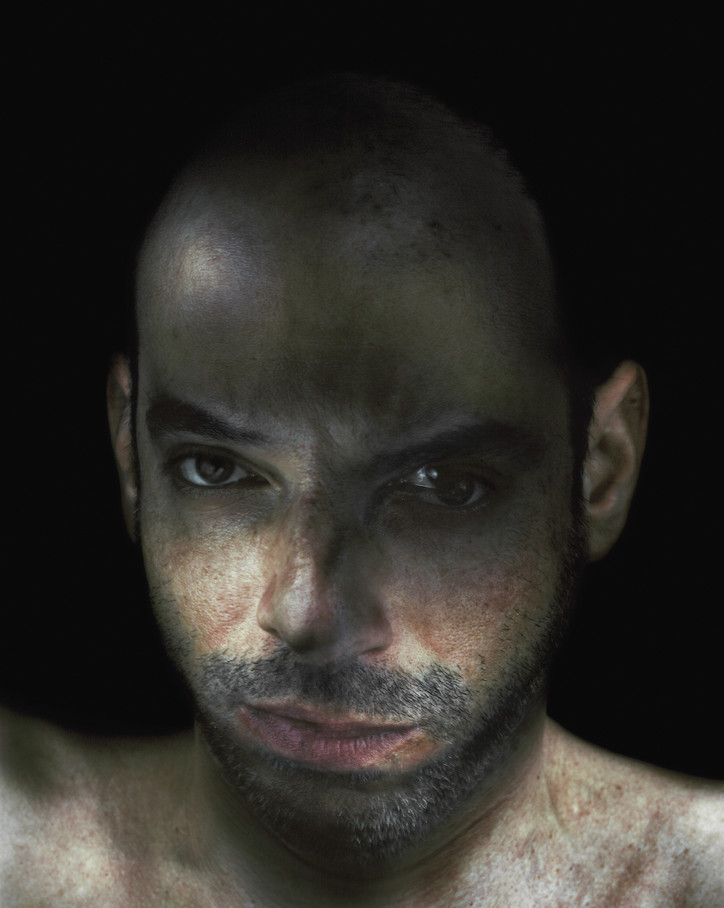
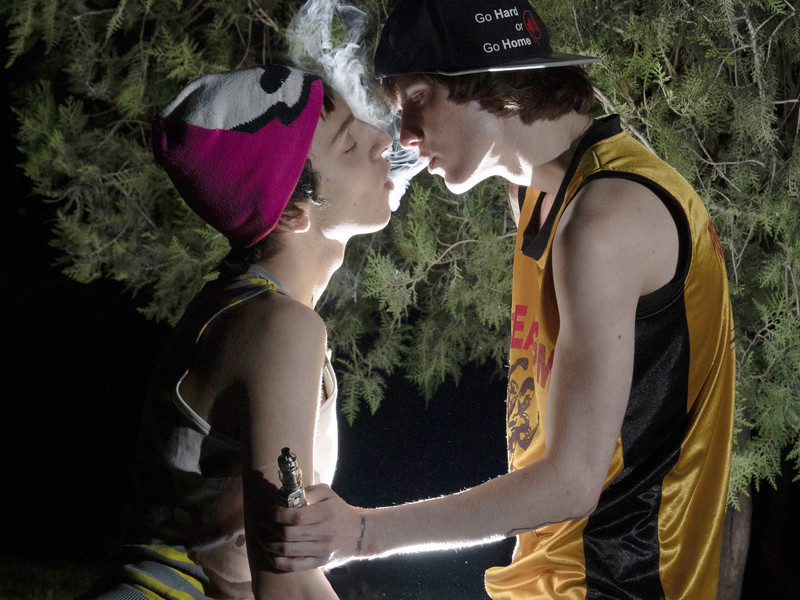
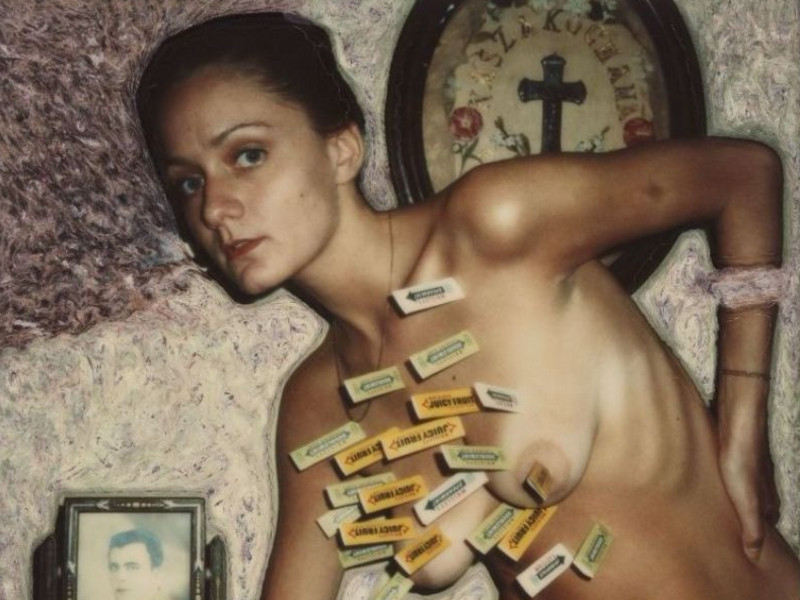
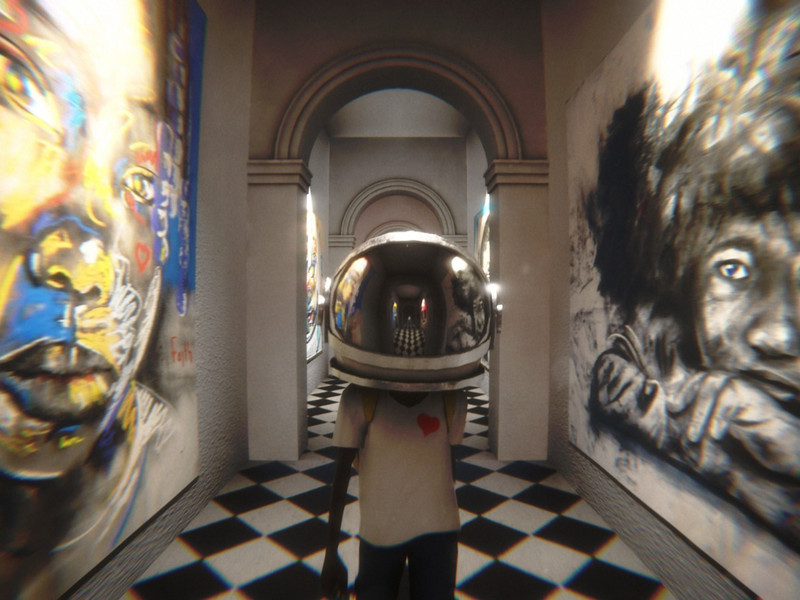
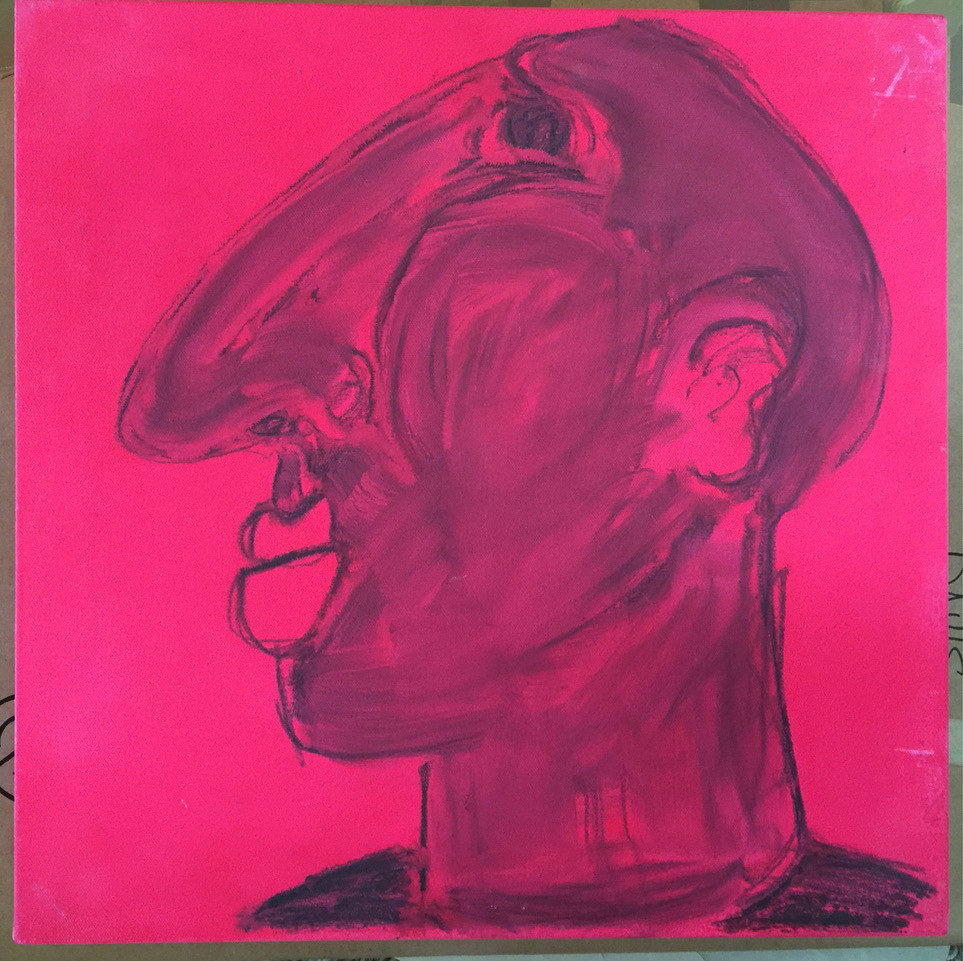
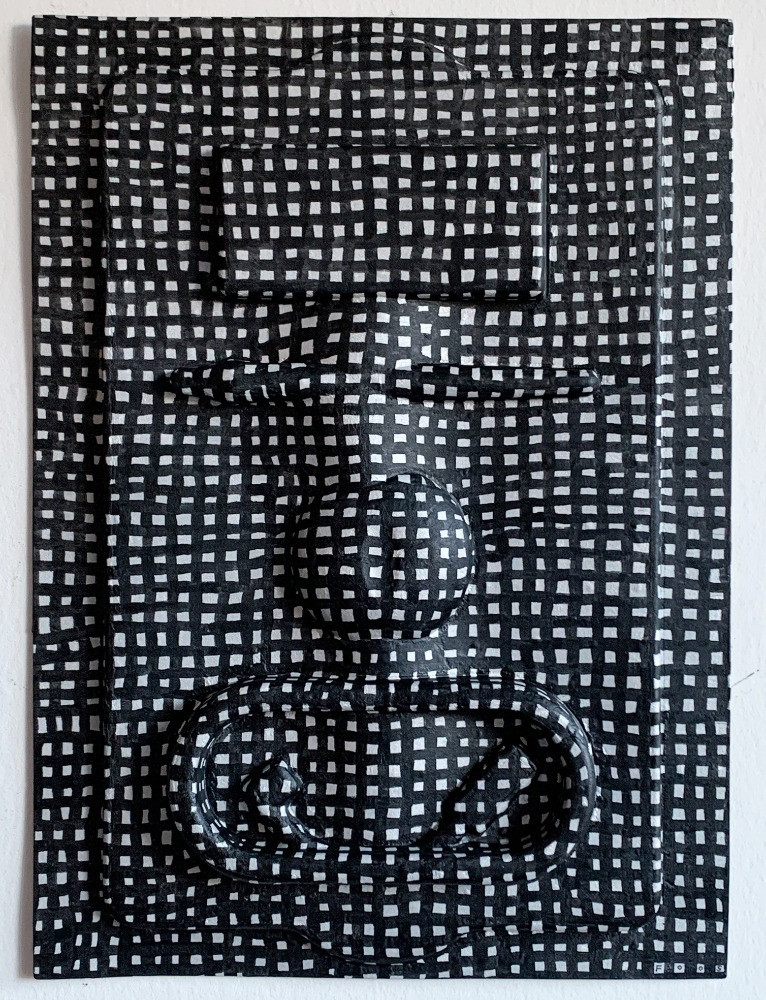
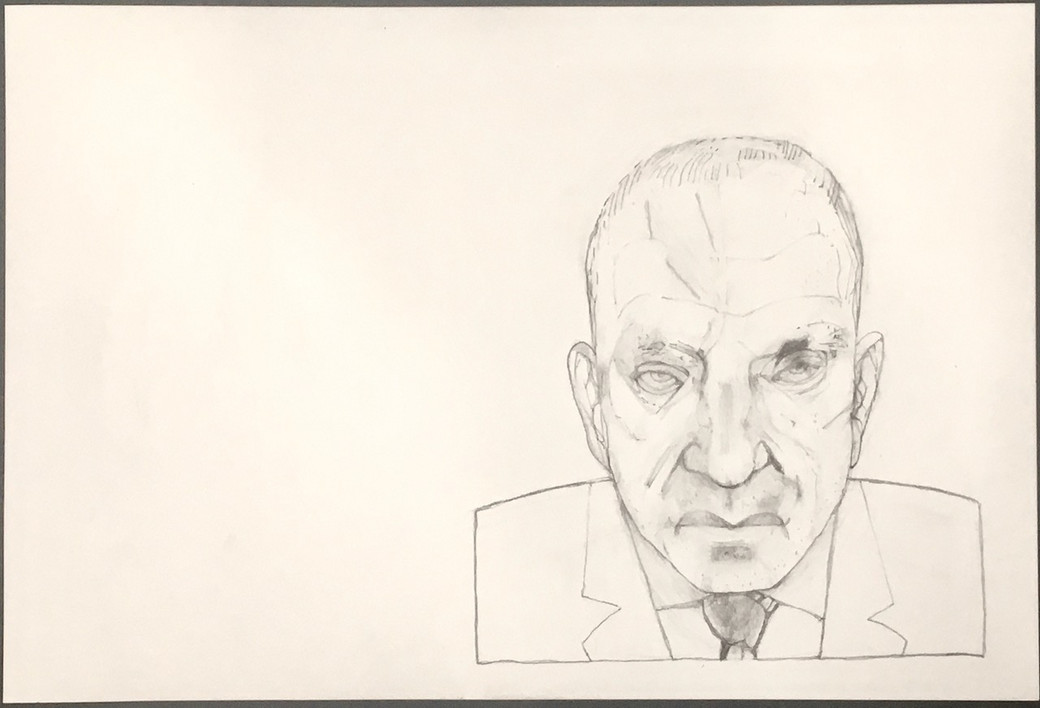
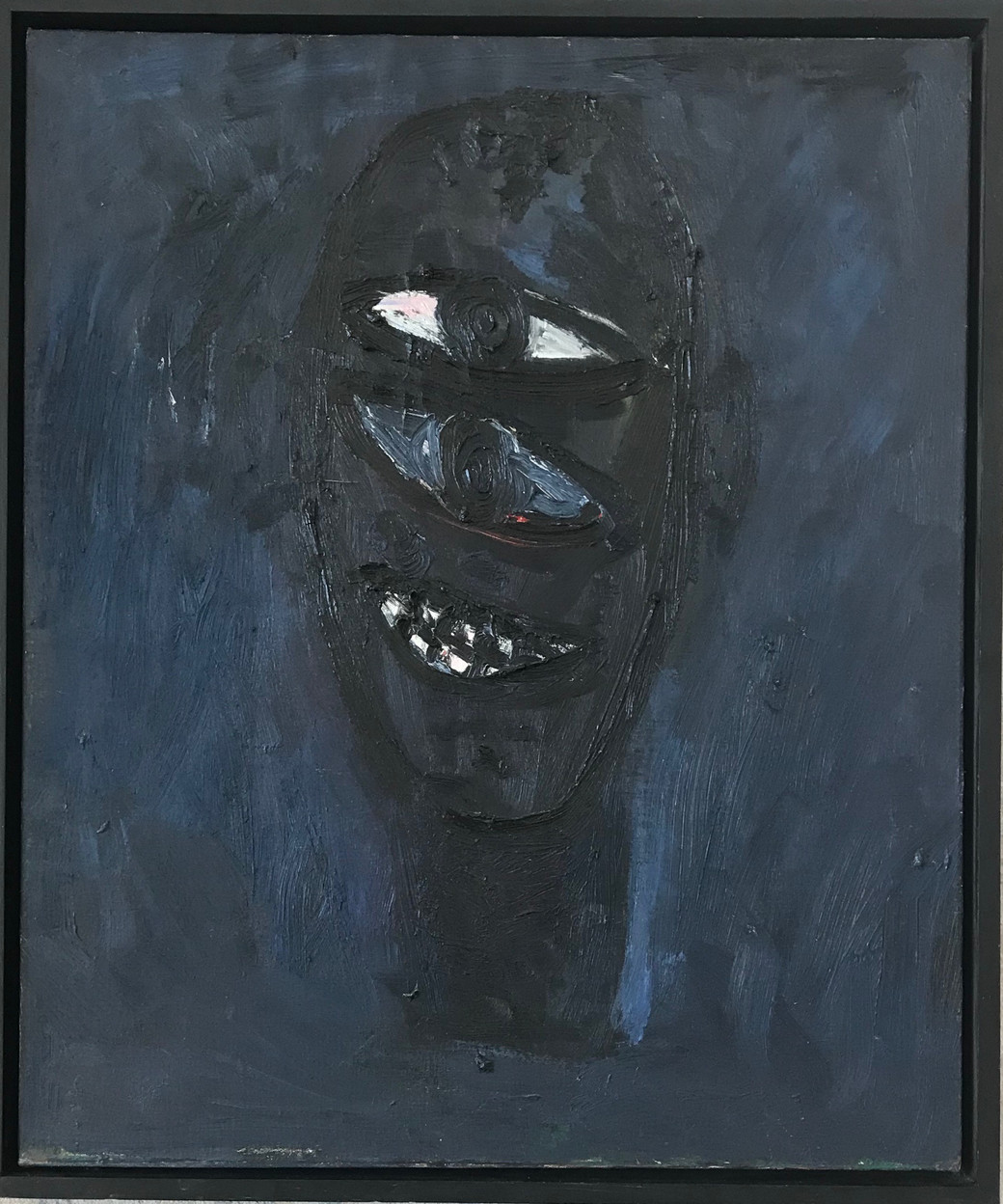
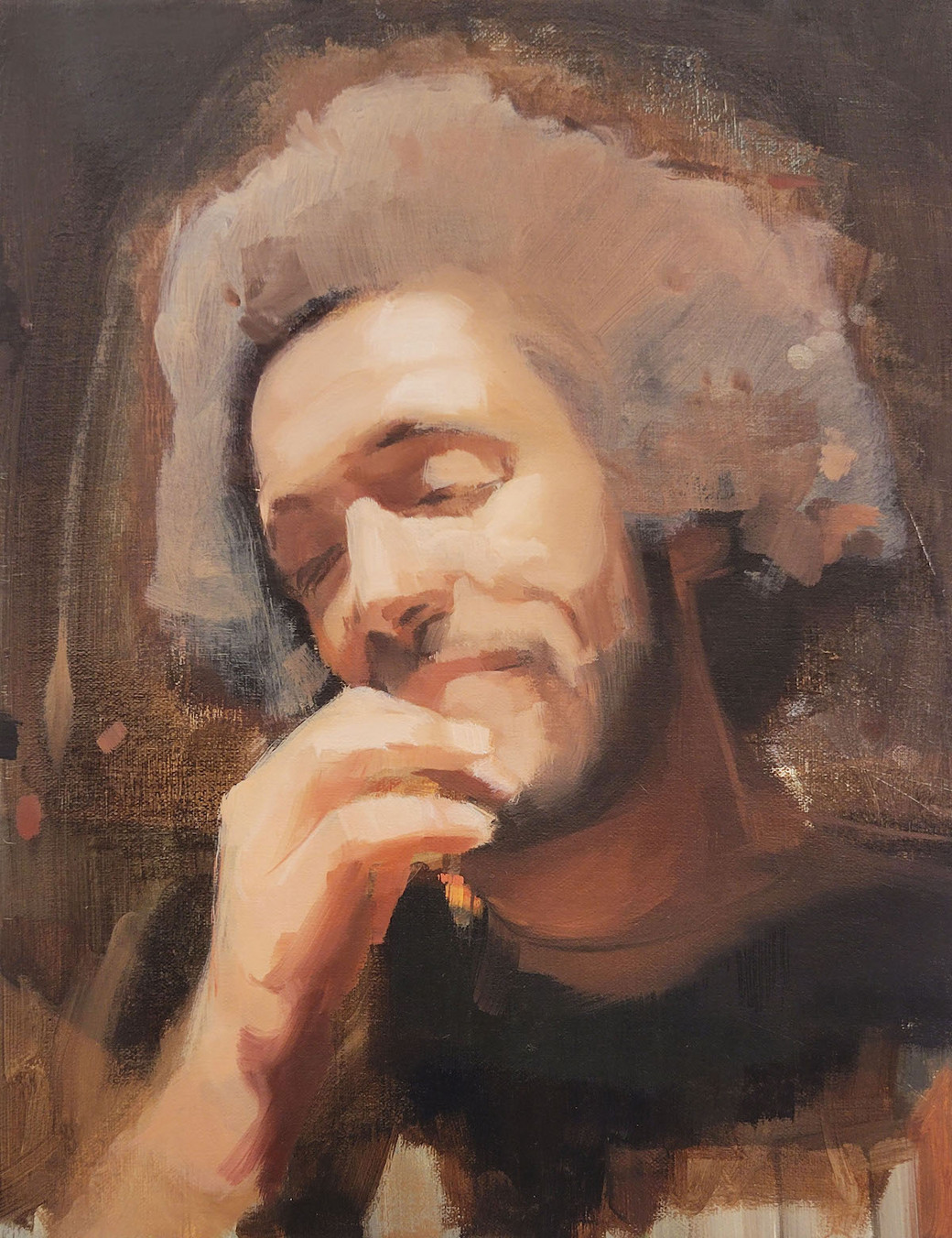
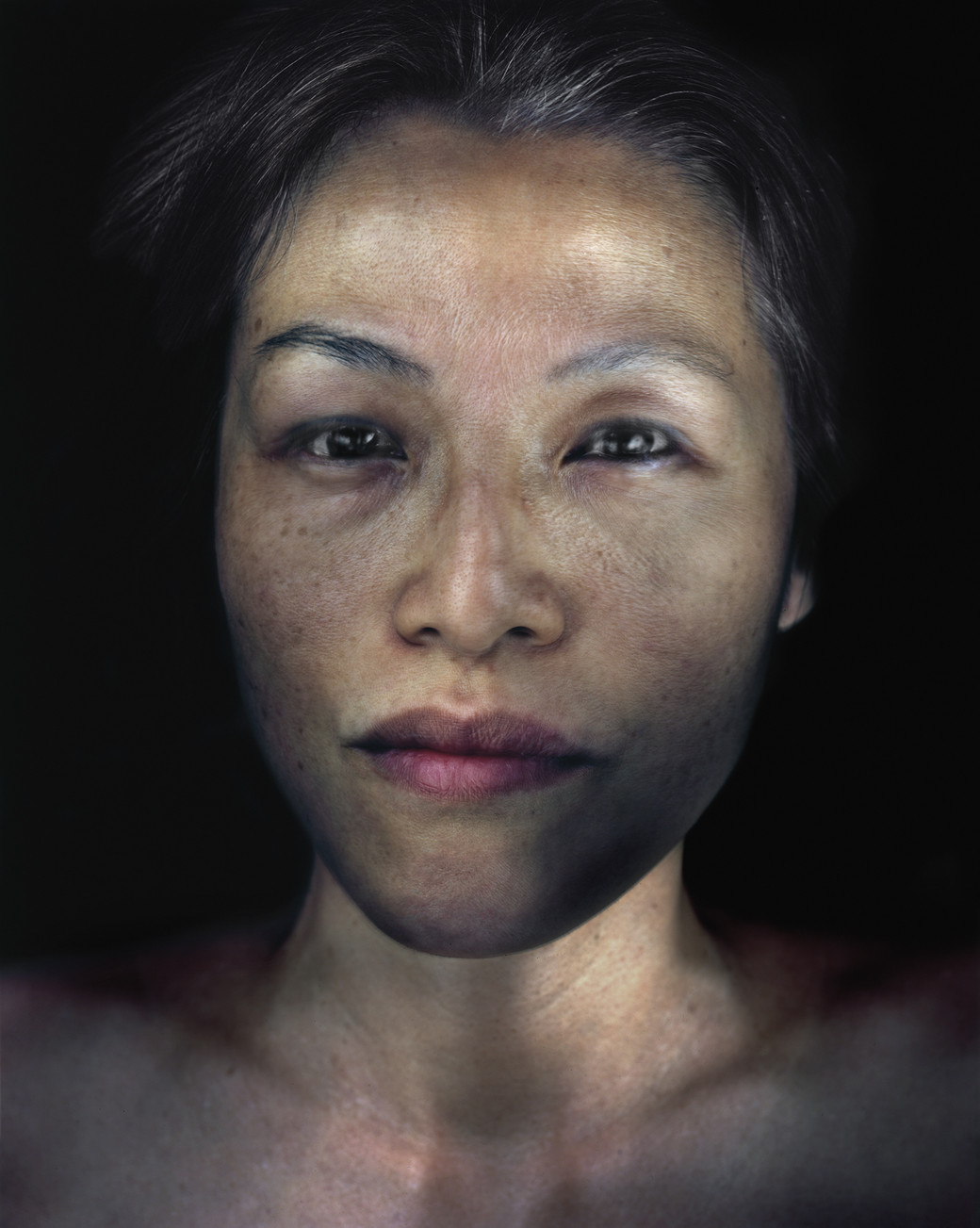
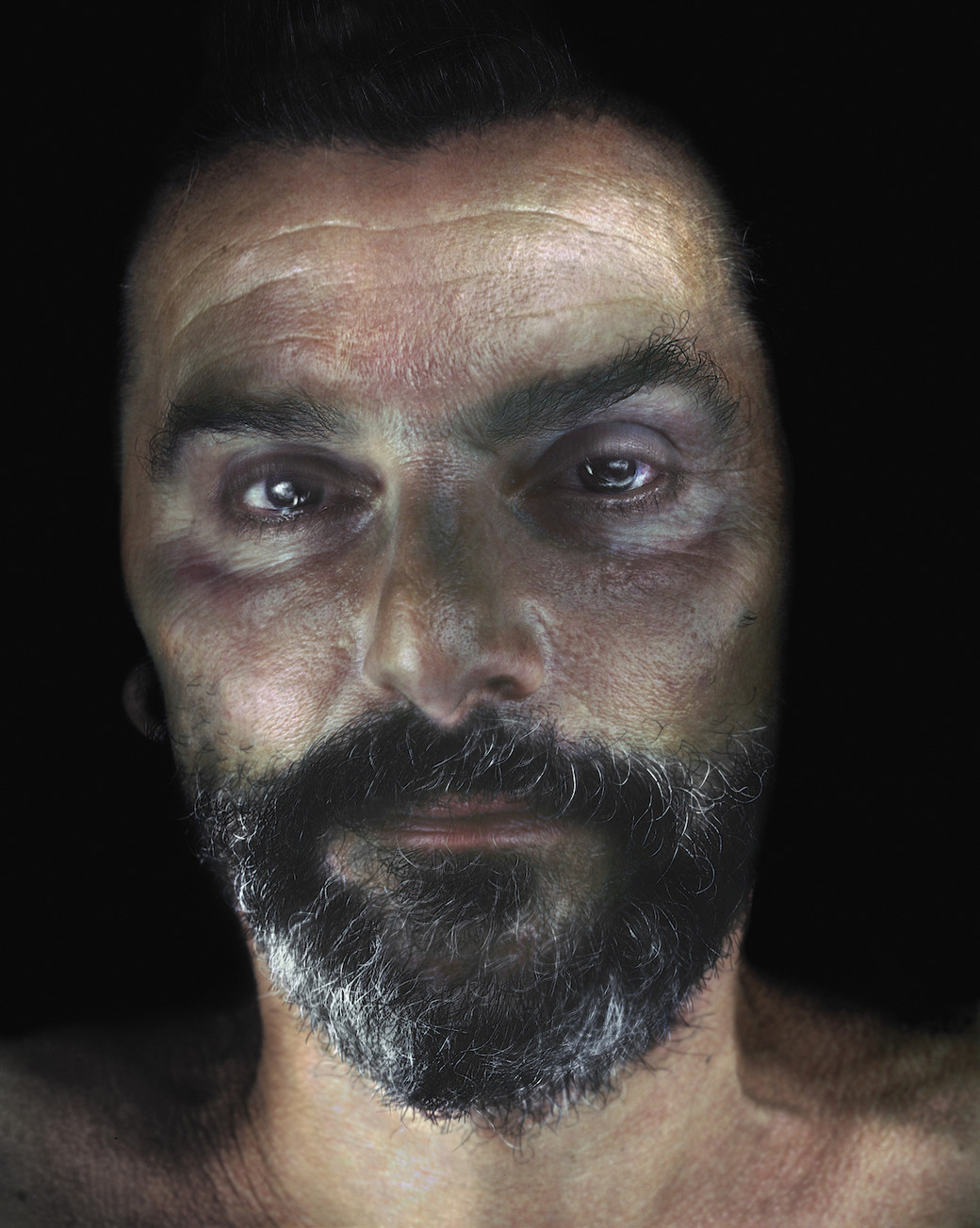
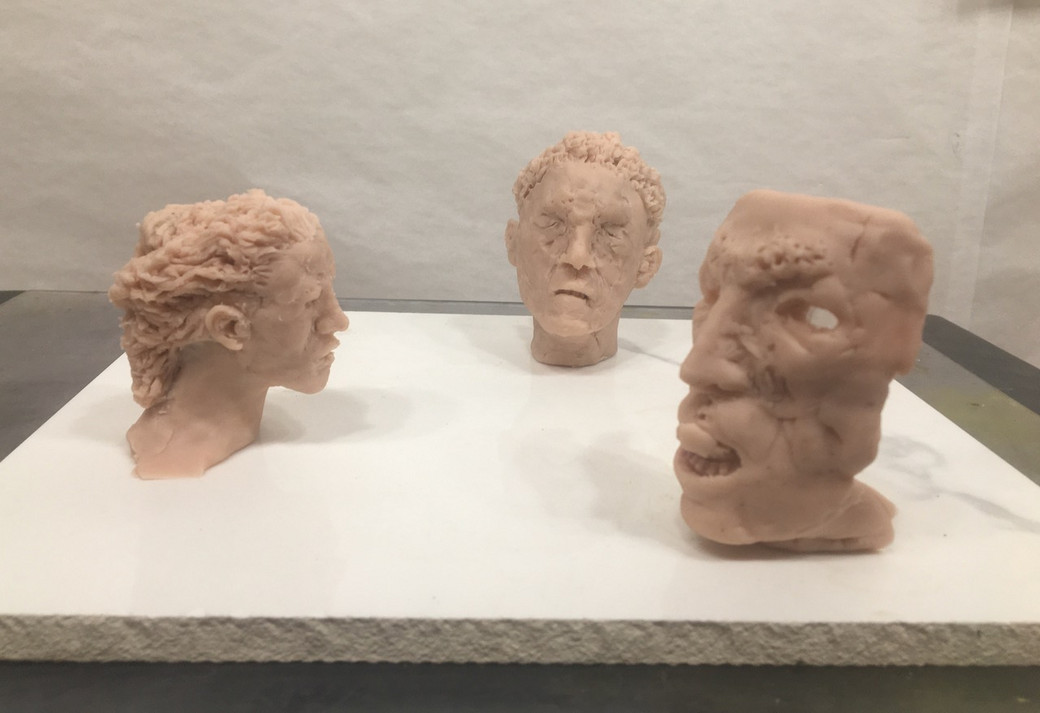
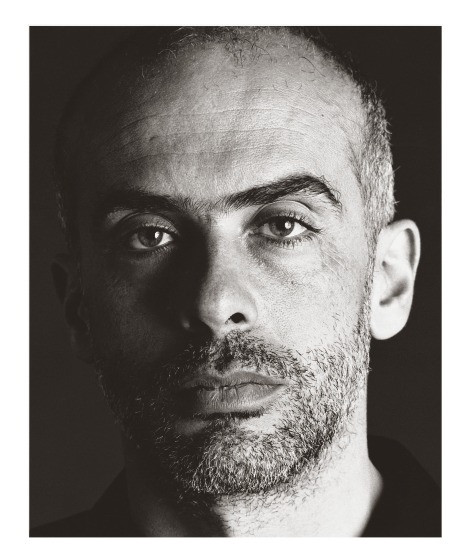
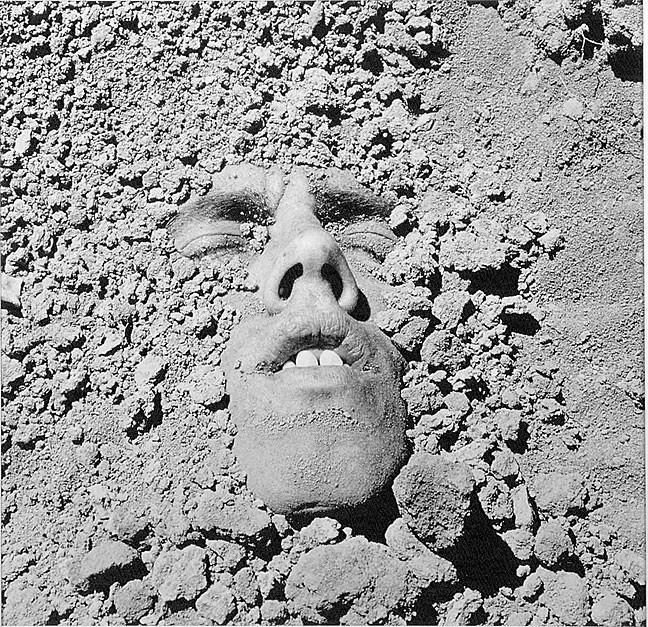
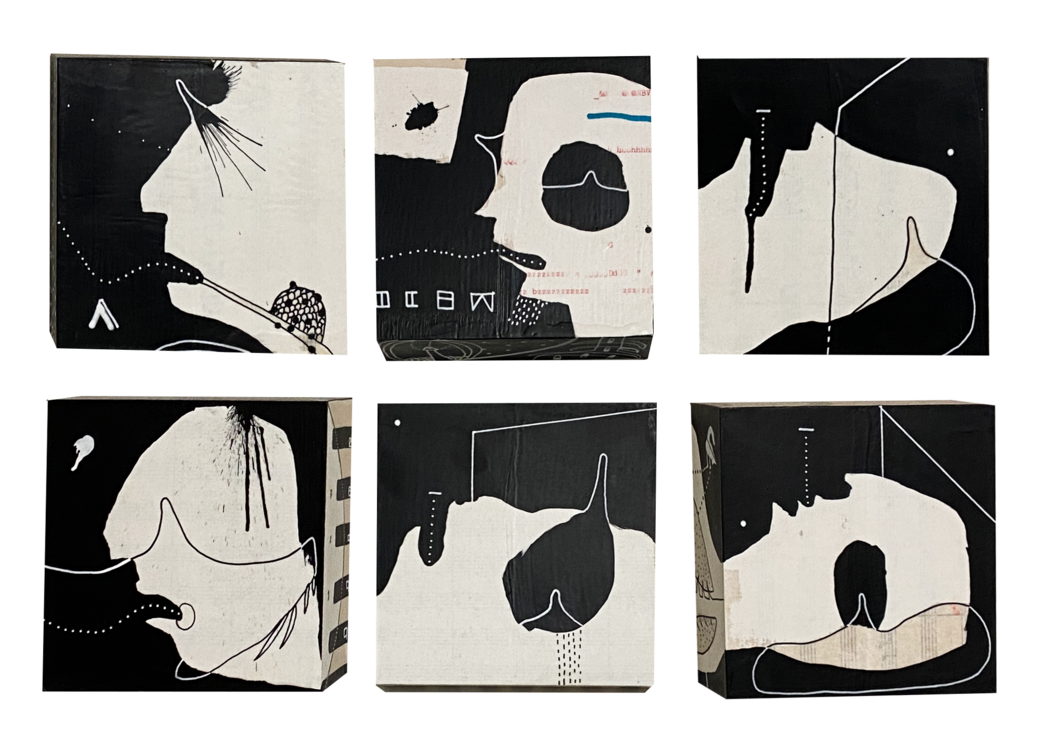
In the exhibition, the face is used as a "lens" to dissect the constructed and fabricated foundation of human identity through their portrait. Each of the artists, more than 30 in name, through a variety of mediums highlight the face as a vehicle for human expression, feeling, thought and connection as well as identity and adversity — topics each have faced and battled in their careers and personal lives, and here channeled into their work.
Hal Bromm, Founder of Hal Bromm Gallery, presented important early shows of contemporary artists in the 70s and 80s, including the presentation of Keith Hering’s first solo exhibition in 1981. Established in 1976, his 10 Beach Street gallery has held New York City’s most historic exhibitions for contemporary artists to showcase the depth of talent in Downtown Manhattan at the time.
In the first installment, Faces I, displayed a concentration on facial expressions and images to disagree with forms of vanity and intellect in classic portraiture. Instead, the work is an acknowledgement of duality as the human condition and contrast between inner emotion and outward performatives. The work depicts expression with subjective emphasis on the difficulty to merge opposing identities, like gender, oppression, choice, and anonymity in rejection to the restraint of Classicism.
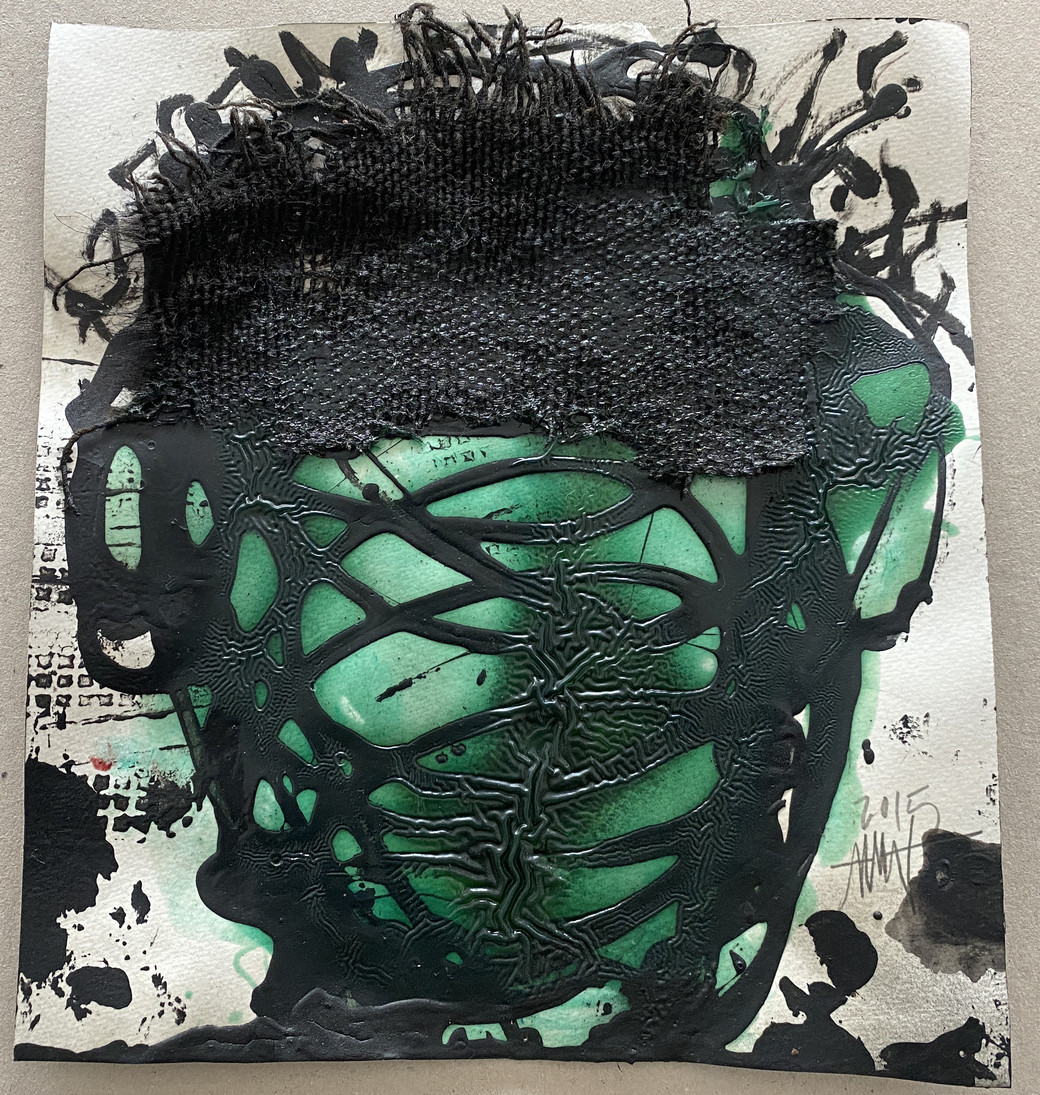
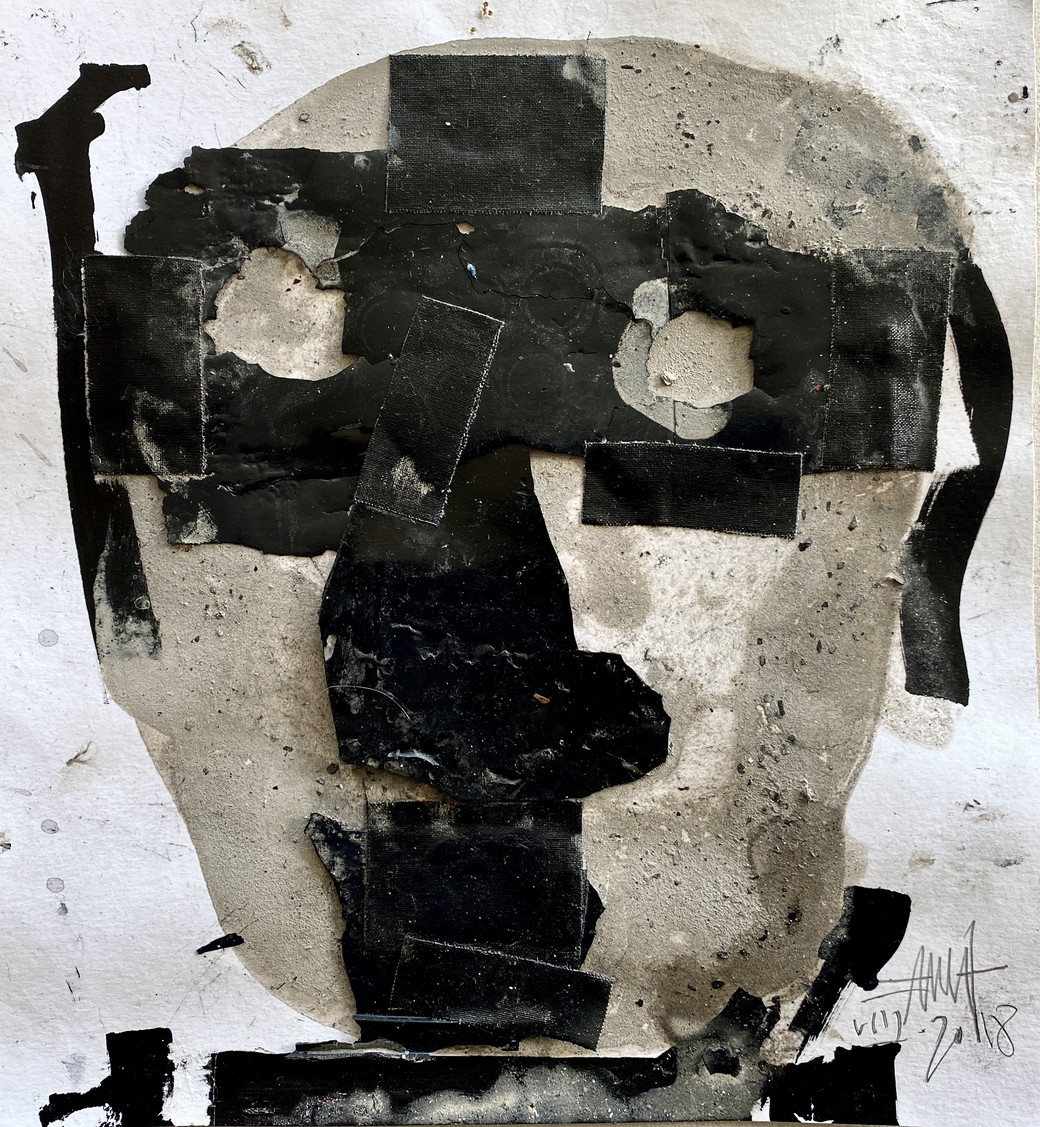
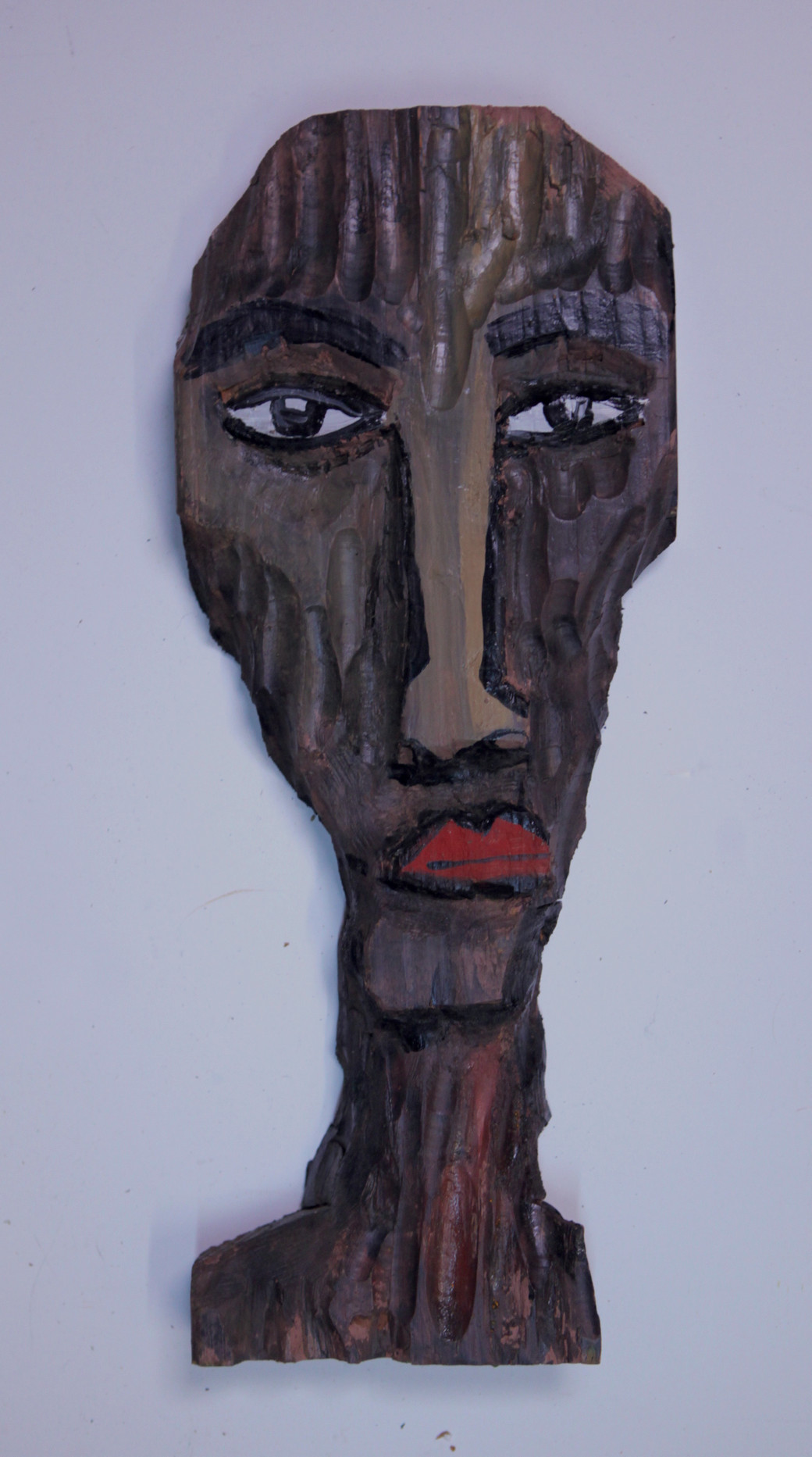

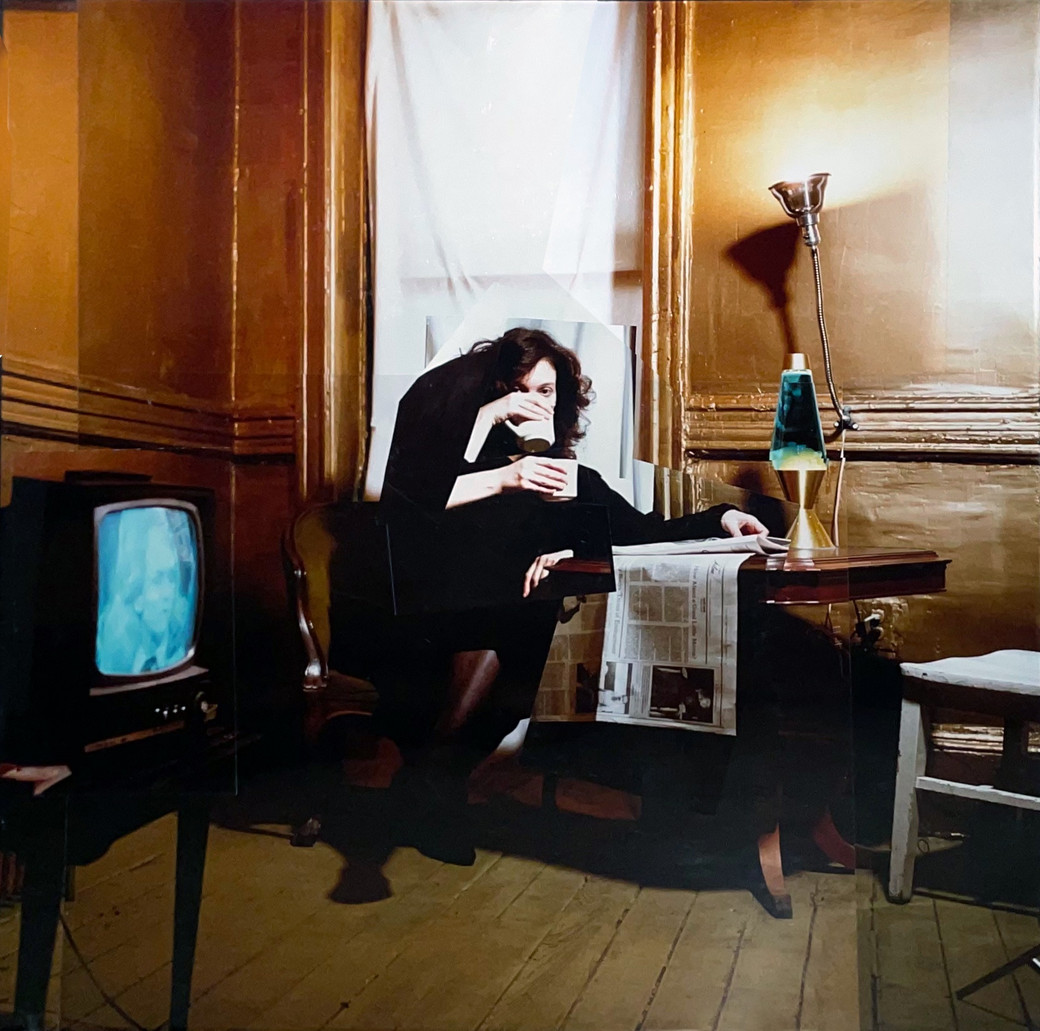

The Faces II exhibition will be available for view at Hal Bromm Gallery until March 2023.