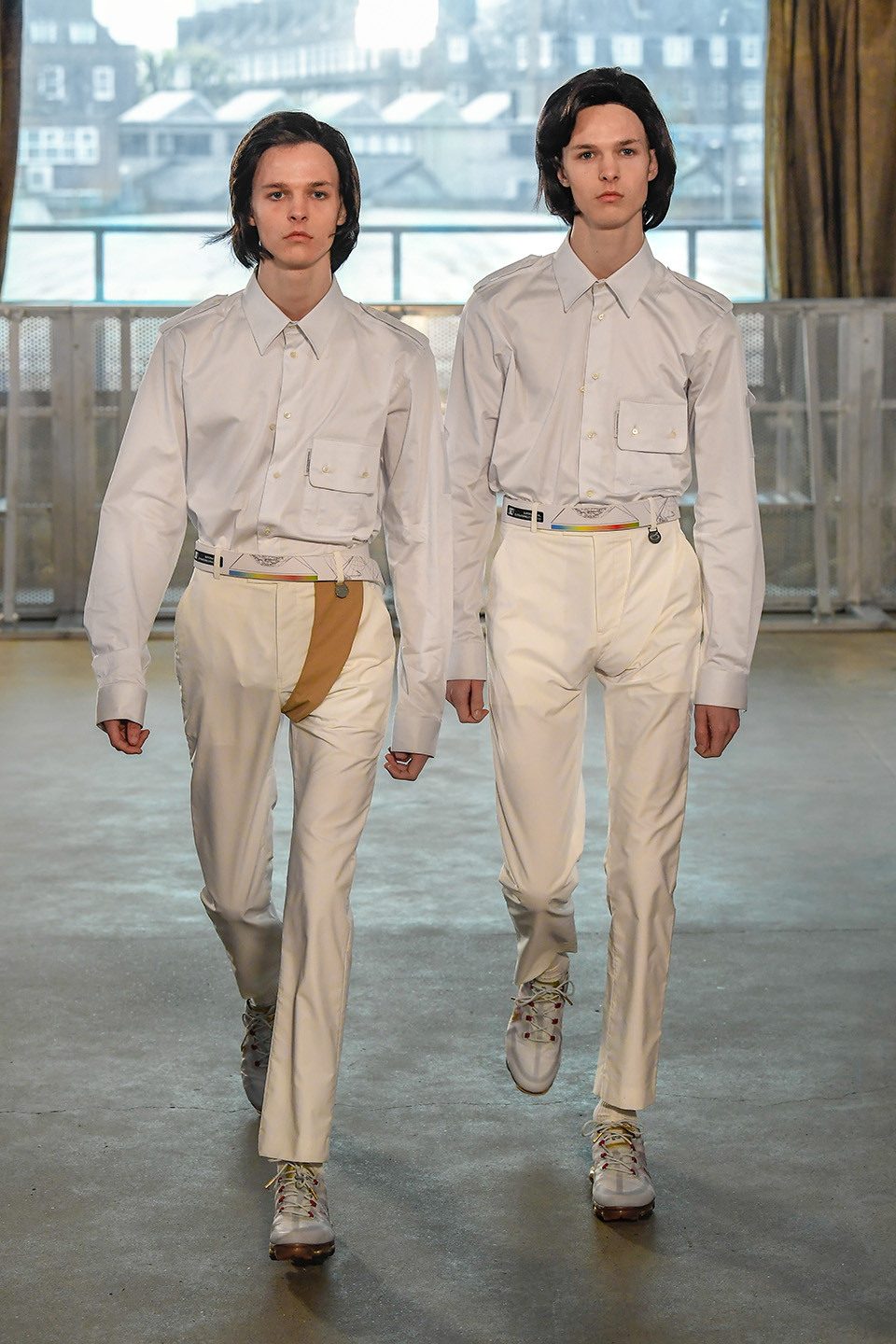
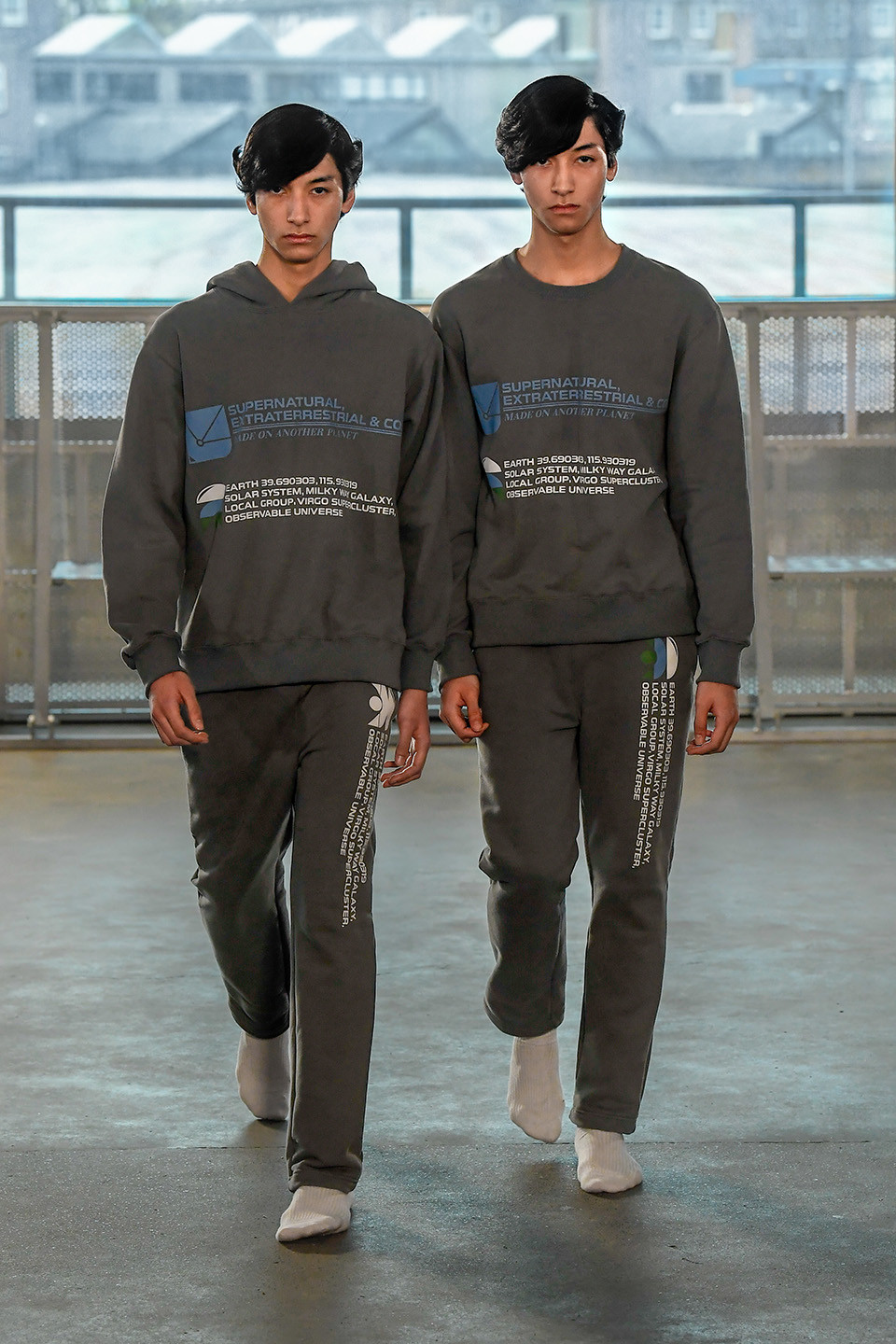
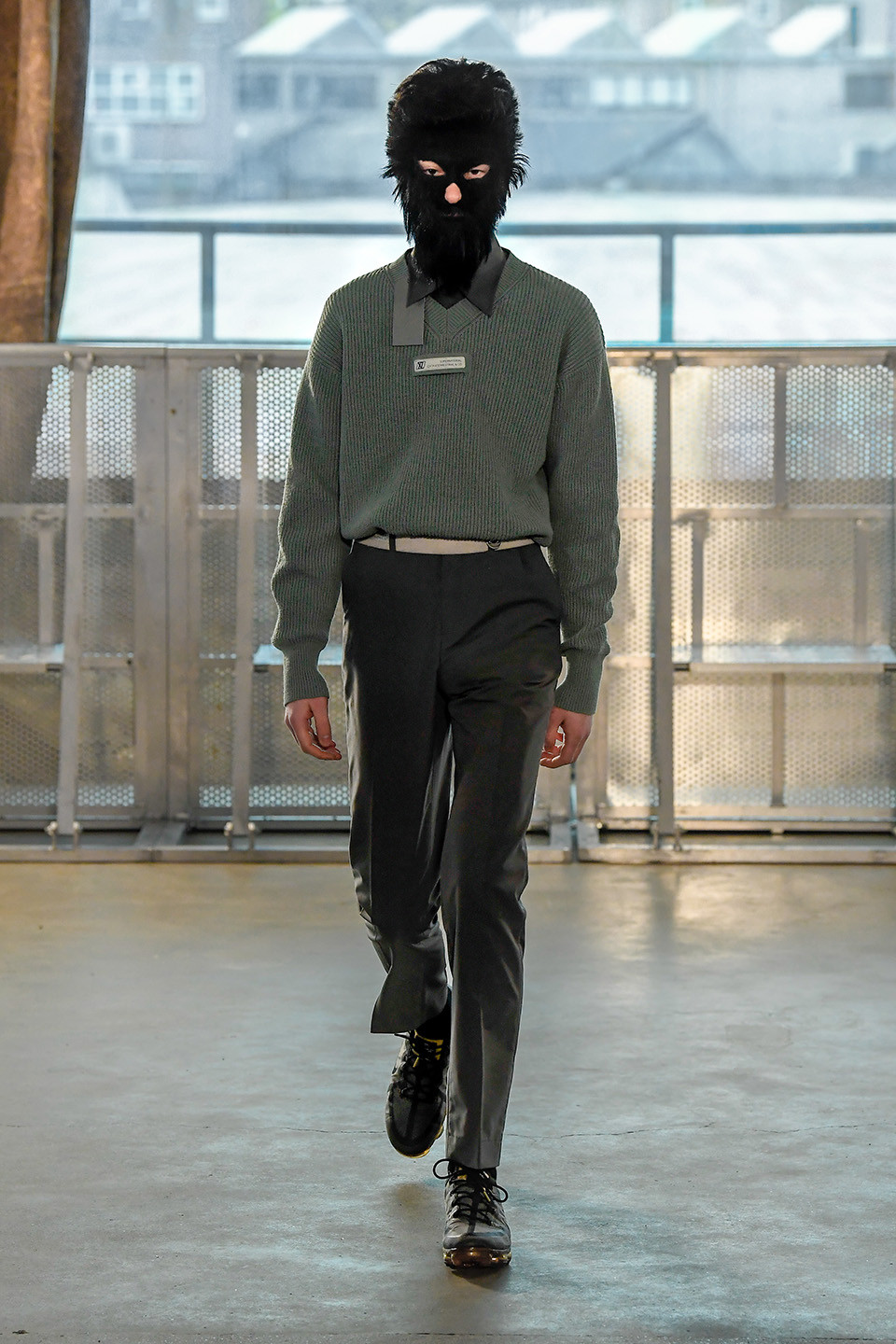
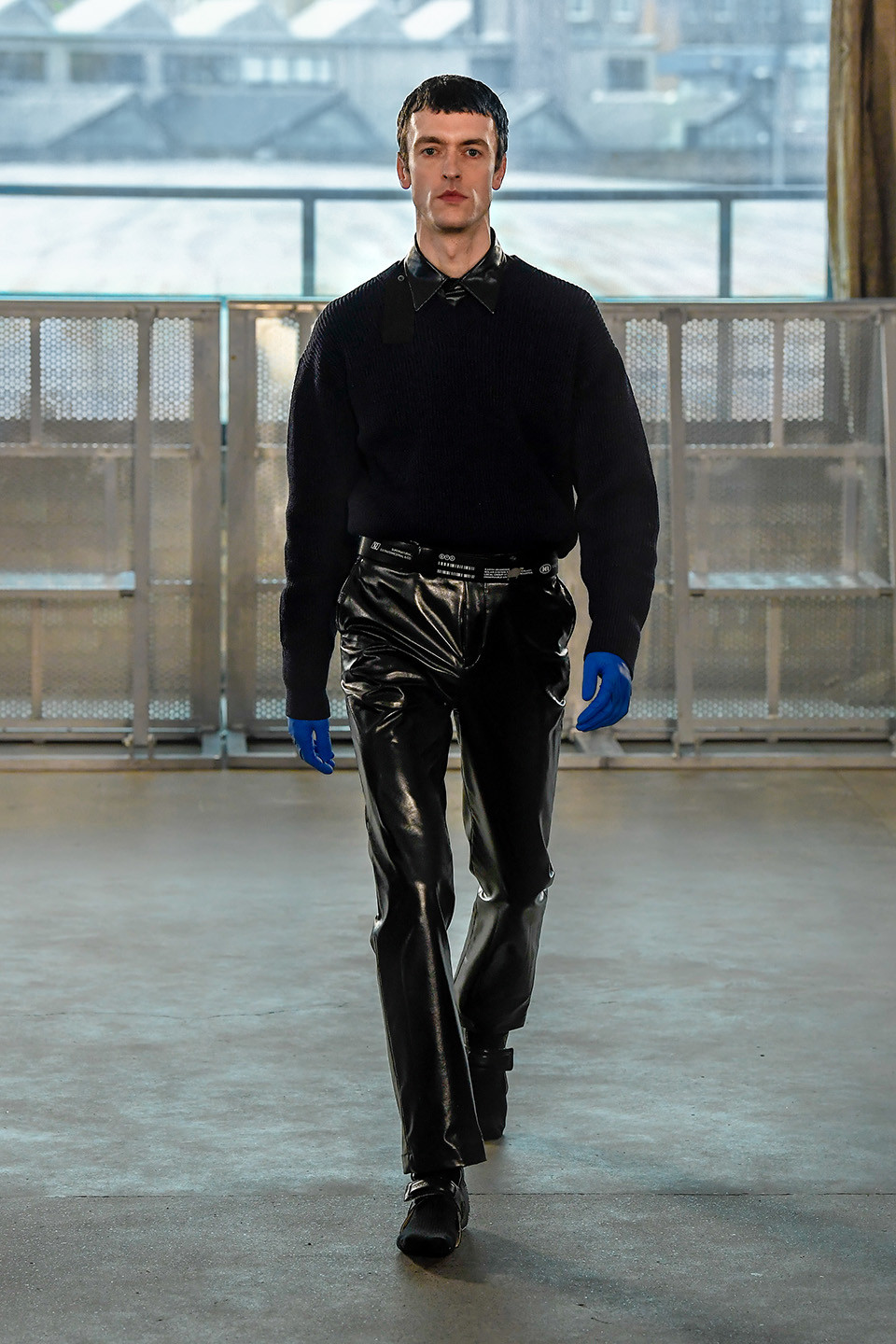
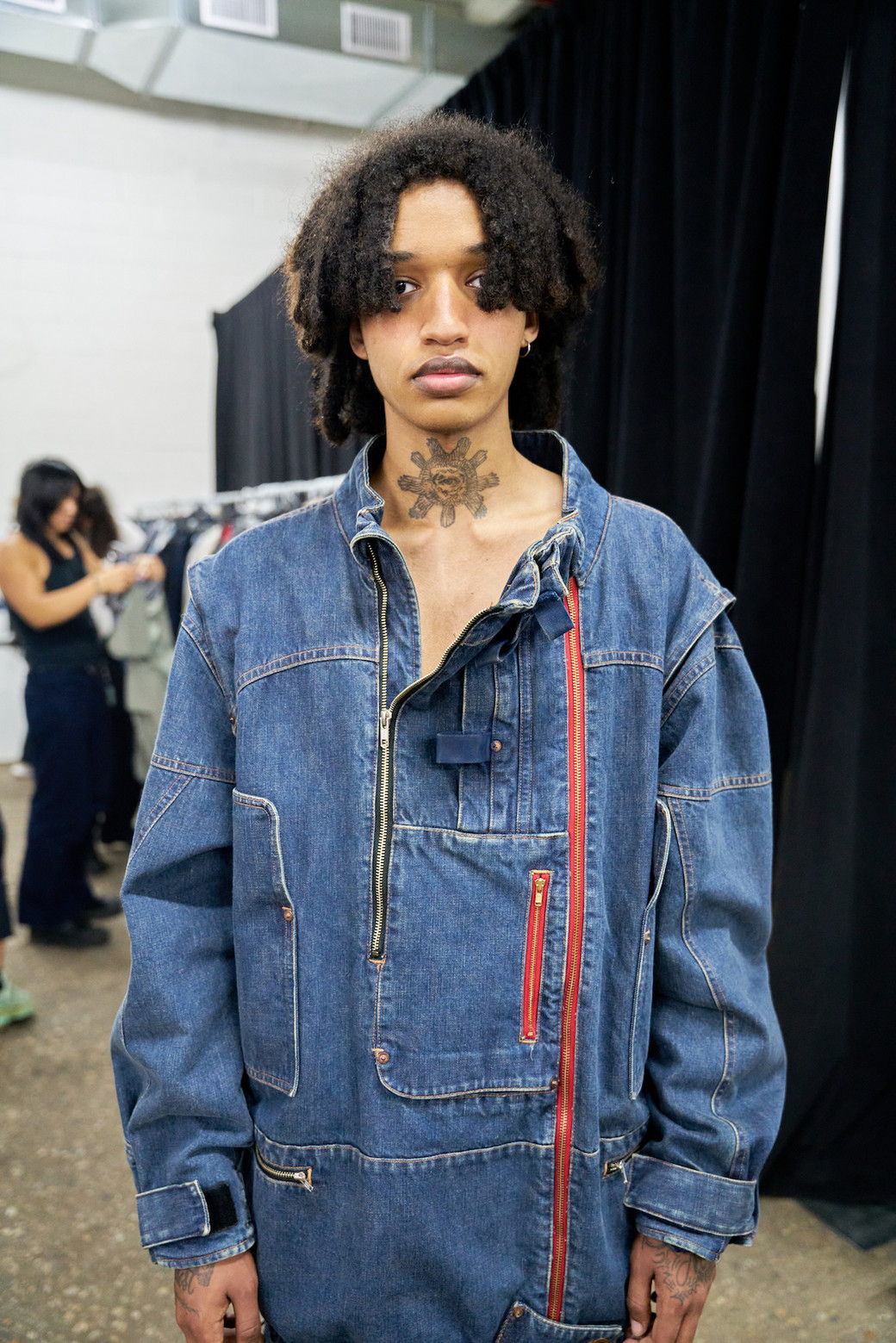
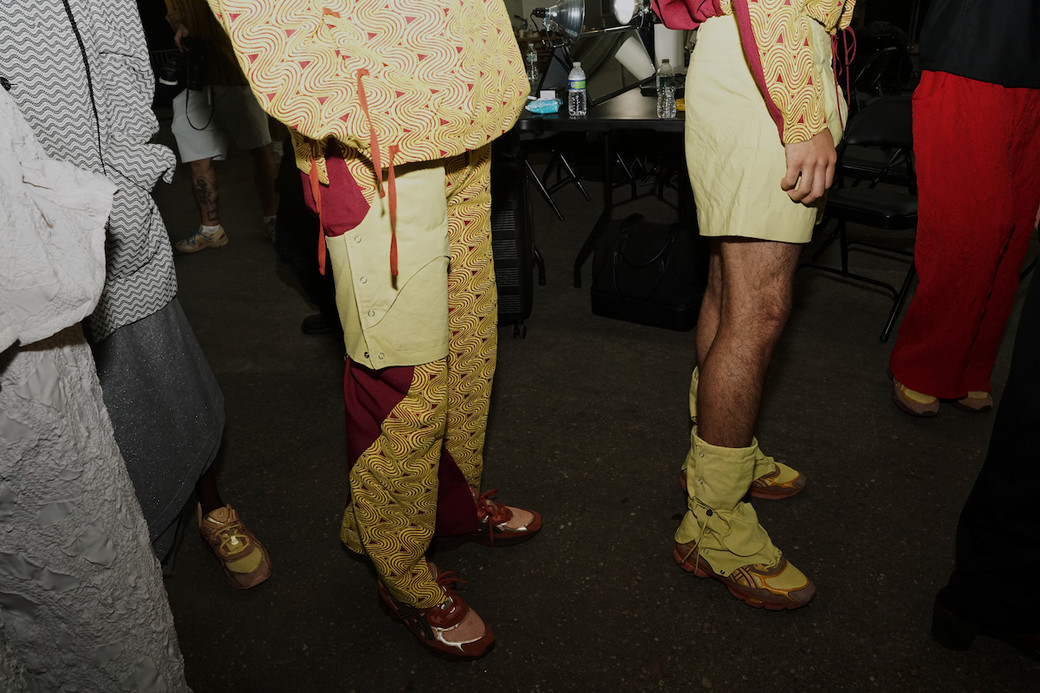
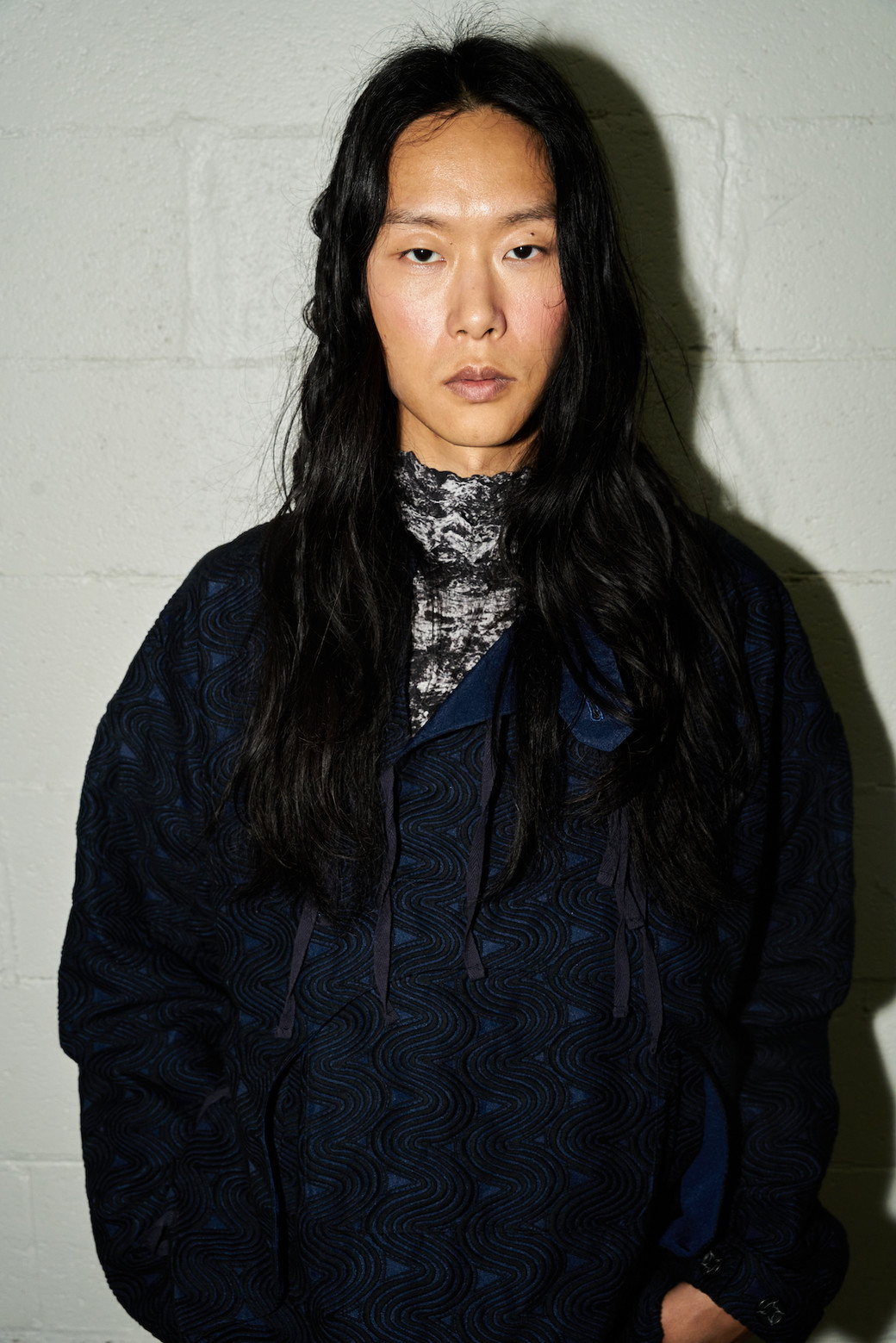
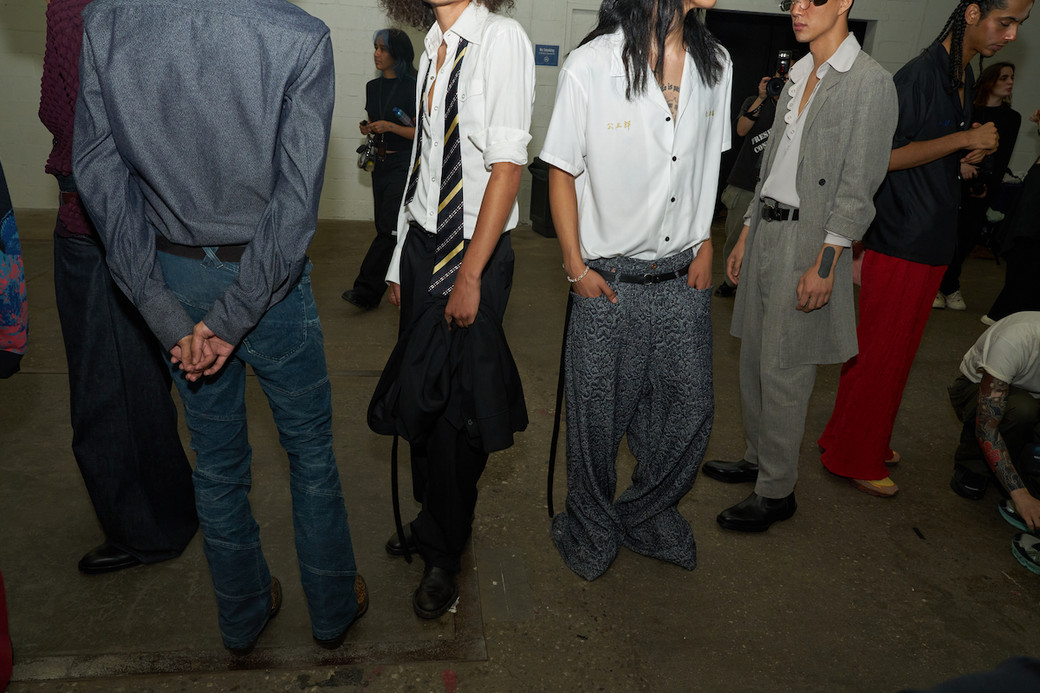
Evolution of Man

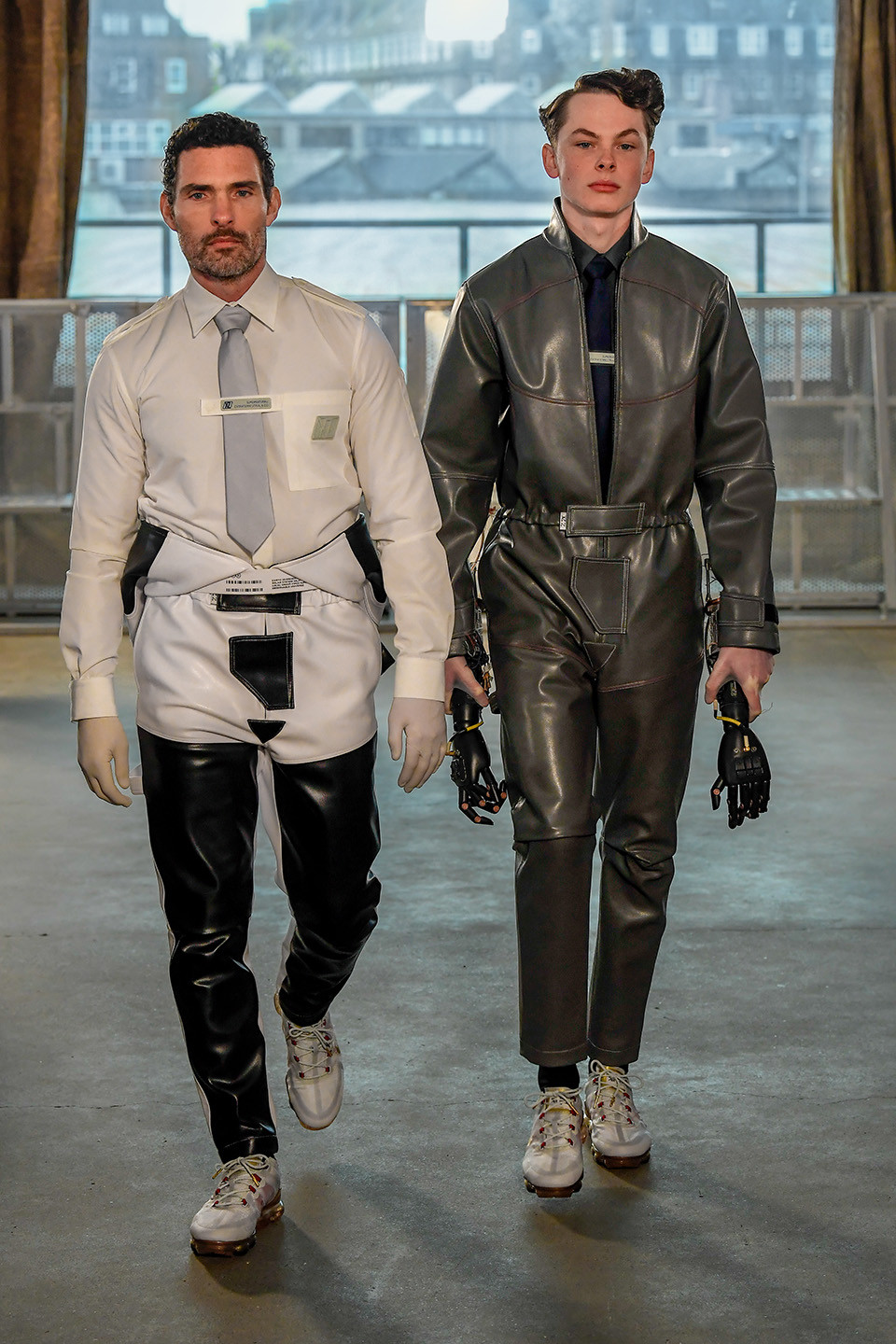
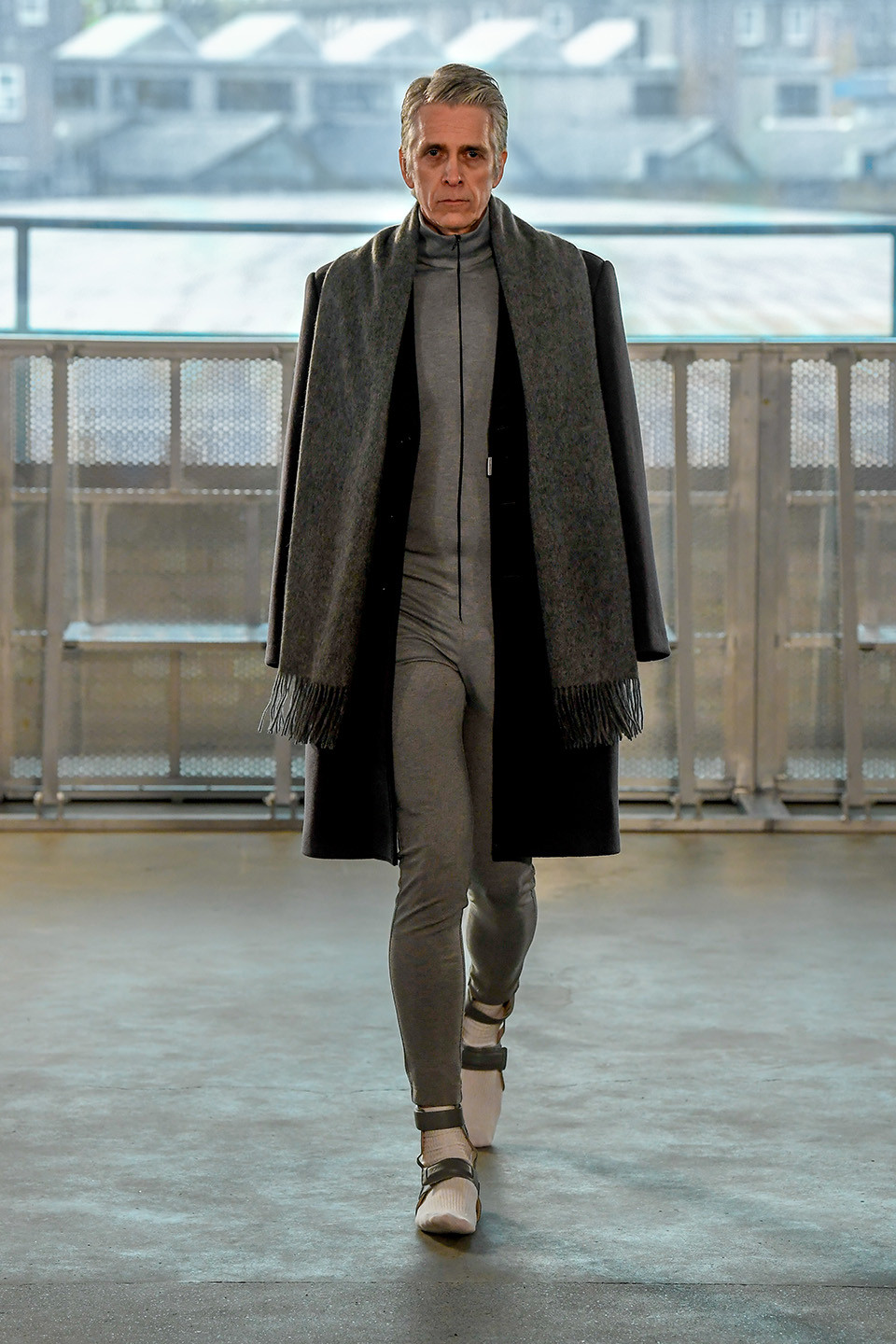
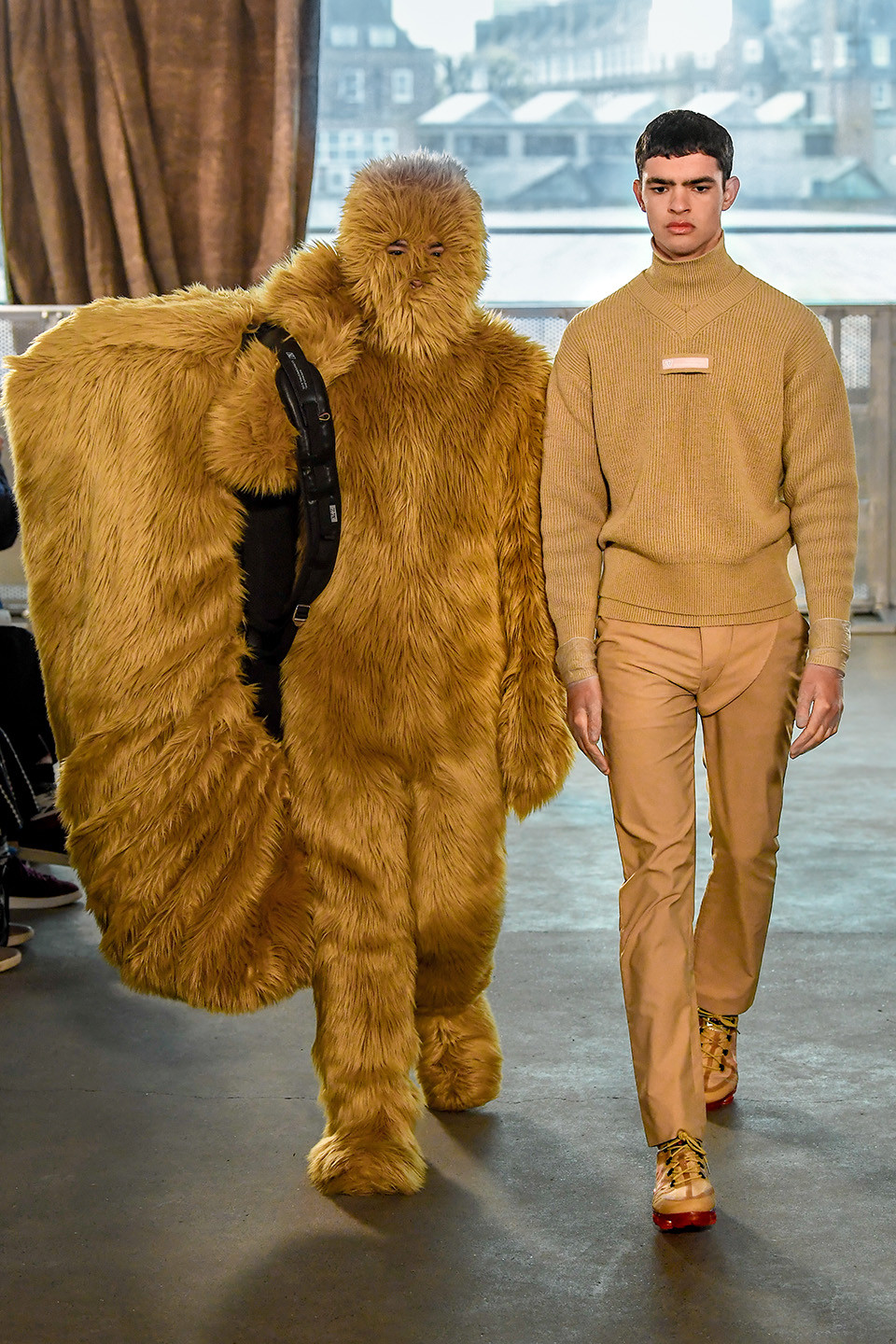
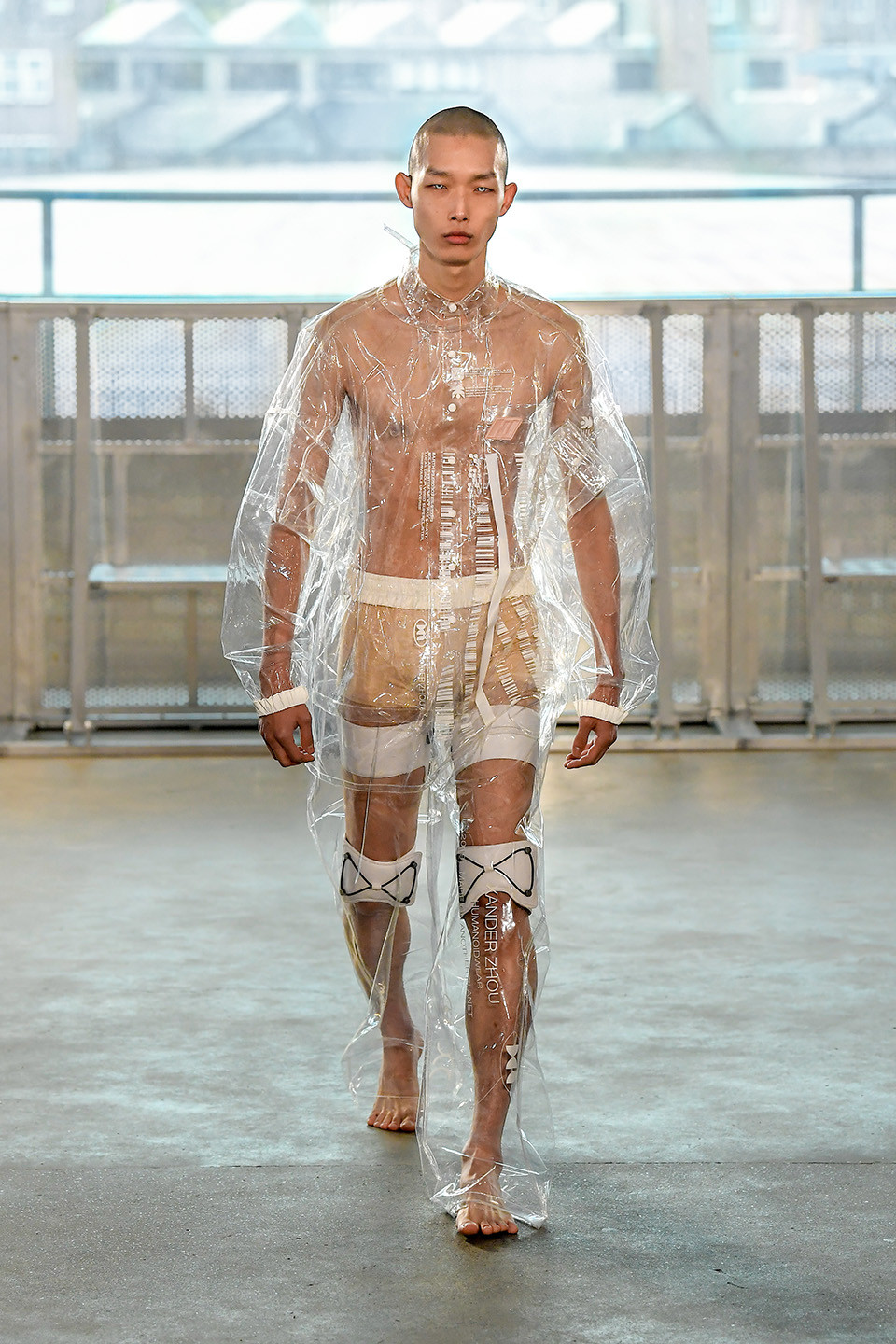
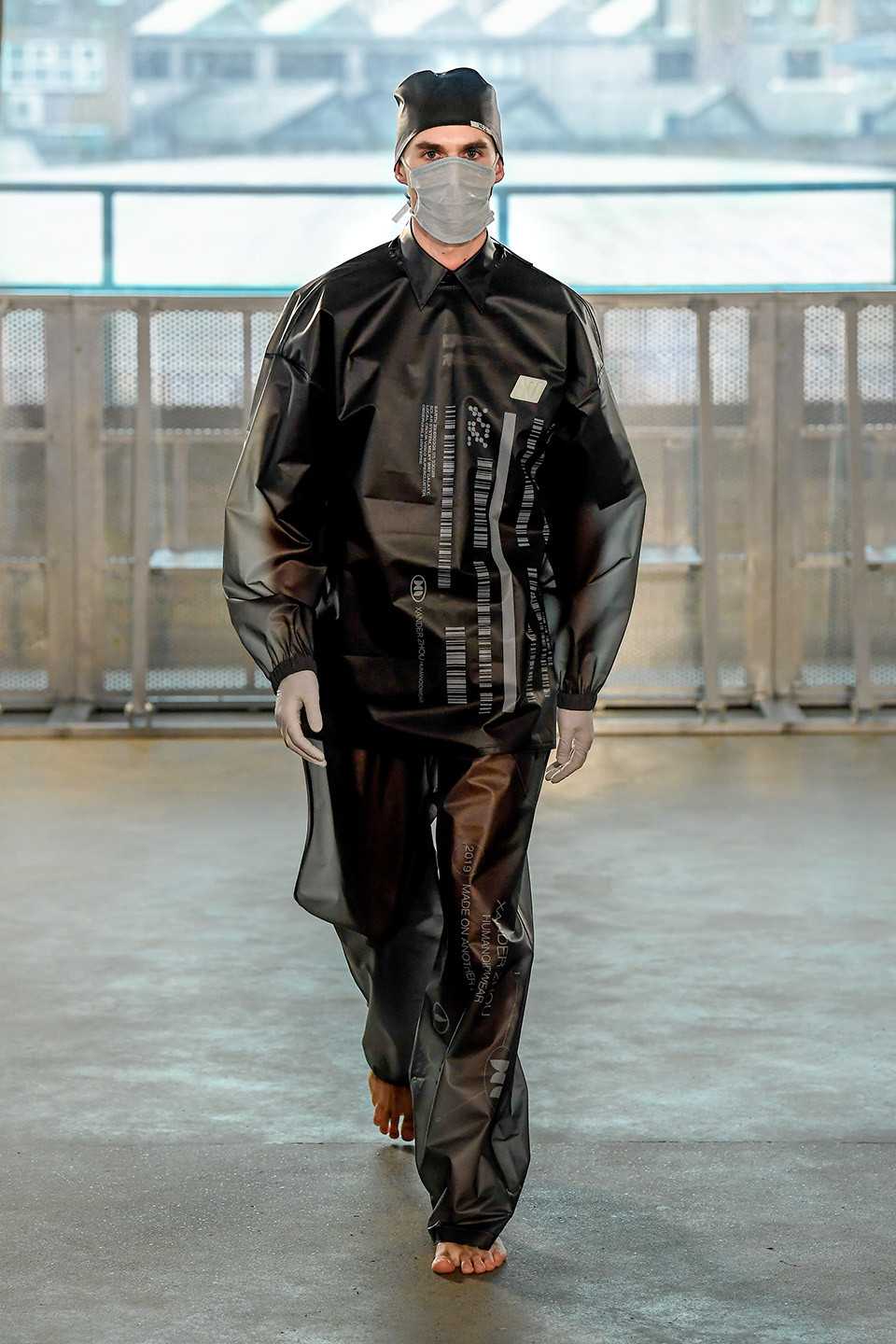
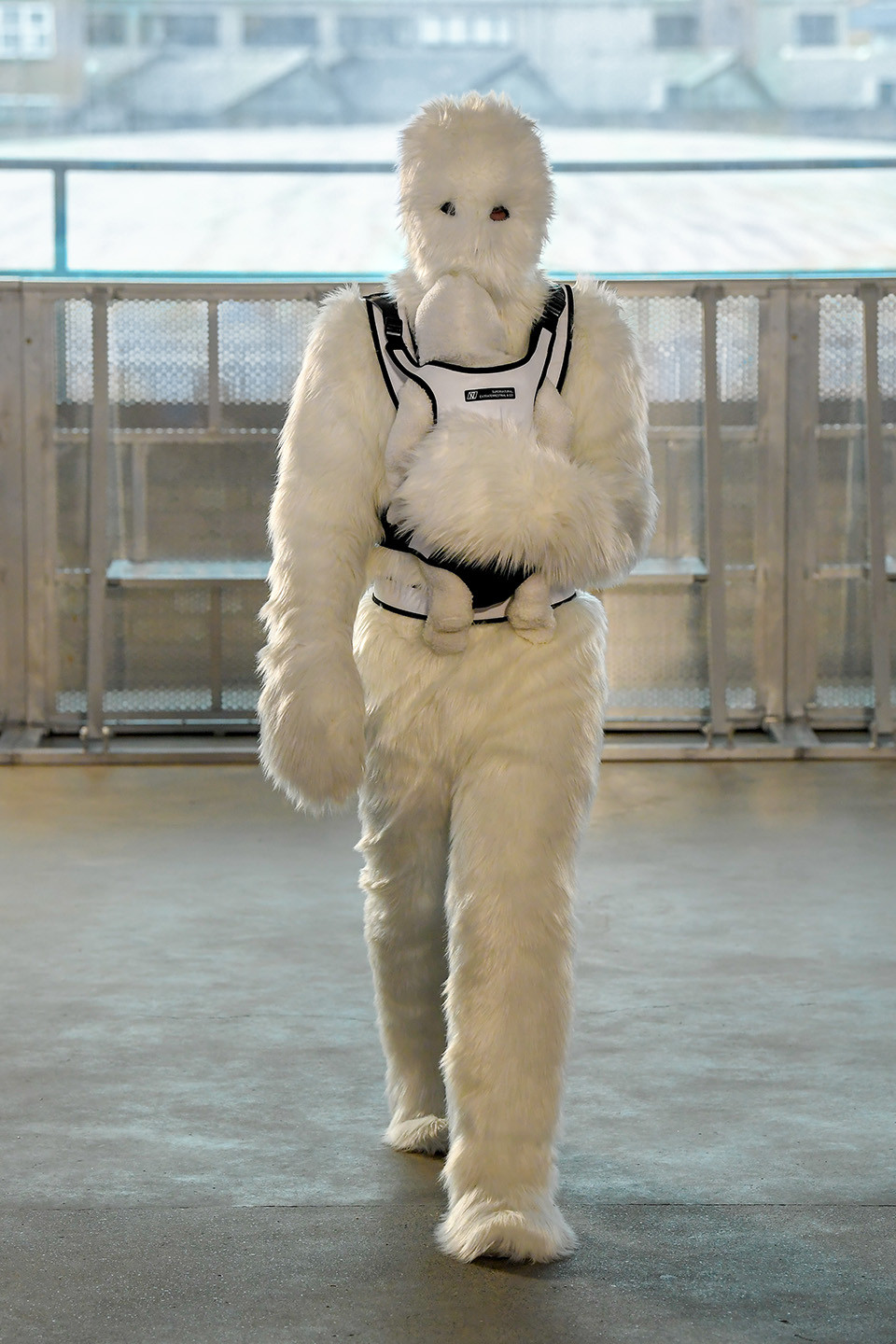
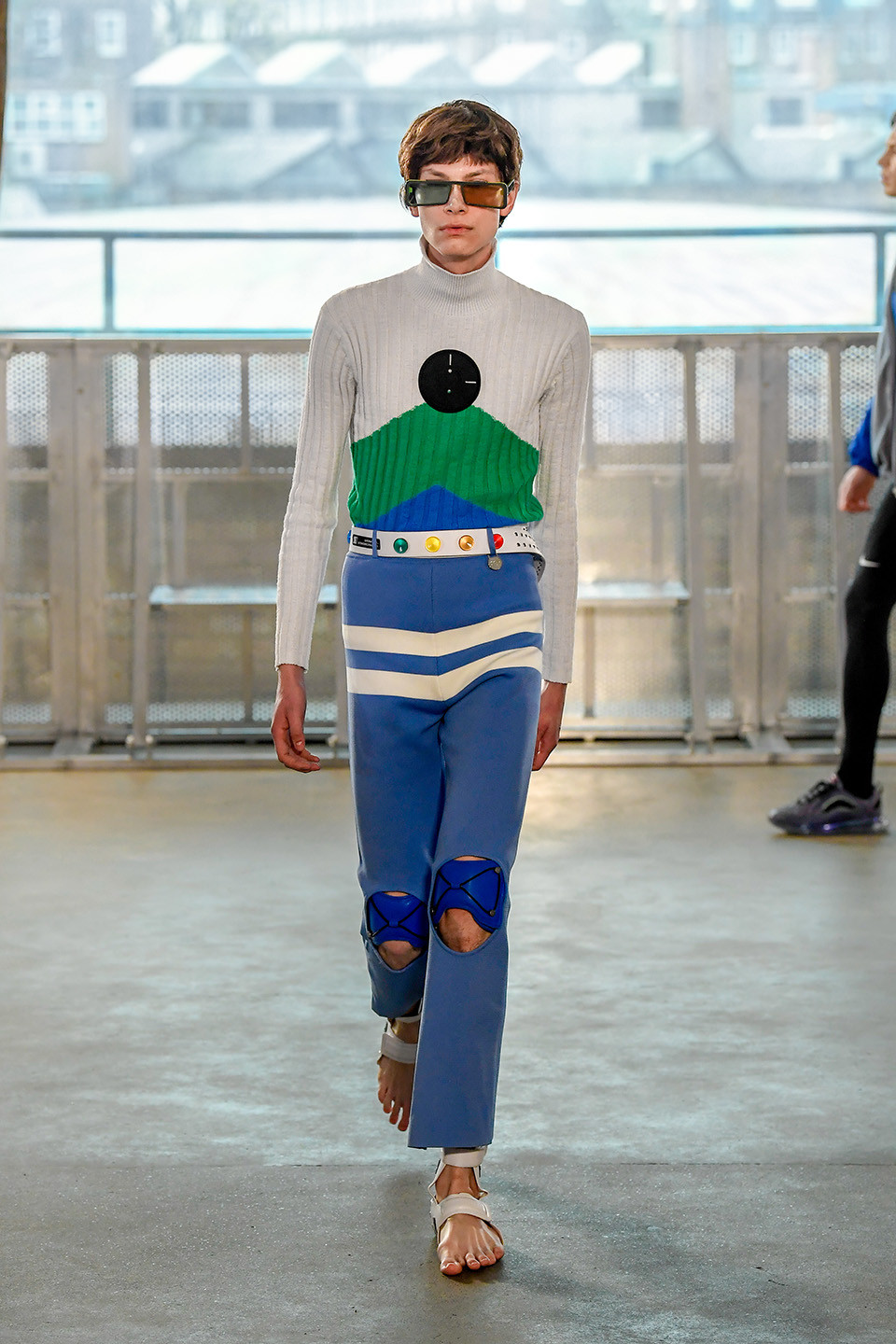
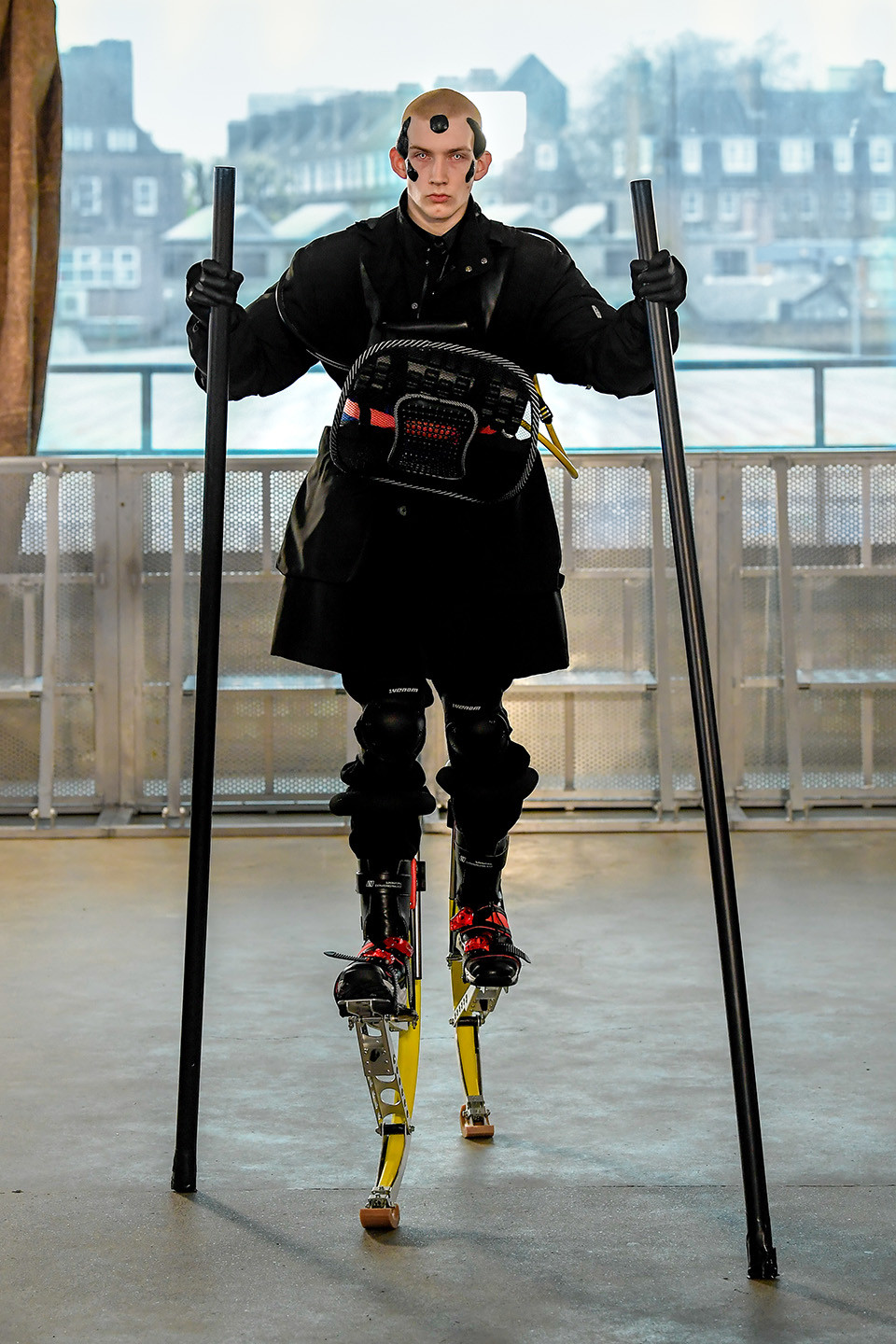
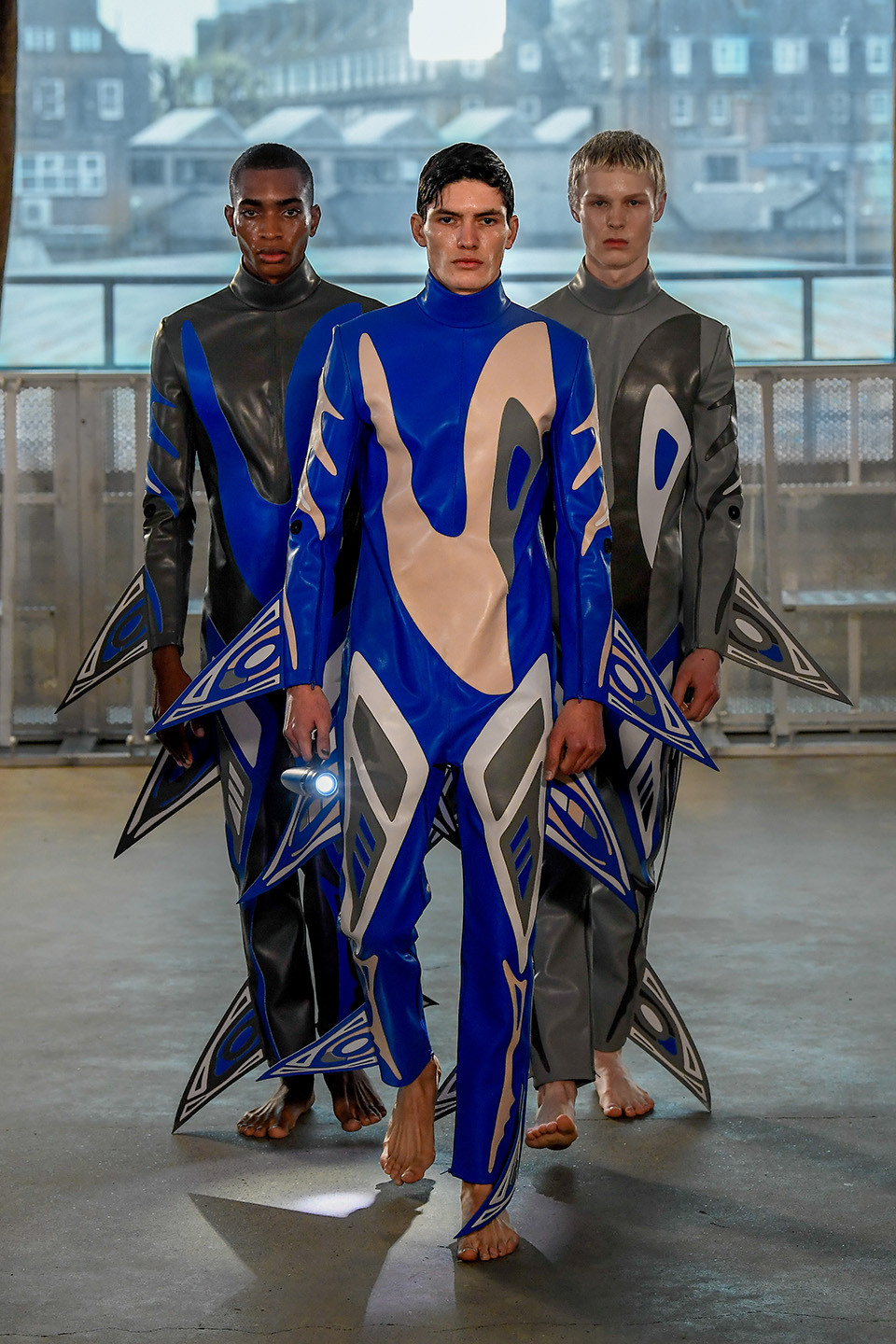
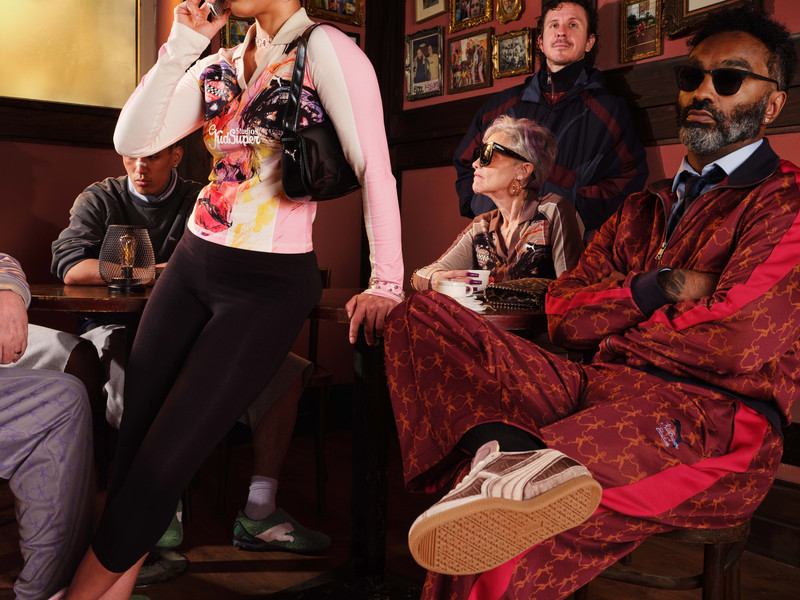
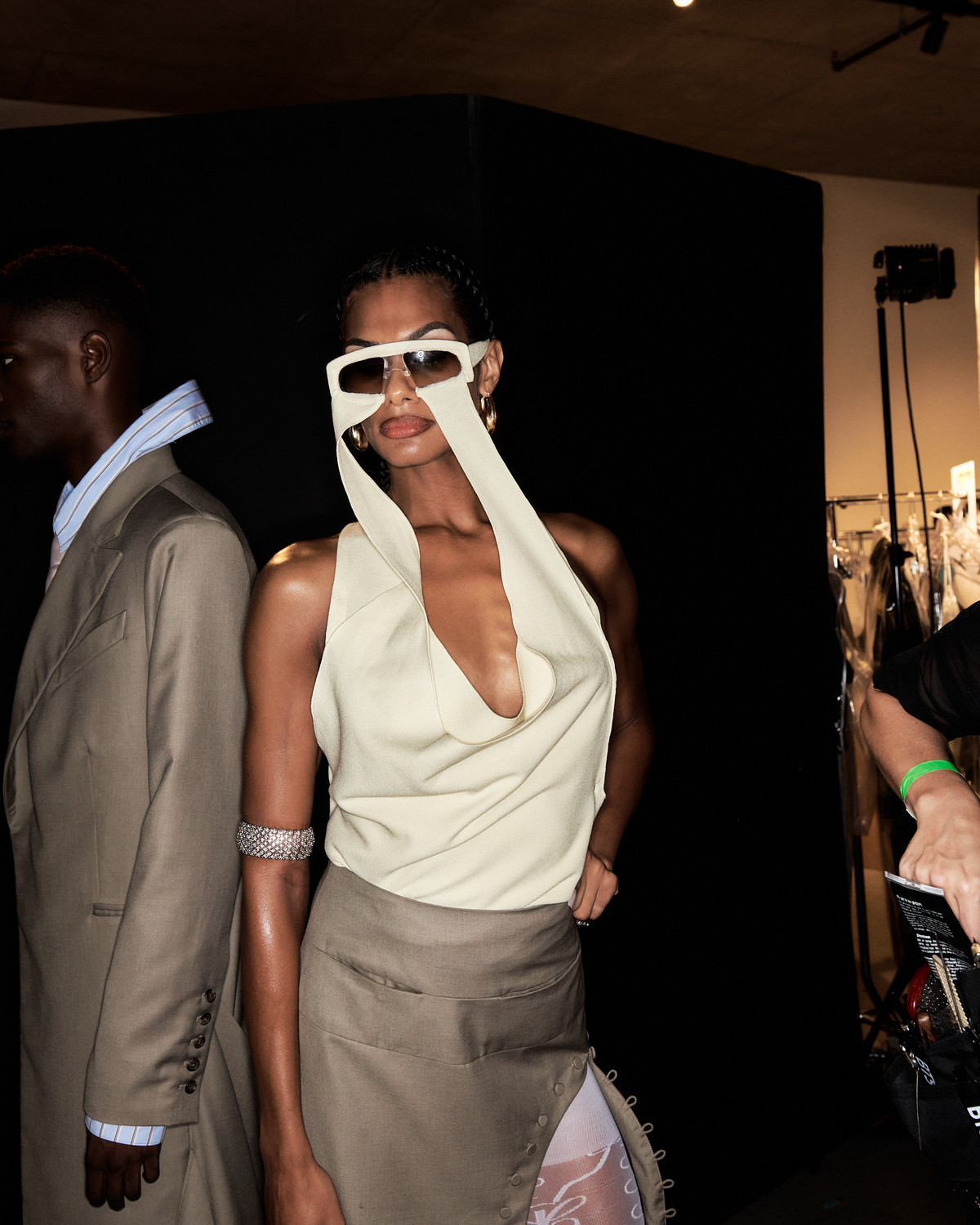
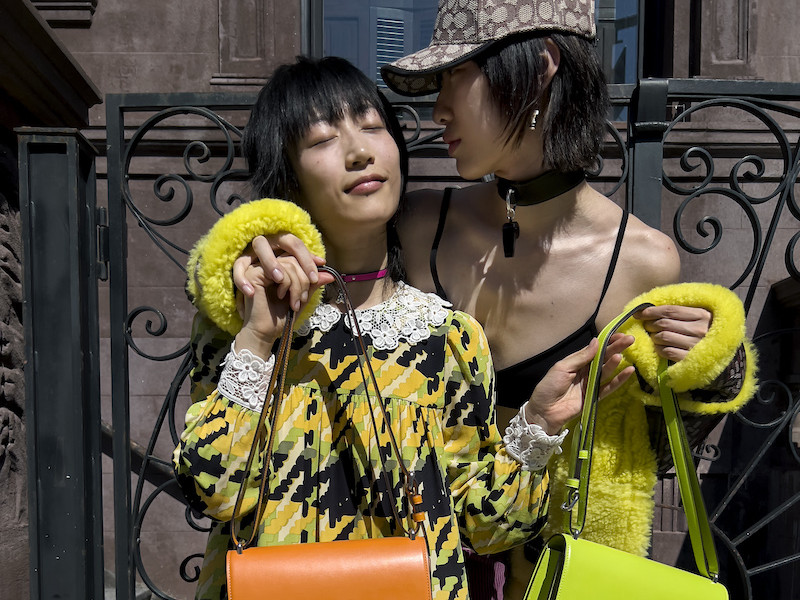
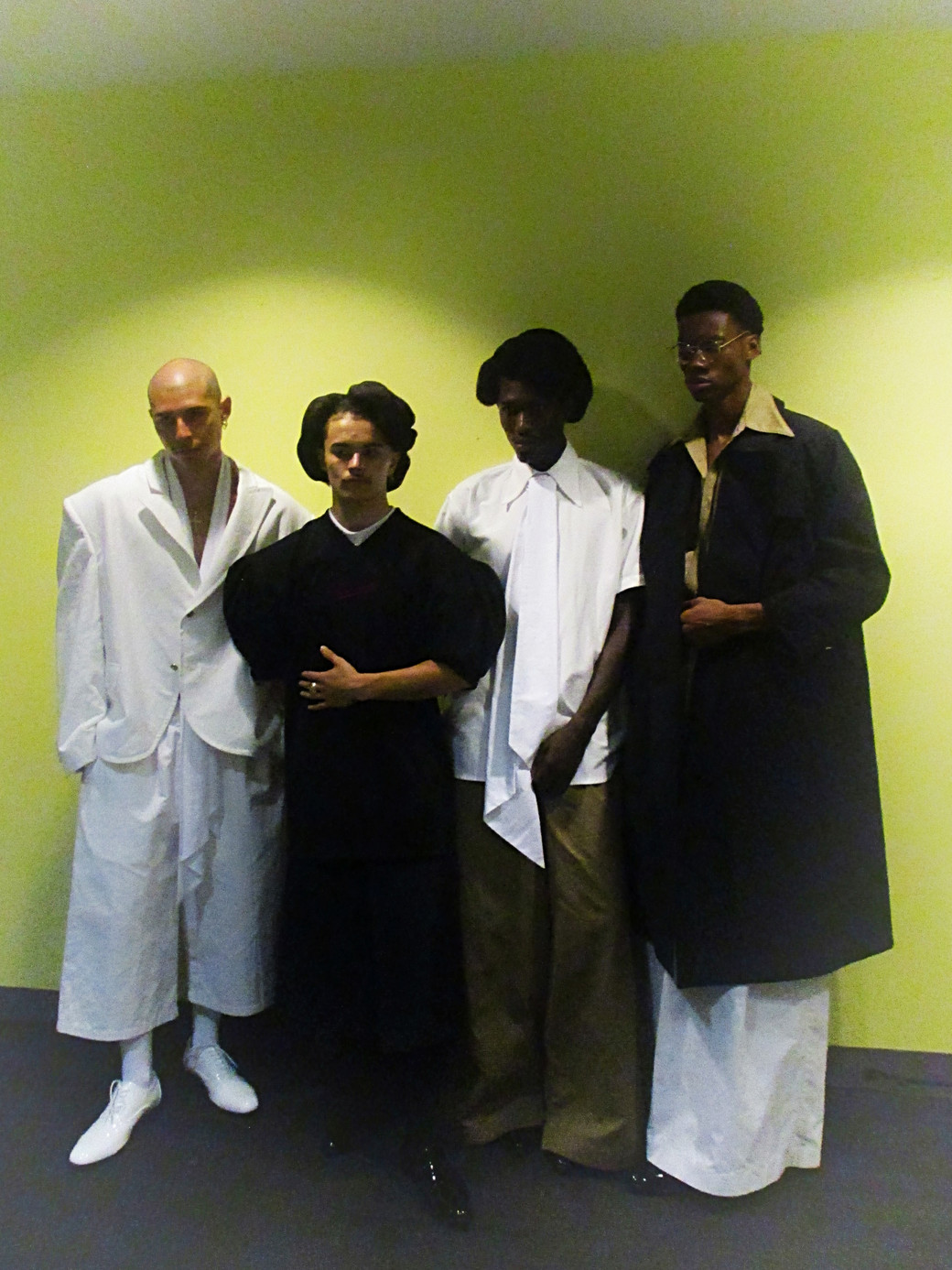
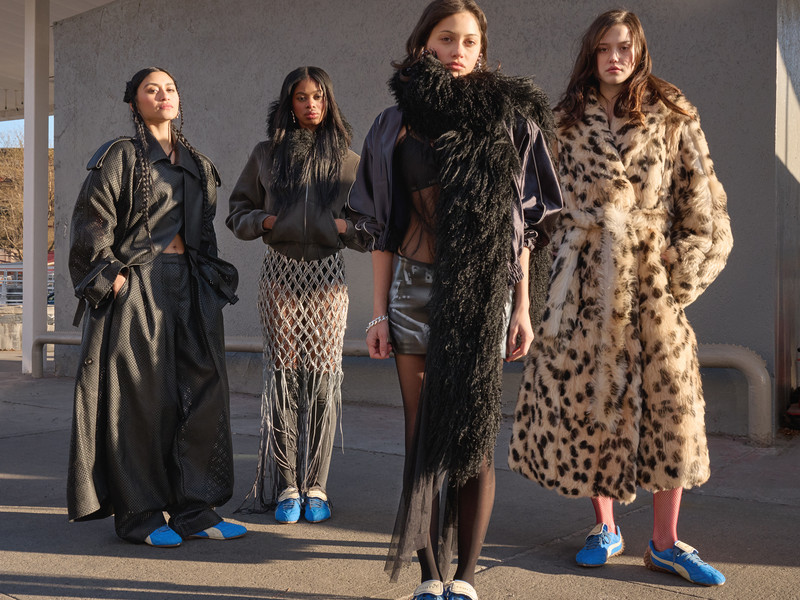
If this is the evolution of man, we're into it.
Peep some of our favorite looks, below.
Photos courtesy of the brand.
Stay informed on our latest news!

If this is the evolution of man, we're into it.
Peep some of our favorite looks, below.
Photos courtesy of the brand.

The memory takes us to the streets of El Hoyo, a region in the Dominican Republic, where life unfolds in dualities. On one side, a passionate preacher's sermon competes with the thunderous bass of tricked-out car speakers, underscoring the dichotomy of spiritual salvation and hedonistic pleasure. It's a scene that leaves us pondering the concept of salvation itself — who offers it, and from what do we seek deliverance?
For Lopez, SS24 was a precious journey back to that moment in El Hoyo, where he first experienced this revelation. The irony of the situation wasn't lost on him, as he recognized that his brand, like that street, resided at the intersection of duality.
The soundtrack of the moment, a song titled "Socorro" (meaning "help" in Spanish and also the name of his mother), introduced an additional layer to the narrative. Lopez contemplated how each side yearned to experience the other's reality — those on the left, yearning to let go, and those on the right, desiring a clean slate. Yet, the gravitational pull of their respective worlds remained undeniable.


This idea of being constantly "pulled back" resonates deeply with Lopez, who has navigated his journey in the fashion industry while staying grounded in his roots. The collection itself carried subtle yet profound symbolism, with robust collars hinting at the weight of personal burdens, crackled leather mirroring the walls of El Hoyo, and intricately buttoned long skirts challenging conventional notions of modesty. In Lopez's eyes, redemption isn't a grandiose event; it's embedded in the daily choices we make. The collection's underlying message suggests that the saviors we seek may not be external figures but the choices we embrace within ourselves.
As Luar's SS24 show closed out New York Fashion Week, it left audiences with a thought-provoking reflection on the intricacies of salvation and a reminder that redemption is often a personal journey, navigated within the consequences of our own choices.

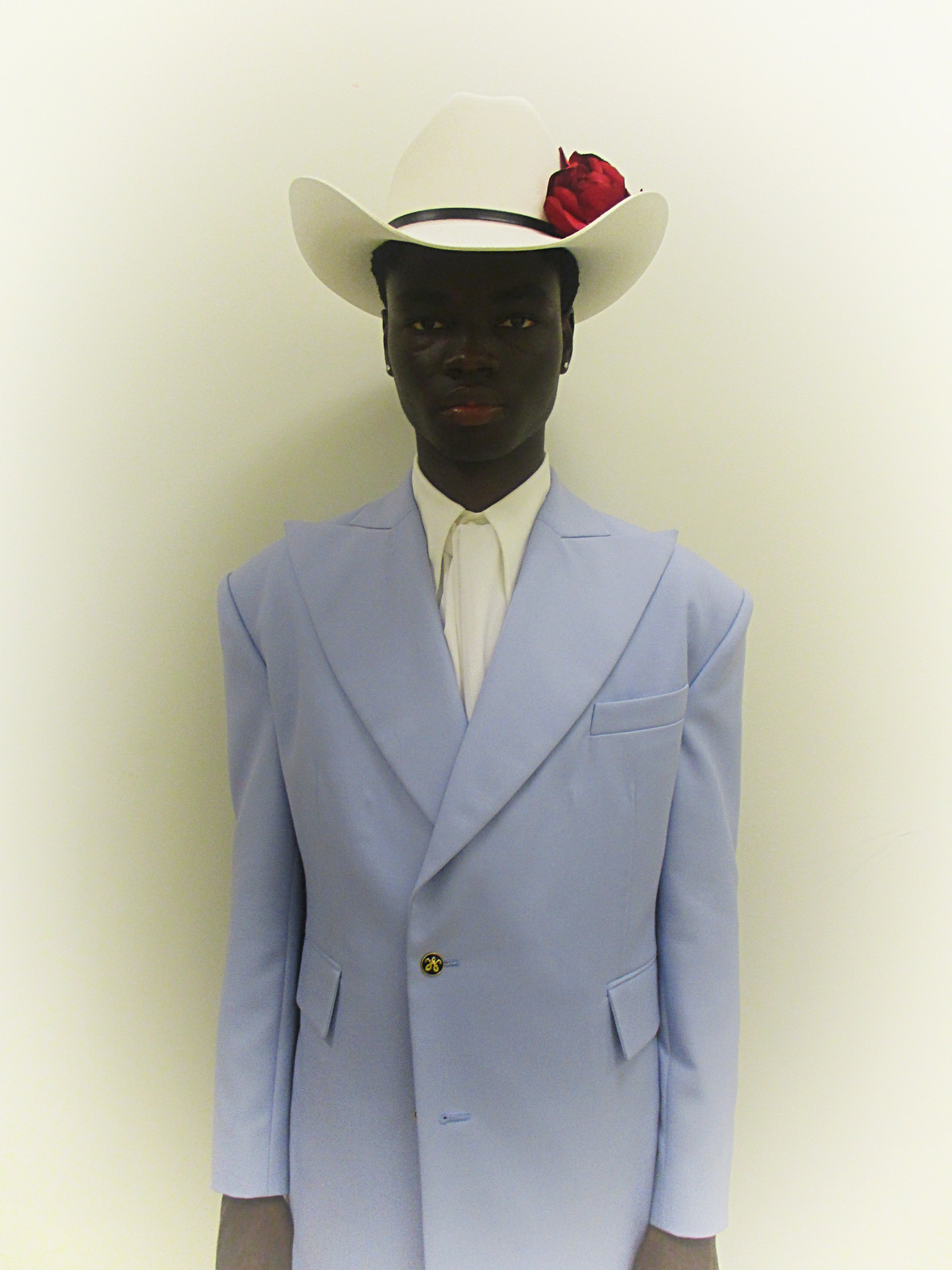
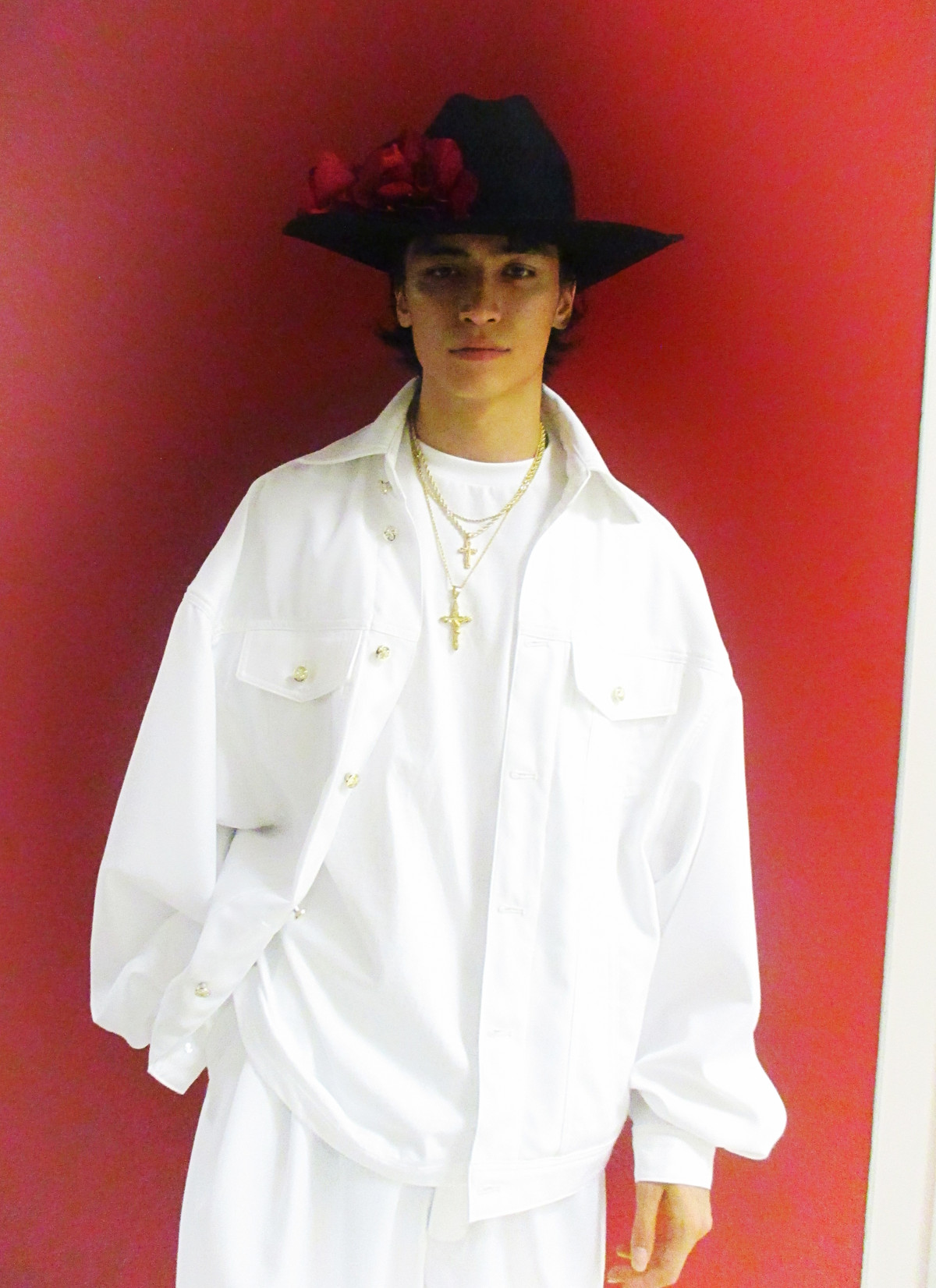
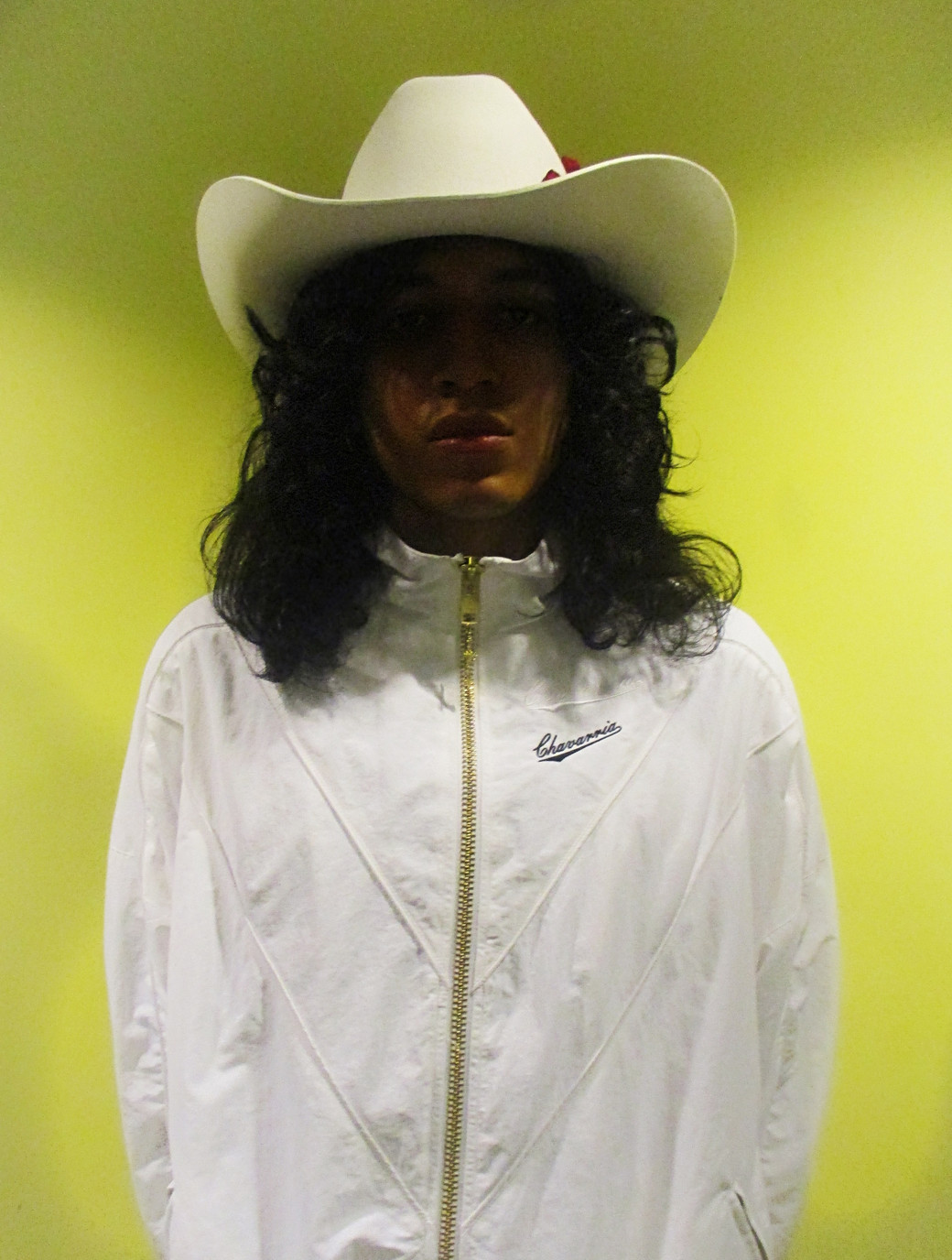
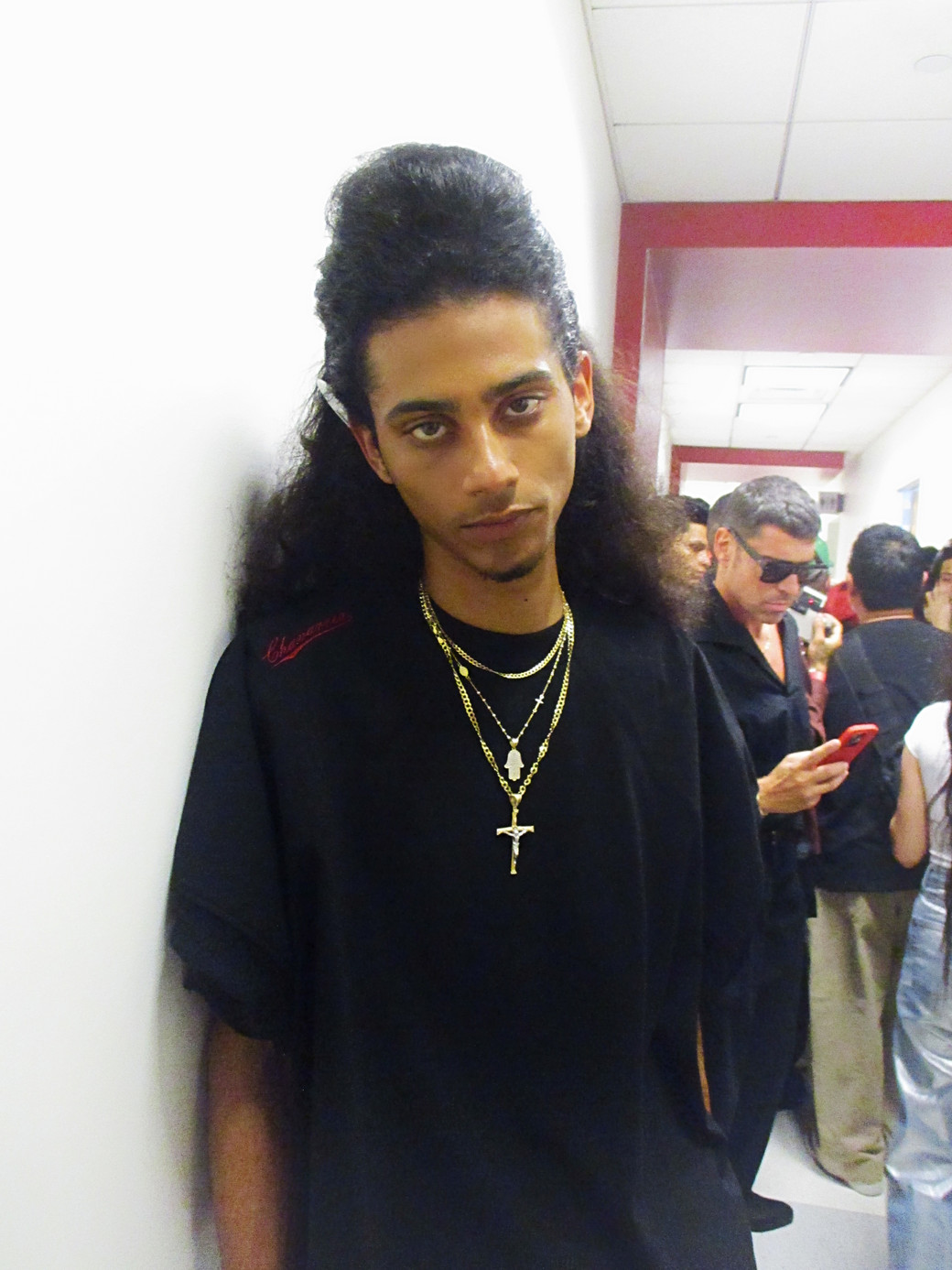
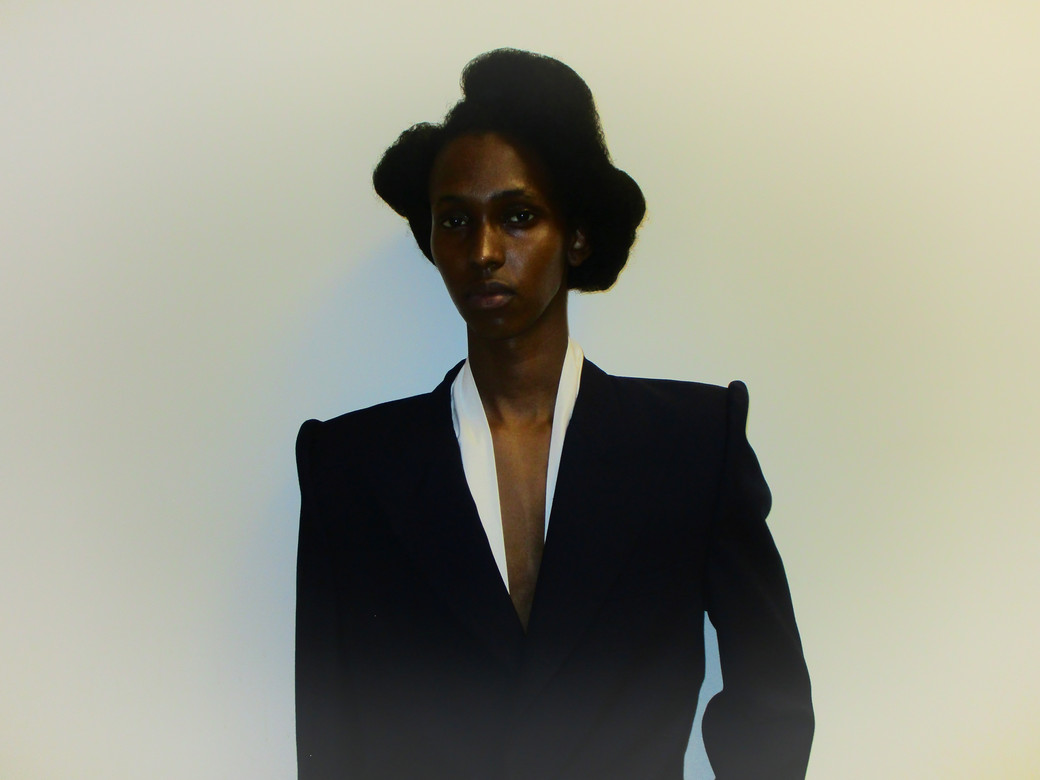
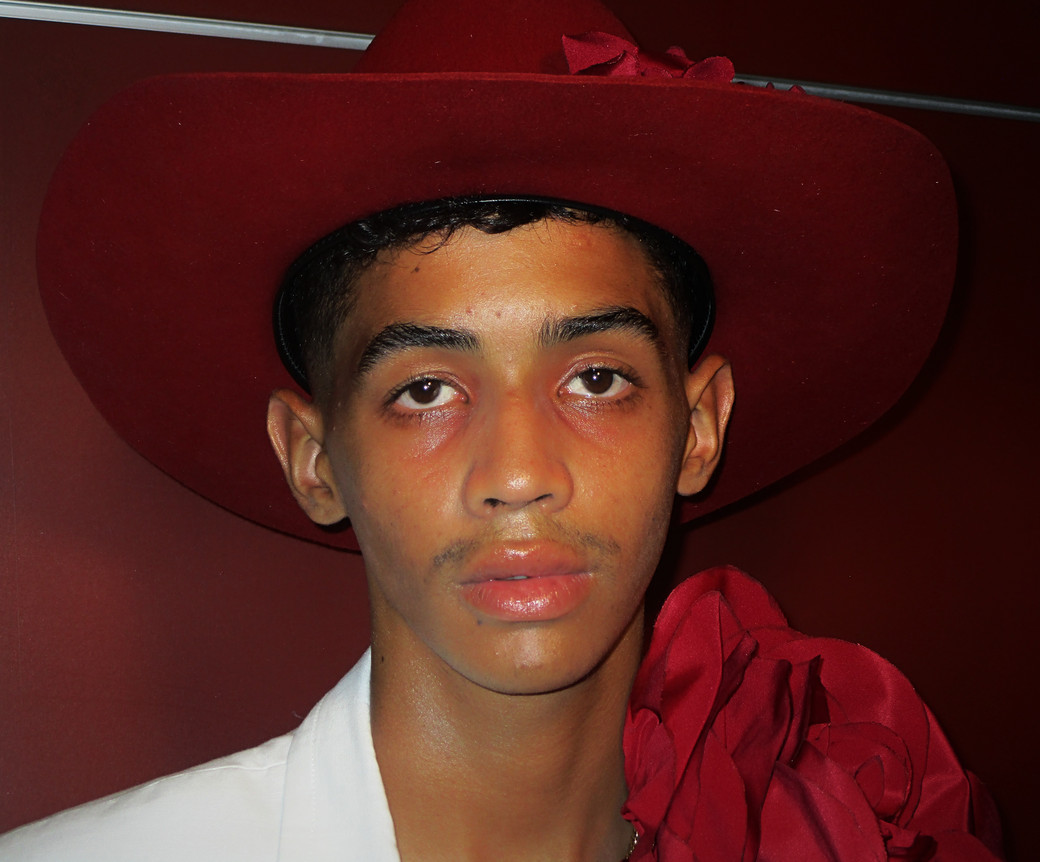
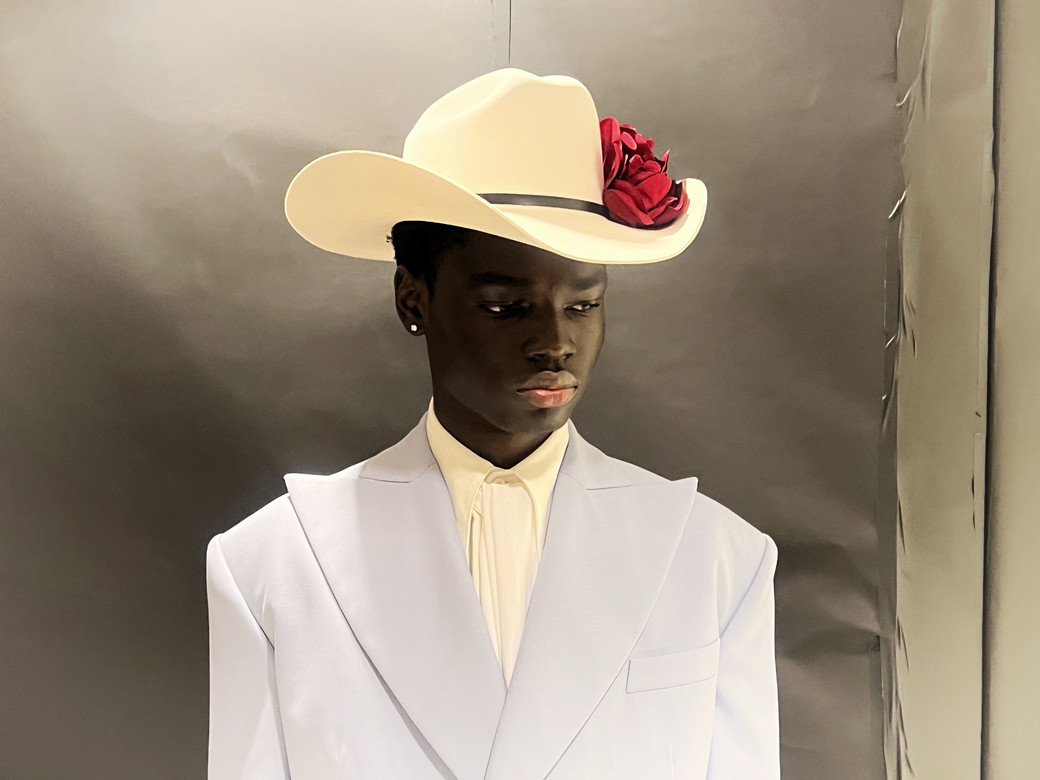
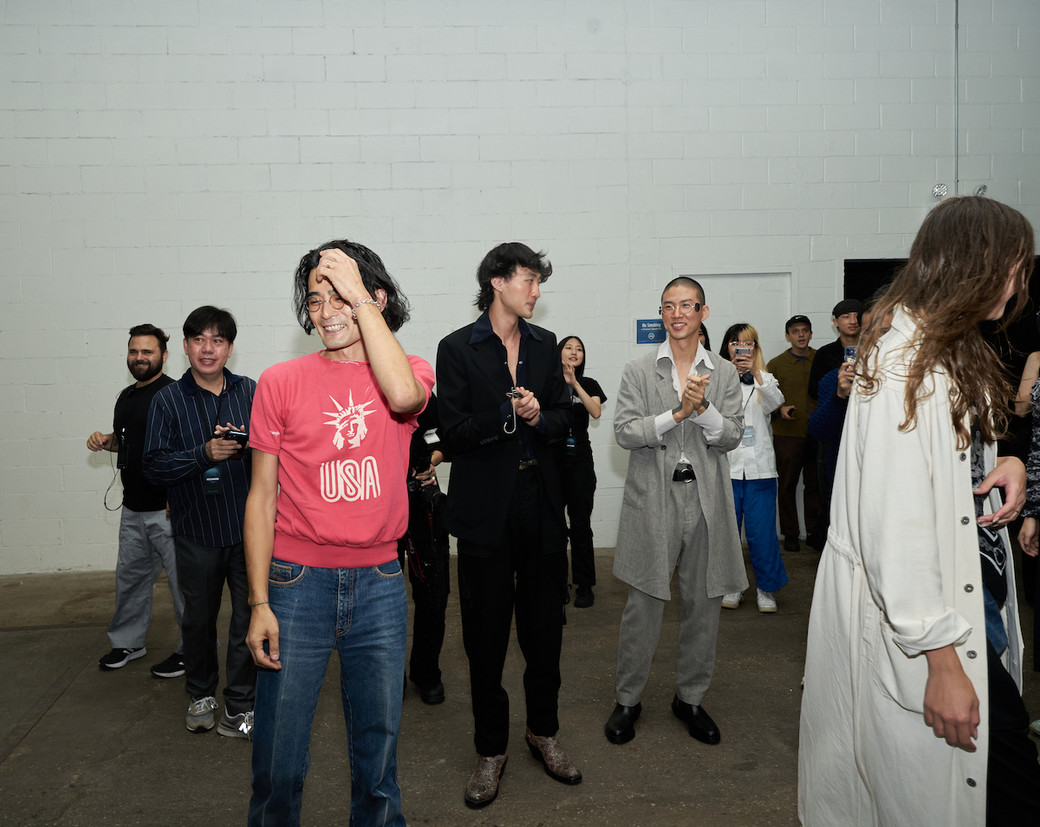
In true Chavarria fashion, the collection and the ambience paid tribute to the designer’s roots and the symbols of his hometown. Rapper and fellow Los Angeles native YG made an appearance among the faces on the runway. Guests were gifted Willy Chavarria-branded flasks of Don Julio Tequila while Latin music played to the backdrop of the elaborate friezes overhead. The collection evoked Willy’s signature references of the zoot suits of the 1930s and 40s paired with paradoxically timeless and nostalgic sculpted hairstyles, as well as intriguing combinations of sportswear and underwear with fine tailoring and elegant Western hats ornamented with roses.
After the show, I went backstage with office to speak to Willy about the "New Life" of his label.
Hi Willy! Congratulations on such a beautiful show.
Thank you, thank you so much!
Could you tell me about that sculptural hair? It was the first thing that caught my eye.
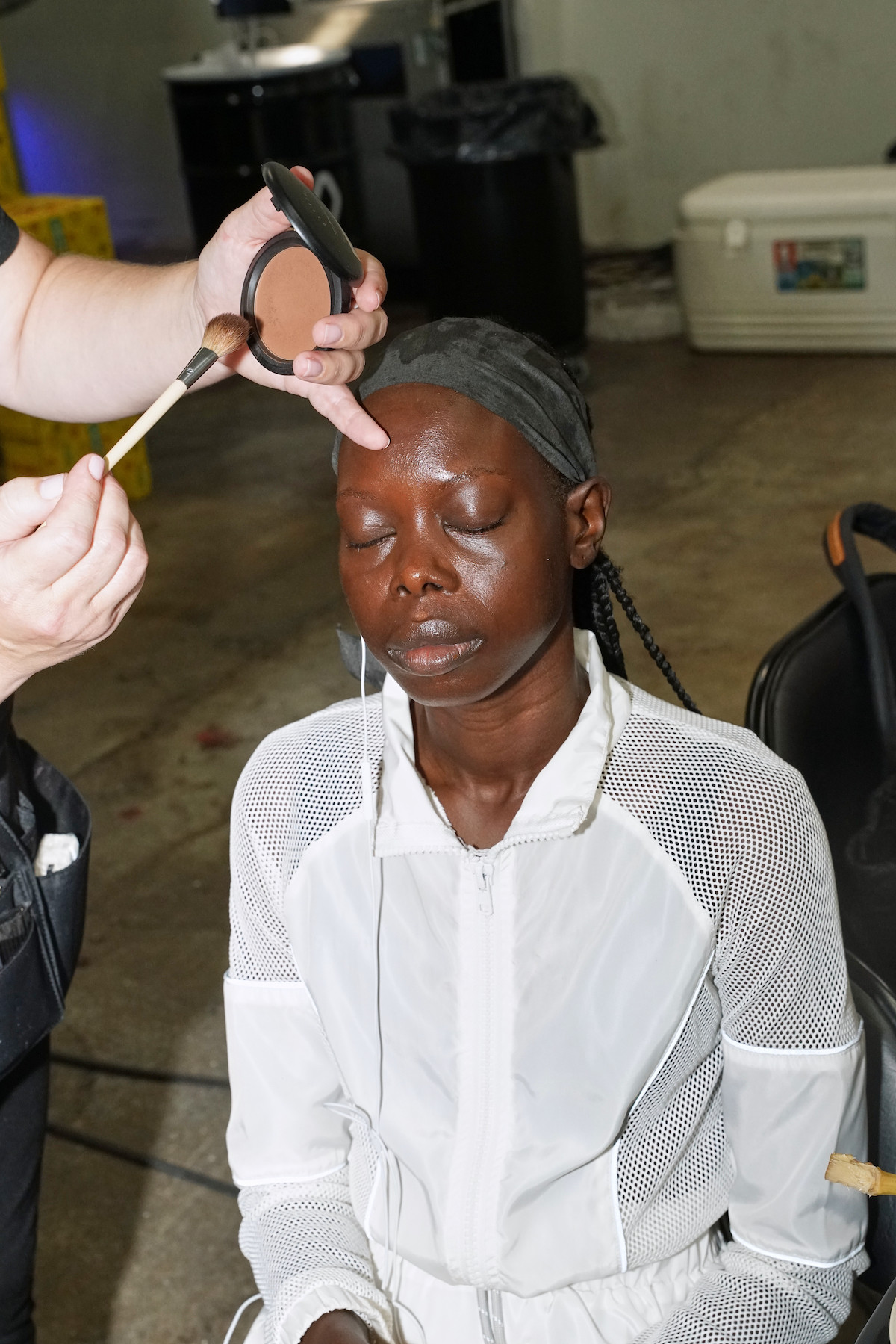
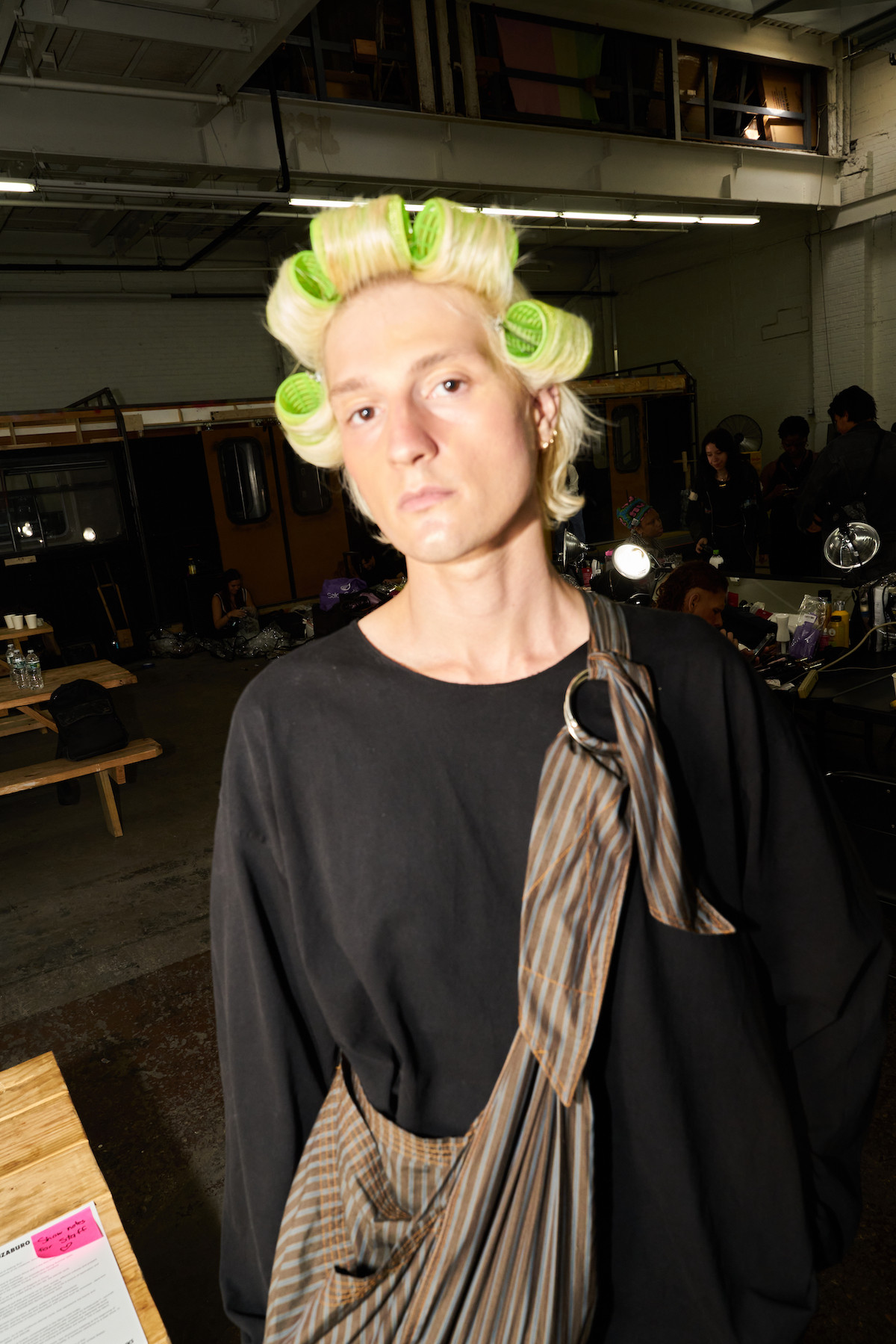
Any time I do a collection, in the months approaching the show, I work with my stylist, Carlos Nazario, my hair, Joey George and my makeup artist, Marco Castro and my creative partner, Jess Cuevas. We went through 25 different hair options before we landed in that realm.
So it just kind of comes together as it gets closer and closer to the final iteration. Where we landed was making those hairstyles that are both futuristic and referential of the past. And that applies to the entire collection. You know, we see things that are of the moment, like the story of underwear. Then we see incredible tailoring and suits that move from the twenties and thirties years, and the hats, and the sequins.
Yes, the tattered underwear! Can you tell me a little more about that, and why you chose to juxtapose it with those long, extravagant pieces towards the end of the show?
There was a story to the show throughout, and part of that story was about coming out young and fresh… and then the life story of today's youth. When we get to the point of the underwear, it's kind of like where we are right now: it's really fucked up and torn up and we don't feel the best.
Showing ourselves in these old tattered underwear… that just makes us show our vulnerability, you know. Also, I'm launching that line of underwear. That will be for spring 2024.
What were some of your style references or inspirations for the collection?
Definitely the hats are very much a reference to something my grandfather wore, my father wore, you know, the people in my family. It originates in working in the field, the men that work in the fields. It's like the symbol of manhood or machismo. Now the idea of machismo doesn't mean the same as it did before. So that's why we see the hats on women, and we see the hats on all kinds of people, younger people.
I loved that there were a lot more female models in this collection than in past ones. How did you make that decision?
Yeah — often, the way I have done the casting is I would do the style out with the models and dress them according to the personality. But the way I did casting this year, I put all the looks together and then I just chose the model for the look regardless of gender. So every look is fully non binary, it can all be worn by any gender.
You know, we're in 2023. All that doesn't matter anymore. But yeah, there were more female [models] and I love having them in the show. I mean, I love men too. [laughs]
On that note, queerness is such an inherent part of the Willy Chavarria story and brand, but I also noticed heavy aesthetic influences from Catholicism and Christianity — in the show promo, in the garments that looked like vestments, even the frieze in the room. How do you balance the tension between those elements?
For me, the Catholicism and the Christianity is about cultural references, more than it's about, you know, actually going to mass. Although I go to mass, I love music. I love mass because it's so chic.
I've always loved the beauty of Catholicism. I don't like the history of Catholicism, but I always do include references to that in my work.

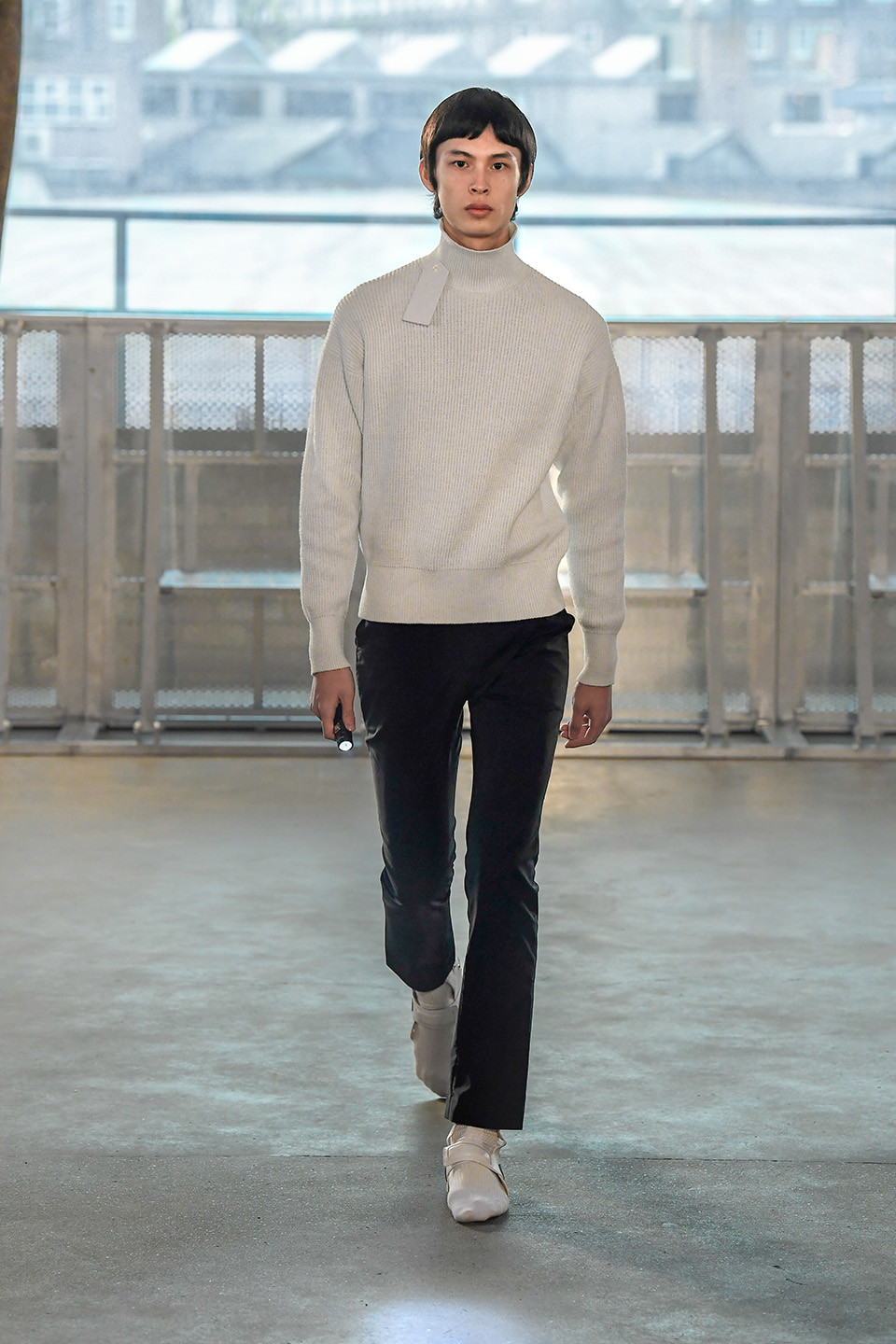
This show was called “New Life.” How was designing this collection a new beginning for you?
As I've grown as a designer, I've been able to make better quality pieces. I have that privilege now. When I started in 2017, you know, I wasn't working with amazing ateliers or using Italian sequins. I was going to Mood Fabrics to get my fabrics. But now my collections are more elevated, my price points are becoming more elevated.
I really wanted to show Latin culture in the most elegant, glamorous, chic way possible. We had all the music, like Mexican music, Puerto Rican music, Peruvian music and it was all very chic, like you could have been at some cocktail party with your Rolls Royce parked out front.
I see my family members, I see my uncles, I see my aunts. I see my cousins in that show, there are looks in that show that are literally my grandfather — like just pants, open shirt and a hat that smells like, you know, he's been working all day. [laughs]
With your last collection, you talked about feeling like you wanted to focus on craftsmanship because the political messaging in your designs had started to dominate the conversation. This time around, did you still feel that pressure to zero-in on craftsmanship, or do you think you were able to balance those expectations?
I think last season, I was doing something that I wanted to be perceived as the highest level. I really wanted to be seen as a legitimate top tier designer, like Oscar de la Renta or Yves Saint Laurent. I still want to be. But I feel like I did that for validation in a way … I have to say I did. I did it so that people would say, ‘this is a real designer.’And I got that validation. So this collection, I've already got the craftsmanship, I've got the most talented design team.
It's still top tier, but I really dug into my own personal influences and then the cultural references that have built me as a designer. I'm able to do something from the heart that is pure, pure Willy, its own thing. Nobody is doing what we're doing. And I love that. I love it.

Congratulations on your debut! How are you feeling?
Thank you. I’m feeling great, very happy to finally have executed this show as [a runway presentation] has been in the making for quite some time now. Being able to see it all come together is both satisfying and exciting.
You had kept your audience waiting indeed; how come you felt like you were ready to take on the challenge for this particular season?
Well it has been highly anticipated–10 years–but then came the pandemic, and right after that uncertain period my personal focus was dedicated to actual making of the clothes, rather than the presentation of them, even if they might be considered to go hand in hand. Now, I felt like I’ve taken my time to build up a long lasting relationship with both the community and my collaborators, and so this is the time to celebrate it all coming together.


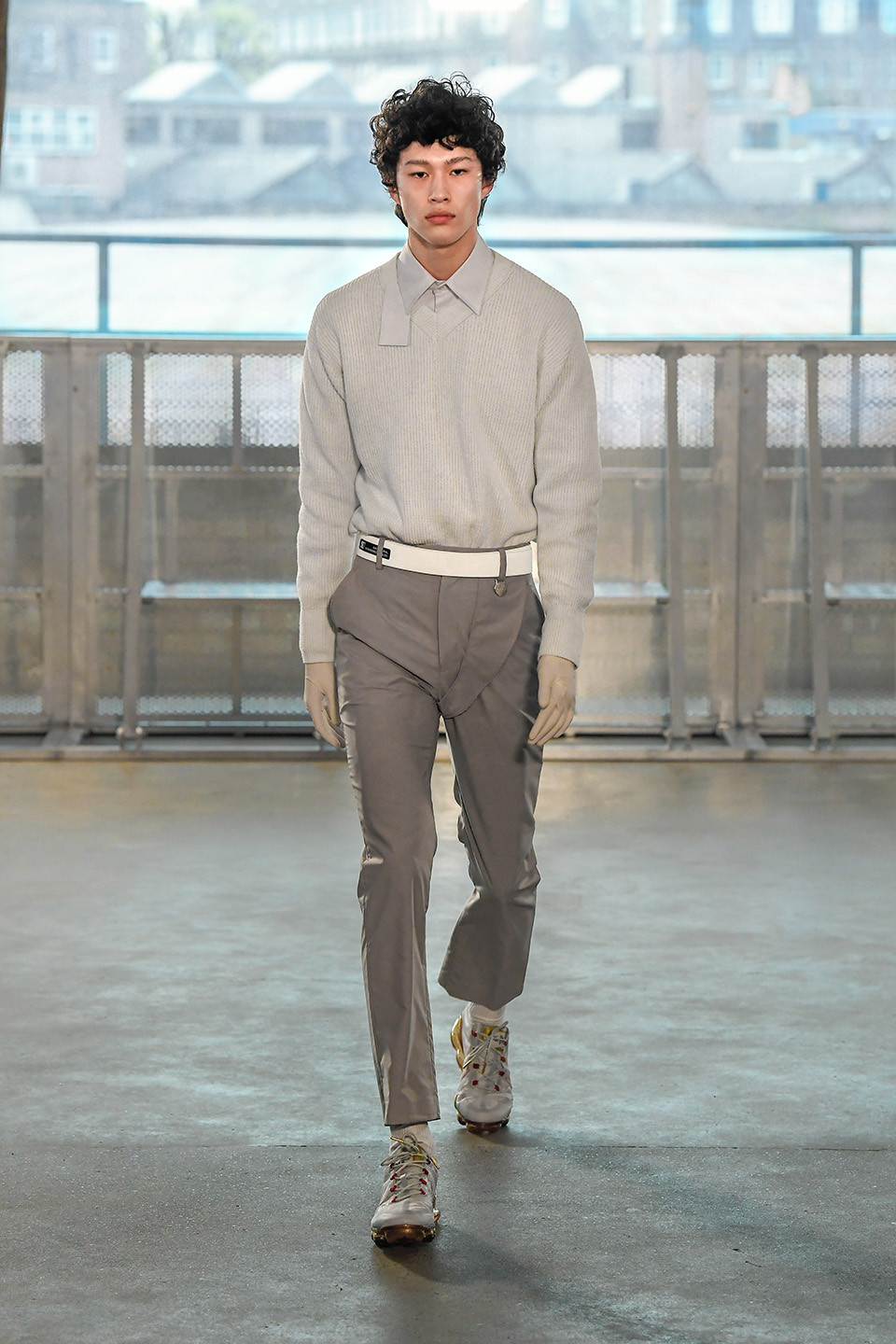
You have described your previous collections not only as objects or garments, but rather as carriers of philosophy, perhaps best described as a medium of silent communication, touching upon topics such as En-yo, Mottainai, what was the ethos behind this collection, Land of Setting Sun?
Just as in earlier seasons, these looks are definitely created in close contact with spirituality. The title refers to an utopia of dragon and snakes, specifically Nāga, being the snake God of Hinduism. The serpentine functioned as my starting point, but there are also many references which nod to fertility and the Uroboros circle, which is an ancient symbol of a snake biting its own tail; embodying the eternal cycle. I enjoy exploring different cultures [Akasaka himself being between west and east, American and Asian], and then connecting them all together through my research. It feels as if I’m creating unique stories, it comes naturally.
Does your practice stop at merely fashion design? For not only have you been narrating numerous tales, but also designing, creating, shooting and even modeling your garments during the last decade, is there any way to define your transversal practice?
That's very true. I suppose it’s up for question, both for me and for other people. However I still feel like what I’m doing has fashion design at its core, but then again what’s fashion? It's individual.

Does this notion of individuality have anything to do with your practice as “challenging the status quo?”
In my opinion, we should all be challenging the status quo by being ourselves. During my upbringing, I tried to fit in with the rest, which I suppose is not that different from any other person at a certain point. Then I realized that as I was doing that I kept my own character hidden. What’s normal to you isn’t necessarily normal to me, call me abnormal if you’d like, but the starting point of ourselves should always come from within.
Besides that focus of individuality, what other feeling do you want your audience to leave the venue with today?
Above all I want us to keep thinking about the future, but instead of it as an abstract loose term, I want us to think that we can create the future that we want.
Are we on the right road towards that mission?
I think so, yes.