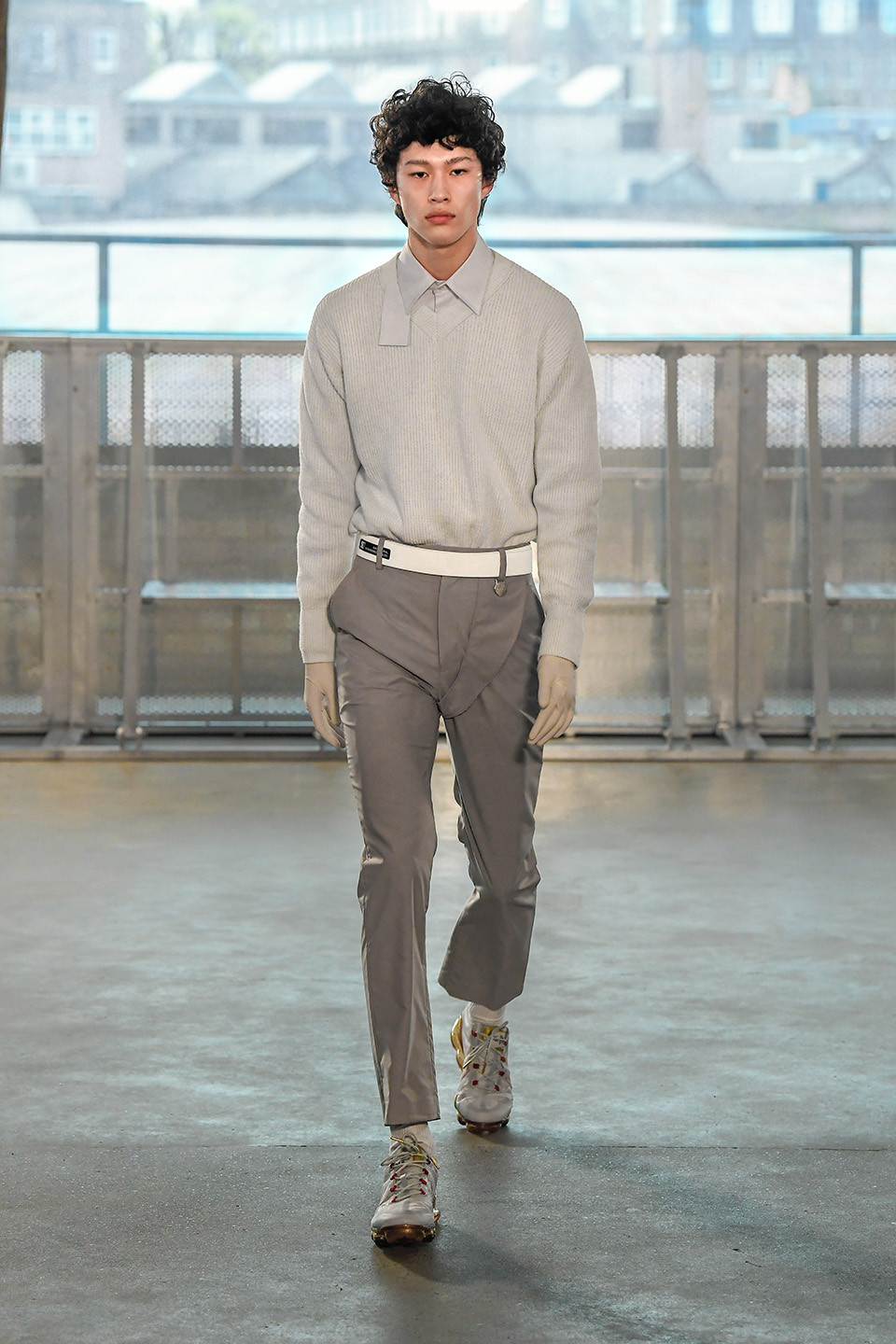
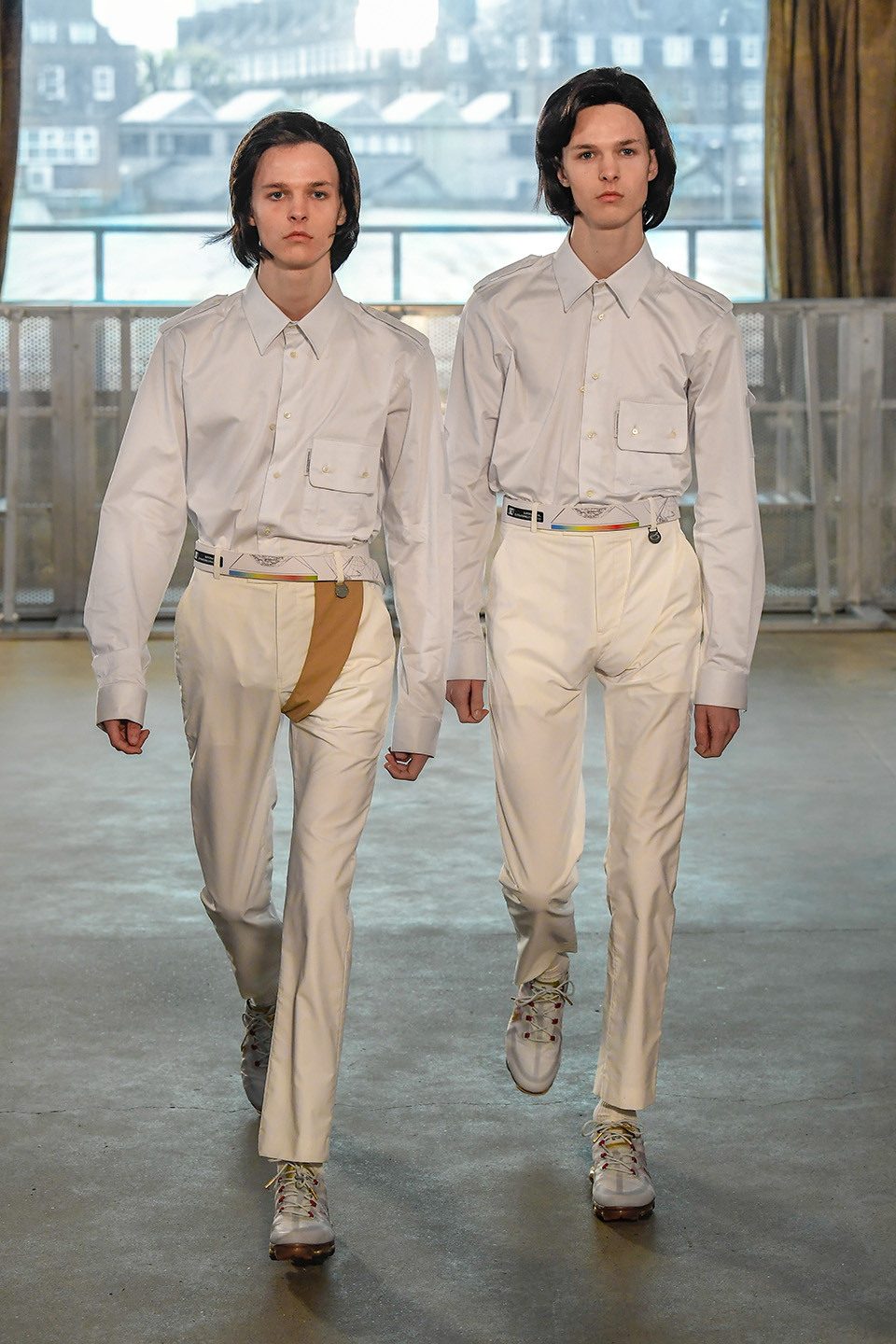
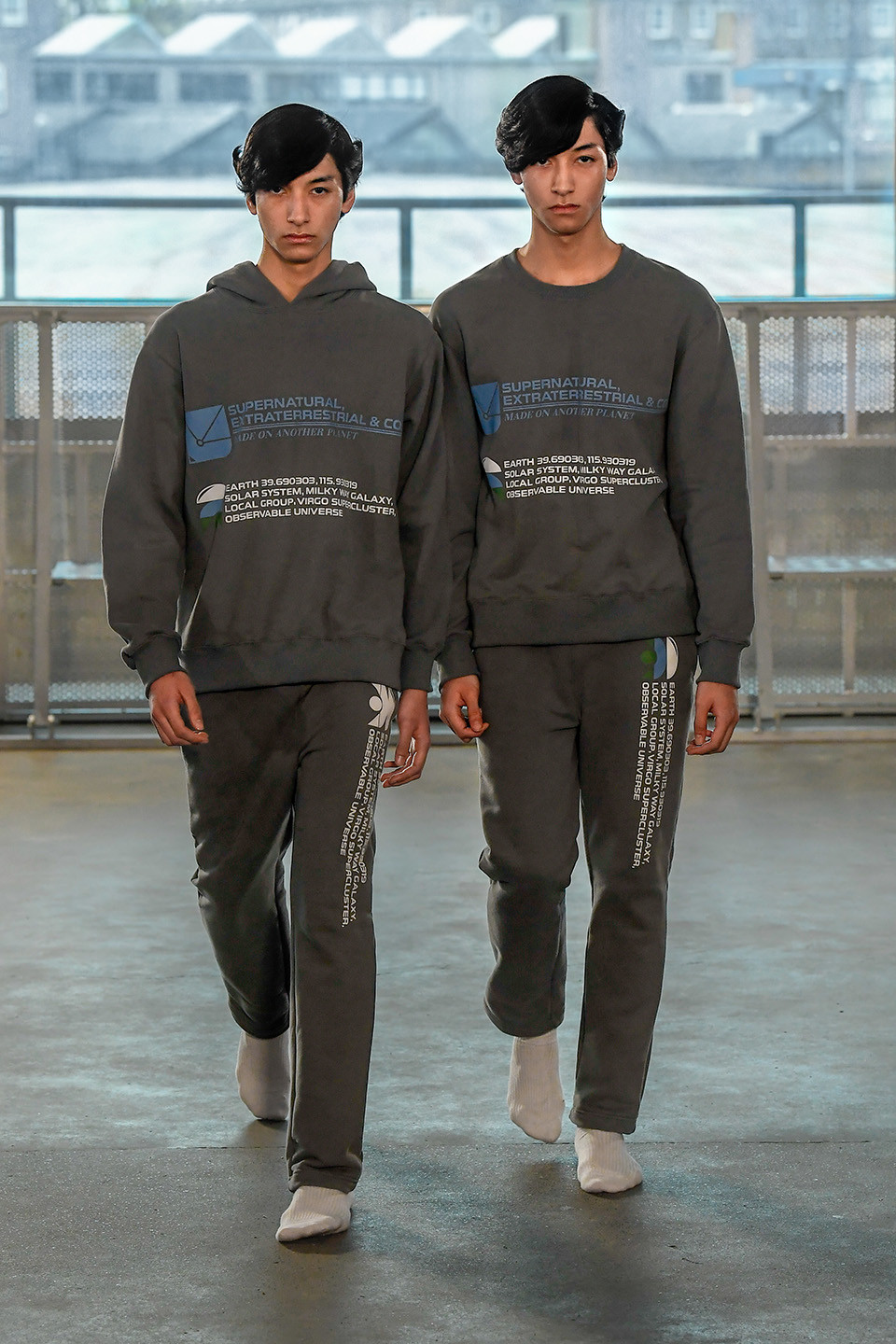
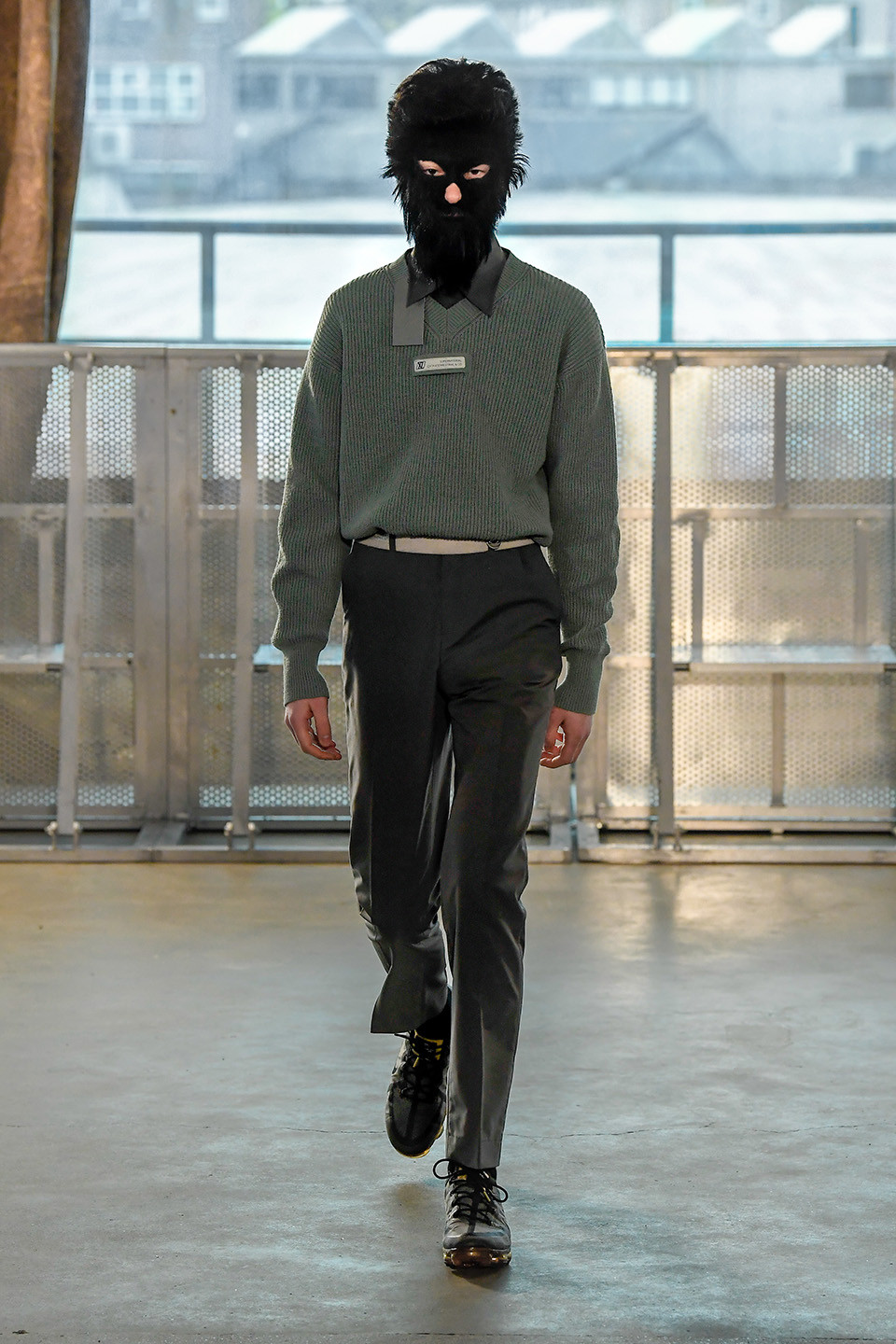
Evolution of Man

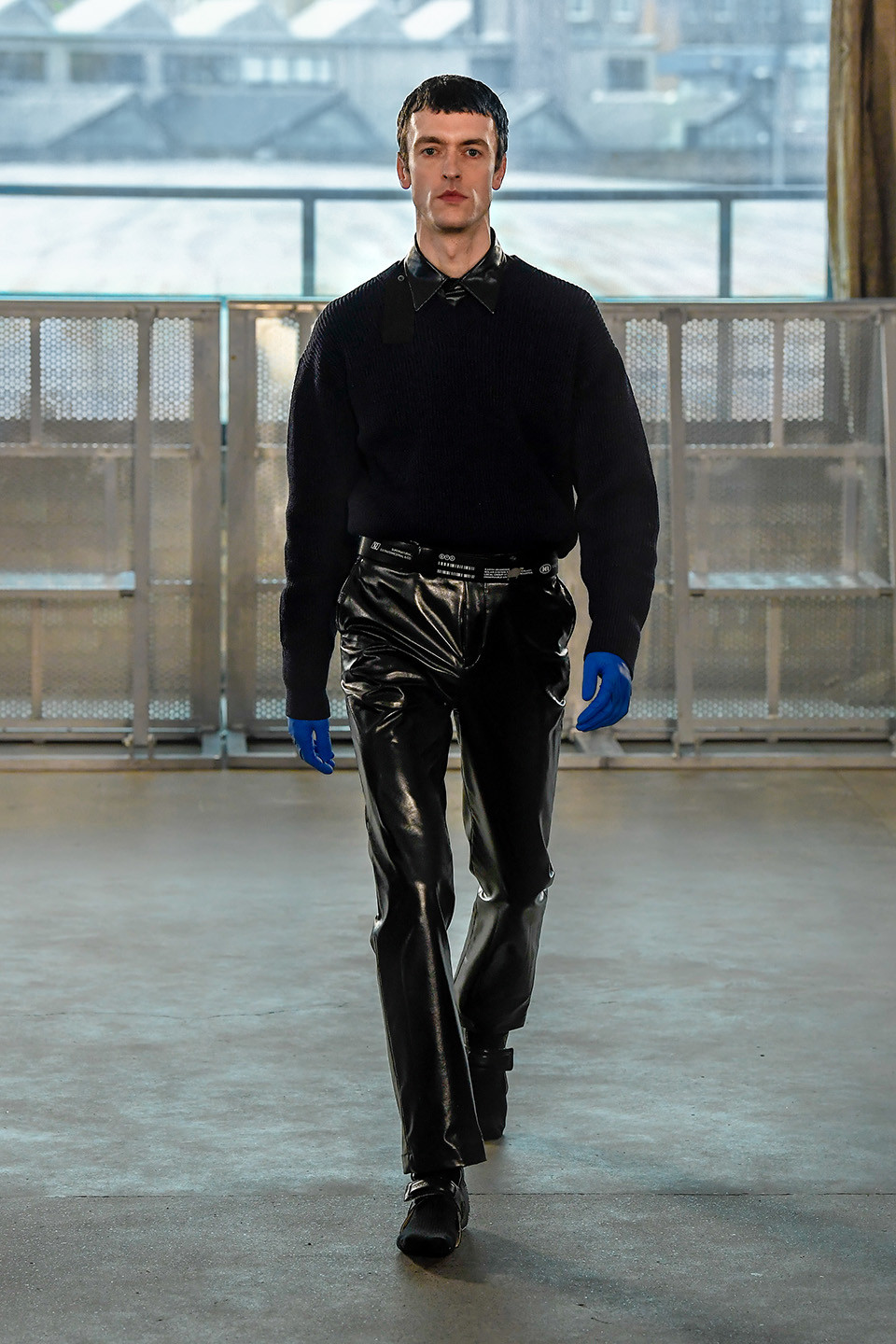
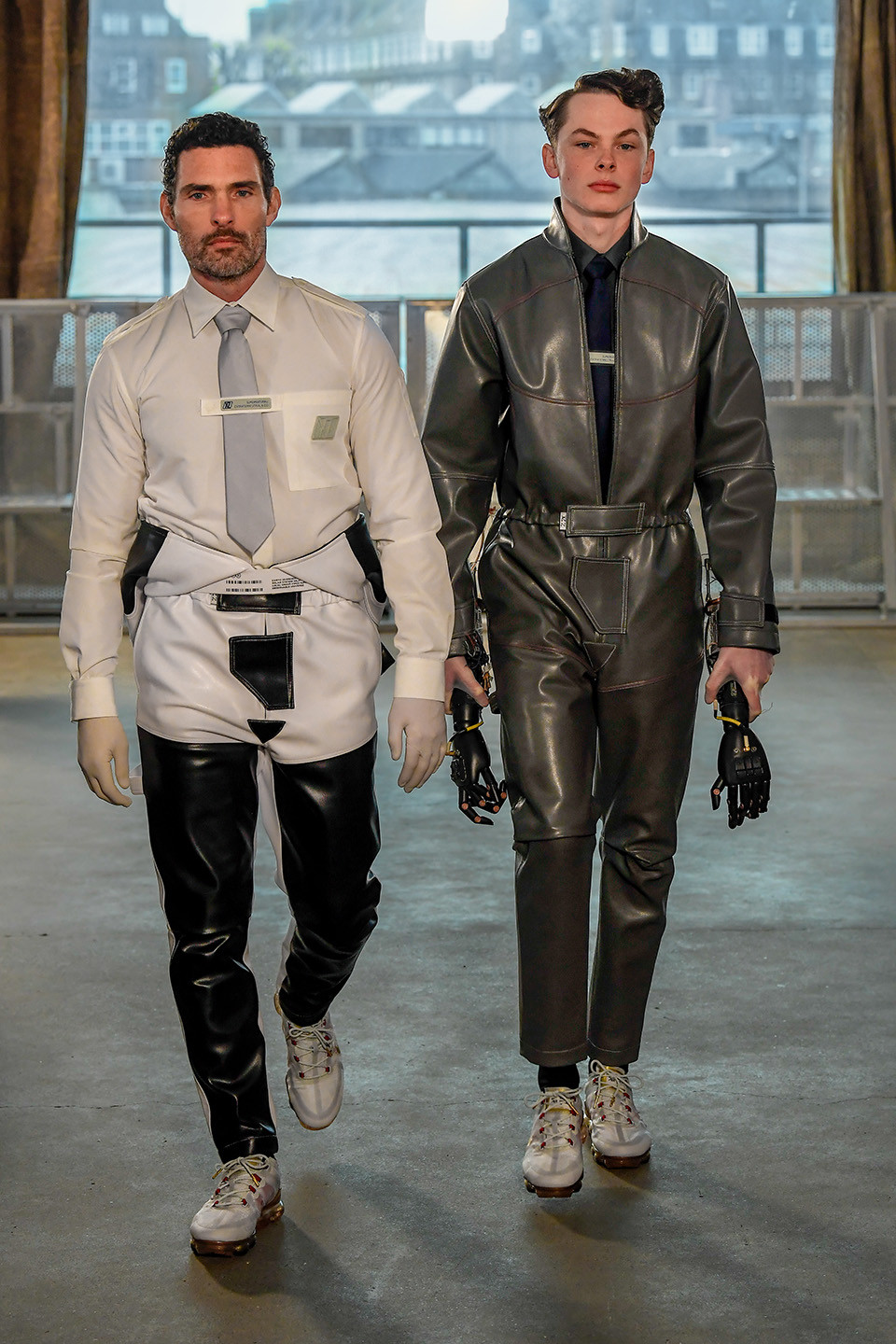
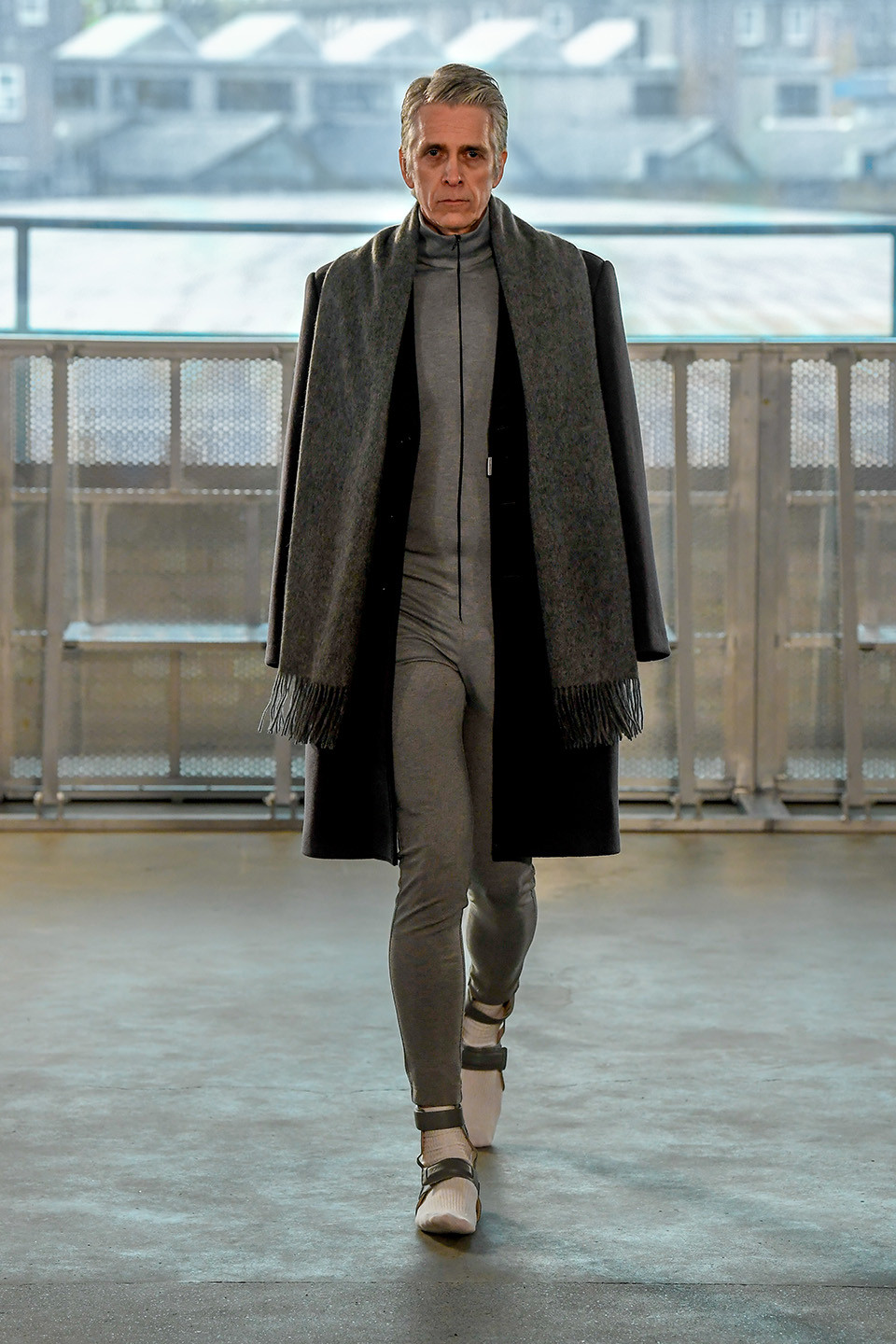
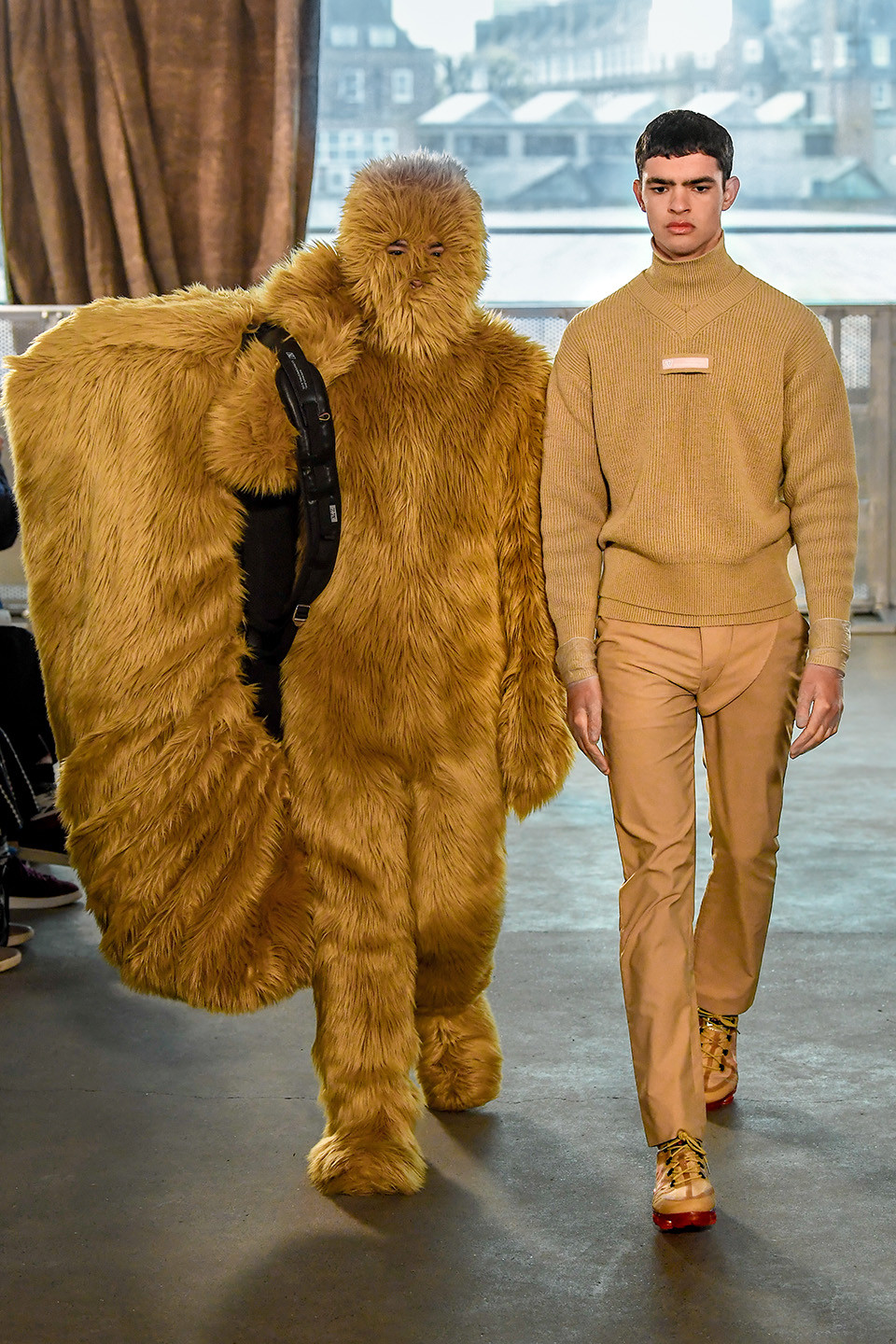
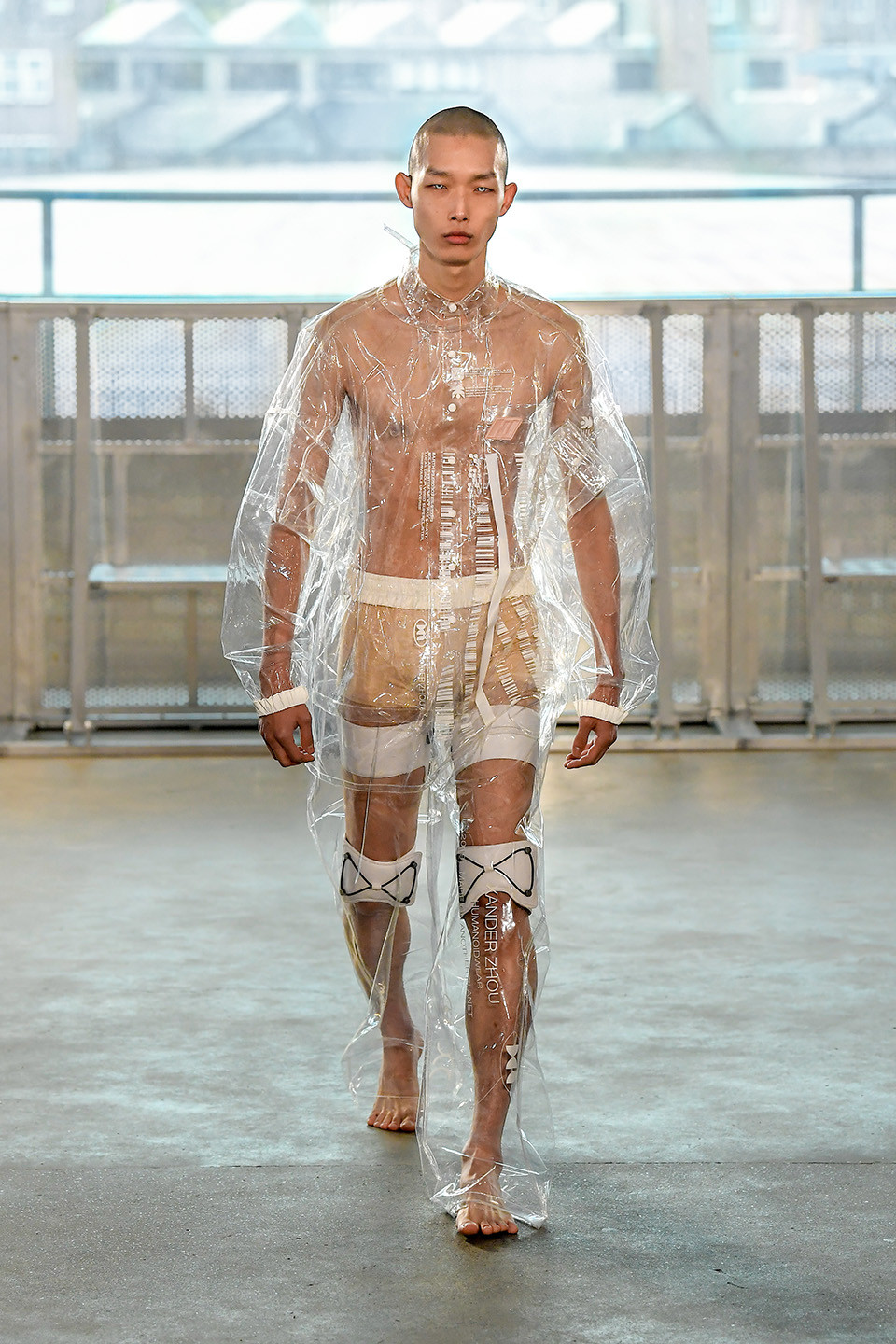
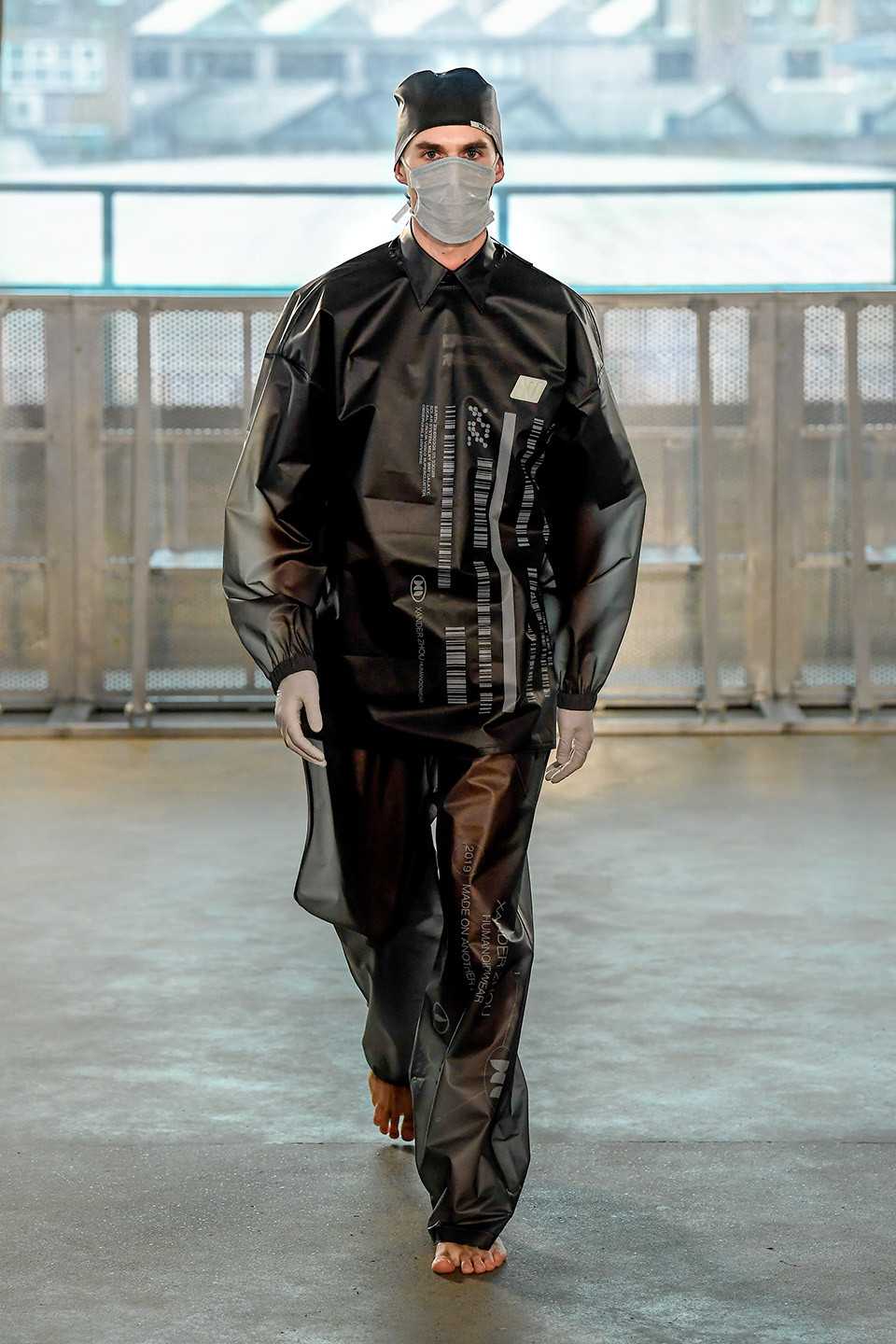
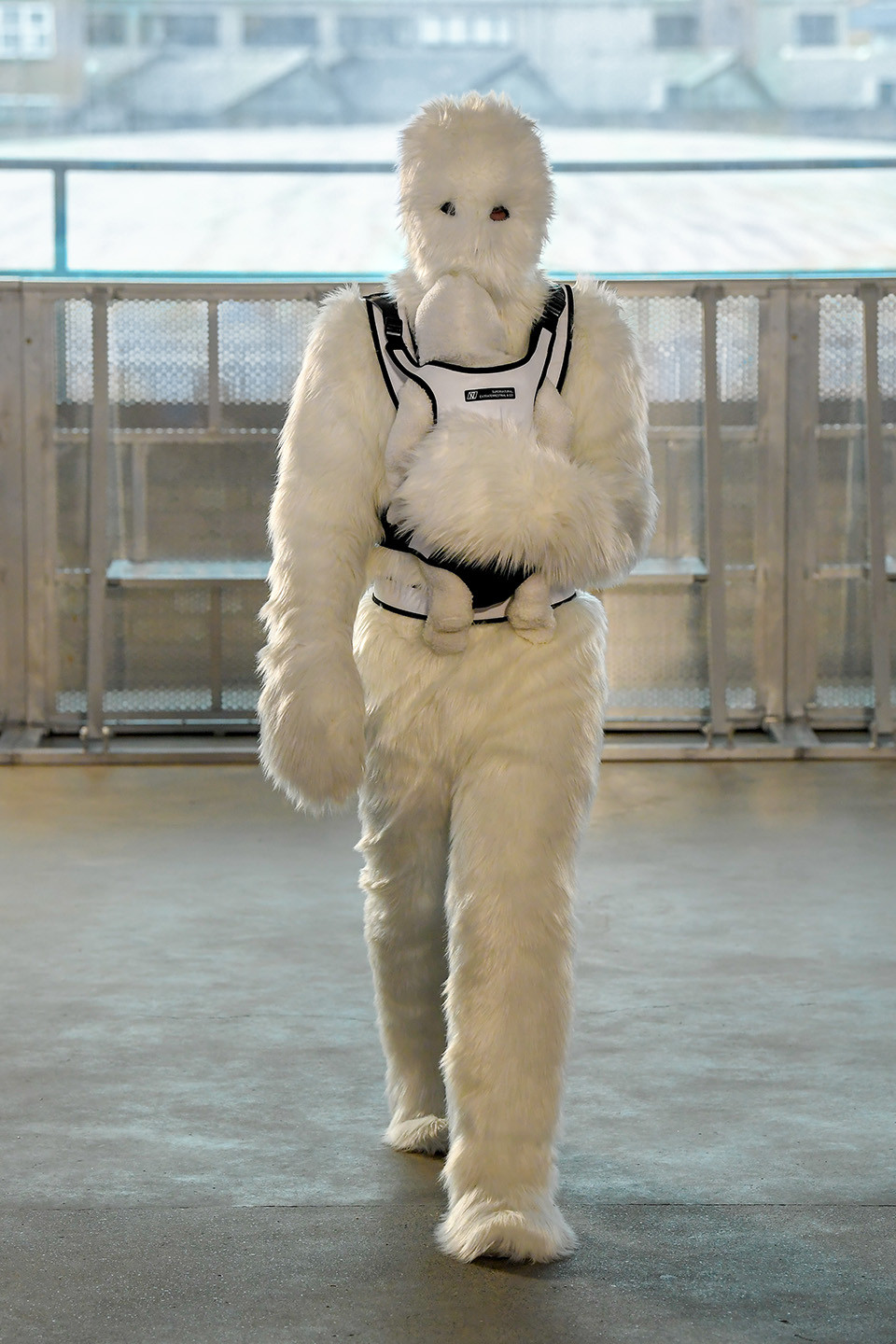
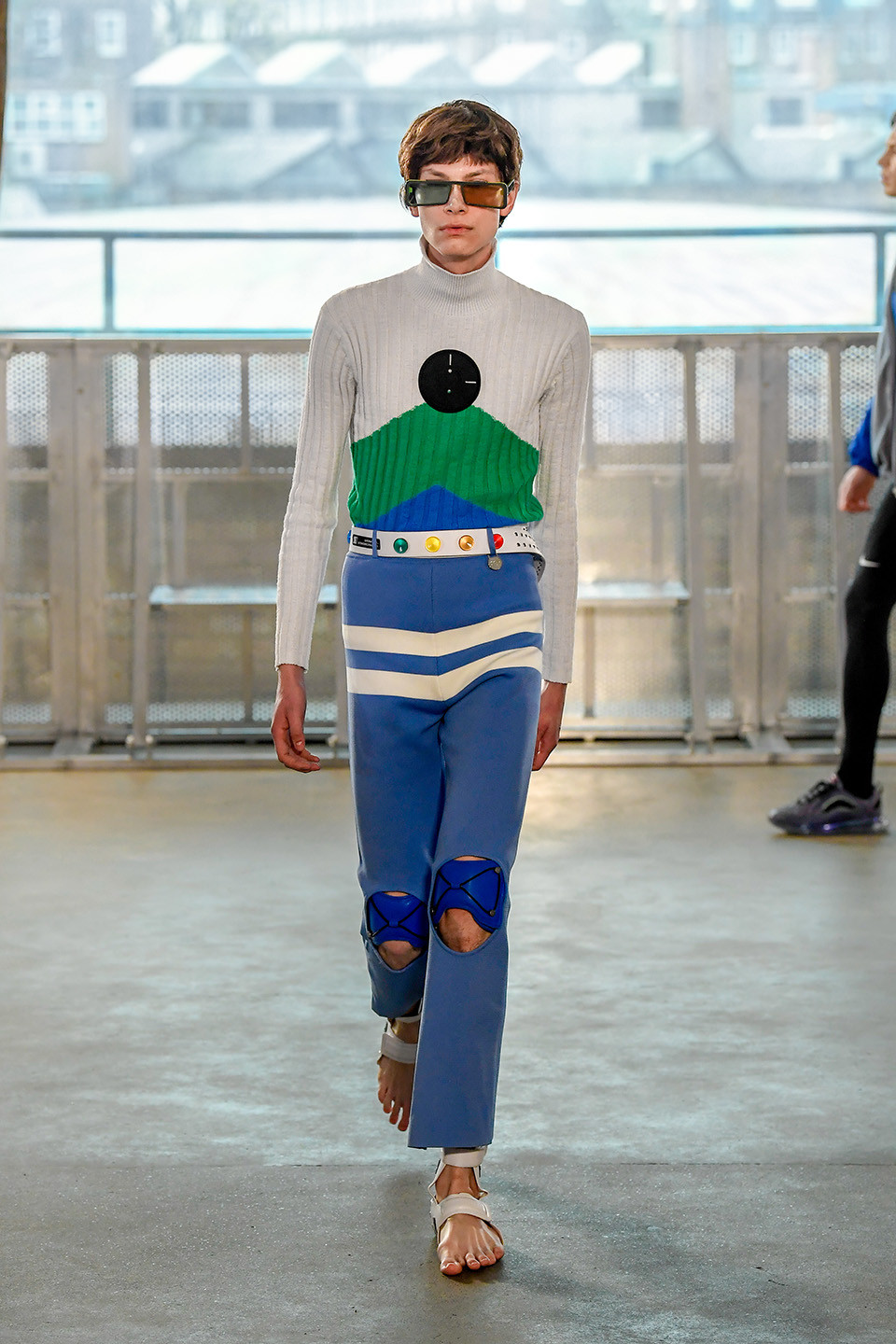
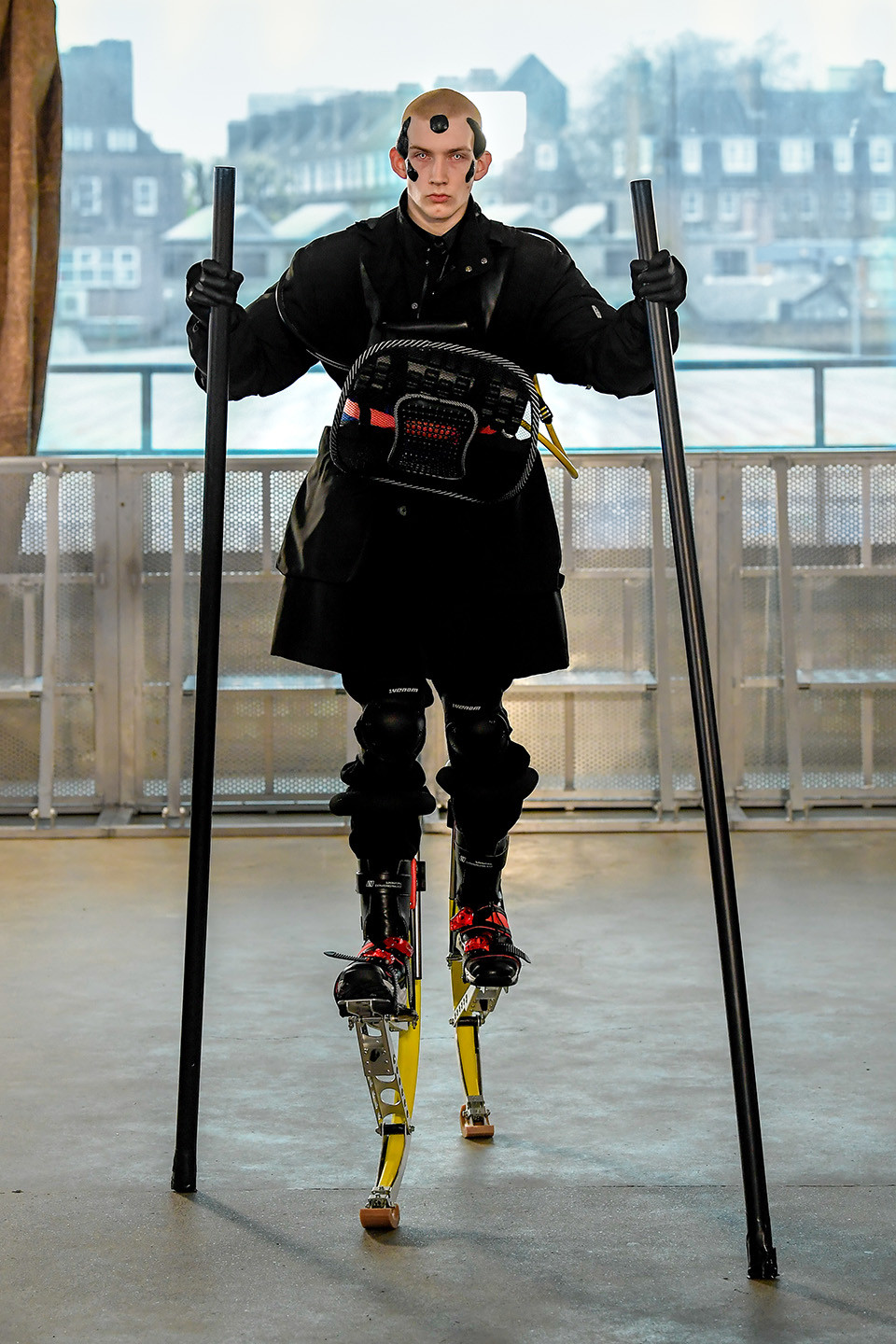
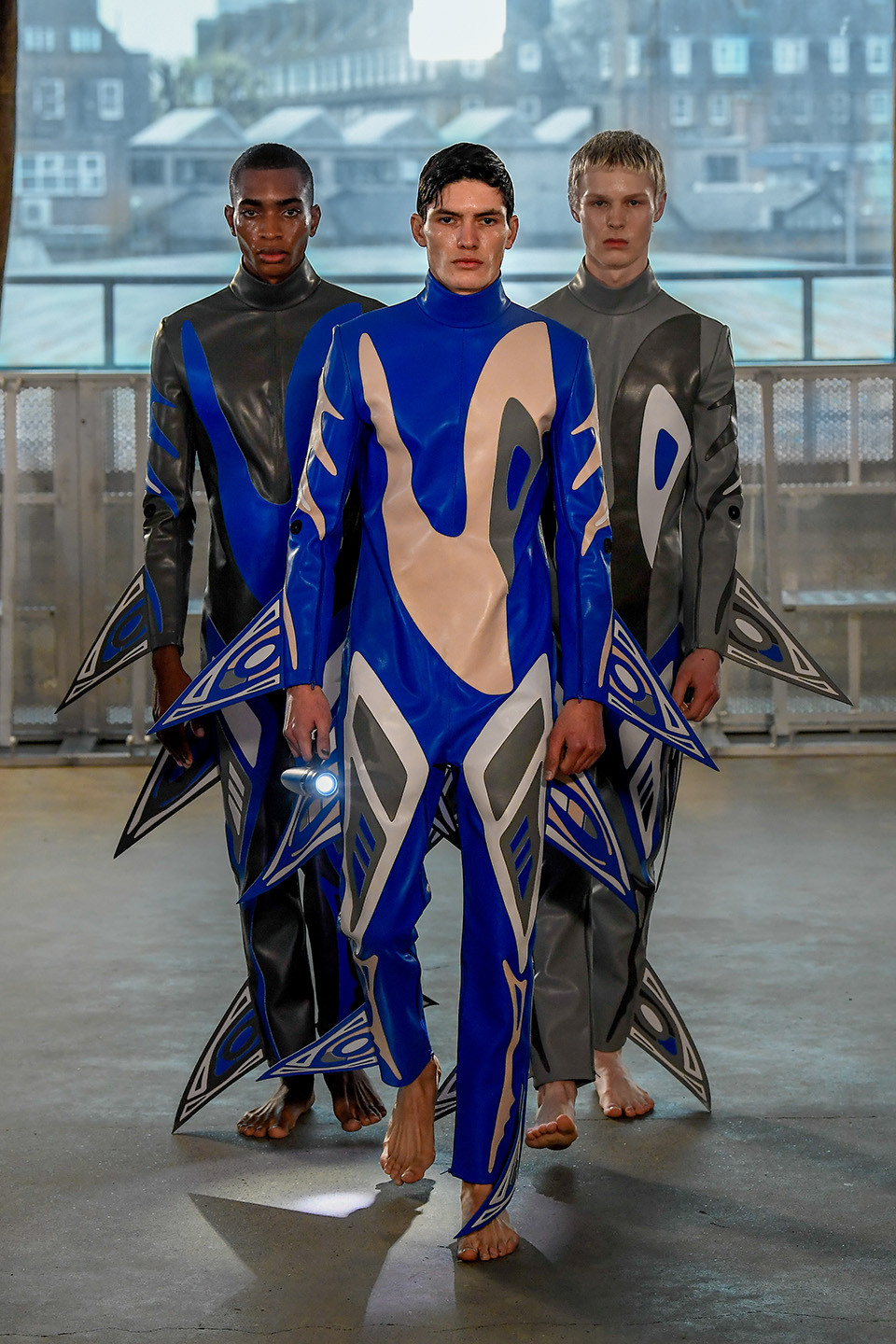
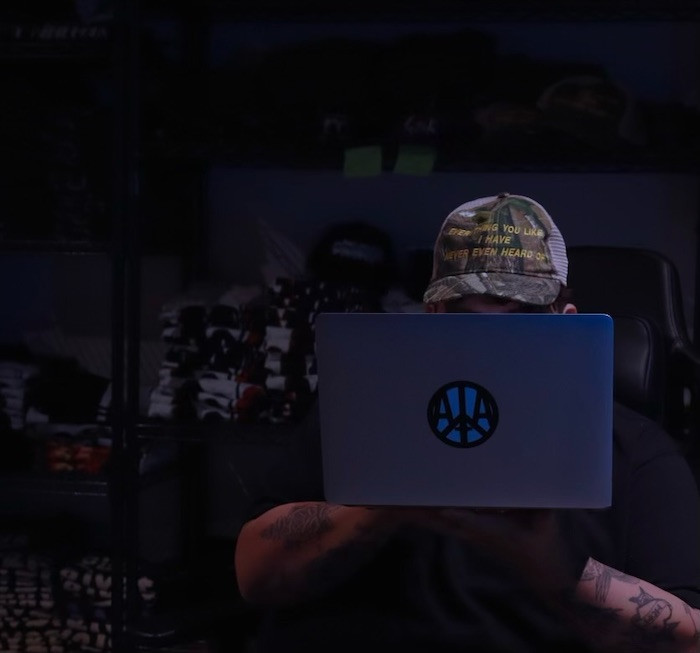
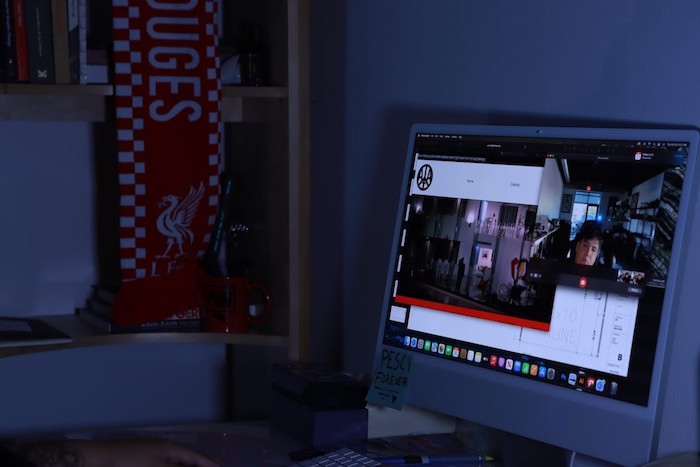
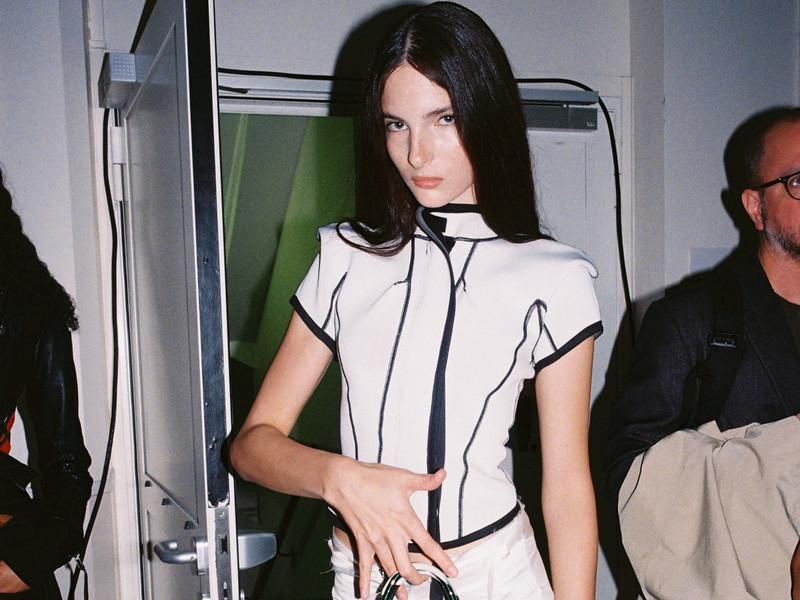
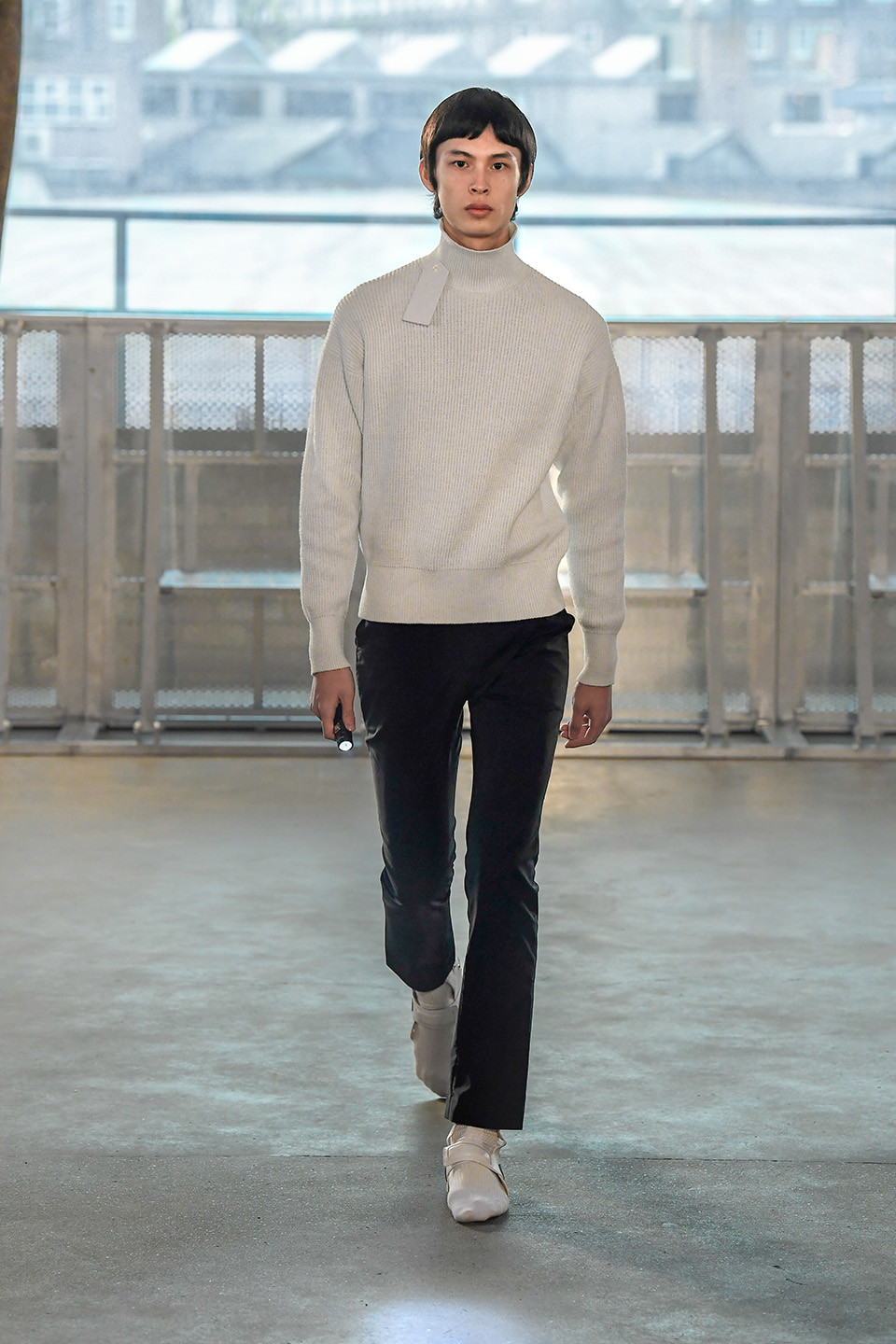
If this is the evolution of man, we're into it.
Peep some of our favorite looks, below.
Photos courtesy of the brand.
Stay informed on our latest news!

If this is the evolution of man, we're into it.
Peep some of our favorite looks, below.
Photos courtesy of the brand.

What’s behind the name Fly Nowhere?
Nowhere FC was just a concept which came from a graffiti crew called FC Crew in New York – West, Supreme, Dash, 167, Kaws, a lot of legendary writers came from FC – that’s where my team-building and style came from – the FC Crew which has been around since 1982. And then in 2010, Nowhere FC arrived with a new generation, not so much focused on graffiti as on art… We started as a football club called Nowhere FC, like a hypothetical football club. We can go anywhere, so we’re kind of from nowhere. We didn’t want to bind ourselves to regionality. We really evolved on the Internet, through social media. Our community, our customers, our conversations were all going cross-borders. So, we wanted to think big and expansive for a long-term plan. We don’t want to be tied to being just a “New York FC.” New York was the Petri dish, but the ideas, the cultures, the flavors, were from everywhere. So Nowhere was the most appropriate way for us to roll as a team. Then Fly Nowhere became the commercial end of it, like an airline sponsor. We started getting calls from companies asking how we could work on football projects with them. So we created a studio to service consulting, design, creative, whatever these companies wanted to do in the football space. The Football Café that we created (in the Lower East Side), kind of became the base. We had a café, a gallery next door, and people would come to watch games, hang out, and have drinks. It quickly went beyond that space and became a global creative agency. Nowhere FC was just a concept which came from a graffiti crew called FC crew in New York – West and Virus AA [creative colleagues also at Supreme], Dash 167 who hired me for some of my first freelance work at Rocawear and Sean John, Wane COD, Kaws, a lot of legendary writers came from FC – that’s where my team-building, and style came from, the FC crew which has been around since 1982. And then around 2010, Nowhere FC arrived with a new generation, not so much focused on graffiti as on art, but with the foundations of graffiti crews and their team identity systems as one inspiration for our DNA.
How did you get involved with football?
I’ve played since I was four. My dad is Peruvian, which is Inca, African, and Italian, and he always had an interest in football as a connection to our identity. He was adamant about me trying it out as a kid, and it stuck. I didn’t come from a really strong football neighborhood or football culture, but I played it at such a young age, so it’s always been a part of me. I became a fan of the foreign game, the global game, in my early 20s. I played in Seattle, and it was pretty serious — all year-round, indoor and outdoor, traveling to tournaments the Olympic Development Program was having in the ‘80s and early ‘90s. Olympic Development was the level before you go pro. I was never good enough to go pro, so by my teenage years I just started diving more into graffiti and art, but the football stayed in me. I became a fan of the foreign game, the global game, in my early 20s. When I got my first interview at Supreme, it was a total coincidence that they were doing their first collaboration with Umbro —my hiring test was to go home and design a soccer jersey. It was completely random, I never expected that.
So what was your position at Supreme, and how long were you with the company?
I started out as an illustrator and graphic designer, and then I got involved with sportswear design and collaborations. James Jebbia is really like a Warhol to me; he won’t call himself an artist, but to me he was. I watched him direct and weave bits of work from an all-star list of talent, and craft something very layered that I still am digesting, years later. I came there for a job but I started to appreciate that Supreme was even more intricate and disruptive than I imagined, and could not be confined to just being a “business.” This was my first hint into the idea that you could make money and make “art.” I was in-house for about 4 years and kept freelancing for them for a couple of years after, before I met another creative mentor named Reed Putlitz who was the director of Marc Jacobs Special Projects. He brought me in for the next few years to do weird collaborations and stunts under the president Robert Duffy; the Bookmarc store and the MJ label with the really long name “Jacobs by Marc Jacobs for Marc etc.” I was lucky that some of my first in-house jobs had teams and bosses that taught me expansive ways to problem-solve and be curious.
As a multidisciplinary artist, do you see creativity as a language? And if so, what do you want to convey?
Well, I think part of that is [about] the times we’re living in. Craft, and genre, and industries are breaking open, so everyone has to be kind of multidisciplinary now. I guess Nowhere FC has definitely been a journey for me and my ideas in finding identity and connecting with other people socially. Disruption pertains to it in the sense that, I never felt comfortable saying, “I want to be a fashion designer and make a commercial clothing brand.” So then it’s like, okay, so go be a painter and sell your paintings in the gallery system. That system never really felt comfortable either, that culture. Not that I don’t enjoy and respect galleries, but I don’t feel comfortable calling myself a painter. Football goes into everything – art, culture, sports, style, food, travel, tourism, politics, crime, poetry. It tells the story of humans in every way. So I just know that the starting point is always football for me. It feels almost like a religion. It’s outside of business, outside of art, but it’s also inside of business, and inside of art. I don’t know where it’s going. I don’t know where this art is going. But I know that I love the language of football, the language of the fans, the heraldry, and symbolism. It’s a lot of codes that tell the stories you can unravel. Storytelling is at the root of my work.
Describe two career highlights that stand out for you?
Building the Football Café was one of the highlights, because that was the first time I was able to bring something in my mind, and in my group’s mind, to a reality, to create a physical space, a brick-and-mortar. I really like brick-and-mortar spaces because there are always surprises — you never know who’s going to show up each day. It was my chance to do regular, blue-collar labor, like make coffee and smoothies for people and talk to them. It was really like a community just organically exploded out of there. I never could have planned that. That was a powerful lesson I learned – if you build it, they will come. You wake up every morning at 7:00 A.M., and turn on the lights for this little community. Another highlight would be the restoration work on the Venezia FC brand. My heart was really in it, because I went to school in Venice (Italy) as a kid, and in 2016, I’m now working for Venice. It meant I could put the best of what I could do into a 114-year-old football club. The ownership gave us a lot of freedom, and supported Ted Philipakos, my creative partner at the time, and myself as Creative Director and CMO of the brand. We got full reign to redesign the social media, the tone, the photography, the graphics, the stadium. We cut a legendary deal with Kappa, and I got to design four kits. All four kits did well. Then our jersey sold out in four hours, the social media tripled and we became a little story in world football for a couple of months.
What are you working on currently?
Right now, we’ve just finished opening the Paris Saint-Germain store in New York. We’ve been working with Jonathan David for a couple of years; he’s a Canadian National Team star of Haitian heritage who was born in NY and broke the record for most expensive transfer at LOSC in Lille, where he beat PSG, won the French League and Super Cup in his first year. We joined a charity project, The Sanneh Foundation and developed a line called the For Haiti collection, to support youth footballers for training, food, and education. All the money goes to a foundation in Cité du Soleil. Currently, we are working on reorganizing our agency as we’re expanding. Our passion project is to build out our Fly Nowhere FC community, and hopefully start to create a borderless team around the culture of football and art. It’s about reimagining football and making it more accessible to more groups of people.
What do you ultimately hope to achieve through your work as a creative?
I’d like to build ideas. I like things to be bigger than me, to grow beyond what I can imagine. I’m obsessed with the future, but I also embrace the past, and heavily nerd-out on my perceptions of history and mythology. I think if you’re obsessed with football, you kind of have this Sisyphus complex, because it’s repetitive, but you keep coming back. You’re living in constant disappointment, but that’s just part of being a football fan.

After immense organic success, Gonzalez began selling with digital marketplace Basic.Space, which echoes his mission of democratizing art, fashion, and the retail experience. office sat down with Gonzelaz to discuss this partnership, his favorite cultural references, and his admiration for the place he will always call home, below.
Tell me how the story of andafterthat began.
I started right at the beginning of the pandemic when I was working at a shipping warehouse and we were told that we were going to be furloughed. I wanted to raise some extra funds for my little brother's DACA application and that's how it started. I mean, I'm not a designer or anything; I just know that I like cool shit. So I was like, 'Oh, let me try to make this shirt based on a New Order tour tee,' and people seemed to like it. And then from there, the work has been taking off and every day I feel like I'm in some simulation or something because for the first year and a half I was working 12-hour days at the shipping warehouse. Now, for about a year this has been my full-time gig.
It had to be kind of a crazy shift for you to go from long hours in a warehouse to now dictating your own schedule.
For sure. I always say this — just because I truly believe it — I'm not the most talented. I barely even know what a threshold tool is but I work very hard because I've always had to work very hard. So I think that's what kind of makes it work.
You touch on how your upbringing has informed your mentality when it comes to any type of work. But I wanted to ask if where you grew up also has informed any of your creative choices?
My background is everything I am. I am first and foremost a proud immigrant, so it definitely informs everything I do. Whether that's a design or just in all of my work, you see it because it's one of the biggest parts of who I am. That's why I'm so fascinated by '90s American culture. I turned 27 in September but people always assume I'm a little bit older because of the media that I reference.
But that comes straight from Mexico. I would watch movies dubbed in Spanish because we kind of got our shit a little bit late, you know what I mean? Just because that's how it worked. My background shines through in everything I do. Even the things I reference are very specific to a certain type of life experience. I always say this, and it sounds kind of goofy, but the most American thing that you can be is an immigrant because you learn to appreciate this country, I think, to a deeper degree than some people that are born and bred here. I was 13 years old, just in love and fascinated by hip-hop. That's how I learned how to speak English because I would write down all the lyrics and just kind of be like, 'What does this mean?' I wanted to know what they were saying because they looked cool. It's in everything I do because it's all of my work is so personal, which is why I always try to remove myself from it because I always feel like I'm giving so much of myself away.
Yeah, I understand that. I think that's a common experience for creators — the scariest part is releasing your work out for other people to consume because so much of it comes from you and who you are and your inner workings. But on the flip side of that, it's so amazing to be able to see that other people resonate with the things that were so impactful to you. Aside from referencing pop culture from your childhood, why did you decide to focus on certain movies and songs that you include on your graphics?
I've been thinking a lot about this recently. I know I could make a Goodfellas t-shirt and just write 'Goodfellas' on it and it would sell. But I always try to take a slightly different approach to it. In my wildest dreams, I would've never been a designer. I still feel that if you told me I could stop doing this and become a writer, a storyteller, I would do it — because that was my dream. Before I dropped out of college, that's what I was studying. I wanted to be a writer. So I'm very fascinated by stories in general. So when I make something, I can at least tell a story with the references.
For example, one of my favorite movies ever is Casino by Martin Scorsese. I think the reason I reference his work so much is because they're all just immigrant stories — even though they might not be if you know what I'm saying. In essence, they're all stories about when you're scared. And being an immigrant is a very scary experience to go through. So to me, Scorsese captures that and tells those stories. You've seen this kind of fascination that American culture has with crime. So I'm drawn to things like that. And as I get older, I notice myself being on a loop of David Lynch movies and it feels like it's part of coming to terms with certain things that we've gone through. A lot of the things that I make are indicative of what I'm going through. And that's why I feel, even though it may not seem like it from the outside, I feel that this shit is so personal to me.


I find it so interesting how you bring up this point of storytelling and how that's the basis of what draws you to what you do. You said writing is something you're passionate about, but I have always thought of clothing as telling a story in itself. I think it's the same art form, just in a different medium. You do get to tell a story whether it's about yourself or the person gets to interpret that story in their own way when they put the clothes on their own body. And I think that's the coolest thing about what you do and wearing something that shows not only a piece of the person who made it but something about that person when they have it on.
For sure. And I think doing this kind of work has allowed me to — as somebody who has limits in terms of where I can travel to, because of my situation, doing this has allowed my work to go everywhere. Any place that I've ever dreamt of. I know for a fact I've shipped to almost every country in the world imaginable. And that brings me a certain level of pride and it's very surreal.
I love thinking of it in that way. You've been able to have this reach, I'm sure, especially, through Basic.Space, that maybe you didn't even know was possible. When you first started out with this project, did you have a certain type of audience in mind that you hoped to reach?
No, honestly, I'm a very bad businessman in that regard. I just always make stuff for myself and I hope that if I like it, maybe somebody else will like it. And it just so happens that there's a whole generation of people my age, older, and younger, but in that general age group that all kind of grew up on Tumblr.
Oh yes, exactly.
When we maybe should have been learning how to, I don't know, fucking do an oil change. But instead, we were listening to Crystal Castles and The Cure and shit like that.
I appreciate that though because I feel like you are putting out the most genuine product if you are thinking of something that you like. And obviously, you've seen success with that, so that's amazing.
There's something to be said about my following. They're some of the most beautiful people in the world — it's honestly a little bit overwhelming sometimes. It feels like they sometimes believe in me a little more than I even do. And especially Basic.Space, that's something that I hope even they saw because I know they've worked with bigger brands. But when we did the billboard in L.A., something that made me so proud was that every single day people would message me like, ‘Oh hey, I took a different route in my daily walk just to see it. Here's a picture of me with the billboard.’ These kids have been following me since I had 200 followers. Of course, the celebrity moments are cool. Just this morning I woke up to a bunch of messages telling me that Post Malone posted a TikTok with the wrestler Triple H and he's wearing a t-shirt I made. And that's fucking cool, right? That's awesome. But my favorite shit is two days ago when a guy told me, ‘Oh I went to see this band and I have a new buddy because we were both wearing and.after.that.’ Things like that to me are so beautiful.
And that's a part of that story that you're creating. Why did you feel like selling with Basic.Space made sense for you, and your brand persona and how have they also helped you grow?
Well, I'm very picky about who I work with. Incredibly picky. I guess because I've been working for somebody since I was 16 years old, I don't really like to be told how to do things or what to do. So I like that they're down to just make weird shit and do things kind of wrong. Because again, I don't even know what a vector is. I never took a design class, nothing like that. And it feels like they respect that and cosign that because I like to think what I do at Basic.Space is more about the art rather than the profit. I'm going to therapy for the first time in my life and I feel like that's allowed me to believe in myself a little bit more. The day that I quit my job, I posted saying, 'I'm going to try this and if I fail, it's all good. I appreciate all of you.' And my following hasn't let me down one bit since that day. We've even crashed the Basic.Space site a few times. I enjoy working with people that like to do things a little bit differently and they definitely enable that.
It's great to be able to find people who are okay with granting that creative freedom. When your brain works that way, you don't want to be stifled. What inspired you to speak your mind through clothing?
I've always liked clothing and art in general. So it just seemed like the logical thing to do to me. Through listening to Kanye and Pharrell when I was a kid, you start hearing about these brands and you just say you like them because they like them. Instead of going to math class, I would go to the library and spend all of my time on Tumblr. Even then, I would get my minimum wage paycheck and save every three weeks and then I'd buy a t-shirt from a brand I liked or whatever was the most affordable shit. Which is why that's most of what I keep in mind when making things for others. I remember when I used to think, 'Should I buy a t-shirt or save this money for my rent?' So I try to be as accommodating to my following as possible. I think community is the new luxury because being a gatekeeper — that shit is so lame to me. If people want to like the stuff you like, then go ahead. I love hearing, 'Hey, I'd never heard of this movie but I watched it because I bought the t-shirt and it's my favorite movie now.' I like to think that my work now is just my old blog come to life.
This idea of accessibility that you bring up — growing up and feeling like there was kind of a barrier to entry — is still so relevant today. This notion of exclusivity is what makes the industry thrive, so I get so excited when I speak to people who are trying to subvert that.
Or even going further into that idea — I've been working on a big long-term collection of reworked, vintage pieces by Ralph Lauren. We're screen printing, embroidering them, and adding a little flare to them. And I always had this idea to release them within a 'name-your-price' system.
That's super cool.
Because I remember when my family would come to the U.S. when I was a little kid, what they would bring back to Mexico was all Polo. That was the dope shit. My uncle would be wearing a Polo and I was like, ‘Oh I want that so bad.’ And I'll never forget when I asked my mom for a pink Polo and she bought me one, but from Target. I was like, 'That's so embarrassing — it doesn't even have a horse!' So the way I see it is: if you can afford to pay a little extra for it and you like the artists and think they're good people — then do that. But if you can only afford to pay $20, even though I'm going to take a loss, I think that's cool.
I think that all of these anecdotes and values collectively come together and tell your story, which, as you said, is a very personal one. I think the fact that you're a regular person who decided to start this brand shines through in what you do and, probably, if I had to guess, is one of the biggest reasons that you've seen success. That type of authenticity shows when people are buying a product.
Yeah, you said something important there. I think authenticity is the key thing because I'll never stop saying this — but I'm not the most skillful, I don't got the coolest references, nothing like that. I just work the hardest and I value authenticity over talent every day of the week. I think authenticity is talent.
Definitely. I know you said during the pandemic you were able to raise money for immigrant families. Did you always have philanthropic contributions in mind when setting out to start the brand?
When I started, it was just for my brother. I wanted to raise $600 in total because that's how much an application is. And that's the kind of disposable income that, at the time, me and my mom didn't have. I was able to make about $1,300 — so we doubled that. I was working at the warehouse making minimum wage, but I always thought, 'Well, this is enough for me.' So with the first few drops, we just gave all the money away to undocumented families. There's a reason why I do things the way I do. In the area where I'm located, the Rio Grande Valley, there's an immigration checkpoint about an hour and a half away from here. There are all of these kids, and that live here thinking, 'I can't do what I want to do here,' or 'I'm never going to get out of here.' It's almost like a geographical prison because of the checkpoints. I want kids that are in my similar situation from when I was younger to see that you don't have to leave your hometown. You can do things working with a mom-and-pop embroidery shop locally. You can make weird, artsy things from here too. It's all about communication and just being real.
Every part of what you do seems so intentional.
Yeah, or they're all just happy little accidents.
What do you feel has been the biggest achievement for andafterthat so far?
I think one is being able to change my mom's life. I'm able to help her in such a way that she doesn't have to feel stuck in a bad situation. That's the biggest accomplishment. The fact that I'm able to take care of my family in a way that I never even dreamt of and doing it through my art is incredible to me. That's why I'm always so thankful and grateful for the people who follow me, the people who support me, and who have changed my life.

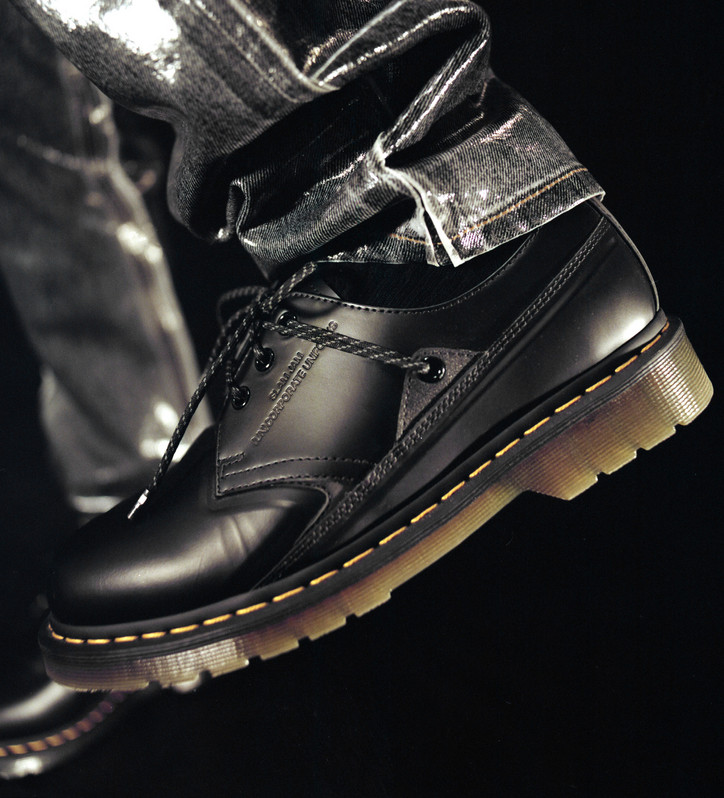
Chaos is order and order is Dr. Martens.
The collaboration can be seen as the next stop in Slam Jam's ongoing (Un)corporate Uniforms project. Dr. Martens — with their functional workwear boot — can help understand and define the meaning of a "uniform" for Slam Jam's non-union worker. From the shoe's durable and lightweight composition, to the customizable silhouette, the endorsement of attitude and empowerment makes sense to Slam Jam subculture.
Dr Martens x Slam Jam is available on DrMartens.com and Slam Jam website and stores on October 20.