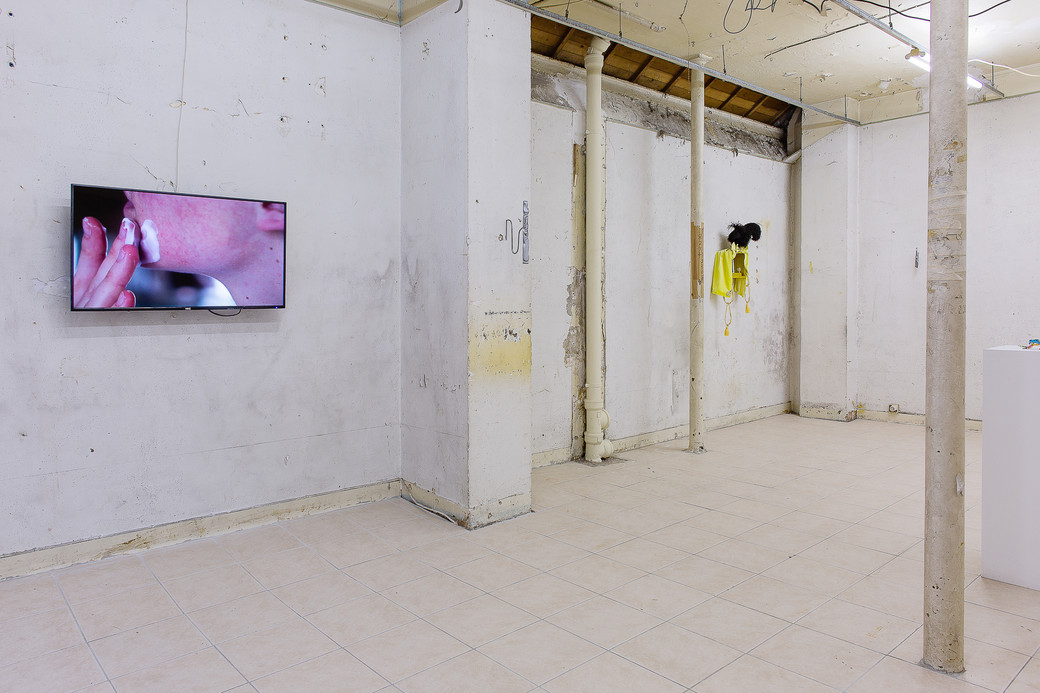
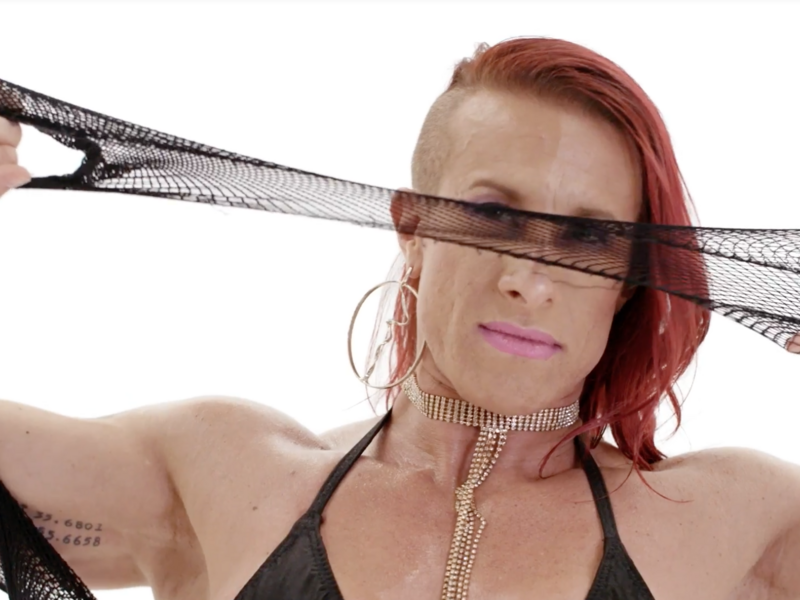
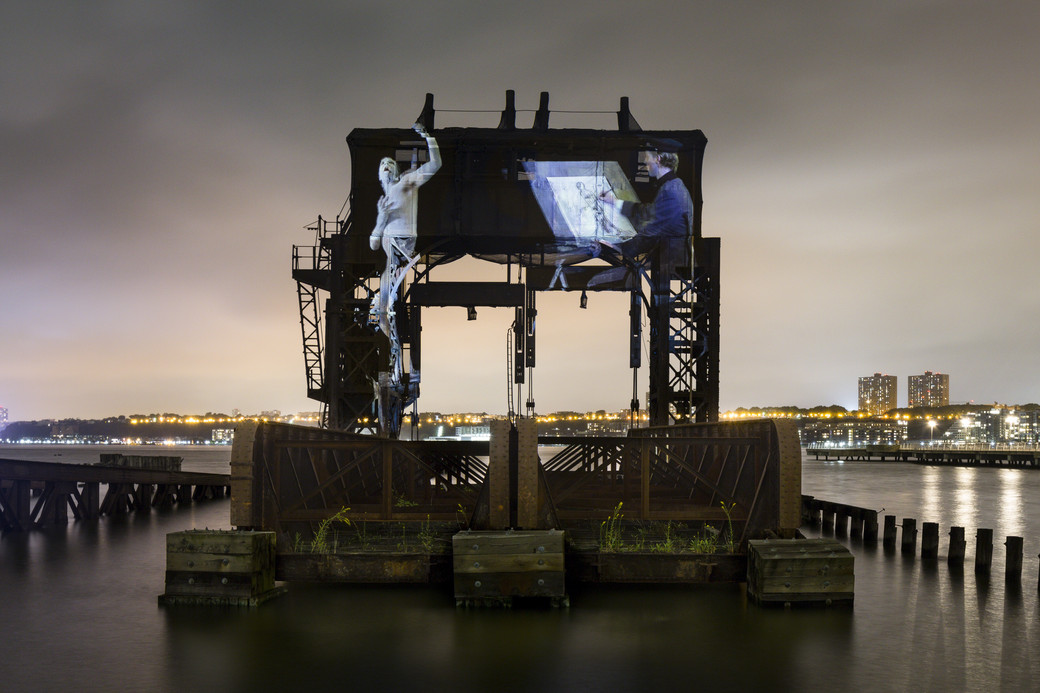
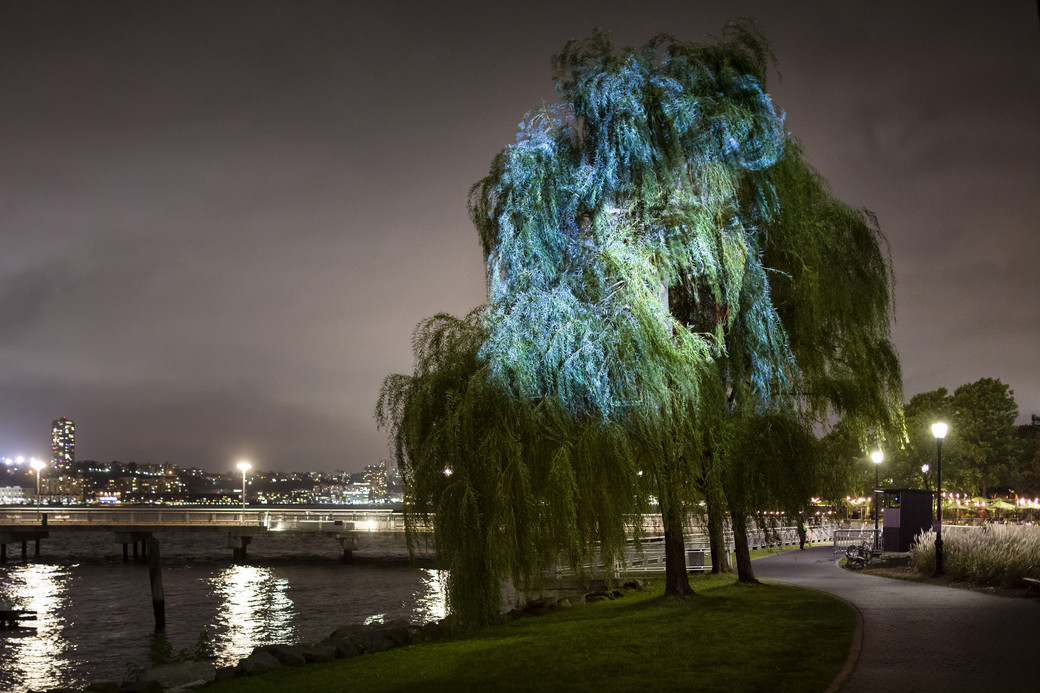
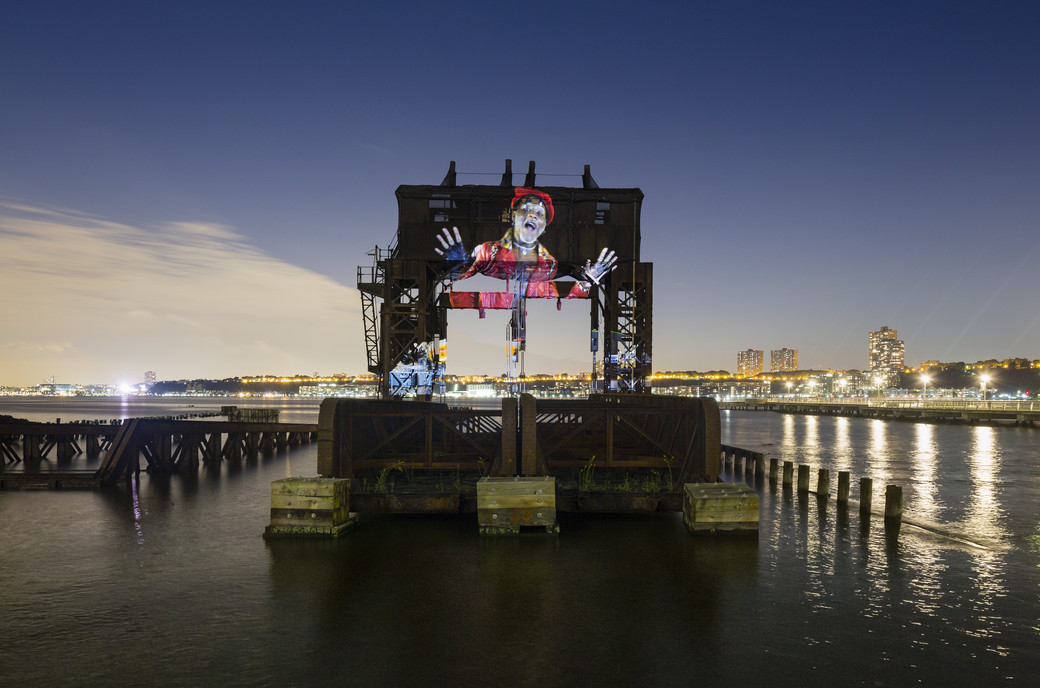
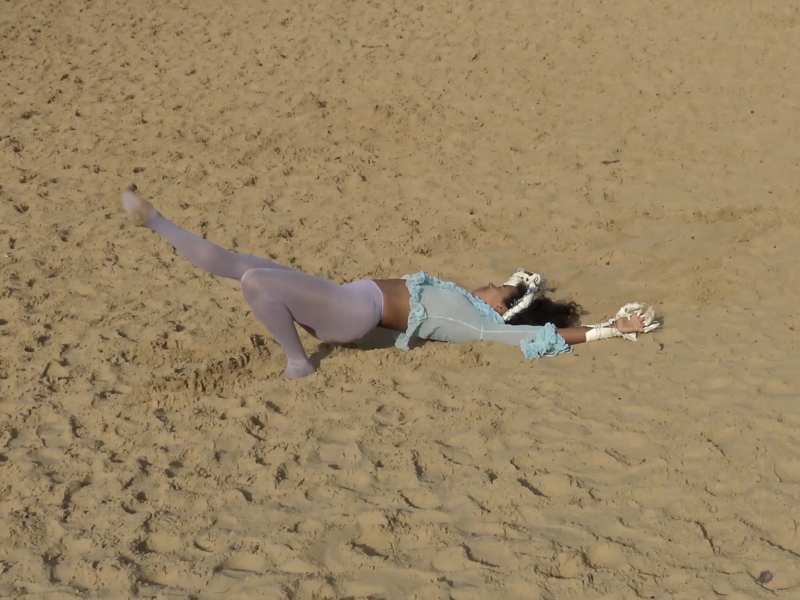
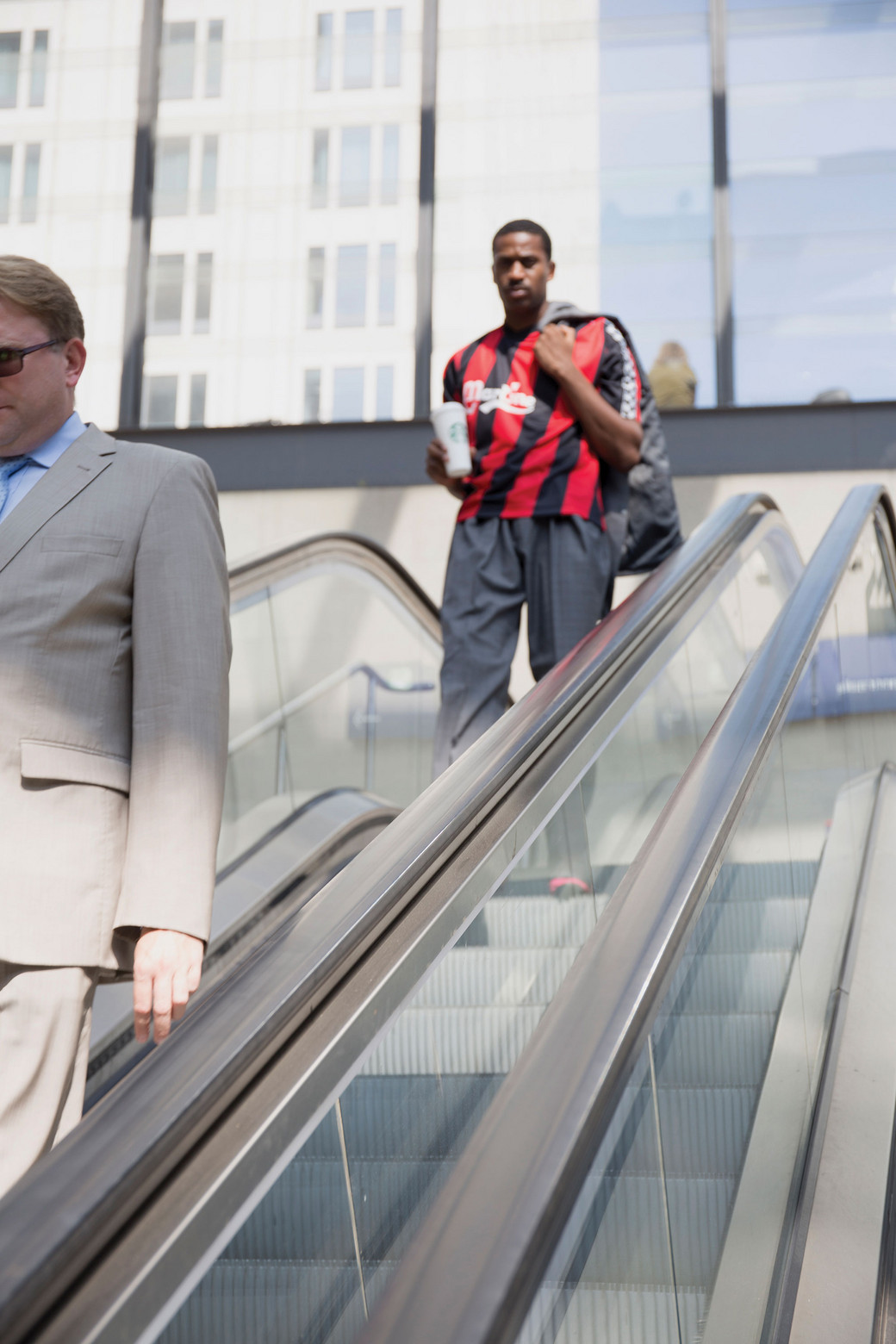
But if I were to take away one thing from the short, it would be the feeling of hope, a genuine belief that through death, in this case being through the death of the karmic cycle that is a toxic relationship, comes life, renaissance and rebirth. Stricker masterfully uses film as a medium not only to create a dialogue about gender, art and identity, but to explore in the visual realm what it means to be female in the first place.
office had the pleasure of catching up with Cara to dig a lil’ deeper into the themes of her new film.
Describe your personality in three movies.
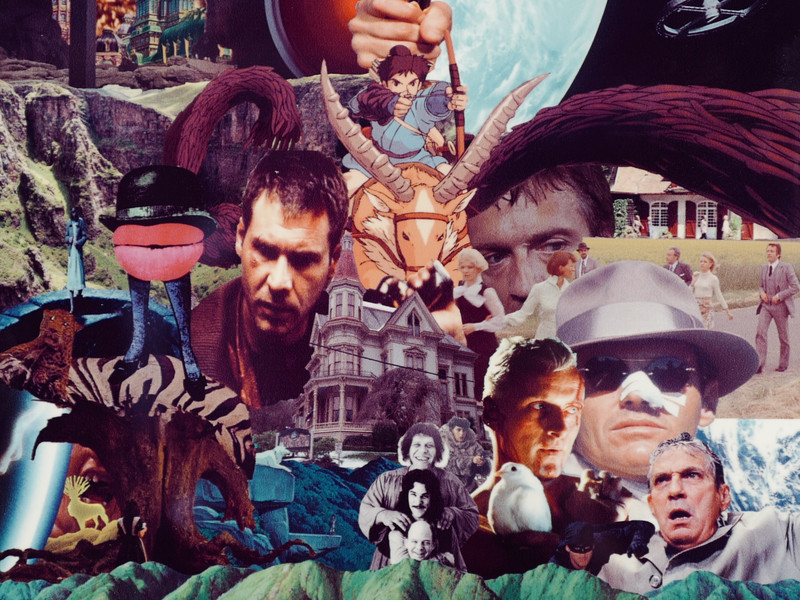
Maya Deren’s At Land, Lost in Translation by Sofia Coppola and Persona by Ingmar Bergman.
How do you think your multidisciplinary artistic background informs your approach to film and how you capture the human subject?
Sound and movement, for me, play as much an integral role in telling a story in film, as do characters and script. I try to capture a sense of an overall feeling with this in mind when approaching film.
In Maverick, it appeared to me that color was employed as a means of denoting a particular emotional atmosphere, or as a signifier of certain moods. Can you tell me a little more about how color was used within the film?
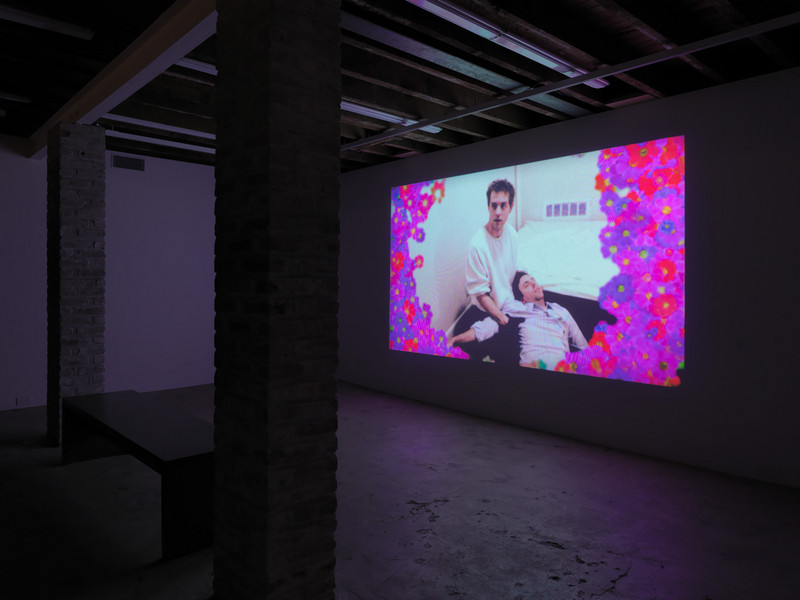
In terms of the set, the color palette was very specific. The hue of red is used throughout the film to signify and nod to Napoleon’s infamous red cape he wore to battle and depicted throughout history. In the film, these symbols come further into play.
The lighting tone shifts throughout the film, visualizing the inner battle that Maverick is experiencing. It begins quite natural, and as the film progresses, the world becomes more surreal. As Maverick’s perspective shifts, the colors unravel to mirror the flipping power dynamics between Maverick and Richard.
There seemed to be an emphasis on language throughout the film—literature, spoken language (and the disconnect it can cause between two people), learning bits of a new language, etc. If language was a physical tool, what would it be and how was it used within the film?
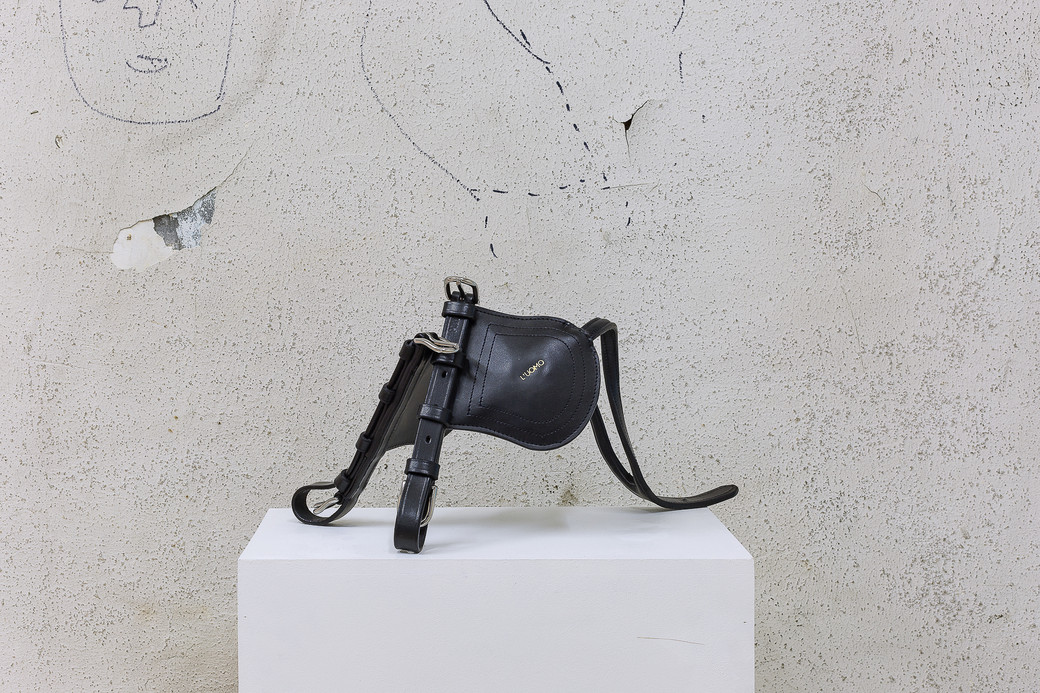
It would be one of Franz West’s objects, Passstücke (Adaptives): Paravent (Passstück) (and Passstücke (mit Video mit Verwendungstipps) (Adaptives [with Video with Usage Tips]). These objects are intended to be interacted with, and ask how objects can function both as physical extensions of the body, and as representations of the human experience.
Within the film, language is used to explore ways that one can employ power over another, as well as capture a feeling of dissociation. It’s also used as a score device, to reflect the inner experience of Maverick’s journey. Symbolism is also used within the language of the film, to gesture toward the gaslighting environment that Maverick is in.