
Tell me about how the project came about.
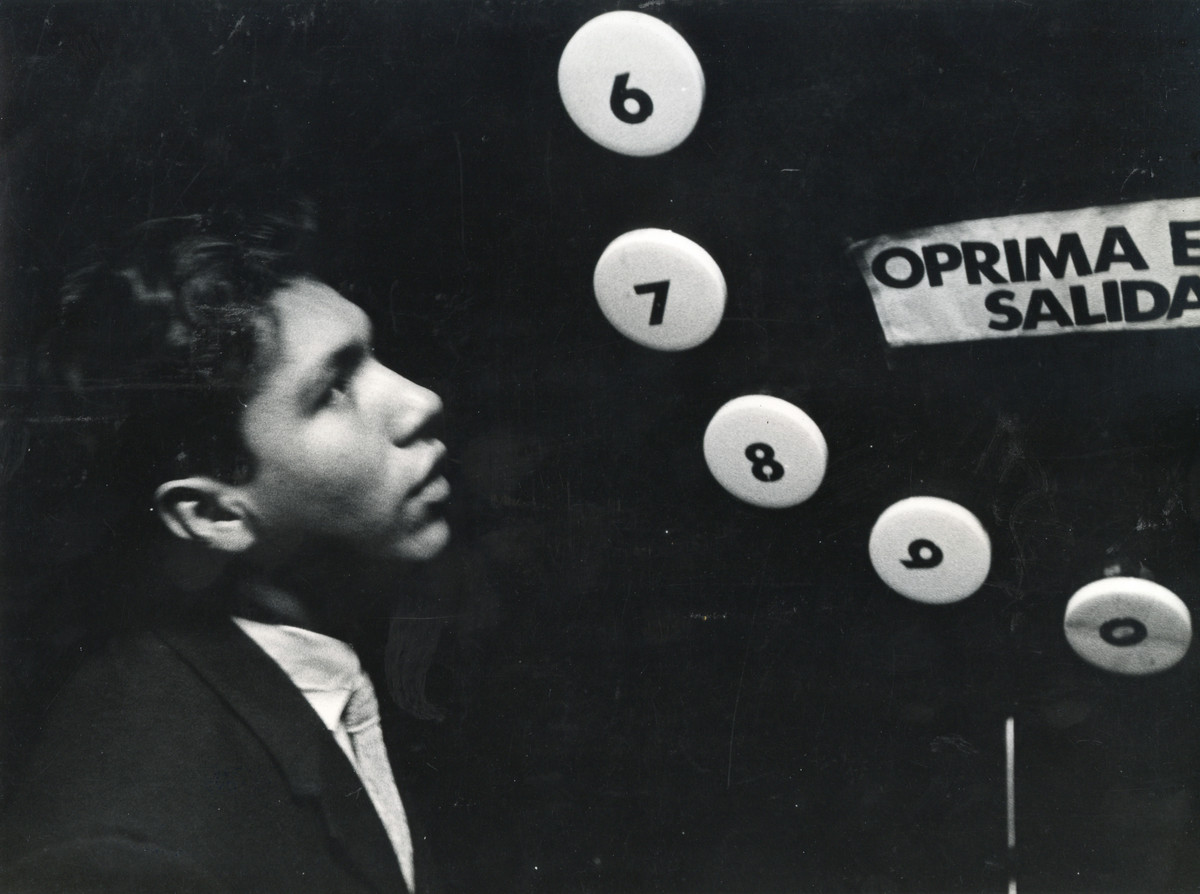
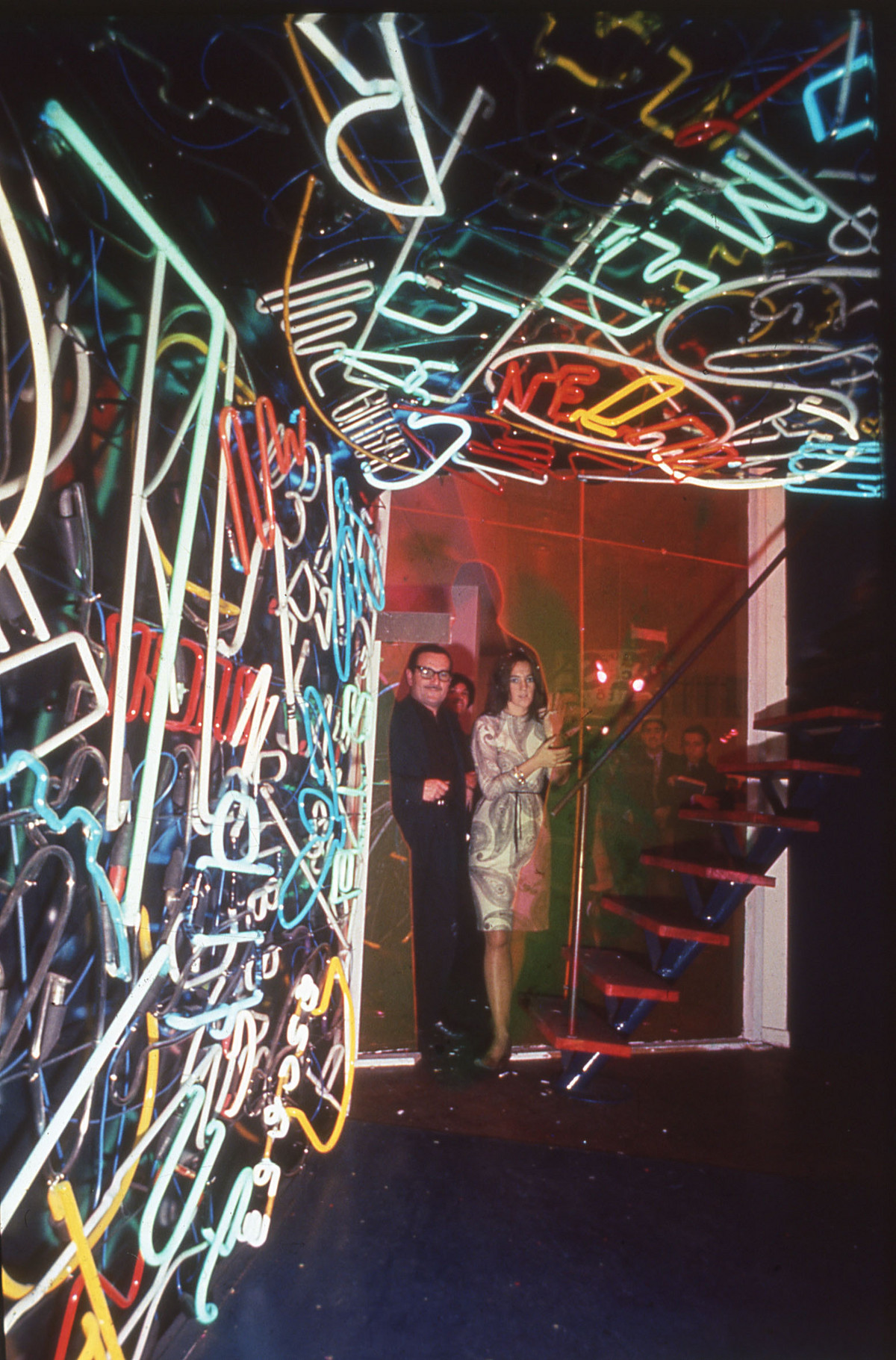
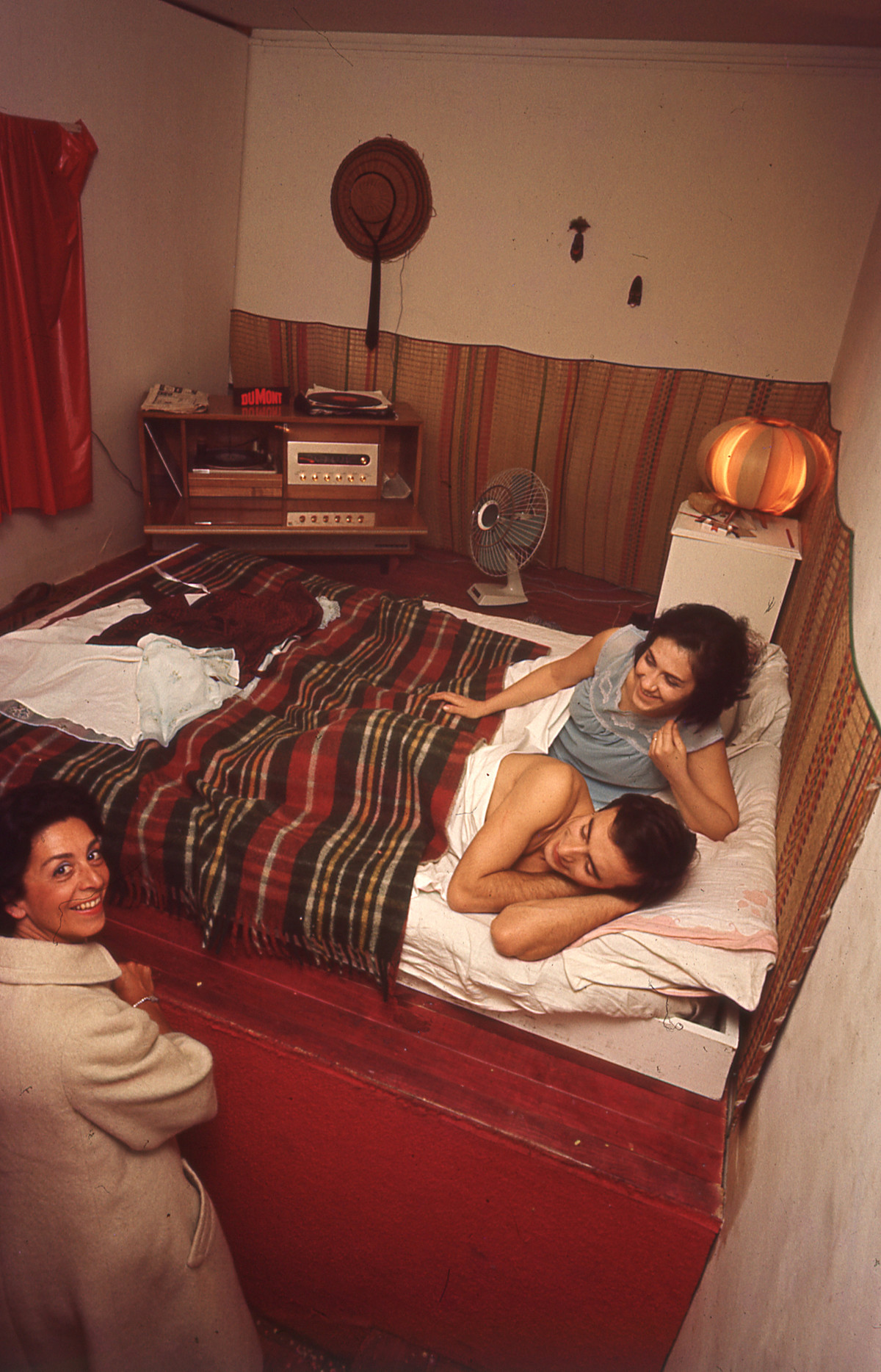
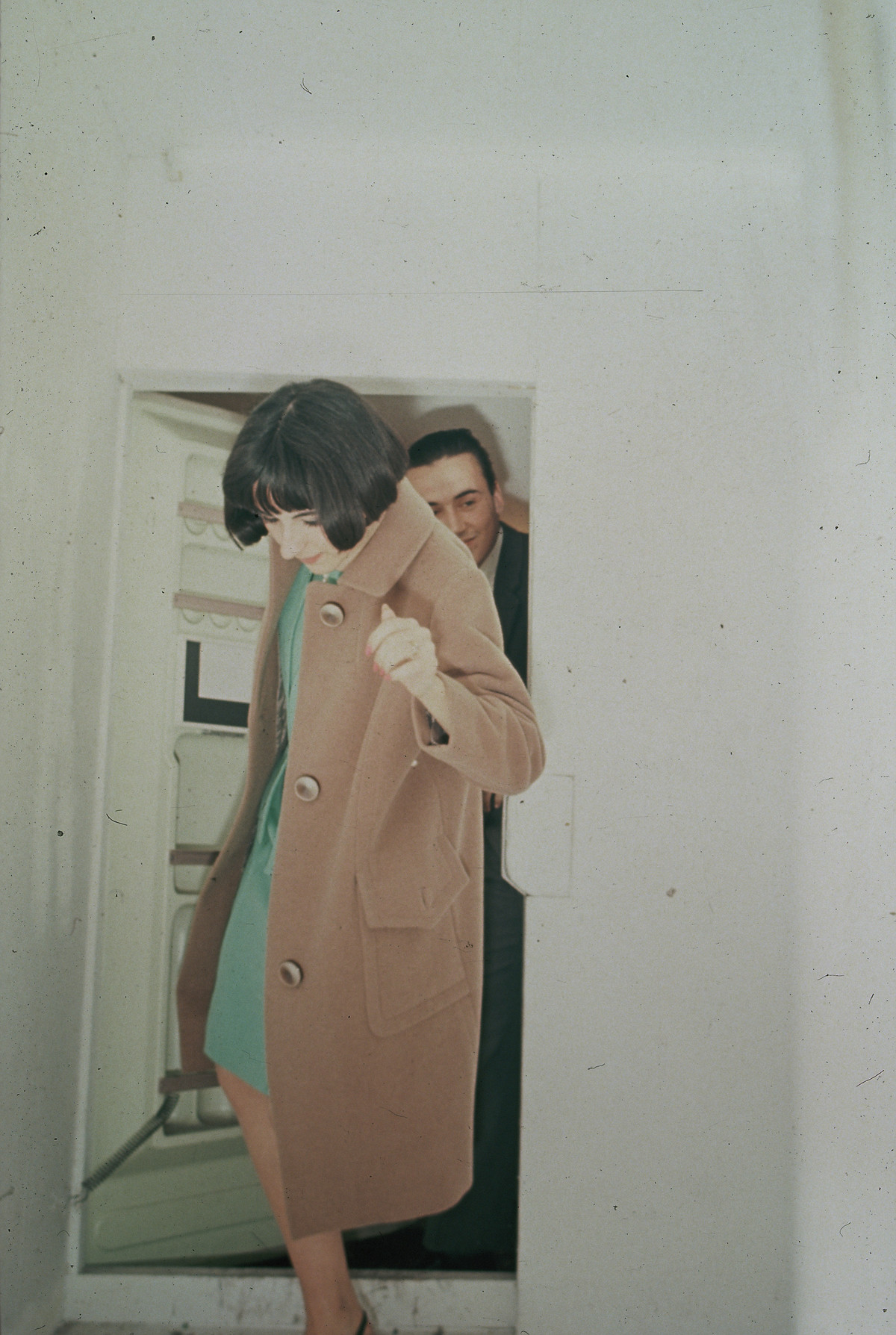
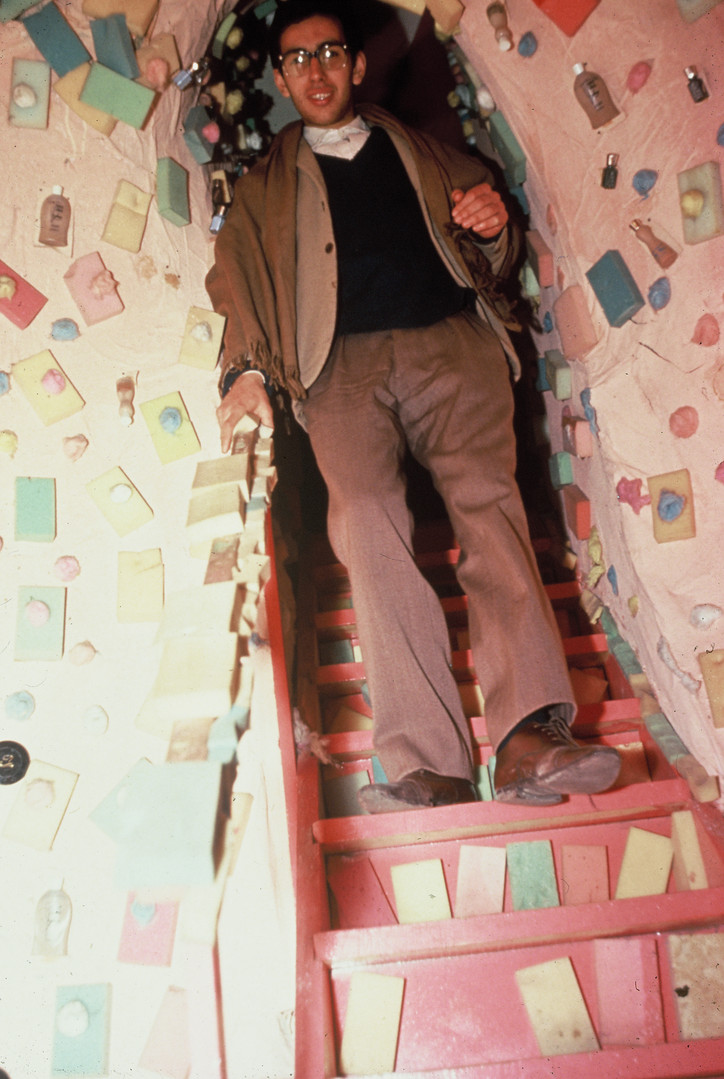
The idea, you see, in the beginning, in 1965 — it started in the 60s, I started art in school and then I dropped out, then went to Paris where I was working with real mattresses from hospitals. And then I started doing like this work, that’s like an environment. What interested me was that people participate in the art, people that live art. So I created in 1963 a piece called The Love Room, that the people had to go inside and had a bed. Then I did another one, because I lived in a big place without bathroom with nothing, and so I thought of a big house with mattresses. Already I was interested in making people enter the piece of art. When I came back to Argentina after spending 3 or 4 years in Paris, a friend of mine was working on something similar that wasn’t necessarily a sculpture. So we were given a big space and we wanted to represent the city of Buenos Aires, that’s why you have the neon representing the movies, the telephone booth was an important element as well — back then we had phone booths. Everything was inspired by the city of Buenos Aires. What I wanted to do was represent the big city.
Is Buenos Aires kind of like a labyrinth?
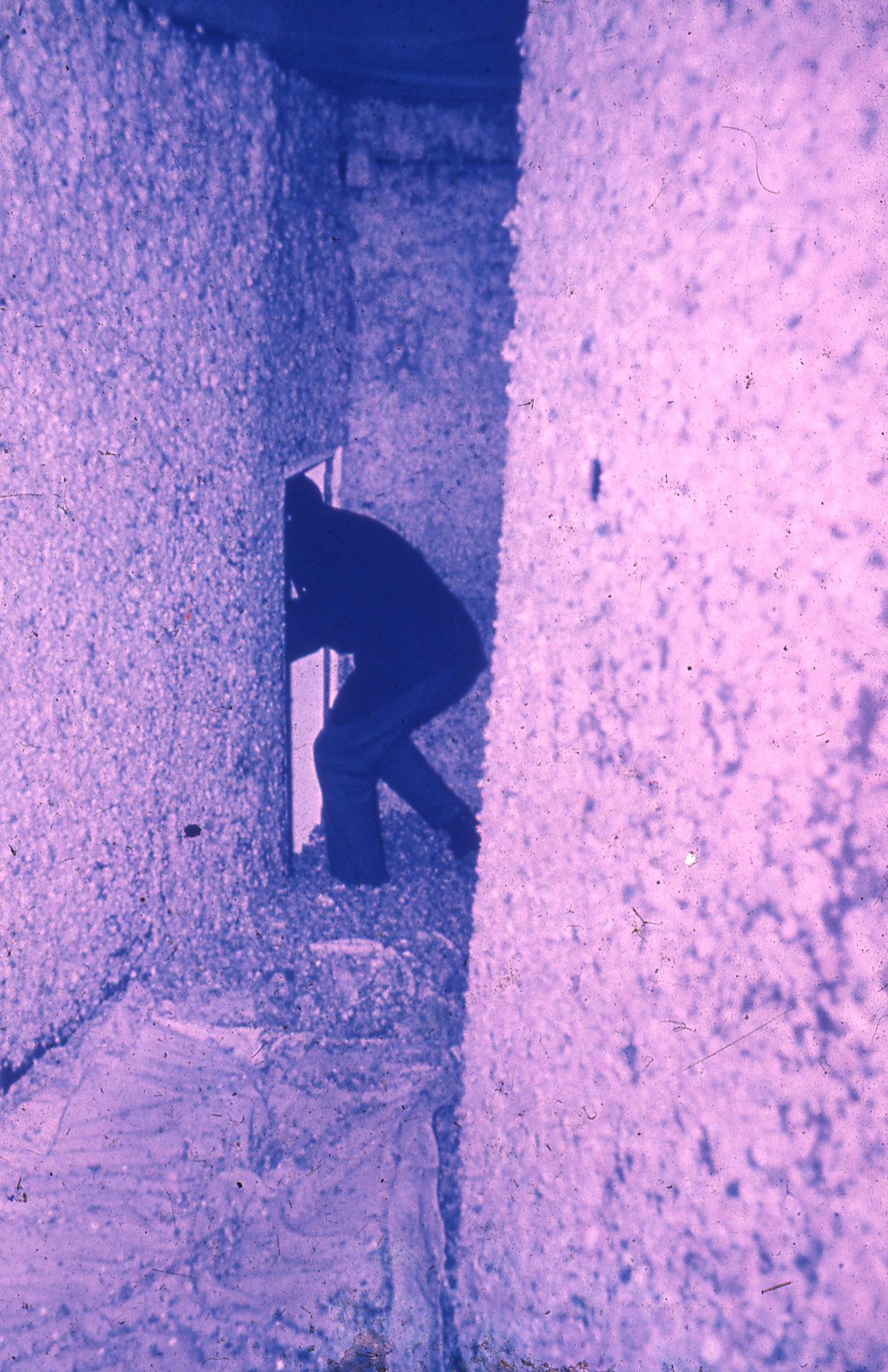
Not really, no, but I love to make people participate, that they have to select something — they have to think, what do I do, go to the left or go to the right? Because this makes people grow. You are surprised by something that’s around you, and you react.
It is kind of like a little city, in a way, because when you wander through a city you get a little lost.
In the beginning in Argentina, the show only lasted 15 days. They closed it and said that we were crazy, but then it was so successful that people who didn’t even know about art would line up for hours just to go in. That’s why in all my work I think about the spectator. When I did the books in the Parthenon (?), it took me three years to collect the books, and then in three days people took all the books. So that’s the idea, to make people work in the art. Everybody is a creator, everybody is an artist. The most creative thing is language, because people talk without thinking. This is the whole idea of what I do — I make a work of art and people react, and they finish my work.