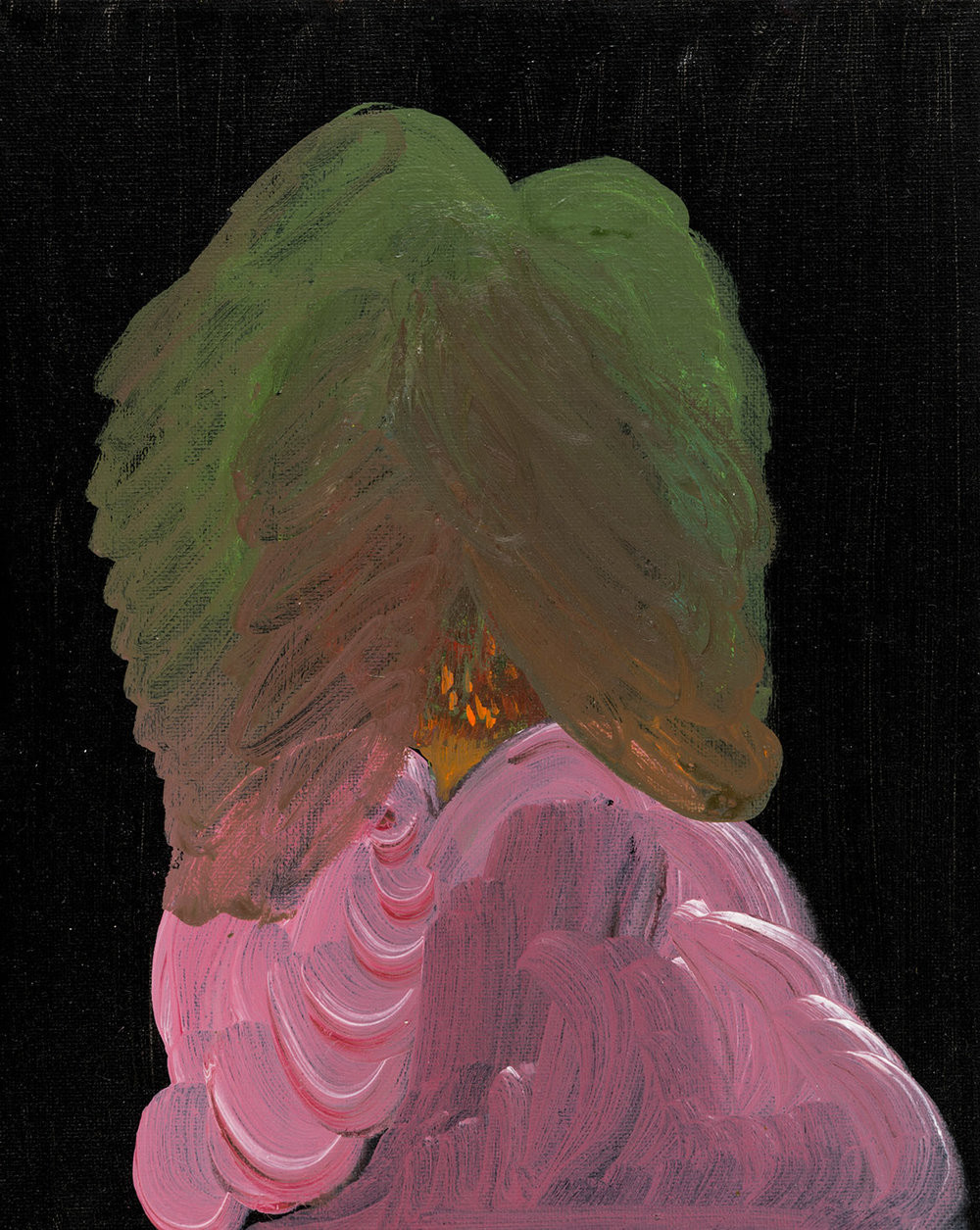
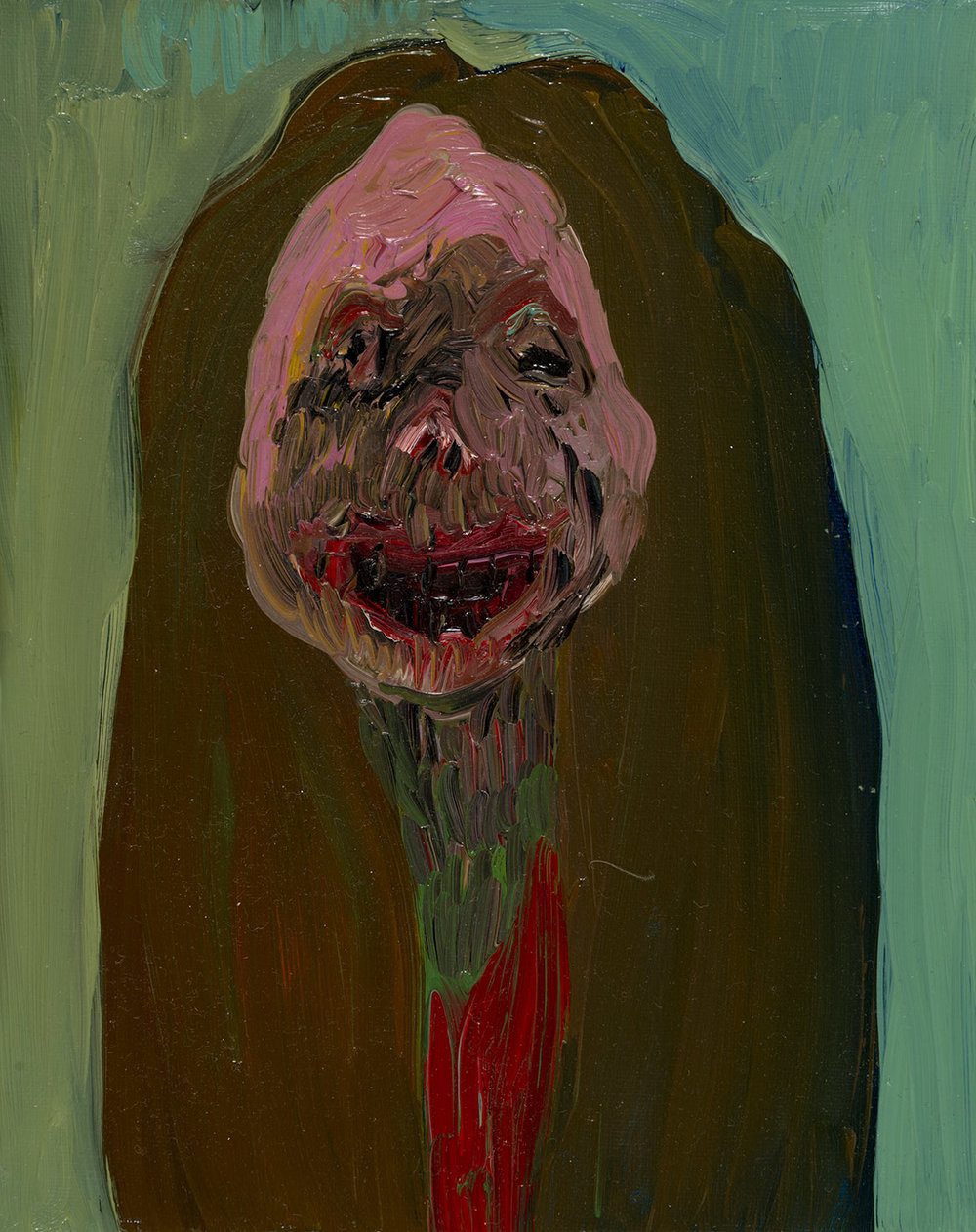
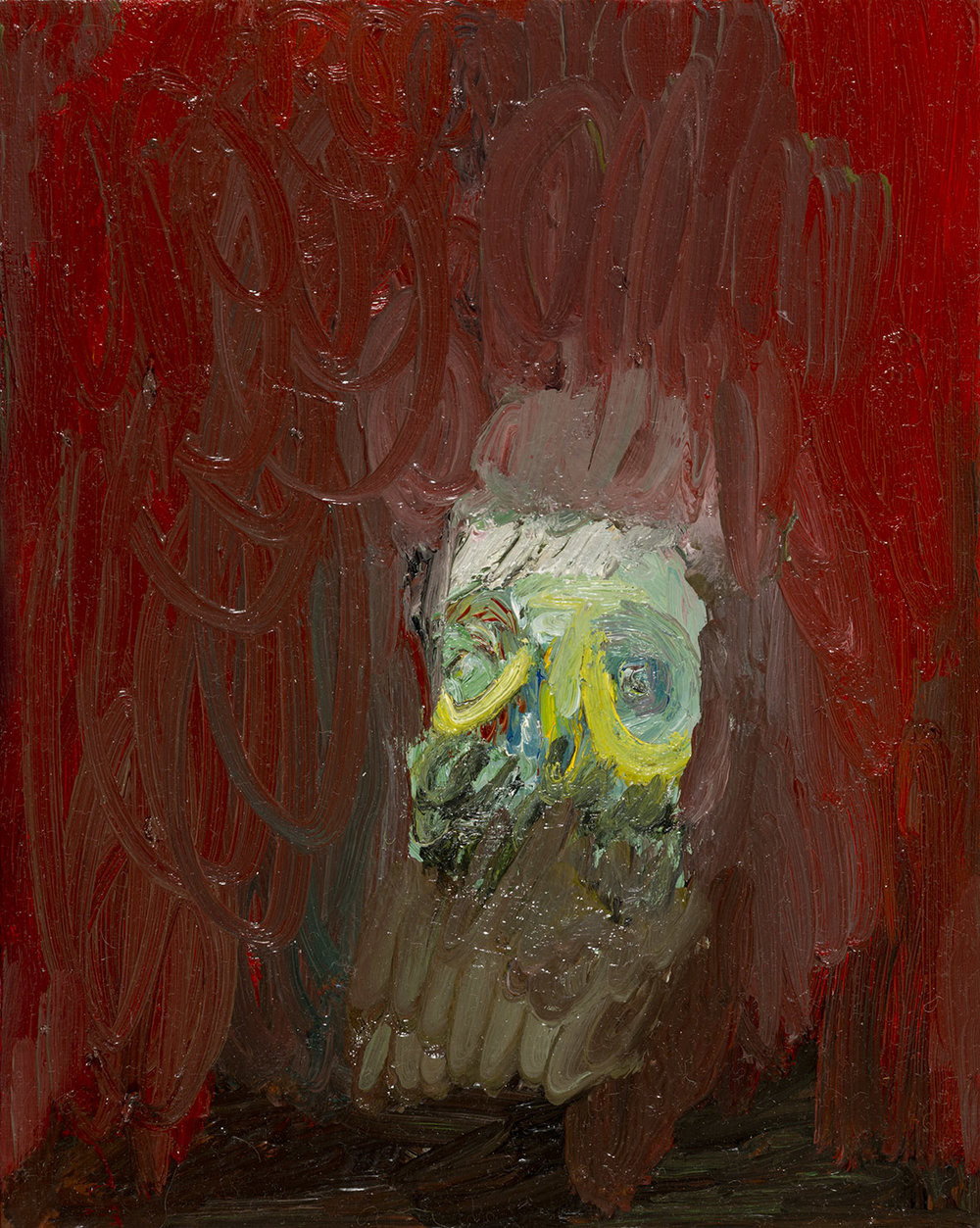
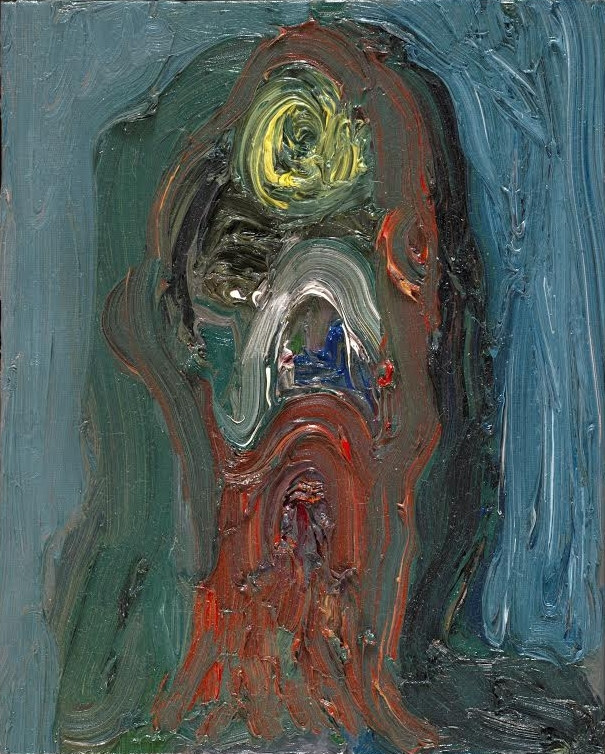
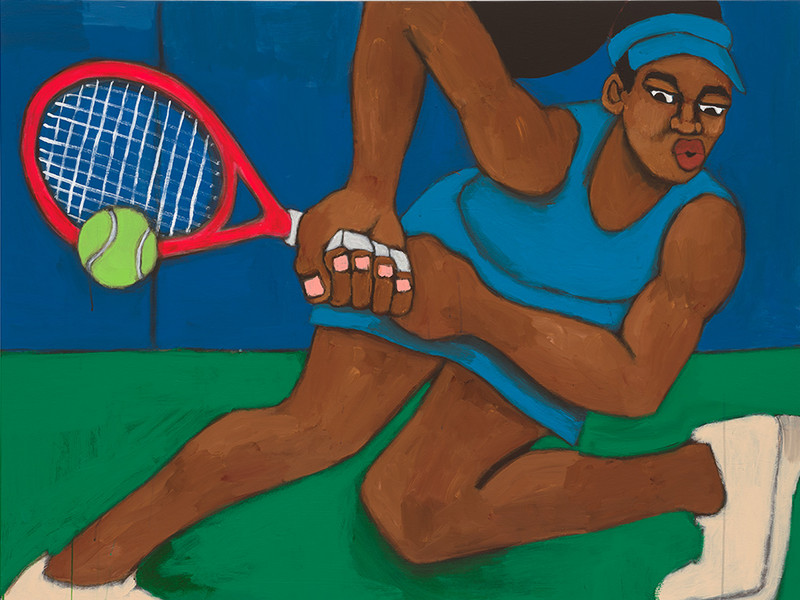
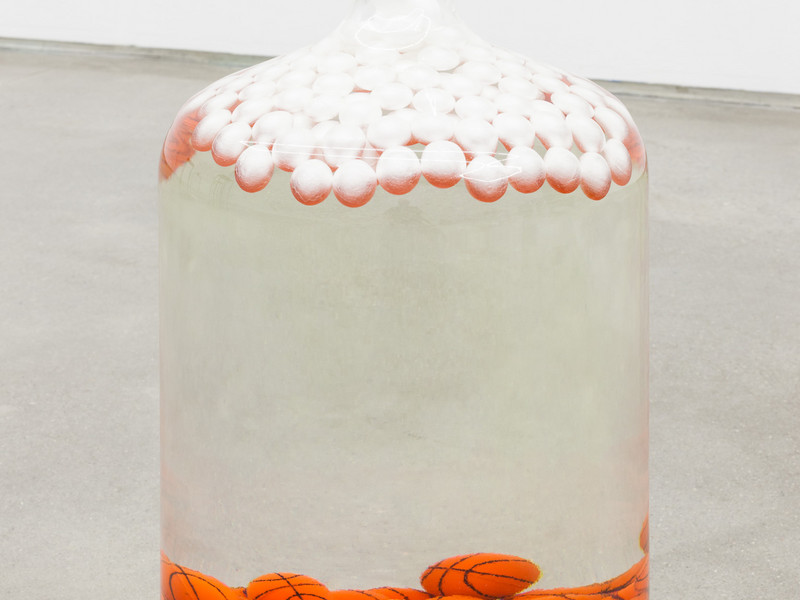
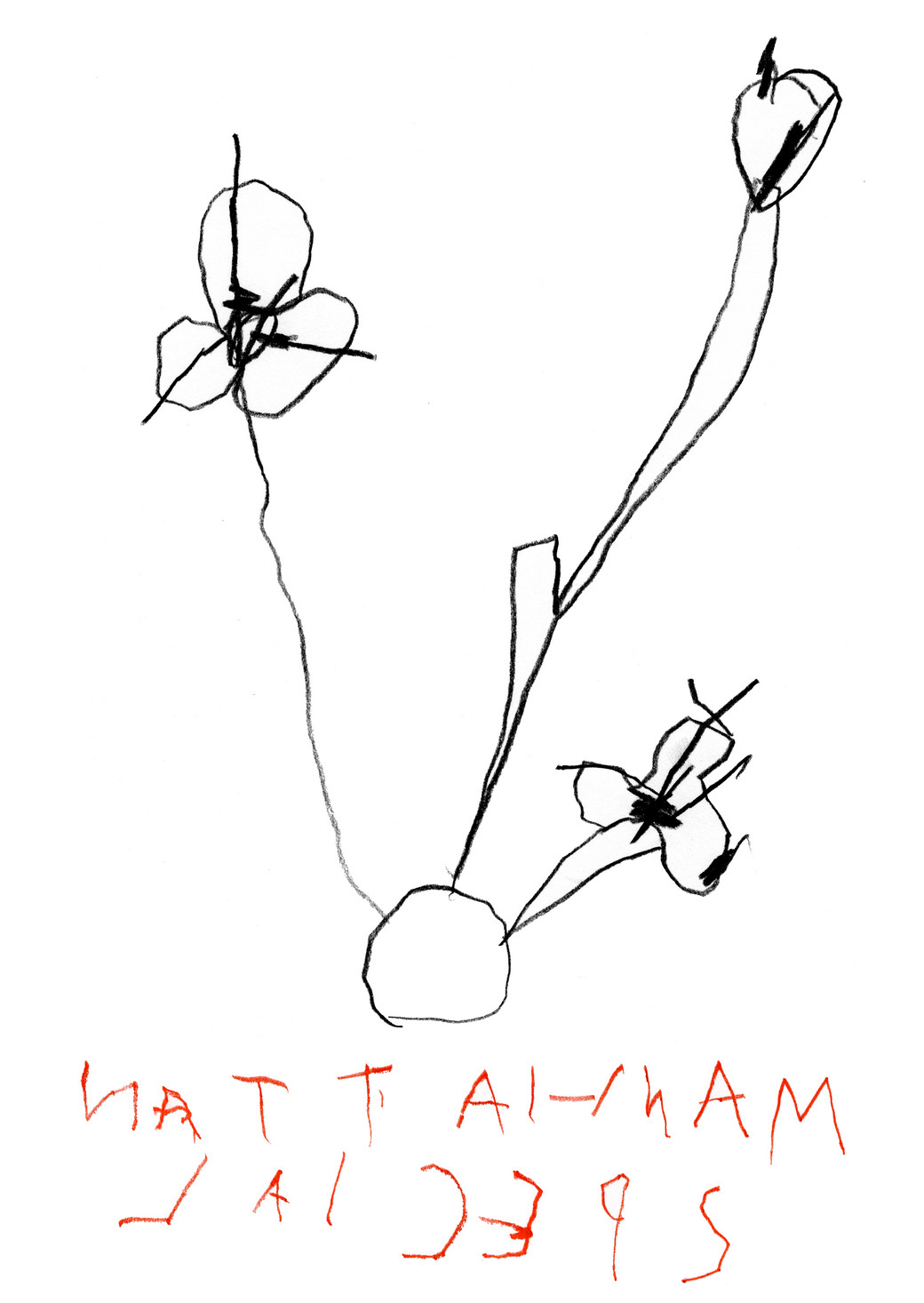
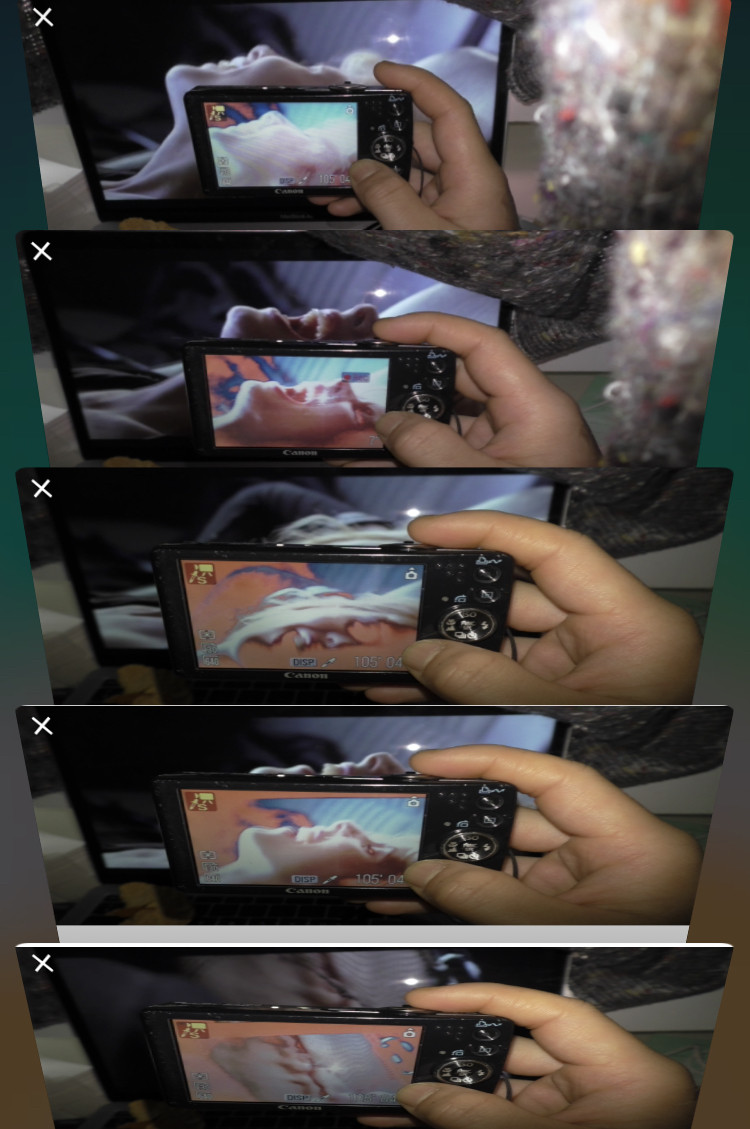
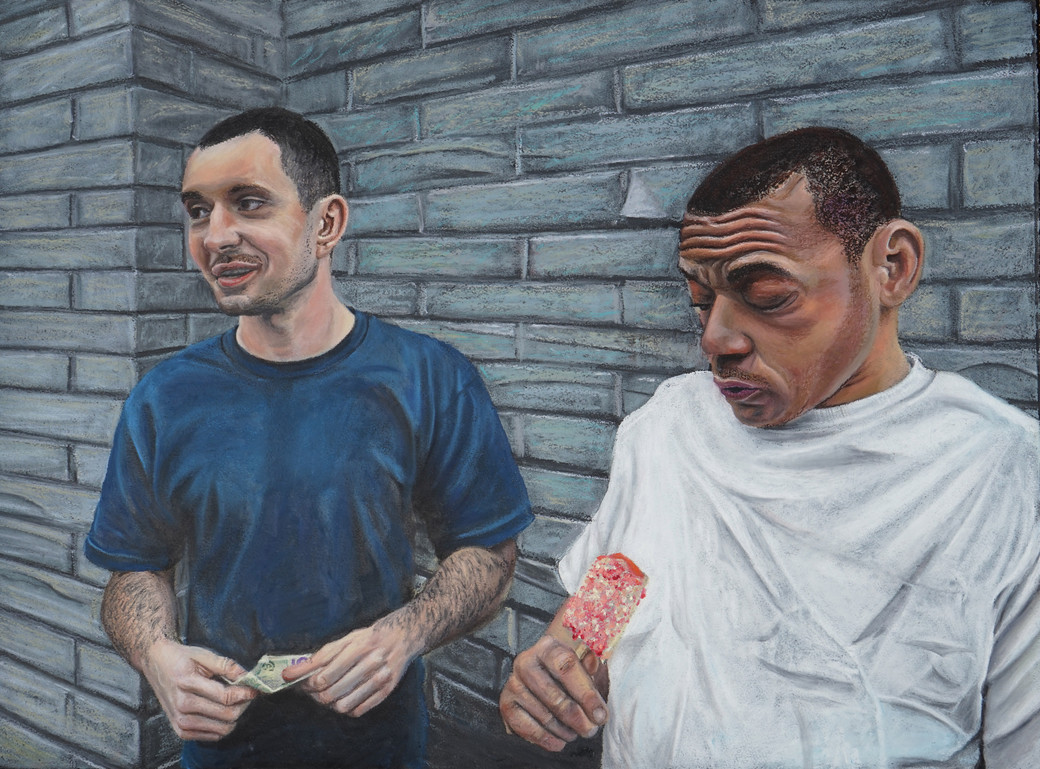
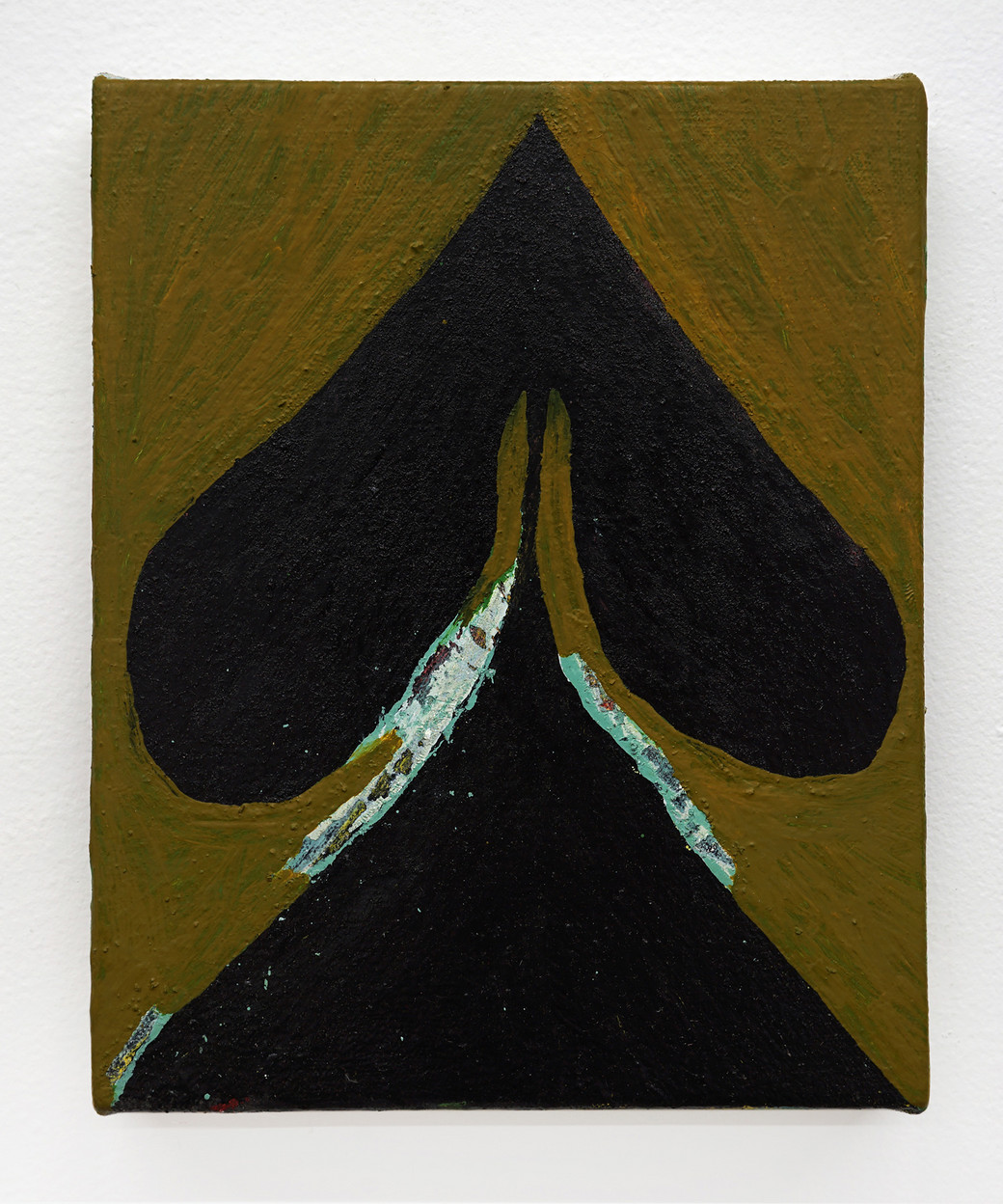
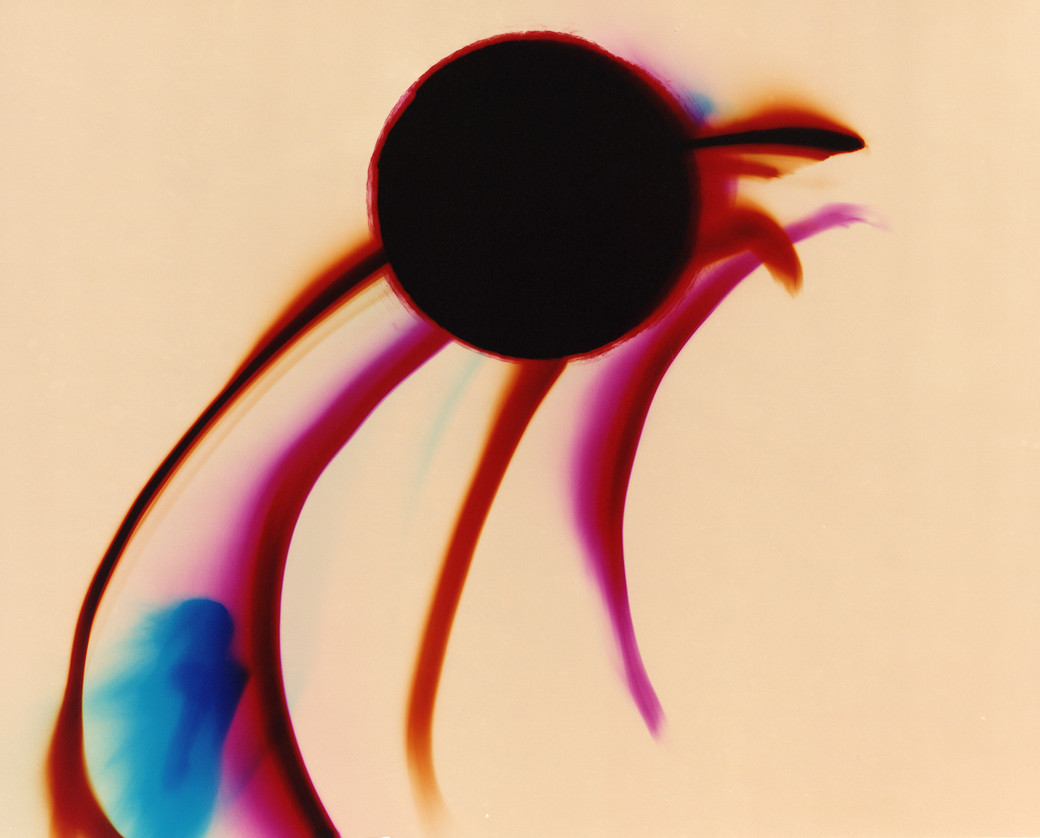
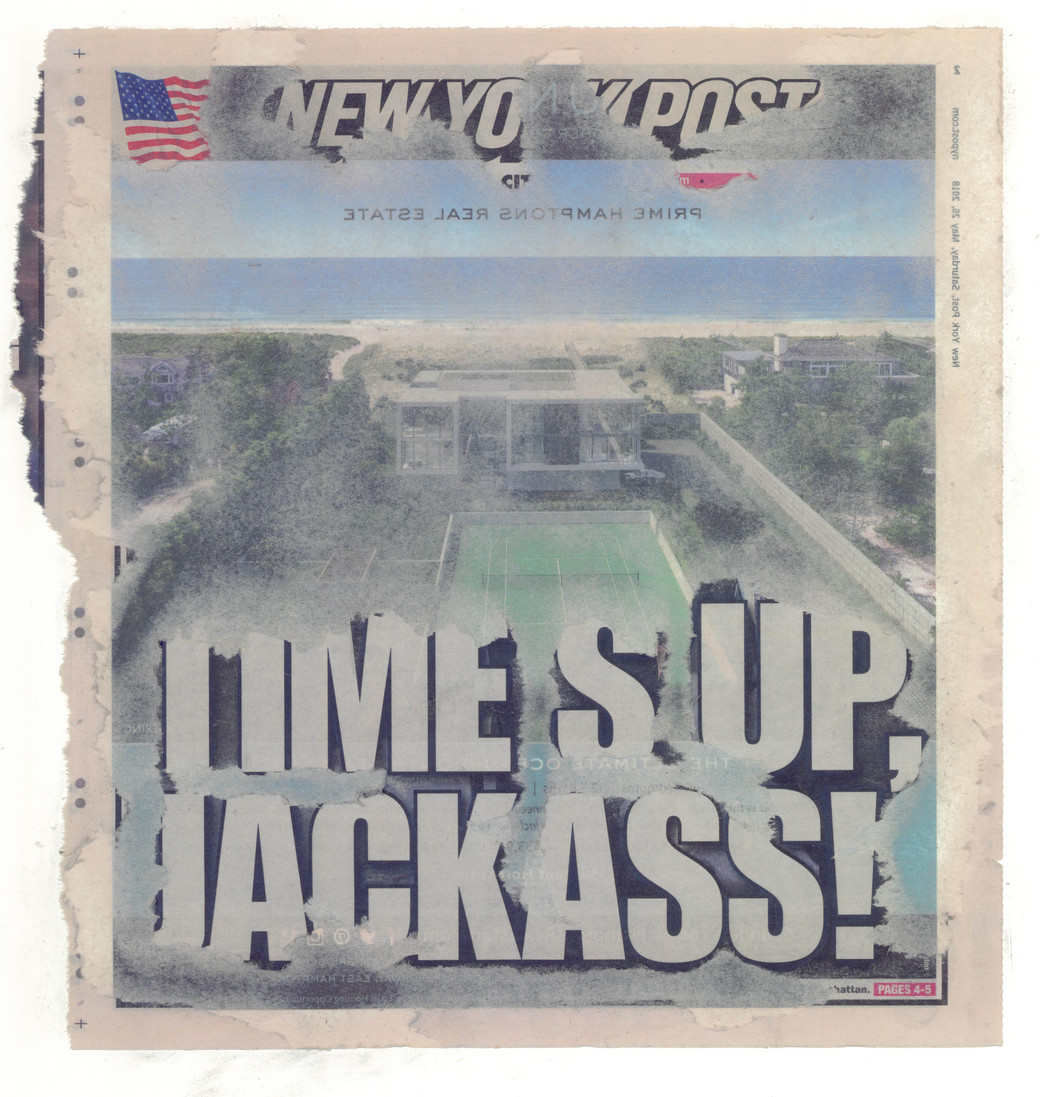
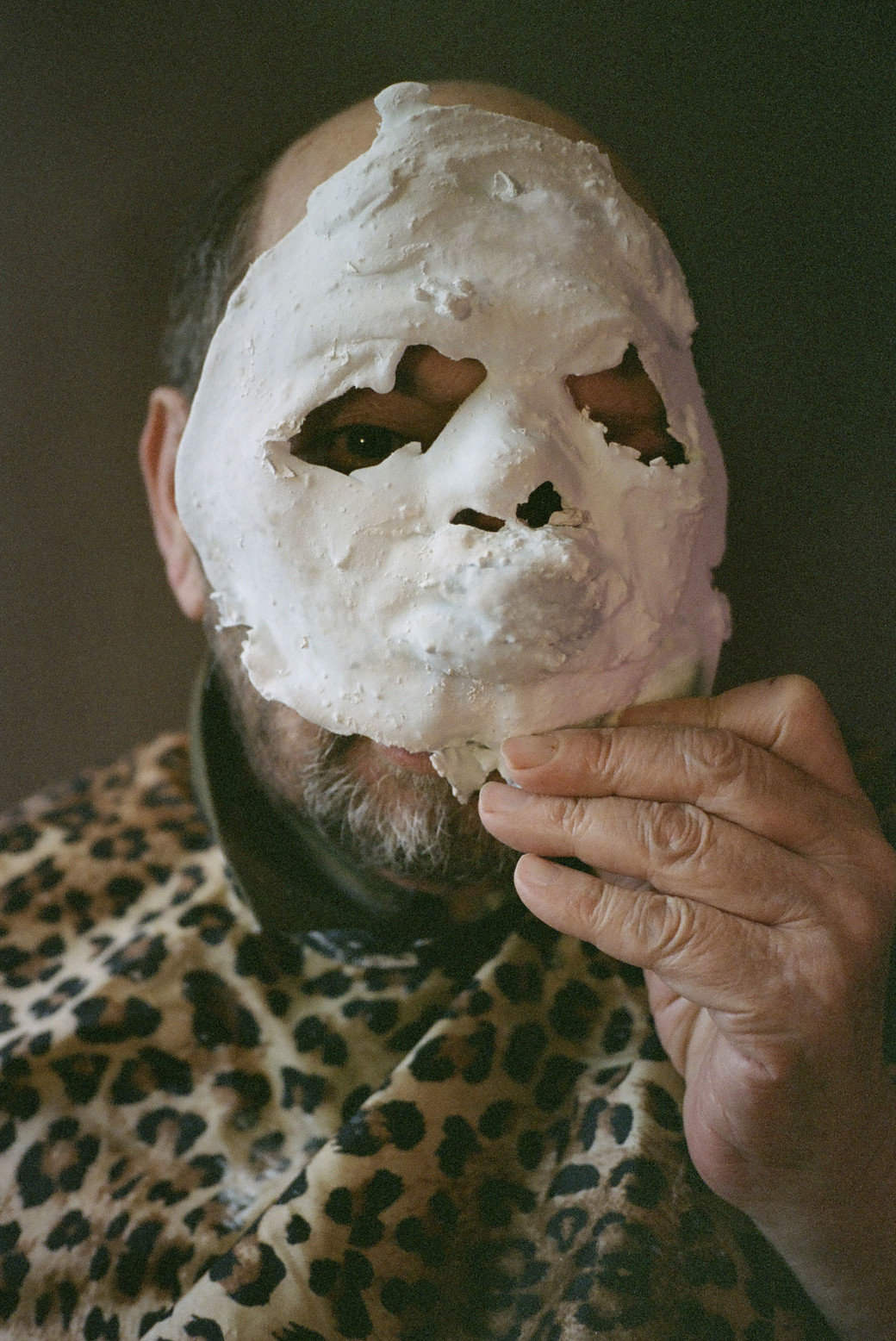
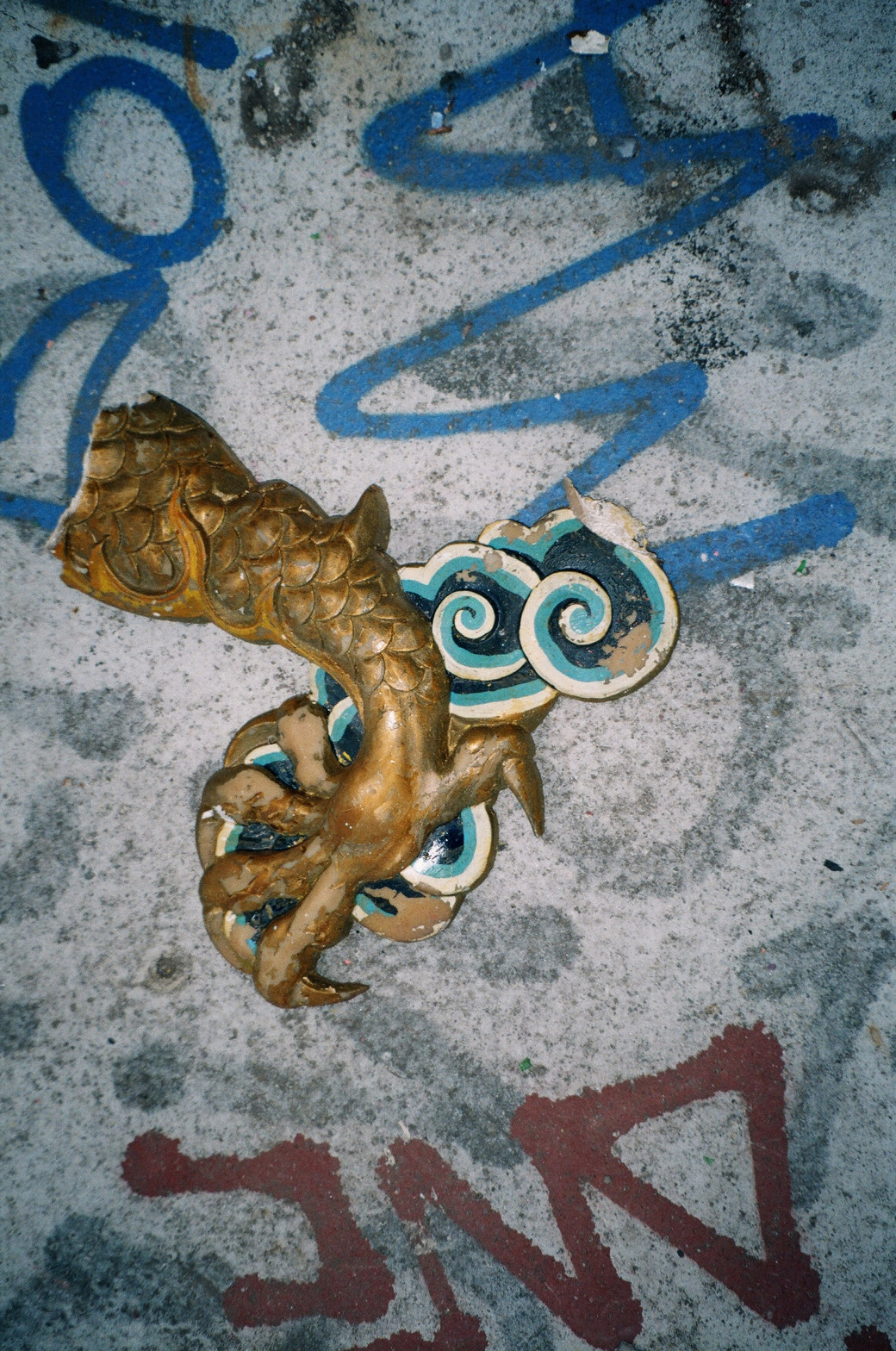
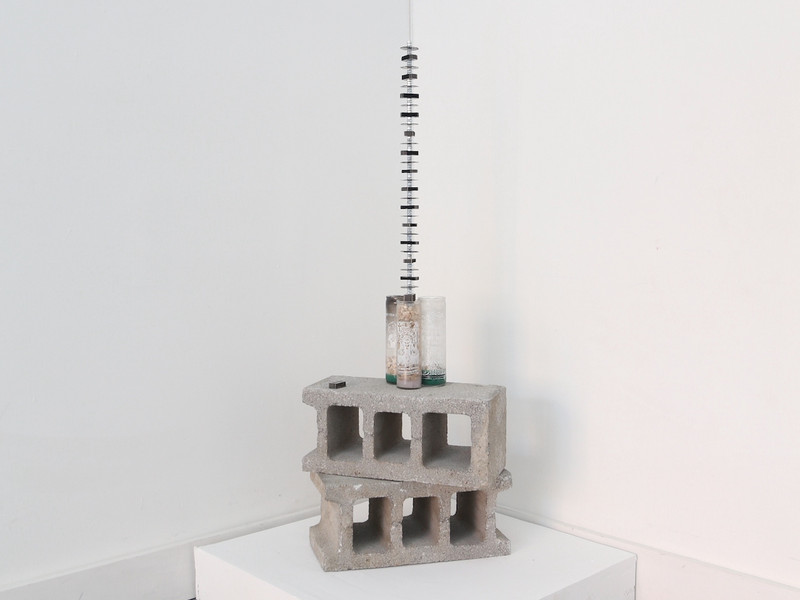
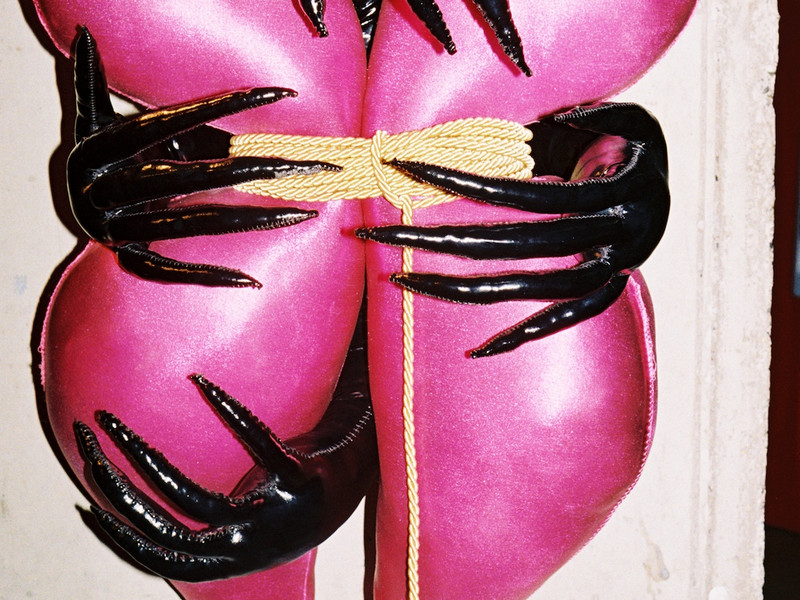
Above: Installation views of 'Organ Within.'
Tell me about he project.
This project is actually the result of two years of work and development on an idea that started with the synthesis of different projects over the last 5-7 years, I’d been working a lot with experimental music and what instruments allow in terms of new ideas of performing and collaborating, improvising, scoring. What I’ve been working on is an exploration between art and music, navigating ideas of an object as a tool for finding new ways of expression.
So it’s like a deconstructed church organ — why a church organ?
Well, because it’s historical and symbolical, also its sonority — it’s one of the most complete instruments.
Do you feel like there’s a religious connection?
Not necessarily, but there’s a spiritual quality without being necessarily religious, you see, in terms of sound.
You know what it reminds me of is the Tibetan singing bowls.
Sure, it has this sine wave quality to it. The resonance of the sound is very pure.
It goes right into your brain. Have your explored that?
There is a very strong connection between the sound of an organ flute and the sound of a gong or a singing bowl.
It also reminds me of the conductor who’s deaf — did you think of Beethoven?
Yeah, of course, definitely. But beyond the anecdote, there’s lots of subtety to the story.
Can you describe that project in the back room a little bit?
It’s the first iteration of an orchestra I built for deaf and hearing people, we started a several-week long program of composers and residents working with amatuers, professionals, deaf and hearing people, and it’s a very long, deep exploration of what it means to play together outside of the ears and outside of any consideration of who’s deaf, who’s hearing, putting all these considerations aside.
How do you feel the deaf people who participated reacted?
The reactions are multiple, but somebody like Robert, who conducted the orchestra, we’ve ended up working together regularly.