

Tell me about the show and your work.
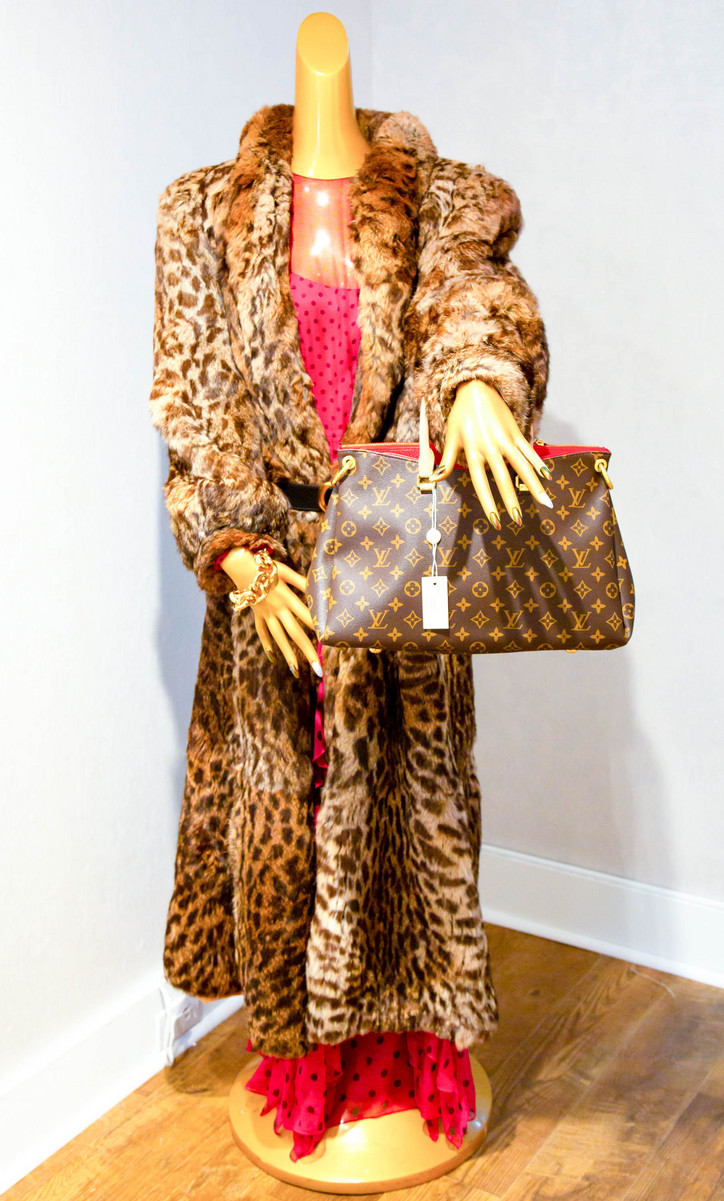
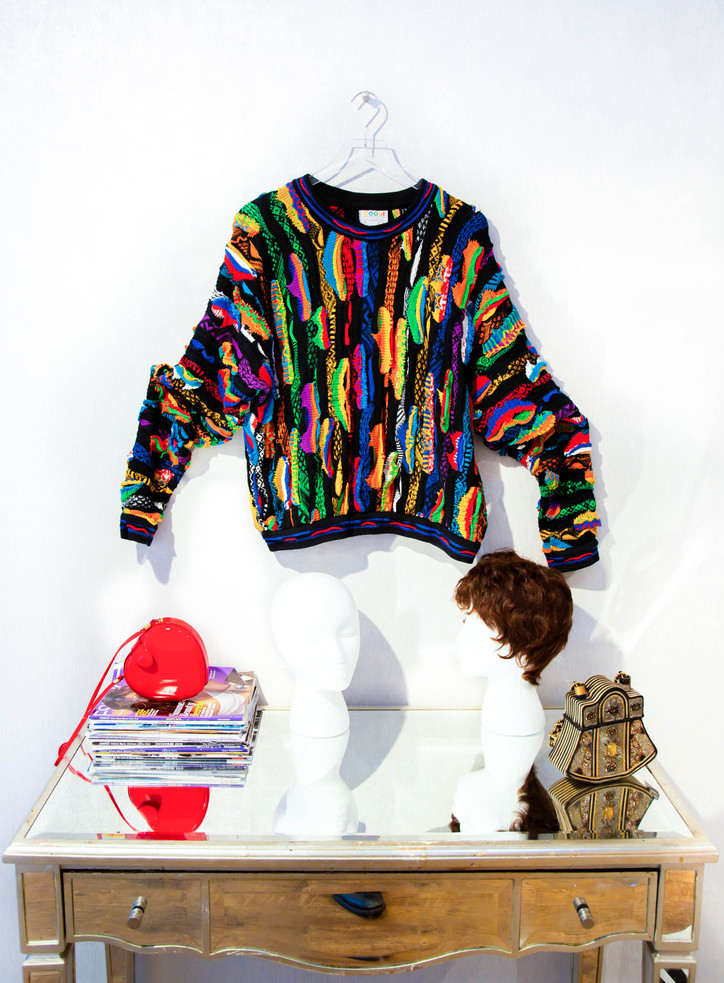
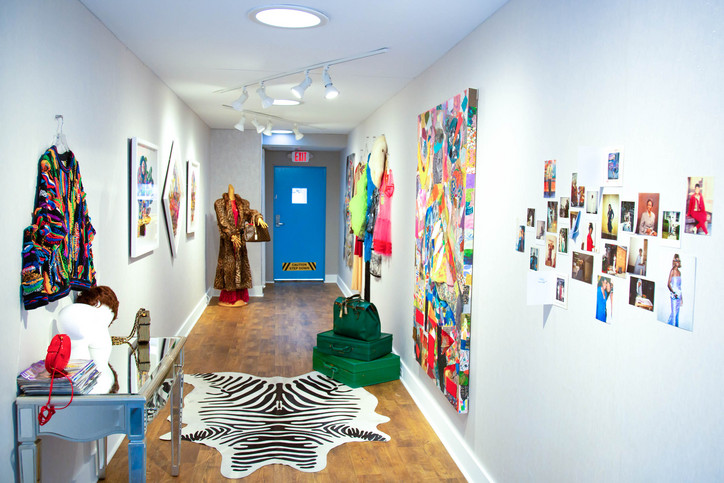
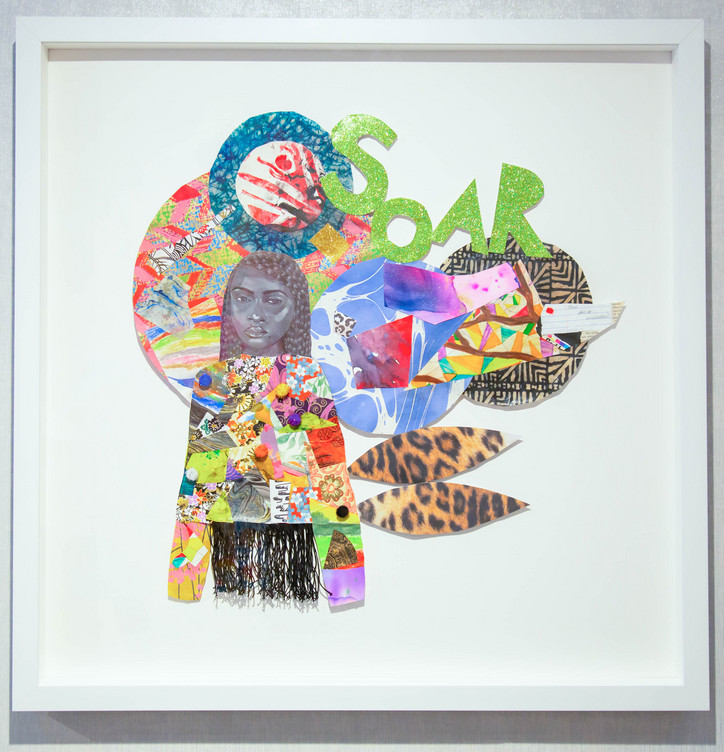
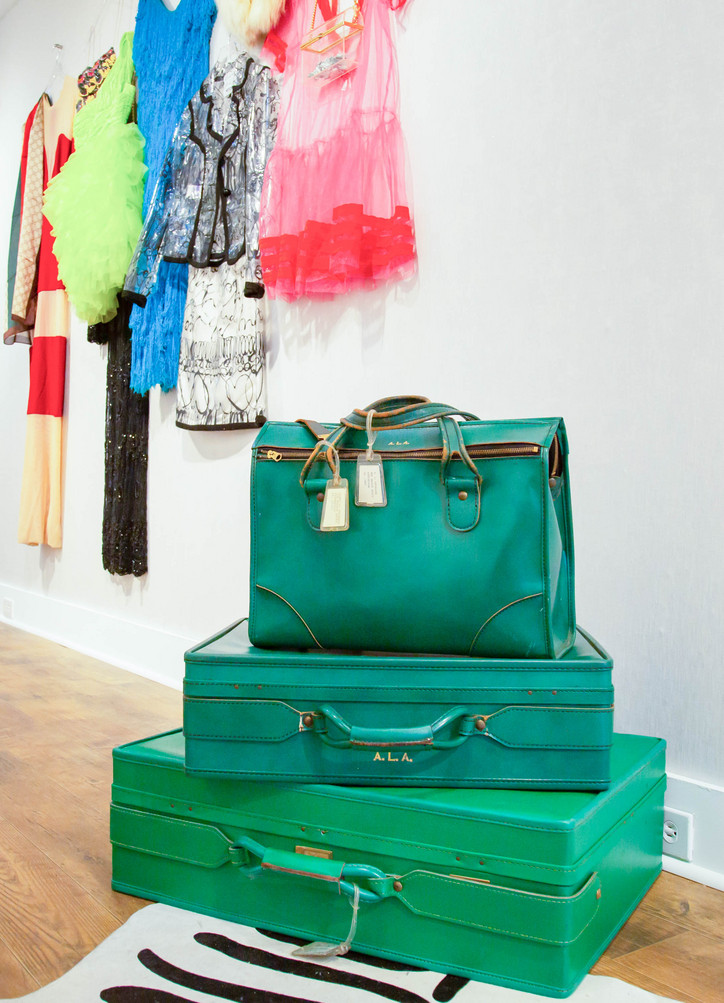
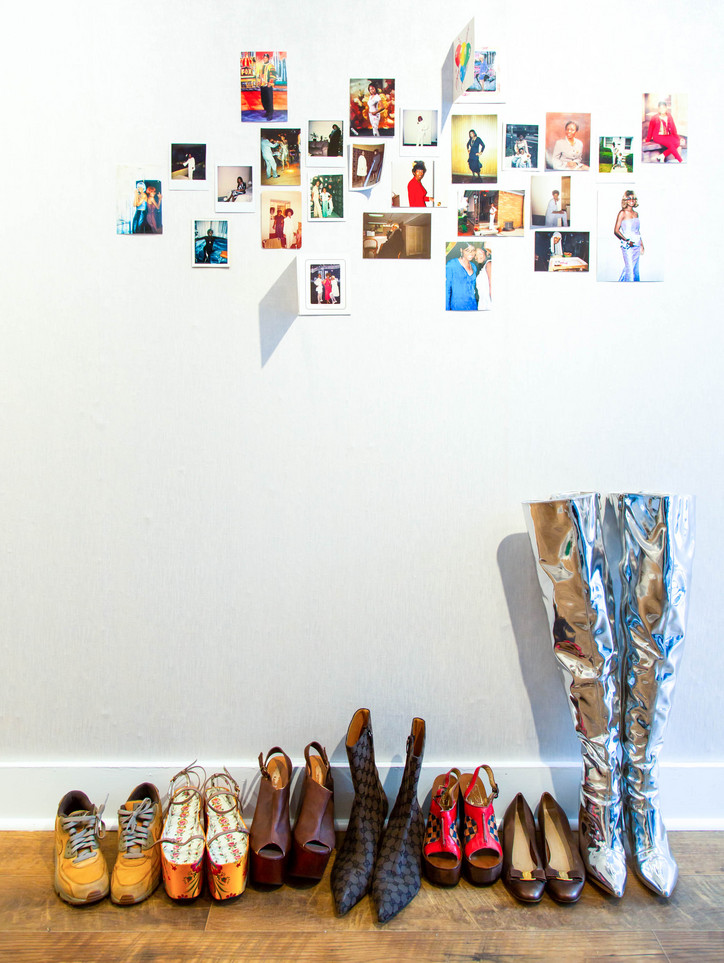
The exhibition is called ‘Stay Fly’ and it is the second iteration of this idea. I had a solo show at the Kravets Wehby Gallery last April, which was called ‘Fly Girl Fly.’ Basically, this series of exhibitions is about me examining — they are autobiographical so they talk a little about me but mainly about the women in my family through the analysis of fashion. So for this exhibition, it opened with a series of photographs that I borrowed from my mother’s photo album which featured her in her life here in the ‘60s and ‘70s. And I had those pieces, not juxtaposed, but included with images of me when I was in high school as a teenager living in Detroit. So it was this installation on the wall of a generational dialogue about me mirroring my mother. There’s one photograph of my mother in her fur coat, and there’s another photograph of me playing dress up in that coat and one of her wigs. So you walk through the exhibition, there’s an installation where I utilize clothing from my personal collection, but also from a local entrepreneur, activist, and boutique owner. She had this amazing collection of vintage 90s-era, logo-heavy clothing, so I borrowed pieces that were very reminiscent of the 90s and pieces that my mother would have worn.
So were you a teenager in the 90s?
Yes. I graduated in 2000, so I am the first millennial I guess. I’m from Detroit, born and raised. It was probably a blend of low and middle-class families. The area I lived in was low in the economic level, but when you looked around, people were dressed to the nines. When I was in high school, and I went to one of the bad high schools, it was also known as the ‘runway show.’ So it’s a very interesting phenomenon, of us having this low economic status but we still prided ourselves in how we dressed. My mother had a very interesting life full of strife, but she used fashion as a mechanism to cope. Essentially, this exhibition is about how fashion has become political, and when you examine black culture within the historical context of America, we know that this is a very tumultuous history. All the way from the earliest photo, people were dressed really well.
I’m in this class right now called ‘The Baroque and Neo-Baroque,’ and the argument is that the Neo-Baroque is sort of the black culture borrowing from old European ideas of aristocratic flashiness. It’s very interesting, and the teacher mentioned in class exactly what you’re talking about, this runway aspect of everyday life. Do you feel you are playing into that, or does that speak to you at all?
I do, but I want to take it a step further because I think there is this notion where, in looking at American history, that we relegated to Europeans. And of course, when we look at these photos, there’s clearly this appropriation of European style.
Which is inevitable.
Right, thank you colonization! But what I want to argue is that even pre-colonization, that was always a part of who we were. I am part indigenous American — my family is Muscogee and Choctaw with a little bit of Cherokee, and that’s part of who we are.