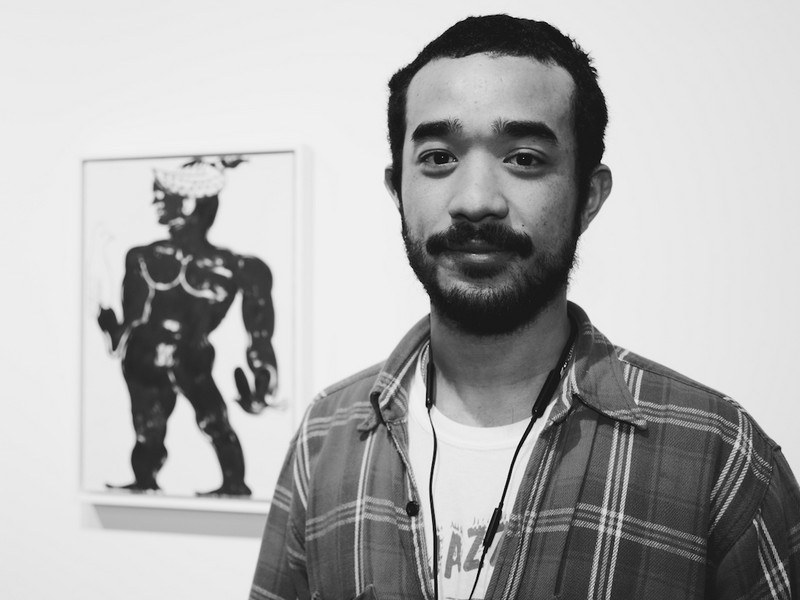

office spoke with Perrotin curator, Matthieu Poirier, about Hartung’s power, parallel universes, and thrill-seeking. The show will be on view at Perrotin Gallery and Nahmad Contemporary until February 18th.
Why this show? Why now?
Because I think it’s never too late? It’s been a few decades that he’s been forgotten. He became really well known and obvious for everyone, people wanted to see something else. That’s really how it happens— art history, the history of reception, is very cyclical. The most important thing is all the artists that have been influenced by him today, we think about art historians, curators, critics, who basically rediscover things, most of the time the most important ones are the artist themselves— artists of other generations that take a deeper look at artists that have come before them for some time, the beauty of things that are a bit obvious for some people, just look at the works, get influenced, pick things.
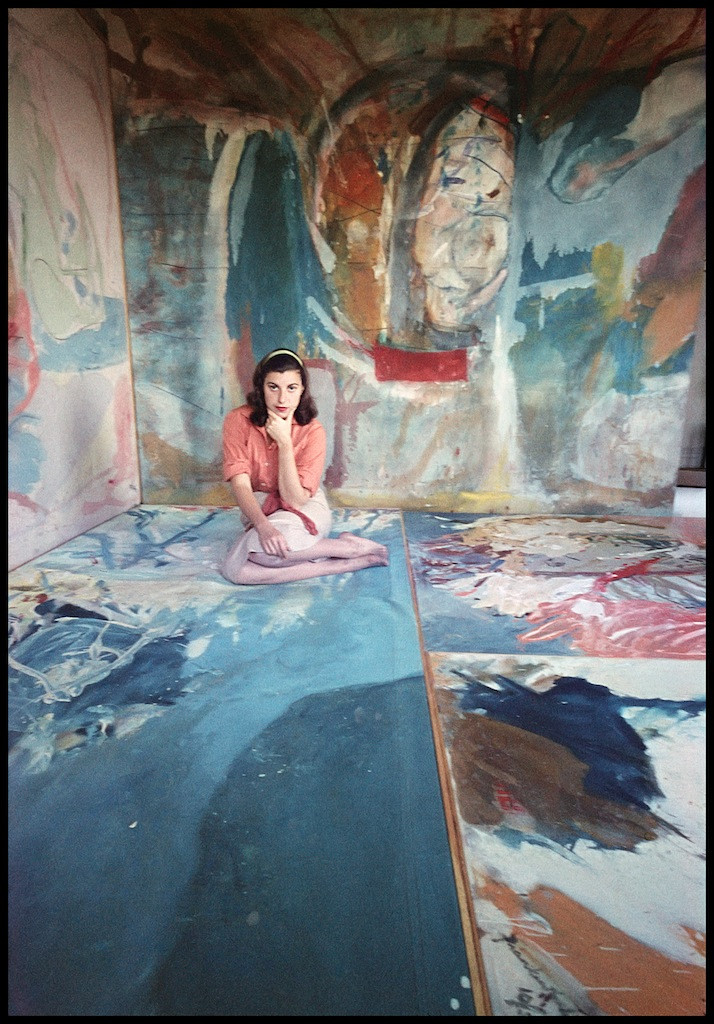
Think about Wolfgang Tillmans, think about Katharina Grosse, Christopher Wool, pick one, sometimes they say a lot about it, they promote it, “Oh I’ve been influenced by Hans Hartung, he’s an amazing painter, etc.,” and some just pick ideas and make them live longer in their own works. You know an artist is historical when he has influence. For me, when I went into his former studio at the foundation and when I discovered those amazing works, they were not only amazing because they had an impact on me as strong as when I first discovered Rothko, Pollock, but because they resonated in the contemporary era. That’s what explains his importance. Consider why something is important— because you like it? because it’s nice? because it's good-looking? No. Because it had a huge influence, including on Hartung himself— so that’s how it works, and that’s why I think it’s a good moment.