Nobuyoshi Araki, courtesy of Taka Ishii Gallery, Tokyo
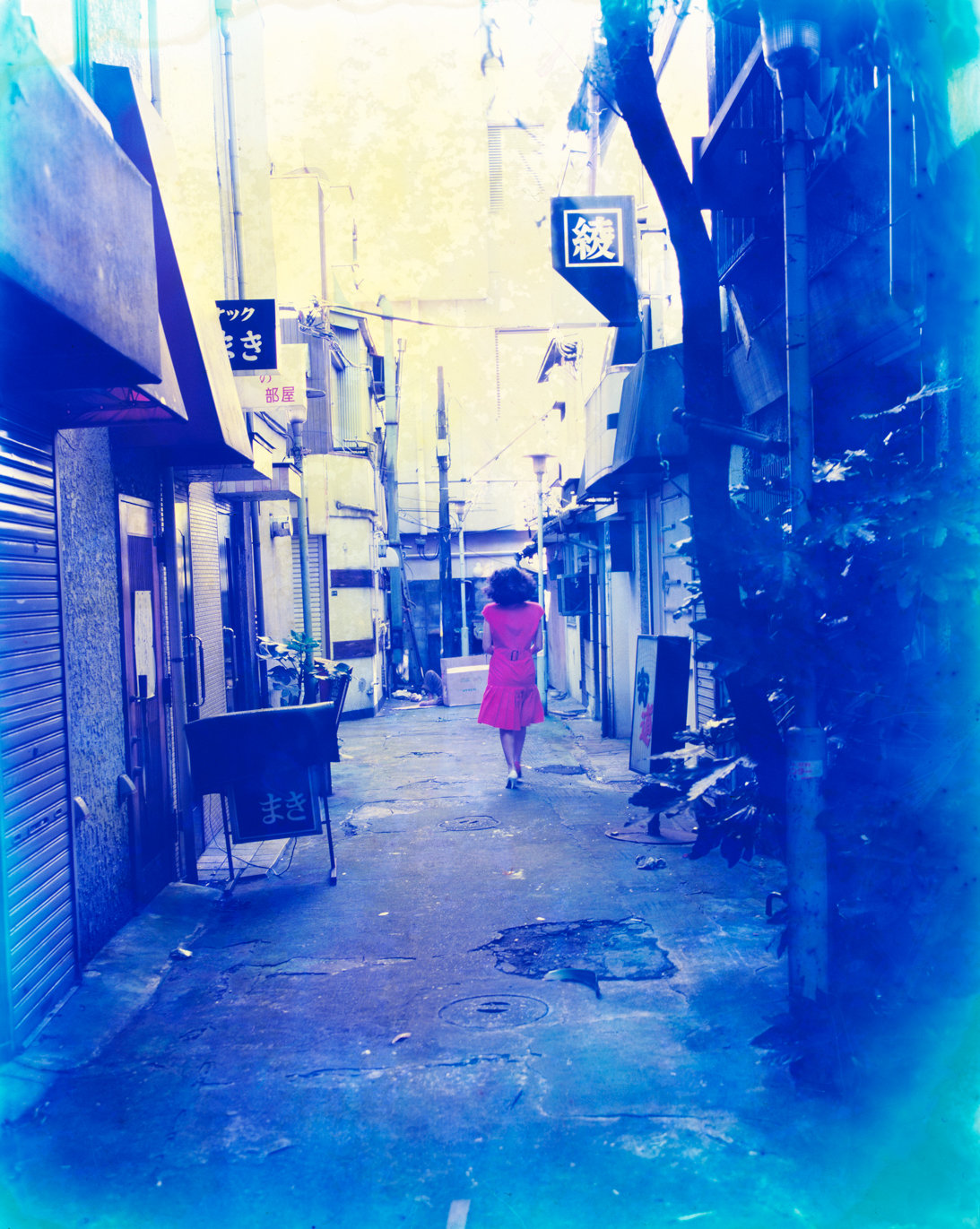
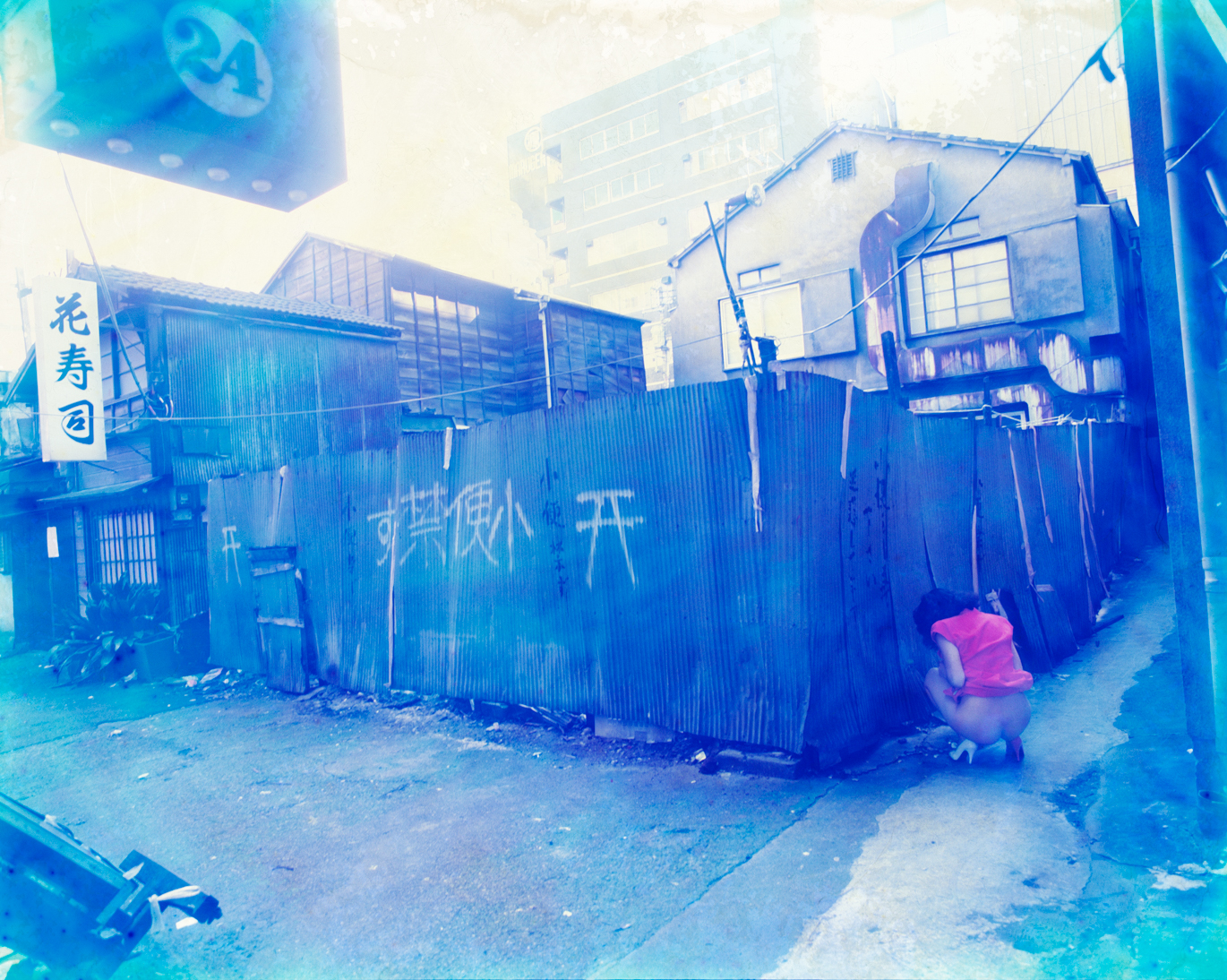
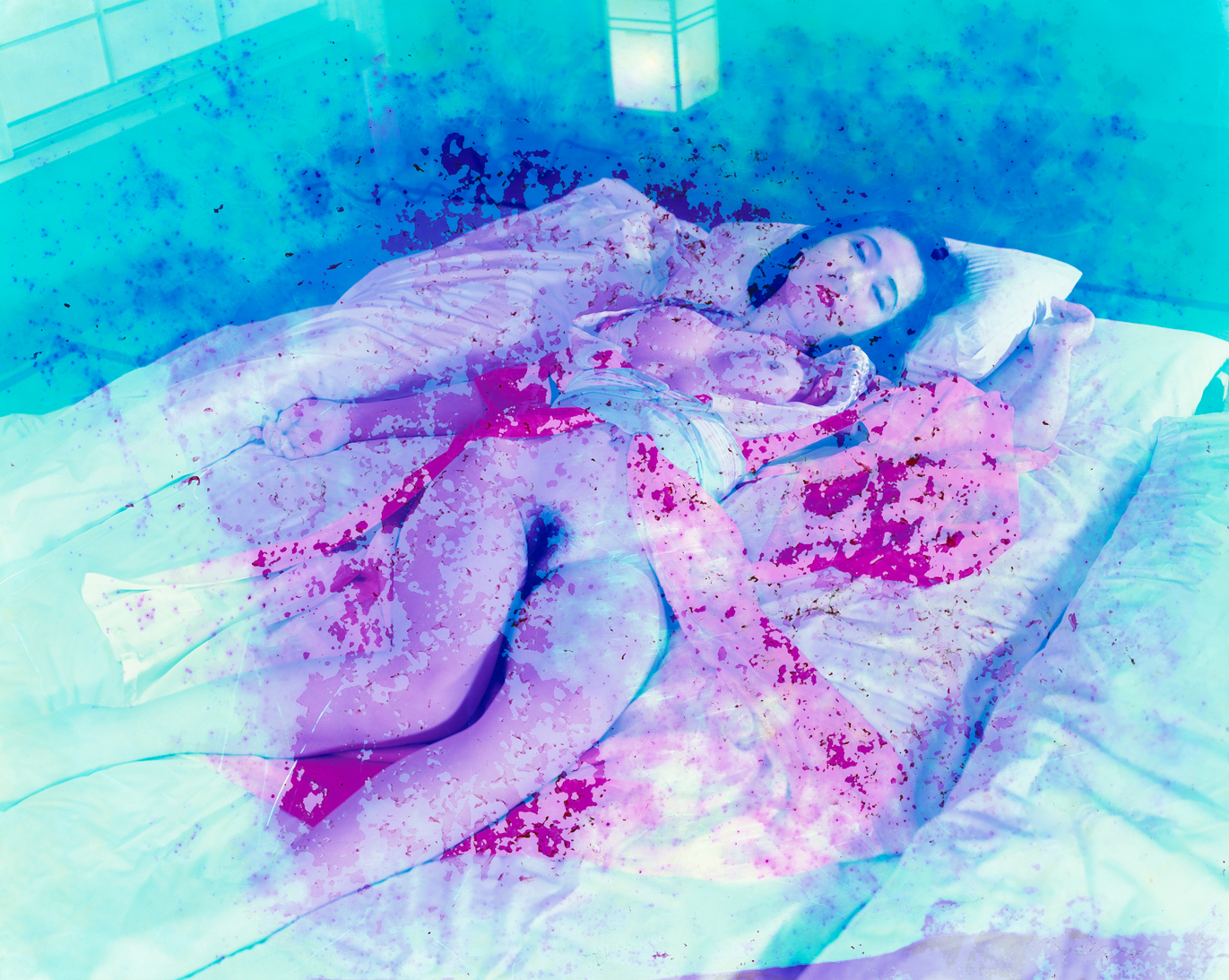
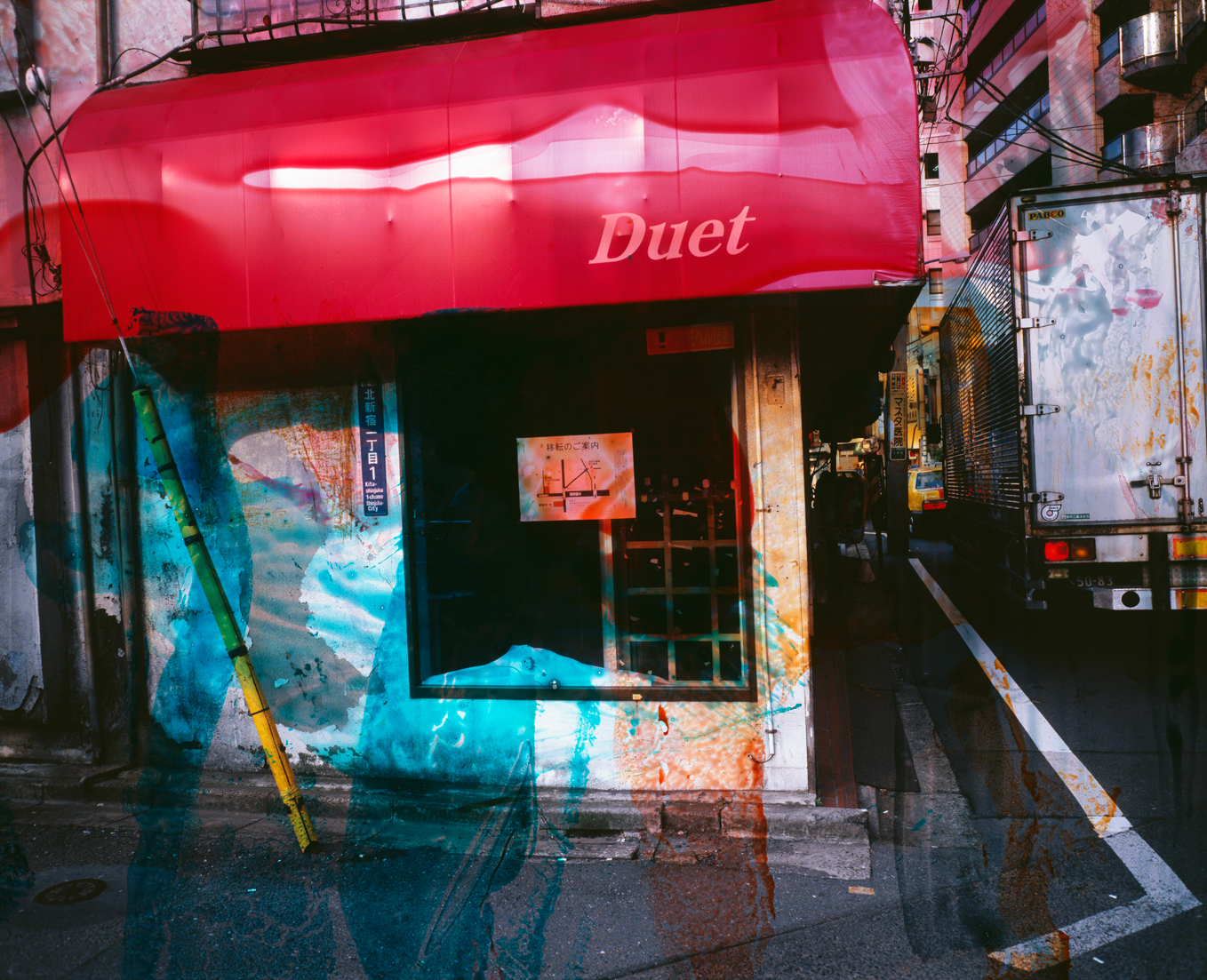
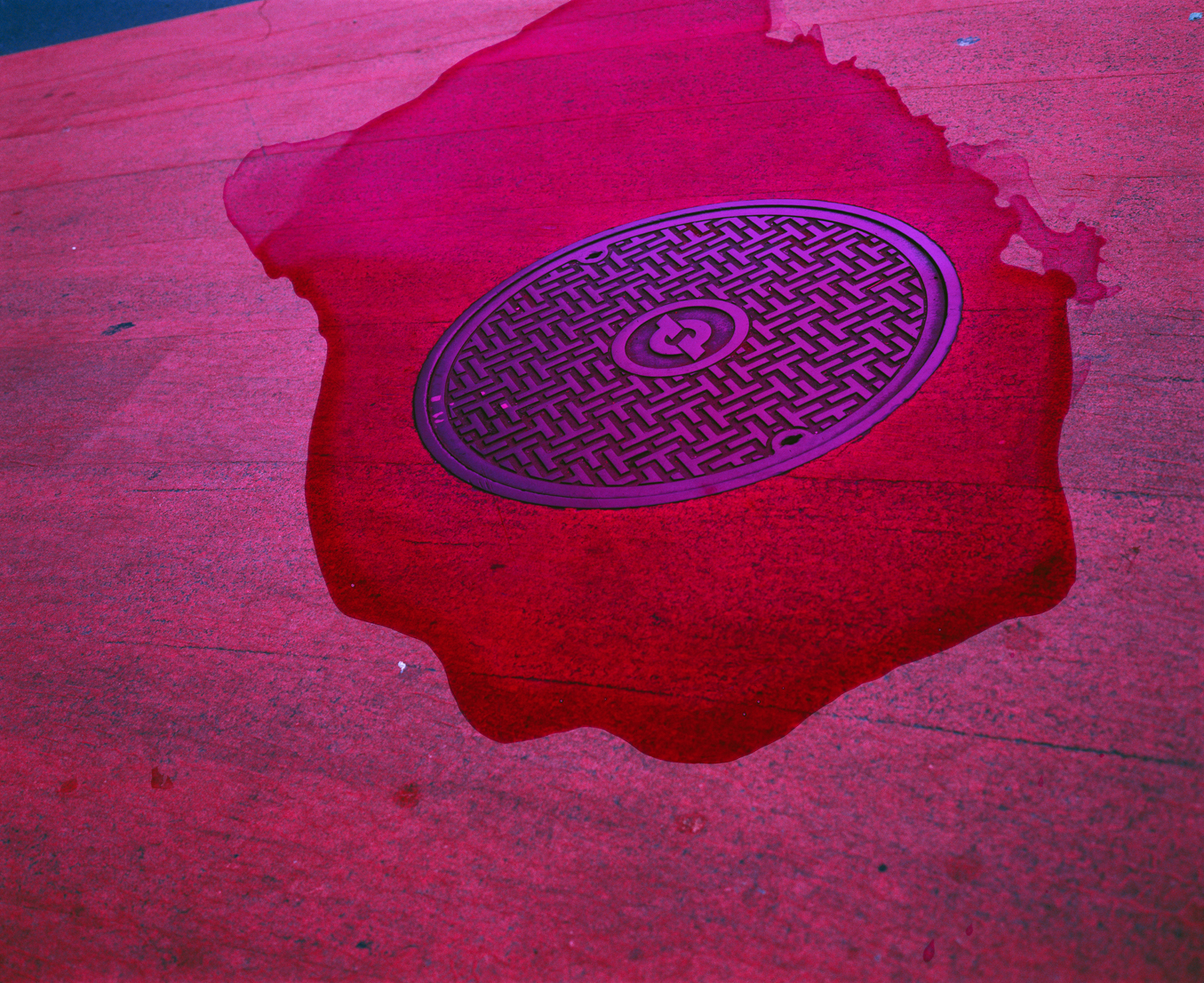
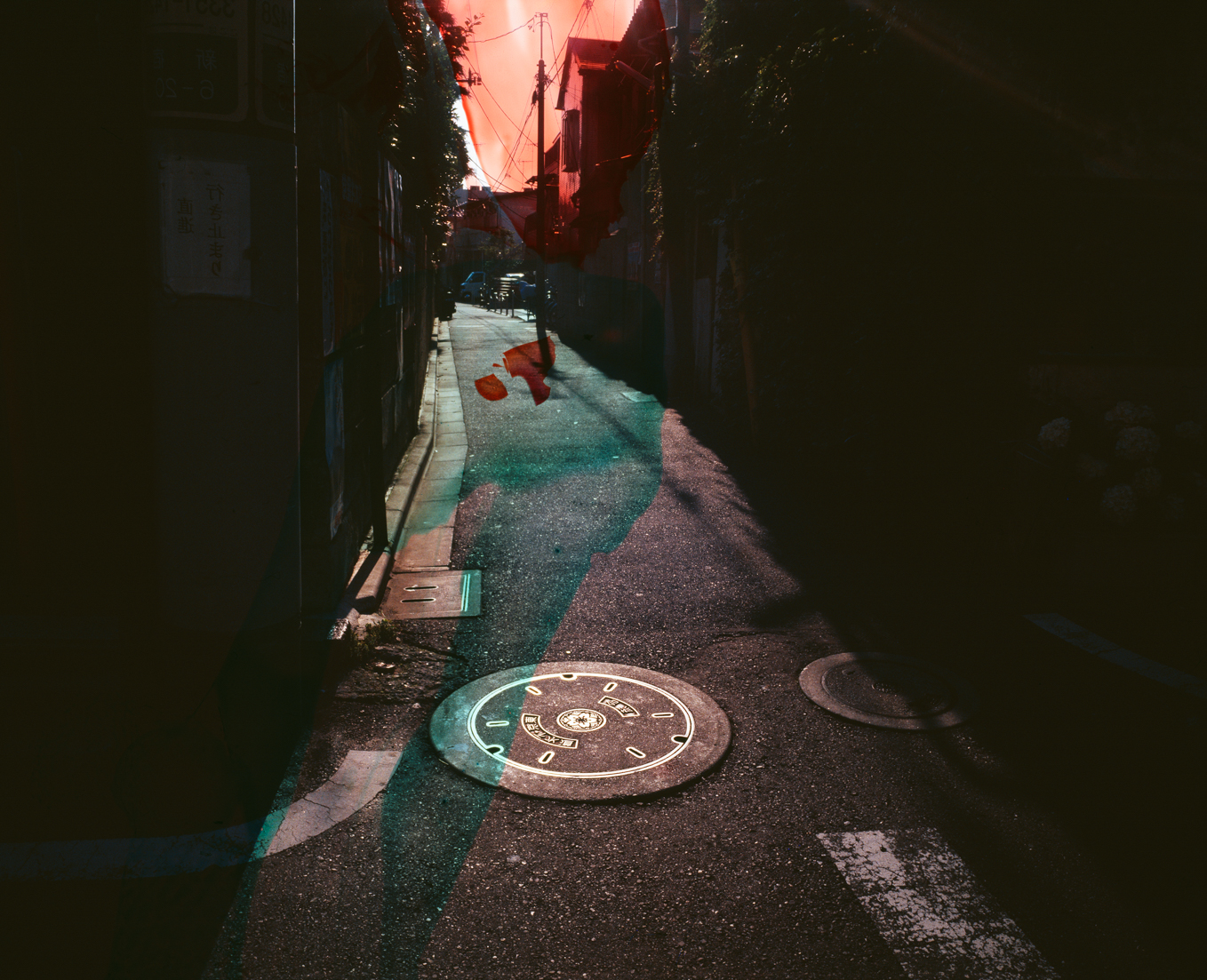
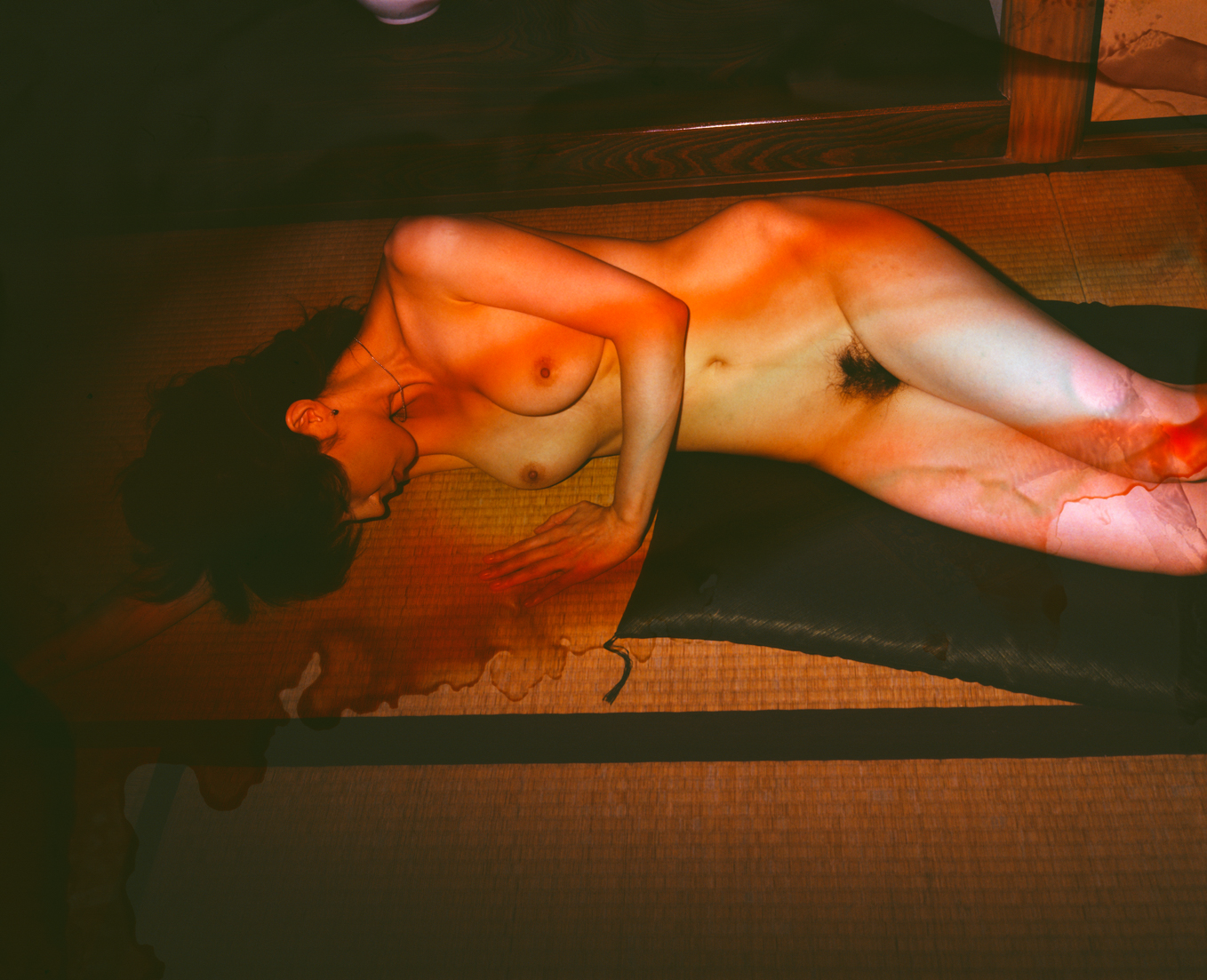
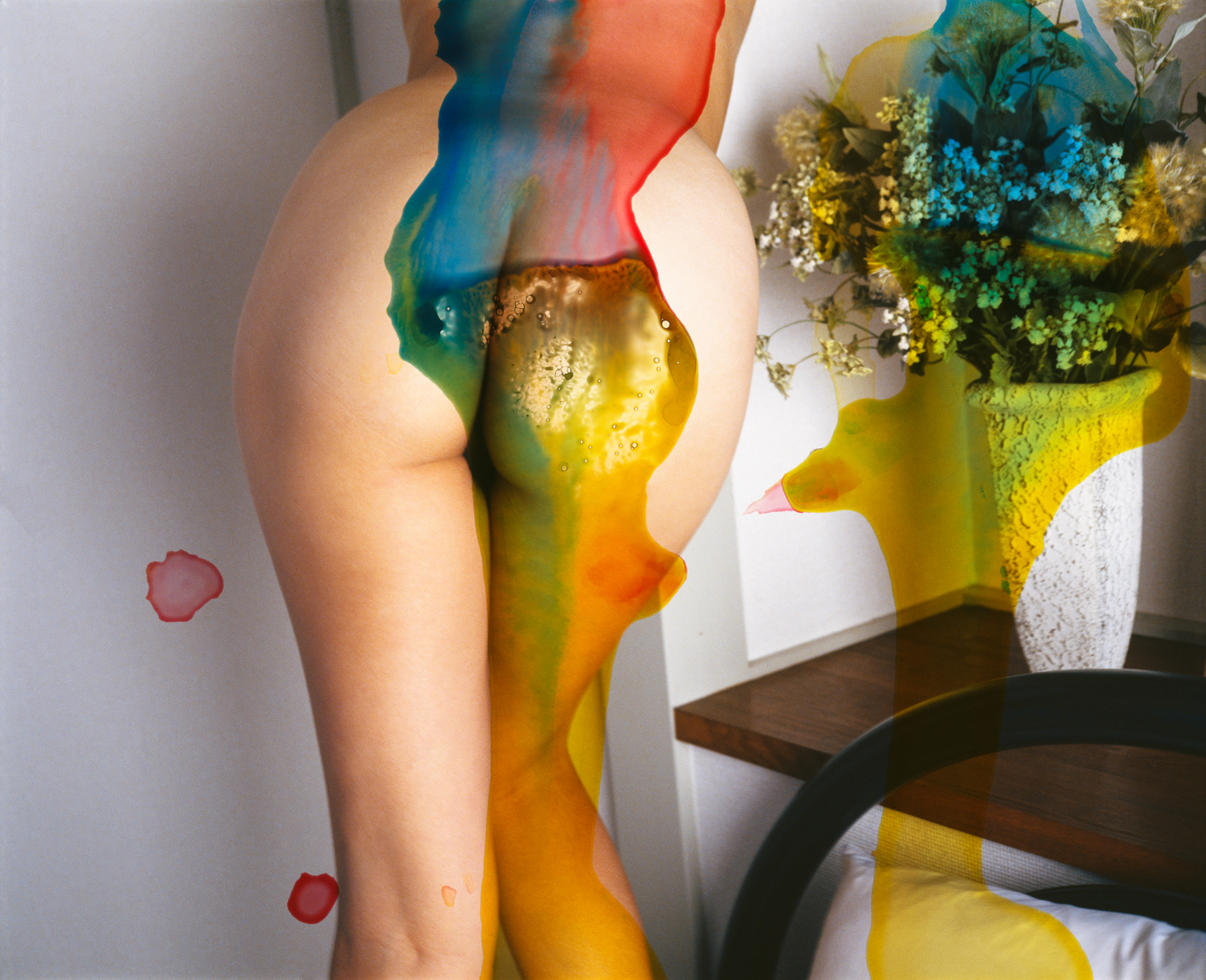
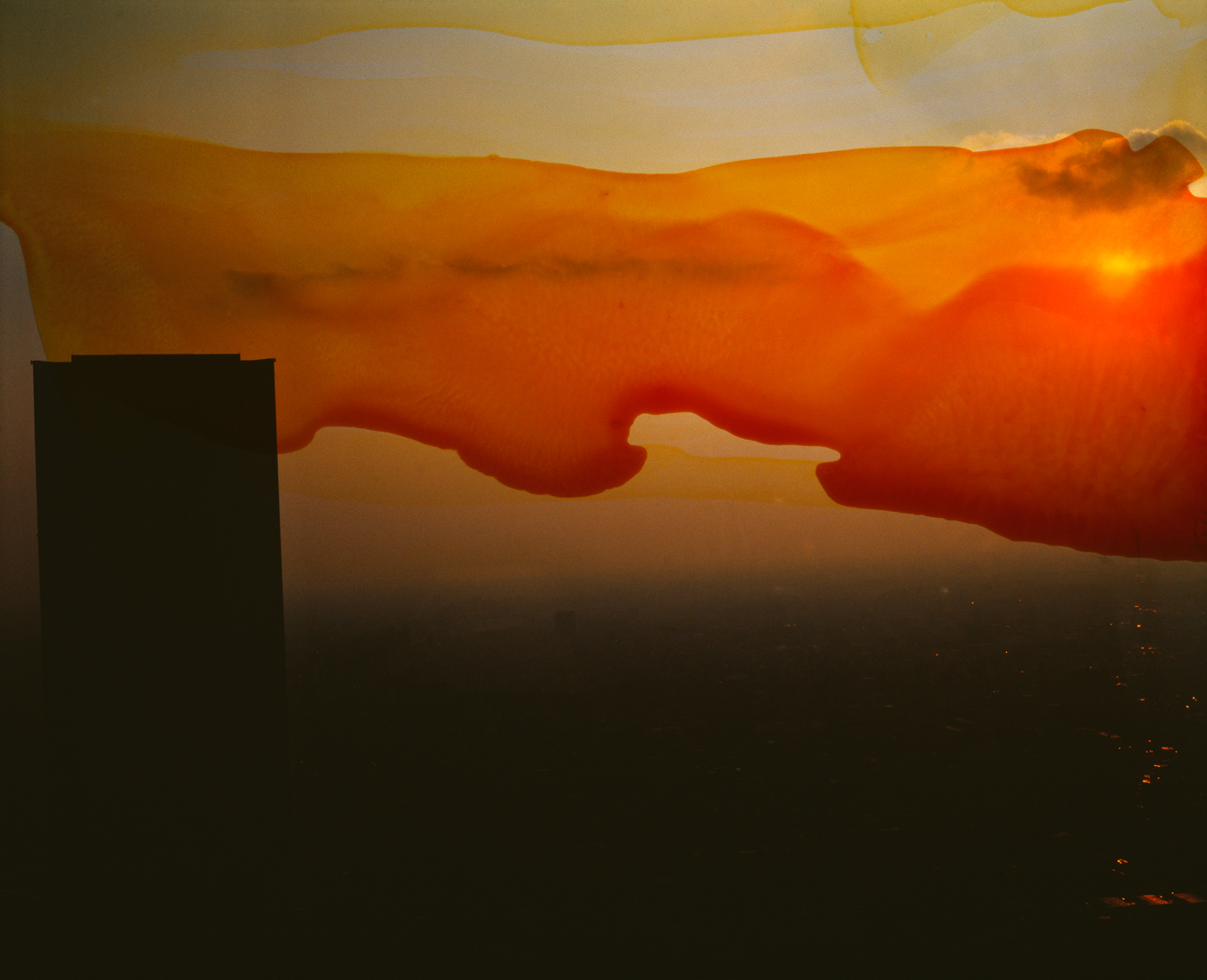
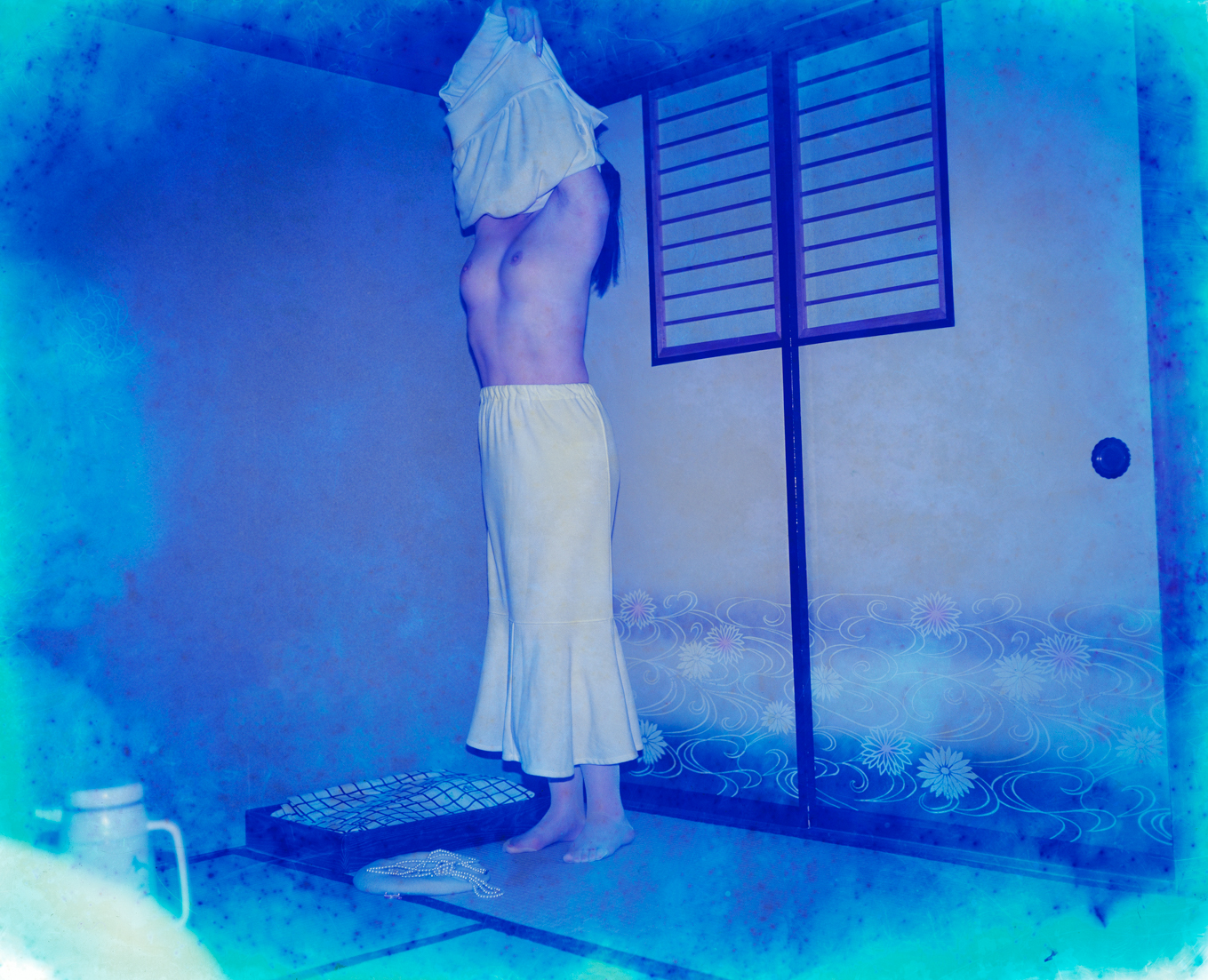
Prolific lensman Nobuyoshi Araki is a titan of Japanese photography. Araki’s immense oeuvre exploring corporeal subjects—bondage, his late wife Yoko, food, nudes—is readily recognized, yet few are familiar with his experimental film project Arakinema. First performed in 1986, the work features two ceiling-mounted projectors screening slideshows of the artist’s photographs along to an atmospheric soundtrack. In homage to this little-known work of Araki’s, New York’s Dashwood Books and Session Press will publish Blue Period / Last Summer, Arakinema, representing a comparative study on two series of images that comprise the piece. In 2005, the last year the work was staged live, Araki described its contrasting elements: “Last Summer is the future, it has a certain sense of resignation about it. Blue Period is the past, because it’s about how memory inhabits us. But we don’t yet have a memory of the future.”
Office Magazine presents an exclusive look at Blue Period and Last Summer in anticipation of the upcoming book release.
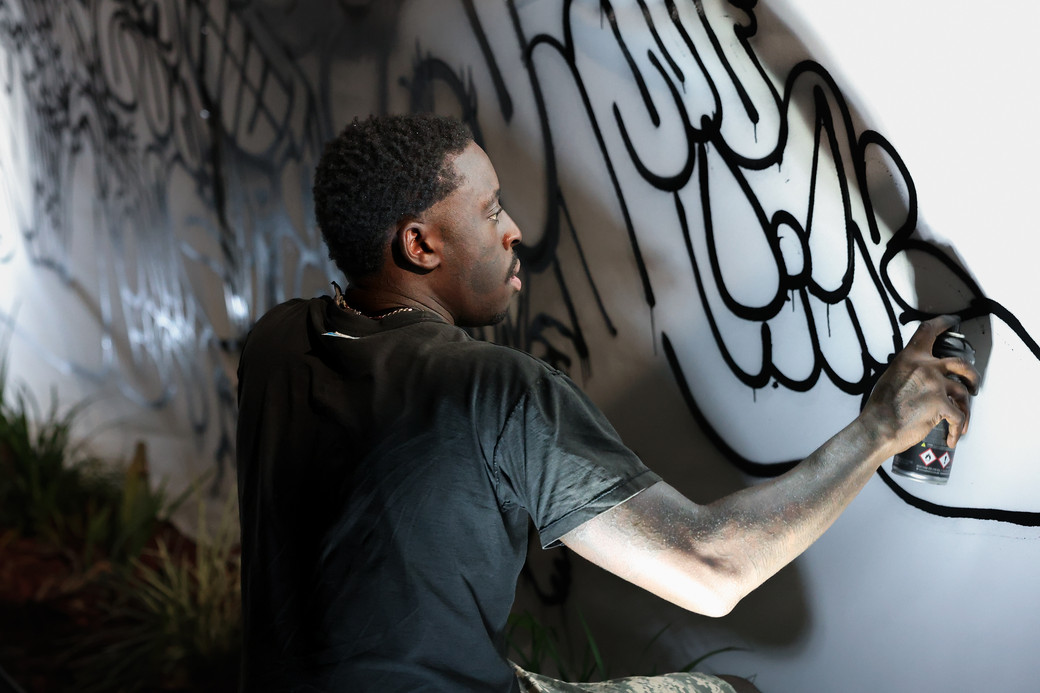
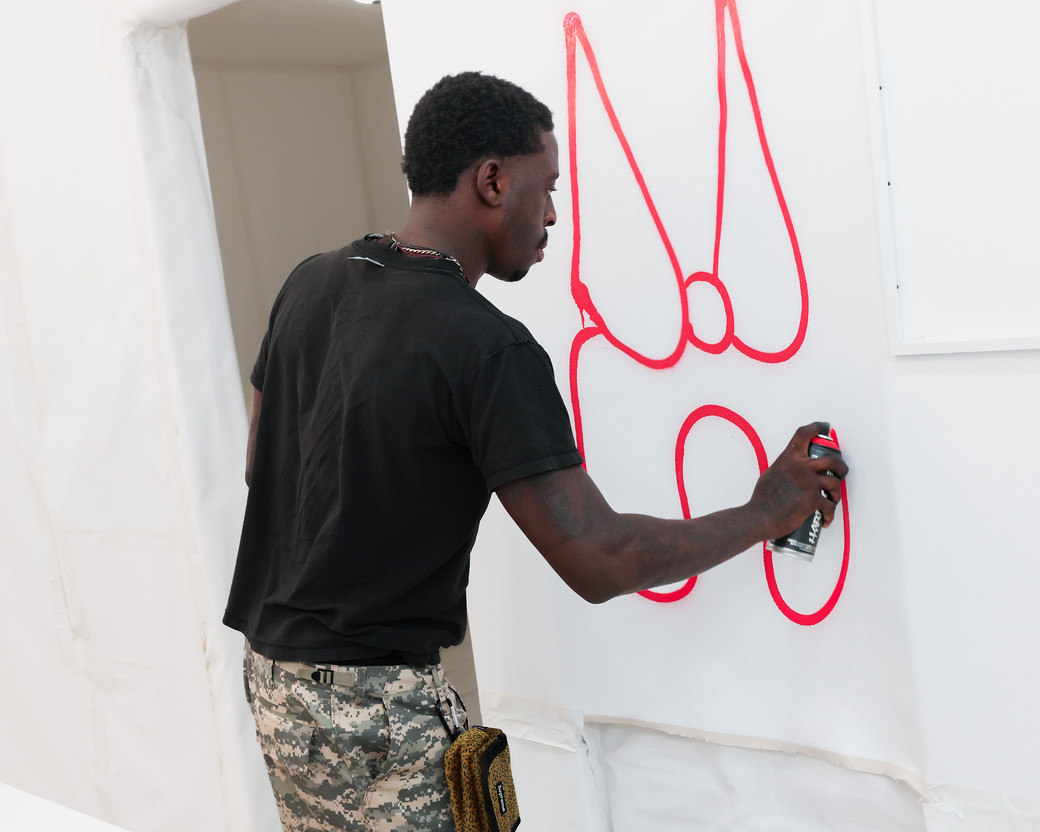
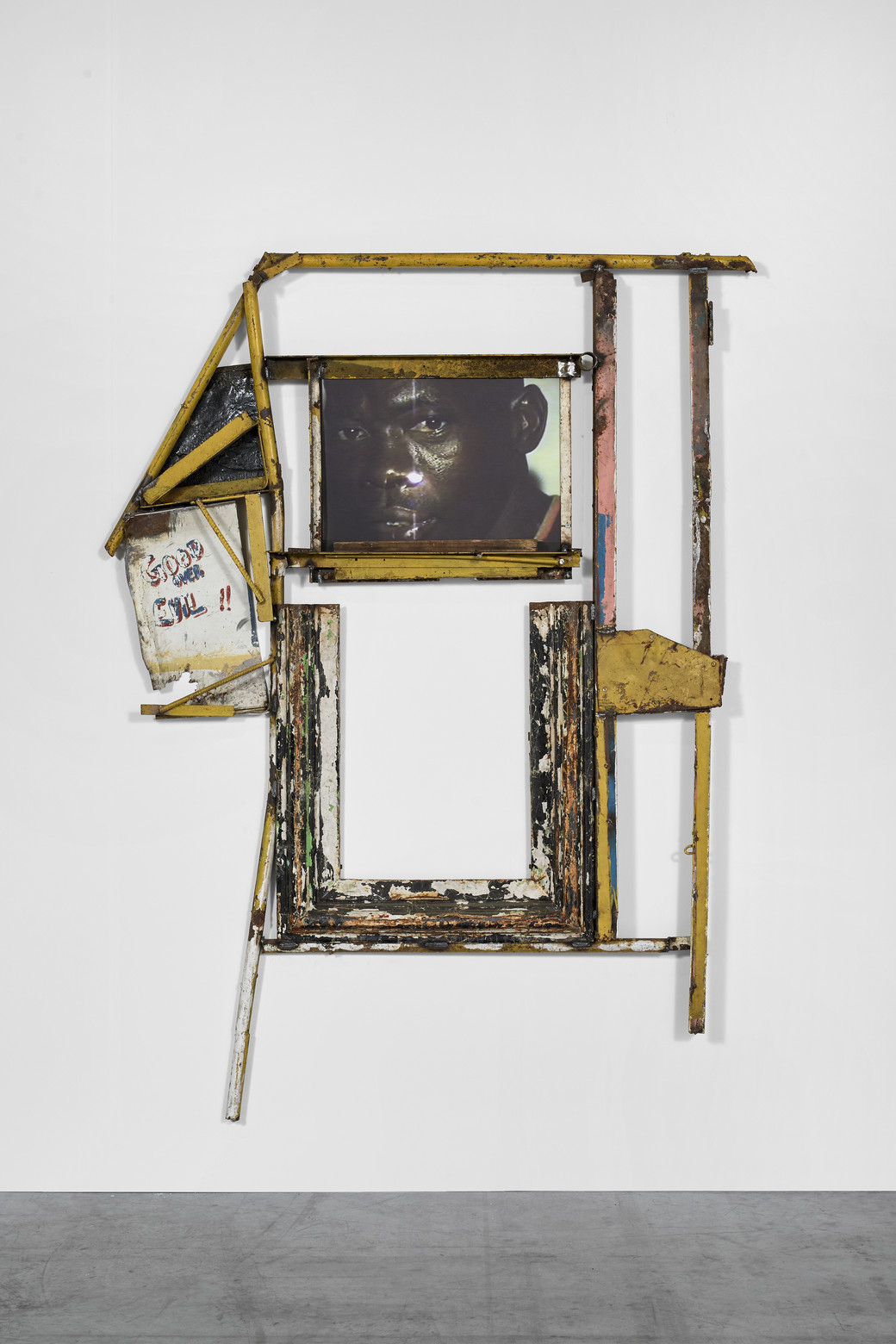
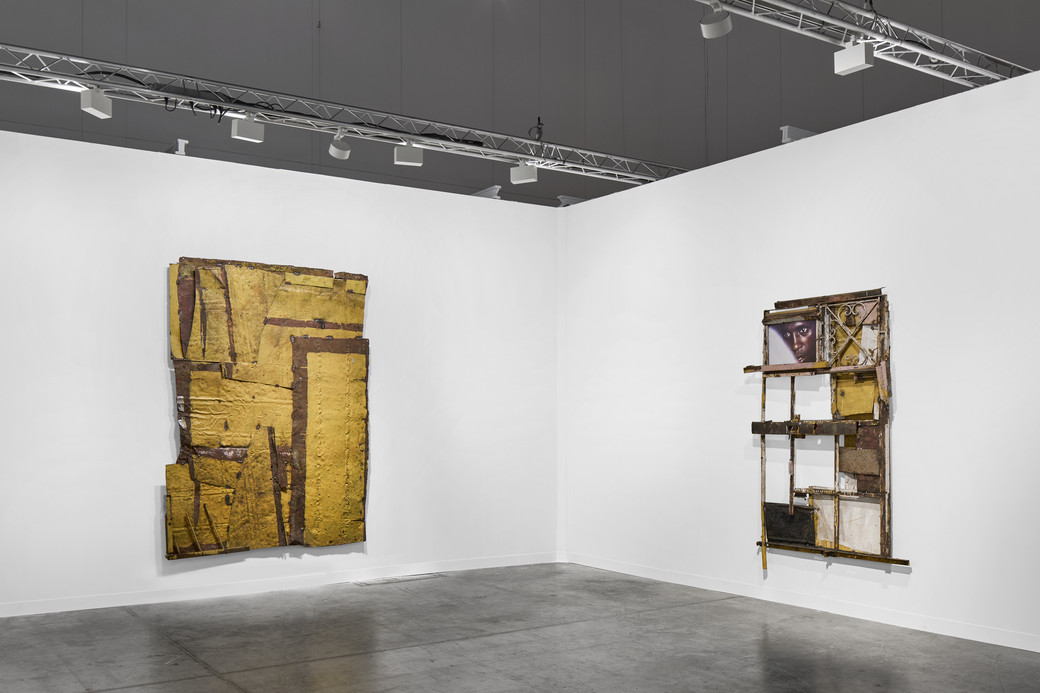
Akeem Smith Rebuilds Memory at Art Basel Miami Beach 2025
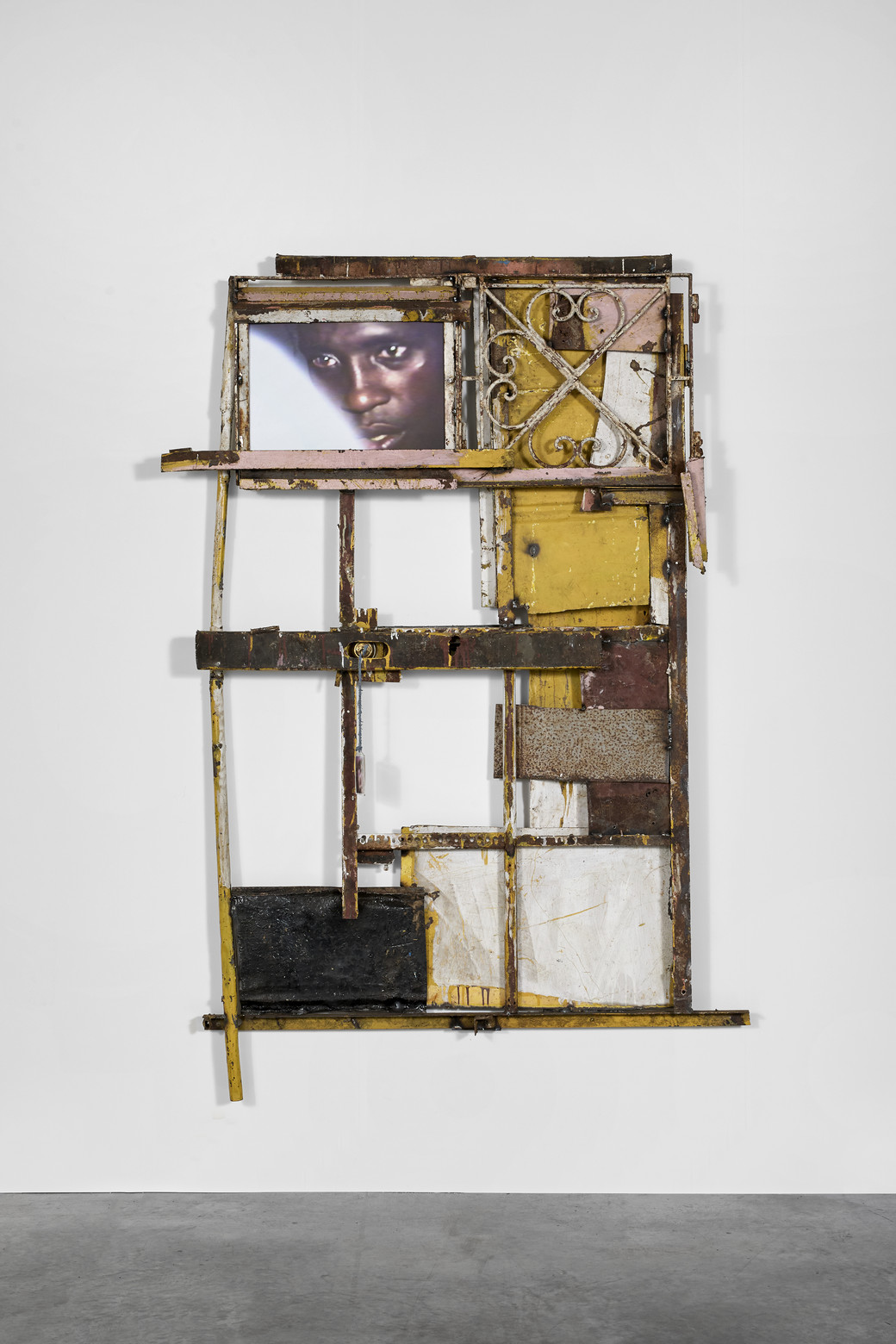
The effect is a kind of visual anthropology: memory as debris field, architecture as witness. Smith toys with the instability of images, how they circulate, who controls them, and what happens when the artist becomes archivist, caretaker, and cultural mediator all at once.
Born in Brooklyn and raised in Kingston’s Waterhouse district, Smith has long dissolved the boundaries between conceptual art, fashion, and vernacular storytelling. His practice examines the politics and economies of image-making while preserving the stories that mainstream cultural iconography often overlooks.

At Art Basel Miami Beach, these new works feel like a homecoming: not nostalgic, but defiantly present. They anchor Caribbean social worlds in physical form, holding space for a community whose histories are too often unrecorded. In Smith’s hands, transformation isn’t just metaphor; it’s material.
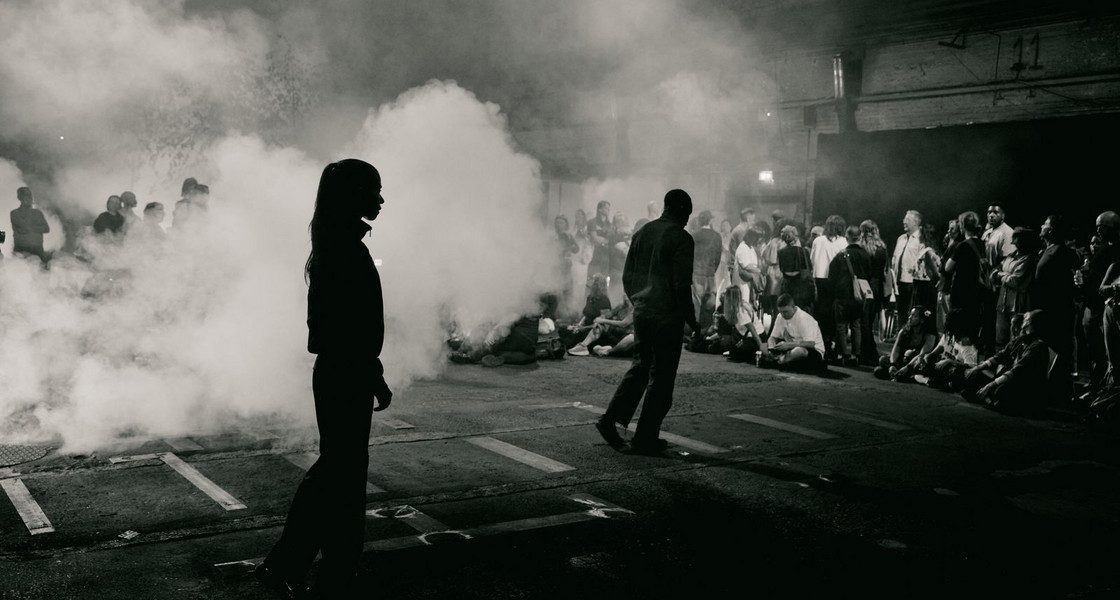
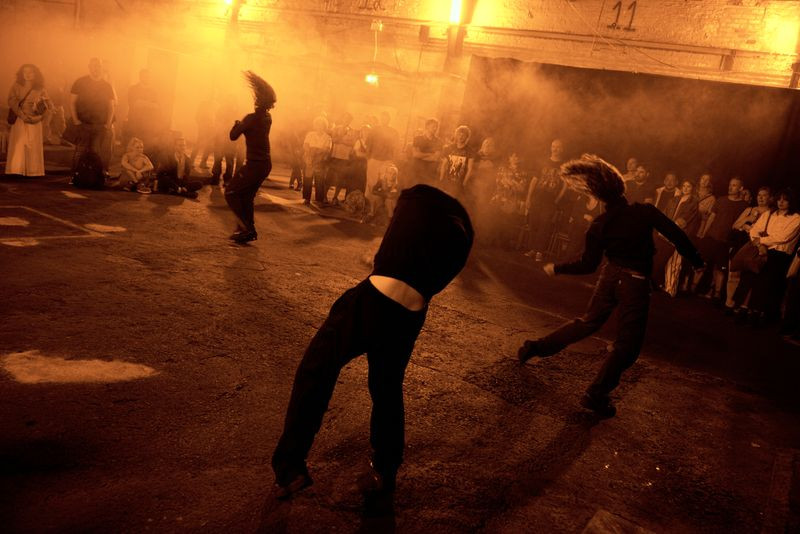
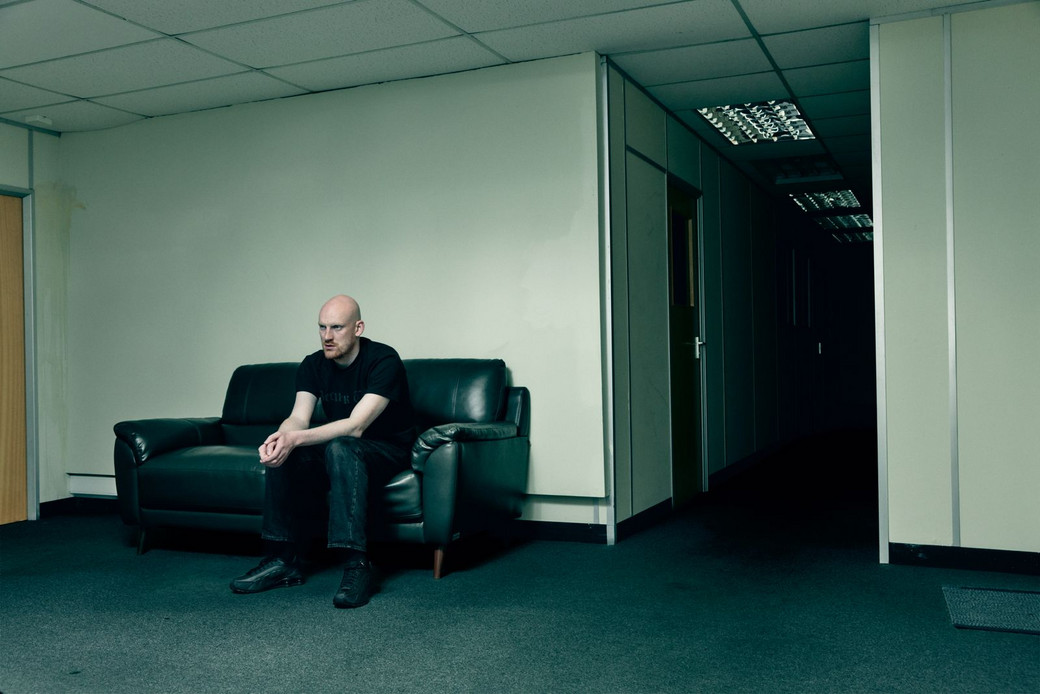
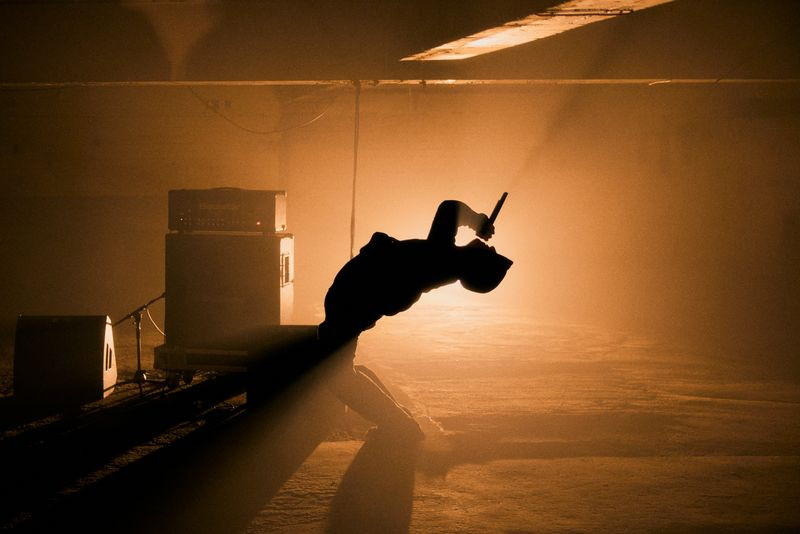
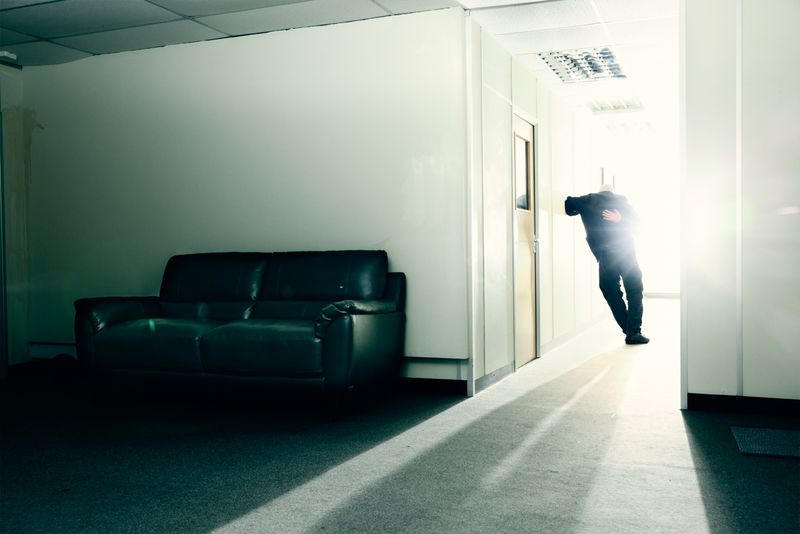
Rather than picturing love as a balanced act, this show demonstrates the way love can often lose itself to feelings of despair. It is inside this uneven tilt, that we explore the very nature of attachment and connection. The performance is a highly spatial work of art, reliant on the industrial ambiance of Machester’s Diecast. The environment masterfully incites ideas of structure and shape. With concrete floors that hold the fossilized memory of forklift tire marks, and sweating steel from condensation, it is as if the venue itself has experienced the push and pull of life, the exhilaration and exhaustion that must be enjoyed and endured.
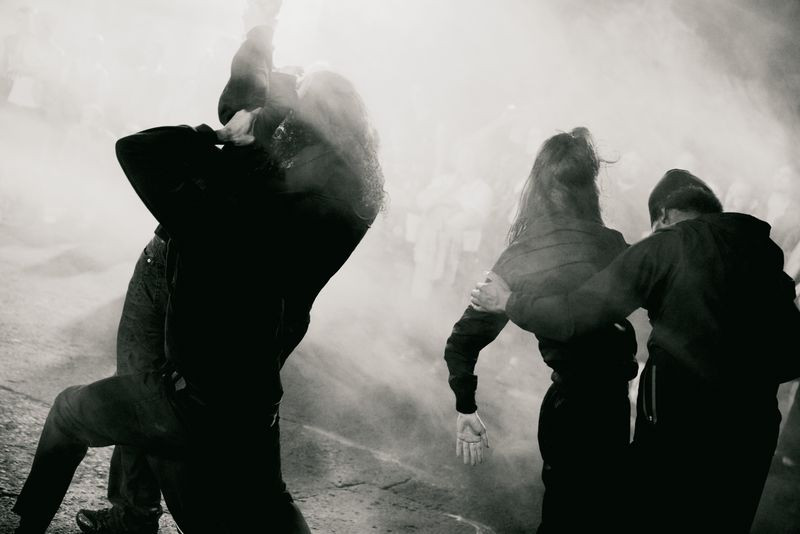
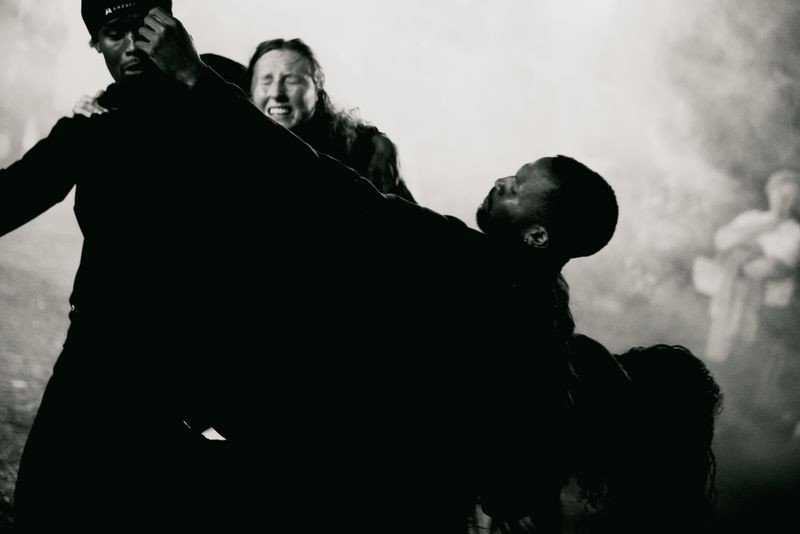
The story told here is one that narrows in on the intricate relationship between birth and death, and the notion that life is a liminal space, lodged in between the opening and closing of the world we know. This is a philosophy reflected in both the physical space and the performance work itself. Dancers cave into eachother and reemerge, visualizing our awfully and wonderfully cyclical state of being. Bodies work to create a clear paradox, staggering, twisting, and resetting.
During the performance, sound halts itself, persuading a moment of deep reflection on the human form. With its return, the bodies on screen continue in their deep-seated dance of emotion.