The Final Echo Isn’t a Sound
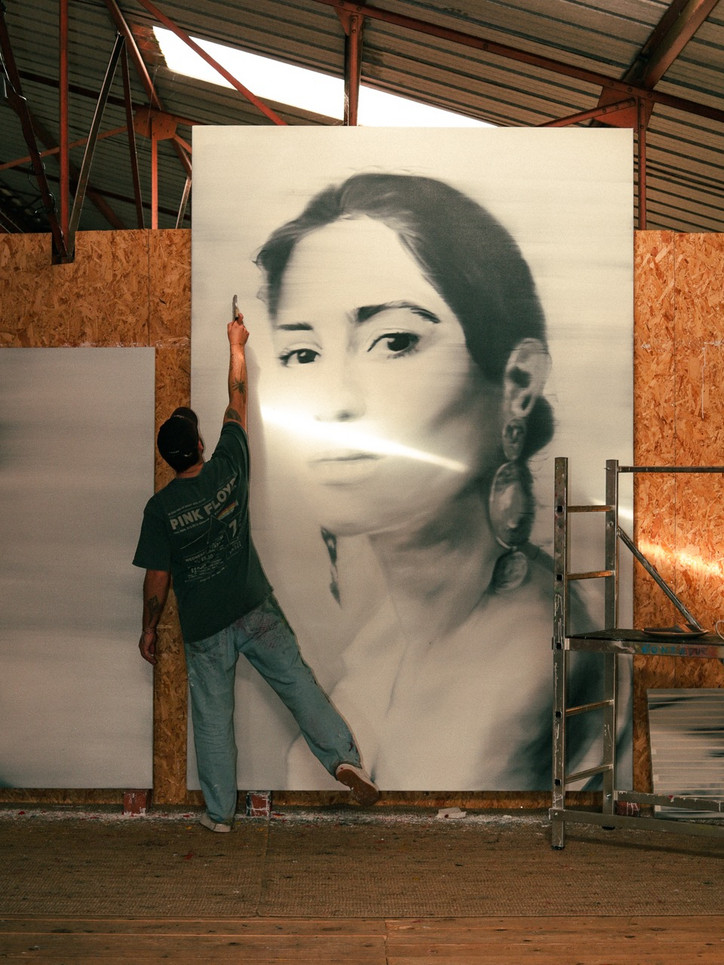
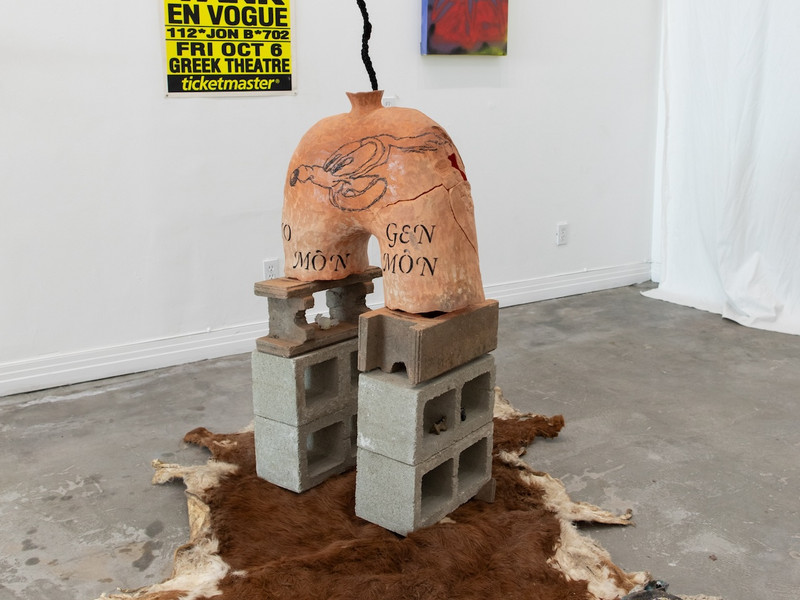
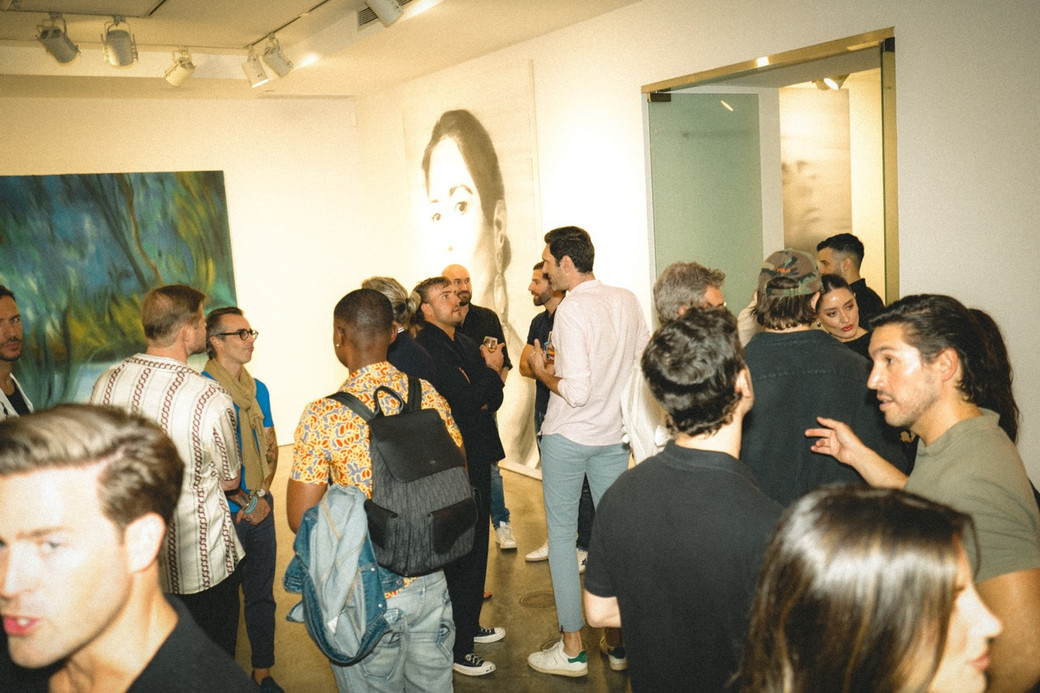
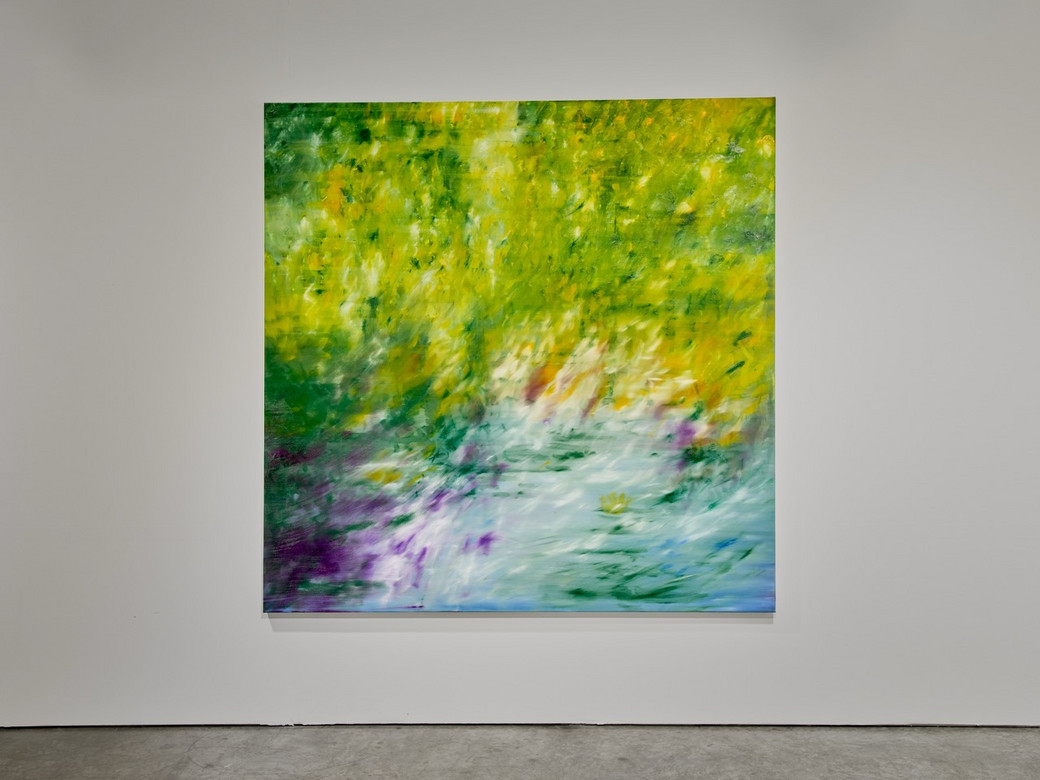
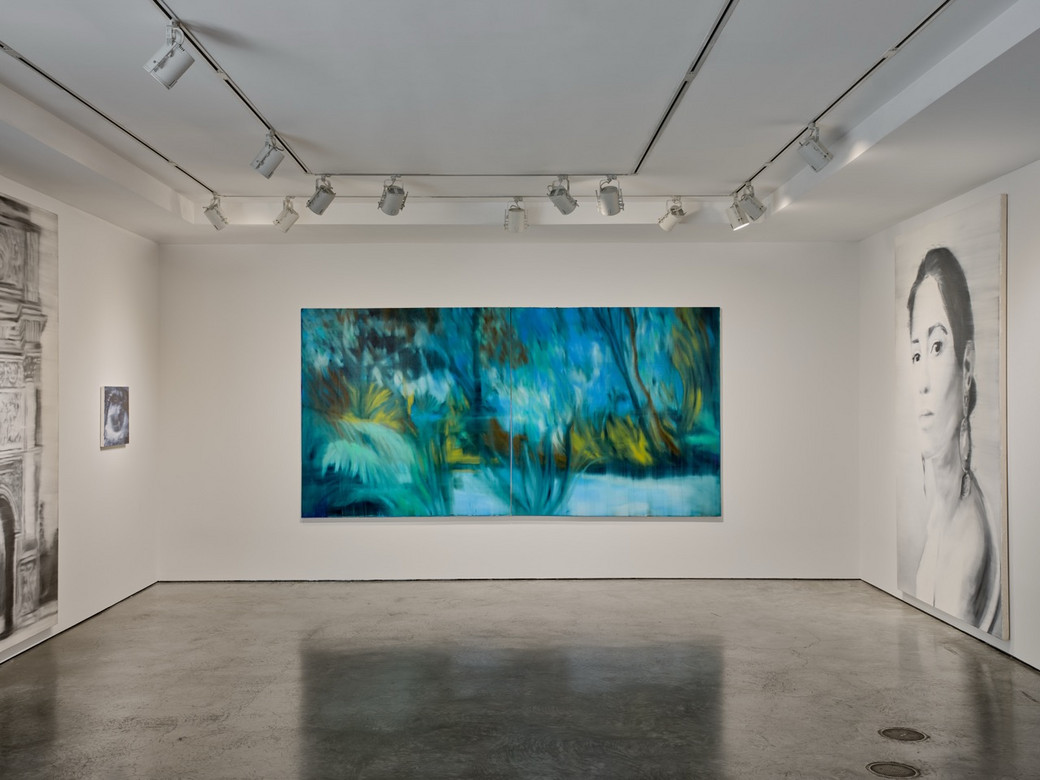
The Final Echo Isn’t A Sound will be on view at 545 W 23rd Street, Chelsea, from June 5 to June 21, 2025.
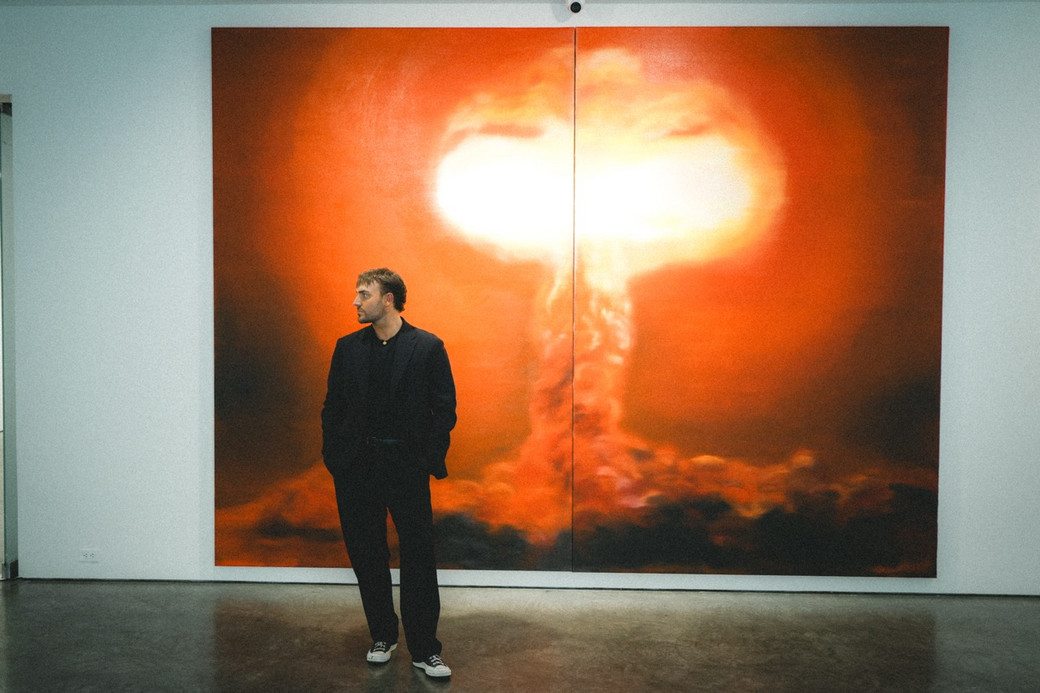
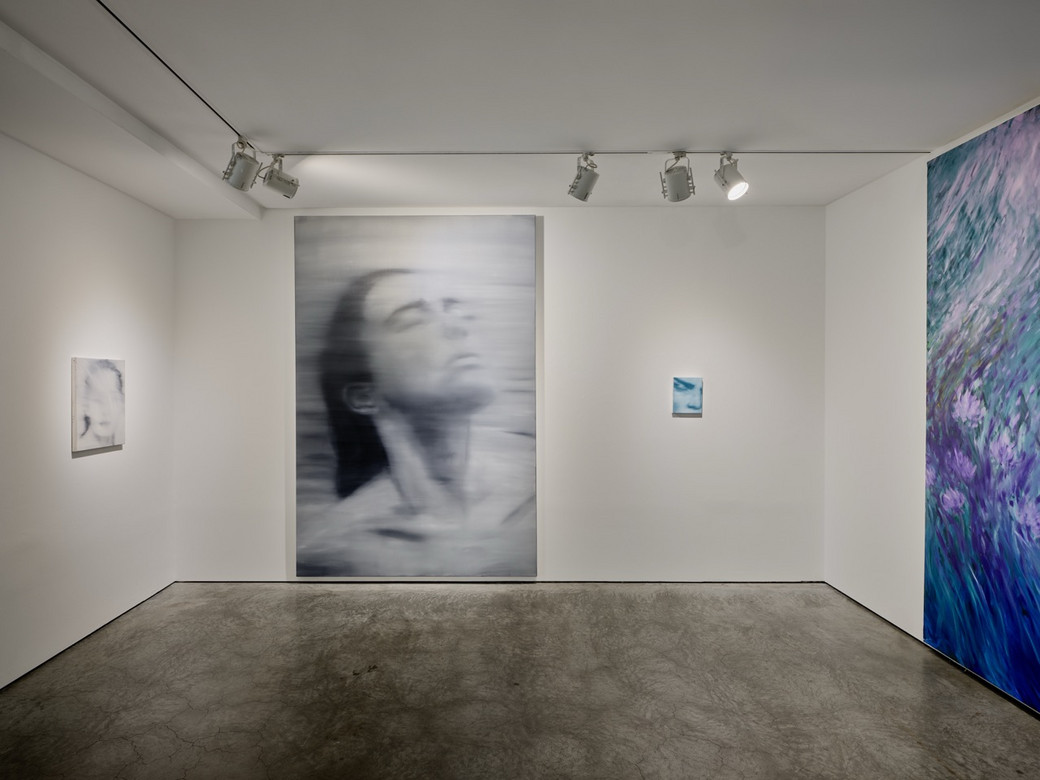
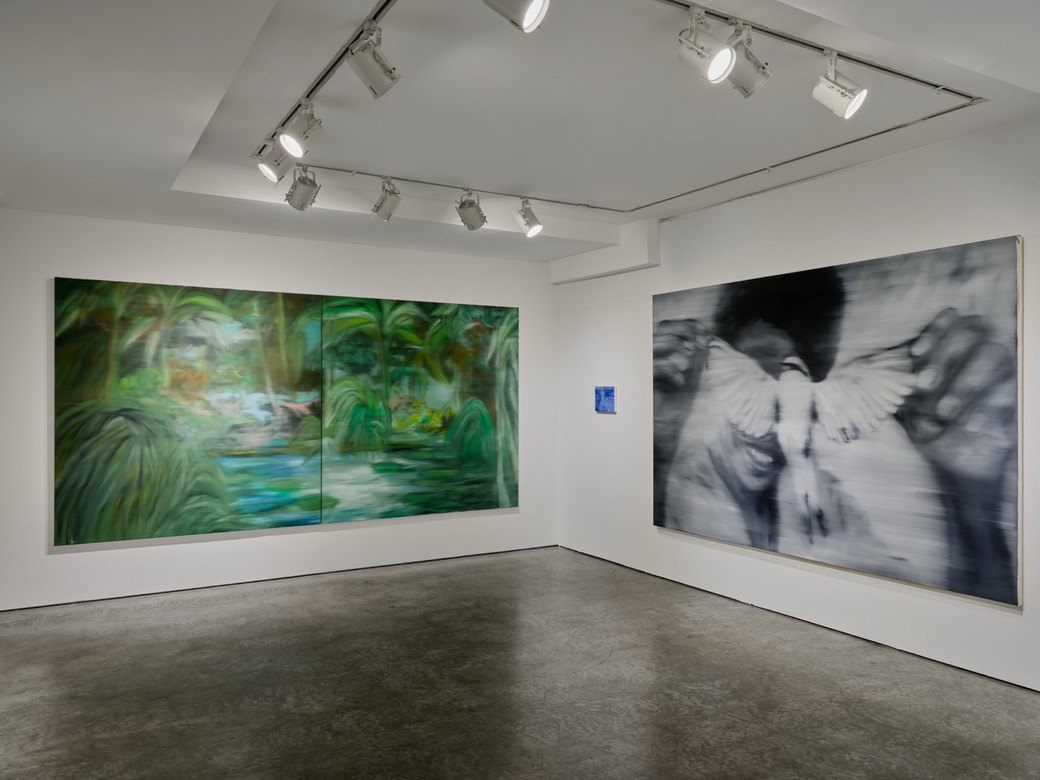
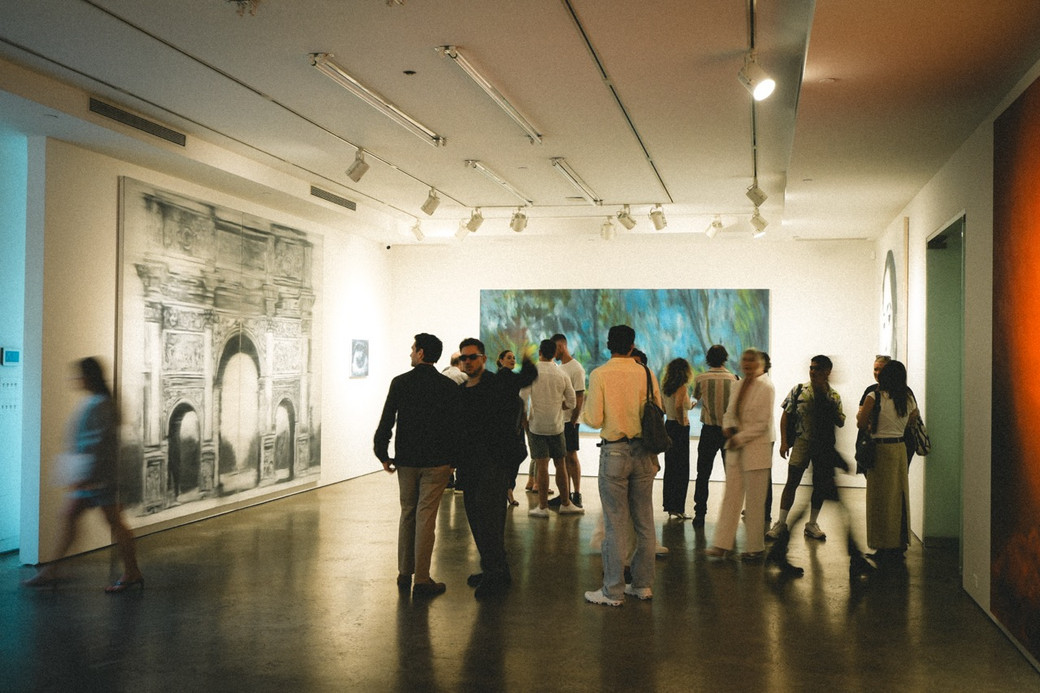
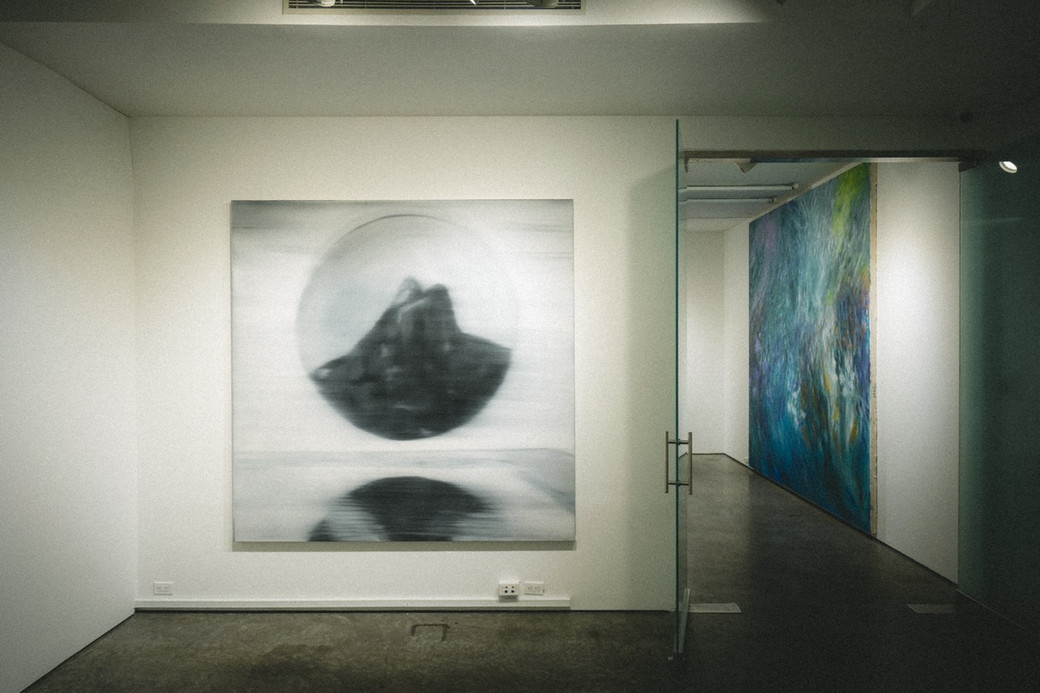
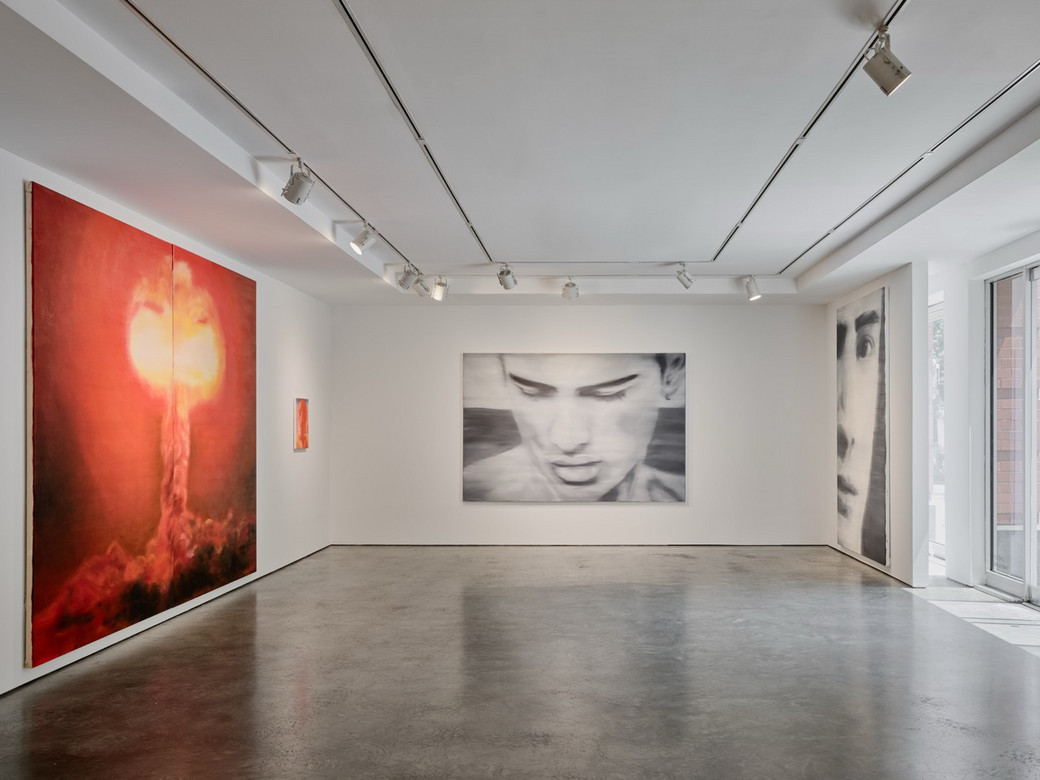
The Final Echo Isn’t A Sound will be on view at 545 W 23rd Street, Chelsea, from June 5 to June 21, 2025.


In discussing The Desert is a Circle, Powell aptly refers to the landscape as a stage, and his role as photographer and primary subject as a performance. It’s a well-suited vocabulary for the works displayed at DIESEL ART GALLERY in Tokyo, which relay an immersive, rich narrative around his journey through the Southwest that blurs lines between the true and false, and warps any distinction between a beginning and end. Though one could go on at length about Powell’s work, undoubtedly, both the artist and his work speak so eloquently for themselves. Read my conversation with the artist, below, and catch his exhibition before January 11th. Alongside the artwork, T-shirts and other merchandise produced in collaboration with DIESEL will also be available for purchase on site..


What initially drew you to travelling alone, and what does being alone in an unfamiliar place allow you to experience that you might not otherwise?
I'd been on a cross-country road trip with some friends the year before I started the project. We were on a tight schedule on the return journey, driving through the Southwest without really stopping apart from to get gas. I remember constantly wanting to stop explore the places we were driving straight past. The biggest thing about traveling alone for me is the freedom. I can stop wherever I want, stay somewhere for as long or as short as I want, turn off the highway on a whim. I don't have to consider anyone else's plans. I can just follow whatever catches my attention, which is how I like to make work.
There's a particular psychology to being alone with your thoughts for an extended period of time. Did you find that your perception of yourself or your surroundings changed as the trip went on?
Definitely. That mindset kicks in the moment I start driving. Everything else in my life takes a back seat, and I become completely consumed by the trip and making photos. I'll spend the entire day driving around, exploring everything that catches my eye, pushing myself as far as I can, mentally and physically. And the longer I'm out there, the more intense it gets.
Does solitude make you more observant? Did you find yourself paying attention to things you might have overlooked if you were travelling with someone else?
Definitely, when you're travelling with someone, a lot of your attention naturally goes towards that person. You're talking, sharing experiences, making decisions together. When you're alone,all that energy goes towards your surroundings instead.I'm constantly looking around, noticing little things and following impulses I might otherwise
ignore.


Was there a point during these experiences when being alone became uncomfortable, or when you started to understand it differently?
Yeah, it can get intense. Sometimes I'll go an entire day having only a handful of interactions with other people, so there's so much time to sit with your thoughts. I've struggled with mental health stuff over the years, and there was a lot going on in my life while I was making this work. When you're driving on your own for long periods it can be really uncomfortable, and other times it's exactly what you need.
Self-portraiture plays an important role in this body of work. Why was it important for you to position yourself within these images rather than remain an observer?
It actually started out of boredom. I'd be driving through these incredible landscapes, sometimes going hours without seeing anyone, wishing I had someone to photograph, and then I realised I could just use myself.
Considering much of this is self-portraiture — how much of the experience was about discovering somewhere new versus getting to know yourself?
When I started, it was about discovering somewhere new. I'd been fascinated by the idea of the American Wild West since I was young and wanted to see it for myself. It began as an exploration of the Southwest but became more about building a world, with the landscape as the stage rather than the subject. In a longer form version of the project, I'm the protagonist, but in others, including this exhibition, I take more of a supporting role and the viewer becomes the main character.


Do you think of the self-portraits as documentation of your human experience, or are they more about constructing a character or version of yourself within the landscape?
I'm the photographer, but I'm also a character in the story I'm creating. That character is an extension of myself, but there's an element of performance. I'm putting myself in strange, sometimes uncomfortable situations and seeing how far I can push myself.
There's an interesting relationship between photographing yourself and being the person behind the camera. How do you navigate those two roles?
Being behind the camera is second nature to me, but I've never been particularly comfortable being photographed by other people. I'm only really comfortable in front of the camera when I'm also the photographer. The best thing about photographing myself is that I'm always available, and I'll do anything to get the shot. I know exactly what the photographer wants because I am the photographer.
The title The Desert Is a Circle suggests something cyclical, perhaps even a little paradoxical. Where did the title come from?
It's from a line in Alejandro Jodorowsky's film El Topo: "The desert is a circle, and so we must travel in a spiral"
It's this beautifully bizarre acid Western that I watched after I'd already made most of the work. When I heard that line, it felt like there was an interesting parallel with what I'd been making.


Circular and spiral imagery recurs throughout the work. What do those shapes represent to you?
The circle is about the repetitive nature of these long road trips. You're driving all day, checking into another motel, waking up and doing it all over again. The scenery is constantly changing, but somehow it all starts to feel the same. You can drive thousands of miles and feel like you're going around in circles.The spiral is more abstract. I see it as the life force of the desert. I imagine there's a hidden portal somewhere out there, pulling you further and further in until it's impossible to get out.
The desert is often portrayed as an expansive, almost infinite landscape, but there's also something disorienting about it. Did that tension inform the visual language of the project?
Definitely. You can drive for hours through these enormous landscapes and feel like you've barely moved. Everything looks different but somehow also the same. I wanted to bring that feeling into the photographs through repetition, strange perspectives and moments that don't quite make sense. Most of the images are things I've come across, but
when you put them together, they start to feel like they're part of something increasingly surreal.
When you began thinking about presenting this work as an exhibition, did you envision it as an environment people would enter rather than simply a collection of photographs?
First of all, I'm very grateful that Glenn Martens chose me to exhibit at the Diesel Gallery,especially for my first solo show. And Takamichi, the gallery director, has been amazing in the year we've been developing the show. He's been super supportive of my ideas and has really helped bring the whole thing to life. I never wanted people to feel like they were just walking into a gallery to look at photographs. I wanted to create an environment where the photographs and the way you move through the space are one and the same.


How did you approach translating the experience of being in the desert into a physical exhibition space?
I wanted to play with the repetition and disorientation that run through the photographs which was the reason behind the hanging circle of images in the middle of the room. The black walls, cactus wrapped in barbed wire and surrounding mirrors in the middle all contribute to the atmosphere. I'm not trying to recreate the desert itself, but the feeling of being trapped in it.
How important is it that viewers feel a particular atmosphere or emotional state when they enter the space? What do you hope they feel after leaving?
It's important, although I don't want to dictate exactly how someone should feel. I want people to get lost in the show and forget about everything outside it for a while. Hopefully they'll leave feeling like they've just woken up from a really weird dream, sweating profusely. But I also want people to enjoy it. There's some humour in the work, and I don't want the whole thing to feel too serious.
Does the exhibition offer a different experience from looking at the photographs individually? What can the physical environment communicate that the images alone can't?
Definitely. When you're looking at an individual photograph, you're naturally trying to understand what's happening within that frame. But when you're surrounded by the images, they start to interact with each other. The repetition becomes more apparent, and you start making connections between photographs that might not seem related on their own. You can move around the work, see images from different angles and catch glimpses of things through the installation. It's a completely different experience from looking at them on a screen or in a book.


As the founder of the gallery, Daniel describes the foundation of the work as being "something for everybody but not trying to be for everybody. I think there are certain people with whom Frisson's program really resonates: people who are design driven, people who are serious about their work but don't take themselves seriously, people who know how to take a joke and have a laugh at a visual pun."
Although maintaining playfulness is integral to how their business has been shaped, Frisson Gallery explores sensuality and intimacy in an otherwise unsuspecting way: discipline. In collaboration with fashion brand Pica Negron, founded by couple Paul Negron and Noah Pica, the two young start ups came together to create 2 x Self, an exhibition that challenges not only their interpersonal relationships, but their artistic endeavours as well.
Lindsey describes the collaboration as a beautiful double date, in which all four artists brought forth their devotion and discipline, ultimately threading both mediums to challenge themselves with the question: "How can we push the boundaries of our business to come together as one?"

Leah - Why were you so adamant on having a fashion exhibition at your gallery?
Daniel - The two disciplines exist in parallel worlds - often touching, sometimes overlapping, but rarely synthesizing. It was an experiment. I looked at the art practice of fashion and thought if there's anyone who can do it - without sacrificing the art for fashion and the fashion for art - it would be Paul and Noah. We allowed both of our practices to exist at their maximum, and at the same time, in a beautiful symbiosis.
2 x self proved that it is not only the final product of something that needs to be acknowledged, but also the relentless process we endure and devote ourselves to get there. When I asked Noah how he would describe the exhibtion in one word, he said, "Discipline. What you devote yourself to will never leave you."
Highlighting the beauty of their artistic process, every garment in the show was displayed as a traditional gallery art piece, while the draftmanship was elevated to art as well. Presented on stainless steel framing devices, the original sketches that Paul and Noah used when making each garment were hung with equal importance to the finished work.


Leah- What do you think Pica Negron's point of view is as a brand?
Paul - Since I was young, when I listened to love songs, I never pictured people; I was just in love with the discipline. Before I met Noah, I didn't feel too deeply about anything except for fashion. I feel completely devoted to it in this insane way. Noah's mom is an architect and she says, 'We are people in the service industry,' and that has always really resonated with me. A designer needs to be in service of people, and as an artist, we need to also be in service of ourselves. How do you find an audience unless you are putting something out that's really honest and authentic?
Leah - There's this interesting dichotomy when it comes to being a working artist. Sometimes I feel like I have to consider the reality of capitalism and consumerism, but at the same time, I don't want to betray what feels right to me. Naturally, the two sometimes conflict.
Paul - I do think the work we create is about accessing someone's sense of desire. I think when you're trying to reach into something like desire, it's also acknowledging that what you're creating is something primal and human. Using fashion as a vehicle to express myself is a need. As much as I think designing is a service, I think love is too. Working with Noah challenges our art and relationship. For example, you have to train yourself to look at things and have an answer for why you like or don't like something. Love requires that same type of discipline. It's a privilege to work with him.