


office called the photographer to chat about chronicling the punk and new wave moments, and his forthcoming film, No Ifs or Buts.
Could you give me a little bit of background about Cuts? Why did you start taking photographs there?
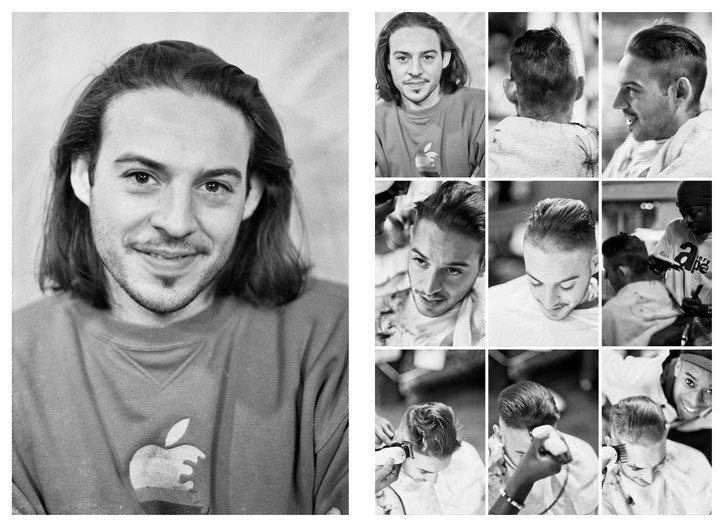
Cuts was started in 1978 by a guy called James Lebon. We became friends in 1980, and I sort of joined him then. It started in Kensington Market. Back in the ’70s and ‘80s, Kensington Market was youth cultural punk rock new romantic. Then we moved up the road to Kensington, where we had a salon and an art gallery. Then we opened the barber shop in Soho at the same time. Then the Kensington shop closed and it was just the barber shop, then then we opened a bigger barber shop. But women used to come as well. It was for alternative hairdressers—it was a lot more street. I suppose the salon was a bit like the old village square where people used to pass through on a daily basis. If they weren’t getting their haircut, they’d just come in and say hi, meet other people and be chatting. It was like a focal point. We had all sorts of clients from artists to musicians, and a lot of our favorite pop stars over the years.
Like who?
My favorite was David Bowie. Also, the lead singer of Duran Duran, Simon Le Bon. Boy George. Keith from Prodigy. Who else? Fashion designers like Alexander McQueen, Jean Paul Gaultier. We used to get members from the band The Pretenders.
.
There are so many popular hairstyles that really started with British punk. Which were most popular amongst the people you photographed?
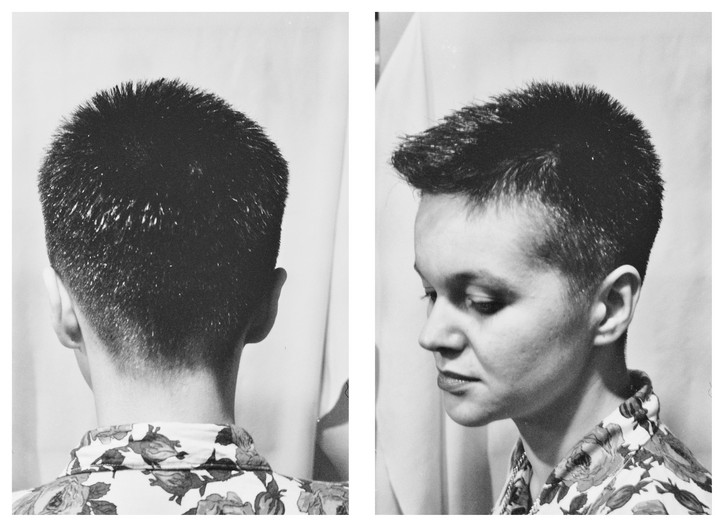
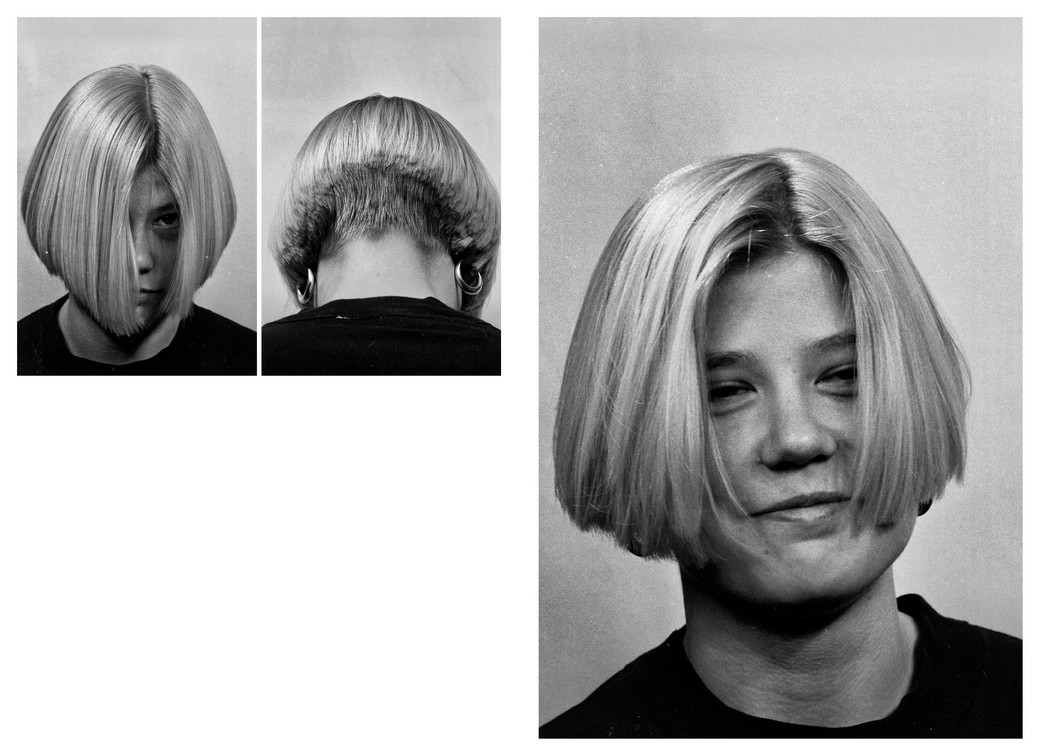
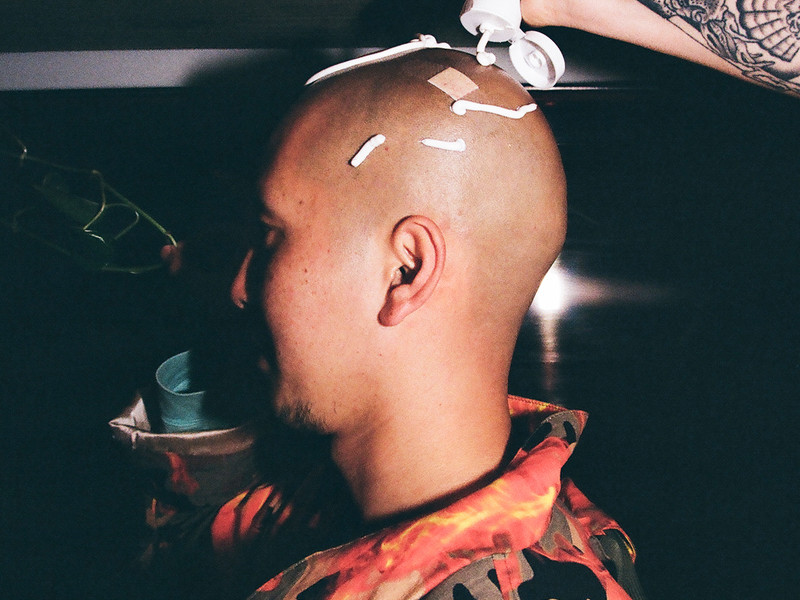
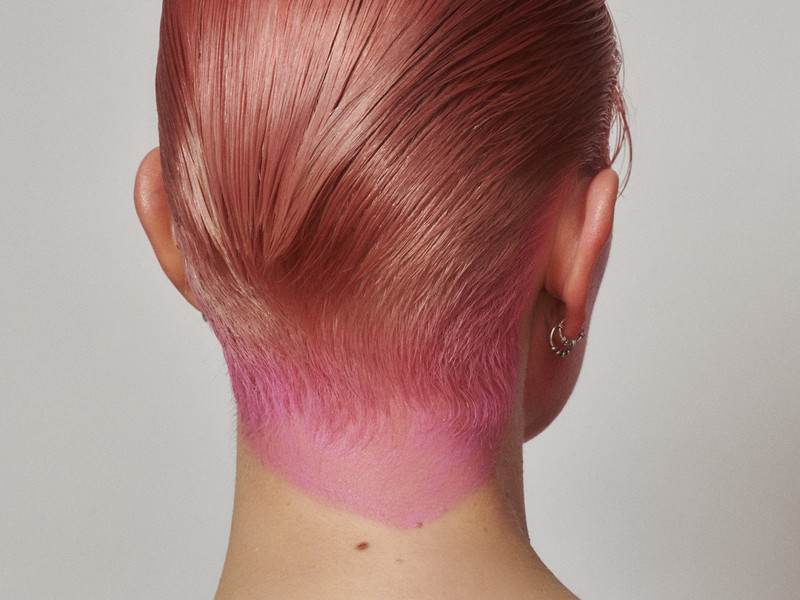
There was the Buddha and the Fin. You know the haircut where it was like a shark’s fin on top of the head? We came up with that. The Buddha was really short, really cropped at the front and the sides and the back, then lifted up at the crown.
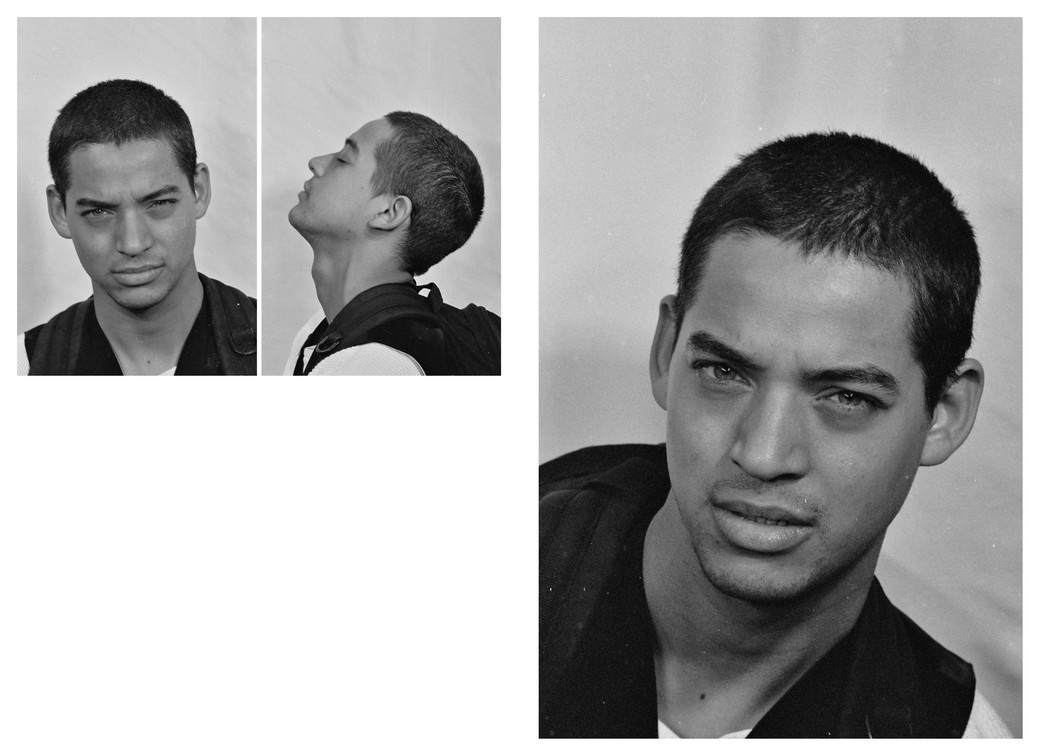
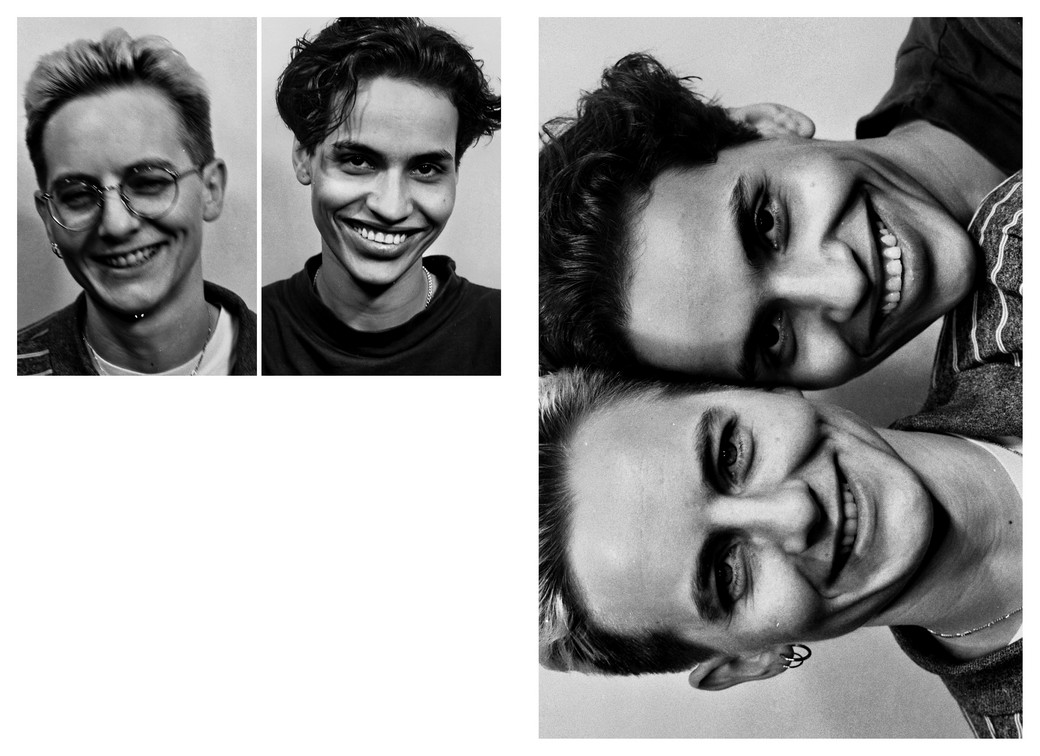
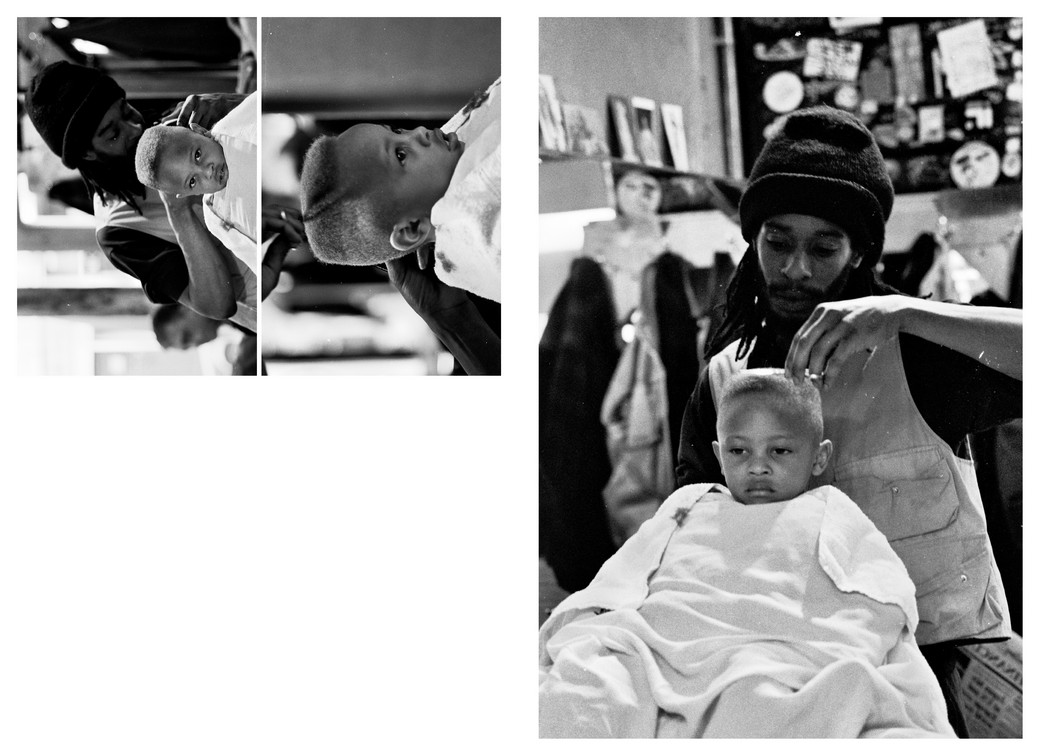
You capture such an intimacy in your photos—whether it’s just the client alone, or the relationship between the hairdresser and client, you really capture it. Could you talk a little bit about the intimacies of getting a haircut?
There was always a conversation going on in the shop. Back in the day, you weren’t allowed to talk about sex, politics or religion. And that’s all we ever spoke about—and of course, whatever the latest soap opera was and who was getting shot or whatever. It was so unconventional. It had a real family vibe. That’s why I said before—if you were in Soho, you would pass by the shop and hang out for 20 minutes and have a chat, even if you weren’t getting a haircut. It was that sort of a place. But there’s an intimacy with cutting—I don’t cut hair—but there’s an intimacy, a connection because you’re touching the person and you’re touching their heads. You know what I mean?