Why improvisation?
I don’t really know why I did this. It was the first time.
How do you feel about the result?
It was very new. In the beginning, I was wondering what I should do, but then I looked around at the objects and it came step by step. But the beginning was very difficult. I started with reading text and didn’t like that, so I used some objects—I worked with wigs, then later with shaving cream, then the machine.
It was really fun to watch you play with the materials. Why do you think you’re so attracted to these gooey things like shaving cream?
It disappears. Normally you fix everything, you build it in a frame, it’s a figure. Shaving cream—nobody cares about shaving cream—it’s not necessary to preserve it. The other point is the fear of these art objects. When I look at art, I feel fear because it’s art, because it’s expensive, it means something, it’s in a frame. When I work with shaving cream, or toothpaste, or liquids, then they have no detailed shape. And people don’t think about the shape with these materials. With traditional painting, you’re always thinking about shape, but when you work with liquids, you have no control over it, it flows, and people don’t want shaving cream to be in a shape.
Right. It doesn’t matter.
This is the language: it doesn’t matter. It disappears. They don’t think about the shape, they think about the material. And this is a different way to look at the world—instead of preserving everything, following the rules, speaking the right words, this is different. Art is a language—a different language than our language—and this is good, because our language is political. They check everything that you say, you can’t write without a certain shape to it—but I can. Art can say something that is not so directly political—it can talk about a sugar cube and it means a sugar cube, not a ‘white’ sugar cube, you know what I mean? So, it’s a different language that’s able to speak in many directions—it’s not physical, it’s not systemic, it’s not economic, it’s not political, it’s different. It’s political when the art is very expensive and society is interested in money, getting it, saving it, selling it. Then, it’s like a car.
Your work isn’t necessarily within that context.
It’s also difficult to buy this stuff. How can you buy art made out of shaving cream, or Pepto-Bismol? And the smell? Pepto-Bismol smells almost like candy—it’s so sweet, and it’s pink, and I handle it and you see it. But there’s no frame.
It’s kind of like something you have to experience, but that’s all that you get—the experience—then it vanishes.
But there’s also the movie—then there’s a frame, you edit it, there’s a soundtrack, you create a product. But the performance is less of a product.
So, you’re interested in this lack of control, or letting control go. It's almost like—not chaos—but something else. Maybe randomness?
Entropy, yeah. It’s like in a library—everything is in the right order, but some people say, 'No, I like this book, I don’t want to put it in M, I want to put it in B,' or 'I don’t want to put it in Art but in Politics, because nobody should see it.' Something happens in that moment.
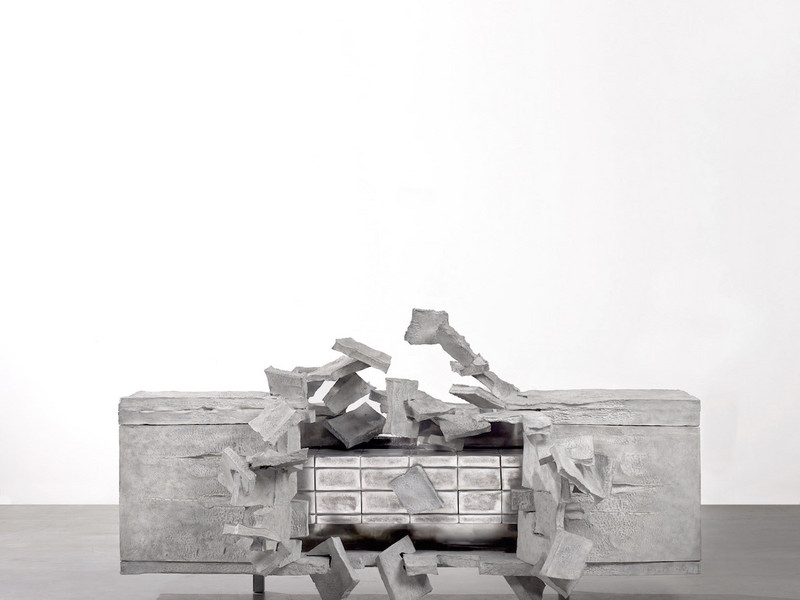
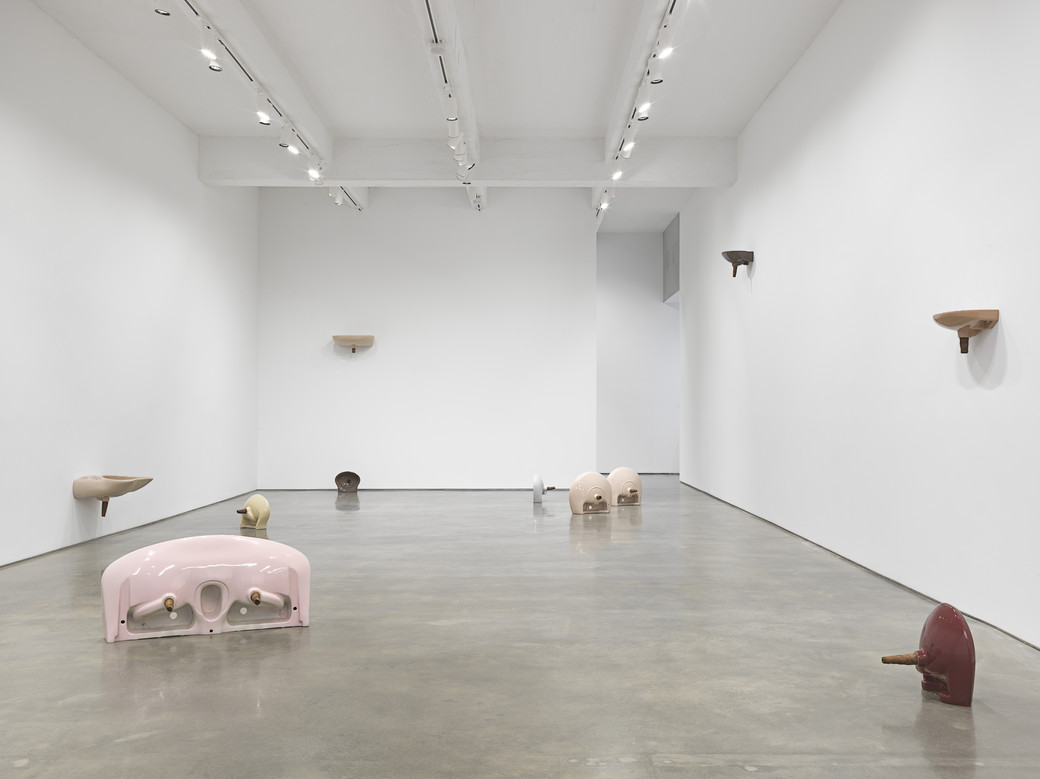
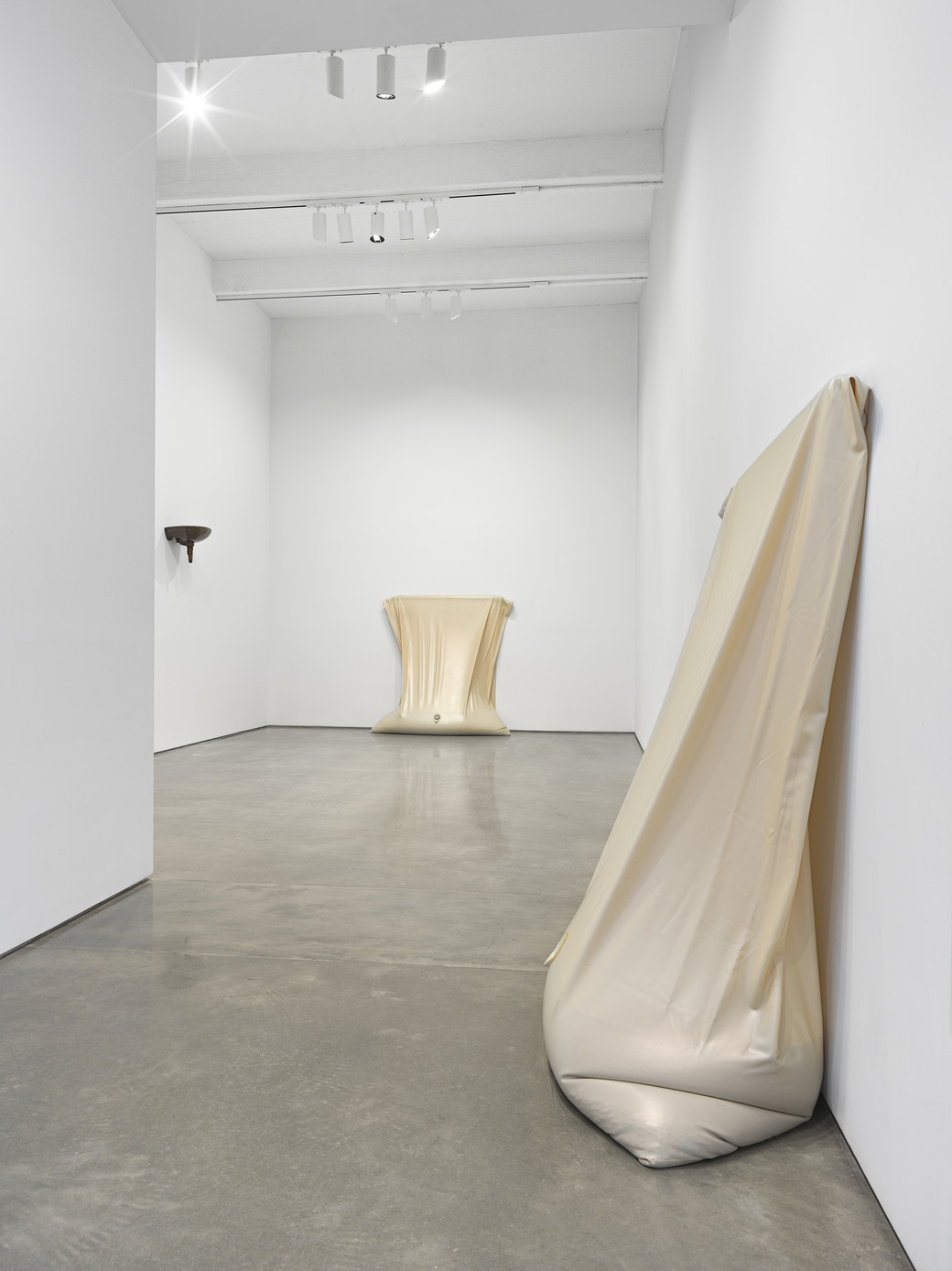
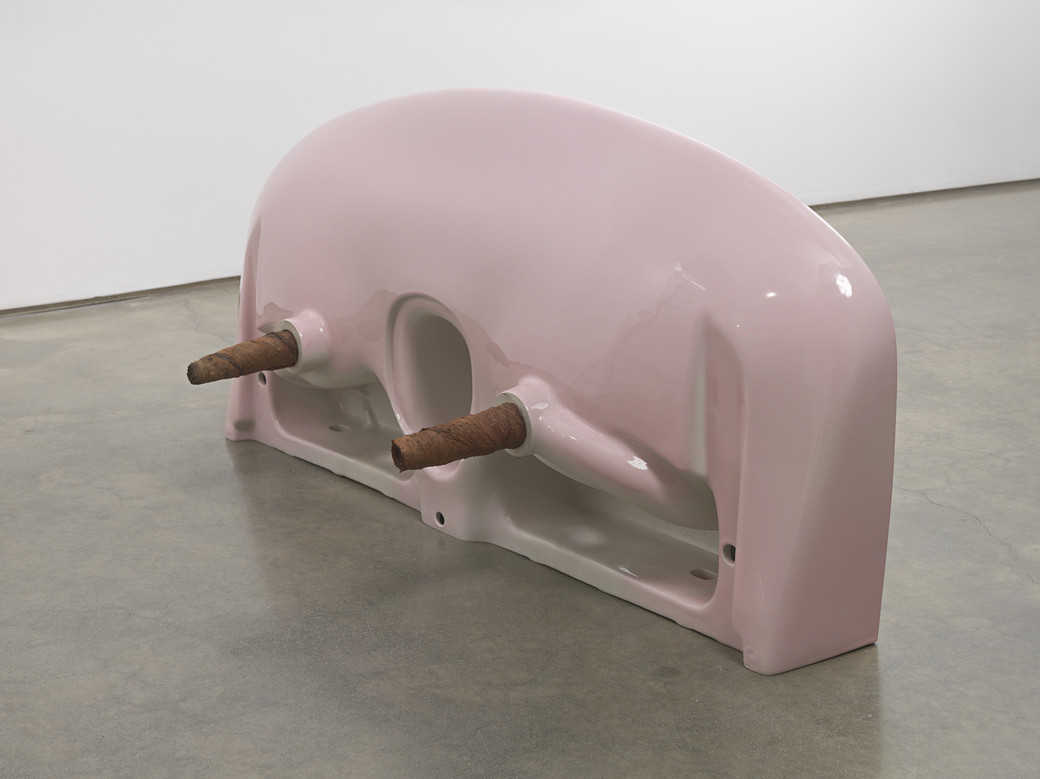
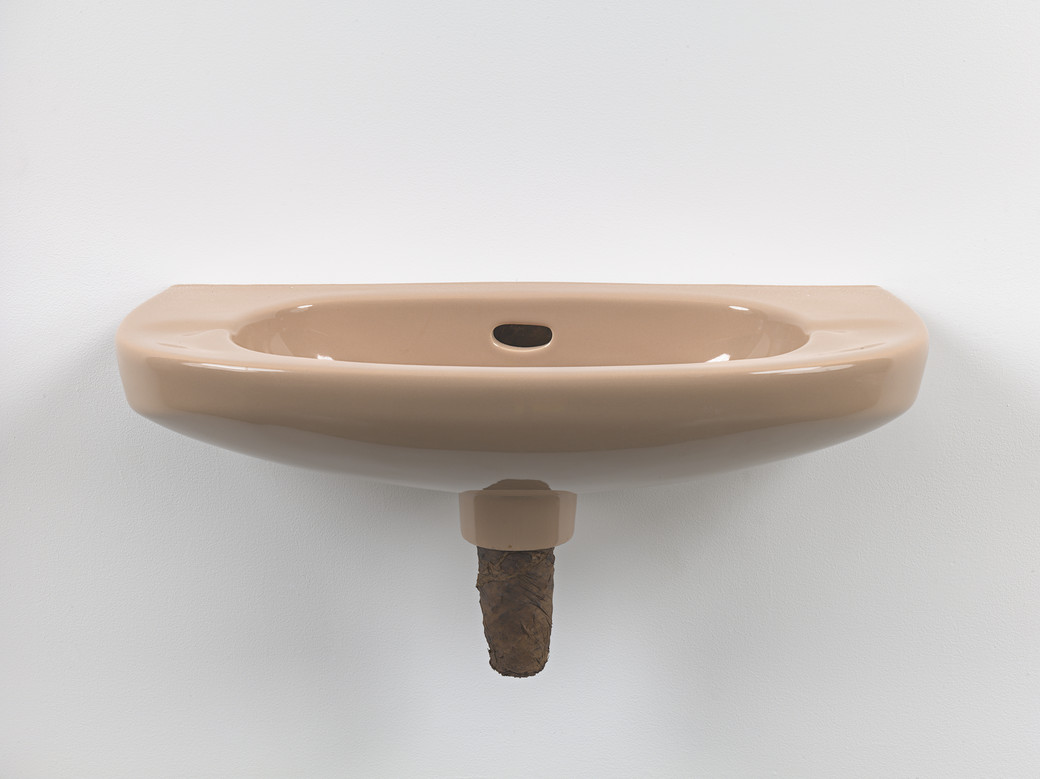
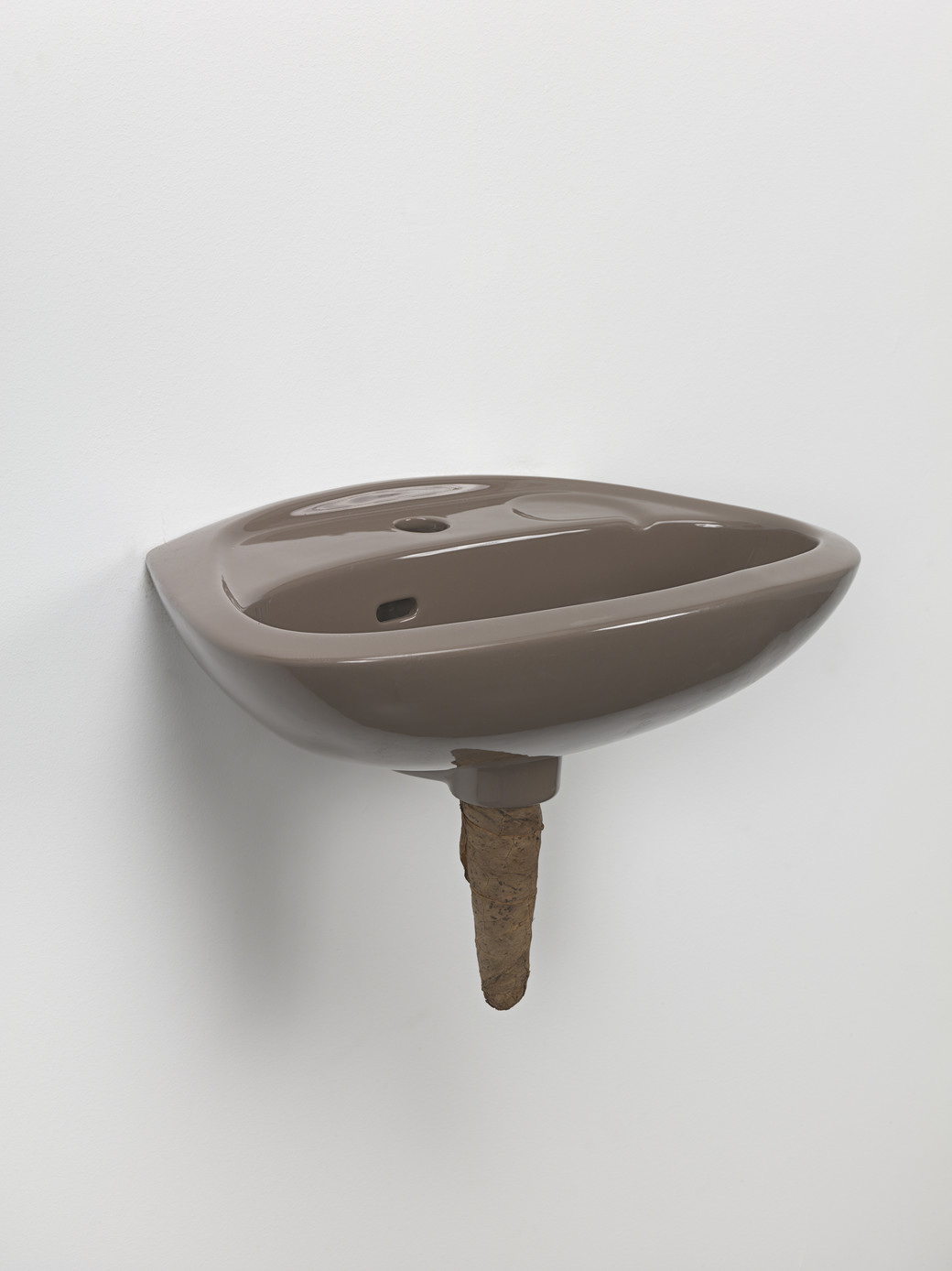
I wanted to talk about the sculptures, as well. I love the idea of bringing something from a film into real life—I’ve seen it one other time, and it’s so interesting.
It’s very easy. When I studied art, I didn’t like to build the objects in the studio, and that’s it. Then you have to bring it in the closet, make another one, then wait for the art dealer. I said very early, 'No, the best is to do a performance and create the objects directly in front of the audience.' So, I used these kinds of cheap, secondhand materials, so the audience has no fear of the objects, because they have no larger value. Then I would do performances and combine this with language. Normally, the performances in the '70s and '80s, and also now—it’s always about pathos.