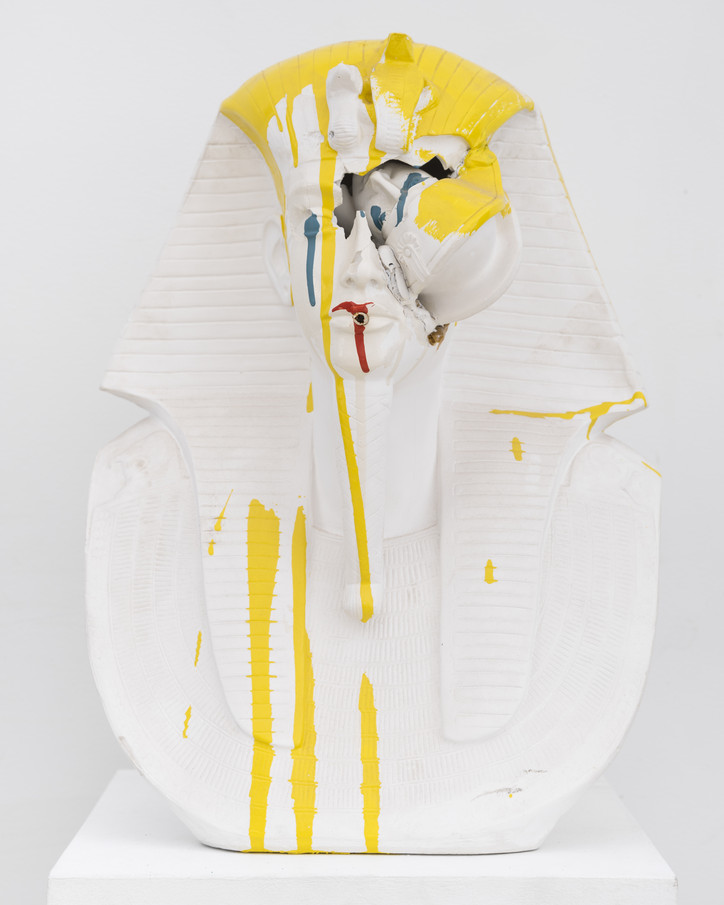
“They wanted to regroup,” Librizzi explains. “They wanted to get back to the original reasons of why they were making art to begin with. Because sometimes, I think for any artist, when it turns into too big of a career, suddenly you're making deadlines and you're making art to fit spaces instead of making art just to make art. They had to regroup and evaluate where they were coming from.”
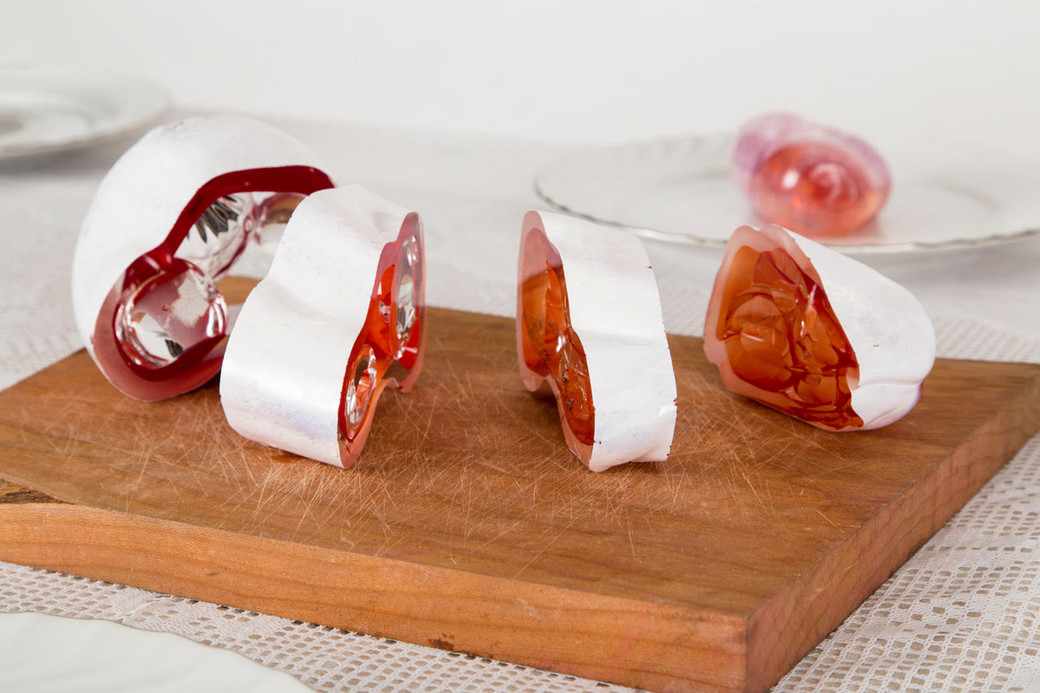
Librizzi became a fan of the group when Vito Schnabel made an introduction, and soon after he became a collector. When Librizzi’s cat, Juju, knocked over one of his Bruce pieces, the piece not only shattered, but would set into motion a fortuitous series of events. “I was devastated,” he said, “Not because I thought of its resale value, but because I really loved living with this work. So I called them up and they said to bring it by and they’d repair it. When I went by, I don't know what I was expecting, but I saw all of this great work that I had never seen before, and I said, ‘We’ve got to do something.’”
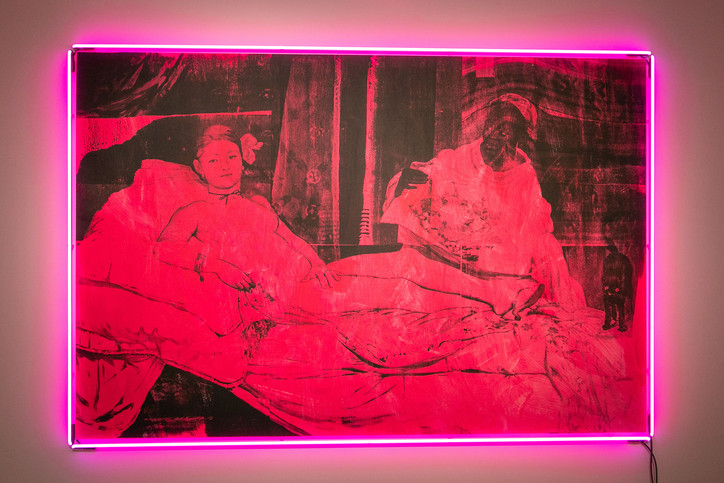
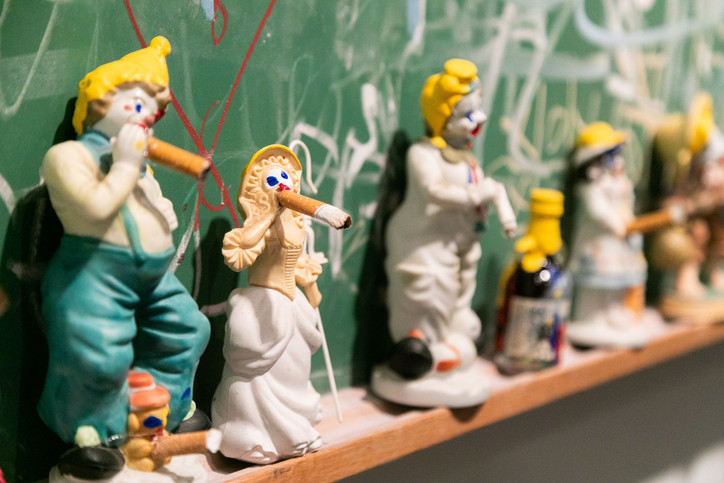
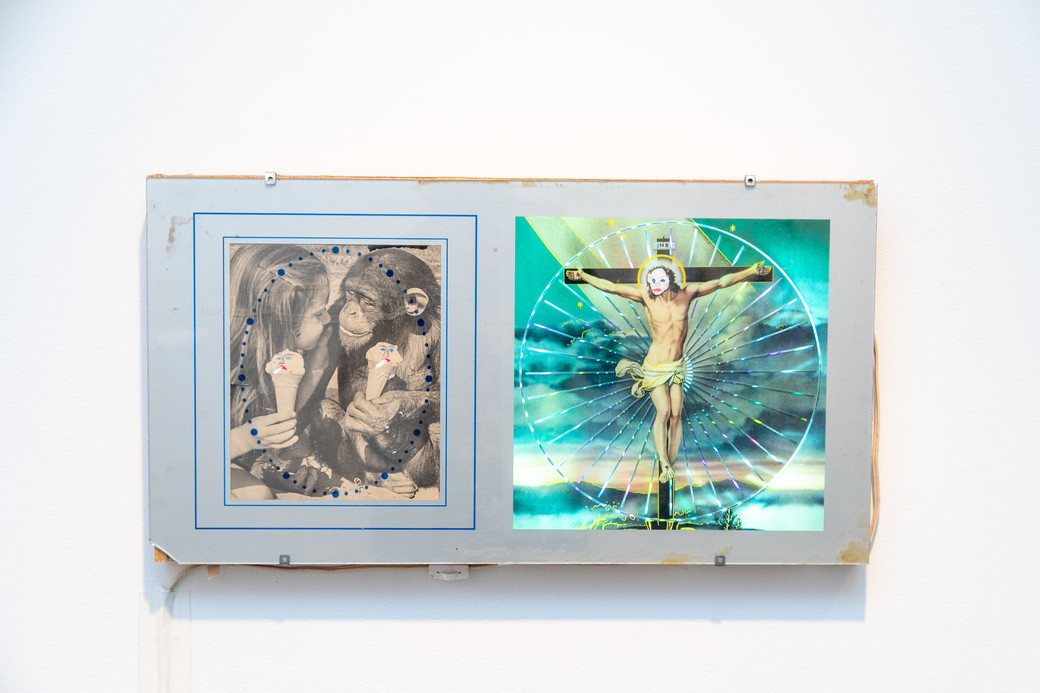
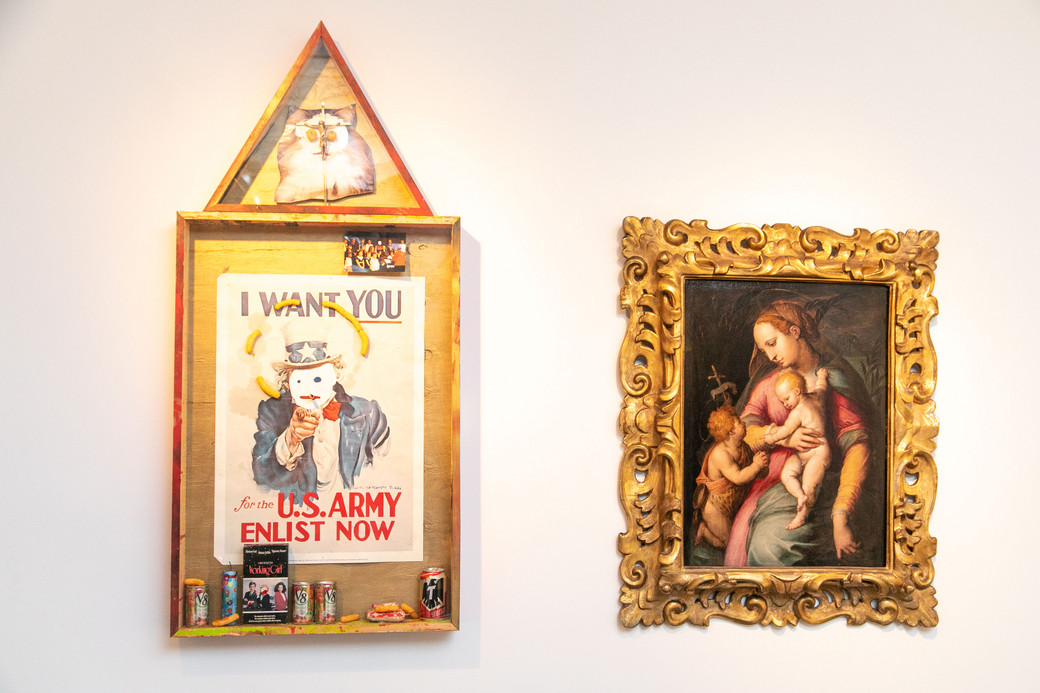
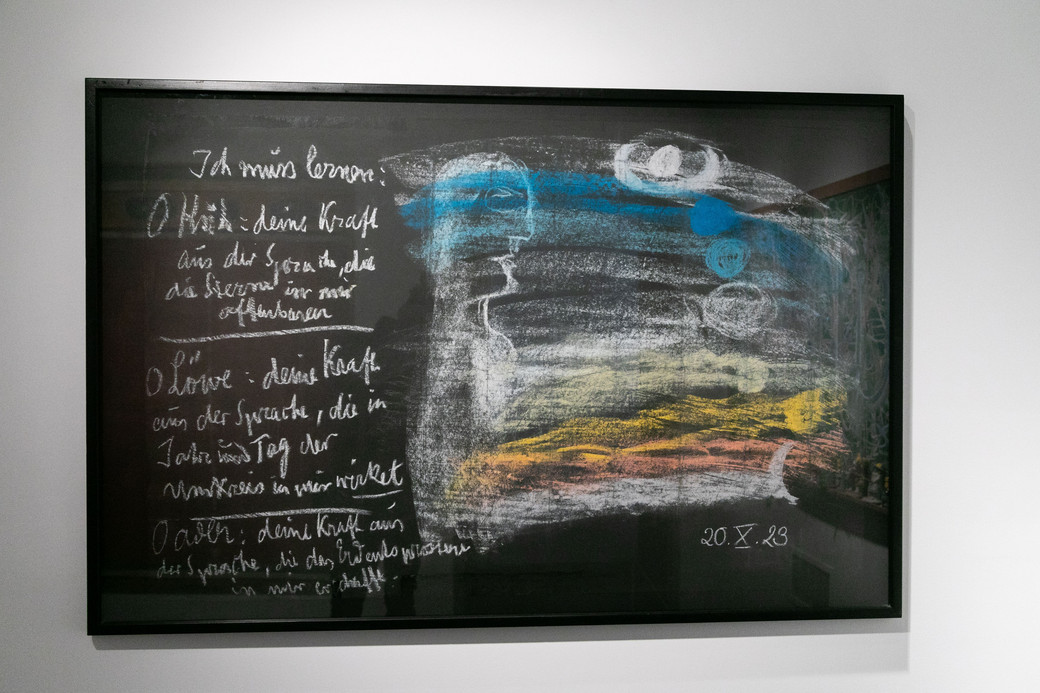
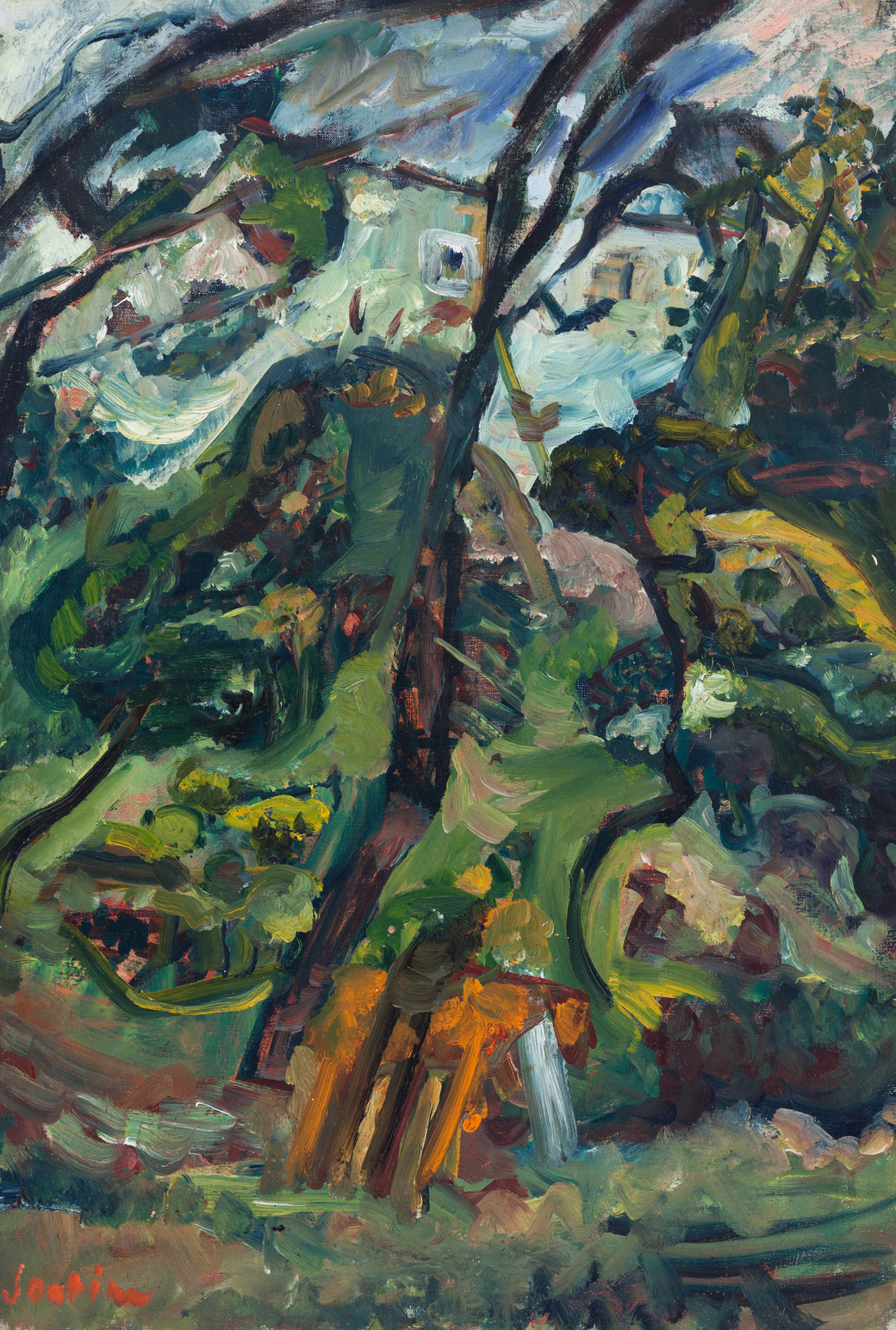
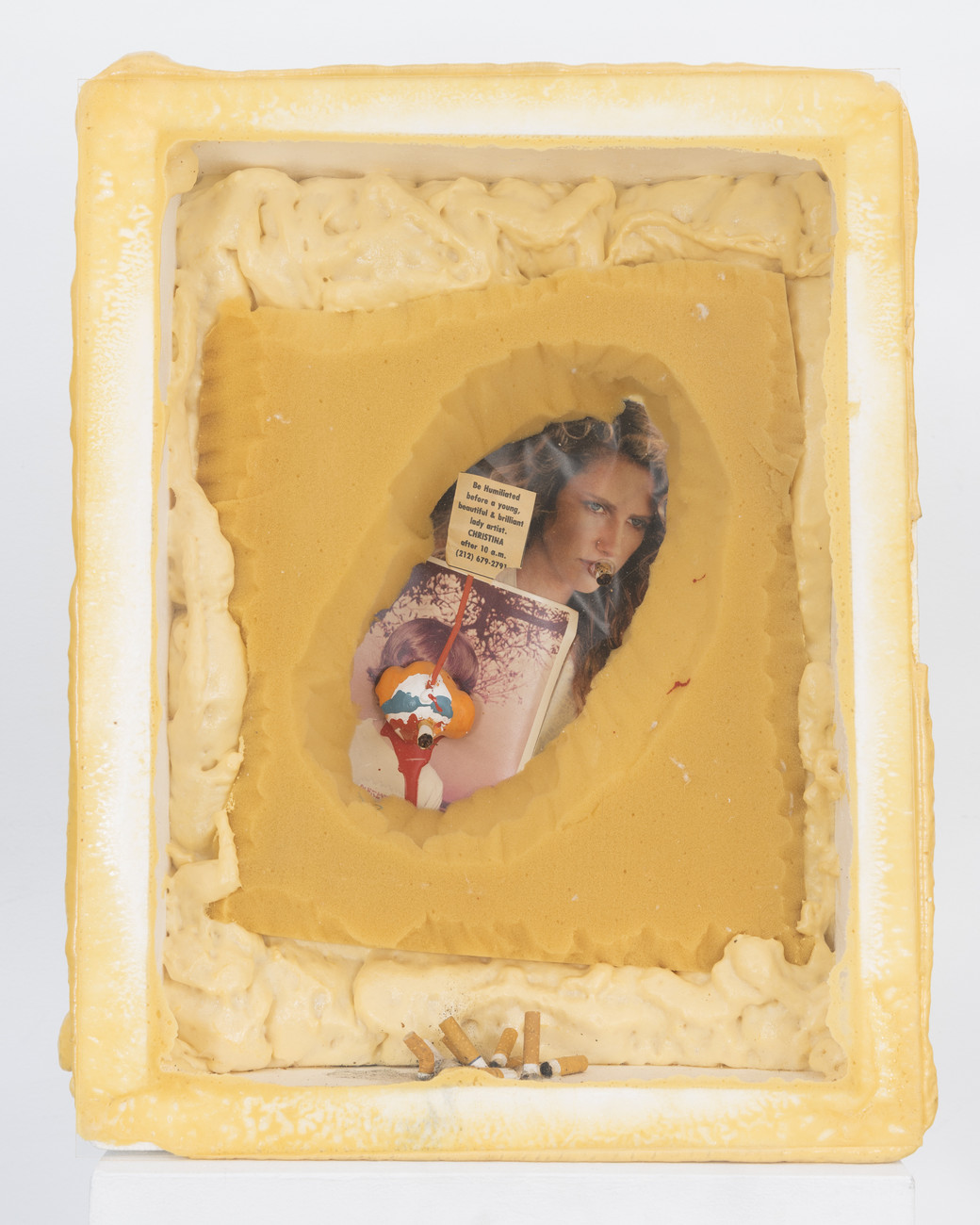
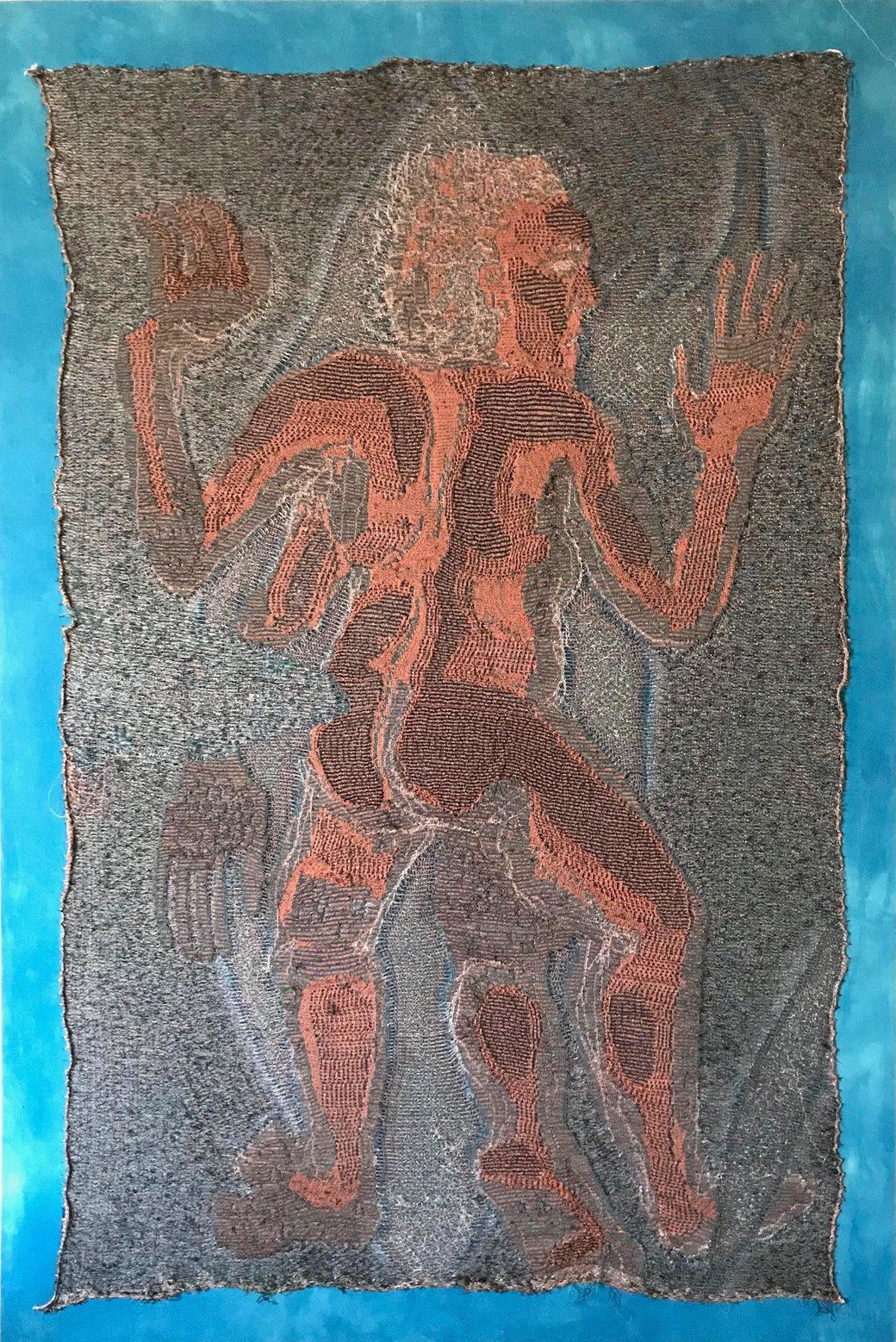
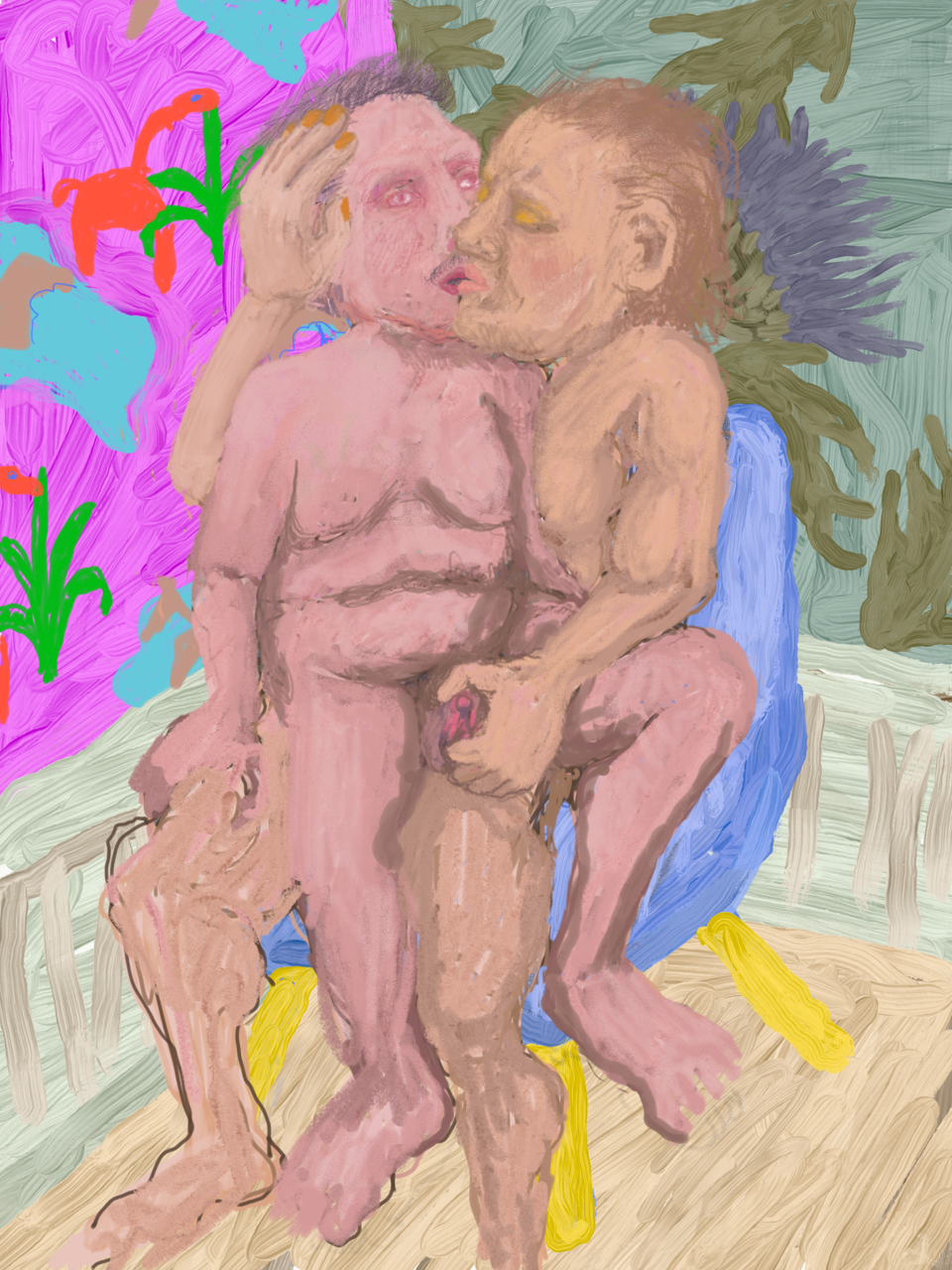
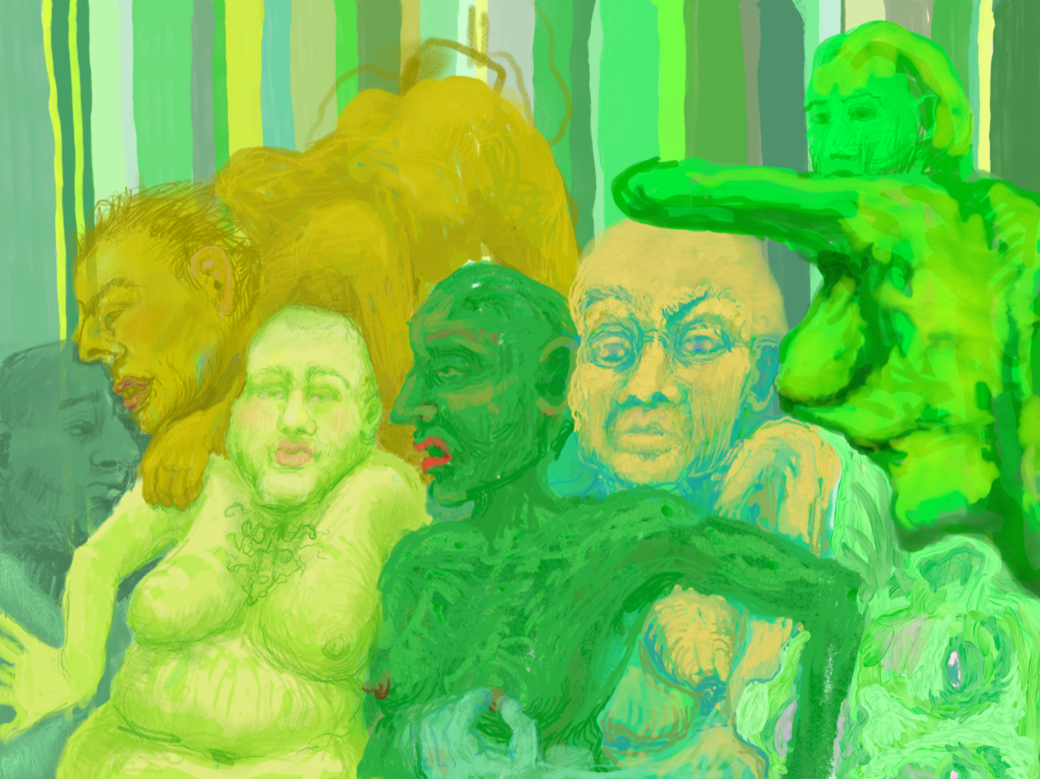
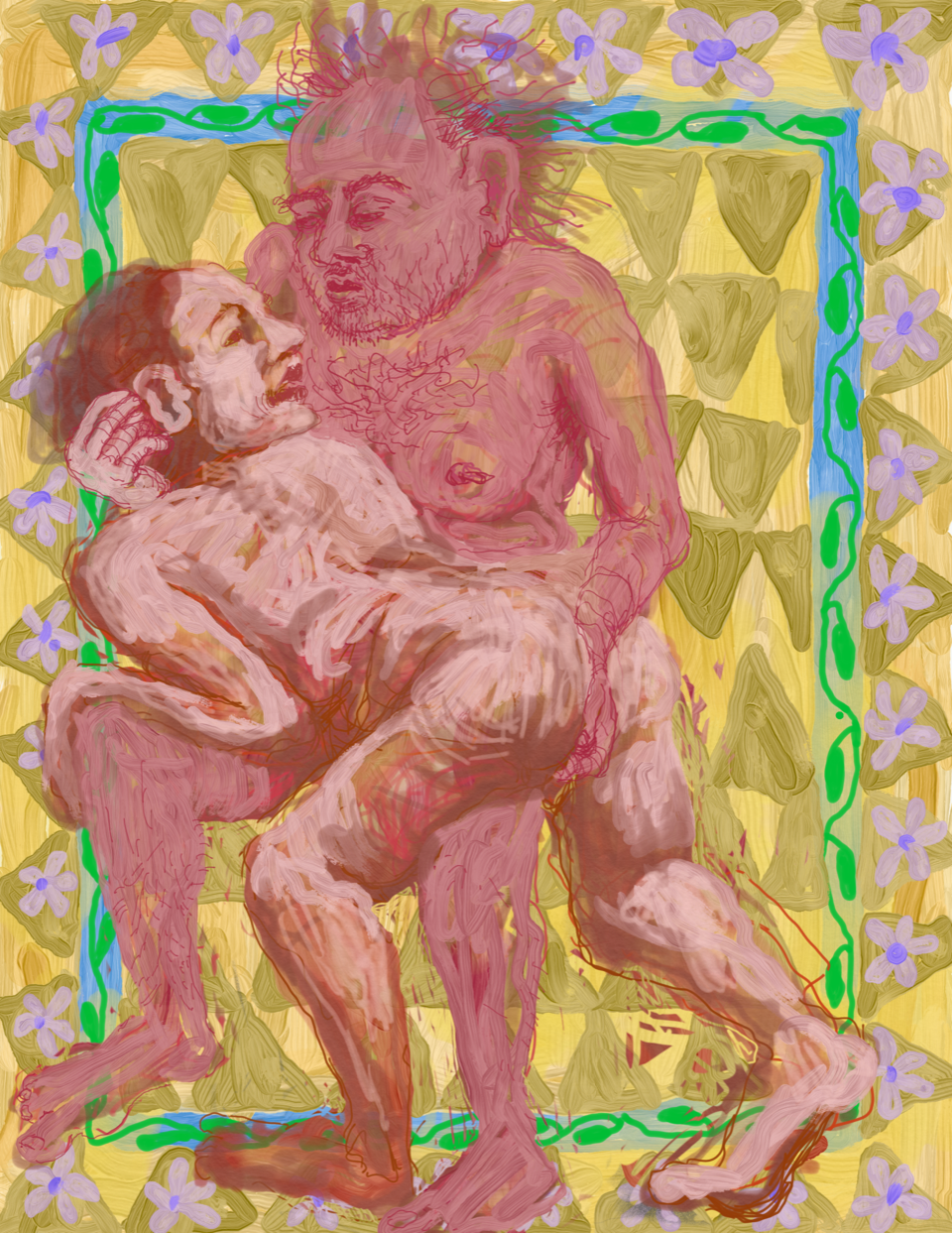
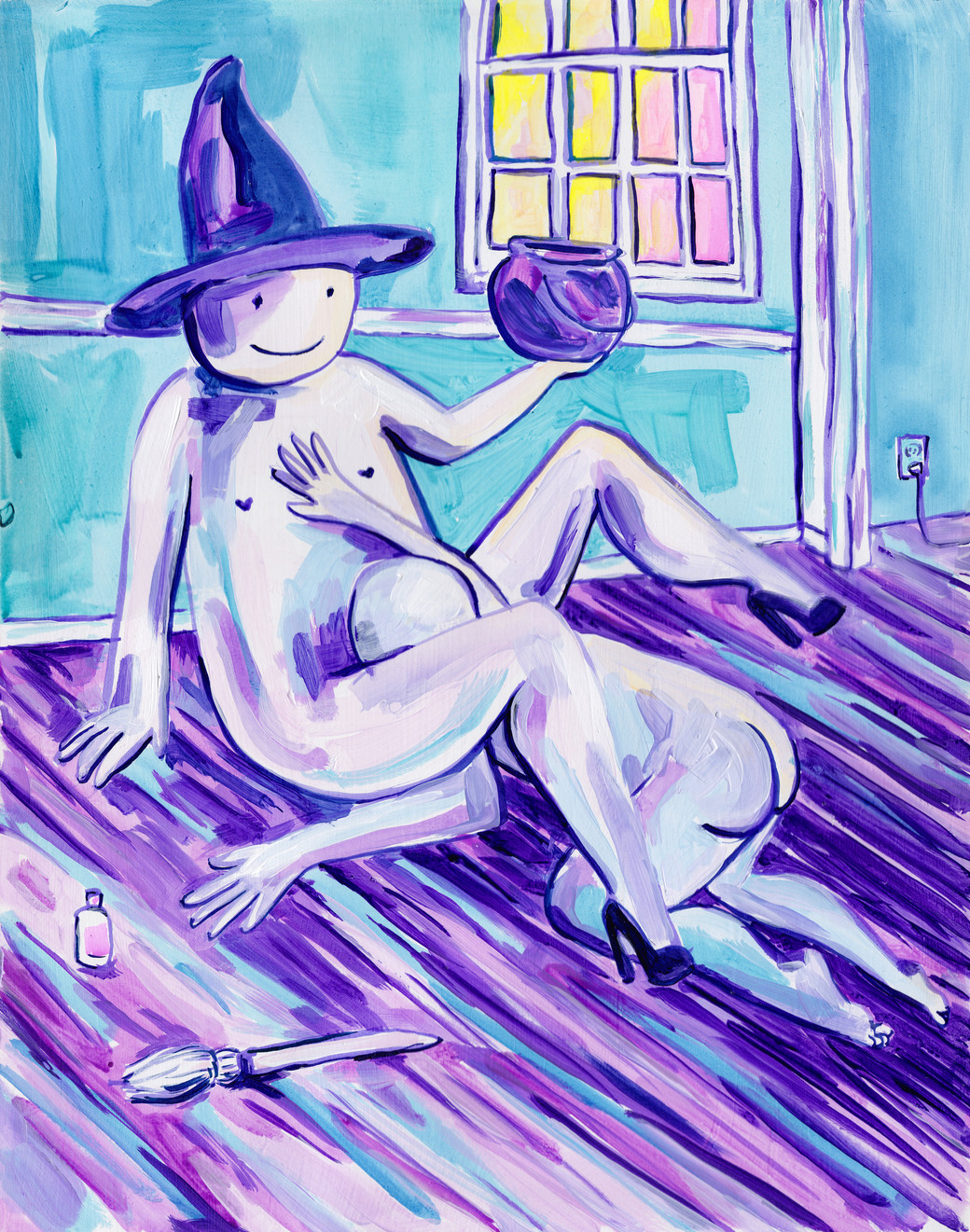
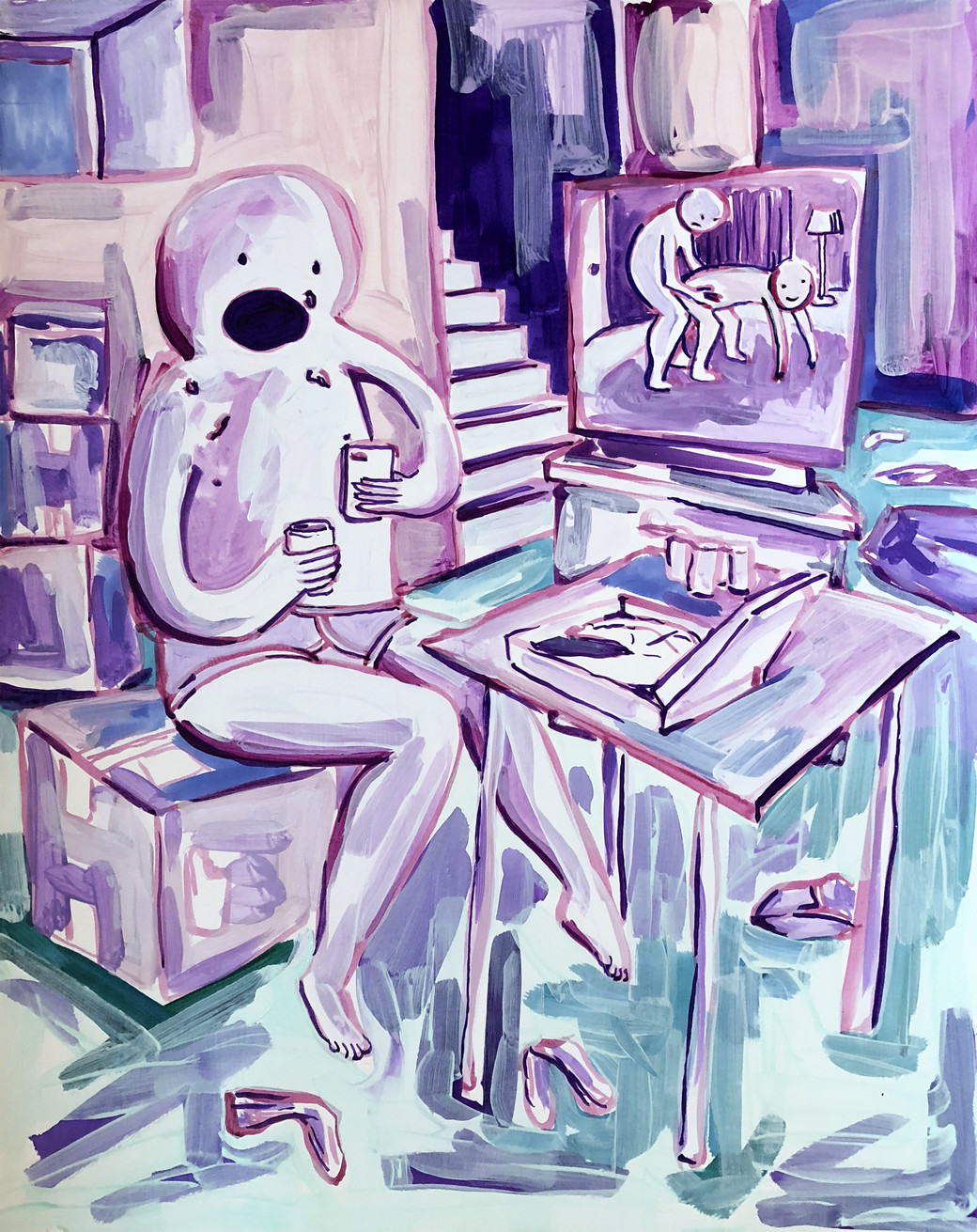
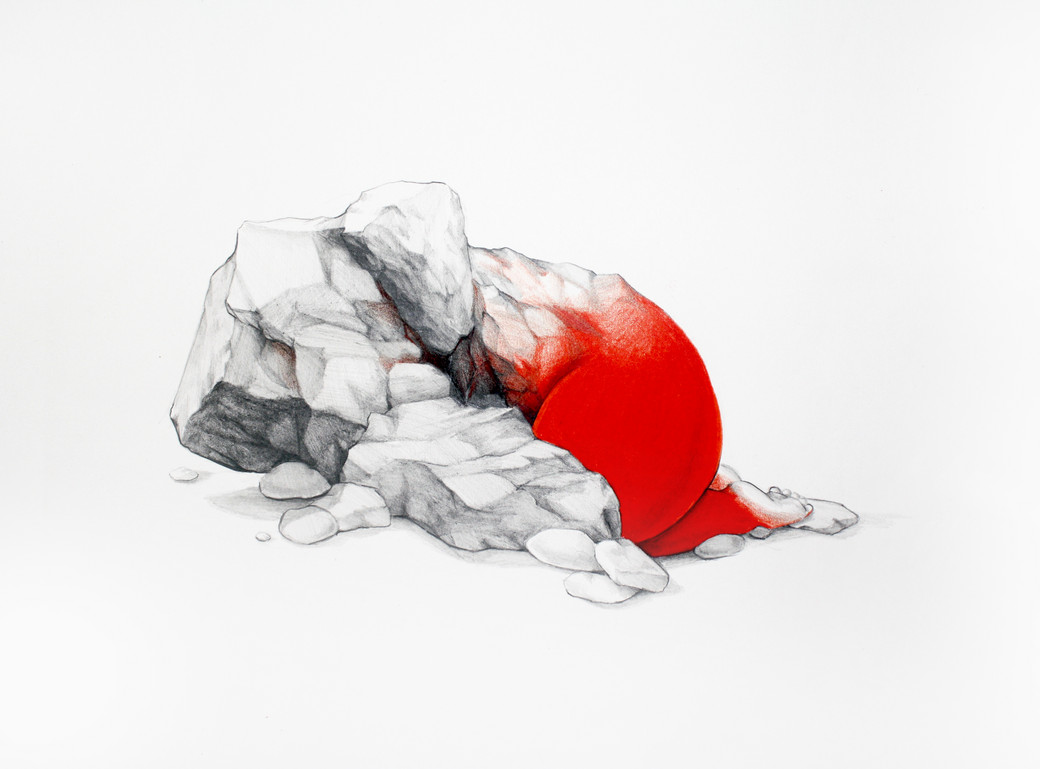
The Bruces are known for referencing other works in their art, so Librizzi saw an opportunity to place their work in a historical context. It was something they hadn’t done before, but which resonated personally with Librizzi. “I was the type of kid on a good day, on a bad day, on a rainy day, on a sunny day, I would wander around the Metropolitan Museum of Art and just get lost in there,” Librizzi recalls. “That was one of the things that clued me into what they were up to as artists, as a collective. I said, ‘Oh, that's what they're doing, too; they’re wandering through the museum and making fun of one piece or admiring another through their art.’” At “The End of Western Art,” Librizzi paired items from ACA Gallery’s historical archives — derived from some of the most progressive shows throughout the 20th century — to show classic works alongside the BHQF’s own subversive pieces.