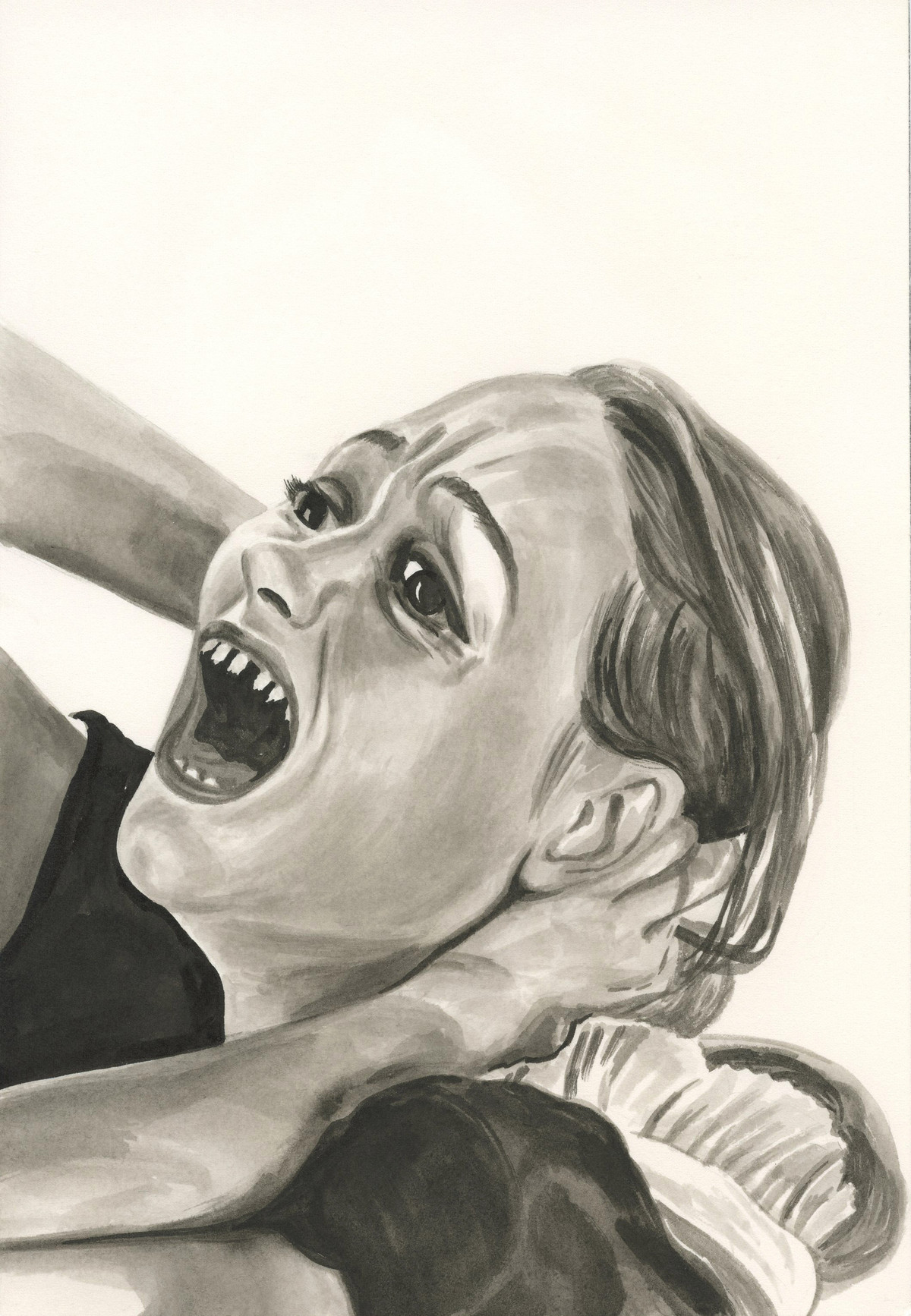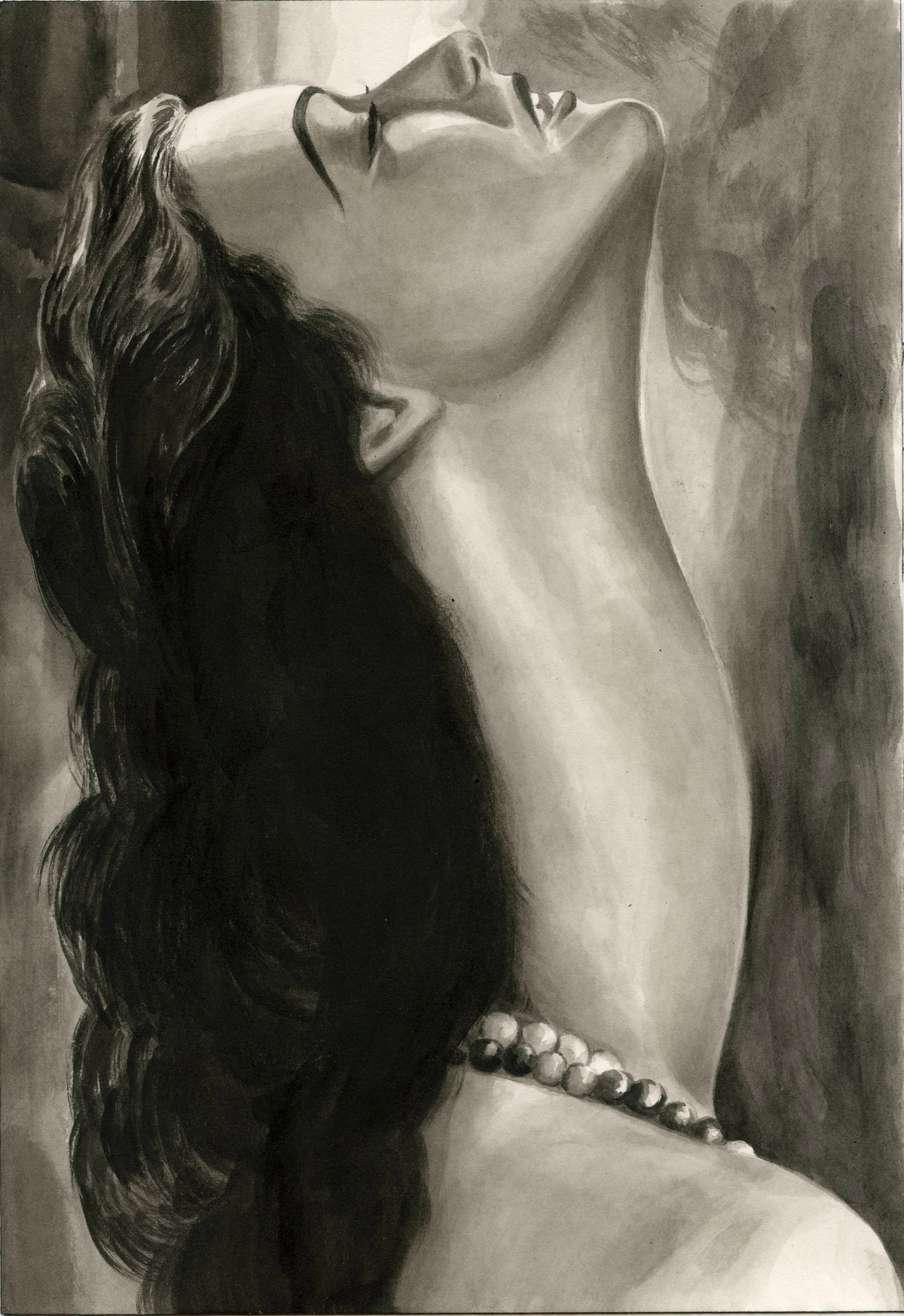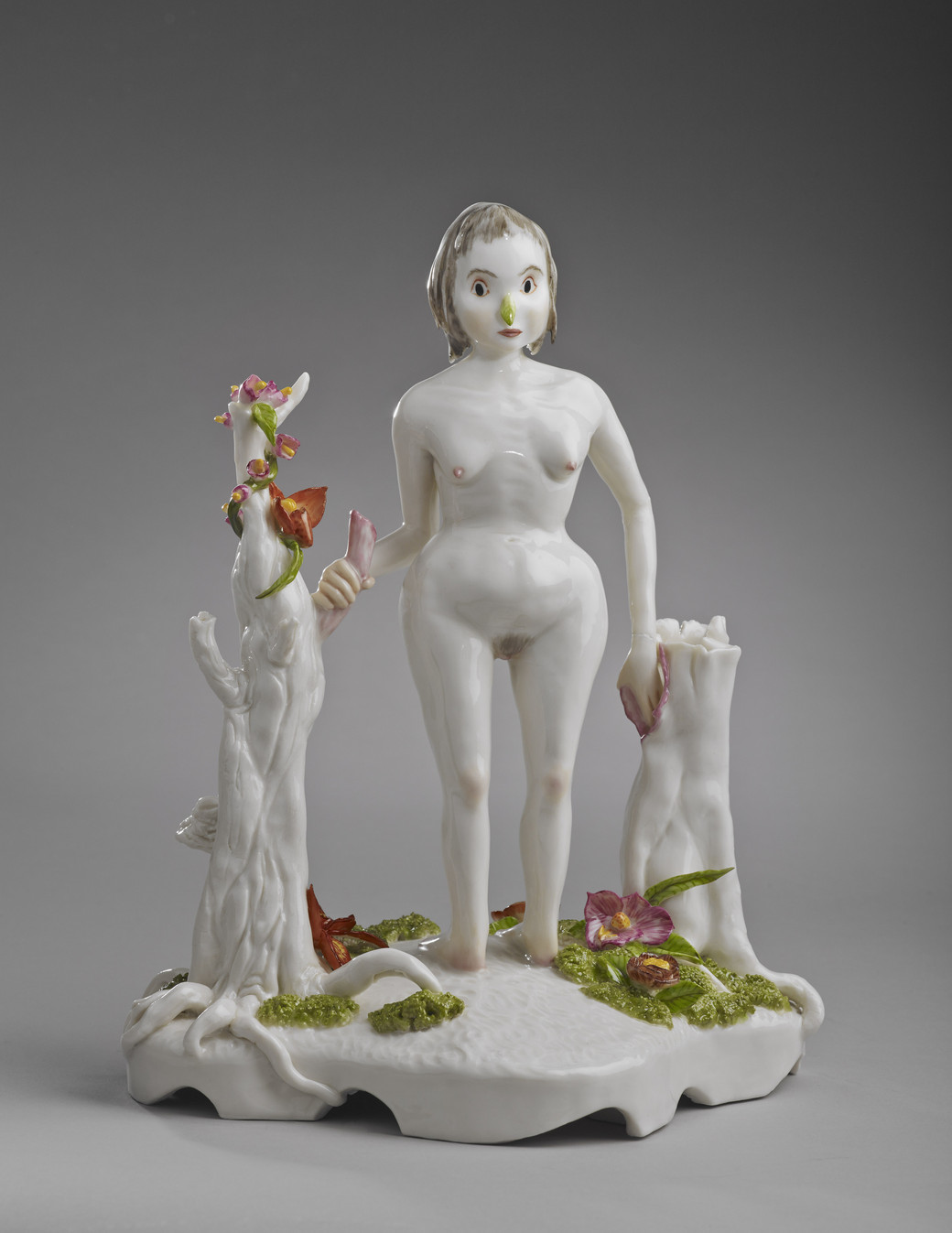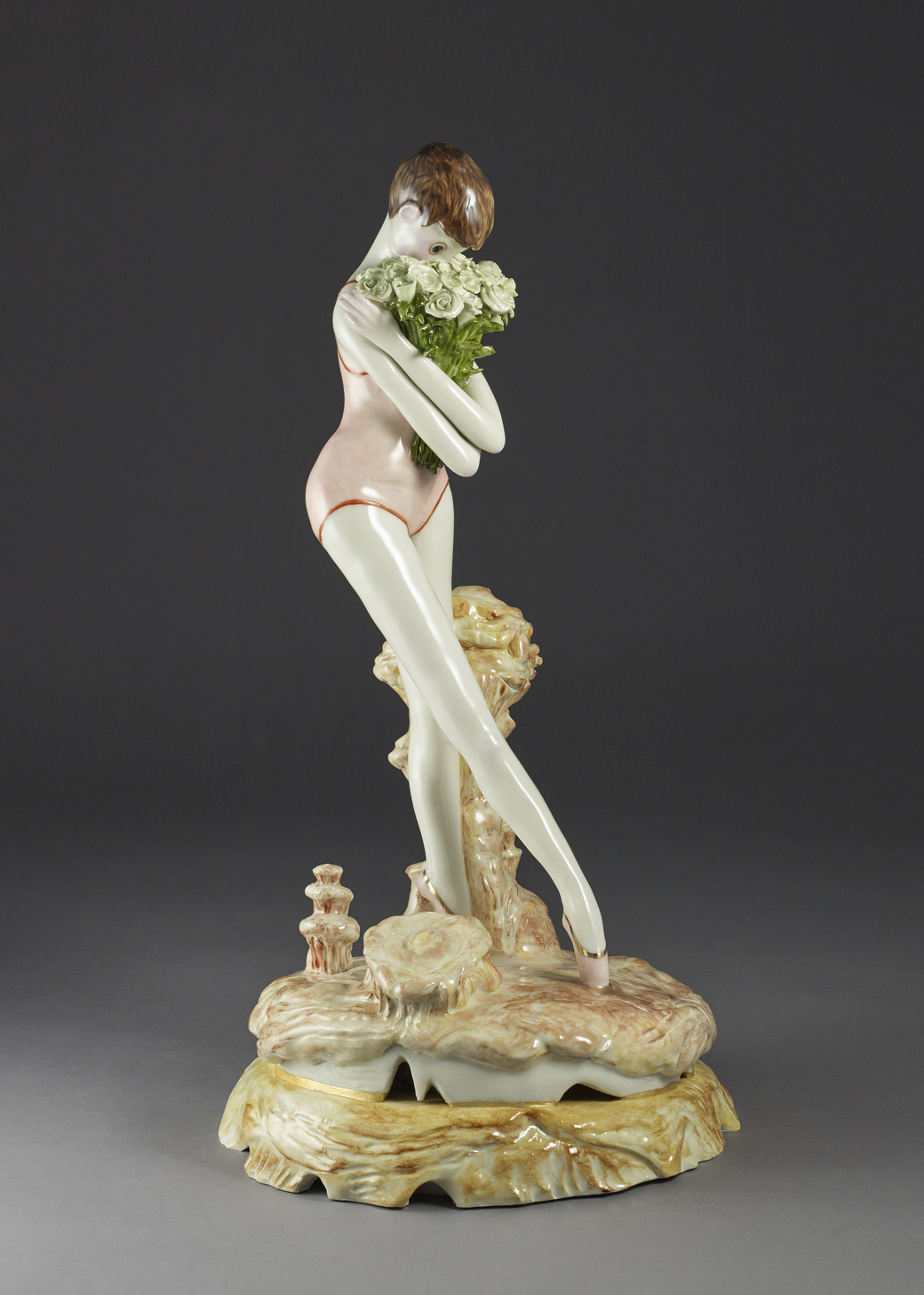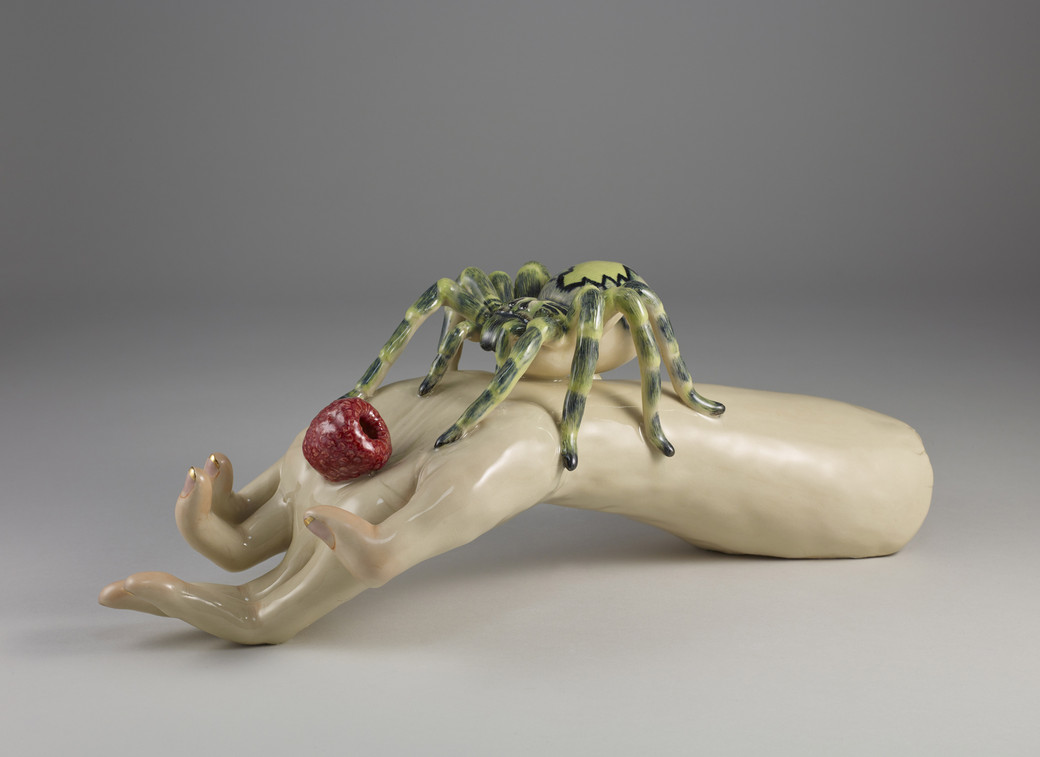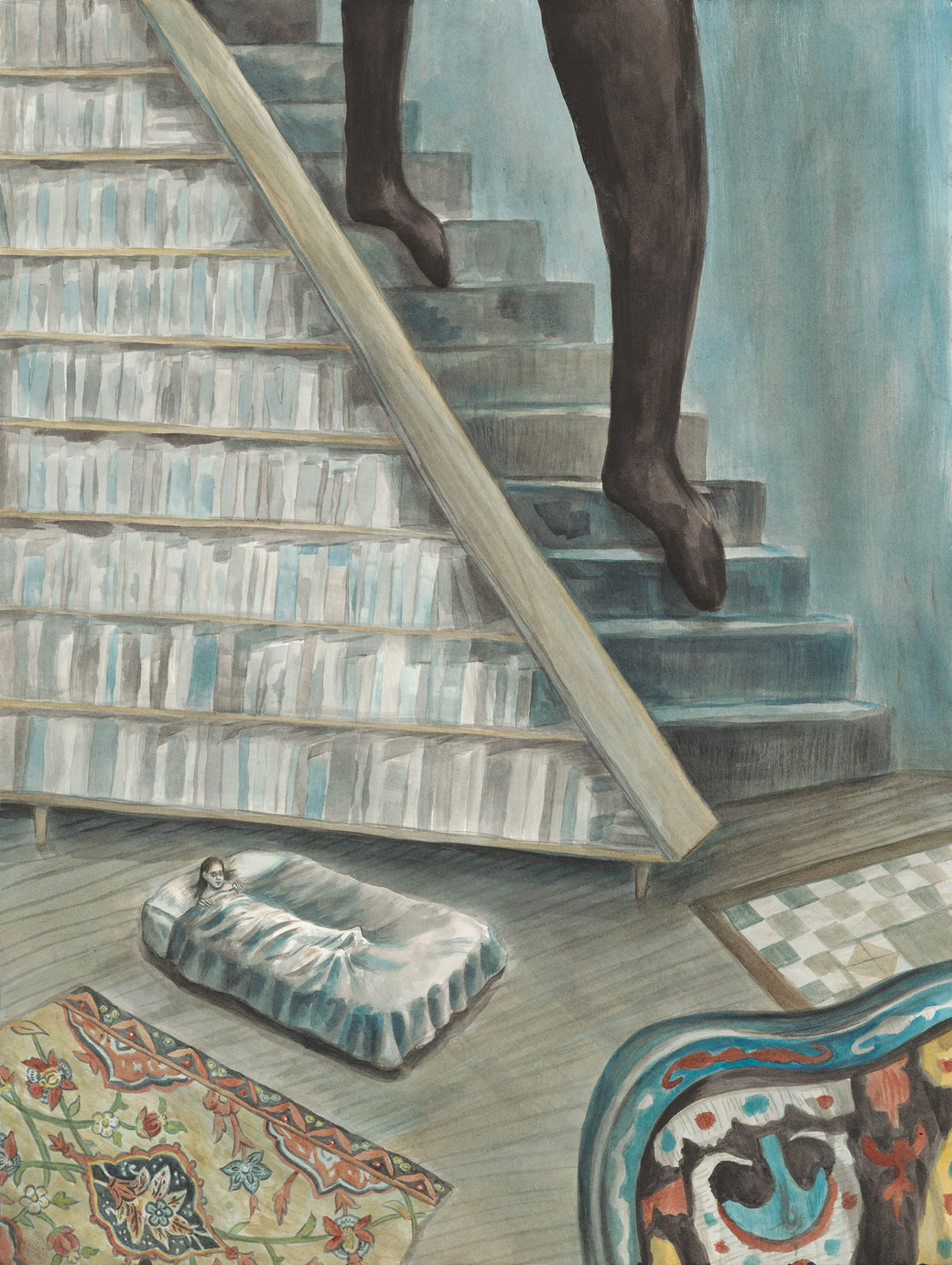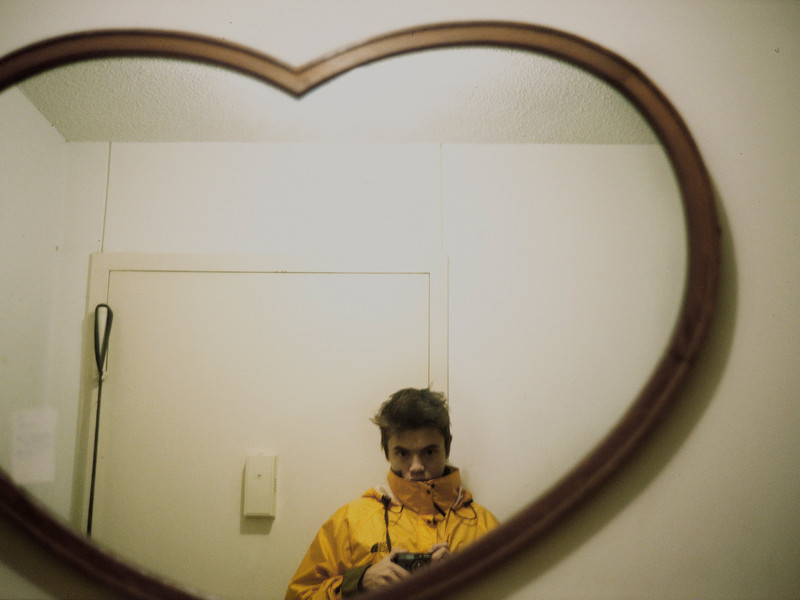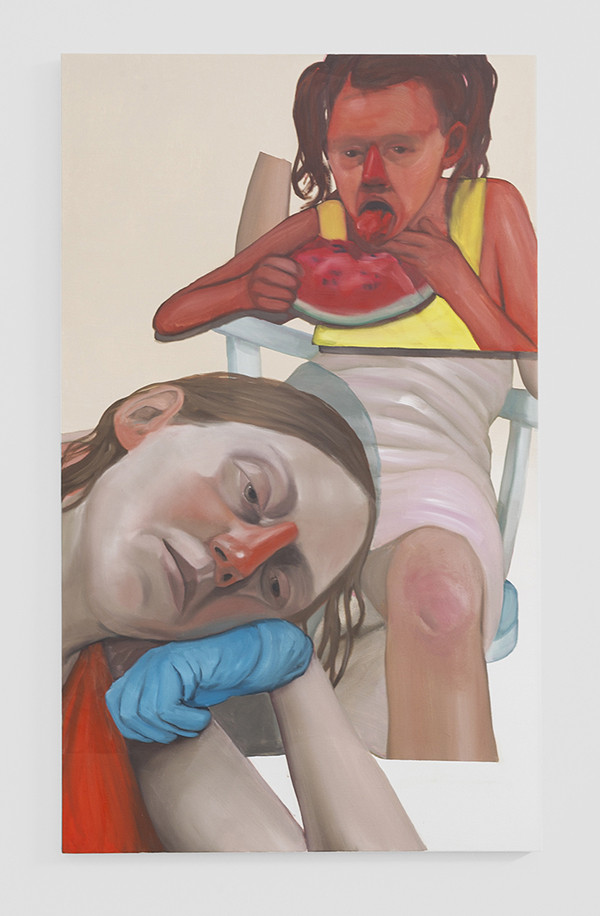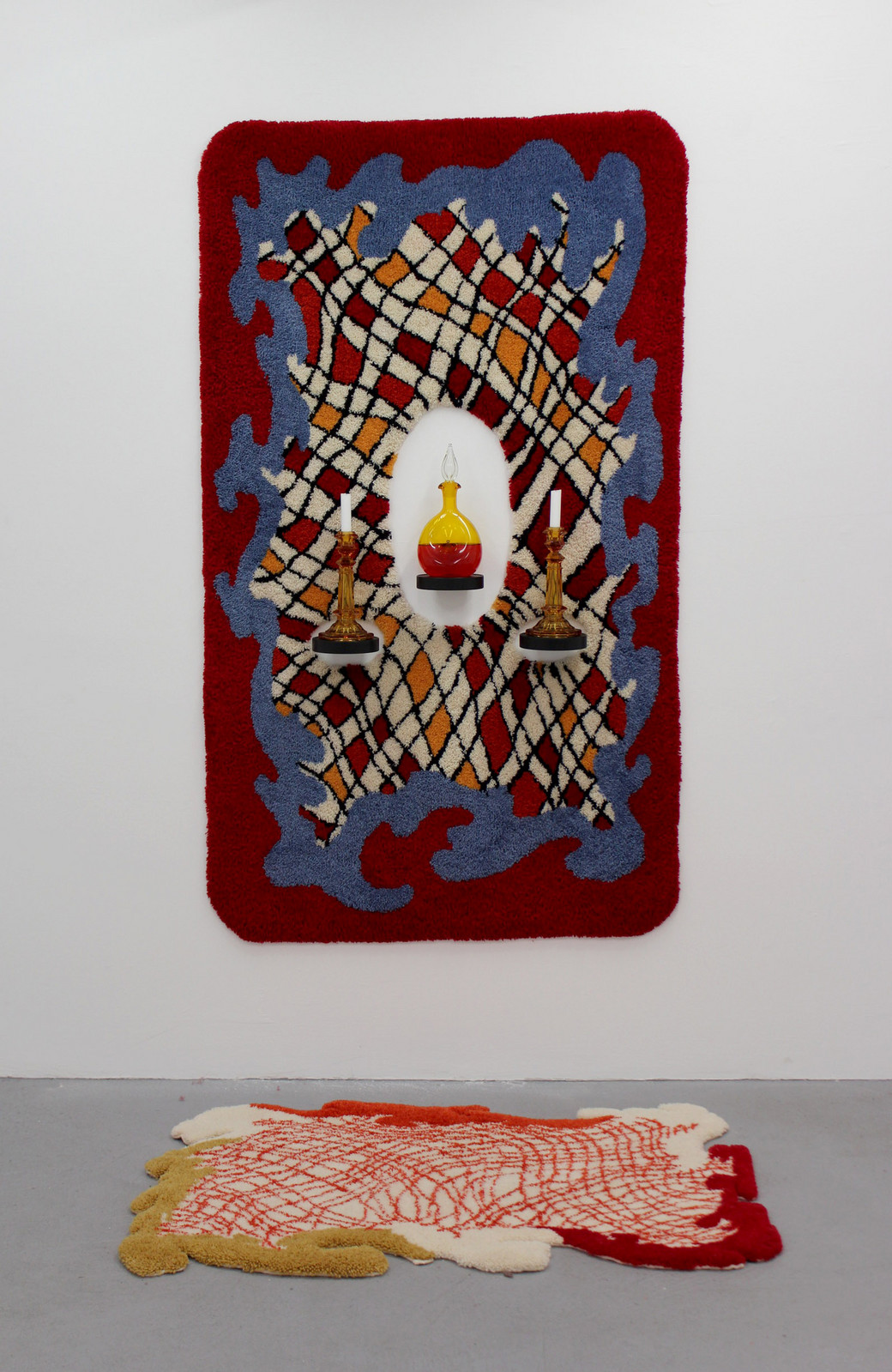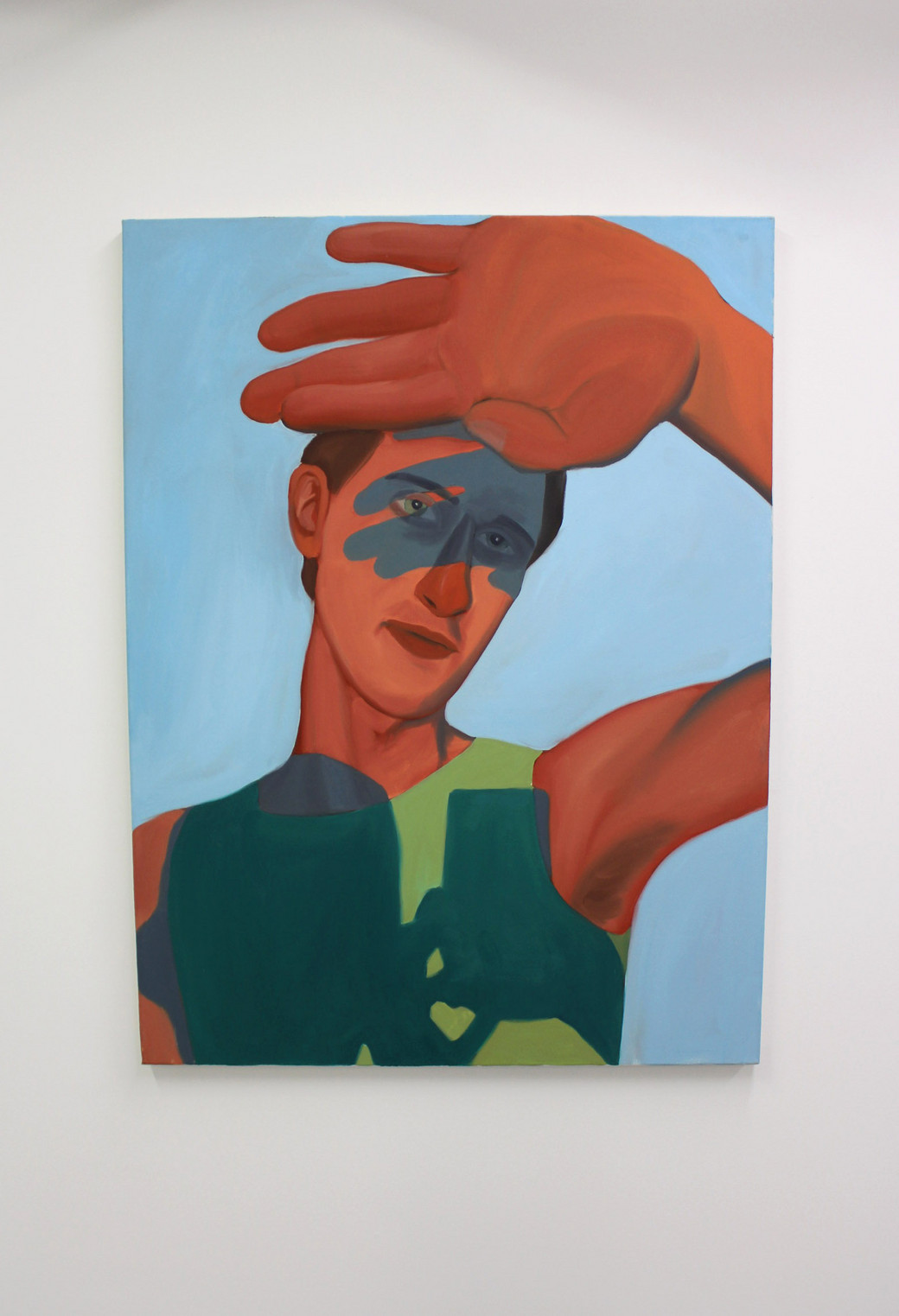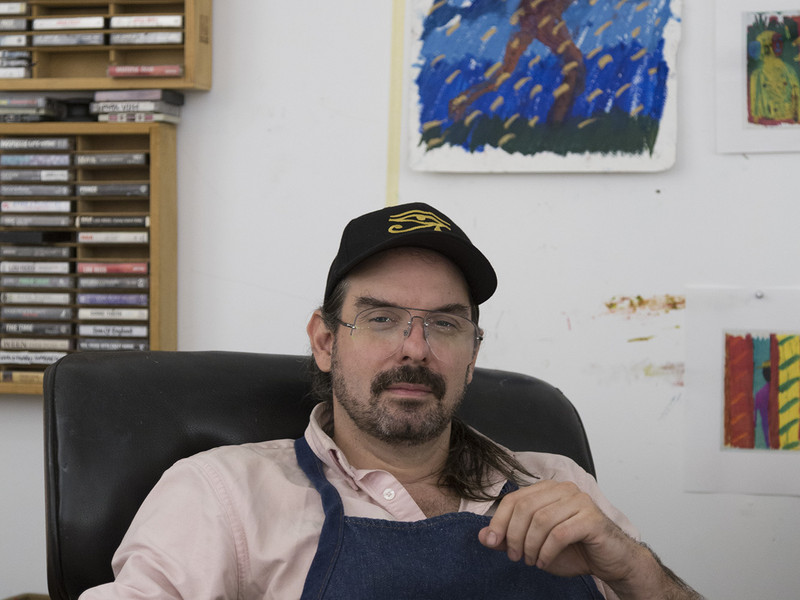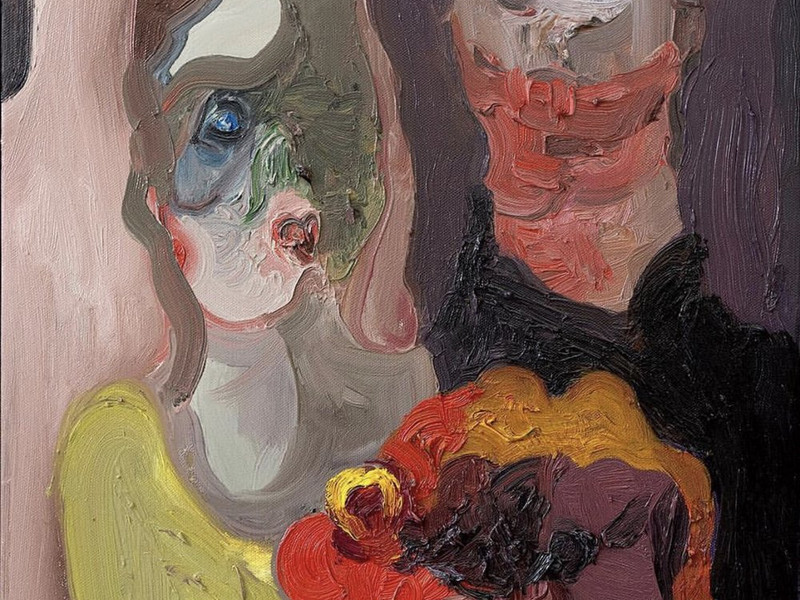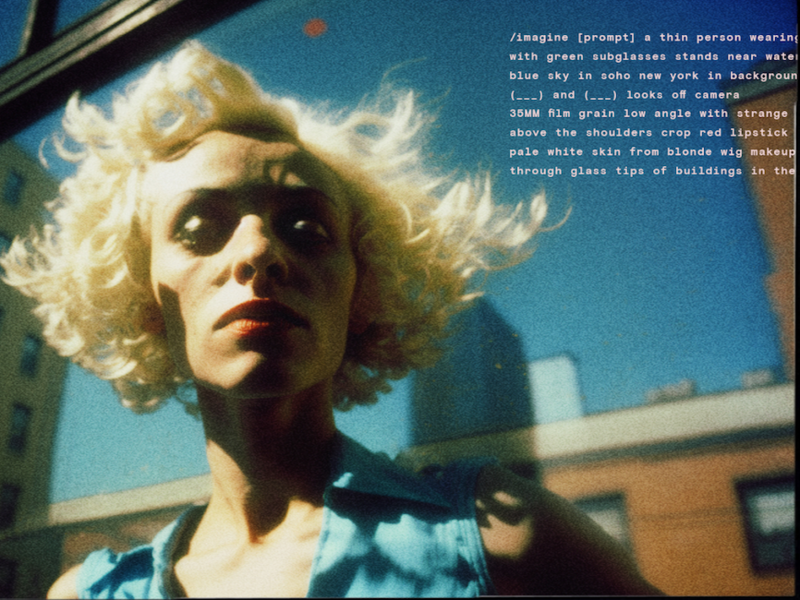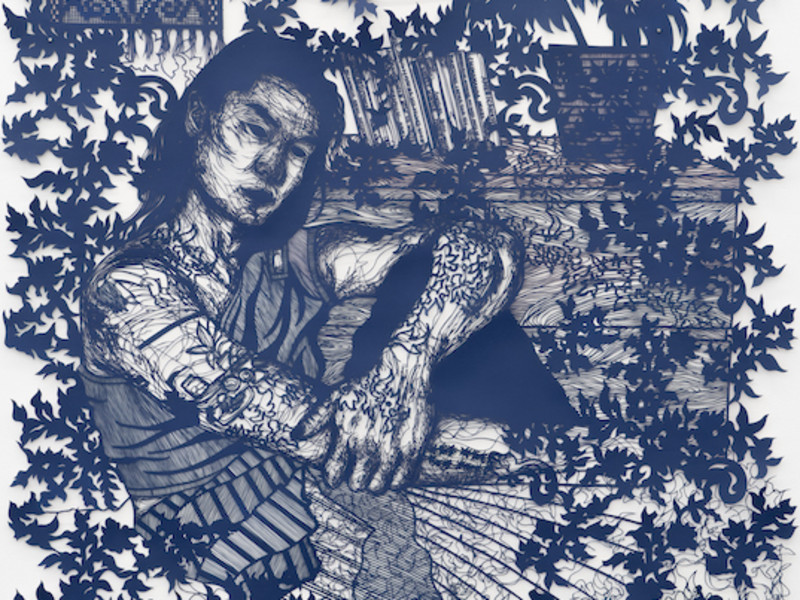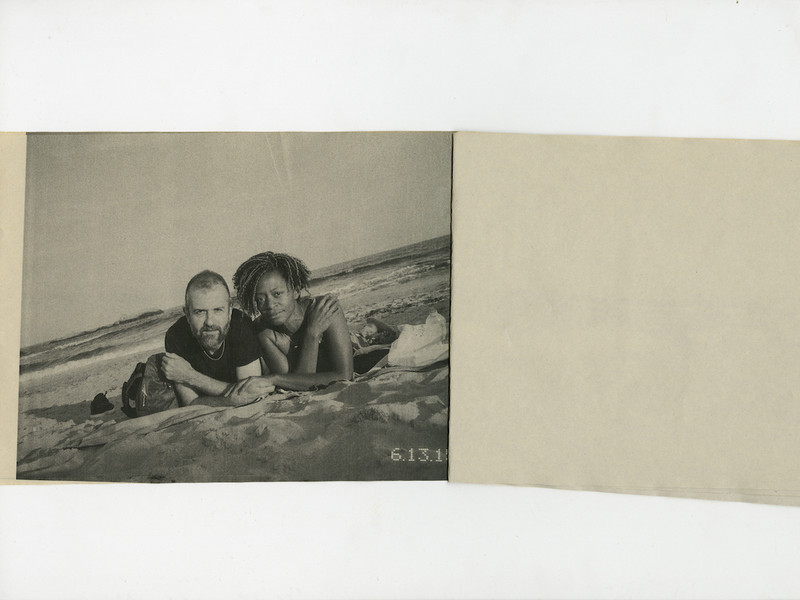

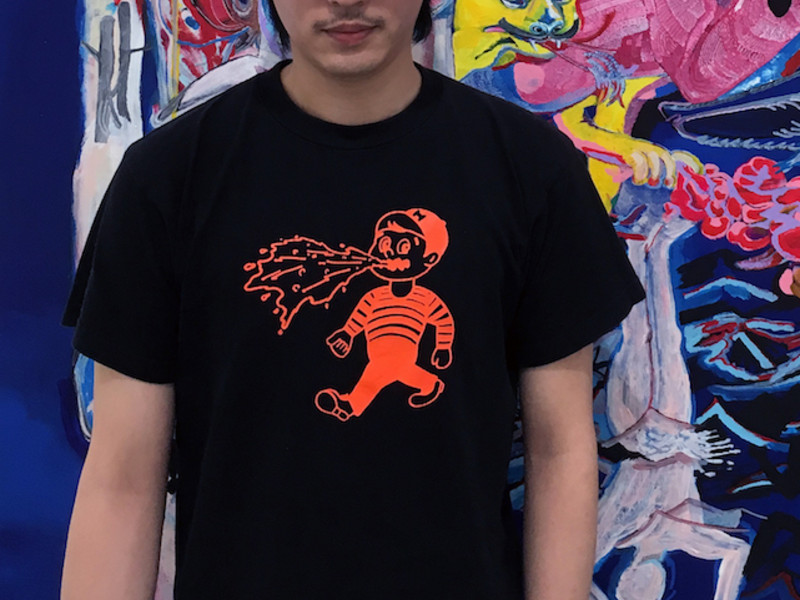

This is a show that wants to explore the weird combination that occurs in the blossoming of female sexuality: a beauty combined with a certain ugliness, a bloom tinged with decay. The show throbs with a disquieting energy, one that embodies this eerie natural phenomenon that is an important part of the human experience, but nonetheless rarely looked at square in the face. Fear not: take a look (results may vary).
office had an illuminating conversation with Allegra LaViola, the curator of the show, about the Unica Zürn book that gave the show its title, the Victorian mindset of the #MeToo movement, and what would happen if Nabakov wrote Lolita in 2019.
Tell me about the show.
The show is called Dark Spring, it’s named after a short novel or novella by a German writer named Unica Zürn, who wrote it in 1967. Unica Zürn was an artist as well as a writer, she had an odd, sad life, and was actually Hans Bellmer’s lover. This novel that she wrote really explores this darker, stranger side of female sexuality—more specifically prepubescent female sexuality. The heroine of the novel is never named, and it starts out when she was born and goes until she’s twelve and traces these masochistic fantasies that she has—very graphic sexual fantasies—and also the sexual acts that she engages in, including her brother sexually abusing her, and a lot of intensive masturbation, both with and without props. She’s always searching; she has this need for pain as her only relief from this sort of stifling bourgeoisie existence. Eventually she ends up killing herself after she realizes that the object of her desire is a futile childhood crush and is never going to be what she wants it to be.
The show is not exactly about the book, but more about this buried female sexuality lurking beneath the surface, and an inherent kind of darkness in people that we don’t consider to have that kind of darkness—specifically children, young girls. It’s about the quest for love and meaning in life even for the youngest of people.
How did you come across this book?
I came across this book many years ago because of a Swedish artist who gave it to me as a gift and I read it and was entranced and appalled simultaneously. It’s extremely dark. It sounds crazy.
Did you give the book to the artists?
I told them I’d be happy to lend it to them. It’s not really in print anymore—I was going to buy them all copies but then it was really expensive for each copy. So I told Brandi and Sarah that I’d happily lend it to them. But I talked about the book with them, and really the artists that I was interested in putting in this show already had that sensibility in their work, so I didn’t feel that they necessarily needed to read the book, it was more for their personal edification if they wanted to.
It reminds me of Lolita.
It’s like Lolita, but imagine it written from Lolita’s point of view instead of Humbert Humbert. You have this longing and desire and fantasy and terror and pain and suffering and tragedy in a young girl’s life.