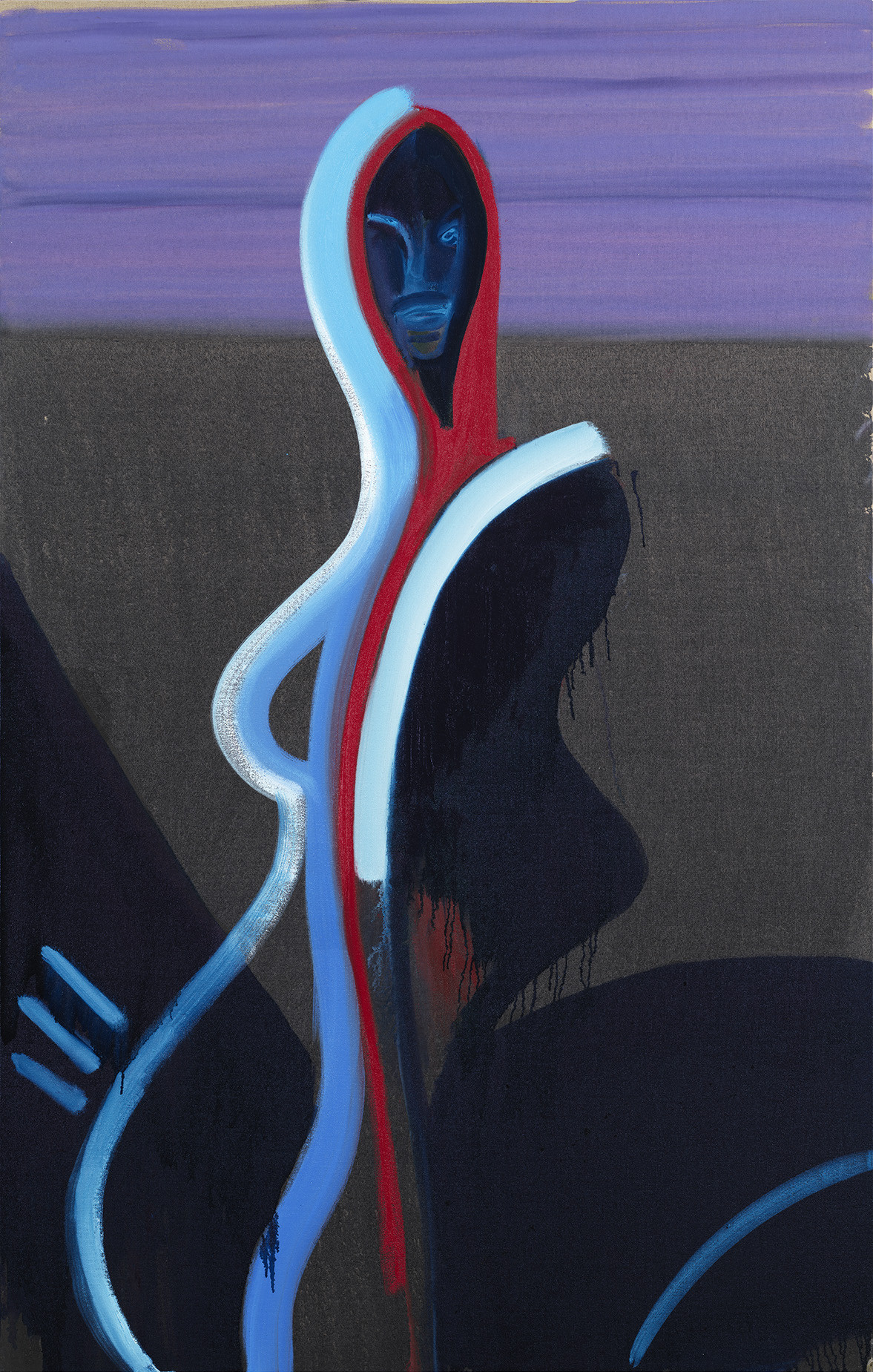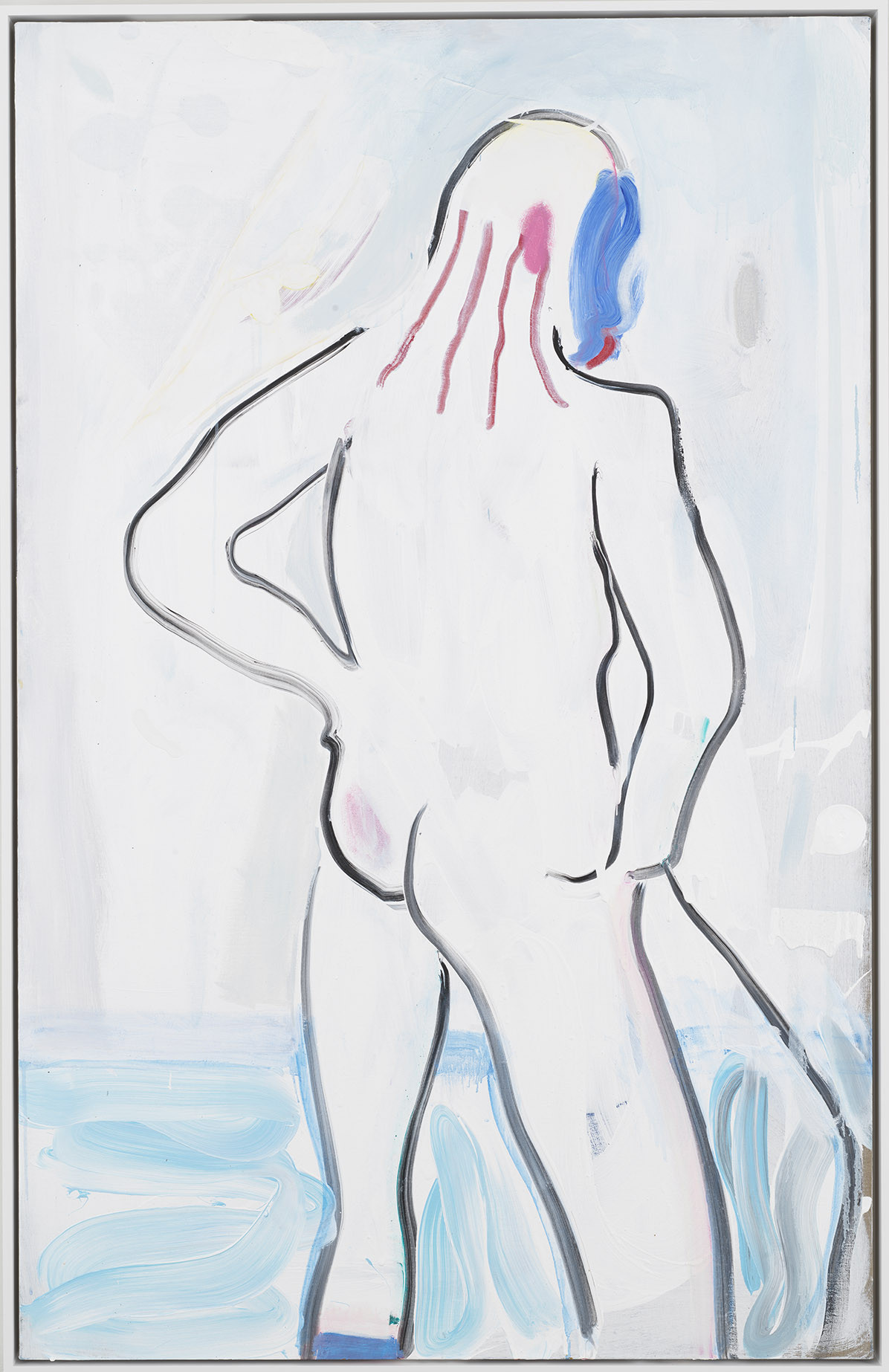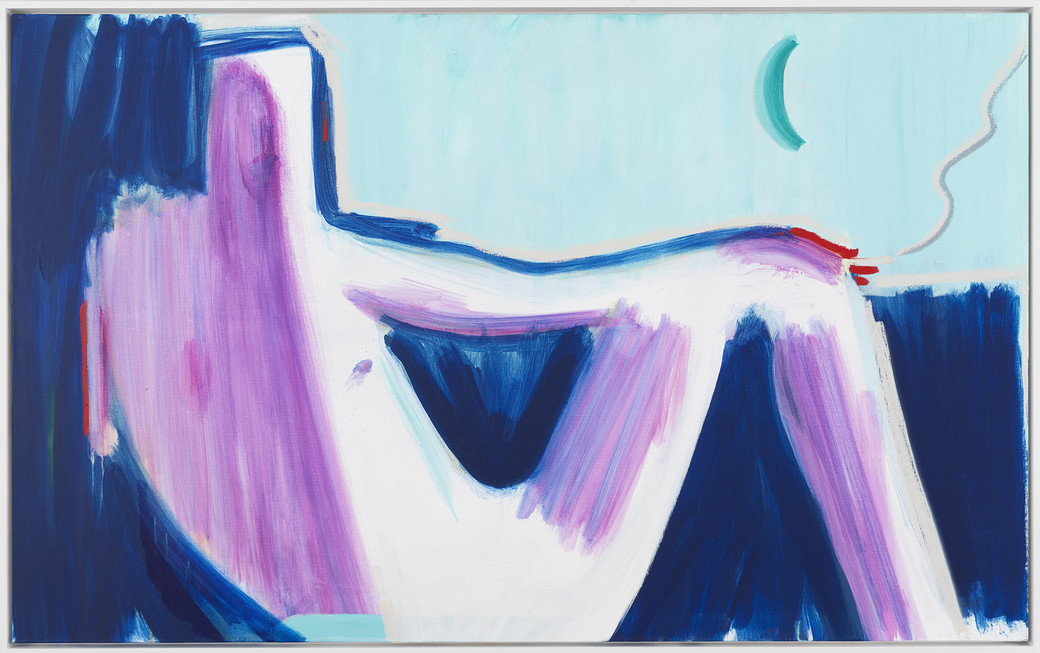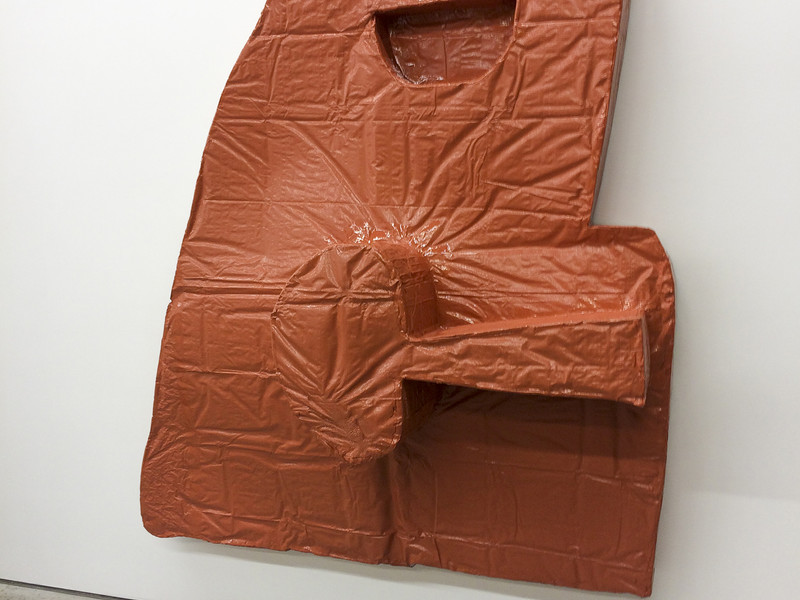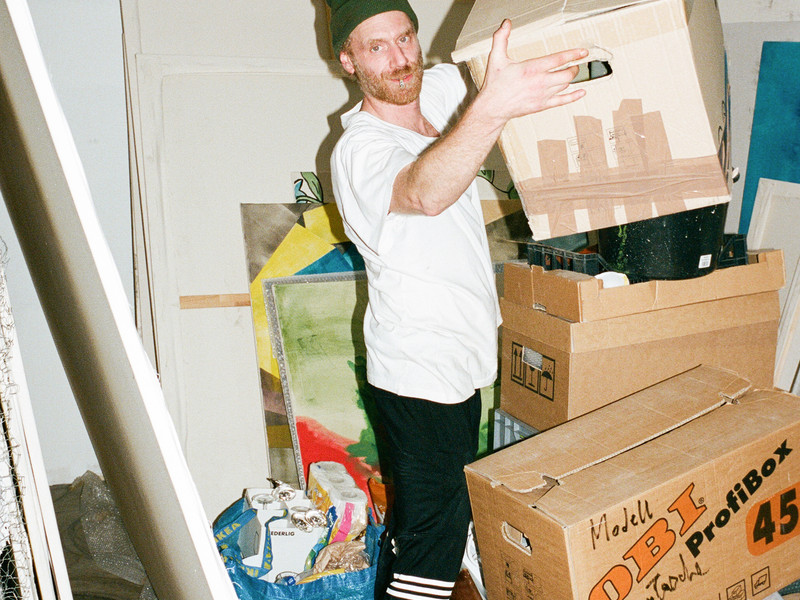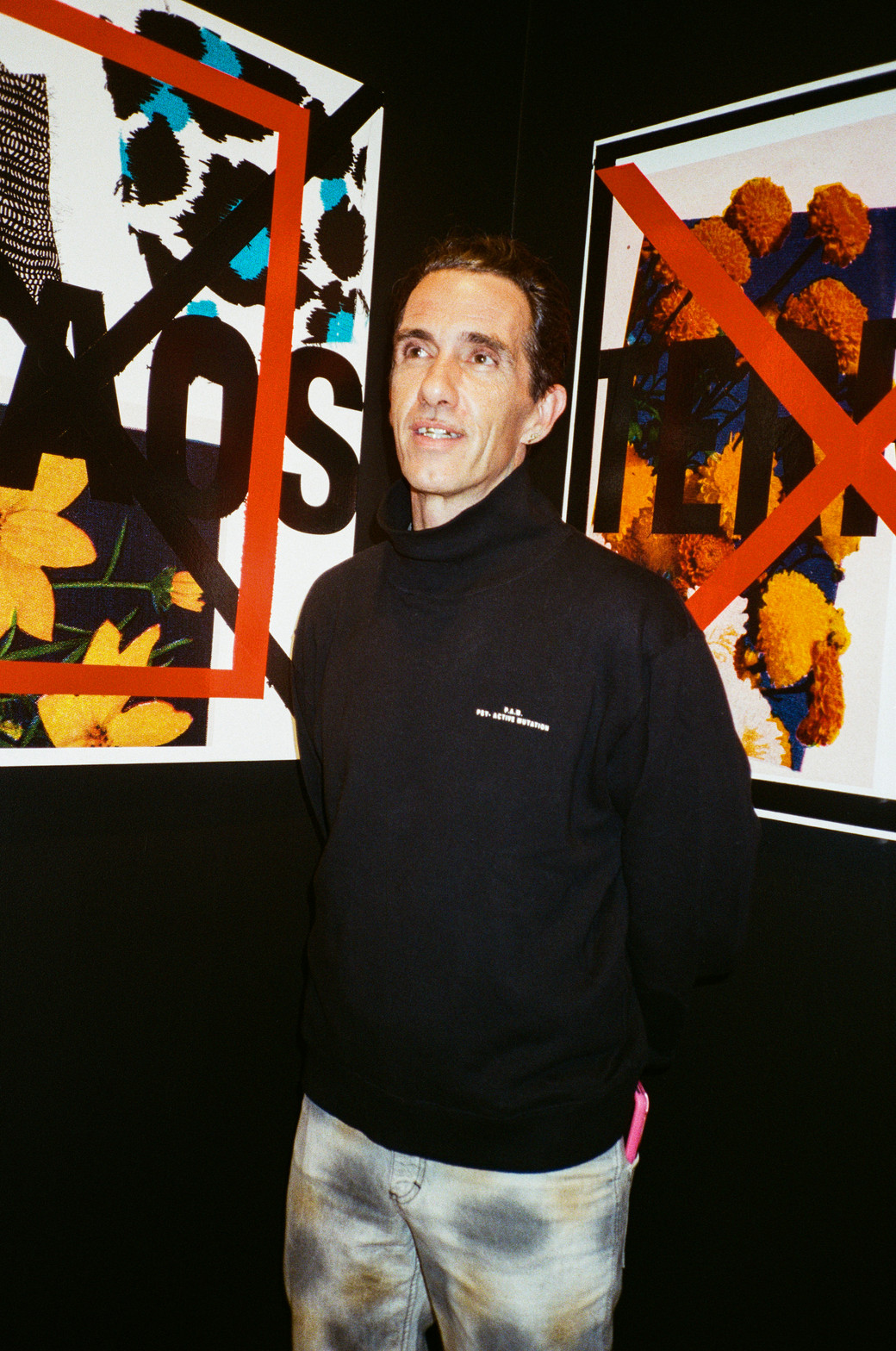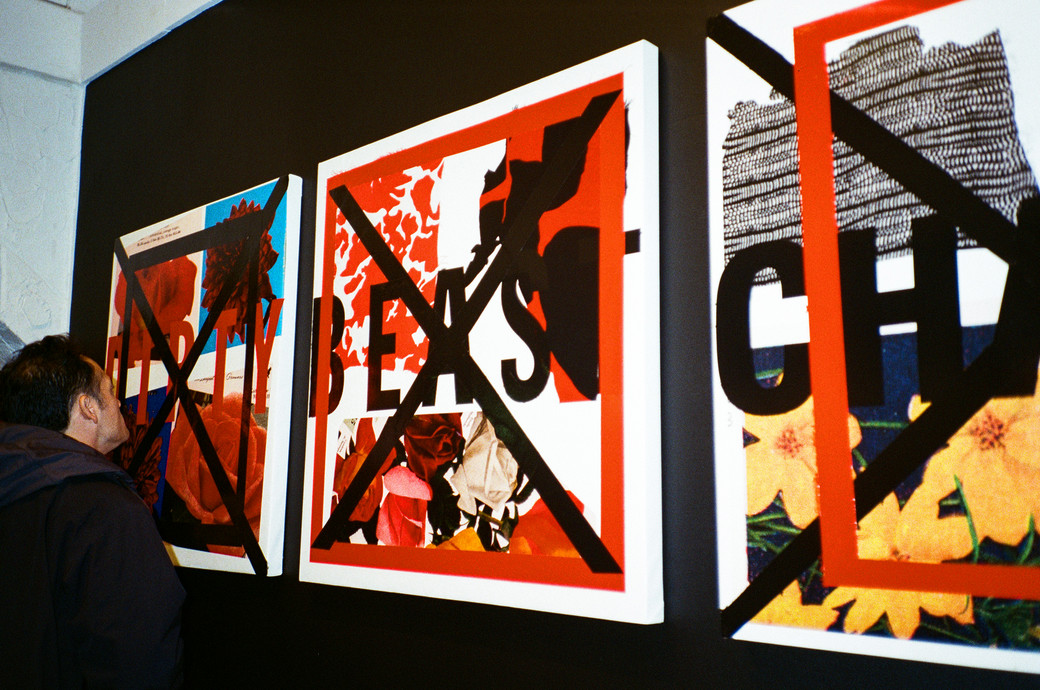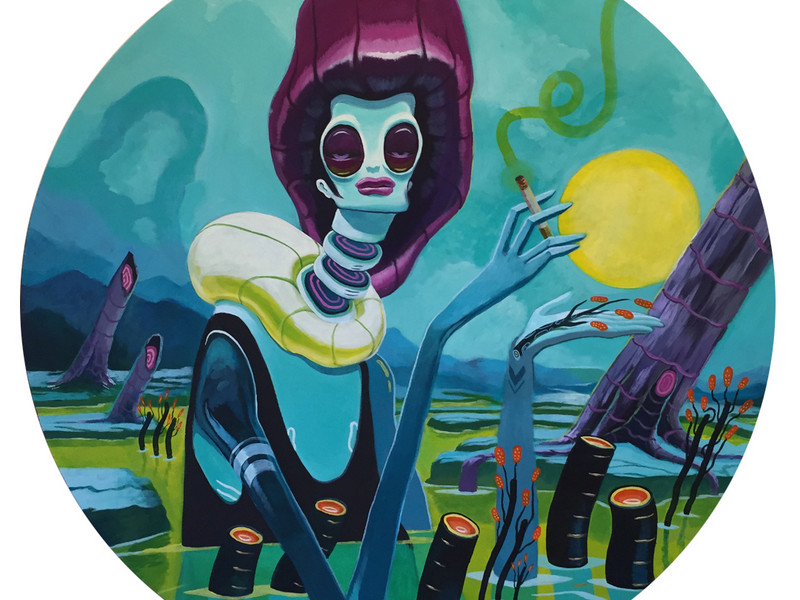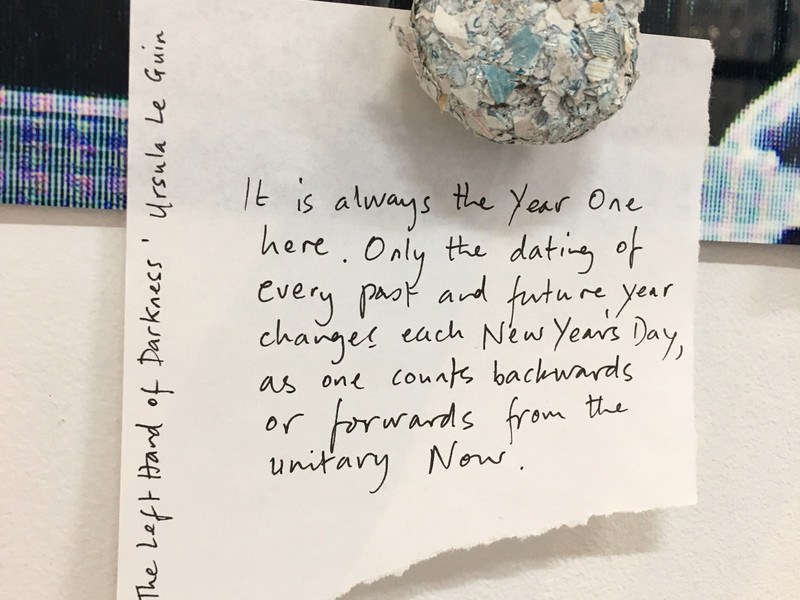

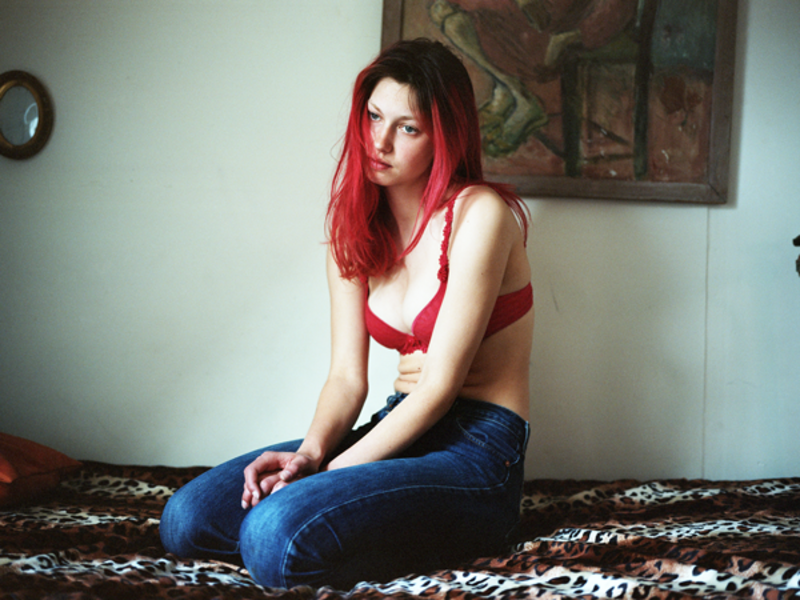

Unlike a lot of other art, in which the act itself can, for a lot of artists, be as powerful as the finished product, a self-portrait offers up equal value at both ends—during, as a process of reflection, and after, as a means of understanding, or in Sweeney’s case, subverting, the ways in which we present ourselves to the world. As a long time figure in the art scene, Sweeney has a history of inserting himself into his work and thus, letting viewers in on that complicated process. With Self-Portraits, however, he proves that it doesn’t really matter how others view us—all that matters is how we see ourselves.
Below, the artist sounds off on his latest solo show, and the biggest changes to the art world over the last two decades (hint: more artists now wear Hood By Air).
You often feature yourself in your work, in one way or another—take your 2010 installation [in which Sweeney moved his living quarters inside a gallery], for example. Why is that important to you?
Self-reference is something that I find almost inescapable in an artwork. The mark made by one's hand is telling. Even if one decides to work in a way that removes the appearance of the artist's hand, that in and of itself is also very revealing. These self-portraits deal with the surface and the emotional interior at the same time, as well as the relationship between self and surrounding environment. The self-portraits are spurred by Kembra Pfahler's idea of availabism—the image of myself was very available.
How do you think this series fits in with your overall body of work?
At times it fits in and at other times it doesn't. How does any of the other work fit in with it? That's how it does and doesn't work. [It’s] a reflection of life.
Since you do work in so many different mediums, in this series, how did the medium—painting—impact your vision and overall process?
Painting is a medium that came to my attention intuitively very early on in my life. The will to paint and draw, play music, dance and cook—[it] all came to me very early, as if they were waiting there for me.
Does your process differ across mediums?
I feel whenever one is engaged in a creative act, be it object related, performing or composing music, cooking, writing or whatever it may be, it has to call upon a certain similar heightened level of sensitivity and perception. Of course, the skill sets will vary relating to the specific act, but the level of sensitivity one must employ seems to be a unifier.
Would you say there's a through-line across all of your work? Are there certain themes you find yourself returning to often, no matter the medium?
Yes, different themes occur and reoccur. It would be interesting to keep a running list of recurring themes—stop at one point and take that shit to your analyst.
How has the art scene changed over the last two decades? I know that’s a broad question, but what are the most noticeable things for you?
It most certainly has changed. Many more artists are wearing Hood By Air than they were 20 years ago.
Your background is in performance art. Do you still see your practice, in some ways, as performative?
Not so much with the same audience-performer dynamic. I do perform with the improvisational music band IUD whenever they want me to. IUD is Sadie Laska and Lizzi Bougatsos, both visual artists and founding members of the performance art noise outfit Actress. We started that project in the late nineties after meeting at American Fine Arts. You might not have heard of us because Colin Deland was our only fan.