

Tell me about the show.
There’s two parts to it. One is this video installation, it’s a seven-channel video that I shot in 2014 of the house I grew up in in Denver. I found out that my parents were going to sell it. I had lived there for 18 years and they had lived there for almost 40 years at that point, and because of the neighborhood it was in, I basically knew that once they sold it it was going to be destroyed, and it was within a few months of shooting the video.
It looks really new in the video.
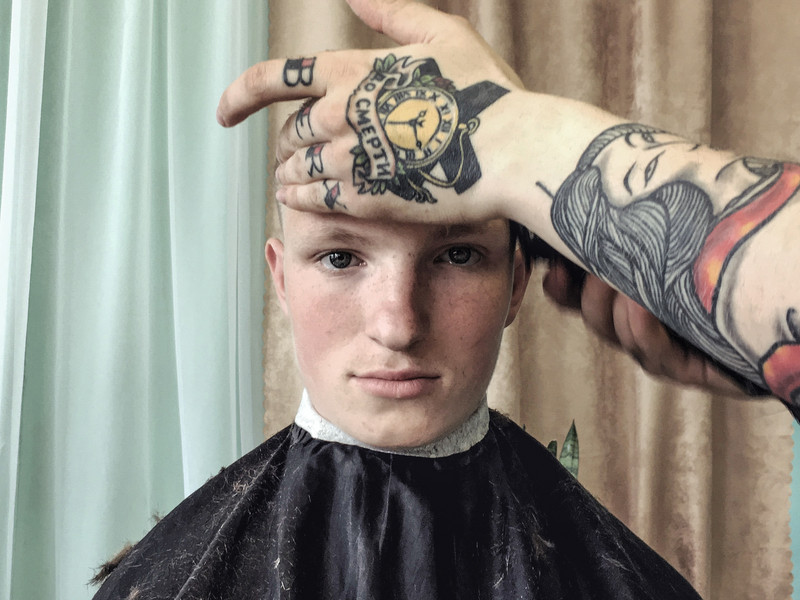
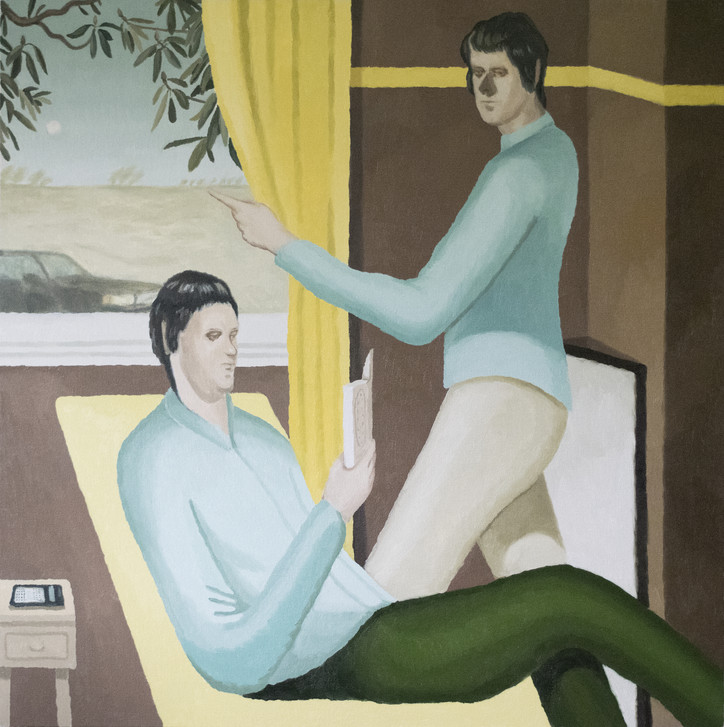
I guess it was well taken care of. I asked my parents to get all their stuff out of it as much as possible, and they did, and I helped them. They had recently painted their bedroom, which actually kind of annoyed me at the time. A lot of the other rooms still had marring and other stuff on the walls. But the other section is drawings that are based on photographs that I took of my first boyfriend in high school for his senior yearbook picture, and then I asked my second boyfriend, who’s an artist as well, to draw them. They’re called 'First Love as Drawn by Second Love.'
So your work primarily is video?
I would say that’s kind of the core, but I do a lot of other things, too.
What were you focusing on with this show? Architecture? Is that too obvious?
I like that it makes architecture into a kind of object. But it’s also a meditation on family, love, loss, memory — all those kinds of things. In general, with my work, I often have very personal, autobiographical things within the pieces, but then I treat them in a minimal, almost cold way, in order to flatten them out, in an attempt to make it more accessible to everybody. So, it’s taking very loaded information and loaded material and mashing it up against a minimal form.
I guess you can feel that. Just seeing an empty house gives you that feeling of, 'What happened?'
There’s a lot of suggestion of things that could’ve happened, but there’s not a lot of telling, I think.