Form Without Formula: Ruth Asawa At Guggenheim Bilbao
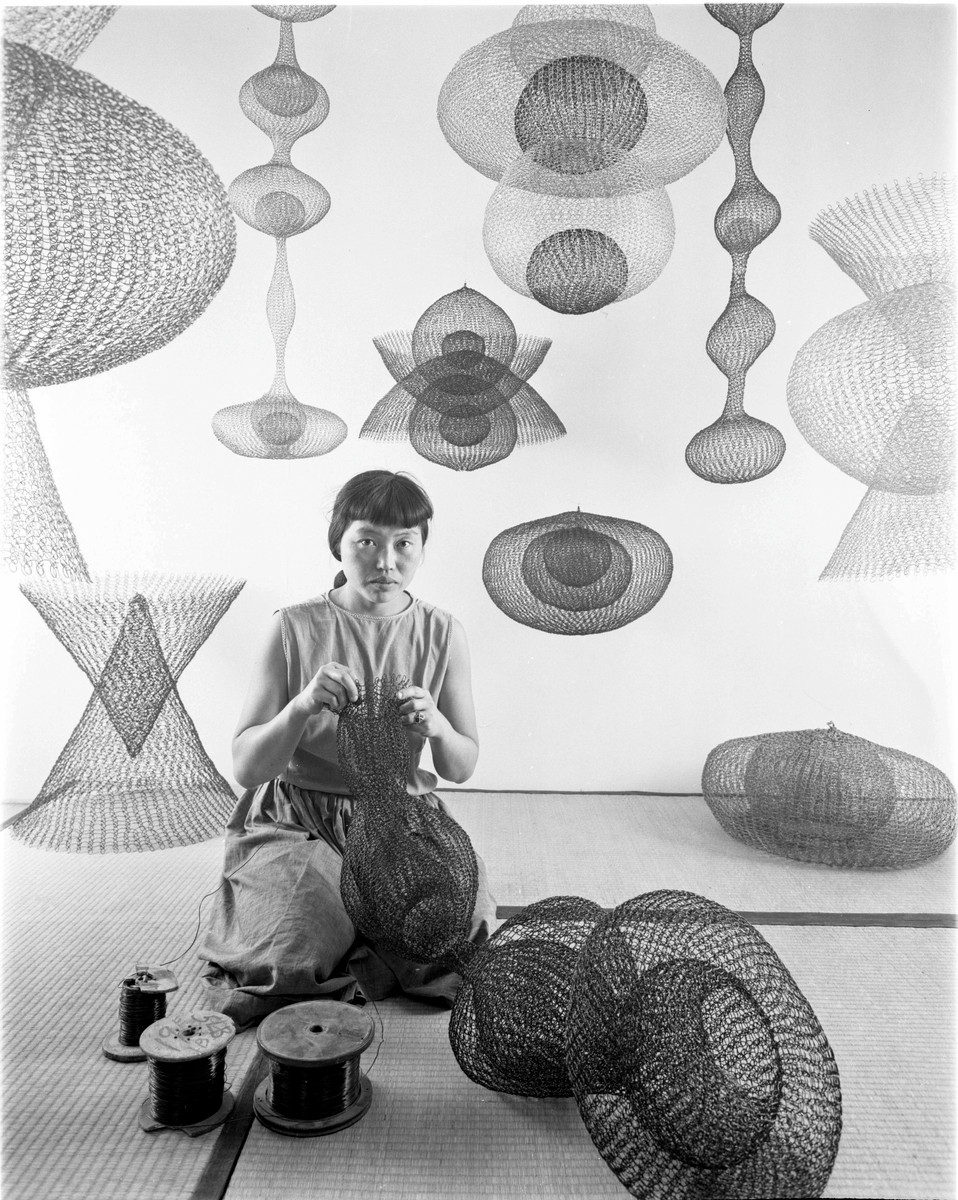
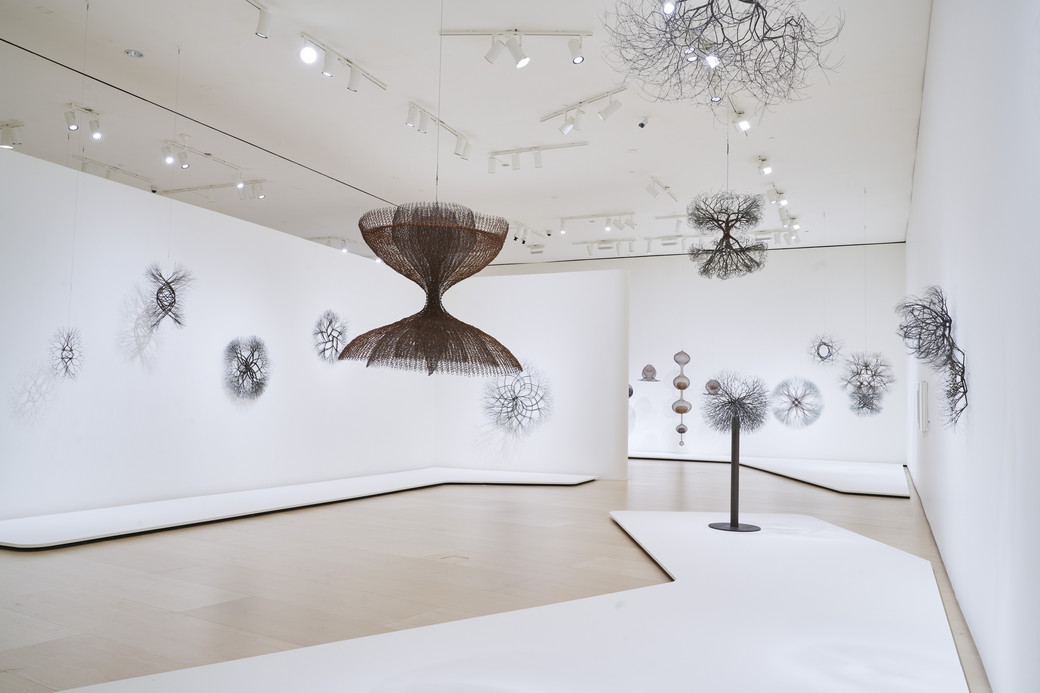
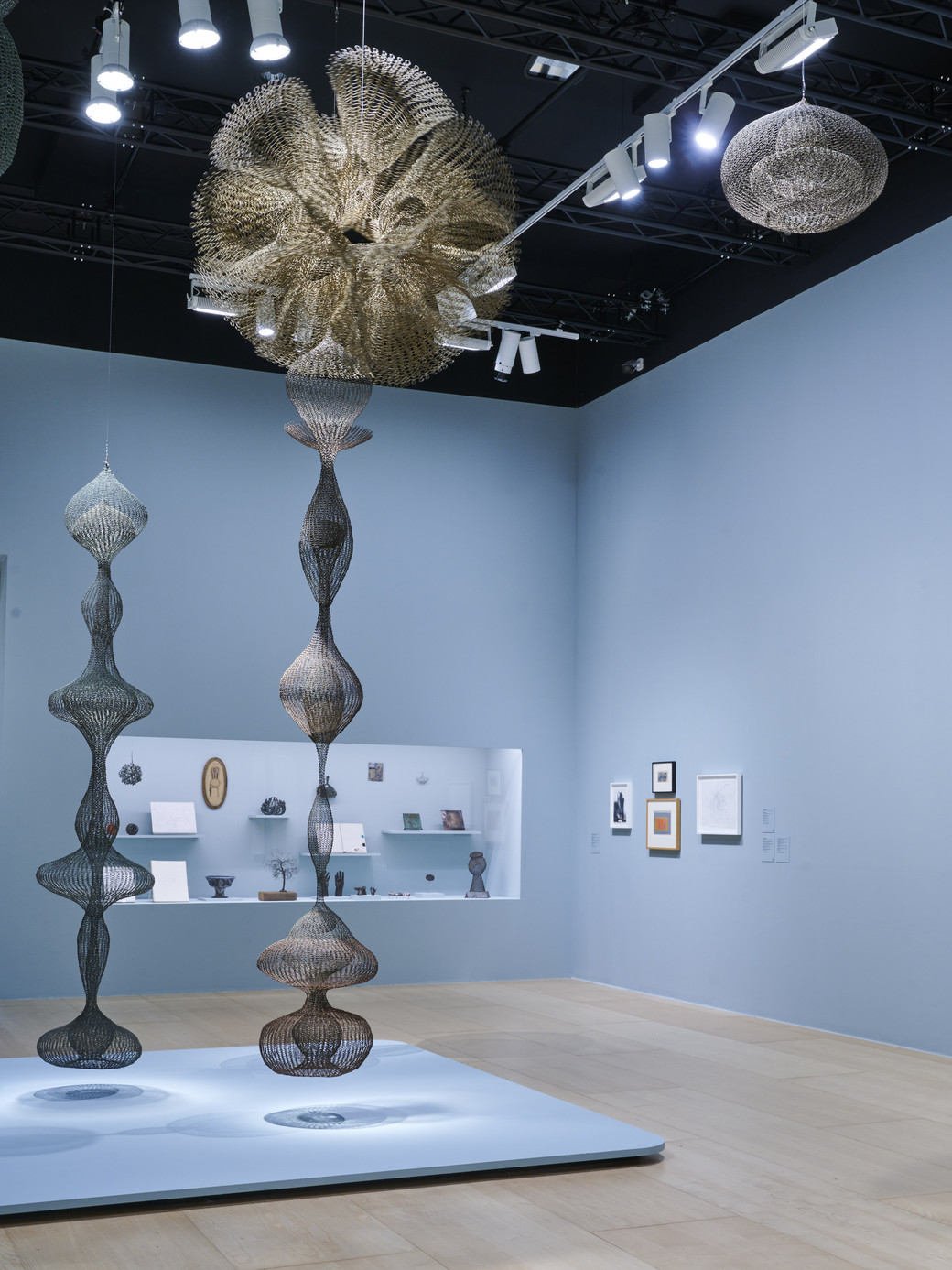
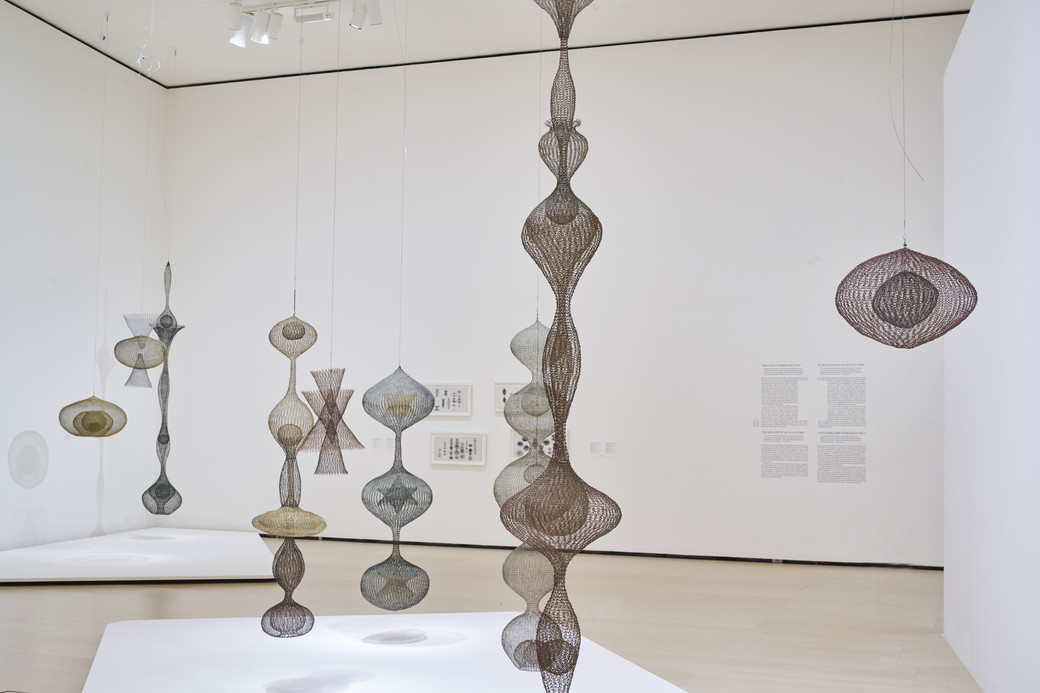
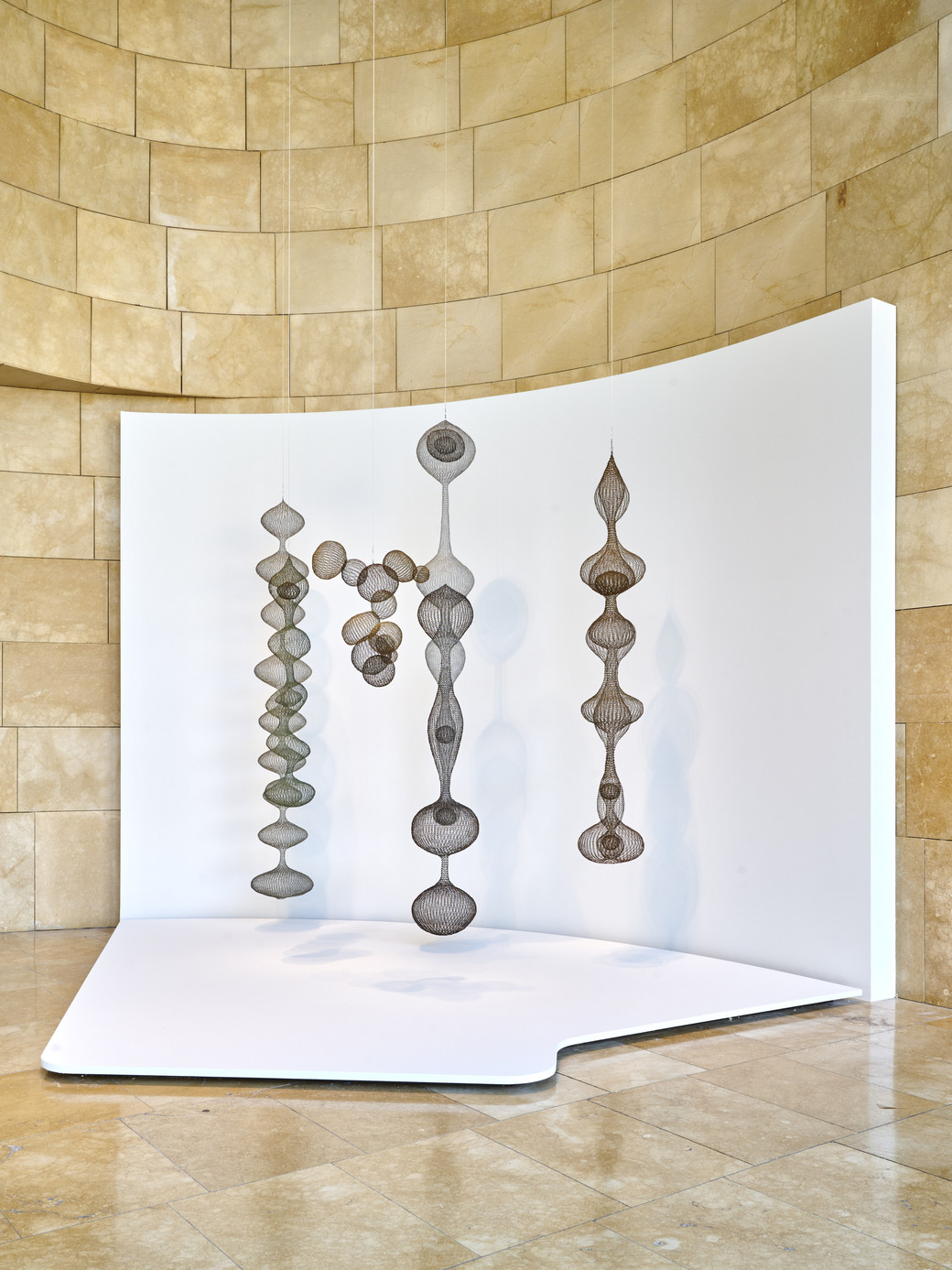
Bilbao’s Guggenheim is maybe an ideal setting for an artist so deeply concerned with space, movement, and form. Asawa’s work sits among other legendary names: Jenny Holzer, Yayoi Kusama, Rothko, Richard Serra’s gargantuan steel structure hovering nearby. Yet her sculptures feel entirely their own; her signature hanging forms, made from brass, copper, and bronze wire appear almost weightless. Often untitled, unnamed, and without obvious formula, they move with light and air despite their industrial materials. Still, there are repeated motifs: visually emulating woven baskets and craft weaving, her suspended forms use endless loops of wire to create “forms within forms,” often resembling cells, fruit, flowers, or planets suspended in space.
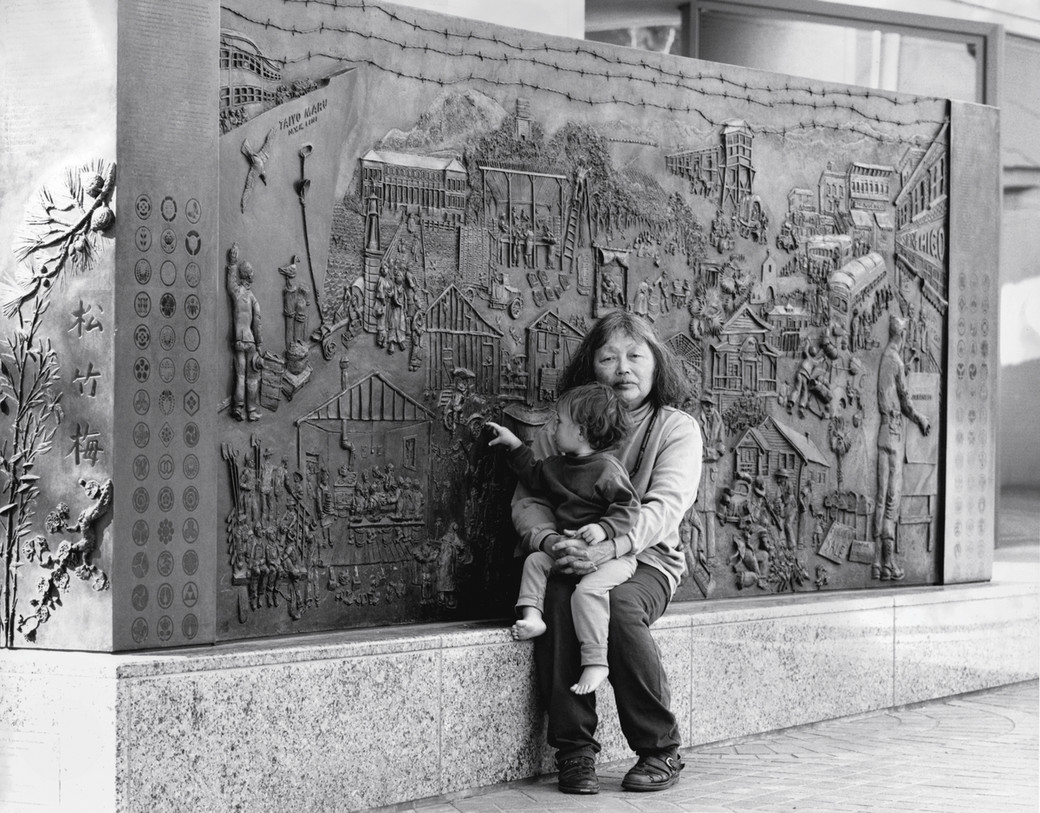
And in the exhibition there is a deeper appreciation of Asawa’s life and artistic principles. Born to Japanese American farmer parents, Asawa was busy from childhood, balancing schoolwork with life on the family farm whilst holding a strong work ethic from youth. During World War II, her family was forcibly placed in Japanese American internment camps under the Roosevelt administration, she and her siblings becoming separated from their father during the process. But even in the midst of her detainment she kept making, and her creativity was never separate from labour; she took life drawing classes and was inspired by the practice of fellow detainees, some of whom had worked as animators for Disney. She sourced any materials she could find— discarded rubber sheets, leaves even— to make her art.
It was only in later years she would become introduced to the looped wire technique she is widely known for, spending a summer in Toluca, Mexico, where she would take to traditional woven baskets sold at a craft market. But what makes the retrospective especially powerful is its attention to Asawa beyond the now-iconic wire sculptures. The exhibition offers a vision of Asawa as a woman whose private life was intimately reflected in her art, speaking to the age-old tussle between art, womanhood and motherhood and how she overcame it
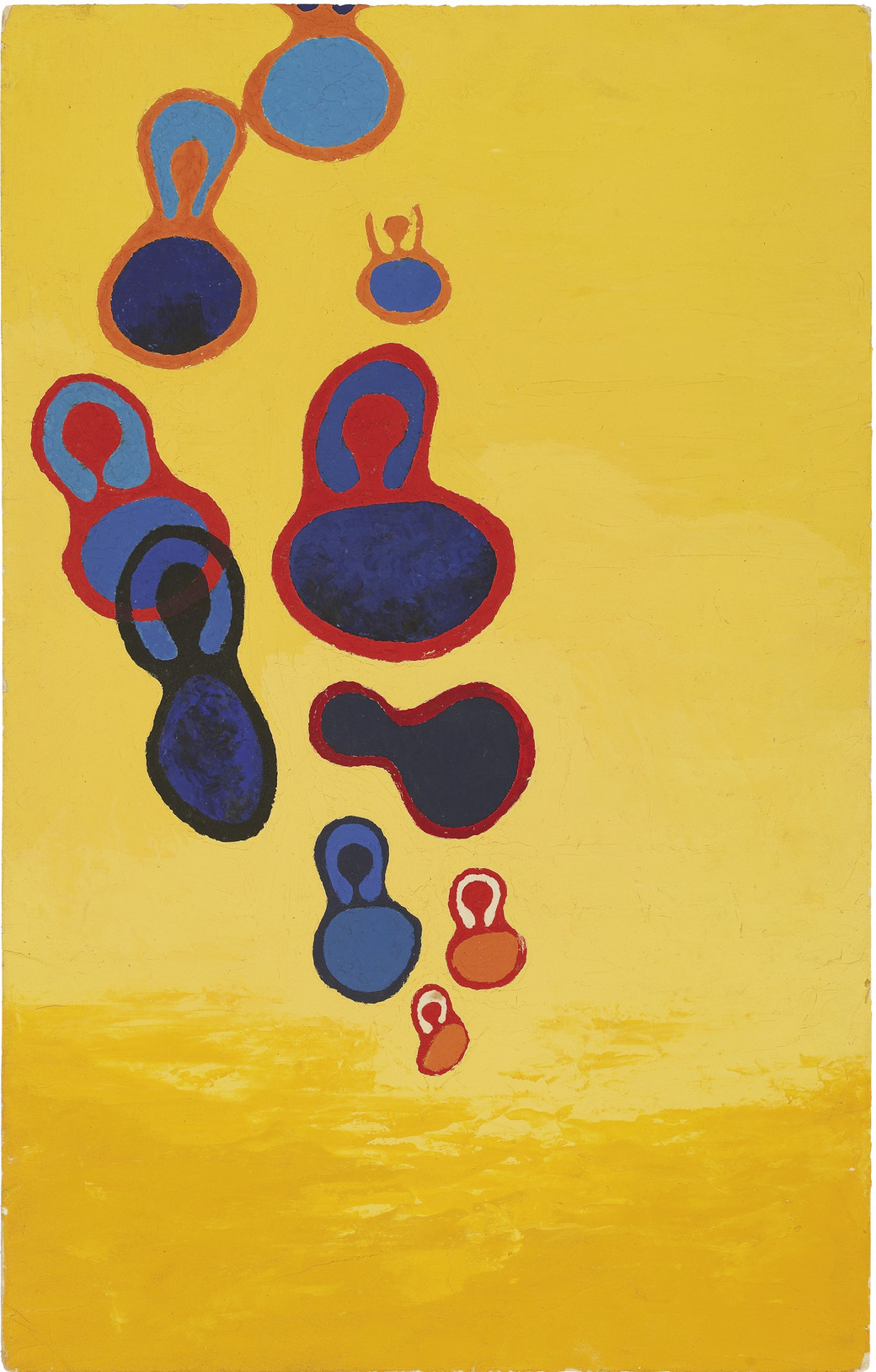
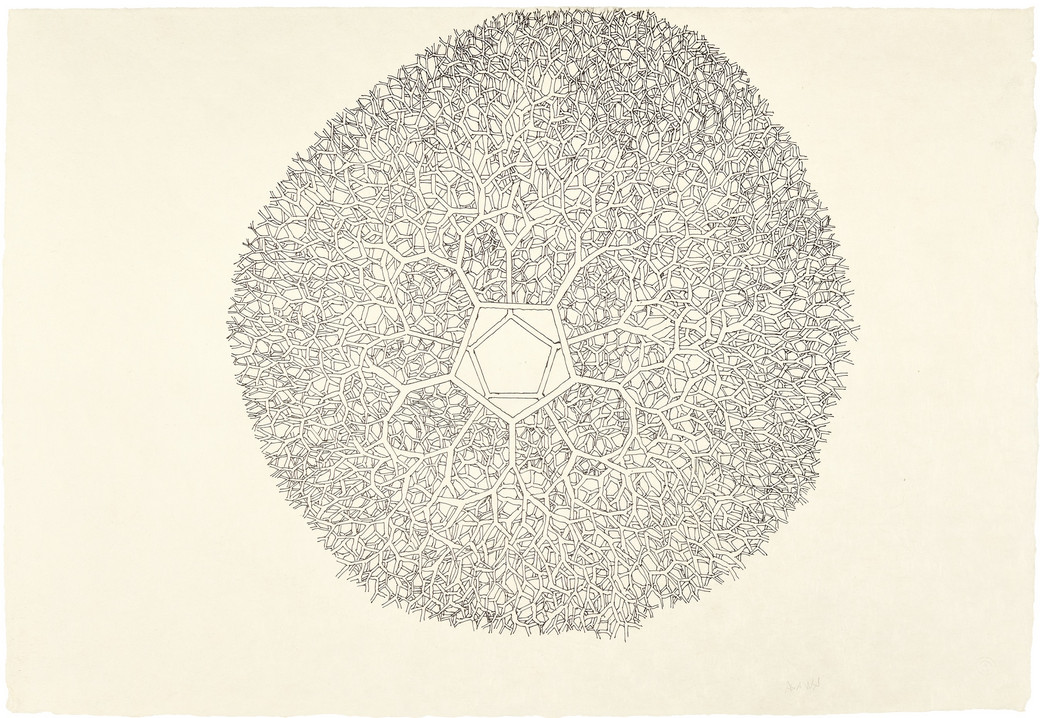
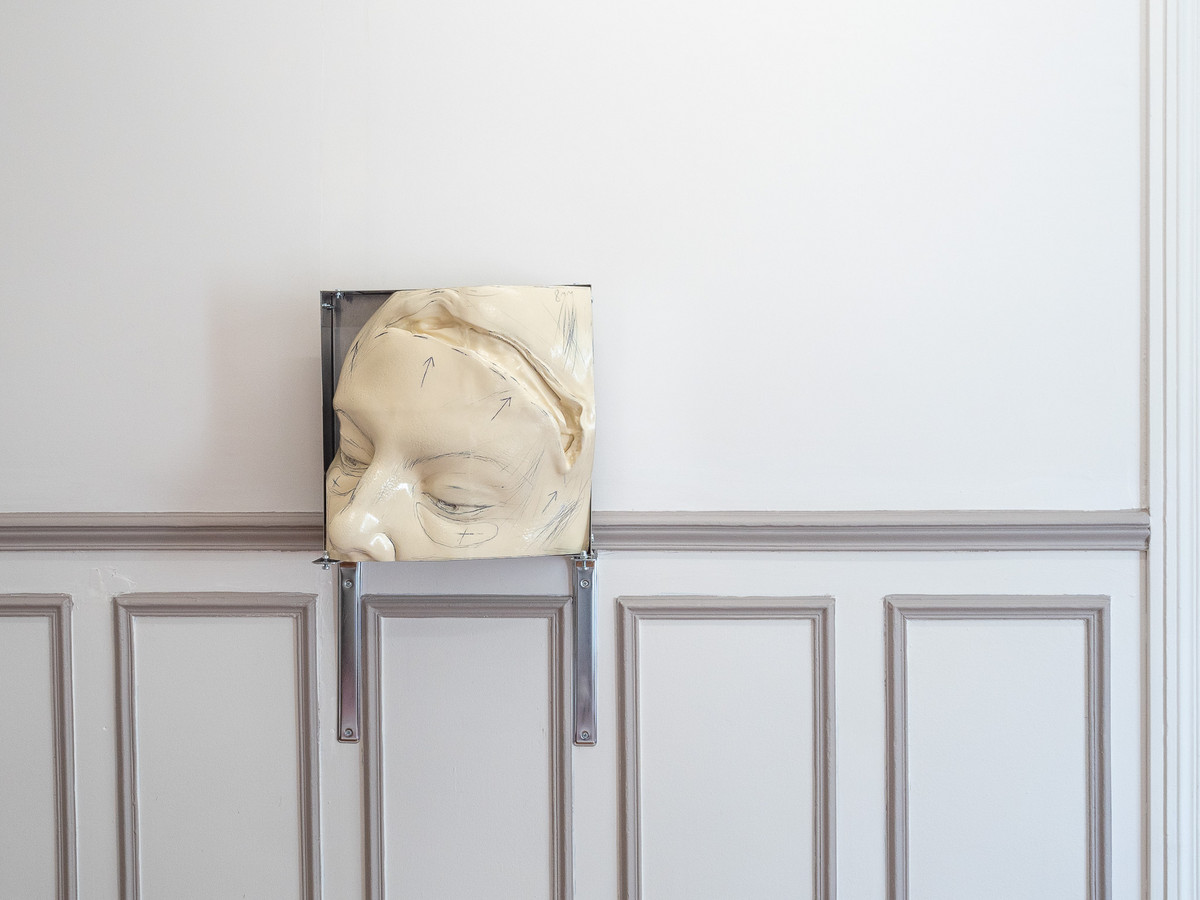
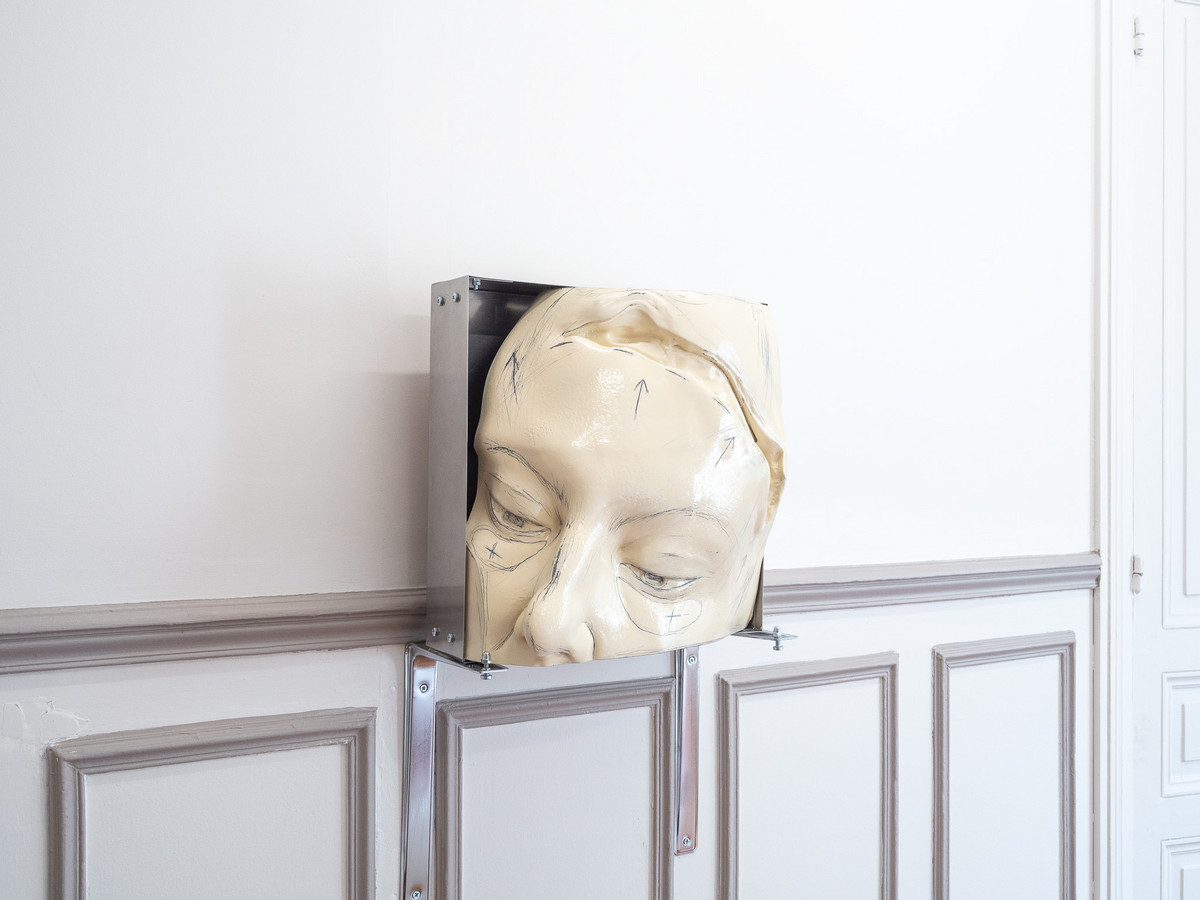
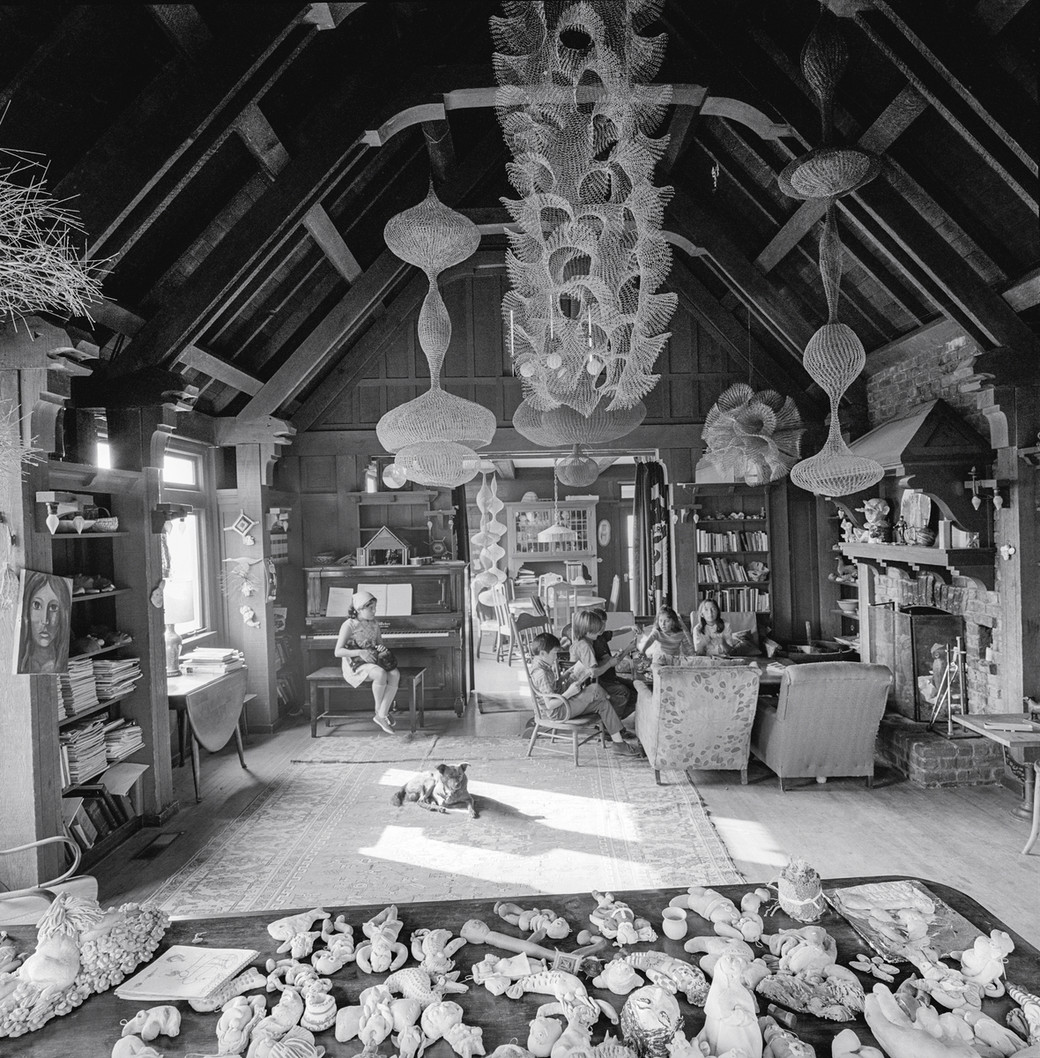
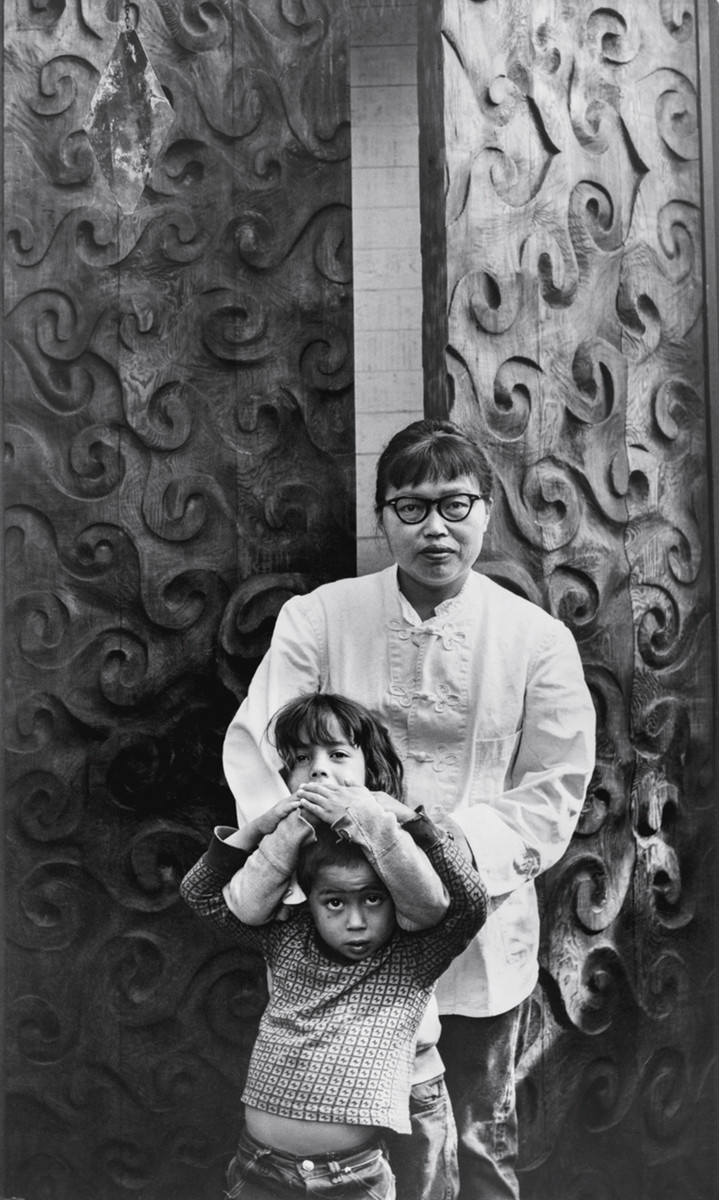
For Asawa, the two were never separate. Her work was not made despite domestic life, but through it, with family, children, and home forming as part of the practice itself. Pieces drawn from her later years in San Francisco intimately bring her private life into focus and reveal the breadth of her multidisciplinary practice: paintings, drawings, prints, and notably clay and bronze casting. There are children’s feet cast in bronze, such as that of her grandson Henry, as well as casts of her own tools, her hands. Asawa famously plaster cast the faces of people in her home studio at the kitchen table, usually taking to a subject if she thought they looked interesting. And littered across the exhibition are some selections of those thousands of faces she cast in her lifetime. The artist once said that “an artist is someone who can take ordinary things and make them special.” It feels like both an artistic principle and a metaphor for her life.
Asawa spent much of her career defying the boxes placed around her— racism, wartime incarceration, discrimination, and the tendency to overlook women artists whose work was seen as too domestic or decorative. At the Guggenheim Bilbao, Ruth Asawa’s work feels both delicate and radical in reminding us how she turned those assumptions inside out. It reminds us that form does not need formula, and that the most powerful art can come from repetition, domesticity, and the refusal to stop making.