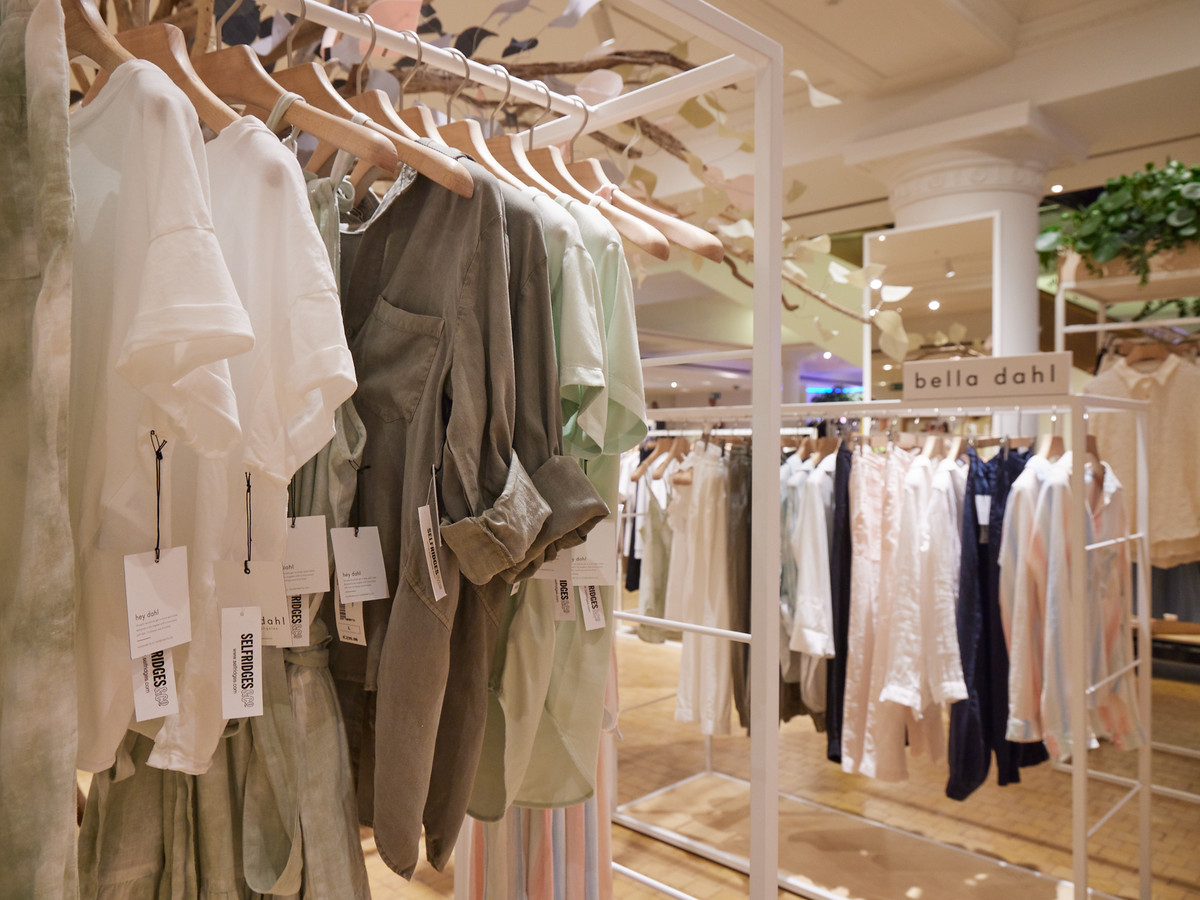










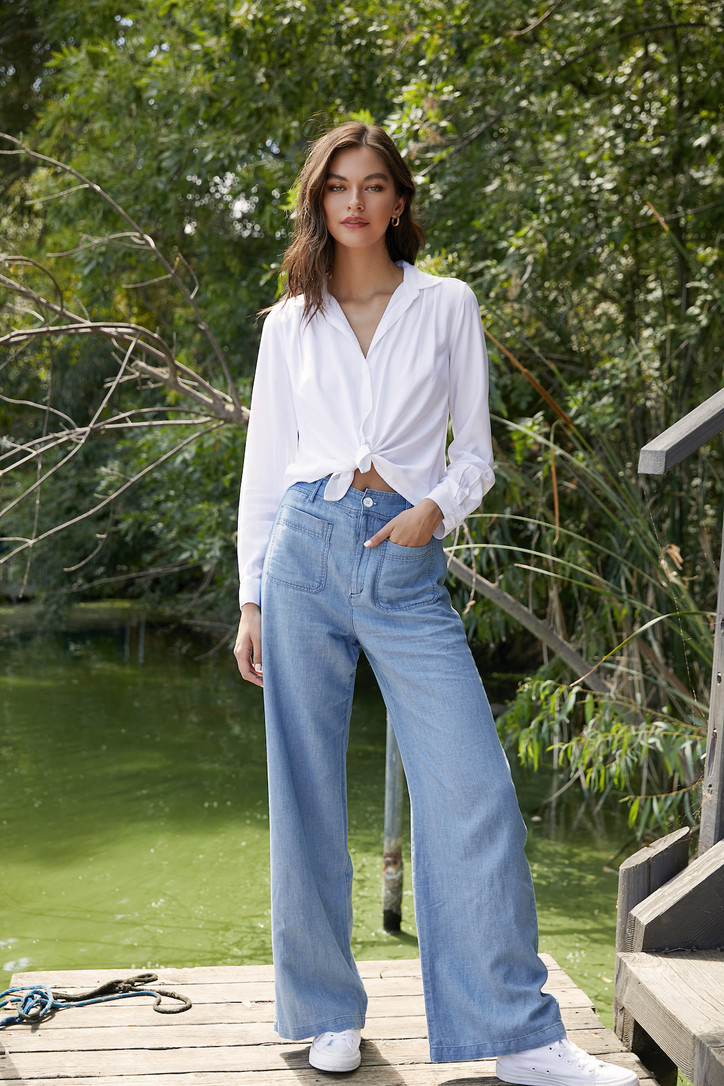
Although he has a monumental history of success in developing brands such as Levi’s and Dickies, some of Millman's most admirable and impressive feats include the compassion he has brought to bella dahl and his high regard for the environment.
Read below for office’s interview with Steven Millman about the company’s sustainable initiatives and what’s to come for bella dahl.
How or why do you think bella dahl has changed the casual clothing industry for the better?
I think one [reason] is that we took a very hard stance on bringing value to this contemporary market. We've tried to give value to everything we've done. We entered the market at probably the entry level of the premium market. We'd rather have been the low of the high and load the garments up to compete, rather than the opposite. And I think it's really paid off for us.
bella dahl has set the bar high for ethical industry practices. Why do you think it is important to set this example for other brands?
As a leader, it's our responsibility to take a stand, and you'd have to be crazy not to realize what's going on in the world. To find out that an industry that a lot of us love — and some would probably do it for free — but why would we want to ruin the earth? Why would we want to pollute the earth at the rate that it's going? When we found out that our industry is one of the largest polluters — I think that is a wake-up call for anybody. We're polluting lakes and rivers and shortening [the] lifespans of animals to the point of extinction. I mean, how could you be in an industry and be excited about that? And that's really what [the situation] happened to be.
I definitely agree. My goal when I decided to write, in the fashion sect, was to better it, and I think you guys are doing the same thing. You helped facilitate the widespread expansion of bella dahl, which now is sold in many major retailers and over 2,900 specialty stores worldwide — what drove that expansion?
I think, again, our ethical practices, always taking the high road, delivering product on time, over-delivering, and bringing value. Additionally, having the courage to take a fabrication, let's say an example of chambray, which was typically a cotton fabric, and to come up with one from Spain. To really tear it apart and say, wait a minute, you can have it like this. Now we're 11 years in and we're still doing it. Our 549 denim, Tencel denim, is still 11 years in our collection. I'm proud to say that, and now it's even more important than ever because, for half the time, we didn't even know it was sustainable. Back then, no one really knew what that was. We just knew that we were doing bad things to the earth, and it had to change. Denim is the biggest polluter of all. So here it is — my love, and my love is ruining our planet? So again, that was the wake-up call.
What has been your biggest achievement in working with bella dahl thus far?
Watching everyone succeed. Watching somebody that was packing boxes become a lead customer service representative for the company. Watching someone packing boxes coming in and working in our design team. Taking the underdog and turning their lives around is probably the most exciting thing you could ever do for anyone.