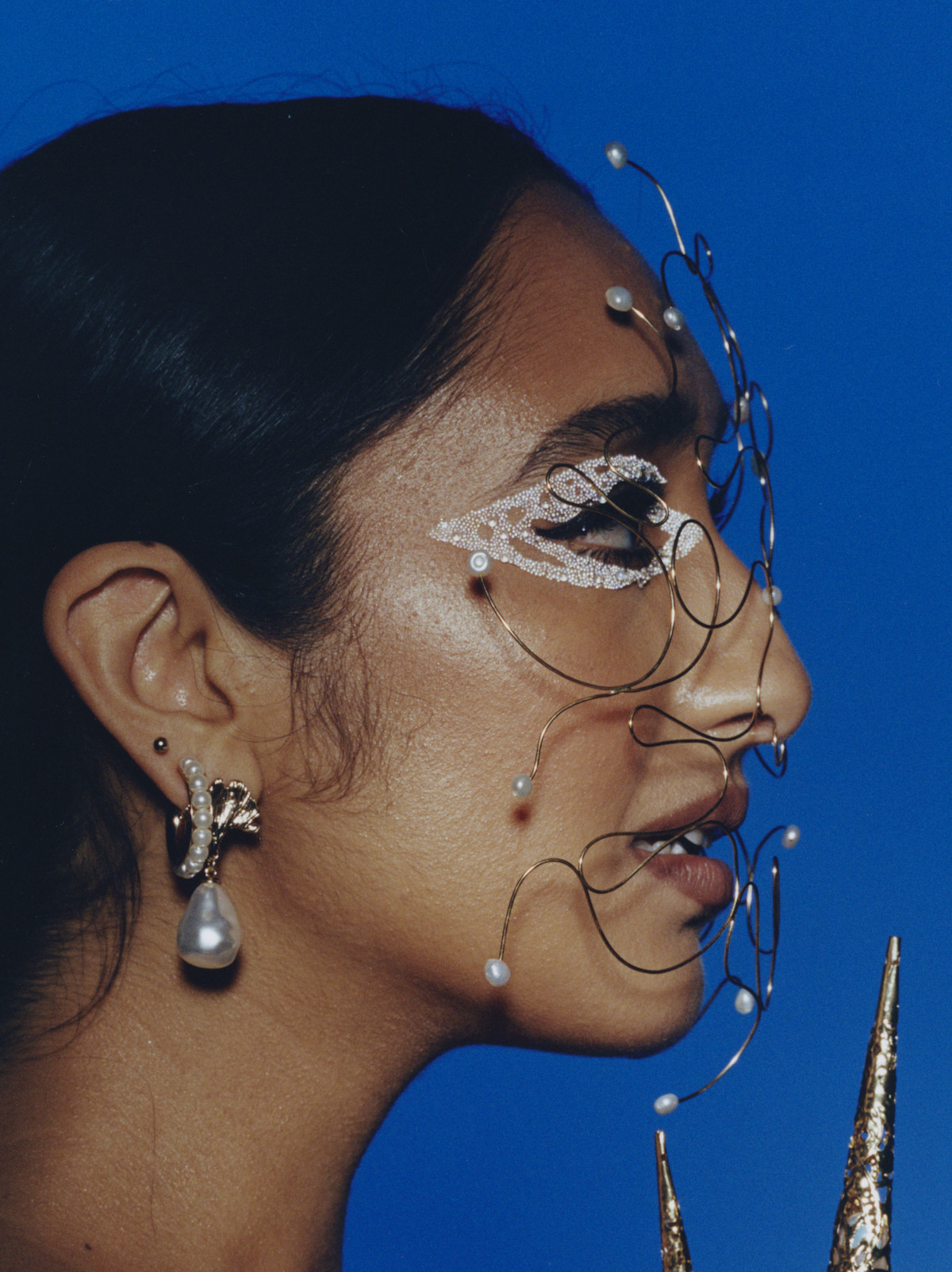
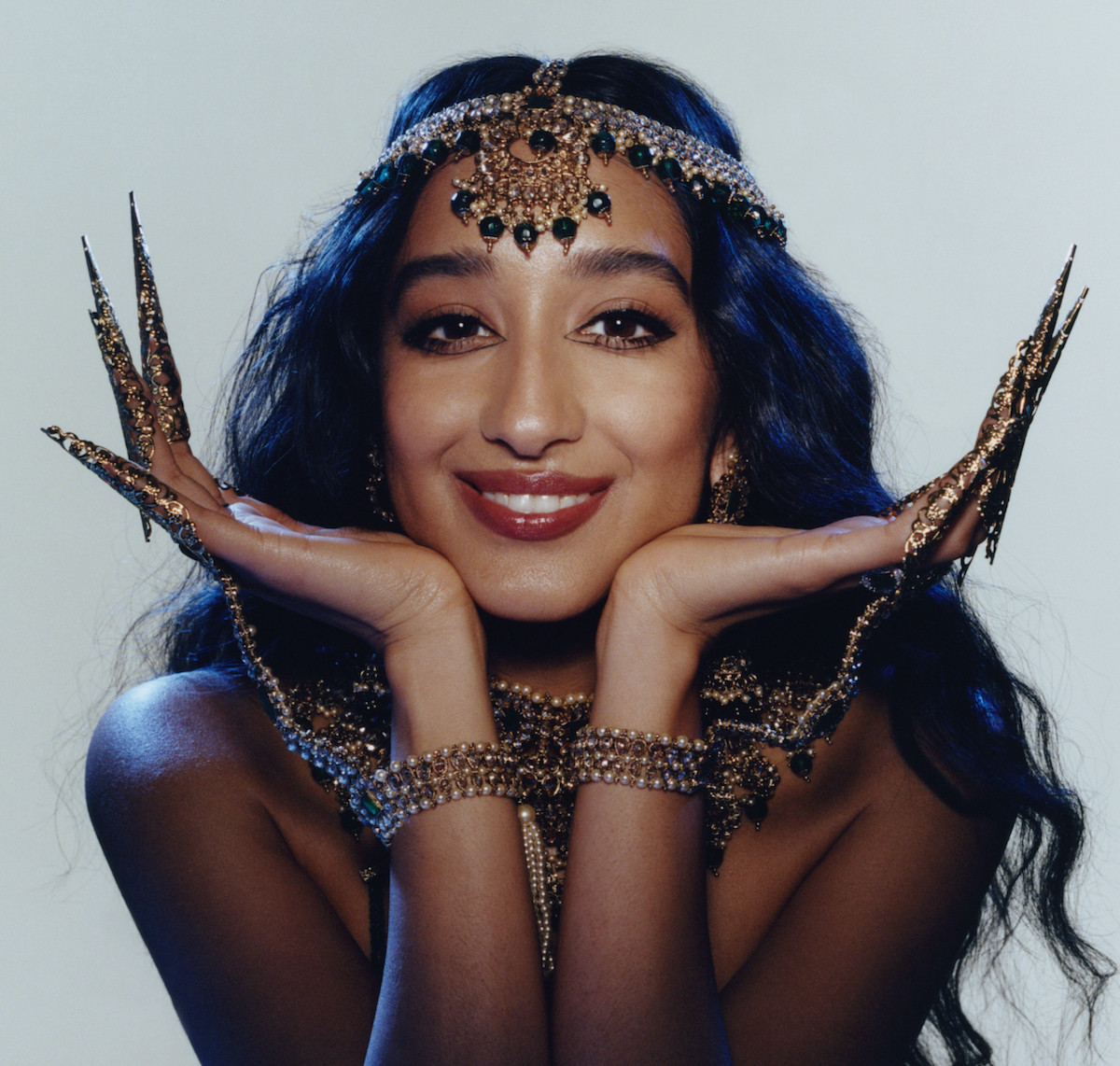
Some of your music is based on the hardships you've faced. How did you get into the mental and spiritual space to open up about it through your music?
I think it's always been a survival tool, almost. I think that it's been the guiding force and the color in my life. Especially as a child of immigrants, as a child of people who survive political turmoil and genocide, I was just coming from a very hard place, even as a kid. So I think I needed something like art to bring this kind of lightness and joy into my life. I found that over the years every time that I would lean in further into art and let it guide me and express whatever I need to get out through the music, I would be led into a much richer and sweeter life. Like such a dream kind of existence. So, I'm super grateful for it, it's kind of like a godsend.
Your new album definitely has a different feel but is still very true to you, what were some moments you remember about creating it from the first concept?
Some really special moments that I remember are when I was at the 'Rubin Museum of Art' and we were on acid. And we were in a sound installation for like, Buddhist temples, and there's all this amazing art. And I just had this realization that I just needed to start incorporating more of my culture into my art. I was like, ''this is going to be the challenge over the next few years figuring out how because there are such entirely different cultures between the West and the East.' And when it has been done, it can feel like a trophy or stereotypical. So, it was so much work trying to get it into a place where it felt really refined and thought out and intentional.
You tapped into your Punjabi culture in a lot of your new songs, using traditional Indian instruments and singing in Hindu for the first time. Especially since you’re already heavily R&B inspired, what made you want to blend R&B with traditional sounds?
I think the most beautiful realization that I have in this process was all these genres that I completely adore, like soul, R&B, indie rock, jazz, like they have actually been in conversation with South Asia since the 60s and 70s when this whole psychedelic soul and rock era happened. Like there was the Alice Coltrane started using a lot of Indian sounds and Indian chanting. There was The Beatles, of course, Lonnie Liston Smith, just all these incredible musicians who I love. I realized they had been like collaborating with people, especially with Ravi Shankar, like bringing him back here. And then there's that whole early 2000s wave with Timbaland and a lot of pop music was using Indian sampling like M.I.A. I grew up here and I grew up listening to American music, and specifically amazing Black artists in R&B and soul. And I was like, how do I add to that conversation of a whole history that’s been happening for years and years?
How did you come up with the entity of Asha to tell a story through?
I think I was in quarantine, and I had a lot of time on my hands and I was super bored. Out of that boredom came this really childlike imagination. I had time to watch a lot of movies. I set up a little projector and just watched sci-fi movies and Bollywood movies. And it was just like, there was a connection here between both of those worlds. The character just came to me in the night and I wrote down the whole story. I sent it to this amazing illustrator Lily, who kind of visualize the whole world for us in 2-D. Then we would use her concept art with all the other collaborators and be like, 'how do we bring this character to life?' Every detail of this world is very thought out and very intentional. There’s a whole movie written behind the album, basically.