Let’s start at the beginning. How did you come to design and get started with your current practice?
Well, I've always made things; I went to school for art direction and design and got into graphic design in my early twenties. I still do it, but in college, I also had a few woodshop classes and that kind of changed my life. I got to really understand the tools I was working with, and then I ended up working at the woodshop. That's where a lot of my resourcefulness started because I was in college and didn't really have a bunch of money to spend on materials, so I was always digging through the scrap bin of the woodshop. I was always making stuff out of whatever people threw away.
It’s still very similar to what I do now — amateur style. I was always in the woodshop. Once I graduated, I didn’t have the woodshop anymore but knew I wanted to continue what I was doing. I had to scratch that creative itch of physically making stuff, so that's when I started exploring leatherwork. The process is similar — measuring, cutting, etc., but you can do it from your house, and it gets messy but not as messy as a woodshop. So I started really diving into leatherwork with small accessories — wallets and belts, hence the name @noel.walletchain.
How has your process evolved since the start?
Recently, I’ve wanted to tap back into my college days of coming up with crazy ideas and making them happen. Now I have all this knowledge of so many different materials — wood, metal, leather. During quarantine, I really used that time to my advantage. I was like, "I have to make something every single week. At the end of the week, I have to have a finished piece." I would make deadlines for myself and then be upset if I didn't hit them. I was pretty tough on myself about that, even though nobody else knew that the deadline even existed. If I slacked off the next week, I’d double it up. I was just always making stuff.
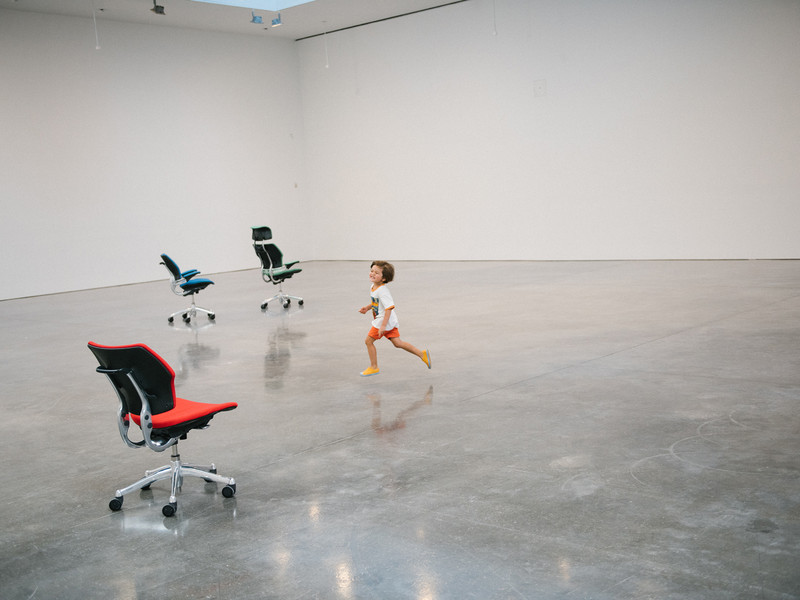
At some point, I started running out of materials — I go to the thrift store to source most of my materials — so I started hitting every alley within three miles of my house. I would track my movement, and it was just zigzag up and down alleys. It was kind of funny. I found a pretty decent chair, and that's kind of how I started with the chair stuff. That chair definitely set it off. I embroidered a Marlboro Camel chair on the back and the seat. After that, I became addicted to finding chairs, which slowly introduced me to furniture design. Whenever I do anything, if I'm actually interested, I go pretty hard on it.
What's the most important part?
Doing what I do, knowing how to do that, and knowing the history of what I’m working on is super important to me. I quickly became a furniture nerd about everything. I'm taking things apart and thinking about what that designer was thinking about and deconstructing it and seeing how this thing was fabricated or assembled. I learn a lot from deconstructing.
I’m also thinking about the other chair you did, “Choice of Champions.” You take something that had a particular function and give it a completely new one.
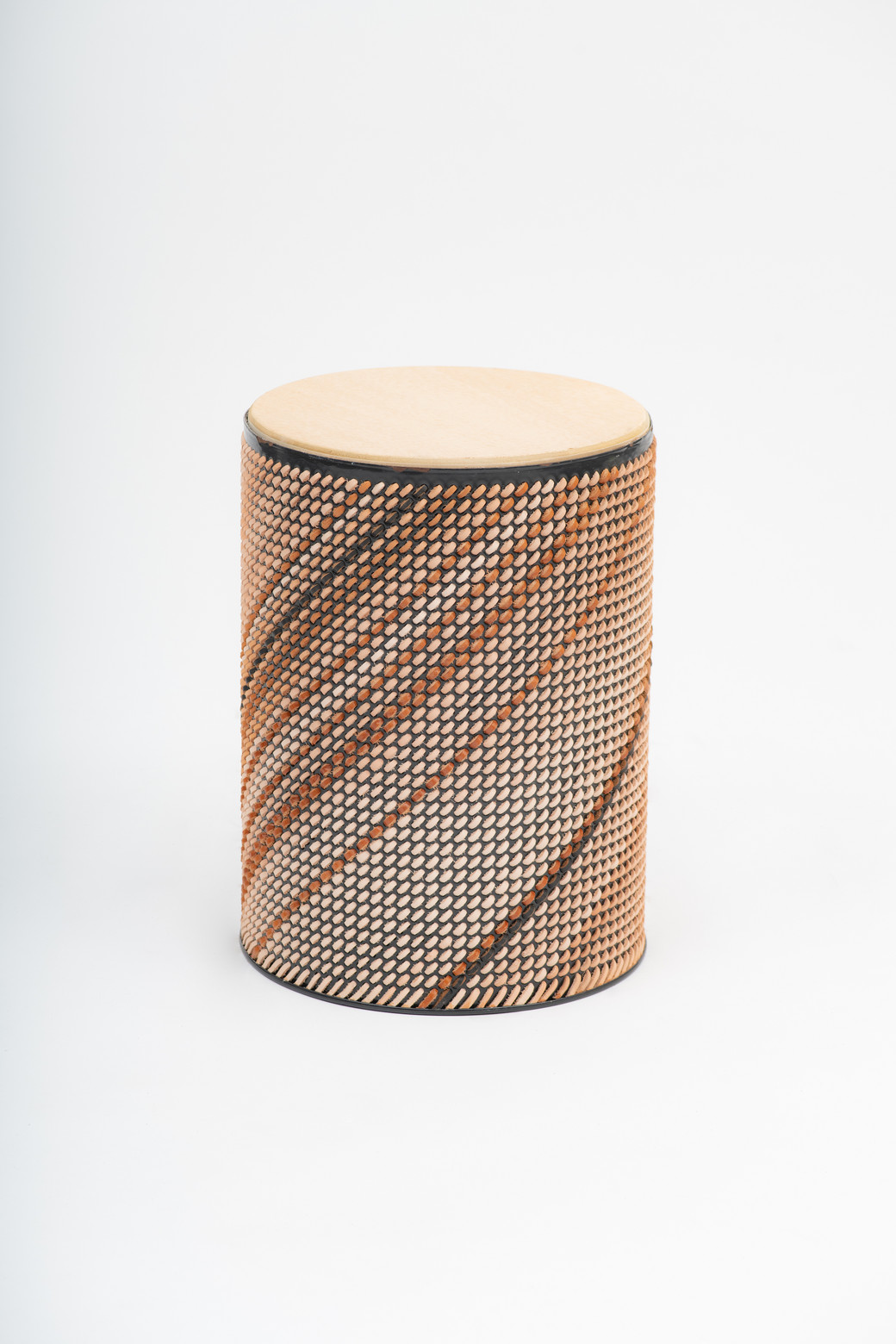
Yeah, that was a punching bag I found in my alley, actually right down the street... I was walking my dog and was like, "Whoa, perfect." It was after it rained too, so the punching bag weighed like 200 lbs, so I was in the alley with this dirty, wet punching bag, throwing all the stuff from the inside into the dumpster. I was like, "Dude, this sucks." But I was like, "The fabric is perfect." I like mixing the two worlds of high-end, super-expensive design and adding an element of grit and manual labor. Everything that I use is an everyday kind of object. I'm fascinated with production lines, especially the people who are assembling as their full-time job and don't think twice about it.
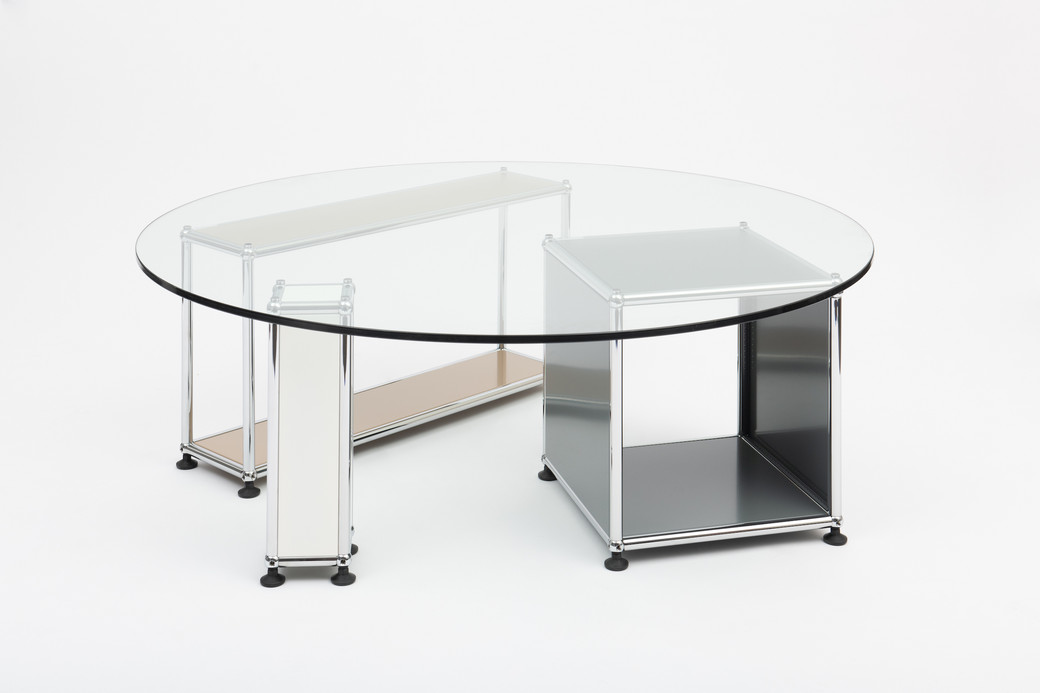
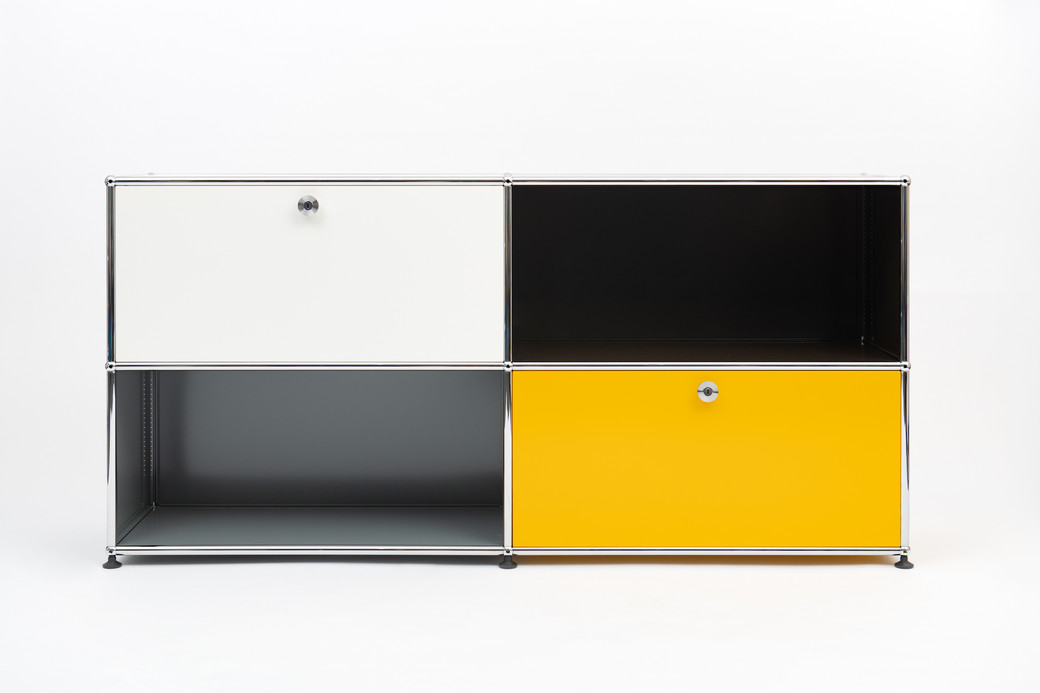
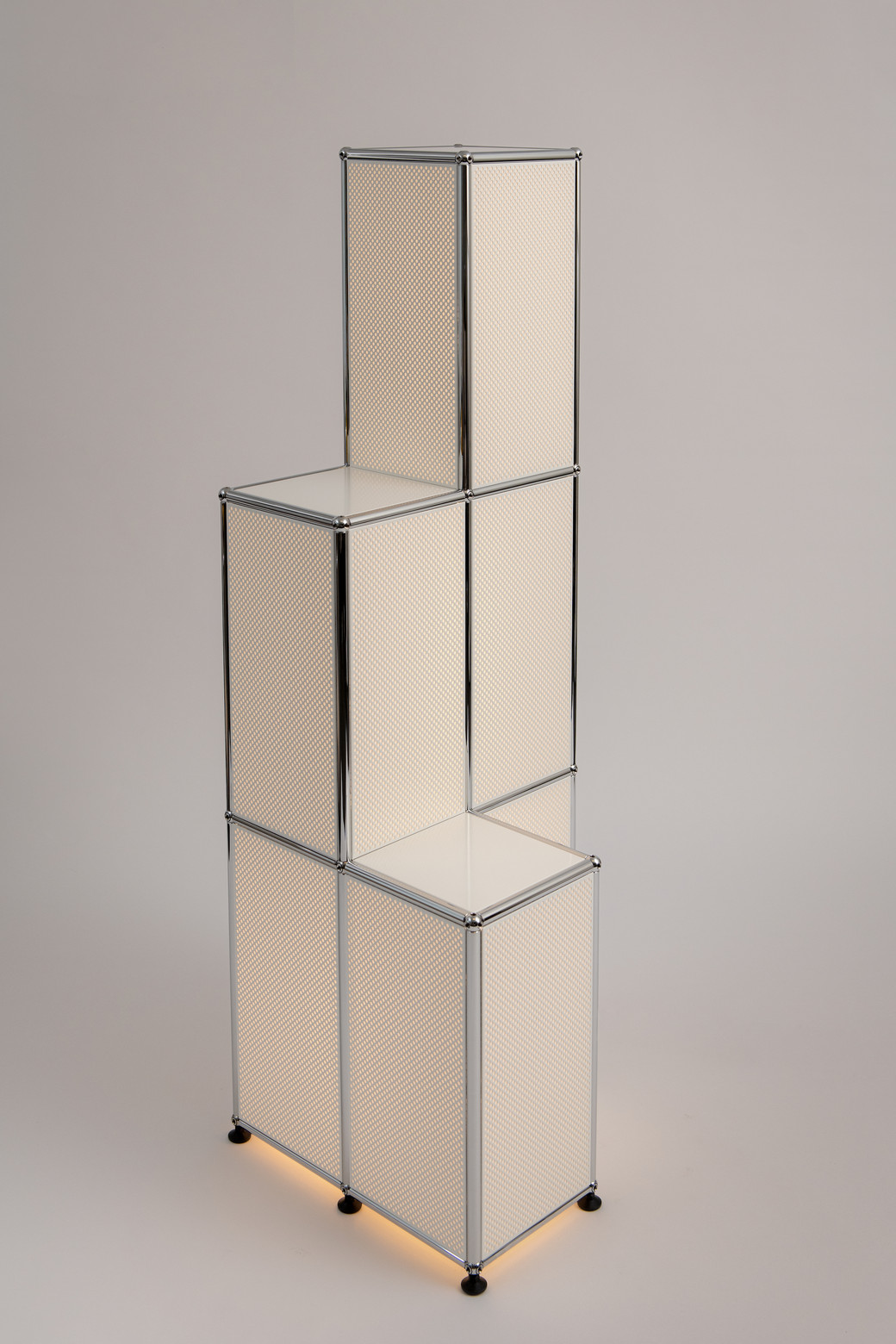
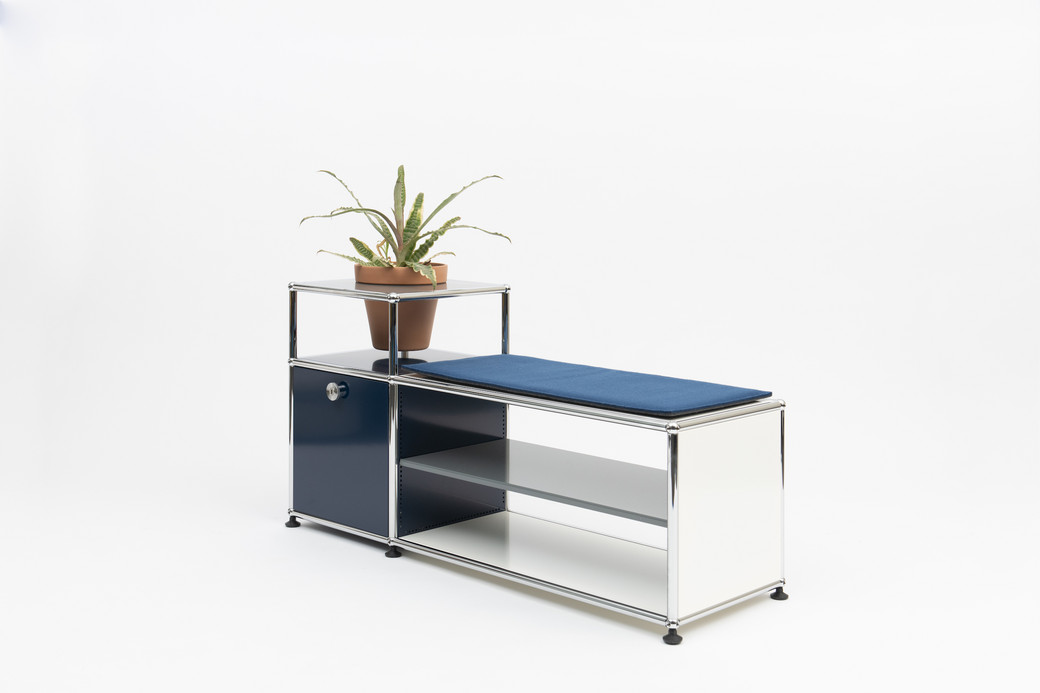
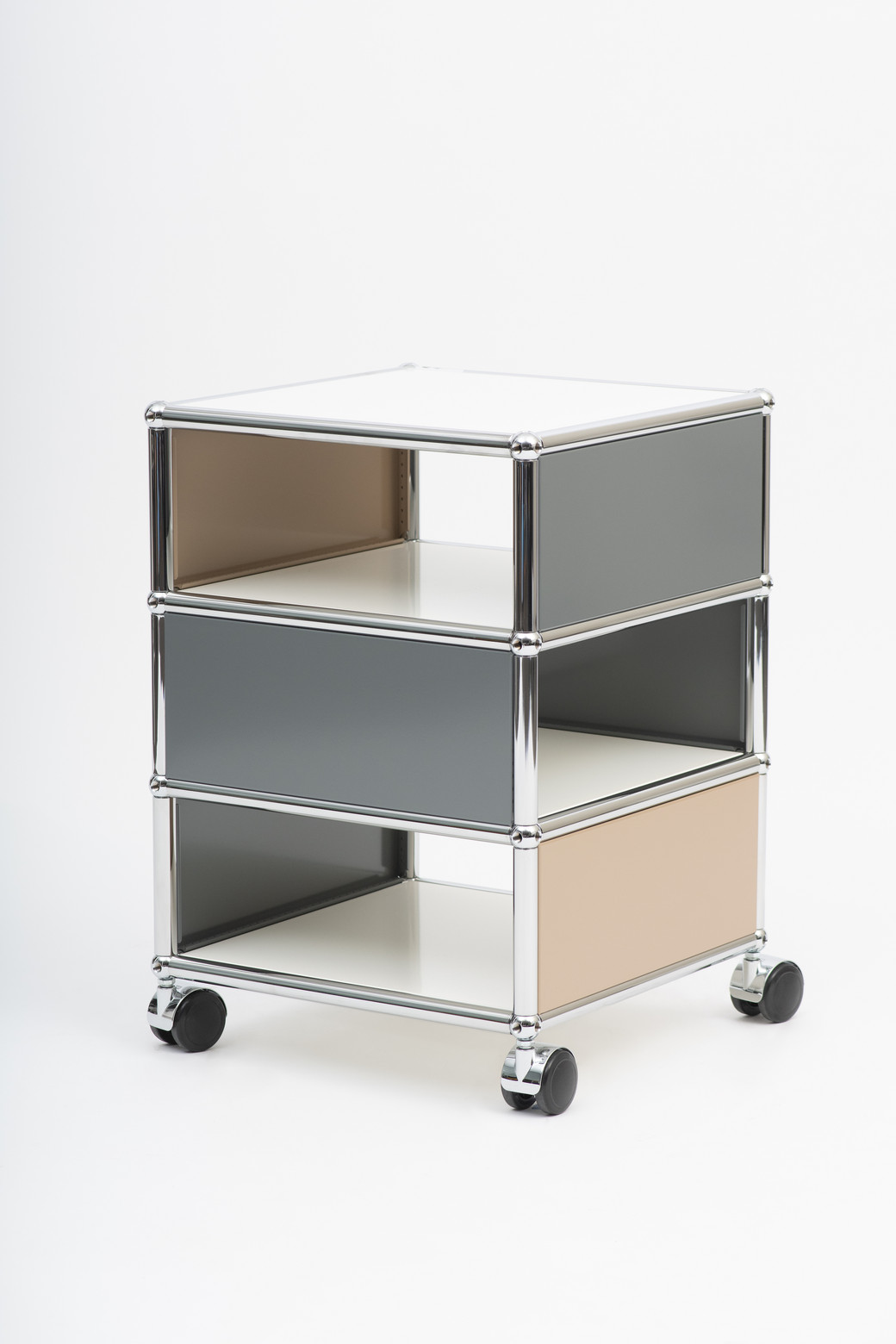
For USM, when I went to the warehouse, it was really cool to see where it all happens. They don't fabricate there, but they assemble everything there. It’s where everything in the US gets shipped out from. I'm very process driven, so I kind of geek out when I get to see the behind-the-scenes, you know?